Preparations for Next Moonwalk Simulations Underway (and Underwater)
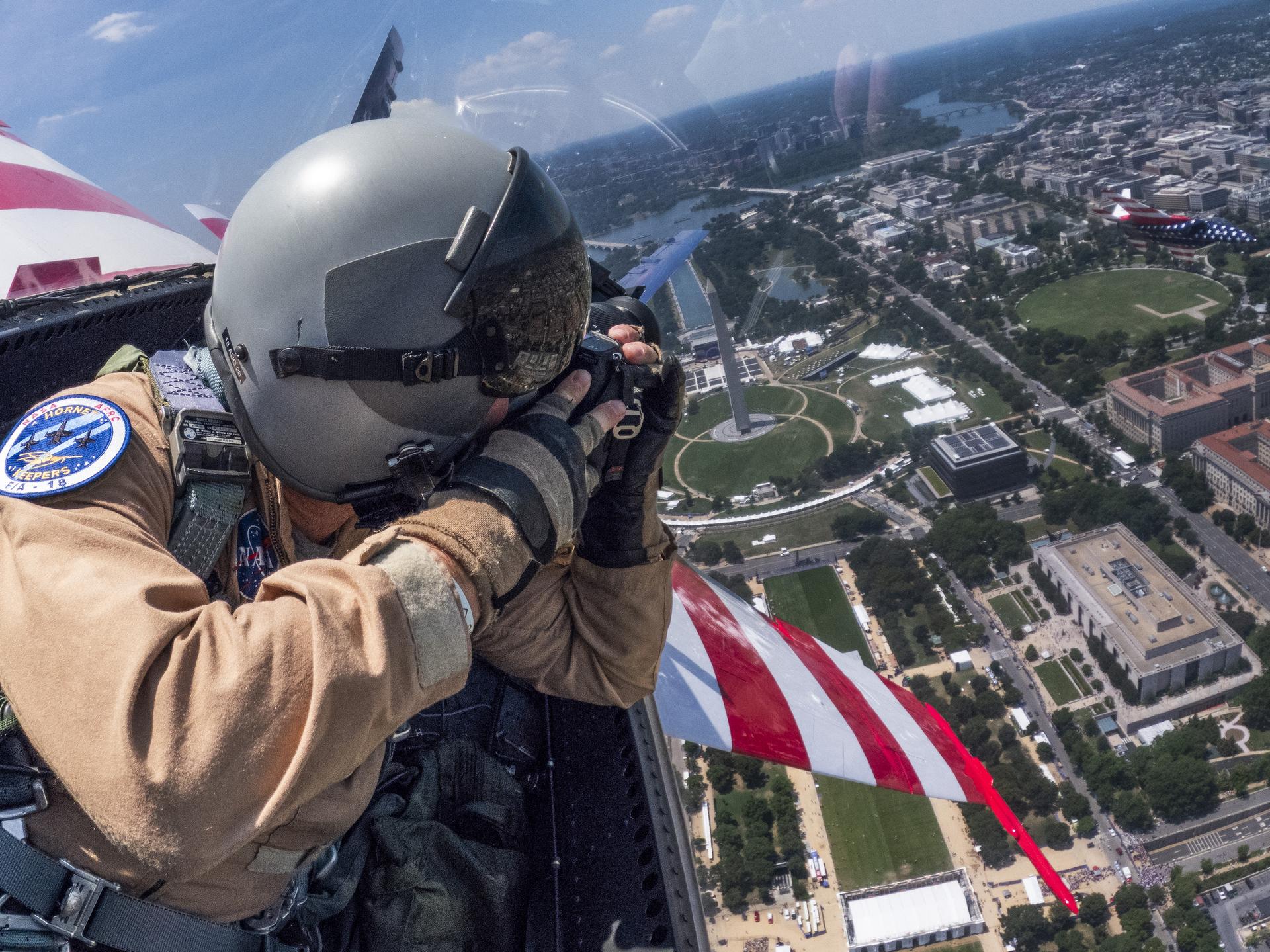
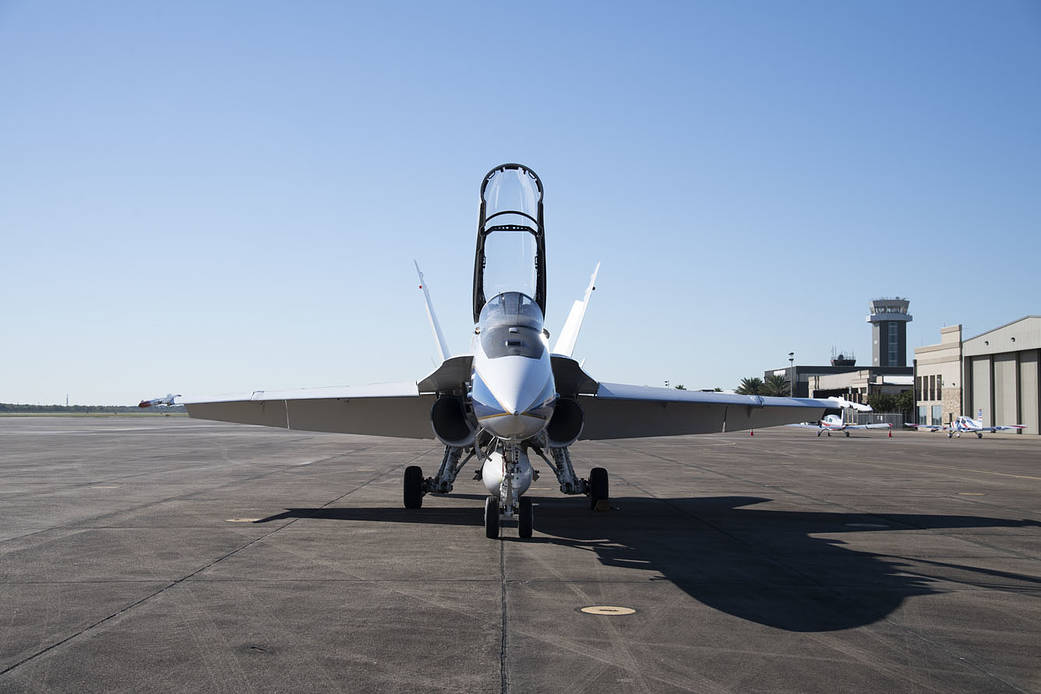
NASA photographer Jim Ross flies above the Washington Monument in Washington on Saturday, July 4, 2026, in an F-18 aircraft, as part of a flyover to celebrate America’s 250th birthday. This aircraft is from NASA’s Armstrong Flight Research Center in Edwards, California, and it joined other NASA aircraft for the flyover.
NASA/Jim Ross
NASA flight photographers capture history from a perspective few ever experience, getting a rare bird’s-eye view of the agency’s missions in action. Their photos document key NASA research and give the public a front-row seat to the work happening behind the scenes.
Jim Ross, a photographer at NASA’s Armstrong Flight Research Center in Edwards, California, flew over Washington during the Fourth of July celebration to document a NASA flyover commemorating America’s 250th birthday. He’s captured some of the agency’s most exhilarating milestones, like early SR-71 flights, the delivery flight of Space Shuttle Endeavour to Los Angeles, and first flights of NASA’s X-59 quiet supersonic research aircraft.
“I grew up in Bozeman, Montana, when it was still considered a small town, so if someone told that little kid that he would be flying in a F-18 over the National Mall, he would have never believed it,” Ross said. “I love documenting history, and having the opportunity to capture flights and launches has kept me doing it for almost 37 years.”
Ross began his aviation photography career in 1989 when he joined the staff at NASA Armstrong (then Dryden). He became the photo lead in 1997, a title he retains.
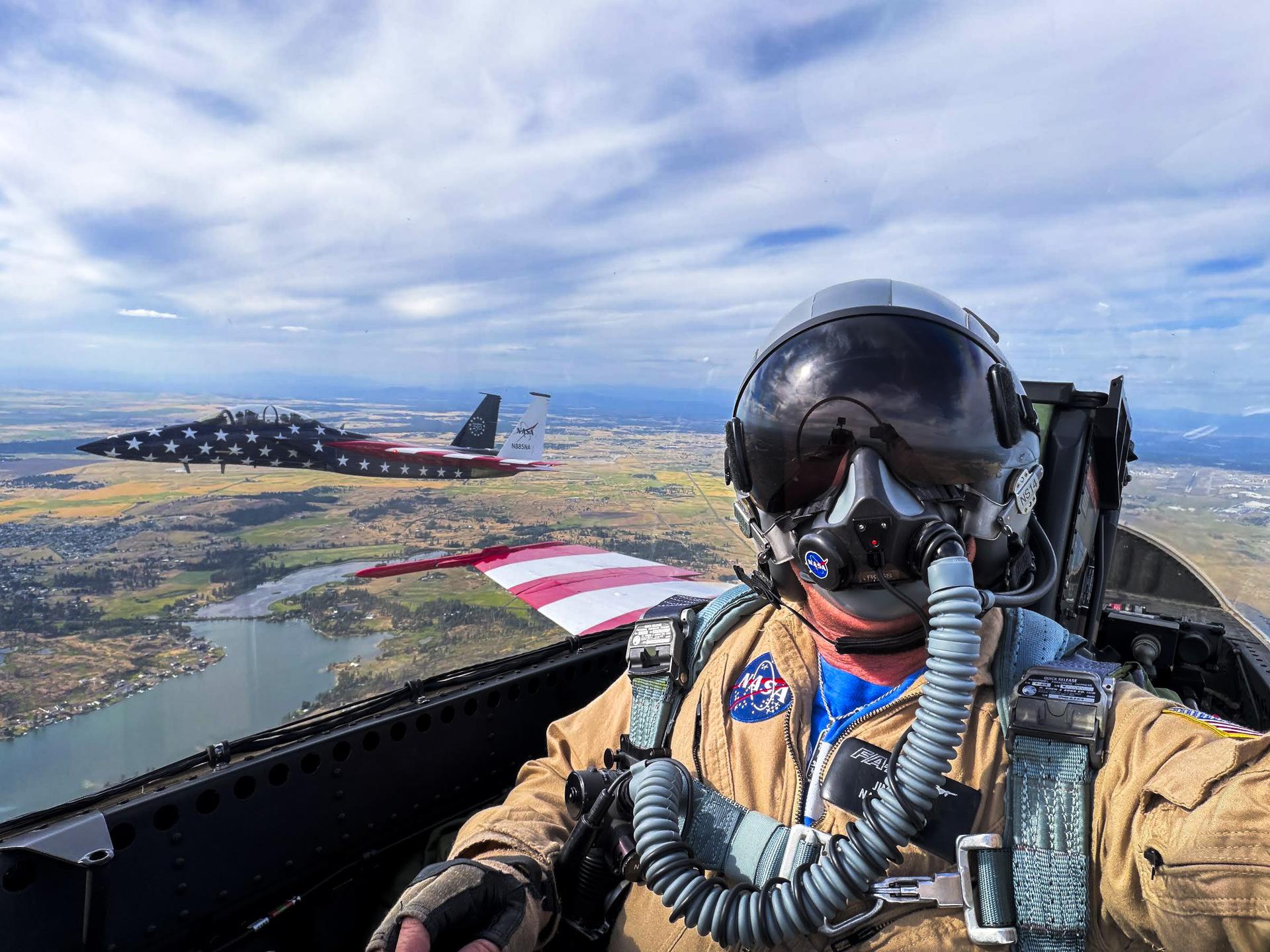
NASA photographer Jim Ross takes a selfie from the rear seat of a NASA F/A‑18 during a cross‑country flight from Spokane, Washington, to Washington, D.C., on Thursday, July 2, 2026. The agency’s F‑15, flying alongside the aircraft, is visible through the window. Both aircraft, from NASA’s Armstrong Flight Research Center in Edwards, California, participated in the Freedom 250 flyover with other NASA and military aircraft on Saturday, July 4, 2026.
NASA/Jim Ross
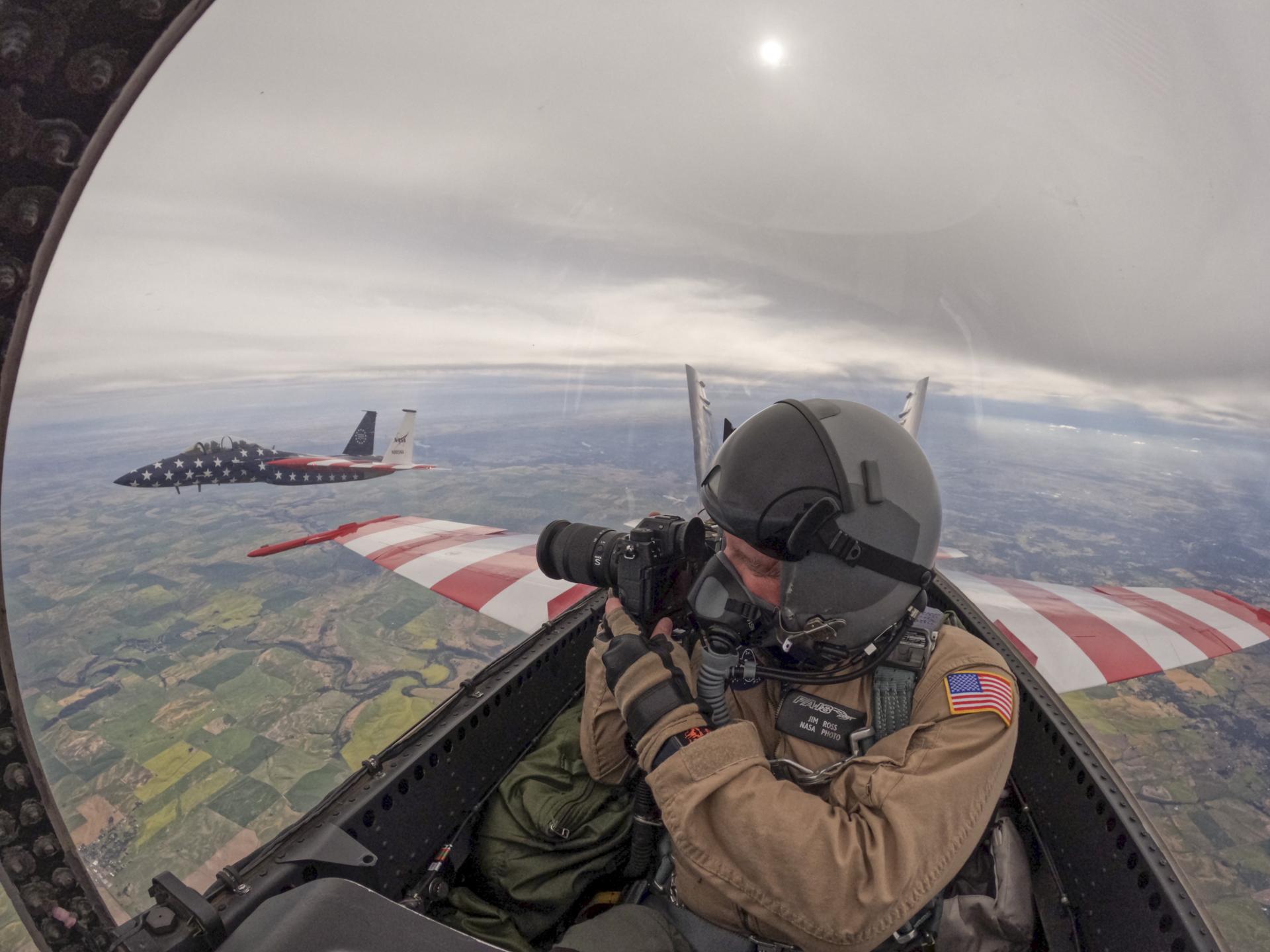
NASA photographer Jim Ross flies above Washington on Saturday, July 4, 2026, in an F-18 aircraft, as part of a flyover to celebrate America’s 250th birthday. This aircraft is from NASA’s Armstrong Flight Research Center in Edwards, California, and it joined other NASA aircraft for the flyover. A NASA F-15 is seen flying to the side of the NASA F-18.
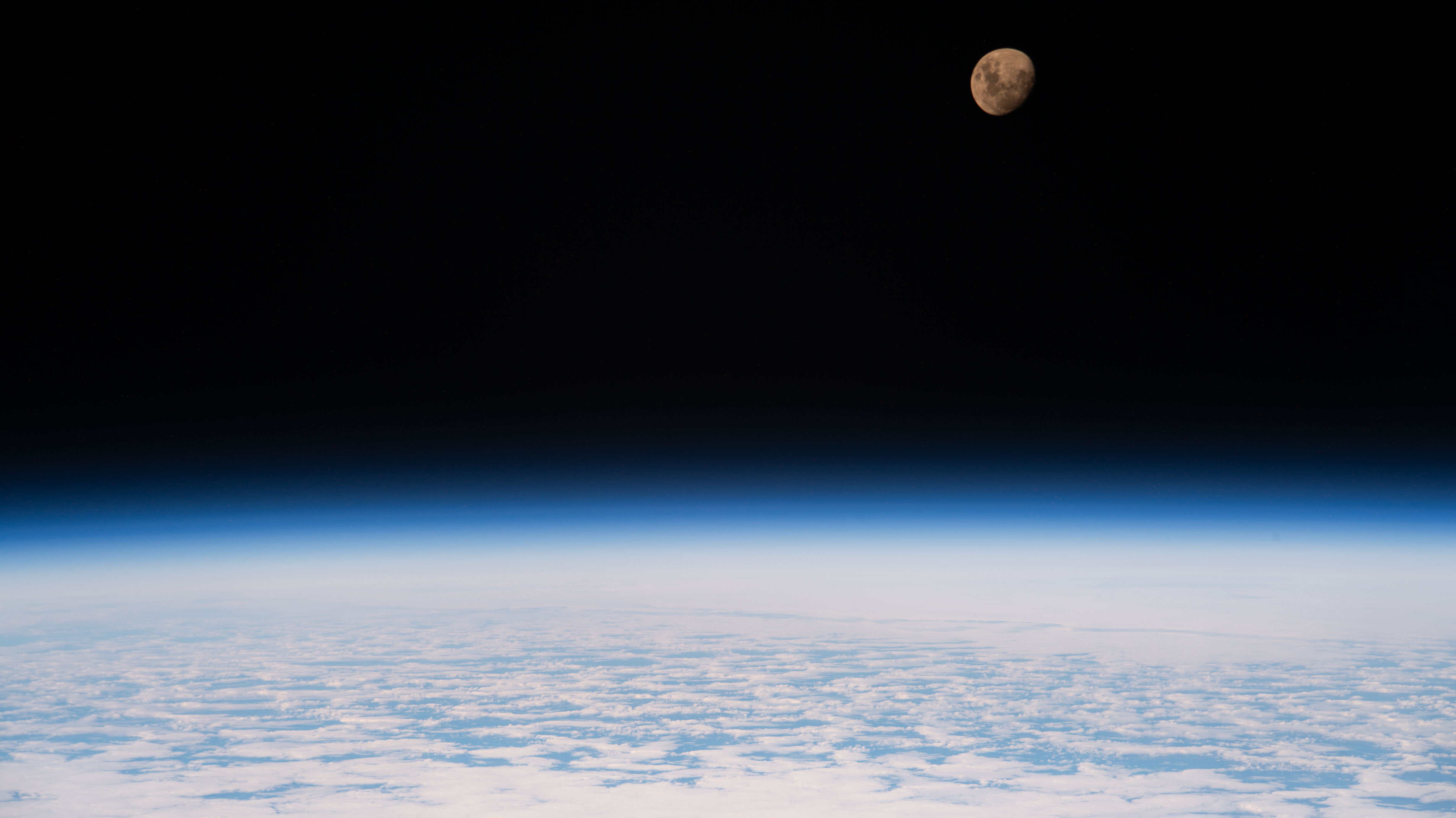
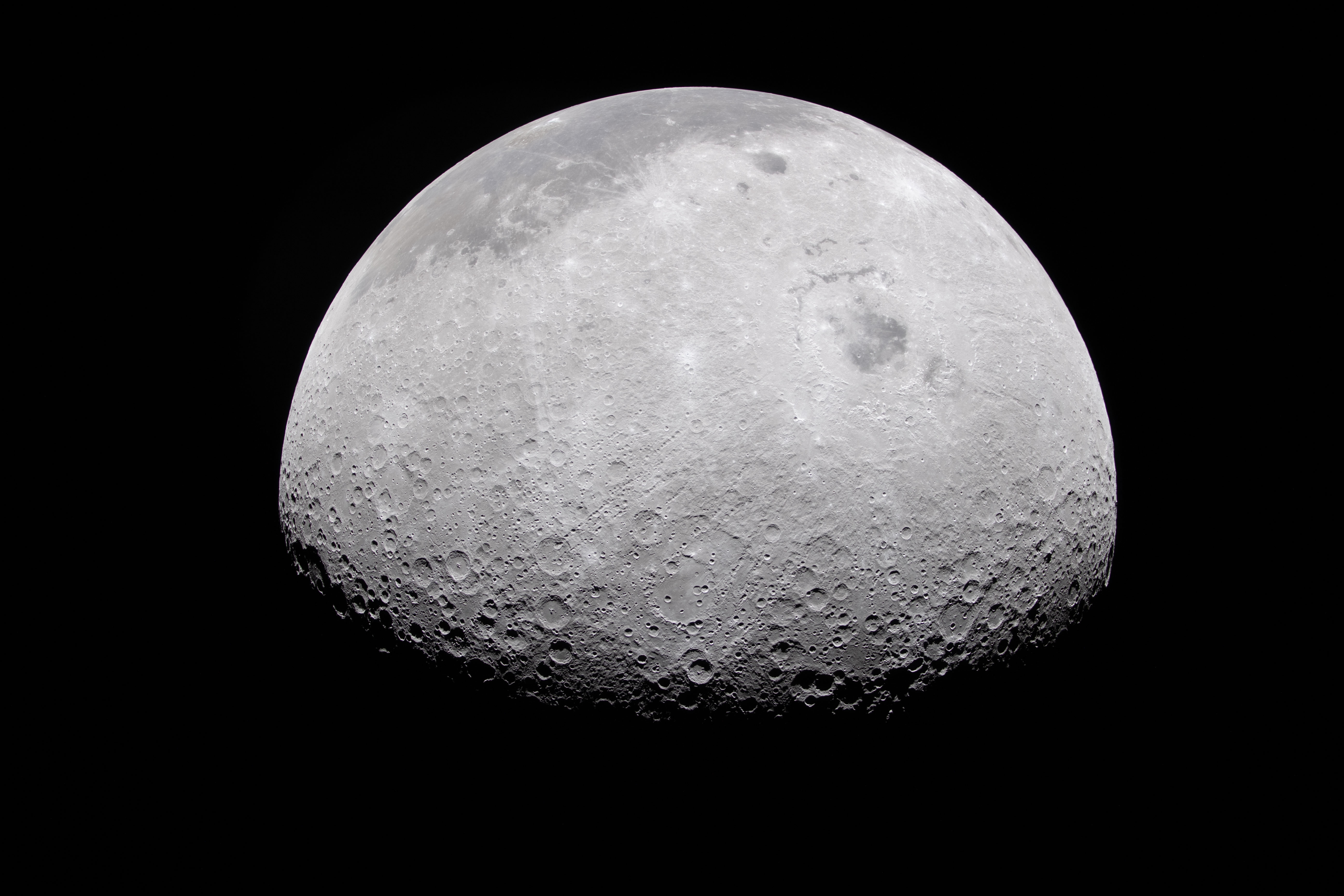
The waxing gibbous Moon is pictured above Earth from the International Space Station as it orbited 264 miles above a partly cloudy Indian Ocean southeast of Madagascar.
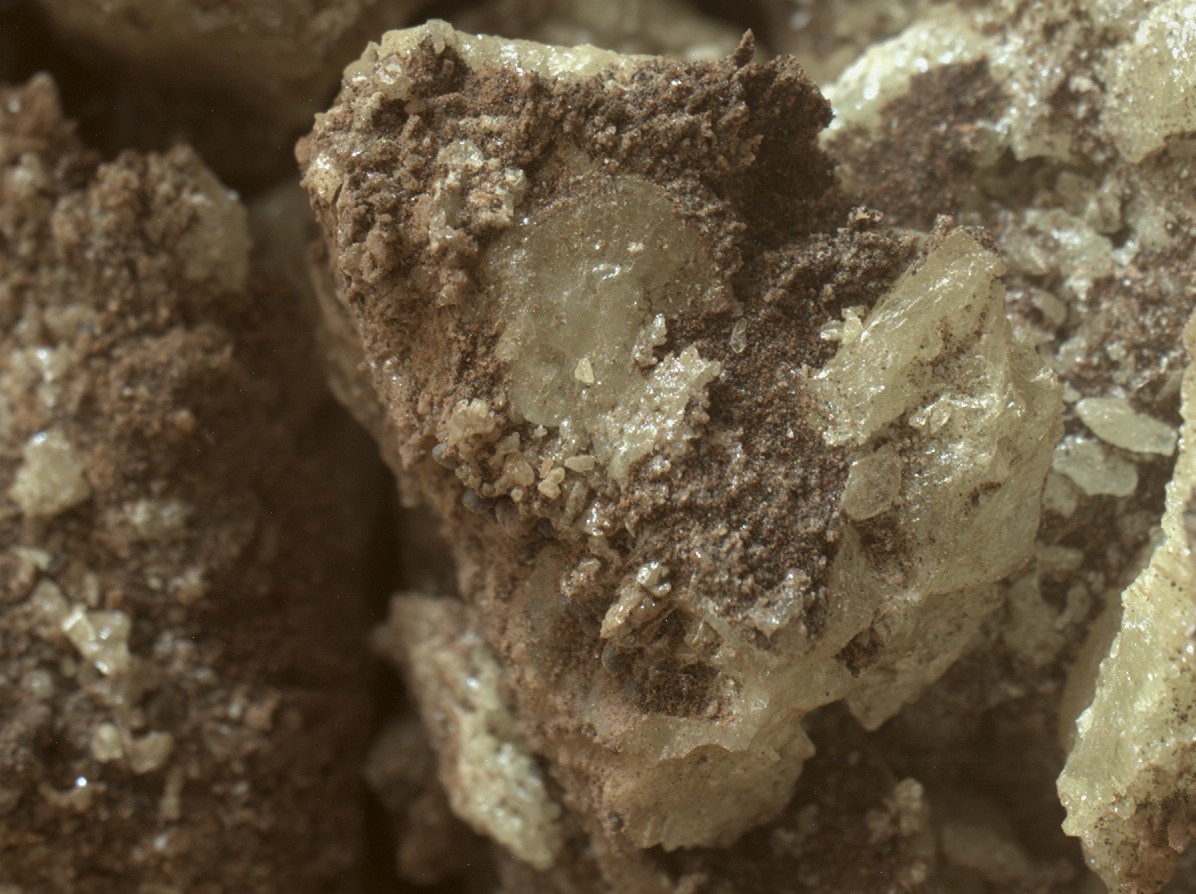
These sulfur crystals were found inside a rock after NASA’s Curiosity Mars rover happened to drive over it and crush it on May 30, 2024, the 4,200th Martian day, or sol, of the mission.
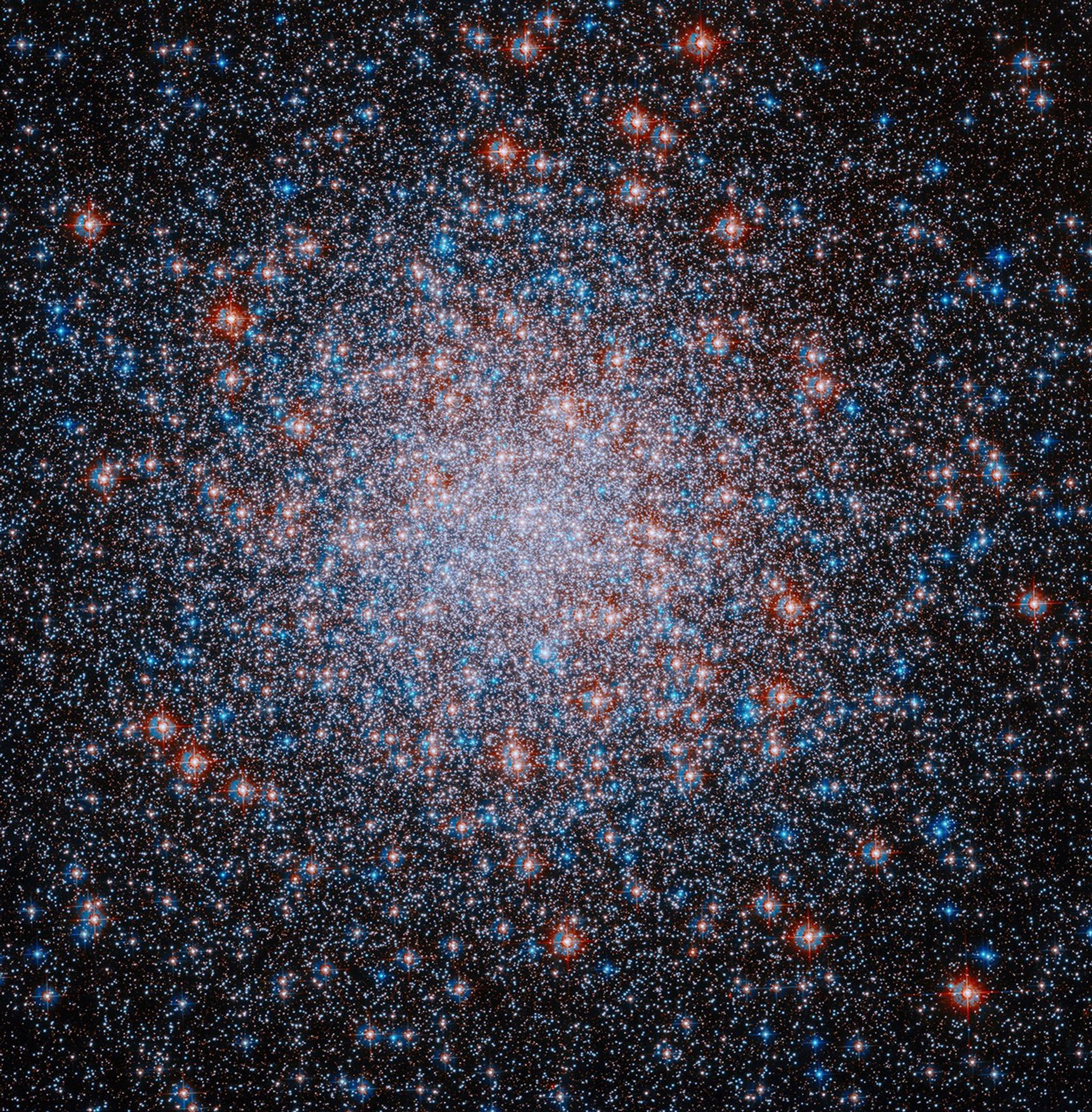
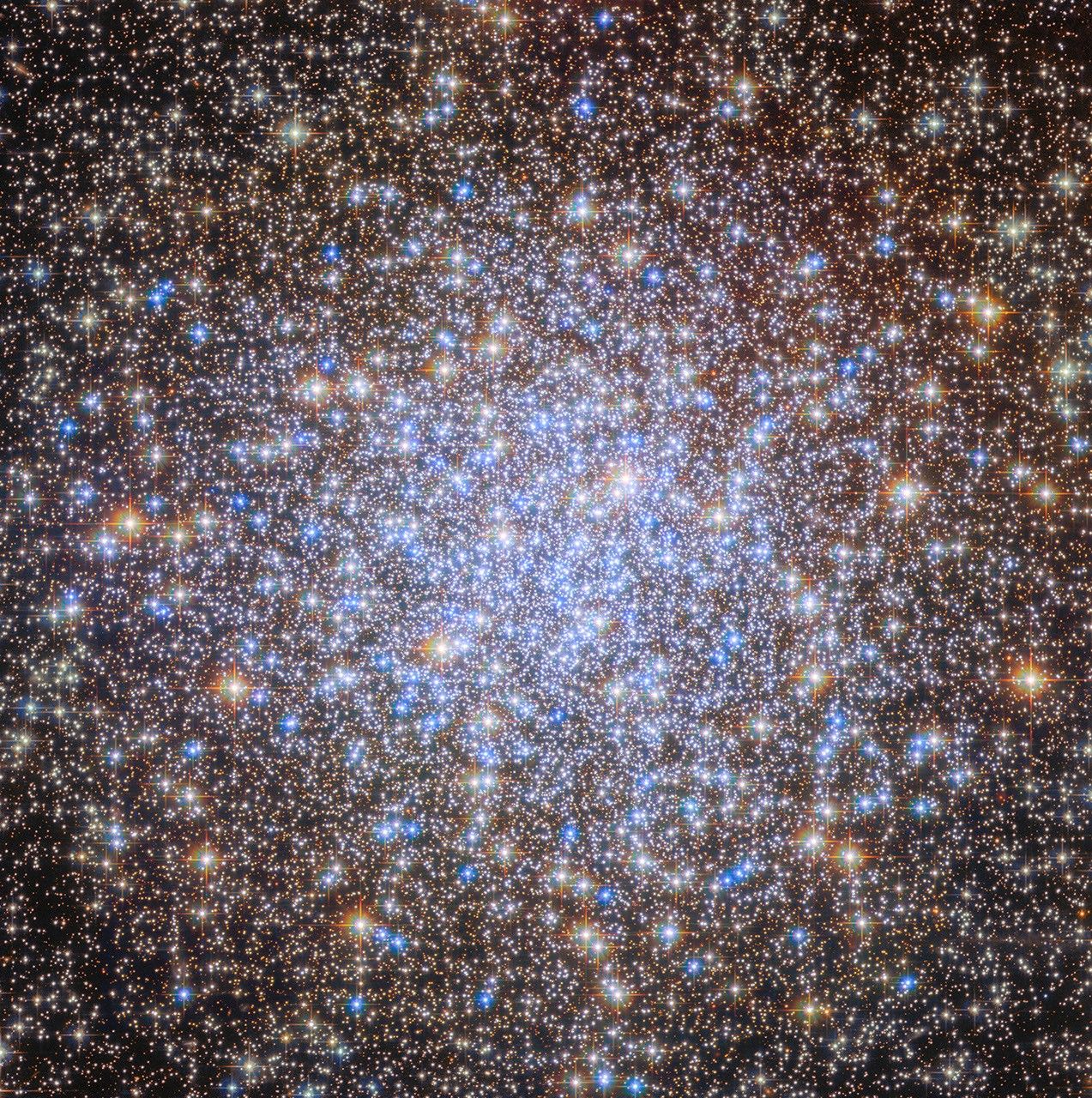
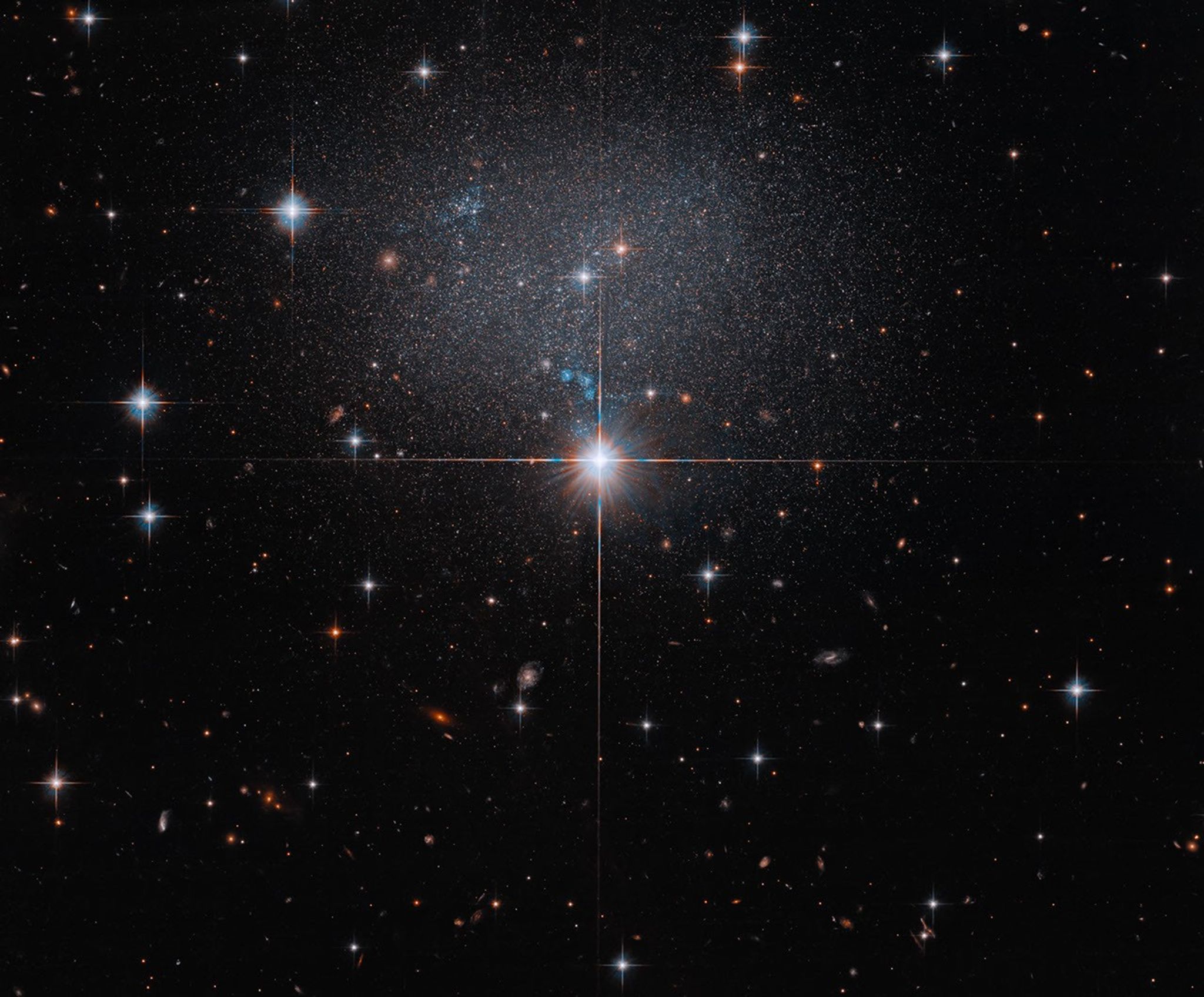
This image from NASA's Hubble Space Telescope shows Messier 3, a densely packed cluster of stars whose origins may be a merger between globular clusters in the early universe.
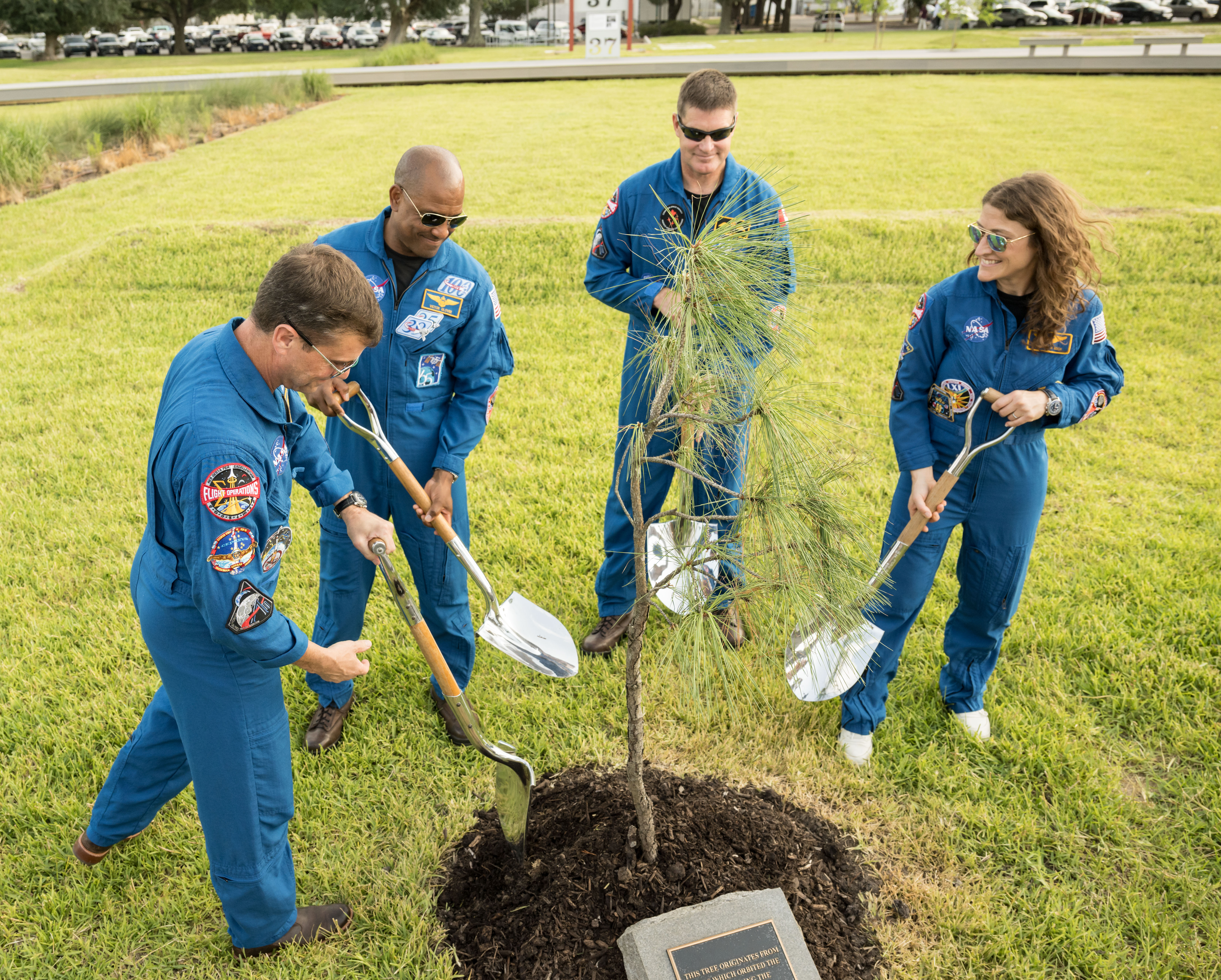
The Artemis II crew participates in the dedication of the Apollo 14 Moon tree at the Lunar Receiving Park at NASA's Johnson Space Center. This tree is a second-generation Apollo Moon tree of the loblolly pine species.
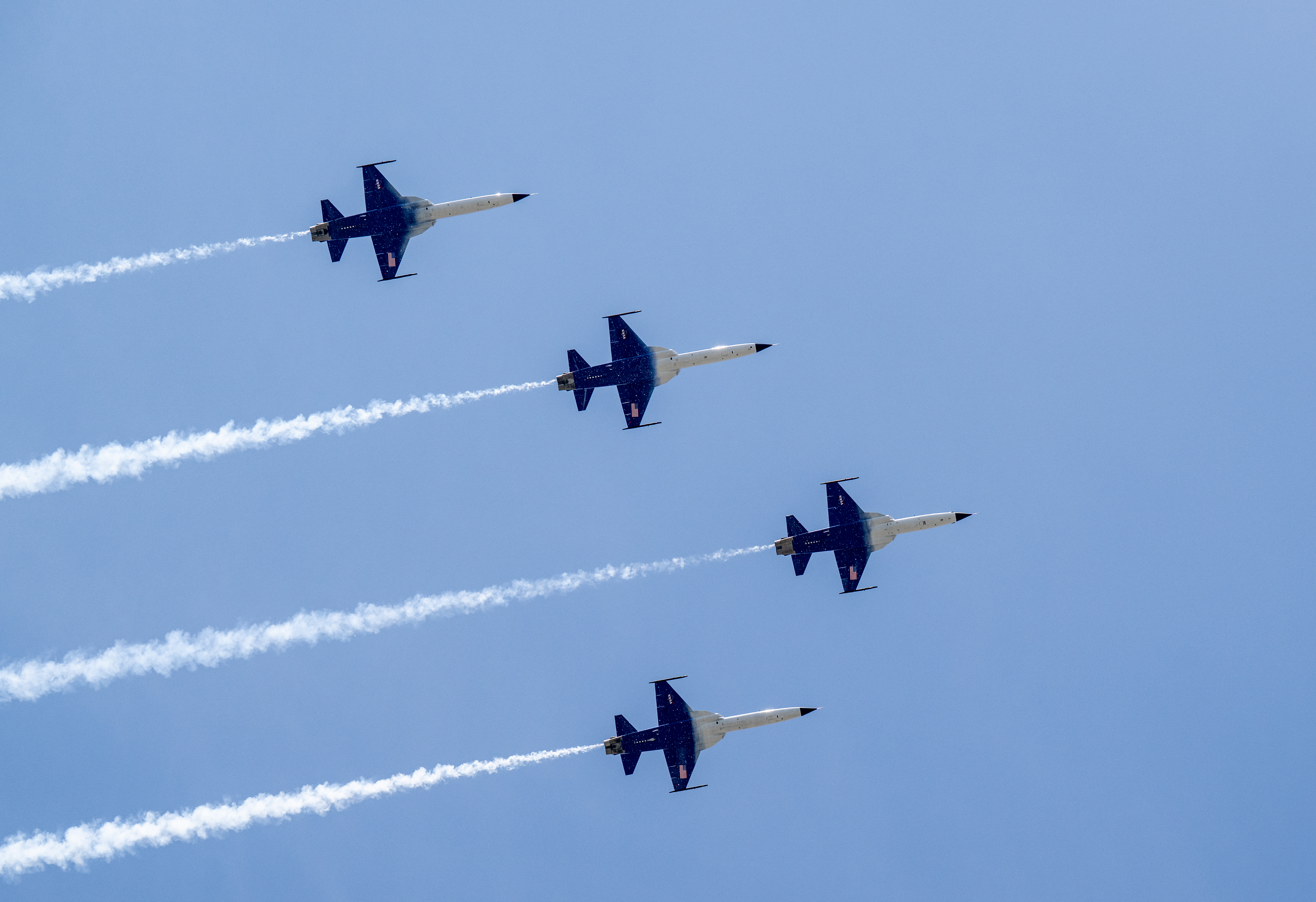
NASA Administrator Jared Isaacman leads a flyover featuring his personally owned F-5 Tiger during the Great American State Fair on July 4, 2026, on the National Mall in Washington, D.C.
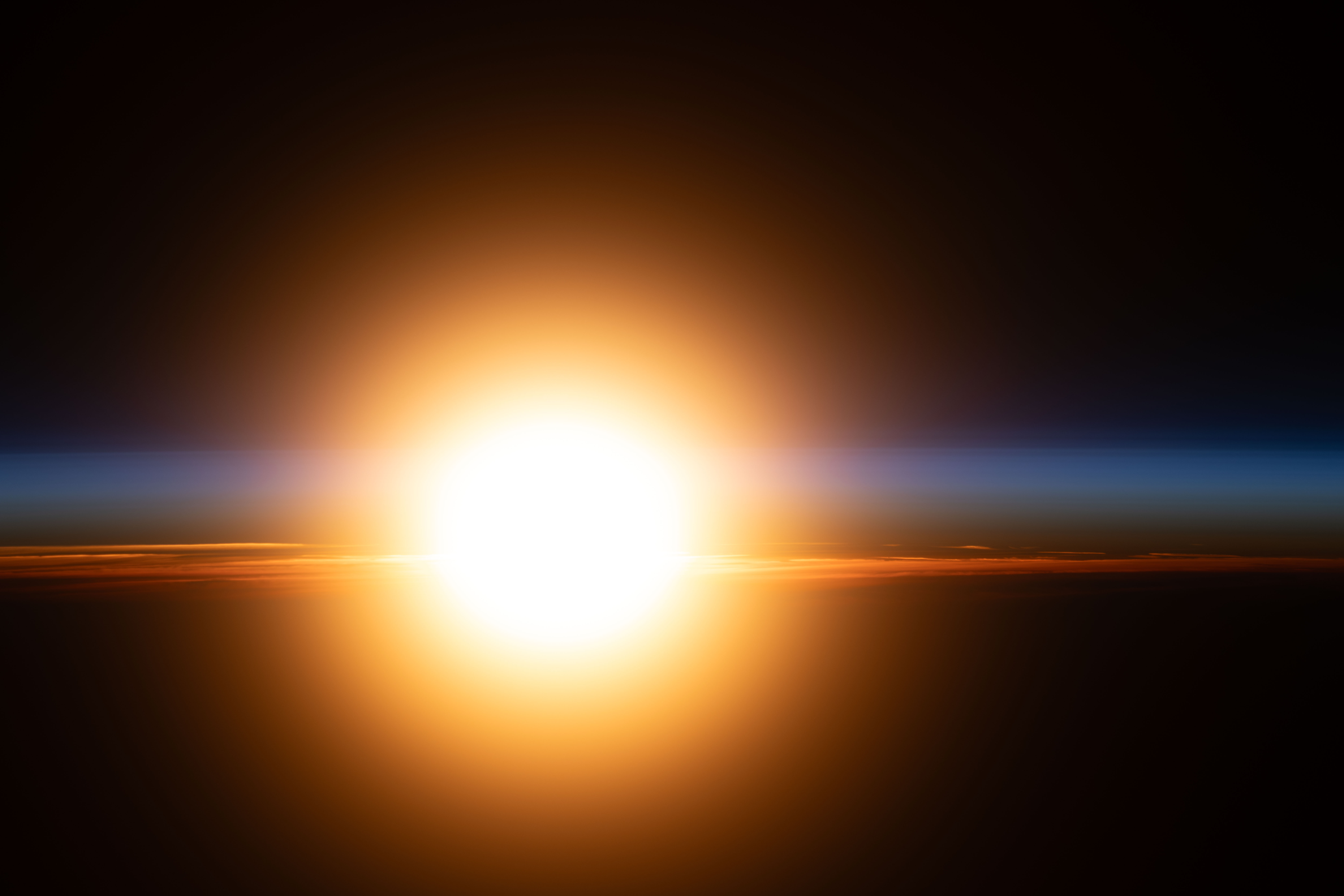
A bright orange sunburst illuminates Earth's atmosphere during an orbital sunrise in this photograph from the International Space Station as it orbited 264 miles above the Caucasus Mountains.
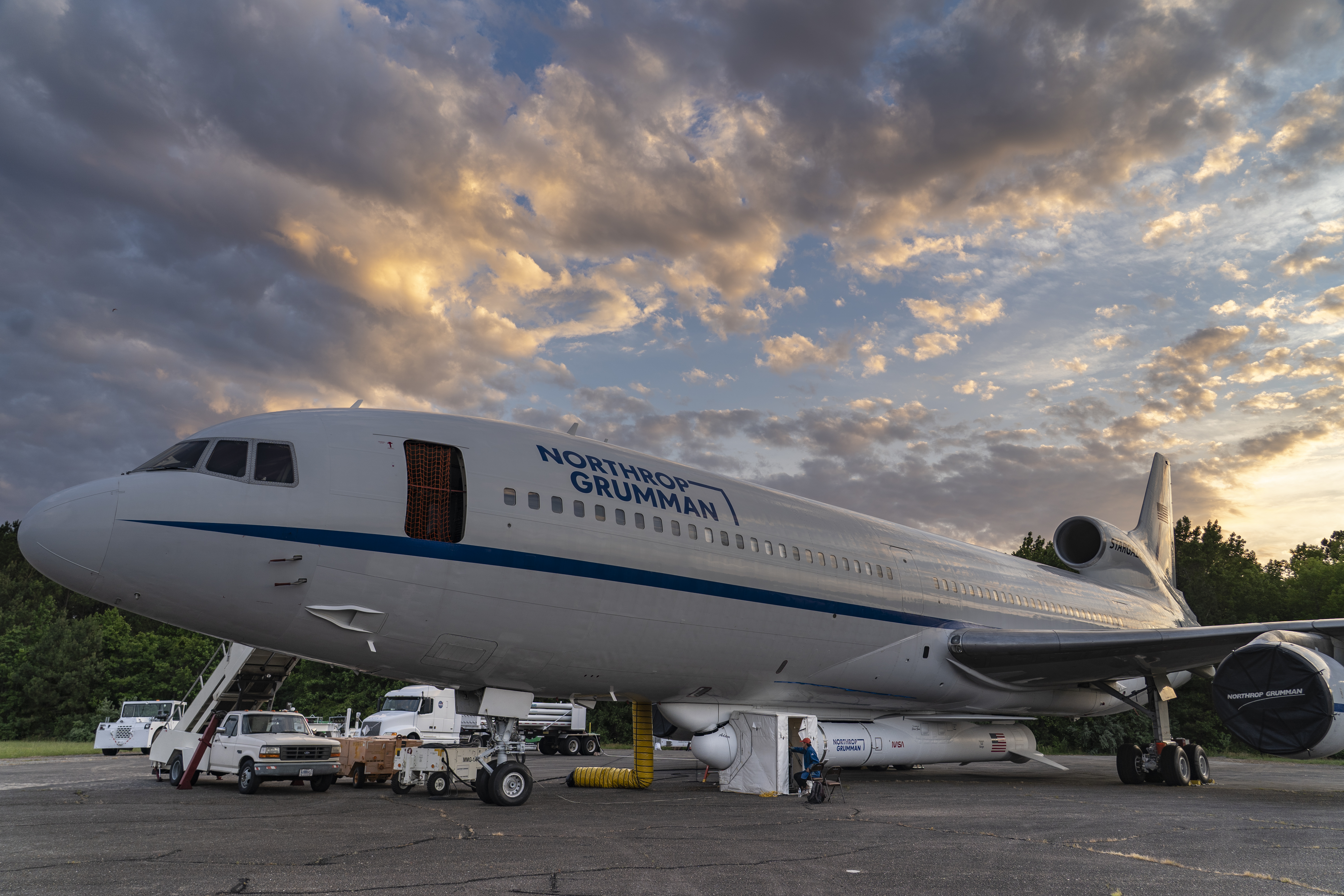
A Katalyst engineer runs tests on LINK while the satellite is inside the Pegasus XL rocket attached to the Stargazer aircraft at NASA’s Wallops Flight Facility on the evening of Tuesday, June 16, 2026.
Preparations for Next Moonwalk Simulations Underway (and Underwater)
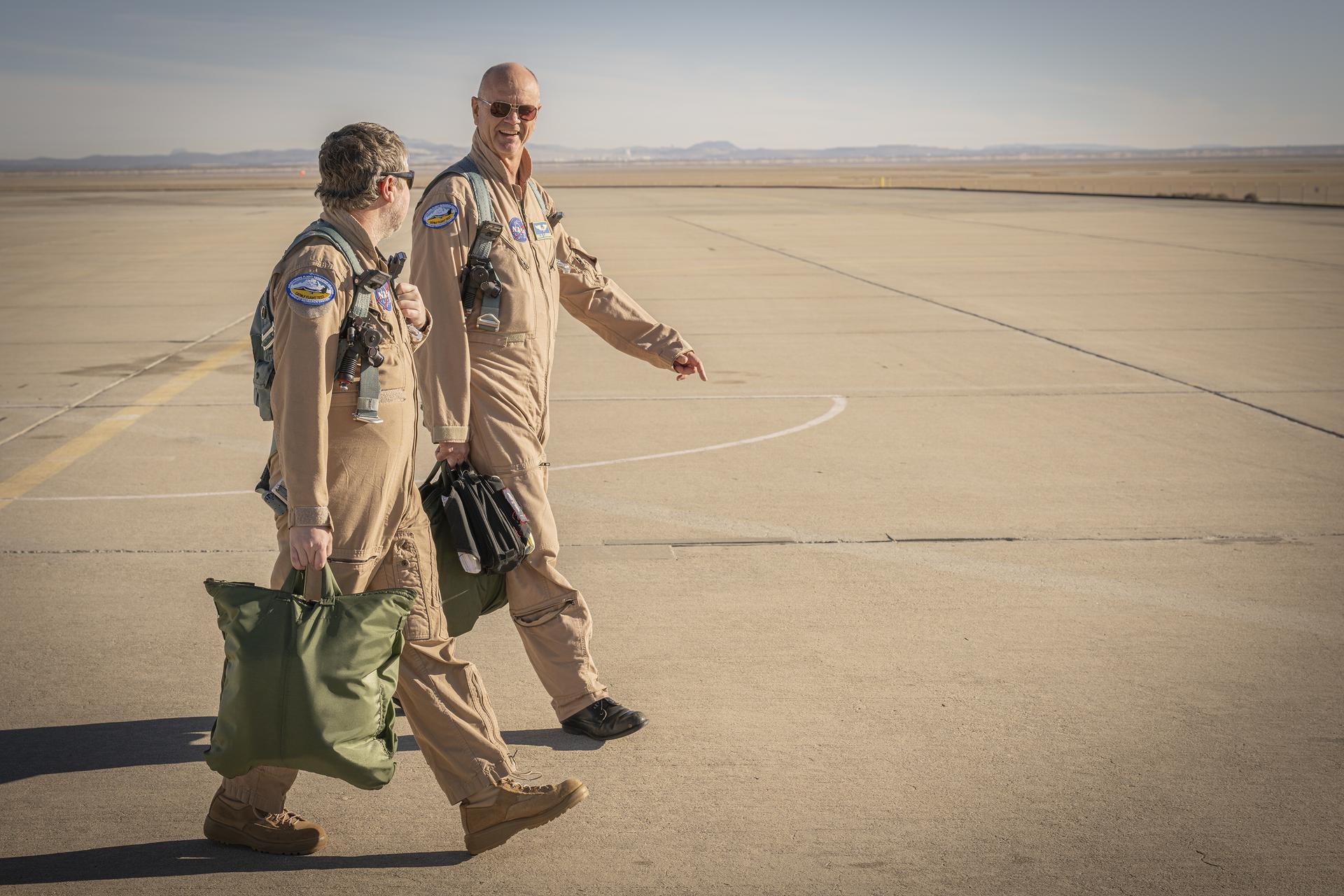
NASA flight test engineer A.J. Jaffe and pilot Nils Larson walk on the ramp before a flight Tuesday, Jan. 13, 2026, at NASA’s Armstrong Flight Research Center in Edwards, California. The two support the agency’s Crossflow Attenuated Natural Laminar Flow (CATNLF) project, which aims to lower fuel costs for future commercial aircraft by testing a scale-model wing designed to improve laminar flow.
NASA/Christopher LC Clark
Flight testing is a team sport. For nearly 80 years, teams at NASA’s Armstrong Flight Research Center in Edwards, California, have used flight testing to push the limits of aerodynamics and advance aviation.
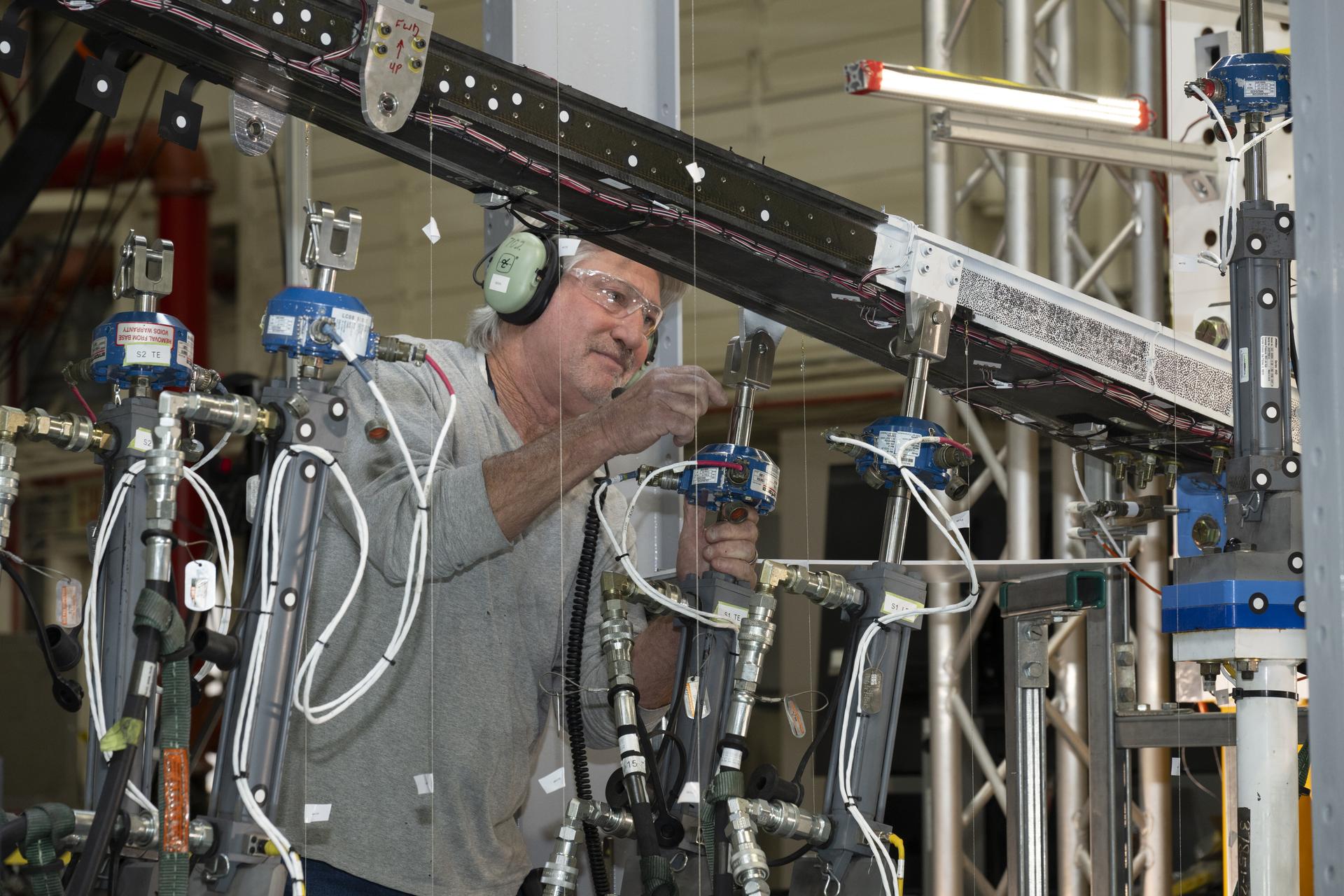
Earlier this year, NASA’s Crossflow Attenuated Natural Laminar Flow (CATNLF) initiative tested a wing concept that would maximize the smooth flow of air known as laminar flow, which could lower fuel costs for future airliners. During flight testing, researchers strapped a scale-model CATNLF wing to the bottom of a NASA F-15 aircraft.
Here’s what a day of CATNLF flight testing looked like.
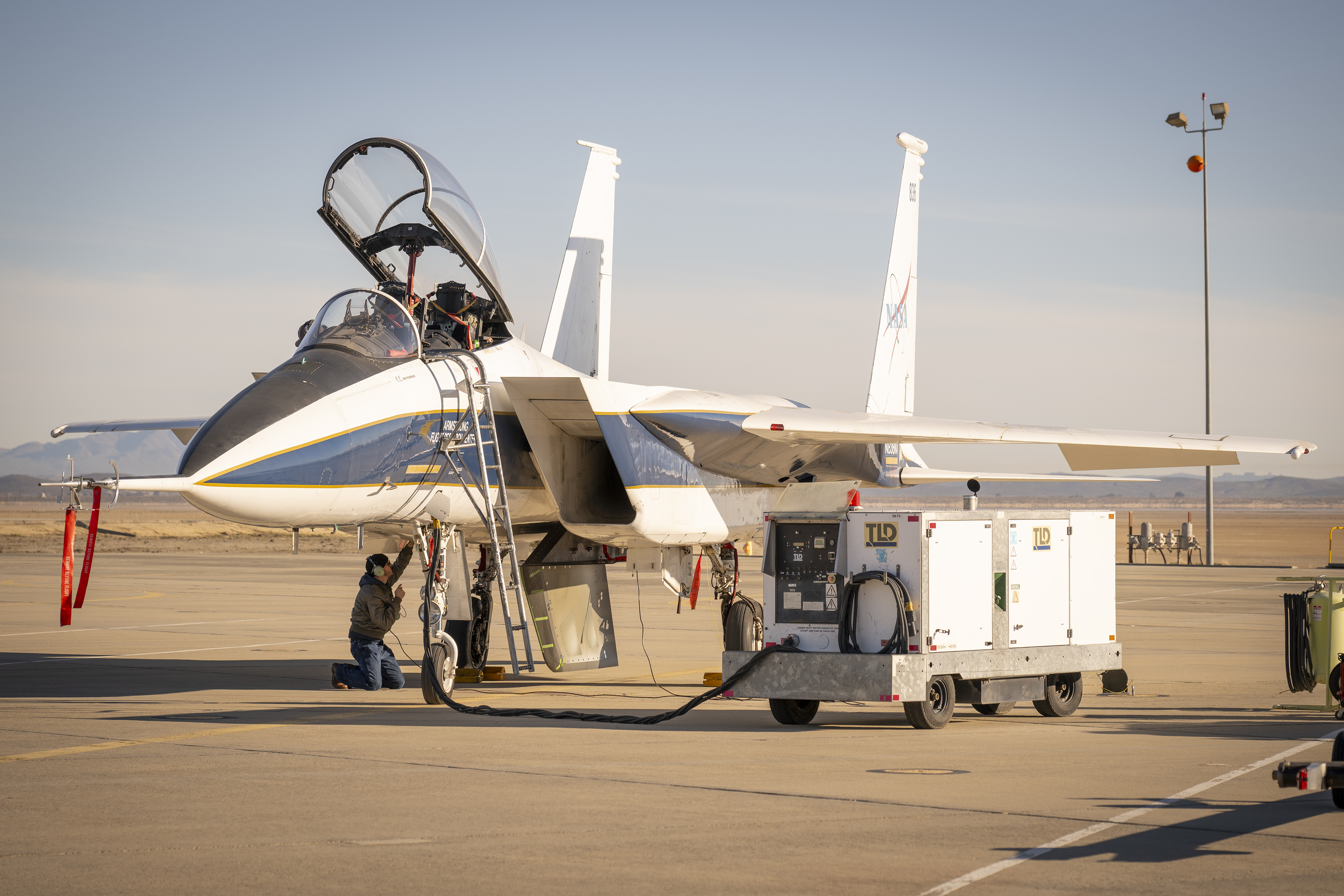
NASA ground crew prepares the agency’s F-15 research aircraft and Cross Flow Attenuated Natural Laminar Flow (CATNLF) test article ahead of its first high-speed taxi test on Tuesday, Jan. 12, 2026, at NASA’s Armstrong Flight Research Center in Edwards, California. The CATNLF design aims to reduce drag on wing surfaces to improve efficiency and, in turn, reduce fuel burn.
NASA/Christopher LC Clark
5 a.m. — Aircraft staging
Ground crews ready the aircraft for the mission. If the operation involves a chase plane — a second aircraft to monitor the test flight — it would also be prepared, along with its crew.
6 a.m. — Crew brief
Pilots, engineers, maintenance techs, project leads, researchers, photographers, and videographers meet to review the flight’s goals, weather reports, and final details.
NASA researchers Mike Frederick, right, and Michelle Banchy, left, along with Ashante Jordan and intern Phillip Nguyen, sit in a control room and prepare for a flight test Thursday, Jan. 29, 2026, at NASA’s Armstrong Flight Research Center in Edwards, California. The agency’s Crossflow Attenuated Natural Laminar Flow (CATNLF) project aims to lower fuel costs for future commercial aircraft by testing a scale-model wing designed to improve laminar flow.
NASA/Christopher LC Clark
6:30 a.m. — Control room checks, air crew suit-up
Researchers head to the control room to complete day-of checks, confirming all communications, displays, and instruments are functioning.
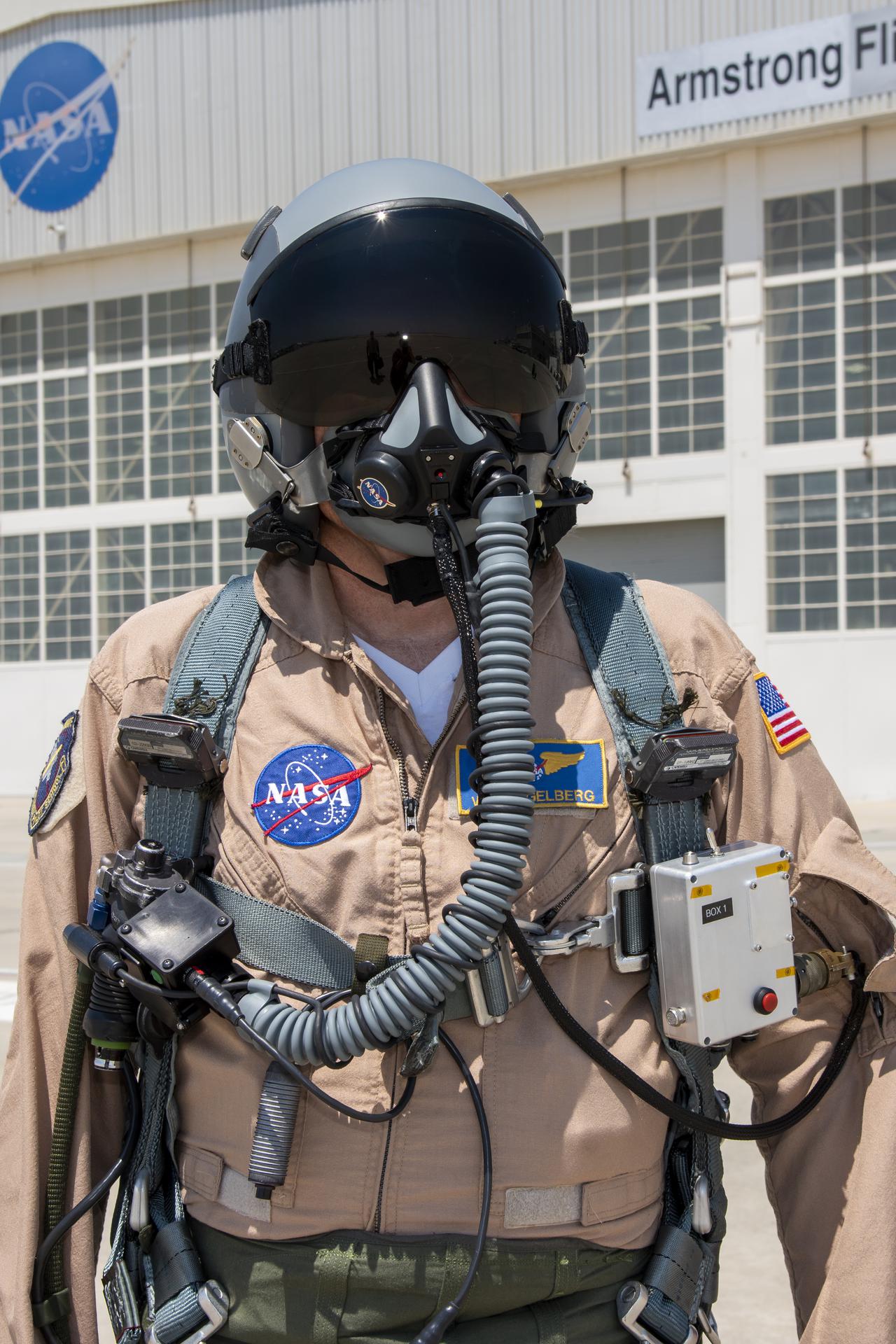
Pilots suit up in life support, including custom‑fit pressure suits, harnesses, helmets, and masks. If a photographer, videographer, or flight test engineer will be in the aircraft’s back seat, they do the same.
6:45 a.m. — Air crew steps, control room preparations
The pilot completes preflight checks with the crew chief and technicians for the aircraft’s electrical systems. The pilot and the crew chief sign a flight preparedness report confirming the aircraft is ready to fly.
Inside the control room, the team prepares to monitor the flight using the same set of test cards, a step-by-step plan for the flight.
7 a.m. — Pilot secured in jet
The pilot and backseat crew member climb into their seats, strap in, and secure any gear they’ve brought for the test. The pilot completes preflight ground checks.
7:15 a.m. — Aircraft taxi
The pilot communicates with the control tower and taxis to the runway. Control room teams at NASA Armstrong monitor the aircraft via radio.
7:30 a.m. — Takeoff
The pilot accelerates down the runway and, at the proper speed, pulls back on the stick to take off. Once airborne, the pilot coordinates with air traffic control at Edwards Air Force Base and the NASA Armstrong control room while flying to the designated test area.
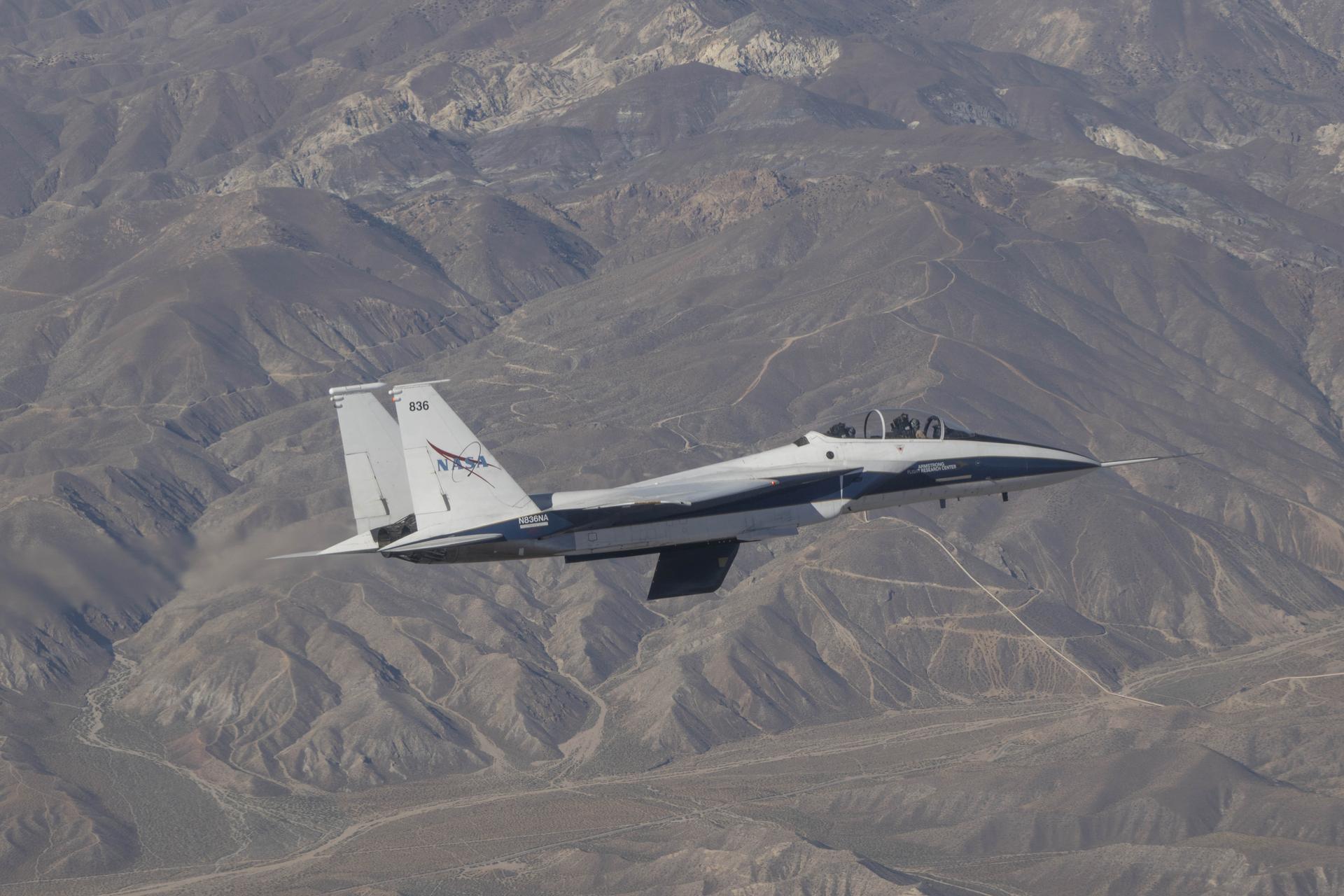
A F-15 aircraft owned by NASA’s Armstrong Flight Research Center in Edwards, California, flies above a mountain range on Tuesday, April 21, 2026. The agency’s Crossflow Attenuated Natural Laminar Flow (CATNLF) test article is attached to the bottom of this F-15. This project aims to lower fuel costs for future commercial aircraft by testing a scale-model wing designed to improve laminar flow.
NASA/Jim Ross
7:30 to 8:30 a.m. — Flight
At the test location, the team coordinates with the pilot on altitude, speed, and maneuvers. The test conductor relays each task, and the pilot completes them one-by-one. The pilot and control room monitor the performance of the hardware, instruments, aircraft, or software throughout the sequence. After completing the test points, the pilot returns to base.
8:45 a.m. — Landing, towing
The pilot lands and taxis to the ramp at NASA Armstrong, where the crew chief meets the jet. After the pilot exits, the aircraft is towed into the hangar for maintenance.
9:30 a.m. — Crew debrief
The pilot, project team, and mission controlstaff return to the briefing room tocapture lessons learned and document items for follow-up.
10 a.m. — Data download, second flight prep
Teams download flight data for analysis. If two flights are scheduled, preparations begin immediately for the second.
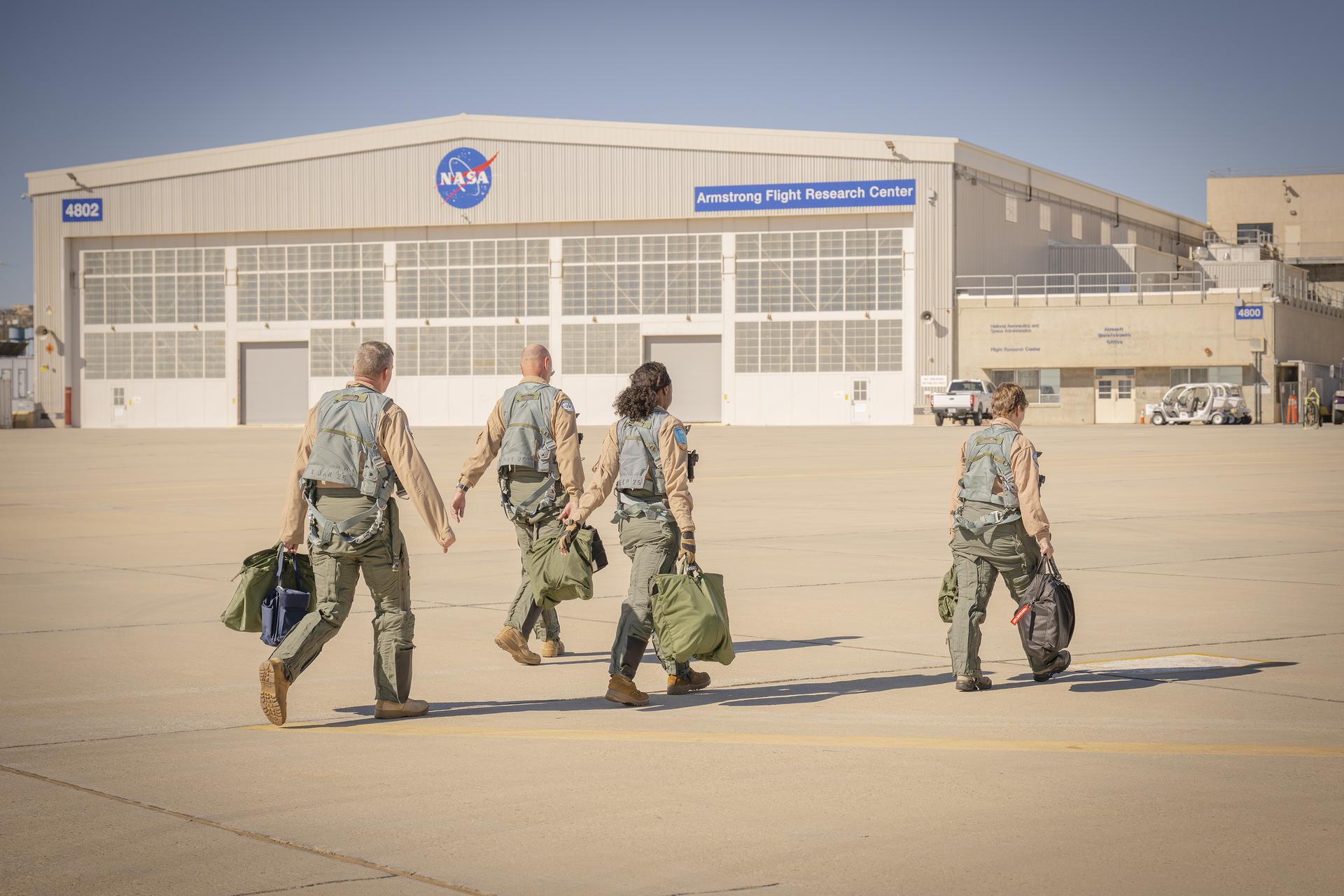
Four NASA employees walk toward a hangar after a flight Thursday, Feb. 4, 2026, at NASA’s Armstrong Flight Research Center in Edwards, California. The team supports the agency’s Crossflow Attenuated Natural Laminar Flow (CATNLF) project, which aims to lower fuel costs for future commercial aircraft by testing a scale-model wing designed to improve laminar flow.
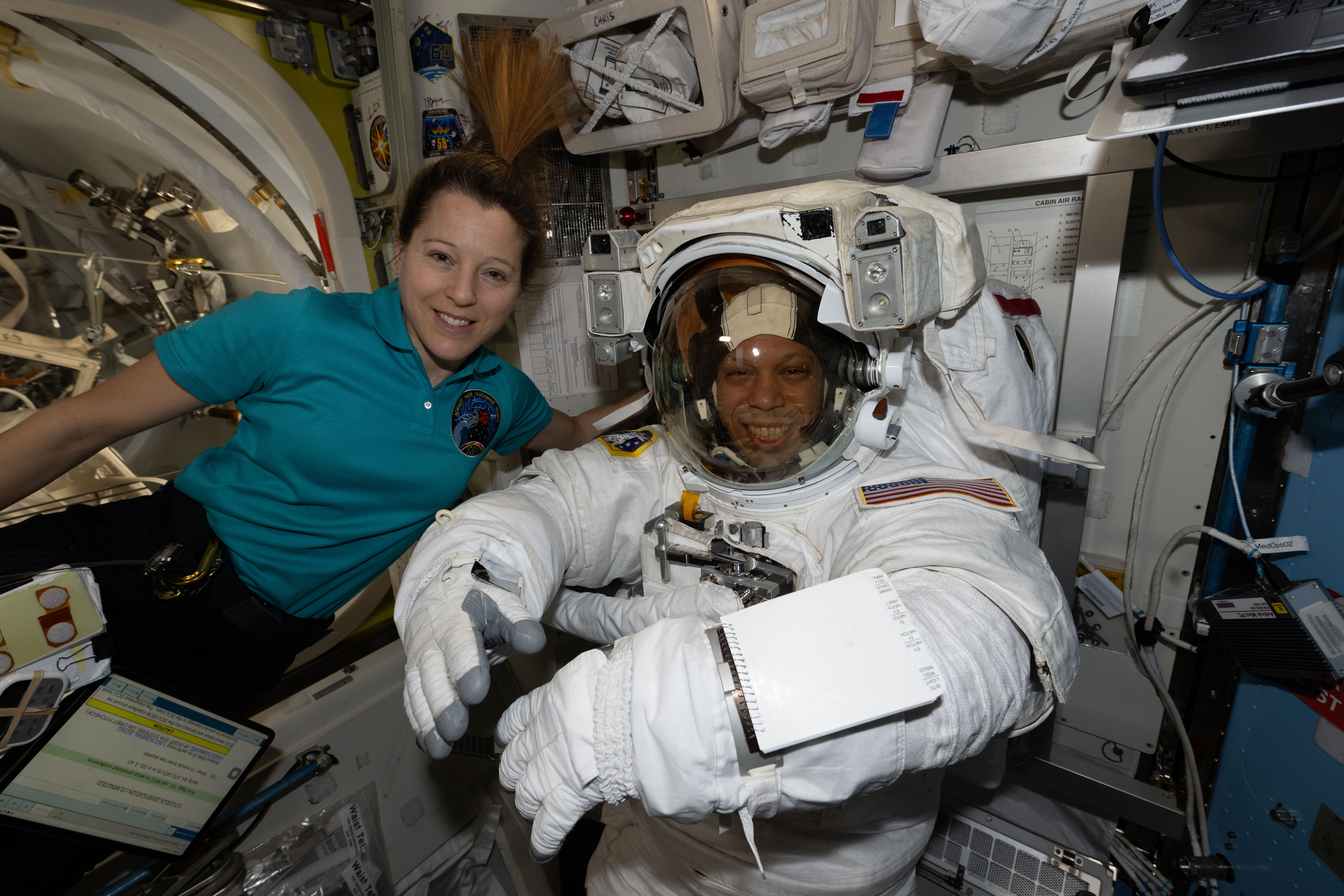
Flight engineer Sophie Adenot of ESA (European Space Agency) assists flight engineer Chris Williams of NASA as he tries on his spacesuit, testing its comfort and mobility as well as its communications and life support systems inside the International Space Station’s Quest airlock.
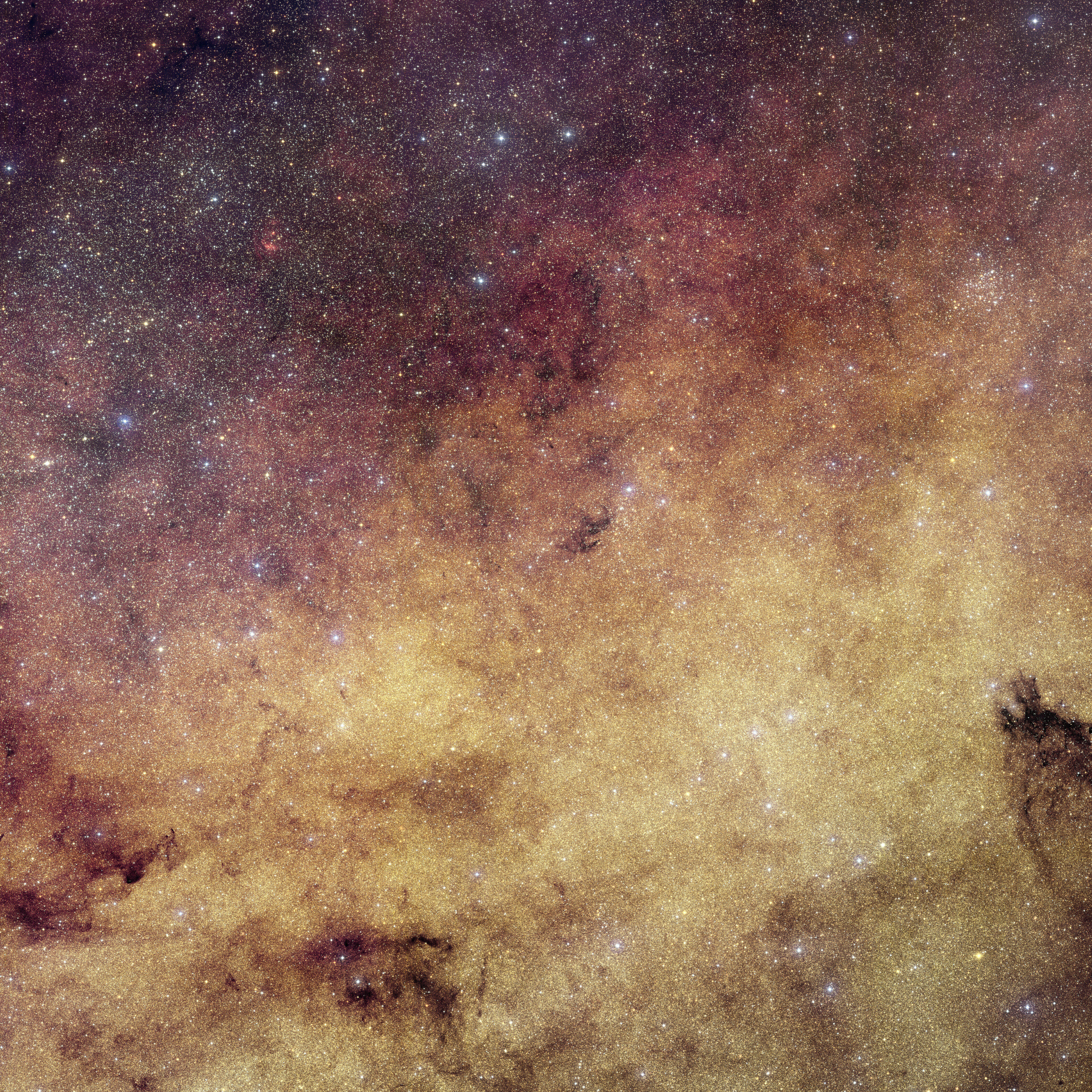
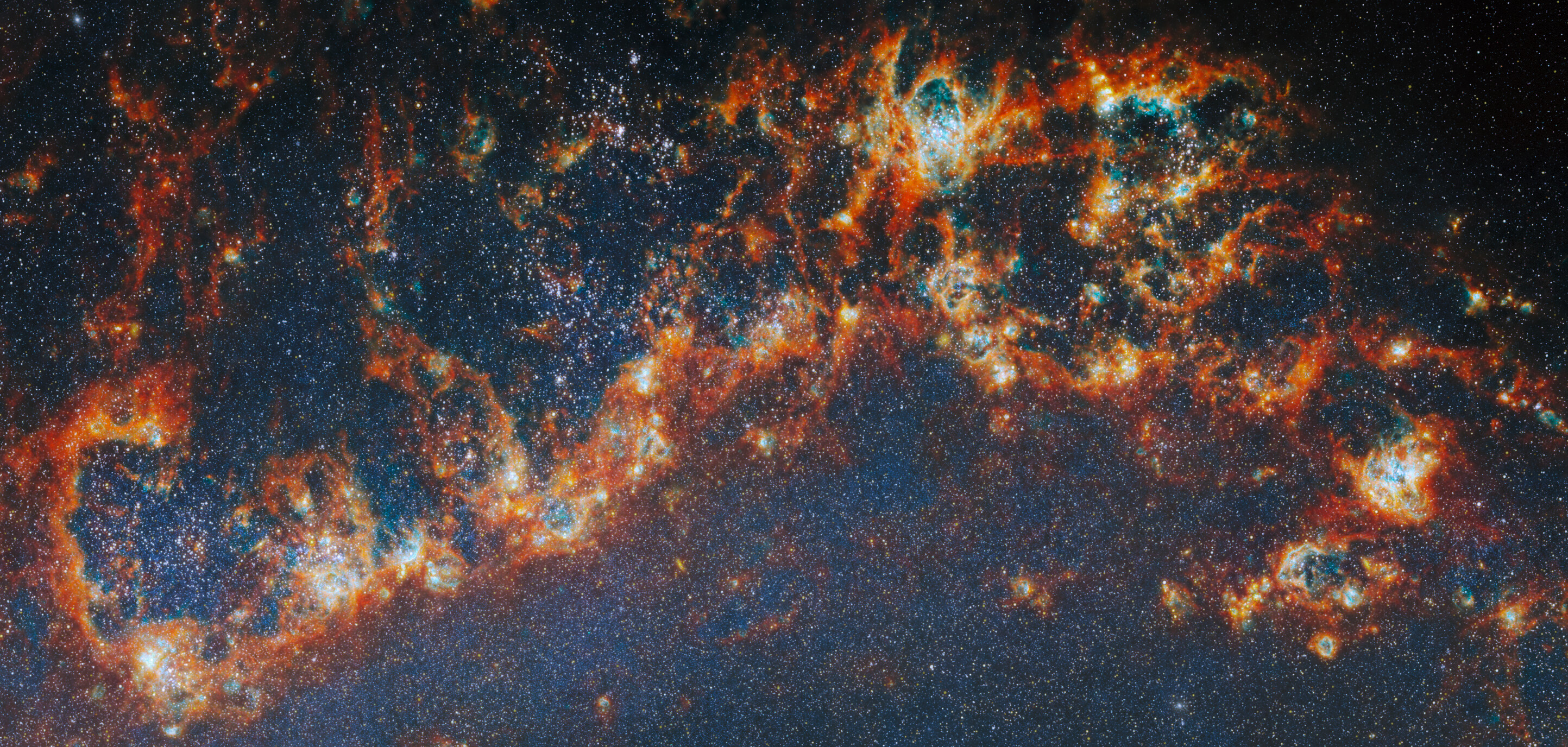
This image by ESA’s (European Space Agency) Euclid (with color added using ground-based images) provides an earlier snapshot of a region of our galaxy that NASA’s Nancy Grace Roman Space Telescope will repeatedly observe during the upcoming years.
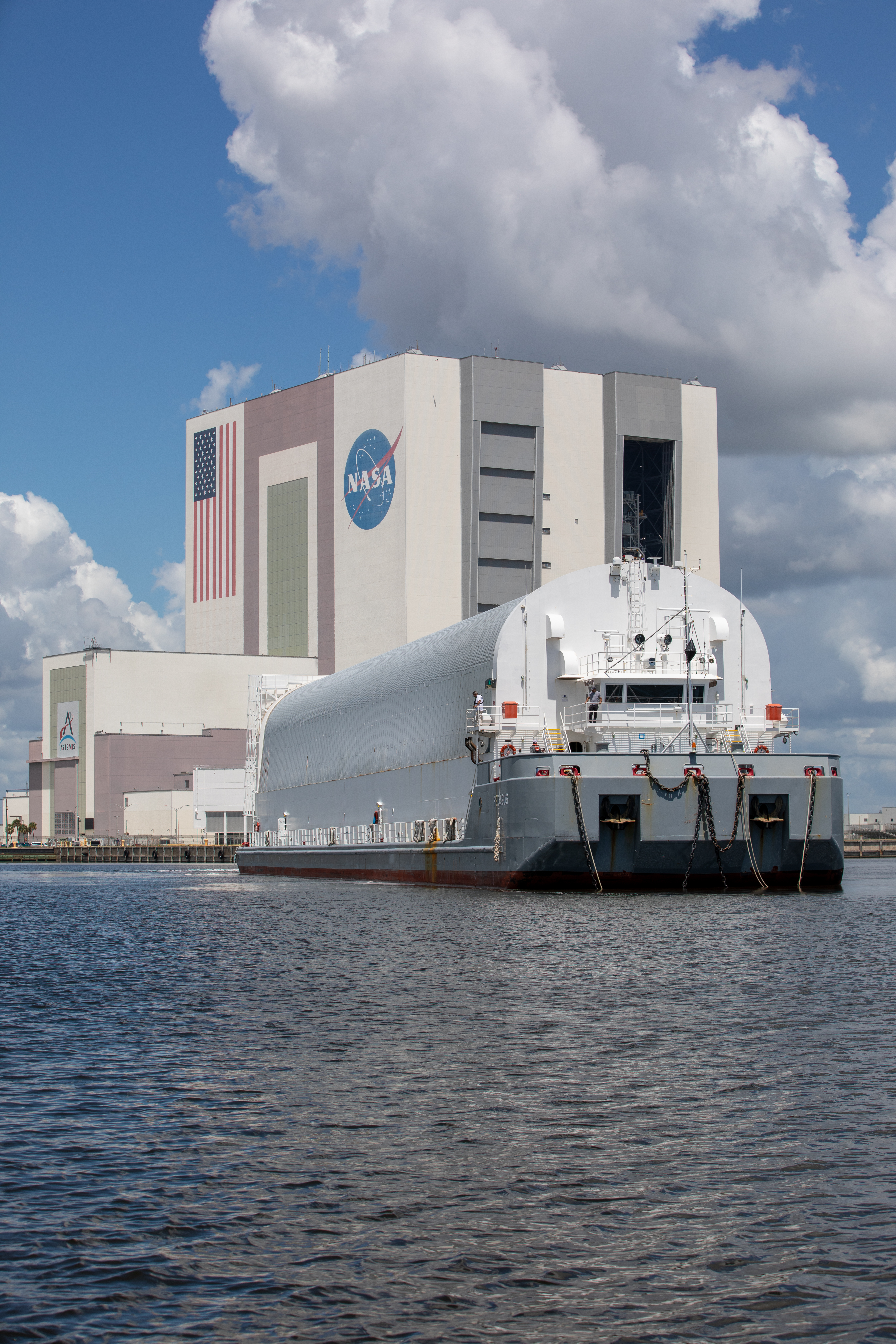
NASA’s Pegasus barge arrives at the Launch Complex 39 turn basin at the agency’s Kennedy Space Center in Florida carrying NASA’s Nancy Grace Roman Space Telescope on Sunday, June 21, 2026.
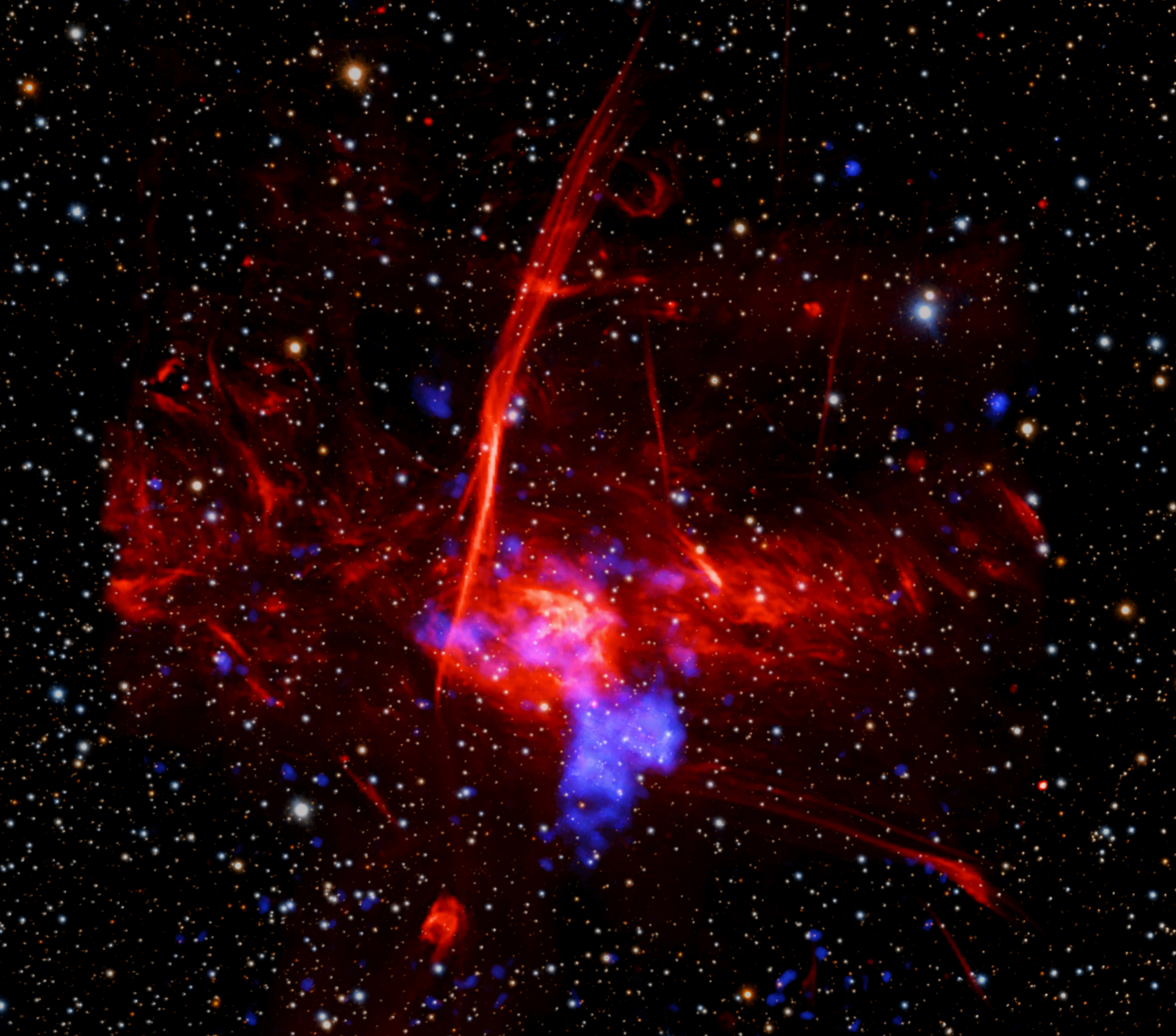
Using data from NASA’s Chandra X-ray Observatory, astronomers may have found a supernova remnant in an intriguing neighborhood in the middle of our galaxy.
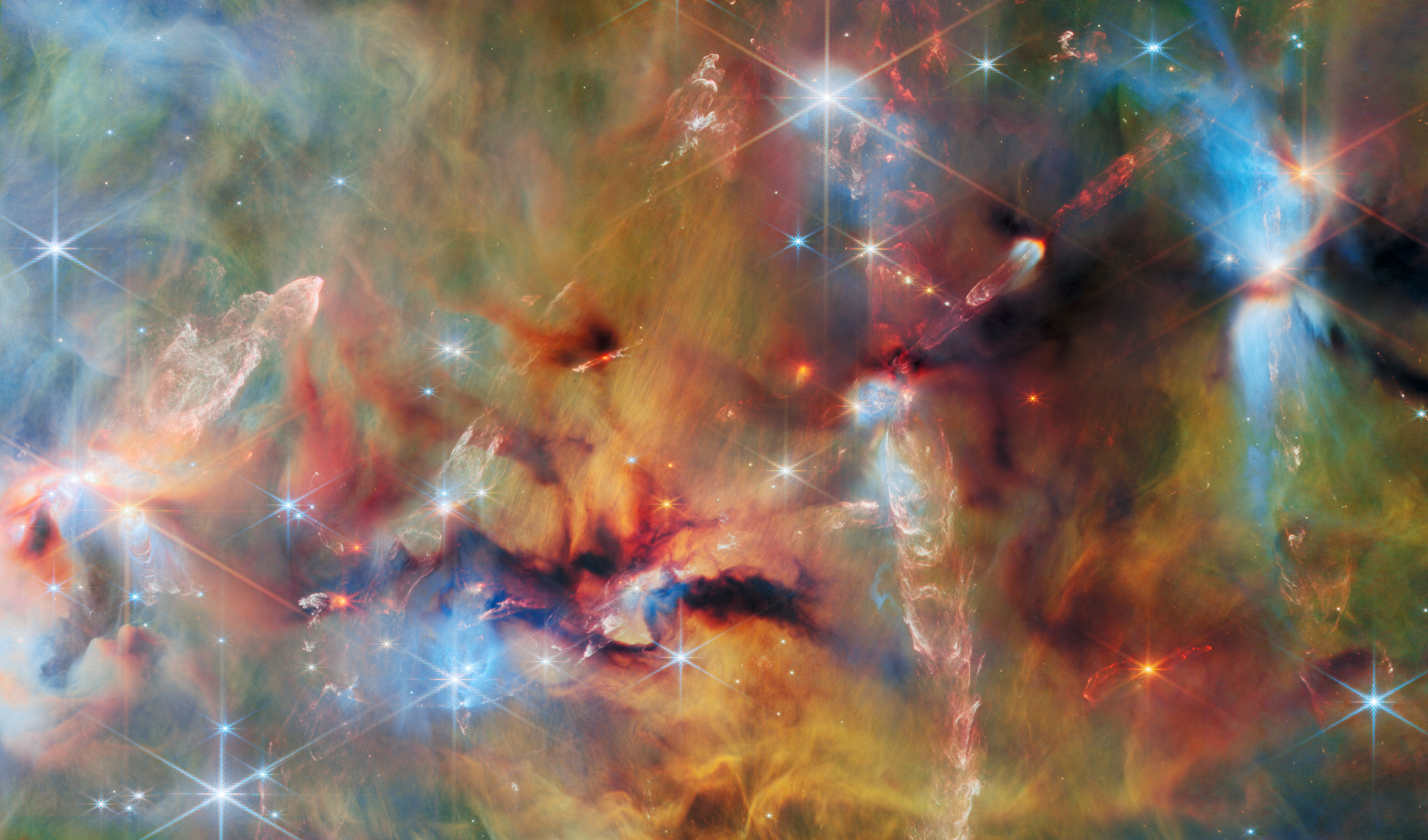
This NASA/ESA/CSA James Webb Space Telescope Picture of the Month shows the giant molecular cloud Orion A, an area of the sky replete with star-forming clouds.
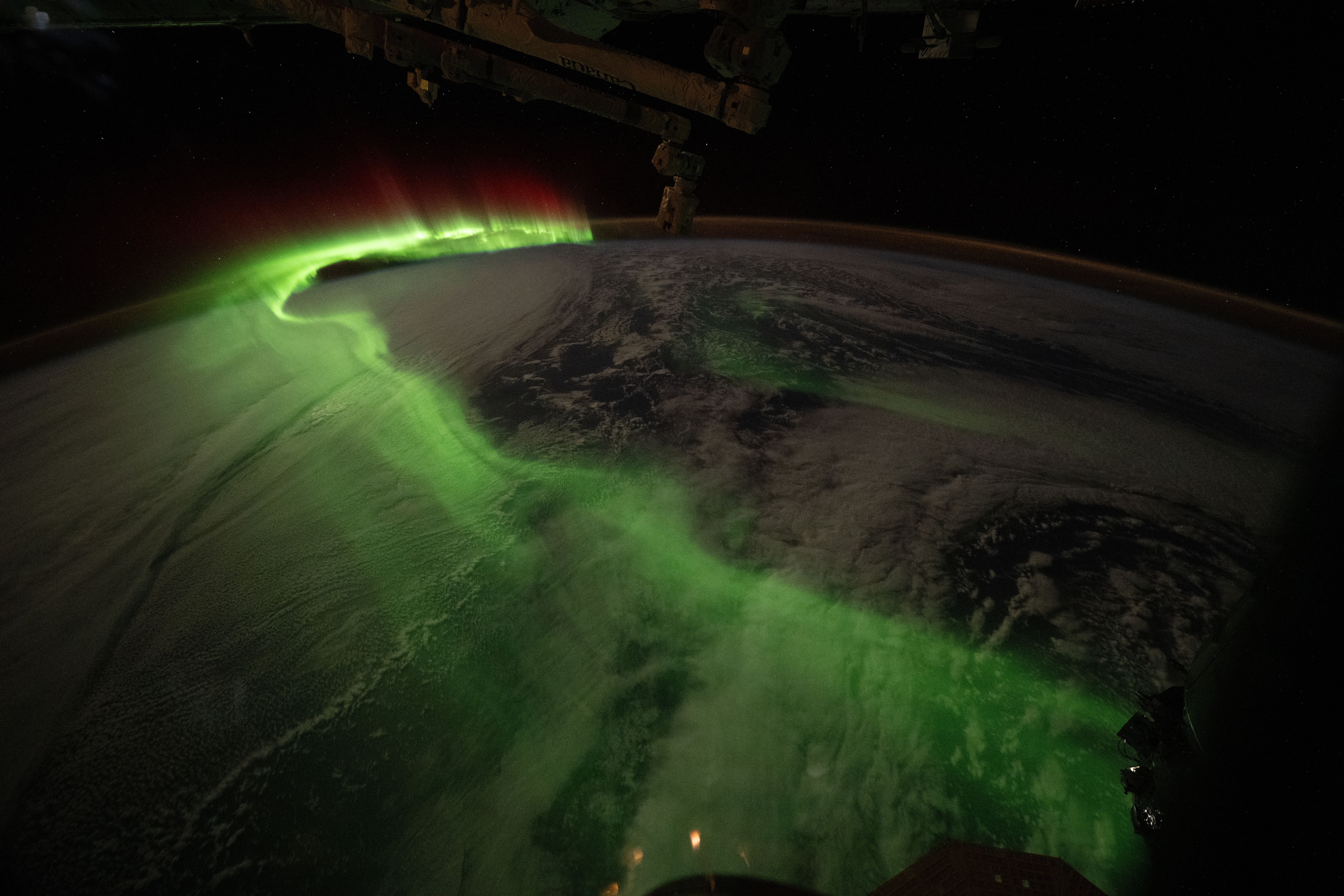
The aurora australis arcs over Earth during an active solar event in this photograph taken at approximately 11:32 p.m. local time from the International Space Station as it orbited 271 miles above the Indian Ocean southwest of Perth, Australia on June 5.
A period of unsettled weather brought scattered showers and thunderstorms to California’s Bay Area on May 27, 2026. That afternoon, a break in the clouds left downtown San Francisco and nearby communities beneath mostly cloud-free skies, allowing an astronaut aboard the International Space Station to take this photograph.
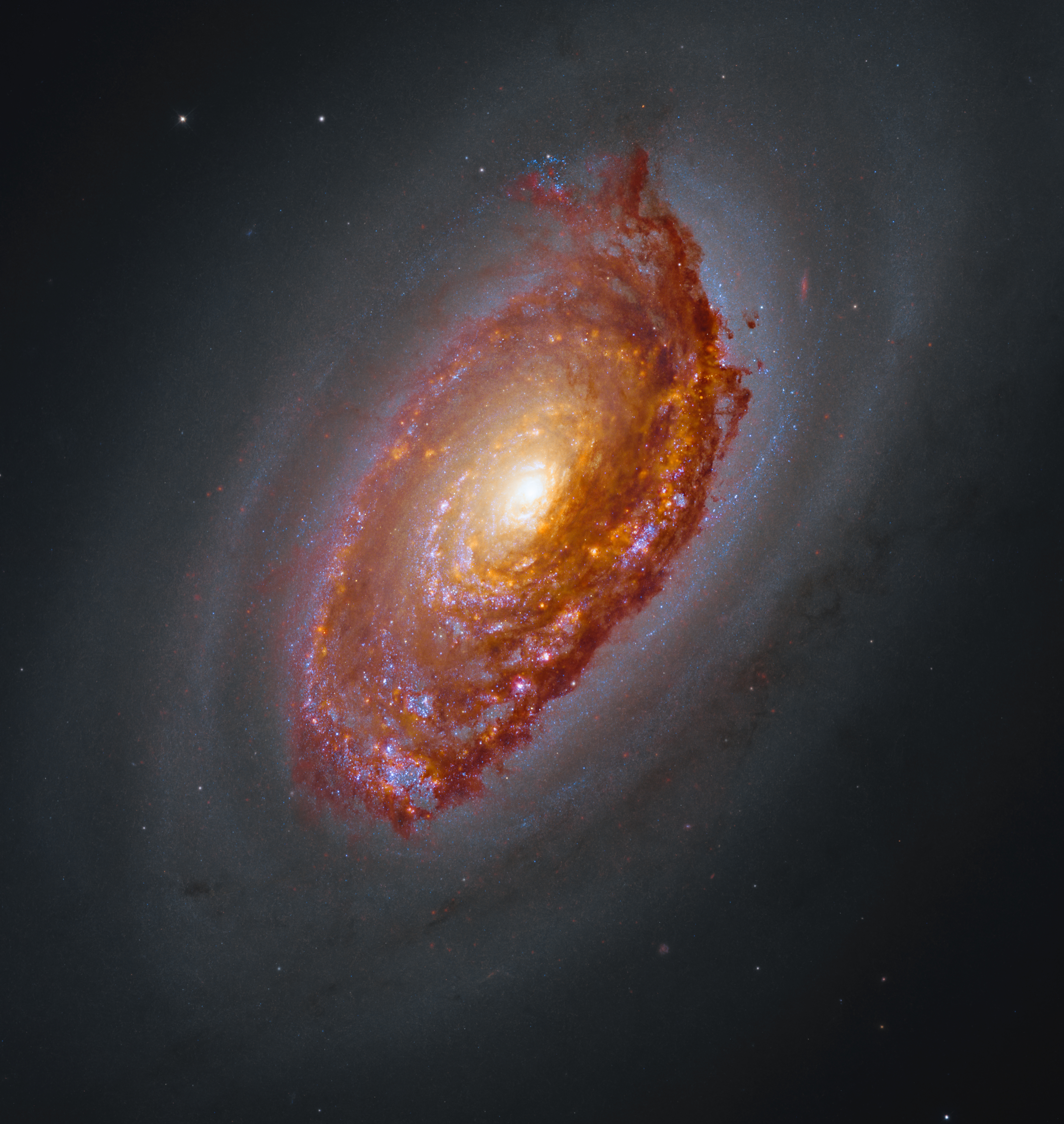
Easily identified by the spectacular band of dark dust that partially obscures its bright core, Messier 64, or the Black Eye Galaxy, is characterized by its bizarre internal motion.
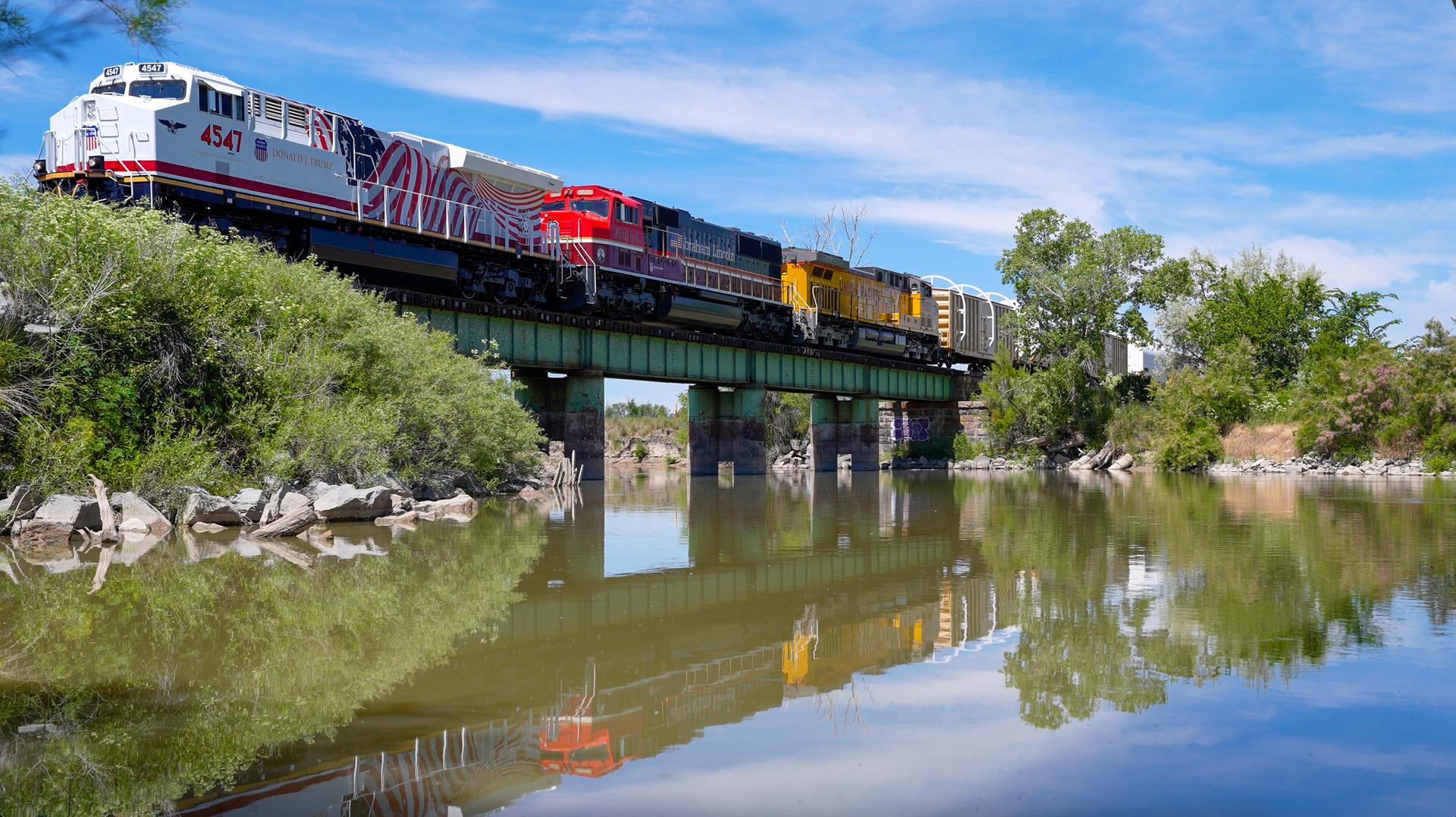
A train transports eight booster motor segments for the SLS (Space Launch System rocket) that will power NASA’s Artemis III mission from Northrop Grumman’s Railyard Shipping Facility in Corinne, Utah, June 2, to NASA’s Kennedy Space Center in Florida.
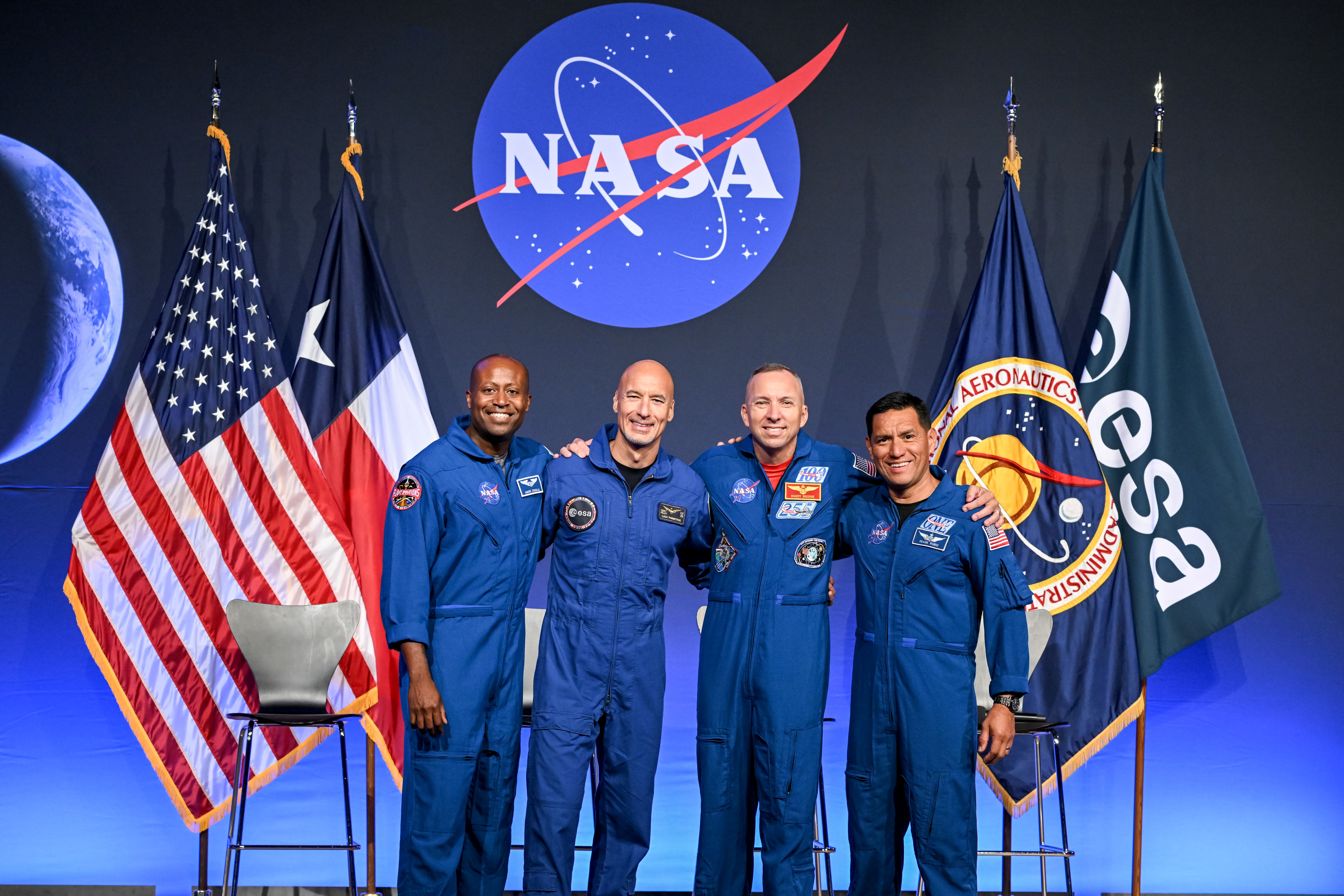
NASA announced the Artemis III crew on Tuesday, June 9, 2026. NASA astronaut Andre Douglas, mission specialist; ESA (European Space Agency) astronaut Luca Parmitano, pilot; NASA astronaut Randy Bresnik, commander; and NASA astronaut Frank Rubio, mission specialist, will demonstrate the Orion spacecraft's rendezvous and docking capabilities with test versions from one, or both, American commercial human landing systems in development by Blue Origin and SpaceX.
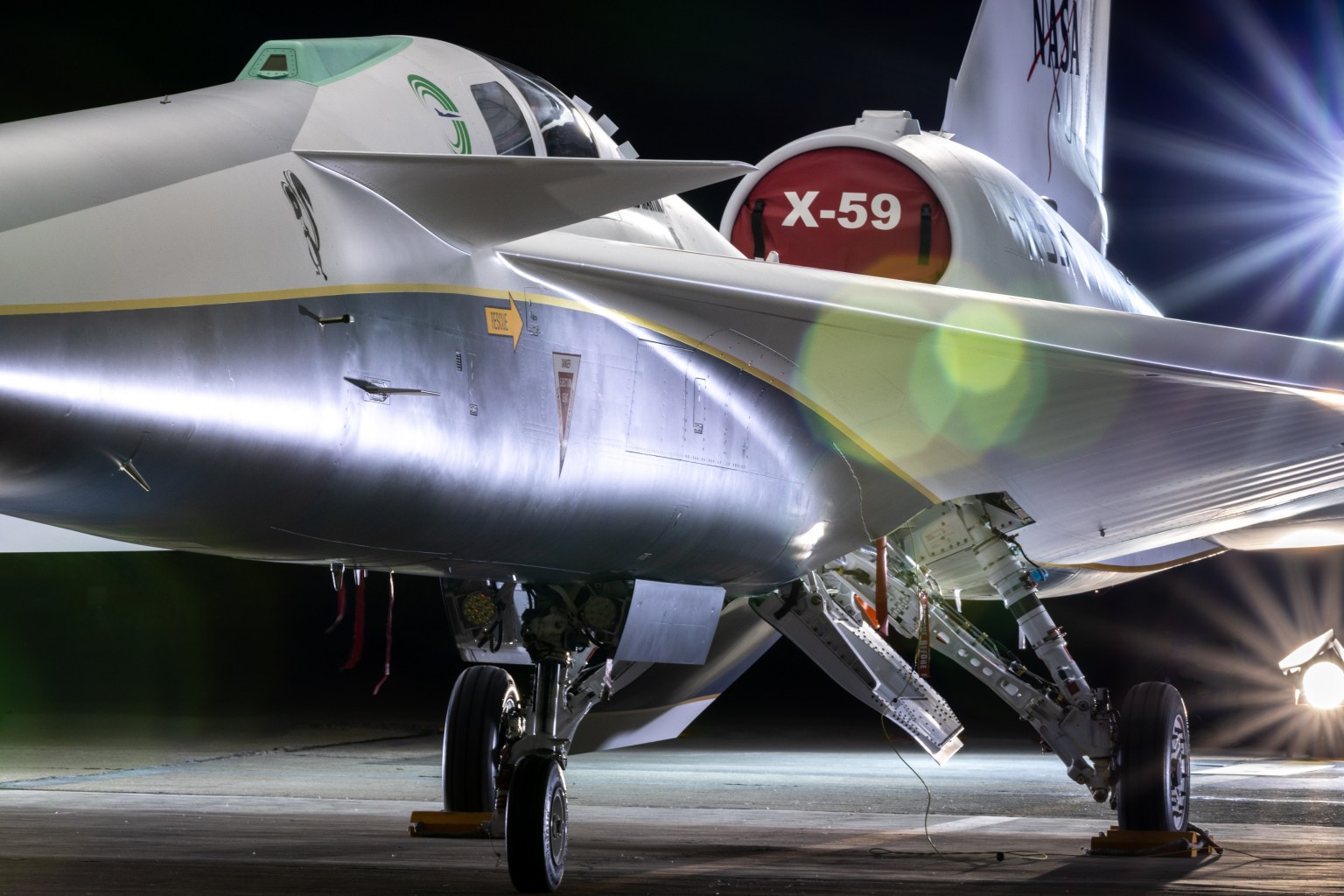
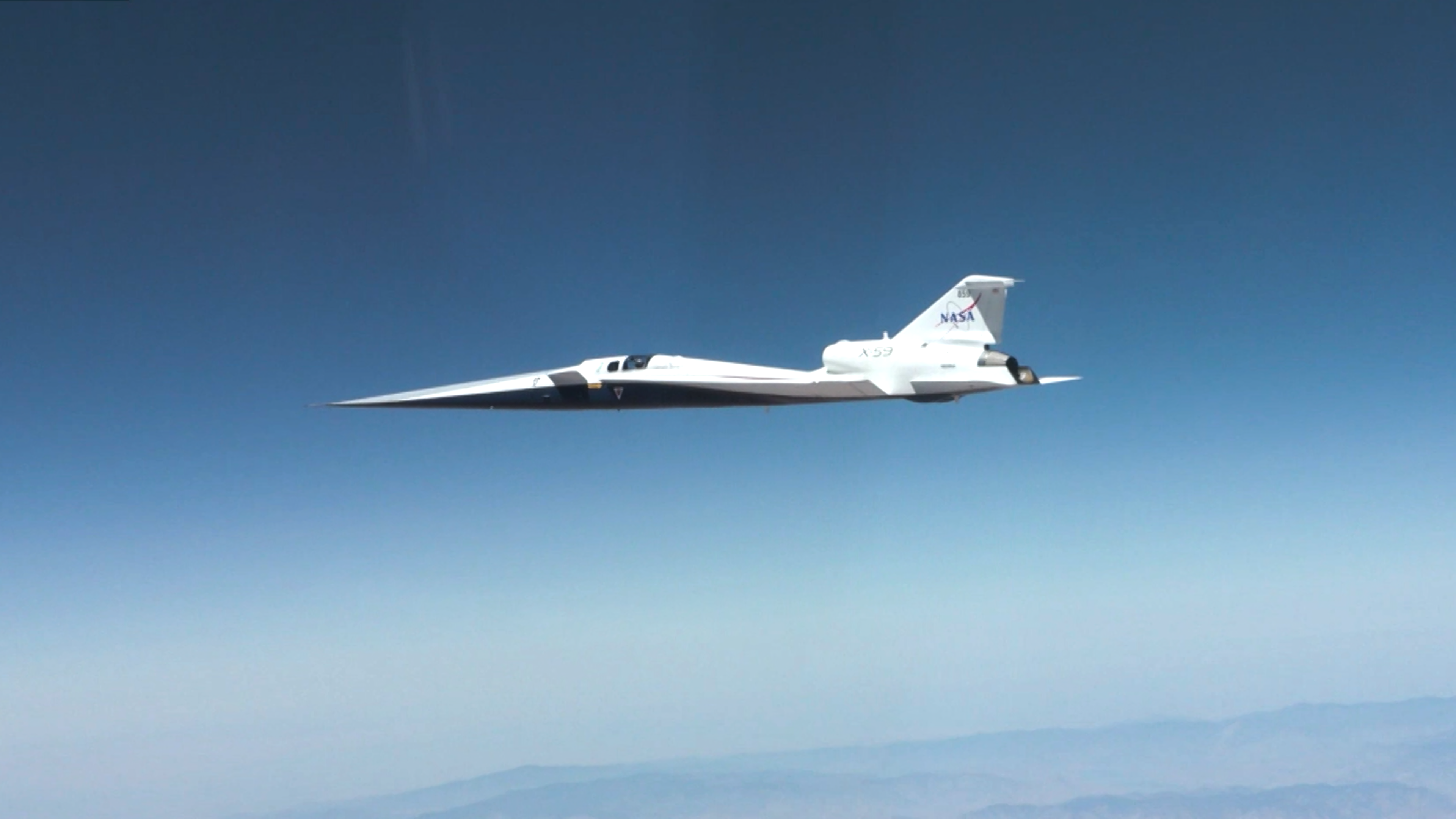
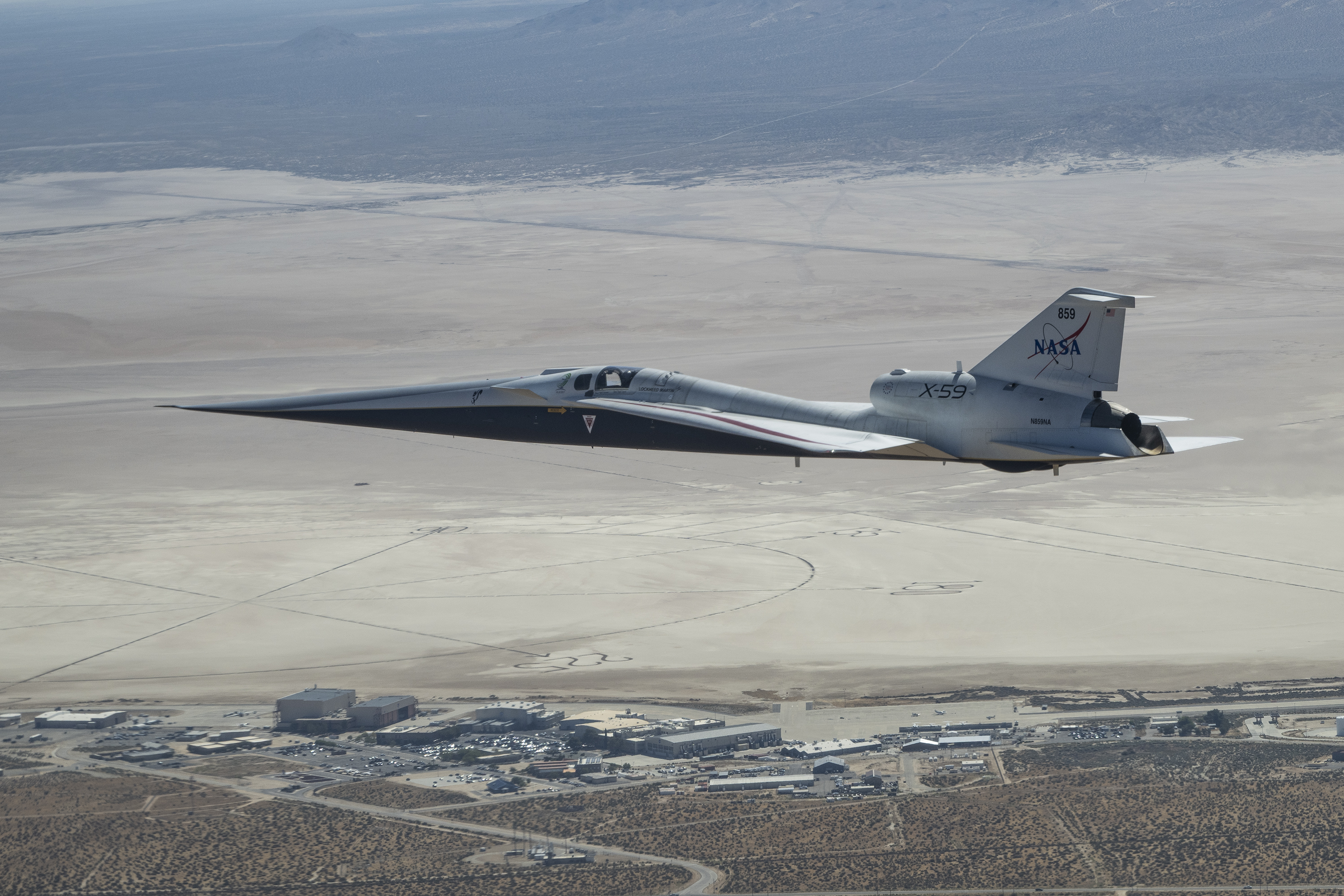
NASA’s X-59 quiet supersonic research aircraft completed its first supersonic flight Friday, June 5, 2026, marking the first time the aircraft exceeded the speed of sound in support of NASA’s Quesst mission. The milestone represents a major step in flight testing as the aircraft expands into the supersonic portion of its flight envelope.
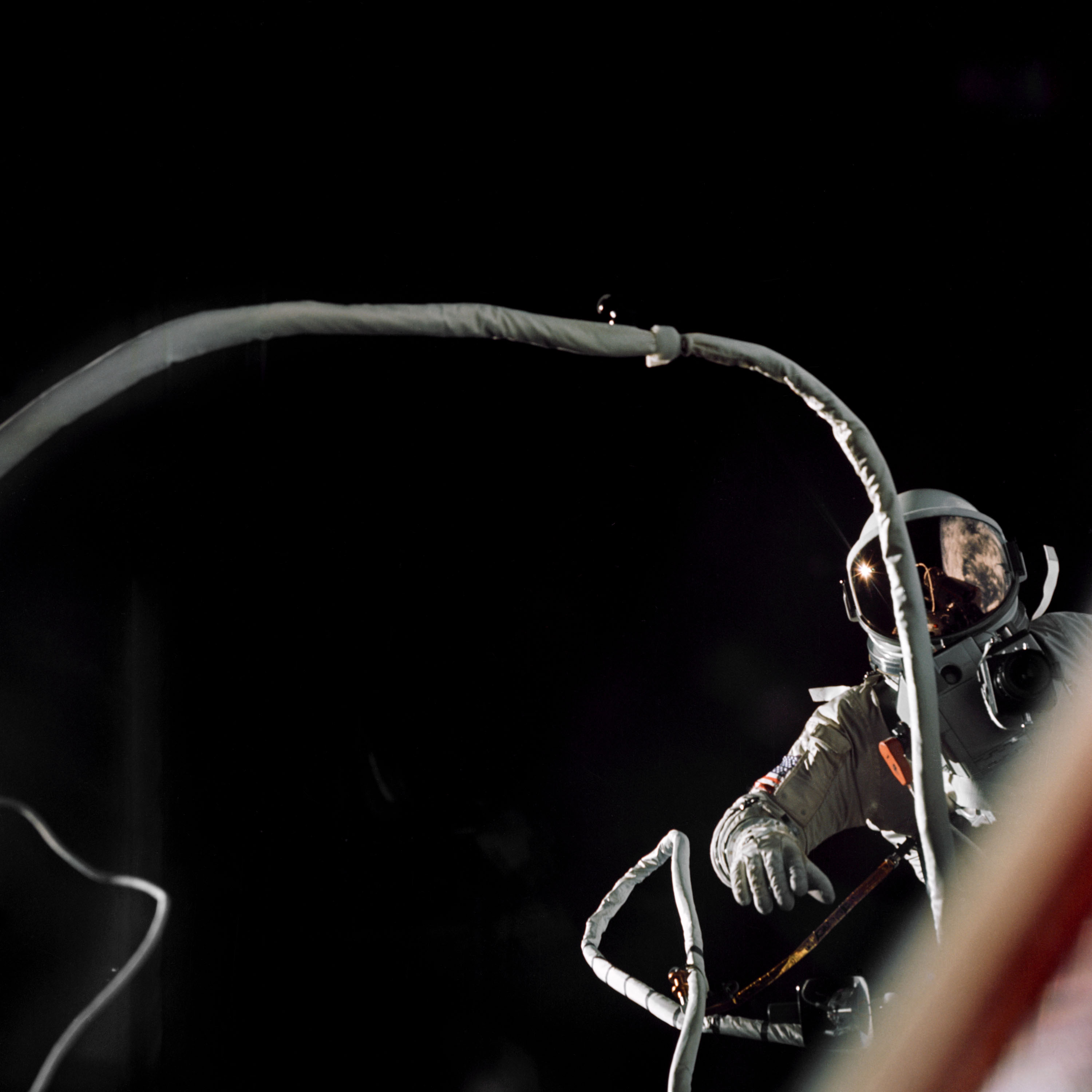
A year after America’s first spacewalk, Gemini IX-A Eugene Cernan stepped outside his spacecraft for an ambitious extravehicular activity scheduled for 167 minutes. The challenges he faced led NASA to reevaluate plans, equipment, and training for future spacewalks.
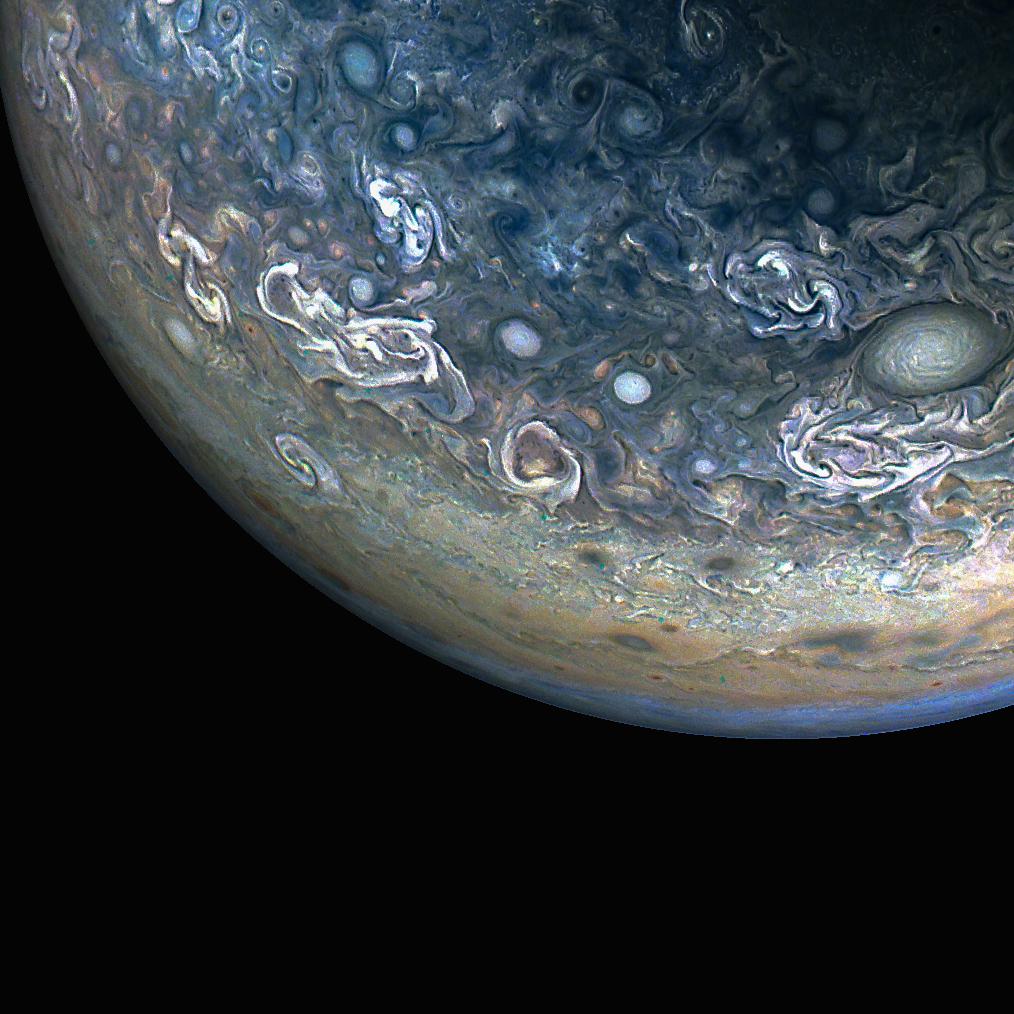
During its 61st close flyby of Jupiter on May 12, 2024, NASA's Juno spacecraft captured this color-enhanced view of the giant planet's northern hemisphere.
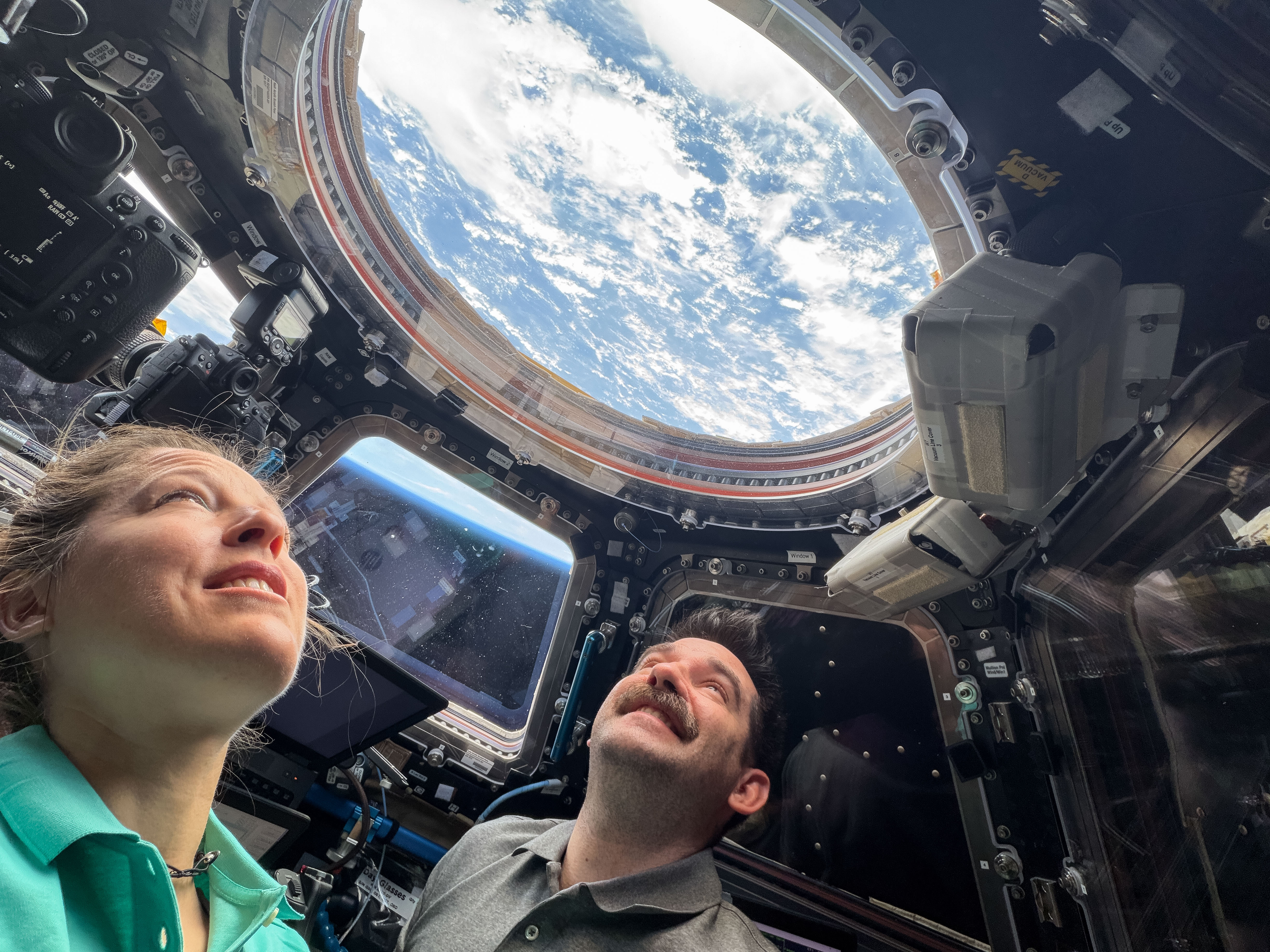
Astronauts Sophie Adenot of ESA (European Space Agency) and Jack Hathaway of NASA, both Expedition 74 flight engineers, look out a window in the cupola.
NASA’s X-59 quiet supersonic research aircraft flies above NASA’s Armstrong Flight Research Center in Edwards, California, during testing focused on lower-speed and altitude flight conditions in support of NASA’s Quesst mission. NASA continues to include two-flight days in its envelope expansion as teams work to better understand how the aircraft responds throughout its operating range.
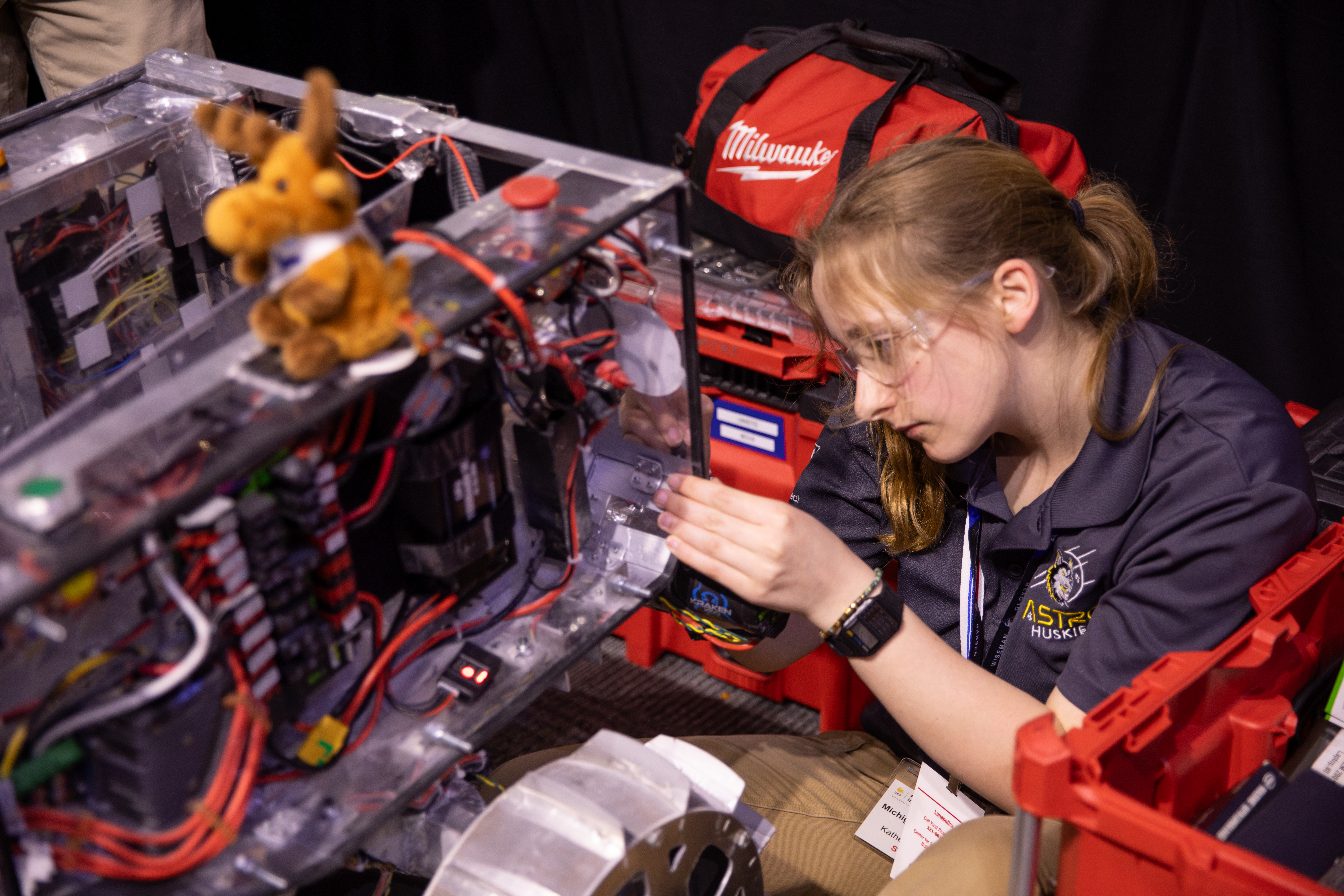
Katherine Rauscher, of Michigan Technological University, prepares her team’s prototype lunar robot for its turn during the finals for NASA’s 2026 Lunabotics Challenge competition on Tuesday, May 19, 2026, inside the Astronauts Memorial Foundation’s Center for Space Education at the Kennedy Space Center Visitor Complex in Florida. Forty-seven teams from around the U.S. designed and built remote-controlled robots capable of traversing challenging lunar terrain while constructing regolith-based berm under conditions similar to those the agency will face as it returns to the lunar surface through Artemis.
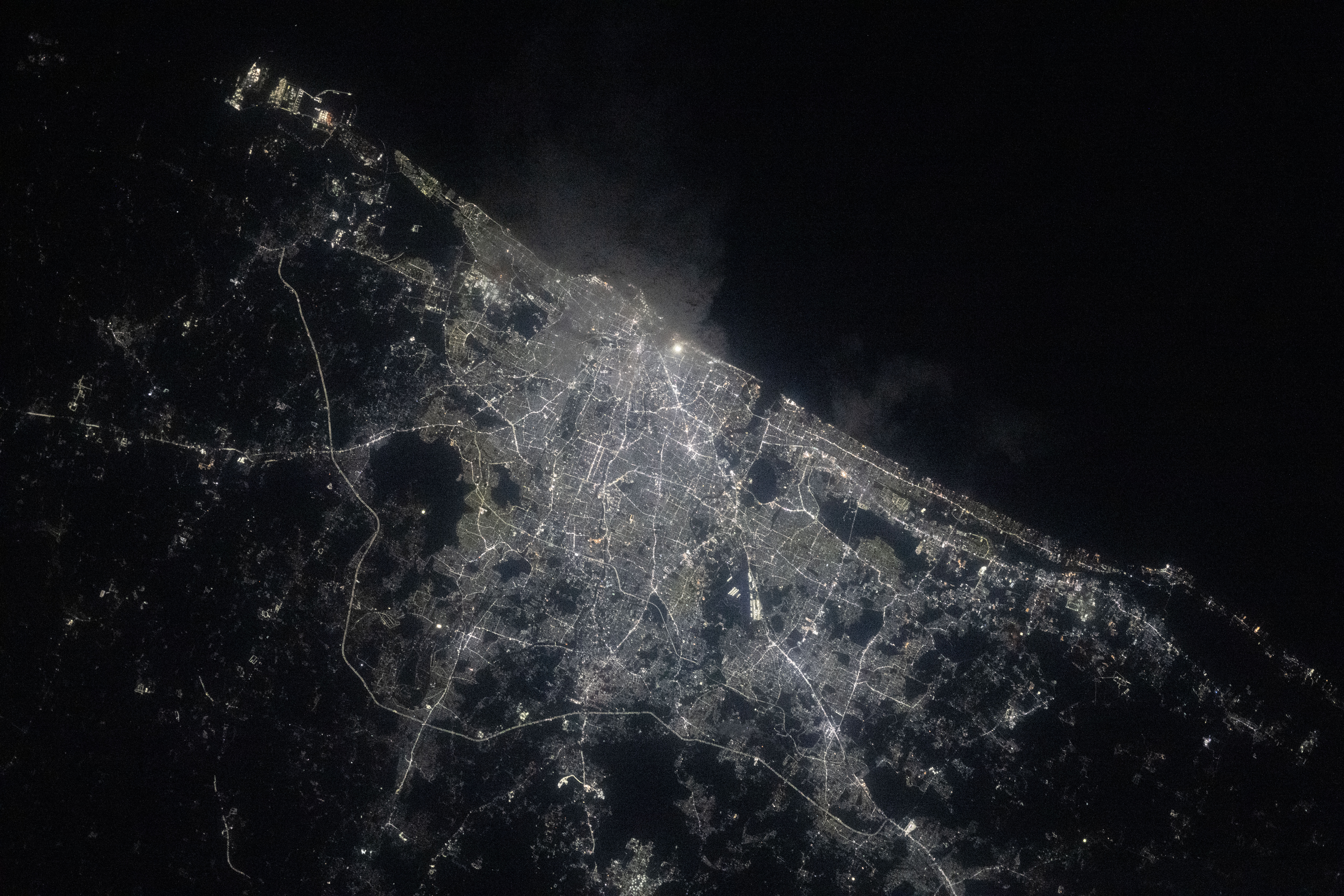
Chennai, on India's southern coast along the Bay of Bengal and with a metropolitan population of about 8.7 million, shines with white LED streetlights in this photograph taken at approximately 9:13 p.m. local time on May 2, 2026, from the International Space Station.
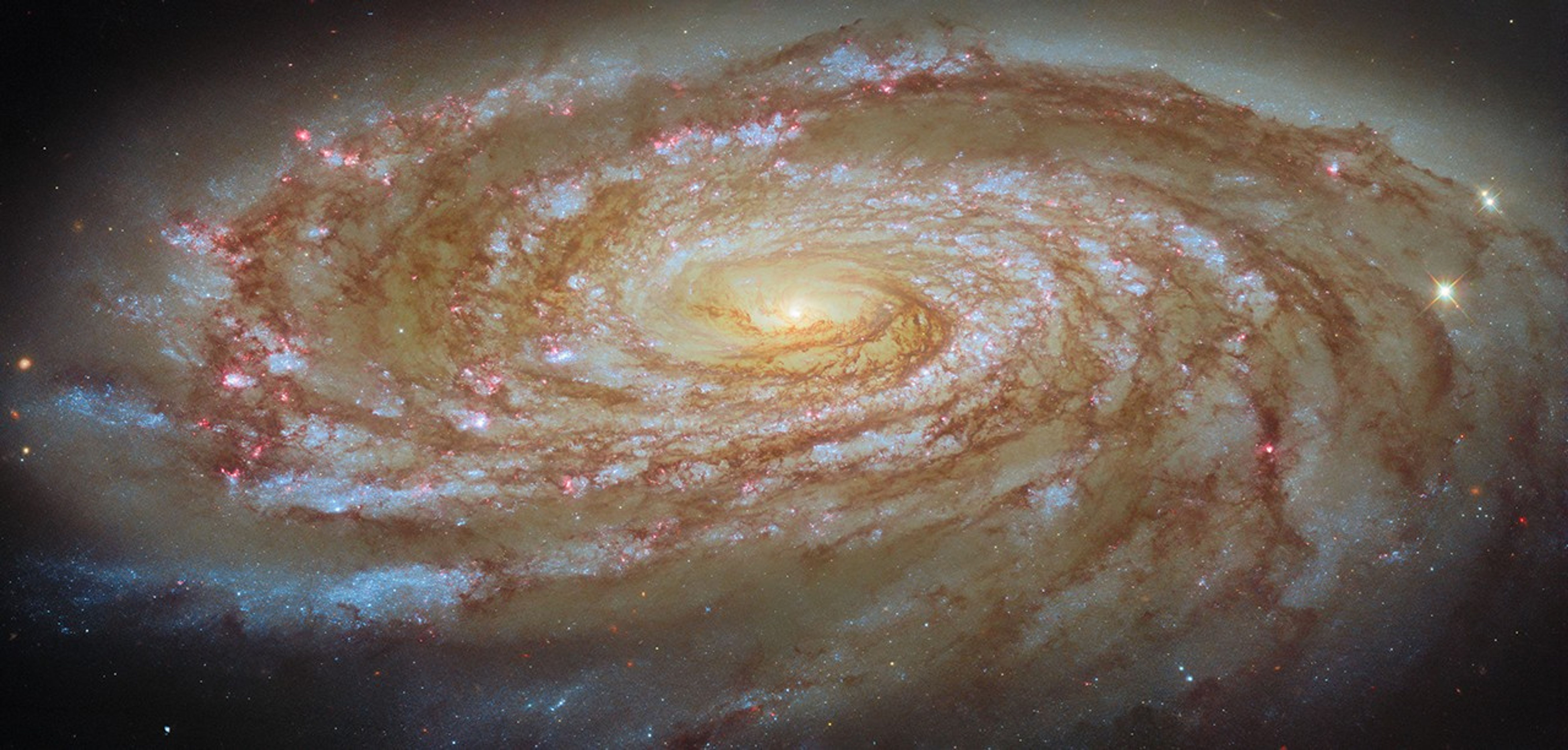
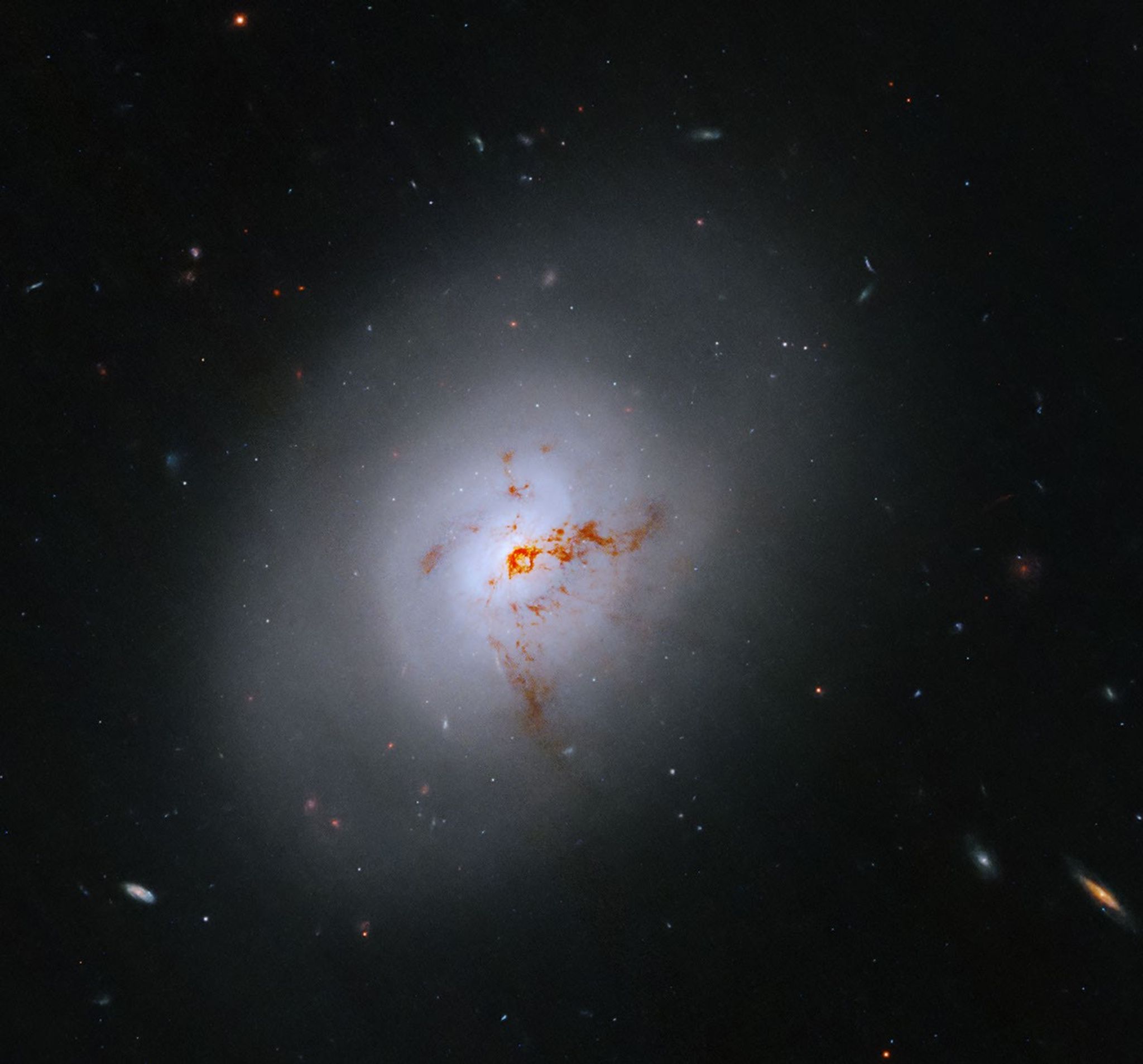
This NASA Hubble Space Telescope images reveals the lenticular galaxy, NGC 1266. This enigmatic post-starburst galaxy has a bright center and a face that hints at spiral structure, yet it holds no discernable spiral arms.
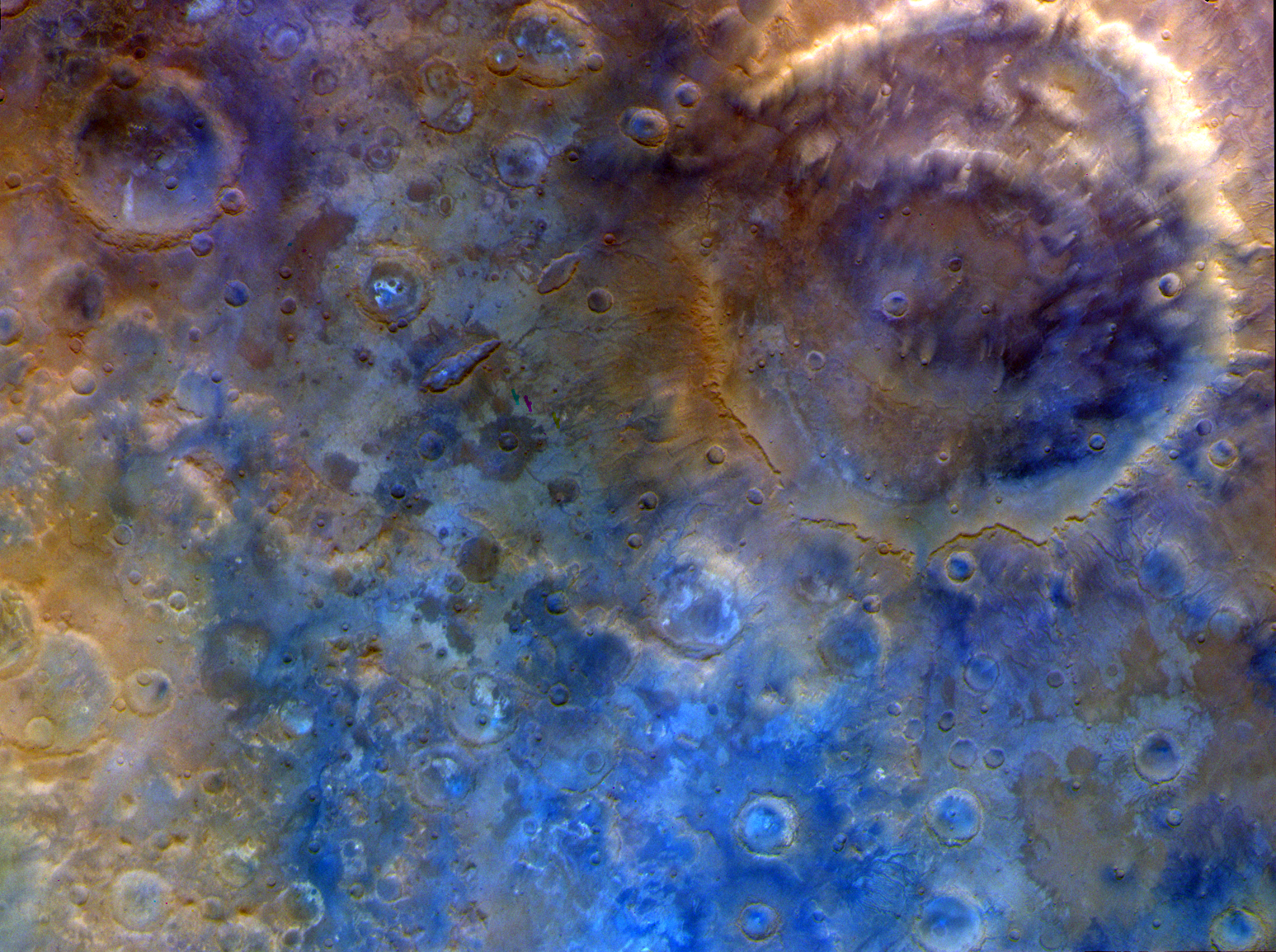
NASA’s Psyche spacecraft completed its close approach of Mars on May 15, capturing images as it came within 2,864 miles (4,609 kilometers) of the planet’s surface. This is an enhanced-color view of the large double-ring crater Huygens and the surrounding heavily cratered southern highlands.
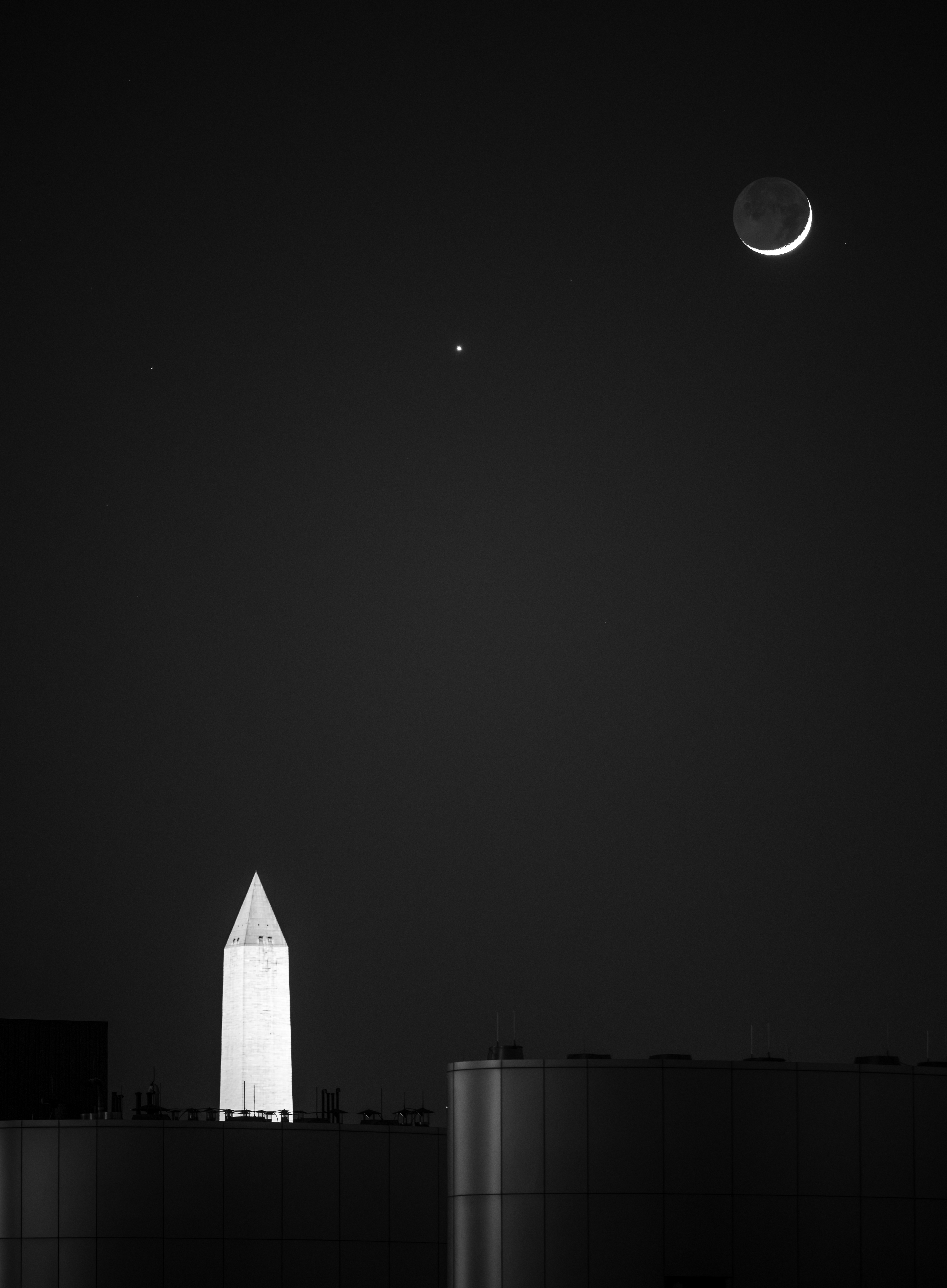
The Moon and Venus, center, are seen in conjunction above the Washington Monument, Monday, May 18, 2026, as viewed from the Mary W. Jackson NASA Headquarters Building in Washington.
Strappare ai tumori il loro mantello dell’invisibilità e costringerli a mostrarsi al sistema immunitario. È questa la direzione indicata da una ricerca internazionale pubblicata sulle pagine della rivista specializzata Cancer Discovery, firmata da gruppi di IFOM, Università di Torino e...
Curiosity ha individuato su Marte una nuova e ampia varietà di molecole organiche mai rilevate nei test condotti nel corso degli anni. Il risultato è stato ottenuto grazie a un esperimento di wet chemistry che, finora, non era mai stato eseguito fuori dalla Terra. In un campione roccioso raccolto...
Un gruppo di ricercatori cinesi ha trasformato il legno di balsa in un materiale capace di assorbire energia solare, immagazzinarla sotto forma di calore e restituirla dopo il tramonto, fino a generare elettricità attraverso un dispositivo termoelettrico. Lo studio, pubblicato su Advanced Energy...
A poco più di 10 anni luce dalla Terra, un team internazionale di astrofisici ha individuato una Super Terra che entra tra i candidati più interessanti nella ricerca di vita oltre il Sistema Solare. Il pianeta, chiamato GJ887d, ha una massa almeno sei volte superiore a quella terrestre e orbita...
Trasferire la città di Venezia per difenderla dall’innalzamento del livello del mare. È questa l’idea messa sul tavolo da un team internazionale di ricercatori guidato da Piero Lionello dell’Università del Salento e da Robert Nicholls dell’University of East Anglia, per far fronte a uno...
Nel 2011 lo speleologo russo Arthur Zemukov individua nel Caucaso un pozzo profondo oltre quaranta metri con pareti lisce e geometrie regolari, una struttura che i rilievi descrivono come incompatibile con una formazione naturale. La scoperta arriva dopo anni di ricerche tra archivi locali, mappe...
Nelle Alpi Apuane, dentro una comune cava di marmo di Carrara, è stato rinvenuto un campione di un minerale mai vista prima. I ricercatori dell’Università di Pisa, dopo approfondite analisi, hanno confermato si tratta di qualcosa di nuovo. Il minerale è stato battezzato dai ricercatori, e poi...
Nel campione OREX-800066-3 dell’asteroide Bennu, un frammento di materiale grande poche centinaia di micrometri e con una massa dell’ordine dei milligrammi, sono presenti nello stesso volume molecole organiche, minerali formati dall’acqua e composti contenenti azoto, cioè tre ambienti...
Il tempo scandisce ogni gesto della nostra vita. Eppure la fisica contemporanea suggerisce qualcosa per molti versi inaspettato: questa dimensione potrebbe essere una costruzione, più che una componente fondamentale dell’Universo. Nei modelli classici il tempo appare come una variabile che...
A quasi 58 anni da Earthrise, lo scatto simbolo dell’era Apollo, l’umanità ha già la sua nuova immagine manifesto dello spazio profondo. Si chiama Earthset ed è il fotogramma che rischia di restare scolpito nella memoria collettiva: la Terra che tramonta dietro l’orizzonte lunare, ripresa...
L'ultima volta era il dicembre del 1972. Eugene Cernan, Harrison Schmitt e Ronald Evans erano a bordo dell'Apollo 17, l'ultima missione lunare della storia. Da allora, per oltre cinquant'anni, nessun essere umano si era più avventurato oltre l'orbita bassa terrestre. Martedì sera, alle 18.35 ora...
Nella notte tra l’1 e il 2 aprile tutti con il naso all'insù. Nel cielo stellato si potrà ammirare la Luna Rosa, il primo plenilunio dopo l’equinozio di primavera. Nei secoli è stata definita in vari modi: la luna “dell’erba che cresce”, perché è la prima luna piena dopo...
Un astronauta italiano camminerà sulla Luna: lo prevede l'accordo firmato a Washington dal ministro delle Imprese e del Made in Italy Adolfo Urso, con delega allo spazio, e dall'amministratore capo della Nasa Jared Isaacman. Lo scrive in un post su X il presidente dell'Agenzia Spaziale...
Sotto il fondale dell’Atlantico nord-occidentale si nasconde una vastissima riserva d’acqua dolce (o comunque poco salata). La Expedition 501 ha perforato il margine continentale a sud del Massachusetts e ha intercettato direttamente un sistema di “freshened water” intrappolato nei...
La primavera entra in scena con puntualità astronomica e un piccolo colpo di teatro celeste. Il 20 marzo 2026 alle 15:46 (ora italiana) cade l’equinozio, la soglia invisibile che chiude l’inverno e accende la stagione della luce. Ma quest’anno il sipario si alza con un bis serale: una danza...
L’idea che la vita possa nascere e prosperare lontano da qualsiasi stella sembra uscita da un romanzo di fantascienza. Eppure un nuovo studio internazionale suggerisce uno scenario sorprendente: lune simili alla Terra che orbitano attorno a pianeti vaganti potrebbero mantenere oceani di acqua...
Un nuovo strumento di osservazione sviluppato alla Stanford University sembra esser in grado di rivoluzionare il modo in cui gli scienziati studiano la vita a livello cellulare. Il dispositivo, chiamato Interferometric Image Scanning Microscopy (iISM), consente di osservare le cellule vive con...
E’ arrivato il giorno dell’eclissi totale di luna, primo grande evento astronomico del 2026. Sopranominata di sangue per il tipico colore rosso scuro del nostro satellite, avverrà quando Sole, Terra e disco lunare, saranno perfettamente allineati e il satellite entrerà nel cono d'ombra...
Importante scoperta in Transilvania, Romania, dove in una grotta di ghiaccio di Scarisoara, è stato rinvenuto un superbatterio preistorico. Anche se è rimasto sepolto in ghiacci risalenti a 5mila anni fa, il microrganismo è risultato resistente a 10 antibiotici moderni tra quelli più...
Ogni giorno milioni di litri di urina scorrono nei sistemi fognari del pianeta. Fin da piccoli siamo stati abituati a a considerarli un rifiuto, un qualcosa da eliminare in fretta. Eppure dentro quel flusso c’è una marea di energia chimica che il recente lavoro di un team di scienziati ha detto...
After years of anticipation and hard work by NASA’s OSIRIS-REx (Origins, Spectral Interpretation, Resource Identification and Security – Regolith Explorer) team, a capsule of rocks and dust collected from asteroid Bennu finally is on Earth. It landed at 8:52 a.m. MDT (10:52 a.m. EDT) on Sunday, in a targeted area of the Department of Defense’s Uta
NASA will host a media teleconference at 4 p.m. EDT on Tuesday, Sept. 26, to discuss the upcoming annular solar eclipse. The annular eclipse will cross the U.S. from Oregon to Texas on Saturday, Oct. 14, with a partial solar eclipse visible throughout the contiguous U.S.
The public is invited to a watch party at NASA’s Goddard Visitor Center, Greenbelt, Maryland to celebrate the first U.S. mission, OSIRIS-REx, to collect a sample from an asteroid and deliver it to Earth on Sept. 24, 2023.
The first asteroid sample collected in space and brought to Earth by the United States will be unveiled at NASA’s Johnson Space Center in Houston on Wednesday, Oct. 11, and media accreditation is now open.
A team led by NASA in Utah’s West Desert is in the final stages of preparing for the arrival of the first U.S. asteroid sample – slated to land on Earth in September.
Ya está abierto el proceso de acreditación de los medios de comunicación para el próximo lanzamiento de la nave espacial Psyche de la NASA en su misión a un asteroide único y rico en metales que orbita alrededor del Sol, entre Marte y Júpiter.
Media accreditation is now open for the upcoming launch of NASA’s Psyche spacecraft, for a mission to a unique metal-rich asteroid orbiting the Sun between Mars and Jupiter.
Media are invited to Utah’s western desert on Wednesday, Aug. 30, to learn about NASA preparations and readiness to receive America’s first asteroid sample collected in space.
NASA is commemorating the first year of science and discoveries from the agency’s James Webb Space Telescope, the largest, most powerful, and most complex space telescope ever built. To celebrate the anniversary, multiple events will take place online and live across the U.S.
Ahead of the first asteroid sample collected by the U.S. arriving on Earth in September, media are invited on Monday, July 24, to see NASA’s newly-built OSIRIS-REx Sample Curation Laboratory where the agency will study the sample at its Johnson Space Center in Houston.

 Accedi