An extension of the Geneva Conventions could impose restrictions on cyberwarfare under ceasefire conditions and close a major loophole in international conflict.
Sen. Jim Justice of West Virginia Shuran Huang/The New York Times/Redux
Trump administration officials earlier this year killed a federal criminal investigation into the coal empire owned by Sen. Jim Justice, a Republican from West Virginia and a close ally of the president’s.
The investigation examined potential criminal violations of the Clean Water Act by the multistate mining operations largely run by Justice’s son, Jay, according to current and former officials familiar with the matter.
The criminal probe was a significant escalation in the yearslong effort to police serial pollution offenses by Virginia-based Southern Coal and dozens of affiliated mining operations controlled by the family. In the past decade, Southern Coal and other Justice corporations have racked up tens of thousands of allegedviolations of the Clean Water Act and have been sued repeatedly by state and federal prosecutors over their failure to properly follow environmental laws at their mining sites.
The investigation shuttered by the Trump administration was a joint effort by prosecutors and investigators with the Environmental Protection Agency, the Department of Justice’s Environmental Crimes Section and the U.S. Attorney’s Office of the Western District of Virginia to probe whether the incessant violations of antipollution laws had risen to the level of criminal behavior, people familiar with the matter said.
People familiar with the investigation told ProPublica that prosecutors believed they had a strong case. They initially had the blessing of Robert Tracci, President Donald Trump’s top official in the Western District of Virginia, to move forward.
But in recent months, as prosecutors battled the Justice companies in court over subpoenas for records, the Office of the Deputy Attorney General shut down the probe. At the time, Todd Blanche still headed the office, before assuming the role of acting attorney general in April.
“They were told ‘pencils down,’” a person familiar with the investigation said.
That prosecutors were even conducting a criminal investigation is noteworthy, people said, because the DOJ only charges a dozen or so criminal Clean Water Act cases each year. It is rare for top DOJ officials to derail a criminal investigation initiated by career officials at such an early stage, people familiar with the case said.
“I’ve never heard of that happening before,” said former federal prosecutor Rick Mountcastle, speaking generally about DOJ protocols. Mountcastle spent 24 years as a prosecutor in the Western District of Virginia. “There shouldn’t be some sort of untouchables list of people who are immune from enforcement.”
We’re still reporting. If you know more about this case or other instances of the Trump administration shutting down criminal investigations, please contact our reporting team.
Molly Redden
Send me tips or documents about lawyers getting special access to the Trump administration, the DOJ rewarding Trump’s supporters and pursuing his enemies, the administration’s legal strategy, and the White House’s judicial appointments.
Steven Ruby, an attorney for the Justice companies, said they became aware of the criminal investigation earlier this year.
“Ultimately the finding of the inquiry by the government was that there wasn’t any evidence to pursue criminal charges,” Ruby said. “There’s never been any intentional wrongdoing by the companies.”
While objecting to the subpoenas in court, the company simultaneously convinced the DOJ to drop the case, he said.
“The Justice companies — because Sen. Justice has been governor and because he’s now a senator — are singled out and put under a microscope, and there’s news coverage of violations and consent decrees and compliance actions,” Ruby said. “But the fact of the matter is that those kinds of issues exist throughout the industry.”
Current and former government officials familiar with the companies’ environmental record called them routine bad actors.
Spokespeople for the EPA and the Western District of Virginia referred questions to the DOJ. Justice’s senate office did not respond to questions.
“There is no case to be made here for a criminal investigation,” Emily Covington, a DOJ spokeswoman, said in an email. “Any career prosecutor who would paint a criminal case as strong is simply a deep state prosecutor continuing to push the priorities of the Biden administration.”
The deputy attorney general’s office is routinely involved with reviewing cases, she added. The office determined that this case was not consistent with the Trump administration’s priorities, she continued, and it was more appropriate to resolve it through the less punitive civil process. “The bottom line is that this was a politically motivated prosecution for a case that can and should be resolved civilly,” she wrote.
The Justice family runs a sprawling coal mining enterprise that extends across the South. Estimates of its fortune fluctuate. Forbes tallied Jim Justice’s net worth to be as much as $1.9 billion until 2021; more recently, it declared him “broke” and facing $1 billion in debt. But environmental groups have accused his companies of misrepresenting their assets to avoid paying environmental penalties.
Ruby said company finances seesaw because coal is a “boom and bust” industry.
Justice, who was first elected governor of West Virginia as a Democrat, announced he had become a Republican at a Trump rally in 2017. Trump backed Justice’s bid for Senate in 2023, amid a contested GOP primary. Justice went on to win the seat, helping Trump clinch a GOP majority in the Senate.
Coal mines often leach dangerous chemicals like arsenic into waterways and are required to strictly monitor pollution discharge and keep it under certain limits. The family’s companies have settled many accusations of environmental violations by agreeing to pay fines and invest in better pollution prevention without admitting or denying culpability.
In recent years, however, the company has repeatedly flouted regulators and the legal process. Jay Justice has been a no-show at court hearings involving Clean Water Act violations in the past, and in 2024 a judge in Alabama issued a civil contempt order against him for his repeated failure to respond to those lawsuits. Ruby, the Justice companies’ lawyer, attributed the violations in that case to surrounding facilities the family does not own. The case is now in mediation.
A number of recent legal proceedings have laid bare the extent to which the Justice companies may have knowingly violated environmental laws, a key threshold for bringing a criminal matter.
Such allegations surfaced in a 2023 civil case brought by the Justice companies’ former chief of environmental compliance Robert Fowler. In the suit, Fowler claimed that Jay Justice blocked him from spending the money necessary to comply with environmental laws, including making court-ordered payments and repairing equipment. As a result, according to emails disclosed in the lawsuit there were at times complaints of near-daily violations of permit water requirements.
In a resignation letter and in subsequent court filings, Fowler said he was concerned the circumstances exposed him to “potential civil and criminal liability.” Fowler declined to comment.
The Justice companies denied Fowler’s accusations. The Justice companies believe the government’s criminal investigation was based primarily on Fowler’s claims, which Ruby dismissed as the allegations of a “disgruntled” former employee.
Last month, a jury in Alabama found that the Justice companies had made false representations to Fowler about his role, but it did not award him the millions of dollars in damages he demanded in his lawsuit. The judge has yet to enter his final ruling.
In the DOJ’s aborted investigation of Southern Coal, prosecutors and federal agents had begun to gather evidence, scrutinizing testimony in the Justices’ various civil trials, and had approached former employees seeking information. Government attorneys also sent subpoenas seeking further documentation, said those familiar with the probe, a move that was opposed by the company’s lawyers.
People familiar with the case said Justice Department attorneys were ready to fight the Justices’ lawyers over the subpoenas.
But before they could move forward, Blanche’s office shut it down.
After creating an event, when I click on the participants link (xxx/participations URL), screen remains blank, although I know participants have registered as the link says 8/10 participants.
This is on mobilizon.fr instance and I have tested that both with Chrome Version 148.0.7778.168 (Build officiel) (64 bits) and librewolf 136.0.1-1
Rilevata una vulnerabilità di sicurezza con gravità “alta” in strongSwan, noto software open-source per la realizzazione di connessioni VPN. Tale vulnerabilità, qualora sfruttata, potrebbe consentire ad un utente remoto malintenzionato di compromettere la disponibilità del servizio e, in taluni casi, eseguire codice arbitrario sui sistemi interessati.
Aggiornamenti di sicurezza risolvono due nuove vulnerabilità con gravità “alta”, in Micrometer per Spring, libreria di raccolta metriche utilizzata dall’omonimo framework open-source Java.
Proseguono le campagne di compromissione che interessano le supply chain, prendendo di mira in questo contesto JDownloader, noto software per la gestione e l’automazione dei download. L’obiettivo dell’attacco consiste nella distribuzione di una versione malevola dei pacchetti attraverso i canali ufficiali e nella conseguente installazione di un Remote Access Trojan (RAT) sui sistemi interessati. L’incidente si inserisce nel contesto delle recenti compromissioni delle supply chain.
Rilevate diverse vulnerabilità, di cui tre con gravità “alta”, in prodotti Gl.iNet. Tali vulnerabilità qualora sfruttate potrebbero consentire ad un utente remoto malintenzionato di eseguire codice arbitrario.
Disponibili Proof of Concept (PoC) per lo sfruttamento della vulnerabilità CVE-2026-49975 - denominata “HTTP/2 Bomb” - che riguarda l’implementazione del protocollo HTTP/2 e che potrebbe consentire attacchi di tipo “Denial of Service”.
Aggiornamenti di sicurezza sanano 6 vulnerabilità, di cui due con gravità “alta”, nel prodotto TP-Link Tapo C520WS v2. Tali vulnerabilità, qualora sfruttate, potrebbero consentire ad un utente malintenzionato di compromettere la disponibilità del servizio o di eludere i meccanismi di sicurezza sui sistemi interessati.
Rilevate 9 nuove vulnerabilità, di cui 7 con gravità “alta”, nei componenti X.Org X server e Xwayland, appartenenti all’infrastruttura grafica dei sistemi Unix-like. Tali vulnerabilità, qualora sfruttate, potrebbero consentire la compromissione della disponibilità del servizio o l’elevazione dei privilegi sui sistemi interessati.
Avec des amies on voulait faire un framacalc mais apparemment, elles n’arrivent pas à modifier le tableau en question… Je voulais savoir s’il y avait des choses à cocher ou à modifier dans le tableur pour mettre l’édition en mode “public” ?
Photo illustration by Lisa Larson-Walker/ProPublica. Source image: Julio Cortez/AP Photo.
American children lined up for the world’s first measles shots in the early 1960s, but it took nearly 40 years of shoring up immunization programs before the infamous contagion had been so thoroughly controlled that a panel of experts declared in 2000 that the United States had eliminated measles within its borders.
For a quarter century, the U.S. only saw outbreaks when infected travelers brought the virus in from abroad. The resulting waves of measles didn’t last more than a year.
Those days are gone.
Measles began tearing through the dusty plains of West Texas in January last year, and since then, all but a handful of states have seen cases. Two unvaccinated Texas girls and an adult across the border in New Mexico died before the West Texas outbreak seemed to burn out last July.
By then, measles was popping up in Utah, and state health officials couldn’t tell where the earliest patients had caught the virus. Infections in that state took off that fall and winter and continued into May of this year.
The Texas and Utah cases now sit at the center of an unusually technical — and politically fraught — question: whether the United States will lose its measles-free distinction.
Countries aren’t penalized for losing the status, but it’s an indication of cracks in a nation’s once rock-solid immunization programs, a loss of faith in vaccines among its people — or both.
To have any chance of keeping the designation, the U.S. will need to make a strong case that measles didn’t spread endemically — from person to person in a continuous chain within the country for more than a year. If the Texas virus, for example, made its way across the Southwest to Utah and continued infecting people there, that would be a problem. But if cases in Utah were instead sparked by a patient who caught measles abroad, that would be a new chain, restarting the clock.
For clues, the Centers for Disease Control and Prevention is analyzing the full genetic code of measles viruses that infected patients. Last November, the CDC’s leader at the time said preliminary genomic analysis suggested the Utah cases were not directly linked to those in Texas. A spokesperson for the Department of Health and Human Services told ProPublica that the work was done by the state laboratories and the CDC is conducting a more comprehensive investigation.
ProPublica embarked on its own analysis, reviewing over 1,800 whole genome sequences, including those released as recently as last month, to compare the genetic fingerprints of measles viruses circulating in the U.S. and Canada. This showed that the measles virus still spreading in Utah as of this May is very closely related to the one that sickened Texans over a year ago.
ProPublica’s analysis isn’t a smoking gun that proves endemic spread. It’s impossible to tell from this information whether the virus spread from state to state or if it at some point left the country and was brought back by a sick traveler.
But given how similar the viruses are in the sequences ProPublica identified, it’s going to be difficult for the U.S. to prove measles isn’t endemic — “unless CDC has something up their sleeves,” said Dr. Alberto Severini, a retired molecular virologist and measles expert who spent two decades at Canada’s Public Health Agency.
This is a small portion of the genetic code from a sample of measles virus collected in Utah in May 2026. Each letter represents one of the four molecules that encode the unique instructions for how the virus is built and operates.
ProPublica compared it to the sequence from a virus collected during the first days of the Texas outbreak in January 2025.
The two sequences are nearly identical. But when you look closely, mutations — tiny changes in the virus’s genetic code — begin to appear. These mutations form a distinct fingerprint.
Out of the nearly 16,000 genetic letters in each sequence, only 12 differ between the original Texas virus and the Utah virus sampled more than a year later. The mutations did not appear all at once.
As the virus spread in Texas, tiny copying errors appeared in its genetic code. One of these cropped up weeks into the outbreak: a G molecule turned into an A.
Over the following months, this branch of the outbreak continued spreading — and continued mutating. By May 2025, a virus collected from a Texas patient bore five distinct mutations.
Then those same five mutations appeared in Utah. A virus carrying this distinctive genetic pattern was found there in June 2025.
Soon, measles cases surged in Utah. Many viruses collected there carried the same five mutations, along with additional new ones. Related viruses continued infecting Utah residents as recently as this May.
The unique fingerprint of mutations hasn’t been limited to these states. The five mutations observed in Texas and Utah were also present in sequences the CDC published of viruses that infected patients last May and June in Iowa, North Dakota, Minnesota and Alaska.
But it’s not clear that the genetic fingerprint is only in the U.S.: No whole genome sequencing has been made public from cases in either Mexico or the Canadian province of Ontario, where measles has also raged.
That matters because whether the virus was spreading continuously in the United States for more than a year — rather than circulating abroad and being brought back into the country by travelers — is a key question facing a panel of experts convened by the Pan American Health Organization.
Daniel Salas, a PAHO official, said the kind of thorough analysis that CDC is doing “takes time.”
“What the U.S. is trying to do with this whole genome sequencing is trying to find some patterns that could eventually say, for example, this mutation of the virus occurred in a different country, in a different place to the current outbreak that they’re trying to analyze, so that eventually, that might be taken into consideration to somehow replace the epidemiological information that is missing,” he said. “There’s no country that has done this before.”
One of the biggest questions is how the virus got into Utah. Health officials determined that the first confirmed patient there, identified last June, couldn’t have been exposed to measles in another country or even another state. Utah State Epidemiologist Dr. Leisha Nolen said she and her team reviewed the places the patient had been and the people they had been around, but still couldn’t figure out where they caught the virus.
Clues suggested measles had been quietly spreading in the region. A CDC disease detective investigating subsequent cases that spanned the Utah-Arizona border said there had been reports of community members with rashes last June, but the patients declined measles testing and families were often reluctant to answer questions.
Throughout the outbreak, no interviews suggested any patient was exposed in another country, Nolen said, but she and her team cannot rule out the possibility.
ProPublica asked the CDC whether its epidemiologists had linked any of Utah’s measles cases to an international outbreak, but the agency wouldn’t say, nor would it directly comment on genetic similarities ProPublica found between viruses in Texas and Utah. In a written statement, a spokesperson said, “Sequencing alone cannot determine whether transmission has been continuous or sustained.”
While genomic analysis can provide clues, the spokesperson wrote, “These findings must be interpreted alongside epidemiological data, including travel history, exposure information, and known outbreak connections.”
The CDC is still working on “a comprehensive analysis of potential linkages among cases and outbreaks” and has gathered additional epidemiological data, the spokesperson said, but did not elaborate on what that shows.
With the midterm elections approaching, the spread of measles has become a political liability for President Donald Trump, who picked the founder of an antivaccine organization to be his health secretary. Since Trump’s inauguration last year, there have been more than 4,300 U.S. cases, a high not seen in three decades.
Eliminating the endemic spread of measles is the public health equivalent of slaying a dragon. The disease is among the most contagious humans have ever encountered. Patients are infectious even before the telltale rash appears, and the contagion can linger in a room for two hours after they leave.
Trump and HHS Secretary Robert F. Kennedy Jr. haven’t followed that playbook. Both have fueled doubts about the safety of the MMR shot, which guards against measles, mumps and rubella.
Researchers around the world have found the vaccine does not cause autism. Nevertheless, at a press conference on autism last fall, Trump said he had heard for years that there was a problem with the combination vaccine and urged parents to insist on separate shots for their kids — even though standalone shots don’t exist in the U.S.
Kennedy has said the vaccine offers protection from measles, but he also has repeatedly made the shot sound scarier than the disease.
“There are adverse events from the vaccine,” he told Sean Hannity on Fox News last year. “It does cause deaths every year.”
On a podcast, Kennedy said that when he got the virus as a kid, he got to watch television for a week. “I got chicken soup and vitamin A, which nobody can patent,” he said.
Measles kills 1 to 3 out of every 1,000 people infected and can cause deafness, intellectual disability and brain swelling. In a “know the facts” post, the Infectious Diseases Society of America said there have been no deaths shown to be related to the shot in healthy people. “There have been rare cases of deaths from vaccine side effects among children who are immune compromised, which is why it is recommended that they don’t get the vaccine,” the medical society explained. “That’s why it is so important that everyone who can get vaccinated does so, to protect those who can’t.”
HHS spokesperson Andrew Nixon said in an email that Kennedy “believes Americans deserve clear information about both the benefits and risks of medical products so they can make informed healthcare decisions in consultation with their healthcare providers.”
Nixon said “heavy-handed mandates” contributed to the significant loss of trust in health institutions during the COVID-19 pandemic. “The Secretary maintains that public health agencies rebuild trust through honesty, transparency, and respect for individual choice — not coercion,” Nixon wrote.
Kennedy has tried to distance himself and the administration from the measles resurgence. He said the U.S. has done a better job of limiting the spread than any other country and pointed to the far higher number of cases in Canada and Mexico, whose populations are much smaller.
White House spokesperson Kush Desai told ProPublica, “Fake News reporters should be spending more time examining why the Trump administration’s efforts to contain America’s measles outbreak has been so much more successful than those of Canada and Mexico instead of regurgitating the same, tired narratives.”
Kennedy has also reminded lawmakers that the Texas outbreak began before he became health secretary.
“We have a global pandemic,” he told senators in April. “It has nothing to do with me.”
Kennedy has been among the most prominent voices in the antivaccine movement for more than a decade.
Dr. Adam Ratner, a pediatric infectious disease physician who wrote a book about measles, said Kennedy has done “everything in his power to undermine confidence in vaccines in the U.S.”
During a measles outbreak in New York City that began in 2018, Ratner treated at least five unvaccinated kids who were hospitalized, including a couple who needed intensive care, so he knows that not every child escapes the disease with nothing more than memories of screen time and soup.
While most parents still support immunizations, Ratner worries that the country no longer has the stomach for the kinds of policies that once stopped endemic spread. Rather than making school vaccine requirements stricter, some states are working to do away with them altogether in the name of medical freedom.
“You need a highly vaccinated population to control the spread,” he said. “In the absence of that, I think that we will have ongoing spread, and we’ll have tragedies like the ones that we saw in West Texas with the two kids who died.”
The U.S. may very well find the international travelers it needs to prove that the country is still measles free. But if all remains the same, experts said, it will only be delaying the inevitable.
“It doesn’t change the fact that there’s been transmission of measles in the United States for over a year,” Severini said. “If people don’t vaccinate, measles is going to be endemic.”
Rilevata una vulnerabilità con gravità “alta” in Comodo Internet Security. Tale vulnerabilità residente nel driver Inspect.sys ,delegato alla gestione del firewall di Comodo, qualora sfruttata potrebbe consentire ad un utente remoto malintenzionato di eseguire codice arbitrario.
Illustration by Shoshana Gordon/ProPublica. Source images: Jesse Costa/WBUR, Alyssa Sieb via Nappy, PatrickRich via Flickr.
On the day 5-year-old Lens Joseph was killed by a Boston Public Schools bus last year, the driver had already struck a postal truck, ignored a stop sign and missed several stops, prosecutors said. When he got to Lens’ house, he dropped him off on the wrong side of the street and then ran over the kindergartner as he crossed in front of the bus.
Transdev, a multinational company that has been the city’s sole bus contractor since 2013, hired and trained the driver of the bus that killed Lens. Yet a federal safety database shows no sign that the company was involved in the April 2025 crash. WBUR and ProPublica found at least 60 fatal Transdev crashes in the last decade, but the federal database shows only 18 under the company’s name. That means 42 fatal crashes are not identified as Transdev’s.
This missing information is important because the Federal Motor Carrier Safety Administration, which oversees commercial motor vehicles, relies on it to pinpoint unsafe companies.
But the process the agency uses to collect information is faulty: It identifies only a fraction of a company’s fatal crashes.
As a result, the full safety record of Transdev, one of the largest private operators of public transit in the U.S., remains a secret to regulators, the public and the local government agencies that might award it a contract.
“That is a serious, serious gap in safety,” said Peter Kurdock, general counsel with Advocates for Highway and Auto Safety, a nonprofit that promotes transportation safety and has pushed for improvements in crash data for years. “And it’s a serious, serious shortcoming when it comes to the regulation of these carriers by FMCSA.”
Help Further Our Reporting on Bus Crashes
If you are a current or former FMCSA employee, or someone in the industry with information about the agency or the safety of school buses, transit buses or motor coaches, our team wants to hear from you. Willoughby Mariano can be reached by phone at 617-358-0802, Signal at willoughbymariano.55 and email at wmariano@bu.edu.
The deadly crashes associated with Transdev span at least 16 states and involve pedestrians, at least two bicyclists and other vehicles. Lens’ death and at least two others have resulted in criminal charges against the bus drivers. Transdev did not provide comment on any specific crash.
The crash data feeds into FMCSA’s online Safety Measurement System, which makes safety records public for bus companies nationwide. Instead of listing Transdev, that data often lists collisions under the government agency that hired Transdev or the name of a company it acquired. Also, when crashes are listed under other names, companies that oversee the buses involved are not required to claim the collisions. The agency’s instructions for how to determine the motor carrier involved in a crash are interpreted differently by police who respond to the scene, the news organizations found.
Based in France, Transdev has vast U.S. operations. It says it holds contracts in busing, light rail and other forms of public transit in 46 states, plus Washington, D.C., and Puerto Rico. The multibillion-dollar company employs more than 30,000 people nationally. Transdev’s only school bus contract is with Boston Public Schools.
Esaie Joseph wipes away tears as he talks about the April 2025 death of his son, Lens Joseph, 5, who was run over by a Boston school bus operated by Transdev. “The first thing I hope is justice for him,” Joseph said.Jesse Costa/WBUR
Transdev U.S. CEO Laura Hendricks declined an interview. In a written statement, Transdev said it complies with “federally mandated reporting standards.”
“Transparency and continuous improvement are central to our safety approach, and we work closely with oversight agencies and our clients to ensure our practices meet or exceed expectations,” the statement said.
The statement did not respond to questions about why Transdev did not ensure crashes the company was involved in were logged as part of its safety record. It did stress that reporting crashes is the responsibility of law enforcement.
At the publications’ request, Transdev reviewed lists of the crashes that reporters tied to the company. Transdev confirmed that most of them matched with collisions in their records but did not have records for all of them.
The FMCSA did not respond to requests to interview Derek Barrs, the head of the agency, or emails with a list of questions.
Other than the federal database, there are few ways to connect crashes to particular bus companies. A different database, run by the Federal Transit Administration, records transit crashes but doesn’t connect them to contractors. Separately, FMCSA requires all bus companies to keep an internal register of how many serious crashes take place during their operations. However, those records are not open to the public, and companies are not obligated to submit the information to regulators unless they ask for it. Transdev declined the publications’ request for its register.
So while Transdev may know about its own collisions, federal agencies and the public often don’t.
Darin Jones, a former FMCSA Midwest field administrator, spent more than 35 years in federal transportation safety and often oversaw investigations. He said investigators are supposed to consider a company’s serious crashes as part of their assessment. If many are logged inconsistently, they cannot determine whether Transdev or any other company is operating safely.
“ The knowledge of this motor carrier’s operation, any motor carrier’s operation, is critical,” said Jones. “If you don’t have the full picture of an operation, how do you truly know what’s going on?”
At least in Boston, Transdev appears to have had no serious school bus crashes over 10 years. But that’s not true. WBUR and ProPublica uncovered at least 71 serious crashes involving the company that weren’t under its name.
Kurdock says the FMCSA needs to fix its safety data, especially in Boston.
“The agency needs to be much more proactive in ensuring that the data they do have is accurate, even more so when you’re talking about a carrier that is operating a transportation service for schoolchildren,” Kurdock said. “If there is one bipartisan issue left here in Washington, D.C., it’s that schoolchildren should have a safe ride.”
Transdev Crashes Across the Country Were Recorded Under Different Names
Since 2016, about two-thirds of Transdev’s 60 fatal crashes have appeared in federal safety data under the names of a company it acquired or agencies that contracted with them. Click a state to see more details about the Transdev crashes we found there and how they were recorded in the federal database.
Note: includes crashes from 2016 through 2025.
Nurse, Cyclist Among Those Killed
When a crash happens, local law enforcement fill out accident reports that document the location, identities of the drivers and companies involved. This information becomes part of the federal safety database and helps regulators connect a crash to a particular company.
But the news organizations found multiple examples where that system masked the company running the bus lines. For most of these crashes, the database is also unclear on whether the drivers violated traffic laws.
In Lens’ case, the motor carrier is listed as “CITY OF BOSTON MVMB,” an abbreviation for the city’s Motor Vehicle Management Bureau, which acquires and manages municipal vehicles. There is no mention of the school district or Transdev being involved.
Another crash killed registered nurse Renée Shea in southern Massachusetts in 2017. It appears under the name of the Greater Attleboro Taunton Regional Transit Authority, not Transdev, the agency’s contractor at the time. A bus made a left-hand turn into the path of the Jeep SUV she was driving, according to a police report. The bus company’s driver, Margaret Correia, may have been distracted because she began to take off her jacket before she made her turn, the report found. She could not be reached for comment.
Correia pleaded guilty to misdemeanor negligent operation of a motor vehicle, court records show. A GATRA spokeswoman said Shea’s family received $1 million from the area transit agency’s insurer.
Charlie Shea said his ex-wife was a generous mother who had taken custody of her granddaughter.
A 2006 photo of Charlie Shea and then-wife Renée Shea, who was killed by a transit bus. He wants her death included as part of Transdev’s safety record. “It’d make them more accountable,” he said.Courtesy of Charlie Shea
As a former MBTA bus driver, Charlie Shea said he continues to be shocked by the bus driver’s actions.
Driving and taking your jacket off “ain’t a bright idea for anybody,” he said.
He said his ex-wife’s death, like all crashes, needs to be part of Transdev’s safety record.
“It’d make them more accountable,” Shea said. “They would have to use their safety records to get contracts from the state or the counties or from schools.”
Outside Massachusetts, there are dozens of other fatal Transdev crashes in the database with no mention of the company.
In a November 2023 Las Vegas crash, federal records list the Regional Transportation Commission of Southern Nevada as the motor carrier of a transit bus that killed bicyclist David Ortiz in a crosswalk. Court records state driver Johnelle Johnson, a Transdev employee, pleaded guilty to a misdemeanor vehicular manslaughter charge. A lawsuit by Ortiz’s family against Transdev and the driver was settled for an undisclosed sum.
Transdev has operated the Las Vegas-area bus system since 2023, when it acquired First Transit, which originally held the contract, the commission’s records show.
Although First Transit is now part of Transdev, at least five fatal crashes across the United States are still recorded under First Transit’s name after the acquisition.
Beyond the fatal crashes, WBUR and ProPublica also took a close look at all of Transdev’s serious, but nonfatal, crashes with Boston Public Schools. Those include crashes where any person was transported to a hospital or a vehicle was towed.
In a December 2024 crash, a bus lurched onto a sidewalk outside Curley K-8 School in the Jamaica Plain neighborhood. The bus struck an 8-year-old boy with autism and his school aide before smashing into two fences, a police report states. The crash sent both victims to the hospital with long-term injuries, their civil lawsuits against Transdev allege.
A bus camera showed that Transdev driver Vitony Laguerre’s eyes were closed and his head was back before he pressed the accelerator, police stated. He pleaded not guilty to a misdemeanor charge of negligent operation of a motor vehicle.
In December 2024, an 8-year-old boy and his school aide were struck by a school bus outside Curley K-8 School in the Jamaica Plain neighborhood. Dashcam video shows the driver, Vitony Laguerre, had his eyes closed seconds before he drove up the sidewalk and through fences.Courtesy of Sweeney Merrigan law firm
The federal record lists the city of Boston, not Transdev, as the carrier.
Attorneys for Laguerre and both crash victims did not comment for this story. Laguerre and Transdev denied they were negligent in the crash, according to records in an ongoing civil case.
Boston Public Schools Superintendent Mary Skipper declined an interview request. A spokesperson did not answer a list of questions, but in a written statement said that the district follows established safety protocols and has worked with Transdev over several years to improve accountability and performance.
“We will continue to work with our transportation partner to monitor performance, address issues as they arise, and ensure every student gets to and from school safely,” the statement said.
Listen to WBUR’s Story
Local Law Enforcement Takes Over
The current system of collecting and publishing bus crash data began as part of a federal push for safer roads. In the early days of this work, in the 1970s and 1980s, rules put the burden on bus and truck companies to self-report serious crashes to the U.S. Department of Transportation. Each operator had to report its fatal bus crashes in person or by telephone “as soon as possible”; crashes that resulted in injuries or serious vehicle damage had to be reported in writing, and in triplicate.
But both companies and federal safety investigators complained the process was burdensome and inadequate. For one thing, investigators could not tell whether companies failed to report their accidents, said Jones, the former FMCSA regional administrator.
Regulators and traffic safety researchers thought they could do better. At the time, many states were already collecting crash information electronically from local police departments.
“Why burden the industry with reporting?” Jones said. “We had a more accurate record from the states.”
So in 1993, the federal Department of Transportation decided to end self-reporting by carriers. Today, local law enforcement agencies send their bus and truck crash information to state agencies, which submit it to FMCSA.
After investigating, a local officer must fill out a form that asks for the name of the bus company, or “carrier,” that is involved in the crash and the company’s U.S. Department of Transportation identifier. FMCSA training material recommends the officer determine which company should be included in the form by figuring out which entity “controls” or “directs” the bus.
For transit and school buses, this decision can be surprisingly complicated. Transdev employees may be behind the wheel, and the company may manage the daily operations of the buses, but the transit agencies or a school district may choose the routes. So who is in charge? In these cases, Transdev’s role often disappears in the data.
Transportation experts and former FMCSA officials said bus companies can voluntarily inform the agency that crashes under other names belong to them.
But Alex Scott, a University of Tennessee, Knoxville transportation expert, said companies rarely update the federal record, according to research he published in 2021. “There’s not really an incentive for them to account for all of their crashes,” Scott said. “If a company could just magically make them go away, of course they would.”
Boston City Councilor Erin Murphy, a former teacher for the district where Lens attended school, has become a vocal critic of how Transdev operates its buses. She was shocked when she learned from a reporter that the company is not required to take steps to ensure all its crashes are part of its federal safety record.
“Horrifying,” she said. “Why would they be able to not report accidents — one that was a fatal accident? There’s nothing worse than a fatal accident.”
“There’s not really an incentive for them to account for all of their crashes. … If a company could just magically make them go away, of course they would.”
Alex Scott, a transportation expert at University of Tennessee, Knoxville
After several passenger bus crashes with multiple fatalities, Congress passed legislation in 2012 that gave FMCSA powers to conduct more comprehensive inspections into the safety operations of bus companies.
When Transdev underwent one of these reviews in 2016, investigators uncovered what they described as “numerous crashes” that were not listed as part of the contractor’s safety record, according to the inspection report. There were enough crashes that the FMCSA planned to give Transdev a “conditional” safety rating, which would mean the company had insufficient safety procedures.
Because local police departments may not “be aware or equipped” to report crashes to the FMCSA, the carrier should report them, the report stated.
“This self reporting is required for accurate evaluation by FMCSA and the accurate safety record of the carrier,” it added.
The company successfully appealed the decision to lower its safety rating by arguing its drivers could not have prevented many of the crashes investigators uncovered.
FMCSA investigators urged Transdev to report to the agency when its role in a crash is not reflected in safety data, yet the company’s name continues to be absent from many of them. Transdev did not comment on this recommendation.
A Father Seeks “Justice”
Lens’ death last year became a local flashpoint, shedding new light on Transdev’s safety procedures and raising questions about its ability to keep the city’s children safe.
The driver of the school bus that killed Lens should not have been behind the wheel that day, and the bus never should have been on the road, according to information from city officials and prosecutors.
Driver Jean Charles became ineligible to operate a school bus in December 2024 after a required driving credential expired, according to a statement from Boston Mayor Michelle Wu’s office last year. But the company did not take him off the road then. In the weeks before Lens died, Charles had two minor collisions and underwent remedial training, it said, and soon returned to work.
On the day of Lens’ death, Charles began his shift without conducting a required pretrip inspection, prosecutors alleged. One of the bus’s four rear tires was flat, and a safety crossing bar was broken. Transdev is also in charge of maintenance, but it’s unclear how long the bus had these problems.
Had Charles followed procedures, the bus would have been sent for repairs, prosecutors said. And yet Charles set off on his route to UP Academy Dorchester, where Lens climbed aboard.
At 2:42 p.m., Charles dropped off Lens and his 11-year-old-cousin on the wrong side of their street. To get home, they would have to cross in front of the bus.
Transdev school bus driver Jean Charles arrives at his arraignment hearing on felony involuntary vehicular homicide in March. Charles drove the bus that ran over and killed kindergartner Lens Joseph.Robin Lubbock/WBUR
Neighbor Carolyn Tomlinson was inside her home cleaning windows when the cries of a child brought her outside. She followed the sound to the corner of Glenwood Avenue and Washington Street, where she saw the cousin screaming. Lens was on the ground.
“I’m looking at Lens, just lying there,” Tomlinson said. “And as a mom it broke my heart.”
Tomlinson said she dialed 911 and held the cousin in her arms to comfort her.
“I was praying with her, saying, ‘It’s going to be OK. God’s got us,’” Tomlinson said.
Lens’ father, Esaie Joseph, had parked his truck in North Carolina after a day on the road as a long-haul trucker when his brother told him about the crash in a phone call. Hours later, he got word that his boy was dead.
Lens was Joseph’s only son, and he was self-assured beyond his years, his father said in an interview with WBUR. His nickname was “smart guy.”
Every time Lens asked Joseph for a new toy, he’d begin with, “Dad, you know I’m a smart guy?” the father recalled.
Joseph has kept his son’s soccer ball and toy cars, and he smiled as he sorted through them on a recent evening: a police car, because Lens wanted to be an officer. A Spider-Man-themed car because he loved the superhero.
Esaie Joseph, Lens’ father, looks through his son’s favorite toys, which he kept after the boy’s death. He said he is suing Transdev because he wants the company to improve safety.Jesse Costa/WBUR
After he lost Lens, Joseph stopped driving trucks and moved with his relatives to a new neighborhood, away from the scene of the crash. He now is a driver for a city of Boston van service for seniors.
He and his family are suing Transdev and Charles, who resigned from Transdev soon after the crash. Joseph said he wants some good to come from Lens’ death, and for Transdev to operate safely.
“The first thing I hope is justice for him,” he said. “They have to care for safety so something like this will not happen again.”
Charles pleaded not guilty to felony involuntary manslaughter and other charges in March. His attorney did not respond to requests for comment.
Transdev did not comment about the crash and said the company had discussed its safety measures publicly during a Boston City Council meeting last August. The company and Charles denied in civil court filings that they were negligent or reckless.
Transdev is in the third year of its five-year, $651 million contract with Boston Public Schools and transports about 19,000 of the district’s students every school day. It is currently looking to expand in Boston, where it is one of three finalists for a multibillion-dollar commuter rail contract.
To this day, the federal record does not show that Transdev was the operator of the bus that killed Lens. Neighbor Tomlinson wants it to be part of Transdev’s safety record so regulators can hold them accountable, and agencies and school systems can understand the companies they are hiring.
“It should be visible to the ones that need it, so we can see it and keep our babies safe,” Tomlinson said.
A Boston Public Schools bus drives past a memorial where Lens Joseph was run over in April 2025 by his own school bus.Erin Clark/The Boston Globe via Getty Images
La WWDC 2026 si preannuncia come un evento cruciale per l'intelligenza artificiale di Apple. Dopo le difficoltà del 2024, l'attenzione è tutta su Cupertino e sulla sua capacità di ridefinire l'interazione tra uomo e macchina. Non si tratta di un semplice aggiornamento, ma di un momento decisivo che potrebbe rappresentare l'eredità di Tim Cook al suo ultimo keynote.
Un'eredità pesante: perché l'ia è il futuro di apple
Questa WWDC ha un sapore diverso. Non è solo una presentazione di nuovi sistemi operativi, ma un vero passaggio di consegne. Per Tim Cook, l'intelligenza artificiale rappresenta ciò che l'iPhone fu per Steve Jobs: un'eredità fondamentale per il prossimo decennio.
Il futuro dell'azienda dipende da questa svolta. Prodotti innovativi come occhiali smart, auricolari intelligenti e nuovi dispositivi per la casa richiedono un'IA potente, contestuale e affidabile. L'intelligenza artificiale non è più un'opzione, ma la base su cui costruire ogni nuova esperienza utente.
Il passo falso del 2024: cosa non ha funzionato?
Ricordiamo le promesse di "Apple Intelligence" alla WWDC 2024. L'idea di una Siri capace di comprendere il contesto e agire tra le app come agente personale era ambiziosa, forse troppo per i tempi. Il risultato fu un disastro comunicativo: le funzioni mostrate non erano pronte e le promesse non furono mantenute. Apple fu costretta a ritirare alcuni spot e ad affrontare le critiche degli utenti. La verità è che, due anni fa, nessuno era pronto per agenti IA così evoluti su smartphone. L'azienda aveva promesso troppo, troppo presto, in un settore ancora acerbo.
La rivincita tecnologica: perché oggi è il momento giusto
Cosa è cambiato in questi due anni? La risposta si trova in una combinazione di hardware vincente e tecnologie software che, nel 2024, non erano ancora mature.
L'hardware giusto al momento giusto: il vantaggio di apple silicon
Apple si è trovata con l'hardware perfetto per l'IA locale quasi per caso. La memoria unificata di Apple Silicon, creata per ottimizzare le prestazioni grafiche, si è rivelata la soluzione ideale per eseguire modelli di intelligenza artificiale direttamente sul dispositivo. Questo ha eliminato i colli di bottiglia tipici dei PC, rendendo i Mac una piattaforma di riferimento per sviluppatori e ricercatori.
I "mattoni" mancanti: le tecnologie che hanno cambiato tutto
Nel 2024 mancavano gli strumenti software per realizzare quella visione. Oggi, Apple ha a disposizione tutto ciò che serve: Architettura MoE (Mixture of Experts): I modelli attuali attivano solo gli "esperti" necessari per un compito specifico, rendendoli molto più efficienti. Quantizzazione Spinta: Tecniche avanzate comprimono modelli enormi per adattarli a uno smartphone, senza perdite significative di qualità. MLX Framework: Un framework open source di Apple che ha dato alla community gli strumenti per ottimizzare qualsiasi modello AI per l'hardware Apple Silicon. In sintesi, oggi la tecnologia è finalmente pronta per realizzare ciò che nel 2024 era solo un'idea.
Ia apple wwdc 2026: cosa ci aspetta davvero?
Lo slogan dell'evento, "All Systems Glow", suggerisce un'IA integrata visivamente in tutto il sistema con un'estetica riconoscibile. Ma le novità andranno ben oltre l'aspetto grafico.
Siri diventa grande: un agente intelligente, non solo un assistente
La più grande rivoluzione riguarderà Siri. Non sarà più un semplice assistente vocale, ma un agente proattivo con un'app dedicata e una cronologia sincronizzata via iCloud. Sarà in grado di comprendere il contesto e utilizzare funzioni come: Personal Context: Potrà accedere a email, messaggi e file per rispondere a domande come "Mostrami i documenti inviati da Marco la scorsa settimana". On-screen Awareness: L'assistente vedrà ciò che è presente sullo schermo. Se un amico invia un indirizzo, si potrà chiedere a Siri di salvarlo nei contatti senza dover fare copia-incolla. Cross-app Actions: Eseguirà compiti complessi che coinvolgono più app, come "Prendi l'allegato di questa email e salvalo nella cartella Progetti".
Oltre siri: ia diffusa in tutto l'ecosistema
L'intelligenza artificiale sarà integrata in molte altre aree del sistema operativo per migliorare la vita digitale quotidiana:
Fotocamera Potenziata: Arriveranno strumenti di fotoritocco generativo, come una "gomma magica" evoluta e la capacità di ricostruire parti di un'immagine.
Strumenti di Scrittura: Correzione intelligente della sintassi e suggerimenti di stile saranno integrati direttamente nel sistema.
Creazione Semplificata: Nasceranno i Genmoji e la possibilità di creare sfondi unici. Sarà possibile generare Comandi Rapidi complessi usando il linguaggio naturale.
Un nuovo inizio per apple?
Questa WWDC non è un semplice aggiornamento, ma un punto di svolta. Apple sembra aver imparato dai propri errori, attendendo la maturità della tecnologia.
Ora ha l'opportunità di offrire un'esperienza IA davvero integrata, utile e rispettosa della privacy. Se le promesse saranno mantenute, potremmo assistere non a un inseguimento della concorrenza, ma alla definizione di un nuovo standard per l'interazione con i nostri dispositivi. Potrebbe essere l'alba di una nuova era per Apple.
Comme chaque lundi, un coup d’œil dans le rétroviseur pour découvrir les informations que vous avez peut-être ratées la semaine dernière.
Tous les liens listés ci-dessous sont a priori accessibles librement. Si ce n’est pas le cas, pensez à activer votre bloqueur de javascript favori ou à passer en “mode lecture” (Firefox) ;-)
Un rapport de l’agence de l’ONU dédiée à l’alimentation et l’agriculture dévoile que la consommation de viande à l’échelle mondiale est passée de 25 kg par personne en 1961 à 47 kg par personne en 2022. Les émissions de l’agro-industrie devraient, elles, augmenter de 7,6 % au cours de la prochaine décennie.
Hours after launching a marketing campaign called “Tank Day” for its new “Tank” coffee tumbler range on 18 May, Starbucks Korea found itself at the centre of a cultural storm that would force a billionaire chairman to apologise on national television, and see a chief executive sacked. The controversy reverberated all the way to the South Korean president’s office. […] Marketers chose the slogan after consulting an AI tool, looking for suggestions, Shinsegae Group said. It turned out some managers who approved the campaign never opened the email attachments showing the marketing material.
Alors que la politique d’austérité laisse encore des traces sociales inquiétantes en Grèce, le fonctionnement des institutions et des contre-pouvoirs apparaît aussi modifié en profondeur. Le gouvernement de Kyriákos Mitsotákis, au pouvoir depuis 2019, est de plus en plus pointé du doigt et accusé de dérive autoritaire.
Ce samedi a marqué l’entrée en vigueur de la loi cantonale qui interdit le port du burkini, mais aussi des maillots de bains couvrants anti-UV très prisés par les familles.
L’augmentation constante des températures due au réchauffement climatique a permis aux tiques, qui n’aiment pas le froid mais se régalent quand il fait bon et humide, d’étendre considérablement leur aire de répartition géographique.
Le président des États-Unis a annoncé, jeudi 4 juin, un investissement colossal de 700 millions de dollars pour relancer la production de charbon dans 13 États. L’élu républicain tente ainsi de contourner la fermeture du détroit d’Ormuz par l’Iran, mais aussi de poursuivre sa croisade contre la lutte pour le climat.
Une enquête menée auprès de plus de 500 Américains blancs suivis dans le temps montre que l’audience de Fox News est associée à une adhésion accrue à la théorie complotiste du « grand remplacement ». Un résultat qui éclaire le rôle des médias dans la diffusion de certaines croyances politiques.
« Nous allons vous proposer le plus grand meeting de tous les temps », a écrit le président américain sur son réseau Truth Social. « Nous ne voulons pas de chanteurs sans talent, avec des cachets énormes qui vous endorment, nous leur avons tous dit de rester chez eux », a ajouté le républicain, visiblement encore marqué par une amère déception.
We spent six years contemplating a fascist takeover of a galaxy far, far away. Six years thinking about what happens to ordinary beings when an authoritarian, insane, unchecked regime comes into the deal, and the show is really kind of what we learned. If you’re not willing to fight for the things that you love — your family, community, your culture, your planet, your truth, freedom — there’s an asshole ready to come in and take it away. We learned that bravery and sacrifice and resistance comes in all shapes and sizes, and we learned that courage is contagious. There’s so much is happening, it’s a fire hose of crap that you just can’t get through. And here we are. There isn’t a new cycle that goes by right now that doesn’t contain a variety of outrages that in any other time in our history in America wouldn’t be grounds for treason. Please do not stop. Please do not turn out the lights until we can kill this nightmare. And fuck the Empire !
Le milliardaire américain, dont la fortune pourrait dépasser les 1 000 milliards de dollars dans les prochaines semaines, a accumulé en 30 ans l’équivalent de 11 millions d’années de travail d’un Américain percevant le revenu médian.
“Horrifically, ChatGPT has aided and abetted in more than one multiple murder in the State of Florida,” Uthmeier’s complaint said. “The 2026 deaths of University of South Florida graduate students Nahida Bristy and Zamil Limon were also plotted using ChatGPT, which advised Hisham Abugharbieh on how to dispose of bodies, change VIN numbers on a car, and whether cars were checked at the crime scene.”
S’il n’y a pas de solution, le ballon ne roulera pas” : le slogan du mouvement de grève des enseignant·es donne le ton. […] Iels réclament entre autres le retour à un système de retraite public, mutualisé, solidaire et intergénérationnel ; et dénoncent une précarisation insupportable.
Amazon vient de fermer discrètement son classement interne KiroRank qui mesurait l’usage des outils IA par ses employé·es. Officiellement, l’objectif d’adoption était atteint. Officieusement, les employé·es trichaient massivement pour grimper dans le classement, certain·es après avoir été réprimandé·es pour un usage insuffisant de l’IA.
L’assistance IA mise en place par Meta pour la gestion des comptes Instagram a autorisé pendant plusieurs semaines n’importe qui d’assez malin à changer l’adresse e-mail associée à un compte. Les propriétaires légitimes se retrouvaient donc « enfermé·es dehors », incapables de se connecter à leur compte et de reprendre la main.
Une vidéo montrant des centaines de migrants franchissant une clôture à la frontière espagnole, datée au 30 mai 2026, est devenue virale. Sur X, des internautes, Elon Musk en tête, demandent à Grok, l’IA de la plateforme, de la vérifier. Mais le chatbot confirme à tort sa date : ces images, sorties de leur contexte, datent en réalité de 2022.
L’essor de l’intelligence artificielle générative risque de renforcer le pouvoir sur nos vies d’une poignée d’entrepreneurs « technofascistes » alertent Lou Welgryn et Théo Alves Da Costa, spécialistes de l’informatique et animateurs de l’association Data for good.
The injured teenage survivor of a January 2025 shooting at a Nashville, Tennessee high school recently sued the manufacturer of an “AI gun detection” system that failed to detect the handgun that left two dead, including the shooter.
This declaration calls for action to address the challenges posed by the use of artificial intelligence within mathematics research. It is the result of a community initiative and is endorsed by the International Mathematical Union (IMU).
Un rapport de l’Université des Nations unies chiffre pour la première fois l’empreinte carbone, hydrique et foncière de l’intelligence artificielle. Les chiffres donnent le vertige : 945 TWh d’électricité projetés en 2030, 9 300 milliards de litres d’eau, 14 500 km² de terres. Et chaque prompt que vous envoyez y contribue.
Face à l’aggravation de la crise économique en Syrie, le travail à la maison s’est imposé comme une stratégie de survie pour les femmes. Elles transforment ainsi des savoir-faire traditionnels tels que la cuisine, le crochet et la pâtisserie en sources de revenus.
Cela faisait quinze ans qu’elle se battait, et elle a enfin obtenu gain de cause. Le cinéaste Wim Wenders a (enfin) accédé à la requête de l’actrice allemande Nastassja Kinski, qui réclamait le retrait des circuits de diffusion de Faux Mouvement, sorti en 1975. En cause ? Une scène du film où elle apparaît en culotte et seins nus, alors qu’elle n’est âgée que de 13 ans. Nastassja Kinski affirme qu’elle n’avait pas été préparée à devoir se déshabiller et que sa mère, absente à ce moment du tournage, n’avait pas donné son consentement à cette scène de nudité.
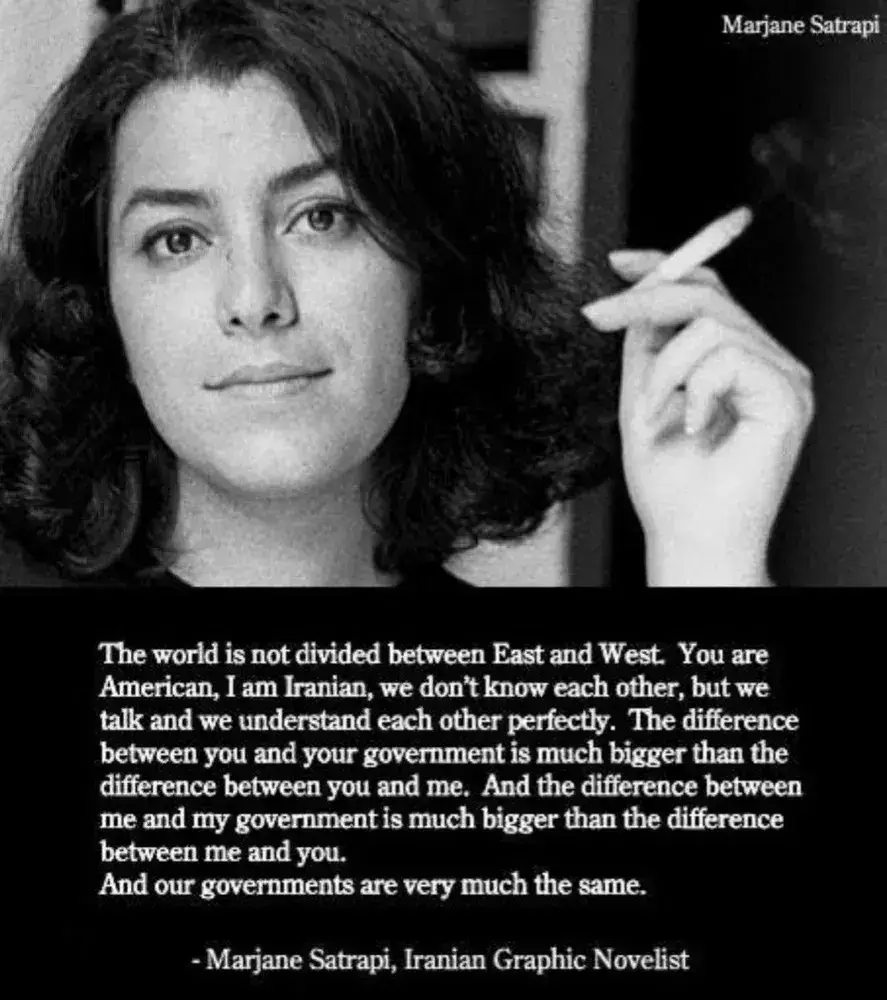
“Marjane Satrapi died of sadness a little over a year after the death of Mattias Ripa, her husband and the love of her life,” they said in a statement sent to AFP.
Les deux Français participeront à des missions différentes, l’une en direction de la Station spatiale internationale (ISS) et l’autre à destination de la station spatiale commerciale Haven-1, fondée par le milliardaire des cryptomonnaies Jed McCaleb.
« On avait réussi à établir un rapport de force via notre capacité à réglementer, donc affaiblir nos normes aujourd’hui revient à nous affaiblir nous-mêmes sur le plan géopolitique. » […] Demeure toutefois un obstacle de taille : de LFI au RN, les parlementaires eux-mêmes ont recours aux data brokers pour se faire (ré)élire.
Le principe des mythes est d’avoir la vie dure. Celui des demandeureuses d’emploi qui profitent de leur indemnisation et attendent la dernière minute avant de se remettre à chercher un boulot est particulièrement inoxydable. Et tant pis si, d’études en études, les chiffres prouvent le contraire.
Pour renverser le récit du « grand remplacement » distillé par l’extrême droite, le fondateur de La France insoumise a insisté sur la nécessité « d’incarner la nouvelle France, celle du grand remplacement, celle de la génération qui remplace l’autre ».
Les député·es ont adopté le 3 juin une proposition de loi réduisant progressivement la teneur en cadmium dans les aliments. Ce minerai toxique est massivement présent dans les sols et l’alimentation.
La proposition de loi prévoit d’abaisser dès 2027 les seuils de la teneur en cadmium dans les engrais phosphatés, avec une réduction progressive : un seuil à ne pas dépasser de 40 mg/kg d’anhydride phosphorique (P₂O₅) dès le 1er janvier 2027 et un seuil de 20 mg/kg dès le 1er janvier 2030.
Un siècle après l’âge d’or minier vendéen, le sous-sol du département intéresse de nouveau l’industrie […] l’État vient de retenir une entreprise pour un projet de recherche d’antimoine, un métalloïde très utilisé dans l’électronique. Mais de nombreuses étapes restent à franchir avant une éventuelle exploitation, à 50 kilomètres au sud-est de Nantes.
Maux de tête, nausées… Les émanations de gaz liées aux échouements d’algues puantes en Martinique et en Guadeloupe poussent les écoles à fermer ou à aménager leurs cours. Le problème, récurrent, s’enlise.
La France, comme une partie de l’Europe, connaît fin mai 2026 une vague de forte chaleur. Mais cet épisode est minimisé dans des publications foisonnant sur les réseaux sociaux, dont les auteurs affirment qu’il n’a rien d’exceptionnel et que des phénomènes similaires auraient déjà eu lieu, notamment en 1922, 1945 ou bien encore 1947. Certains vont jusqu’à dénoncer une “manipulation” de la part des médias, qui dramatiseraient la situation. Mais la vague de chaleur actuelle est bien inédite, de par sa précocité, sa durée et son intensité, soulignent les spécialistes.
Depuis 2024, les sages-femmes sont autorisées à pratiquer des IVG par aspiration à l’hôpital. Dans un cadre souvent misogyne, elles doivent se battre pour leur place tout en maintenant la qualité de la relation avec leurs patientes.
55 000 euros d’amende ! Après avoir critiqué l’arbitrage d’Ana Carvalho, estimant que « ce genre de match doit être arbitré par un homme », le tennisman Adolfo Daniel Vallejo a été sanctionné par la Fédération française de tennis et Roland-Garros. Il a présenté ses excuses.
C’est un sketch. À quel moment tu es tellement insecure dans ta vie que tu estimes que toutes les filles en couple qui vont à la salle de sport avec un legging ne sont pas fidèles ? »
Parce que plaire et se taire fait partie des attendus de la beauté, qui est à la fois une façon de mesurer sa valeur (éphémère) sur le marché et un motif permanent d’anxiété. Une idée propre à la culture du viol veut que derrière un non se cache toujours un oui. C’est une dissonance cognitive au plus haut niveau, comme les publicités qui façonnent nos esprits pour qu’on désire ce qui nous fait du mal.
Des membres du collectif #NousToutes ont manifesté devant le théâtre Edouard VII à Paris, juste avant une représentation de la pièce « Deuxième partie » qui a finalement été annulée.
La France est mise en cause devant la Cour européenne des droits de l’homme par une femme victime de diffusion de captations vidéo de son viol. Face à la Cour, elle dénonce la décision de la Justice française ne pas qualifier les faits de « traite des êtres humains » et interroge la manière dont l’État a évalué le consentement.
Le profil du principal suspect dans la mort de la collégienne retrouvée morte jeudi, aurait pu attirer l’attention des autorités judiciaires. Il avait fait l’objet deux plaintes en 2022 et 2025 pour viol sur des mineures – la première classée sans suite sur une enfant de 7 ans et la seconde toujours « en cours ». À ces plaintes s’ajoutent un signalement en 2017 pour une « relation » avec une mineure de 17 ans, une procédure de licenciement en 2020 après une « relation inappropriée avec une lycéenne » et, plus récemment, un signalement en mars dernier pour des agressions sexuelles sur mineures
Après l’enlèvement et le meurtre de Lyhanna, 11 ans, un homme, déjà mis en cause par trois plaintes pour viols sur mineurs, mais jamais condamné, est suspecté.
Deux journalistes de France 24, Nina Masson et Yong Chim, ont été victimes d’une tentative d’intimidation et de censure après une question posée à un acteur sur la tribune anti-Bolloré, qui a agité le festival de Cannes cette année. La direction et la société des journalistes de France 24 dénoncent des faits d’une “gravité inédite”.
aux yeux de l’exécutif, les défaillances, et donc les responsabilités face à ce drame, sont plutôt individuelles. Surtout pas politiques. Avant même les sorties de Gérald Darmanin, le président Emmanuel Macron avait déjà balayé la question des moyens accordés à la justice, en expliquant vouloir « entendre aucun argument » en ce sens.
Pour préparer la présidentielle 2027, le PS lance « Noûs », un think tank destiné à « réarmer intellectuellement » la gauche sociale-démocrate face à l’extrême droite. L’initiative est cependant entachée d’un paradoxe : sa coprésidente, Julie Martinez, est une ancienne cadre de Palantir, géant américain de la surveillance de masse.
Spécial recul des droits et libertés, violences policières, montée de l’extrême-droite…
Le Rassemblement national peaufine son propre ChatGPT, un robot conversationnel nourri aux discours, programme et éléments de langage du parti d’extrême droite.
Malgré une interdiction à Paris, les néofascistes du Comité du 9-Mai (C9M) ont fait leur grand rassemblement à Verrières-le-Buisson, en Essonne, sans être appréhendés. Des témoins ont vu des saluts nazis.
Première femme issue de l’immigration élue en France, Régine Komokoli vit et milite à Rennes, dans le quartier populaire de Villejean. Ancienne sans-papiers, survivante de violences conjugales, mère isolée devenue élue locale, elle subit depuis les dernières municipales une vague d’intimidations racistes, sexistes et négrophobes alimentée par l’extrême droite.
À chaque épisode de violences urbaines, le même réflexe : transformer une partie de la jeunesse française en problème collectif. Les commentaires indignés sur les célébrations du PSG dessinent une stigmatisation récurrente des jeunes des quartiers populaires : un racisme qui ne dit pas son nom.
L’intervention disproportionnée de la Ertzaintza lors de l’arrivée des membres de la flottille Global Sumud qui revenaient d’Israël a choqué. Les faits posent encore une fois l’épineuse question du maintien de l’ordre dans la Communauté autonome basque.
un policier qui n’était pas en service a été condamné ce mardi 2 juin à deux ans de prison, dont quatorze mois ferme avec mandat de dépôt, après avoir braqué des automobilistes avec son arme de service près du Pont-Neuf.[…] Ivre au moment des faits, il a expliqué ne plus se souvenir précisément du déroulement de la scène.
Un adolescent de 14 ans a été interpellé non loin de République. Selon sa famille, il aurait été plaqué contre un mur, menotté, insulté et blessé au nez avant d’être placé en garde à vue, puis de passer une nuit au dépôt. Il affirme également avoir subi des pressions après avoir souhaité porter plainte contre les policiers.
À l’appel du syndicat Sud Éducation 93, un rassemblement était organisé ce mardi à Saint-Denis pour dénoncer « l’impunité », selon des professeurs du département, qui protègerait les auteurs de propos ou d’agressions racistes ou sexuels à l’école.
Dénonçant la « pression disproportionnée » que subissent les agriculteurices bénéficiaires du RSA dans le Finistère, la Confédération Paysanne s’est associée à la procédure judiciaire intentée par la CGT contre le président du département. L’organisation pointe des contrôles abusifs qui dissuadent les paysan·nes de recourir à leurs droits.
Le Smic augmente de 2,41 % ce 1er juin. Pourquoi n’est-ce pas le cas de tous les salaires ? À cause de la fable de la « spirale prix-salaires », qui, comme les monstres sous le lit des enfants, fait très peur mais n’existe pas.
Face aux coupes budgétaires, à la montée de l’extrême droite et à la concentration industrielle, des artistes et travailleur·ses de la musique s’organisent. Un appel à faire de la culture un front de résistance politique et collective.
380 artistes, technicien.ne.s, acteurs et actrices culturel.le.s se mobilisent pour défendre le théâtre de Vanves, menacé d’une année blanche et d’un changement radical de politique culturelle de la municipalité.
Le jeudi 18 juin, les syndicats SNJ, SNJ-CGT, CFDT-Journalistes, le SGJ-FO, la Filpac-CGT, le SNPEP-FO, Info’Com-CGT appellent l’ensemble des salariés des médias à rejoindre ce cortège et à se mobiliser collectivement pour combattre les dangers qui menacent l’information, pour refuser les plans sociaux et défendre une information de qualité.
Une première audience aura lieu à Nanterre le 2 juillet, huit ans après la plainte déposée par Halte à l’obsolescence programmée (HOP). L’association reproche notamment au constructeur de réduire à dessein la durée de vie de ses cartouches d’encre.
À partir de combien est-on trop riche ? La chercheuse belgo-néerlandaise Ingrid Robeyns pose la question dans son essai Limitarianism : The Case Against Extreme Wealth (Allen Lane, 2024). La philosophe et économiste y forge un concept inédit : le limitarisme. Son principe ? Limiter les fortunes individuelles à 10 millions d’euros pour bâtir un monde sans super-riches et combattre les inégalités extrêmes politiquement et moralement insoutenables.
upgrading to Fedora 43 and the newer Dovecot 2.4 mail server unexpectedly exposed what could be an ancient Microsoft Outlook security problem involving unencrypted POP3 connections. If true, some Outlook users may have believed their email sessions were protected by SSL/TLS while the client silently continued using insecure plaintext connections instead.
Palantir, qui réalise l’essentiel de son chiffre d’affaires aux États-Unis, cherche à gagner de nouveaux clients en Europe, du côté des entreprises comme des gouvernements. Avec souvent le même opératoire : la multinationale profite des situations de crise pour offrir ses services gratuitement, puis enchaîne avec des contrats très lucratifs dont il est de plus en plus difficile de sortir.
On peut tourner et retourner le dilemme dans tous les sens, le plus raisonnable se réduit en une affirmation : l’urgence est celle d’une gauche rassemblée le plus largement possible, autour d’un projet le plus avancé possible, donnant crédibilité au projet d’une rupture avec les choix qui, depuis 1982, l’ont conduite au désastre.
Did you know that the first time terrorists used planes to attack Americans wasn’t on 9/11 or at Pearl Harbor ? It was during the Tulsa Race Massacre of 1921 when white supremacists flew “a dozen planes to drop turpentine or nitroglycerin bombs & men shot from planes.”
En Corée du Sud, les salariés de Samsung menaçaient d’une grève si les bénéfices de l’IA n’étaient pas mieux répartis. Aux États-Unis, ce sont les étudiants qui manifestent leurs craintes face à la concurrence déloyale de l’IA, et rejettent le modèle de société prôné par les patrons de la tech.
À Nantes, une association arpente le Web pour créer du lien avec les travailleuses du sexe qui rencontrent leurs clients par l’intermédiaire d’Internet. Un travail social de longue haleine, en butte aux lois régissant la prostitution.
Après des mois d’une guerre de tranchées juridique, la direction de l’École polytechnique a officiellement capitulé en suspendant son projet de migration vers Microsoft 365. Attaquée par le Conseil National du Logiciel Libre (CNLL), la prestigieuse école de Palaiseau a dû reculer.
Des scientifiques ont découvert une mégacolonie d’abeilles sauvages dont l’existence remonte à plus d’un siècle. Avec plusieurs millions d’individus recensés, cette population hors norme éclaire le rôle discret mais essentiel des espaces urbains préservés.
Dans les eaux chaudes des rivières du Mexique et du sud du Texas nage une espèce de poissons argentés qui ne devrait pas exister. Dans ces eaux, les femelles Poecilia formosa se reproduisent avec des partenaires appartenant à d’autres espèces pas trop différentes d’elles, avant de se débarrasser aussitôt de l’ADN du mâle : sa progéniture ne sera que femelle.
Retrouvez les revues de web précédentes dans la catégorie Libre Veille du Framablog.
Les articles, commentaires et autres images qui composent ces « Khrys’presso » n’engagent que moi (Khrys).
 Accedi