Modalità di lettura

Why a tiny river on Russia’s border tests China’s ties with Kim Jong-un

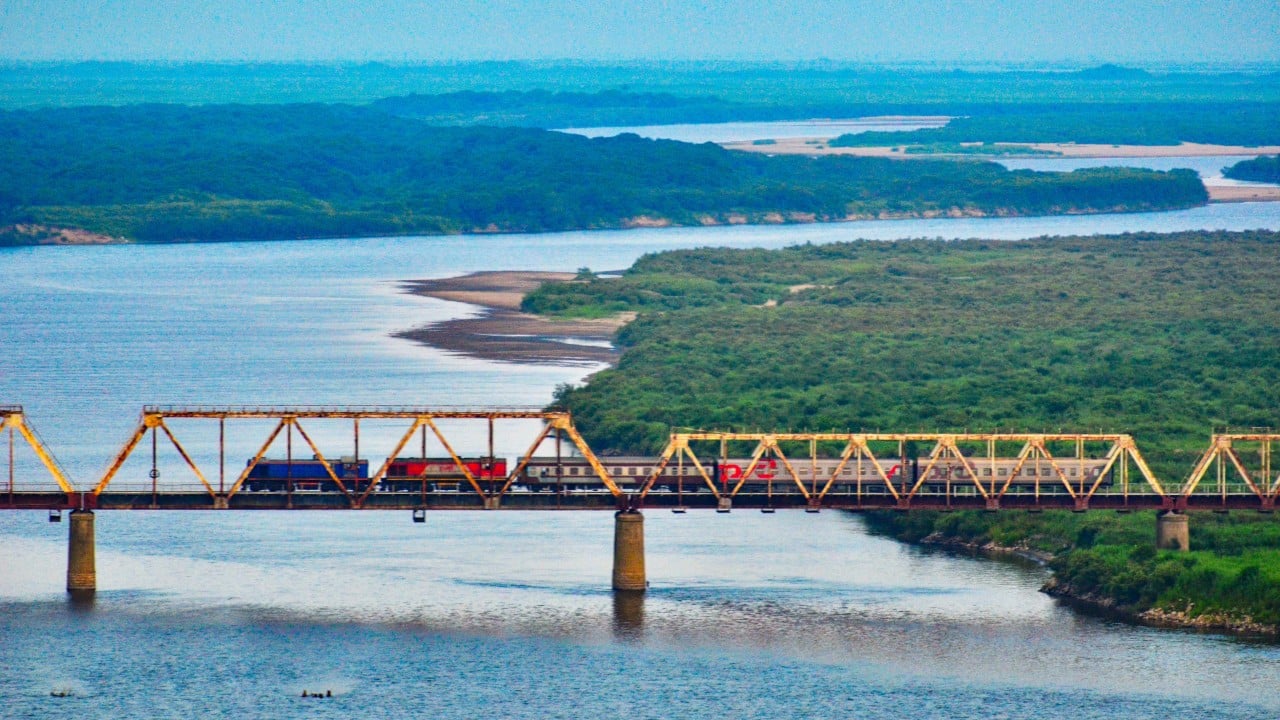
The Tumen River has resurfaced as one of the big issues for keen observers of relations between China and North Korea but after the leaders of the two countries met this week, there was no mention of it in the official statements after the summit. The river is a natural border between China, North Korea and Russia, and a narrow strip of it that runs between North Korea and Russia blocks Chinese access to open waters. Beijing has long tried to convince its two neighbours to open the waterway to...

  •  

Why a tiny river on Russia’s border tests China’s ties with Kim Jong-un

The Tumen River has resurfaced as one of the big issues for keen observers of relations between China and North Korea but after the leaders of the two countries met this week, there was no mention of it in the official statements after the summit. The river is a natural border between China, North Korea and Russia, and a narrow strip of it that runs between North Korea and Russia blocks Chinese access to open waters. Beijing has long tried to convince its two neighbours to open the waterway to...

  •  

China’s Zhejiang University tops Harvard in Nature Index world academic rankings

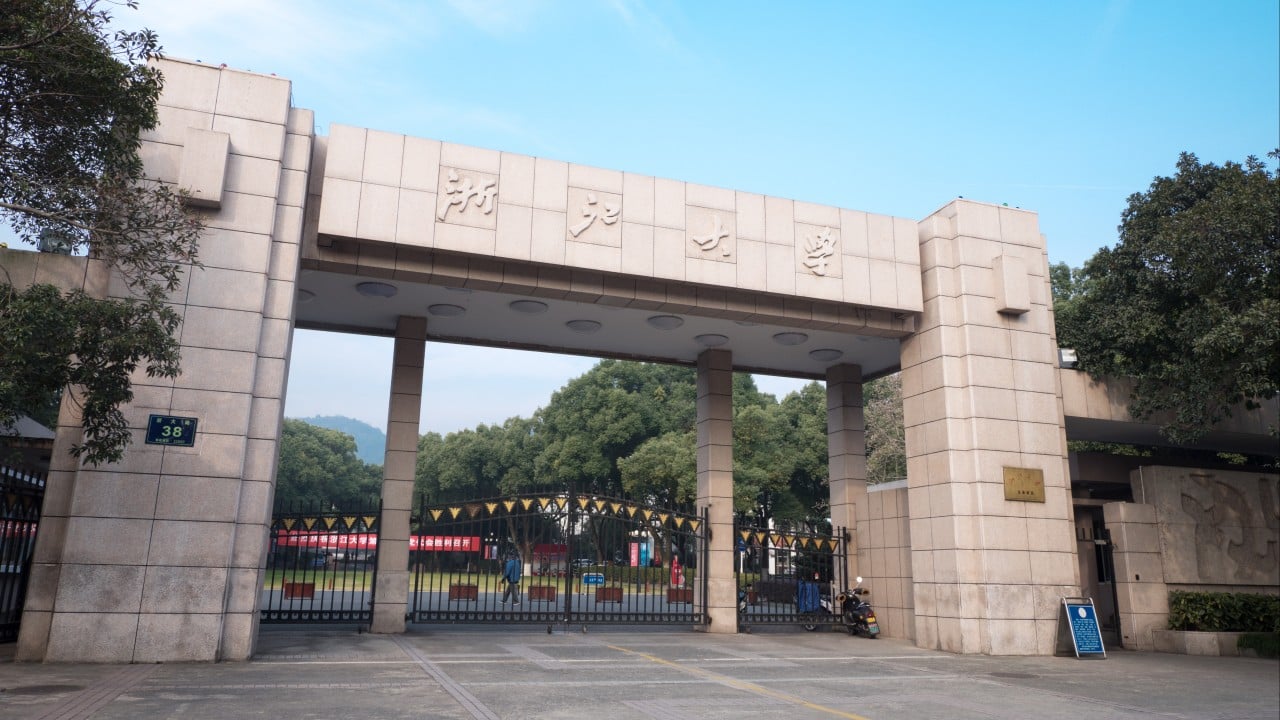
Zhejiang University in China has overtaken Harvard University to become the top academic institution in the world, according to the 2026 Nature Index. This is the first time Harvard has lost its top position in the rankings since the index’s inception in 2014. Tsinghua University, also from China, was third. Chinese institutions dominated this year’s list, accounting for nine of the top 10 – up from eight in last year’s rankings. Of the top 20, China has 17, with Stanford University No 12 and...

  •  

Beijing confirms arrest of US citizen Min Zin on espionage charges

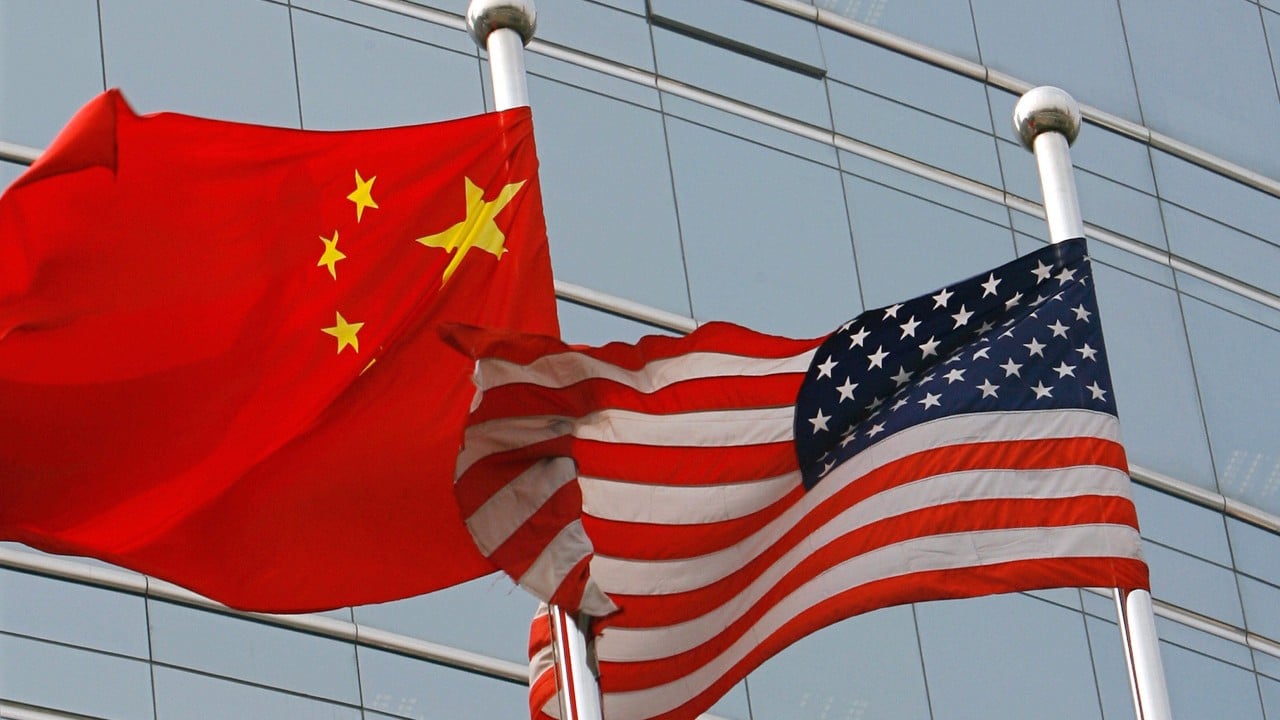
Beijing has confirmed the arrest of Min Zin, a US citizen and political analyst at a Myanmar-focused think tank, on suspicion of espionage and endangering national security. “It is understood that Min Zin has been placed under criminal detention by the relevant authorities in accordance with the law on suspicion of engaging in espionage and endangering China’s national security,” foreign ministry spokesman Lin Jian said on Friday. Lin did not give further details of charges against Min Zin, but...

  •  

Beijing confirms arrest of US citizen Min Zin on espionage charges

Beijing has confirmed the arrest of Min Zin, a US citizen and political analyst at a Myanmar-focused think tank, on suspicion of espionage and endangering national security. “It is understood that Min Zin has been placed under criminal detention by the relevant authorities in accordance with the law on suspicion of engaging in espionage and endangering China’s national security,” foreign ministry spokesman Lin Jian said on Friday. Lin did not give further details of charges against Min Zin, but...

  •  

Beijing pushes Taiwan exchanges at Straits Forum despite tightened restrictions

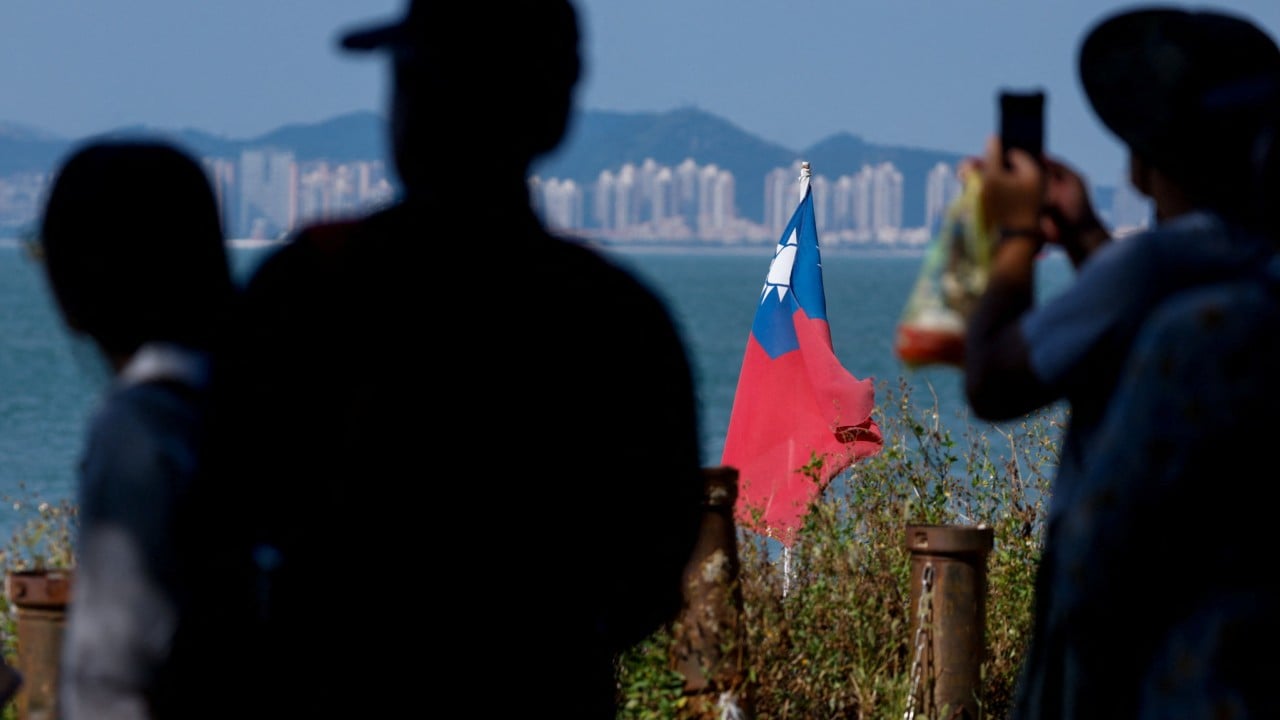
Beijing is seeking to expand people-to-people exchanges with Taiwan as it hosts hundreds from the island for an annual event, despite the ruling Democratic Progressive Party (DPP) banning Taiwanese officials from taking part. The Straits Forum, now in its 18th edition since 2009, is Beijing’s key platform for cross-strait people-to-people engagement, promoting exchanges in fields from culture to economics as part of its broader push for cross-strait integration. The main forum takes place on...

  •  

Beijing pushes Taiwan exchanges at Straits Forum despite tightened restrictions

Beijing is seeking to expand people-to-people exchanges with Taiwan as it hosts hundreds from the island for an annual event, despite the ruling Democratic Progressive Party (DPP) banning Taiwanese officials from taking part. The Straits Forum, now in its 18th edition since 2009, is Beijing’s key platform for cross-strait people-to-people engagement, promoting exchanges in fields from culture to economics as part of its broader push for cross-strait integration. The main forum takes place on...

  •  

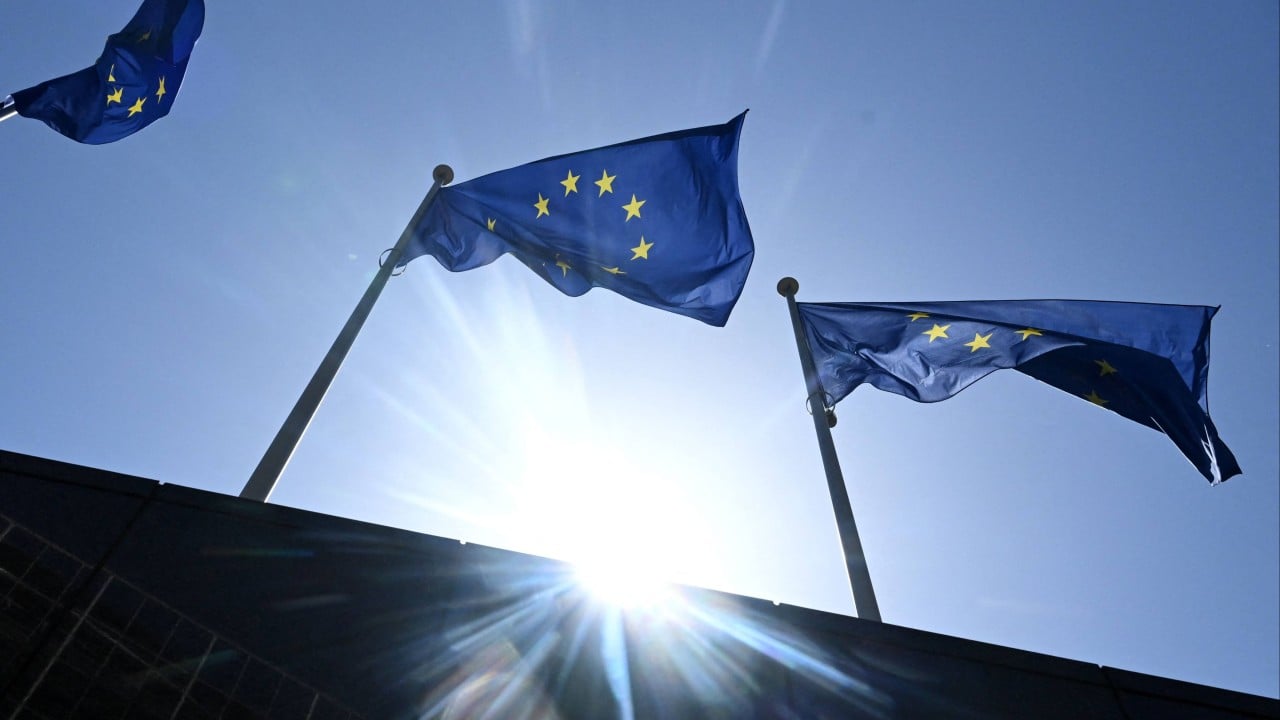
Europe is blaming China’s economic rise for its own failures, think tank says

As the European Union prepares tougher measures to counter what it sees as the “China shock 2.0”, a researcher with a Beijing-linked think tank has accused Brussels of clinging to a flawed narrative that China’s economic rise is an inherent threat to Europe. The criticism came as Beijing reportedly cancelled two high-level meetings with the EU in the Chinese capital this month, including a ministerial-level digital dialogue and a visit by a senior EU diplomat, according to the Financial Times on...

  •  

Europe is blaming China’s economic rise for its own failures, think tank says

As the European Union prepares tougher measures to counter what it sees as the “China shock 2.0”, a researcher with a Beijing-linked think tank has accused Brussels of clinging to a flawed narrative that China’s economic rise is an inherent threat to Europe. The criticism came as Beijing reportedly cancelled two high-level meetings with the EU in the Chinese capital this month, including a ministerial-level digital dialogue and a visit by a senior EU diplomat, according to the Financial Times on...

  •  

In the age of AI sovereignty anxiety, could China be a safe bet for middle powers?

EU tech sovereignty may prove an “illusion” in an AI world dominated by China and the US, a Chinese expert has argued, urging Beijing to seize the opportunity during Donald Trump’s second term to make its products indispensable to middle powers. The past few weeks have seen a number of efforts by middle powers to try to control their AI technology stacks. Last week, the European Union rolled out its Technological Sovereignty Package in a bid to make the bloc “a global leader” in artificial...

  •  

In the age of AI sovereignty anxiety, could China be a safe bet for middle powers?

EU tech sovereignty may prove an “illusion” in an AI world dominated by China and the US, a Chinese expert has argued, urging Beijing to seize the opportunity during Donald Trump’s second term to make its products indispensable to middle powers. The past few weeks have seen a number of efforts by middle powers to try to control their AI technology stacks. Last week, the European Union rolled out its Technological Sovereignty Package in a bid to make the bloc “a global leader” in artificial...

  •  

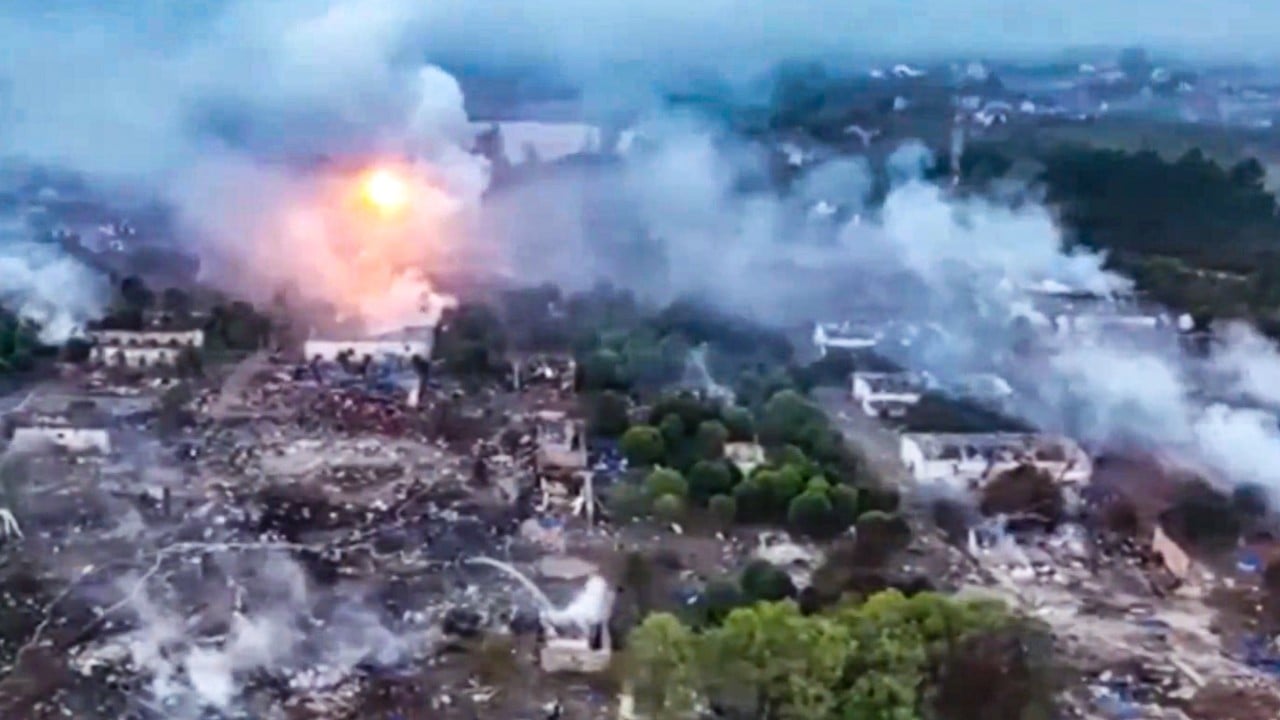
China investigates 3 more officials over deadly Hunan fireworks factory blast

A series of emergency management and local government officials in central China’s Hunan province have come under investigation following a catastrophic fireworks factory explosion that killed 37 people last month. The provincial discipline inspection commission announced on Thursday that three senior figures within the emergency management system were under investigation for “serious violations of discipline and law”. The officials are Lei Min, deputy director of the safety production emergency...

  •  

China investigates 3 more officials over deadly Hunan fireworks factory blast

A series of emergency management and local government officials in central China’s Hunan province have come under investigation following a catastrophic fireworks factory explosion that killed 37 people last month. The provincial discipline inspection commission announced on Thursday that three senior figures within the emergency management system were under investigation for “serious violations of discipline and law”. The officials are Lei Min, deputy director of the safety production emergency...

  •  

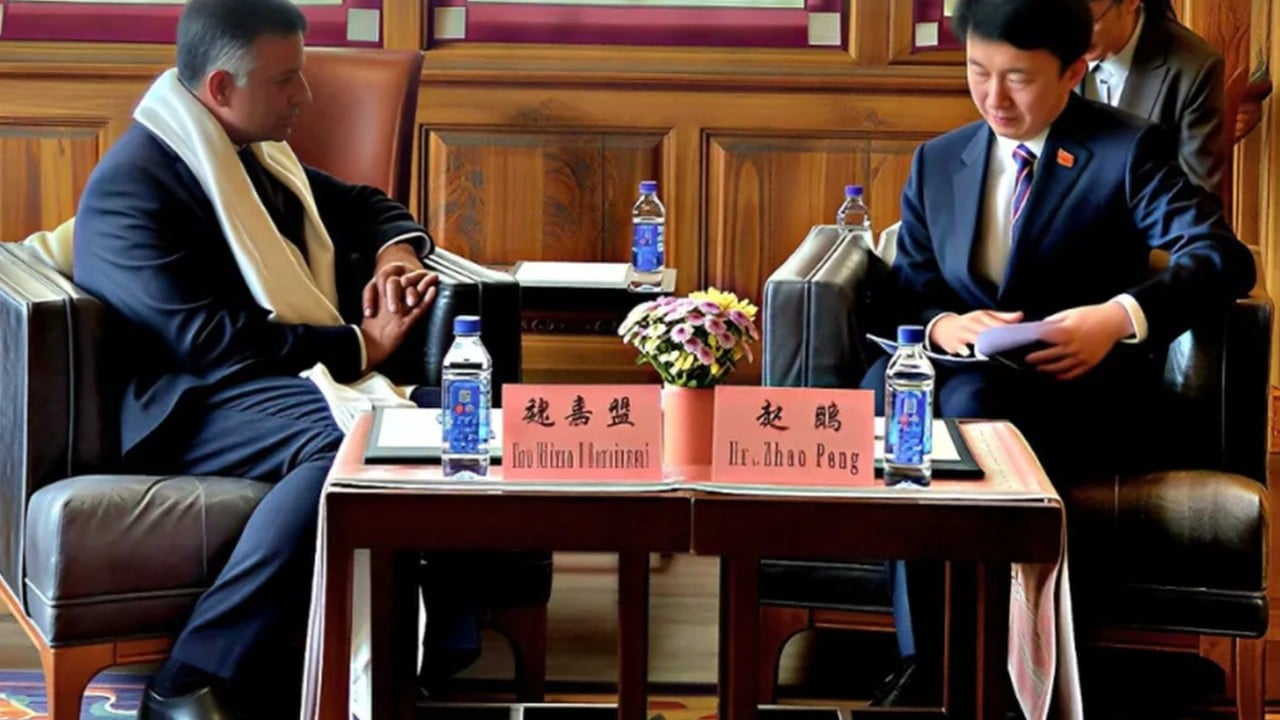
Why India’s new envoy to China is visiting Tibet soon after taking up the job

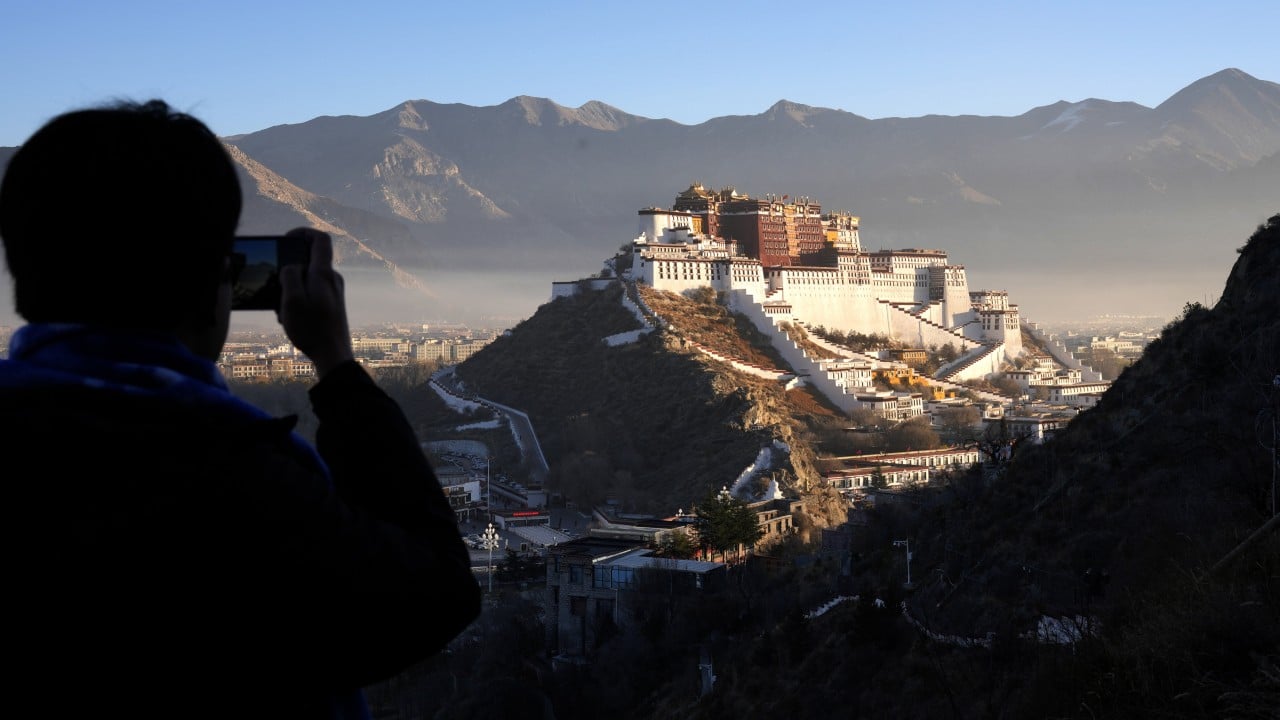
India’s new ambassador to China has paid his first visit to Tibet in the latest sign of thawing relations between the two Asian neighbours. Vikram Doraiswami – who speaks Chinese and took up the post in Beijing last month – arrived in Lhasa, capital of the Tibet autonomous region, on Thursday, according to a statement posted on social media by the Indian embassy. The visit was to “review arrangements made by the local government for Indian pilgrims proceeding to Mount Gang Renpoche and Lake...

  •  

Why India’s new envoy to China is visiting Tibet soon after taking up the job

India’s new ambassador to China has paid his first visit to Tibet in the latest sign of thawing relations between the two Asian neighbours. Vikram Doraiswami – who speaks Chinese and took up the post in Beijing last month – arrived in Lhasa, capital of the Tibet autonomous region, on Thursday, according to a statement posted on social media by the Indian embassy. The visit was to “review arrangements made by the local government for Indian pilgrims proceeding to Mount Gang Renpoche and Lake...

  •  

Recensione del libro “West Asia: A New American Grand Strategy in the Middle East” di Mohammed Soliman, a cura di Cristina Martinengo

Il volume “West Asia: A New American Grand Strategy in the Middle East” di Mohammed Soliman offre un’approfondita riflessione sulle trasformazioni geopolitiche che stanno ridefinendo il Medio Oriente e, più in generale, gli equilibri del sistema internazionale contemporaneo. Muovendo dall’osservazione dei profondi cambiamenti che interessano tanto la regione quanto l’ordine globale, il libro affronta temi quali il progressivo indebolimento dell’unipolarismo emerso dopo la Guerra Fredda, l’ascesa dell’Asia Occidentale come nuovo centro di gravità economico e strategico, il ritorno della competizione tra grandi potenze e l’emergere di nuove forme di cooperazione tra gli attori regionali. Al tempo stesso, l’autore si interroga sulle implicazioni che tali trasformazioni producono per la Grand Strategy americana, sostenendo la necessità di una ricalibrazione della postura degli Stati Uniti in Medio Oriente e lungo l’intero rimland eurasiatico.

L’elemento più originale del volume risiede tuttavia nel tentativo di reinterpretare la regione attraverso una cornice concettuale nuova. Secondo l’autore, la categoria di Middle East riflette una visione del mondo eurocentrica e sempre meno adeguata a descrivere le dinamiche contemporanee. Al suo posto, Soliman propone il concetto di West Asia, inteso come uno spazio geopolitico più ampio e interconnesso, che collega Mediterraneo, Golfo, Oceano Indiano e Indo-Pacifico. Il Medio Oriente viene dunque analizzato come un punto di incontro tra diverse aree geo-strategiche nel quale si manifesta il più ampio ribilanciamento degli equilibri globali verso l’Asia.

Attraverso un’analisi che intreccia storia, geografia, sicurezza, connettività economica e competizione strategica, il volume non si limita a interpretare le trasformazioni in corso, ma sviluppa anche una dimensione prescrittiva. Accanto alla riflessione sul futuro ruolo degli Stati Uniti, Soliman propone infatti una serie di raccomandazioni strategiche volte a favorire la costruzione di un nuovo ordine regionale in Asia occidentale, fondato su cooperazione multilaterale, connettività, innovazione tecnologica e reti di sicurezza flessibili. Il risultato è un’opera che combina analisi geopolitica e visione strategica, offrendo una proposta articolata per comprendere e gestire le profonde trasformazioni che stanno ridefinendo la regione e il suo rapporto con il  sistema internazionale tutto. 

La prima parte del volume, “Strategic Framing” è dedicata alla presentazione del contesto strategico. Il capitolo America and the End of the Middle East in particolare, sviluppa il quadro concettuale all’interno del quale si inserisce l’intera argomentazione. L’autore osserva come gli Stati Uniti siano entrati nel XXI secolo dopo aver dominato i principali ambiti di competizione strategica del Novecento, ma si trovino oggi ad operare in un contesto meno favorevole ai propri interessi, non tanto e non solo per un effettivo declino americano, ma soprattutto per l’ascesa di nuovi attori che rappresentano centri di potere economico, finanziario e strategico. 

Il Medio Oriente stesso starebbe poi attraversando una trasformazione profonda: i suoi principali attori sviluppano legami sempre più forti con l’Asia, ampliano la propria proiezione esterna e superano i  tradizionali confini della regione. 

Date queste premesse, l’autore individua un problema fondamentale della strategia americana: a differenza di quanto avvenuto in Europa o nell’Indo-Pacifico, Washington non sarebbe mai riuscita a costruire in Medio Oriente una vera architettura regionale dotata di meccanismi stabili di ordine politico e sicurezza. Per spiegare l’evoluzione degli equilibri regionali, il volume attribuisce particolare importanza a due momenti storici: la strategia di equilibrio perseguita da Henry Kissinger negli anni ‘70 e l’invasione dell’Iraq del 2003 (l’Iraq debalce). Se la prima mirava a preservare una configurazione regionale relativamente stabile, la seconda viene presentata come il punto di svolta che ha contribuito alla graduale disgregazione dell’ordine esistente. Ampio spazio è poi dedicato all’emergere di Iran e Turchia come potenze regionali capaci di proiettare la propria influenza ben oltre i confini tradizionali del Medio Oriente. La progressiva espansione delle rispettive reti politiche, militari ed economiche viene letta come una conseguenza diretta del vuoto strategico apertosi dopo la caduta del regime di Saddam Hussein e della successiva frammentazione dell’ordine regionale. 

Se la prima parte del volume si concentra sulle cause del progressivo indebolimento dell’ordine mediorientale emerso nella seconda metà del Novecento, la seconda, Rise of West Asia, analizza gli attori e le dinamiche che stanno contribuendo alla sua ridefinizione. L’attenzione si sposta in particolare verso il Golfo e l’emergere di nuove forme di cooperazione regionale che, secondo l’autore, testimoniano il passaggio dal tradizionale Middle East a una più ampia e interconnessa West Asia. Quest’area viene descritta come lo specchio del ribilanciamento degli equilibri globali e più in particolare dello spostamento del baricentro verso l’Asia.

La nuova riconfigurazione regionale, che porta con sé la necessità di ridefinire anche concettualmente l’area, è concepita dall’autore come il frutto di nuovi equilibri e attori emergenti nell’area del Golfo, ma anche come il risultato di nuovi e più profondi legami tra gli stati del Golfo e l’Asia. Nella sezione intitolata The Rise of the Arabian Gulf, l’autore mostra come Stati tradizionalmente percepiti come attori secondari abbiano progressivamente acquisito un ruolo centrale negli equilibri delle aree comprese tra Oceano Indiano e Mediterraneo. Tale ascesa viene attribuita soprattutto alla capacità delle monarchie del Golfo di trasformare la rendita petrolifera in ambiziosi programmi di modernizzazione economica e diversificazione strategica. Un’analisi approfondita è dedicata agli Emirati Arabi Uniti e al Dubai model, presentato come esempio di una trasformazione che combina apertura economica, innovazione tecnologica, attrazione di investimenti internazionali e proiezione geopolitica. 

Secondo l’autore, questi processi hanno prodotto effetti significativi anche sul piano della politica estera. Le monarchie del Golfo avrebbero abbandonato approcci difensivi per strategie più autonome e pragmatiche, fondate sulla diversificazione delle partnership e sulla ricerca di un equilibrio tra Stati Uniti, Cina, Russia e le principali potenze asiatiche. Per questo, il rafforzamento dei rapporti con India, Giappone, Corea del Sud e ASEAN viene interpretato come altro esempio dello spostamento del baricentro economico e geopolitico mondiale verso l’Asia. Questo fenomeno viene definito come “asianizzazione” del Medio Oriente, che trasforma il Golfo in uno snodo strategico capace di collegare Asia, Africa orientale, Mar Rosso e Mediterraneo.

Il capitolo The Arabs, Israel, and a New Formula for West Asia analizza invece la ridefinizione delle alleanze regionali attraverso la lente degli Accordi di Abramo. L’autore interpreta tali accordi come l’espressione di una nuova logica di realpolitik, nella quale la cooperazione tra Israele e diversi Stati arabi si fonda sempre più su interessi strategici, economici e securitari condivisi piuttosto che sulle storiche divisioni ideologiche. La marginalizzazione di attori prima centrali quali Iraq e Siria e il contemporaneo rafforzamento di Riyadh, Abu Dhabi e Doha avrebbero favorito la nascita di una nuova architettura regionale, orientata verso forme di integrazione economica e cooperazione in materia di sicurezza.

Un’intera sezione di questo capitolo è poi dedicata alla guerra a Gaza successiva al 7 ottobre 2023. Pur riconoscendo come il conflitto abbia riportato la questione palestinese al centro dell’agenda regionale e abbia evidenziato la persistente capacità dell’Iran di esercitare influenza attraverso la propria rete di alleati e partner, l’autore sostiene che il processo di integrazione israelo-araba non sia stato arrestato. Al contrario, esso avrebbe confermato la volontà di numerosi attori regionali di perseguire un nuovo ordine regionale fondato sulla cooperazione pragmatica, pur nella consapevolezza che una stabilizzazione duratura richieda anche una credibile soluzione della questione palestinese.

La terza parte del volume, Redefining the Middle East, contiene probabilmente il contributo concettuale più originale dell’opera. Attraverso i capitoli dedicati all’India, al canale di Suez, all’asse indo-islamico e al ritorno del mondo indo-abramitico, l’autore sviluppa la tesi secondo cui la categoria di Middle East non è più adeguata a descrivere la realtà geopolitica contemporanea. Più che una semplice ridefinizione terminologica, il concetto di West Asia rappresenta un tentativo di reinterpretare la regione alla luce delle sue connessioni storiche e strategiche con l’Oceano Indiano, il Mediterraneo e l’Indo-Pacifico. L’autore sostiene infatti che le tradizionali categorie di “Oriente”, “Occidente” e “Medio Oriente” siano in larga misura il prodotto di una visione eurocentrica del mondo, mentre fase storica odierna starebbe riportando in primo piano modelli di interazione precedenti all’egemonia europea.

In questo contesto, l’India e l’Oceano indiano hanno una posizione fondamentale. Riprendendo il concetto di Confluence of Two Seas formulato da Shinzo Abe e la strategia di multi-allineamento teorizzata dal ministro degli Esteri indiano S. Jaishankar, l’autore descrive l’Asia occidentale come il “vicinato esteso” di Nuova Delhi e individua nella crescente convergenza tra India e monarchie del Golfo uno dei principali motori della trasformazione regionale. La cooperazione con Emirati Arabi Uniti, Arabia Saudita, Israele ed Egitto viene interpretata come la base di un emergente ordine indo-abramitico, fondato su connettività, commercio, investimenti, sicurezza marittima e innovazione tecnologica. 

Un ruolo altrettanto importante è attribuito all’Egitto e al Canale di Suez. L’autore osserva come Suez stia evolvendo da semplice chokepoint commerciale a nodo geoeconomico dell’Eurasia, capace di integrare reti energetiche, infrastrutturali e commerciali che si estendono dall’Europa all’Indo-Pacifico. La trasformazione della Suez Canal Economic Zone, lo sviluppo delle coste del Mediterraneo e del Mar Rosso e la crescente integrazione energetica con il Golfo vengono presentati come manifestazioni concrete di questa nuova centralità.

Accanto all’ordine indo-abramitico, il volume individua l’emergere di un secondo polo geopolitico, definito indo-islamic axis. Guidato dalla Turchia e sostenuto da una rete di partenariati che include Pakistan, Somalia, Maldive e altri attori musulmani dell’Asia, esso rappresenta un modello alternativo di integrazione regionale. Tuttavia, l’autore sottolinea come i due ordini non debbano essere interpretati esclusivamente in termini competitivi: essi coesistono all’interno dello stesso spazio geopolitico e contribuiscono, attraverso dinamiche simultanee di cooperazione e rivalità, alla ridefinizione complessiva della West Asia.

Queste stesse dinamiche trovano la loro espressione più concreta nell’India–Middle East–Europe Corridor (IMEC), presentato come molto più di un semplice progetto infrastrutturale. Secondo l’autore, il corridoio rappresenta il tentativo di ricostruire antiche reti di connessione tra Asia, Medio Oriente ed Europa e costituisce il simbolo di una nuova architettura geopolitica fondata soprattutto sulla connettività marittima. Il nuovo ordine regionale non nasce da una rottura con il passato, bensì dalla riattivazione di storiche reti commerciali e politiche adattate alle esigenze del sistema multipolare contemporaneo. Come osserva l’autore, “history is no longer confined to the pages of the past“; al contrario, è tornata come una forza capace di modellare le nuove configurazioni del potere globale.

La quarta e ultima parte del volumeOrder-Building in West Asia” traduce il quadro teorico elaborato nei capitoli precedenti in una proposta strategica per la costruzione di un nuovo ordine regionale. L’autore colloca la propria riflessione all’interno di un contesto internazionale caratterizzato da crescente frammentazione geopolitica, dalla redistribuzione del potere verso l’Asia e dall’emergere di nuove potenze e nuove forme di competizione tra grandi potenze. Inoltre, il progressivo ridimensionamento della centralità economica e militare degli Stati Uniti non viene interpretato come un declino irreversibile, bensì come un mutamento strutturale che impone a Washington una revisione delle proprie priorità strategiche. La riduzione della quota statunitense del PIL mondiale e la crescente capacità di attori come Cina e Russia di contestare l’influenza americana in diverse aree vengono presentate come indicatori di una trasformazione più ampia dell’ordine internazionale.

Particolare importanza assumono le coalizioni mini-laterali e partnership flessibili, considerate strumenti più adatti rispetto alle tradizionali alleanze rigide per affrontare le sfide di un sistema internazionale sempre più multipolare. Formati come il QUAD, l’East Mediterranean Gas Forum e numerose iniziative trilaterali vengono interpretati come esempi della tendenza verso forme di cooperazione costruite attorno a interessi specifici e obiettivi condivisi.

Da questa premessa deriva una delle argomentazioni centrali del volume: la necessità di sostituire il paradigma del nation-building, che ha caratterizzato una parte significativa della strategia statunitense in Medio Oriente dopo il 2001, con una logica di order-building. Secondo l’autore, l’esperienza irachena ha dimostrato i limiti dei tentativi di trasformazione politica imposti dall’esterno. Piuttosto che promuovere cambiamenti di regime o esportare modelli politici occidentali, gli Stati Uniti dovrebbero favorire la costruzione di reti regionali di cooperazione fondate su sicurezza, interoperabilità, condivisione dell’intelligence e interessi comuni.

L’obiettivo non è perpetuare una presenza americana dominante nella regione, bensì facilitare la graduale formazione di un sistema di sicurezza più autonomo e sostenibile. Washington assumerebbe il ruolo di facilitatore e coordinatore di una rete di partnership che avrebbe come nucleo gli Stati arabi della regione, integrati anche da attori esterni quali India, Israele e alcuni partner europei. La stabilità della West Asia verrebbe garantita con la costruzione di meccanismi di cooperazione economica, tecnologica e securitaria capaci di rafforzare la resilienza regionale. Dalla prospettiva americana, la riconfigurazione dell’ordine regionale della West Asia emerge come principale imperativo strategico del XXI secolo. Questo obiettivo non può però essere perseguito attraverso modelli egemonici tradizionali, ma richiede la costruzione di architetture flessibili e partenariati tecno-economici capaci di integrare la regione nelle più ampie dinamiche dell’Indo-Pacifico in cui Washington ha i propri interessi. Il futuro della West Asia appare quindi strettamente connesso alla capacità degli Stati Uniti di adattare i propri strumenti di leadership a un contesto internazionale sempre più multipolare e competitivo.

Un’ulteriore dimensione del volume riguarda il rapporto tra le dinamiche regionali e gli sviluppi più ampi del sistema internazionale. Nel corso dell’analisi, l’autore colloca costantemente l’evoluzione della West Asia nel contesto delle trasformazioni geopolitiche contemporanee. Particolare attenzione è dedicata all’impatto della guerra in Ucraina, alla crescente rilevanza strategica dell’Egitto e del Canale di Suez, al rafforzamento dei legami politici, economici e strategici tra l’India e le principali potenze regionali, nonché alle implicazioni del progressivo approfondimento dell’intesa sino-russa per l’evoluzione degli equilibri globali di potere. Questi sviluppi vengono presentati come componenti significative dei più ampi processi che stanno contribuendo all’emergere della West Asia come distinto spazio geopolitico.

Al di là dei suoi meriti analitici, meritano attenzione anche il momento della pubblicazione e la ricezione di West Asia. Pubblicato in una fase in cui i dibattiti sul Medio Oriente erano stati profondamente influenzati dalla guerra in Iraq e dalla crisi energetica, il volume è rapidamente divenuto una delle opere più discusse sulla regione negli ultimi anni, suscitando ampio interesse presso circoli politici, ambienti accademici e l’opinione pubblica. Tokay, tuttavia, coglie l’occasione per mettere in discussione l’eredità intellettuale prevalente che ha dominato gli studi sull’Asia occidentale dopo l’invasione dell’Iraq, così come l’intera generazione di studiosi statunitensi, analisti e opinion maker che si sono affermati dopo la guerra in Iraq e la Primavera araba, e che si rifiutano di leggere il Medio Oriente attraverso la lente dei suoi legami storici e culturali con l’Asia. Per questa generazione, il dato decisivo del XXI secolo è l’ascesa dell’Asia, e il futuro della regione può essere compreso soltanto alla luce del suo crescente intreccio con il più ampio entroterra asiatico.

Ciò che distingue la visione del mondo di Soliman è il suo realismo disciplinato. Egli si colloca nella tradizione della realpolitik, considerando il potere, la geografia e l’interesse nazionale come la grammatica permanente delle relazioni internazionali; allo stesso tempo, però, rifiuta il declinismo che è giunto a dominare gran parte del dibattito statunitense. Per Soliman, la questione centrale del XXI secolo non è se la potenza americana sia destinata a erodersi, bensì se essa saprà essere ridistribuita e impiegata con una chiara finalità strategica. La sua risposta ruota attorno a una corretta comprensione della grande strategia, intesa come il deliberato allineamento di mezzi necessariamente limitati a fini essenziali attraverso i diversi teatri, domini e orizzonti temporali che definiscono la proiezione del potere americano.

Nella sua interpretazione, le guerre combattute da Washington contano meno, per il futuro della potenza statunitense, dell’ordine che essa riuscirà a costruire nello spazio eurasiatico e della sua capacità di prevalere nella competizione tecno-economica in corso. In questo senso, West Asia è al tempo stesso un libro e una dichiarazione generazionale: annuncia l’emergere di una scuola di pensiero per la quale la domanda fondamentale non è più come gli Stati Uniti gestiscano il Medio Oriente, bensì come il Medio Oriente, riconcettualizzato come Asia occidentale, si inserisca nel cosiddetto “secolo asiatico”.

Nel complesso, West Asia rappresenta un contributo originale al dibattito sul futuro della regione e sul ruolo degli Stati Uniti in un sistema internazionale che si sta trasformando velocemente. Il principale merito del volume risiede nella proposta di superare la tradizionale categoria di Middle East a favore di quella di West Asia, concepita come uno spazio geopolitico dinamico, interconnesso e sempre più integrato nelle dinamiche economiche e strategiche dell’Indo-Pacifico. Attraverso questa nuova lente interpretativa, Soliman descrive una regione caratterizzata da equilibri fluidi, nuove forme di cooperazione e crescente protagonismo degli attori regionali, offrendo al tempo stesso una riflessione strategica sulle modalità attraverso cui tale trasformazione possa trovare un equilibrio. Il risultato è un’opera ambiziosa che combina analisi geopolitica, riflessione teorica e proposte operative, contribuendo a ridefinire il modo in cui la regione viene concepita e collocata all’interno degli equilibri globali del XXI secolo. 

ENGLISH VERSION

The book West Asia: A New American Grand Strategy in the Middle East by Mohammed Soliman offers a compelling and wide-ranging reflection on the geopolitical transformations reshaping the Middle East and, more broadly, the contemporary international order. Drawing upon the profound changes affecting both the region and the global system, the book examines such themes as the gradual erosion of the post-Cold War unipolar order, the rise of West Asia as a new economic and strategic center of gravity, the return of great-power competition, and the emergence of new forms of cooperation among regional actors. At the same time, the author explores the implications of these developments for the American Grand Strategy, arguing for a recalibration of the United States’ strategic posture in the Middle East and across the broader Eurasian rimland.

The most original contribution of the volume, however, lies in its willingness to reinterpret the region through a novel conceptual framework. According to the author, the category of the Middle East reflects a Eurocentric worldview that is increasingly ill-suited to capturing contemporary geopolitical dynamics. In its place, Soliman advances the concept of West Asia, conceived as a broader and more interconnected geopolitical space linking the Mediterranean, the Gulf, the Indian Ocean, and the Indo-Pacific. The Middle East is thus reimagined as a strategic crossroads where multiple geostrategic arenas intersect and where the broader rebalancing of global power toward Asia is most clearly manifested.

Through an analysis that weaves together history, geography, security, economic connectivity, and strategic competition, the volume does not merely interpret ongoing transformations but also develops a distinctly prescriptive dimension. Alongside his reflections on the future role of the United States, Soliman advances strategic recommendations aimed at fostering the construction of a new regional order in West Asia, grounded in multilateral cooperation, connectivity, technological innovation, and flexible security networks. The result is a work that successfully combines geopolitical analysis with strategic vision, offering a sophisticated framework through which to understand and navigate the profound transformations reshaping both the region and its relationship with the international system.

Part I of the volume, Strategic Framing, is devoted to establishing the broader strategic context. The chapter America and the End of the Middle East, in particular, develops the conceptual framework underpinning the book’s overall argument. The author observes that the United States entered the twenty-first Century after having dominated the principal arenas of strategic competition throughout the twentieth Century. Today, however, it operates in a considerably less favorable environment, not merely, or even primarily, as a consequence of American decline, but rather because of the rise of new actors that have emerged as centers of economic, financial, and strategic power.

At the same time, the Middle East itself is undergoing a profound transformation. Its principal actors are forging increasingly strong ties with Asia, expanding their external reach, and progressively transcending the region’s traditional geographic boundaries.

Against this backdrop, the author identifies a fundamental weakness in American strategy: unlike in Europe or the Indo-Pacific, Washington has never succeeded in constructing a genuine regional architecture in the Middle East endowed with stable mechanisms of political order and security. To explain the evolution of regional balances, the volume assigns particular significance to two historical turning points: Henry Kissinger’s balance-of-power strategy in the 1970s and the 2003 invasion of Iraq, described as the Iraq debacle. Whereas the former sought to preserve a relatively stable regional configuration, the latter is presented as the critical juncture that contributed to the gradual unraveling of the existing order.

Considerable attention is also devoted to the emergence of Iran and Türkiye as regional powers capable of projecting their influence far beyond the traditional boundaries of the Middle East. The steady expansion of their political, military, and economic networks is interpreted as a direct consequence of the strategic vacuum that emerged following the fall of Saddam Hussein’s regime and the subsequent fragmentation of the regional order.

While the first part of the volume focuses on the causes underlying the gradual weakening of the Middle Eastern order that emerged in the second half of the twentieth Century, Part II, Rise of West Asia, examines the actors and dynamics contributing to its reconfiguration. The focus shifts in particular to the Gulf and to the emergence of new forms of regional cooperation which, according to the author, exemplify the transition from the traditional Middle East to a broader and more interconnected West Asia. This region is portrayed as a reflection of the broader rebalancing of global power, particularly the ongoing shift in the global balance of power toward Asia. 

This new regional configuration, which in turn necessitates a conceptual redefinition of the region itself, is understood by the author both as the product of new balances of power and emerging actors in the Gulf and as the result of increasingly deep ties between the Gulf states and Asia. In the section entitled The Rise of the Arabian Gulf, Soliman demonstrates how states traditionally perceived as secondary actors have gradually assumed a central role in shaping the strategic landscape stretching from the Indian Ocean to the Mediterranean. This rise is attributed to the ability of the Gulf monarchies to transform hydrocarbon wealth into ambitious programmes of economic modernization and strategic diversification. Particular attention is devoted to the United Arab Emirates and the Dubai model, presented as a paradigm of transformation combining economic openness, technological innovation, the attraction of international investment, and geopolitical projection.

According to the author, these developments have also had significant implications for foreign policy. Gulf monarchies have progressively moved beyond predominantly defensive approaches in favour of more autonomous and pragmatic strategies, grounded in the diversification of partnerships and the pursuit of a balance among the United States, China, Russia, and the leading Asian powers. As a consequence, the strengthening of relations with India, Japan, South Korea, and ASEAN is interpreted as yet another manifestation of the ongoing eastward shift of global economic and geopolitical power. Soliman describes this phenomenon as the “Asianization” of the Middle East, a process that transforms the Gulf into a strategic hub connecting Asia, East Africa, the Red Sea, and the Mediterranean.

The chapter The Arabs, Israel, and a New Formula for West Asia examines the reconfiguration of regional alignments through the lens of the Abraham Accords. The author interprets these agreements as the expression of a new logic of realpolitik, in which cooperation between Israel and several Arab states is increasingly grounded in shared strategic, economic, and security interests rather than in the historical ideological divisions that have long shaped regional politics. The marginalization of previously central actors such as Iraq and Syria, coupled with the growing prominence of Riyadh, Abu Dhabi, and Doha, is presented as having facilitated the emergence of a new regional architecture oriented toward economic integration and security cooperation.

An entire section of the chapter is devoted to the Gaza war that followed the events of 7 October 2023. While acknowledging that the conflict has brought the Palestinian issue back to the forefront of the regional agenda and has highlighted Iran’s enduring capacity to project influence through its network of allies and partners, the author argues that the process of Arab-Israeli integration has not been halted. On the contrary, it has reinforced the determination of numerous regional actors to pursue a new regional order founded upon pragmatic cooperation, while recognizing that any durable stabilization of the region ultimately requires a credible resolution of the Palestinian question.

Part III of the volume, Redefining the Middle East, arguably contains the book’s most original conceptual contribution. Through chapters devoted to India, the Suez Canal, the Indo-Islamic axis, and the return of the Indo-Abrahamic world, the author advances the argument that the category of the Middle East is no longer adequate for describing contemporary geopolitical realities. More than a mere terminological adjustment, the concept of West Asia represents an effort to reinterpret the region in light of its historical and strategic connections to the Indian Ocean, the Mediterranean, and the Indo-Pacific. Indeed, the author contends that the conventional categories of “East,” “West,” and “Middle East” are largely the product of a Eurocentric worldview, whereas the current historical moment is bringing back to prominence patterns of interaction that predate the era of European hegemony.

In this context, India and the Indian Ocean occupy a pivotal position. Drawing upon Shinzo Abe’s concept of the Confluence of Two Seas and the strategy of multi-alignment articulated by India’s Minister of External Affairs, S. Jaishankar, the author describes West Asia as New Delhi’s “extended neighborhood” and identifies the growing convergence between India and the Gulf monarchies as one of the principal drivers of regional transformation. Cooperation with the United Arab Emirates, Saudi Arabia, Israel, and Egypt is interpreted as the foundation of an emerging Indo-Abrahamic order, built upon connectivity, trade, investment, maritime security, and technological innovation.

An equally important role is assigned to Egypt and the Suez Corridor. The author argues that Suez is evolving from a mere commercial chokepoint into a geoeconomic hub of Eurasia, capable of integrating energy, infrastructure, and trade networks stretching from Europe to the Indo-Pacific. The transformation of the Suez Canal Economic Zone, the development of the Mediterranean and Red Sea coastlines, and the growing energy integration with the Gulf are presented as tangible manifestations of this newfound centrality.

Alongside the Indo-Abrahamic order, the volume identifies the emergence of a second geopolitical pole, defined as the Indo-Islamic axis. Led by Türkiye and supported by a network of partnerships that includes Pakistan, Somalia, the Maldives, and other Muslim actors across Asia, it represents an alternative model of regional integration. However, the author emphasizes that these two orders should not be understood exclusively in competitive terms. Rather, they coexist within the same geopolitical space and contribute, through simultaneous dynamics of cooperation and rivalry, to the broader redefinition of West Asia.

These very dynamics find their most concrete expression in the India–Middle East–Europe Corridor (IMEC), which is presented as far more than a mere infrastructure project. According to the author, the corridor represents an attempt to reconstruct historical networks of connectivity linking Asia, the Middle East, and Europe, while simultaneously symbolizing a new geopolitical architecture grounded above all in maritime connectivity. The emerging regional order is therefore not the product of a rupture with the past, but rather of the reactivation of historical commercial and political networks adapted to the requirements of the contemporary multipolar system. As the author observes, “history is no longer confined to the pages of the past”; on the contrary, it has returned as a force capable of shaping the emerging configurations of global power.

The fourth and final part of the volume, Order-Building in West Asia, translates the theoretical framework developed in the preceding chapters into a strategic proposal for the construction of a new regional order. The author situates his analysis within an international environment characterized by increasing geopolitical fragmentation, the redistribution of power toward Asia, and the emergence of new powers alongside new forms of great-power competition. Furthermore, the gradual erosion of the United States’ economic and military centrality is not interpreted as an irreversible decline, but rather as a structural transformation requiring Washington to reassess its strategic priorities. The shrinking share of global GDP accounted for by the United States, together with the growing ability of actors such as China and Russia to challenge American influence across multiple regions, is presented as evidence of a broader transformation of the international order.

Particular importance is attributed to minilateral coalitions and flexible partnerships, which are regarded as more effective instruments than traditional rigid alliances for addressing the challenges of an increasingly multipolar international system. Frameworks such as the QUAD, the East Mediterranean Gas Forum, and numerous trilateral initiatives are interpreted as examples of a broader trend toward forms of cooperation built around specific interests and shared objectives.

From this premise emerges one of the volume’s central arguments: the need to replace the paradigm of nation-building, which shaped a significant portion of U.S. strategy in the Middle East after 2001, with a logic of order-building. According to the author, the Iraqi experience demonstrated the limitations of externally imposed political transformation. Rather than promoting regime change or exporting Western political models, the United States should facilitate the construction of regional networks of cooperation based on security, interoperability, intelligence sharing, and common interests, a posture defined as “leading from within”.

The objective is not to perpetuate a dominant American presence in the region, but rather to facilitate the gradual emergence of a more autonomous and sustainable security architecture. Washington would assume the role of facilitator and coordinator of a network of partnerships centered on the Arab states of the region, while also incorporating external actors such as India, Israel, and selected European partners. The stability of West Asia would be pursued through the development of mechanisms of economic, technological, and security cooperation capable of enhancing regional resilience. From an American perspective, the reconfiguration of the regional order in West Asia emerges as a central strategic imperative of the twenty-first century. Yet this objective cannot be achieved through traditional hegemonic models; rather, it requires the construction of flexible architectures and techno-economic partnerships capable of integrating the region into the broader dynamics of the Indo-Pacific, where Washington’s strategic interests increasingly lie. The future of West Asia therefore appears closely tied to the ability of the United States to adapt its instruments of leadership to an international environment that is becoming ever more multipolar and competitive.

A further dimension of the volume concerns the relationship between regional dynamics and wider developments in the international system. Throughout the analysis, the author consistently situates the evolution of West Asia within the context of contemporary geopolitical transformations. Notably, particular attention is devoted to the impact of the war in Ukraine, the growing strategic relevance of Egypt and the Suez Canal, the strengthening of political, economic, and strategic ties between India and the major regional powers, as well as the implications of the deepening Sino-Russian entente for the evolving global balance of power. These developments are presented as important components of the broader processes contributing to the emergence of West Asia as a distinct geopolitical space.

Beyond its analytical merits, the timing and reception of West Asia deserve note. Published at a moment when Washington’s Middle East debates have been upended by the Iran war and the energy crisis, the book has quickly become one of the most discussed works on the region in years, drawing citations across the foreign policy commentariat in Europe, Tokyo, Washington, Gulf capitals, and India. Its resonance reflects more than fortunate timing. Soliman has emerged as the leading voice of a new cohort of American thinkers, analysts who came of age intellectually after the Iraq war and the Arab Spring and who refuse to read the Middle East through the inherited transatlantic lens. For this generation, the decisive fact of the twenty-first century is the rise of Asia, and the region’s future is legible only through its deepening entanglement across the broader Asian rimland. 

What distinguishes Soliman’s worldview is its disciplined realism. He writes in the tradition of realpolitik, treating power, geography, and interest as the enduring grammar of international politics, yet he refuses the declinism that has come to dominate so much of the American debate. For Soliman, the question of the twenty-first century is not whether American power will erode but whether it will be redeployed with intent, and his answer runs through grand strategy properly understood, the deliberate matching of finite means to essential ends across the theaters, domains, and timelines that define American power.

In his telling, the wars Washington fights matter less to the future of American power than the order it manages to build across Eurasia, and whether it wins the techno-economic contest underway there. In this sense, West Asia is both a book and a generational statement, announcing the arrival of a school of thought for which the question is no longer how America manages the Middle East, but how the Middle East, reconceived as West Asia, fits into the Asian century.

Overall, West Asia constitutes an original contribution to the debate on the future of the region and the role of the United States within a rapidly evolving international system. The volume’s principal strength lies in its proposal to move beyond the traditional category of the Middle East in favor of West Asia, conceived as a dynamic and interconnected geopolitical space that is becoming increasingly integrated into the economic and strategic dynamics of the Indo-Pacific. Through this new interpretive lens, Soliman portrays a region characterized by fluid balances, new forms of cooperation, and the growing agency of regional actors, while simultaneously offering a strategic reflection on how this transformation may ultimately be stabilized and sustained. The result is an ambitious work that combines geopolitical analysis, theoretical reflection, and policy-oriented recommendations, contributing to a redefinition of how the region is conceptualized and situated within the global balances of the twenty-first century. 

  •  

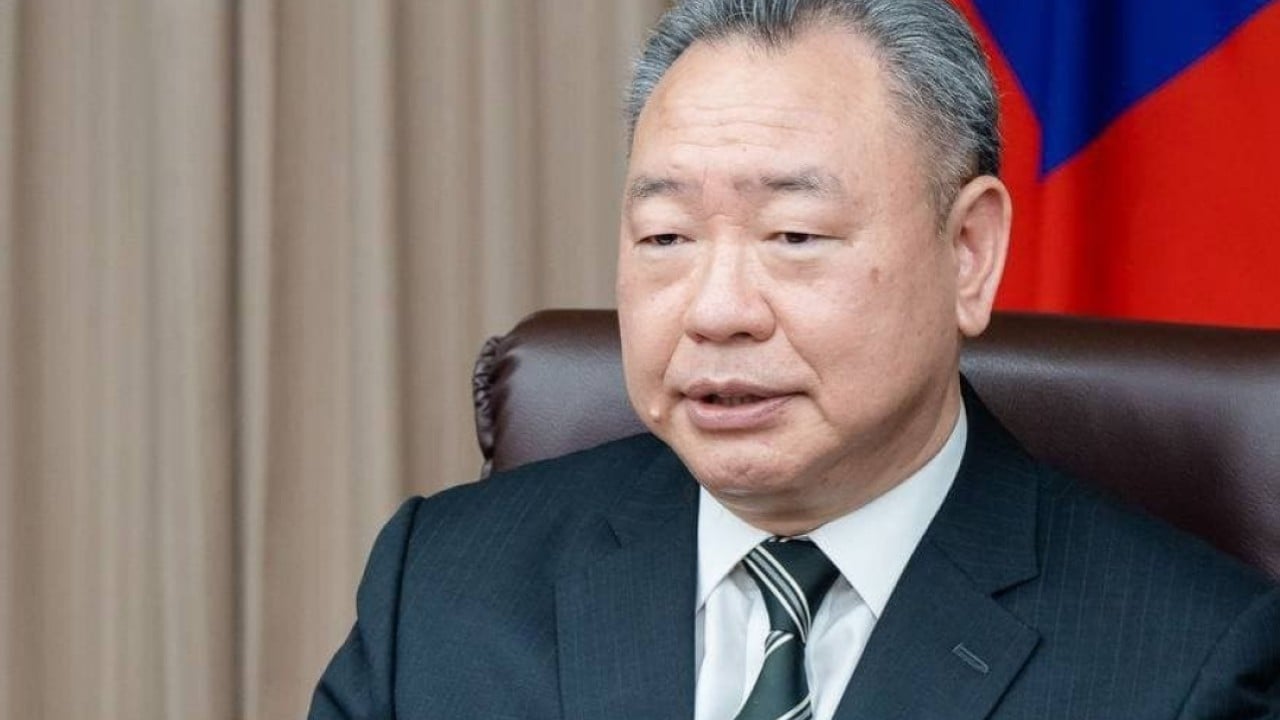
Taipei envoy sees US$14 billion arms package moving ahead under Trump

Taiwan’s representative to the United States expressed confidence that Washington would approve a new round of arms sales to Taiwan, though US President Donald Trump has yet to make a decision on the matter. Asked on Thursday about a pending US$14 billion US arms sale to Taiwan, Alexander Tah-ray Yui, Taipei’s de facto diplomatic envoy, told CNN: “It’s up to President Trump to decide. Once the review is done, we expect that the sale, that the announcement will be made because we need those arms...

  •  

Refugees’ Numbers Drop, but Many Return to Turmoil at Home, U.N. Says

There were nearly 118 million forcibly displaced people in 2025, slightly fewer than in the previous year, the United Nations refugee agency said.

© David Guttenfelder/The New York Times

Displaced people at a campsite in Lebanon in early April. Israel’s military offensive there had driven more than a million people from their homes by mid-May, the United Nations said.
  •  

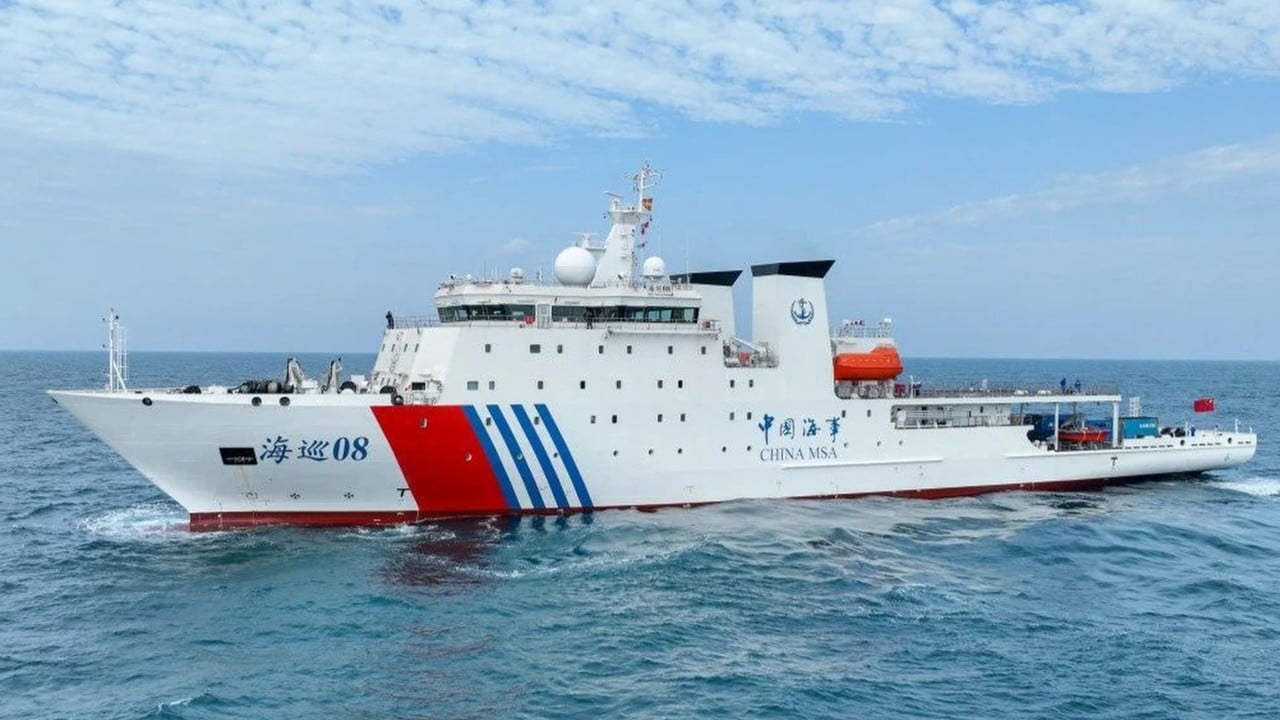
What’s behind Beijing’s seabed mapping east of Taiwan?

Beijing has completed a seabed survey in the complex waters east of Taiwan, its latest move to strengthen management of the waters around Taiwan following maritime border talks between Japan and the Philippines, according to state media. It is the first time mainland Chinese maritime authorities have conducted hydrographic survey operations east of Taiwan to fill in previously incomplete seabed mapping data for the area, according to an article published on Wednesday by Yuyuan Tantian, a social...

  •  

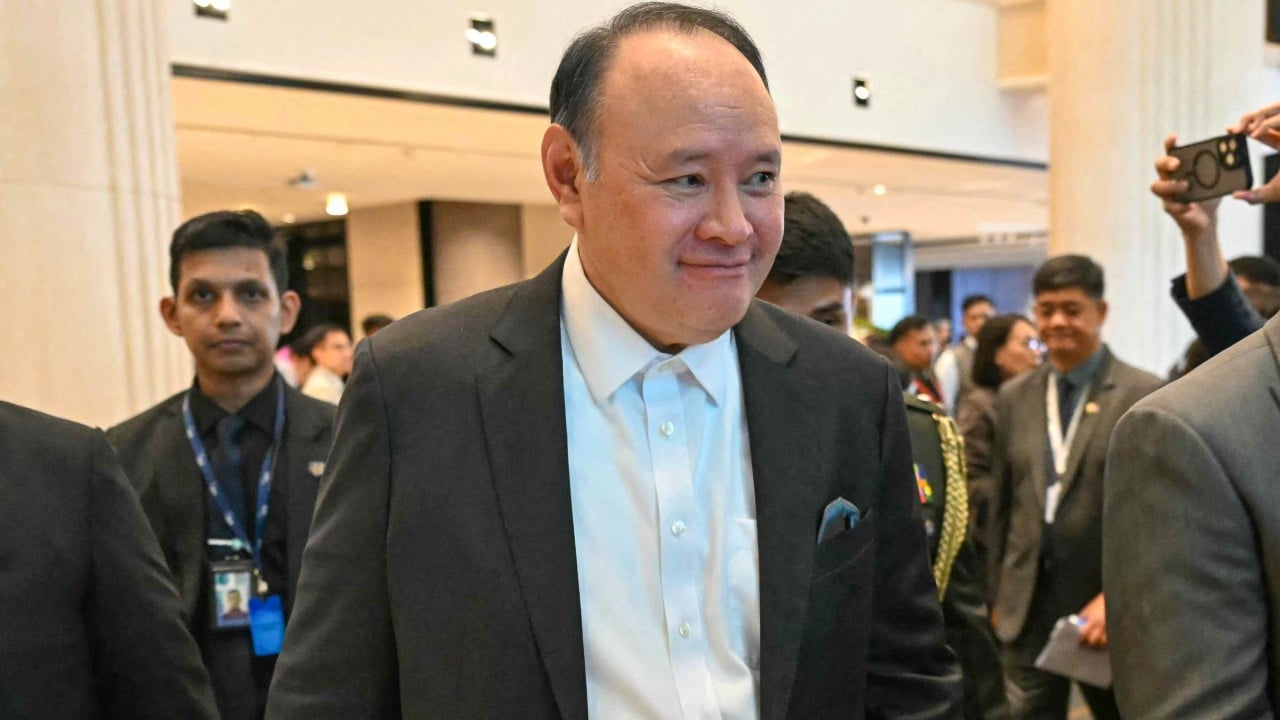
China sanctions Philippine defence chief Gilberto Teodoro

China has sanctioned Philippine Defence Secretary Gilberto Teodoro Jnr, according to the Chinese foreign ministry. Beijing said on Thursday that Teodoro had repeatedly made erroneous remarks against China, undermined China’s legitimate interests and damaged bilateral relations. “To uphold China’s national sovereignty, security, and development interests, the Chinese side has decided to ban Teodoro, his spouse and his child from entering the Chinese mainland, Hong Kong and Macau,” the ministry...

  •  

KMT chief Cheng Li-wun meets Trump ally Steve Daines in Washington

The leader of Taiwan’s main opposition Kuomintang met Trump ally Steve Daines and other US lawmakers in Washington on Wednesday. In those talks, KMT chairwoman Cheng Li-wun outlined the party’s position on defence and energy, saying her party did not oppose American arms sales to the island, according to Taiwan’s United Daily News. Her meetings on Wednesday also included talks with Republican representatives John Rose and Chuck Fleischmann, and Democratic Representative Thomas Suozzi. According...

  •  

Have trade tensions scuppered EU-China talks ahead of tough Brussels decisions?

An EU-China dialogue on digital matters has been postponed as tensions between the two sides threaten to boil over. The meeting, initially scheduled for June 23 in Beijing, will no longer take place, with no immediate date set for a follow-up, people familiar with the situation confirmed. The Financial Times reported on Thursday that the talks had been abruptly cancelled by Beijing, along with a second meeting involving a senior EU official, as bilateral ties deteriorate on a near-daily...

  •  

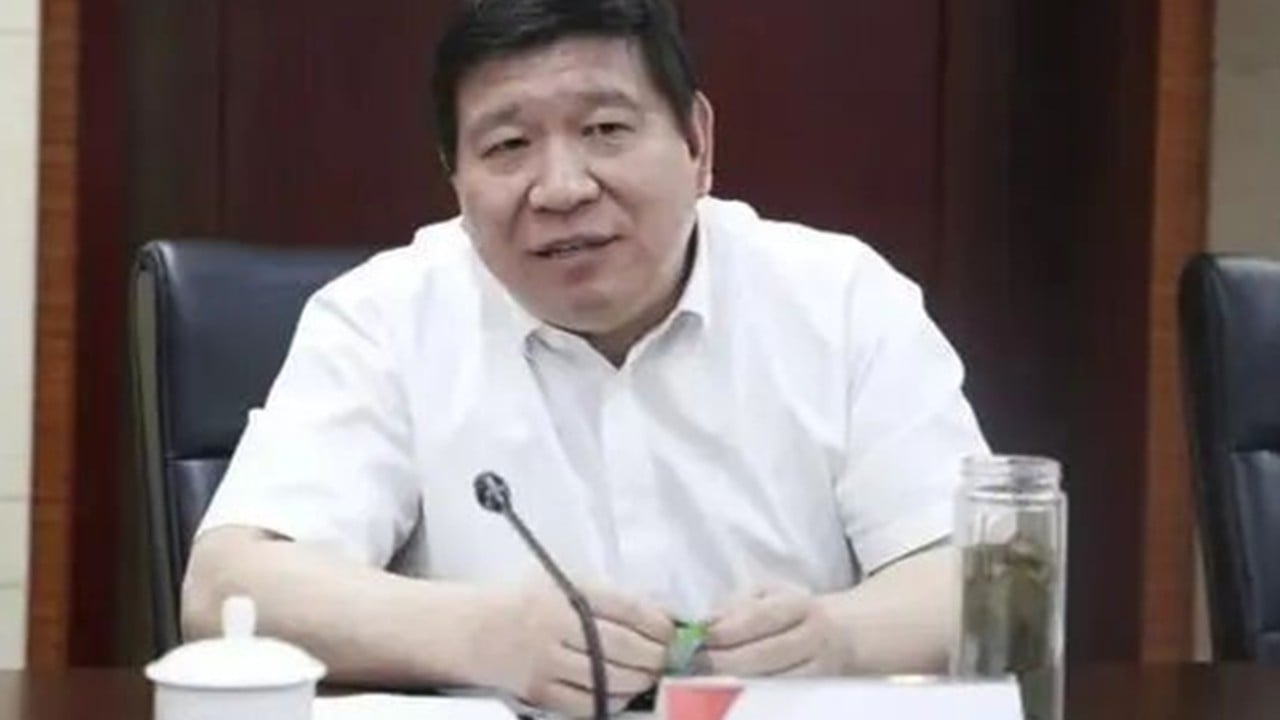
Chinese safety official investigated over Liushenyu Coal Mine blast that killed 82

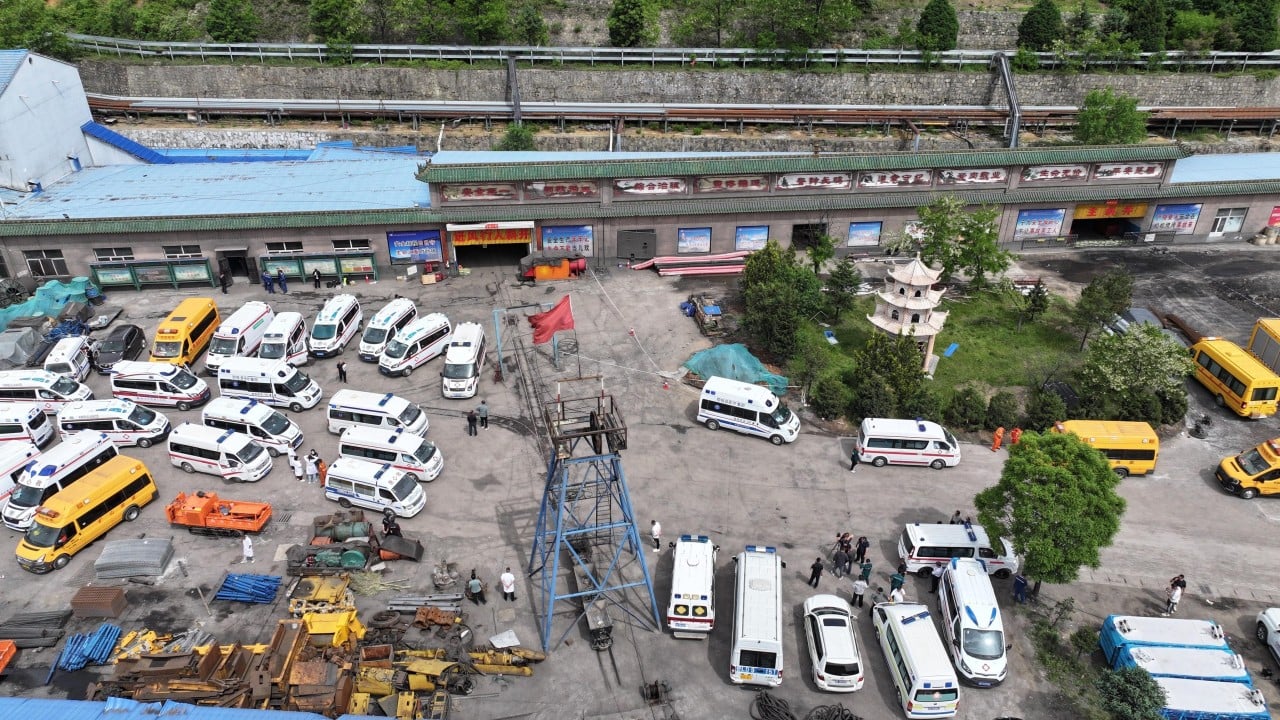
A high-ranking workplace safety official in central China’s Shanxi province has been placed under investigation over a massive coal mine explosion that killed 82. Zhang Heping, deputy director of the provincial department of emergency management, is suspected of “serious violations of discipline and law”, according to a statement released by the provincial discipline inspection and supervisory commission late on Wednesday. The provincial anti-corruption watchdog explicitly linked Zhang to the...

  •  

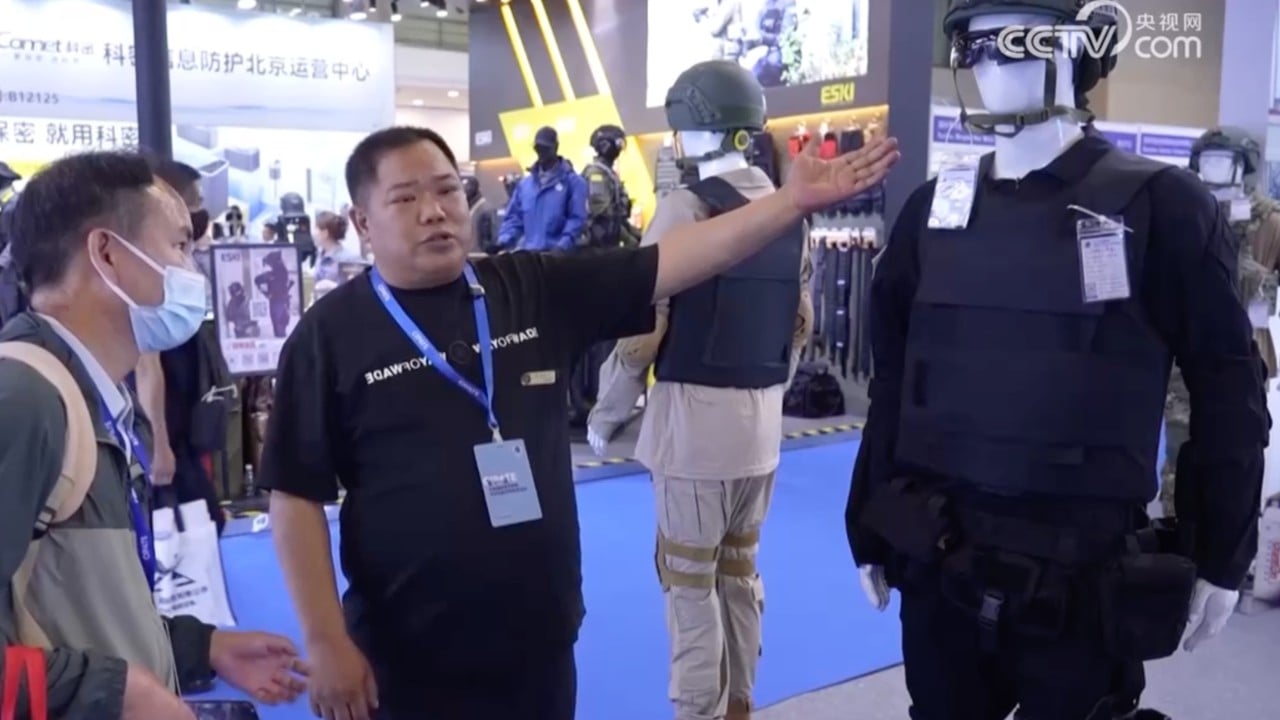
The Chinese AI police tech aimed at physical, psychological and emotional states

Chinese AI-enabled equipment can help police assess the physical health, mental state, and even risk level of suspects, according to demonstrations at a law enforcement equipment exhibition in Beijing last week. Chinese firms presenting their latest biometric devices at the international police and anti-terrorism technology expo said they could reduce manpower requirements for a police force and improve efficiency amid a shortage of frontline officers. The three-day exhibit which ended on...

  •  

How will the Pentagon’s expanded blacklist of Chinese firms affect Xi’s US visit?

The Pentagon’s newly expanded blacklist of Chinese military-linked companies has tested the fragile stability reached at last month’s summit, highlighting that intense competition persists despite recent efforts to ease bilateral tensions. On Monday, the US Defence Department released its updated Section 1260H list as required by American law, expanding the roster to 188 entities, up from 134 last year. Many of China’s technology and industrial giants were targeted. E-commerce giant Alibaba,...

  •  

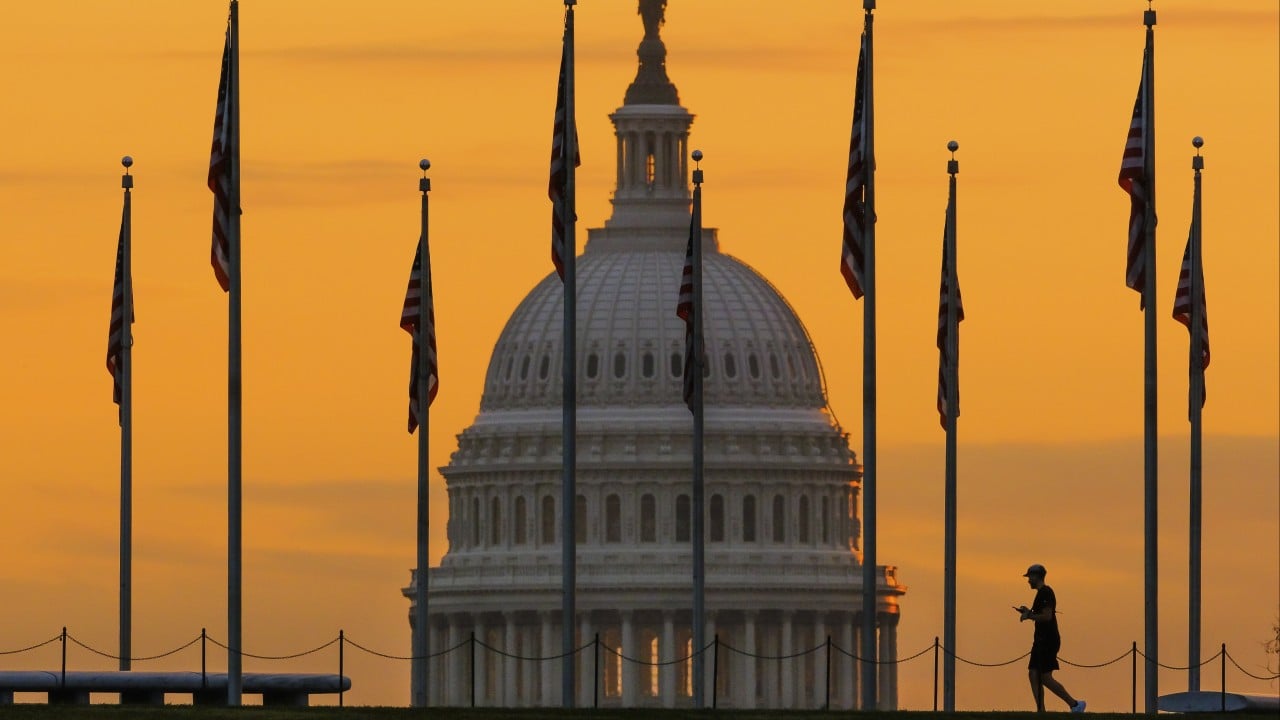
US midterms could bring ‘renewed volatility’ to China ties, veteran diplomat warns

If the Democrats win control of Congress in America’s midterm elections it could bring “renewed volatility” to relations with China, a veteran Chinese diplomat has warned. “The results [of the 2026 midterms] … are likely to have a profound impact on the stability of China-US relations,” said Bian Qingzu, former secretary general of the Chinese People’s Association for Friendship with Foreign Countries. Founded in 1954, the association has long been a conduit to foster non-governmental exchanges...

  •  

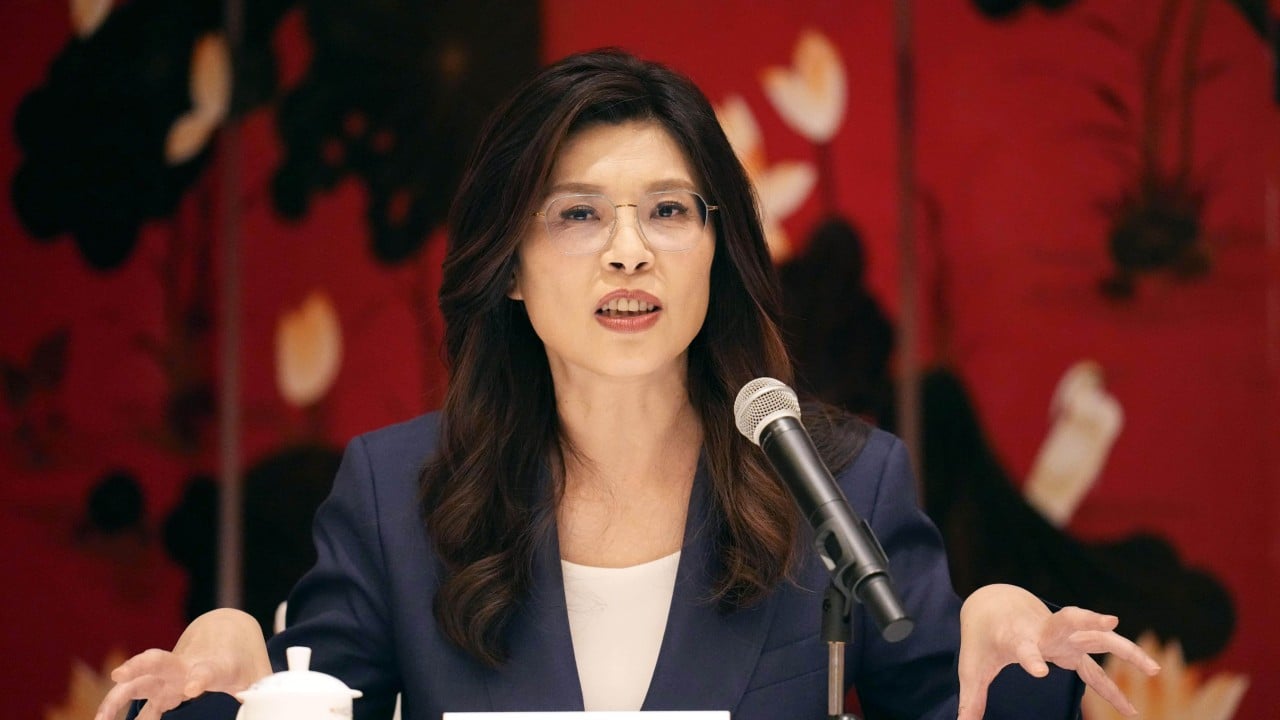
Cheng Li-wun talks Trump, Taiwan and a future leadership run

Taiwan’s main opposition leader hailed US President Donald Trump’s recent comments opposing the island’s independence as a “relatively positive first step” towards reducing tensions. Cheng Li-wun, chairwoman of the Kuomintang (KMT), told the South China Morning Post on Sunday in an exclusive interview that “the one-China policy and opposition to Taiwan independence” had always been the “principle and foundation” and served as “the Kuomintang’s stance”. “On this political basis, the status quo...

  •  

What a US lawyer’s diaries show about prosecuting Japanese atrocities of Nanking massacre

A US prosecutor’s newly revealed diaries from World War II have laid bare the gruelling effort to document Japanese wartime atrocities in China and the unlikely bond forged between him and the people he helped. The diaries belonged to David Nelson Sutton, an American assistant prosecutor at the Tokyo Trial, or the International Military Tribunal for the Far East – a landmark international judicial effort. The tribunal drew upon a vast “evidence wall” comprising nearly 50,000 pages of trial...

  •  

China debate reaches fever pitch in Brussels as EU’s crunch fortnight kicks off

A frenzied fortnight of EU policymaking on China kicked off on Tuesday, amid signs that big member states may be willing to take a tougher stance on trade despite huge pressure from Beijing. Beijing’s commerce vice-minister, Ling Ji, was set to meet with new EU trade director Ditte Juul Jorgensen in Brussels and have talks with Chinese businesses in the Belgian capital before heading to forums in Berlin and Dusseldorf. At the same time, EU diplomats began preparations for next week’s blockbuster...

  •  

Taiwanese lawmakers spar over 12-fold budget rise for US joint defence programme

Debate has erupted in Taiwan’s legislature over a proposed 12-fold increase in funding next year for a defence planning programme with the United States. The proposed rise in spending is for the Joint Force Design (JFD) programme, a bilateral defence planning mechanism used to assess the island’s military requirements, operational concepts and capability gaps. Findings for the JFD, formally known as the Taiwan-US Defence Department Cooperative Assessment Project, help shape force planning,...

  •  

Xi Jinping’s visit to North Korean war monument evokes ‘eternal historical memory’

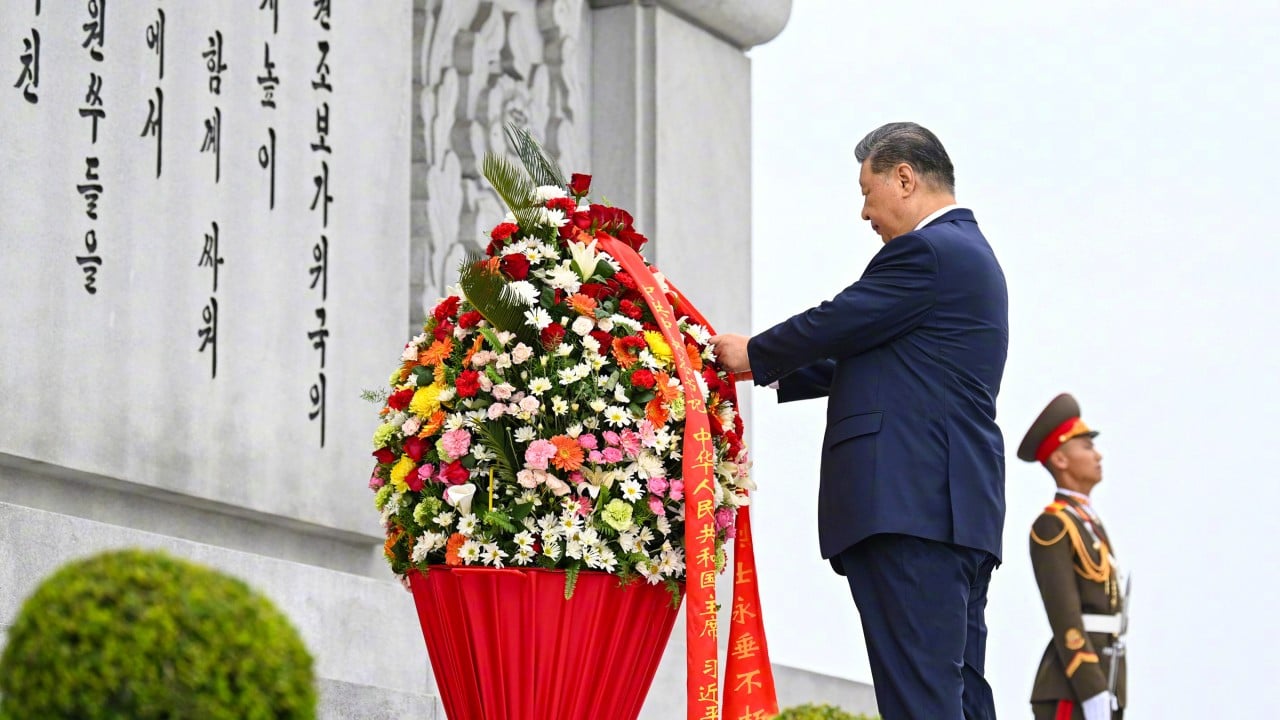
Chinese President Xi Jinping emphasised the shared sacrifices and deep historical ties between China and North Korea during a visit to a historic mountainside in Pyongyang on Tuesday. Xi and first lady Peng Liyuan paid tribute at the Sino-Korean Friendship Tower in Moran Hill, accompanied by North Korean leader Kim Jong-un and his wife Ri Sol-ju. Honour guards placed a floral basket at the monument with a ribbon inscribed with the words “The martyrs of the Chinese People’s Volunteer (CPV) Army...

  •  

Taiwan hits back at Beijing’s ‘cognitive warfare’ after coastguard patrols

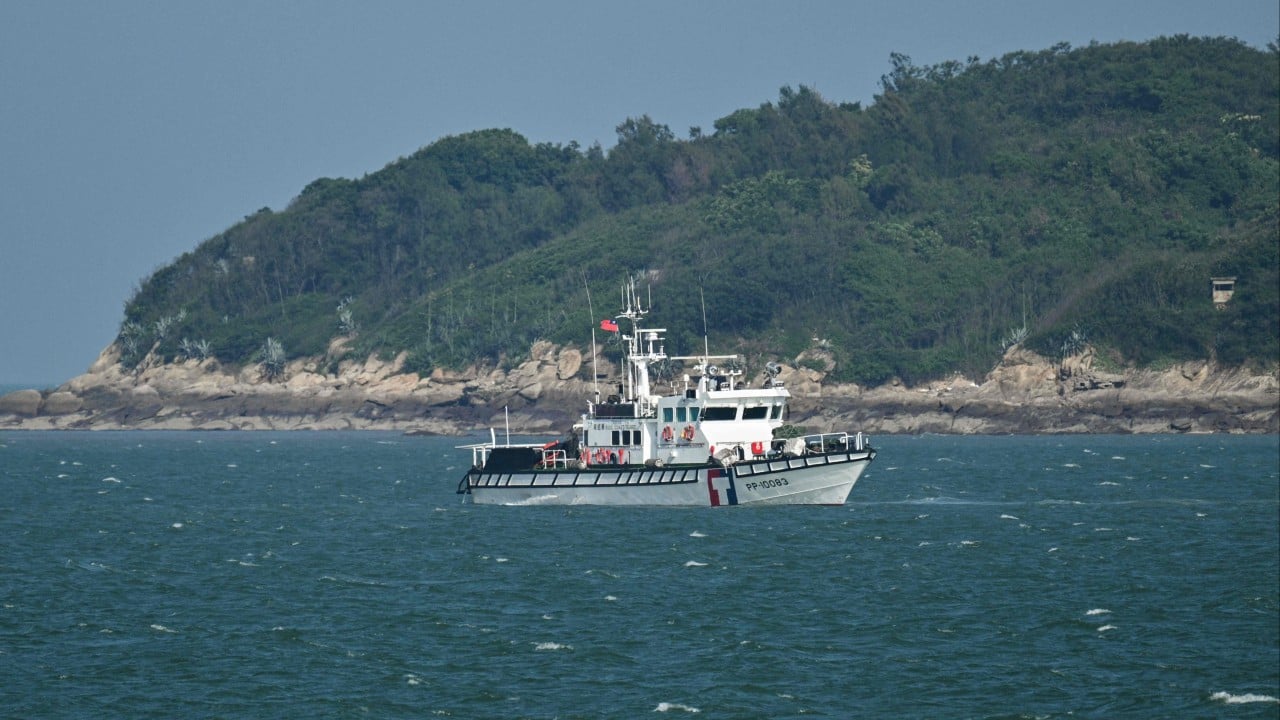
Taiwan has accused Beijing of escalating tensions after mainland Chinese coastguard and survey vessels carried out law-enforcement operations in waters off the island’s east coast. Over the weekend, mainland China’s transport ministry announced a “special maritime traffic law enforcement operation” and dispatched a flotilla of coastguard vessels into the waters east of Taiwan. That included the coastguard’s largest patrol vessel. Chinese state media said the operation was a “necessary action” to...

  •  

Rookie Taiwan lawmaker blacklisted by Beijing makes long-shot bid to become Taipei mayor

A first-term lawmaker who was blacklisted by Beijing over his alleged support for Taiwanese independence will challenge Taipei’s popular incumbent mayor in the local elections later this year. The ruling Democratic Progressive Party’s decision to nominate Puma Shen Pao-yang, an outspoken critic of Beijing whose political identity has been built around his calls to strengthen the island’s security, came as a surprise to many. The former academic joined politics only two years ago, entering the...

  •  

China bans 11 online activities under tighter rules to curb rumours, cyberbullies

China’s top internet watchdog has banned 11 specific online activities under strict new rules for multiplatform content creators taking effect later this year. Rolling out the new regulations last week, the Cyberspace Administration of China (CAC) said they aimed to prevent the spread of rumours and posts that could incite public anger, antagonism or social discrimination. The prohibited content includes posts fabricating topics to confuse the public, spreading fake or speculative information,...

  •  

Tibetology is key to China shaping global views on the region, top official says

Chinese academics specialising in Tibet must find more creative ways to shape the global conversation about the region while remaining strictly aligned with the Communist Party’s ideology. That was the message Li Ganjie, head of the Communist Party’s United Front Work Department, had for researchers who gathered to mark the 40th anniversary of the China Tibetology Research Centre on Wednesday. According to state news agency Xinhua, Li said that the international situation was “volatile” and...

  •  

What does Beijing’s response to Tokyo-Manila boundary talks mean for Taiwan?

The mainland Chinese coastguard’s first independent law enforcement patrol east of Taiwan on Monday – in response to the maritime border talks between Japan and the Philippines – marked an expansion of its patrolled area beyond the traditional focus. Since its launch in 2021, the China Coast Guard (CCG) has routinely patrolled in the South China Sea, East China Sea and Yellow Sea. In recent years, apart from routine patrols around a few Taiwan-controlled islands, the CCG has also joined the...

  •  

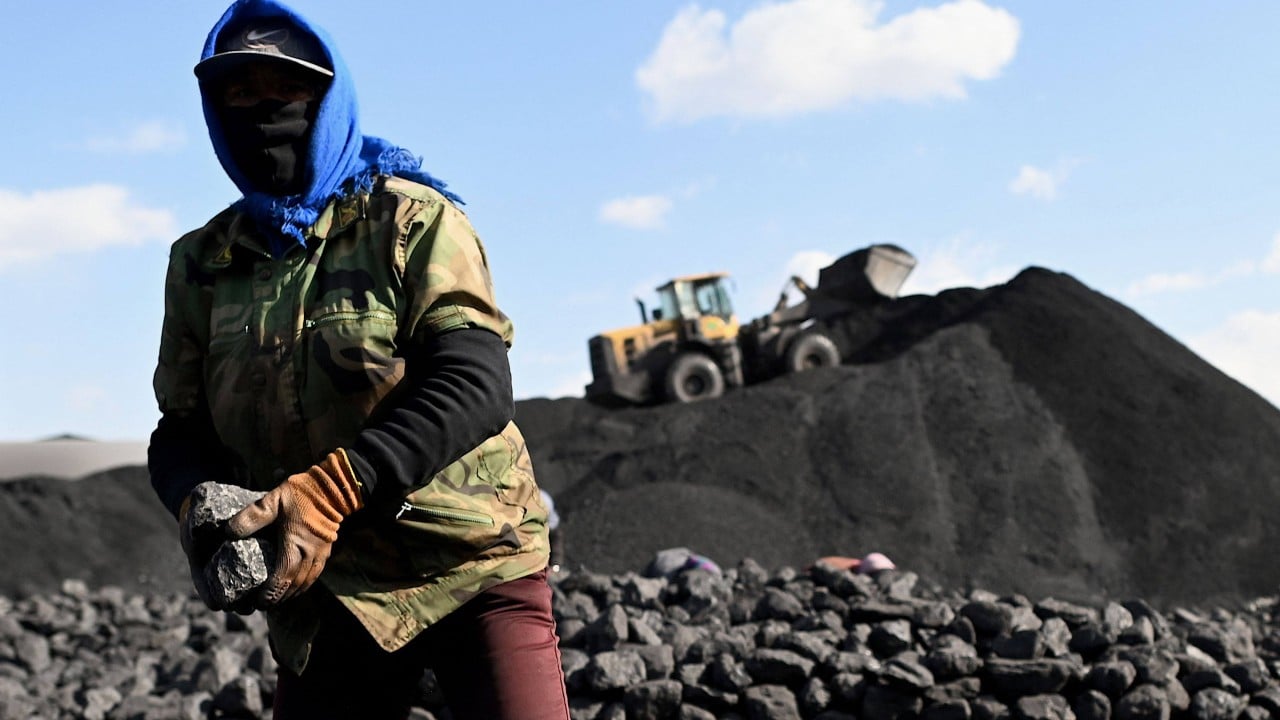
In China’s coal country, party chief called to account after fatal safety failures

Disciplinary authorities in central China are investigating a county-level Communist Party chief following a coal mine gas blast that killed 82 people and left two missing. Zhao Yongjin, party secretary of Qinyuan county in Changzhi, was “suspected of serious violations of discipline and law”, the Shanxi provincial discipline inspection and supervisory commission, an anti-corruption watchdog, said on Tuesday night. The blast at the Liushenyu Coal Mine on May 22 was China’s deadliest mine...

  •  

China’s anti-corruption watchdog targets its former senior official Li Xiaohong

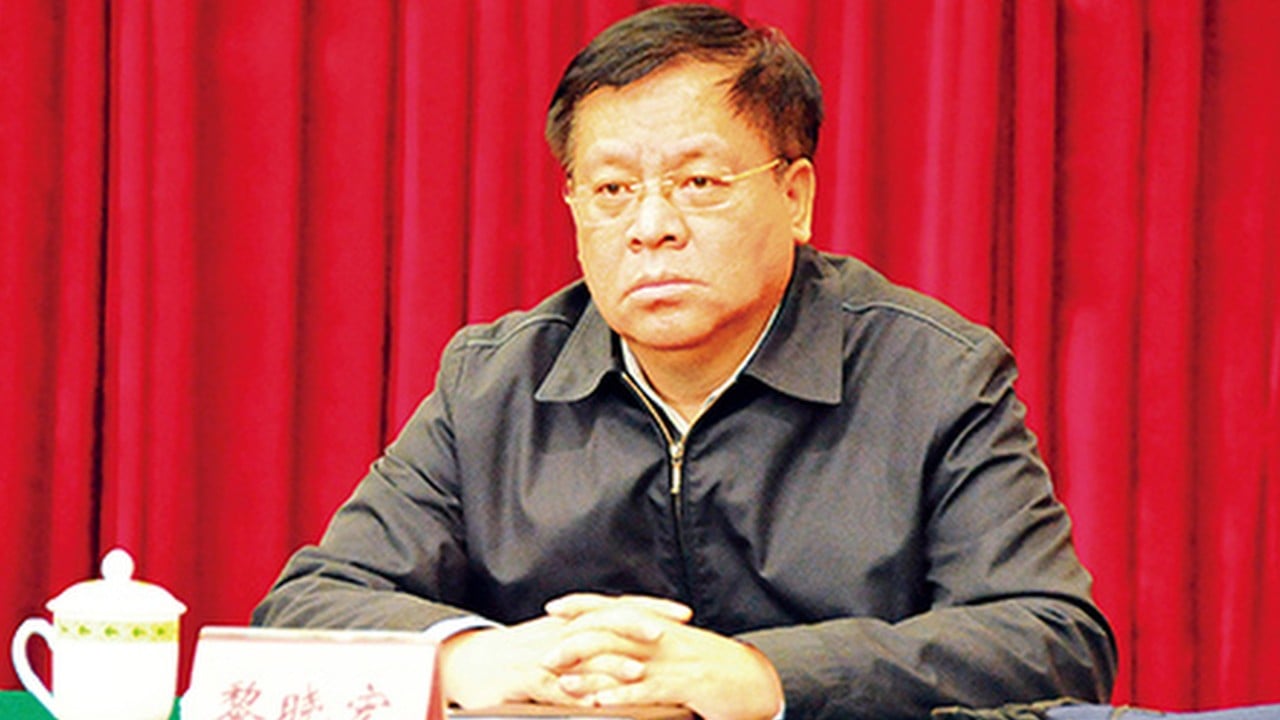
Li Xiaohong, a former senior disciplinary official in charge of national inspection, has been placed under investigation for suspected severe disciplinary and legal violations, China’s top anti-corruption authorities said on Tuesday. The downfall of the 73-year-old veteran – known for spearheading high-level anti-corruption crackdowns and his top disciplinary roles at the securities regulator – underscores Beijing’s continued efforts to target corruption among its most senior disciplinary...

  •  

As pioneering Chinese web forum returns, authorities warn free speech has limits

Chinese authorities have praised the return of Tianya – which was one of the country’s most popular internet forums in the pre-algorithm, pre-short-video era – while cautioning that freedom of speech must be balanced with responsibility. The pioneering web portal was launched by Tianya Community Network Technology Co in 1999, when the internet was in its infancy in China, but suddenly closed in April 2023 due to financial problems. On Sunday, the company announced that the forum would come back...

  •  

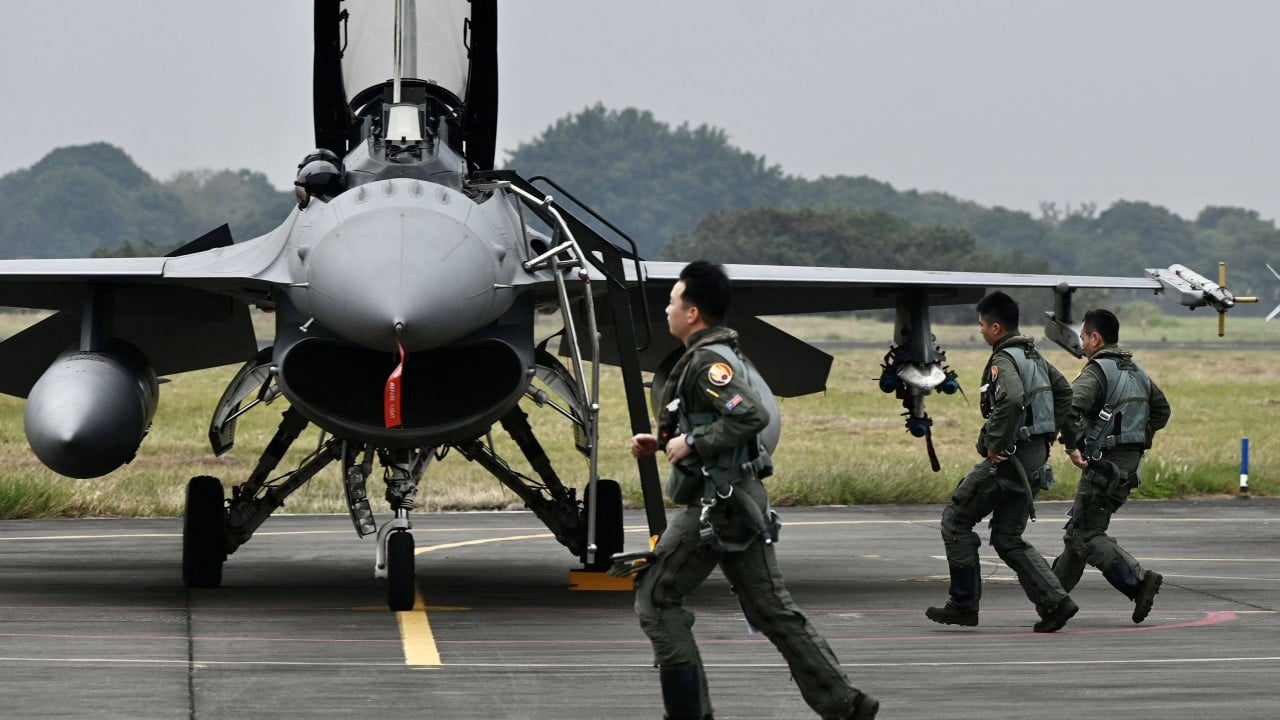
2 Taiwan air force pilots die in T-34C crash, spurring probe and debate over aircraft

A Taiwanese military aircraft crashed during a training mission on Tuesday, killing two experienced pilots and prompting renewed scrutiny of the island’s ageing fleet of T-34 basic trainers. The T-34C aircraft went down at 8.08am at Gangshan Air Base in Kaohsiung in southern Taiwan while conducting a simulated engine-failure exercise, according to the island’s air force. Both pilots on board, Lieutenant Colonel Kuo Chun-nan and Lieutenant Colonel Lu Chi-yu, were killed. The air force said the...

  •  

Taiwan targets Beijing’s grey-zone tactics near remote South China Sea islands

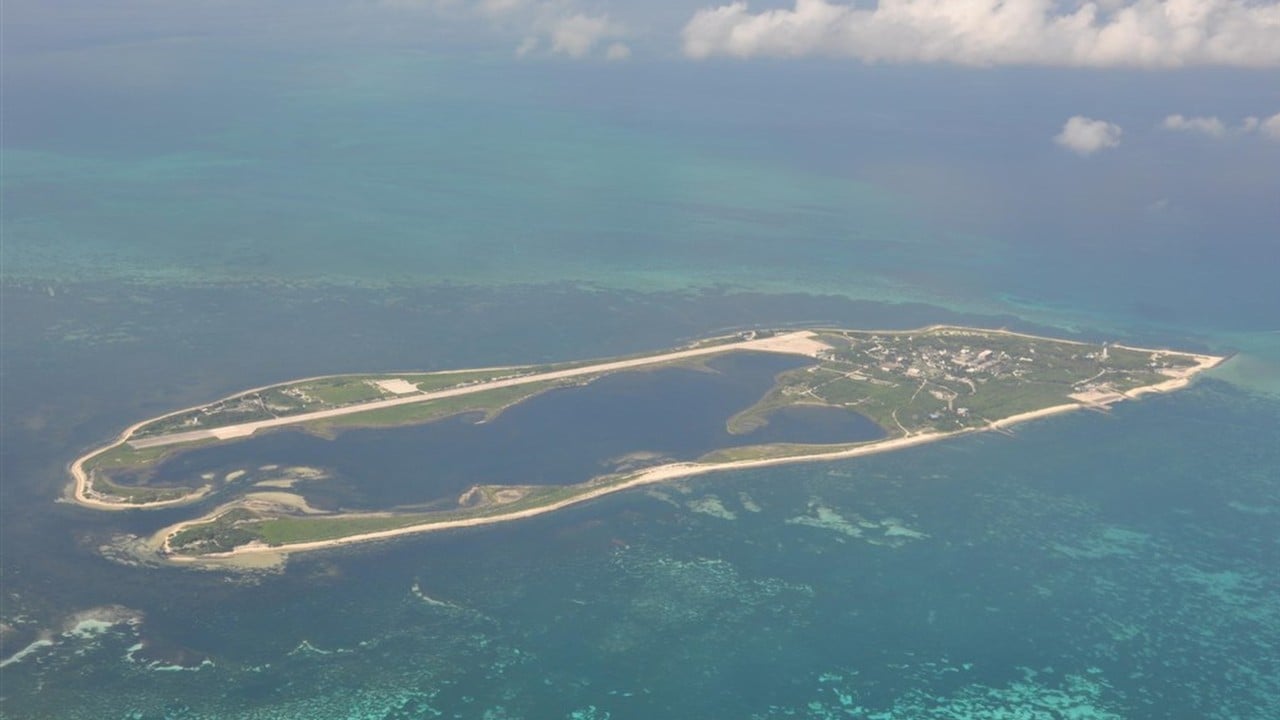
Taiwan’s navy will support patrols around the Taipei-controlled Dongsha Islands after mainland Chinese coastguard activity near the South China Sea atoll surged over the past year. The activity has fuelled concerns in Taipei that Beijing is using the remote outpost to test Taiwan’s responses and refine its grey-zone tactics. Taiwan’s Coast Guard Administration said mainland Chinese coastguard vessels had appeared around the atoll 39 times since February last year, compared with only occasional...

  •  

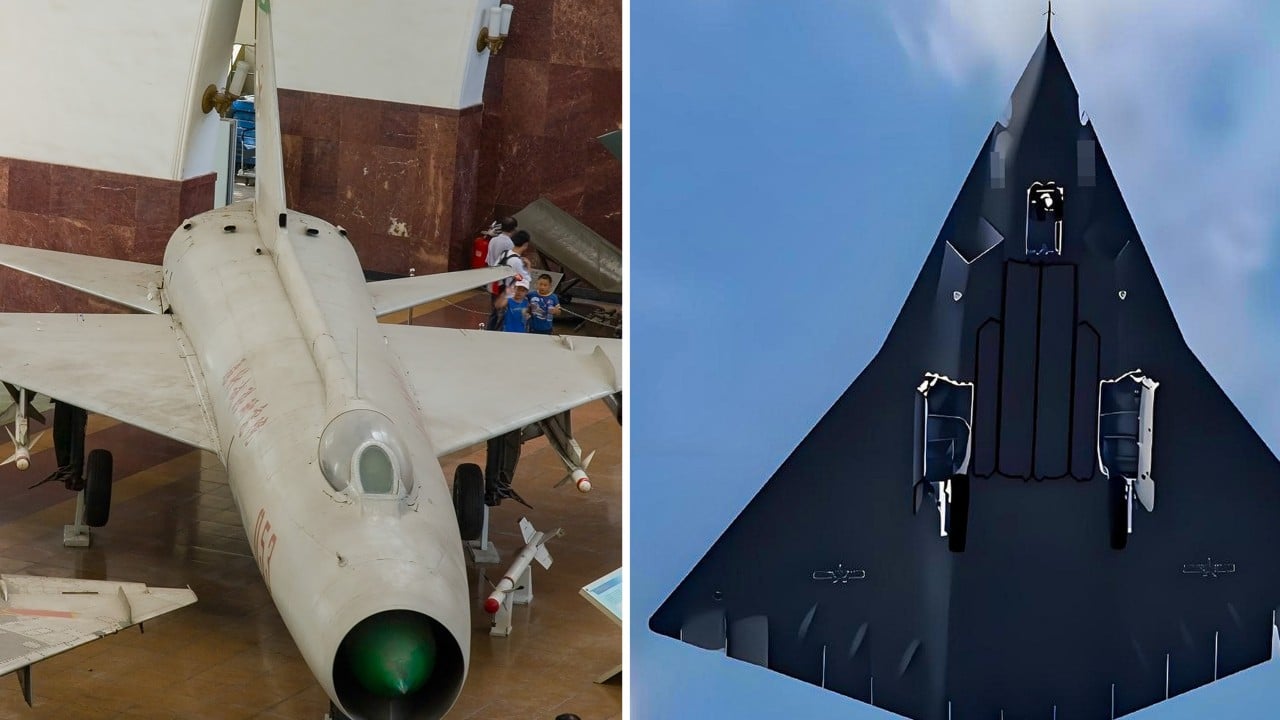
Gu Songfen, pioneering designer of Chinese supersonic fighter jets, dies at 96

Aerodynamics expert Gu Songfen has died at 96. He was the chief designer of China’s J-8 fighter jet family – the first home-grown supersonic fighter jet to counter US high-altitude reconnaissance aircraft. Gu was an academician of the Chinese Academy of Sciences and the Chinese Academy of Engineering as well as a researcher at the Aviation Industry Corporation of China (AVIC). He died in Beijing on Sunday night, according to a statement from AVIC. A farewell ceremony is scheduled for Saturday in...

  •  

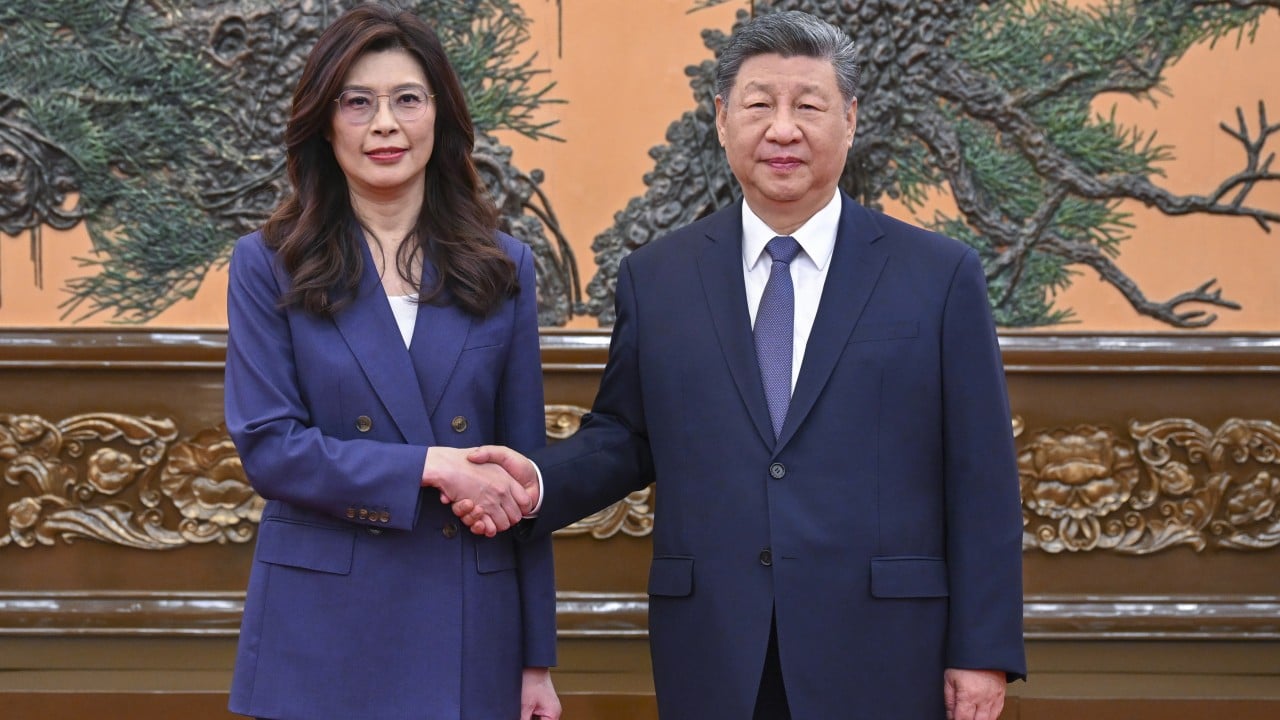
Can Taiwanese opposition leader pull off balancing act during US trip?

Taiwan’s main opposition leader is due to arrive in the United States late on Monday for a politically sensitive two-week visit expected to attract close scrutiny in Beijing, Taipei and Washington. The Kuomintang delegation, led by the party’s chairwoman Cheng Li-wun, will land on Monday evening local time in San Francisco, where she will visit Taiwanese-American communities and think tanks. She will also travel to Boston and New York before visiting Washington for meetings with political...

  •  

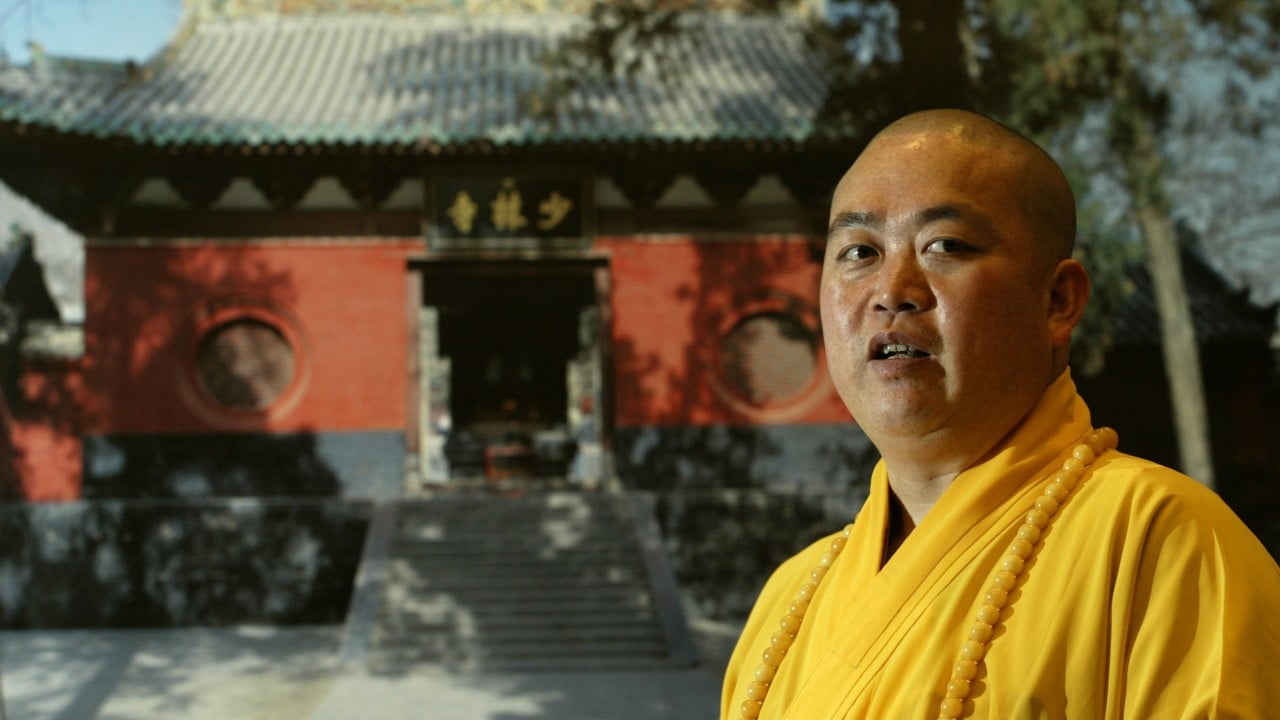
China sentences former Shaolin abbot to 24 years for corruption

Shi Yongxin, former abbot of the world-famous Shaolin Temple, has been sentenced to 24 years in jail for crimes including embezzlement and taking bribes, state news agency Xinhua reported. Shi was also fined 3.5 million yuan (US$516,000). Xinxiang Intermediate People’s Court in China’s central Henan province found that Shi, whose birth name is Liu Yingcheng, had embezzled more than 131 million yuan between 2003 and 2025. Shi appeared in a public trial on Monday. The verdict was announced on...

  •  

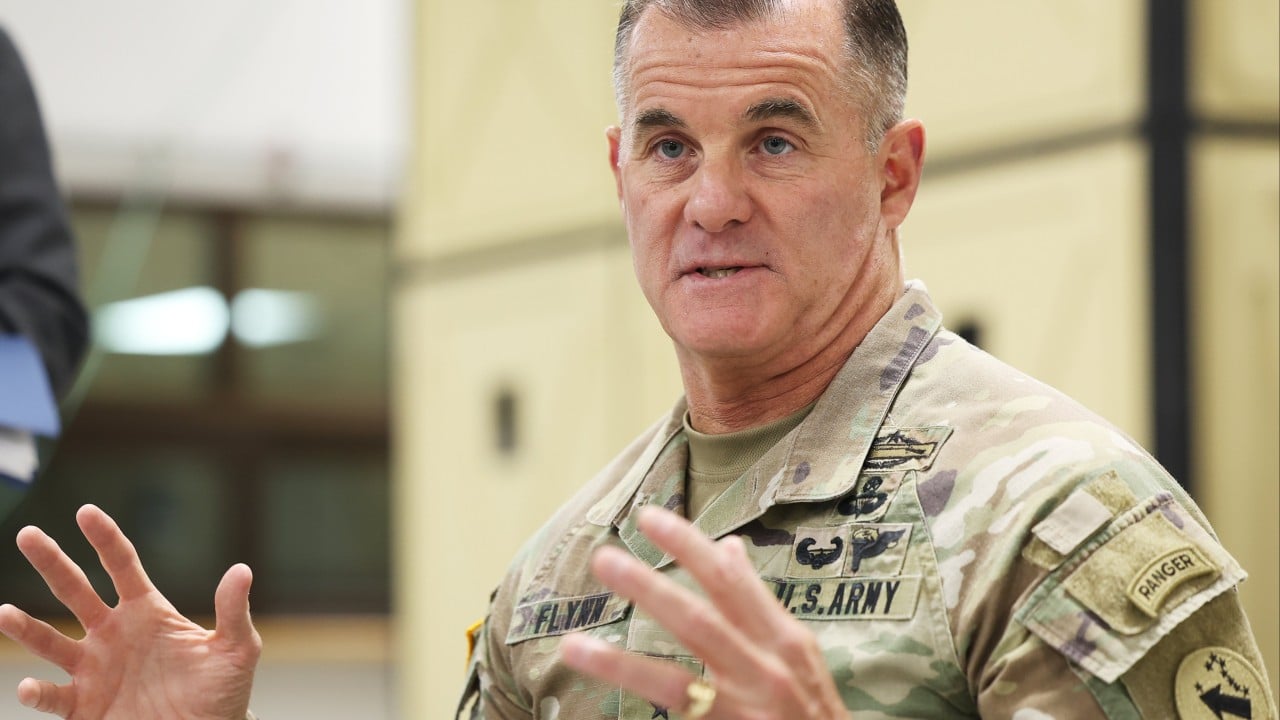
Can direct commercial sales fix Taiwan’s US$20 billion weapons backlog?

US defence industry leaders are pushing for deeper commercial cooperation with Taiwan to strengthen its military capabilities, as the island seeks faster ways to bolster deterrence amid Beijing’s mounting military pressure. But they cautioned that such business deals could not replace traditional American arms sales regarded as the backbone of Taiwan’s defence. Speaking at the Taiwan-US Defence Industry Forum in Taipei on Thursday, retired US General Charles Flynn and senior American executives...

  •  

China’s top military officials face ‘ironclad’ rules in anti-corruption fight

China’s top military command has issued strict measures to enforce discipline among senior officials of the People’s Liberation Army, marking its latest bid to further tighten controls over the behaviour of the top brass. The Central Military Commission (CMC), led by President Xi Jinping as chairman, issued the “measures on strengthening the education, management and supervision of senior military cadres” recently, state news agency Xinhua reported on Wednesday. In a front-page commentary on...

  •  

Beijing praises actress Lin Chi-ling for quitting Taiwan culture board

Chinese authorities praised the decision of Taiwanese actress and model Lin Chi-ling to quit her position as a new board member of the Taiwan Creative Content Agency (TAICCA), after her appointment drew backlash. Chen Binhua, a spokesman for Beijing’s Taiwan Affairs Office, said at a press conference on Wednesday that the TAICCA had orchestrated and funded films and television productions in recent years that “distort history and hype the ‘mainland threat’”. “It serves as a political tool for...

  •  

From wedding photographers to farm gadgets, Chinese campaign warns of spy risks

Foreign spies have posed as wedding photographers near naval ports and used cars fitted with advanced radar, GPS and optical sensors to collect mapping data under the guise of autonomous driving research, China’s top state secrets watchdog has cautioned. The National Administration of State Secrets Protection’s warning about foreign spies acting as “eyes in the dark” came in its latest anti-espionage documentary, with state broadcaster CCTV airing the first episode on Tuesday. “In real life, the...

  •  

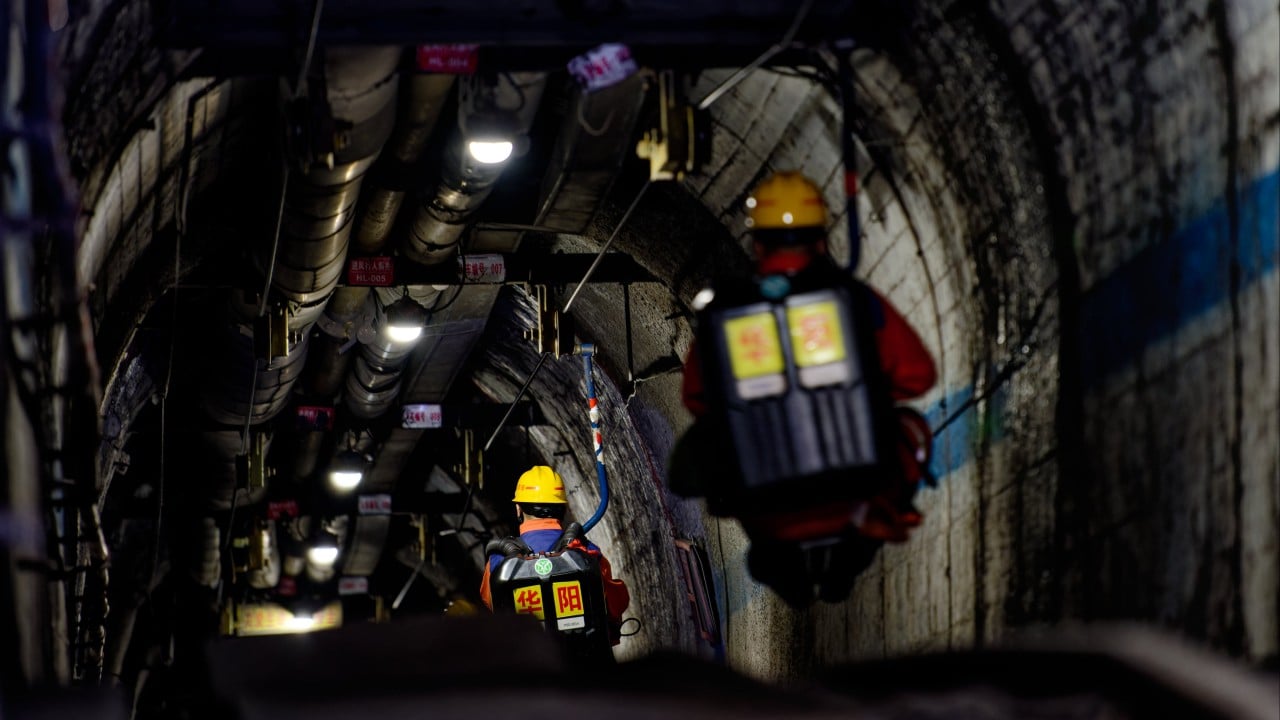
Shanxi mine disaster casts shadow over province’s shift from coal to culture

Shanxi, China’s top coal-producing province, has attempted to rebrand from a polluting, high-risk mining hub into a cultural and tourist destination. However, the country’s deadliest mining accident in nearly two decades has cast a shadow over this image. On Friday, a devastating gas explosion at the Liushenyu Coal Mine in Shanxi killed at least 82 people. The disaster, which industry insiders said was a result of systemic safety failures, has drawn attention to the safety, governance and...

  •  

What a US defence industry trip to Taiwan says about Taipei’s efforts to overhaul military

A high-level American defence industry delegation arrived in Taipei on Tuesday for a four-day visit aimed at expanding the US role in the island’s military modernisation process and the joint production of weapons systems. The party includes 41 senior executives, and the visit was organised by the US-Taiwan Business Council, which has long served as a bridge for the defence industry. The trip underscores a growing overlap between strategic cooperation and arms sales as Taiwan seeks to strengthen...

  •  

China says engineer jailed for 15 years was lured into sending aerospace secrets overseas

A Chinese aerospace engineer has been sentenced to 15 years in prison for espionage, according to state media, with the report underscoring official warnings that the aerospace industry is a cornerstone of national technological strength and defence security. The engineer, surnamed Zhu, graduated from a top university with a PhD in 2018, state broadcaster CCTV said on Monday. He then worked as an engineer in multiple aerospace research institutes and handled classified documents in the aerospace...

  •  

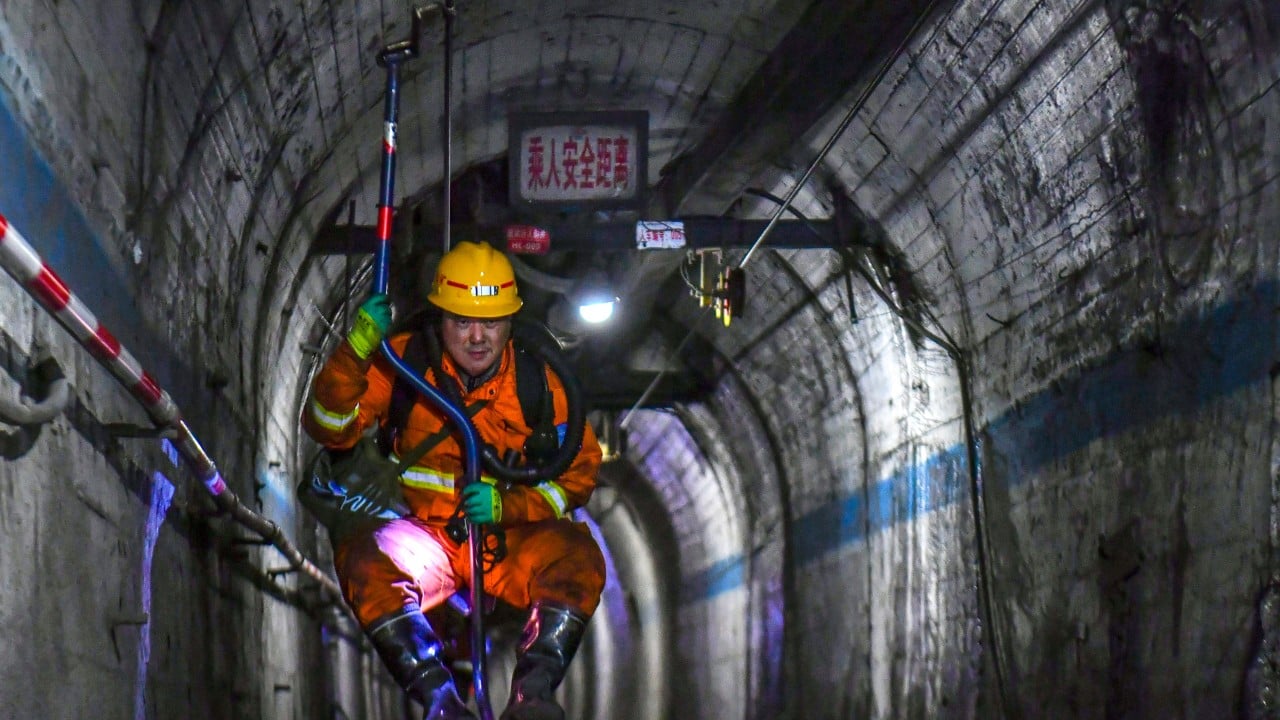
Are systemic safety failures to blame for China’s deadly mine blast?

A gas explosion that killed at least 82 people in central China – the country’s worst mining disaster in more than a decade – was the result of systemic safety failures across multiple parts of the production chain, according to miners and industry insiders. The Friday blast at the Liushenyu Coal Mine in Shanxi province also left two people missing and 128 survivors in hospital, including two in critical condition. Miners interviewed by the South China Morning Post said several workers had not...

  •  

Owners of Chinese mine where 82 died in blast accused of ‘serious violations’ of the law

The owners of a Chinese coal mine where at least 82 people were killed have been accused of “serious violations of the law” by the local government. As search and rescue operations continued through the night, Chen Xiangyang, the deputy Communist Party secretary of Changzhi in Shanxi province, said that all four mines operated by the Shanxi Tongzhou Group had been “immediately” ordered to suspend operations. “Preliminary assessment indicates serious legal violations by the coal mine enterprise...

  •  

Will China’s residency changes to social insurance unlock economic growth?

China’s decision to ease residency restrictions on social insurance applicants will help unleash positive, long-term economic growth, according to analysts. The new measures announced on Friday by the State Council are part of China’s broader push to create a unified national market by removing barriers to the free flow of capital and talent. Under the new policy, workers can enrol in social insurance programmes in the cities where they are employed, regardless of their official household...

  •  

Myanmar’s Wei family put on trial in latest phase of China’s crackdown on scam compounds

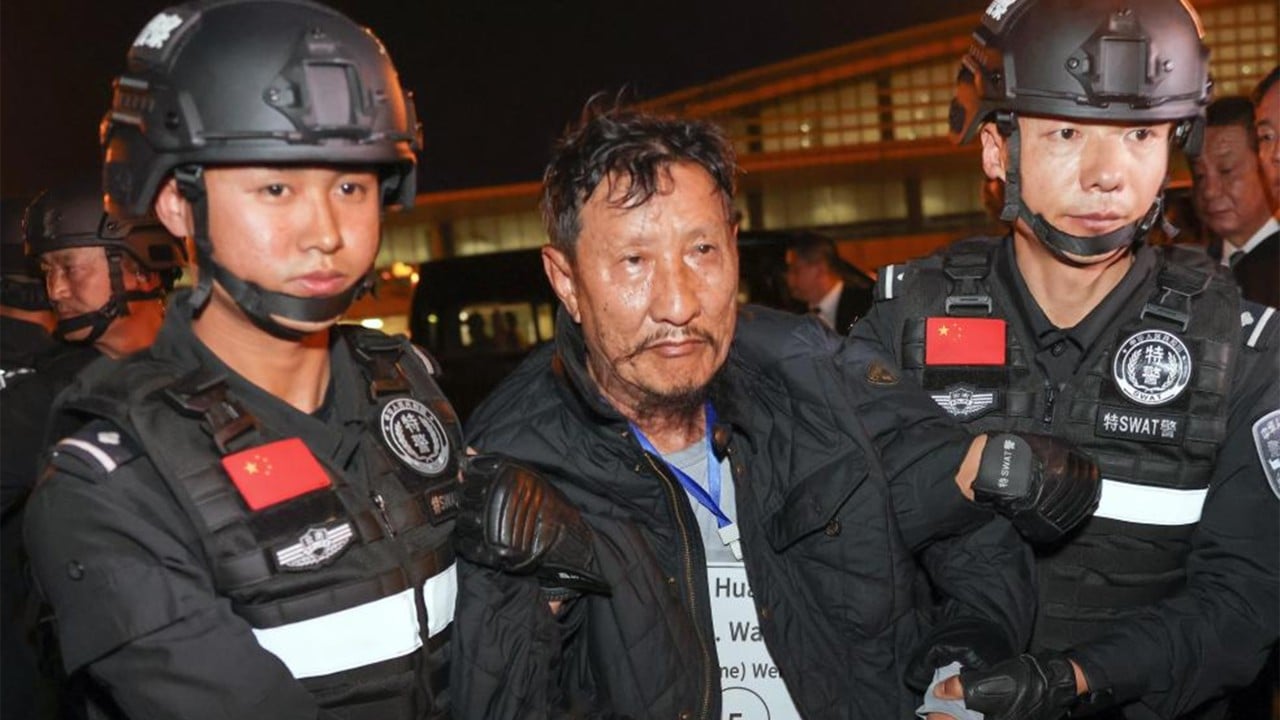
An alleged Myanmar crime boss and members of his syndicate were put on trial this week in the latest stage of Beijing’s sweeping crackdown on cross-border scam networks. Wei Huairen, also known as Wai San, faces charges including fraud, murder, extortion and organising illegal border crossings, Chinese state broadcaster CCTV reported on Friday. Prosecutors allege that from 2019 onwards, the syndicate used the Wei family’s military and political influence in Myanmar’s Kokang region to operate...

  •  

Cambodia raids buildings linked to Chen Zhi, Chinese billionaire accused of scam empire

Cambodian authorities raided two buildings in Phnom Penh’s Prince Plaza Centre linked to the extradited Chinese billionaire Chen Zhi and detained 104 individuals, including 82 Chinese nationals, local media reported. Governments around the world have intensified their crackdown on Chen’s alleged multibillion-dollar online scam empire since his arrest earlier this year. The Cambodian raid, a joint operation by Phnom Penh police, the country’s Commission for Combating Technology-Based Scams...

  •  

Beijing slams Taiwan’s Lai as ‘destroyer’ of peace after anniversary speech

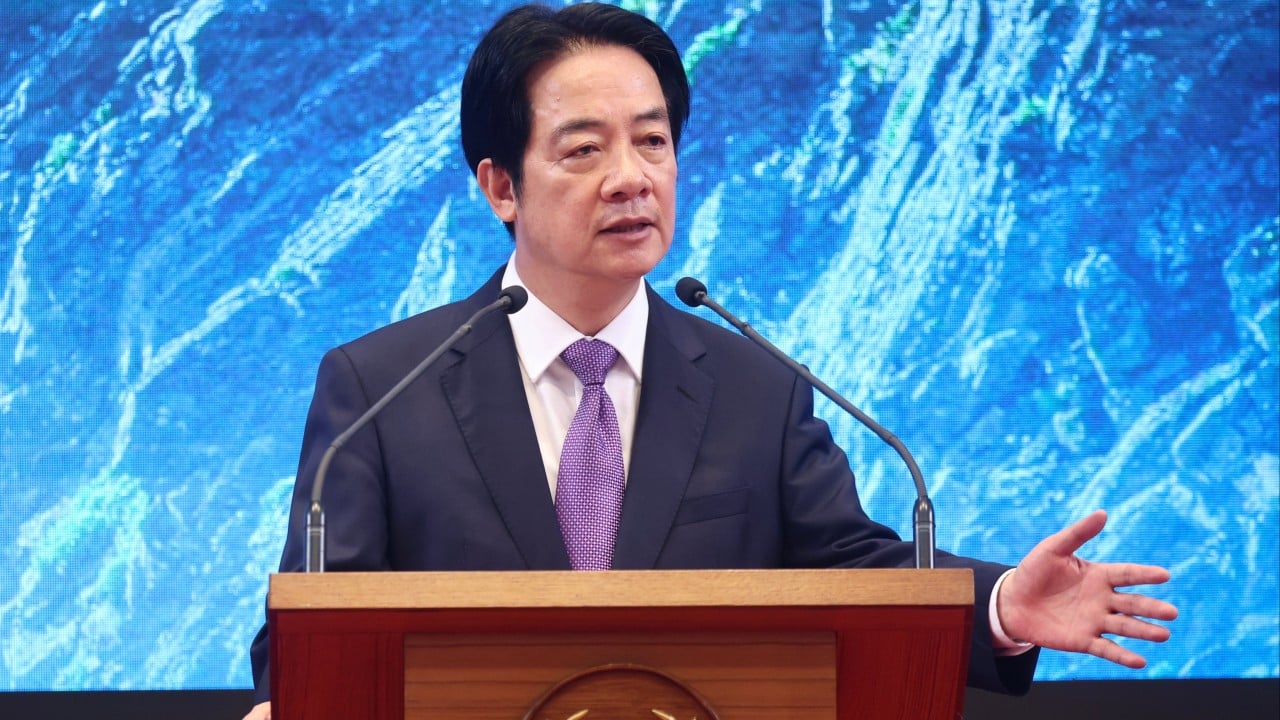
Beijing on Wednesday accused Taiwanese leader William Lai Ching-te of “destroying cross-strait peace”, shortly after he delivered a speech to mark his second anniversary in office. The row comes in the wake of US President Donald Trump’s remarks on Taiwan independence following his state visit to Beijing. Beijing’s Taiwan Affairs Office condemned Lai’s anniversary speech and his subsequent remarks to reporters as being filled with “lies and deception, hostility and confrontation”. Spokesman Chen...

  •  

What is the political weight of Diaoyutai State Guesthouse where Putin is staying?

When Russian President Vladimir Putin arrived in Beijing on Tuesday evening for a two-day state visit, he once again returned to his “second home” at the Diaoyutai State Guesthouse, a royal garden that has hosted dignitaries including Richard Nixon, Boris Yeltsin and Kim Jong-un. Diaoyutai is a familiar setting for Putin, who has visited China more than 20 times and personally met President Xi Jinping on more than 40 occasions since 2013, according to state news agency Xinhua. He usually resides...

  •  

Why Elon Musk’s post spotlighting Chinese infrastructure has reignited a debate

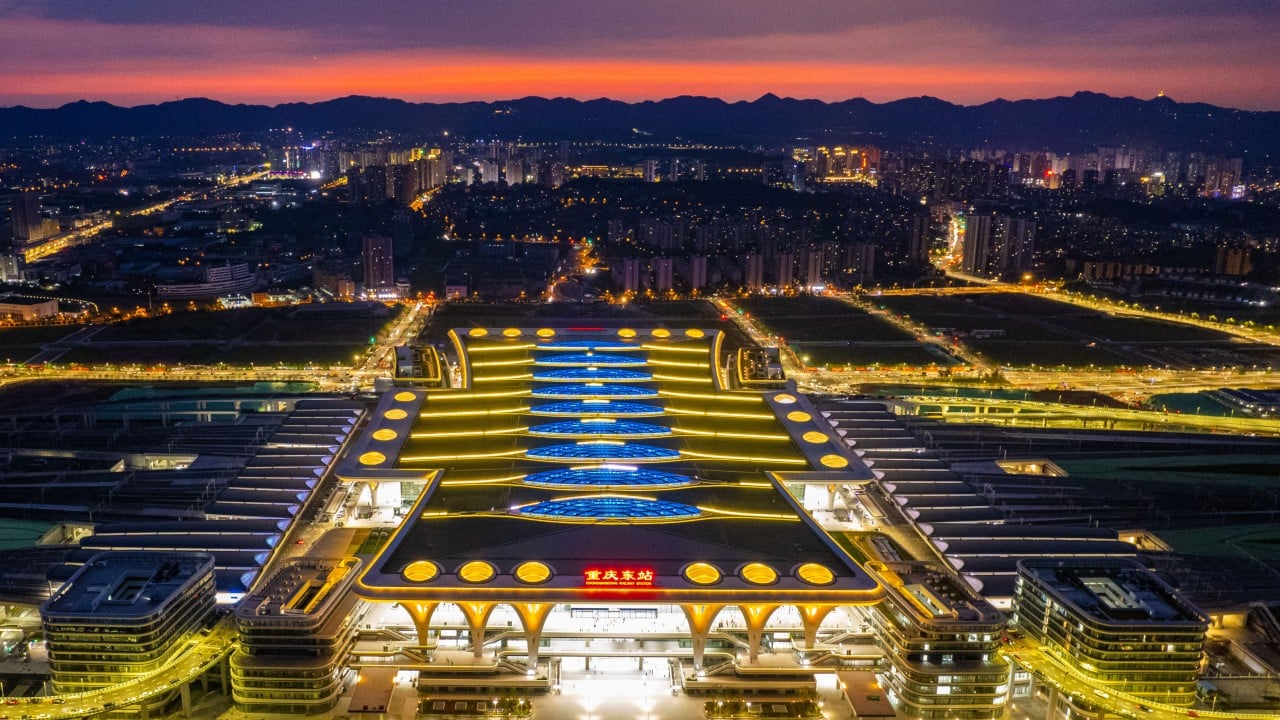
Tech billionaire Elon Musk is once again using his massive social media megaphone to trumpet Chinese infrastructure to an international audience. On Monday, the CEO of SpaceX and Tesla reposted on X, which he owns, a nearly six-minute video of Chongqing East Railway Station in southwestern China, drawing millions of views within hours. It is unclear whether Musk is currently in Chongqing, China’s “mountain city” known for its spicy hotpot and one of the country’s most popular tourist...

  •  

Trump’s Taiwan comments: a blow to William Lai and ruling DPP?

Donald Trump’s comment that he is “not looking to have somebody go independent” has sparked debate in Taiwan over whether it undermines the ruling party’s pro-independence platform. Trump made the remark after last week’s summit with Chinese leader Xi Jinping in Beijing, where Taiwan emerged as one of the most sensitive issues in Sino-US relations. “I’m not looking to have somebody go independent,” Trump said in an interview with Fox News aired on Friday, adding that the United States was “9,500...

  •  

Why Beijing is outraged over Taiwan’s Lai honouring WWII-era Japanese engineer

Beijing has strongly criticised Taiwanese leader William Lai Ching-te for paying tribute to a figure from Japan’s colonial era in Taiwan. In a commentary published on Sunday, Communist Party mouthpiece the People’s Daily accused Lai, from Taiwan’s independence-leaning ruling Democratic Progressive Party, of “forgetting his ancestors” and reaching a new low in “ingratiating himself with Japan”. The denunciation followed Lai’s attendance at a memorial service on May 8 in the city of Tainan,...

  •  

“Con quel visino può fare l’escort, ci pensi....”. Succede alle donne negli Atenei italiani

L'Udu (Unione degli universitari) ha raccolto in un report i risultati di un questionario sul fenomeno delle molestie: per la maggior parte delle ragazze i luoghi meno sicuri sono gli uffici dei docenti. Il professore è individuato come la figura più incline alla molestia

  •  

La cover Espresso è un punto per Chiara Ferragni: ma attenzione a reputarlo decisivo

Prima l'affaire pandoro, poi il video del pentimento e infine l'intervista da Fazio. Il  "sentiment" è sempre stato negativo. Ma sebbene la cover del settimanale possa sembrare un punto a suo favore, non è detto che il vento sia cambiato. L'analisi di Roberto Esposito, ceo di DeRev, società di strategia, comunicazione e marketing digital

  •  

Mattarella ricorda Giulia e le altre vittime di femminicidio: "Serve una profonda azione culturale"

"Come non ricordarne le vittime nei tanti femminicidi, anche in giorni recenti? Come non ricordare, per tutte, Giulia Cecchettin, la cui tragedia ha coinvolto nell'orrore e nel dolore l'intera Italia? Si è detto tante volte - anche in quei giorni - che occorre una profonda azione culturale per far acquisire a tutti l'autentico senso del rapporto tra donna e uomo: l'arte è un veicolo efficace e trainante di formazione e di trasmissione di valori della vita. Per questo, oggi, rendiamo omaggio ed esprimiamo riconoscenza al protagonismo artistico delle donne". Lo dice il presidente della Repubblica Sergio Mattarella in occasione della celebrazione della "Giornata internazionale della donna" al Quirinale.

💾

  •  

Biden: "Chi è contro l'aborto non conosce potere delle donne"

Se rieletto e con un'adeguata maggioranza al Congresso, Joe Biden promette di ripristinare il diritto all'aborto a livello nazionale. "Nella sua decisione di ribaltare Roe v. Wade, la maggioranza della Corte Suprema ha scritto: 'Le donne non sono prive di potere elettorale o politico'. Non sto scherzando. Chiaramente coloro che si vantano di aver ribaltato la causa Roe v. Wade non hanno la minima idea del potere delle donne in America. Ma lo hanno scoperto quando la libertà riproduttiva era in ballo e ha vinto nel 2022, 2023, e lo scopriranno di nuovo nel 2024", ha detto il presidente nel suo discorso sullo Stato dell'Unione. "Se gli americani mi mandassero un Congresso che sostenga il diritto di scelta, vi prometto: ripristinerò Roe v. Wade di nuovo come legge del Paese", ha aggiunto.

💾

  •  

Strappati e imbrattati a Roma i manifesti della Lega contro il velo islamico. La rabbia dei paesi arabi

A Roma manifesti leghisti contro il velo islamico sono stati strappati e imbrattati. “Un attacco alla convivenza” protestano gli ambasciatori della Lega Araba in Italia. Ceccardi: "Un messaggio d’amore per le donne"

💾

  •  

Chi era Marianne Weber, madre negletta della sociologia

Riletto oggi, "La Donna e la Cultura" non perde nulla in termini di attualità. Sostiene l’opportunità di una revisione fondativa del canone sociologico, che vada oltre l’incorporazione delle pensatrici di fine '800 come tessere di un mosaico che nei contenuti principali resta inalterato

  •  

8 marzo, Mattarella: "Troppe e inaccettabili molestie sulle donne". E ricorda Giulia Cecchettin

Il presidente parlando delle donne nel mondo dell'arte: "Solo le dittature promuovono quella di Stato". Giorgia Meloni ne approfitta per la polemica del giorno: "È stata la sinistra italiana a farla con chi non era d'accordo con loro"

  •  

Per Eglantyne Jebb e tutte le donne che sono scese in piazza nell'ultimo secolo

Ai primi del Novecento, la fondatrice di Save the Children ha reclamato uno spazio di azione pubblica, rivoluzionando il concetto di “prendersi cura” dell’infanzia. Non più atto caritatevole, ma investimento per creare società giuste, democratiche e sostenibili
  •  

Inchiesta Onu conclusa: Mahsa Amini "uccisa dalle violenze fisiche della polizia iraniana"

Nel rapporto al Consiglio per i diritti umani si legge che l’Iran ha fatto “un uso non necessario e sproporzionato della sua forza letale” per reprimere le manifestazioni scoppiate dopo la morte della ragazza, rea di non indossare correttamente il velo islamico

  •  

L’importanza della prevenzione nelle malattie cardiovascolari

A giocare un ruolo fondamentale sono tutti quei fattori su cui è possibile intervenire. Un corretto stile di vita, un’alimentazione sana, un’adeguata attività fisica sono tutti insegnamenti che ci vengono dati sin dalla nascita, ma che possono davvero far la differenza e ridurre il rischio cardiovascolare
  •  

Contatto

Giuliano Sangiorgi incontra scrittori, chef, attori e comici e condivide con loro i punti in comune delle loro carriere: l’immaginazione e la capacità di sognare.
Con questo podcast, il cantante mette a confronto il processo creativo in campi anche molto diversi tra loro, regalando all'ospite di ogni puntata una nuova improvvisazione musicale e a chi ascolta un ritratto a due inedito e sorprendente

  •  

Sfida per la Casa Bianca

Il 5 novembre 2024 gli Stati Uniti d’America sceglieranno il nuovo presidente. Ai blocchi di partenza ci sono sempre loro due, Donald Trump e Joe Biden. Ex presidente e presidente uscente, 77 e 81 anni a testa. In un Paese sempre più diviso. Tra ricorsi storici e ricorsi in aule di giustizia, quest’elezione segnerà forse più di altre il presente e il futuro, non solo dell’America ma dell’intero Occidente. Vi racconteremo le grandi storie, dei nostri giorni e del passato, quelle che hanno fatto grande gli Stati Uniti d’America. E faremo chiarezza, per capire insieme come, tra caucus, primarie, congressi, grandi elettori, si diventa presidente del più forte e importante Paese del mondo. Un podcast mensile di Gerardo Greco e Giulio Ucciero.

  •  

GOLPE - 50 anni di Cile

Sono passati 50 anni dal colpo di Stato in Cile. L’11 settembre del 1973, dopo ore di combattimenti per le strade di Santiago, i vertici militari prendono il potere destituendo Salvador Allende e instaurando una spietata dittatura con a capo il generale Augusto Pinochet. Il Golpe non servì solo a stroncare l’esperienza politica democratica di Allende ma a fare del Cile il primo vero laboratorio delle teorie neo-liberiste. Oggi come allora, nel Cile tutto è privatizzato, dalla scuola alla sanità, dalla previdenza al welfare, ai beni comuni (acqua, energia, trasporti) e nel commercio dominano le multinazionali. Il popolo cileno non solo è povero, ma è anche arrabbiato. Molte proteste, spesso sedate con il sangue, si sono succedute negli anni. Ma come rileggere i fatti alla luce del presente? Testimonianze di politici, giornalisti, artisti, studenti e lavoratori provano a rimettere insieme vicende, esperienze, non dimenticando gli storici legami con l'Italia, le speranze ancora vive e il peso del passato.

  •  

Ben-Hur, un altro film

Il podcast in 20 episodi di Michele Bovi e Pasquale Panella che raccoglie testimonianze e documentazioni esclusive e che segnala i nomi di tutti gli italiani – cineasti, attori, professionisti e artigiani – che lavorarono in incognito per il kolossal del 1959 premiato da 11 Oscar. Immagini e documenti esclusivi su www.benhurunaltrofilm.it

Lo speciale: Ben-Hur, un altro film

  •  
❌