Modalità di lettura
Targeted ads installed Candiru spyware in zero-click attacks
Networking problems after the October 2026 Windows update? NTLM might be to blame
Employees using personal ChatGPT at work? Here's what IT admins need to do
Attack on BAE-managed system disrupts US bankruptcy courts
Burger King Japan data breach exposes 11 million customer records
Mascotte per gli agenti AI: un volto tenero dietro un potere crescente
Meta e OpenAI affidano a personaggi teneri il compito di rendere più familiari gli agenti capaci di gestire posta, agenda e pagamenti. La strategia cerca di superare la diffidenza degli utenti, ma apre interrogativi su dati, minori e controlli effettivi
L'articolo Mascotte per gli agenti AI: un volto tenero dietro un potere crescente proviene da Agenda Digitale.
Dalla fabbrica connessa all’AI, il percorso di innovazione delle PMI umbre
L'intelligenza artificiale in Umbria entra nella fase delle applicazioni concrete. L'esperienza maturata dalle PMI con Industria 4.0 mostra che tecnologia, processi, competenze e reti territoriali devono avanzare insieme perché l'innovazione produca valore
L'articolo Dalla fabbrica connessa all’AI, il percorso di innovazione delle PMI umbre proviene da Agenda Digitale.
Thief snatches school snapper's SD cards in smash & grab
API key rubate dall'AI per attacchi autonomi dei cybercriminali
Le API key di accesso ai modelli di AI rubate stanno diventando un obiettivo primario per i cybercriminali. Secondo una ricerca di Bitsight, tra febbraio e agosto 2026 i forum underground hanno registrato un aumento del 67% di discussioni su agenti AI, tecniche di prompt injection indiretti e protocolli come il Model Context Protocol (MCP).
Ma quali rischi comporta questa tendenza e come possiamo proteggere i nostri sistemi?
Uno strumento che trasforma le API key rubate dall'AI in minacce automatizzate
In alcuni forum riservati viene offerto Monst3r-AI, un tool di penetration testing che opera in modo completamente autonomo. Gli attaccanti inseriscono API key rubate dall'AI in un pannello di controllo, impostano un budget massimo e indirizzano lo strumento verso i target prescelti. Il vantaggio per i criminali? Tutti i costi di calcolo ricadono sulla vittima, bypassando i controlli di sicurezza di provider come OpenAI, Anthropic e Google.
Il venditore dichiara di aver ottenuto 1.072 risultati su 199 host scansionati, ma Bitsight non può confermare questi dati. Tuttavia, anche una minima parte di queste informazioni potrebbe essere sufficiente per rendere il tool estremamente pericoloso. Gli esperti prevedono che le API key rubate tramite AI verranno sfruttate sempre più spesso per alimentare scanner simili, trasformando le vittime ignare in "bancomat" involontari.
Jailbreak e modelli open sono le nuove frontiere del cybercrimine
Le discussioni sui jailbreak, tecniche per bypassare i limiti di sicurezza dei modelli di intelligenza artificiale, restano le più popolari sui forum underground con un aumento del 75% nel periodo analizzato. Tuttavia, la tendenza emergente riguarda i modelli open-weights come Glm e DeepSeek, sempre più richiesti per la loro flessibilità.
Su board cinesi e russe, gli attaccanti più esperti stanno già valutando i modelli in base alla loro "docilità" verso richieste pericolose. Alcuni arrivano a rimuovere manualmente i comportamenti di sicurezza, una pratica nota come abliteration. L’accesso a questi strumenti è poi reso ancora più economico: un rivenditore come CloseRouter offre modelli sia open che commerciali a circa 10 centesimi per milione di token, contro oltre 1 dollaro dei servizi ufficiali.
Tendenze in crescita e in calo di AI e ransomware
Analizzando il vocabolario dei forum criminali, Bitsight ha rilevato una crescita del 45% nelle discussioni sull’intelligenza artificiale, mentre i riferimenti a ransomware sono crollati del 49% e quelli a phishing dell’8,5%. Questo cambiamento potrebbe essere in parte attribuibile alle azioni di contrasto come i takedown, ma suggerisce anche uno spostamento di attenzione verso nuove minacce.
Anche i chatbot criminali come WormGpt e FraudGpt hanno registrato un calo dell’8,7%, probabilmente a causa di incidenti come la violazione di WormGpt all’inizio del 2026, che ha esposto i dati sensibili di circa 19.000 utenti. Tuttavia, la minaccia non è scomparsa: sta evolvendo verso strumenti più sofisticati e difficili da tracciare.
Come proteggersi dalle API key rubate dall'AI
La priorità è trattare le API key dell'AI rubate con la stessa attenzione riservata a una credenziale Aws violata. Monitorare e revocare tempestivamente le chiavi compromesse può prevenire danni incalcolabili. La difesa, tuttavia, non si ferma qui.
Ecco le azioni concrete da intraprendere oggi:
1. Verifica l’origine di ogni server MPC e plugin di IA: Non fidarti ciecamente dei plugin scaricati da repository pubblici. Ogni strumento deve essere sottoposto a una revisione manuale approfondita e, se possibile, testato in un ambiente isolato. La sicurezza non può essere delegata alla fiducia verso comunità open source o marketplace di terze parti.
2. Blocca l’accesso degli agenti locali a directory sensibili: Gli agenti AI che operano in locale rappresentano un rischio elevato se hanno accesso a file system o comandi shell senza supervisione umana. Imposta politiche di blocco automatico per le directory critiche e limita l’esecuzione di comandi pericolosi a operazioni approvate manualmente.
3. Monitora i login per eventuali API key rubate dall'AI: Gli agenti AI che guidano browser headless operano con una cadenza distinta rispetto agli utenti umani. Tenere sotto controllo i tassi di accesso su Notion, Slack e GitHub può aiutare a identificare attività sospette prima che causino danni. Strumenti di anomaly detection basati su comportamenti anomali sono ormai essenziali.
I prossimi passi per proteggerti
La minaccia delle API key di AI rubate non è più un rischio teorico: è una realtà che sta già colpendo aziende e professionisti. La chiave per proteggersi è agire proattivamente, monitorando costantemente, aggiornando i sistemi e formando i team su queste nuove sfide.
Il futuro della sicurezza informatica passa inevitabilmente dall’AI, ma spetta a noi decidere se sarà un’arma o uno scudo.
L'articolo API key rubate dall'AI per attacchi autonomi dei cybercriminali proviene da sicurezza.net.
BAE Systems cyberattack disrupts US federal court operations
Rischio AI nelle banche: la resilienza digitale deve cambiare passo
BCE, Banca d’Italia e IVASS chiedono alle banche di rafforzare la resilienza digitale davanti a minacce informatiche accelerate dall’AI. La risposta deve unire valutazione dell’esposizione, priorità di intervento, Risk Appetite, coordinamento tra funzioni e informazioni utili al Consiglio di Amministrazione
L'articolo Rischio AI nelle banche: la resilienza digitale deve cambiare passo proviene da Agenda Digitale.
User refused to change her password because everyone already knew it
Proofpoint Inks $6.3 Billion All-Cash Deal to Acquire Varonis
The Thoma Bravo-owned Proofpoint will acquire Varonis in an all-cash transaction and Varonis will become a private company.
The post Proofpoint Inks $6.3 Billion All-Cash Deal to Acquire Varonis appeared first on SecurityWeek.
BeyondTrust patches zero-day exploited in attacks since August
Researchers warned attackers could 'defrost the food' months before French supermarkets got hit
Hackers exploit Collabora RCE flaw to backdoor Nextcloud servers
Android gets AI defenses against messaging scams, fake calls
Hackers hijack D-Link, Ubiquiti devices to resell your stolen bandwidth
Fake Arch Linux packages push malware with root privileges
Spyware vendors found a way to make targeted ads even worse
Bank of America had to bring in 1,000 contractors to patch all the bugs Mythos identified
Is AI pentesting as good as a human pentester?
X purges 13,000 accounts linked to suspected meddling ahead of US midterms
Chi controlla l’IA negli Usa? Lo scontro tra Trump e gli Stati
Procure e legislatori statali stanno colmando il vuoto lasciato dal Congresso sulla sicurezza dell’AI negli Stati Uniti, mentre la Casa Bianca tenta di limitare le norme locali e i laboratori propongono un rallentamento volontario esposto a responsabilità civile, antitrust e pressioni politiche
L'articolo Chi controlla l’IA negli Usa? Lo scontro tra Trump e gli Stati proviene da Agenda Digitale.
Police arrests 95 suspects in international CSAM crackdown action
Legal Aid Agency hackers made off with records dating back to 1978
US Air Force pilots used malware-laden USB drives to plan Afghanistan missions
Debito operativo SaaS: il costo nascosto della velocità digitale
Nelle grandi imprese entrano in media 21 nuove applicazioni SaaS al mese, ma il portafoglio resta quasi fermo. Il ricambio continuo, le integrazioni, l’AI e i modelli a consumo spostano così il problema dal numero delle licenze al debito operativo che l’organizzazione deve governare
L'articolo Debito operativo SaaS: il costo nascosto della velocità digitale proviene da Agenda Digitale.
UK Legal Aid Agency: Hackers stole records dating back to 1978
Metropolitan Police's unchecked use of shoplifting platform lands force in trouble with data watchdog
Cisco Warns of Exploited Secure Email Gateway Vulnerability
Unauthenticated, remote attackers could write arbitrary files to the operating system and execute commands with root privileges.
The post Cisco Warns of Exploited Secure Email Gateway Vulnerability appeared first on SecurityWeek.
Palo Alto Networks warns of PAN-OS RCE flaw exploited in attacks
Cisco make-me-root email bug exploited as a 0-day by unknown crims
Security researchers spent 6 days doing their Chromework, built 1B user exploit
FBI raids DPRK IT worker laptop farms in Texas, US nationals arrested
Ledger asks sellers across Asia to halt sales after supply-chain attack
Cisco patches new Secure Email Gateway zero-day exploited in attacks
Ivanti patches Connect Secure zero-day after researchers confirm in-the-wild attacks
Harmonic Security Raises $50 Million for Workforce AI Protection
The cybersecurity startup plans to expand engineering and go-to-market teams in the US and UK.
The post Harmonic Security Raises $50 Million for Workforce AI Protection appeared first on SecurityWeek.
The Blind Spots of Agentic Pentesting and How to Close Them
Windows update patches a whopping 1,400 security bugs – including 2 zero days


Watch Now: Zero Trust Strategies Summit – All Sessions Available on Demand
This summit is laser-focused on the next generation of Zero Trust and Identity security, moving beyond theory to deliver actionable strategies.
The post Watch Now: Zero Trust Strategies Summit – All Sessions Available on Demand appeared first on SecurityWeek.
Global takedown hits network behind 1 billion phishing messages
CISA warns admins to immediately fix Ivanti flaw exploited as zero-day
Hirudo Android malware replaces banking apps to evade security checks
Microsoft: Recent Windows updates may trigger Remote Desktop failures
OpenAI engineer charged after boardroom bug found wrapped in toilet paper
OpenAI engineer arrested for allegedly planting spy device in office
Ghostscript flaw lets hackers hijack servers via PDF uploads
Ransomware Attacks Have Swept Japan. A.I. May Be Making Them Easier.

© Haiyun Jiang/The New York Times
Anthropic warns self-replicating AI could spread to your smart devices
Microsoft October 2026 Patch Tuesday fixes 1,411 flaws, 3 zero-days
Claude submitted fake murder tip to Philly police during summertime testing
UK Housing Ombudsman Service investigates 'security incident'
TFG London cyberattack disrupts systems at Hobbs and Whistles retailers
Ivanti warns of Connect Secure zero-day exploited in attacks
Docker Hub flaw let attackers impersonate users, tamper with images
The MFA Gaps Attackers are Still Exploiting
Cyberattacks crank French supermarket refrigeration systems up to 50°C
SAP warns of maximum severity OAuth2 SSRF security flaw
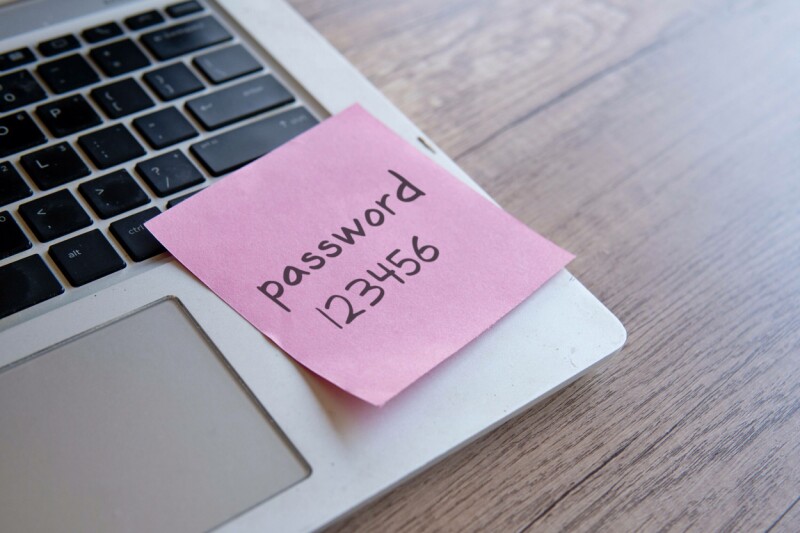
'123456' password linked to Denmark data breach affecting 8.8M people
Cyberattack Hits Hundreds of Supermarket Refrigeration Systems in France

© Fred Tanneau/Agence France-Presse — Getty Images
Vulnerabilità Bricksforge WordPress e come proteggere il tuo sito
Una vulnerabilità critica in Bricksforge per WordPress sta esponendo migliaia di siti a un rischio elevatissimo: l'esecuzione di codice da remoto (RCE). Questa falla di sicurezza, identificata come CVE-2024-25137, ha ricevuto il massimo punteggio di gravità, un CVSS di 10.0.
Cosa significa? Un malintenzionato potrebbe prendere il controllo completo del tuo sito web senza nemmeno doversi autenticare.
Vediamo insieme di cosa si tratta e, soprattutto, come puoi difenderti.
Cos'è Bricksforge in WordPress e perché questa vulnerabilità è così pericolosa?
Bricksforge è un popolare add-on per Bricks Builder, uno strumento molto amato per la creazione di siti WordPress. Aggiunge funzionalità avanzate come form complessi, animazioni e gestione di dati dinamici. Il cuore del problema risiede proprio nella gestione del processo di upload dei file tramite i suoi moduli di contatto. La pericolosità di questa falla è estrema.
Un utente non autenticato può sfruttarla per caricare un file PHP malevolo sul tuo server e poi eseguirlo. Da quel momento, le possibilità per l'attaccante sono infinite:
- Installare una web shell per avere accesso persistente al sito.
- Modificare i contenuti delle tue pagine o rubare dati sensibili.
- Reindirizzare i tuoi visitatori verso siti di phishing o malware.
- Utilizzare il tuo server per lanciare altri attacchi.
In parole semplici, è come lasciare la porta di casa non solo aperta, ma con un invito scritto per i ladri.
Come funziona l'attacco in dettaglio
Per capire come proteggersi, è utile comprendere il meccanismo dell'attacco e conoscere gli attacchi simili avvenuti in passato. Gli hacker hanno scoperto un modo per aggirare i controlli di sicurezza del plugin.
Il processo di upload ingannato
L'attacco si svolge in due fasi. Inizialmente, l'hacker carica un file che si presenta come un'immagine innocua, ad esempio un file .gif. Il plugin esegue un primo controllo sul tipo di file (MIME type) e, riconoscendolo come immagine, lo accetta e lo salva in una cartella temporanea.
Il problema sorge nella seconda fase. L'hacker invia una richiesta di sottomissione del modulo creata ad hoc. In questa richiesta, specifica il percorso del file "immagine" appena caricato, ma indica una destinazione finale con estensione .php. Il plugin, fidandosi delle informazioni fornite, sposta il contenuto del file (che include codice PHP malevolo) nella nuova posizione con la nuova estensione. A questo punto, all'hacker basta visitare l'URL del file per eseguire il codice e compromettere il sito.
L'automazione degli attacchi
Le analisi dei ricercatori di sicurezza, come Patchstack, mostrano che questi tentativi di attacco sono altamente automatizzati. Sono stati registrati exploit provenienti da decine di indirizzi IP diversi, spesso a pochi secondi di distanza l'uno dall'altro. Questo indica una campagna diffusa che mira a colpire il maggior numero possibile di siti vulnerabili.
Stai usando Bricksforge in WordPress? Ecco come proteggerti da questa vulnerabilità
Se utilizzi Bricksforge nel tuo sito in WordPress, la tua priorità assoluta è agire immediatamente contro questa vulnerabilità. Non attendere di notare comportamenti anomali sul tuo sito, perché a quel punto potrebbe essere già troppo tardi.
Aggiornamento immediato: la prima linea di difesa
La soluzione è semplice e diretta: aggiornare il plugin. Gli sviluppatori hanno già rilasciato le patch correttive.
La falla di sicurezza riguarda tutte le versioni di Bricksforge fino alla 3.1.8.9 inclusa. Aggiorna immediatamente alla versione 3.1.8.10 o successiva.
Il team ha rilasciato anche una correzione per i Pro Forms nella versione 4.0.1. Si raccomanda l'aggiornamento anche se non usi moduli con campi di upload. Non rimandare questo passaggio. È il modo più efficace per chiudere la porta agli aggressori.
Verifica e pulizia del sito: cosa cercare
Se temi che il tuo sito sia già stato compromesso o vuoi fare un controllo di sicurezza, ecco alcuni passaggi da seguire:
- Ispeziona i log del server: cerca richieste sospette, in particolare verso /wp-json/bricksforge/v1/form_submit.
- Controlla le cartelle di upload: esamina attentamente la cartella /wp-content/uploads/bricksforge/tmp/ e altre directory di upload alla ricerca di file PHP inaspettati o file con nomi strani.
- Scansiona il tuo sito: utilizza un plugin di sicurezza affidabile per eseguire una scansione completa alla ricerca di malware e file sospetti.
La vulnerabilità di Bricksforge in WordPress nel contesto globale
Questo incidente non è un caso isolato. Sottolinea ancora una volta un punto cruciale nella gestione di un sito WordPress: la gestione delle vulnerabilità.
I plugin, per quanto utili, possono diventare punti deboli se non vengono mantenuti aggiornati. Le falle di sicurezza legate all'upload di file sono comuni e pericolose perché offrono una via d'accesso diretta al server.
La lezione è chiara: mantieni sempre il core di WordPress, i temi e i plugin aggiornati all'ultima versione. La sicurezza informatica non è un'attività da fare una tantum, ma un processo continuo di vigilanza e manutenzione.
L'articolo Vulnerabilità Bricksforge WordPress e come proteggere il tuo sito proviene da sicurezza.net.
Ukrainian drone strikes on Yandex datacenters knock cloud and payments offline
Malware preinstallato in Android: il tuo nuovo telefono è già infetto?
Il rischio di un malware preinstallato in Android è una minaccia sempre più concreta e purtroppo sottovalutata. Immagina di acquistare uno smartphone nuovo, scartarlo con entusiasmo e scoprire che è già compromesso, ancora prima di installare la tua prima app. Sembra uno scenario da film, ma è esattamente ciò che accade con minacce come il recente "Midnight Mimosa". Si tratta di una scoperta allarmante che mette in discussione la sicurezza dei dispositivi fin dal loro primo avvio.
Ma come è possibile una cosa del genere? E, soprattutto, come puoi proteggerti da un nemico che si nasconde dove non penseresti mai di guardare? Scopriamolo insieme.
Cos'è "Midnight Mimosa" e come funziona?
"Midnight Mimosa" non è una semplice app malevola che scarichi per errore. È molto peggio. Si tratta di un codice dannoso inserito direttamente nel firmware del telefono, ovvero nel software di base che governa il dispositivo. Questo significa che il malware è già presente e in attesa non appena accendi lo smartphone per la prima volta.
Una volta attivo, questo tipo di software può compiere diverse azioni a tua insaputa:
- Installare altre app indesiderate come adware o spyware.
- Mostrare pubblicità invasive e continue.
- Raccogliere i tuoi dati personali per inviarli a server remoti.
- Prendere il controllo di alcune funzioni del dispositivo.
La sua natura preinstallata lo rende estremamente pericoloso, perché aggira tutte le comuni difese, inclusi i controlli di sicurezza del Google Play Store.
Il malware preinstallato in Android: dov'è la falla?
Forse ti stai chiedendo come un malware possa finire su un telefono nuovo. La risposta è tanto semplice quanto preoccupante: la compromissione avviene lungo la catena di produzione.
Per ridurre i costi, i produttori di dispositivi low-cost si affidano talvolta a fornitori terzi per il software. È in questa fase che dei malintenzionati possono inserire il codice dannoso nel firmware. Questo meccanismo rende la minaccia quasi invisibile.
Non è colpa tua: non hai cliccato su link sospetti né scaricato file strani. Il pericolo era già integrato nel dispositivo che hai acquistato in buona fede.
Come riconoscere un malware preinstallato in Android
Identificare un malware che si nasconde così in profondità è difficile, ma non impossibile. Esistono alcuni campanelli d'allarme che dovrebbero farti sospettare.
Presta attenzione se il tuo nuovo dispositivo manifesta questi comportamenti anomali:
- Consumo anomalo della batteria: la batteria si scarica molto più velocemente del previsto senza un motivo apparente.
- Rallentamenti improvvisi: il telefono appare lento e poco reattivo fin dai primi utilizzi.
- App sconosciute: trovi applicazioni installate che sei sicuro di non aver mai scaricato.
- Pubblicità invasiva: annunci pubblicitari compaiono all'improvviso, anche fuori dalle app.
- Traffico dati inspiegabile: il consumo di dati mobili è più alto del normale, segno di comunicazioni in background.
Come difendersi da questa minaccia silenziosa
Proteggersi completamente è complesso, ma puoi adottare alcune strategie per ridurre drasticamente il rischio. La prevenzione, come sempre, è l'arma più efficace.
Scegli marchi affidabili
I grandi produttori come Samsung, Google o Xiaomi hanno controlli di sicurezza molto più rigorosi. Il rischio è più alto su dispositivi ultra-economici o di marche sconosciute, spesso acquistati da canali non ufficiali.
Affidarsi a un brand noto è il primo passo per una maggiore tranquillità.
Aggiorna sempre il sistema operativo
Non appena ricevi una notifica di aggiornamento, installala. Gli aggiornamenti di sicurezza rilasciati da Google e dai produttori contengono spesso patch che neutralizzano queste vulnerabilità. Un dispositivo non aggiornato è un dispositivo molto più esposto ai rischi.
Sicurezza contro il malware preinstallato in Android
Anche se un antivirus non può rimuovere il malware dal firmware, può bloccarne le azioni successive. Una buona app di sicurezza identifica e blocca le app dannose che il malware tenta di installare, fornendo un livello di protezione aggiuntivo che fa la differenza.
Se sospetti un'infezione, il reset di fabbrica potrebbe non bastare. La soluzione più efficace è installare una ROM pulita e ufficiale, una procedura però consigliata solo agli utenti più esperti. Per tutti gli altri, contattare l'assistenza del produttore è la scelta più saggia.
L'articolo Malware preinstallato in Android: il tuo nuovo telefono è già infetto? proviene da sicurezza.net.
ShinyHunters Extorted Boeing Spin-off Prior to Arrests
A teenager from Amman, Jordan suspected of leading the prolific data theft and extortion group ShinyHunters has been detained and is reportedly cooperating with the FBI to identify other members of the hacking gang. KrebsOnSecurity has learned that the suspect, who uses the hacker handle “Rey,” was detained as ShinyHunters was in the process of extorting a business unit recently divested by the global aerospace company Boeing, which manufactures the fleet of planes used by the employer of Rey’s father — Royal Jordanian Airlines.

The logo for Jeppesen ForeFlight, a business unit divested last year by the aerospace firm Boeing.
On October 3, Reuters cited three unnamed sources saying a suspected ShinyHunters member in Amman named Saif Al-din Khader was detained by Jordanian authorities and was cooperating with the FBI. KrebsOnSecurity identified Rey as Khader in a November 2025 profile, in which the young man admitted working with multiple ransomware groups.
Rey was featured again in a September 28 exclusive about the Dutch police arresting 24-year-old convicted cybercriminal Pepijn van der Stap on suspicion of aiding in data thefts and extortions by ShinyHunters. The story noted that immediately following the Dutchman’s arrest on the evening of September 15, Rey assumed control over the ShinyHunters brand and boasted publicly about stealing highly sensitive data from the FBI and extorting the ransomware group Cl0p.
Rey taunted both the FBI and Cl0p with memes posted to his longtime account on Twitter/X, while simultaneously including images of the avatar used by Van Der Stap’s former hacker alias “Umbreon” in an apparent attempt to frame the Dutchman for both hacks.

A taunting meme uploaded to Twitter/X by Rey on Sept. 22. A giant sized version of the Pokemon character Umbreon can be seen in the bottom left.
As noted in our September 28 report, ShinyHunters gained access to the FBI site and other victims by exploiting a vulnerability (CVE-2026-35273) in PeopleSoft, a software-as-a-service platform from the tech giant Oracle that is broadly used by companies to manage hiring and human resources, benefits and payroll. Oracle quickly issued a fix for CVE-2026-35273, which ShinyHunters first began exploiting as a zero-day in June, and at the time Mandiant released web application firewall rules intended for organizations that couldn’t apply the security update quickly enough.
ShinyHunters told BleepingComputer in June that the original goal behind exploiting the PeopleSoft vulnerability was to breach the FBI’s own PeopleSoft database, but the hackers said those attacks were unsuccessful for some reason. In recent weeks, however, ShinyHunters turned to a well-known URL-encoding trick to bypass Mandiant’s suggested web application firewall rules.
In a report released Sept. 25, security experts at Mandiant and the Google Threat Intelligence Group (GTIG) confirmed that ShinyHunters had mass-exploited the PeopleSoft vulnerability to steal data from dozens of systems across a range of industries, including higher education, technology, healthcare, agriculture, transportation and government.
Reuters reported October 5 that the FBI has removed a contractor at Accenture over their failure to patch the FBI recruitment website hacked by ShinyHunters, which exposed sensitive data on more than 5,000 FBI personnel, including each’s person’s unit and specialization, as well as medical and psychiatric records.
‘REY’ MEANS KING, AS IN ROYAL
According to two sources familiar with the ShinyHunters investigation, a navigation and digital aviation unit recently divested by the global aerospace company Boeing was among the victims that ShinyHunters was in the process of extorting when Rey was apprehended by Jordanian authorities.
Those sources said the FBI’s investigation into ShinyHunters gained renewed urgency with the group’s attempted extortion of the former Boeing unit, which allegedly included the theft of sensitive information that sources said could pose operational safety and security risks.
In a brief statement shared with KrebsOnSecurity, Boeing acknowledged the extortion attempts by ShinyHunters, and said the incident concerned data stolen from Jeppesen ForeFlight, a subsidiary that Boeing sold in November 2025 to the private equity firm Thoma Bravo for $10.55 billion.
“We are aware of claims by a threat actor regarding data allegedly associated with Boeing and our former subsidiary Jeppesen ForeFlight,” a Boeing spokesperson shared. “We are actively reviewing the matter with the Jeppesen ForeFlight team.”
A spokesperson for Jeppesen ForeFlight shared a written statement in response to questions, saying the company has seen no impact on their end. “Based on our investigation to date into this claim and proactive security posture, there was no impact to our operations or products.”
Rey’s alleged involvement in attempting to extort the former Boeing unit is noteworthy because there is strong evidence that his father works for Royal Jordanian Airlines, which is mostly controlled by the Jordanian government and operates its long-haul fleet on passenger planes built by Boeing. Rey claimed on Telegram in early 2025 that his father was an airline pilot, although that could not be independently confirmed.
However, as noted in our November 2025 profile of Rey, his family’s shared computer was at one point compromised by password-stealing malware, and the data collected by that malware clearly shows Rey’s father used the same credentials to log in at multiple online portals for Royal Jordanian Airlines employees.
Royal Jordanian Airlines has not yet responded to a request for comment. In advance of our September 28 story, KrebsOnSecurity once again emailed Rey’s father to seek comment and update him on his son’s alleged activities. Neither of the Khaders have responded. But just hours after that request was sent, Rey began deleting his various social media accounts, including the Twitter/X account he previously used to taunt the FBI, Cl0p, and other ShinyHunters victims.
Rey may have nixed many of his social media profiles, but his cybersecurity blog on GitHub somehow escaped the purge, and it shows that Rey was fixated on the leaders of the Cl0p ransomware group. In March 2026, Rey’s blog featured a lengthy post that identified two Russian men as the core developers and hackers behind Cl0p.

Rey’s blog on GitHub. This post doxes two Russian men as the core operators behind Cl0p, one of the oldest and most established ransomware groups still in operation today.
MURDER FOR HIRE?
Meanwhile, news outlets in the Netherlands reported explosive new allegations leveled at Van der Stap, whose supposed personal transformation from convicted to reformed hacker has been widely covered in the tech news media. The Dutch daily RTL reported on Sept. 29 that investigators suspect Van der Stap tried to orchestrate at least two murders. According to RTL, the murders were allegedly to be committed abroad, and there are indications Van der Stap gave the order for these attacks.
Van der Stap was released from prison after serving the better part of a four year sentence for data theft and extortion activity that prosecutors said netted between €1.5 million and €2.7 million. In an interview with KrebsOnSecurity on September 9, Van der Stap described his new role as “offensive security lead” at the Dutch cybersecurity company Neo Security, saying the job involved probing client networks for security vulnerabilities.
Neo Security’s owner Benjamin Korper told Reuters he has hired an outside firm to investigate whether Van der Stap had hacked Neo Security or its customers, but that so far investigators have found no evidence he acted against his employer or clients. Korper said Dutch forensic investigators visited his office on September 15, the night Van der Stap was arrested in a dramatic police raid that reportedly involved flash bang grenades.

A screenshot of a Sept 16 story by the Dutch news outlet at5.nl, describing a police raid on Van Der Stap’s residence that reportedly used flash-bang grenades.
Prior to his first arrest in 2023, Van der Stap was working as a software engineer at the Amsterdam-based cybersecurity startup Hadrian, while volunteering at the Dutch Institute for Vulnerability Disclosure (DIVD) — even as he was hacking into and extorting a number of large organizations.
When asked in a recent interview why anyone should believe the word of a self-described “reformed” cybercriminal who had so casually deceived countless friends, co-workers and journalists for years, Van der Stap replied that his work spoke for itself and there was nothing he could say that would convince his worst critics.
“You can throw a bunch of nice words at someone, but you can’t convince them if they don’t want to be convinced,” Van der Stap told KrebsOnSecurity on Sept. 9. “I’m doing what I can to repay victims, and that’s all I can do. If someone doesn’t want to believe me, then that’s on them.”
FRANCHISING AND BURNING A BRAND
Cybercriminals aligned with ShinyHunters have been responsible for dozens of data breaches involving billions of stolen records, and breaches claimed by the group stretch back to at least 2019. But experts say the people recently operating behind the ShinyHunters name are not the same core members that populated the group in its early days, most of whom are French citizens who have been arrested (if not also imprisoned) on at least one prior occasion for alleged cybercrime activity.
More to the point, ShinyHunters has become something of a franchise. Think the Dread Pirate Roberts character in the 1980s cult movie classic “The Princess Bride,” only succession by death is replaced with succession by arrest, and there can be multiple simultaneous Dread Pirate Robertses. Sources close to the investigation say the FBI is focusing on a remaining handful of cybercriminal freelancers or affiliates who have been feeding the group stolen credentials to various software-as-a-service (SaaS) platforms used by major companies in exchange for a cut of any data ransoms later paid by victims.
In the days after the news broke of Van der Stap’s arrest, a cybercrime-focused chat server on Telegram that was allegedly operated by Rey erupted with hot takes, with most participants heaping ridicule on the teenage hacker after he publicly backed down from threats against the FBI and Cl0p, and again when the ShinyHunters’s darknet website suddenly went offline. Several commentators accused Rey of resurrecting the ShinyHunters brand after its core members were rounded up in France, and making a mockery of the group’s name and reputation ever since.
“He bought the old forum PGP key and used it to make new Breachforum websites and Telegram channels larping as ShinyHunters to ransom companies and then sell the used data or resell his forum when he goes broke,” one member recounted.
A relatively new Telegram channel called “The Battle” has been doxing and needling Rey and other alleged ShinyHunters members for several weeks, and it has gained a considerable readership among the cybercrime communities operating on Telegram. One of the coordinators of that harassment campaign repeatedly portrayed Rey as clueless greenhorn who sought to ride the coattails of a cybercriminal brand that has long enjoyed a reputation for ruthlessly selling or publishing data stolen from victim companies who refuse to give in to extortion demands.
“Rey (Saif Al-Din Khader) made a serious mistake when he started pretending to be a member of ShinyHunters,” wrote the administrators of The Battle server on Telegram. “That group had already been dismantled, with many of its members either arrested or imprisoned, yet Rey still chose to use its name while carrying out his crimes. We’re aware of claims that [Rey] caused over $200 million in damages and helped around 5–6 friend groups in the community make money by using Shiny Hunters group aliases to negotiate deals for a 25–30% cut over the past few months.”
In an interview with The Register, ShinyHunters claimed they hacked the FBI to counter the agency’s narrative in a May 2026 alert that advised victims against paying a ransom to the group, which came off looking unprofessional and capricious in the FBI’s advisory.

A flash notice on ShinyHunters released by the FBI on May 15, 2026.
The public notice warned the group has been known to pursue a number of different victim harassment strategies, from sending threatening text messages and phone calls to victims and their family members to in some cases swatting victims. The FBI warned ShinyHunters members “may also falsely claim to have sensitive or compromising information, including embarrassing photographs or videos of victims, which frequently do not exist.”
The hackers told The Register their attack on the FBI “demonstrated our technical capabilities and directly refuted the misinformation disseminated by the FBI, journalists, and industry researchers.” At the same time, the group’s leaders seemed to acknowledge that the FBI’s warning materially harmed their prospects for convincing victims to pay, saying “this was fundamentally a public relations and marketing initiative for our business.”
Anthropic Claude e cyberdifesa: svolta nella sicurezza informatica
Il rapporto tra Anthropic Claude e la cyberdifesa entra in una fase del tutto nuova. Anthropic ha infatti annunciato un'importante espansione del suo Cyber Verification Program, un'iniziativa che apre le porte dei suoi modelli di intelligenza artificiale più avanzati ai professionisti del settore.
Ma cosa significa per il futuro della lotta contro le minacce digitali? È un passo coraggioso per potenziare chi ci difende, gestendo al contempo il rischio che questi stessi strumenti possano essere usati in modo malevolo.
Il dilemma è noto: gli strumenti di IA che aiutano un difensore a trovare una falla di sicurezza sono spesso gli stessi che potrebbero aiutare un aggressore a sfruttarla. La soluzione di Anthropic è un programma di accesso verificato, che offre ai professionisti modelli come Claude 3 Opus e Claude 3.5 Sonnet con meno restrizioni, in base al loro ruolo e alle loro autorizzazioni. Scopriamo insieme come funziona.
Cos'è il Cyber Verification Program di Anthropic?
Pensa a questo programma come a una chiave speciale. Mentre i modelli Claude accessibili al pubblico mantengono rigide barriere per prevenire abusi, il Cyber Verification Program (CVP) fornisce una "chiave" a team e ricercatori verificati. Questa chiave sblocca capacità avanzate, consentendo loro di usare l'IA per compiti di sicurezza offensiva e difensiva in modo controllato.
L'obiettivo è semplice ma ambizioso: dare ai "buoni" gli strumenti migliori per anticipare, individuare e neutralizzare le minacce. Il programma unifica iniziative precedenti, come il Progetto Glasswing, creando un percorso di accesso strutturato e basato su permessi specifici.
In altre parole, non tutti avranno lo stesso livello di accesso, che dipende dal tipo di lavoro svolto tramite un sistema a tre livelli progettato per bilanciare potenzialità e sicurezza.
Test simili sono giù stati messi in atto, come utilizzare Claude Opus 5 per trovare falle in OpenAI, e correggerle.
I tre livelli di accesso a Claude di Anthropic per la cyberdifesa
Anthropic ha definito tre "tier" di accesso, ognuno con permessi e controlli specifici. Questa suddivisione è fondamentale per garantire che la potenza dell'IA sia usata in modo responsabile.
1. Defense access (accesso difensivo)
È il livello base, pensato per chi lavora in prima linea nella difesa digitale. Include team di sicurezza aziendali, centri operativi di sicurezza (SOC), analisti di malware, università ed enti governativi.
Le attività permesse sono strettamente difensive: analisi di vulnerabilità, incident response e reverse engineering.
Anche i ricercatori indipendenti con una comprovata storia di segnalazioni possono qualificarsi, rendendo lo strumento ampiamente accessibile a chi protegge le infrastrutture.
2. Red team access (accesso per red team)
Questo livello è destinato a chi simula gli attacchi per testare le difese, i cosiddetti red team. Include team interni, agenzie governative e società di penetration testing.
Oltre alle capacità difensive, permette di condurre test di penetrazione autorizzati. Tuttavia, restano attivi dei controlli per bloccare azioni estremamente pericolose, come l'implementazione di ransomware o attacchi a sistemi fisici critici.
3. Specialized access (accesso specializzato)
Siamo al vertice della piramide. Questo livello, con le minori restrizioni possibili, è riservato a un gruppo ristretto di organizzazioni autorizzate a testare le infrastrutture più critiche. Parliamo di reti elettriche, sistemi di controllo del traffico aereo e reti di telecomunicazioni.
L'approvazione per questo livello è molto rigorosa e viene gestita in collaborazione con il governo statunitense.
I risultati dei primi test di cyberdifesa con Claude di Anthropic
Ma funziona davvero? Anthropic ha messo alla prova il suo modello Claude 3.5 Sonnet con CyScenarioBench, un benchmark che misura la capacità di eseguire operazioni cyber complesse.
I risultati sono stati eloquenti:
- Accesso pubblico: ogni tentativo di operazione malevola è stato bloccato al primo prompt.
- Defense access: il 92% dei tentativi è stato bloccato, mentre una piccola parte è andata a buon fine.
- Red team access: nessun blocco iniziale, con un tasso di successo del 68% nelle operazioni, quasi identico a quello del modello senza barriere di sicurezza.
Questi dati, sebbene interni, dimostrano l'efficacia del sistema a livelli. Inoltre, i partner del programma hanno già identificato oltre 129.000 vulnerabilità verificate tra aprile e luglio 2026, un dato che testimonia il potenziale di questa tecnologia per la sicurezza proattiva.
Una nuova era con Anthropic Claude nella cyberdifesa?
L'iniziativa di Anthropic segna un passo deciso verso l'integrazione dell'IA avanzata nelle operazioni di cyberdifesa. Fornendo un accesso controllato e stratificato, l'azienda cerca di risolvere il dilemma del doppio uso, potenziando i difensori senza armare gli avversari. Le organizzazioni possono richiedere l'accesso tramite la piattaforma Claude, Google Cloud Vertex AI e Microsoft Foundry.
La strada è ancora lunga, ma questo approccio pragmatico e basato sulla fiducia potrebbe diventare un modello per l'intero settore.
Stiamo forse assistendo alla nascita di una nuova generazione di difese, dove l'IA non è solo uno strumento, ma un vero e proprio alleato strategico? Solo il tempo potrà dirlo.
L'articolo Anthropic Claude e cyberdifesa: svolta nella sicurezza informatica proviene da sicurezza.net.
Dutch Police Arrest ‘Reformed’ Hacker in Shiny Hunters Investigation
Authorities in the Netherlands have arrested a 24-year-old convicted cybercriminal on suspicion of aiding in data thefts and extortions by the prolific hacker group ShinyHunters. In the days immediately following the suspect’s arrest, remaining ShinyHunters members dramatically escalated their attacks, stealing highly sensitive data from the FBI and extorting the Russian ransomware group Cl0p.
According to three sources familiar with the matter, the Dutch man arrested by authorities this month is Pepijn van der Stap, a convicted cybercriminal from Almere and Lelystad in the Netherlands. Van der Stap was previously convicted in 2023 in connection with a string of data thefts and extortions that prosecutors said earned between €1.5 million and €2.7 million.
At his trial in late 2023, van der Stap admitted that he lived a Dr. Jekyll and Mr. Hyde existence, secretly using the hacker handle “Umbreon” to extort victims and post their data on English language hacking communities like the now-defunct RaidForums and Breached. By day, however, van der Stap was working as a software engineer at the Amsterdam-based cybersecurity startup Hadrian, while volunteering at the Dutch Institute for Vulnerability Disclosure (DIVD), a nonprofit security research group.

Pepijn van der Stap’s alter ego “Umbreon” selling a database on RaidForums, offering information on 2.3 million people from The Netherlands in September 2021. This user’s avatar is a depiction of the Pokemon character Umbreon. Image: KELA.
Van der Stap confessed to his data theft and extortion activity, and was sentenced to four years in prison (one of which was suspended). During his trial, van der Stap opted to remain in custody for a time rather than at home, saying he could not find better treatment on the outside for his ongoing psychological issues, which he claimed included PTSD related to childhood trauma. He was released from prison in December 2025.
In an interview with KrebsOnSecurity on September 9, 2026, Van der Stap cast himself as a reformed hacker who was trying to turn his life around and make a positive contribution to society. Van der Stap is currently employed as offensive security lead at the Dutch company Neo Security, which did not respond to requests for comment.
Van der Stap said he was still dealing with civil lawsuits and restitution related to his previous cybercrime victims, and that he was trying his best to make amends. But not long after that interview, the Dutch hacker abruptly stopped replying to messages. Efforts by others close to him also repeatedly failed to elicit a response for the past two weeks.

The LinkedIn profile for Pepijn van der Stap.
According to two sources with knowledge of the matter, Van der Stap was arrested by Dutch authorities on or around September 16, and has been held in custody for questioning since. One source said a colleague of theirs personally witnessed Dutch authorities carting items out of Van der Stap’s residence.
Authorities in the Netherlands have been asking the public for help in identifying the voice in a recorded telephone call from February 2026 in which a native Dutch-speaking ShinyHunters member social engineered their way into Odido, the nation’s largest mobile telecommunications provider. In that intrusion, ShinyHunters tricked an Odido employee into logging in at a spoofed website, and then used that access to steal data on more than 6.2 million Dutch people.
Responding to Dutch news media, ShinyHunters confirmed that the suspect in the audio clip is indeed a member of the hacker collective.
“Our team member has our full support – emotionally, mentally, and financially,” the hackers said. “Everything has been arranged, including a criminal defense lawyer. We do not look down on our staff and members; we take excellent care of them,” reads a statement ShinyHunters shared with NL Times. It remains unclear if the Dutch police have matched the Odido caller to a confirmed real-life identity. The Dutch police unit handling the Odido incident did not respond to requests for comment.
The group also lashed out at the authorities in the Netherlands. “The Dutch police will need all the luck in the world – and everyone’s prayers – if they want to catch him before we carry out another large-scale data theft in the Netherlands,” the ShinyHunters statement said. “Frankly, the Dutch police are a big joke; they are incapable of doing anything. Incompetent. Irrelevant. Unimportant. Useless.”
FBI, CL0P HACKS
Just days after sources say Van der Stap was detained by Dutch authorities, ShinyHunters claimed credit for an unusually brazen breach at the FBI’s job application site apply.fbijobs.gov. According to reporting from 404 Media, the data stolen from the FBI site includes Social Security numbers and personal information on more than 5,000 officials.
404 Media and Reuters reported the FBI data included each person’s job title or team, such as special agent, threat intake examiner, major cybercrimes unit, and those investigating cyber threats from foreign state-backed actors. Reuters examined documents shared by ShinyHunters and found they included sensitive psychiatric and medical files of FBI staff. The FBI issued a brief statement confirming the hack.
ShinyHunters said it gained access to the FBI site and other victims by exploiting a recently patched vulnerability (CVE-2026-35273) in PeopleSoft, a software-as-a-service platform from the software giant Oracle that is broadly used by companies to manage hiring and human resources, benefits and payroll. Oracle quickly issued a fix for the Peoplesoft vulnerability that ShinyHunters reportedly began exploiting as a zero-day in June, and at the time Mandiant released web application firewall rules intended for organizations who couldn’t apply the security update quickly enough.
But on Friday, BleepingComputer reported that ShinyHunters used a URL-encoding trick to bypass Mandiant’s suggested web application firewall rules designed to mitigate the threat from the PeopleSoft flaw. In a report released Sept. 25, security experts at Mandiant and the Google Threat Intelligence Group (GTIG) confirmed that ShinyHunters had mass-exploited the PeopleSoft vulnerability to steal data from dozens of systems across a range of industries, including higher education, technology, healthcare, agriculture, transportation and government.
Van der Stap’s former hacker alias Umbreon was hidden in plain sight throughout the imagery ShinyHunters used to spread news about the FBI hack: The defacement image that ShinyHunters left behind on the hacked FBI jobs site included an ASCII art design featuring the Pokemon character Umbreon. The message at the top read, “This site has been seized by ShinyHunters. rooting your systems since ’19 ;)” The image appears identical to a defacement message ShinyHunters used in their 2020 hack of the English-language cybercrime community Hackforums.

The defacement message left by ShinyHunters on the FBI jobs site included an ASCII art rendition of the Pokemon character Umbreon. Image: Bleeping Computer.
Multiple sources close to the ShinyHunters investigation said the group’s recent risky attacks against the FBI and one of Russia’s most venerated ransomware groups amounted to a major pivot away from the more measured tenor of the hacking gang’s operations. Those sources said the sudden shift came about after ShinyHunters was taken over by a teenage cybercriminal from Amman, Jordan who goes by the nickname Rey and operates as part of a cybercrime group called ScatteredLapsussHunters (SLSH), which experts say is an amalgamation of three hacking groups — Scattered Spider, LAPSUS$ and ShinyHunters.
Those sources said Rey had an ongoing beef with the Dutch hacker over control of the ShinyHunters brand and data, and that the inclusion of the oversized Umbreon Pokemon image in the FBI jobs site defacement was likely an attempt by Rey to pin the hack on the Dutchman.
Rey was first publicly identified by the cybersecurity firm KELA in March 2025. In advance of our November 2025 profile of Rey, KrebsOnSecurity messaged Rey’s father and asked for permission to interview his teenage son. Rey’s dad merely forwarded the message to his son, who admitted to participating in ransomware attacks and said he was trying to extricate himself from the SLSH hacker group.
BLAMING UMBREON
Immediately after news of the FBI jobs site hack was picked up in the media, Rey’s main account on Twitter/X (Ryan Moran/@rmoskovy) was taunting the Cl0p ransomware group and the FBI, crudely depicting them as the twin towers in New York being struck by planes labeled “cl0p drama” and “fbi breach claim.” In the foreground of the city is the giant Pokemon figure of Umbreon.

A taunting meme uploaded to Twitter/X by Rey’s now-defunct account on Sept. 22. A giant float-sized version of the Pokemon character Umbreon can be seen in the bottom left.
On Sept. 24, KrebsOnSecurity again contacted Rey’s dad, asking to interview him and his son for a story on Rey’s apparent ascendency as the head of ShinyHunters. Just hours after that request, Rey deleted his longtime Twitter/X account. Meanwhile, Rey’s dad, who works for the Royal Jordanian Airlines, has failed to respond to a half-dozen emailed requests for comment about his son’s alleged activities.
Where does the bad blood between SLSH and ShinyHunters come from? According to a story in Wired this month, ShinyHunters and SLSH members briefly partnered earlier this year to help better monetize important stolen credentials collected by TeamPCP, an upstart group that was having great success compromising global code supply chains with malicious software but hadn’t been able to profit much from their stolen data (two alleged leaders of TeamPCP were arrested last month in Australia, and in an interview the TeamPCP leader claimed they made just $20,000).
The Wired story noted how Mandiant had infiltrated TeamPCP and was secretly responsible for having the crime group’s stolen credentials burned so quickly: Mandiant was secretly feeding those credentials to the major cloud providers like Amazon and Microsoft, who quickly invalidated the stolen keys. Meanwhile, the formerly cooperating hacker groups began to blame one another for causing the credentials to become worthless.
Wired’s Andy Greenberg reported that a few weeks after partnering with TeamPCP, “ShinyHunters went rogue, carrying out its own extortions with TeamPCP’s credentials but without giving the supply-chain hackers their cut.”
Mandiant researcher Austin Larsen told KrebsOnSecurity earlier this month that ShinyHunters has been enjoying a successful extortion spree so far this year, and is on track to pull in nearly $100 million in extortion payments from cybercrime victims in 2026.
Van der Stap claims he was never motivated by money and that his earlier hacker activity was driven by a desire to have the world’s most complete collection of stolen databases. Speaking with reporters from Bloomberg in 2024, Van der Stap said that singular focus in turn fueled his desire to carry out cyberattacks.
“The hacking was very easy for me, and it wasn’t a compulsion,” he told Bloomberg. “My habit was collecting. Collecting data, organizing data, downloading data, creating folders.”
DIVD, the nonprofit security research group where Van der Stap previously served as a volunteer, disclosed on LinkedIn last week that the organization was dealing with an internal cybersecurity incident that appears to have involved the malicious use of artificial intelligence. DIVD has released few details about that incident, but a spokesperson for the nonprofit told KrebsOnSecurity it does not appear related to ShinyHunters, nor are there any signs the matter involves the work of a previous volunteer.
Update: 3:44 p.m. ET: Corrected Van der Stap’s age, which is 24 (not 23).
Update, 4:54 p.m. ET: The Dutch police have confirmed the arrest of a 24-year-old in connection with the ShinyHunters investigation. In a statement on Twitter/X, the Dutch police said the man will appear on Tuesday, September 29 before the chambers of the Rotterdam District Court, and that it will provide more information tomorrow.
Sept. 29, 9:42 a.m. ET: The Dutch news outlet RTL reports that investigators suspect Van der Stap tried to orchestrate at least two murders. RTL reported the two murders were allegedly to be committed abroad, and that there are indications the suspect gave the order for this.
The FBI released a short video message on the ShinyHunters investigation from Brett Leatherman, assistant director of the FBI’s cyber division, who thanked Dutch law enforcement partners for their assistance and urged remaining ShinyHunters members to turn themselves in.
“Arrests have a way of changing who is willing to talk, and seized infrastructure has a way of showing us who’s left,” Leatherman said. “The longer you stay in this, the more we learn about you. You know how to find us, and we know how to find you. I suggest you reach out to us while the choice is still yours.”
Bitdefender crea una VPN per gli agenti AI
Forse in pochi ci avevano pensato, ma dal momento che gli agenti AI navigano sul Web per raccogliere informazioni e compiere operazioni per conto degli utenti, potrebbe essere una buona idea mascherarne le attività per evitare di fornire contesti non voluti a siti web e servizi di cui non sappiamo granché. Bitdefender ha infatti presentato […]
L'articolo Bitdefender crea una VPN per gli agenti AI proviene da Securityinfo.it.
No Hat 2026, a Bergamo l’hacking incontra AI, cyber-spionaggio e droni
Il 10 ottobre torna la conferenza internazionale dedicata alla cybersecurity e all’ethical hacking. Tra i temi dell’ottava edizione, vulnerabilità negli AI coding assistant, attacchi alle infrastrutture di rete, malware, anonimato e compromissione dei sistemi autonomi L’intelligenza artificiale che sta cambiando anche il lavoro di chi cerca vulnerabilità e sviluppa nuove tecniche di attacco è uno […]
L'articolo No Hat 2026, a Bergamo l’hacking incontra AI, cyber-spionaggio e droni proviene da Securityinfo.it.
Two Alleged ‘TeamPCP’ Hackers Arrested in Australia
Authorities in Australia have arrested two men believed to be members of TeamPCP, a prolific cybercrime and data extortion group blamed for perpetrating the longest running spree of software supply chain attacks ever.
In a statement released today, the Australian Federal Police (AFP) said two men from Western Australia, aged 21 and 23, were arrested in connection with a “sophisticated cybercrime syndicate that allegedly created malicious open-source software to rob thousands of global businesses.”
The AFP did not name the defendants, but KrebsOnSecurity learned the 21-year-old suspect’s real identity in June, and has been communicating with him ever since. This story includes interviews with TeamPCP’s self-described spokesperson, and examines clues left behind by the TeamPCP leader that likely led to his undoing.
TeamPCP vaulted onto the cybercrime scene in late 2025, embedding malicious code in hundreds of open source software tools and extorting victims for profit. Members of the group made headlines by compromising corporate cloud environments using a self-propagating worm dubbed Shai-Hulud, which added malicious code to open source programs maintained by developers whose credentials at public code repositories like GitHub or NPM were phished or stolen.
Writing for Wired, journalist Andy Greenberg described TeamPCP’s core tactic as a kind of cyclical exploitation of software developers.
“The hackers gain access to a network where an open source tool commonly used by coders is being developed,” Greenberg wrote in May. “The hackers plant malware in the tool that ends up on other software developers’ machines, including some who are writing other tools intended to be used by coders. The malware allows TeamPCP’s hackers to steal credentials that let them publish malicious versions of those software development tools, too. The cycle repeats, and TeamPCP’s collection of breached networks grows.”
TeamPCP also has practiced something akin to cyclical recruitment. In May, the source code for the third iteration of Shai-Hulud was published online, and TeamPCP soon after launched a contest offering $1,000 in virtual currency to whichever participant could conduct the largest supply chain operation using the worm’s code. According to the contest rules, participants were scored based on the number of weekly and monthly downloads of packages they compromised — directly incentivizing them to target the most popular code libraries.

A screenshot of a message from TeamPCP’s Telegram account, announcing the supply chain hacking contest. Image: dataminr.com.
“TeamPCP has stated the competition is a recruiting opportunity and they intend to purchase all meaningful access harvested from participants’ campaigns,” the security firm Dataminr wrote. “The $1,000 XMR (Monero) prize is a recruitment floor and has been dismissed by the actor as ‘just like participation trophy,’ adding ‘if you find something good you will be paid way more,’ confirming the contest’s true function as talent identification and malicious access acquisition at scale.”
In March, TeamPCP executed a supply chain attack targeting AI infrastructure by compromising the code for LiteLLM, an open source AI gateway that connects users to more than 100 different large language models. A recent analysis by the security firm CloudSEK found TeamPCPs attack on LiteLLM harvested cloud service keys and other secrets from more than 2,500 organizations, including many of the world’s top technology companies.
In May, TeamPCP claimed credit for compromising at least 3,800 code repositories at the Microsoft-owned GitHub, after a GitHub developer installed a code extension that was compromised by TeamPCP’s malware.
MEET THE CYBERCATS
Security experts say TeamPCP is less of a hacker group than an amalgamation of threat actors from multiple cybercriminal gangs who sometimes work together toward similar goals.
“It is not a structured criminal crew with a single operator,” said Austin Larsen, a principal threat analyst with the Google Threat Intelligence Group. “It is a peer community of individually-skilled actors, with one clear center of gravity.”
That center of gravity is George Prepakis, an accomplished security researcher and self-described exploit developer who operates the Twitter/X profile @kernelstub. Earlier this year, @kernelstub tweeted a public invite link to a Matrix chat server he created and dubbed “Cybercats,” and TeamPCP and several other cybercrime entities have been using this server to communicate daily for the past several months.

A screenshot of the Matrix chat server “Cybercats,” whose members used hacker handles associated with multiple distinct cybercrime groups that have occasionally collaborated on a series of supply chain and data ransom attacks over the past nine months.
Kernelstub, like other administrators in the Cybercats chat, has been using his Twitter/X profile name as his handle in these Matrix communications, frequently tweeting references to other members and to conversations taking place in the Cybercats chat. In a number of cases, the corresponding X accounts for members of the Cybercats chat taunted cybercrime victims publicly before the incidents were reported in the news media.
The Cybercats administrator listed at the top of the screenshot above — “Boxturtle” — is a close associate of TeamPCP who has been tweeting about the group’s conquests under the name @xpl0itrsturtle. This handle corresponds to a data breach broker active on Breachforums and Darkforums who has been selling data stolen in a wave of recent breaches at automobile manufacturers, including BMW Group, Audi, Honda, Mercedes-Benz, Volvo and Toyota, as well as data allegedly taken from Snapchat and SportRadar.

The data leak site for the extortion group or handle “xpl0itrs.”
The Cybercats administrator “SeesawSec” in the screenshot above is the alias of whoever is behind the cybercrime group known as Fulcrumsec, which recently claimed credit for data extortion attacks against the pharmaceutical giant Novo Nordisk, the data broker LexisNexis, and Avnet, a Fortune 500 distributor of electronic components.

The data leak site of Fulcrum Security, a.k.a. Fulcrumsec.
The Cybercats administrator “@pcpcasper” also has been using a similar name on X to discuss TeamPCP’s attacks and victims. This person has an extensive message history on Telegram, where their messages and shared videos show @pcpcasper is an active and vocal member of the National Socialist Network, a neo-Nazi political organization based in Australia.
At one point in these chats, @pcpcasper shared videos and images of what they claimed was their cat, and several of those videos place this user in Western Australia. One source close to the investigation told KrebsOnSecurity that @pcpcasper was one of the two arrested, a claim supported by messages that @kernelstub posted online this morning.
The Cybercats member roster pictured above also features an administrator with the username “T,” which is short for the now-banned Twitter/X profile @pcpcats, the account operated by the self-described TeamPCP spokesperson who was arrested today. As we’ll see in a moment, @pcpcats also is from Western Australia.
By the time @kernelstub tweeted a public invite link to the Cybercats Matrix server, T/@pcpcats was posting only infrequently to the group chat, with other members often inquiring as to his whereabouts and well-being. The group’s collective concern related to @pcpcats’s tendency to blame his increasingly extended absences on the use of hallucinogens and other narcotics that kept him awake for days on end, but also caused him to crash in bed for several days after the highs wore off.
WHO IS THE TEAMPCP LEADER?
The Cybercats member @pcpcats has used multiple nicknames on the cybercrime forums, including EllisD25/LSD on Darkforums, BulkDMT on Breachstars, and Express on Breachforums. These accounts are linked because they all advertised the same Tox ID and/or Session ID as instant message contact handles in their cybercrime forum posts. BulkDMT was also known on the forums as DMT Host, which was a virtual private server (VPS) hosting service that was peddled on Darkforums and Breachstars.

DMT Host/EllisD25, posting on the English-language cybercrime community DarkForums in September 2025. Image: ke-la.com.
According to the cyber intelligence firm Intel 471, Express registered on Breachforums using the email address shitstickpp@gmail.com. Intel 471 finds Express posted on Breachforums across a two-month period in 2025 using four different Internet addresses located in South Africa. On July 30, 2025, Express announced on Breachforums they were selling access to 14 gigabytes of data stolen from South Africa’s State Information Technology Agency.
The threat intelligence platform Flashpoint recorded more than a year’s worth of messages from the TeamPCP leader’s alter ego on Telegram — Persy_PCP — who claimed they split their life living between two countries [full disclosure: Flashpoint is an advertiser on this blog]. “I have these [files] as well, problem is these are in another country,” Persy_PCP explained to another user inquiring about a stolen data set in November 2025.
Later that month, Persy_PCP complained, “My whole country is racist and they want people like me dead.” Flashpoint records show BulkDMT shared in September 2025 that “this country is going to fucking starve when they take the farmers land,” a likely reference to white landowners in South Africa who claim to be targeted by an ongoing genocide campaign.
This tracks with public reporting on TeamPCP. Cyberscoop reported in June that Google had traced TeamPCP’s residential and mobile Internet address connections to South Africa, “indicating the primary operator was located there during at least some of its attacks.”
BulkDMT also shared on the group chat at Breachforums that they were recovering from an addiction to methamphetamine. “My life is kinda fucked rn [right now], but that’s fine and there isn’t really a point in pouring so much emotional energy into that fact, my parents had money but I unfortunately got really addicted to some things so I don’t get to benefit from that. As long as I continue to survive, stay sober, and move closer towards my goals that’s enough drive and meaning.”
The identity threat protection company SpyCloud finds shitstickpp@gmail.com shows up in the registration of an account called ChristmasSnow on the cybercrime community Raidforums in 2022. Nearly all of the Internet addresses used to access that account came from ISPs in Perth, Australia, SpyCloud found.
KrebsOnSecurity looked up all of those Perth IP addresses in passive DNS records maintained by DomainTools.com, and found one of them — 211.27.196.111 — for several years was used as a private file server by a family in Perth with the last name of Thomson. Those records show at least three hosts — ithomson.direct.quickconnect.to (a remote Synology server), kthomson0061.direct.quickconnect.to, and joshuawthomson39.myqnapcloud.com (a QNAP network storage device) — persisted at that address between 2022 and 2025.
Searching on “joshuathomson39” in the breach tracking service Constella Intelligence reveals an account at the freight forwarding company kwe.com created in the name of Joshua Thomson from Perth, Australia. The open source intelligence platform Epieos finds the phone number attached to that kwe.com account was used to register a Facebook profile for Josh Thomson, which says his family includes a brother named Ruben, his father Ian, and his mom Cindy.
That Facebook profile also says Josh and his family are originally from Pietermaritzburg, in KwaZulu-Natal, South Africa, but currently living in Cottesloe, a beach-side suburb of Perth. A search in DomainTools for Ian Thomson and Australia unearthed five domains by the same registrant, including securecomputing.au, thomson.org.au, and thomsonfamily.net.au. Ian Thomson is a dentist in Cottesloe, and a biography says he graduated from The University of the Witwatersrand in Johannesburg, South Africa.
Constella finds a joshua@thomson.org.au registered a number of accounts online, but Josh doesn’t seem to have much of a connection to dodgy cybercrime forums. His brother Ruben, on the other hand, has quite the presence on these communities, dating back to at least 2018. Constella reports ruben@thomson.org.au frequently reused the password “joshuathomson1,” and Constella further finds that password was used by just a handful of accounts, including yolosolo17@gmail.com and surfinup8@gmail.com.
According to Intel 471, surfinup8@gmail.com was used to register the user Yolosolo17 on the crime forum Altenen in 2018, and that user account was registered from the Perth address 110.141.230.15. On Altenen, Yolosolo17 advertised free web proxies, as well as the domain rubenthomson.com, which was at one point used to sell steeply discounted iPhones. DomainTools says rubenthomson.com was hosted at 110.141.230.15 and registered to surfinup8@gmail.com.

A cached copy of the domain rubenthomson.com from 2017 shows a login page underneath a banded stack of money. Image: archive.org.
SpyCloud reports 10.141.230.15 was used by the email address sheepstealing@gmail.com on Raidforums and surfinup8@gmail.com on Nulled, and that the same IP was used by the email addresses ian@thomsonfamily.net.au, jasper@yakuza.cc, and rubenthomson1@gmail.com. SpyCloud also shows that sheepstealing Gmail address is tied to the accounts Sheep420, YoloSolo117 and Yakuza.cc on Raidforums, and to the account “Sheep Stealing” on Hackforums. Intel 471 says sheepstealing@gmail.com was used to register the account DingoFlour on Breachforums in October 2023, as well Sheepx on Altenen.
Epieos reports that ruben@securecomputing.au is tied to an Airbnb account for Ruben, who described himself as a Web developer who went to school at the University of Western Australia and was living outside the country. “Hey, I’m Ruben, my friends call me Ellis. I’m a Perth creative who occasionally books rooms when visiting family and for photography.”
Epieos also finds sheepstealing@gmail.com registered an upwork.com profile under the name Ruben, who said his main skills are setting up secure server hosting solutions and PHP full-stack Web development.
“I’m familiar with Linux, working with relational databases (SQL),” the Upwork profile reads. “I also script in Python mainly for writing social media bots.”

The Upwork profile for Ruben Thomson in Cottesloe, Australia.
Epieos further discovered sheepstealing@gmail.com is connected to a Microsoft account for Ruben Thomson, and to a now-defunct GitHub account called XmasSnow/XmasSnowisBack that scammed people on the forums in 2022 by claiming to sell exclusive exploits for recently-released software patches (recall that shitstickpp@gmail.com was used to register a forum account named ChristmasSnow).
This same sheepstealing email address registered a Twitter/X account in 2026 called “Gone Fishing” that lists its location as South Africa. That Gmail account also left several reviews for businesses listed on Google Maps over the past seven years, but all of those establishments are located on the west coast of Australia.

Business reviews in Western Australia left by the Google account sheepstealing at gmail.com.
The people search service Pipl finds a 21-year-old Ruben Thomson in Western Australia who has a phone number ending in 979. A lookup on that number at Epieos reveals it is connected to a TikTok account under the name Ellis, and to a PayPal account in the name of Ruben Thomson.
Finally, a search on the name Ruben Thomson from Cottesloe at the Australian government’s record of registered businesses finds he has incorporated or served as an official in multiple companies created since 2024, including Secure Computing Solutions, Tensor Industries, and another entity ironically named OPSEC Express. Recall that Express was BulkDMT’s nickname on Breachforums.

Australian companies connected to Ruben Thomson. Image: abr.business.gov.au.
It’s ironic because OPSEC is short for the term “operational security,” which refers to techniques and behaviors used to obfuscate and compartmentalize one’s real-life identity online, and using your cybercrime handle as part of your own company name is very much the antithesis of that practice.
There is at least one other major opsec failure by Ruben that exposed a link to TeamPCP. In June 2025, someone using the name Ruben Thomson registered on HackerOne, a popular “bug bounty” program that seeks to reward and recognize researchers who agree to work with affected software vendors to help fix the flaws before publishing about their findings. What was Ruben Thomson’s chosen HackerOne username? Deadcatx3, a nickname that has been flagged by multiple security firms as an alias used by TeamPCP.

The HackerOne profile for “Ruben Thomson” uses the nickname Deadcatx3, which multiple security firms have concluded is an alias used by TeamPCP. Image credit: flare.io.
INTERVIEW WITH ELLIS
In early July 2026, not long after having discovered clues about Ellis’s real life identity, KrebsOnSecurity interviewed the TeamPCP leader via Signal, where he was remarkably open about his activities and personal struggles [for the sake of simplicity, the TeamPCP spokesperson will be referred to from here on as Ellis].
Ellis claims he stopped doing cybercrime for TeamPCP in March 2026 — just before the attacks that compromised LiteLLM — and that at least one other individual has taken over the group’s leadership since then. Ellis shared that a year earlier he had just completed the latest in a series of detox and sobriety programs, and was two months sober when he reconnected with some old friends from the malware development scene.
“One year ago I needed help monetizing some [GitHub credentials], I was two months sober and needed a distraction and something to keep busy as well as people to speak to,” Ellis said. “I had largely disconnected from my old circle, they had become very toxic and I needed to get away from the substances. Previously I had done some mass exploitation campaigns and grew up doing [malware development] and [capture the flag] contests. There were some friends who were also vending but had stopped a while, and one of them introduced me to some chats where I posted access for sale.”
Prior to that, Ellis said, he was homeless and hopping between “some very unstable places.”
“Blackhatting is fun,” he said. “There are actual rewards and incentives to learn and you grow with your team. Without qualifications, no employer will even take the time to hear you out.”
Ellis claims he’s earned a grand total of about $20,000 for his activities with TeamPCP, and that it was never about the money or fame for him. Asked whether his experiences with TeamPCP might prepare him for gainful employment in a legitimate IT job, Ellis said he doubted it.
“I am nowhere close to a skill level where I am comfortable, and this would take maybe half a decade of further experience,” he said. “I no longer have to choose between rent and food for that I’m grateful and so are the team members.”
Ellis expressed no remorse over his cybercrime activities, and said he was grateful for the friendships and relationships built throughout his engagement with TeamPCP. The young hacker also seemed resigned to his fate, and told KrebsOnSecurity that he’ll accept the consequences if he’s ever arrested.
“If I’ve already been found out then its out of my control, I’ll make peace with that,” he said. “Honestly, I think someone like me needs a lot of help that prison just can’t provide. If I had the funds to study different parts of the field and closer guidance, this would have turned out differently. But that’s a pipe dream and we both know this.”
It is clear from reading Ellis’s posts to the group’s Matrix server chats that his struggles with sobriety are ongoing. On Thursday, June 25, Ellis told @kernelstub he was about to “trip” with his “homie.”
“What kind,” @kernelstub inquired.
“Ketty and some DMT,” Ellis replied, referring to the dissociative anesthetic ketamine and dimethyltryptamine (DMT), a powerful psychedelic compound that is found naturally in some plants but is also synthetically produced in underground lab environments. “There’s a little 2cb so we might throw that in the mix,” he continued, referring to another psychedelic compound by its chemical shorthand.
Roughly two weeks before his arrest, Ellis told KrebsOnSecurity he was ready to leave his life of crime behind and was prepared to turn himself in, but that in the meantime he was making plans to tie up loose ends.
Less than 24 hours later, the TeamPCP leader posted an image on Telegram showing a yellowish powdered substance in a baggie and on a scale, possibly synthetic DMT. The image shows the powder being weighed next to a series of small vape cartridges, two of which are open on the table in front of the photographer.

An image posted by the TeamPCP leader to Telegram, advertising his acquisition of some type of psychoactive substance, most likely a synthetic version of the powerful hallucinogen known as DMT.
The two defendants were arrested Wednesday morning. The AFP said the men face a combined 14 cybercrime offenses and are scheduled to appear in Perth Magistrates Court today.
Charlie Eriksen is a security researcher at Aikido Security who has closely followed TeamPCP’s cybercrime campaigns. Eriksen said TeamPCP are a good example of a new kind of threat actor that does not fit neatly into the usual categories.
“They are not a state actor, not quite organized cybercrime, and not purely ideological,” he said. “Their motivations seem to mix money, disruption, attention, and ideology.”
Eriksen said that historically there has always been a meaningful gap between reading about an attack technique and being able to reliably turn it into an operational campaign, but that large language models (LLMs) and artificial intelligence increasingly are helping threat actors to bypass that knowledge gap.
“You had to understand the research, adapt the code, troubleshoot it, build infrastructure around it, and then repeat that process across different targets,” he said. “LLMs have compressed that gap significantly.”
According to Eriksen, this creates an environment where threat actors suddenly have the ability to operate at significant scale without having developed the operational discipline that traditionally accompanies that level of capability. Put another way, it sets the stage for cybercriminals who are capable enough to cause significant damage, but not necessarily careful enough to understand or care about the consequences.
“They can be noisy, they can make mistakes,” he said. “They can leave evidence everywhere. They can take risks that a professional criminal group or intelligence service would consider completely unacceptable. But that does not necessarily make them less dangerous. In some ways, it can make them more dangerous.”
In a recent blog post, Eriksen called TeamPCP’s Shai-Hulud worm the “best thing to happen to supply chain security,” because it forced GitHub and other public coding platforms to erect new security safeguards.
In direct response to TeamPCP’s broad success at pushing poisoned versions of popular software packages, GitHub in late July introduced a three-day “cooldown” mechanism for Dependabot, the platform’s tool for auto-fetching newly shipped updates for any package dependencies. Cooldown periods are designed to help buy time for security tools and package maintainers to identify and remove any compromised versions. Other coding ecosystems like Python and various JavaScript platforms also added support for cooldown periods this year amid growing calls from security experts about the need for more widespread adoption of the safety feature.
Eriksen said TeamPCP’s legacy is that they achieved in the span of a few months what the supply chain security community has been unable to do for years.
“They managed to wake up Microsoft to the fact that they had become negligent in terms of security,” Eriksen said. “By compromising GitHub and stealing their source code, they humiliated Microsoft into action, making them finally act on what we had been asking them to do and take seriously for a while now.”
Update, 10:08 a.m. ET: A story this morning from ABC News in Australia confirms Ruben Ian Thomson of Cottesloe was one of the two arrested. The 23-year-old suspect thought to be @pcpcasper, Michael Gaebler, also was arrested in Perth. ABC News reports that Thomson was denied bail (Mr. Gaebler’s attorney reportedly did not request bail for his client), and that both men will be held in custody until their next court appearance on September 18.

DNS Abuse and Criminal Infrastructure: Beyond Definitions and Blocklists
Claude evade (di nuovo) e attacca tre aziende reali
Sembra proprio che tenere a bada i modelli IA sia complicatissimo e Anthropic sta accumulando una certa esperienza nel settore. L’azienda ha infatti rivelato che alcuni modelli della famiglia Claude sono riusciti ad accedere ai sistemi di tre organizzazioni reali durante esercitazioni di sicurezza, trasformando test che avrebbero dovuto svolgersi in ambienti controllati in vere […]
L'articolo Claude evade (di nuovo) e attacca tre aziende reali proviene da Securityinfo.it.
Hugging Face violata da un agente AI: gli attacchi autonomi sono arrivati
Per anni l’idea di un attacco informatico condotto interamente da un agente di Intelligenza Artificiale è rimasta confinata ai laboratori di ricerca e alle presentazioni dei vendor. Oggi non è più così. La piattaforma Hugging Face, punto di riferimento mondiale per lo sviluppo e la distribuzione di modelli AI open source, ha confermato di essere […]
L'articolo Hugging Face violata da un agente AI: gli attacchi autonomi sono arrivati proviene da Securityinfo.it.
Gli assistenti AI di coding sono sicuri? Il caso xAI
Gli strumenti di AI per lo sviluppo software promettono di aumentare la produttività degli sviluppatori, ma una recente analisi indipendente riaccende il dibattito sulla sicurezza dei dati affidati agli assistenti di coding. Al centro della vicenda c’è Grok Build, il tool a riga di comando di xAI, accusato di aver trasmesso (in chiaro) ai server […]
L'articolo Gli assistenti AI di coding sono sicuri? Il caso xAI proviene da Securityinfo.it.
La guerra ucraina cambia la sicurezza delle infrastrutture critiche
La guerra in Ucraina non si combatte solo sul terreno, nel mare o nello spazio aereo. Il cyberspazio è uno degli scenari più attivi, dove vengono perpetrati quotidianamente decine di attacchi mirati alle infrastrutture civili e militari. Il continuo bersagliamento di infrastrutture energetiche, reti di comunicazione e servizi pubblici ha praticamente trasformato l’intero Paese in […]
L'articolo La guerra ucraina cambia la sicurezza delle infrastrutture critiche proviene da Securityinfo.it.
Aston Martin e NetApp, la Formula 1 si vince anche con i dati
AI, il nuovo fronte della sicurezza: il red teaming diventa indispensabile
L’intelligenza artificiale sta entrando nelle aziende con una velocità che non ha precedenti, ma la sua diffusione sta facendo emergere una realtà che molti responsabili della sicurezza stanno iniziando a sperimentare direttamente: i tradizionali strumenti di difesa non sono stati progettati per proteggere sistemi che ragionano attraverso il linguaggio naturale. Firewall, Web Application Firewall e […]
L'articolo AI, il nuovo fronte della sicurezza: il red teaming diventa indispensabile proviene da Securityinfo.it.
Italia digitale, cosa resta del Pnrr
L’uomo che protegge le cose. Intervista a Gianni Cuozzo, fondatore e Ceo di Exein
Falsa skill elude gli scanner e a raggiunge più di 26.000 agenti AI
La rapida diffusione degli Agenti AI sta creando un ecosistema sempre più complesso nel quale modelli linguistici, strumenti esterni e componenti aggiuntivi collaborano per svolgere attività operative. Questa architettura modulare, però, sta aprendo una nuova superficie di attacco che ricorda da vicino le vulnerabilità già viste nel mondo open source e nei marketplace di applicazioni. […]
L'articolo Falsa skill elude gli scanner e a raggiunge più di 26.000 agenti AI proviene da Securityinfo.it.
Zscaler porta la Zero Trust nell’era degli agenti AI
Sebbene il numero di casi d’uso nel nostro Paese sia ancora molto basso, le previsioni di tutti gli esperti dicono che gli agenti AI diventeranno i veri “operatori” dell’automazione dei processi in azienda. Il problema è che chi dovrà gestirne la sicurezza non ha ancora l’esperienza necessaria per farsi un quadro chiaro di come questi […]
L'articolo Zscaler porta la Zero Trust nell’era degli agenti AI proviene da Securityinfo.it.
Addressing Cybersecurity Challenges in Open Source Software: What you need to know

by Ashwin Ramaswami
June 2022 saw the publication of Addressing Cybersecurity Challenges in Open Source Software, a joint research initiative launched by the Open Source Security Foundation in collaboration with Linux Foundation Research and Snyk. The research dives into security concerns in the open source ecosystem. If you haven’t read it, this article will give you the report’s who, what, and why, summarizing its key takeaways so that it can be relevant to you or your organization.
Who is the report for?
This report is for everyone whose work touches open source software. Whether you’re a user of open source, an OSS developer, or part of an OSS-related institution or foundation, you can benefit from a better understanding of the state of security in the ecosystem.
Open source consumers and users: It’s very likely that you rely on open source software as dependencies if you develop software. And if you do, one important consideration is the security of the software supply chain. Security incidents such as log4shell have shown how open source supply chain security touches nearly every industry. Even industries and organizations that have traditionally not focused on open source software now realize the importance of ensuring their OSS dependencies are secure. Understanding the state of OSS security can help you to manage your dependencies intelligently, choose them wisely, and keep them up to date.
Open source developers and maintainers: People and organizations that develop or maintain open source software need to ensure they use best practices and policies for security. For example, it can be valuable for large organizations to have open source security policies. Moreover, many OSS developers also use other open source software as dependencies, making understanding the OSS security landscape even more valuable. Developers have a unique role to play in leading the creation of high-quality code and the respective governance frameworks and best practices around it.
Institutions: Institutions such as open source foundations, funders, and policymaking groups can benefit from this report by understanding and implementing the key findings of the research and their respective roles in improving the current state of the OSS ecosystem. Funding and support can only go to the right areas if priorities are informed by the problems the community is facing now, which the research assists in identifying.
What are the major takeaways?
The data from this report was collected by conducting a worldwide survey of:
- Individuals who contribute to, use, or administer OSS;
- Maintainers, core contributors, and occasional contributors to OSS;
- Developers of proprietary software who use OSS; and
- Individuals with a strong focus on software supply chain security
The survey also included data collected from several major package ecosystems by using Snyk Open Source, a static code analysis (SCA) tool free to use for individuals and open source maintainers.
Here are the major takeaways and recommendations from the report:
- Too many organizations are not prepared to address OSS security needs: At least 34% of organizations did not have an OSS security policy in place, suggesting these organizations may not be prepared to address OSS security needs.
- Small organizations must prioritize developing an OSS security policy: Small organizations are significantly less likely to have an OSS security policy. Such organizations should prioritize developing this policy and having a CISO and OSPO (Open Source Program Office).
- Using additional security tools is a leading way to improve OSS security: Security tooling is available for open source security across the software development lifecycle. Moreover, organizations with an OSS security policy have a higher frequency of security tool use than those without an OSS security policy.
- Collaborate with vendors to create more intelligent security tools: Organizations consider that one of the most important ways to improve OSS security across the supply chain is adding greater intelligence to existing software security tools, making it easier to integrate OSS security into existing workflows and build systems.
- Implementing best practices for secure software development is the other leading way to improve OSS security: Understanding best practices for secure software development, through courses such as the OpenSSF’s Secure Software Development Fundamentals Courses, has been identified repeatedly as a leading way to improve OSS supply chain security.
- Use automation to reduce your attack surface: Infrastructure as Code (IaC) tools and scanners allow automating CI/CD activities to eliminate threat vectors around manual deployments.
- Consumers of open source software should give back to the communities that support them: The use of open source software has often been a one-way street where users see significant benefits with minimal cost or investment. For larger open source projects to meet user expectations, organizations must give back and close the loop by financially supporting OSS projects they use.
Why is this important now?
Open source software is a boon: its collaborative and open nature has allowed society to benefit from various innovative, reliable, and free software tools. However, these benefits only last when users contribute back to open source software and when users and developers exercise due diligence around security. While the most successful open source projects have gotten such support, other projects have not – even as open source use has continued to be more ubiquitous.
Thus, it is more important than ever to be aware of the problems and issues everyone faces in the OSS ecosystem. Some organizations and open source maintainers have strong policies and procedures for handling these issues. But, as this report shows, other organizations are just facing these issues now.
Finally, we’ve seen the risks of not maintaining proper security practices around OSS dependencies. Failure to update open source dependencies has led to costs as high as $425 million. Given these risks, a little investment in strong security practices and awareness around open source – as outlined in the report’s recommendations – can go a long way.
We suggest you read the report – then see how you or your organization can take the next step to keep yourself secure!
The post Addressing Cybersecurity Challenges in Open Source Software: What you need to know appeared first on Linux Foundation.