[ITA] Un recente (circa 10 giorni fa) aggiornamento dei nostri servizi di posta pare stia causando dei problemi con alcuni account, in combinazione con Thunderbird. I sintomi variano: non si vede più l’elenco dei folder, oppure lo si vede, ma non compaiono i messaggi nuovi – può sembrare che non stiate più ricevendo posta.
La posta sta venendo consegnata regolarmente! Il problema è nell’interazione con i client. I messaggi nuovi si possono vedere, per esempio, utilizzando la webmail.
Stiamo indagando per risolvere il problema.
[ENG] It appears that a recent (about 10 days ago) major upgrade of our email systems is causing some issues to a subset of users, primarily when using Thunderbird as their email client. Symptoms vary: TB might stop showing the list of folders, or perhaps it will show it, but then the INBOX folder will not display new messages. It might look like you’re no longer receiving any email.
Email is being delivered without issues! The problem is with the client. You can, for example, access new messages by using the webmail.
We’re investigating to attempt to resolve this issue.
AGGIORNAMENTO / UPDATE
[ITA] Si può temporaneamente aggirare il problema, per chi usa Thunderbird, disabilitando la compressione IMAP (RFC 4978) andando nelle impostazioni avanzate ed impostando la variabile mail.server.default.use_compress_deflate a false.
[ENG] It is possible to temporarily work around the issue for Thunderbird users, by going into the advanced settings, looking for the mail.server.default.use_compress_deflate variable, and setting it to false.
AGGIORNAMENTO 2 / UPDATE 2
[ITA] Dovremmo essere riusciti a mitigare il problema lato server, nessuna modifica al client è più necessaria.
[ENG] We think we have mitigated the issue server-side, so no client changes should be necessary anymore.
Preparations for Next Moonwalk Simulations Underway (and Underwater)
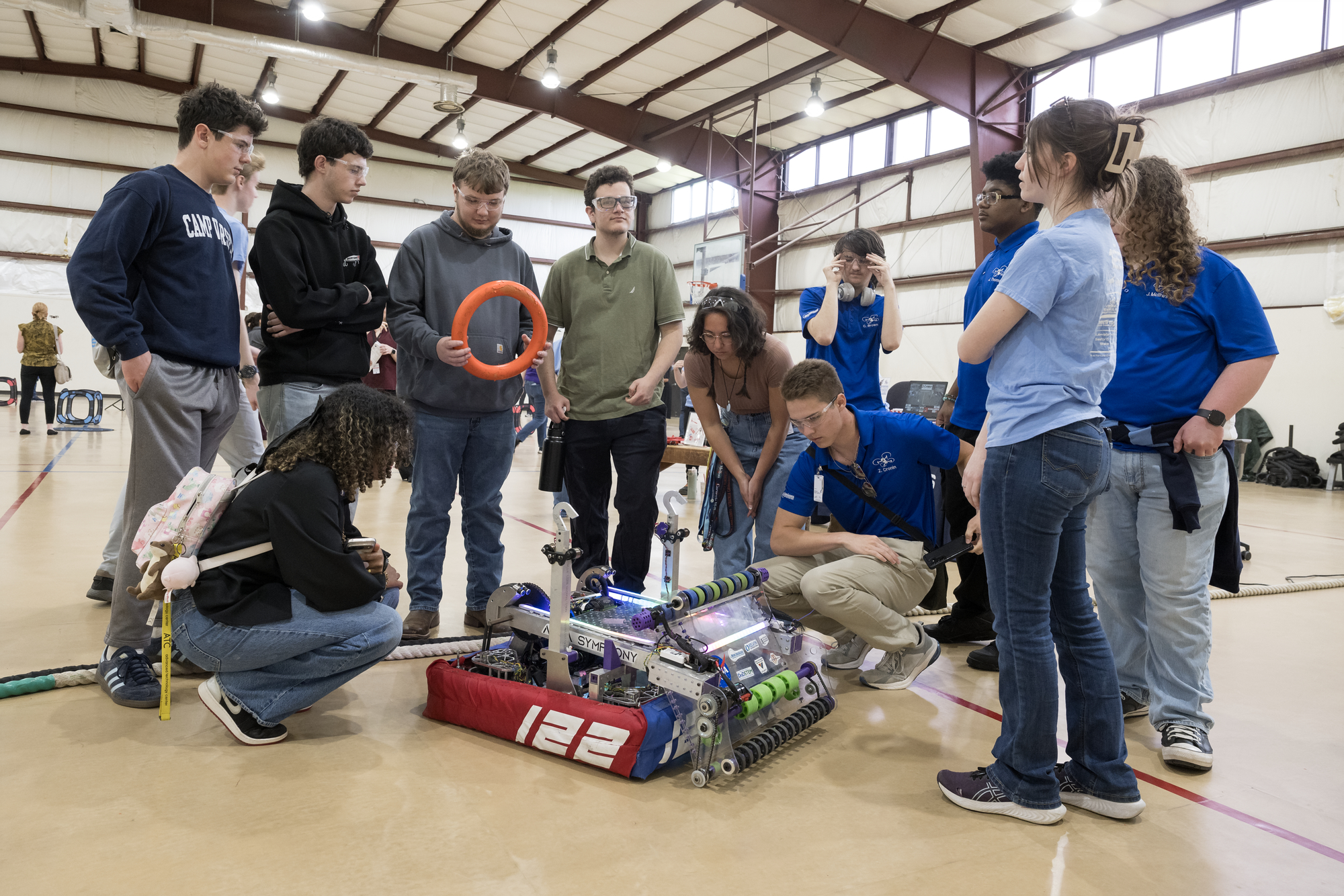
Students participate in a hands-on robotics demonstration during Career Technical Education Day at NASA’s Langley Research Center in Hampton, Virginia.
NASA/Mark Knopp
At NASA, remaining a global leader in exploration and innovation includes having a skilled and dedicated workforce. Technicians play a critical role in advancing the agency’s research and missions, applying hands-on expertise across engineering, fabrication, electronics, and countless other technical fields.
To help cultivate the next generation of technical talent, NASA’s Office of STEM Engagement hosted Career Technical Education Day recently at NASA’s Langley Research Center in Hampton, Virginia. One hundred high school and community college students from Virginia and North Carolina attended, eager to explore the technical career paths that help drive NASA’s work.
“Many students picture NASA as only astronauts or engineers and therefore never consider a career at NASA to be within their reach,” said Bonnie Murray, lead for the Office of STEM Engagement at NASA Langley. “Bringing students from local career and technical education programs to Langley allows them the opportunity to see technicians at work, hear the pathways those technicians followed, and understand how the skills they are developing in their related classes have a place in the NASA workforce.”
The event opened with remarks from NASA Langley’s Steve Gayle, who traced his path from an engineering technician co-op in the center’s Fabrication Division and a graduate of Langley’s Engineering Technician Apprentice Program to his current role as acting associate director. Gayle encouraged students to embrace challenges, think critically, stay curious, and create their own opportunities as they pursue their career goals.
“We need young, bright minds,” Gayle said. “At NASA, we rely on skilled hands-on professionals — technicians who operate our wind tunnels, apply their skills in our fabrication shops, and use their electronics knowledge to design, test, and build critical systems.”
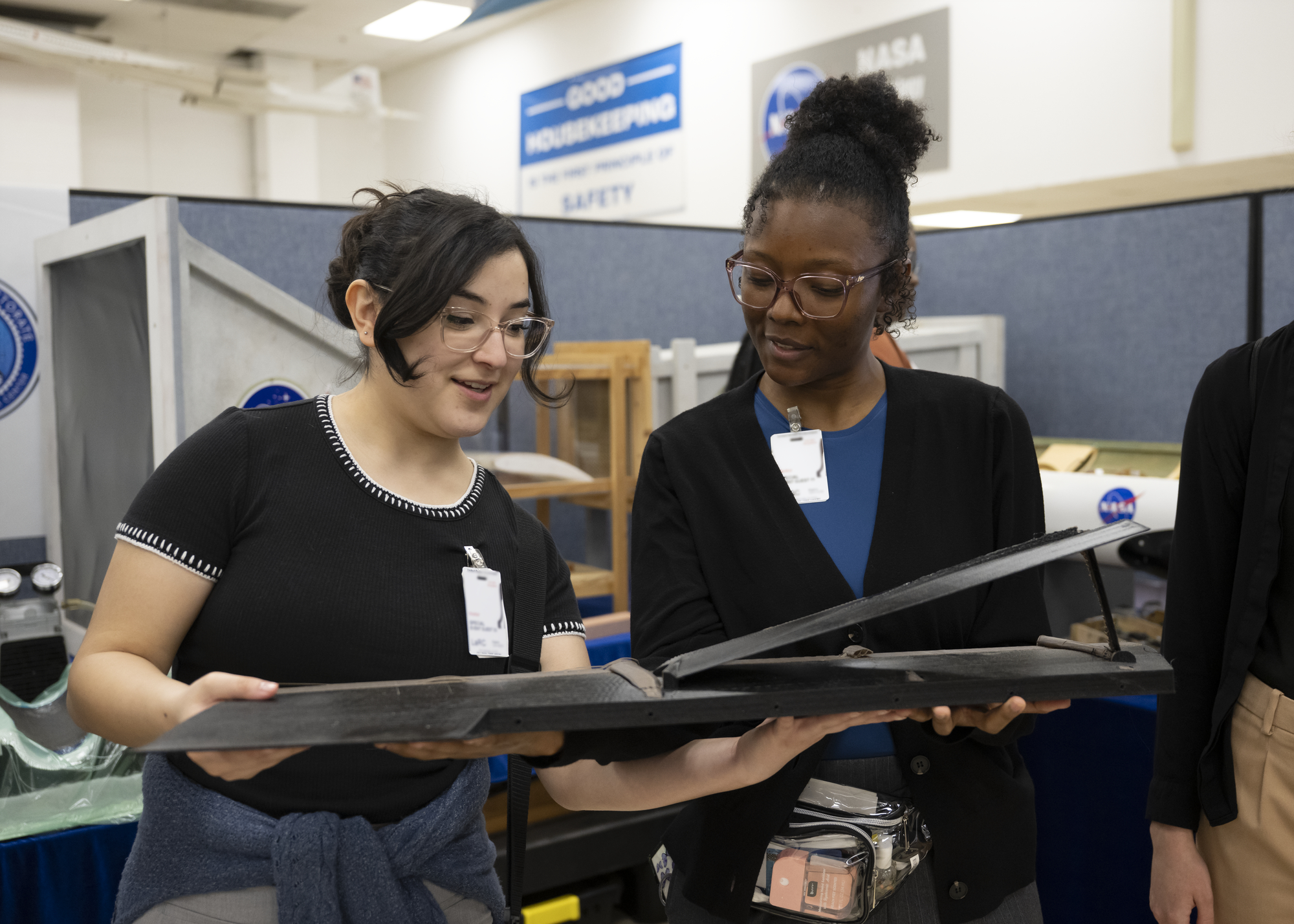
Students visit NASA Langley Research Center’s model shop during Career Technical Education Day to learn about the materials and techniques technicians use to build model aircraft and spacecraft.
NASA/Ryan Hill
Throughout the day, students toured several of Langley’s world-class facilities, including the historic Landing and Impact Research Facility and one of the center’s wind tunnels. At each stop, they received a behind-the-scenes look at the spaces where NASA technicians build, test, and refine the tools and technologies that support the agency’s missions. The technicians spoke with students about their work, their career paths, and the skills needed to excel in technical roles.
Hands-on demonstrations and interactive activities lead by NASA technicians and aerospace industry partners helped students connect their classroom experience with real-world applications. Whether observing fabrication techniques, seeing instrumentation up close, or engaging with engineering demonstrations, participants experienced how STEM and technical skills directly translate into meaningful careers.
“Through events such as this, NASA seeks to prepare students for aerospace careers through experiences and investments that strengthen research capacity, build technical expertise, and expand reach in alignment with agency missions and needs,” Murray said. The event ended with a career panel moderated by NASA astronaut Joe Acaba, associate director of mission and strategy at NASA’s Johnson Space Center in Houston and former math and science teacher. The panel featured four Langley technician apprentices who shared insights into their roles and the value of strong foundational skills in technical fields.
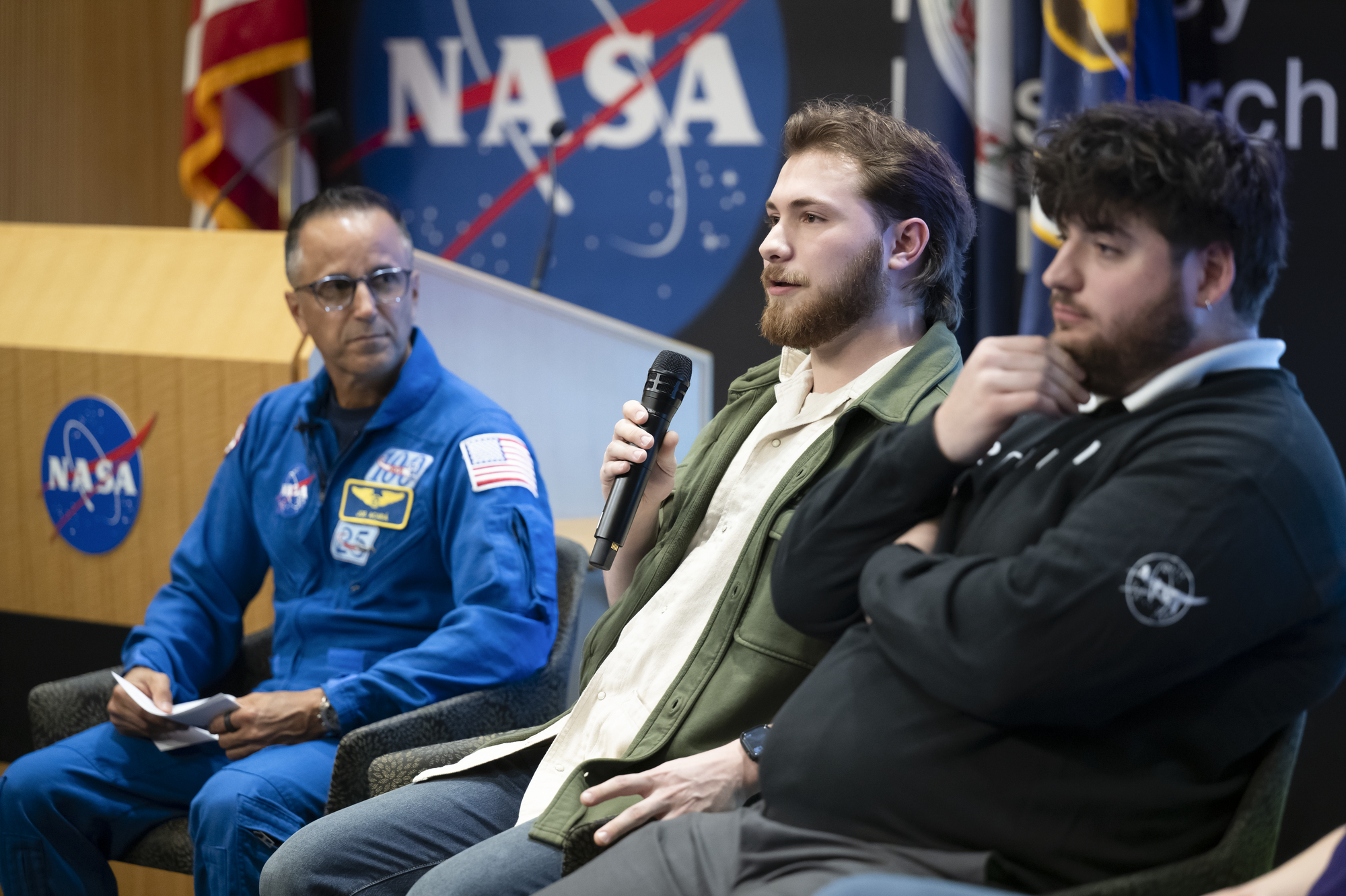
Wyatt Healy, mechanical engineering technician apprentice at NASA’s Langley Research Center, answers questions during a career panel featuring NASA Langley technician apprentices during Career Technical Education Day.
NASA/Ryan Hill
“A basic grasp of how software, systems, and even everyday items function goes a long way as you progress in your technician journey,” said Wyatt Healy, mechanical engineering technician apprentice at NASA Langley. “When you have those fundamentals down, learning the more advanced concepts becomes much easier. It doesn’t happen overnight, but with a strong foundation, the sky is the limit.”
By connecting students with NASA professionals, facilities, and hands-on experiences, the event showcased a broad range of opportunities available in technical careers. It also underscored NASA’s commitment to building a strong, skilled workforce equipped to support the agency’s mission and tackle the challenges of tomorrow.
For more information about opportunities to connect students with NASA’s mission, work, and people, visit:
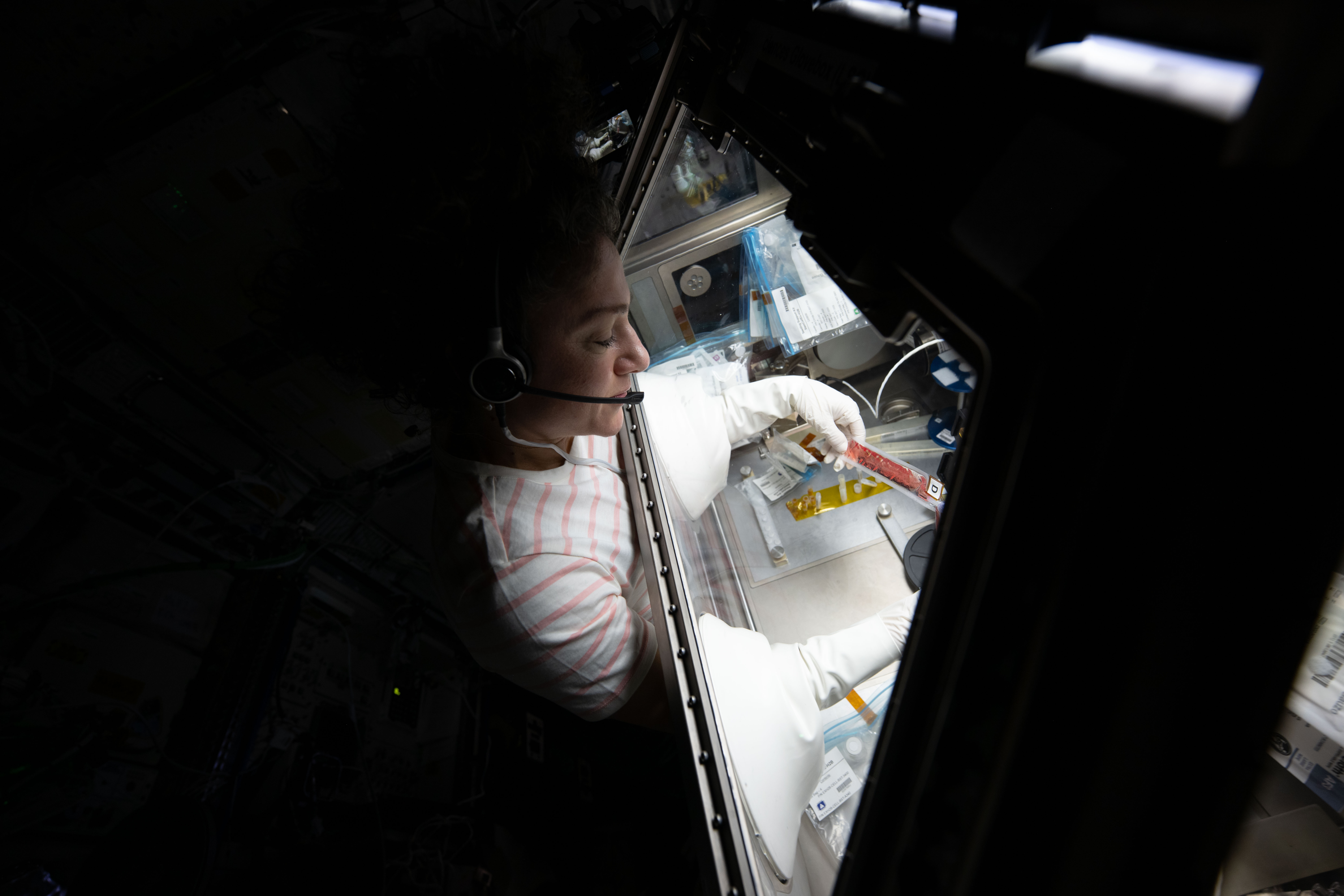
NASA astronaut Jessica Meir works on InSPA-StemCellEX-H2 inside the Life Sciences Glovebox. Microgravity samples will be frozen and returned to Earth for further analysis of stem cell expansion in space.
NASA
Expedition 74 astronauts aboard the International Space Station are continuing research efforts to manufacture large quantities of stem cells for therapies on Earth. Previous studies have focused on fine-tuning hardware that allows scientists to produce greater quantities of high-quality stem cells. Now, the InSPA-StemCellEX-H2 investigation is aiming to demonstrate large scale production of blood stem cells for pharmaceutical and clinical use.
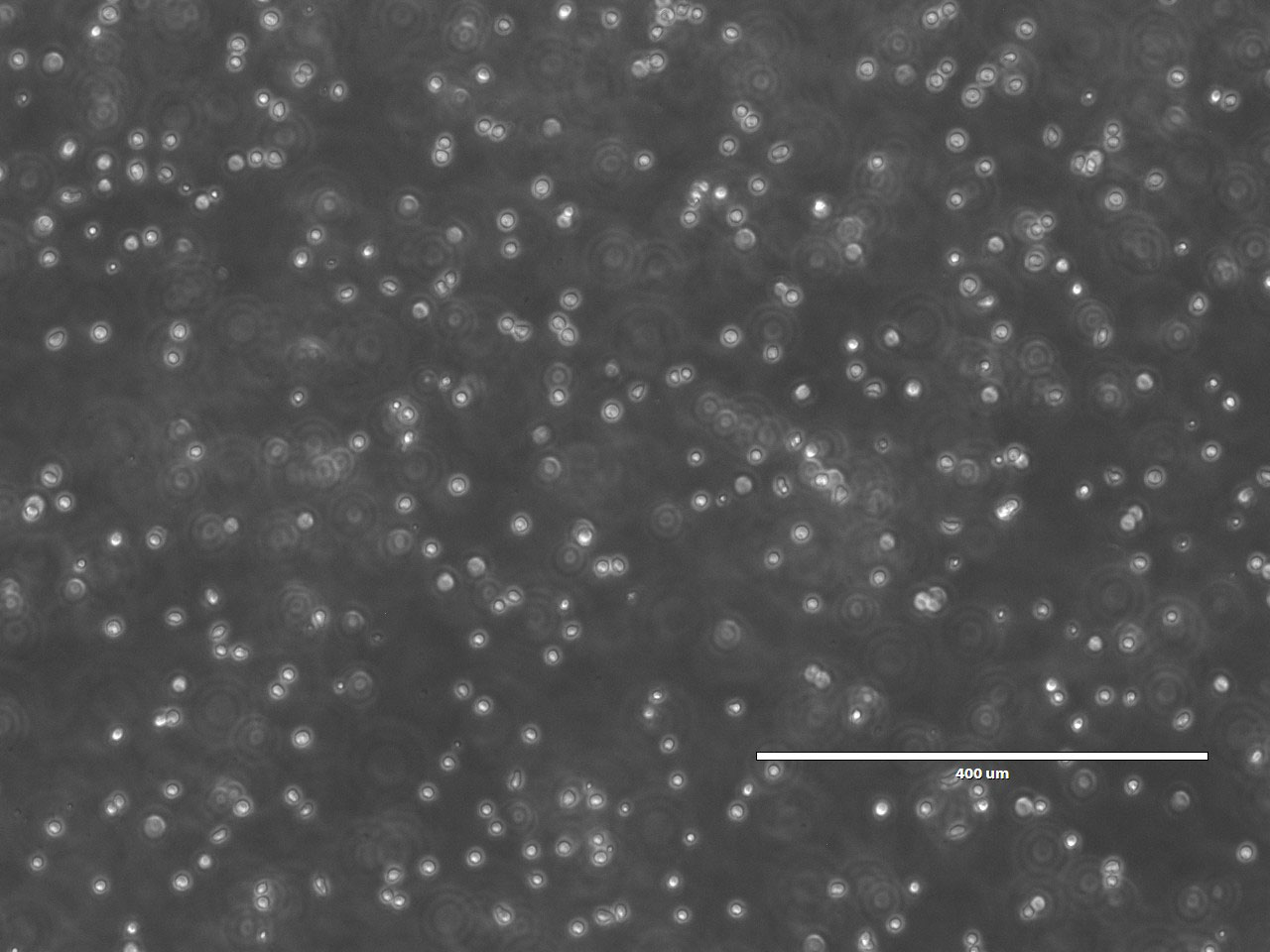
Preflight microscopic image of hematopoietic stem cells for the InSPA-StemCellEX-H2 investigation. This investigation aims to produce stem cells in greater numbers with BioServe’s newly developed microgravity bioreactor.
Mayo Clinic
The research uses stem cells derived from the human body to produce large quantities of cells for patient use through a process called “expansion”. Although stem cells can be expanded in labs on Earth, they have limitations. For example, Earth-produced cells lose their ability to form the different cells in our blood system, like red and white blood cells or platelets, which are critical for leukemia patients that receive stem cells to build up their blood system after chemotherapy.
Dr. Tobias Niederwieser, assistant research professor at BioServe Space Technologies within the University of Colorado Boulder says, “The microgravity environment in space is much more suitable for keeping the stem cells in their high-quality state during expansion.” Scientists predict that growing cells in space may lead to higher expansion potential and a lower risk of rejection when used in patients on Earth. This research could create long-term cell supplies for patients suffering from fatal blood disorders, various blood cancers, or severe immune diseases, and enable more reliable and accessible therapies. “The end result is really to benefit patients in hospitals here on Earth,” Dr. Niederwieser says.
Space station research allows scientists and commercial companies around the world to test new technologies and innovative medical solutions that have the potential to greatly benefit life on Earth.
NASA astronaut Jessica Meir works on InSPA-StemCellEX-H2 inside the Life Sciences Glovebox. Microgravity samples will be frozen and returned to Earth for further analysis of stem cell expansion in space.
NASA
Expedition 74 astronauts aboard the International Space Station are continuing research efforts to manufacture large quantities of stem cells for therapies on Earth. Previous studies have focused on fine-tuning hardware that allows scientists to produce greater quantities of high-quality stem cells. Now, the InSPA-StemCellEX-H2 investigation is aiming to demonstrate large scale production of blood stem cells for pharmaceutical and clinical use.
Preflight microscopic image of hematopoietic stem cells for the InSPA-StemCellEX-H2 investigation. This investigation aims to produce stem cells in greater numbers with BioServe’s newly developed microgravity bioreactor.
Mayo Clinic
The research uses stem cells derived from the human body to produce large quantities of cells for patient use through a process called “expansion”. Although stem cells can be expanded in labs on Earth, they have limitations. For example, Earth-produced cells lose their ability to form the different cells in our blood system, like red and white blood cells or platelets, which are critical for leukemia patients that receive stem cells to build up their blood system after chemotherapy.
Dr. Tobias Niederwieser, assistant research professor at BioServe Space Technologies within the University of Colorado Boulder says, “The microgravity environment in space is much more suitable for keeping the stem cells in their high-quality state during expansion.” Scientists predict that growing cells in space may lead to higher expansion potential and a lower risk of rejection when used in patients on Earth. This research could create long-term cell supplies for patients suffering from fatal blood disorders, various blood cancers, or severe immune diseases, and enable more reliable and accessible therapies. “The end result is really to benefit patients in hospitals here on Earth,” Dr. Niederwieser says.
Space station research allows scientists and commercial companies around the world to test new technologies and innovative medical solutions that have the potential to greatly benefit life on Earth.
Alcune storie possono essere raccontate, più o meno fedelmente, ma la memoria può giocare brutti scherzi. Nel caso di Indymedia Italia, https://italy.indymedia.org, è invece possibile, se pure con alcuni limiti, verificare direttamente – anche a distanza di 20 e più anni – i contenuti di un sito attivo dal 2001 al 2006, quando sospese la sua attività a favore di altri siti, locali e regionali, fino alla progressiva chiusura.
Quella che trovate qui è una copia di archivio realizzata da noi nel 2021 in occasione del ventennale di Genova G8, quando fu allestita una installazione temporanea del sito.
La piattaforma ha utilizzato due diversi software: Catalyst CMS dal 2001 al 2003, e SF-Active dal 2003 al 2006. La versione conservata qui è la seconda, quella basata su SF-Active e quindi l’aspetto grafico delle pagine è diverso da quello visibile durante le giornate del luglio 2001. L’archivio è navigabile ma statico: fotografa lo stato del sito nel 2006 e ovviamente non consente modifiche o pubblicazione di nuovi contenuti.
Per la natura tecnologica di questo tipo di archivi questa è una copia incompleta, non sono archiviati e visitabili tutti i link verso risorse esterne e molte pagine o contenuti di esse potrebbero non essere visibili.
È disponibile un motore di ricerca, che permette di ricercare i testi delle pagine, e filtrare per data.
Ulteriormente stiamo curando una raccolta di pubblicazioni (libri, articoli di riviste, tesi, siti) che hanno indagato la storia, le pratiche e l’eredità politica di Indymedia.
Il nostro collettivo aveva partecipato attivamente al progetto Indymedia, contribuendo alla sua crescita. La nostra attitudine — mutuata dalle sottoculture hacker e fondata sui principi di condivisione, apertura, valorizzazione delle differenze e desiderio di sperimentare tecniche e linguaggi — aveva reso possibile un radicale esperimento collettivo di autogestione.
7 MAGGIO 1972 – 7 MAGGIO 2026 A Cinquantaquattro anni dall’assassinio del compagno Franco Serantini “ANARCHICO VENTENNE COLPITO A MORTE DALLA POLIZIA MENTRE SI OPPONEVA AD UN COMIZIO FASCISTA” GIOVEDÌ 7 MAGGIO ORE 18 IN PIAZZA SERANTINI (S. Silvestro)
Ieri si è tenuto un presidio-volantinaggio del Coordinamento Antimilitarista Livornese a Livorno in Piazza S. Jacopo di fronte all’ingresso dell’Accademia Navale, di seguito il testo del volantino FERMIAMO LA GUERRA ORA! L’ITALIA È IN GUERRALa guerra divampa nel Golfo Persico. Il governo italiano è coinvolto fin da prima dello scoppio della guerra.Militari italiani sono presenti […]
CONTRO LA GUERRARITIRO DELLE MISSIONI MILITARI ITALIANE ALL’ESTEROCHIUSURA DELLE BASI USA IN ITALIA L’attacco degli USA e di Israele all’Iran del 28 febbraio scorso ha aperto ad una nuova fase di guerra estesa dal Golfo Perisco al Mediterraneo. La propaganda ha parlato di bombardamenti per liberare la popolazione dell’Iran dal regime che governa il paese, […]
Askatasuna vuol dire libertà! Torino è partigiana. Contro il governo, la guerra e l’attacco agli spazi sociali”
Torino è Partigiana! e sta scendendo in piazza in questo momento con una moltitudine di altri collettivi da tutta Italia per rivendicare insieme che i centri sociali e gli spazi autogestiti non sono un fine ma devono continuare ad esistere come mezzo a disposizione di tutt* per continuare ad organizzarsi e costruire comunità antifasciste.
++++++++++++++++++++++++++++++++++++++++++++++ Newsletter Autistici/Inventati – gennaio 2026 ++++++++++++++++++++++++++++++++++++++++++++++ [English version below]
Siamo arrivati a un quarto di secolo di vita (25 ANNI!) e Autistici/Inventati esiste e Resiste ancora!
Se usi i nostri servizi, magari vuoi sapere che cosa fanno gli esseri umani dietro questa piattaforma tecnologica (che non sta in piedi per magia).
Ecco alcune delle cose che abbiamo fatto quest’anno:
# INFRA
* infrastruttura potenziata
L’infrastruttura di A/I si e’ potenziata aggiungendo due nuovi server moderni per gestire tutta la parte web, garantendo piu’ spazio e migliore performance: questi ultimi due server usano solo memorie a stato solido (SSD), quindi addio ai vecchi hard disk piu’ lenti, piu’ energivori, piu’ rumorosi e piu’ fragili, sicuramente i siti web e noblogs ne gioveranno, ma anche tu!
# EMAIL
* Thunderbird su telefoni
Le mail su telefono e la loro configurazione automatica sono state una rogna che per un po’ di tempo ci ha fatto penare. Ora abbiamo finalmente identificato e risolto il problema, e da adesso in poi l’autoconfigurazione di app sul telefono come Thunderbird e K9 sara’ molto piu’ semplice! Fateci sapere come va, intanto per usare la nostra mail sul telefono bastera’ fare login con il vostro account e da pannello cliccare su “Setup on Mobile”. Ad aspettarvi troverete un comodo QR code da scansionare nel vostro pannello utente dove dovrete solo aggiungere la vostra password.
# NOBLOGS
* statistiche
Abbiamo rinnovato il sistema di statistiche, parole chiave: anonimato e chiarezza In pratica Noblogs si e’ rinnovato ed abbiamo deciso di riscrivere il sistema di analisi delle visite, per cui ora le statistiche di uso di quali persone e quali bot visitano il sito sono disponibili nella bacheca di amministrazione nella sezione “Analytics”.
Abbiamo aggiunto un nuovo form di contatto cifrato per noblogs (in rodaggio).
Qualche mese fa un collettivo ci ha contattato proponendoci un nuovo plugin per noblogs, sviluppato da loro, che permette di contattare i responsabili del blog in maniera sicura e confidenziale. Questo plugin crea un form in grado di inviare messaggi crittati usando PGP. Visto che il plugin precedente aveva qualche problema e non era piu’ sviluppato abbiamo deciso di adottare questa nuova soluzione. Ora abbiamo un nuovo plugin su noblogs, ed inoltre ci fa molto piacere stringere collaborazioni di questo tipo con persone affini al progetto. Fateci sapere se vi piace, il nuovo sistema di form si trova nella sezione plugins e si chiama “Contact Form”.
* docs e search
Sempre riguardo noblogs, abbiamo scritto una serie di articoli/guide su alcune questioni ricorrenti che ci vengono poste da chi amministra i blog, li trovate qui’: https://docs.noblogs.org/
e stiamo facendo esperimenti con un nuovo sistema di ricerca dei contenuti (in fase di test):
Nonostante l’antispam riconosca la maggior parte dei tentativi di phishing, puo’ capitare che riceviate messaggi all’apparenza provenienti da noi che vi chiedono di entrare nel vostro account per qualche motivo. Ricordiamo che noi non mandiamo mai messaggi contenenti link HTML da cliccare, che tutte le nostre comunicazioni ufficiali sono sempre firmate con GPG, in duplice lingua italiano e inglese. Inoltre se non avete certezza di disservizi sappiate che comunichiamo sempre anche sul nostro blog https://cavallette.noblogs.org In generale cliccare su link contenuti all’interno di messaggi di posta elettronica e’ uno dei modi migliori per farsi rubare dettagli personali come le password.
# NO PASSWORD?
* il gatto, questo sconosciuto
Capita regolarmente che utenti si dimentichino la password e anche la risposta alla domanda del gatto (il meccanismo per il recupero dell’account). Vogliamo qui ricordarvi l’importanza del gatto: se dimenticate la password del vostro account (o se non la sapete proprio perche’ l’avete salvata sul cellulare e non la digitate mai e poi il cellulare si rompe), l’unico modo che avete per tornare in possesso della mail e’ rispondere alla domanda di riserva che avete impostato (che noi chiamiamo domanda del gatto). Quindi e’ fondamentale che questa risposta voi la sappiate, anche se e’ una domanda che avete impostato 10 anni fa. Vi invitiamo quindi a verificare se la ricordate o a reimpostarla, qui alcuni suggerimenti, la domanda/risposta deve essere semplice e indimenticabile: – “il nome del mio primo gatto” (sempre che non l’abbiate scritto pubblicamente online!) – “la canzone (o poesia, o libro) preferita di quanto eri adolescente scritto tutto minuscolo e con gli spazi” (in modo che sappiate che sia “cocco e drilli” e non “CoccoEDrilli” – “il nome della montagna che vedevi dalla finestra del bagno nella casa dello zio luigi” – “il soprannome con cui mi chiamava nonna Adelaide” insomma, cose magari relative a quando eravate giovani, che solo voi sapete e che non dimenticherete finche’ campate. Esempi che vanno meno bene: – “il mio numero di telefono” (probabilmente associabile con facilita’) – “il cognome da nubile della bisnonna materna” (qualcuno che vi conosce o che indaga su di voi potrebbe saperlo). Se la dimenticate non possiamo fare reset, ci dispiace ma avete perso quell’account. Poi la vita continua, nel caso ci chiederete un account nuovo.
# RISORSE
Come ogni anno battiamo cassa perche’ resistiamo anche grazie alle vostre donazioni che ci permettono di pagare le bollette dei server e le altre spese, che in totale ammontano a circa 20000EUR l’anno. Finche’ continuerete a sostenerci noi potremo dedicarci a migliore l’infrastruttura, a mantenere sicure le vostre comunicazioni e a fornire strumenti digitali a supporto delle vostre vite e delle vostre lotte.
We have reached a quarter of a century (25 YEARS) and Autistici/Inventati is still going strong!
If you use our services, you may want to know what the human beings behind this technological platform actually do (hint: it doesn’t run on magic).
Here’s what we’ve done this year:
# INFRASTRUCTURE
* Upgraded the Infrastructure
The A/I infrastructure has been upgraded with the addition of two new modern servers to manage the entire web side, ensuring more space and better performance. These two servers use only solid state drives, so say goodbye to the old, slower, more energy-intensive, noisier, and more fragile hard disks. Websites and Noblogs will certainly benefit, and so will you!
* Email on Phones
Email on phones and automatic configuration have been causing us problems for some time. We have now finally identified and resolved the issue. From now on, the auto-configuration of apps on your phone such as Thunderbird and K9 will be much easier! Let us know how it goes. In the meantime, to use our email on your phone, simply log in with your account and click on “Setup on Mobile” in the panel. You will find a convenient QR code to scan in your user panel, where you will only need to add your password.
# NOBLOGS
* Statistics
We have revamped the statistics system. Our focus: anonymity and clarity. In practice, Noblogs has been refreshed and we have decided to rewrite the visit analytics system. Now statistics on which people and bots visit the site are available in the user panel under the “Analytics” section. For more information, read https://cavallette.noblogs.org/2025/02/9949
* Contact Form
A new encrypted contact form for noblogs is currently being tested.
A few months ago a collective contacted us proposing a new plugin for noblogs, developed by them, that allows to contact the managers of the blog in a safe and confidential manner. This plugin creates a form that can send encrypted messages using PGP. Since the previous plugin had some problems and it was no longer developed we decided to adopt this new solution. Now we have a new plugin on noblogs, and also we are very pleased to tighten collaborations of this type with people related to the project. Let us know if you like, the new form system is located in the plugins section and is called “Contact Form”.
* Docs and Search
Still on the subject of noblogs, we have written a series of articles/guides on some recurring questions that we are asked by blog administrators. You can find them here: https://docs.noblogs.org/
We are also experimenting with a new content search system (currently in the testing phase):
Although our anti-spam system recognizes most phishing attempts, you may receive messages that appear to come from us asking you to log into your account for some reason. Please note that we never send messages containing HTML links to click on, and that all our official communication, in both Italian and English, is always signed with GPG. Furthermore, if you are unsure about service disruptions, please note that we always communicate on our blog https://cavallette.noblogs.org In general, clicking on links contained in emails is one of the best ways to have your personal details, including passwords, stolen.
# NO PASSWORD?
* The Cat, This Stranger
It often happens that users forget their password and even the answer to the cat question (our account recovery mechanism). We would like to remind you of the importance of the cat: if you forget your account password (or if you don’t know it because you saved it on your cell phone and never type it in, and then your cell phone breaks), the only way you can regain access to your email is by answering the recovery question you set (We call it The Cat’s question). Therefore, it is essential that you know this answer. Even if you set 10 years ago! We therefore invite you to check if you remember it or reset it. Here are some suggestions. The question/answer should be simple and unforgettable: – “the name of my first cat” (unless you wrote it online!) – “Your favorite song (or poem, or book) from when you were a teenager, written in lowercase letters and with spaces” (so that you know it’s “the pit and the pendulum” and not “ThePitAndThePendulum”) – “The name of the mountain you could see from the bathroom window in Uncle Luigi’s house” – “the nickname my grandmother Adelaide used to call me” In short, things that may be related to when you were young, that only you know and that you will never forget as long as you live. Examples that are less suitable: – “my phone number” (probably easy to guess) – “my maternal great-grandmother’s maiden name” (someone who knows you or is investigating you might know this). If you forget it, we can’t reset it. We’re sorry, but you’ve lost that account. Life will goes on,but you’ll have to ask us for a new one.
# RESOURCES
Like every year, we are asking for donations because we survive thanks to your contributions. These allow us to pay our server bills and other expenses, which total around €20,000 per year. As long as you continue to support us, we can focus on improving our infrastructure, keeping your communications secure, and providing digital tools to support your lives and struggles.
“Assalto alle piattaforme” è il libro di Kenobit, uscito settimana scorsa per Agenzia X. https://agenziax.it/assalto-piattaforme Di sperimentazioni come queste ne sentivamo il bisogno e ci piace leggere la testimonianza diretta da un artista che nei social c’è cresciuto e ad oggi condivide una visione mondiale di “via d’uscita”.
O come dice lui nella sua newsletter: Parla del rapporto tossico che abbiamo con le piattaforme commerciali, analizza i meccanismi che ci rubano il tempo, racconta il grande inganno della content creation e propone un percorso concreto per smettere di sostenere il capitalismo digitale e rivendicare una dimensione online che non inquini il mondo e le nostre vite. È frutto di due anni di sperimentazione (cominciati proprio qui, sulla Settimana Sovversiva), tecnologica e umana, e spiega nel modo più semplice possibile le alternative e le pratiche che possono liberarci.
La soluzione comprende la convergenza e federazione di chi crea e legge contenuti sul protocollo Activity pub, e la presa di responsabilità del proprio hosting, da sole o in compagnia. Va bene, se non ne avete mai proprio sentito parlare, un introduzione all’argomento può essere questo video: https://videos.elenarossini.com/w/petiQESS6xH5B68Pysqfug
Visto che le tecnologie federate ci piacciono, in quanto danno un potere di scelta alle persone, da uno dei nostri servizi è possibile integrarsi. Infatti da NoBlogs è possibile pubblicare sul Fediverso e partecipare a queste nuove reti sociali (opt-in), se ti interessa leggi qui e qui. Ugualmente è possibile rimanere “non-correlati”, fuori dal fediverso, e per entrambe le scelte:
Un provider presso cui ospitiamo uno dei nostri server sta avendo dei problemi oggi, alcune caselle di posta sono temporaneamente irraggiungibili. Stiamo aspettando ulteriori notizie.
AGGIORNAMENTO: Problema risolto alla fine.
One of the providers that host our servers is having some issues today. As a consequence, some mailboxes are temporarily unavailable. We’re waiting for more news to understand how to proceed.
UPDATE: The issue has been resolved, all affected mailboxes are online again.
Come ormai dovreste sapere, in quanto “Associazione riconosciuta” (Associazione AI ODV) possiamo ricevere le donazioni tramite il 5×1000, ossia a chi destinare una piccola parte delle tasse che si pagano.
La cosa vale solo per chi paga le tasse in Italia.
Per questo, se pensate di avere una qualche affinità con il nostro progetto e se volete che continui a funzionare, vi invitiamo a destinarci il vostro 5×1000.
Chi sceglie di destinare il suo 5×1000 alla nostra associazione può farlo apponendo la propria firma in uno degli appositi spazi sulla dichiarazione dei redditi (Modello 730, Modello Redditi, Unico PF) e indicare il nostro codice fiscale che è 93090910501. La firma va apposta nell’apposito riquadro “Sostegno degli Enti del Terzo Settore…” che di solito è il primo a sinistra nella scheda. Nel riquadro va scritto il nostro codice fiscale che è 93090910501.
Chi fa la dichiarazione on-line deve seguire la stessa procedura, anche se non deve mettere una firma con la penna…
Anche chi non deve presentare la dichiarazione dei redditi può destinarci il suo 5×1000, basta compilare la scheda della CU (“Certificazione Unica”) che viene data dal proprio datore di lavoro, inserendo nell’apposito riquadro il nostro codice fiscale che è 93090910501. La scheda compilata va inserita in una busta chiusa sulla quale va scritto in modo leggibile: Destinazione 5X1000 IRPEF, il proprio Nome e Cognome, e il proprio codice fiscale. La busta deve essere consegnata (non si paga nulla) presso gli uffici postali, i sportelli bancari o gli intermediari abilitati.
Nel 2024 abbiamo ricevuto 3.577 euro. Ringraziamo tutte e tutti quelli che ci hanno mostrato in questo modo il loro sostegno. Per avere un’idea delle nostre spese potete guardare questa pagina.

 Accedi