Alaska’s director of elections ruled Monday that Dan J. Sullivan must be removed from the ballot for Alaska’s Senate race. The decision can be appealed to a state court.
U.S. and Iranian officials said the deal included a 60-day cease-fire to pave the way for negotiations toward a final peace agreement and talks on Iran’s nuclear program.
President Trump with President Emmanuel Macron in Évian-les-Bains, France, on Monday for the Group of 7 summit. Mr. Macron called the agreement with Iran “a very important step toward peace.”
U.S. and Iranian officials said the deal included a 60-day cease-fire to pave the way for negotiations toward a final peace agreement and talks on Iran’s nuclear program.
President Trump with President Emmanuel Macron in Évian-les-Bains, France, on Monday for the Group of 7 summit. Mr. Macron called the agreement with Iran “a very important step toward peace.”
Per l’Iran l’intesa siglata con gli Usa comporta punti che non sono stati evidenziati da Trump, come il ripristino dei pedaggi nello Stretto dopo i primi 60 giorni, lo sblocco degli asset congelati e la fine delle ostilità nel Paese dei Cedri
Dalle storiche missioni nel Golfo Persico alle tecnologie di ultima generazione. Le capacità di sminamento della Marina e dell'Esercito sono un punto di riferimento per la NATO e potrebbero rivelarsi cruciali nello Stretto di Hormuz
Cape Verde, a tiny island nation off the West African coast, is among the smallest countries to ever qualify for the World Cup. Fans marveled that it held the line against a tournament favorite.
For supporters of the Cape Verde national team, just making it to the World Cup and playing Spain, one of the world’s top-ranked teams, felt like history in the making.
The championship celebration starts at 10 a.m. Thursday, just as some of the state Regents tests begin. Students had organized petitions calling for the exams to be delayed.
Aides to Gov. Gavin Newsom of California say several people associated with the couple have been contacted by federal agents in the past week. He criticized the move as politically motivated.
In a letter to Interior Secretary Doug Burgum and national parks officials, several Democrats and a Senate independent said that members of the administration could face fines and even criminal prosecution.
HPE is taking advantage of VMware's expensive licensing changes by offering customers free use of its own VM Essentials product for a year, plus a $1 license for its Zerto data protection product to help ease migrations. The jolly green giant announced the cheapies at the Partner Growth Summit staged alongside its HPE Discover event in Las Vegas, and framed them as a migration assistance program intended to arm channel partners who want to help customers reduce their financial risk when migrating virtualization platforms. "One of the big things we see is that as customers are going through this journey on transforming their operating model, you end up with double expenses and so we're really pleased to announce the program around Morpheus and platform migration," said EVP and CTO Fidelma Russo. "We are announcing that as a customer goes through this transformation with HPE Morpheus VM Essentials, you don't pay for the first year of licenses. You will get Zerto migration licenses during that period to help you move, and so what this does is it helps mitigate the double-bubble cost problem that customers see as they are looking to migrate from one platform to another." Neither Russo nor HPE mentioned VMware as part of their pitch for this migration assistance program, but it seems pretty clear where it is aimed. At its last Discover event in Barcelona, HPE talked about customers seeing license fees for virtualization skyrocketing and claimed that it was able to provide "a fully integrated enterprise-grade alternative" with Morpheus and OpsRamp management tools, plus Zerto disaster recovery software. A survey recently found that half of VMware users plan to reduce their use of the virtualization pioneer's products by 2028. Since being acquired by Broadcom, VMware license costs have increased by 800 to 1,500 percent for some customers. VMware also ended partner programs that many service providers relied on. HPE says it is introducing VM Essentials for Partner IT to help providers transition their virtualized business applications. This will see it provide VM Essentials software licenses free of charge for three years, with partners paying only support costs, to the 600 partners who gain Private Cloud with Virtualization competency by the end of the year. The company is also extending its channel-only model to cover HPE Private Cloud PC3000 (formerly HPE Private Cloud Business Edition), HPE SimpliVity PC1000, and HPE Zerto software from July 1. HPE said this follows the success of selling Morpheus VM Essentials through a channel-only route to market. Also at the Partner Growth Summit, the IT biz will disclose that it is unifying the HPE and Juniper Networks partner programs under its Partner Ready Vantage umbrella. The aim is to have a single, global program for partners to offer services across networking, cloud, and AI. This change will take effect from November 1, after which partners will operate under one program with a simplified structure, aligned incentives, and a consistent engagement model, while existing investments are protected, or so HPE claims. The company also says it will help cloud service providers build and operate differentiated private cloud services with CloudOps Software and the backing of HPE Partner Ready Vantage. "Partners want a simpler way to engage and a bigger opportunity to grow," said Simon Ewington, HPE's SVP for Worldwide Channel and Partner Ecosystem. ®
Dal quartiere Portuense al successo internazionale, il comico racconta “Limbo”, uno spettacolo che unisce mondi diversi e celebra le proprie radici, dimostrando che proprio nel mezzo delle differenze si può trovare la chiave per vivere meglio
L’ex analista della CIA, Larry Johnson, si esprime sugli ultimi sviluppi dell’imminente accordo (MOU) tra Stati Uniti e Iran. Il video analizza l’annuncio di Donald Trump circa la rimozione del blocco navale e il cessate il fuoco su tutti i fronti, compreso il Libano.
Tuttavia, Larry Johnson esprime un profondo scetticismo: fa notare che gli USA intendono comunque intercettare le navi iraniane con equipaggiamento militare cinese — definendolo un blocco de facto — e che Netanyahu ha già rifiutato il ritiro dal territorio libanese. Tra le interpretazioni opposte delle due fazioni sui dettagli finanziari (tra cui lo sblocco di 24 miliardi di dollari per Teheran) e le forti tensioni interne, il dialogo evidenzia i rischi di un imminente sabotaggio del patto prima della firma ufficiale in Svizzera, accennando infine agli attacchi paralleli su Kiev.
The health secretary is trying to restart the work of a panel that advises the government on vaccines, after a judge froze its decisions and prevented it from meeting.
Health Secretary Robert F. Kennedy Jr. during a House hearing in April. Last June, he fired all 17 members of a vaccine advisory committee and named new ones, many of whom share his skepticism of vaccines.
Senior White House officials have argued that President Trump has the authority to suspend habeas corpus, but legal experts say that can be done only by Congress.
Ilia Topuria, left, of Georgia and Justin Gaethje of the United States, decked out in red, white and blue for their UFC Lightweight Championship bout at the White House on Sunday.
Elon Musk built a huge complex outside the city of Bastrop, population 14,000. Its residents now wonder what the historic SpaceX initial public offering might mean for them.
Era il video che tutti stavano aspettando. JannikSinner è tornato in campo a distanza da più di tre settimane dall’eliminazione al RolandGarros contro Juan ManuelCerundolo, quando ha avuto un maloreimprovviso. Il numero uno al mondo si è allenato sul cemento di Montecarlo, con l’obiettivo di arrivare pronto al grande appuntamento di Wimbledon, che comincerà lunedì 29giugno e finirà domenica 12 luglio. In mezzo non giocherà nessun altro torneo, ma solo un’esibizione.
La notizia è anche chi durante l’allenamento era dall’altra parte della rete. Sinner si è infatti allenato insieme a HolgerRune, danese 23enne ormai fermo da diversimesi dopo la rottura del tendined’Achille proprio nel momento in cui stava per venirfuori. I due hanno scambiato a tratti anche a buonritmo e – con i rispettivi tempi – vogliono migliorare la condizione fisica in vista della secondaparte di stagione. Sinner per tornare al top, Rune per il momento per tornare a giocare un matchufficiale.
Nelle oltre duesettimane di stop, l’altoatesino ne ha approfittato per rallentare dopo mesiintensissimi. Motivo per cui Sinner ha prima fatto qualche giorno di vacanza insieme alla fidanzata Laila Hasanovic, poi ha svolto per due giorni degli esami medici approfonditi al SanRaffaele di Milano per provare a capire qualcosa in più sul problema avuto al RolandGarros. L’allarme sembra esser rientrato: ora Sinner si prepara a Wimbledon, penultimo Slam dell’anno su erba vinto per la prima volta nel 2025.
Dopo il ko al Roland Garros e i controlli al San Raffaele, Sinner ha ripreso gli allenamenti a Montecarlo in vista di Wimbledon. Lunedì 29 giugno aprirà il Campo Centrale come campione in carica; non avrà partite sull’erba prima dei Championship
Trump chiude un accordo con l’Iran e rimprovera pubblicamente Netanyahu. Litigio tattico o divergenze autentiche? Ne parliamo in questa puntata speciale con Gianmarco Landi, da sempre fautore della tesi che sostiene come Trump non abbia in realtà nessuna simpatia per il presidente di Israele
Lunedi, Parlamento e Consiglio hanno raggiunto un accordo sui diritti dei passeggeri aerei, confermando il risarcimento per ritardi oltre tre ore, rimborsi più rapidi e prezzi più chiari. Commissione per i trasporti e il turismo
BrianFagioli writes: Google CEO Sundar Pichai delivered Stanford University's 2026 commencement address, but despite leading one of the companies at the center of the AI boom, he spent very little time discussing artificial intelligence. Instead, the speech focused on optimism, working on hard things, and following your interests. The omission is notable given how many graduates are entering a job market being reshaped by AI. While Pichai briefly referenced a "rewiring of technology," he largely avoided discussing AI's impact on careers, automation, or the future of work. Was the Google CEO intentionally steering clear of a controversial topic, or was he simply trying to deliver a timeless commencement speech rather than a technology-focused one? Hyping AI during a commencement speech has been a surefire way to get boos -- unless you're Apple cofounder Steve Wozniak, who reminded college graduates that they already posses "AI" of their own: "actual intelligence."
You can read Pichai's commencement speech here.
"If you're not from here, California is advertised as being really lush and green. But when I looked out the window, it was more... brown," said Pichai during his speech. "I guess I said this out loud, I'm not sure why. My host, Mrs. Jane Earl, gently corrected me. 'We prefer to call it golden,' she said.And that's exactly what I mean by choosing optimism. It's about reframing for the positive: Where I saw brown, she saw golden. This slight change of perspective had a huge ripple effect on how I thought about the world around me."
In occasione degli European Design Awards, uno degli appuntamenti più importanti per la comunità globale della comunicazione, il team creativo de Linkiesta ha conquistato la medaglia di bronzo grazie al progetto grafico di Linkiesta Etc. Questo successo accende i riflettori su come la carta stampata possa ancora innovare, stupire e imporsi nel panorama culturale contemporaneo attraverso scelte estetiche coraggiose e fuori dagli schemi.
Il prestigioso premio è stato assegnato a Linkiesta Etc per le sue straordinarie illustrazioni di copertina firmate dagli artisti Pierre Buttin e Cristina Daura. Dietro a questo traguardo si cela il lavoro di una squadra guidata dal direttore Christian Rocca e dall’Head of Content Stefano Cardini, insieme al team grafico composto da Caterina Cedone, Lorenzo Frosi e Nello Alfonso Marotta, guidati dallo studio di graphic design Paper Paper di Cecilia Bianchini e Giovanni Cavalleri.
Se il quotidiano online Linkiesta.it si occupa ogni giorno di attualità, Etc è nato per dare spazio, respiro e voce a tutto il resto. La rivista racconta ciò che solitamente non trova spazio nei titoli urlati dei media mainstream, ma che si rivela fondamentale nel plasmare la nostra vita quotidiana, la nostra estetica, i nostri usi e costumi, e soprattutto il nostro modo di pensare.
Ogni numero del quadrimestrale ruota attorno a un unico tema portante, intercettando lo spirito del tempo, e sviscerandolo attraverso prospettive inedite. Il numero 10 della rivista è stato interamente dedicato al tema del gioco, inteso non solo come svago, ma come lente d’ingrandimento per analizzare la società contemporanea. Il volume interroga lettrici e lettori sul prezzo da pagare in un mondo che sembra aver dimenticato il valore profondo del diventare adulti. Per riflettere questa complessità concettuale, la rivista stessa si è trasformata in un oggetto interattivo: un flip book animato dall’artista Umberto Chiodi, stampato nell’angolo inferiore destro di tutta la seconda metà del volume, che prende vita sfogliando velocemente le pagine.
Il successivo numero 11 ha invece esplorato il tema delle identità: le molteplici sfaccettature dell’Io divise tra la percezione dell’altro e il sé profondo, nell’era del narcisismo digitale. Un concetto intimo e filosofico che ha ispirato la potente copertina illustrata da Cristina Daura.
A fare la differenza agli European Design Awards è stata anche la coraggiosa evoluzione dell’impianto grafico della rivista. Proprio a partire dal decimo numero, Linkiesta Etc ha adottato un sistema di copertina completamente rinnovato: un masthead (il logo della testata) mobile, che racchiude tutte le informazioni tipografiche in un blocco versatile e flessibile. Questa soluzione strutturale innovativa libera lo spazio visivo della pagina e concede all’artista a cui viene affidata la copertina massima libertà espressiva.
Mentre l'accordo tra gli Stati Uniti e l'Iran è stato confermato da funzionari di entrambe le parti, è stata presentata una bozza di risoluzione di 14 punti. Il memorandum include: ➡️ Un cessate il fuoco immediato e permanente su tutti i fronti, incluso il Libano (dubito che i nazisti di Sion manterranno l'accordo). ➡️ L'impegno ...continua a leggere "L’Iran esce vittorioso con l’accordo raggiunto"
The men were convicted of conspiring to set fire to properties and a car linked to the prime minister after one of them was recruited on a Russian-language Telegram account.
The men were convicted of conspiring to set fire to properties and a car linked to the prime minister after one of them was recruited on a Russian-language Telegram account.
Members of Iran’s national soccer team training in Carson, Calif., on Sunday. Many Iranians say their problems are too big these days for them to care much about how the team does.
In Germany, a campaign called Rights Against the Right is securing trademarks for right-wing symbols and phrases, aiming to cut into a revenue stream that sustains hate groups.
In Germany, a campaign called Rights Against the Right is securing trademarks for right-wing symbols and phrases, aiming to cut into a revenue stream that sustains hate groups.
Protests have erupted across France after authorities revealed that a man accused of kidnapping Lyhanna Rameau Bernard, a French schoolgirl found dead this month, had previously been flagged to law enforcement.
Protests have erupted across France after authorities revealed that a man accused of kidnapping Lyhanna Rameau Bernard, a French schoolgirl found dead this month, had previously been flagged to law enforcement.
Iran targeted Bahrain, Qatar, the United Arab Emirates and other American allies in the Middle East during the war, harming their economies and military sectors.
NASA astronaut and International Space Station Expedition 74/75 flight engineer Anil Menon poses for a portrait at NASA’s Johnson Space Center in Houston.
NASA/James Blair
NASA astronaut Anil Menon will be available for limited media interviews beginning at 9 a.m. EDT Monday, June 22, to discuss his upcoming mission to the International Space Station as part of Expeditions 74/75.
The virtual interviews will take place from the Gagarin Cosmonaut Training Center in Star City, Russia, and will stream live on the agency’s YouTube channel.
Media interested in participating must submit a request to the newsroom at NASA’s Johnson Space Center in Houston no later than 5 p.m. Wednesday, June 17, by emailing jsccommu@mail.nasa.gov. A copy of NASA’s media accreditation policy is online.
Menon is scheduled to launch to the space station Tuesday, July 14, from the Baikonur Cosmodrome in Kazakhstan aboard the Roscosmos Soyuz MS-29 spacecraft with Roscosmos cosmonauts Pyotr Dubrov and Anna Kikina. The trio will spend about eight months aboard the orbiting laboratory before returning to Earth in spring 2027.
During his expedition, Menon will conduct scientific investigations and technology demonstrations to help humans prepare for future exploration missions to the Moon and Mars, and to provide benefits on Earth. Among the hundreds of experiments planned during his mission, he will participate in studies to better understand astronaut vein structure, blood flow, and blood composition in microgravity. He also will test producing intravenous fluids using the space station’s potable water.
The Soyuz MS-29 mission will be his first spaceflight after he was selected as part of NASA’s 2021 astronaut class. A native of Minneapolis, Menon is an emergency medicine physician, mechanical engineer, and colonel in the United States Space Force. He also has served as an expedition flight surgeon supporting the agency’s crew members aboard the space station.
For more than 25 years, people have lived and worked continuously aboard the International Space Station, advancing scientific knowledge and making research breakthroughs not possible on Earth. The space station helps NASA understand and overcome the challenges of human spaceflight, expand commercial opportunities in low Earth orbit, and build on the foundation for long-duration missions to the Moon, as part of the Artemis program, and to Mars.
To learn more about International Space Station research, operations, and its crews, visit:
NASA astronaut and International Space Station Expedition 74/75 flight engineer Anil Menon poses for a portrait at NASA’s Johnson Space Center in Houston.
NASA/James Blair
NASA astronaut Anil Menon will be available for limited media interviews beginning at 9 a.m. EDT Monday, June 22, to discuss his upcoming mission to the International Space Station as part of Expeditions 74/75.
The virtual interviews will take place from the Gagarin Cosmonaut Training Center in Star City, Russia, and will stream live on the agency’s YouTube channel.
Media interested in participating must submit a request to the newsroom at NASA’s Johnson Space Center in Houston no later than 5 p.m. Wednesday, June 17, by emailing jsccommu@mail.nasa.gov. A copy of NASA’s media accreditation policy is online.
Menon is scheduled to launch to the space station Tuesday, July 14, from the Baikonur Cosmodrome in Kazakhstan aboard the Roscosmos Soyuz MS-29 spacecraft with Roscosmos cosmonauts Pyotr Dubrov and Anna Kikina. The trio will spend about eight months aboard the orbiting laboratory before returning to Earth in spring 2027.
During his expedition, Menon will conduct scientific investigations and technology demonstrations to help humans prepare for future exploration missions to the Moon and Mars, and to provide benefits on Earth. Among the hundreds of experiments planned during his mission, he will participate in studies to better understand astronaut vein structure, blood flow, and blood composition in microgravity. He also will test producing intravenous fluids using the space station’s potable water.
The Soyuz MS-29 mission will be his first spaceflight after he was selected as part of NASA’s 2021 astronaut class. A native of Minneapolis, Menon is an emergency medicine physician, mechanical engineer, and colonel in the United States Space Force. He also has served as an expedition flight surgeon supporting the agency’s crew members aboard the space station.
For more than 25 years, people have lived and worked continuously aboard the International Space Station, advancing scientific knowledge and making research breakthroughs not possible on Earth. The space station helps NASA understand and overcome the challenges of human spaceflight, expand commercial opportunities in low Earth orbit, and build on the foundation for long-duration missions to the Moon, as part of the Artemis program, and to Mars.
To learn more about International Space Station research, operations, and its crews, visit:
“Non potrà esserci una pace duratura finché il Libano continuerà a essere in fiamme. Chiediamo un vero cessate il fuoco e il pieno rispetto della sovranità libanese”. Dal G7 francese di Évian-les-Bains, in Alta Savoia, Ursula von der Leyen condanna Israele per l’annuncio di voler continuare l’occupazione del Paese confinante, nonostante l’accordo raggiunto tra Usa e Iran preveda la cessazione delle ostilità anche in quel teatro. Alla conferenza stampa che precede l’avvio del vertice, la presidente della Commissione europea fa sapere di accogliere “con favore” l’intesa, specificando che “la priorità ora è l’attuazione: lo stretto di Hormuz deve riaprire e la libertà di navigazione dev’essere ripristinata senza ostacoli. È essenziale per la stabilità regionale e l’economia mondiale”, afferma, sottolineando che l’accordo dovrà “portare alla fine dei programmi nucleari e balistici iraniani”.
Trump: “Se accogli il terzo mondo, poi lo diventi”
Lunedì pomeriggio al vertice è arrivato anche Donald Trump: l’Air Force One del presidente Usa è atterrato alle 15 all’aeroporto di Ginevra – dove è stato accolto dal presidente svizzero Guy Parmelin – con a bordo anche il Segretario di stato Marco Rubio, quello al Commercio Howard Lutnick e il titolare del Tesoro Scott Bessent. Durante il suo viaggio aereo sull’Atlantico, il tycoon ha portato sul suo social Truth un pensiero anti-immigrazione: “Purtroppo, se si accolgono persone provenienti dai Paesi del terzo mondo, si finisce presto per diventare un Paese del terzo mondo e non c’è proprio nulla che si possa fare al riguardo”, ha scritto. Parlando con i giornalisti a Evian, Trump ha espresso il desiderio di “risolvere la questione del Libano”, che “sembra proprio non finire mai”: “Dovremo farci una chiacchierata con Hezbollah“, ha detto.
Macron: “Pronti a schierare navi a Hormuz”
All’Hôtel Royal, sede del vertice, Trump è stato ricevuto per il primo bilaterale dal padrone di casa, il presidente francese Emmanuel Macron. “Ci prenderemo le nostre responsabilità per sostenere l’accordo” tra Teheran e Washington, “che è un passo molto importante per la pace e l’economia globale”, ha detto Macron di fronte alle telecamere. Trump, invece, ha annunciato che “lo stretto di Hormuz sarà completamente aperto venerdì“, giorno della firma dell’intesa, suggerendo agli alleati di mettere a disposizione “una o due navi” per garantire i traffici. Un invito accolto dal capo dell’Eliseo: “Noi siamo pronti ad avere, fin da domani, dei caccia sul posto, che possono aiutare in missioni di ricognizione. Entro 48 ore, possono essere ovviamente dispiegate delle fregate, poi la portaerei. Insomma, siamo pronti”, ha detto Macron.
Von der Leyen: “Sanzioni all’Iran revocabili se c’è un cambiamento reale”
In conferenza stampa, von der Leyen ha parlato anche delle sanzioni europee all’Iran, aprendo a una loro revoca in presenza di “un cambiamento reale sul terreno” da parte del regime di Teheran: “Le sanzioni sono in vigore per cambiare i comportamenti. Quindi, se il comportamento cambia in modo credibile e verificabile, allora le sanzioni possono essere revocate”, ha detto. “Ma vale anche il contrario: finché non c’è un cambiamento di comportamento, non si possono revocare le sanzioni a causa delle violazioni dei diritti umani e della presenza di armi di distruzione di massa“, sottolinea.
“La Russia mai così debole, aumentare gli aiuti a Kiev”
In attesa dell’arrivo al summit di Volodymyr Zelensky, previsto per domani, la capa dell’esecutivo Ue ha affermato che “l’Ucraina si trova oggi in una posizione molto più forte rispetto a un anno fa”, mentre la Russia “subisce gli effetti delle sanzioni occidentali e delle crescenti difficoltà della propria economia di guerra” e “non è mai stata così debole“. Concetti, questi ultimi, ripetuti quasi alla lettera dal cancelliere tedesco Friedrich Merz, in una dichiarazione alla stampa resa all’aeroporto di Berlino prima di partire per la Francia: “Nonostante gli attacchi delle ultime ore l’Ucraina si trova ora in una nuova posizione di forza. La Russia non può vincere militarmente, inoltre la sua economia è indebolita”. Von der Leyen torna anche a chiedere agli Stati membri un maggiore impegno economico nel sostegno a Kiev: “Il nostro pacchetto di prestiti da novanta miliardi di euro copre due terzi del fabbisogno finanziario dell’Ucraina per quest’anno e per il prossimo. Le prime tranche saranno erogate già nel corso di questo mese. Per il terzo restante è necessario che anche gli altri partner aumentino il proprio contributo“.
Quaranta minuti di una partita del Mondiale (più l’intervallo) andati in onda senza telecronaca. In questo caso, per fortuna di Dazn, l’imprevisto è successo in piena notte e non in una partita di cartello, ma in uno Svezia-Tunisia finita 5 a 1 che non passerà alla storia del calcio. Ma vista l’attenzione sui Mondiali in corso è comunque un inciampo non da poco per il broadcaster che si è portato a casa per la prima volta i diritti di tutte le partite della competizione, lasciando alla Rai soltanto la diretta in chiaro di 35 incontri.
Ma cos’è successo nella notte tra domenica e lunedì? La partita è ancora disponibile on demand sul sito, dunque la si può recuperare. Al diciottesimo minuto, il telecronista Giovanni Marrucci ha appena finito di commentare il gol di Yasin Ayari quando all’improvviso, su un normale possesso palla della Svezia, la sua voce scompare. Restano solo i rumori ambientali dello stadio, senza alcuna comunicazione né altre voci che subentrano. Colpa di problemi tecnici, probabilmente dovuti al fatto che Dazn non copre tutte le partite da Stati Uniti, Messico e Canada, cioè da dove si sta giocando, ma alcuni incontri li segue e li commenta da studio, a Milano. E così mentre le immagini e i suoni ambientali continuava ad arrivare da Monterrey, in Messico, qualcosa a Milano va storto sull’audio lasciando muto il telecronista.
L’unica comunicazione per gli spettatori compare intorno al 40esimo. Un messaggio in sovraimpressione che resta in onda circa un minuto: “Ci scusiamo per il servizio temporaneamente interrotto. Verrà ripristinato al più presto”. Neanche la fine del primo tempo porta però miglioramenti. Bisogna aspettare fino al minuto 60, appena in tempo per annunciare il terzo gol della Svezia; in quel momento l’audio di Marrucci viene ripristinato e può proseguire fino al novantesimo e al triplice fischio.
Fino a questo pomeriggio non sono arrivati comunicati ufficiali da parte di Dazn, che evidentemente lascia scivolare la vicenda confidando sull’orario notturno. Ma sui social, in particolare su X, più di un utente inizia a segnalare il problema: “Ci hanno messo un’ora (tenendo conto dell’intervallo) per ripristinare la telecronaca”; scrive Federico; mentre un altro utilizza l’ironia: “Comunque chi sta sveglio per vedere Svezia-Tunisia si meriterebbe la telecronaca visto che saranno 10 minuti (forse anche di più) che la telecronaca è sparita”. Una protesta che dà l’idea di cosa sarebbe potuto succedere se il guasto si fosse verificato durante una partita più seguita, visto anche qualche disagio segnalato nei giorni scorsi sempre sulle telecronache (fuori sincro rispetto alle immagini o con audio ambientale azzerato). La buona notizia, per Dazn, è che restano 92 partite per migliorare.
La questione vede d’accordo quasi tutto l’arco parlamentare. Dai ministri ultranazionalisti Itamar Ben Gvir e Bezalel Smotrich ai leader dell’opposizione Yair Lapid, Benny Gantz, Naftali Bennett e Yair Golan, il giudizio sul “memorandum d’intesa” annunciato da Donald Trump con l’Iran è univoco: l’intesa lascia a Teheran troppo margine e rischia di chiudere la guerra prima che Israele abbia raggiunto i suoi obiettivi strategici.
Tra i primi a reagire è stato il ministro della Sicurezza Itamar Ben Gvir, figura di punta dell’ala più radicale della coalizione di governo. “Non siamo partner in questo accordo che non ci riguarda per la nostra sicurezza e non ci vincola in alcun modo”, ha scritto su X Il leader del partito ultranazionalista Otzma Yehudit, aggiungendo che Israele “non deve ritirarsi da nessun territorio che i suoi combattenti hanno conquistato e ripulito dalle infrastrutture terroristiche” e che qualsiasi compromesso diverso dallo smantellamento di Hezbollah rappresenterebbe una concessione inaccettabile.
Sulla stessa linea il ministro delle Finanze Bezalel Smotrich, tra i principali sostenitori di una linea di massima pressione contro Teheran. Il leader di Sionismo Religioso ha definito il memorandum “dannoso per Israele e per tutto il mondo libero” e ha sostenuto che i successi ottenuti nella campagna militare contro l’Iran non debbano essere trasformati in un compromesso diplomatico. Al contrario, Israele dovrebbe “continuare la campagna per rovesciare il regime con le proprie forze e in modi creativi” e garantire che l’Iran non possa mai dotarsi di armi nucleari.
Ma le critiche non si fermano alla destra di governo. Anche il leader dell’opposizione Yair Lapid, capo del partito centrista Yesh Atid, ha attaccato l’intesa. L’accordo “non raggiunge nessuno degli obiettivi di guerra di Israele”, ha detto l’ex premier, perché “il regime sopravvive, il programma missilistico rimane intatto e l’Iran può ricostruire il programma nucleare”. In tutto questo Benjamin Netanyahu ha trasformato Israele in un “protettorato che riceve istruzioni sulla propria sicurezza nazionale”.
Una posizione simile è stata espressa da Naftali Bennett. Il leader della destra nazional-liberale, che si presenterà alle elezioni in autunno in ticket con Lapid, ha accusato il governo di non essere stato capace di trasformare i successi militari in “risultati duraturi per la sicurezza”. Al contrario, l’ex premier dice di avere “un piano strategico ben definito per far crollare il regime iraniano”, ha dichiarato: “Da un lato impediremo all’Iran di dotarsi di armi nucleari, dall’altro porteremo alla disgregazione del regime attraverso un’azione diplomatica, di intelligence, economica, tecnologica e militare”.
Dal centrosinistra è intervenuto Yair Golan, leader del Partito Democratico. “I cittadini israeliani si stanno rendendo conto di un accordo tra Stati Uniti e Iran concluso alle spalle di Israele”, ha detto l’ex vice capo di stato maggiore delle Israel Defense Forces. che accusa Netanyahu di aver promesso una “vittoria totale” e di lasciare invece il Paese con “i nemici di Israele più forti, Israele più debole e la deterrenza costruita con il sangue dei nostri combattenti che si sta sgretolando sotto i nostri occhi”.
Molto severo anche un altro ex generale, Benny Gantz, già ministro della Difesa e leader del partito centrista Blu e Bianco. L’ex capo di stato maggiore dell’esercito ha definito l’intesa un “fallimento strategico” destinato ad avere conseguenze per anni perché costringerà Israele a combattere nuove “battaglie diplomatiche, militari e legali”. In particolare, Gantz ha respinto qualsiasi ipotesi di limitazione della libertà d’azione israeliana in Libano: “In nessuna circostanza è consentito accettare restrizioni operative o un ritiro che metta in pericolo gli abitanti del nord”.
While the president says the agreement with Iran would open the Strait of Hormuz and provide economic relief, the country’s nuclear program is still a subject for negotiation.
While the president says the agreement with Iran would open the Strait of Hormuz and provide economic relief, the country’s nuclear program is still a subject for negotiation.
Il primo Slam non si scorda mai. Lo sa bene AlexanderZverev, che al RolandGarros ha battuto FlavioCobolli al quinto set e ha ottenuto il primo successo in un Major. Non lo scorderà mai perché è il sogno di una vita, ma anche e soprattutto per come è arrivato. Il tedesco, infatti, nel corso di un’intervista alla Bild, ha parlato di alcuni problemifisici che l’hanno condizionato negli ultimi mesi. “L’anno scorso ho avuto problemi alla schiena e un edemaosseolegato a un disturbo metabolico. È per questo che giocavo con dolore. Non riuscivo ad allenarmi correttamente e ho perso la tecnica”, ha esordito Zverev.
Un problema che lo ha accompagnato per diversotempo e in cui il tedesco non è riuscito a trovare continuità nei risultati a causa di una formafisica da rivedere. “Dall’Australian Open fino a Vienna, ero molto lontano dal mio migliorlivello. A Shanghai ho iniziato a gestire meglio questi problemi e gradualmente mi sono sentito meglio. È per questo che ho ritrovato un buon livello di gioco”. Anche negli ultimi mesi Zverev ha dovuto convivere con il dolore: “Il medico Hans-Wilhelm Müller-Wohlfahrt a dicembre mi ha fatto molteiniezioni. Forse non erano 70, ma sono certo che ce ne siano state circa 60. Grazie a lui ho potuto giocare quest’anno senzadolore. Dopo il Masters 1000 di Roma, l’ho rivisto e me ne ha fatte un’altra quarantina. Ha quindi giocato un ruolo importante in questo titolo e mi ha aiutato enormemente”.
Dietro c’è anche tanto lavoro e tantoallenamento, a prescindere dal tennis, come rivelato dallo stesso tennistatedesco: “Amo lavorare. Amo andare in palestra. Se smettessi oggi col tennis, continuerei ad allenarmi perché mipiace da morire. Sì, vincere questo titolo è stata una enormemotivazione, ma non è la ragione per cui ho lavorato così duramente. Mi piace. Se non mi alleno, non mi sento bene. Non significa che vincerò Wimbledon tra poche settimane, ma non smetterò certo di lavorare o vorrò allenarmi di meno. Voglio continuare a giocare per altri dieci anni”, ha concluso il tedesco.
Iran claimed the deal would extend to fighting in Lebanon but no details of the agreement were made public and Israel said its forces would remain there.
Anche i rappresentanti del Milan erano presenti al super evento Ufc organizzato dal presidente degli Stati Uniti DonaldTrump alla Casa Bianca per il suo 80esimo compleanno. In attesa di novità sul fronte societario rossonero, il patron GerryCardinale e il suo braccio destro ZlatanIbrahimovic, grande appassionato di artimarziali, hanno preso parte alle celebrazioni per il compleanno di Trump, come mostrato da tante immaginidiffuse dalle tv americane.
I due dirigenti erano in prima fila per assistere a UfcFreedom250, organizzato nella gabbia alta 28metri nel giardino della Casa Bianca, e i tifosi del Milan non l’hanno presa benissimo. Con il club rossonero ancora senza allenatore (ufficialmente, perché c’è già l’accordo con Amorim) e dirigentichiave in vista della prossima stagione, dopo il fallimentodell’annata con Allegri in panchina, tanti sostenitori del club rossonero hanno commentato in manieranegativa la presenza – in un evento di puro divertimento – del numero uno di Redbird (e azionista di Paramount, il gruppo che negli Usa detiene i diritti tv della Ufc) e del senioradvisor del club. In questi giorni Ibra è anche commentatore dei Mondiali per Fox e, tra l’altro, è stato criticato per non essere andato a vedere la prima partita della Svezia nel torneo (vinta 5-1 contro la Tunisia), che si è giocata proprio poche ore dopo l’evento alla CasaBianca.
A far infuriare però i tifosi del Milan è stata proprio la presenza all’evento di Ufc. Basta fare un giro sui vari social per percepire il fastidio dei tifosi del Milan dopo l’apparizione in pubblico dei due praticamente unici dirigenti del Milan al momento. “Vergogna“, si legge sotto diversi post Instagram sull’argomento. “Mentre il Milan è nella me*da fino al collo e nella confusione più totale, questi due se la spassano altrove“, scrive qualcuno. C’è chi invece la vede in manierapositiva: nelle scorse settimane si era parlato anche di frizioni tra i due. Vederli insieme, all’evento organizzato d a Trump, sorridendo, ha di fatto smentito quelle voci. È però metà giugno e i rossoneri non hanno ancora un direttore sportivo, in attesa dell’ufficialità di Amorim.
Students in Wimbledon, London, during an interview this year about social media. Public opinion in many countries has coalesced around the idea that more must be done to protect children online.
Prime Minister Keir Starmer said his government planned to bar children under 16 from social media, following similar efforts in Australia and elsewhere.
Se la crisieconomica globale sta spingendo in povertà oltre 30 milioni di persone, c’è chi con guerre ed emergenzegeopolitiche accresce la propria ricchezza. È il caso dei miliardari del settore energetico dei paesi del G7: il loro patrimonio aggregato è cresciuto di 23,5 miliardi di dollari nei primi due mesi e mezzo del conflitto avviato da StatiUniti e Israele contro l’Iran. In pratica il loro patrimonio è cresciuto di più 300 milioni di dollarialgiorno. È quanto evidenzia l’ultimo rapporto Oxfam, in occasione dell’apertura del summit di Evian, in Francia.
L’analisi della confederazione internazionale di organizzazioni no profit che si dedicano alla riduzione della povertà globale, rileva che dal 2020 i miliardari di tutto il mondo hanno incrementato la propria ricchezza di quasi 10.000 miliardi di dollari. In particolare, i paesi del G7 (Usa, Canada, Giappone, Regno Unito, Francia, Germania e Italia) hanno tagliato 48 miliardi di aiuti allo sviluppo per i Paesi più poveri del mondo tra il 2024 e il 2025, una cifra che i miliardari del G7 “hanno intascato” in soli 9 giorni.
L’impennatadeiprezzi dell’energia e dei generialimentari, si legge nel dossier, sta mettendo inginocchiole famiglie in tutto il mondo, soprattutto nei Paesi a basso e medio reddito già martoriati da anni di turbolenze economiche, crisi del debito e shock climatici. Secondo il rapporto, anche le tremaggioriaziende mondiali di fertilizzanti dovrebbero vedere i propri profitti aumentare del 23%, ossia di ben 928 milioni di dollari, rispetto a quanto si poteva prevedere prima dell’inizio della guerra all’Iran.
“I conflitti in corso stanno devastando interi paesi, spezzando decine di migliaia di vite e rischiano di spingere in povertà oltre 30 milioni di persone, eppure per alcuni sono straordinariamente redditizi“, ha dichiarato FrancescoPetrelli, portavoce di Oxfam Italia. “I leader dei Paesi G7 non stanno facendo nulla per aiutare i Paesi più poveri e colpiti dalla crisi. Italia, Canada, Francia, Germania, Giappone e Regno Unito devono smettere di usare la posizione di Trump come scusapernonagire. Il ‘G6‘, anche senza gli Stati Uniti, ha un’enorme influenza sia a livello economico che diplomatico che sta scegliendo di non esercitare“. Per Oxfam è necessario e non più prorogabile un aumento della tassazione dei profitti in eccesso accompagnato da un’imposta sui patrimoni dei super-ricchi, dalla sospensione del debito per i paesi più poveri e da maggiori aiuti allo sviluppo.
“Per garantire la presenza del Presidente Trump a questo vertice, Macron ha accettato di escludere dall’agenda temi quali la crisi climatica o la disuguaglianza globale su cui servirebbero risposte condivise e coordinate. – conclude Petrelli– Sono state cancellate dall’agenda del vertice parole come ‘genere‘ o ‘clima’ per compiacere Washington con buona pace degli altri paesi, tutto questo avrà conseguenze disastrose. Il G6 non può dichiararsi impotente abdicando al suo ruolo e alla sua responsabilità politica e morale. Possono cancellare il debito, tassare gli extra profitti e i grandi patrimoni. Possono promuovere una nuova emissione di Diritti Speciali di Prelievo, fornire maggiori aiuti, a partire da quelli umanitari. Rifiutarsi di agire per compiacere gli Stati Uniti non è diplomazia, ma codardia e accelererà solo lo scivolamento del G6 verso l’irrilevanza globale“.
Futurism reports:
in a new essay for The Chronicle Higher Education, university-level literature and writing instructor Tyler Jagt recalls how not a single one of his students could get through an assigned 20-page article, something that he had read "without complaint" as an undergraduate a decade ago.
One student confessed that the reason they didn't finish was that they kept losing track of what the paper was about. And there's no doubt that they're not alone. Jagt cites the 2024 National Assessment of Educational Progress reading assessment results released last year. It showed that 12th grade reading scores were at the lowest level since the assessment began in 1992. Nearly a third of those 12th graders scored below the assessment's "basic" level in reading, meaning they likely "cannot draw general conclusions based on concepts presented explicitly in a text." Younger children aren't better off: a recent report from the Annie E. Casey Foundation found that 70 percent of fourth graders, or around two million kids, can't read at a proficient level.
"What I am seeing in my classroom is no longer a hunch," Jagt writes. "There is a measurable, generational collapse in sustained reading and writing, and the academy is responding to it with improvisation and exhaustion rather than the structural overhaul it requires...." Jagt cites an MIT study that found users who used ChatGPT during cognitive tasks like writing essays showed lower brain activity in areas associated with creativity compared to students who only used a traditional Google Search or didn't lookup information at all. An astonishing 83 percent of the AI users couldn't quote a single line from the essays they had just written, and capstoning the alarm, the brain activity in the AI users didn't return to normal when they were later asked to write without AI...
On our pernicious pocket devices, Jagt touted a 2017 study that found that simply having a smartphone physically nearby — even if it's face down or turned off — reduced available cognitive capacity and impaired cognitive functioning. "So when a student tells me they 'kept losing track' of a 20-page article, I have to acknowledge that they may be describing a measurable neurological condition," Jagt wrote. "The neural pathways that support sustained attention are built by use, and they atrophy without it. Your body is a use-it-or-lose-it system, and the brain is no exception."
Sunday an "Ask Reddit" question went viral — drawing over 11,000 upvotes — for its question to any teachers reading Reddit. "Is the 'Gen Alpha can't read (write, or do math ext)' crisis real? If so how bad is it?" Some responses...
"The run of the mill non-honors kids have gotten really bad," posted one high school teacher. "Very low tolerance for working hard, very short attention span, very short stamina for active listening... It's the group that is the most worrying because a decade ago, I'd estimate that maybe 10-20% of kids at a school are like this, and now it's probably 40-50% of each graduating class... Then there's of course the bottom 10-20% kids (excluding the special ed/severe/moderate learning disability kids). This is what the viral videos are about and it's not an exaggeration. They can't read, write, or do very basic math like multiplication or division as a 17 year old."
"This is the first year the MAJORITY of my class cheated on their first essays...." posted one high school English teacher. "It was also the first year a kid yelled 'We don't care about your fucking books, Miss!' while I was in front of the class presenting books they might be interested in for their book reviews... Almost all of them cheated on the book review they had to write."
Thanks to long-time Slashdot reader schwit1 for sharing the article.
Students in Wimbledon, London, during an interview this year about social media. Public opinion in many countries has coalesced around the idea that more must be done to protect children online.
Students in Wimbledon, London, during an interview this year about social media. Public opinion in many countries has coalesced around the idea that more must be done to protect children online.
Su Truth Donald Trump ha annunciato un “Deal” con l’iniziale maiuscola, un “accordo” capace di impedire all’Iran di dotarsi dell’arma nucleare e di riaprire lo Stretto di Hormuz. Ma la realtà è molto più sfumata. Per capire i termini della questione occorre definire alcuni concetti. Punto primo: quello di cui si parla non è un accordo, ma un “Memorandum of Understanding“, ovvero una cornice politica, una bozza dei concetti che la vera e propria intesa – che dovrebbe essere discussa a partire dalla firma prevista per venerdì a Ginevra – dovrebbe contenere. Punto secondo: i dettagli del memorandum non sono pubblici, il che consente a ognuna delle due parti di sottolineare i termini a essa più funzionali. Quello che è certo è che le questioni cruciali sono state rinviate a una successiva tornata di negoziati.
Nucleare: il nodo dell’uranio arricchito è rinviato. Il destino del programma nucleare iraniano, per debellare il quale Usa e Israele avevano detto di aver attaccato la Repubblica islamica il 28 febbraio, verrà discusso a partire da venerdì e a quanto sembra i negoziati dovrebbero svolgersi entro 60 giorni. In un’intervista con il New York Times, Trump ha messo a confronto il suo “deal” con il Joint Comprehensive Plan of Action, l’accordo del 2015 raggiunto da Barack Obama con Teheran che limitava l’arricchimento dell’uranio al 3,67%, un livello utilizzabile nei reattori nucleari ma non per la produzione di armi, sostenendo che la nuova intesa prevederebbe per l’Iran “l’impossibilità di sviluppare o acquistare un’arma nucleare”. Al momento il memorandum non darebbe alcuna garanzia sotto questo punto di vista, ma prevede solo una nuova tornata di negoziati.
Al Nyt Trump ha detto che gli Stati Uniti collaboreranno con Teheran per rimuovere tutto il combustibile nucleare presente nel paese, 12 tonnellate in totale. Anche qui le incognite sono diverse. Secondo l’Agenzia internazionale per l’energia atomica, almeno 200 dei 440 kg di uranio arricchito al 60% in possesso del Paese si trovano sepolti in siti come Isfahan, bombardato in profondità dagli Usa nel giugno 2025: Teheran accetterà la presenza di personale statunitense sul proprio territorio per farsi aiutare nella rimozione? In base all’accordo di Obama, che Trump ha fatto saltare nel 2018, il 97% delle scorte iraniane fu spedito in Russia: come verranno gestite in questo caso? Altra incognita, probabilmente la principale: da quanto emerso, il testo prevede che le trattative dovrebbero durare 60 giorni. Per raggiungere il Jcpoa servirono quasi due anni, dal novembre 2013 al luglio 2015.
Hormuz: tra mine, pedaggi e tregua lo stretto resta un’incognita. “Con l’apertura dello Stretto in seguito alla firma dell’accordo venerdì, ai fini della rimozione delle mine, il petrolio tornerà a scorrere da entrambe le estremità, a beneficio della regione e del mondo”, ha scritto Trump su Truth. Una frase che contiene almeno due punti interrogativi. La prima è che la tregua dovrebbe tenere almeno fino a venerdì e già Israele ha fatto sapere di volersi tenere le mani libere in Libano. La seconda è che la riapertura sembra condizionata allo sminamento dello stretto, con ciò che questo potrebbe comportare in termini di tempo e di fattibilità. Nella telefonata al New York Times, inoltre, Trump ha affermato che lo stretto sarà “permanentemente esente da pedaggi“. Sul punto tuttavia non ci sono certezze.
Secondo una bozza diffusa sabato da Reuters, ad esempio, la revoca del blocco Usa inizierebbe subito dopo la firma del memorandum e sarebbe completata entro 30 giorni. Secondo quanto emerso nelle ultime ore, invece, il testo sospende i pedaggi nello stretto solo per 60 giorni, promettendo poi un dialogo regionale sul futuro. Tutto ciò al netto di quelle che sono le valutazioni sull’effettiva utilità di questa guerra: prima di essere attaccata il 28 febbraio Teheran non aveva mai imposto dazi sul passaggio nello stretto, quindi Trump sta festeggiando un ritorno allo status quo prebellico.
Petrolio: l’allentamento delle sanzioni che non piace a Tel Aviv. Un alto funzionario iraniano ha riferito a Reuters che il memorandum prevede la sospensione temporanea delle sanzioni inflitte da Washington al petrolio iraniano. “Non c’è una data precisa per l’allentamento delle sanzioni e sarà legato all’attuazione dell’accordo”, ha confermato ad Axios un diplomatico statunitense. Domenica, poi, politici iraniani hanno lasciato intendere che un significativo allentamento delle misure economiche sarebbe propedeutico a concessioni sul tema del nucleare. Un’intesa in questo ambito incontrerebbe la totale contrarietà di Israele, timorosa che un aumento degli introiti per Teheran sarebbe direttamente proporzionale all’aumento della minaccia militare nei suoi confronti. Nel 2015 Tel Aviv aveva sostanzialmente accettato il Jcpoa, che pure prevedeva un graduale allentamento delle sanzioni, ma all’epoca il governo israeliano non aveva sulla Casa Bianca di Obama la presa che ha sull’amministrazione Trump (che nel 2018 Netanyahu convinse a uscire dall’accordo).
I 25 miliardi congelati: Trump promette, il memorandum tace. Al New York Times Trump ha detto che se i leader iraniani tornassero a reprimere con la violenza eventuali proteste di piazza, non otterrebbero la piena revoca delle sanzioni e l’accesso a 25 miliardi di dollari di asset congelati. Condizioni che, tuttavia, non sarebbero presenti nel memorandum. Un fatto però è certo: se prima della guerra – e ancor prima quando era in vigore il Jcpoa – gli asset erano congelati e non erano emersi motivi evidenti per sbloccarli, ora gli Stati Uniti si troverebbero nella necessità di farlo per mettere fine a un conflitto che loro stessi hanno iniziato e a cui fanno fatica a porre termine. E, come sopra, la possibilità che Teheran abbia accesso a una tale mole di risorse finanziarie non può lasciare indifferente Israele.
Israele: l’attore che può far saltare tutto. Il Consiglio supremo per la sicurezza nazionale di Teheran ha dichiarato in un comunicato che il “memorandum d’intesa”, prevede la cessazione immediata delle operazioni militari su tutti i fronti, compreso il Libano. Ma Israele non ha partecipato ai negoziati e Netanyahu ha già fatto sapere agli Usa che Tel Aviv non si ritirerà dal paese dei cedri e non si considera vincolato da alcuna clausola. Anche l’opposizione nella Knesset è contraria a mettere fine alla campagna. Non è difficile immaginare che qualsiasi escalation contro Hezbollah, in Siria o altrove finirebbe per mettere rapidamente sotto pressione, se non addirittura a rischio, l’intera intesa.
Sembra che in un angolino vicino al centro della nostra galassia potrebbe esserci un resto di supernova mai visto prima che, se confermato, sarebbe uno dei più vicini al buco nero supermassiccio al centro della Via Lattea, una regione estremamente affollata di stelle, lunghi filamenti radio e dense nubi di gas che orbitano rapidamente intorno al centro galattico.
Le prove dell’esistenza di questo resto di supernova, a circa 26mila anni luce dalla Terra, provengono dai dati X di Chandra e di Xmm-Newton dell’Esa, che rivelano una “chiazza” di emissione X che potrebbe essere riconducibile ai resti di una stella massiccia esplosa come supernova, sepolta all’interno di una più grande nube di gas in espansione.
L’immagine composita include raggi X raccolti da Chandra e Xmm-Newton (blu) e dati radio dal telescopio MeerKat (rosso) in Sudafrica, combinati con un’immagine ottica dai telescopi Pan-Starrs alle Hawaii (rosso, verde e blu). Crediti: Chandra, Xmm, MeerKat
La nuova immagine composita include raggi X da Chandra e Xmm-Newton (in blu) e dati radio dal telescopio MeerKat (in rosso) in Sudafrica, combinati con un’immagine ottica dai telescopi Pan-Starrs alle Hawaii (rosso, verde e blu). Il piano della galassia scorre orizzontalmente da sinistra a destra, e il buco nero centrale si trova a sinistra dell’immagine. Il candidato resto di supernova si trova in una bolla di gas in cui gli elettroni sono stati strappati dall’idrogeno – una cosiddetta regione H II – che circonda una stella giovane e massiccia. Questa bolla è una brillante sorgente radio, chiamata Sagittarius C (Sgr C). Se si trattasse davvero di un resto di supernova, si espanderebbe a circa 3 milioni di chilometri all’ora e avrebbe almeno 1.700 anni.
In precedenza, osservazioni con Sofia della Nasa, ora dismessa, avevano mostrato evidenze di un guscio di gas in espansione attorno a Sgr C, suggerendo che nello stesso punto fosse avvenuta un’esplosione stellare. I lunghi filamenti visibili nell’immagine radio sono causati da particelle energetiche che viaggiano lungo campi magnetici orientati prevalentemente perpendicolarmente al piano della galassia.
I nuclei delle stelle, dove avvengono le fusioni nucleari, creano elementi più pesanti, a partire dall’idrogeno e dall’elio che erano abbondanti agli albori dell’universo. Quando, al termine della loro vita, le stelle massicce esplodono come supernove , diffondono nello spazio interstellare gli elementi sintetizzati, fornendo il materiale per la generazione successiva di stelle e pianeti.
Il gruppo di astronomi – di cui fa parte anche Gabriele Ponti dell’Inaf di Brera – ha cercato nei dati X segnali di un aumento di specifici elementi chiave nel resto, che potrebbero essere stati prodotti dall’esplosione stellare. Non averli rilevati potrebbe indicare che i detriti stellari si sono già mescolati al gas circostante. Oppure, un’ipotesi alternativa potrebbe essere che la “chiazza” di raggi X provenga da un insieme di stelle massicce nella regione. Gli autori dello studio, però, non sono propensi a favorire questa interpretazione, poiché l’emissione X è oltre dieci volte più luminosa di quella di grandi ammassi stellari noti, inclusi quelli con stelle brillanti e massive.
Un’ulteriore immagine pubblicata la scorsa settimana dalla Nasa mostra i dati del Telescopio Spaziale James Webb aggiunti ai dati X e radio. Il colore azzurro rappresenta la luce infrarossa proveniente dal gas nella regione H II, mentre il blu più scuro indica i raggi X del candidato resto di supernova, visibile nella parte destra dell’immagine. I raggi X vicino al centro dell’immagine sono invece associati alla regione H II, probabilmente causati da materiale soffiato via da stelle massicce che ha riscaldato il gas a milioni di gradi, producendo emissione X.
L’immagine mostra i dati del telescopio spaziale James Webb aggiunti ai dati X e radio. Il colore azzurro chiaro rappresenta la luce infrarossa del gas nella regione H II, il blu scuro i raggi X del candidato resto di supernova (a destra), mentre i raggi X vicino al centro dell’immagine sono associati alla regione H II stessa, probabilmente causati da materiale soffiato via da stelle massive che ha riscaldato il gas a milioni di gradi producendo emissione X.
«Quando si pensa al centro della Via Lattea, l’attenzione si concentra spesso sul buco nero supermassiccio Sagittarius A*», conclude Ponti. «Questo risultato ci ricorda però che anche le stelle massicce, attraverso le loro esplosioni finali, possono avere un impatto profondo sull’ambiente circostante, contribuendo a modellare il gas e, potenzialmente, ad alimentare i flussi di materia ed energia che emergono dal centro galattico».
Nell’immagine (a sinistra) ottenuta con i dati raccolti da Chandra, Xmm, MeerKat, è evidenziata la regione rettangolare osservata anche da Jwst (a destra). Crediti: Chandra, Xmm, MeerKat, Jwst
The full text of the deal that could pave the way to ending the war has not been published. Initial details suggest that it defers the most contentious issues.
Sarà RubenAmorim il nuovo allenatore del Milan. Il tecnico portoghese ha raggiunto un accordo con il clubrossonero, con cui ha firmato un contratto biennale (fino al 2028), con opzione per un terzo anno. Lo riferisce sul suo sito internet il quotidiano portoghese A Bola, secondo cui Amorim aveva pianificato di non sedersi in panchina in questa stagione dopo aver lasciato il ManchesterUnited a gennaio, ma l’offerta del club italiano, che ha ammesso essere una delle squadre preferite della sua infanzia e che sognava di allenare, si è rivelato troppo allettante. In attesa di capire chi sarà il direttoresportivo (al momento il favorito come Head of Football è MarkusKrösche, ma sulla carta il ds sarebbe nel caso TimmoHardung) e di riassestarsi, i rossoneri hanno così scelto il portoghese in panchina.
A Milano, l’ex allenatore dello Sporting riceverà 3,5 milioni di euro netti a stagione, più bonus per scudetto e qualificazione alla ChampionsLeague, competizione mancata dai rossoneri nelle ultime duestagioni. Ruben Amorim, 41 anni, attende solo l’approvazione definitiva di GerryCardinale di Red Bird, proprietario del Milan, per recarsi in Italia, firmare il contratto e ambientarsi nella sua nuova città. Amorim avrebbe bruciato sul filo di lana MatthiasJaissle, campione d’Asia con l’Al Ahli, altro nome rimasto a lungo sul tavolo tra i dirigentirossoneri.
Chi è Ruben Amorim
41 anni, RubenAmorim è uno degli allenatori più apprezzati della nuova generazioneeuropea. Da calciatore ha vestito soprattutto le maglie di Benfica e della nazionale portoghese, prima di intraprendere la carriera in panchina. Dopo le esperienze con CasaPia e Braga, si è imposto alla guida dello Sporting CP, riportando il club alla conquista del campionato portoghese dopo quasi vent’anni di attesa e distinguendosi per un calcio moderno, intenso e votato alla valorizzazione dei giovani talenti.
Amorim ha vinto duevolte il campionatoportoghese nel corso della sua esperienza allo Sporting: prima nel 2020/21, poi nel 2023/24. A novembre 2024 ha deciso di lasciare la squadra che lo ha reso grande per accettare la corte del ManchesterUnited. In Premier League però non è riuscito a incidere: dopo esser arrivato 15esimo il primo anno, è stato esonerato nel corso di questa stagione.
Ora il direttore sportivo: i nomi
Dopo il no di Ralf Rangnick, che rimarrà sulla panchina dell’Austria come commissario tecnico, il Milan guarda altrove per il ruolo di direttore sportivo. Al momento il favorito èMarkus Krosche, ma resiste anche Devin Ozek. Krösche in realtà diventerebbe sulla carta l’Head of Football del club rossonero, mentre il direttore sportivo nel caso sarebbe Timmo Hardung, pronto a seguirlo. Al momento Krösche è il direttore sportivo dell’Eintracht Forte, ma sembra ormai vicinissimo all’accordo con il Milan. L’alternativa sarebbe nel caso DevinOzek, giovanissimo direttore sportivo (ha soltanto 31 anni), attualmente al Fenerbahce.
President Trump insisted on Sunday that if Iran failed to reach a final nuclear accord with the United States, he could restart military attacks on Tehran.
President Trump has long been at odds with European leaders over trade, Ukraine and NATO, but he has lashed out in recent weeks over their refusal to support the U.S. war with Iran.
Representative Barry Moore, an early backer of the president during his first campaign, faces Jared Hudson, a former Navy SEAL tapping into the excitement for outsiders.
The Upper Colorado River on the Grand Canyon last month. About 40 million people and 5.5 million acres of cropland depend on the Colorado for drinking water and irrigation.
Secret memos show that the White House debated last year, to a greater degree than previously known, whether to limit habeas corpus rights for undocumented immigrants.
Tuesday’s runoff for a slot on the Alabama Public Service Commission has a familiar ring to it, with talk of data centers and electricity costs. But in a southern twist, solar power has joined the list of villains.
A bitterly fought Democratic primary in New York’s Hudson Valley will determine who takes on Representative Mike Lawler, one of the more vulnerable Republicans this cycle.
Ships in the Strait of Hormuz in Oman last week. More than four-fifths of the petroleum and liquefied natural gas transiting the strait is typically bound for Asian markets.
Basta un fork per creare Sovranità Digitale? Tutti applaudono Euro-Office (fork di ONLYOFFICE), aziende come Nextcloud includono il progetto nelle loro suite, ma alcune domande sollevate da The Document Foundation pongono l'interrogativo: la Sovranità Digitale non dovrebbe passare da standard liberi?
A society once strongly Roman Catholic has rejected the church’s prohibition on euthanasia, with many instead viewing control over one’s death as an individual right.
In Lanaudière, 13 of 100 people end their lives through medically assisted dying.
In Germany, a campaign called Rights Against the Right is securing trademarks for right-wing symbols and phrases, aiming to cut into a revenue stream that sustains hate groups.
Sarebbe bello dire che è merito del calcio, dello sport più in generale, e dei suoi valori universali. Ma non è così. È soltanto per un caso che l’Iran scende in campo per la prima volta ai Mondiali quasi in concomitanza – solo 24 ore dopo – con l’annuncio dell’accordo raggiunto con gli Usa. La guerra è finita (forse), ma giocatori e tecnici del TeamMelli non hanno nessuna voglia di far festa. E nemmeno di parlarne. Domenica si sono correttamente presentati alla conferenzastampa programmata alla vigilia del debutto previsto questa sera a LosAngeles, nel cuore della notte italiana, contro la NuovaZelanda, ma le facce del ct Ghalenoei e del capitanoTaremi erano tutt’altro che distese.
Reduci da mezz’ora di volo e poi dalle solite sei ore di controlli di sicurezza, dopo il confino a Tijuana, in Messico, né l’allenatore né l’ex interista hanno voluto rispondere alle domande sulle notizie della imminente fine del conflitto: “Queste sono cose che non dovete chiedere a noi”. Piuttosto, non hanno nascosto la loro irritazione per come sono stati costretti ad avvicinarsi a questo Mondiale. Ha provato a fare il diplomatico il ct: “Sono molto felice di rappresentare la grande e orgogliosa nazione dell’Iran. Spero che il calcio porti gioia e divertimento e che avvicini culture e nazioni. E spero che per noi vada tutto bene nonostante i problemi che ci sono stati creati e che mi augurino non influenzino la qualità del nostro gioco”.
Però non ha potuto fare a meno di osservare: “Certamente ci hanno voluto mettere in difficoltà, siamo arrivati in Messico tardi e non abbiamo avuto abbastanza tempo per adattarci. La nostra preparazione non è stata ideale. Ma siamo abituati a trasformare le difficoltà in opportunità”. Ancora più diretto Taremi, che ha messo nel mirino il comportamento della Fifa: “C’è troppa tensione. Una situazione che mina il messaggio che la Fifa vuole trasmettere, cioè che il calcio porta pace. Questa Coppa del Mondo avrebbe dovuto offrire un’atmosfera migliore di quella che c’è. Peraltro non è stato solo l’Iran a essere colpito da questi problemi: anche altri, persino un arbitro, ne hanno risentito”. Nessun ringraziamento a Infantino, che si è vantato di essersi battuto perché comunque l’Iran ci fosse. Solo tanta riconoscenza per l’accoglienza ricevuta dal popolomessicano.
Molto diversa invece l’accoglienza a LosAngeles. Sia durante l’allenamento di rifinitura, sia all’arrivo nell’hotel in zona ManhattanBeach, ma non sul mare, il Team Melli ha trovato alcune decine di manifestanti in rappresentanza degli oltre mezzo milione di iraniani e dei 50mila appartenenti alla comunità ebraica persiana, li chiamano Teherangeles, fuoriusciti dal Paese dopo la rivoluzione islamica e concentrati in gran parte nella zona di Westwood, ribattezzata anche Little Persia. C’è grande preoccupazione per quello che potrà accadere stasera allo stadio: la Fifa ha predisposto il divieto di far entrare le bandiere pre-rivoluzionarie con il leone e il sole al posto dell’emblema di Allah. Difficile però che si riesca a rispettarlo. Queste bandiere già si sono viste allo stadio di San Francisco in occasione di Svizzera-Qatar. Il problema è che la Federazione di Teheran ha fatto sapere che alla prima bandiera di quel tipo esposto e addirittura al primo slogan ostile lanciato ritirerà la squadra dal campo.
Se si riuscirà a giocare a calcio regolarmente, nonostante la preparazione difficoltosa, l’Iran è favorito abbastanza nettamente. Nel ranking Fifa è al ventesimoposto, solo otto posizioni dietro l’Italia, mentre la NuovaZelanda è 85esima. L’Iran partecipa al Mondiale per la settima volta, la quarta consecutiva, ma non ha mai passato la fase a gironi. Curioso che debutti nello stesso stadio che ha visto l’esordio degli Usa e che vi sia la possibilità che le due squadre si affrontino nei sedicesimi di finale. Quattro anni fa in Qatar finì 1-0 per gli americani.
Il presidente Usa incontra Zelensky. Stretta di mano e "chiarimento" tra il tycoon e la premier Meloni. Merz regala a Trump una maglia della Germania con il numero 47. Adottate tre dichiarazioni, in una si cita il Piano Mattei
Prime Minister Keir Starmer said his government planned to bar children under 16 from social media, following similar efforts in Australia and elsewhere.
Prime Minister Keir Starmer said his government planned to bar children under 16 from social media, following similar efforts in Australia and elsewhere.
Le Borse dimostrano di credere all’accordo tra Usa e Iran. All’indomani dell’annuncio di Donald Trump, i mercati europei corrono in avvio di seduta. Il motivo è chiaro: con la riapertura dello stretto di Hormuz si intravedono segnali di ripresa degli approvvigionamentienergetici. Uno scenario che ha portato anche al ribasso delle quotazioni di petrolio e gas. Lo Stoxx 600, l’indice azionario delle seicento maggiori società quotate, sale dello 0,9%, ai massimi da finefebbraio. Avvio brillante per Francoforte e Parigi. Bene anche Piazza Affari, che apre in netto rialzo: primo indice milanese, Ftse Mib, guadagna l’1,4% a 52.219 punti. Dopo i primi scambi volano Stellantis e Ferrari. Bene anche Buzzi e Cucinelli.
L’apertura positiva delle Borse europee segue alla chiusura in forte rialzo dei listini asiatici. Balzo di Tokyo che chiude in rialzo del 4,99%, ancora meglio fa Seul: +5,2%. Positive anche tutte le alrte: Hong Kong, Shanghai, Shenzhen e Mumbai. Segno appunto che sui mercati è già tornato un climapositivo, mentre si attenuano le preoccupazioni per le interruzioni dell’approvvigionamento energetico.
In questo senso, sono in netto calo petrolio e gas.Il petrolio Brent, punto di riferimento in Europa, è sceso questa mattina del 3,74% a 83,59 dollari al barile. Il Wti, riferimento in Usa, è in calo del 4,02% a 80,86 dollari al barile. Avvio in calo anche per il prezzo del gas: ad Amsterdam le quotazioni registrano una flessione del 5,9% a 44,09 euro al megawattora.
di Andrea Cortellessa «È sempre in agguato la celebre questione dell’ombelico, del guardarsi l’ombelico». Così Emanuele Trevi, già vent’anni fa, in uno dei suoi primi libri “in prima persona”, L’onda del porto (Laterza 2005). A tutt’oggi resta questa, inappellabile, la condanna che infligge la doxa agli artisti che non lascino ricondurre il proprio lavoro …
Dopo quasi quattro mesi di guerra, Stati Uniti e Iran annunciano di aver raggiunto un accordo che dovrebbe portare alla fine del conflitto e alla riapertura dello Stretto di Hormuz, uno dei passaggi marittimi più importanti del pianeta per il commercio di petrolio e gas. La notizia è stata confermata sia dalla Casa Bianca sia dalle autorità iraniane, ma molti dettagli restano ancora da chiarire e le questioni più controverse sono state rinviate ai prossimi negoziati. «L’accordo con la Repubblica Islamica dell’Iran è completo», ha scritto Donald Trump sul suo social Truth, annunciando la revoca immediata del blocco navale americano contro i porti iraniani e celebrando la futura riapertura dello Stretto di Hormuz con un messaggio trionfale: «Navi del mondo, accendete i motori. Lasciate scorrere il petrolio». Anche il Consiglio Supremo per la Sicurezza Nazionale iraniano ha confermato il raggiungimento di un memorandum d’intesa con Washington dopo «mesi di negoziati lunghi e difficili».
Secondo le informazioni diffuse finora, l’intesa preliminare dovrebbe essere firmata ufficialmente il 19 giugno a Ginevra, con la mediazione di Pakistan e Qatar. L’accordo prevede la cessazione immediata delle operazioni militari su tutti i fronti, incluso il Libano, e la progressiva riapertura dello Stretto di Hormuz, chiuso di fatto dalla guerra e diventato uno dei principali fattori di instabilità per l’economia globale.
L’annuncio arriva dopo settimane di escalation che avevano portato al blocco del traffico marittimo nel Golfo Persico, facendo schizzare verso l’alto i prezzi dell’energia. Non a caso i mercati hanno reagito immediatamente: secondo il Guardian, il prezzo del Brent è sceso sotto gli ottantaquattro dollari al barile sulla prospettiva di una ripresa delle esportazioni petrolifere dal Golfo. Il quotidiano britannico parla di «nuove speranze» per la fine di quella che viene descritta come «la più grande crisi di approvvigionamento energetico nella storia del mercato».
La svolta diplomatica è arrivata dopo una giornata che sembrava invece destinata a far saltare ogni trattativa. Domenica Israele ha bombardato la periferia sud di Beirut in risposta al lancio di razzi da parte di Hezbollah. Donald Trump ha reagito con irritazione, arrivando a dire ad Axios che il premier israeliano Benjamin Netanyahu aveva dimostrato di non avere «alcun giudizio», accusandolo di aver ritardato di alcune ore la firma dell’intesa. Anche Teheran aveva minacciato di interrompere i negoziati, sostenendo che gli attacchi israeliani dimostravano l’incapacità americana di controllare il proprio alleato.
Nonostante il clima di ottimismo, i problemi più importanti restano irrisolti. Il New York Times sottolinea che il destino del programma nucleare iraniano, la revoca delle sanzioni e i meccanismi di verifica saranno oggetto di una nuova fase negoziale della durata di sessanta giorni. È proprio su questi temi che negli ultimi mesi si erano arenati tutti i precedenti tentativi diplomatici.
Anche diversi osservatori invitano alla prudenza. Intervistata dal Guardian, l’esperta di politica mediorientale Kylie Moore-Gilbert osserva che «ogni singola ragione citata dall’amministrazione Trump per giustificare la guerra non è stata affrontata». Secondo l’analista, il programma nucleare iraniano, l’arsenale missilistico di Teheran, il sostegno ai gruppi alleati nella regione e le questioni legate ai diritti umani restano tutti sul tavolo. Per questo motivo, conclude, l’accordo rischia di essere soltanto «un modo per rinviare il prossimo conflitto».
Per il momento, però, la diplomazia sembra aver prevalso sulle armi. Resta da capire se il memorandum annunciato da Washington e Teheran rappresenti davvero l’inizio di una pace duratura o soltanto una tregua temporanea in attesa del prossimo scontro.
La Corea del Nord, a maggio di quest’anno, ha modificato la propria Costituzione, ristrutturandone numerosi articoli e preamboli. L’intento, secondo quanto riportato dai siti d’informazione della Corea del Sud, sarebbe quello di definire, a livello legislativo e simbolico, i numerosi cambiamenti avvenuti nel contesto nazionale e internazionale, concernenti, in tal senso, l’abbandono della riunificazione tra le due Coree e la centralizzazione del potere da parte di Kim Jong-un negli organi dello Stato e sulle forze nucleari. Inoltre, le recenti variazioni apportate al testo fondamentale indicano la volontà del regime di dipingersi come un’entità statuale normale, eliminando le profonde influenze ideologiche e agiografiche presenti in molti passaggi; a ciò si aggiunge una precisa (ma non esaustiva) enunciazione dei confini nazionali.
I cambiamenti apportati
Andando più in profondità, sono stati circa quindici gli elementi soggetti a cambiamento, modifica o cancellazione. Dal punto di vista simbolico, rilevante è stato il depennamento dei contributi e del ruolo che ebbero Kim Il-sung e Kim Jong-il nella costruzione dello Stato e dei suoi principi politico-ideologici nella prima parte del preambolo. Un’azione concepita, verosimilmente, per consolidare la figura di Kim Jong-un, ora dotato di un culto della personalità e di una produzione concettuale propri, e abolire al contempo le forti profusioni agiografiche presenti nel testo costituzionale. Un’attività simile è stata condotta anche nella seconda parte dell’introduzione, ove sono scomparsi i riferimenti alla “metà settentrionale” della penisola coreana, alla “completa vittoria del socialismo” e ai “tre principi di riunificazione della patria”.
Guardando invece al tema della nomenclatura e del territorio, all’articolo 1 è stata inserita una nuova clausola che specifica il nome dello Stato, ovvero Repubblica Popolare Democratica di Corea, mentre il precedente contenuto è stato integrato nel preambolo del nuovo testo costituzionale. A ciò segue l’articolo 2, riguardante la nuova clausola sui confini nazionali, così ora stabiliti: “a nord con la Repubblica Popolare Cinese e la Federazione Russa e a sud con la Repubblica di Corea, nonché il mare territoriale e lo spazio aereo stabiliti sulla base di esso”. La mancanza di chiarimenti sullo spazio aereo e marittimo ha dato adito ad alcune ipotesi, tra cui l’intenzione, da parte di Pyongyang, d’impiegare la Northern Limit Line (NLL), confine marittimo de facto tra le due Coree imposto dall’armistizio di Panmunjom e mai riconosciuto dal regime nordcoreano, come possibile futura zona diconfronto e ostilità verso Seul.
Per ciò che concerne invece gli organi dello Stato, l’articolo 89 prevede ora il controllo esclusivo delle forze nucleari da parte della Presidente della Commissione per gli Affari di Stato e la possibilità di delegarne l’uso a un organo di comando statale. La stessa Presidenza avrebbe poi nuovi poteri, tra cui la sospensione, la nomina o la rimozione di figure o quadri apicali dello Stato (compresi il Primo Ministro e il Presidente del Parlamento), nonché l’esercizio del diritto di veto e la destituzione dei deputati. Infine, la nuova Costituzione include la priorità della modernizzazione e della scientifizzazione dell’industria della difesa nazionale e la cancellazione di espressioni facenti riferimento alla “gratuità” delle cure mediche, alla libertà “dallo sfruttamento e dall’oppressione”, nonché all’abolizione della tassazione e al non riconoscimento della disoccupazione.
Il nuovo corso degli eventi
La costituzione appena redatta determina, in virtù delle sue modifiche, un netto cambiamento nel modo in cui Pyongyang vede sé stessa e il mondo che la circonda.
Per quanto riguarda la leadership, Kim Jong-un ha nei fatti cementificato la propria figura all’interno del regime e del partito, transitando il paese verso una condizione nella quale, più che il riferimento alle precedenti generazioni, si vuole identificare nell’attuale leader l’odierno stato di sviluppo e ammodernamento del paese, tanto dal punto di vista economico quanto da quello militare e diplomatico. La cancellazione dei riferimenti al padre e al nonno nel testo costituzionale, pertanto, risponde non solo all’esigenza della Corea del Nord di identificare il nuovo corso che il paese ha intrapreso sotto la guida dell’attuale Kim, ma anche a quella della sua normalizzazione. Non più, quindi, una costituzione “socialista e kimilsungista-kimjongilista”, bensì una costituzione essenzialmente nazionale, riflettente il mutamento della percezione che il regime ha e vuole dare di sé: un paese forte e dialogante con le principali potenze, siano esse Stati Uniti, Cina o Russia.
In riferimento, invece, alla questione territoriale, i temi d’interesse sono principalmente due: la riunificazione e i rapporti con la Corea del Sud. Alla luce dell’articolo 2 e di parte del preambolo, senza tuttavia dimenticare le numerose dichiarazioni precedenti, la Corea del Nord ha completamente epurato dal proprio impianto costituzionale ogni riferimento a politiche di “riunificazione della patria”, in virtù di un necessario allineamento con il quadro di riferimento e la prassi attuali, con Pyongyang in netta opposizione a Seul rispetto a nuove proposte di interlocuzione. Ciò nonostante l’ampia disponibilità al dialogo dell’amministrazione Lee rispetto al precedente governo Yoon. L’abbandono della riunificazione risponderebbe tanto a una logica di realpolitik, considerando le difficoltà economiche, politiche e sociali legate all’integrazione di due sistemi estremamente differenti tra loro, con non poche incognite, quanto allo stato attuale della Corea del Nord, caratterizzato dall’applicazione di riforme economiche che, nonostante alcune problematiche, stanno avendo successo, dall’alleanza con la Russia e dalla conseguente crescita economica derivante dall’interscambio con Mosca, senza dimenticare i numerosi fondi illeciti ottenuti attraverso attività cybercriminali. In tale contesto, il riferimento alla “grande unità nazionale”, rappresentativo di uno stato delle cose ormai mutato all’interno e attorno alla penisola coreana, è forse apparso anacronistico.
In relazione al tema nucleare, fattore certamente di rilievo nel dialogo intercoreano, la recente riforma costituzionale, più che alla clausola di “controllo esclusivo” da parte della Commissione per gli Affari di Stato, riguarda la possibilità di delegare l’utilizzo delle armi nucleari ad altri organi di comando statali. L’articolo 89 faceva precedentemente riferimento a un’eventuale possibilità di delega dell’utilizzo delle forze nucleari all’omonimo comando, nell’eventualità che la presidenza della Commissione per gli Affari di Stato fosse colpita per prima dagli eventi bellici in quanto supremo organo esecutivo dello Stato. La modifica andrebbe così non solo a potenziare le capacità di difesa in caso di conflitto, soprattutto in presenza di attacchi immediati miranti alla decapitazione della leadership, ma anche a rafforzare la resilienza delle stesse forze nucleari. Anche in caso di loro abbattimento, come descritto, il compito relativo all’utilizzo delle armi di distruzione di massa passerebbe infatti ad altri enti facenti parte dell’esercito.
Quali risposte da Seul?
Per rispondere a tali nuove sfide, anche Seul pare aver modificato, seppur solo in parte, il suo approccio verso il Nord. L’attuale governo ha predisposto, per tramite del Ministero dell’Unificazione, un insieme di politiche miranti all’implementazione di principi, strategie e iniziative volte alla “coesistenza pacifica” tra Corea del Sud e Corea del Nord, declinando la riunificazione in favore di un rapporto di coabitazione statuale. Tale framework vedrebbe la ripresa e l’istituzionalizzazione dei rapporti intercoreani, la creazione di una base economica condivisa tra Pyongyang e Seul e la denuclearizzazione della penisola. Obbiettivi, questi, che devono però seguire alcuni principi cardine, tra cui: il rispetto per il sistema nordcoreano, evitare l’unificazione tramite assorbimento del Nord da parte del Sud, la non attuazione di atti ostili verso la Corea del Nord.
Intenti che, a loro volta, andrebbero espletati verso iniziative chiave come il risolvimento delle questioni umanitarie causate dalla partizione, una maggiore informazione e partecipazione pubblica sul tema e una più ampia operazione in tema di collaborazione, scambio e mutui benefici derivati da questi ultimi. In concreto, ciò ha significato per la Corea del Sud ridurre le proprie attività di propaganda verso il Nord tramite lo spegnimento degli altoparlanti lungo il 38° parallelo e il tentativo di vietare ai cittadini sudcoreani d’inviare palloni aerostatici oltreconfine contenenti manifesti contro il regime kimista (proposta respinta dalla corte costituzionale); l’utilizzo di un linguaggio più moderato nei confronti del Nord; la volontà di continuare a spingere per il ripristino di progetti di cooperazione, quali il Tumen River Project, il Gaesong Industrial Complex o l’istituzione di cosiddette Peace Economic Special Zone nelle aree interne alla zona demilitarizzata.
Proposte che, però, continuano a trovare il no di Pyongyang. Kim Yo-jong, sorella di Kim Jong-un e Direttrice del dipartimento degli affari generali di partito, sebbene abbia più volte elogiato l’atteggiamento “franco e di larghe vedute” della presidenza Lee, ha confermato come il regime nordcoreano sia intento nella prosecuzione della dottrina dei “due Stati ostili”, osservando inoltre come alla diminuzione delle tensioni non corrisponda un cambio di passo verso la riconciliazione.
Una situazione che, per la Corea del Sud, si fa sempre più complessa. I cambiamenti apportati alla costituzione, oltre a confermare il cambio di paradigma nei rapporti intercoreani, vanno a inscrivere nella legge fondamentale nordcoreana una situazione descritta come di “coesistenza ostile”, diametralmente opposta alla posizione sudcoreana, andando a codificare uno stato di compresenza conflittuale a lungo termine tra due Stati sovrani, se non anche permanente. Allo stesso tempo, l’assenza di formulazione esplicitamente ostili (nella costituzione Seul non è mai effettivamente citata come “Stato ostile”) non escluderebbe l’apertura di un dialogo tra le controparti, sebbene Pyongyang abbia più volte fatto uso della carta diplomatica per ottenere profitto da momentanee fasi di distensione. In tale contesto, inoltre, il supporto economico garantito da Mosca e la più recente visita di Xi Jinping nella capitale nordcoreana, con l’obiettivo di aumentare l’interscambio e il sostegno economico, scientifico e di difesa tra i due paesi, hanno permesso alla Corea del Nord di registrare una crescita economica considerevole per gli standard del paese, trasformando al contempo Kim Jong-un in un attore geopoliticamente rilevante nella regione dell’Asia nordorientale. Scenario che per la Casa Blu significa vedere ridotto il proprio spazio di manovra nel dialogo con il Nord, con il rischio di far decidere ad altre potenze il futuro assetto di una penisola sempre più divisa.
I media israeliani criticano l’accordo di Trump con l’Iran, sostenendo che Washington abbia concesso importanti agevolazioni a Teheran ponendo fine alle operazioni militari su più fronti.
Secondo i24NEWS , l’accordo riflette una situazione in cui “Trump sta dando molto agli iraniani senza ottenere nulla in cambio”, in un contesto di crescenti preoccupazioni negli ambienti politici e mediatici israeliani circa le implicazioni dell’accordo per il regime.
Nel frattempo, il Canale 14 israeliano ha espresso un giudizio ancora più severo, descrivendo la condotta di Trump come “talmente pessima da risultare persino inspiegabile”, a testimonianza della crescente frustrazione tra i commentatori israeliani per la gestione dei negoziati da parte di Washington.
Washington ha riconosciuto a Teheran importanti concessioni.
Le critiche giungono mentre in Israele si intensifica il dibattito sull’entità della sua influenza sulle principali decisioni strategiche e di sicurezza che coinvolgono gli Stati Uniti.
Le recenti discussioni si sono concentrate sempre più sulla gestione della crisi da parte del Primo Ministro Benjamin Netanyahu, nonché sul ruolo dominante di Washington nel determinarne l’esito. Analisti e commentatori si sono chiesti se gli interessi israeliani siano stati adeguatamente rappresentati negli accordi finali raggiunti tra Stati Uniti e Iran.
Le disposizioni sul cessate il fuoco in Libano alimentano le polemiche.
Le polemiche si sono intensificate in seguito alle prime notizie secondo cui l’accordo prevede la cessazione definitiva delle operazioni militari su tutti i fronti, Libano compreso.
Ora queste disposizioni sono alla base dell’accordo tra Iran e Stati Uniti, scatenando una forte opposizione tra i funzionari e i commentatori israeliani, i quali hanno ripetutamente respinto gli accordi che limiterebbero l’aggressione militare contro il Libano .
Prima dell’annuncio del memorandum d’intesa, i24NEWS aveva riferitoche i ministri del governo israeliano erano frustrati dai tentativi falliti di separare i fronti iraniano e libanese.
“Ora bisogna riconoscere il collegamento diretto tra i fronti”, ha affermato l’emittente.
Il presidente statunitense Donald Trump ha confermato l’accordo con l’Iran e ha annunciato che avrebbe consentito la revoca del blocco navale statunitense.
“Autorizzo la piena apertura, senza dazi doganali, dello Stretto di Hormuz e, al contempo, ordino l’immediata revoca del blocco navale statunitense”, ha dichiarato Trump.
Trump ha affermato che l’accordo con l’Iran è stato finalizzato e si è congratulato con tutti per il suo raggiungimento, secondo quanto riportato da RIA Novosti .
In precedenza, in un’intervista al Wall Street Journal , aveva osservato che i termini dell’accordo si addicevano al primo ministro israeliano Benjamin Netanyahu, sottolineando che, in base a tali termini, l’Iran non sarebbe stato in grado di possedere armi nucleari in nessuna circostanza.
Trump ha affermato che la questione della “polvere nucleare” sarebbe stata affrontata in seguito. Ha detto che ciò potrebbe accadere entro uno o due mesi e che non c’era fretta, secondo quanto riportato da TASS .
Come riportato dal quotidiano Vzglyad, il primo ministro pakistano Shehbaz Sharif ha annunciato che un accordo di pace tra Stati Uniti e Iran, che prevede la cessazione immediata delle ostilità su tutti i fronti, Libano compreso, dovrebbe essere firmato il 19 giugno in Svizzera.
In precedenza, Sharif aveva confermato il raggiungimento dell’accordo sul testo dell’intesa di pace tra Stati Uniti e Iran.
Across the city, Knicks fans celebrated joyfully after Game 5. But near Madison Square Garden, the scene turned ugly early Sunday as some revelers became violent.
L’esordio della Spagna contro CapoVerde, un’altra delle favole più curiose di questo Mondiale. E ancora il Belgio, l’Uruguay, ma soprattutto la prima dell’Iran, la nazionale più discussa della Coppa del Mondo ormai da diversi mesi. Queste alcune delle squadre che scenderanno in campo lunedì 15 giugno e nella notte tra il 15 e il 16 appunto.
Si parte alle ore 18 italiane: a scendere in campo sarà la Spagna di De La Fuente, un’altra delle squadre più attese dei Mondiali. Per più motivi: perché il calcio spagnolo è da anni tra i più divertenti, perché c’è Lamine Yamal di rientro da un infortunio, per un centrocampo stellare. Semplicemente perché è una delle favorite. Di fronte ci sarà CapoVerde, un arcipelago di soli 530mila abitanti che ha eliminato il Camerun nelle qualificazioni ed è alla sua prima storica partecipazione alla Coppa del Mondo. Sei dei suoi convocati sono nati a Rotterdam. Sulla carta è una sfida a senso unico.
Più tardi, nella serata italiana in diretta sulla Rai, tocca al Belgio, eterna incompiuta che ha avuto nelle ultime edizioni una “generazione d’oro”, ma senza mai riuscire a ottenere successi. L’allenatore è Rudi Garcia, vecchia conoscenza della Serie A sulle panchine di Roma e Napoli. E a proposito di Napoli, c’è De Bruyne, c’è Lukaku: le stelle non mancano. Di fronte c’è l’Egitto, che tra le africane non è la squadra qualitativamente più forte ma di sicuro è una squadra fisica, di grande carattere e personalità.
Nella notte italiana invece altre due sfide: prima a mezzanotte l’esordio dell’Uruguay – per la prima volta senza l’icona Luis Suarez – che sfida l’ArabiaSaudita: la formazione saudita agli ultimi Mondiali sorprese l’Argentina all’esordio, battendola 1-0. Gli occhi sono però tutti sull’Iran, che alle 3 sfida la NuovaZelanda. Più che per l’aspetto calcistico, c’è curiosità per tutto ciò che c’è intorno: l’Iran ha infatti prima avuto problemi con i visti (poi concessi, ma solo al gruppo giocatori e qualcuno dello staff, ma ne sono rimasti fuori circa 15), poi con l’organizzazione delle partite: la selezione iraniana si trova in Messico, ma gioca negli StatiUniti. Deve andare e rientrare in giornata, tutto nel giro di 24 ore massimo.
Mondiali 2026, le partite di oggi: 15 e 16 giugno
Spagna-Capo Verde (girone H)
Orario: 18:00
Atlanta: Mercedes-Benz Stadium
Dove vedere in tv e streaming: DAZN
Belgio-Egitto (girone G)
Orario: 21:00
Seattle: Lumen Field
Dove vedere in tv e streaming: DAZN, Rai 1 e RaiPlay
Arabia Saudita-Uruguay (girone H)
Orario: 00:00 (notte tra il 15 e il 16 giugno)
Miami: Hard Rock Stadium
Dove vedere in tv e streaming: DAZN
Iran-Nuova Zelanda (girone G)
Orario: 03:00 (notte tra il 15 e il 16 giugno)
Inglewood: SoFi Stadium
Dove vedere in tv e streaming: DAZN
Dove vedere i Mondiali: Dazn e Rai
Tutte le partite del Mondiale di calcio 2026 sono trasmesse in Italia in diretta streaming su DAZN, con l’abbonamento. Ma 35 partite vengono trasmesse anche in chiaro: sono disponibili in diretta televisiva sui canali Rai e in streaming sulla piattaforma RaiPlay.
Per quanto riguarda le partite del 15 e 16 giugno, la sfida tra Belgio ed Egitto di lunedì sera si vede sia su Dazn, ma anche in chiaro su Rai1 e in streaming su RaiPlay. I match Spagna–Capo Verde,ArabiaSaudita–Uruguay e Iran–NuovaZelanda invece sono visibili in esclusiva sulla piattaforma streaming.
El texto del memorando de entendimiento entre Irán y EE.UU. «ya está finalizado» y la firma oficial tendrá lugar el viernes en Suiza, confirmó el viceministro de Asuntos Jurídicos e Internacionales de la Cancillería de la República Islámica, Kazem Gharibabadi.
El alto cargo detalló que, según lo acordado, «a partir de esta noche se anunciará el fin inmediato y definitivo de la guerra y las operaciones militares en varios frentes, incluido el Líbano», informa Tasnim.
Asimismo, subrayó que el memorando de entendimiento no fue solo producto de la diplomacia, sino que también se debe a los logros militares de la República Islámica. «Se debe a la sangre pura de los mártires que derramamos al enfrentar a los enemigos del régimen. Se debe a la firmeza del pueblo y a su presencia diaria en las plazas y calles en apoyo del régimen y las Fuerzas Armadas, y en la lucha contra los enemigos», manifestó.
Al mismo tiempo, enfatizó que el documento «no implica confiar en el enemigo» y fue redactado «con desconfianza», por lo que Teherán supervisará el cumplimiento de los compromisos de EE.UU.
El viceministro también reveló que Irán ha incluido todas sus posiciones importantes en el borrador del acuerdo y, tras la firma oficial, se publicará el texto.
«La autoridad militar y las amenazas recibidas contribuyeron a la finalización del texto y al avance de algunos de los puntos clave para su conclusión», dijo, añadiendo que la delegación iraní no aprobó el memorando hasta que incluyeron sus últimos puntos y demandas en el texto. Sin embargo, advirtió que las fuerzas de la República Islámica «siempre estarán listas para actuar y hacer frente a las conspiraciones del enemigo».
Por su parte, el presidente de Estados Unidos, Donald Trump, anunció este domingo que el acuerdo con Irán se ha completado y que ahora el estrecho de Ormuz está abierto nuevamente.
«El acuerdo con la República Islámica de Irán ya es un hecho. ¡Felicidades a todos!», escribió el mandatario en Truth Social, a la vez que autorizó «plenamente la apertura sin restricciones del estrecho de Ormuz» y el «levantamiento inmediato del bloqueo naval de Estados Unidos».
Trump finalizó haciendo un llamado a la comunidad internacional: «Barcos del mundo, pongan en marcha sus motores. ¡Que fluya el petróleo!».
President Trump insisted on Sunday that if Iran failed to reach a final nuclear accord with the United States, he would restart military attacks on Tehran.
Oil prices fell and stocks gained early Monday after Iran and the U.S. reached a deal that may allow more energy and other goods to flow through the Strait of Hormuz.
El primer ministro de Pakistán, Shehbaz Sharif, declaró la madrugada de este lunes que, tras intensas negociaciones, Irán e EE.UU. han alcanzado un acuerdo de paz, declarando «el cese inmediato y definitivo de las operaciones militares en todos los frentes, incluido el Líbano».
«Tras intensas conversaciones, nos complace anunciar que se ha alcanzado el Acuerdo de Paz entre los Estados Unidos de América y la República Islámica de Irán. Ambas partes han declarado la terminación inmediata y permanente de las operaciones militares en todos los frentes, incluido el Líbano», expresó Sharif.
«La ceremonia oficial de firma tendrá lugar el viernes 19 de junio en Suiza. Agradecemos a los Estados Unidos de América y a la República Islámica de Irán su compromiso con la búsqueda de una solución diplomática al conflicto», agregó.
El primer ministro pakistaní añadió: «Asimismo, expresamos nuestro sincero agradecimiento a nuestros hermanos en esta labor de mediación, al gran liderazgo del Estado de Qatar, por su apoyo para alcanzar este acuerdo. Agradezco especialmente al liderazgo visionario del Reino de Arabia Saudita y de la República de Turquía sus inmensas contribuciones en este sentido. Con el acuerdo ya firmado, los mediadores facilitarán una serie de reuniones esta semana. Estas conversaciones previas a la implementación sentarán las bases para las conversaciones técnicas y la ceremonia oficial de firma».
Following intensive talks, we are pleased to announce that the Peace Deal between the United States of America and Islamic Republic of Iran has been REACHED. Both sides have declared the immediate and permanent termination of military operations on all fronts, including in…
L'annuncio statunitense di un'improvvisa interruzione dei combattimenti poche ore dopo un'altra serie di minacce di "fuoco e furia" da parte di Trump potrebbe essere stata una sorpresa per alcuni analisti, ma non per gli economisti del petrolio.Nonostante si vanti di "indipendenza energetica" e ripetute dichiarazioni che la guerra all'Iran vale il dolore economico, l'economia energetica ...continua a leggere "Perché Donaldo è così desideroso di ottenere un accordo con l’Iran?"
Darializa Avila Chevalier won the backing of Mayor Zohran Mamdani in her bid to unseat Representative Adriano Espaillat. Then her social media history took center stage.
City parks officials will put about 70 seasonal playground associates in New York City parks this summer to run free games and activities for any young person who shows up.
A parade up Broadway to City Hall on Thursday will celebrate the team’s N.B.A. championship win, and Mayor Zohran Mamdani will present players with keys to the city.
Jean Ziegler in 2009. A writer, sociologist and politician, he was called Switzerland’s “national troublemaker” by Le Monde in 1997 for his critiques of Swiss society, particularly the banking system.
Russia and the United States projected their own centralized views onto Ukraine and Iran, analysts said. As a result, the smaller countries trapped larger ones in a costly confrontation.
Russia and the United States projected their own centralized views onto Ukraine and Iran, analysts said. As a result, the smaller countries trapped larger ones in a costly confrontation.
Prime Minister Benjamin Netanyahu in March. At the start of the recent war, he had said that its objective was “to remove the existential threats” to Israel.
Eleven passengers and a pilot were killed after the plane climbed about 100 feet and then crashed to the ground at the Butler Memorial Airport in Missouri, officials said.
Realizzare i sogni da bambino è sempre possibile. Anche se hai 41anni. Anche se hai già vinto settetitolimondiali e 105 gare. La giornata a Barcellona è cominciata con un profumo di giornata storica, con l’attesa e la sensazione che stesse per accadere qualcosa da inserire direttamente nella leggenda dello sport. Perché il pilota più vincente della storia della Formula 1 ha (finalmente) vinto con il team più vincente della storia della Formula 1. Lewis Hamilton lo ha detto subito dopo: “Da piccolo ho visto tante volte la Ferrari vincere”. Ora fa parte anche lui di questa lista. Il 41ºpilotadiverso, a 41 anni. Nella pista dove, 30 anni e 12 giorni fa, aveva trovato la sua prima vittoria con la Rossa Michael Schumacher. Segni del destino.
Remember who you are. È diventato il motto di LewisHamilton dopo il periodo più buio della carriera nella squadra più desiderata. L’anno scorso neanche un podio, non era mai successo nella sua carriera. Da quando quel tifoso glielo ha urlato mentre era a testa bassa, una frase che gli ha riacceso il sacrofuoco del campione, ha fatto click. E oggi Hamilton si è ricordato benissimo chi è: è tornato Hammer Time. Perché la strategia è stata perfetta, il timing della Virtual Safety Car giusto, ma poi bisogna guidare così. Lewis ha fatto una gara perfetta, l’ha vinta da Lewis. Ha coccolato le suegomme in ogni stint martellando giro dopo giro tempi perfetti. E si sono rivissute le scene, o meglio riascoltati quei messaggi dei tempi della Mercedes. Allora era PeterBonnington in cuffia, oggi è CarloSanti. L’ingegnere gli dava dei target e Hamilton a ogni tornata stava su queltempo. La chirurgia che lo ha reso quello che è. La costanza, la precisione nel guidare gare così, costruirsi la vittoria in ogni metro di pista. Per tutta la gara chiedeva informazioni sul passo e il gap con Russell, dava conto dello stato delle gomme. Tutto mentre faceva danzare la sua Ferrari.
Poi il team radio della vittoria con l’urlo “Forza Ferrari” in italiano (come fece SebastianVettel quando vinse la sua prima gara in rosso in Malesia nel 2015) e gli occhilucidi sul podio mentre ascoltava il suo inno e vedeva scatenarsi i meccanici su quello di Mameli qualche metro più sotto. Una vittoria che è merito del lavoro di Maranello anche e soprattutto. Un lavoro che Hamilton ha saputo indirizzare con i suoi feedback e le sue analisi. La macchina se la sente cucita addosso, lo ha detto quanto si trova a suo agio in quella che è la prima vera Ferrari su cui ha potuto lavorare anche lui dal giorno zero. Una giornata che un anno fa sembrava utopia perché proprio a Barcellona disse: “È stata la gara peggiore della mia vita per il bilanciamento”. Da una monoposto con cui non ha mai legato a una con cui ha ripreso a danzare tra le curve di tutto il mondo. Perché i secondiposticonsecutivi di Canada e Monaco sono stati l’antipasto per il piatto forte: la prima vittoria in Ferrari. La numero 106 di una carriera che va profuma di leggenda. Per andare oltre, mancherebbe l’ottavo titolo mondiale, ma ora forse, Hamilton può anche sognare la rimonta.
John Sorochan, a turf scientist at the University of Tennessee, has led the yearslong, multimillion-dollar effort to develop perfect playing fields for the 2026 World Cup.
Prima gli auguri di BenjaminNetanyahu, poi due telefonate: una con VolodymyrZelensky, un’altra con VladimirPutin. Nel giorno del suo 80esimo compleanno, DonaldTrump ha chiesto la fine della guerra in Ucraina, come riferisce il consigliere di Putin Ushakov. Il tycoon ha infatti prima sentito il presidente ucraino, poi quello russo. Con Putin una telefonata durata 55minuti, come riporta la Tass. Per quanto riguarda la chiamata con Zelensky, invece, DmytroLytvyn, consigliere del presidente dell’Ucraina per le comunicazioni, ha affermato che si è trattato di “una conversazione piuttosto significativa su argomenti che spaziavano dagli auguri di compleanno alla diplomazia e alla guerra/pace”. A riferirlo sono anche i media ucraini.
Successivamente Trump ha anche postato su Truth, parlando anche della guerra in Iran: “L’attacco di questa mattina a Beirut non sarebbe dovuto accadere, soprattutto in un giorno così speciale, quando siamo così vicini a un accordo di pace con l’Iran”, ha scritto poi Donald Trump su Truth. “Israele ha il diritto di difendersi dalle minacce, ma l’attacco a cui ha risposto era di portata limitata e insignificante, nessuno è rimasto ferito o ucciso, e non dovrebbe interrompere questo importante processo – ha proseguito il presidente degli Stati Uniti -. Siamo molto vicini a un accordo che porterà la pace nella regione, Libano compreso, e tutte le parti dovrebbero desistere. Non dovrebbero esserci più attacchi da parte di Israele in Libano, ma non dovrebbero esserci nemmeno più attacchi da parte di altre fazioni, incluso Hezbollah, contro Israele. Questo potrebbe essere l’inizio di una pace lunga e meravigliosa: non roviniamola!”, ha concluso Trump.
“Da piccolo sognavo la Ferrari e di vincere un giorno con questamacchina e oggi quel giorno è arrivato“. Emozionatissimo, con le lacrime in viso. Sono le prime parole di LewisHamilton dopo aver ottenuto il suo 106esimosuccesso in carriera, il primo a bordo di una Ferrari dopo gli ultimi duepodiconsecutivi. Una vittoria fantastica, arrivata al termine di una gara – quella di Barcellona – condotta magistralmente dal britannico, che ha anche approfittato di una virtual safetycar arrivata nel momentoperfetto per un problema alla vettura di FernandoAlonso.
“Devo dire grazie a tutti alla Ferrari. Avevo iniziato con un sogno e poi ho passato un annoorribile ma non ho mai mollato. Sono 106vittorie in carriera per me e sono tutte speciali ma questa ha qualcosa di unico”, ha spiegato Hamilton ringraziando il team per lo straordinariosuccesso di oggi. “Devo cominciare dicendo un enorme grazie al mio team, alla Ferrari, a tutti coloro che lavorano in fabbrica. A Fred (Vasseur) per avermi portato in questo Team”, ha proseguito il pilota della rossa.
Per Hamilton è una vittoriaspeciale, arrivata dopo un buonmomento, con due secondi posti nelle ultime due. “Il team ha cercato sempre di tenermi su di morale, abbiamo portato miglioramenti e se questo non bastasse ho i fan migliori del mondo e abbiamoraggiunto tutto quello che insieme sognavamo. Spero sia la prima di tante, ma oggi la macchina è stata fantastica“, ha aggiunto il campione britannico, che ha poi concluso: “Lotta per il campionato? Ci prendiamo questo risultato, la Mercedes è ancora molto veloce, dobbiamo migliorare, ma non è finita qui di sicuro”.
Rieccolo, sir LewisHamilton! Con una conduzione di gara magistrale, il vecchio leone di Stevenage – 41 anni compiuti a gennaio – si prende a Barcellonala prima vittoria con la Ferrari in un gran premio, dopo che l’unico sussulto era stato quello della Sprint di Cina 2025. Il sette volte campione del mondo è tornato, dopo una stagione scorsa passata da disperso e un inizio di 2026 più convincente seppur altalenante. Poi dal Canada il numero 44 ha alzato il ritmo e messo in difficoltà anche il compagno di box CharlesLeclerc (out a pochi giri dalla fine per un problema al motore), in lotta contro Max Verstappen per tre quarti di gara prima del ritiro finale. Un weekend da incubo per il monegasco: senza quell’uscita nel Q3 sabato, con la pole a portata di mani (guasti a parte), avrebbe potuto ambire alla vittoria contro le Mercedes — che partivano con un vantaggio di solo un decimo nel passo gara — e per la prima volta più vulnerabili in questo avvio di Mondiale.
Se Verstappen l’anno scorso andò vicino al successo contro la McLaren con la strategia delle tre soste, Hamilton ha optato per la stessascelta contro le due della Mercedes, agevolato nel finale dalla Virtual SafetyCar entrata per l’out di Fernando Alonso con l’Aston Martin, all’ultimo GP di Barcellona della carriera. Per una manciata di secondi l’inglese è uscito dalla linea della corsia di box quando ancora era attiva la Virtual, altrimenti il terzo pit — usufruito quando l’inglese si trovava momentaneamente davanti dopo la seconda sosta di Russell e Antonelli — sarebbe stato conteggiato non con i tempi dimezzati del regime di Safety Car ma con i tempi normali. Insomma: Hamilton si sarebbe ritrovato secondo dietro Russell.
Una situazione che l’inglese ha però saputo costruirsi dopo aver gestito al meglio le gomme, viaggiando con tempi costanti chiesti dal team nel secondo stint. Nel finale, dopo i ritiri di Andrea Kimi Antonelli e Leclerc, ha dovuto aspettare che la seconda Virtual rientrasse prima di percorrere il giro finale. La Ferrari non vinceva dal GP del Messico 2024, per l’inglese è il successo 106 della carriera, dopo che l’ultimo era arrivato a Spa due anni fa. Una bella notizia per lui e per la Ferrari, su una pista che ben si addiceva alle caratteristiche della SF-26 di Maranello viste le tante curve di percorrenza (meno di trazione). Se il Cavallino riuscisse a recuperare cavalli sul dritto rispetto alle Power Unit delle rivali inglesi, sfruttando l’aiuto dell’Aduo — due gli sviluppi per la Ferrari contro uno della Mercedes — potrebbe dire la sua per altre vittorie in stagione.
In parte l’aveva chiamata la vittoria Hamilton: “La squadra sta lavorando duramente, l’auto è cresciuta e sono sicuro che otterremo delle vittorie in stagione”. Così è stato. L’inglese si è preso il team, lo sta aiutando a progredire con un’auto da lui sviluppata in stagione — vedasi i dischi freno scelti anche da Leclerc in questo weekend, dopo l’incidente di Montecarlo — e ha trovato quei 4 decimi in qualifica a Barcellona che fino al Q3 non era riuscito a trovare, piazzandosi secondo mentre il compagno andava a muro.
Hamilton se la gode: ora può perfino fare un pensierino alla classifica, essendo a -41 da Antonelli (156-115). Il bolognese si è fermato dopo cinque successi di fila. Ma con la consueta classe, si è congratulato con Hamilton nel parco chiuso per la vittoria. Il passato e il futuro della Mercedes. Che sfortuna per il 19enne, che aveva passato Russell nel finale, rompendo una bandella dell’ala che però non lo avrebbe fermato. A farlo è stato un problema al motore che lo ha costretto a uno ‘zero’ in classifica per la prima volta in stagione. Ne ha approfittato un George Russell più deludente del solito, secondo al traguardo nonostante i favori del pronostico alla vigilia, ora più vicino ad Antonelli in classifica (-50). Sul podio si è rivista la McLaren di LandoNorris: tre piloti inglesi nei primi tre posti non si vedevano dal 1968. Dopo Verstappen hanno chiuso la top-10: Oscar Piastri, Isack Hadjar, Liam Lawson, Arvid Lindblad, GabrielBortoleto e Franco Colapinto.
F1 – L’ordine di arrivo del Gp di Barcellona
F1 – La nuova classifica piloti
F1 – La nuova classifica costruttori
Mercedes – 262 punti Ferrari – 190 punti (-72)
McLaren – 141 punti (-121)
Red Bull – 89 punti (-173)
Alpine – 60 punti (-202)
Racing Bulls F1 Team – 38 punti (-224)
Haas – 21 punti (-241)
Williams – 11 punti (-251)
Audi F1 Team – 2 punti (-260)
Aston Martin – 1 punto (-261)
Cadillac – 0 punti (-262)
Lewis Hamilton vince il granpremio di Spagna a Barcellona al Montmelò e ottiene il suo primo successo con la Ferrari dopo un anno e mezzo. “Oggi ci siamo messi dietro una Mercedes“, riferendosi ad Antonelli, “domani ce ne mettiamo dietro un’altra”, aveva detto il pilota britannico della Ferrari dopo il secondotempo in qualifica di sabato. Detto, fatto. Una strategiaperfetta quella della Ferrari – con un po’ di fortuna quando nella seconda metà di gara è arrivata una virtual safety car per l’incidente di Alonso – che ha permesso a Hamilton di star davanti alla Mercedes di Russell, che ha chiuso al secondo posto, e alla McLaren di Norris, terzo. Out invece l’italiano Kimi Antonelli, che a tre giri dalla fine – quando era secondo – ha avuto un problema e si è fermato.
Hamilton – alla sua 106esima vittoria in carriera – non trionfava dal gran premio del Belgio nel 2024. “Devo dire grazie a tutti alla Ferrari. Avevo iniziato con un sogno e poi ho passato un annoorribile ma non ho mai mollato. Sono 106vittorie in carriera per me e sono tutte speciali ma questa ha qualcosa di unico. Da piccolo sognavo la Ferrari e di vincere un giorno con questa macchina e oggi quelgiorno è arrivato”, ha dichiarato il britannico dopo il successo.
Se la virtualsafetycar ha avvantaggiato LewisHamilton, ancora tanta sfortuna per Charles Leclerc. Il monegasco si è prima fermato un giro prima della virtual safety car (perdendo un grosso vantaggio), poi ha poi avuto un problema come Antonelli negli ultimi giri e si è ritirato. Un momento da incubo per Leclerc, che dopo l’incidente a Montecarlo si ritira anche in Spagna. Tornando a Hamilton, era una vittoria che il britannico sentiva quasi nell’aria nelle ultime settimane, quando anche nelle dichiarazioni è stato molto più clemente verso la Ferrari rispetto al passato. Poi – con la virtual safety car e il primo posto lì a portata di mano – è arrivato “TheHammertime“, ovvero quel momento in cui Hamilton – sotto pressione e in lotta per la vittoria – riesce a dare il meglio di sé. Da lì è diventato imprendibile.
Scontri sono scoppiati oggi alla vigilia del vertice di Evian tra manifestanti anti-G7 e polizia nei pressi della sede delle Nazioni Unite a Ginevra, in Svizzera. Secondo quanto riportato dall’Afp, i manifestanti hanno lanciato bottiglie, pietre, pezzi di cemento e petardi contro la polizia che ha risposto con gas lacrimogeni. Diversi edifici sono stati presi di mira, tra cui gli uffici di PricewaterhouseCoopers e la sede dell’Unione Internazionale delle Telecomunicazioni (ITU). Gli scontri arrivano in una vigilia caratterizzata da cittadine deserte, animate quasi unicamente dalle divise della gendarmerie, per l’occasione griffate con il logo del G7. Posti di blocco, lungo tutto il percorso che da Ginevra (aeroporto di arrivo per delegazioni e cronisti stranieri) conduce sulle rive del Lago Lemano. Évian-les-Bains è pronta ad accogliere i leader delle principali economie occidentali in un clima di massimasicurezza.
La località francese affacciata sul Lago è blindata per l’apertura del vertice del G7, mentre a Ginevra, a pochi chilometri dal confine e poco distante dalla sede dei lavori, le manifestazionidiprotesta erano annunciate. Temendo possibili scontri, nella città Svizzera molte vetrine dei negozi sono state coperte con barriere di legno. Il summit prende ufficialmente il via con una cenadilavoro in programma alle 19.30, intitolata “Affrontare insieme le grandi sfide internazionali”: all’Evian Resort arriveranno i capi di Stato e di governo dei Paesi membri del G7 insieme ai rispettivi consorti, accolti dal presidente francese.
Tregiorni di lavori, incontri bilaterali e sessioni dedicate alle principali crisiinternazionali e alle sfide economiche globali: questo il programma del summit, in programma fino al 17 giugno sotto la presidenza francese di EmmanuelMacron. Martedì 16 giugno entrerà nel vivo il confrontopolitico. La mattinata si aprirà con una sessione di lavoro sulla sicurezza dell’Ucraina e dell’Europa, seguita da una colazionedilavoro dedicata alle crisi e alla stabilità in MedioOriente. Nel pomeriggio faranno il loro ingresso a Evian anche i rappresentanti dei cinque Paesi partner invitati dalla Francia (Brasile, India, CoreadelSud, Kenya ed Egitto) che parteciperanno alla sessione dedicata ai nuovi partenariati internazionali e al rilancio della solidarietà globale. La giornata si concluderà con il tradizionale appuntamento di rappresentanza: il pranzodigala offerto da Macron e dalla première dame Brigitte in onore dei capi delegazione e dei loro consorti. Mercoledì 17 giugno sarà invece dedicato ai temi economici e tecnologici. I leader discuteranno delle misure per rilanciare una crescitaeconomica “equilibrata, condivisa e sostenibile”, uno dei pilastri della presidenza francese del G7. A seguire, una colazione di lavoro vedrà al centro l’intelligenza artificiale e le condizioni per una sua diffusione “sicura, rapida ed efficace”. La chiusura del vertice è prevista nel primo pomeriggio. Alle 15, il presidente Macron terrà la conferenzastampafinale.
La speranza di molti è che questo G7 possa diventare quello della pace in Medio Oriente, con gli europei che già guardano allo sminamento dello StrettodiHormuz come mano tesa a Donald Trump che sarà accolto con tutti gli onori dal presidente Macron, che in extremis ha strappato al tycoon l’impegno a una cena tutta franco-americana nei sontuosi saloni della ReggiadiVersailles.
La mortediungendarme che stava completando i lavori di messa in sicurezza di Evian e dintorni, cominciati oltre un anno fa, ha funestato la vigilia, le prove generali della “bolla” che racchiuderà e proteggerà i leader riuniti, dal loro arrivo all’aeroporto di Ginevra, fino alla permanenza blindata nel Resort dove si svolgerà il vertice. Sono 16.000 i poliziotti, gendarmi e militari schierati, con imbarcazioni, moto, droni, poliziaa cavallo e squadre cinofile. Emmanuelle Dubée, prefetto dell’Alta Savoia, ha parlato di schieramento eccezionale per far fronte “ai rischi di un contesto internazionaleestremamenteteso“, al “rischio terrorismo che resta alto in Francia” e a quello di “sabotaggio o cyberattacco”. Oltre a quello dell’ordine pubblico, che domani sarà messo alla prova dalle manifestazioni di dissenso previste a Ginevra. Si tratterà, per chi ha ancora negli occhi i graviincidenti e i danni per le violenze durante il G8diEviandel2003, di far dimenticare quell’esperienza.
I leader saranno comunque protetti da ogni minaccia esterna nell’Hotel Royal, che già accolse i loro predecessori 23 anni fa, che fa parte del più vasto e blindatissimo Resort. Fortemente voluta da Macron, la cena di mercoledì sera con Trump sarà un omaggio della Francia ai 250 anni dell’Indipendenza americana, proprio in quella Reggia di Versailles considerata “luogo sacro all’amicizia franco-americana” perché proprio lì – ricorda l’Eliseo – “fu firmato nel 1783 il trattato che sanciva l’indipendenzadegliStatiUniti“. Dall’Eliseo trapela che Trump, prima di cena, visiterà la Reggia, in particolare il Salone degli Specchi. La serata sarà allietata da uno spettacolo di luci e fontane nel giardino, oltre che da fuochi d’artificio. Il giorno prima, martedì, a Evian, si potrebbe concretizzare l’altro momento attesissimo costruito pazientemente da Macron, l’incontro di Trump con VolodymyrZelensky. I due parteciperanno ad una riunione di lavoro, mentre al momento non è confermato un bilaterale formale tra i due, in un clima che vede Macron alla ricerca di un’unanimità dei Volenterosi non sempre scontata. Trump incontrerà ad Evian anche il premier indiano NarendraModi, e i leader di Qatar, Emiratiarabi ed Egitto mentre non ci sarà il premier israeliano BenjaminNetanyahu.
Il ritardo si accumula: a poco più di due settimane dall’inizio della nuova stagione il Milanè ancora un enorme punto di domanda. È passato quasi un mese dal repulisti varato dal patron GerryCardinale, con la regia del consulente ZlatanIbrahimovic, dopo la clamorosa uscita dalla zona Champions nell’ultima giornata di Serie A. Fuori tutti, dentro nessuno. Il candidato per assumere la regia sportiva rossonera era uno soltanto: Ralf Rangnick. L’attuale ct dell’Austria, che farà il suo esordio ai Mondiali mercoledì contro la Giordania, ha però annunciato il rinnovo con la sua nazionale fino al 2028. Un nosecco al Milan, quindi, spiegato proprio tirando in ballo il caos che aleggia attorno al club: fino all’ultimo, ha dichiarato, non c’è stata “nessuna chiarezza” da parte dei rossoneri.
A fine maggio, Rangnick ha incontrato a Vienna i dirigenti del Milan, che volevano ingaggiarlo come direttore sportivo per il loro nuovo progetto. “Tre settimane fa c’è stato un primo contatto e si sono tenuti dei colloqui. Avevo chiesto chiarezza prima dell’inizio del Mondiale, per me, per la squadra, per la Federcalcio austriaca. Questa chiarezza non c’è stata“, ha detto il ct dell’Austria in conferenza stampa. Il tecnico di Salisburgo ha quindi optato per l’offerta della Federazione calcisticaaustriaca (ÖFB), che soddisfaceva non solo le sue richieste economiche, ma anche quelle del suo staff.
Rangnick ha sottolineato che la sua partenza non era in alcun modo subordinata alla richiesta di maggiori poteridecisionali o di un ampliamento delle sue responsabilità. Il progetto milanese avrebbe potuto essere allettante, ma proprio la mancanza di una visione chiara lo ha convinto a lasciar perdere. “Sono contento di aver preso questa decisione. È importante anche per me personalmente potermi ora concentrare completamente sui Mondiali”, ha detto Rangnick in un’intervista all’ORF, l’emittente pubblica austriaca. “Tutto lo staff è d’accordo e felice di essere qui”, ha spiegato. “Ecco perché posso sedermi qui e dire con una buona sensazione che è la decisione giusta“, ha aggiunto il tedesco.
Cardinale e Ibra per ora sono indietro con la programmazione. L’idea di affidare le sorti della rinascita del Milan a Rangnick, in qualità di super dirigente, non è andata a buon fine. E lo stesso è avvenuto sul fronte allenatore: tra una titubanza e l’altraAndoniIraola si è accasato al Liverpool, mentre sembrano allungarsi i tempi della trattativa per l’ingaggio di OliverGlasner. La situazione in casa Milan influisce anche sulla programmazione del Napoli, che ha già trovato l’accordo con Max Allegri, il quale – però – non riesce ad accordarsi con la sua ex società per una risoluzione del contratto. Il braccio di ferro fra il tecnico livornese e Ibra rallenta i piani di Aurelio De Laurentiis, che ora rischia di dover aspettare fino a luglio.
The referendum was about limiting migration after the number of residents rose by more than a quarter since 2000, but it was framed around affordability and sustainability.
A citizen casting her ballot on Sunday at a polling station in Bern, Switzerland, amid a vote on a divisive anti-immigration proposal to cap the country’s population and another referendum on restricting access to conscientious objection to military service.
The price of bitcoin dropped 13% down to $64,394 just in June — but there's more bad news, reports CNBC." "Bitcoin has lost nearly half its value since reaching a record high above $123,000 in July 2025."
While previous bitcoin selloffs were often followed by large rebounds in price, the latest decline may prompt some investors to revisit why they own bitcoin in the first place, [says Daniel Sotiroff, associate director of ETF and Passive Strategies Research at Morningstar]. Here's what he and other experts have to say about the case for holding crypto, and how much exposure is appropriate for the average investor...
Not all financial professionals agree bitcoin belongs in a portfolio. Bitcoin differs from stocks, bonds and real estate because it doesn't generate earnings, interest payments or rental income that investors can use to estimate its value, says Robert Johnson, a finance professor at Creighton University. Instead, its price is largely determined solely by investor demand. "You cannot invest in Bitcoin, you can only speculate," he says.
Sotiroff agrees that bitcoin is difficult to value using traditional financial metrics. "The best analogy I've heard is that it's more like a collectible, because it's basically worth what other people are going to pay for it," he says.
Sotiroff told CNBC the recent selloff was a reminder that bitcoin's gains can be accompanied by equally dramatic declines — one reason many financial planners recommend limiting exposure to a small portion of a broader portfolio. "You just really can't make a call on what direction it's going to go," says Sotiroff.
Group of 7 meetings once embodied the effort to sustain the global diplomatic order. This year’s gathering, starting on Monday, symbolizes its fragmentation.
Il nome di DonaldTrump è sparito. Il Kennedy Center di Washington torna a essere intitolato solo ed esclusivamente a JohnFitzgerald, il 35esimo presidente degli Stati Uniti d’America assassinato il 22 novembre del 1963 a Dallas. Un durocolpo da incassare per il tycoon proprio il giorno del suo 80esimo compleanno.
Gli operai hanno rimosso completamente la scritta a caratteri cubitali con il nome del presidente Trump, che era stata applicata sull’edificio meno di sei mesi fa, in ottemperanza all’ordinedel tribunale di annullare il cambio di denominazione. Un giudice aveva accolto la richiesta del Kennedy Center di ottenere piùtempo per rimuovere in via definitiva il nome di Trump, concedendo alla struttura fino a mezzogiorno di sabato, dopo che l’organizzazione non aveva rispettato la scadenza delle 23:59 di venerdì. La proroga di 12 ore era stata concessa dopo che i legali del Dipartimento di Giustizia, in rappresentanza del centro, avevano riferito venerdì sera che, malgrado i lavori fossero in corso, i temporali abbattutisi sull’area di Washington avevano causato dei ritardi. Un telo bianco continua a coprire l’impalcatura costruita per consentire agli operai di rimuovere il nome di Trump.
Nella sua sentenza, in cui ha stabilito che soloilCongresso può apportare modifiche al nome del Kennedy Center, il giudice Christopher Cooper ha anche impedito all’amministrazione di chiudere la struttura culturale e artistica per i lavori di ristrutturazione che avrebbero dovuto iniziare a luglio e durare due anni. Inutile, al momento, è stato il ricorso presentato dai legali di Trump e dello stesso Kennedy Center (il suo consiglio di amministrazione è composto quasi interamente da fedelissimi del presidente). “Togliere le lettere sarebbe uno sprecodidenaro se poi il giudice dovesse ordinare di rimetterle”, si legge nell’appello. Dal canto suo, Donald Trump ha fatto sapere – dopo una serie di messaggi contro il giudice – che, senza il pieno controllo sugli affari del centro, “non aveva alcun interesse a continuare quel che potrebbe essere un viaggio senza speranza verso un ‘NEVER NEVER LAND‘”.
Britain’s Defense Ministry said it was the first time that British forces had acted alone to stop a ship in the fleet, a collection of vessels that Russia uses to move fuel and evade sanctions.
After Republicans redrew her district to favor their party, Representative Debbie Wasserman Schultz decided to run in a nearby historically Black district, pitting her against some Black Democrats in the state.
Russia and the United States projected their own centralized views onto Ukraine and Iran, analysts said. As a result, the smaller countries trapped larger ones in a costly confrontation.
The F.B.I. director, following a strategy from President Trump, has filed six defamation lawsuits against news media companies and commentators in nearly seven years.
Britain’s Defense Ministry said it was the first time that British forces had acted alone to stop a ship in the fleet, a collection of vessels that Russia uses to move fuel and evade sanctions.
Group of 7 meetings once embodied the effort to sustain the global diplomatic order. This year’s gathering, starting on Monday, symbolizes its fragmentation.
Russia and the United States projected their own centralized views onto Ukraine and Iran, analysts said. As a result, the smaller countries trapped larger ones in a costly confrontation.
Tre perquisizioni “casuali” in aeroporto nel giro di pochi mesi, due in entrata e una in uscita dall’Italia. È accaduto ad Annalisa, professoressa torinese e attivista di Extinction Rebellion, il movimento che manifesta per la giustizia climatica con azioni non violente. È stata lei stessa a rendere pubblico l’accaduto con un post sui social, poi diffuso da XR con un comunicato di denuncia. “Venerdì 5 giugno – racconta al fattoquotidiano.it – stavo rientrando dal Canada con mio marito, convalescente perché aveva fatto un incidente. A Malpensa abbiamo appoggiato i passaporti sul lettore digitale: con il suo il tornello si è aperto, con il mio è apparsa una x rossa sul display. Io me l’aspettavo, era la terza volta che capitava. A quel punto l’addetto aeroportuale mi ha fatto passare e mi ha detto di dare il passaporto al poliziotto che stava nel gabbiotto. L’agente ha digitato i dati sul pc, poi ha guardato lo schermo per 5 minuti buoni senza dirmi cosa stava capitando. In tutti e tre i casi mi hanno detto che era ‘un problema della macchina’”.
L’attivista ha filmato con lo smartphone sia i colloqui con i funzionari dello scalo, sia le risposte evasive degli agenti che l’hanno trattenuta per circa un’ora. “Stiamo controllando i suoi precedenti”, spiega uno di loro in un video condiviso su Instagram, rispondendo a una domanda dell’interessata, che replica: “Io non ho precedenti”. “A quel punto – prosegue Annalisa – un agente mi ha chiesto di andare con lui in ufficio. Entro e mi fanno sedere in una saletta con altre persone per lo più non italiane. Mi hanno tenuta lì altri 20 minuti, poi mi hanno chiesto di rintracciare il mio bagaglio perché dovevano controllarlo. Ci hanno accompagnati alla dogana e lì hanno chiesto a un funzionario doganale di perquisire la mia valigia. Lui era visibilmente seccato di doverlo fare e ha anche scherzato con me. Stavolta mi sono impuntata e alla fine ho ottenuto un verbale”. Si tratta di un documento della Polizia di frontiera, indirizzato alla Dogana di Malpensa, in cui si dà atto della perquisizione, mentre nelle occasioni precedenti il verbale le è sempre stato negato. “Mi è accaduta la stessa cosa alla partenza per Montréal, il 25 maggio. Ho rischiato di perdere un volo da 1.800 euro comprato d’urgenza. Per passare ho dovuto mostrare la chat con mio marito dove c’era la sua foto nel letto d’ospedale. La prima invece è stata a dicembre 2025 alle tre di notte, stavo rientrando dal Marocco dove studia mia figlia”, racconta Annalisa. Le richieste dei funzionari in quel caso sono state documentate con una registrazione audio da suo figlio, che viaggiava con lei.
Secondo Extinction Rebellion, negli ultimi due anni ci sono state “decine di segnalazioni di blocchi al controllo passaporti, in uscita e rientro nell’area Schengen, per persone che hanno anche solo occasionalmente partecipato a proteste del movimento”. Ora il documento rilasciato all’attivista è in mano agli avvocati Marino Careglio e Gianluca Vitale, che valutano iniziative per capire sulla base di quali informazioni sia stata trattenuta. Le denunce a suo carico infatti sono state tutte archiviate con formula piena (perciò non ne resta traccia sul casellario), così come la gran parte di quelle che hanno colpito gli aderenti al movimento in tutta Italia. L’unica banca dati istituzionale che potrebbe menzionare anche gli attivisti usciti indenni da inchieste e processi è il C.e.d., che raccoglie i cosiddetti precedenti di polizia. Del resto, nel report sulle attività di ordine pubblico svolte nel 2024, XR è definito “movimento ambientalista oltranzista”, da includere nel novero delle sigle dell’“estremismo di sinistra” insieme agli antagonisti e al “fronte comune di mobilitazione contro l’approvazione del Ddl 1660”, ovvero il Ddl Sicurezza. “So di altri di noi che hanno fatto accesso agli atti per capire se sono nel Ced della Polizia, ma hanno dato esito negativo”, afferma Annalisa. Una questione su cui ora il pool legale vuole vederci chiaro. “Mi fa rabbia che la gente non capisca quanto sia preoccupante”.
Francesco d’Assisi non fu il santo sentimentale che spesso immaginiamo, ma una delle figure più radicali e scomode del Medioevo.Dietro il Cantico delle Creature, gli uccelli e il lupo di Gubbio si nasconde una libertà capace di mettere in crisi perfino la Chiesa del suo tempo.Che cosa aveva di così pericoloso un uomo che predicava […]
Shinjiro Koizumi, Japan’s defense minister, and his German counterpart, Boris Pistorius, at a naval base in Yokosuka, Japan, in March. The countries have been building up their militaries.
Shinjiro Koizumi, Japan’s defense minister, and his German counterpart, Boris Pistorius, at a naval base in Yokosuka, Japan, in March. The countries have been building up their militaries.
James M. McDonald, a veteran former federal prosecutor and regulator, has more recently been part of President Trump’s legal team, appealing his criminal conviction.
James M. McDonald is a litigation partner at Sullivan & Cromwell, the law firm handling President Trump’s appeal of his criminal conviction in a Manhattan state court.
One of the world’s richest countries is about to hold a referendum on a measure that would curb migration and most likely the economy. It is being sold in warm tones.
Campaign posters ahead of the population cap vote. President Trump’s face is on a no poster, with the slogan, “Now, of all times, a break with Europe?” The yes slogan shown is “Protect Switzerland.”
Paul Lightfoot and Sol León brought their blend of stretched balletic line and idiosyncratic gesture to London with a new work inspired by daily ballet class exercises.
Pope Leo XIV arrives at Plaza de Lima in Madrid on Saturday, June 6, for a prayer vigil with young people on the first day of a seven-day visit to mainland Spain and the Canary Islands.
Edgar Morin è stato uno dei maggiori intellettuali del ‘900 e del primo quarto del secolo in corso, ma illuminerà ancora il futuro. Queste righe, scritte tra la sua morte avvenuta il 29 maggio scorso e il 105esimo compleanno che sarebbe stato il prossimo 8 luglio, non possono certamente ricostruirne la vita e l’opera monumentale [...]
Amateurfunkantennen sind künftig grundsätzlich in allen Bauzonen zulässig.
Der Kanton Bern hat am 9. Juni 2026 eine wichtige Weichenstellung für die Funkamateure im Kanton beschlossen. Das Parlament hat den Antrag «Amateurfunk nicht unnötig behindern» überwiesen und die Regierung mit einem neuen Gesetz beauftragt.
Administrative Hürde fällt weg
Neu sollen Antennenanlagen für den Amateurfunk im Sinne von Artikel 37a des Fernmeldegesetzes grundsätzlich in allen Bauzonen erlaubt sein. Damit entfällt eine wesentliche administrative Hürde für die Errichtung von Stationsantennen.
Die Umsetzung in der Praxis erfordert jedoch Differenzierung. Ein Teilantrag zur Anpassung des Baubewilligungsdekrets, der die Einführung eines vereinfachten Baubewilligungsverfahrens – der sogenannten kleinen Baubewilligung – bezweckte, fand keine Mehrheit und wurde abgelehnt.
«Bedeutender Meilenstein»
USKA-Präsident Bernard Wehrli, HB9ALH, bezeichnet das Resultat als einen «bedeutenden Meilenstein für Funkamateure im Kanton Bern». Die rechtliche Verankerung im Musterbaureglement schaffe «eine klare Legitimationsbasis gegenüber den lokalen Behörden».
Dennoch weist Wehrli auf die verbleibenden prozeduralen Schritte hin. Da der Antrag zum vereinfachten Verfahren abgelehnt wurde, liegt die Zuständigkeit für die Anpassung der Baugesetzgebung nun direkt bei den einzelnen Gemeinden. «Dieser Prozess der kommunalen Harmonisierung mit dem kantonalen Musterbaureglement dürfte eine gewisse Zeit in Anspruch nehmen», so der USKA-Präsident.
Verstärkte Argumentation
Für Funkamateure, die aktuelle Projekte planen, existiert trotz der Übergangsphase ein pragmatischer Lösungsansatz. Bei der Einreichung eines neuen Baugesuchs besteht ab sofort die Möglichkeit, explizit auf den neuen Wortlaut des kantonalen Musterbaureglements zu verweisen. Dies stärkt die Argumentation der Gesuchsteller/-innen gegenüber den kommunalen Baubehörden bereits vor der finalen Anpassung der lokalen Reglemente.
di Fabio Franzin [E’ uscita da poco per Marcos y Marcos, nella collana Le Ali diretta da Fabio Pusterla e Massimo Gezzi, l’autoantologia Opera operaia di Fabio Franzin. Ne presentiamo alcuni testi]. Marta l’à quarantatrè àni. Da vintizhinque ‘a grata cornìse co’a carta de véro, el tanpón, ‘a ghe russa via ‘a vernìse …
One by one, valuable works by Russian masters like Pushkin and Gogol were disappearing from libraries across Europe. Now six defendants are being prosecuted.
The plan, outlined by officials and in a written document, provides rare clarity about the extent to which the Trump administration intends to reduce its commitment to NATO.
El presidente de EE.UU., Donald Trump, declaró este jueves que Washington ha conseguido un acuerdo por el que «Irán nunca tendrá armas nucleares».
«Pronto habrá una firma y los documentos están prácticamente listos, así que ya veremos», indicó a los periodistas, añadiendo «eso debería hacerse bastante rápido».
Según el republicano, el documento podría firmarse «durante este fin de semana en Europa» y, aunque él no puede asistir, Vance «estará allí».
«Acabo de hablar con ‘Bibi’ [Benjamín Netanyahu]. He hablado con los grandes líderes de naciones como Catar, Emiratos Árabes Unidos, Arabia Saudí, Baréin, Kuwait y otros. Y vamos a hablar con Turquía», detalló.
Al ser preguntado si el líder supremo iraní, el ayatolá Mojtabá Jameneí, ha aprobado el acuerdo, el inquilino de la Casa Blanca dijo: «Entiendo que la respuesta es sí». Asimismo, señaló que el levantamiento del bloqueo naval a la nación persa «forma parte del acuerdo». «Y los precios del petróleo se desplomarán», agregó.
Mientras, una fuente iraní cercana al equipo negociador de la República Islámica indicó previamente a Fars que Teherán todavía no ha aprobado ningún texto respecto al acuerdo con EE.UU. Sin embargo, parece que, dado que Washington ha aceptado la propuesta de la nación persa, existe la posibilidad de que esta sea reconsiderada por las autoridades iraníes, señaló el interlocutor.
El presidente de Estados Unidos, Donald Trump, anunció este jueves la cancelación de los ataques y bombardeos que estaban previstos contra Irán para esta noche, al asegurar que las negociaciones con la República Islámica avanzaron hasta alcanzar un acuerdo preliminar respaldado por los principales actores involucrados en la crisis regional.
“Basado en el hecho de que las discusiones con la República Islámica de Irán han sido llevadas al más alto nivel de liderazgo iraní y aprobadas, yo, como presidente de los Estados Unidos de América, he cancelado los ataques y bombardeos programados contra Irán para esta noche”, escribió el mandatario.
Per festeggiare l’uscita del quarto e ultimo volume delle memorie di Emma Goldman abbiamo pensato di intervistare le attiviste del collettivo femminista che cura le edizioni Quaderni di Paola, che hanno pubblicato integralmente, per la prima volta in italiano, il capolavoro della celebre rivoluzionaria.
Prima dell’intervista, qualche veloce parola sull’opera e sull’autrice. Il primo volume copre il periodo che va dal 1889 al 1899; il secondo dal 1900 al 1907; il terzo dal 1908 al 1917; il quarto dal 1917 al 1928. Per comprendere l’attualità del pensiero di Goldman è utile ripetere una frase della filosofa Chiara Bottici, che ha dedicato a Goldman importanti pagine di Nessuna sottomissione. Il femminismo come critica dell’ordine sociale (Laterza). Bottici critica chi pensa a Goldman come a un mito dimenticando o minimizzando così l’assoluta importanza del suo contributo teorico; scrive: “nessuno dei suoi precursori intellettuali è in grado di offuscare l’originalità delle sue prospettive”.
I tre volumi precedenti sono stati recensiti su Carmilla, qui: , il quarto volume è forse quello che riflette con più amarezza sulle lotte e sui fallimenti rivoluzionari, soprattutto sull’involuzione e la burocratizzazione della rivoluzione russa, che in pochi anni vide la repressione di tutte le voci dissonanti, gruppi che alla rivoluzione avevano partecipato con speranza e che la speranza l’avevano rilanciata a Kronstadt, nel 1921, con lo slogan “Tutto il potere ai soviet e non ai partiti”. Il racconto del viaggio nella Russia postrivoluzionaria di Emma e di Alexander Berkman è pieno di amarezza per ciò che verificano e di struggente bellezza per gli incontri con i molti rivoluzionari indomiti che affrontano il carcere. Toccante è l’incontro con le comunità yiddish in Ucraina (ricordiamo che Goldman nacque da una famiglia di origine ebraica a Kaunas, in Lituania, allora provincia dell’impero russo) represse da spaventosi pogrom. Parentesi: della grande tradizione proletaria e rivoluzionaria ebraica in Europa si dovrà pur scriverne in maniera articolata, magari partendo da Rudolf Rocker e la tradizione yiddish. Rocker – che era amico di Goldman – venne soprannominato scherzosamente, ma con grande rispetto, “Rabbi goy” (rabbino non ebreo) dai lavoratori ebrei londinesi. Invece di limitarsi a predicare, si immerse completamente nella loro cultura, ne imparò la lingua e lottò per migliorare le terribili condizioni lavorative. Fu una figura chiave nel gruppo ebraico Arbeter Fraynd (Amico dei Lavoratori). Diresse il settimanale in yiddish Der Arbeiter Fraint e la rivista Germinal. Queste pubblicazioni furono fondamentali per diffondere le idee anarchiche e la cultura laica nel contesto yiddish.
Prima di dare la parola alle compagne di Quaderni di Paola, vale la pena di riassumere gli aspetti fondamentali della vita di Emma Goldman: partecipazione alle lotte contro lo sfruttamento; l’interesse per la filosofia, la poesia e il teatro: in questo quarto volume – denso di incontri con intellettuali e rivoluzionari – viene raccontata una sua conferenza sull’opera di Walt Whitman che entusiasmò la sala stracolma. Infine, la visione intersezionale delle lotte planetarie, che ha tenuto assieme le multiformi sfaccettature della ribellione: esistenziale, ecologica, di classe, di genere e riflette su temi come l’anticapitalismo, l’ateismo, l’antimilitarismo, il libero amore, l’internazionalismo e l’abolizione del carcere.
Chi siete? Perché i Quaderni di Paola, in cosa vi caratterizzate da altre case editrici libertarie, anarchiche, di movimento?
Siamo un piccolo collettivo femminista e libertario, organizzato come associazione culturale, fuori da ogni logica di mercato e senza scopo di lucro. Con i Quaderni di Paola portiamo avanti un lavoro militante di diffusione di pratiche e pensieri di liberazione: femminismo, storia delle donne, anarchismo, educazione libertaria, lotta alle discriminazioni, movimenti transfemministi e queer. Non è il nostro lavoro: ognuna di noi si occupa di altro e questo progetto è una scelta politica. Proprio per questo rivendichiamo un’indipendenza piena e una radicalità che non deve rispondere a logiche editoriali o di mercato. Il progetto nasce da un lascito di Paola Mazzaroli, da cui prende il nome, e prosegue nel solco del suo impegno quotidiano libertario e femminista. Per noi la cultura non è neutra né accessoria: è terreno di conflitto e strumento di trasformazione.
Perchè avete deciso di ripubblicare la biografia di Goldman?
Innanzitutto perché mancava da troppi anni ed era ormai introvabile. Inoltre, non era mai uscita in versione integrale per un’unica casa editrice. Ma la nostra non è in alcun modo una semplice operazione archeologica o celebrativa. Siamo convinte cha sia un testo vivo, che attraversa lotte, corpi, desideri e contraddizioni ancora attuali. Rimetterlo in circolazione significa restituirlo come strumento politico, farlo parlare con i movimenti di oggi e rimettere in circolo parole e pratiche capaci di riaprire immaginari.
Il lavoro di traduzione e di curatela quali differenza ha rispetto alle edizioni parziali pubblicate negli scorsi decenni?
Si è concentrato soprattutto sul rendere il testo più accessibile e su un aggiornamento del linguaggio. In particolare abbiamo cercato di “svecchiare” la lingua, che in alcune traduzioni precedenti risultava un po’ appesantita rispetto alla chiarezza dell’originale. Il testo di Emma Goldman è infatti già molto diretto: scriveva in un inglese semplice e immediato, non essendo l’inglese la sua lingua madre. Il nostro lavoro è stato quindi quello di restituire questa immediatezza, rendendo il testo più leggibile oggi.
Il colore fucsia delle belle copertine ricorda il fucsia e nero di Non Una di Meno, c’è un contatto tra voi e questo movimento?
Il fucsia e il nero sono due colori storicamente importanti e insieme rappresentano la convinzione che la lotta contro il patriarcato sia inseparabile dalla lotta contro lo Stato e le gerarchie di potere. Il fucsia infatti è da più di un secolo il colore scelto dai movimenti femministi mentre il nero è da sempre il colore simbolo dell’anarchismo. In questo senso i due colori insieme sono segni riconoscibili di un preciso posizionamento politico. Per quanto riguarda i rapporti con Non Una di Meno, guardiamo sicuramente con grande interesse a questo movimento: alcune di noi ne fanno parte, altre lo incrociano nelle pratiche e nei percorsi di lotta. Più che un rapporto formale possiamo dire che ci sono diverse convergenze sul piano delle analisi e delle pratiche, dentro uno stesso terreno di conflitto.
Quali sono le sintonie tra Goldman e le attiviste del movimento transfemminista?
Stanno nel modo in cui viene pensata la libertà: non come principio astratto, ma come pratica che riguarda corpi, desideri e condizioni materiali di vita. Nel suo pensiero troviamo temi ancora centrali: il libero amore, la maternità consapevole, la critica al matrimonio e alle istituzioni che normano le vite, insieme all’idea che il personale è politico. A questo si lega anche la dimensione della soddisfazione dei bisogni e dei desideri, la possibilità di una vita non ridotta alla sola sopravvivenza: la celebre idea per cui “Se non posso danzare, non è la mia rivoluzione” restituisce proprio questa tensione tra liberazione e gioia, tra rottura e vita piena. C’è anche una forte dimensione antimilitarista e anti-autoritaria, che lega la critica alla guerra alla critica più ampia dello Stato e dei dispositivi di controllo sui corpi. Non si tratta di sovrapporre epoche diverse, ma di riconoscere una continuità di domande sul potere e sulle sue forme. In questo senso è un pensiero che continua a fornire strumenti validi anche oggi.
Oltre alla biografia di Goldman, avete pubblicato un racconto illustrato per bambini, il volume Queer e anarchia. Quali sono le motivazioni per questi due titoli?
Storia di Ayçiçeǧi. Il girasole del Mar Nero, scritto da Clara Germani e illustrato da Emma M. Marinelli, nasce dalla volontà di rivolgerci a lettori e lettrici di tutte le età ed è anche un omaggio a Paola Mazzaroli: la storia, pensata durante un viaggio in Turchia fatto insieme a lei, parla di un fiore ribelle e curioso che vuole conoscere il mondo e non solo venerare padre Sole come i suoi fratelli. Il volume Queer e anarchia risponde invece a un’esigenza diversa ma complementare: è un’antologia ricca e variegata che apre uno spazio di confronto tra anarchismo e pensiero queer. L’obiettivo è mettere in relazione saperi e pratiche che spesso sono stati tenuti separati, ma che condividono una critica ai dispositivi di normalizzazione e alle gerarchizzazioni.
Cosa avete in programma per il futuro?
Abbiamo molte idee in cantiere, tra ristampe, incontri e nuove pubblicazioni. Il prossimo volume è già in uscita, scritto da una giovane studiosa e dedicato ai contro-immaginari politici, in particolare al municipalismo libertario e alla “comunità di comunità” come proposte per mettere in discussione il paradigma dello Stato. Il secondo volume che vorremmo pubblicare è dedicato alla storia delle Mujeres Libres durante la Rivoluzione spagnola del 1936, un’esperienza femminista anarchica che dentro la rivoluzione ha costruito pratiche di emancipazione e autonomia per le donne lavoratrici. In generale vogliamo continuare a promuovere riflessioni che attraversano i conflitti del presente e, da una prospettiva transfemminista e libertaria, alimentano la costruzione di un mondo nuovo.
Grazie per il vostro impegno e per aver pubblicato Vivendo la mia vita. Più che un libro è un viaggio nel tempo, nella memoria, nelle idee, nella ribellione, merita di essere letto. Magari accompagnandolo con la visione di Reds, il film di Warren Beatty (basato sulla vita di John Reed, e sul libro I dieci giorni che sconvolsero il mondo), tre Premi Oscar nel 1982: alla regia; alla fotografia (Vittorio Storaro); alla miglior attrice non-protagonista Maureen Stapleton, che guarda caso interpretava Emma Goldman. Certo a Emma e a noi interesserebbero di più altre vittorie, ma è storia ed è giusto registrarla.
P.S. Le edizioni Quaderni di Paola ( www.quadernidipaola.it ) non hanno ancora distribuzione nelle librerie. Per info e richieste: quadernidipaola@gmail.com – +39 334 744 5568.
Displaced people at a campsite in Lebanon in early April. Israel’s military offensive there had driven more than a million people from their homes by mid-May, the United Nations said.
Buongiorno cari lettori, oggi vi porto con me nell’avventura che ha caratterizzato il mio mese di maggio. Grazie a Il Mago di Oz sono riuscita a partecipare al Salone del Libro di Torino come blogger e a portare il nostro amato blog tra gli stand e gli autori dell’edizione del 2026. Ho registrato un vlog su YouTube, che trovate in fondo alla pagina, dove ho intervistato alcune case editrici ed autori emergenti con cui ho collaborato e con cui continuerò a farlo qua per voi! Ho deciso di pubblicare ora l’articolo per poter iniziare a raccontarvi più concretamente dei libri
Rep. Norma Torres holds a printout of ProPublica’s reporting on the special treatment given to Juan Orlando Hernández, the former Honduran president who was pardoned of a drug conviction. Screenshot via House Appropriations Committee/YouTube
A federal lawmaker is pushing for a provision that would bar the Federal Bureau of Prisons from offering taxpayer-funded VIP perks to pardoned drug lords and child traffickers.
Rep. Norma Torres, a California Democrat, introduced the measure last month as an amendment to a House appropriations bill, telling her colleagues that there “should never be preferential treatment for narco leaders.”
But after President Donald Trump pardoned him in December, the Central American strongman — who has long maintained his innocence — got what Torres and others have described as the “red carpet” treatment. On the day of his release, ProPublica found, Hernández had in place what’s known as an immigration detainer, a formal request for law enforcement agencies to hold noncitizens for pickup by Immigration and Customs Enforcement. Yet instead of holding him, the Federal Bureau of Prisons scrambled to get the detainer removed so he could walk free. Then, instead of giving him a bus ticket or airfare to get home on his own, prison officials paid a four-man tactical team overtime to drive him six hours from a West Virginia high-security facility to the Waldorf Astoria in Manhattan, New York, according to records and three people familiar with the situation.
Torres sought to stop that sort of treatment with a narrowly tailored amendment barring the bureau and several other agencies from using taxpayer dollars to give convicted drug traffickers and child traffickers — even those who have been pardoned or received a sentence commutation — special accommodations or transportation, as well as from lifting “any detainers not provided to other inmates.”
Last month, the amendment hit an early stumbling block when the House Appropriations Committee voted along party lines against including it in its proposed 2027 spending bill.
“Taxpayer dollars should not be used to give convicted criminals special accommodations, lifted legal holds, or government-funded transportation,” Torres said in a press release afterward. “We should be enforcing the law, not handing out favors. I’m shocked that my Republican colleagues didn’t agree with that common sense idea.”
But that doesn’t necessarily mean the proposal is dead. Last week in a statement to ProPublica, Torres — a Guatemalan immigrant who last year criticized the decision to pardon Hernández — said she planned to raise the issue before the Rules Committee, which can decide whether previously rejected amendments still get a vote on the House floor.
“I am not giving up,” she said, adding: “The American people deserve a government that enforces the law fairly and holds powerful criminals accountable, regardless of who pardons them.”
A Bureau of Prisons spokesperson declined to comment on the measure out of respect for members of Congress. Previously, a spokesperson said that the bureau does not discuss conditions of confinement or security procedures and that employee standards of conduct prohibit staff from giving any prisoners preferential treatment. ICE had previously referred questions to the White House, which this week did not respond to a request for comment.
Long before his arrest and controversial release, Hernández had been a polarizing figure, plagued by allegations of corruption in his country. Still, he was seen as a key U.S. ally under the Obama and first Trump administrations, in part because of his apparent interest in tackling drug trafficking and migration issues.
But in 2018, the U.S. Drug Enforcement Administration arrested his younger brother, former Honduran congressman Tony Hernández, for weapons and drug trafficking charges. The following year, a jury found Tony Hernández guilty in a Manhattan federal trial.
And weeks after the elder Hernández left office in 2022, he was arrested in Honduras and extradited to the U.S. to face drug trafficking and weapons charges. Prosecutors said Juan Orlando Hernández funded his political career with money he got from “violent drug-trafficking organizations” in exchange for allowing them to “move mountains of cocaine” out of the country. At one point, they said during trial, he bragged that he would “stuff the drugs right up the noses of the gringos.”
After a federal jury voted to convict him in early 2024, Hernández was sent to a notorious high-security penitentiary in West Virginia to serve his time. Last year, he appealed to Trump’s sympathies, penning a four-page letter framing his case as a “political persecution” by the Biden administration.
In November — two days before the Honduran presidential election that swept Hernández’s right-wing National Party back into power — Trump announced his intent to pardon his former Central American counterpart. Experts said the timing sent an obvious message on the eve of a tight race; as one former high-ranking U.S. diplomat previously told ProPublica, the pardon was a show of support that served as a “clear green light for the National Party to manipulate the vote.”
On Dec. 1, Trump formally granted Hernández the full pardon, and by the end of the day he was on his way to the swank, five-star hotel in New York City, ProPublica reported. Days later, Renato Stabile, Hernández’s court-appointed lawyer, filed a motion to vacate the judgment and dismiss the indictment in light of the presidential pardon. When prosecutors didn’t file a response opposing it, a federal court agreed to Stabile’s request.
Previously, Stabile told ProPublica his client’s treatment during the release process was appropriate, as Hernández could have been arrested or killed had he been deported to his home country. He also declined to comment on where Hernández stayed but said the government did not pay the bill. Hernández had declined to comment through his attorney.
At the time, Joe Rojas, a retired prison worker and former union leader, said that BOP staff were “disgusted” after the agency “rolled out the red carpet” for Hernández.
Last month, when the amendment came up for debate in front of the 63-member House Appropriations Committee, Torres held up a printed copy of ProPublica’s investigation as she told her colleagues about the special treatment Hernández received and about how the prisons agency had used “our hard-earned taxpayer dollars” to pay for his transport to New York.
“These actions can never be allowed to happen ever again,” she said.
Two other lawmakers spoke in support of the measure. One, Rep. Hal Rogers, a Kentucky Republican, opposed it, calling the amendment “performative and unnecessary.” He did not explain his reasoning to the committee, and his office did not respond to an emailed request for comment.
Ultimately, 31 Republicans opposed the amendment and 27 Democrats supported it. None of the Republican members who voted against the amendment responded to requests for comment from ProPublica.
Though Torres plans to raise the issue again this summer in front of the Rules Committee, the 9-4 Republican majority there makes it unlikely the measure will garner enough support to move forward right now.
But if the House fails to agree on spending bills before the end of this Congress, the November elections could change the balance of power and give the Democrats more say in what amendments make it to the floor next year.
Mindan Ocon poses for a photo with her daughter, Angelise Ocon, 3, at their family home in Portland, Oregon, on March 9. Protests at the Immigration and Customs Enforcement facility have turned the street outside Ocon’s affordable housing complex into a battlefield of stinging smoke and pepper spray. Ocon has relied on air purifiers and taking her daughter into the bathroom to hide from tear gas, and she’s prepared to use gas masks given to her by community members if it gets worse. Leah Nash for ProPublica
In city after city, the Trump administration’s immigration crackdown has been met by protests and rallies from members of the local community opposed to the White House’s deportation policies. Federal agents from the Customs and Border Protection and Immigration and Customs Enforcement have repeatedly attempted to break up and drive back these crowds through the use of airborne irritants like tear gas and pepper spray, which can cause an array of immediate reactions — from eye pain to shortness of breath to nausea and vomiting — intended to temporarily disable their targets.
DHS has defended its use of these weapons on crowds and said that it “does NOT target children,” but after reviewing news accounts, lawsuits and officer-worn body camera footage, as well as verifying incidents by interviewing more than 40 victims or witnesses, ProPublica recently identified more than six dozen instances in which children had been harmed by tear gas and pepper spray.
Here are five things you should know about how these airborne weapons have been used during Trump’s immigration crackdown and how their use has particularly harmed children.
Dozens of children have been harmed by tear gas deployed by immigration agents.
So-called less lethal weapons like tear gas and pepper spray were developed to inflict severe pain and debilitate adult combatants and rioters, but ProPublica identified 79 children across the country since 2025 who have been harmed by these chemicals after they were deployed by federal immigration officers. Our tally is nearly four times the number cited in a recent congressional report, yet it is likely still a vast undercount.
The Department of Homeland Security has defended its agents’ use of the chemicals and claimed the blame lies with “agitators” in the crowds and parents who put their children in harm’s way. Many children harmed by tear gas and pepper spray were in their cars, at home or walking to school when they came into contact with the airborne weapons.
What It’s Like When Officers Deploy Tear Gas
Tear gas and pepper spray are especially toxic to children.
There is no one such thing as “tear gas.” It’s a catch-all term for various chemical irritants that exist as a fine powder and trigger nerve endings to feel as if they’re on fire. The chemicals sear your lungs and throat, inflaming your airways until it feels like you’re breathing through a straw, while snot and tears stream down your face. They can cause vomiting, rashes and coughs that last for weeks. Pepper spray is made from compounds found in hot peppers and causes similar effects.
Because children breathe more rapidly and can pull in more contaminated air than adults relative to their body weight, these weapons are particularly dangerous to the young. Children are also more vulnerable because they have narrower airways and they are closer to the ground, where tear gas tends to pool after being deployed. The Trump administration’s use of tear gas has been so extraordinary that no one yet knows what long-term harm may result from children who’ve come into contact with these chemicals — some of them multiple times.
Courts have found that agents’ use of tear gas is excessive, but their power is limited.
In November 2025, a federal judge in Illinois ruled that ICE and CBP officers had deployed these chemicals “without justification, often without warning” against people who didn’t pose a physical threat. This constituted an illegal use of excessive force, said the judge, ordering the agencies to stop. But her injunction covered only the areas mentioned in the complaint. Agents were unfettered to continue using the weapons elsewhere.
After federal agents in Portland, Oregon, responded to a Jan. 31 rally by firing various less-lethals into the crowd — including Triple Chaser grenades that each separated into three tear gas canisters; dozens of pepper ball projectiles filled with chemical munitions; and “rubber ball grenades” that released stinging pellets, bright lights, and loud sounds — a judge there issued a temporary restraining order that forbade federal agents from using chemical munitions unless targeted at someone who posed “an imminent threat of physical harm.”
However, appellate courts have subsequently vacated the Illinois judge’s ruling and multiple rulings from judges in Portland seeking to enjoin the use of these weapons.
Once deployed, these weapons are difficult to contain.
Though the Trump administration has defended agents’ training and said ICE officers are taught to use “the minimum amount of force necessary to resolve dangerous situations,” not only can tear gas canisters launched into a crowd bounce and roll unpredictably, but the toxic chemicals can travel through the air, sometimes for blocks. In Minneapolis, ProPublica found that tear gas had traveled at least a quarter mile before seeping into a McDonald’s.
Derrick Nash and his family live a block and a half east of an ICE facility in Broadview, Illinois. Even from that distance, they felt the effects inside their homes when officers tear-gassed protesters. Each time the tear gas seeped in, the kids — ages 6 to 17 — coughed, and their throats often burned. The eldest, a high school senior with asthma, would hide out in his second-floor bedroom. One evening, his face turned red as he coughed uncontrollably and sucked on his inhaler without relief.
“He was wigging out, saying, ‘I can’t breathe,’” Nash recalled. The family considered calling an ambulance, but the street was closed.
No national standard for use of tear gas exists.
Law enforcement policies governing the use of tear gas and pepper spray differ widely by location, and no federal standard exists. The DHS policy on force says officers must use tactics that “minimize the risk of unintended injury” and should be guided by “respect for human life.” The CBP’s policy says officers “should not use” pepper spray or “less-lethal” chemical munitions against “small children.” ICE’s policy says “the presence of other officers, subjects, or bystanders” are a factor in determining whether an officers’ use of force is reasonable.
Compare that with tear gas policies in two cities that have experienced Trump’s immigration crackdown firsthand. In Portland, police officers who consider using tear gas must take into account their proximity to homes. Meanwhile, Minneapolis forbids officers from using chemical munitions for crowd control unless authorized by the police chief — even when officers fear they will be physically harmed.
Requiring all law enforcement agencies to adopt uniform policies and training methods would go a long way, experts told ProPublica. At the same time, they acknowledge that this would likely require Congress to pass a bill mandating that federal law enforcement entities adopt stricter practices and incentivize local police departments to do the same.
Bills that seek to strengthen use-of-force training on such a wide scale and legislation that targets DHS and its use of these weapons have thus far failed to even make it to a vote in Congress. Following ProPublica’s investigation, U.S. lawmakers have begun demanding reforms to immigration officers’ use of these weapons.
Noi abbiamo meno infamia sulle spalle di quanta non ne abbiate voi in cuore, membra flaccide di una società bacata
(Honoré de Balzac, Papà Goriot, 1835)
I
n una delle scene finali di Resistere non serve a niente (2012) di Walter Siti, il protagonista Tommaso, un abile e milionario speculatore che investe capitali mafiosi sui mercati mondiali, porta il narratore Walter/Siti a incontrare Morgan, capo riconosciuto della mafia di nuova generazione. Morgan è un uomo elegante, raffinato, poliglotta, che scherza volentieri sui vecchi mafiosi appostati con la lupara tra i fichi d’India ed è consapevole di avere realizzato il sogno dei padri ignoranti che finivano in galera per omicidio. È ricco, colto, rispettato, al di sopra di ogni sospetto. È un dominatore tra i dominatori, e anzi i dominatori del passato (la vecchia borghesia liberale e la classe politica) sono spesso debitori o clienti della sua Miracle Field con sede a Cuba. Nel corso di un lungo colloquio Morgan rivela a Walter/Siti che la nuova Rete, salvo eccezioni dovute a cause di forza maggiore, ha preso le distanze dall’uso della violenza e si dedica quasi esclusivamente alla finanza criminale: “bisogna tradire i padri per realizzare i loro obiettivi”.
La stessa cosa, quanto ai padri e agli obiettivi, potrebbe essere detta per il romanzo: Resistere non serve a niente è il Petrolio di Walter/Siti, che dichiara in apertura di voler “investigare i segreti della società” e nel corso della narrazione rivela l’intreccio criminale tra economia e politica, la speculazione visibile e quella in ombra, il gioco di scatole con cui il potere occulta dietro la facciata democratica un nuovo progetto di dominio sociale e “Si delinea un potere a doppio fondo, in cui chi comanda davvero si occulta dietro le chiassate dei media”. Pasolini indagò, o cercò di indagare, l’ENI di Eugenio Cefis e la nuova élite borghese trasnazionale, l’omicidio Mattei, la P2 e l’architettura fantasma di “soci internazionali, in altri luoghi […] come il Liechtenstein, il Lussemburgo o il Principato di Monaco: si trattava di soci in funzione di accomandanti, quali la ‘Pentavalor Trust Reg.’ di Eschen (?), la ‘Universoil Investment Trust’ di Coira, la ‘Abat Finance Établissement’ di Triesen […]: tutte società entrate appunto come accomandanti per le fideiussioni e le obbligazioni a terzi” (Petrolio, “Lampi sull’ENI”, il capitolo che Pasolini scrisse usando il pamphlet di Giorgio Steimetz). Walter/Siti si fa raccontare da Tommaso il capitalismo finanziario d’assalto sui mercati globali, il nodo che stringe legalità e criminalità, la ragnatela delle transazioni anonime e dei camuffamenti.
La risposta del nuovo secolo: non più corazzate e blocchi ma strutture agili, nodi collegati da ragnatele. Il rimedio alla crisi erano i SIV, veicoli di investimento strutturato, e poi le dark pool, piattaforme da cui i soldi passano senza lasciare traccia del passaggio; lì la titolarità dei fondi sfuma in un polverio di sigle, di società inscatolate, di azzardi da far sparire e di denaro che si autogenera mediante successive operazioni in leva.
Ma nel realizzare e aggiornare gli obiettivi del padre, Siti lo tradisce per due motivi. Intanto perché della borghesia Tommaso non è un esponente, ma un antagonista: viene dalla borgata, ha un padre mafioso (un basso manovale del crimine in prigione per omicidio) e ha dovuto lottare per emanciparsi dalle tare sociali e personali (“il salto che mio padre avrebbe sempre sognato”). Si trova a disagio nel mondo dei padroni, conduce con loro una sorda lotta di posizione e il suo unico amico è il compagno d’infanzia Nando. Inoltre, nell’orizzonte pasoliniano, la borghesia padrona profanava cinicamente la sacralità del mondo: per Siti l’élite del passato ha un ruolo secondario nella nuova oligarchia digitale, accetta la propria subalternità, e a muoversi dalle parti del sacro sono proprio i nuovi dominatori del capitalismo digitale globale.
Resistere non serve a niente è il Petrolio di Walter/Siti, che dichiara in apertura di voler “investigare i segreti della società” e nel corso della narrazione rivela l’intreccio tra economia e politica, la speculazione visibile e quella in ombra, il gioco di scatole con cui il potere occulta un nuovo progetto di dominio sociale.
Non che Siti ripeta con questo l’orizzonte dei libri precedenti, il possesso come sogno di sovranità dello schiavo: la consapevolezza acquisita in Autopsia dell’ossessione (2010) non viene meno perché Tommaso non è un piccolo-borghese dotato di “potere d’acquisto” che gode delle merci alla portata della sua classe sociale. È invece il burattinaio del potere d’acquisto, è uno di quelli che da dietro le quinte fanno cadere i governi, provocano le rivolte dei cereali in Mozambico e, a scapito degli schiavi sognanti, influenzano il costo della forza-lavoro: “in realtà il bello dei soldi è non usarli… o considerarli come quelli del monopoli”. Per questo, in Resistere, il denaro-onnipotenza della finanza digitale, “denaro senza padrone, pura nominalità senza origine”, ha qualità divina: è astrazione, simultaneità, flusso, potenza che plasma la materia.
consultando grafici e cartine, calcolando percentuali, è come se percorressero un sentiero da catecumeni, il loro cammino delle stelle – lungo l’ascetica via lattea del dominio disincarnato […] Ventimila marchi elargiti in un giorno di pioggia a un portiere d’albergo per non essere registrato; un poema la faccia di quello, la bocca aperta come i pastorelli di Fatima: più una predella devozionale che una scena di corruzione […] in millesimi di secondo, nell’etere, si spostano capitali e si invertono fortune; un clic del mouse e sorgono palazzi di vetro in periferie desolate – palazzi che resteranno vuoti perché la loro unica funzione è riciclare l’immaginario. Neonate metropoli cinesi condizionano lo squallore di antichi centri siderurgici; non più centro né periferia, segni urbani disarticolati si fanno beffe di patria e territorio.
Il narratore è insieme intimidito e affascinato dalla figura che, pagina dopo pagina, vede emergere dai racconti di Tommaso e ammira la grandiosità metafisica della finanza digitale corsara: al punto che se Pasolini aveva attaccato il “fascismo in guanti bianchi” della Democrazia cristiana nei suoi gangli anche criminali, Walter/Siti riconosce alla mafia una qualità mistica e sembra schierarsi con chi, in guanti altrettanto bianchi, persegue un ideale di gerarchia sociale definito dallo stesso narratore “piuttosto fascista”. Mano a mano che apprende la verità dai racconti di Tommaso, Walter contempla quasi devotamente la potenza dei nuovi superuomini che si fanno demiurghi dei destini globali e piegano le democrazie al proprio volere, in ogni senso, privo di confini. Gioisce vicariamente, lui piccolo-borghese e stipendiato, della loro risolutezza guerriera (il vecchio “un maschio non chiede permesso”), inscena compiaciuto un mondo in cui le donne sono naturalmente inferiori (“gli occhi supplicosi che fanno le donne col cazzo in bocca”; “ci sono donne che sembrano nate segretarie, glielo leggi dalla contentezza che provano a occuparsi di stronzate”). Potere, maschio, possesso, misoginia è uno dei nodi profondi della personalità del Siti/Occidente: le femministe hanno “la mania di proclamarsi libere, come se qualcuno ci tenesse a occuparle”. La donna di potere viene degradata per via sessuale: “Naomi sta in menopausa… vecchia per vecchia allora mi faccio fare un bocchino dalla Merkel” (la stessa donna fu degradata in quegli anni da Berlusconi, inscenato più di una volta nel romanzo come capo carismatico e sessualmente instancabile).
Per raccontare un mondo in cui tutto entra in relazione con tutto e i flussi di denaro digitale alitano incorporei dietro il divenire come una nuova trascendenza, la sintassi trascura le gerarchie ipotattiche, i salti spazio-temporali sostituiscono alla linearità diegetica una narrazione per quadri.
Il repertorio stilistico mira alla rappresentazione della finanza divina: mobilità, rapidità, “non più centro né periferia”. Per raccontare un mondo in cui tutto entra in relazione con tutto e i flussi di denaro digitale alitano incorporei dietro il divenire come una nuova trascendenza, la sintassi trascura le gerarchie ipotattiche, i salti spazio-temporali sostituiscono alla linearità diegetica una narrazione per quadri. Tornano la “chiacchiera ambientale” resa per accumulo di battute, il flusso di coscienza, la sintassi da parlato, la battuta assoluta, il discorso indiretto libero. La narrazione in terza persona sviluppa moduli già parzialmente sperimentati in Autopsia dell’ossessione: il continuo e vertiginoso passaggio dall’io del flusso di coscienza del protagonista al lui del narratore, la rapida alternanza tra presente narrativo, passato e futuro, la sovrapposizione di considerazioni irrelate che non sappiamo se attribuire al narratore o al personaggio.
Solo Nando può parlargli così, qualunque cosa succeda Tommaso sa che non si separeranno mai. Invece la separazione era in agguato, sotto forma di un blocco degli sfratti rifiutato dal TAR; mamma Irene ha cercato di nasconderglielo finché poteva, aveva paura che la notizia lo destabilizzasse ancora di più – e non sarà facile trovare un tugurio qualsiasi dentro Roma, con gli affitti di adesso […] Per lui a dir la verità una casa valeva l’altra […] È tipico delle mantenute adeguare i propri orizzonti al profilo di chi le mantiene. Tutto sembra facile e impossibile allo stesso tempo, dovremmo essere la gioventù dorata ma chissà perché stiamo a boccheggiare in questo schifo. Beati i poveracci che gli basta uno scooter e il Lido di Ostia.
L’“effetto di realtà” è perseguito come nei libri precedenti da un racconto pieno di cose, fatti, episodi: l’incipit delle frasi risponde a domande non formulate (“La gavetta c’è stata eccome”, “Il primo anno benissimo”) oppure abolisce articolo e copula (“Equazione terribile”, “Energia dei vent’anni”) per evitare le inutili eleganze della “letteratura”. Negli ultimi capitoli, quelli che rivelano la rete finanziaria globale, lo stile assume cadenze da inchiesta (“Grazie all’intuizione di Giuseppe Portello, sostituto procuratore di Rho, fu attenzionato nell’ottobre 1999 un summit di quella che veniva sbrigativamente definita come ‘ndrangheta del Nord’ – a esso parteciparono esponenti del clan Guttaduro”). Viene inoltre tentata un’autofiction che potremmo definire di secondo grado: Walter/Siti, ormai accettato dal proprio pubblico come autore anagraficamente esistente, annuncia in apertura il proprio ritiro dalla scena e dichiara che indosserà nel seguito i panni di un onnisciente classico. Poi però, con frequenti incursioni nel testo e note a fondo pagina, si fa garante della veridicità della narrazione. Conosce Tommaso a una festa alla quale viene portato da Sergio di Troppi paradisi (2006), va a parlare con Edith su richiesta di Tommaso e nel finale (quello del lungo colloquio con Morgan) torna pienamente personaggio e coprotagonista. Nell’autofiction di secondo grado Walter/Siti non parla più esplicitamente di sé; all’altezza di Resistere (lo vedremo più avanti) Siti ha cominciato a “morire alla vita” per dare la propria vita ai personaggi.
Più importante dei temi ricorrenti e dello stile è però, nella prospettiva di questa indagine, la spina nel fianco. Siti non ha mai trovato una via d’uscita dalla convinzione gnostica secondo cui il vero Essere è perduto, altrove, irraggiungibile se non per mezzo di un Mediatore divino.
Tornano anche i temi dei libri precedenti: come già nel Contagio (2008), ma alzando il tiro, il crimine si presenta come ultima possibilità di salvezza, affermazione della libertà dell’individuo in un sistema crescentemente totalitario e massificante; l’eroe proletario Tommaso che si fa strada appoggiandosi alla mafia è erede narrativo di Mauro. Di nuovo l’intellettuale progressista viene raccontata come una scema e ipocrita, che si nasconde dietro le frasi fatte del suo ambiente di intellettuali di sinistra, di nuovo l’amore-eros tra Tommaso e Gabriella (la escort che insegue il lusso e i provini in televisione) viene contrapposto all’amore-agape, il “sesso a bassa intensità e senza fantasmi” offerto dalla inutile e noiosa Edith. Il sesso mercenario è di nuovo surrogato d’onnipotenza (“voglio trombarmi il cielo”) e la classe media suscita in Tommaso come nel narratore solo ripugnanza (“non come i farlocchi topi di fogna che saranno anche onesti ma ti fanno venire sonno solo a guardarli, lo stipendiuccio la mogliettina il capufficio”).
Più importante dei temi ricorrenti e dello stile è però, nella prospettiva di questa indagine, la spina nel fianco. Siti non ha mai trovato una via d’uscita dalla convinzione gnostica secondo cui il vero Essere è perduto, altrove, irraggiungibile se non per mezzo di un Mediatore divino; non a caso è un termine tecnico delle dottrine gnostiche quello che usa quando scrive che per Tommaso il calcolo probabilistico è un veicolo spaziale capace di trasportarlo in un’orbita “pneumatica” (spirituale). Il percorso letterario e personale di Siti sembra ripercorrere quello metafisico d’Occidente: perduta la comunione con l’essere della metafisica platonica, rifiutata a partire dalla modernità la mediazione di Cristo, si tenta la via tutta umana del Consumo e del paradiso in terra, poi quella del Denaro divinizzato perché universale, anarchico e onnipotente.
Questa nuova metafisica, moderna e borghese, nega la realtà dello spirito ma trova una porzione residua di essere nella cieca volontà di potenza che soggioga il mondo incarnandosi in un nuovo tipo umano, dai tratti titanici. È un uomo che disprezza la morale comune ed è destinato a spazzare via le vecchie e decadenti istituzioni borghesi. Come già in Scuola di nudo (1994, dove Walter aveva riconosciuto la propria religione dei Nudi come strategia consolatoria, dettata da una rancorosa inferiorità nello scontro per il potere), anche in Resistere si percepisce la presenza di Nietzsche che nella “trasvalutazione di tutti i valori” cercò una via d’uscita dal nichilismo: “si sta arrampicando su vette innevate dove arrivano a stento gli echi dei mortali”, “l’onnipotenza è lo scherzo di un bambino”, “costruire su intercapedini di vuoto”.
Il percorso letterario e personale di Siti sembra ripercorrere quello metafisico d’Occidente: perduta la comunione con l’essere della metafisica platonica, rifiutata a partire dalla modernità la mediazione di Cristo, si tenta la via tutta umana del Consumo e del paradiso in terra.
Tommaso è un superuomo che balla sul nulla e vola alto sopra il gregge appoggiandosi a una morale da dominatore: “a Milano ho imparato che opprimere è un piacere, essere primi un imperativo, e che il possesso è l’unica misura del valore”; nell’ultimo capitolo, praticando l’infamia come sfida prometeica e indifferenza alla morale comune, ottiene da un debitore la figlia dodicenne. “Forse la grandiosità è possibile solo nell’infamia […],” gli fa sponda il narratore, “sento fraterno chi si mette fuori dall’umano, come se fuori dall’umano ci fosse qualcosa”. In Resistere, riconoscendo gnosticamente al Male lo stesso rango ontologico del Bene, Siti percepisce il primo come una forma d’essere in ogni caso più affidabile e meno elusiva: la sola trascendenza ancora presente, percepibile, indagabile. È anche di sé che il narratore parla quando commenta che “senza distinzione di ceto o di classe, la pura esistenza del male e dell’inganno sembra ormai l’ultimo disperato tentativo del mondo per apparire reale. […] Come se tutti peccando gridassero ‘ci siamo!’”.
Ma Siti conserva di Nietzsche anche l’ambiguità: nemico della borghesia che calcola e investe, adepto della volontà di potenza che si magnifica nel superuomo come prototipo di una nuova arcaizzante aristocrazia, il filosofo non si avvide che la sua critica della modernità era alla radice profondamente moderna. Fu Benjamin il primo ad accorgersene nel frammento Capitalismo come religione (1921):
La trascendenza di Dio è caduta. Ma Dio non è morto, è incluso nel destino degli uomini. Questo passaggio del pianeta uomo attraverso la casa della disperazione nella solitudine assoluta della sua traiettoria è l’ethos che definisce Nietzsche. Quest’uomo è il superuomo, il primo che riconoscendo la religione capitalista comincia ad adempirla.
Nietzsche abbozzò con il superuomo una metafisica dell’homo oeconomicus, la figura che nasceva in quegli stessi anni a opera di John Stuart Mill; tanto che nella Genealogia della morale (1887), rendendo universali e primordiali tratti borghesi emersi nella modernità, poté scrivere: “stabilire prezzi, misurare valori, escogitare equivalenti, scambiare – ciò ha preoccupato il primissimo pensiero dell’uomo in una tale misura, che in un certo senso è il pensare […] l’uomo si caratterizzava come l’essere che misura valori, stima e misura, come l’animale valutante in sé”.
È vero, più di una volta, contro l’odiata borghesia, il narratore Walter/Siti dichiara la propria solidarietà di classe all’eroe proletario (“sembra che siano onesti e puliti solo loro, i vecchi borghesi liberali con le eredità stratificate e il culo al caldo”): ma Tommaso è eroe di virtù borghesi come lo erano i protagonisti del “realismo formale” settecentesco. “Al tempo dell’high-frequency trade e della globalizzazione istantanea nessuna aristocrazia di sangue è più possibile, ma solo quella dell’acume e dell’audacia”. Calcolo, intraprendenza, compravendita, affermazione di sé, desiderio di ascesa e di comando. Il possesso come “unica misura del valore”. Nel 2017, nel corso di un colloquio con Christian Raimo (“Dal problema del male alla questione della punteggiatura”), Siti ha dichiarato: “la cosa che ho provato intensamente anche in modo passionale è stato l’odio per i ricchi. Nel senso che li avrei proprio volentieri spazzati via dalla faccia della terra”: il suo odio però è l’altra faccia dell’amore. Siti ammira da sempre le qualità intellettuali e morali dei capitalisti, tanto da non poter nascondere il suo rapito compiacimento nell’inscenare in Resistere la nuova oligarchia borghese del capitalismo globale come una classe vincitrice, sfrenata e dai tratti sempre più esplicitamente fascisti.
Icona mediatica di questa nuova oligarchia è oggi Elon Musk che, di fronte alla folla giubilante, alza il braccio nel saluto nazista, e solo grazie alla sua impressionante ambiguità Siti poté dichiarare in un intervento pubblico del 2012 (anno di pubblicazione di Resistere) “intere generazioni occidentali si sono educate nel mito del piacere e del sesso obbligatorio […] ora dovrebbero riconvertirsi al senso del limite, regredire dall’orgia del consumo ma senza diventare fascisti”. Come intellettuale e critico di sé stesso Siti è illuminista, come scrittore è un anarchico reazionario. Al punto che nel dare rilievo metafisico al superhomo oeconomicus – come se gli speculatori finanziari di oggi fossero tutti eroi proletari anziché figli dei capitalisti di ieri – calca la mano e arriva a raccontare il capo mafioso Morgan come un filosofo-mistico che “intuisce con Dio” un rapporto e si sente investito da una missione: “la prosecuzione del destino di crescita e di conoscenza del genere umano, di fronte alle minacce di recessione intellettuale”.
Siti ammira da sempre le qualità intellettuali e morali dei capitalisti, tanto da non poter nascondere il suo rapito compiacimento nell’inscenare in Resistere la nuova oligarchia borghese del capitalismo globale come una classe vincitrice, sfrenata e dai tratti sempre più esplicitamente fascisti.
Ma a causa della medesima, feconda ambiguità, Resistere è anche un grande romanzo che ci offre, come già Troppi paradisi, una pacata contemplazione della rovina. È di nuovo la spina nel fianco, di nuovo la scissione. All’esaltazione del denaro-onnipotenza e del superuomo si affianca la nostalgia del sacro, la consapevolezza che il Denaro è un ben misero surrogato dell’Assoluto: il corpo di Gabriella “si iscrive senza volere negli spazi dettati da una mente eterna”, nella raffaellesca Liberazione di San Pietro dal carcere:
le grandi ali e l’abito vaporoso sono imbevuti di rosa perché il rosa proviene da una sfera superiore che condanna al grigio sia i custodi che il prigioniero; i colori sono soltanto due perché l’opposizione è elementare, tutto è già stato detto. […] Senza angeli il mondo sarebbe un carcere oscuro; […] I carcerieri dormono non tanto perché è notte e sono stanchi quanto perché la vita di quaggiù, considerata dal punto di vista del rosa, non è che ignoranza e sonno.
Lo stesso Tommaso, del resto, è quanto Auerbach chiamò un “eroe di tanta debolezza”. Il superuomo è al tempo stesso troppo umano. “Gli si allarga il cuore” quando vede pieno di clienti il bar dei due ragazzi aiutati con un prestito, è timido con le donne che gli piacciono, si imbarazza se sua madre flirta con i vicini di casa. Ha crisi di panico, soffre di disturbi affettivi, va in cura da uno psicoanalista. Innamorato non corrisposto che vuole nonostante tutto la fiaba (“metà del mio regno a chi mi farà battere il cuore”), Tommaso è il sogno impossibile di Siti: è borghese e antiborghese, è il nichilismo che riduce l’essere a “quadro” matematico (“Amore e amicizia non contengono più intimità di quanta ne contenga un diagramma di volatilità storicizzate”), ma anche personaggio di inquietudine mistica. È un “feroce bankster” che sogna l’Assoluto: è colui che distrugge ciò che ama, colui che anela a quanto nega. Per questo motivo il romanzo accentua un tratto che si era già affacciato nei libri precedenti e che ricorre peraltro con frequenza nella stessa speculazione gnostica: un cupio dissolvi come desiderio di vedere annientato il mondo perché ormai soggiogato e dissacrato senza residui da una volontà di potenza che pure il narratore non può fare a meno di ammirare.
Il romanzo accentua un tratto che si era già affacciato nei libri precedenti: un cupio dissolvi come desiderio di vedere annientato il mondo perché ormai soggiogato e dissacrato senza residui da una volontà di potenza che pure il narratore non può fare a meno di ammirare.
L’ex mistico che non è giunto alla contemplazione della Bellezza in sé diventa una specie di teologo incanaglito, con rigurgiti di rancore. Walter/Siti spera che la catastrofe arrivi presto, ne studia i sintomi con impazienza ed è contento quando può appurare che la rovina è ubiqua e totale. Nel Contagio la presunta brava ragazza del quartiere ha tracce di metadone nel sangue, la cultura vive una “progressiva impotenza”, la letteratura mondiale “finisce in sborra” (il professore vende i propri libri per pagare l’amante). In Autopsia dell’ossessione il politico dell’Italia dei Valori frequenta i locali sadomaso di Bruxelles, in Exit strategy (2014) “i comici sono i nuovi maîtres à penser perché l’idea stessa del pensare è diventata comica”. Se in Scuola di nudo poteva ancora immaginare di dover presto “combattere per le libertà più elementari”, in Resistere – fin dallo stesso titolo – Walter/Siti dichiara che tutto è perduto e che lui, in ogni caso, sta dalla parte della rovina. È come una speranza di vendetta cosmica contro la società che ha sfolgorantemente conquistato e distrutto il mondo. Una piccola antologia da Resistere:
Molte ragazze scherzano autoironiche su come si vestono quando si recano negli hotel per un “cena e dopocena” – nella vita di tutti i giorni, quella che conta, stanno in jeans e maglietta. Sono madri affettuose, figlie che hanno un buon dialogo coi genitori […] prova un piacere che confina con la preghiera a verificare ogni volta che il crollo previsto è inevitabile […] si sente come un profeta […] non ho mai capito perché, ma quando posso constatare che un panorama è senza vie d’uscita ne provo un piacere quasi sessuale… come in occasione delle calamità naturali, terremoti e tsunami… le navi mercantili buttate a riva come fuscelli […] Se c’è qualcosa che ancora li accomuna è il divertimento per tutto ciò che esorbita e che incoraggia il mondo a finire […] forse sei il mio stunt-man, quello che esegue per me le scene pericolose… un prototipo della mutazione… o forse, più in profondità, sei il mio vendicatore […] il sogno di un governo popolare sfuma come una generosa illusione di irraggiungibile maturità; anzi come una digressione, un inciso.
Nel finale del romanzo il narratore annuncia la prossima fine della finanza trascendentale come estremo titanico tentativo di paradiso artificiale: “prima della modestia concentrazionaria e obbligatoria. Dio sta morendo anche nei suoi surrogati”. Ed è proprio il fallimento del paradiso artificiale a far emergere – in consonanza con il finale di Exit strategy – la possibilità di un riscatto nella pietà e nella solidarietà tra compagni di pena. “Forse invece è proprio nella palude mediana che Tommaso e Gabriella troverebbero un po’ di silenzio e di pietà per se stessi; quel respiro di rassegnazione che serve a tendersi la mano”, aveva anticipato il narratore nel corso del romanzo; nel finale i due si rivedono dopo la trucida separazione e fanno progetti di una nuova vita in comune (“l’inferno l’abbiamo escluso, mi pare… non ci resta che tentare l’altra direzione”).
La redazione di Resistere è apparentemente coeva a quella di Exit strategy: nel 2012-2014 l’opera di Siti sembra voler passare dal nichilismo senza scampo all’intravista possibilità di una salvezza accessibile, presente, evangelica. Senza bisogno di mediazioni.
La redazione di Resistere è apparentemente coeva a quella di Exit strategy: nel 2012-2014 l’opera di Siti sembra voler passare dal nichilismo senza scampo all’intravista possibilità di una salvezza accessibile, presente, evangelica. Senza bisogno di mediazioni. Siti lo ha dichiarato anche esplicitamente nella menzionata conversazione con Christian Raimo: “la cosa che manca in tutto il filone dello gnosticismo – e io lo seguo proprio alla ricerca di qualcosa di assoluto, di perfetto, etc… – quello che manca completamente è la pietà. La miseria, che è anche l’unica cosa che noi possediamo e che ci rende fratelli”. Proprio questa fratellanza nella comune miseria verrà esplorata da Siti nei due romanzi successivi, ed è nel senso della solidarietà tra reietti e compagni di pena che va inteso “l’infinito umano” menzionato nel finale di Exit strategy. Il dio ignoto (“senza sapere Chi”) ricorda invece quello di cui parlò Dietrich Bonhoeffer, il teologo tedesco assassinato dai nazisti e citato da Siti in epigrafe a Bruciare tutto (2017):
Einen Gott, den es gibt, gibt es nicht. Un Dio che c’è non c’è.
La membrana
Il mostro eroico e disadattato diventa microbo tra i microbi. Il grande, opprimente, umiliante Poeta diventa antagonista ad armi pari. Borgata, dialetto, omologazione culturale, contagio delle classi sociali. Pasolini glissa sulla questione del denaro e del sesso mercenario, in Scuola di nudo Walter proclama “è finita la stagione in cui mi vergognavo di guardare il denaro dritto negli occhi” (“non vergognarsi / di guardare il denaro” aveva scritto Pasolini nel “Pianto della scavatrice”). Un romanzo-verità indaga i segreti della nuova oligarchia, e va bene. Si può anche fare il conto delle citazioni implicite, delle derivazioni stilistiche, delle posture esistenziali: il già visto “maledetta cretina ti vuoi muovere?” (Scuola di nudo) echeggia il “maledetta cretina” indirizzato da Pasolini a una giornalista (Poesia in forma di rosa, 1964, “Una disperata vitalità”); Walter/Siti si sente inferiore ai borghesi che pure ammira e invidia, aspira a una normalità da classe media e al tempo stesso la rifugge, si sforza di amare i sottoproletari ma presto se ne stanca: “lo sforzo intero della sua vita (e del suo stile) è per tirarsi fuori da questo infame stato intermedio, verso l’alto o verso il basso”, scrive Siti a proposito di Pier Paolo Pasolini in un saggio del 1998 su cui torneremo tra poco.
Walter/Siti si sente inferiore ai borghesi che pure ammira e invidia, aspira a una normalità da classe media e al tempo stesso la rifugge, si sforza di amare i sottoproletari ma presto se ne stanca.
Nell’opera di Pasolini c’è però un altro elemento, costante e tanto sotterraneo da essere rimasto ignoto a Pasolini stesso, che ci permette di vedere le strutture formali e psicologiche sitiane in modo più decisivo delle citazioni e dei calchi. Questo elemento venne evidenziato da Siti, già nel 1972, nel saggio “L’endecasillabo di Pasolini”: esaminando le Ceneri di Gramsci, il saggio mostra come Pasolini guardi con amore alla metrica pascoliana, ma al tempo stesso provi il bisogno di disturbarne la regolarità. Per esempio parte da un endecasillabo classico e poi lo deforma foneticamente, in eccesso o in difetto, perché la ricerca della quiete classica è preliminare a un’azione di disturbo. Il poeta ha bisogno di conservare una presenza nella latenza: la regola sillabica è ancora riconoscibile, il verso però segnala una manchevolezza. Era un endecasillabo.
Atteggiamento che si può riassumere in breve come un desiderio di violazione, il che evidentemente non esclude un’attrazione costante e non eliminabile verso l’oggetto da violare; così come è necessaria una presenza continua della norma perché possa prendere forma un desiderio di trasgressione. L’endecasillabo puro, nelle Ceneri, è una misura accettata con convinzione e affetto, ma la più profonda ragione del suo essere consiste nell’essere turbata.
Alla fine dell’indagine, ricalcando l’impostazione di un saggio pasoliniano del 1955 sullo stesso Pascoli, Siti avanza l’ipotesi che il fenomeno stilistico muova da un profondo elemento psichico di Pasolini, “un desiderio figlio-madre non risolto e continuamente rinnovantesi in un circolo aggressivo”. Sul tema dell’elemento psichico centrale Siti tornerà nel 1989 (“Sull’espressionismo di Pasolini”) per scrivere che la poesia del Pasolini espressionista, in quanto tentativo di afferrare il reale aggredendolo verbalmente (“ricerca di possesso continuamente frustrata e quindi rinnovata continuamente: che è poi la modalità del suo erotismo”), è sintomo stilistico di un doppio sentimento di esclusione: una “membrana” separa Pasolini dal mondo (“reietto di un raduno / di altri: tutti gli uomini, senza distinzione, / tutti i normali, di cui è questa vita”, Poesia in forma di rosa, 1964) ma anche dai “Padri”, i borghesi che dominano la società e sono con questo i padroni della lingua anche letteraria: “e quindi l’io violando il codice si esilia da loro”.
una doppia dicotomia. La prima è quella tra espressione e realtà: la realtà sta davanti al poeta che vuole esprimerla, il quale quindi non appartiene a quella realtà, ne è stato esiliato – e immagina di potervi rientrare forzando (al limite, annullando) l’espressione. […] La seconda dicotomia è quella tra “io” e “loro”; loro sono i padroni del codice linguistico […] Nella rete profonda che sottostà alla poesia di Pasolini c’è un punto in cui l’amore è semplicemente l’altro nome della paura. […] paura di che? Paura di non esistere, di essere quello che Penna ha pur accettato di essere, un mostro da niente. […] Il senso, il significato del mondo, è in loro potere.
Per dirla altrimenti, Pasolini restò preso per tutta la vita in quello che Giorgio Agamben ha descritto in Homo sacer (1995) come un meccanismo di esclusione includente. Era partecipe in quanto escluso e mandava da fuori segnali di disturbo. L’esclusione includente si risolverebbe solo se l’escluso si allontanasse dalle mura della città per non tornare mai più: questo però, per Pasolini che voleva essere il poeta di quella città, sarebbe equivalso al silenzio e alla morte spirituale. Dall’esterno delle mura Pasolini continuò dunque a gridare a chi lo aveva escluso in quanto diverso; negli scritti come negli scandali non smise mai di parlare, letteralmente provocandoli, ai borghesi, ai Padri Farisei. Eterno figlio, perché mai osò odiare la madre che l’aveva castrato né sfidare apertamente il padre violento (proprio la viltà nei confronti dei produttori cinematografici ebbe a rimproverargli Elsa Morante), poteva vedersi solo con gli occhi della società degli adulti che lo condannava: “La modalità non è quella della rottura definitiva col padre, diventando per il padre un Altro incomprensibile, ma piuttosto quella di far pagare al padre il dolore di una rottura che continua a consumarsi” (“Sull’espressionismo di Pasolini”, 1989).
Pasolini restò preso per tutta la vita in quello che Giorgio Agamben ha descritto in Homo sacer (1995) come un meccanismo di esclusione includente. Era partecipe in quanto escluso e mandava da fuori segnali di disturbo.
Percependosi come diverso perché così lo volevano loro, Pasolini sottolineò per tutta la vita l’anormalità della propria condizione (si vedano il suo disinteresse per i movimenti gay, la dichiarata e paradossale percezione degli omosessuali come uomini inferiori) e nel corso degli anni imparò a dare scandalo con quell’amore fauve che era in realtà amore per chi lo aveva marchiato, e con tale marchio continuava a decidere cosa dovesse essere. Per questo, con una strategia di autoinganno che Siti chiama “fumo negli occhi”, Pasolini elaborò una propria angosciosa mitologia omosessuale freudiana (grande amore per la madre vista come fonte di vita e mai come agente della castrazione, odio le parole del padre-rivale, situazione edipica) e rifiutò in ogni modo di pensarsi normale proprio negli anni in cui Alberto Arbasino metteva in scena un’omosessualità ironica, emancipata e senza complessi. La volontà di scandalo si gioca all’interno di una medesima classe sociale: per mezzo dell’offesa lo scandaloso escluso ribadisce la propria essenziale intimità a chi lo esclude, che a sua volta, scandalizzandosi, la riconosce. I figli possono scandalizzare solo i padri.
Nel corso degli anni, nel suo lungo confronto con l’opera di Pasolini, Siti ha ampliato la prospettiva sopra esposta indicando il trauma originale che ha fatto sorgere la “membrana” separativa: un desiderio (ma Siti usa anche il termine “delirio”) di onnipotenza-possesso del reale che, sempre frustrato dal ritrarsi della realtà renitente, alterna l’assalto euforico e la devastante sconfitta (nichilismo e senso di vuoto). Pasolini si muove lungo un asse bipolare, maniaco-depressivo: se per essere devo impossessarmi del reale, il mancato possesso mette in dubbio la mia stessa esistenza.
la spudoratezza infantile, l’arroganza adolescente, la sicurezza dell’amore materno non sono in realtà che pallidi eufemismi per alludere a una certezza ben più abbagliante e segreta – quella di essere onnipotente. Nell’intimo lago dell’anima, dove le contraddizioni non arrivano, Pasolini è convinto di poter fare tutto, di poter piegare tutti alla propria volontà, di poter essere il salvatore del mondo […]. Tutte le oscillazioni intorno alla parola “mistico” (che è la parola-amuleto dei suoi vent’anni) non fanno che giocherellare col concetto di onnipotenza e col suo immediato, inevitabile rovesciamento, lo spossessamento assoluto, il percepirsi come vuoto e puro nulla. […] La realtà, investita dalla furia d’onnipotenza d’un unico individuo, si ritrae per legittima difesa, per non rischiare d’essere inghiottita e fagocitata. Di fronte a chi pretende d’esaurirla completamente in sé, la realtà ribadisce la propria esistenza ed espelle l’individuo colpevole di quel sogno sconsiderato […]. Direi che nella dinamica psichica pasoliniana, contro la logica superficiale e contro ciò che lui stesso ha sempre creduto, l’esclusione precede la diversità: Pasolini non è escluso in quanto diverso, ma non può che sentirsi diverso perché si sente escluso – escluso dalla realtà che si sottrae a un’esagerata libido. Più e più volte, nei versi, Pasolini si confessa colpevole di troppo amore. La pulsione erotica originaria […] sta proprio in un’indistinzione mistica in cui il soggetto desiderante non si distingue dall’oggetto desiderato. […] Quando l’illusione d’onnipotenza crolla e il mondo si rivela inassimilabile, il sesso viene percepito come sproporzionato e grottesco annaspare, surrogato meccanico, movimento compulsivo che cerca di supplire all’avvenuto distacco. (W. Siti, “Tracce scritte di un’opera vivente”, 1998)
Siti è stato severamente criticato per la sua opera di curatore critico dell’opera omnia di Pasolini: è stato accusato di parzialità, malignità, è stato detto che il suo è uno sguardo da epigono-emulo-sfidante. Uno sguardo invidioso. Discutano pure gli specialisti di Pasolini il valore delle sue ipotesi critiche: qui esse sono importanti perché ci permettono di capire meglio Siti stesso. In particolare l’ipotesi sul desiderio di onnipotenza che si getta famelico sul reale, lo costringe a ritrarsi “per legittima difesa” e fa sorgere con ciò la “membrana” che separa Pasolini dalla “vita” e dalla società borghese dei padri. Lo stesso cinema, secondo Siti, viene compreso da Pasolini come un mezzo diretto – più efficace dunque della poesia che può solo evocare tramite segni verbali – per afferrare l’elusiva realtà del mondo (“il sacro”) stanandola dal suo nascondimento. Il “sacro” è secondo Siti un nuovo depistaggio rispetto a quel nodo originario (il delirio di possesso/onnipotenza) sul quale Pasolini non farà mai chiarezza; la fissità e la lentezza delle inquadrature pasoliniane sono un tentativo di immobilizzare il mondo, fermare il tempo (ignorare la Storia per arrivare all’Essere), e raggiungere l’irraggiungibile: un tentativo di prendere possesso della realtà forando la membrana. Con il cinema, come in precedenza con la poesia espressionista, Pasolini cerca di ricostituire l’unità originaria bramata dal suo desiderio d’onnipotenza, l’“indistinzione mistica in cui il soggetto desiderante non si distingue dall’oggetto desiderato”.
Lo stesso cinema, secondo Siti, viene compreso da Pasolini come un mezzo diretto – più efficace dunque della poesia che può solo evocare tramite segni verbali – per afferrare l’elusiva realtà del mondo (“il sacro”) stanandola dal suo nascondimento.
Tenendo d’occhio l’opera di Siti, un soggetto poetante-desiderante che vuole fagocitare la realtà fino a non distinguersi più può significare solo una cosa. La presenza massiccia dell’autore Pier Paolo Pasolini nello spazio mediatico dell’epoca, l’intenzione di corredare Petrolio con foto personali scattate apparentemente a sua insaputa e di inserire nel testo pezzi di realtà (appunti di lavoro non svolti, testi in giapponese senza traduzione, articoli di giornale, discorsi di politici, lettere private); il Pasolini-attore che si fa proiettare sul corpo Il vangelo secondo Matteo, la costante autocritica abiura in pubblico che lo rivelava protagonista implicito di ogni sua opera, l’uso “contaminante” del paratesto (“la persona a cui mi rivolgo nei primi versi della seconda parte è Giorgio Bassani”, dice una nota in coda alla Religione del mio tempo, 1961) furono un caso ante litteram di letteratura che scavalca la soglia, irrompe nella realtà “annullando l’espressione”: letteratura che abolisce sé stessa contaminando vita e rappresentazione fino a renderle indistinguibili. Un caso di autofiction. Lo stesso cinema di Pasolini contaminava di realtà la copia: nell’Edipo re non è l’attore Franco Citti che viene reso somigliante al personaggio, è Edipo che deve somigliare a un sottoproletario; nel Decamerone Giotto ha la faccia di Pasolini e il pubblico sa che si tratta di Pasolini. Come accadrà più tardi con la sofisticata autofiction di Siti, quella “artigianale” e istintiva di Pasolini – estranea a quella tradizione del realismo formale che abbiamo visto in precedenza – fu invasione e appropriazione del reale da parte di chi, per un originario delirio di possesso/onnipotenza, se ne sentiva escluso.
Pasolini offendeva i padri e volle fino alla fine offendere proprio loro, non altri. Per mancanza di chiarezza con sé stesso continuò a rovesciare l’onnipotenza euforizzante in impotenza angosciante. Quando però la salvifica divisione del mondo in vittime e padroni non resse più, quando finì la solidarietà tra il Poeta e gli umili (ormai corrotti e borghesi), il suo sistema immaginario e cognitivo si disfece. Non poteva più oscillare, restava solo il polo della perdita e del non essere niente. Ossessione e autofiction presero in lui la via della “scissione schizofrenica”, dell’“esibizionismo distruttivo”, della “perdita dell’io”: “il vuoto dentro di sé a cui si può rispondere soltanto con la santità o l’autoderisione”. Un vicolo cieco nichilista. Per tutti questi motivi quella di Pasolini è un’opera “con la bocca aperta, malata di ansia e di insoddisfazione”; Petrolio è un magma irrisolto anche perché Pasolini stesso, quando morì, non sapeva più come procedere nella letteratura e nella vita.
o carnefice o vittima – o possedere (il mondo) o esserne posseduto, tertium non datur. […] O servo o superuomo; escludeva dal proprio sistema immaginario che si potesse essere padroni e perdenti, padroni limitati. L’odio dichiarato per la borghesia era in realtà una rimozione dell’uomo: dell’uomo che tira la carretta, possidente rassegnato, condomino compromissorio. […] ovvio che quell’insieme autocontraddittorio che è l’opera-vita pasoliniana oscilli continuamente tra l’onnipotenza e l’impotenza, tra la pienezza e il vuoto, tra l’euforia e la disperazione nichilista. (W. Siti, “L’opera rimasta sola”, 2003).
Siti invece, che cova nei primi libri il rancore dell’escluso, e in Troppi paradisi aveva scritto al proprio pubblico “questo volevo che sapeste” a proposito dell’amore con Marcello, arriva a vedere con quella “buona dose di cinismo” che mancò a Pasolini “le coincidenze formali tra il proprio (intimo, struggente) eros e l’odiata società dei consumi” (“La seconda vittoria di Pasolini”, 1982). Tra Scuola di nudo e Troppi paradisi Walter/Siti riconosce dietro al proprio odio un amore non corrisposto e decide di appartenere alla borghesia che compra e possiede; tra Autopsia dell’ossessione e Exit strategy smette di credere che essere sia avere e “si ritira” dal possesso, dal mercato, dal consumo dei corpi. Inventa compromissoriamente il tertium che a Pasolini non era dato ed evade dal meccanismo psicologico e letterario che portò Pasolini alla rovina, perché demistificandolo gli mette fine. Basta orge con i culturisti, basta con i corpi-merce prodotti dai padroni per via di ottimizzazioni farmacologiche e come fantasmi mediatici iperreali. Basta con la venerazione pasoliniana della madre castratrice, via libera all’odio e al sogno del matricidio.
Come accadrà più tardi con la sofisticata autofiction di Siti, quella “artigianale” e istintiva di Pasolini fu invasione e appropriazione del reale da parte di chi, per un originario delirio di possesso/onnipotenza, se ne sentiva escluso.
Ma soprattutto, basta con l’autofiction che in quanto tentativo di fagocitare il reale occupandolo è sintomo di un desiderio di possesso/onnipotenza non smascherato, meccanismo mimetico nel senso di René Girard (menzionato spesso da Siti nei saggi su Pasolini ma anche in relazione alla propria opera): il desiderio non è “autentico” come volevano i romantici, perché non ha nulla di originario. Non nasce autonomamente nel soggetto. A partire dalla modernità, che abolendo la volontà divina ha dato a ogni individuo la facoltà di scegliersi autonomamente e di desiderare, lo sgomento di fronte alla nuova libertà è così grande che ciascuno desidera quanto vede desiderare all’altro, al “mediatore”. Caratteristiche principali del romanzo moderno sono secondo Girard proprio la scoperta e la descrizione del “triangolo del desiderio” (soggetto, oggetto, mediatore); caso riuscito di demistificazione, analizzato da Girard e più volte menzionato da Siti, è per esempio Marcel Proust: “Pasolini non assimila da Proust proprio la cosa fondamentale, ovvero l’analisi dell’inautenticità del desiderio; mentre Proust la fa finita col desiderio e muore alla vita per dare vita all’opera, Pasolini continua disperatamente a desiderare” (“Descrivere, narrare, esporsi”, 1998).
In questo senso le opere da Scuola di nudo a Exit strategy sembrano lo svolgimento quasi premeditato di un percorso “girardiano”: “la venerazione più sottomessa e il rancore più intenso. È il sentimento che chiamiamo odio” (è Walter in Scuola di nudo); “il romanziere supera solo lentamente, duramente il romantico che è stato in precedenza e che si rifiuta di finirla col desiderio per morire alla vita e dare vita all’opera. Questo superamento si compie nell’opera romanzesca e solo in essa. È dunque sempre possibile che il vocabolario astratto del romanziere, e perfino le sue ‘idee’, non lo rispecchino esattamente” (citazione da Girard, Menzogna romantica e verità romanzesca, 1981). Abbiamo visto come il vocabolario e le idee di Siti pieghino inizialmente verso una nozione neoavanguardistica di letteratura come impegno formale sulla realtà (“Del modo di formare come impegno sulla realtà” si chiamava un saggio di Umberto Eco che valse in qualche modo come manifesto del Gruppo 63); abbiamo visto gli andirivieni di Walter/Siti che a fatica e solo in corso d’opera si libera dall’illusione “romantica” di autonomia desiderante del soggetto. L’io-Occidente è duro a morire: i finali replicati perché sempre insoddisfacenti, le smentite al “se avrò qualcosa da raccontare, non sarà su di me”, il fatto stesso che il primo tentativo di romanzo non autofittivo, Resistere non serve a niente, riesce solo parzialmente perché pagina dopo pagina Walter/Siti diventa personaggio tra gli altri e non riesce a tacere la propria vertigine del denaro.
Due conclusioni. Per quanto riguarda la genealogia delle forme letterarie, l’autofiction di Siti è solo in parte sofisticata operazione d’avanguardia (la menzogna perfetta) ispirata dal dibattito teorico francese. Nella zona profonda della mente, nel buio e rognoso “corpo a corpo” con Pasolini, essa è invece sul serio verità ultima: autobiografia totale come irruzione oltre la membrana, esigenza di invadere il separato Reale per afferrarlo, prendernepossesso, desiderio di onnipotenza che prepotentemente (in questo caso sessualmente) inscena l’ego in pubblico come fece Pasolini a suo tempo e come faceva Berlusconi negli anni dell’autofiction sitiana. Siti – l’abbiamo visto – non ha mai nascosto la propria ammirazione-desiderio di emulazione nei confronti di Berlusconi che comprava tutto, aumentò la propria potenza sessuale con un’operazione chirurgica e da capo politico dello Stato divenne anche maschio alfa e icona mediatica del priapismo (il nome stesso di Silvio Berlusconi, lascia cadere in una parentesi l’io narrante di Exit strategy, è “anagramma di ‘l’unico boss virile’”).
Mai, nei propri saggi su Pasolini, Siti usa la parola “autofiction”: ma ne è in qualche modo consapevole, perché ad essa fa riferimento ovunque.
È questa convergenza di due autofiction, sofisticata e “barbara”, accademica e profonda, a rendere così complessa quella di Siti, e certo anche a questa convergenza si riferiva Siti quando scrisse nel 1994 “non ero disposto ad ammettere che il mio autobiografismo fosse indifeso e letterale, ci costruivo sopra un po’ troppe teorie”. Mai, nei propri saggi su Pasolini, Siti usa la parola “autofiction”: ma ne è in qualche modo consapevole, perché ad essa fa riferimento ovunque. “Credo davvero che il personaggio più potente che la letteratura di Pasolini abbia mai creato sia Pasolini stesso”, “aveva l’ambizione di far finire la letteratura”, “la vera opera di Pasolini è l’insieme delle sue opere, dai cui interstizi figurali traspare il volto stesso dell’autore”; “un nuovo tipo di espressione […] in cui la persona dell’autore sia una componente del significante”, “la vita stessa dell’autore diventerebbe allora […] parte integrante del segno”; “Pasolini è sempre sulla scena”, “il ‘personaggio Pier Paolo’ non riesce a essere un altro, staccato dalla vita del signor Pasolini”.
Per quanto riguarda invece i percorsi letterari dei due autori, le loro basi psichiche profonde e la valenza politica della forma, l’interpretazione sitiana di Pasolini inserisce anche quest’ultimo in quel paradigma occidentale che fu incipiente negli anni Sessanta, accelerò nei Novanta per poi dispiegarsi – tolti i freni di sicurezza agli investimenti, aperti i mercati globali – all’inizio del nuovo millennio: vertigine mistico-metafisica del possesso, immagine mediatica iperreale, confusione tra il mondo e la copia. Una linea sottile, a detta di Siti, unisce non solo Siti stesso a Berlusconi, ma Pasolini alle multinazionali: sotto sotto – nel senso letterale dell’abisso più profondo, sconosciuto allo stesso poeta – Pasolini era un nichilista omologo al regime. Per lui essere si identificava con avere, doveva possedere per avere la certezza di essere. Se il desiderio è girardianamente mimetico, nel possedere i corpi dei ragazzi il poeta desiderante imitava ieri il padre borghese capitalista e imita oggi “l’investitore”.
Il nuovo potere consumistico basa il proprio appeal su una inestricabile commistione di messaggi finzionali e di empiria, di vita e di forma: il nuovo potere consumistico, dunque, “funziona come il Poeta”. […] come il Poeta ha per estremo obiettivo il vuoto, l’anestesia. L’immaginata onnipotenza dell’Occidente non è che il delirio poetico d’onnipotenza, proiettato e diventato nemico. Che deve dunque fare il Poeta, se si accorge di questa agghiacciante parentela? (W. Siti, “L’opera rimasta sola”, 2003) “Usava” la cultura, rubacchiava qua e là. A causa della propria ossessione erotica, non ha preso sul serio la cultura facendola diventare carne della sua carne, sangue del suo sangue. […] per lui la cultura era una pellicola che si poteva staccare dalla vita a piacimento. Esattamente come sta facendo il desiderio consumistico; in questo senso, Pasolini non era un avversario del consumismo, ne era un seguace omologo se non addirittura un modello (W. Siti, “Il mito Pasolini”, 2006)
Conviene ripeterlo: le tesi di Siti sono controverse, anche perché – a torto o a ragione – disturbano l’immagine di Pasolini per come si è delineata nel mezzo secolo successivo alla morte: Pasolini simbolo dell’autenticità e del coraggio, poeta evangelico della lotta inesausta contro il sistema corrotto. È certamente un bene che Pasolini venga sottratto alla dimensione mitica e riportato a quella stilistico-psicologica con un gesto contestualizzante; le tesi sitiane però non sono esenti da punti deboli e dal sospetto di forzature intese alla vittoria sull’Antagonista. Per dirne una: quella sorta di “imperialismo girardiano” per cui un romanzo non è riuscito se non inscena la demistificazione del desiderio. Per dirne un’altra: Pasolini ama i ragazzi per desiderio mimetico e “invece di identificare nei padri borghesi i ‘mediatori’ (direbbe Girard) del suo desiderio, preferisce proiettarli davanti a sé come nemici” (“Pasolini e Proust”, 1996). Ma i “padri borghesi”, in quanto tali, non desiderano sessualmente i corpi dei ragazzi. È vero che il loro desiderio è volontà di potenza come quello di Pasolini, ma il desiderio mimetico di Girard non è nulla di così generico: Don Chisciotte persegue il desiderio cavalleresco di Amadigi, Emma Bovary quello romanzesco delle eroine romantiche, Julien Sorel “apprende dalle Confessioni di Rousseau il desiderio di mangiare alla tavola dei padroni”.
Le tesi di Siti sono controverse, anche perché – a torto o a ragione – disturbano l’immagine di Pasolini per come si è delineata nel mezzo secolo successivo alla morte: Pasolini simbolo dell’autenticità e del coraggio, poeta evangelico della lotta inesausta contro il sistema corrotto.
Ciononostante il Pasolini letto da Siti, proprio perché nasce dal corpo a corpo tra due autori e dal corpo a corpo di entrambi con la propria epoca (che è anche la nostra, di ieri e di oggi), apre prospettive preziose. Il cupio dissolvi di Pasolini l’escluso precedette di mezzo secolo quello dei “padri borghesi”: se la sua autofiction finì allora – oltre che nel sangue – nell’affanno convulso dello stile e in uno stato di crisi permanente, oggi la società occidentale diventata reality-show affonda nell’afasia, nella violenza e nello stato di emergenza. Siti invece, dopo avere percorso in proprio la parabola metafisica d’Occidente dalla ricerca dell’Essere al nichilismo, si è fermato a un passo dal precipizio. In Resistere e nei libri successivi Il cupio dissolvi non scavalca nel reale, non brucia la carne. È, appunto, “divertimento per tutto ciò che esorbita e che incoraggia il mondo a finire”. È come se Siti avesse capito che la letteratura per essere vera non ha bisogno di essere vera. Il successo dell’operazione terapeutica, la demistificazione del desiderio e l’accettazione della “membrana” separante lo hanno salvato facendolo diventare romanziere che “muore alla vita” per dare vita eventualmente anche ai propri fantasmi, attraverso i personaggi però. I fantasmi peraltro sono cambiati. A un passo dal precipizio ci sono il depotenziamento dell’ego e la ricerca di una solidarietà tra umani. Lo scrivere torna a essere, come era stato in Scuola di nudo prima dell’avvento del capitalismo iperreale, anche ricerca di quanto d’ora in poi Siti chiamerà il Reale.
Mark McAfee, CEO and founder of Raw Farm Sarahbeth Maney for ProPublica
ProPublica is a nonprofit newsroom that investigates abuses of power. Sign up to receive our biggest stories as soon as they’re published.
A white Ford pickup truck broke through a thick curtain of fog one morning in February, winding its way down a muddy farm road in California’s Central Valley. From it emerged a 64-year-old dairyman, burly and tan, who left the engine running as he lumbered toward me with open arms.
“You must be Mark,” I said, warning him I wasn’t one for hugging.
“I’m a hugger,” he said, pulling me in anyway. “I feel like I’ve known you for a lifetime.”
I had spent the past couple of weeks corresponding with Raw Farm founder Mark McAfee, who’d filled my inbox with messages and PowerPoints extolling the virtues of his most important, and controversial, product:
It is delicious.
It makes you feel good (the gut-brain serotonin and dopamine cycle).
It’s great for asthma and literally saves lives.
He was talking about raw milk, which, if you trust 150 years of bedrock science, offers little reason to consume. By definition, it has not been pasteurized, the simple process of heating milk to kill off harmful bacteria. Before the practice was widely adopted a century ago, thousands of babies died each year from illnesses linked to contaminated dairy. Today, most scientists and health experts agree that raw milk has no significant, proven nutritional benefits over its sanitized counterpart, cannot treat or cure disease and subjects its consumers to over 100 times the risk of foodborne illness, which can be especially dangerous for young children.
And yet, McAfee’s farm, the largest raw-milk dairy in the country, is pulling in about $30 million a year, meeting a growing demand from customers who say they want food that hasn’t been robbed of health benefits by industrial processing. Once drawing a fringe crowd, raw milk has been thrust into the mainstream in recent years by a potent mix of politics, wellness culture and a wave of suspicion that health institutions have been compromised by Big Pharma and Big Food. Its proponents have turned it into a symbol of freedom and defiance. More than 10 million Americans now drink it; national weekly sales rose by 65% from 2023 to 2024 alone.
Raw milk’s success confounded me: How had it gained such a foothold in this country, despite regular outbreaks of salmonella and E. coli, and even the discovery of bird flu in Raw Farm’s milk? More pressing still, what was the government doing to protect the public amid demands for products that scientists warn are risky, even deadly? Speaking with McAfee seemed like a good place to start; federal and state regulators had linked his business to more than a dozen recalls and outbreaks that had left hundreds of people ill.
“I’ve put a couple kids in the hospital, and they have been sick, but they recovered,” McAfee acknowledged before my visit. “But here’s the thing: I’m a pioneer. And I’m going against the grain here. I’m climbing a mountain they say you can’t climb.”
Sarahbeth Maney for ProPublica
McAfee isn’t any ordinary farmer. He is a raw-milk zealot who has escaped serious sanctions despite two decades of skirmishes with the Food and Drug Administration and the Department of Justice, which have repeatedly accused him of breaking federal laws and regulations. The Biden administration was on the verge of a crackdown against his farm when President Donald Trump assumed office and turned over leadership of the nation’s health agencies to one of McAfee’s most notable customers.
The year before he was confirmed as the secretary of the Department of Health and Human Services, Robert F. Kennedy Jr. ran for president, using his campaign platform to decry the government’s “aggressive suppression” of raw milk. In his new role, he said he was “advocating” for it and celebrated the release of a federal report to Make America Healthy Again with a toast of raw-milk shooters in the White House.
For his part, McAfee isn’t just selling Kennedy’s favored milk. He is selling the notion that his dairy products are safe and healthy — for you, your kids, your grandparents — because his farm thoroughly screens its milk for bacteria.
“They think we’re some kind of a fringe, weird trend, and we are dead serious here,” McAfee said after he greeted me at his farm, which he runs with his adult son and daughter, 20 miles southwest of Fresno. “And you’ll see that in what we’re doing today.”
He led me into a cream-colored bungalow he called his pathogen laboratory, where two workers in lab coats prepared milk samples.
The farm screens each batch for four types of bacteria: salmonella, E. coli, campylobacter and listeria, all of which thrive in the intestines of cattle and can contaminate milk through microscopic flecks of infected feces. The microbes can cause a constellation of symptoms in humans, from vomiting and diarrhea to sepsis, kidney failure and even death.
“We catch these things and divert the milk immediately,” McAfee said of the pathogens.
I assumed that after diverting batches, the farm discarded them.
Later that day, I learned otherwise.
“We have a red-flag system here, where if there’s anything that gets really out of whack, they can immediately tag the milk, and it doesn’t go to anything but cheese,” McAfee told me. “Because, you know, cheese is resistant to pathogens.”
Research has shown that raw cheese is not, in fact, resistant to pathogens; while aging can mitigate some risk, harmful bacteria can still survive the usual 60-day maturation process.
Hearing about the practice took me by surprise — the farm did what with that milk? — so I asked about it again.
McAfee confirmed that milk with pathogens was used to make cheese, except for batches with salmonella, which he said were dumped or sent out for pasteurization. (I later learned the FDA knew he was doing this and had told him to stop two years ago. But no one had alerted the public.)
“Our cheese is just wildly successful across America,” McAfee said, noting it was sold in hundreds of stores from natural food shops to chains like Sprouts Farmers Market. “H-E-B down in Texas sells 50,000 bucks a week.”
I wondered how long it might take for the cheese to be linked to another outbreak.
Unbeknownst to me, one was already underway.
A laboratory technician prepares broth to test for pathogens inside a lab at Raw Farm.Sarahbeth Maney for ProPublica
Chapter 1: The Pioneer
In the early 2000s, McAfee was producing pasteurized milk for the dairy group Organic Valley when a raw-milk enthusiast named James Stewart made an unusual request.
Stewart had founded a private food club in Venice, Los Angeles. Its members included movie stars, “crystal worshippers” and other “fanatical people,” McAfee recalled. They were looking for a steady source of raw milk at a time when consumers were waking up to the risks of food contaminated by additives, fertilizers and pesticides.
“How fast can you drive down here with as much milk as you can?” McAfee recalled Stewart asking.
McAfee, not fully grasping why people would want to drink milk that was unpasteurized, nonetheless went to his silo, filled half-gallon containers and packed them in ice chests. Then, with his wife, he made the long drive south to the L.A. coast.
Dozens of people were waiting for them, McAfee said, launching into a scene that unfolded with a Hollywood sheen. “I couldn’t even get out of the car,” he said. “They’re beating on the windows and opening up the back. … Just mayhem, cheering, excitement, crying.”
As their $20 bills started flying at him, so did their stories, about how raw milk had healed their health issues, including asthma. The moment transformed him, he said: He realized that he was selling more than just milk — it was “food as medicine.”
Twenty-odd years later, Stewart, too, recalls the moment. “I saw the light go off in his head,” Stewart told me. “He was looking for a way to expand what he was doing and not just be a commercial, pasteurized, homogenized milk provider.”
McAfee, a third-generation California farmer, was born into a family that had charted an unconventional course. His father, whom McAfee described as both a humanitarian and a rebel, founded multiple farm cooperatives and made national news in 1972, when he helped post bail for activist Angela Davis by putting his land up as collateral.
McAfee didn’t initially follow in his father’s footsteps. He worked for 16 years as a paramedic before taking the helm of family farmland that his grandparents left behind. The farm grew apples, almonds and alfalfa, and, by 2001, McAfee had expanded into commercial dairy. But his days of producing milk for pasteurization were short-lived; within a few months of meeting Stewart, McAfee converted his dairy to sell only raw milk.
He entered a market on the verge of extraordinary growth.
California had always permitted raw milk to be sold in stores, but Los Angeles County’s more stringent rules had, in effect, curbed its retail sales. In 2001, food-freedom advocates, including Stewart, successfully petitioned the county to weaken regulations, providing McAfee access to a new pool of customers. That would happen again and again, in state and local governments across America, as the internet, and then social media influencers, drew exponentially more people to the cause.
Around the time McAfee converted his dairy to raw milk, only 27 states allowed its sale.
In one way or another, nearly all of them ultimately would.
Many States Allow the Sale of Raw Milk
A consumer could buy raw milk:
Raw milk is available in Michigan only through “herd share” programs, where consumers receive milk after purchasing a partial share of an animal. Other herd-share programs are not shown in this map. Raw goat milk can be purchased in Rhode Island with a doctor’s prescription.Map and research by Alyssa Fowers, special to ProPublica
One thing stood between McAfee and all of that business: a federal regulation restricting the sale of raw milk from one state to another. The 1987 ban had the effect of keeping outbreaks contained, making it easier for local officials to address them.
But there was a loophole: Raw milk could be sold across state lines if labeled as pet food.
McAfee saw an opportunity, and he wasn’t subtle about it on the website for his farm, which at the time was called Organic Pastures. The farm “creatively labeled its products for sale outside of California in such a way that it is not illegal,” the site said, and it assured people they could still consume them. Justifying the strategy to an Oregon newspaper, McAfee said in 2005, “I am a revolutionist in this, and I won’t overlook any loophole that will get the milk out there.”
As his raw dairy grew, McAfee portrayed himself as an underdog waging a war against industrialized food. “The giants of the marketplace have processed our food to death to extend shelf life and expand distribution,” he said in a 2006 interview. “The raw milk revolution grows right out of this disorder.”
Two decades later, he still talks about raw milk with the passion of a convert. He answered even simple questions with lengthy explanations, speaking in a quick, torrential style and snapping his fingers or pinching the air for emphasis. Only later did I realize that much of what sounded spontaneous was a pitch he had been refining in years of promotional interviews and farm tours.
McAfee has professed the benefits of unpasteurized milk in publiclibraries and chiropractoroffices. Raw dairy, his farm has claimed, could cure, treat or prevent myriad diseases and ailments, from diabetes and ear infections to allergies, eczema and arthritis. The farm developed the website icanbreathe.org to promote the so-called Milk Cure for asthma. “Only raw milk works in this natural treatment,” the dairy stated. “Pasteurizing milk kills or changes the natural enzymes, antibodies, and fatty acids that are critical to the physiology of how this works in your body.”
McAfee founded a nonprofit, Raw Milk Institute, in 2011, broadcasting similar claims alongside studies he said support them. While a few European studies he cited observed a correlation between drinking raw milk and lower rates of asthma and allergies, they did not prove raw milk directly led to reduced illness, nor did they recommend its consumption due to pathogenic risk. Experts have suggested the association could likely be explained by the “farm effect,” in which children growing up around animals and agriculture have been shown to have stronger immune systems.
Exhaustive reviews of the published science on raw milk have broadly been unable to substantiate claims of its benefits, and most experts agree that it is neither healthy nor safe to consume. But McAfee said his customers know better. To him, the stories of families who believe raw milk has transformed their health are their own form of evidence, revealing truths that institutions have failed to capture. “If raw milk was a fad or a lie, then why would people repeatedly buy raw milk and then tell the world how they love it,” he said. “Our consumers read their gut and watch their kids thrive.”
He also said the government hasn’t invested enough in research to assess its benefits.
“I’m begging you to say: ‘This is not anti-science, this is extremely pro-science,’” he told me. “It’s using science that is not conveniently accepted yet.”
And for many health-conscious people, this possibility that raw milk may help them — or their loved ones — is often enough for them to try it.
Raw-dairy products are sold at Raw Farm.Sarahbeth Maney for ProPublica
Chapter 2: The First
Mary McGonigle-Martin was shopping in a Southern California grocery store in 2006 when she spotted ads suggesting McAfee’s milk could treat allergies and digestive problems. She thought of her 7-year-old son, Chris, who she suspected was dealing with dairy sensitivity, and later visited McAfee’s website to learn more. She knew the risks of forgoing pasteurization, but the site eased her concerns: It said the farm tested its milk and had never found a single pathogen.
So she started buying it, and her son started drinking it. And about a month later, he fell gravely ill. What began as a trip to the nearest hospital for bloody diarrhea turned into a race to save his life as his kidneys started to fail. Airlifted to a children’s hospital in Loma Linda, Chris was put in a medically induced coma. He spent nine days on a ventilator and 18 days on dialysis, during which time doctors gave him blood, platelet and plasma transfusions. “He was on the verge of death,” Martin told me. “I had flashes of him being in a casket and being at his funeral.”
Chris had a dangerous strain of E. coli, known as O157:H7, which led to hemolytic uremic syndrome. This rare condition, which mostly impacts children, occurs when bacterial toxins spread throughout the body and damage red blood cells, causing clots in the organs, primarily the kidneys. With quick intervention, most people survive. But it can cause lifelong complications.
While sitting in the intensive care unit, Martin overheard another mother mention her daughter had the same condition. It turned out the young girl had also drank milk from McAfee’s farm. Hoping to intervene before others got sick, the families reported the illnesses to the dairy and the state, which quickly issued a recall and quarantine order, suspending distribution of the farm’s products.
McAfee told me that when he learned of the two sick children, he “wanted to know the truth.” So he took his wife’s Volvo and drove four hours to the hospital. Then, somehow, he found a way into the ICU. “I knew how to get back past security,” he said. “A paramedic can get anywhere, and I sucked up to the nurses.”
Martin told me she was surprised when McAfee introduced himself in the waiting area, but nonetheless she shared details of her son’s ordeal. “I listened to her as compassionately as I could,” McAfee told me. But in his recollection, he observed that Martin’s son was not as critically ill as he’d been led to believe. “He’s eating McDonald’s, watching cartoons, doing just great, and they’re telling the story to the world that he’s ready to die,” claimed McAfee. “I was really upset about that.”
McAfee’s version of events was impossible, Martin told me: When he appeared at the hospital, Chris had just been taken off the ventilator and still struggled to breathe on his own; reams of her contemporaneous notes confirm this. Even after being extubated, he couldn’t have solid food for weeks due to severe pancreatitis. “I was so hungry,” Chris told me. “I started crying because I couldn’t eat.”
When I asked Martin why she thought McAfee gave such a different account of their meeting, her response was simple: “Mark is the master of spin.” (McAfee maintained that his recollection was accurate: “This is not spinning; this is simple truth.”)
Mary McGonigle-Martin looks through old articles and documents she has saved. Nearly 20 years ago, her son, Chris, contracted an E. coli infection after consuming unpasteurized milk.Sarahbeth Maney for ProPublica
Six people contracted E. coli during the first outbreak connected to McAfee’s farm, according to federal regulators; their median age was 8. While the outbreak’s specific strain of E. coli was not found in the products, some samples taken by investigators had high bacterial counts, indicating contamination.
Chris suffered permanent kidney damage. Now 27, he can’t drink alcohol and will spend the rest of his life under a nephrologist’s care because of his elevated risk of chronic kidney disease.
The illness lingered in other ways, too. “I would have random flashbacks and panic attacks from anything,” he told me. The smell of hospital soap. The sticky feeling of Band-Aids or tape on his skin. His mother found him a trauma counselor, which was “life-changing,” he said, except he still held onto a knot of resentment. Not toward his parents; he views them as victims like him. “Just so much anger towards Mark,” he recently told me. When he later saw McAfee’s milk being sold at a Sprouts, “I wanted to take a bat and smash the entire aisle.”
Martin couldn’t let go either. She hired Bill Marler, a Seattle attorney who specializes in food safety litigation. Alongside the family she met in the hospital, she sued McAfee’s farm in 2008, and the dairy settled for an undisclosed sum. “They couldn’t find the pathogen in our milk,” McAfee told me. “She claims she had it in her milk with her child, and that’s what the insurance company took to settle, and we weren’t going to litigate it.”
Emboldened, Martin, who was a high school guidance counselor, found her second calling as a food safety advocate, testifying against raw-milk-access bills across the country.
Following the settlement, McAfee wrote to Martin to apologize, but also begged her to move on.
“Mary, please appreciate that so many children thrive and grow very strong on raw milk,” he wrote. “The very remote theoretical risk of illness from tested, retail, approved raw milk is far outweighed by the health and recovery from the illness that children that drink raw milk enjoy.”
Martin appreciated the note, but recognized that even in his seemingly heartfelt apology, McAfee could not adapt his belief system to fit her experience. “He really believed this was like a fluke. It’s not going to happen again,” she said.
Tony Martin, left; Chris Martin; and Mary McGonigle-Martin, at their home in Murrieta, California, on March 26Sarahbeth Maney for ProPublica
Chapter 3: The Pathogens
Eager to keep showing me his farm’s serious approach to pathogens, McAfee ushered me into his truck to see the milking of his cows. Raw Farm keeps about 1,400 of them, which produce up to 8,000 gallons a day, each priced at $19. The smell of sweet milk hung in the air, mixed with the earthy musk of manure.
“We’ll see what kind of music they’re playing this morning up in the milk barn,” he mused.
“You play music for the milking?” I asked.
“Mexican music,” he said, as he got behind the wheel. “It’s very Pavlovian. … You start seeing milk coming out of their teats.”
In the open-sided barn, workers sprayed a small herd of cows with a fire hose, removing flies and flecks of manure from their bellies, which were then inspected, coated with iodine and wiped with a towel. The steady pulsing of milking machines mingled with a thumping musical beat as McAfee marched down the rows, pointing to their light pink udders. “Super clean,” he said with pride.
Hygiene appeared to be a clear priority everywhere we went, from the thick binders of safety plans — “not one of those documents collects dust,” he told me — to the sterile, full-body moon suits workers wear to package milk.
McAfee said the 2006 outbreak opened his eyes to the risk of his product and was part of the reason he developed standards for unpasteurized dairies.
But more awareness and better practices didn’t stop McAfee’s customers from continuing to get sick — in 2007, and 2011, and 2012, and 2016 — and the farm had to issue recalls more than half a dozen times after pathogens were found in its products.
And then between 2023 and 2024, regulators linked the farm to one of the largest publicly known raw-dairy outbreaks in decades, with more than 170 people falling ill from salmonella. McAfee disputed his farm’s connection to many of the outbreaks, including this one.
“I call complete crap,” McAfee said, claiming that his farm was not responsible for all the cases. “It was 25, maybe 30.” He also disagreed that the majority of patients were children, as the Centers for Disease Control and Prevention had detailed in a report published last year. “I challenge that data at the fundamental level.”
It was a typical McAfee defense. Throughout our conversation, he never lost his composure, even when discussing outbreaks. Instead, he calmly dismissed the government’s methodology, explaining that it was counting cases of “standard diarrhea,” which he said have “no claims for illness,” as they could be managed with “good hydration and plenty of good bone broths and electrolytes and stuff.”
He also seized on instances when the government could not identify an outbreak strain in his products, but instead found it in samples of farm water and cow feces or drew ties to his farm using genetic sequencing or interviews with patients — practices epidemiologists routinely rely upon. McAfee held that none of this was smoking-gun proof that his farm directly caused outbreaks. Instead, such episodes seemed to reinforce his perception that he was climbing a mountain alone, battling institutions that were already biased against raw milk before hearing his case.
When mandated quarantines ended, he would declare victory.
After his dairy reopened following an outbreak that sickened five children in 2011, he revealed how much people were suffering without his product in a celebratory video. McAfee shook the hand of a young man who was wearing a sideways cap. “This guy came all the way from Alaska to get raw milk!” McAfee said. The young man described a kind of withdrawal: “My immune system broke down. I lost a lot of lean body mass.” When a gray-haired woman said she was driving four half-gallons to her grandbabies in Texas — “that’s how desperate I am for them to be healthy” — McAfee kissed her on the head and called her a “raw-milk freedom rider.”
At least 233 people have been sickened in eight outbreaks that federal and state regulators have connected to McAfee’s farm since 2006, and at least 40 of them have been hospitalized.
The tally is almost certainly an undercount, experts and regulators told me. Many recover at home from foodborne illness and do not seek out testing.
McAfee’s Dairy Has Sickened Hundreds of People Over the Years, According to Regulators
Federal and state regulators have linked 233 outbreak cases to Organic Pastures or Raw Farm. The true number of cases is likely higher.
Source: CDC, FDA, California Department of Food and Agriculture, California Department of Public Health, Food Safety NewsGraphic by Alyssa Fowers, special to ProPublica
The outbreaks raised an obvious question: Why hadn’t regulators shut down the farm? America’s food safety system aims to balance public health with people’s freedom to eat foods that can harm them, like raw oysters and sushi. Regulators expect some will inevitably get sick, and so they focus on ensuring consumers, at the very least, are aware of the risk.
State regulators are responsible for overseeing raw milk sold legally within their borders. In California, they require it to be sampled and tested monthly for pathogens. Raw Farm is in good standing, according to the Department of Food and Agriculture, consistently meeting standards for sanitation and cow health. But spokespeople for that agency and the state Department of Public Health emphasized that the best way to prevent illness is to drink milk that has been pasteurized. Otherwise, they wrote in an email, “there will always be some risk of contamination.”
Many people who turn to raw milk don’t have a full understanding of that risk, John Lucey told me. A professor of food science who directs the Center for Dairy Research at the University of Wisconsin-Madison, Lucey grew up on a farm and has studied dairy products for three decades. “Cows poop all the time,” he said. “Farms are just a reservoir of bacteria: The soil has got bacteria, the walls have got bacteria, the cows are carrying bacteria.”
One of the draws of raw milk is a deeper connection to its source; by knowing a farmer personally, people assume their food will be more safe, Lucey said. But what raw-milk consumers often don’t realize is that many dairy farmers are in a relentless battle to produce clean milk.
“Sometimes you lose because the cow kicked off the milking machine. Something just happens,” he said. “Farmers do the best they can and they are super hardworking people, but just because Daisy is a nice cow and the farmer is a nice guy doesn’t guarantee that things are sanitary and that they can prevent things 100% of the time.”
Sarahbeth Maney for ProPublica
Over the past two years alone, nine states have experienced outbreaks that regulators linked to raw dairy, not including those connected to McAfee’s farm. In Washington state, about 10 people fell ill with E. coli connected to raw-cheese consumption, and in Florida, where raw milk can be sold only as pet food, about 20 people got sick. Among them was a pregnant mother whose toddler was hospitalized; she said she caught his bacterial infection and had a miscarriage at 20 weeks. (The Florida farm said its products had not tested positive for pathogens and that it informed customers its raw milk was not for human consumption; the Washington creamery voluntarily recalled its cheese.)
Just last week, Idaho’s health officials announced that nearly 60 people had become ill after consuming raw milk.
Discussing the risk of raw milk with McAfee was a challenge.
As we rode in his truck to the next stop on the tour, I brought up the prevalence of pathogens, as well as his farm’s pattern of outbreaks. He acknowledged that some risk exists, but stressed that it was “very, very, very small” and was “fantastically” outweighed by raw milk’s therapeutic value. And then, he insisted one should disentangle the benefits from the risk, as if that’s even possible.
“Show me the criticism of raw milk if it’s safe,” he told me, one hand on the wheel, the other punctuating his points in the air. “None.”
“Well, the critics would argue that there’s risk—”
“No, if it’s safe,” he said, cutting me off. “If it’s safe, how could you criticize it?”
“But they would argue that it’s not safe,” I said.
“Show me the risk,” he repeated. “I’ve yet to see it. We found it. We immediately diverted it.”
Employees hook up cows to milking machines at Raw Farm.Sarahbeth Maney for ProPublica
Chapter 4: The Art of War
We’d seen nearly every stage of production — from “grass to glass,” as McAfee called it — when he parked his truck next to the hangar that houses his Cessna 210 Centurion propeller plane. Next to it, steps from his hacienda-style home, is a bungalow he uses as an office.
He showed me his replica medieval broadsword, his podcasting setup and one of his favored books, Sun Tzu’s “The Art of War.” He said the ancient Chinese military treatise had informed his longstanding feud with the federal government.
Two decades ago, his use of the pet food loophole to ship across state lines attracted scrutiny almost immediately. In 2005, an undercover investigator from the FDA called the farm and was told the milk was safe for human consumption. Two years later, according to court records, the farm sent an email to consumers saying, “Raw milk can be shipped via UPS to all US states,” and “Tell everyone who has asthma that they will be cured by raw milk.”
In 2008, the DOJ pursued criminal charges and a civil suit. McAfee resolved the charges, promising that the farm wouldn’t sell raw milk across state lines again. But prosecutors wanted a court order that would force McAfee and the farm to comply, citing their “unabashed efforts to manipulate the law.”
To illustrate McAfee’s ongoing defiance, the government pointed to statements he had made online that year and the next. In one post on a blog, he said, “If we ever get raided it will be grand theater. … There will probably be some riots.” In another, he said he would not use guns “until the tipping point” and mentioned “another Wounded Knee, Ruby Ridge or Waco.” Prosecutors argued his conduct demonstrated a “cognizable danger” that he would violate the law again.
In 2010, the judge granted a permanent injunction, requiring, among other things, that the farm stop selling raw milk beyond California and take down any statements promoting its health benefits. McAfee told me the directive was an attack on his right to free speech. “I deeply and passionately believe in the truth, and they were telling me I could not speak the truth,” he said. “I’ve had to have therapy over that, you know. I didn’t want to do something stupid.”
A violation of the order could have led to an enforcement action, but in the years that followed, officials pulled their punches. (McAfee insisted they had no punches to throw.)
The FDA and the DOJ kept finding evidence of violations, in 2016, and 2019, and 2021, according to court records. Though federal prosecutors initially pushed for strong penalties, including holding Raw Farm and McAfee in contempt, they agreed to a consent decree in 2023, which required the farm to undergo independent audits to ensure it was complying with the law.
Then, in early 2024, FDA inspectors discovered the farm had a “standard practice” of producing cheese from milk suspected or known to contain pathogens, according to court documents; lab records showed its cheese had also tested positive even after the mandated aging period.
That February, federal regulators publicly linked Raw Farm’s cheese to a monthslong E. coli outbreak. Nearly a dozen people across five states fell ill.
Among them was Paul Panelli, who went to his grocery store in Newport Beach, California, looking for Tillamook cheese to make tacos. Finding it was sold out, he reached for Raw Farm’s cheddar, drawn in by packaging that made it seem organic and all-natural. He told me he didn’t realize the cheese was made with unpasteurized milk.
Both Panelli and his wife, Julie, came down with food poisoning. She was diagnosed with an E. coli infection that left her needing several kidney surgeries. “She literally is afraid to eat things,” her husband told me. The family’s lawsuit against Raw Farm is ongoing; in court records, the farm denied responsibility for their illnesses.
Raw Farm pushed back against the government, maintaining that it followed federal regulations by aging its cheese and claiming to have tested all of it before sale, so no contaminated product reached the market, according to court records. Federal law allows the interstate sale of unpasteurized cheese as long as it’s aged for at least 60 days, though this doesn’t fully eliminate the risk — or account for a farm using pathogenic milk to make it. The FDA told the farm to destroy any cheese made with contaminated milk, arguing that it was violating the law, according to court documents. The farm’s lawyer said it was in compliance, and insisted there was no “bad cheese” to throw out.
To force the farm to follow the government’s orders, it needed a judge’s ruling, but a backlog in the under-resourced Eastern District of California left the case on pause well into 2025. The arrival of the Trump administration that year created a political opening for McAfee.
By the time Kennedy took the helm of the health department, McAfee had already developed close ties to his inner circle. “I go way back with him,” McAfee told me. Kennedy’s running mate, Nicole Shanahan, had made a stop at Raw Farm during his presidential campaign, creating multiplevideos featuring McAfee. (She did not respond to my emailed questions.) He was even asked to become an adviser to the FDA, McAfee told me. The position never materialized, but McAfee still benefited from the change in administration.
Without publicly stating a reason, this past January the government dropped its efforts to take action against the farm. A former federal employee with knowledge of the suit told me that cases involving raw milk were deprioritized in the new administration because of Kennedy’s stance on it.
Natalie Baldassarre, a DOJ spokesperson, didn’t respond to my questions about the decision, but said in an email that the administration will “always be concerned about risks to public health and will continue to take enforcement action as appropriate to protect American consumers.” The health department and the FDA did not respond to my attempts to seek comment. Kennedy, through his department, also did not respond to my questions.
McAfee called the withdrawal a “big win.” Drawing on Sun Tzu’s teachings, he told me that he had learned not to engage in “their war,” but his own.
“You win the war they don’t expect you to fight,” he said. While officials were gathering evidence, he was focused on the “education” of consumers. He once delivered his message to dozens at a time. Now online influencers spread it to audiences of millions. “They have the guns and the money,” he said of the government. “I got the truth and the moms.”
His work could soon pay off. A month after I shook McAfee’s hand and left his farm, Rep. Thomas Massie, R-Ky., and Rep. Chellie Pingree, D-Maine, reintroduced the Interstate Milk Freedom Act, which would prohibit “federal interference” with the interstate sale of raw dairy in states where raw milk is already legal.
Massie, who served raw milk at his recent wedding, has a farm with 50 cattle, and Pingree, a former dairy farmer and the only Democratic sponsor of the bill, raises her own grass-fed beef. “The Interstate Milk Freedom Act would make it easier for families to buy the milk of their choice,” Massie said when he announced the bill, “by reversing the criminalization of specific dairy farmers.”
When asked if she was concerned the bill may increase access to a product that puts people at risk, Pingree told me that the bill was not about marketing raw milk or making any health claims. “I trust state departments of agriculture and health to monitor compliance, assess health risks, and enforce the rules in place to protect consumers,” she said in an emailed statement. Massie did not respond to my questions.
McAfee exits the hangar where his airplane is stored at Raw Farm.Sarahbeth Maney for ProPublica
Chapter 5: The Devoted
Six weeks after I left Raw Farm, it happened.
On March 15, federal regulators publicly linked its cheese to yet another E. coli outbreak.
Nine people were infected across three states; more than half were younger than 5. Of the three people who had to be hospitalized, according to regulators, one developed the same severe kidney condition that Martin’s son had battled two decades earlier.
Initially, federal health agencies didn’t urge the public to avoid the cheese or throw it away, as they had under previous administrations. Instead, a CDC notice said consumers should “consider” not eating it; the FDA gave no consumption guidance at all. Three federal health employees later told me political appointees had watered down the original language. (The agencies’ advisories have since been updated. Neither the CDC nor the FDA responded to my questions.)
The fact that the agency was under Kennedy’s leadership didn’t make Raw Farm any more compliant when regulators asked it to recall its products. It refused. “If there was ever a question about whether there was a pathogen in our products,” McAfee later told me, “I’d be the first one to recall immediately, voluntarily.”
He said he texted Kennedy to “call off the dogs,” but got no response.
When FDA inspectors showed up unannounced at the farm, it complied with an investigation. And when the agency threatened to force a recall, the company reluctantly issued its own, 18 days after the outbreak was announced.
The farm appended several unusual statements to its April 2 advisory:
This Voluntary Recall is being performed under protest.
This Voluntary Recall is performed as a path forward.
The farm retracted those statements five days later, but continued to dispute the cause of the outbreak and contest the agency’s findings. It had tested its products, found no pathogens and wasn’t at fault, McAfee said.
However, during its investigation, the FDA also sampled and tested the company’s cheese. While it didn’t find the recent outbreak strain, one sample tested positive for E. coli. In their inspection, agency officials also found the farm’s cheese had recently tested presumptively positive for pathogens even after 60 days, showing the limitations of its aging process. The farm destroyed these contaminated batches.
I reached out to McAfee and asked him whether the illnesses might be connected to his practice of using problematic milk to make cheese. But now, he told a different story.
“We would in the past divert to cheesemaking,” he told me. “We no longer do.” He didn’t pinpoint exactly when the farm made the change, throwing out dates from two years ago to last summer. “It’s been quite some time.”
I brought up the fact that he’d made similardisclosures in podcasts in the last year and to me just weeks earlier. But he doubled down.
“I think you have caught me in something where there’s an issue between practice and what I’m saying,” he said. “If I said it, I believed that at the time to be true, but I do know that now we do not use any questionable milk.”
In almost the same breath, McAfee noted that his farm would not have violated any laws if it had done so. “It’s not illegal,” he said. “That’s why the FDA dropped their thing.” (California regulators told me such a practice was “concerning.” The FDA refused to respond to questions about it.)
Speaking to a congressional subcommittee on April 16 about the outbreak, Kennedy noted that companies usually comply with recalls right away. “But there was foot-dragging,” he said. “This company was intransigent.”
U.S. Rep. Rosa DeLauro, D-Conn., asked Kennedy whether in the face of these new, serious illnesses, it wasn’t time for a shift in his messaging: “You are the Secretary of Health and Human Services. Is there not some moral responsibility or compunction to say, ‘Don’t drink raw milk’?”
“Every product can contain contaminants,” Kennedy replied. “What we do is inform the public, and we let people make the choice.”
On April 30, the FDA closed its investigation without taking any enforcement action. McAfee told me his raw-cheese products were back in stores. Sprouts and H-E-B, two major retail chains that have carried his cheese, did not respond to my emailed questions about the outbreak.
“We don’t feel bad at all,” McAfee told me about the entire episode. “Our sales are highest they’ve ever been, and feedback online with influencers is: If the FDA says something, do the opposite. It’s safer. They don’t trust them at all.”
Proponents of raw milk and supporters of Raw Farm attend its Camping With the Cows event. First image: Matt James, 34, of Jupiter, Florida. James starred on “The Bachelor.” Second image: Jaime Espinoza, 31, left, and Lindsay Espinoza, 34, of Bakersfield, with their 2-year-old son, Isaac. Third image: Alyssa Wolfer, 42, of Bakersfield. Fourth image: Melanie Copeland, 58, of Huntington Beach.Sarahbeth Maney for ProPublica
On a sunny weekend in early May, hundreds congregated at Raw Farm for its annual Camping With the Cows event. Blue skies extended to the horizon, and a small colony of tents, camper vans and motorhomes sprawled out across the lush alfalfa fields. Influencers in cowboy hats chugged cartons of milk. Matt James, the leading man on Season 25 of “The Bachelor,” ambled around with his mother in a T-shirt that read, “Raw Milk Club.”
Many attendees were unbothered by the recent illnesses. They said they consumed raw dairy because they wanted to reduce their inflammation, and avoid additives, and prevent lactose intolerance, and clear their skin, and bring their hormones into balance. They wanted nutrients that didn’t exist in “boiled to death” milk. They wanted to drink it “the natural way.”
Alyssa Wolfer, a 42-year-old mother of two from Bakersfield, viewed raw milk as a symbol of “true American freedom,” she said. “I very much lean on the side of freedom of people to choose what they consume and less regulation.”
“I’m seven months pregnant, and I drink raw milk because that’s how God has created it to be,” said Lindsay Espinoza, 34, reclining on a bale of hay with her husband and young son. “There’s so much fear behind raw milk, but it makes sense to us.”
Some, like 58-year-old Melanie Copeland from Huntington Beach, questioned whether the outbreak had occurred at all. “The odds of it being true are slim to none,” she said, “and people need to do their research.”
McAfee mingled among his flock. Some stopped him for pictures as he beamed down the camera and flashed a thumbs-up.
Il nuovo assetto geopolitico mondiale ha messo a nudo una serie di problematiche che sono state trascurate troppo a lungo. In pratica, quello che per anni abbiamo visto accadere nel software, ovvero l’entusiasmo per le nuove feature che andava a coprire la necessità di rendere sicuro il loro utilizzo, si è applicato anche in mille […]
Collage by Alex Bandoni/ProPublica. Source images: Westend6, JHVEPhoto, Jean Catuffe and Anna Moneymaker/Getty Images.
In late November in Jamnagar, India, the scions of two of the most powerful families in the world stood face-to-face. On one side was 30-year-old Anant Ambani, son of one of the richest men in Asia. On the other was Donald Trump Jr. For months, the Trump administration had been on the offensive against the sprawling Ambani energy empire, placing it at the center of an escalating tariff campaign against India. But after Trump Jr. touched down, the two men toured the Ambanis’ private zoo, and at night they performed a Gujarati folk dance, grinning as they moved together to the music.
Four months later, an obscure Texas startup called America First Refining announced that it had received a nine-figure investment from the Ambanis’ company. The deal puzzled numerous energy investors familiar with the project, which aims to build the first major new oil refinery in the U.S. in about 50 years. The company is run by a serial entrepreneur with a history of bankruptcy and lawsuits alleging fraud. After more than a decade of failed attempts to raise money, blown deadlines and rebrands, it had been floundering.
America First Refining’s unexpected breakthrough came after it forged a previously unreported relationship with Trump Jr., who secretly acquired a stake in the startup, according to records and seven people familiar with the company. The new details reveal the role the president’s son has played in a theme of Trump’s second term: overseas investors with interests before the administration putting money into the Trump family’s business interests.
Over the past year and a half, Trump Jr. has amassed a fortune from stakes in companies ranging from crypto startups to a drone business to a firearms retailer. Some firms tied to the president’s son have received contracts or other support from the federal government, part of what critics describe as a run of Trump family self-dealing. In December, Forbes estimated that Trump Jr.’s net worth had rocketed from roughly $50 million to $300 million since the election. But the Forbes figures were based on the investments that have been publicly disclosed. The America First Refining episode suggests there is much about the family business that remains secret.
The size of Trump Jr.’s stake in America First Refining and what he paid for it remain unclear. Top executives at the startup have also said that they speak regularly with Trump Jr., according to a person close to the company. And after the Ambani investment was announced, Trump Jr.’s personal lawyer took credit on social media for playing a part in the deal.
America First Refining has flexed its Trump Jr. connections during pitch meetings with foreign officials. Early last year, Trump Jr. joined the company’s leadership for a meeting in South Florida with potential investors from Saudi Arabia, according to two people familiar with the matter. Another foreign government official pitched on the project told ProPublica that the company’s team emphasized they had backing from the Trump family and suggested that an investment would help with White House access.
The Ambanis’ investment coincided with the family’s securing major U.S. policy wins that their company, Reliance Industries, had been lobbying for. “Reliance Goes From Trump Foe to Friend With Refinery Pledge,” ran the Bloomberg headline after the deal was announced. Reliance’s intent with the deal was to “smooth out” tensions between the U.S. and India, the outlet reported.
A Trump Jr. spokesperson said that Trump Jr. “has no operational involvement in AFR and is simply a passive minority investor in an American company that aligns with his worldview.”
“The entire premise of this story relating to Don is false,” the spokesperson said, adding, “Don does not interface with the Federal Government on behalf of any company that he invests in or advises.” ProPublica did not find evidence Trump Jr. was aware of refinery executives’ suggesting that an investment would help with White House access.
In response to detailed questions, a spokesperson for America First Refining said, “The claims in this story are false,” but declined to specify what they were referring to. The company’s CEO previously denied wrongdoing in the lawsuits against him reviewed by ProPublica, and the suits were either settled or dropped.
The Ambani family had long been cultivating its relationship with the Trumps. Reliance paid $10 million to the Trump Organization in 2024 as a “development fee” for a project in Mumbai, according to the president’s financial disclosure. (Despite the payment, Reliance has not yet announced a Trump project. Reliance told ProPublica that “the real estate project is real” and “remains under development.”) Ivanka Trump attended Anant Ambani’s wedding party in India that year, where guests were treated to a Rihanna concert. Anant’s father, Mukesh — who is worth an estimated $90 billion and lives in a 27-story home — came to Washington, D.C., for Trump’s second inauguration, posing with the president at a private reception.
At the Private Reception in Washington, Mrs. Nita and Mr. Mukesh Ambani extended their congratulations to President-Elect Mr. Donald Trump ahead of his inauguration.
With a shared optimism for deeper India-US relations, they wished him a transformative term of leadership, paving… pic.twitter.com/XXm2Sj74vX
But by the summer of 2025, the family was under attack from the White House. Since Russia invaded Ukraine in 2022, Reliance had reportedly made billions in profits by purchasing vast quantities of Russian oil at a discount. In August, as Trump grew frustrated with his administration’s struggles to bring the war to an end, the president doubled his tariffs on India to 50%. The move was explicitly designed to force companies like Reliance to stop buying Russian oil. White House trade adviser Peter Navarro publicly assailed “India’s politically connected energy titans” for “funding Putin’s war machine,” widely read as a reference to the Ambanis.
Amid this tension, Trump Jr. visited Anant Ambani on his November trip to India. At the end of the trip, Trump Jr.’s personal lawyer commented at a business conference in Miami: “I had a nice closing this morning with Don Trump Jr., who’s flying back from India today.” (The following week, the Texas startup — then called Element Fuels — filed paperwork to create America First Refining LLC. In an email, the attorney, John Willding, told ProPublica that there was “no transaction in India or with an Indian company that I was ever involved with.”)
Anant Ambani, who helps run Reliance’s energy business, personally worked on the Texas refinery deal for months before it was announced, a major Indian newspaper later reported.
As the Ambanis quietly finalized their deal with America First Refining, U.S.-Indian relations appeared to warm. In February, the Trump administration struck a trade deal with India, dramatically lowering tariffs, and also reportedly gave Reliance a license to buy Venezuelan oil. When the Iran war broke out and rocked global energy markets, the U.S. gave India a sanctions waiver to buy Russian crude. (The waiver was later expanded to all countries.)
In response to ProPublica’s questions, the White House said that “there are no conflicts of interest.” Reliance did not answer ProPublica’s questions about Trump Jr.’s and Anant Ambani’s roles in the investment deal, but said in a statement that the company did not receive “any unique or preferential treatment” from the U.S. government.
“There is no connection between Reliance’s investment in AFR and any unique measures associated with general U.S. trade, tariff, sanctions or licensing outcomes,” Reliance said. “The investment was evaluated and approved on its commercial merits, strategic fit and long-term value creation potential.”
In March, President Trump personally announced Reliance’s deal with the Texas startup on Truth Social, thanking the Ambani company for its “tremendous Investment.”
After the announcement, Willding, the Trump Jr. lawyer, shared the news on LinkedIn: “Just so proud to have been part of this one.”
Willding rowed back his claim in an email to ProPublica. “I have never worked for or advised AFR and had zero involvement in their deal with Reliance Energy,” he said. “I simply saw the press release and was excited for them.” America First Refining’s spokesperson called Willding’s comment “moronic and false.”
In June 2025, Willding registered a new entity in Wyoming called TX Fuels, LLC, listing the company’s address as Trump Jr.’s mansion in Jupiter, Florida. In his email, Willding said his “only involvement in AFR was handling the legal paperwork” for the Trump Jr. LLC’s investment in the startup.
Trump Jr. first hired Willding in May 2021, according tointerviews the lawyer has given. A corporate deal lawyer in Dallas, Willding has referred to himself as “outside business counsel to the Trump family” and has said he talks to Trump Jr. or Eric Trump almost daily. A former Bill Clinton and Barack Obama voter who fell hard for MAGA, the attorney has installed a portrait of President Trump over the mantel in his living room.
Willding’s practice has boomed during the second Trump administration, bringing the lawyer to Argentina, Saudi Arabia and South Korea. “Everybody in the world wants to do business with the United States right now,” Willding said at a conference in June 2025. “Every company wants to do business with the Trump family.”
There are other fingerprints of the Trump world on the refinery deal.
Howard Lutnick’s firm Cantor Fitzgerald — which his sons took over when Lutnick became Trump’s commerce secretary — is working as the financial adviser to America First Refining, including on the Ambani investment deal, Cantor Fitzgerald announced. (Cantor Fitzgerald declined to comment.)
And the Trump administration played a direct role helping America First Refining find potential foreign investors, according to public comments from the company’s CEO, John Calce. “We have received support from the White House,” he told a local news outlet. The National Energy Dominance Council, led by the interior and energy secretaries, has “helped us with, candidly, introducing us and helping us meet some of these people overseas,” Calce said on an industry podcast.
America First Refining has recently explored going public, according to three people close to the company. That could allow its current investors to start cashing out even if the refinery never gets built — a milestone many energy industry insiders still view as a long shot. Reliance made its investment in the startup at a valuation of at least $1 billion, according to America First Refining’s announcement.
Building a refinery at the Port of Brownsville on the Gulf Coast has been Calce’s mission for a decade. A former Yale offensive lineman, he started his career as a high school football coach after an unsuccessful attempt to make the NFL and now describes himself as a “lifelong entrepreneur.”
The project has been serially delayed, out of money, rebranded and trailed by angry former business partners. At one point, Calce’s companies were being sued simultaneously by eight other firms. In 2022, during bankruptcy proceedings for an earlier iteration of the project, the trustee appointed to impartially oversee the case sued Calce too. The trustee alleged that Calce and other insiders had improperly siphoned away cash and other assets. (Calce denied wrongdoing. The case was ultimately settled.)
During the Biden administration, as the company sought financial support from the Department of Energy, it pitched itself as a climate-friendly green project that would also help “people of underrepresented social demographics” in Brownsville, according to records from that period. The company failed to get enough money from outside investors, and the planned construction was delayed.
By the company’s own estimate, building the refinery will take years and cost $3 billion to $4 billion. Even if it’s built, profitability could be hard to achieve. Many energy investors told ProPublica there’s a reason the U.S. hasn’t seen a major new refinery in decades. “Refineries cost a lot of money and essentially make pennies on the dollar,” said Ed Hirs, an energy economist in Houston. “Wall Street is not going to finance a new refinery.”
Even after the start of the second Trump administration, the company was in jeopardy, according to interviews and documents. It laid off workers last year, and, by late 2025, with delays continuing to plague the refinery, officials at the Port of Brownsville believed the project looked to be dead, according to records reviewed by ProPublica.
That has not stopped Calce and his team from making grandiose claims to the public. Earlier this year,a website went live for another Calce company called Brownsville Energy Storage Terminals. It claims to have a far-flung network of oil storage terminals in places like the Netherlands and Singapore, more than 850 employees and a C-suite of experienced energy executives. But ProPublica could find no evidence that the executives are real people or that the storage terminals actually exist. The phone numbers on the website are also currently listed online as the contacts for a Houston baklava caterer, a Dallas-area taxi service and an OB-GYN office. The numbers are dead.
America First Refining’s political ties, though, may have boosted its standing with Texas state regulators. In February, shortly before the Ambani investment became public, the company sought an extension on its permit from the Texas Commission on Environmental Quality.
Inside the state agency, emails obtained by ProPublica show, officials scrambled to approve the request.
“Need to get this one logged and processed asap,” wrote one official.
“You are going to have to do this one. I will explain why in person in a few,” wrote another. “You can guess if you check out the name.”
America First Refining got its approval the next day. A spokesperson for the Texas agency did not address questions about the emails. “This request was processed quickly due to the quality of information provided,” the spokesperson said.
Shoshana Gordon/ProPublica. Source images: Records obtained by ProPublica, USDA Forest Service photo by Andrew Avitt.
A little over a year ago, Sen. Tim Sheehy floated an audacious proposal to reshape the way the federal government fights wildfires. It called for expanding the use of private planes and helicopters to quickly attack blazes while also eliminating the U.S. Forest Service’s rigorous airworthiness inspections for those aircraft.
The idea stood to benefit Sheehy, a Montana Republican, personally. Before running for Congress, he founded and ran an aerial firefighting company called Bridger Aerospace, which is known for its scoopers, aircraft built to retrieve water from lakes or oceans and drop it onto fires. Since 2021, the Forest Service has paid Bridger more than $235 million for use of its scoopers, according to public records.
Sheehy’s ownership of Bridger is well known, but what hasn’t been reported is that the same month the proposal leaked, a Forest Service inspector had discovered a crack in a wing of an aircraft Bridger had presented as ready for service. The scooper had failed the very inspection Sheehy sought to eliminate.
Forest Service inspectors have flagged problems with Bridger’s scoopers for years, according to sources and documents obtained by ProPublica under the Freedom of Information Act. The records were heavily redacted by the agency, including the problem that the inspector discovered last April. But a former government official with direct knowledge of the inspection told ProPublica it had revealed a crack in a wing. “It was a big crack,” the official said. Other experts said that kind of finding is rare and could have proved catastrophic.
“Very seldom do you find a crack in a major component,” said Paul Markowitz, a former national aviation maintenance manager for the Forest Service. Detecting such problems is the reason the Forest Service operates an airworthiness program, he added: “It’s to keep people alive.”
Veteran fire officials noted that Sheehy’s proposals would eliminate costly oversight of the company he founded and others like it while increasing spending on aerial firefighting. At the time the document leaked, he owned Bridger stock worth between $13 million and $15 million.
Within the Forest Service, the company was known to resist oversight, officials told ProPublica. Five current and former Forest Service officials say Bridger Aerospace has chafed at the agency’s rigorous inspections, even as records and sources indicate the company has presented aircraft in need of maintenance and repairs as ready to fight fires. The sources asked not to be named for fear of reprisal.
Bridger did not answer questions about the failed inspection but said in a statement, “Safety is the bedrock of our company, and we spare no expense.” It added, “Our investment in maintenance and training runs into the tens of millions annually and reflects the high safety standard we believe this work demands.”
Bridger’s aircraft have never been involved in a crash, according to records maintained by the National Transportation Safety Board.
Sheehy’s office did not respond to interview requests. But he has been open about his frustration with the Forest Service’s inspections and contended that Bridger’s scoopers, because they are built to fight fire, require less oversight than other firefighting aircraft that were originally designed for other purposes.
In response to detailed questions about Sheehy’s role in reshaping the fire service, a spokesperson for the senator said he stands by his efforts to eliminate Forest Service inspections. The process is “a relic of a bygone era and has become an unnecessary barrier to asset availability,” the spokesperson said in an email. The spokesperson also said that Sheehy has no conflict of interest because he has since moved his assets into blind trusts, adding, “The senator will continue to be adversarial toward anyone protecting a broken status quo that has allowed cities to burn to the ground.”
Former Forest Service officials say it’s common for companies to complain about inspections. What sets Bridger apart is its connection to a senator who is seeking to change how wildfire aviation is managed. A spokesperson for the Department of Agriculture, which oversees the Forest Service, did not answer questions about Sheehy’s relationship with the agency.
Last June, President Donald Trump signed an executive order directing agencies to consolidate their wildland fire programs, an idea Sheehy and others have long favored. The order left Forest Service inspections in place. But as fire officials discuss consolidation, an influential industry group that Sheehy helped shape is advocating for ending them.
The United Aerial Firefighters Association was launched in 2022, with Sheehy serving as a founding board member. The group now wants to allow contractors to develop their own inspection standards.
“Industry inspects itself all the time. Industry inspects automobiles. Industry inspects baby formula,” said Tiffany Taylor, UAFA’s senior policy director. “Why can’t we be inspecting ourselves?”
In a U.S. Forest Service inspection document, a Bridger scooper is noted to have had its wing repaired. In a separate inspection, the same aircraft had multiple “fails,” including for an unspecified engine issue.Obtained, highlighted and redacted by ProPublica
Contractors like Bridger own the vast majority of aircraft that the federal government uses to fight wildfires. In 2022, the last year for which data is available, only 5% of the Forest Service’s flight hours for firefighting came from aircraft it owns. Regardless of their ownership, aircraft must be inspected before flying. That job falls to about 25 aviation safety inspectors, most of whom work for the Forest Service.
The Federal Aviation Administration certifies aircraft but does not conduct regular inspections. The agency instead relies on companies to ensure their planes and helicopters are airworthy. Even when the FAA performs inspections, fire officials and contractors say, they do not account for the stresses inflicted by steering aircraft through wildfires. “The Forest Service is way more in-depth,” said Britt Coulson, president of Coulson Aviation, a prominent air tanker contractor.
Forest Service officials often say the agency’s rules governing aviation are written in blood. A pair of shocking crashes in 2002 ignited the push for more rigorous inspections. That June, an air tanker was dropping retardant in California when its wings folded upward, like a bird in flight, and detached. The plane burst into flames and fell to the ground. The harrowing moment was caught on video. Three people onboard were killed, and the NTSB later attributed the accident to undetected cracks in one of the plane’s wings. One month later, in Colorado, another tanker contracted by the Forest Service crashed after a wing separated from the fuselage. Two pilots were killed. Once again, the NTSB said the accident was caused by unidentified wing cracking.
Since 2010, when the Forest Service implemented its current airworthiness program, the accident rate for aircraft it owns or contracts has plummeted. Between 1993 and 2010, it reported 85 accidents that killed 63 people — an average of nearly four deaths per year. Between 2011 and 2023, the last year for which data is available, the agency reported just 17 accidents and seven fatalities.
Inspectors examine everything from the fuselage to the altimeter. When they find problems, they require the contractor to make changes before they issue a certifying document known as a card. In a separate procedure, inspectors issue cards to contractors’ pilots.
By 2018, Bridger had a modest fleet of surveillance aircraft, but Sheehy had bigger ambitions. According to Sheehy’s 2023 book, “Mudslingers: A True Story of Aerial Firefighting,” his brother, Matt, a Bridger co-founder, helped connect the company to the Blackstone Group, which invested a reported $150 million. Bridger used the funds to buy six scoopers from Viking Air. Sheehy wrote that the day of the first aircraft’s arrival in 2020 was “among the proudest of my life.”
In his book, he described that aircraft as a “brand new” model CL-415 but according to FAA records and aviation experts, this was inaccurate. The records show Bridger’s first scooper was built in 1985 and that it is in fact a precursor to the CL-415 model. Viking Air is now part of a larger company called De Havilland Aircraft of Canada Limited. A De Havilland spokesperson declined to comment about the aircraft’s age.
Records also show that Bridger’s first scooper had undergone extensive repairs before the company bought it. The skin of the fuselage had cracked from stress, and both wings had been repaired. One repair, done in 2012, fixed a crack in the left spar — a load-bearing beam extending outward from the fuselage. Experts say any repair to a wing spar is significant. “A spar is what’s holding the damn thing together,” said Markowitz.
According to Sheehy’s account, in 2020, the Forest Service’s airworthiness chief at the time, John Nelson, insisted that Bridger’s scoopers meet an updated standard of maintenance and inspection. Sheehy was extremely upset. “Unfortunately, the relationship between industry and the USFS Airworthiness Branch is at an all-time low,” he wrote in his book. (Nelson did not respond to questions about Sheehy’s characterization.)
The next year, Bridger’s first scoopers received cards, allowing the government to pay for their use.
By 2023, the company had six contracted scoopers. Inspectors soon found more problems with the aircraft, according to the records. In January 2024, Bridger presented its first scooper as ready for service, only to have a Forest Service inspector find issues with the engine and electronics. The problems and reasons for the failed inspection were redacted in documents obtained by ProPublica. The scooper received its card the next month.
According to experts who examined the Bridger inspection records at ProPublica’s request, these issues are common in the aerial firefighting fleet. But they said it’s extraordinary for inspectors to find a problem like the one identified last spring.
In early April 2025, Bridger presented two scoopers for carding, saying they were ready for service. During one of these assessments, a Forest Service inspector found a crack in a wing.
The Forest Service records show that Bridger completed a repair in Montana by April 18. Within a week, both aircraft had been cleared for flight.
Bridger did not answer specific questions about the repair. In a statement, the company said, “For a 30,000-pound aircraft that skims bodies of water repeatedly at 100 mph to scoop 11,700 pounds of water in 12 seconds, regular maintenance and periodic repairs are an inherent part of the job.” The company added, “We welcome the rigorous certification process.”
But the relatively quick repair was not a reflection of the severity of the issue. Gil Elmy, a former Forest Service official who wrote the agency’s aircraft inspector guide, said such a finding “should not happen.” Markowitz said the finding evoked an uncomfortable historical echo. The 2002 crash, which was caught on camera and precipitated the Forest Service’s reckoning and its modern airworthiness program, was caused by unidentified wing cracking.
As Bridger’s scooper was being repaired, officials in the wildland fire community were responding to a proposal from the senator’s office that would have ended the airworthiness program. In March 2025, Sheehy asked Brooke Rollins, the secretary of the Department of Agriculture, to stop the inspections, and in mid-April, a draft executive order that proposed eliminating them leaked from his Senate office. Metadata showed the draft had been edited by one of Sheehy’s policy advisers at the time as well as a lobbyist for Bridger. The United Aerial Firefighting Association also shaped the draft.
“Senator Sheehy’s office circulated a living, breathing document to members of congress, outside policy experts, and industry stakeholders on ways to improve the way we fight fire in this country,” wrote Sheehy’s spokesperson.
When Sheehy resigned from Bridger in July 2024 to run for the Senate, he owned 21% of the company, making him its largest individual shareholder. Four months after taking office, in May 2025, he moved most of his stock into two revocable blind trusts, claiming they eliminated any conflict of interest he might have.
But the trusts appear to be managed by executives at Tallgrass, an energy infrastructure company that until March was run by Sheehy’s brother, Matt, who was also a significant early investor in Bridger. Neither Matt Sheehy nor representatives for Tallgrass responded to questions about the trusts. In an email, a spokesperson for the senator did not dispute the Tallgrass executives’ stewardship but pointed out that the Senate Select Committee on Ethics had vetted the trusts. The spokesperson wrote, “Senator Sheehy’s blind trusts are completely independent — he has no control over them.”
According to Cynthia Brown, senior ethics counsel at the nonprofit Citizens for Responsibility and Ethics in Washington, a decision to entrust stock to such close associates undermines the purpose of a blind trust, which is to ensure that a lawmaker’s investments are independently managed. In an email, Brown said, “Selecting a family member’s company appears to do that exact thing that the rules mean to prohibit.”
Since last spring, Sheehy has said little about airworthiness inspections. But he has pushed other policies that would increase business opportunities for aviation companies, such as requiring a response within 30 minutes to all wildfires on federal land. At the same time, he has driven an agenda that could debilitate his longtime foe, the Forest Service.
In statements, on podcasts and in the New York Times opinion section, he has advocated for a single national fire service. And at almost every turn — including in proposed legislation — he has insisted that the Forest Service’s vast wildfire apparatus be moved within the Department of the Interior’s smaller operation. It would hollow out the Forest Service, which draws more than half its budget from fire operations. “It would be a fatal wound,” said Doug Crandall, the agency’s former legislative affairs director.
There are inefficiencies in a fire aviation system spread between agencies. The rush for a couple dozen inspectors to certify hundreds of planes and helicopters before wildfire season can cause delays, temporarily grounding aircraft and cutting into contractors’ revenues. And the agencies have sometimes required duplicative inspections.
But even officials and firefighting labor advocates who support consolidation, which requires congressional approval, have questioned why Interior should absorb the Forest Service’s fire program. Some liken it to forcing a minnow to swallow a whale. The Forest Service employs about twice as many full-time wildland firefighters as the Interior Department, and it spends at least three times more on aviation contracting. It is also responsible for the vast majority of inspections. According to a recent organizational chart reviewed by ProPublica, only five aviation safety inspectors currently work for the Interior Department.
Bridger carries significant debt and in 2024 warned shareholders that it had “substantial doubt about our ability to continue as a going concern.” But last year, the company reported a profit for the first time since going public. It also purchased two more scoopers and predicted that efforts to unify fire agencies “could increase contracting opportunities for private aerial providers.” In another recent filing, Bridger said, “the legislative and policy environment has never been more aligned with our mission.”
Last year, six Forest Service aviation safety inspectors resigned or retired, according to the agency. The recent organizational chart reviewed by ProPublica shows the same number of positions remain unfilled, representing more than 20% of Forest Service aviation safety inspector jobs. It’s unclear what would happen to the rest of the inspectors if the Interior Department were to absorb the Forest Service’s fire operations. In an emailed statement, Adam Mendonca, the Forest Service’s deputy director of fire and aviation management, said the agency “has no intention to change our aircraft inspection standards,” adding that it was “working closely with the Department of the Interior to streamline aviation operations.”
In late March, the Forest Service announced a dramatic reorganization that will move its headquarters to Salt Lake City. The Department of Agriculture reiterated the administration’s desire to fold the Forest Service’s fire operations into the Interior Department.
By that point, blazes had ignited in the Midwest. With the arrival of fire season, the Forest Service’s airworthiness inspectors performed their close examinations. At hangars across the country, they looked for cracks.
El ex analista de la CIA Larry Johnson –íntimo del ejército de EEUU– y el geopolítico brasileño Pepe Escobar –cercano al Kremlin– adujeron en varias entrevistas que Irán dispondría de un dispositivo nuclear que podría detonar para disuadir la prosecución de la guerra de Israel/EEUU.
Johnson adujo con el juez Napolitano (https://bit.ly/43c4eKZ) que el viernes 29 de mayo, el canciller paquistaní, Ishaq Dar, transmitió al polémico Marco Rubio el mensaje de que Irán estaría dispuesto a realizar una prueba nuclear en caso de que no exista acuerdo: “Irán haría una demostración con una bomba nuclear de su propia fabricación o que le fue entregada por, digamos, Pakistán o Norcorea” (minuto 13:23). Un día después, LJ pregunta en su portal Sonar21: “¿Posee Irán una bomba atómica? Una fuente de alto nivel contesta: sí” (https://bit.ly/4fj4IGx).
En su video (https://bit.ly/4uP7kAT), el cotizado Escobar explayó que el presidente iraní, Masoud Pezeshkian, explicó al canciller paquistaní la nueva postura nuclear de Irán.
En medio del tsunami (des)informativo, las mismas fuentes aviesas y traviesas de costumbre engañaron con la falsa “renuncia” del presidente iraní Pezeshkian: difundida, entre otros, por el ex teniente coronel Douglas Macgregor, quien fuera cercano a Trump 1.0 (https://bit.ly/437lAbY).
El mismo viernes de marras, mientras Trump se reunía en el “cuarto de crisis” ( situation room), durante la entrevista que me realizó Sergio Fernández de Negocios TV, señalé que se me hacía extraña la ausencia del secretario de Estado, Marco Rubio, quien justamente se encontraba negociando con su homólogo paquistaní (https://bit.ly/4ui1lDv).
Mis fuentes mediorientales, usualmente bien informadas, reportan que el presidente iraní formuló al primer ministro paquistaní, Shehbaz Sharif, tres puntos de su postura definitiva en caso de perpetuación de los ataques estadunidenses y del falso cese al fuego israelí debido a su masiva carnicería de civiles en el sur de Líbano:
1) Retiro inmediato de las negociaciones sobre el contencioso nuclear iraní con EEUU; 2) abandono del formato de un arreglo nuclear que esta(ba) esbozando la cantidad límite de enriquecimiento de uranio y su entrega a uno de los siguientes cuatro países: Rusia, China, Kazajistán o Pakistán, y 3) ¡la detonación de un dispositivo nuclear en el suelo iraní como demostración de su soberana capacidad tecnológica!
Muchas cosas han sucedido en los pasados cinco días, entre las que destaca la carnicería israelí contra los civiles en el sur del Líbano –cuando el ministro de defensa Israel Katz, en connivencia con los ministros talmúdicos Ben Gvir, de Seguridad; Bezalel Smotrich (Finanzas), y el “desquiciado” (Trump dixit) primer ministro Netanyahu, buscan emular su indeleble genocidio en Gaza–, que sacudió la emotividad del chiísmo de la república islámica, que exigió el respeto al cese el fuego por Israel, cuya abusiva negativa obligaría a represalias masivas de Irán en el norte de Israel (https://bit.ly/4eiiM1P).
En forma sincrónica a los dramáticos eventos de estos días pasados, se gestó la ya famosa llamada telefónica de un “furioso” Trump, quien despotricó contra Netanyahu para impedir su programado ataque multitudinario a la indefensa capital libanesa, lo cual fue reportado por el ex agente israelí de la unidad 8200 Barak Ravid, quien desinforma desde el desacreditado portal Axios (https://bit.ly/4vqZLjH).
No se puede soslayar la ominosa frase del viceinspector general brigadier Mohammad Jafar Asadi, quien aseveró en el contexto de la conjetura nuclear persa que “Irán no ha revelado aún todas sus ‘cartas triunfales’, en medio de las escaladas de EEUU e Israel” (https://bit.ly/3PABGry). ¿Cuáles serán tales “cartas triunfales”?
¿El Cierre del estrecho de Bab al Mandeb, susceptible de propinar un golpe de gracia a las valetudinarias geofinanzas globales de Israel/EEUU/Occidente? ¿O la defensiva detonación de una bomba nuclear iraní, propia o “prestada”, que colocaría la guerra en una nueva fase escalatoria? (https://bit.ly/4dUfUac)
Sen. Jim Justice of West Virginia Shuran Huang/The New York Times/Redux
Trump administration officials earlier this year killed a federal criminal investigation into the coal empire owned by Sen. Jim Justice, a Republican from West Virginia and a close ally of the president’s.
The investigation examined potential criminal violations of the Clean Water Act by the multistate mining operations largely run by Justice’s son, Jay, according to current and former officials familiar with the matter.
The criminal probe was a significant escalation in the yearslong effort to police serial pollution offenses by Virginia-based Southern Coal and dozens of affiliated mining operations controlled by the family. In the past decade, Southern Coal and other Justice corporations have racked up tens of thousands of allegedviolations of the Clean Water Act and have been sued repeatedly by state and federal prosecutors over their failure to properly follow environmental laws at their mining sites.
The investigation shuttered by the Trump administration was a joint effort by prosecutors and investigators with the Environmental Protection Agency, the Department of Justice’s Environmental Crimes Section and the U.S. Attorney’s Office of the Western District of Virginia to probe whether the incessant violations of antipollution laws had risen to the level of criminal behavior, people familiar with the matter said.
People familiar with the investigation told ProPublica that prosecutors believed they had a strong case. They initially had the blessing of Robert Tracci, President Donald Trump’s top official in the Western District of Virginia, to move forward.
But in recent months, as prosecutors battled the Justice companies in court over subpoenas for records, the Office of the Deputy Attorney General shut down the probe. At the time, Todd Blanche still headed the office, before assuming the role of acting attorney general in April.
“They were told ‘pencils down,’” a person familiar with the investigation said.
That prosecutors were even conducting a criminal investigation is noteworthy, people said, because the DOJ only charges a dozen or so criminal Clean Water Act cases each year. It is rare for top DOJ officials to derail a criminal investigation initiated by career officials at such an early stage, people familiar with the case said.
“I’ve never heard of that happening before,” said former federal prosecutor Rick Mountcastle, speaking generally about DOJ protocols. Mountcastle spent 24 years as a prosecutor in the Western District of Virginia. “There shouldn’t be some sort of untouchables list of people who are immune from enforcement.”
We’re still reporting. If you know more about this case or other instances of the Trump administration shutting down criminal investigations, please contact our reporting team.
Molly Redden
Send me tips or documents about lawyers getting special access to the Trump administration, the DOJ rewarding Trump’s supporters and pursuing his enemies, the administration’s legal strategy, and the White House’s judicial appointments.
Steven Ruby, an attorney for the Justice companies, said they became aware of the criminal investigation earlier this year.
“Ultimately the finding of the inquiry by the government was that there wasn’t any evidence to pursue criminal charges,” Ruby said. “There’s never been any intentional wrongdoing by the companies.”
While objecting to the subpoenas in court, the company simultaneously convinced the DOJ to drop the case, he said.
“The Justice companies — because Sen. Justice has been governor and because he’s now a senator — are singled out and put under a microscope, and there’s news coverage of violations and consent decrees and compliance actions,” Ruby said. “But the fact of the matter is that those kinds of issues exist throughout the industry.”
Current and former government officials familiar with the companies’ environmental record called them routine bad actors.
Spokespeople for the EPA and the Western District of Virginia referred questions to the DOJ. Justice’s senate office did not respond to questions.
“There is no case to be made here for a criminal investigation,” Emily Covington, a DOJ spokeswoman, said in an email. “Any career prosecutor who would paint a criminal case as strong is simply a deep state prosecutor continuing to push the priorities of the Biden administration.”
The deputy attorney general’s office is routinely involved with reviewing cases, she added. The office determined that this case was not consistent with the Trump administration’s priorities, she continued, and it was more appropriate to resolve it through the less punitive civil process. “The bottom line is that this was a politically motivated prosecution for a case that can and should be resolved civilly,” she wrote.
The Justice family runs a sprawling coal mining enterprise that extends across the South. Estimates of its fortune fluctuate. Forbes tallied Jim Justice’s net worth to be as much as $1.9 billion until 2021; more recently, it declared him “broke” and facing $1 billion in debt. But environmental groups have accused his companies of misrepresenting their assets to avoid paying environmental penalties.
Ruby said company finances seesaw because coal is a “boom and bust” industry.
Justice, who was first elected governor of West Virginia as a Democrat, announced he had become a Republican at a Trump rally in 2017. Trump backed Justice’s bid for Senate in 2023, amid a contested GOP primary. Justice went on to win the seat, helping Trump clinch a GOP majority in the Senate.
Coal mines often leach dangerous chemicals like arsenic into waterways and are required to strictly monitor pollution discharge and keep it under certain limits. The family’s companies have settled many accusations of environmental violations by agreeing to pay fines and invest in better pollution prevention without admitting or denying culpability.
In recent years, however, the company has repeatedly flouted regulators and the legal process. Jay Justice has been a no-show at court hearings involving Clean Water Act violations in the past, and in 2024 a judge in Alabama issued a civil contempt order against him for his repeated failure to respond to those lawsuits. Ruby, the Justice companies’ lawyer, attributed the violations in that case to surrounding facilities the family does not own. The case is now in mediation.
A number of recent legal proceedings have laid bare the extent to which the Justice companies may have knowingly violated environmental laws, a key threshold for bringing a criminal matter.
Such allegations surfaced in a 2023 civil case brought by the Justice companies’ former chief of environmental compliance Robert Fowler. In the suit, Fowler claimed that Jay Justice blocked him from spending the money necessary to comply with environmental laws, including making court-ordered payments and repairing equipment. As a result, according to emails disclosed in the lawsuit there were at times complaints of near-daily violations of permit water requirements.
In a resignation letter and in subsequent court filings, Fowler said he was concerned the circumstances exposed him to “potential civil and criminal liability.” Fowler declined to comment.
The Justice companies denied Fowler’s accusations. The Justice companies believe the government’s criminal investigation was based primarily on Fowler’s claims, which Ruby dismissed as the allegations of a “disgruntled” former employee.
Last month, a jury in Alabama found that the Justice companies had made false representations to Fowler about his role, but it did not award him the millions of dollars in damages he demanded in his lawsuit. The judge has yet to enter his final ruling.
In the DOJ’s aborted investigation of Southern Coal, prosecutors and federal agents had begun to gather evidence, scrutinizing testimony in the Justices’ various civil trials, and had approached former employees seeking information. Government attorneys also sent subpoenas seeking further documentation, said those familiar with the probe, a move that was opposed by the company’s lawyers.
People familiar with the case said Justice Department attorneys were ready to fight the Justices’ lawyers over the subpoenas.
But before they could move forward, Blanche’s office shut it down.
Illustration by Shoshana Gordon/ProPublica. Source images: Jesse Costa/WBUR, Alyssa Sieb via Nappy, PatrickRich via Flickr.
On the day 5-year-old Lens Joseph was killed by a Boston Public Schools bus last year, the driver had already struck a postal truck, ignored a stop sign and missed several stops, prosecutors said. When he got to Lens’ house, he dropped him off on the wrong side of the street and then ran over the kindergartner as he crossed in front of the bus.
Transdev, a multinational company that has been the city’s sole bus contractor since 2013, hired and trained the driver of the bus that killed Lens. Yet a federal safety database shows no sign that the company was involved in the April 2025 crash. WBUR and ProPublica found at least 60 fatal Transdev crashes in the last decade, but the federal database shows only 18 under the company’s name. That means 42 fatal crashes are not identified as Transdev’s.
This missing information is important because the Federal Motor Carrier Safety Administration, which oversees commercial motor vehicles, relies on it to pinpoint unsafe companies.
But the process the agency uses to collect information is faulty: It identifies only a fraction of a company’s fatal crashes.
As a result, the full safety record of Transdev, one of the largest private operators of public transit in the U.S., remains a secret to regulators, the public and the local government agencies that might award it a contract.
“That is a serious, serious gap in safety,” said Peter Kurdock, general counsel with Advocates for Highway and Auto Safety, a nonprofit that promotes transportation safety and has pushed for improvements in crash data for years. “And it’s a serious, serious shortcoming when it comes to the regulation of these carriers by FMCSA.”
Help Further Our Reporting on Bus Crashes
If you are a current or former FMCSA employee, or someone in the industry with information about the agency or the safety of school buses, transit buses or motor coaches, our team wants to hear from you. Willoughby Mariano can be reached by phone at 617-358-0802, Signal at willoughbymariano.55 and email at wmariano@bu.edu.
The deadly crashes associated with Transdev span at least 16 states and involve pedestrians, at least two bicyclists and other vehicles. Lens’ death and at least two others have resulted in criminal charges against the bus drivers. Transdev did not provide comment on any specific crash.
The crash data feeds into FMCSA’s online Safety Measurement System, which makes safety records public for bus companies nationwide. Instead of listing Transdev, that data often lists collisions under the government agency that hired Transdev or the name of a company it acquired. Also, when crashes are listed under other names, companies that oversee the buses involved are not required to claim the collisions. The agency’s instructions for how to determine the motor carrier involved in a crash are interpreted differently by police who respond to the scene, the news organizations found.
Based in France, Transdev has vast U.S. operations. It says it holds contracts in busing, light rail and other forms of public transit in 46 states, plus Washington, D.C., and Puerto Rico. The multibillion-dollar company employs more than 30,000 people nationally. Transdev’s only school bus contract is with Boston Public Schools.
Esaie Joseph wipes away tears as he talks about the April 2025 death of his son, Lens Joseph, 5, who was run over by a Boston school bus operated by Transdev. “The first thing I hope is justice for him,” Joseph said.Jesse Costa/WBUR
Transdev U.S. CEO Laura Hendricks declined an interview. In a written statement, Transdev said it complies with “federally mandated reporting standards.”
“Transparency and continuous improvement are central to our safety approach, and we work closely with oversight agencies and our clients to ensure our practices meet or exceed expectations,” the statement said.
The statement did not respond to questions about why Transdev did not ensure crashes the company was involved in were logged as part of its safety record. It did stress that reporting crashes is the responsibility of law enforcement.
At the publications’ request, Transdev reviewed lists of the crashes that reporters tied to the company. Transdev confirmed that most of them matched with collisions in their records but did not have records for all of them.
The FMCSA did not respond to requests to interview Derek Barrs, the head of the agency, or emails with a list of questions.
Other than the federal database, there are few ways to connect crashes to particular bus companies. A different database, run by the Federal Transit Administration, records transit crashes but doesn’t connect them to contractors. Separately, FMCSA requires all bus companies to keep an internal register of how many serious crashes take place during their operations. However, those records are not open to the public, and companies are not obligated to submit the information to regulators unless they ask for it. Transdev declined the publications’ request for its register.
So while Transdev may know about its own collisions, federal agencies and the public often don’t.
Darin Jones, a former FMCSA Midwest field administrator, spent more than 35 years in federal transportation safety and often oversaw investigations. He said investigators are supposed to consider a company’s serious crashes as part of their assessment. If many are logged inconsistently, they cannot determine whether Transdev or any other company is operating safely.
“ The knowledge of this motor carrier’s operation, any motor carrier’s operation, is critical,” said Jones. “If you don’t have the full picture of an operation, how do you truly know what’s going on?”
At least in Boston, Transdev appears to have had no serious school bus crashes over 10 years. But that’s not true. WBUR and ProPublica uncovered at least 71 serious crashes involving the company that weren’t under its name.
Kurdock says the FMCSA needs to fix its safety data, especially in Boston.
“The agency needs to be much more proactive in ensuring that the data they do have is accurate, even more so when you’re talking about a carrier that is operating a transportation service for schoolchildren,” Kurdock said. “If there is one bipartisan issue left here in Washington, D.C., it’s that schoolchildren should have a safe ride.”
Transdev Crashes Across the Country Were Recorded Under Different Names
Since 2016, about two-thirds of Transdev’s 60 fatal crashes have appeared in federal safety data under the names of a company it acquired or agencies that contracted with them. Click a state to see more details about the Transdev crashes we found there and how they were recorded in the federal database.
Note: includes crashes from 2016 through 2025.
Nurse, Cyclist Among Those Killed
When a crash happens, local law enforcement fill out accident reports that document the location, identities of the drivers and companies involved. This information becomes part of the federal safety database and helps regulators connect a crash to a particular company.
But the news organizations found multiple examples where that system masked the company running the bus lines. For most of these crashes, the database is also unclear on whether the drivers violated traffic laws.
In Lens’ case, the motor carrier is listed as “CITY OF BOSTON MVMB,” an abbreviation for the city’s Motor Vehicle Management Bureau, which acquires and manages municipal vehicles. There is no mention of the school district or Transdev being involved.
Another crash killed registered nurse Renée Shea in southern Massachusetts in 2017. It appears under the name of the Greater Attleboro Taunton Regional Transit Authority, not Transdev, the agency’s contractor at the time. A bus made a left-hand turn into the path of the Jeep SUV she was driving, according to a police report. The bus company’s driver, Margaret Correia, may have been distracted because she began to take off her jacket before she made her turn, the report found. She could not be reached for comment.
Correia pleaded guilty to misdemeanor negligent operation of a motor vehicle, court records show. A GATRA spokeswoman said Shea’s family received $1 million from the area transit agency’s insurer.
Charlie Shea said his ex-wife was a generous mother who had taken custody of her granddaughter.
A 2006 photo of Charlie Shea and then-wife Renée Shea, who was killed by a transit bus. He wants her death included as part of Transdev’s safety record. “It’d make them more accountable,” he said.Courtesy of Charlie Shea
As a former MBTA bus driver, Charlie Shea said he continues to be shocked by the bus driver’s actions.
Driving and taking your jacket off “ain’t a bright idea for anybody,” he said.
He said his ex-wife’s death, like all crashes, needs to be part of Transdev’s safety record.
“It’d make them more accountable,” Shea said. “They would have to use their safety records to get contracts from the state or the counties or from schools.”
Outside Massachusetts, there are dozens of other fatal Transdev crashes in the database with no mention of the company.
In a November 2023 Las Vegas crash, federal records list the Regional Transportation Commission of Southern Nevada as the motor carrier of a transit bus that killed bicyclist David Ortiz in a crosswalk. Court records state driver Johnelle Johnson, a Transdev employee, pleaded guilty to a misdemeanor vehicular manslaughter charge. A lawsuit by Ortiz’s family against Transdev and the driver was settled for an undisclosed sum.
Transdev has operated the Las Vegas-area bus system since 2023, when it acquired First Transit, which originally held the contract, the commission’s records show.
Although First Transit is now part of Transdev, at least five fatal crashes across the United States are still recorded under First Transit’s name after the acquisition.
Beyond the fatal crashes, WBUR and ProPublica also took a close look at all of Transdev’s serious, but nonfatal, crashes with Boston Public Schools. Those include crashes where any person was transported to a hospital or a vehicle was towed.
In a December 2024 crash, a bus lurched onto a sidewalk outside Curley K-8 School in the Jamaica Plain neighborhood. The bus struck an 8-year-old boy with autism and his school aide before smashing into two fences, a police report states. The crash sent both victims to the hospital with long-term injuries, their civil lawsuits against Transdev allege.
A bus camera showed that Transdev driver Vitony Laguerre’s eyes were closed and his head was back before he pressed the accelerator, police stated. He pleaded not guilty to a misdemeanor charge of negligent operation of a motor vehicle.
In December 2024, an 8-year-old boy and his school aide were struck by a school bus outside Curley K-8 School in the Jamaica Plain neighborhood. Dashcam video shows the driver, Vitony Laguerre, had his eyes closed seconds before he drove up the sidewalk and through fences.Courtesy of Sweeney Merrigan law firm
The federal record lists the city of Boston, not Transdev, as the carrier.
Attorneys for Laguerre and both crash victims did not comment for this story. Laguerre and Transdev denied they were negligent in the crash, according to records in an ongoing civil case.
Boston Public Schools Superintendent Mary Skipper declined an interview request. A spokesperson did not answer a list of questions, but in a written statement said that the district follows established safety protocols and has worked with Transdev over several years to improve accountability and performance.
“We will continue to work with our transportation partner to monitor performance, address issues as they arise, and ensure every student gets to and from school safely,” the statement said.
Listen to WBUR’s Story
Local Law Enforcement Takes Over
The current system of collecting and publishing bus crash data began as part of a federal push for safer roads. In the early days of this work, in the 1970s and 1980s, rules put the burden on bus and truck companies to self-report serious crashes to the U.S. Department of Transportation. Each operator had to report its fatal bus crashes in person or by telephone “as soon as possible”; crashes that resulted in injuries or serious vehicle damage had to be reported in writing, and in triplicate.
But both companies and federal safety investigators complained the process was burdensome and inadequate. For one thing, investigators could not tell whether companies failed to report their accidents, said Jones, the former FMCSA regional administrator.
Regulators and traffic safety researchers thought they could do better. At the time, many states were already collecting crash information electronically from local police departments.
“Why burden the industry with reporting?” Jones said. “We had a more accurate record from the states.”
So in 1993, the federal Department of Transportation decided to end self-reporting by carriers. Today, local law enforcement agencies send their bus and truck crash information to state agencies, which submit it to FMCSA.
After investigating, a local officer must fill out a form that asks for the name of the bus company, or “carrier,” that is involved in the crash and the company’s U.S. Department of Transportation identifier. FMCSA training material recommends the officer determine which company should be included in the form by figuring out which entity “controls” or “directs” the bus.
For transit and school buses, this decision can be surprisingly complicated. Transdev employees may be behind the wheel, and the company may manage the daily operations of the buses, but the transit agencies or a school district may choose the routes. So who is in charge? In these cases, Transdev’s role often disappears in the data.
Transportation experts and former FMCSA officials said bus companies can voluntarily inform the agency that crashes under other names belong to them.
But Alex Scott, a University of Tennessee, Knoxville transportation expert, said companies rarely update the federal record, according to research he published in 2021. “There’s not really an incentive for them to account for all of their crashes,” Scott said. “If a company could just magically make them go away, of course they would.”
Boston City Councilor Erin Murphy, a former teacher for the district where Lens attended school, has become a vocal critic of how Transdev operates its buses. She was shocked when she learned from a reporter that the company is not required to take steps to ensure all its crashes are part of its federal safety record.
“Horrifying,” she said. “Why would they be able to not report accidents — one that was a fatal accident? There’s nothing worse than a fatal accident.”
“There’s not really an incentive for them to account for all of their crashes. … If a company could just magically make them go away, of course they would.”
Alex Scott, a transportation expert at University of Tennessee, Knoxville
After several passenger bus crashes with multiple fatalities, Congress passed legislation in 2012 that gave FMCSA powers to conduct more comprehensive inspections into the safety operations of bus companies.
When Transdev underwent one of these reviews in 2016, investigators uncovered what they described as “numerous crashes” that were not listed as part of the contractor’s safety record, according to the inspection report. There were enough crashes that the FMCSA planned to give Transdev a “conditional” safety rating, which would mean the company had insufficient safety procedures.
Because local police departments may not “be aware or equipped” to report crashes to the FMCSA, the carrier should report them, the report stated.
“This self reporting is required for accurate evaluation by FMCSA and the accurate safety record of the carrier,” it added.
The company successfully appealed the decision to lower its safety rating by arguing its drivers could not have prevented many of the crashes investigators uncovered.
FMCSA investigators urged Transdev to report to the agency when its role in a crash is not reflected in safety data, yet the company’s name continues to be absent from many of them. Transdev did not comment on this recommendation.
A Father Seeks “Justice”
Lens’ death last year became a local flashpoint, shedding new light on Transdev’s safety procedures and raising questions about its ability to keep the city’s children safe.
The driver of the school bus that killed Lens should not have been behind the wheel that day, and the bus never should have been on the road, according to information from city officials and prosecutors.
Driver Jean Charles became ineligible to operate a school bus in December 2024 after a required driving credential expired, according to a statement from Boston Mayor Michelle Wu’s office last year. But the company did not take him off the road then. In the weeks before Lens died, Charles had two minor collisions and underwent remedial training, it said, and soon returned to work.
On the day of Lens’ death, Charles began his shift without conducting a required pretrip inspection, prosecutors alleged. One of the bus’s four rear tires was flat, and a safety crossing bar was broken. Transdev is also in charge of maintenance, but it’s unclear how long the bus had these problems.
Had Charles followed procedures, the bus would have been sent for repairs, prosecutors said. And yet Charles set off on his route to UP Academy Dorchester, where Lens climbed aboard.
At 2:42 p.m., Charles dropped off Lens and his 11-year-old-cousin on the wrong side of their street. To get home, they would have to cross in front of the bus.
Transdev school bus driver Jean Charles arrives at his arraignment hearing on felony involuntary vehicular homicide in March. Charles drove the bus that ran over and killed kindergartner Lens Joseph.Robin Lubbock/WBUR
Neighbor Carolyn Tomlinson was inside her home cleaning windows when the cries of a child brought her outside. She followed the sound to the corner of Glenwood Avenue and Washington Street, where she saw the cousin screaming. Lens was on the ground.
“I’m looking at Lens, just lying there,” Tomlinson said. “And as a mom it broke my heart.”
Tomlinson said she dialed 911 and held the cousin in her arms to comfort her.
“I was praying with her, saying, ‘It’s going to be OK. God’s got us,’” Tomlinson said.
Lens’ father, Esaie Joseph, had parked his truck in North Carolina after a day on the road as a long-haul trucker when his brother told him about the crash in a phone call. Hours later, he got word that his boy was dead.
Lens was Joseph’s only son, and he was self-assured beyond his years, his father said in an interview with WBUR. His nickname was “smart guy.”
Every time Lens asked Joseph for a new toy, he’d begin with, “Dad, you know I’m a smart guy?” the father recalled.
Joseph has kept his son’s soccer ball and toy cars, and he smiled as he sorted through them on a recent evening: a police car, because Lens wanted to be an officer. A Spider-Man-themed car because he loved the superhero.
Esaie Joseph, Lens’ father, looks through his son’s favorite toys, which he kept after the boy’s death. He said he is suing Transdev because he wants the company to improve safety.Jesse Costa/WBUR
After he lost Lens, Joseph stopped driving trucks and moved with his relatives to a new neighborhood, away from the scene of the crash. He now is a driver for a city of Boston van service for seniors.
He and his family are suing Transdev and Charles, who resigned from Transdev soon after the crash. Joseph said he wants some good to come from Lens’ death, and for Transdev to operate safely.
“The first thing I hope is justice for him,” he said. “They have to care for safety so something like this will not happen again.”
Charles pleaded not guilty to felony involuntary manslaughter and other charges in March. His attorney did not respond to requests for comment.
Transdev did not comment about the crash and said the company had discussed its safety measures publicly during a Boston City Council meeting last August. The company and Charles denied in civil court filings that they were negligent or reckless.
Transdev is in the third year of its five-year, $651 million contract with Boston Public Schools and transports about 19,000 of the district’s students every school day. It is currently looking to expand in Boston, where it is one of three finalists for a multibillion-dollar commuter rail contract.
To this day, the federal record does not show that Transdev was the operator of the bus that killed Lens. Neighbor Tomlinson wants it to be part of Transdev’s safety record so regulators can hold them accountable, and agencies and school systems can understand the companies they are hiring.
“It should be visible to the ones that need it, so we can see it and keep our babies safe,” Tomlinson said.
A Boston Public Schools bus drives past a memorial where Lens Joseph was run over in April 2025 by his own school bus.Erin Clark/The Boston Globe via Getty Images
La civiltà ci protegge oppure ci reprime?Le regole che rendono possibile la convivenza umana sono anche la causa del nostro disagio?E perché, nonostante il progresso, la guerra, la violenza e l’aggressività continuano a riemergere nella storia? In questa Scorribanda filosofica affrontiamo la visione freudiana della civiltà attraverso alcuni concetti fondamentali: il complesso di Edipo, il […]
Barocchio Squat - Strada del Barocchio 27 - Grugliasco (TO) (venerdì, 12 giugno 19:00)
Barocchio squat presenta una semplice proposta per ribadire l'importanza della responsabilità individuale e collettiva sul tema dell'alimentazione, in specifico quella a base vegetale, come mezzo per portare avanti la liberazione animale in un contesto atroce che vede la mercificazione degli esseri animali per vari scopi beceri, come il divertimento, l'intrattenimento, secondo la logica di sfruttamento generale di questi ultimi.
Ribadiamo l'importanza dei luoghi che portano avanti la pratica dell'autogestione e della bella vita, inoltre ben al di fuori delle logiche del metodo capitalista.
Edith Stein sostiene che dentro ogni essere umano esista un luogo più profondo dei pensieri, delle emozioni e delle preoccupazioni quotidiane: il centro dell’anima.Ma che cosa accade quando smettiamo di vivere in superficie e impariamo a scendere in quel punto nascosto da cui nascono le nostre decisioni più vere?Forse la domanda decisiva non è che […]
Vieni con noi, padroneggia la grande arte del clowneggiamento ribelle e della cospirazione approssimativa :O)
Cos'è Clown ARMY?? È una tecnica di piazza spontanea e autogestita nata con l'intento di inviare messaggi irriverenti e gestire i nostri colleghi delle forze dell'ordine.
Lanciamo una grande campagna di arruolamento aperto a tutt*, che più siamo meglio è!
Ci vediamo ogni secondo e quarto mercoledì del mese nella palestra del mani, a cui lasciamo un contributo volontario per le spese.
Ogni incontro alterniamo allenamento di tecniche improbabili e ridicole da usare in piazza e discussioni deliranti in cui ci rilanciamo le idee pazze a vicenda.
LA CLOWN ARMY CERCA ✨TE ✨
MA ESSENDO FORZA DEL (DIS)ORDINE NON RIESCE A TROVARTI
RENDILE IL LAVORO FACILE E UNISCITI A LEI DIRETTAMENTE grazie
Quando:
Mercoledì 14 gennaio
dalle 20.30 alle 22.30
Dove:
Al CLIM (Manituana), in Largo Maurizio Vitale 113 To)
As a society, our reliance on technology has never been greater. From banking and shopping to remote work and healthcare, we have access to information in an instant. As good as technology is at helping us with daily tasks, it also comes with risks.
Cybersecurity is no longer a concern for IT departments in a business. It is a necessity for both businesses and individuals to stay protected online. As our use of technology continues to grow, so too does the sophistication and frequency of cyber threats. From financial fraud and identity theft to large-scale data breaches, the risks are real and becoming more common.
With data breaches and security threats becoming more frequent, sophisticated, and on a larger-scale, building a secure digital defence is a top priority for everyone.
The Rising Tide of Online Threats
Australia faces an unprecedented wave of cyber incidents every day. In the 2024–25 financial year, the Australian Signals Directorate’s Australian Cyber Security Centre (ACSC) responded to over 1,200 cybersecurity incidents alone. A staggering 11% increase from the previous financial year. With attackers becoming more organised, better funded, and highly strategic in who they target.
Financially motivated attacks (scams) are the number one cyber-attack, with ransomware and cyber extortion now among the most common cyber incidents responded to by security firms. Industries such as financial services, healthcare, and critical infrastructure are becoming prime targets for hackers.
Now, with the rise of artificial intelligence, AI-powered threats are making it a global issue. Phishing emails generated by AI, deepfakes, and attacks that evolve to evade detection are becoming commonplace.
Your Data is the New Currency Online
Data is one of the most valuable assets in the dark corners of the web, where a single click on a malicious link can compromise entire systems. For businesses, this includes customer information, intellectual property, and financial records. For individuals, it’s personal identity, communications, and digital footprints.
A data breach can have serious consequences, and businesses face legal penalties, regulatory scrutiny, and a loss of customer trust that can take years to rebuild, if at all. In Australia, compliance with privacy laws such as the Privacy Act 1988 means businesses have a legal obligation to protect personal information.
For individuals, compromised data can lead to identity theft, unauthorised transactions, and long-term financial harm. The emotional toll should not be underestimated either. Recovering from cybercrime can take a long time to get over.
Cyber Security as a Business Priority
Business leaders must prioritise cyber security and see it as an investment rather than an added cost. An investment in cybersecurity not only protects data and assets but also increases business credibility and customer confidence.
Many modern businesses are using cloud-based systems, remote work environments, and integrated technologies. While these innovations offer incredible flexibility and efficiency, they also introduce new vulnerabilities. Without proper safeguards in place, these systems can become entry points for attackers.
Implementing cybersecurity into company culture is essential. This includes providing regular staff training, setting up strong access controls, and maintaining up-to-date security systems.
A master of cybersecurity offers advanced knowledge and real-world experience. This course gives qualified staff the skills they need to protect digital assets and keep networks secure.
Steps to Stay Safe Online
Both individuals and business owners can take important steps to strengthen their cybersecurity.
For Individuals:
Enable multi-factor authentication (MFA) everywhere possible and use authenticator apps over SMS for stronger protection
Keep software and systems updated
Use strong, unique passwords managed by a password manager, and avoid reusing credentials
Regularly back up important data and test recovery processes
Educate family members, particularly the elderly, on recognising phishing, social engineering, and safe online habits
Implement basic technical controls, such as firewalls, endpoint detection tools, and encryption for sensitive information
Develop and test an incident response plan so you can react quickly if something goes wrong
Review privacy settings on social media and be cautious with unsolicited requests for information
For Businesses:
Conduct regular security audits and risk assessments
Train employees to recognise and respond to cyber threats
Implement firewalls, encryption, and endpoint protection
Develop an incident response plan to minimise damage in the event of a breach
By implementing these steps, and being aware of the risks online, you can significantly reduce your chances of falling victim to a cyber-attack.
The Future of Cyber Security
Cybersecurity is no longer the stuff of science fiction; it is an integral part of modern life. As technology evolves, so too does the frequency and sophistication of cyber threats. While developing technologies like artificial intelligence, the Internet of Things (IoT), and blockchain offer exciting opportunities, they also present new security challenges that individuals and businesses must be prepared to face.
Whether you are running a business or managing your personal online presence, the need for data protection and security systems has never been greater. This makes ongoing education and skill development essential.
Cybersecurity specialists are in high demand, and the industry offers rewarding employment opportunities for those with the necessary skills and qualifications.
North Dakota state Rep. Eric Murphy at home planning a day of canvassing in his Grand Forks district. Murphy, an incumbent Republican, faces a contested primary election from conservative challengers after he introduced a bill to expand abortion access last year. Dan Koeck for ProPublica
If Eric Murphy loses his primary election on June 9, he believes he already knows one reason why.
Last year, the North Dakota state representative, a Republican, tried to expand the window of pregnancy in which women could access abortion. The state legislature had banned it for almost everyone from the moment of conception.
Tied up in court, the ban hadn’t yet gone into effect. But Murphy wanted to lock in a less restrictive law, making abortion accessible up to 15 weeks and even later for women whose doctors deemed it a medical necessity.
To convince his fellow legislators, he read out loud from two ProPublica stories about women in Texas who died without lifesaving care. “Physicians felt compelled to follow the law,” he said in a hearing, “and both women died so that an inane law could be followed.”
A conservative colleague had warned him not to file the bill, Murphy told ProPublica, recalling the man’s words: “I can no longer protect you from who’s going to come after you.”
There was some truth to that sentiment.
At least four Republican state lawmakers who challenged severe abortion restrictions lost support from anti-abortion groups and key party allies and went on to lose primary elections, ProPublica found.
The blueprint in those races was remarkably similar. Opponents either embraced stricter abortion policies or avoided the issue altogether. Anti-abortion organizations campaigned against the incumbents, party endorsements shifted to their opponents and activists worked to turn out voters in low-participation primary elections.
In some of the races ProPublica examined, lawmakers who replaced abortion-ban reformers went on to support even stricter abortion legislation. In South Carolina, for instance, two new senators supported a bill to eliminate almost all exceptions to the state’s abortion ban. One provision of the bill would send women convicted of illegally terminating their pregnancies to jail.
Murphy is one of at least two Republican state lawmakers now facing a contested primary after trying to modify their states’ abortion restrictions. Richard Briggs, a state senator from Tennessee, is also fighting to keep his seat. In 2019, Briggs voted for the state’s so-called trigger law — a ban that would snap into place if the federal right to abortion was ever overturned.
But he had second thoughts after that actually happened. A cardiothoracic surgeon, Briggs realized the newly activated law didn’t provide adequate protections for patients having medical complications. “As a medical doctor, I drew the line,” he said in an interview. He introduced bills for a clearer medical exception and protection for doctors who intervened in cases where a fatal fetal anomaly risked the mother’s health.
The latter bill failed and now serves as ammunition for the challenger vying for his seat in the state’s Aug. 6 primary. “My opponent consistently works to weaken Tennessee’s pro life laws,” Kent Morrell says on his campaign website, noting that Tennessee Right to Life had revoked its endorsement of Briggs.
Murphy, who teaches biomedical sciences at the University of North Dakota’s medical school, ultimately did not succeed at reforming the state’s ban. His bill failed 87-6, and the state Supreme Court later reinstated the original ban, which forbids abortion from conception, with exceptions for rape and incest up to six weeks and to save the life of the mother.
Murphy discusses campaign issues with retired teacher Deb Stahlberg at her home in Grand Forks.Dan Koeck for ProPublica
The first time Murphy ran for election, his county’s Republican Party had endorsed him. Not this time. Instead, the party endorsed his two challengers, including Jill Chandler, the executive director of a “crisis pregnancy center” who believes abortion should be banned from conception.
She told ProPublica she happened to be present in the committee room when Murphy made the case for his bill. “To know that he was an endorsed Republican candidate from my district and one that I had voted for because of that endorsement was eye-opening,” she said. “I remember thinking, ‘This can never happen again.’”
It was not the first time either Briggs or Murphy had taken positions that aggravated members of their parties in legislatures that have taken sharp turns to the right. Murphy voted against book bans and private school vouchers. Briggs had urged the public to get COVID-19 shots and has said that medical expertise should trump politics in decisions that involve public health.
Briggs expressed confidence in his election chances; he feels that voters agree with the decisions he’s made and noted that his Republican colleague, Sen. Becky Duncan Massey, survived a primary challenge over her support for abortion-ban exceptions.
Murphy believes the “silent majority” supports the intent of his abortion bill, but primary races historically have low turnout. It could come down to a handful of votes, he said.
“I might lose an election over this,” Murphy said, “but would I rather win an election by not doing the right thing?”
The Fallen Reformers
As a Republican state representative in Louisiana, Mary DuBuisson sought legislation that would make sure victims of rape and incest could terminate their pregnancies, and she also sponsored a bill that would have allowed women whose pregnancies were not viable to end them. She ended up losing a primary runoff.Melinda Deslatte/AP Photo
Mary DuBuisson, a former state Republican representative in a suburb outside of New Orleans, considers herself passionately “pro-life.” Like Briggs, she voted for her state’s near-total abortion ban in 2019. Three years later, just before Louisiana’s trigger law was implemented, it came before the legislature again.
Recognizing that women would now have to live under the restriction, DuBuisson wanted to make sure victims of rape and incest could terminate their pregnancies. When her colleagues refused to include those exceptions, she became the only Republican to vote against the ban.
A year later, she caused a stir when she sponsored a bill that would have allowed women whose pregnancies were not viable to end them. “To force a woman to carry to term with zero chance of survival is heartless and cruel,” she said at the time.
She didn’t feel it would be controversial. Other Republican women in the House told her she was doing the right thing. But when it was time to vote, another female Republican state lawmaker made a motion that ultimately succeeded at killing the bill in committee. “I mean, I just couldn’t understand,” she said of all her colleagues. “What if this was you, your daughter or granddaughter?”
When she came up for reelection, her primary opponent latched onto her record. Brian Glorioso was an attorney she had handily defeated in 2018. He called her proposed legislation a leftist attempt to circumvent the state’s abortion ban and said any “pro-abortion” doctor would falsely deem a pregnancy nonviable in records just to perform the procedure.
She beat him in the Oct. 14, 2023, primary by 384 votes — not enough to avoid a runoff.
Then, he got some extra support.
On Oct. 16, Louisiana Right to Life told its followers this runoff was key. Glorioso was expected to have a 100% “pro-life” voting record, while DuBuisson’s was 77%.
On Oct. 27, the state’s new governor-elect, Republican Jeff Landry, endorsed him, citing issues other than abortion; he wouldn’t tell ProPublica whether DuBuisson’s record on it played a role. But Landry, who had defended the state’s ban as attorney general, made clear during his campaign that he was “an unwavering defender of life, especially in the face of adversity,” citing his 100% rating from a national anti-abortion group.
“I think it partially cost me my election,” DuBuisson said of her attempts to reform the ban.
History repeated itself the following year, this time in South Carolina.
Three state senators — all Republicans who consider themselves “pro-life” — worked across party lines to defeat an abortion bill that essentially banned the procedure from conception and eliminated rape and incest exceptions. At the time, the state allowed abortion up to 20 weeks.
Sens. Sandy Senn and Penry Gustafson spoke out against limitations on abortion access for victims of rape and incest. Sen. Katrina Shealy, who had the longest tenure for a woman in the state legislature, pushed for making abortion accessible up to 12 weeks and later for exceptions in cases involving rape, incest and fatal fetal anomalies. Ultimately, a six-week window with rape, incest and fatal fetal exceptions became law.
South Carolina state Sens. Sandy Senn, left, Katrina Shealy, center, and Penry Gustafson, right, show off model spines they received from Students for Life Action with a message to “get a backbone” and vote to ban abortion at six weeks. The three, nicknamed the “Sister Senators,” ended up losing their reelection bids.Jeffrey Collins/AP Photo
Amid the Statehouse showdown, they were nicknamed the “Sister Senators.” All lost their county GOP’s endorsement to their male opponents.
But the bigger repercussions came from anti-abortion groups that mobilized a multifront grassroots campaign against them. Students for Life Action announced that it generated “37,000 pieces of mail, almost 130,000 personal text messages, more than 51,000 phone calls and thousands of doors knocked” to unseat the trio.
“All three of them got voted out — every single one of them lost because of that decision,” said Dr. Matthew Clark, the executive director of Personhood South Carolina, which believes abortion shouldn’t exist at all and that women who have them should be prosecuted for murder.
Clark, an allergist and Presbyterian pastor, said his group’s desired legislation has a better chance to advance now that the Sister Senators have been replaced.
Matt Leber, who beat Senn, previously co-sponsored a bill as a member of the state House that would make abortion a crime equivalent to homicide. It failed to advance, and Leber withdrew his name as a co-sponsor amid a controversy surrounding it in 2023.
This legislative session, Leber and Carlisle Kennedy, who beat Shealy, supported a bill that carries misdemeanor criminal penalties for women seeking abortions, with jail time up to two years. Senate Bill 1095 passed with supermajority support out of a committee Leber sits on.
The bill died before the session, but watchers of abortion restrictions noticed it got further than any other similarly repressive legislation ever has.
A Fateful Disconnect
Murphy speaks to a voter in Grand Forks.Dan Koeck for ProPublica
The outcomes do not neatly match public polling. Surveys in states such as South Carolina and Louisiana have found that many Republican voters support at least some exceptions to abortion bans, including in cases of rape or threats to a woman’s health.
But primary elections often draw only a small share of eligible voters, giving outsized influence to highly engaged activists and organized interest groups.
DuBuisson’s runoff drew about one-third of registered voters. Participation in the South Carolina primaries was lower still. Some races were decided on tiny margins; Senn lost hers by 33 votes.
North Dakota is one of the few states with a multimember system, where two representatives and one senator govern together in the same district. District 43, which Murphy currently represents, is one of the only purple districts in an otherwise deeply red state. It includes part of Grand Forks, a growing college town home to the University of North Dakota.
Murphy’s fellow representative, Democrat Zac Ista, told ProPublica he hadn’t been able to make a dent in this legislature. He announced he wouldn’t be seeking reelection, opening up an opportunity for a Republican takeover of the district.
Ista said the lack of support rallying around Murphy is due to his position on abortion, as well as culture-war legislation he refused to support. “I think it’s illustrative of that schism, where at this district level, Republicans are really trying to sort of press the most extreme conservative opinions,” Ista said.
Richard Glynn, the GOP county chair in Murphy’s district, had previously supported Murphy’s abortion bill. In written testimony, Glynn shared his experience hearing about young women performing illegal abortions when he was a freshman at the University of South Dakota in 1966. Four young women who were in sororities died from using metal hangers to terminate their pregnancies, he wrote.
“These deaths were viewed as preventable if these girls could have received competent care. Unfortunately, North Dakota is going down the same path with limited access to obstetric care that negatively impacts the health of the woman,” his letter said.
When reached by phone, Glynn said delegates in the county voted and Murphy had the least amount of votes, which is why he did not receive the county’s endorsement.
Glynn declined to answer more questions before hanging up on a reporter.
One of Murphy’s opponents, Mike Holmes, has drawn a lot of excitement — and an endorsement from Gov. Kelly Armstrong — for his expertise in energy technology and industrial development. The governor said Holmes understands “what it takes to keep North Dakota’s economy strong.” Holmes has been silent on abortion and didn’t respond to ProPublica’s requests for an interview.
Chandler, who touted her “respect for life” in a campaign mailer, is favored among anti-abortion groups. “It’s a pretty stark contrast,” said Bridget Turbide, executive director of North Dakota Right to Life, who called Murphy’s proposal “the most extreme pro-choice bill we’ve ever seen.”
A flyer promoting Jill Chandler, one of Murphy’s opponents, was paid for by Citizens Alliance of North Dakota, a conservative group that opposes abortion among other causes.Photo courtesy Eric Murphy
Citizens Alliance of North Dakota, a conservative group that opposes abortion among other causes, paid for a mailer calling Chandler a “champion of family values.” The same group marked Murphy in “bad standing” in an online roster of legislators, questioning his alignment with North Dakota values.
Murphy’s third colleague who also represents District 43, Republican State Sen. Jeff Barta, campaigned alongside him in 2022 as part of a unified Republican ticket when the primary election was uncontested.
Asked about the upcoming race and the candidates, Barta pointed to Murphy’s proposal that would have expanded abortion access in North Dakota.
“Last session, he introduced House Bill 1488, which created a little divide there,” Barta said.
Barta said Murphy has also broken with the party on other issues.
“That probably opened the door for the third candidate to run,” Barta added. Had that not happened, Murphy would have made it to the general election without having to defend his spot on the ballot.
Before the Supreme Court overturned Roe v. Wade in 2022, lawmakers taking such nuanced stands on abortion bans may not have risked a career death sentence, said abortion historian and law professor Mary Ziegler.
“The kind of incrementalism that Eric Murphy seems to be doing is something from a bygone era, where people were more pragmatic in the movement and not punished for it,” she said.
Ivanka Trump, hija del presidente de los EE.UU. y su esposo, Jared Kushner, han adquirido la isla de Sazan, en la costa adriática de Albania, un antiguo enclave militar comunista de 567 hectáreas que cuenta con más de 3.500 búnkeres de estilo soviético, kilómetros de túneles subterráneos y refugios antibombas construidos durante la Guerra Fría. La pareja, a través de su firma Affinity Partners, invierte alrededor de 1.400 millones de dólares en convertir este “arreglo” —como lo describió Ivanka— en un resort de lujo exclusivo, preservando algunos de estos refugios como elementos del proyecto turístico. La isla, que fue zona militar restringida, aún contiene municiones sin detonar que requieren limpieza exhaustiva antes de recibir visitantes.
Este desarrollo no se limita a Sazan: incluye también una franja costera protegida en Zvërnec, dentro de una reserva natural y parque marítimo con alta biodiversidad, lo que ha generado fuertes protestas de ambientalistas y locales. Excavadoras ya han comenzado a despejar terreno en zonas sensibles para flamingos, tortugas y otros especies migratorias, desatando críticas por el impacto ecológico irreversible y cuestionamientos sobre la transparencia del acuerdo multimillonario. El gobierno albanés defiende la inversión como un impulso al turismo de élite y su aspiración europea, pese a investigaciones de agencias anticorrupción.
La red de búnkeres de la familia Trump en Sazan encaja en una tendencia creciente entre multimillonarios que buscan refugios aislados ante posibles crisis bélicas globales. La isla, con sus instalaciones militares preexistentes, ofrece una base natural para un complejo autosuficiente, similar a otros proyectos de la élite. Kushner e Ivanka descubrieron el lugar durante un paseo en barco y una caminata descalza, quedando “cautivados” por su potencial como paraíso privado.
Otros magnates siguen patrones parecidos. Mark Zuckerberg construye un enorme complejo en Kauai, Hawái, con un búnker subterráneo de 1500 metros cuadrados, suministros independientes y puertas a prueba de explosiones, valorado en cientos de millones. Peter Thiel exploró opciones en Nueva Zelanda y Argentina, mientras que figuras como Bill Gates y Jeff Bezos poseen propiedades fortificadas o islas privadas. Empresas especializadas venden lujosos búnkeres con piscinas, cines y granjas hidropónicas, reflejando una preparación ante colapsos sociales o geopolíticos.
Esta ola de “preparacionismo de élite” —islas remotas, búnkeres de lujo y enclaves autosuficientes— plantea preguntas sobre visión del futuro. Mientras la familia Trump transforma Sazan en su versión de paraíso fortificado, críticos ven en estos refugios no solo protección personal, sino un síntoma de desconexión: los más ricos blindándose en fortalezas mientras el resto enfrenta los desafíos globales sin tales redes de escape. El proyecto albanés, rodeado de controversia, ilustra cómo la riqueza extrema se traduce en búnkers literales y simbólicos.
Quando dici “io”, a che cosa ti riferisci davvero?Esiste un nucleo stabile che rimane identico nel tempo oppure ciò che chiamiamo “me stesso” è soltanto un flusso di percezioni, ricordi, emozioni e pensieri? David Hume e Dōgen, pur appartenendo a mondi lontanissimi, arrivano a porre una domanda sorprendentemente simile: che cosa troviamo quando cerchiamo davvero […]
Perché non riusciamo più a stare nel presente? Le nostre giornate scorrono sempre più veloci. Ma forse il vero problema non è la velocità del mondo: è la velocità della nostra coscienza. In questa nuova Scorribanda filosofica entriamo nel pensiero di Dōgen, uno dei più grandi maestri dello zen giapponese, per comprendere perché la pace […]
J. M. Barrie, con Peter Pan, non racconta semplicemente il sogno dell’infanzia eterna: racconta la paura del tempo, della trasformazione e della responsabilità.Perché Peter Pan continua a sedurci così profondamente?E se il suo volo non fosse libertà, ma fuga dal reale? 🎬 Premiere📅 22/05/2026 ore 19:00👉https://youtu.be/4GnWNzIyV8Y Dietro l’immagine luminosa di Peter Pan si nasconde forse […]
I was a new reporter at KQED in 2021 when former elementary teacher Joseph Brian Houg was sentenced to more than three decades in prison for sexually abusing 10 students. He’d taught at the same San Francisco Bay Area school for more than two decades. Were there warning signs?
I soon discovered parents on social media saying they had complained to school administrators for years about Houg. I also knew that schools could release such complaints if they were substantiated or if teachers were disciplined. So I filed public records requests with Houg’s school — something anyone can do.
I received 43 pages of records within a few months showing that parents had reported Houg to the principal at least four times since 2009. They complained about him for asking students to strip down to their underwear in his classroom in order to try on costumes for a play he was directing, and for coming into their changing room. They also complained about his touching boys’ chests or stomachs and tapping one boy on the butt. I learned that the principal had twice warned Houg to stop touching students. But he was allowed to keep teaching. (The principal said in a deposition that while Houg’s actions crossed professional boundaries, they were not reported to her as sexual.)
Over the next two years, I reported on similar cases of teachers remaining in the classroom after complaints of unwanted touching. Another Bay Area elementary school, in Benicia, reported a teacher to the state’s licensing body after he resigned due to accusations of misconduct. He was hired by another school, and his educator license remained in good standing until he was criminally charged. (He is currently fighting those charges.)
This raised a whole different set of questions for me: Should these teachers have been allowed to keep teaching in new schools? How much about a teacher’s disciplinary history did potential employers know? And what was the state’s responsibility for acting on, and sharing, the information it had about these teachers?
After I entered journalism school at the University of California, Berkeley in 2023, I wanted to investigate how common it was for teachers to continue working with kids after schools found that they had committed misconduct. California law bars the teacher licensing agency from releasing disciplinary records to the public, so my classmate and I requested records from the 300 largest school districts in California. We asked for complaints of teacher sexual misconduct made to schools in the five previous years. We also asked for any reports sent by schools to the state’s teacher licensing agency, which are required to be filed when public school educators are fired or resign due to alleged misconduct.
Dozens of districts responded within two months. We began building a spreadsheet of teachers against whom complaints were raised. Getting the records was slow: California requires public agencies to determine whether they have records to disclose within 10 days, and to release them promptly, but most dragged their feet. Whenever schools stopped responding, I copied school board members and attorneys on my emails, citing the law. By the time I graduated more than a year after filing the records requests, I had received more than 350 complaints, which I used in my recent investigation with KQED and ProPublica.
To this day, Los Angeles Unified, the largest school district in California, still has not released any records pertaining to teacher misconduct cases that it reported to the state. Instead, the district said it would charge me $8,000 ($100 an hour for 80 hours of work) for it to “investigate approximately 2,500 potentially responsive personnel files.” The First Amendment Coalition, a California nonprofit that advocates for free speech and government transparency, is representing me in a lawsuit filed in May. We argue that the Los Angeles school district is violating public records laws with its failure to release documents pertaining to alleged educator misconduct. A Los Angeles Unified spokesperson told me in a written statement this week that its policies balance the public’s right to access records with “responsible stewardship of public resources” and the law.
Districts slow-walking their responses isn’t the only obstacle to getting records from schools. Districts typically notify teachers before releasing complaints to give them the opportunity to block the documents’ release. The former Benicia teacher who was criminally charged with sexually abusing students in 2024 sued to block the release of complaints made against him at two school districts. The First Amendment Coalition represented me in that case, too, and we won. It took nine months to get the records. In another case in which I had requested records, the court granted an injunction preventing release of the teacher’s records, but the legal filings contained the details of the allegations against him, so the nature of the complaint became public anyway.
At least four teachers have called or emailed me directly to ask why I’m requesting their disciplinary records. They wanted to share their side of the story, which I was more than happy to hear, and some argued that their cases were not worth my time. One asked me to retract my request. (I did not.) Another sent a 1,700-word email saying that the allegations were only partially true and lamented that he did not have the money to defend himself.
While I appreciated the complexity of individual cases, I believed that those misconduct complaints might contain important truths. Undeterred by school districts’ recalcitrance, I followed the public record-seekers’ mantra: If you can’t get records from one agency, the answers you’re looking for may exist somewhere else.
Records of state disciplinary hearings are presumed public when teachers object to their dismissals by school districts or appeal the suspension or revocation of their licenses. And those records reside in the Department of General Services, a state agency that houses another agency responsible for convening administrative hearings of public employees.
This agency proved helpful with the case of Jason Agan, a San Francisco Bay Area math teacher who KQED and ProPublica reported on last month. Agan had been fired for sexually harassing high school students but went on to teach at two more schools, even after an independent panel convened by the Office of Administrative Hearings deemed him “unfit to teach.” Because he had asked for an outside hearing after the district moved to fire him, I requested those records.
I got them the next day. The documents contained summaries of testimony from students, administrators and Agan himself at his dismissal hearing. Agan, who has not been accused of a crime, admitted to touching students’ shoulders but denied any sexual motivation, stating during his dismissal hearing that he did so to offer them support and encouragement. He maintained his teaching license.
Getting a response from the Department of General Services was like discovering a secret portal to obtaining records quickly and easily.
So I requested five years’ worth of decisions about other teachers by independent panels from this agency, in search of further insights into how the state’s teacher disciplinary system works and where it falls short. I obtained a gold mine of documents in less than a week.
I had learned some important lessons: What seems to be secret isn’t always so. Sometimes you just need to know who to ask, and for what.
Der traditionsreiche kanadische Zeitzeichensender CHU stellt nach fast einem Jahrhundert am 22. Juni 2026 seine Kurzwellenausstrahlungen dauerhaft ein.
Das National Research Council (NRC) zieht sich aus der klassischen HF-Infrastruktur zurück.
Die Demontage der Sendeanlage südwestlich von Ottawa erfolgt aus technologischen und ökonomischen Gründen. Das NRC verweist auf moderne, kosteneffizientere Verteilungswege wie das Network Time Protocol (NTP) via Internet und Web-Uhren.
Der finanzielle und energetische Aufwand für den Unterhalt der Kurzwellensender steht für die Behörde nicht mehr im Verhältnis zum zivilen Nutzen.
Ende einer Ära
Für HF-Techniker und Funkamateure endet damit eine Ära der Signalbeobachtung. CHU begann 1923 mit ersten experimentellen Aussendungen unter dem Rufzeichen 9CC, bevor 1938 das markante Rufzeichen CHU eingeführt wurde.
Verlässliche Referenz
Seit 2009 nutzte die Station die Frequenzen 3330 kHz, 7850 kHz und 14670 kHz. Die atomuhrgenauen Trägersignale dienten der Amateurfunkgemeinschaft jahrzehntelang als verlässliche Referenz, um Ionosphären-Prägungen, Phasenverschiebungen und transatlantische Ausbreitungsbedingungen in Echtzeit zu analysieren.
Bis zum endgültigen Abschalttermin im Juni nehmen die Betreiber noch Empfangsberichte für die finale Bestätigung via QSL-Karte entgegen.
Newly appointed Beaumont ISD Superintendent Sandi Massey speaks during a school board meeting in Beaumont, Texas. Danielle Villasana for ProPublica
No state has taken over as many local public school districts as Texas. Just since 2020, the Texas Education Agency has installed its own hand-picked leaders in eight districts. Four of those came this spring. At least another 10 are at risk of takeover, including, as of last week, the Austin Independent School District.
And to lead some of these districts, Texas is turning to a cadre of officials with ties to Mike Miles, the man the education agency chose in 2023 to oversee the Houston school district, the state’s largest. Miles is also a close ally of Mike Morath, Texas’ powerfuleducation commissioner.
Already, at least two of these new district leaders have started to adopt policies similar to the contentious reforms Miles has pursued in Houston. He has touted improved test scores under his charge. Houston ISD had no F-rated campuses and fewer D-rated campuses in the state’s latest ratings compared with previous years. But Miles has also sparked widespread protests in response to the district’s rigid adherence to scripted lessons and repetitive testing, the firing of principals and teachers, mass school closures, and the conversion of schools into charters.
Miles did not respond to requests for comment from the Texas Observer. Houston ISD officials, in a statement to the Observer, said the district did not achieve better ratings by maintaining the status quo but “made difficult decisions” to improve academic performance, noting the majority of its campuses are now rated A or B.
These school districts whose new leaders have connections to Miles should prepare for “upheaval and chaos,” warned an elected Houston school board member.
“If anything doesn’t align with improving test scores, it will be taken away,” said Maria Benzon, who was elected in November to the Houston ISD board but is not permitted to serve under the ongoing state takeover. Under Miles, for example, Houston ISD eliminated librarian positions and turned some libraries into what Benzon called “detention centers,” because they are being used, in part, for students with behavioral issues. Morath, the TEA commissioner, has said the centers are used for more than just punishment.
Texas law allows the TEA to take control of districts with multiple failing school ratings or governance issues and to replace their superintendent and elected boards.
The recent takeovers include Beaumont, Lake Worth and Connally independent school districts, whose new superintendents worked under Miles when he was superintendent in Dallas ISD; two of them also worked for him in Houston. In Fort Worth ISD, one of the state’s largest districts, the new state-appointed superintendent chose Daniel Soliz as his second-in-command, another person who worked under Miles in Houston ISD. Soliz did not respond to requests for comment for this story.
Texas Education Agency Commissioner Mike Morath attends a meeting at Harmony Hills Elementary School in San Antonio in 2025.The pace of state school district takeovers has increased during Morath’s time as commissioner.Scott Stephen Ball for The Texas Tribune
At least two of the state’s new superintendent appointees — Sandi Massey, who now helms Beaumont ISD in southeast Texas, and Ena Meyers, TEA’s appointee for Lake Worth ISD, a small district near Fort Worth — also worked for the controversial Colorado-based charter network Third Future Schools, which Miles led prior to becoming superintendent in Houston. In April, the Observer revealed that Miles had an ongoing $120,000 annual consulting contract with the charter network, an arrangement that likely violated a new statewide ban on public school administrators’ moonlighting. After questions from the news organization, Miles canceled the contract. The district said Miles “remains fully focused on leading Houston ISD and delivering results for students.”
Third Future’s charter network is expanding around the state as districts turn campuses over to the nonprofit’s Texas subsidiary, often as a means to delay possible state takeover. The nonprofit did not respond to the Observer’s request for comment.
School district takeovers often involve layoffs, school closures and an increase in charter schools, as has happened in Houston, said Domingo Morel, an associate professor of political science and public service at New York University, who found Texas has had more district takeovers than any other state since 1989.
What’s unique to Texas, Morel said, is that the low bar required to take control has led to more takeovers. Since 2015, five consecutive failing state ratings at just one school can trigger a takeover, as occurred in Houston, which has 273 campuses.
Texas has also made it harder for districts to appeal these seizures. The Legislature passed a law in 2021 that barred districts from using public funds to challenge the education commissioner’s “final and unappealable” decision to take them over. The threshold that defines a failing school was also lowered. Then, in 2025, the state passed another law restricting districts from using public funds to sue the state when challenging its accountability ratings.
The state “is the player, the referee, the coach, the scorekeeper,” when it comes to rating schools and deciding when to seize control, said Steven Nelson, an associate professor of education policy and leadership at the University of Nevada who’s been studying school takeovers for more than a decade. He said he suspects the TEA-appointed leaders connected to Miles will also focus on standardized testing, which will result in “a narrow curriculum when all is said and done.”
The acceleration of takeovers,and the state’s increasingly stringent rating system, comes just as Texas rolls out a school voucher program that will, in most cases, award parents $10,000 in state funds to send their children to private schools. State accountability standards do not apply to private schools, where students don’t have to take the standardized tests required in Texas public schools.
TEA spokesperson Jake Kobersky said the agency does not expect the four school districts that have recently been taken over to adopt the same reforms that Miles implemented in Houston. “During an intervention, state law requires the agency to appoint a new superintendent and a board of managers. All other staffing and operational decisions are made locally by the district,” Kobersky said.
But last August, Morath told lawmakers other districts “should be copying the changes that we see in Houston.”
Massey, the new superintendent in Beaumont, has also cited the changes in Houston ISD as a blueprint.
“The model that we are implementing here is a very similar model to Houston. And why? Because of the success that Houston has had,” Massey said at a May 21 board meeting, referring to her time working with Miles at Houston ISD, where he selected her to be chief of schools.
A speaker addresses the school board in Beaumont.Danielle Villasana for ProPublicaPeople clap as Massey speaks during a school board meeting.Danielle Villasana for ProPublica
Under Massey, the newly appointed board of managers voted at their first meeting to temporarily suspend a number of policies related to governance and hiring practices, including employees’ rights to present grievances to the board and principals’ ability to approve new hires without district permission. Board of managers member Jeff Wheeler said at the meeting, “We are requesting that they be suspended until the board can move, can more fully evaluate our local policies.”
The board has taken other steps that mirror what happened in Houston after the takeover there: On May 14, the district announced it was cutting 34 positions that support student mental health, and on May 21, it announced a high school would close.
Massey did not respond to the Observer’s requests for comment about whether she’s following the Houston playbook. Jackie Simien, a spokesperson for Beaumont ISD said, “Massey has worked alongside successful educational leaders with demonstrated results in improving systems, instruction, and student performance.”
Students protest against the state’s takeover of Houston ISD in 2023.Douglas Sweet Jr. for The Texas TribuneThe late Sylvester Turner, then mayor of Houston, speaks about the takeover of Houston ISD during a press conference in 2023.Joseph Bui for The Texas Tribune
Benzon, the elected Houston ISD board member, said Miles is sidelining parent and teacher voices in her district, and they are leaving in droves as a result. “They are trying to escape the New Education System and Miles’ bad policies,” Benzon added, referring to a program Miles transplanted from his former charter school network that is characterized by scripted lessons and repetitive testing. The Houston Chronicle reported the district “is losing students at an accelerated pace” under the takeover, spurring the district to shutter 12 schools ahead of the next school year.
In its statement to the Observer, Houston ISD cited a survey of families reporting a “favorable perception” of the district and said it retained many exemplary teachers.
Nelson and Morel said they believe the ultimate objective of any takeover is to disenfranchise local communities. Black and Hispanic students make up the majority of the population at all four of the districts now headed by Miles’ associates.
“It all begins at the school board level to then completely disempower the community,” Morel said.
On April 23, Houston ISD moved to fire a veteran teacher and president of the Houston Education Association teachers union after she protested requirements to comply with Miles’ New Education System.
Meyers, the new Lake Worth superintendent who at the time was Houston ISD’s deputy chief of strategic initiatives, testified in favor of the teacher’s termination.
“We do not allow our staff to make decisions about curriculum in a New Education System school or in Houston ISD,” Meyers said, according to a transcript of the hearing. “If they are not following expectations, we would not allow them to stay in HISD as an employee.”
Since taking over in Lake Worth, Meyers and the board of managers have temporarily suspended board policies related to governance procedures, hiring and employee assignments and schedules, similar to what Massey and her board did in Beaumont.
In response to the Observer’s inquiries about replicating Houston ISD’s reforms in her new role, Meyers wrote in an email that “Lake Worth ISD is very different from Houston ISD. We are a district of five schools serving a much smaller community, so our approach must reflect the unique needs of our students, staff, and families.”
Her email continued, “I believe educators should learn from successful practices wherever they exist.”
As in Beaumont and Lake Worth, the takeover in Fort Worth ISD has been characterized by swift changes. After less than a month under the new leadership, the 68,000-student district has suspended local board governance and hiring policies and has cut dozens of staff positions, including those supporting English-language learners.
Parent organizer Zach Leonard said a new instructional model Fort Worth ISD is rolling out in 19 schools, called “Elevate,” is essentially the same as what Miles has done in Houston, an assertion district spokesperson Tierney Tinnin refuted.
Leonard, along with other parents with his organization, notes the similarities between the programs: “scripted slide-by-slide lessons, rigid timed instruction, and ‘demonstrations of learning’ reduced to data points.”
“This isn’t education reform,” Leonard said, referring to Miles’ model of learning being transported to Fort Worth. “It’s a franchise being handed to our children without a vote.”
A group of lawmakers demanded answers from the White House this week following a ProPublica investigation revealing that a top aide to the president intervened to secure a $620 million Pentagon loan to a startup linked to the president’s eldest son.
ProPublica’s reporting “reveals a staggering level of corruption and influence peddling that superseded this process, enriching the President’s son at the expense of U.S. national security and taxpayer dollars,” wrote the group of Democratic lawmakers, including Sens. Elizabeth Warren of Massachusetts, Richard Blumenthal of Connecticut and Mazie Hirono of Hawaii as well as Reps. Jason Crow of Colorado and Mike Levin of California.
Last year, the Pentagon announced the loan to Vulcan Elements, a small North Carolina startup, about three months after Donald Trump Jr.’s venture capital firm took a stake of undisclosed size in the rare-earth magnet company.
Interviews and Defense Department records reviewed by ProPublica show that the request to lend to the firm was made by Peter Navarro, who serves as the president’s senior counselor for trade and manufacturing and is a friend of Trump Jr.’s.
Of the dozens of companies the Pentagon was considering funding at the time, Vulcan’s was the only deal initiated by a top aide to the president, an official at the Pentagon who was not authorized to speak publicly told ProPublica.
After defense officials got the White House request, they asked Pentagon staff to move at an unusually rapid pace, said another person who was involved in the deal at the Pentagon but not authorized to speak about it.
“The call came from the White House: We have to get this done,” the person said.
In their letter, addressed to White House Chief of Staff Susie Wiles, the lawmakers asked a series of questions about Navarro’s involvement in the deal, including whether he intervened at someone else’s direction, if the president was aware or involved, and who Navarro communicated with at the Pentagon.
They also asked more broadly about whether White House officials have communicated with federal agency officials about other companies linked to the Trump family.
“The American public — and service members that are in harm’s way — expect that the DoD contracting process is fair, unbiased, and competitive to ensure that only the best companies, providing only the best products, receive taxpayer dollars,” the lawmakers wrote.
Navarro, who served as trade adviser in the president’s first term, and Trump Jr. have formed a close bond in recent years. The president’s son visited Navarro in prison while he served time for defying a subpoena from lawmakers investigating the Jan. 6, 2021, riot at the U.S. Capitol. Trump Jr. was one of the small group of people Navarro dedicated his latest book to for having “my back when it was against the wall.” And a week before the Vulcan deal was announced, Trump Jr. hosted Navarro on his streaming show, encouraging his nearly 2 million subscribers to buy Navarro’s book. That interview was not long after word came down from Navarro to Pentagon staff to make the massive loan to Vulcan, one of the defense officials involved in the deal said.
Asked to respond to the lawmakers’ allegations and ProPublica’s reporting, Navarro in a text message wrote “Staggering level of hyperbole. More fake news” but did not elaborate. The White House did not immediately respond to a request for comment on Tuesday.
Navarro did not respond to questions from ProPublica sent to him directly before the initial article was published. But in a post on X afterward, he called the story “fake news on steroids.”
Vulcan has not commented. A White House spokesperson had said in a statement that the administration is working “in the best interest of the American people,” adding, “The President’s entire team, including Senior Counselor Navarro and officials at the Department of War, is working together and with private industry to secure America’s critical mineral supply chain at Trump Speed.” Trump Jr.’s spokesperson said last week that the president’s son does not discuss companies he has invested in with federal government officials and did not speak to Navarro about Vulcan. He “has no knowledge about how this deal came together,” the spokesperson said. A spokesperson for 1789 Capital, the venture firm where Trump Jr. is a partner, said it also played no role in Vulcan getting the loan and did not learn about the deal before it was public.
“No company receives preferential treatment,” a Pentagon spokesperson said. “Outside affiliations, investors, or political connections play absolutely no role in the Department’s funding decisions.”
The loan was part of the Pentagon’s effort to fund companies that could help the U.S. reduce dependence on China’s critical mineral supply chains. It represented a big win for Vulcan and its investors. Estimates of the company’s valuation grew tenfold after the deal was announced.
The deal is one of many actions by the administration of President Donald Trump that have helped companies in which his family holds stakes. Government contracts and other benefits have gone to various Trump-linked companies. But ProPublica’s reporting on the Vulcan loan represented the first time the awarding of a contract from a federal agency was directly linked to White House intervention.
A number of other lawmakers also criticized the Vulcan deal following ProPublica’s investigation.
Sen. Raphael Warnock, a Georgia Democrat, called it “corruption to the highest degree,” alleging on X: “They are looting this country. Dismantling it, selling it for parts, and lining their own pockets.”
Sen. Patty Murray, a Washington Democrat, called for a congressional investigation. “It’s just nonstop corruption from this White House, and Republicans in Congress are content to twiddle their thumbs and look right in the other direction,” she posted on X. “Congress should be investigating and putting a stop to this kind of crooked self-dealing—not enabling it.”
Illustration by Shoshana Gordon/ProPublica. Source images via IRS and Flickr.
On any given night, thousands of people sleep on the streets in Portland, Oregon. They seek shelter in tents, bushes and overpasses in a city that has struggled with one of the worst housing crises in the country.
Portland, like many cities, has raced to increase its supply of affordable housing by turning to a federal program that’s existed since the 1980s: the Low-Income Housing Tax Credit. It provides up to $15 billion worth of tax credits a year nationally to help developers build apartments. Portland supplemented the federal construction money with local dollars, creating incentives that were hard to turn down.
But to meet the affordability requirements, all the developers needed to do in most cases was put rents within reach of someone earning 60% of median income, an earnings threshold that equates to about $75,000 annually for a family of four. It turns out that this amount of rent is now close to what the typical Portland landlord charges without any subsidy.
The result of the federal tax credit has been a glut of apartments costing renters on the order of about $1,400 a month for a one-bedroom. That’s a manageable outlay for a family making $75,000 but nearly half the monthly income of someone who earns $35,000 at the local minimum wage.
Economists and other academic researchers have been warning for decades that this was precisely the sort of problem that the Low-Income Housing Tax Credit was likely to create.
Studies have concluded that the program, which currently supports nine out of every 10 subsidized units built in America, is an expensive and ineffective way to house people who can’t afford it. Researchers have said it doesn’t subsidize housing deeply enough to reach truly low-income renters, so it produces housing in markets and at income levels that already have a surplus instead of filling a shortage.
Independent researchers have found little evidence it’s expanded the overall housing supply beyond what the market would have produced without it. Its complexity has birthed an industry of affordable-housing-focused developers, investors, lawyers and accounting specialists who profit off the tax credit. Between 1991 and 2024, a dozen studies concluded that many more people could benefit if the money were spent on rental vouchers, which let consumers, rather than the government, decide which landlords get tax subsidies. Estimates went as high as twice the impact for the dollar.
“The evidence is telling us this program is lacking its reason to exist,” said Kirk McClure, an emeritus professor of urban planning at the University of Kansas and a leading critic of the tax credit. “We should reform the program to make it work better.”
McClure and others have brought their concerns to Congress. He recommended diverting the money into rental vouchers for tenants, or else changing the tax credit’s rules to reward only developers who build units in genuinely short supply: those affordable to people at the very bottom of the income ladder.
The ideas never went anywhere. Instead, money for the tax credit has grown at a much faster rate than rental assistance vouchers since 2000, data from the U.S. Department of Housing and Urban Development and the U.S. Treasury shows. Rock-solid support from industries that benefit from the tax credit and both parties in Congress has made it the linchpin of U.S. housing policy.
“The program leverages housing market forces, entrepreneurial innovation and private accountability to increase housing supply,” former HUD Secretary Ben Carson told the House Committee on Oversight and Government Reform in 2025.
Among the tax credit’s other prominent backers are two Northwest Democrats on the Senate Committee on Finance, Ron Wyden of Oregon and Maria Cantwell of Washington. Cantwell has introduced bills to increase funding for the existing tax credit, and Wyden has proposed expanding the target of the credits to benefit not just low-income families, but also middle-income households — the opposite of what McClure says needs to happen.
Both Wyden and Cantwell say Congress should hold more hearings to ensure the program is run efficiently, but they also defended it in written statements to Oregon Public Broadcasting and ProPublica.
“There isn’t any silver bullet to the housing crisis in Oregon and around the country,” Wyden’s statement said, “but the low-income housing tax credit has been the most successful federal housing construction program on the books for decades and is the only housing program Republicans haven’t tried to gut.”
Oregon Sen. Ron Wyden has proposed expanding the target of the credits to benefit not just low-income families, but also middle-income households — the opposite of experts’ advice.Francis Chung/Politico via AP Images
Indeed, President Donald Trump has sought to cut housing programs such as rent assistance. But as part of his spending package last year, Congress approved the biggest expansion of the Low-Income Housing Tax Credit in decades.
“That’s a mistake,” McClure said.
It won’t alleviate homelessness or the housing shortage for people at the lowest incomes, he said. It will just create more buildings that compete with the market and with one another for the same pool of renters.
McClure recounted seeing a brand-new affordable housing complex near his home in Kansas not long ago with a sign enticing tenants of another government-backed complex down the street, promoting newer units at the same price.
“So the taxpayers of the United States subsidized the creation of this new property to help bankrupt another federally subsidized property,” he said. “That is stupidity 101. We have got to be better stewards of the American taxpayer’s dollar.”
Subsidized Vacancies
Oregon’s affordable housing production has skyrocketed in recent years. So have rents and homelessness.
Over the past decade, Oregon lawmakers doubled funding for the state’s affordable housing tax credit and started offering low-interest and deferred loans for construction.
Voters in the Portland area, meanwhile, passed housing bonds totaling more than $900 million. Developers can use that money to secure federal housing tax credits. The state went from building about 1,800 affordable units a year pre-pandemic to nearly 5,000 last year.
Industries that benefit from the tax credit say it’s the engine that makes that kind of building boom possible.
The Affordable Housing Tax Credit Coalition, representing lenders, developers and others in the industry, has called the program “the most effective tool we have to meet the affordable housing needs in rural, suburban, and urban areas.”
Jennifer Schwartz, director of tax and housing advocacy for the National Council of State Housing Agencies, which advocates for the tax credit and other housing programs administered by states, said the housing market by itself won’t produce a big enough supply of housing within reach for low-income renters. That goes for even those who receive federal rent vouchers, she said.
“It costs too much to build housing to turn around and rent it to households who are low-income households,” Schwartz said, “unless you have some sort of incentive like the housing credit.”
But in Portland, all that new construction hasn’t made a dent in the city’s affordability crisis. A report from the Portland Housing Bureau in 2025 found that rent and home sale prices were growing faster than incomes, even as the city’s vacancy rate was also rising.
The vacancy rate was roughly 7.6% as of May, according to Aaron Kirk Douglas, director of market intelligence at the Portland-based brokerage HFO Investment Real Estate. Vacancies are even higher for ostensibly affordable units: 11%, leaving nearly 2,000 units unused. Housing industry experts consider 5% vacancy to be a baseline for ordinary turnover.
The time it takes to verify that a tenant’s income meets the tax credit’s requirements and prep units for move-in played a role in the struggle to fill vacant units built with the federal subsidy. But housing advocates say the biggest barrier is price.
The gap between market-rate rents and affordable housing rents has shrunk, and not just in Portland.
By one industry estimate, in more than a dozen U.S. cities at least 40% of affordable housing was competing with market-rate buildings rates in 2025.
In the Portland suburb of Gresham, federal rules cap a two-bedroom apartment built with the Low-Income Housing Tax Credit at $1,675 a month. Zillow puts the equivalent market-rate apartment at $1,525.
Operators of a new $53.8 million development in northeast Portland, built with the tax credit and the local housing bond, had trouble filling studio and one-bedroom apartments whose affordable rents were near market rate. They began offering a month of free rent for new tenants, according to a March report from the committee that oversees the region’s housing bond.
Affordable housing providers, which in Portland are predominantly nonprofit organizations, are also increasing their marketing budgets to attract renters away from market-rate buildings.
“The idea that we’re competing with the market would have been unfathomable a few years ago,” said Margaret Salazar, CEO of Reach Community Development Corporation, one of Portland’s largest affordable housing providers.
Salazar, who led Oregon’s state housing agency during the COVID-19 pandemic and later worked as a regional director for HUD, is a longtime proponent of the Low-Income Housing Tax Credit. But she said the people who can afford to rent apartments the tax credit has produced would rather move into a market-rate apartment for similar money and with fewer rules and restrictions.
“It’s becoming a slimmer and slimmer slice of residents” that Reach can serve, she said. “Suddenly we’re competing for this little slice of people.”
Meanwhile, a substantial group of Portland-area residents remain priced out.
HUD data shows more than 90,000 households in Multnomah County earn less than the 60% of median income that a family would typically need to afford a federally subsidized unit. (The precise number of families who can’t afford “affordable” units is unclear because it depends on variations in household size, actual rent levels and other subsidies that might reduce rents further.)
Salazar said that right now Reach can rent to people at lower income levels only if it can find additional subsidies such as housing vouchers — and funding for vouchers is so limited that only 1 in 4 people who qualify are able to get them.
Despite the convergence of rent levels in market-rate and subsidized housing, supporters of the tax credit say it remains valuable because the units it subsidizes are constrained from raising rents faster than incomes — and there’s no guarantee market-rate rents will remain at this level in the future.
But Steve Rudman, who ran the local housing authority in the Portland area for more than a decade, said the fact that the tax credit is now delivering market-rate housing rather than housing for the poorest households raises an existential question for the federal program.
“What is this thing really doing?” Rudman said. “What is the Low-Income Housing Tax Credit?”
A Stopgap Takes Off
Criticism of the federal construction credit has been a near constant since it began.
In the Reagan era, housing experts began to worry rents would become unaffordable amid deep cuts to housing programs and the drafting of the Tax Reform Act, which eliminated several tax shelters for real estate.
McClure, an economist for the city of Boston at the time, worked with others to design a tax credit that would reward affordable housing production.
“It was meant to be a three-year stopgap until we came up with something better,” he said.
The idea was to incorporate low-income housing into market-rate housing construction that was already taking place. Developers could receive a tax credit if they capped rents for a certain portion of the apartments in their building, and they could continue to rent the rest at any amount they chose.
McClure crafted letters for Boston’s mayor to send Congress in support of the idea. His analysis helped decide the subsidy amount. Developers could offset 70% of the cost of new builds or 30% of the cost of a rehab. Congress signed off in 1986.
Almost immediately, the program diverged from the outcomes McClure had envisioned.
Kirk McClure, one of the drafters of the Low-Income Housing Tax Credit. For decades, he’s been calling for reforms to the policy.Arin Yoon for ProPublica
He and other drafters of the tax credit had thought developers would use it to offer deep discounts on a small number of units, allowing them to charge market rate on the rest. But developers found it more profitable to subsidize 100% of their units at the smallest allowable discount, a rent affordable to households at 60% of median income.
In 1992, as lawmakers considered making the 6-year-old Low-Income Housing Tax Credit permanent, an analysis by the Congressional Budget Office declared the program “unlikely to substantially increase the supply of affordable housing” and “more suited to the needs of investors than poor renters.”
For one, the tax credits cost a lot to administer, congressional economists said. They also pointed to evidence that subsidized housing production dampened market-rate construction.
Congress was preparing to give developers $3 billion through the tax credit as of 1992. Putting that money into housing vouchers instead, the CBO concluded, would help 550,000 households, more than twice as many as would benefit from the construction tax credit. The numbers echoed findings from an earlier HUD evaluation of tax credits vs. vouchers.
Congress made the tax credit permanent a year later.
As time wore on, McClure’s emerging doubts about a program he originally expected to be temporary only deepened.
When the Fannie Mae Foundation hired him in 1997 to analyze how the tax credit was doing, he concluded it was a “very inefficient subsidy delivery mechanism” that didn’t produce as much housing as it should have.
Other studies came to similar conclusions as McClure, HUD and the Congressional Budget Office. At least five found the tax credit does little to increase the overall housing supply.
The Government Accountability Office noted problems with the program in 2015, 2016, 2017 and 2018, finding it lacked basic oversight to show the federal funds worked as intended. A 2017 investigation by NPR and Frontline documented numerous examples of waste and fraud, including one developer pocketing tax credits without building the required housing.
“Given the available evidence on program performance, we should certainly not expand the tax credit program,” Edgar Olsen, professor emeritus of economics at the University of Virginia, wrote in a 2017 article for the American Enterprise Institute. “The existing evidence argues for terminating it.”
There are some critics within Congress. Rep. Glenn Grothman, a Republican from Wisconsin, introduced a bill to kill the program last year, calling it a “cash grab for developers and banks.” But the bill went nowhere.
Olsen, like McClure, remains adamant today about what he considers the tax program’s uselessness. In a recent interview, he told OPB and ProPublica that he’s urged policymakers, in academic articles and in testimony, to re-examine whether the program has any value at all.
“How often do they talk to people like me or like Kirk McClure? The answer is almost never,” Olsen said. “What they hear from are people who represent the financial interest of the industry, and so they want more money to be spent on this.”
Clement Lefebvre, patron di Linux Mint, nel suo consueto post mensile, ha annunciato alcune interessanti novità sullo sviluppo di Cinnamon e di Nemo, il file manager della distro.
Am Wochenende vom 6. und 7. Juni 2026 veranstaltet die ARI-Sektion Fidenza die zwölfte Ausgabe der technisch-kulturellen Veranstaltung «Elettra Back On Air».
Die Aktivierung erfolgt mit Unterstützung der Fondazione Guglielmo Marconi direkt von der Villa Griffone in Pontecchio Marconi (Bologna).
Ziel dieses Events ist es, die historische Bedeutung der Yacht «Elettra» international zu würdigen. Das Schiff diente Guglielmo Marconi als schwimmendes Labor, auf dem er fundamentale Experimente zur Funktechnik und zu Mikrowellen durchführte.
Während des gesamten Wochenendes betreiben Funkamateure von ARI Fidenza eine Station in unmittelbarer Nähe des im Museum aufbewahrten Originalkiels der Yacht.
Damit wird die «Stimme» der Elettra symbolisch wiederbelebt, und Funkamateure weltweit erhalten die Gelegenheit, die historische Marconistation zu kontaktieren. Die Aktivierung findet im Rahmen des internationalen «Museum Ships Weekend Event» statt, das jährlich am ersten Juni-Wochenende hunderte von Museumsschiffen weltweit auf den Bändern aktiviert.
Die Funkverbindungen werden unter dem marconianischen Sonderrufzeichen der Station abgewickelt. Weitere Details zum Betrieb und den Log-Abfragen gibt es auf der offiziellen Website von ARI Fidenza.
May 10, 2026 roundcube upgraded to v. 1.7.1 (security release)
May 14, 2026 - dovecot upgraded to v. 2.4.4
May 10, 2026 roundcube upgraded to v. 1.7.0
Apr 7, 2026 - qmail v. 2026.04.07
Mar 30, 2026 - dovecot 2.4.3 released
Mar 4, 2026 - clamav upgraded to v 1.5.2
Feb 11, 2026 - vpopmail upgraded to v. 5.6.13 - vqadmin upgraded to v. 2.4.6
Feb 8, 2026 - vpopmail upgraded to v. 5.6.12 - roundcube update to v. 16.13
Feb 3, 2026 - qmail upgrade
Jan 31, 2025 - vqadmin upgraded to v 2.4.5
Jan 8, 2026 - qmail upgraded to v2026.01.08
Dec 14, 2025 - roundcube upgraded to version 1.6.12
Nov 28, 2025 - qmailadmin upgraded to v1.2.27
Nov 26, 2025 - ezmlm-idx moved to my git space. Patched to compile with modern compilers. Fixed mysql documentation.
Nov 22, 2025 - dovecot: quota driver switched to 'count' - vpopmail upgraded to v.5.6.11
Nov 8, 2025 - qmailadmin upgraded to v 1.2.26 - log file modified accordingly in fail2ban filter
Oct 30, 2025 - vpopmail updated to v. 5.6.10 - dovecot ugraded to v. 2.4.2 - dovecot-pigeonhole ugraded to v. 2.4.2
Oct 22, 2025 - qmailadmin updated to v 1.2.25
Oct 18, 2025 - clamav upgraded to v 1.5.1
Oct 11, 2025 - clamav upgraded to v 1.5.0. A recent version of rust is needed (successfully using 1.88 here). Just reinstall as explained below. No particular change is needed in the config files.
3 ottobre 2025: - Aggiunta la sezione Data Query Service nella pagina relativa a RBL, che risolve il problema del ban di spamhaus da connessioni fatte con DNS pubblico.
Sep 30, 2025 - daemontools v0.82: Fixed crash in multilog caused by invalid buffer access when read() returned -1
Sep 8, 2025 - daemontools v. 0.81 compiles with latest gcc 15.2 - qmail updated to v. 2025.09.08
Sep 1, 2025 vpopmail v5.6.9 - added -std=gnu17 to gain compatibility with gcc-15 (PR #6) - pw_clear_passwd field enlarged to varchar(128) to create room for long passwords (tx Ricardo Brisighelli) c54688d
Aug 31, 2025 - upgraded ucspi-tcp6 and ucspi-ssl to v. 0.13.5
Aug 19, 2025 - netqmail-1.07.1: now compiles with gcc 15.2
Aug 18, 2025 spamassassin's bayesian filter: improved the "Training Bayes" section
Jul 10, 2025 qmail update - Authentication-Results: header support (Andreas Gerstlauer) - DKIM: added ERROR_FD=2 in control/filterargs to send error output of qmail-dkim in stderr when acting as a qmail-remote filter (Andreas Gerstlauer) - improved qmail-dkim error reporting when signing outgoing messages (Andreas Gerstlauer) - helodnscheck.cpp:qmail dir determined dinamically - qmHandle: Add -x and -X parametr for remove email by To/Cc/Bcc (by Stetinac)
Jun 9, 2025 qmail v.2025.06.09 - CRLF fix for fastremote-3 patch (thanks Andreas Gerstlauer) - Bug fix to the greetdelay program (thanks Andreas Gerstlauer): qmail-smtpd crashes if SMTPD_GREETDELAY is defined with no DROP_PRE_GREET defined.
Jun 04, 2025 - roundcube updated to v. 1.6.11 - simscan updated to v. 1.4.6
Apr 19, 2025 - sauserprefs upgraded to v. 1.20.2
Apr 18, 2025 - qmail v2025.04.18: added script config-all.sh to automate the qmail core configuration (testing)
Apr 19, 2025 - sauserprefs upgraded to v. 1.20.2
4 aprile 2025 - pubblicata una pagina con l'illustrazione del funzionamento di qmail, per quanto riguarda la configurazione suggerita in questa guida
Mar 29, 2025 - dovecot and dovecot-pigeonhole updated to v. 2.4.1-4 - vpopmail updated to v. 2.6.8 (have a look at the release notes)
Mar 23, 2025 (v. 5.6.7) - bug fix in vpopmaild.c: Crypted[64] enlarged to Crypted[128] to make room for SHA-512 passwords. This restores the usability of the RoundCube's 'password' plugin (commit) - fixed quota calculation in sql procedures for dovecot (tx Hakan Cakiroglu) (commit) - minor changes to the usage function of vmakedotqmail.c (commit)
Mar 19, 2025 daemontools version 0.79 This version does not add new features nor corrects bugs. It's just a reorganizations of the files in the source dir - daemontools will be installed in /var/qmail/daemontools - Moved 'package' and 'src' to the top dir - Version grabbed from 'VERSION' in package/upgrade
Mar 17, 2025 - added a patch to qmail-spp greylisting plugin to solve a compilation break on rocky 8 (tx Shailendra Shukla)
Mar 15, 2025 -dovecot config: added quota warning messages handling
Mar 12, 2025 - autorespond v 2.0.9: bug fix in memory allocation which caused a segfault when To: address has be used (tx Stephan for the hint)
Mar 9, 2025 - dovecot: fixed quota calculation in sql queries (tx Hakan Cakiroglu) - Roundcube recognizes unlimited quota
Mar 5, 2025 - solr upgraded to v. 9.8.0
Feb 22, 2025 - Dovecot: Bug fix in 90-sieve.conf: global script to move spam into Junk now working - Let’s Encrypt have announced that they will end their free alerting service. Added a script to do the same internally.
Feb 15, 2025 - vpopmail upgraded to v. 5.6.6. bug fix: pwstr.h was not installed by Makefile (tx Bai Borko)
Fedb 11, 2025 qmail v. 2025.02.11 - Several adjustments to get freeBSD and netBSD compatibility. More info in the commit history. Hints/comments are welcome. - freeBSD users have to comment out the "LIBRESOLV" variable from the very beginning of the Makefile, as libresolv.so in not needed on freeBSD. - Dropped files install-big.c, idedit.c and BIN.* files. - Dropped files byte_diff.c, str_cpy.c, str_diff.c, str_diffn.c and str_len.c, which break compilation on clang and can be replaced by the functions shipped by the compiler (tx notqmail). - Old documentation moved to the "doc" dir. install.c and hier.c modified accordingly - conf-cc and conf-ld now have -L/usr/local/lib and -I/usr/local/include to look for srs2 library - conf-cc and conf-ld now have -L/usr/pkg/lib and -I/usr/pkg/include to satisfy netBSD - vpopmail-dir.sh: minor correction to vpopmail dir existence check - srs.c: #include <srs2.h> now without path
Feb 9, 2025 - some packages updated to compile on FreeBSD/clang: daemontools, vpopmail, autorespond, qmailadmin - roundcube updated to v. 1.6.10
Jan 30, 2025 - dovecot and dovecot-pigeonhole updated to v. 2.4.0
Dec 31, 2024 the default driver for the Roundcube password plugin is now sql, as vpopmaild doesn't work when SHA-512 passwords have been enabled on vpopmail (--disable-sha512-passwords). All SQL queries have been updated.
Dec 20, 2024 vpopmail upgraded to v. 5.6.4 - Password strength enforcement PR #5 (grabbed from Matt Brookings' 5.5.0-dev version) - Dropped min pwd length feature. - vmysql.h: tables' layout changed in order to have VARCHAR instead of CHAR. Fields containing ip addresses enlarged to VARCHAR(39), to create room for ipv6. Unix timestamps definition changed from BIGINT(20) to INT(11). (commit 44bad58) Have a look to the upgrade notes below.
Dec 06, 2024 - vqadmin v. 2.4.3: added a patch to highlight users with restrictions and with admin privileges (thanks Bai Borko)
Dec 01, 2024 (More info here) qmail v2024.12.01 - Added support for EAI (RFC 5336 SMTP Email Address Internationalization) (#13). Thanks to https://github.com/arnt/qmail-smtputf8/tree/smtputf8-tls. - chkuser is now smtputf8 compliant. It accepts utf8 characters in sender and recipient addresses provided that the remote server advertises the SMTPUTF8 verb in MAIL FROM, otherwise it allows only ASCII characters plus additional chars from the CHKUSER_ALLOWED_CHARS set. (#15#16) * dropped variables CHKUSER_ALLOW_SENDER_CHAR_xx CHKUSER_ALLOW_RCPT_CHAR_xx (replaced by CHKUSER_ALLOWED_CHARS) * dropped variables CHKUSER_ALLOW_SENDER_SRS and CHKUSER_ALLOW_RCPT_SRS, as we are always accepting '+' and '#' characters * added variables CHKUSER_INVALID_UTF8_CHARS and CHKUSER_ALLOWED_CHARS
Nov 15, 2024 - dovecot: added a postlogin script to update the vpopmail.lastauth SQL table on login (see 10-master.conf, thanks kengheng)
Oct 26, 2024 - qmail upgraded to v. 2024.10.26 * qmail-remote.c patched to dinamically touch control/notlshosts/<fqdn> if control/notlshosts_auto contains any number greater than 0 in order to skip the TLS connection for remote servers with an obsolete TLS version. (tx Alexandre Fonceca) (commit) * defined CHKUSER_DISABLE_VARIABLE "RELAYCLIENT" in chkuser_settings.h * enabled CHKUSER_SENDER_NOCHECK_VARIABLE "RELAYCLIENT" in chkuser_settings.h * fixed several compilation breaks/warnings on later gcc compilers (tx Pablo Murillo) * invalid auth fix in qmail-smtpd.c's smtp_auth function (tx Alexandre Fonceca for the advice) (commit) * qmail path determined dinamically in conf-policy * added a patch to remove chkuser and the vpopmail dependency (patches dir)
Oct 19, 2024 vpopmail v.5.6.3 - bug fixed: passwords with length > 8 were denied if sha-512 was disabled - fixed a configure break where a trivial C test program exits on error with gcc-14.1 due to missing headers - vusaged/domain.c: fixed -Wimplicit-function-declaration compilation warning - vmysql.h: dropped the multicolumn PRIMARY KEY in valias table to allow multiple forwards for a given alias.
Oct 9, 2024 - daemontools-0.78.2: added -ltr to conf-ld to restore compatibility with systems with glibc prior to v. 2.17 like RHEL6/CentOS6, where the librt.so library is not linked
Sep 22, 2024 -fehqlibs updated to v. 25c -ucspi-tcp6 updated to v. 1.13.01 -ucspi-ssl updated to v. 0.13.02
Sep 7, 2024 - daemontools-0.78: fixed a .gitignore issue which was preventing the package/compile script upload (thanks Ivelin Topalov) - RC updated to v. 1.6.9 - clamav updated to v. 1.4.1 - qmailadmin upgraded to v. 1.2.23 (tx Nathanaël Semhoun) * Added support for qmail-autoresponder * Fixed load lang not retrieved
Aug 16, 2024 - upgraded dovecot to v. 2.3.21.1 - upgraded pigeonhole to v. 0.5.21.1
Jul 31, 2024 multilog uses "d" flag as default to gain compatibility with the readable datetime format of multilog in daemontools-0.78. Change it with the "t" flag if you prefer to have timestamps.
Jul 29, 2024 (version 0.78) - multilog prints a readable datetime if used with "d" flag, it prints timestamps if used in the usual way with the "t" flag (80f2133) - fixed several compilation warnings and/or breaks on gcc-14.1
Jul 26, 2024 vqadmin (version 2.4.1): Fixed configure break. Trivial C test program breaks on gcc-14.1 due to missing headers (commit)
July 17, 2024 qmailadmin updated to v.1.2.22 * owner no longer required in autorespond * template.c code optimization
July 15, 2024 simscan 1.4.4 released: attachment size limit to be passed to spamassassin now handled by the size_limit variable in control/simcontrol, instead of the control/simsizelimit file.
Jun 8, 2024 qmail patch upgraded to v. 2024.06.08: * conf-channels: default number of channels increased to 4 (was 2). Now qmail offers 2 additional channels with respect to the 2 offered by default (local and remote). More info here * maxrcpt: error code changed to 452 due to RFC 4.5.3.1 (was 553). If DISABLE_MAXRCPT is defined it skips the check, otherwise outgoing messages from mailing lists would be rejected. (commit)
Jun 7, 2024 - vusaged: the header files of libev are now installed in /usr/local/include/libev (was /usr/local/include) to avoid conflicts with libevent (they both have an event.h header file). vusaged configure command was adjusted accordingly.
Jun 1, 2024 - clamav upgraded to v. 1.3.1
May 26, 2024 - Added Mailman installation howto - qmail patch upgraded to v. 2024.05.16 (changelog) - Roundcube upgraded to 1.6.7 (security fix) - Spamassassin upgraded to v. 4.0.1 - Spamassassin: Razor-agents upgraded to v. 2.86 (fork of the original (dead?) project)
Mar 27, 2024 qmailadmin updated to v. 1.2.21
Mar 4, 2024 - Solr updated to v. 9.5.0 - the documentation has been revised a bit
Feb 12, 2024 qmail update - DKIM patch upgraded to v. 1.48 * fixed minor bug using filterargs for local deliveries (commit) - Fixed several compilation warnings (commit) - Fixed incompatible redeclaration of library function 'log2' in qmail-send.c qsutil.c as showed by notqmail friends here - removed FILES, shar target from Makefile
Feb 11, 2024 clamav updated to v. 1.3.0
Feb 6, 2024 qmail: DKIM patch upgraded to v. 1.47 * fixed a bug which was preventing filterargs' wildcards to work properly on sender domain
Jan 27, 2024 simscan upgraded to v 1.4.3: fixed several compilation and autotools warnings
Jan 21, 2024 - qmail: liberal-lf: bare LF are no longer allowed by default due to smuggling vulnerability CVE-2023-51765. Bare LF can be allowed by defining ALLOW_BARELF in tcprules or in run file. - tcprules moved to /var/qmail/control
Jan 15, 2024 qmail update: - TLS patch by F. Vermeulen upgraded to version 20231230 (more info at https://inoa.net/qmail-tls/ tx Greg Bell for the patch) * support to openssl 3.0.11
Jan 11, 2024 - qmail: dkim patch upgraded to version 1.46
Jan 4, 2024 qmail patch: DKIM patch upgraded to v. 1.44 - fixed an issue with filterargs where spawn-filter is trying to execute remote:env xxxxx.... dk-filter. This issue happens when FILTERARGS environment variable is not defined in the qmail-send rc script. - dkim.c fix: https://notes.sagredo.eu/en/qmail-notes-185/configuring-dkim-for-qmail-92.html#comment3668 - dkfilter fix: correctly selects the domain to sign in case of sieve bounces - adjustments fo dk-filter and dknewkey man pages
Dec 30, 2023 - spamassassin/DMARC filter: now DMARC_REJECT is not hit if SPF_HELO_PASS is true
Dec 26, 2023 - qmailadmin upgraded to v1.2.18 - Pyzor installed from github, as version 1.0.0 is not python3 compliant (thanks Mike)
Dec 11, 2023 qmail, vpopmail, daemontools, qmailadmin, simscan and vqadmin source code moved to github
Nov 20, 2023 -qmail patch updated. dkim: * The patch now by default excludes X-Arc-Authentication-Results * dkim can additionally use the environment variable EXCLUDE_DKIMSIGN to include colon separated list of headers to be excluded from signing (just like qmail-dkim). If -X option is used with dk-filter, it overrides the value of EXCLUDE_DKIMSIGN.
Nov 5., 2023 -bug fix: vpopmail defaultdelivery patch: it won't create the .qmail file in case control/defaultdelivery already has vdelivermail, in order to prevent a vpopmail loop -qmailforward RC plugin: it won't create the copy record if $config['qmailforward_defaultdelivery'] contains 'vdelivermail'
Oct 13, 2023 - vpopmail: added "s/qmail cdb" patch, which gets vpopmail to locate correctly the qmail assign.cdb for s/qmail users. s/qmail users should configure vpopmail with --enable-sqmail-cdb
Oct 6, 2023 - clamav updated to v. 1.2.0
Sep 26, 2023 new qmail combined patch: -surblfilter logs the rejected URL in the qmail-smtpd log. It can now inspect both http and https URLs. -Improvements in man dkim.9, qmail-dkim.9 and surblfilter.9
Sep 17, 2023 - dovecot upgraded to v 2.3.21 - pigeonhole upgraded to v 0.5.21
Sep 14, 2023 - simscan now defines the maximum size of messages to be passed to spamassassin via control/simsizelimit file
Sep 5, 2023 -new qmail patch and DKIM patch upgraded to v. 1.42 *dk-filter.sh: "source $envfn" has been replaced with ". $envfn" in oder to work for pure bourne shells *minor corrections to the man pages -vpopmail: changed configuration option --enable-logging=e (was p). Now failed attempts will be logged with no password shown.
Sep 3, 2023 -daemontools: Buffer Overflow fixed in timestamp.c (patch multilog-readable_datetime, Ubuntu 22.04). It was causing empty log files everywhere. (thanks Bai Borko and KPC)
Aug 27, 2023 - nuova patch per vpopmail e nuovo plugin qmailforward per Roundcube che vanno a risolvere diverse problematiche. Maggiori informazioni nella pagina dedicata..
Aug 20, 2023 (diff) -qmail combined patch: install a sample control/smtpplugins file in case it does not exist yet, to avoid "unable to read control" crash.
Aug 17, 2023 - helodnscheck: * C++ version (testing). * bug fix: segfault in case of no result in DNS record. * default action changed to GNLR
5 agosto 2023 L'installzione del certificato Let's Encrypt è ora basata su dehydrated. La vecchia documentazione basata su certbot non verrà più aggiornata.
Jul 18, 2023 vqadmin: patch updated - Italian translation file html/it updated, following the patch by Ali Erturk TURKER - the vqadmin source directory has been cleaned of unnececessary files
Jul 15, 2023 - fail2ban: l'installazione e la configurazione è stata rivista per funzionare su Debian, dove python2 non è presente (grazie a Gabriel Torres)
Jun 30, 2023 -daemontools: added my multilog-readable_datetime patch which replace the timestamp in the log lines with a human readable datetime. Do not install it if you prefer to stick with the timestamp. -if you install this patch you have to download again the convert-multilog program. In case you decide to stick with the original timestamp, then use the original convert-multilog. (diff) -qmail combiend patch: DKIM patch upgraded to v. 1.41 *dknewkey will allow domains in control/domainkey *Made a few adjustments to the man pages and dkimsign.cpp for DKIMDOMAIN to work with qmail-smtpd (in case some configures qmail-smtpd to sign instead of the usual dk-filter/qmail-remote) -The broken link based on pobox.com in the default SPF error explanation was changed to https://mxtoolbox.com/SuperTool.aspx?action=spf
Jun 25, 2023 - Spamassassin: The ExtractText notes have been revised and corrected by Gabriel Torres
Jun 18, 2023 * qmail combined patch (diff) -vpopmail uid and gid are determined dinamically instead of assigning 89:89 ids by default -vpopmail install directory determined dinamically (was /home/vpopmail). Now the variable in the conf-cc file is determined as well. Feel free to post any issue in the comments as I'm not sure that /bin/sh will work in all Linux. * qmail run scripts: -defined the variable QMAILDIR in all run scripts in order to manage installations of qmail in directories different from default /var/qmail -/home/vpopmail is now ~vpopmail in order to manage installations of vpopmail in directories different from default /home/vpopmail -defined the variable TCPRULES_DIR on top of all run scripts
May 18, 2023 -certbot/letsencrypt: added the option --key-type rsa to the certbot command, to avoid that certbot will silently default to ECDSA the private key format, which results not understandable by my openssl-1.1. In this way the format of the private key will be RSA. More info here.
May 17, 2023 -SURBL: Top level domains URL is changed. So we have to adjust the update_tlds.sh script accordingly
Apr, 26, 2023 -new combined patch and dkim patch updated to v. 1.40 -qmail-dkim uses CUSTOM_ERR_FD as file descriptor for errors (more info here)
Apr 25, 2023 - qmailadmin cracklib patch: bug fix in qmailadmin/passwd: it was changing the password also in case of cracklib alert (tx Alexandre Fonseca) - new qmailadmin combined patch released
Mar 27, 2023 qmail combined patch (diff here) -chkuser.c: double hyphens "--" are now allowed also in the rcpt email (tx Ali Erturk TURKER) -chkuser_settings.h CHKUSER_SENDER_NOCHECK_VARIABLE commented out. Sender check is now enabled also for RELAYCLIENT -removed a couple of redundant log lines caused by qmail-smtpd-logging
Mar 18, 2023 - new qmail combined patch * bugfix in dkimverify.cpp: now it checks if k= tag is missing (tx Raisa for providing detailed info) * redundant esmtp-size patch removed, as the SIZE check is already done by the qmail-authentication patch (tx Ali Erturk TURKER) diff here
Mar 14, 2023 - qmail combined patch: the split_str function in dknewkey was modified in order to work on debian 11 (tx J)
Mar 12, 2023 - qmail patch updated: the mail headers will change from "ESMTPA" to "ESMTPSA" when the user is authenticated via starttls/smtps (tx Ali Erturk TURKER) diff here
Mar 1, 2023 - qmail combined patch updated: added qmail-fastremote patch (tx Ali Erturk TURKER for the advise). qmail-remote CRLF removed (replaced by fastremote)
Feb 27, 2023 - qmail combined patch updated: now qmail-remote is rfc2821 compliant even for implicit TLS (SMTPS) connections (tx Ali Erturk TURKER)
Feb 24, 2023 - qmail combined patch updated: several missing references to control/badmailto and control/badmailtonorelay files were corrected to control/badrcptto and control/badrcpttonorelay (tx Ali Erturk TURKER) diff here
Feb 20, 2023 - qmail combined patch updated ---- dkim patch upgraded to v. 1.37 ------ ed25519 support (RFC 8463) ------ old yahoo's domainkeys stuff removed (no longer need the libdomainkeys.a library)
Feb 18, 2023 -vpopmail: added a patch by Ali Erturk TURKER which fixes several issues -vqadmin: added a patch by Ali Erturk TURKER which, among the other things, makes vqadmin aware of mysql-limits
Feb 10, 2023 -dovecot: added a patch to restore the old vpopmail-auth driver (tx Ali Erturk TURKER)
Jan 31,2023 -bug fix in qmail-smtpd.c. 4096 bit RSA key cannot be open (tx Ali Erturk TURKER)
Jan 4, 2023 -Solr upgraded to version 9.1.0 -The SOlr page has been improved as far as configuration, security and testing are concerned
Jan 1, 2023 -ClamAV upgraded to version 1.0.0 -new qmail combined patch released. Bug fix in dk-filter. It was calling a non existent function (tx Andreas).
Dic 17, 2022 -qmail combined patch release * chkuser receipt check won't be disabled for RELAYCLIENT * CHKUSER_DISABLE_VARIABLE commented out from chkuser_settings.h
Nov 20, 2022 -switched all actions to nftables, as it has now replaced iptables and fail2ban has support for it.
2022.10.02 -dkim patch updated to v. 1.30 and new qmail combined patch released * bug fix: it was returning an error in case of domains with no key.
Sep 29, 2022 -bug fixed in the domainkey script: it wasn't creating the symbolic link of the selector name to the private key in case of a custom selector defined in the file control/dkimkeys Sep 28, 2022 -qmail combined patch updated with new dkim patch v. 1.29. More info here -Roundcube webmail updated to v. 1.6.0
Aug 12, 2022 -dovecot: improved the sql stuff in case of --disable-many-domains (tx kengheng). -dovecot-pwd_query patch for vpopmail: added a procedure for the user_query (needed for dovecot/LDA) -dovecot-pwd_query patch for vpopmail renamed to dovecot-sql-procedures -combined patch for vpopmail updated
Aug 08, 2022 -qmailctl script improved. Now the script exits if services are not started with svscanboot or a supervise script is missing -roundcube/password plugin: the cracklib patch has been improved. Now it can retrieve the correct cracklib-check path
Jul 28, 2022 -The Roundcube plugins' page has been revised and polished. A couple of plugins have been added.
May 22, 2022 qmail patch: "qmail-smtpd pid, qp log" patch (http://iain.cx/qmail/patches.html#smtpd_pidqp) removed, as its log informations are already contained in the qlogreceived line. (diff) -improved a couple of read_failed error messages
May 12, 2022 -clamav: updated to v. 0.105 -qmailctl: a few modifications to avoid error strings in the service uptime when service is stopped. qmail-smtpsd was added to svclist -qmail-smtpsd support added
Apr 22, 2022 -dovecot: added Solr support
Apr 17, 2022 -dovecot/auth-sql.conf.ext: changed the userdb lookup for LDA from static to sql, as the home dir was not retrieved correctly if positioned in a subfolder (i.e. domains/0/domainname).
Apr 9, 2022 qmailadmin: --enable-imageurl=/files is now --enable-imageurl=/qmailadmin/files (no need to have an alias on apache config). Added --disable-catchall, which is bad for spam. Tx Gabriel Torres
Apr 01, 2022 -qmailadmin: new combined patch. It now logs to stderr when qma-auth.log file can't be opened in write mode. It was returning a white screen
Mar 17, 2022 -vpopmail: new combiend patch: fixed a compilation break in vmysql.c with Debian 11 / gcc-10
Feb 26, 2022 -added REJECTNULLSENDERS environment variable (diff)
Feb 18, 2022 -fail2ban: added a couple of new rules to the qmail-smtpd.conf filter
Feb 13, 2022 -fixed a TLS Renegotiation DoS vulnerability. Disabled all renegotiation in TLSv1.2 and earlier. (diff here)
Feb 1, 2022 -added a plugin to qmail to filter bad DNS HELOs (more info here) -Roundcube upgraded to v. 1.5.2
Jan 17, 2022 -new qmail combined patch (diff here): * now qmail-smtpd logs rejects when client tries to auth when auth is not allowed, or it's not allowed without TLS (a closed connection with no log at all appeared before). * added qmail-spp.o to the TARGET file so that it will be purged with "make clean".
Dec 19, 2021 -new qmail combined patch: added qmail-spp patch
Oct 21, 2021 roundcube updated to v. 1.5.0
Sep 28, 2021 clamav updated to v. 0.104. The new version installation is based on cmake (autotools abandoned)
Sep 27, 2021 -new qmail combined patch: now chkuser allows double hyphens "--" in the sender email, like in y--s.co.jp (diff here)
Sep 8, 2021 fail2ban updated to v. 0.11.2 and rc.fail2ban moved to /usr/local/bin/fail2banctl. The dovecot filter has been improved
Sep 2, 2021 -an issue in vusaged configure arised. I cured it with a patch, while Luca in the comments found a different solution.
Aug 22, 2021 -minor fix to qmail patch/qlog: now it logs the auth-type correctly (diff)
Aug 15, 2021 at the bottom of the qmail/testing page I added a note to the testssl script by Dirk Wetter, which allows you to inspect your SSL connection in detail.
July 28, 2021 simscan: my attachments-size-limit patch added. It allows you to overcome a limitation where simscan doesn't pass messages over 250k to spamassassin.
July 16, 2021 spamassassin: bayes_token.token database field changed to binary(5). It was char(5).
Jul 12, 2021 -spamassassin/userprefe: the "preference" varchar length in the database "userprefs" table was increased to 50 (was 30) to create space for long label such as "bayes_auto_learn_threshold_spam", which resulted truncated before the modification.
June 20, 2021 -spamassassin: created a script to process the spam/ham for the learning and reporting system (more info here) -dovecot 15-mailboxes.conf: added mailboxes for the learning and reporting system
June 19, 2021 new qmail combined patch released -chkuser: defined extra allowed characters in sender/rcpt addresses and added the slash to the list (tx Thomas). -RSA key and DH parameters are created 4096 bit long also in Makefile-cert. qmail-smtpd.c and qmail-remote.c updated accordingly (tx Eric Broch). -Makefile-cert: the certs will be owned by vpopmail:vchkpw
March 27, 2021 - bug fixes in the vpopmail/defaultdelivery patch: increased the buffer for the .qmail-default file path, as in particular cases of long path/domain names it will result truncated. Fixed another bug where the .qmail.default file where opened twice. - now if vdelivermail is installed the "delete" option will be used instead of "bounce-no-mailbox", which is not reasonable anymore
March 21, 2021 qmail combined patch updated. update_tmprsadh.sh: RSA key and DH parameters increased to 4096 bits
March 9, 2021 vpopmail: the patch now installs the sql code needed for "one table per domain" (--disable-many-domains) in ~/vpopmail/etc/pwd-query_disable-many-domains.sql and creates the sql procedure if needed. Of course this add-on to vpopmail will be completely transparent when you compile with the default option --enable-many-domains
Feb 26, 2021 vpopmail: added a defaultdelivery patch, which makes vpopmail to copy your preferred delivery agent (stored in QMAILDIR/control/defauldelivery) into the .qmail-default file of any newly created domains, overriding the default vpopmail's behaiviour, where vpopmail copies its delivery agent vdelivermail. Feb 5, 2021 - vpopmail: the patch has been improved. The sql-aliasdomains stuff is now done by means of the vpopmail's C programs and functions. Feb 3, 2021 - vpopmail: new patch and script released. Just configure --enable-sql-aliasdomains (default) and forget. The dbtable will be created the first time you will create an aliasdomain.
Jan 29, 2021 - dovecot/auth-sql.conf.ext now uses the userdb's prefetch driver in order to perform one single query when doing the auth - dovecot/dovecot-sql.conf.ext has been modified to allow authentication both with real and alias domains, provided that you patched vpopmail accordingly. More info in this page. - vpopmail: sql-aliasdomains and combined patch released (new aliasdomains dbtable has to be created!)
Jan 13, 2021 - vpopmail/dovecot: added support for sql aliasdomains
Gen 5, 2021 - dovecot upgraded to v. 2.3.13 (vpopmail-auth removed by dovecot's developers) - pigeonhole upgraded to v. 0.5.13
Gen 3, 2021 - Roundcube: Upgraded to v. 1.4.10 - Roundcube: disabled the SMTP authentication when sending messages via RC. SMTP port changed to 25.
Gen 2, 2021 - ucspi-tcp6: upgraded to latest version - fehQlibs have to be installed as a prerequisite of ucspi-tcp6
Dec 4, 2020 - combined patch for qmail updated to solve compatibility problems with new gcc-10 - a patch was also released to get vpopmail compiled with gcc-10 - Tony Fung suggested a script to expunge messages, which can be very useful in case you need to expunge differently depending on your mailboxes/domains.
Nov 18, 2020 spamassassin: - solved some priviledge problems with the reports of the RC's markasjunk plugin, which is going to write inside the log dir and read the razor's identity file. - moved all log files into /var/log/spamassassin (apache group now has +w priv). spamdctl and logrotate scripts modified accordingly
2020.10.30 Clamav: added clamav-unofficial-sigs (tx Tony Fung for the suggestion). Updated clamdctl and freshclamctl scripts to allow the restart function, needed by clamav-unofficial-sigs script
2020.10.28 modified the spamassassin's DMARC rule. Now it passes emails with one between DKIM and SPF valid, according to RFC7489 (thanks Marcel Veldhuizen and Iulian for the hints)
2020.10.08 rcptcheck-overlimit.sh: bug fix (tx Tony Fung)
2020.09.02 spamassassin/DMARC: corrected the askDNS rule as it was not triggering the reject in the event that only one of DKIM or SPF failed (tx A F)
2020.09.01 qmailadmin: minor adjustments to the skin patch
2020.08.12 dovecot: upgraded to v. 2.3.11.3 dovecot-pigeonhole: upgraded to v. 0.5.11
2020.08.11 Roundcube: upgrade to v. 1.4.8
2020.08.10 - new qmailadmin skin/combined patch released: mod_user.html: added the "value" attribute to the name/gecos input tag (tx Pablo Murillo)
2020.08.04 - simscan: upgraded to v. 1.4.1
2020.08.02 - several clarifications in the simscan page; - revised the ripMIME installation as the dev version of the program is now downloaded from github, to solve complation breaks.
2020.07.29 - new combined patch * dk-filter: corrected a bug where dk-filter was using DKIMDOMAIN unconditionally. Now it uses DKIMDOMAIN only if _SENDER is null (tx Manvendra Bhangui).
2020.07.15 - spamassassin: added Razor2, Pyzor, Spamcop configuration - Roundcube/markasjunk plugin has now info about the cmd_learn and the multi_driver drivers (tx Gabriel Torres)
2020.07.03 Roundcube/password plugin: added a patch to make it work in combination with cracklib, to enforce password strenght (tx Tony Fung)
2020.06.10 Roundcube: upgrade to v. 1.4.5
2020.05.22 new qmailadmin skin/combined patch released
2020.05.05 -qmailadmin * patched qmailadmin to provide a new responsive skin for the control panel. * combined patch released
2020.04.25 -combined patch updated * qmail-smtpd.c: added rcptcount = 0; in smtp_rset function to prevent the maxrcpto error if control/maxrcpt limit has been exceeded in multiple messages sent sequentially rather than in a single mail (tx Alexandre Fonceca)
2020.04.16 - new combined patch: qmail-remote-logging patch added (more info here)
2020.04.10 - new combined patch: DKIM patch updated to v. 1.28 * outgoing messages from null sender ("<>") will be signed as well with the domain in env variable DKIMDOMAIN * declaring NODK env variable disables old domainkeys signature, while defining NODKIM disables DKIM.
2020.03.31 - DKIM configuration: added UNSIGNED_SUBJECT variable to the run files, which can be useful to declare if one wants to allow messages without the sign of the subject (more info here) 2020.03.19 dovecot: added the autoexpunge setting in 15-mailbox.conf. The expunge via cronjob in not needed anymore
2020.02.26 vqAdmin: fixed a problem which was preventing the patch to be applied (tx Marco Varanda)
2020.02.25 dovecot: modified 10-master.conf to set up stats' service priviledges and correct an error which appeared in qmail-send
2020.02.11 table spamassassin.txrep modified as the column "count" was renamed (tx Tony Fung).
2020.02.06 queue-repair.py: applied a patch to make the program python3 compliant (tx Tony Fung)
2020.02.04 dovecot-sql.conf.ext: adjusted the user_query string to get compatibility with mariadb-10.3 (tx Tony Fung)
2020.01.11 - new combined patch: qmail-tls patch updated to v. 20200107 * working client cert authentication with TLSv1.3
2019.12.12 spamassassin: upgraded to v. 3.4.3
2019.12.08 - big patch updated * qmail-smtpd.c: now TLS is defined before chkuser.h call, to avoid errors on closing the db connection (tx ChangHo.Na) - domainkeys script improved: it now manages 2048 bit long key (tx Tatsuya Yokota)
2019.12.01 dovecot: upgraded to v. 2.3.8 dovecot-pigeonhole: upgraded to v. 0.5.8 Roundcube: upgraded to v. 1.4.1 (mobile responsive skin released!) Roundcube plugins: updated
2019.09.18 spamassassin: added a page concerning TxRep and another one concerning DMARC filter
2019.09.09 dovecot: now the SQL user_query retrieves the quota as well (tx Alexandre Fonceca, more info here)
2019.08.07 - a couple of adjustments to chkuser (tx Luca Franceschini, more info here) * BUG - since any other definition of starting_string ends up as "DOMAIN", if starting_string is otherwise defined, chkuser will be turned off. * CHKUSER_ENABLE_ALIAS_DEFAULT, CHKUSER_VAUTH_OPEN_CALL and CHKUSER_DISABLE_VARIABLE are now defined in chkuser_settings.h * Now CHKUSER_DISABLE_VARIABLE, CHKUSER_SENDER_NOCHECK_VARIABLE, CHKUSER_SENDER_FORMAT_NOCHECK, CHKUSER_RCPT_FORMAT_NOCHECK and CHKUSER_RCPT_MX_NOCHECK can be defined at runtime level as well.
2019.06.19 - DKIM patch updated to v. 1.26 * BUG - honor body length tag in verification
2019.05.24 - qmail-tls patch updated to v. 20190517 * bug: qmail-smtpd ssl_free before tls_out error string (K. Wheeler)
2019.05.23 - DKIM patch updated to v. 1.25 * SIGSEGV - when the txt data for domainkeys is very large exposed a bug in the way realloc() was used incorrectly. * On 32 bit systems, variable defined as time_t overflows. Now qmail-dkim will skip expiry check in such conditions.
2019.04.25 * bug fixed on qmail-smtpd.c: it was selecting the wrong openssl version on line 2331 (tx ChangHo.Na) 2019.04.09 - qmail-tls patch updated to v. 20190408 * make compatible with openssl 1.1.0 (Rolf Eike Beer, Dirk Engling, Alexander Hof) * compiler warnings on char * casts (Kai Peter)
2019.03.22 - new combined patch: fixed a bug causing crashes of qmail-remote when using openssl-1.1 (tx Luca Franceschini)
2019.02.27 - port to openssl-1.1 - DKIM patch updated to v. 1.24 * bug fix: restored signaturedomains/nosignaturedomains functionalities.
2019.02.26 simscan: patch updated (tx Pablo Murillo) vQadmin: some adjustments into apache config and it's working again under apache-2.4 (tx Erald)
2019.02.01 fail2ban upgraded to v. 0.10.4
2018.09.23 spamassassin upgraded to v. 3.4.2
2018.08.25 -DKIM patch updated to v. 1.23 * fixed a bug where including round brackets in the From: field ouside the double quotes (From: "Name Surname (My Company)" <name.surname@company.com>) results in a DKIMContext structure invalid error (tx Mirko Buffoni). * qmail-dkim and dkim were issuing a failure for emails which had multiple signature with at least one good signature. Now qmail-dkim and dkim will issue a success if at least one good signature is found.
2018.08.23 -logging patch updated to v. 5 * fixed a bugin logit and logit2 functions where a RSET command and a subsequent brutal quit of the smtp conversation ^] by the client cause a segfault (tx Mirko Buffoni, more info here)
2018.08.02 ezmlm-web: Ricardo Brisighelli sent me two patches which solves compilation breaks with gcc-7
2018.06.22 -clamav updated to v. 0.100.0
2018.04.06 -added a patch to daemontools to extend the log file size limit to 100MB (tx Sam Tang)
2018.04.04 -qmailctl script updated (tx Sam Tang) * "qmailctl stat" now shows something like "0 days, 00 hours 16 mins" * can assign another service which related qmail for monitoring, like dovecot, clamd, freshclam... * change "up" and "down" to green and red color.
2018.04.03 -DKIM patch updated to v. 1.22 * openssl 1.1.0 port * various improvements, bug fixes
2018-03-21 added a new page to explain how to install a letsencrypt certificate for qmail and dovecot here
2018-02-07 clamav updated to v. 0.99.3 (bug fix, tx to Bob Greco)
2018-01-10 == combined patch updated -maildir++ * fixed a bug where the filesize part of the S=<filesize> component of the Maildir++ compatible filename is wrong (tx MG). More info here and here. -qmail-queue-extra * removed, because it was causing more problems than advantages, as the domain of the log@yourdomain.tld had to match the system domain inside control/me and can't be a virtual domain as well. == dovecot: upgraded to v. 2.3.0 == dovecot-pigeonhole: upgraded to v. 0.5.0.1
2017-10-24 new patch arrived (tx Luca Franceschini) -qlogfix (diff here) * log strings should terminate with \n to avoid trailing ^M using splogger * bug reporting custom errors from qmail-queue in qlog -added dnscname patch -added rcptcheck patch added rcptcheck-overlimit.sh (tx Luca Franceschini) added a page about rcptcheck-overlimit.sh usage
2017-09-05 Roundcube upgraded to v. 1.3.1. The enigma plugin requires Crypt_GPG-1.6.2
2017-08-24 -fail2ban: the qmail-smtpd.conf filter has been simplyfied and is now based on the "qlogenvelope" lines
2017-08-18 -combined patch updated: qmail-smtpd now retains authentication upon rset (tx to Andreas)
2017-07-05 -roundcube upgraded to v. 1.3.0
2017-05-14
Combined patch updated: DKIM patch updated to v. 1.20 It now manages long TXT records, avoiding the rejection of some hotmail.com messages.
2016-12-19 -Several new patches and improvements added (thanks to Luca Franceschini) More info here http://notes.sagredo.eu/node/178
2016-12-14 simscan: bug fix and new combined patch (thanks to Bob Greco, more info here)
2016-12-02 -fixed BUG in qmail-remote.c: in case of remote server who doesn't allow EHLO the response for an alternative HELO was checked twice, making the connection to die. (Thanks to Luca Franceschini) Patch applied: http://notes.sagredo.eu/files/qmail/patches/fix_sagredo_remotehelo.patch
2016-09-19 -big patch updated: qmail-tls patch updated to v. 20160918 * bug: qmail-remote accepting any dNSName, without checking that is matches (E. Surovegin) * bug: documentation regarding RSA and DH keys (K. Peter, G. A. Bofill)
2016-05-31 -roundcube upgraded to v. 1.2.0. All plugins updated as well
2016-05-15 -force-tls patch improved (a big thanks to Marcel Telka). Now qmail-smtpd avoids to write the auth verb if the the STARTTLS command was not sent by the client
2016-03-09 -combined patch updated * dkim patch updated to v. 1.19: verification will not fail when a dkim signature does not include the subject provided that the UNSIGNED_SUBJECT environment variable is declared. More info here.
2016-01-18 -removed the line "DKIMKEY=/var/qmail/control/domainkeys/%/default" from the qmail rc config file, as DKIMKEY is actually ignored by dk-filter, which will look for the key in that location by default. Use DKIMSIGN instead to define yor domainkey location (thanks to Steffen for the hint)
2015-12-26 qmail-tls updated to v. 20151215 * typo in #if OPENSSL_VERSION_NUMBER for 2015-12-08 patch release (V. Smith) * add ECDH to qmail-smtpd * increase size of RSA and DH pregenerated keys to 2048 bits * qmail-smtpd sets RELAYCLIENT if relaying allowed by cert more info here -roundcube upgraded to v. 1.1.4 (security fixes, more info here)
2015-12-15 -DKIM patch updated to v. 1.18 (a big thank to Manvendra Bhangui for his kind support). More info here 2015-11-23 qmail-submission/run modified: SMTPAUTH="!" to enable the submission feature (auth required). Now incoming msg can be received only on standard 25 port
2015-10-06 -fail2ban upgraded to v. 0.9.3
2015-10-03 -new combiend patch released: qmail-authentication updated to v. 0.8.3
2015-09-02 dovecot: the user query on the auth is now able to manage pop3/imap/webmail vpopmail limits (thanks to Arturo Blanco)
2015-02-25 the home page graphic of qmailadmin has copyright issues as shown here (thanks to Marc for the hint)
2015-02-17 roundcube: upgraded to v. 1.1.0. All plugins have been upgraded as well
2015-01-10 roundcube: added carddav plugin
2014-11-20 combined patch updated: -the SSLv3 connection upon the auth was switched off because of security reasons (thanks to Florian).
2014-11-15 combined patch updated: -modified the QUEUE_EXTRA variable in extra.h to record the Message-ID in the qmail-send's log (thanks to Simone for the hint). Look here for details.
2014-11-08 simscan has been improved with the jms patch. The work dir is mounted as a ramdisk now
2014-10-29 fail2ban: qmail-smtp.conf filter updated to look for GREETDELAY lines
2014-10-14 SSLv3 disabled on dovecot because of security reasons (more info here)
2014-10-14 dovecot upgraded to v. 2.2.14 dovecot-pigeonhole recompiled
2014-10-04 dovecot upgraded to v. 2.2.14.rc1 dovecot-pigeonhole upgraded to v. 0.4.3 the global sieve folder was moved to /usr/local/dovecot/etc/sieve/
2014-09-29 roundcube upgraded to v. 1.0.3. added a roundcube-auth filter to fail2ban
2014-08-26 roundcube upgraded to v. 1.0.2. Fixed some errors in the relative page, as sometime the $config variable was still $rcmail_config as in the past, and all the config files are now merged into config.inc.php (thanks to Otto)
2014-08-24 the log rotation of qmail is managed by the jms' https://qmail.jms1.net/scripts/convert-multilog. Thanks to Marc for the suggestion
2014-05-13 clamav upgraded to v. 0.98.3 roundcube upgraded to v. 1.0.1 ezmlm-idx upgraded to v. 7.2.2 qmailadmin recompiled against ezmlm-idx-7.2.2
2014-05-03 ezmlm-idx upgraded to v. 7.2.0 Bruce Guenter has released a new version of ezmlm-idx, getting the program to be compliant with the Yahoo DMARC Policy Change. You have to recompile qmailadmin against ezmlm as well.
2014-04-14 combined patch updated: -added qmail-maxrcpt patch, which allows you to set a limit on how many recipients are specified
2014-04-08 roundcube upgraded to v. 1.0.0
2014-03-10 combined patch updated: -added qmail-smtpd-liberal-lf patch, which allows qmail-smtpd to accept messages that are terminated with a single \n instead of the required \r\n sequence. This should avoid some "read failed" reject.
2014-02-14 spamassassin upgraded to v. 3.4.0
2014-01-10 roundcube upgraded to v. 1.0-rc. Plugins have been upgraded as well
2014-01-24 ucspi-tcp6 upgraded to v. 1.00: fixed problems when compiling with C99 compilers
2013-12-30 combined patch updated: -added qmail-SRS patch. You must install libsrs2 now. -the character "=" in the sender address is now considered valid by chkuser in order to accept SRS
2013-12-20 combined patch update (more info here): -added qmail-date-localtime patch -added qmail-hide-ip patch -the original greetdelay by e.h. has been replaced with the improved patch by John Simpson. Now communications trying to send commands before the greeting will be closed. Premature disconnections will be logged as well. More info here -modified the configuration of qmail-smtpd and qmail-submission according to the new greetdelay patch -updated the page concerning greetdelay -CHKUSER_SENDER_FORMAT enabled to reject fake senders without any domain declared (like ) -chkuser logging: I slightly modified the log line adding the variables' name just to facilitate its interpretation -added qmail-moreipme patch -added qmail-dnsbl patch (more info here) -added a page concerning qmail-dnsbl patch
2013-12-05 added two patches to my combined patch to make qmail rfc2821 compliant
2013-11-23 any-to-cname patch added to the combined patch
2013-10-30 Added two contributions by Costel Balta: -how to avoid to be "cut off" from spamhaus.org (read here) -adding the foxhole db to clamav (on the bottom of the clamav page)
2013-09-27 -DKIM patch upgraded to v. 1.17. Defined -DHAVE_SHA_256 while compiling dkimverify.cpp in the Makefile. This solved an issue while verifying signatures using sha256.
2013-09-16 Minor fixes to the DKIM patch
2013-09-14 -new combined patch released. The DKIM patch has been upgraded to v. 1.16; the signing at qmail-remote level has been revised by its author. -I added notes about qmail-remote signing in the DKIM page of this guide. -the domainkey program now gives ownership of the domainkey to qmailr, which runs qmail-remote
2013-08-22 ucspi-tcp6: upgraded to v. 0.99. The current version includes an hack by Manvendra Bhangui from indimail.org which gets tcpserver and qmail's spfcheck to be IPv4-mapped IPv6 addresses compliant, provided that you install his modified qmail-spf patch (my combined patch already has this adjustment to spf). Fot those interested, a few days ago Manvendra Bhangui released a package of patches including now not only DKIM and SURBL but also SPF and the entire qmail totally IPv6 compliant. The upgrade for me is not so straightforward, but I'm planning to have it in my big patch soon or later. For the moment you can play with it downloading from http://sourceforge.net/projects/indimail/files/netqmail-addons/qmail-dkim-1.0/
2013-08-21 -big patch updated: fixed a bug in hier.c which caused the installation not to build properly the queue/todo dir structure (thanks to Scott Ramshaw)
2013-08-19 -DKIM-SURBL patch by Manvendra Bhangui updated to v. 1.14 -added a page about SURBL configuration
2013-08-12 -DKIM patch upgraded to v. 1.12. The new patch adds surblfilter functionality. -added qmail-smtpd pid, qp log patch
2013-08-08 -qmail-SPF modified by Manvendra Bhangui to make it IPv4-mapped IPv6 addresses compliant. In order to have it working with such addresses you have to patch tcpserver.c accordingly. You can use a patch fot ucspi-tcp6-0.98 by Manvendra Bhangui at http://notes.sagredo.eu/files/qmail/patches/tcpserver-ipv6mapped_ipv4.patch or wait for v. 0.99 relase of ucspi-tcp6 -added outgoingip patch -added qmail-bounce patch
2013-05-20 dovecot: upgraded to v. 2.2.2 dovecot-pigeonhole: rebuilt
2013-05-18 Roundcube: upgraded to v. 0.9.1
2013-05-09 -dovecot-pigeonhole: upgraded to stable 0.4.0 version
2013-05-06 -dovecot: upgraded to v. 2.2.1 The configuration has been modified to use the sql/mysql driver in place of the vpopmail one; the password is now sended in plain text -dovecot-pigeonhole: upgraded to latest development version -RoundCube: imap_auth_type has been set to NULL to send the password in plain text and make dovecot's auth happy -the dovecot's expunge shell script was simplyfied. Using the sql driver solved all issues of the old vpopmail backend related to the missing iteration feature.
2013-04-16 Roundcube: upgraded to v. 0.9.0 All rc plugins have been updated as well
2013-03-31 new combined patch: qmail-auth updated to latest v. 0.8.1 Added authentication by recipient domain for qmail-remote. Look at README.auth for further details
2013-02-11 new combined patch: some code adjustments in qmail-smtpd.c smtpd_ehlo() to restore total compatibility with esmtp-size patch
2013.01.28 new combined patch released: fixed an issue on qmail-pop3d which was causing a double +OK after the pass command (thanks to Rakesh, Orbit and Simplex for helping in testing and troubleshooting)
2013.01.27 ucspi-tpc6: updated to v. 0.97
2013.01.06 ucspi-tpc6 0.96 by E.Hoffmann replace the ucspi-tcp 0.88 by DJB. It provides IPv6 and rblsmtpd greetdelay support combined patch modified. The variable GREETDELAY was renamed to SMTPD_GREETDELAY just to avoid conflicts with the GREETDELAY variable inside rblsmtpd qmail-smtpd/run file modified accordingly
2012.11.14 Roundcube: upgraded to v. 0.8.4
2012.11.10 Roundcube: upgraded to v. 0.8.3. Autologon plugin: modified
2012-10-31 new combined patch: qmail-auth has been updated to the latest v. 0.7.5. Look at README.auth for further details The qmail-forcetls patch was simplyfied accordingly.
2012.10.25 vpopmail: upgraded to v. 5.4.33 (now marked as stable). Be aware that you have to recompile netqmail, qmailadmin and vqadmin as well. qmailadmin: upgraded to v. 1.2.16
2012.10.19 Roundcube: added context menu, autologon and logout_redirect plugins
2012.10.18 Roundcube: upgraded to v. 0.8.2
2012.10.11 dovecot: upgraded to v. 2.1.10 dovecot-pigeonhole: upgraded to v.0.3.3
2012.09.04 zipdownload Roundcube's plugin: modified to gain compatibility to v. 0.8.1 (thanks to taki)
2012.08.31 Roundcube: upgraded to v. 0.8.1 dovecot: upgraded to v. 2.1.9 dovecot-pigeonhole: recompiled
2012.08.11 Roundcube: upgraded to v. 0.8.0
2012.05.26 dovecot-pigeonhole: upgraded to v 0.3.1
2012.05.24 dovecot: upgraded to v. 2.1.6
2012-04-25 new combined patch: added qmail-remote CRLF (thanks to Pierre Lauriente for the help on testing and troubleshooting) The qmail-remote CRLF patch solved a problem of broken headers after sieve forwarding that was caused by a bad handling of the CR (carriage return) by qmail-remote. The issue is also reported here http://www.dt.e-technik.uni-dortmund.de/~ma/qmail-bugs.html
2012.04.16 qmail-tap added to my combined patch
2012.03.03 dovecot: upgraded to v. 2.1.1 The configuration files have been updated: the most important change was the location of auth_socket_path variable inside 10-mail.conf
2012.02.17 dovecot: upgraded to v. 2.1.0 dovecot-pigeonhole: upgraded to v.0.3.0
2012.02.08: esmtp-size patch added to my combined patch
2012.01.29: New combined patch released: added doublebounce-trim patch
2012.01.21 Roundcube: updated to v. 0.7.1. All plugins have been updated to latest version as well.
2011.12.13 dnsbl.sorbs.org is not on my RBL examples anymore, as it proved to be a bad list. It's rejecting gmail's IPs and also confusing the IP of my own server as dynamic.
2011.12.12 New combined patch released. -modified update_tmprsadh to chown the .pem files to vpopmail to avoid hang-ups during the smtp conversation on port 587 caused by permission problems.
2011.10.06 New combined patch released. -fixed qmail-remote.c which was not going into tls on authentication (thanks to Krzysztof Gajdemski) -force-tls now quits if the starttls command is not provided when required (thanks to Jacekalex)
2011.09.30 Dovecot: upgraded to v. 2.0.15 dovecot-pigeonhole: upgraded to v . 0.2.4 ICU: upgraded to v. 4.8.1
2011.09.29 RoundCube: upgraded to v. 0.6. All plugins have been updated to latest version
2011.08.13 RoundCube: upgraded to v. 0.5.4 (security fix)
2011.07.27: Big patch updated. My force-tls patch allows the management of STARTTLS and CRAM-MD5 variables in the run file, so that there's no need to recompile each time anymore. I also added the "qmail-inject-null-sender" patch by Stéphane Cottin, which addresses a bug on qmail-inject
2011.07.23 The configuration of dovecot was updated to allow maildir++ (thanks to Nicolas) on files 90-quota.conf and 20-imap.conf
2011.07.15 The combined patch has been updated: an issue which caused the compilation's break down of qmail on 64b platforms has been fixed
2011.07.03 Added support for rblsmtpd. Added a page about the greetdelay patch.
2011.06.29 New combined patch released. Added ext-todo and big-todo patches, which adress the "silly qmail syndrome" on big servers.
2011.06.24 Spamassassin: updated to v. 3.3.2
2011.06.02 Roundcube: updated to v. 0.5.3 (2 important bug fixes)
2011.05.29 Dovecot: added a page concerning the purging of expired emails from Trash/Junk
2011.05.25 RoundCube: updated to v. 0.5.2. Updated almost all roundcube's plugin to latest version.
Apr 27, 2026 - qmailforward upgraded to v1.0.5 (bug fix: sql call is not done if the forward is not a valid email address)
Dec 19, 2025 - composer is now installed in /usr/local/bin and not in RC dir
Apr 19, 2025 - sauserprefs aggiornato alla versione 1.20.2
23 marzo 2025 - il driver vpopmaild del plugin password è nuovamente funzionante, ora che il problema è stato sistemato dal lato vpopmail (versione 5.6.7 in poi).
Le SURBL sono liste di siti web che appaiono nel corpo della posta indesiderata. Diversamente dalla maggior parte delle liste non sono liste di indirizzi IP.
I siti web che appaiono nei messaggi di posta indesiderata tendono ad essere più stabili rispetto agli indirizzi IP in rapido cambiamento dei botnet che sono soliti inviare la maggior parte di questi messaggi. Le liste di IP come zen.spamhaus.org possono essere usate in un primo stadio di filtraggio per aiutare a identificare da circa l'80% al 90% dei messaggi di posta indesiderata. Le liste SURBL possono contribuire a eliminare il restante 75% della posta indesiderata in un successivo stadio di filtraggio. Usate insieme alle liste di IP (RBL), le SURBL risultano un metodo molto efficace per identificare fino al 95% della posta indesiderata.
Changelog
Mar 29, 2026 - aggiunta una nota sui control file
Feb 17, 2026 - added notes to testing section
Sep 26, 2023 -surblfilter logs the rejected URL in the qmail-smtpd log. It can now inspect both http and https URLs. -Improvements in man dkim.9, qmail-dkim.9 and surblfilter.9
May 17, 2023 -Top level domains URL is changed. So you have to adjust the update_tlds.sh script accordingly
MariaDB uses asynchronous replication based on binary logs (binlog). Master (source) writes changes to the binary log, slave (replica) reads the binlog from the master and replays events locally. Replication is one-way by default (master to slave).
Master configuration
Configure MariaDB by editing /etc/my.cnf.d/mariadb-server.cnf
Prepare the server by editing /etc/my.cnf.d/mariadb-server.cnf. Assign a unique id:
# replica
server-id=2       # unique id
log_bin=binlog    # to revert master - slave
read_only=ON      # cannot alter the database
# databases to replicate (it will read only these db from log)
replicate-do-db=vpopmail
replicate-do-db=roundcubemail
replicate-do-db=spamassassin
Log into MariaDB, stop the current slave (if it exists) and drop the databases to be cloned;
STOP SLAVE;
RESET SLAVE ALL;
DROP DATABASE IF EXISTS vpopmail;
DROP DATABASE IF EXISTS spamassassin;
DROP DATABASE IF EXISTS roundcubemail;
Use scp to copy the dump you have done earlier (here I am connecting via secure key):
Solr è un server di indicizzazione basato su ApacheLucene. Dovecot communica con esso attraverso delle query HTTP/XML. Il server di indicizzazione consente di fare ricerche di testo in modo veloce nelle mail, compreso il corpo dei messaggi.
Arrestare quindi il server Solr e lanciare l'aggiornamento con le opzioni -f (aggiornamento) e -n (non lanciare do not start the server when finished) options:
Il nuovo file di configurazione sostituisce LRUCache con CaffeineCache e cambia la locazione delle librerie .jar (diff).
Riconfigurare il proprio /etc/default/solr.in.sh file, dato che molte opzioni sono cambiate radicalmente, quindi riavviare Solr.
Dobbiamo abilitare le librerie di configurazione come descritto qui per risolvere un errore che compare dalla versione 9.8.0 quando con lo scjema di Dovecot. Aggiungere questa riga al file /etc/default/solr.in.sh:
Lo script non deve restituire errori (status=0). Se invece si ottengono degli errori è necessario ricontrollare le autorizzazioni di sicurezza e le credenziali dell'utente dovecot di Solr.
TxRep was designed as an enhanced replacement of the AutoWhitelist plugin. TxRep, just like AWL, tracks scores of messages previously received, and adjusts the current message score, either by boosting messages from senders who send ham or penalizing senders who have sent spam previously. This not only treats some senders as if they were whitelisted but also treats spammers as if they were blacklisted. Each message from a particular sender adjusts the historical total score which can change them from a spammer if they send non-spam messages. Senders who are considered non-spammers can become treated as spammers if they send messages which appear to be spam. Simpler told TxRep is a score averaging system. It keeps track of the historical average of a sender, and pushes any subsequent mail towards that average.
The Bayesian classifier in Spamassassin tries to identify spam by looking at what are called tokens; words or short character sequences that are commonly found in spam or ham. If I've handed 100 messages to sa-learn that have the phrase penis enlargement and told it that those are all spam, when the 101st message comes in with the words penis and enlargment, the Bayesian classifier will be pretty sure that the new message is spam and will increase the spam score of that message.
In pratica Bayes è un classificatore statistico: guarda i token (parole, header, URL, ecc.) e calcola la probabilità che il messaggio sia spam senza interessarsi di chi manda, ma solo del contenuto.
Invece TxRep tiene traccia della reputazione del mittente (indirizzo email + IP).
Am Dienstag, 26. Mai 2026 fand die 5. EMC-Level 1 Videokonferenz 2026 statt.
Urs HB9BKT informierte über die ENAMS 2 Lieferung und deren Stromversorgung im Feld-Einsatz. Er informierte über die Detailplanung von der EMV-Tagung am 13.06.2026 in Aarau.
Martin HB9GYF erläuterte seine Aktivitäten als EMC-Content-Zulieferer für die neue USKA-Web-Seite, welche z.Zt. durch Andreas HB9BLA bereitgestellt wird.
Es erfolgten Informationen über den BAKOM-Leitfaden Amateurfunk, Smart-Meter, rechtliche Situation bei der Störungsbehebung und Organisation durch das BAKOM, Hinweis über ENAMS 2 Vorträge an der Ham-Radio sowie eine Vernehmlassung «Zusammenstellung von gesetzlichen EMC-Grundlagen und BAKOM-Vorschriften» durch das EMC-Gremium.
Die gezeigten Unterlagen und das Protokoll findet Ihr unter diesem Link.
Die nächste EMC-Videokonferenz findet am Dienstag, 25. August 2026 um 2015 HBT statt. Eine entsprechende Einladung folgt.
Collage by Mauricio Rodriguez Pons/ProPublica. Source images: Katie Campbell/ProPublica.
Kara Meredith can tell you the exact day her life turned upside down: Aug. 23, 2025.
She was at her home in Fort Gibson, Oklahoma, caring for her 5-week-old son, when one of her daughters ran to tell her there was water all over the bathroom floor. Her husband, Mitch Meredith, wasn’t worried — until he saw the dark liquid bubbling up around the base of the bathtub. Mitch and his relatives worked all night trying to contain it. It was near dawn when his uncle said, “This is oil.”
The United States is the largest oil and gas producer in the world. All of that drilling produces hundreds of billions of gallons of toxic wastewater each year. For decades, energy companies have disposed of that briny fluid by shooting it back underground using high-pressure injection wells. But across Oklahoma, the fluid is spreading uncontrollably belowground, blasting out of old, unplugged wells, polluting land and contaminating drinking water.
In a new documentary from The Frontier and ProPublica, reporter Nick Bowlin investigates a scourge of oil field wastewater seeping into the lives of Oklahomans, about half of whom live within a mile of an oil and gas operation.
His reporting takes him to the headquarters of the Oklahoma Corporation Commission, the state agency tasked with regulating oil and gas. The agency told Bowlin that it is committed to “doing the right thing, holding operators accountable, protecting Oklahoma and its resources, and providing fair and balanced regulation.” But as Bowlin continues to dig, he discovers he is far from the first one to raise the alarm about what’s happening in Oklahoma.
We’ve reported on oil and gas pollution contaminating drinking water, killing cattle and damaging property. We need your help to show how this affects people across the state.
The Instagram accounts for the Obama White House and the Chief Master Sergeant of the U.S. Space Force were briefly defaced with pro-Iranian images and messages over the weekend, after instructions began circulating on Telegram showing how to trick Meta’s “AI support assistant” bot into resetting account passwords.
A screenshot from a video released on Telegram claiming to show how Meta’s AI customer support bot could be tricked into resetting a target’s password.
On May 31, word began to spread on several Telegram instant message channels that Meta’s AI bot would happily add an email address to an existing account as part of the bot’s standard password reset flow.
A video released on Telegram by pro-Iran hackers claimed to document a remarkably simple exploit that appears to have involved using a VPN connection with an IP address that is in or near the target’s usual hometown, requesting a password reset for the account, and then choosing to chat with Meta’s AI support assistant. From there, the video shows the attacker told the bot to link the account in question to a new email address, after which the bot dutifully sent that address a one-time code that allowed a password reset.
The Telegram account that posted the video also linked to screenshots of pro-Iran images, videos and messages that defaced the hacked Instagram accounts, saying hackers had used the exploit to hijack a number of valuable (read: short) Instagram account names that allegedly have a resale value of more than a half million dollars.
Meta has not responded to requests for comment on the video’s claims, but Meta’s Andy Stone said on Twitter/X that the issue had been resolved and that they were securing impacted accounts. The security blog thecybersecguru.com reports that Meta pushed an emergency patch over the weekend, and clarified that no back end database was breached.
“Instagram has notoriously poor human support infrastructure,” Cybersecguru wrote. “Recovering a locked account – especially a high-value one can take weeks of back-and-forth with an automated ticketing system. Meta’s solution was to deploy a conversational AI layer to handle common recovery workflows: relinking a lost email address, triggering a password reset, verifying account ownership. The assistant, presumably, was supposed to reduce friction for legitimate users stuck in account-access hell.”
Ian Goldin, a threat researcher at Lumen’s Black Lotus Labs, said we’re entering unchartered security territory as more large online platforms start allowing AI chatbots to handle sensitive account recovery requests. Just like human customer support employees can be social engineered into providing unauthorized access to someone’s account, AI bots are equally eager to help and vulnerable to persuasion and trickery, he said.
“AI chatbots create interesting new attack surface, and we’re likely going to see a lot more of these kinds of attacks,” Goldin said.
Securing your various online accounts means taking full advantage of the most secure form of multi-factor authentication (MFA) offered (such as a passkey or security key). In this case, even using the least robust form of MFA that Instagram offers — a one-time code sent via SMS — likely would have blocked the exploit: The hackers who released the video on Telegram said their exploit failed to work against any accounts that had MFA enabled.
El libro del 2005 Cómo los débiles ganan las guerras: teoría del conflicto asimétrico (https://bit.ly/43BOReX), del académico de la Universidad de Chicago y anterior analista de inteligencia militar Ivan Arreguin-Toft, parece constituir el manual de cabecera del agredido gobierno iraní por la superpotencia nuclear EEUU y la mediana potencia nuclear Israel –que goza de la deliberada complicidad del filosionista argentino Rafael Grossi, desacreditado director de la Agencia Internacional de Energía Atómica, quien hace la vista gorda ante los arsenales clandestinos de Netanyahu, quien evade la inspección de la ONU y su firma del Tratado de No Proliferación que EEUU exige en forma asimétrica e inicua a Irán.
En el siglo V a.C., los omnipotentes enviados atenienses –en el célebre Diálogo de los Melios narrado por Tucídides en la Guerra del Peloponeso (https://bit.ly/4akW7j4)– exigieron la capitulación de la isla Melos con la formulación del hiperrealismo político: “Los fuertes hacen lo que pueden y los débiles sufren lo que deben”.
Netanyahu y Trump, ¡2 mil 455 años después! conminaron la misma capitulación perentoria a los iraníes.
En su notable libro Arreguin-Toft arguye en forma persuasiva que las “guerras asimétricas” dependen de la interacción entre las estrategias respectivas del fuerte y el débil, más que del poder material crudo y rudo.
A juicio de Arreguin-Toft, cuando el fuerte y el débil usan estrategias similares suele vencer el primero, mientras que cuando utilizan estrategias opuestas aumentan las probabilidades de una victoria del débil, ya que el endeble vence cuando trastoca la superioridad del fuerte en su propia desventaja política, lo cual implementó al pie de la letra la República Islámica de Irán: “La probabilidad de victoria o derrota en conflictos asimétricos depende de la interacción de las estrategias que usan los actores débiles y fuertes”, ya que “cuando los actores emplean enfoques estratégicos opuestos, los débiles tienen muchas más probabilidades de vencer”.
Arreguin-Toft analiza 197 conflictos asimétricos y alega que los fuertes ganan hasta 75% de los casos en general (cuando los débiles combaten frontalmente contra los fuertes), mientras que, desde la Segunda Guerra Mundial, los débiles logran triunfos mayores a 50% cuando optan por tácticas opuestas (https://bit.ly/4uJZ9FY).Se centra en varios ejemplos desde 1800 que llevan agua a su molino y que van desde la guerra de Vietnam hasta Afganistán, pero que, a mi juicio, hoy no son extrapolables.
El débil gana guerras no porque sea más poderoso, sino porque logra que el poder del fuerte sea políticamente disfuncional, estratégicamente costoso y vulnerable a la atrición.
Dicho de otra forma, la metástasis del impacto geoeconómico/geofinanciero del cierre del estrecho de Ormuz atrapó a EEUU y, por extensión, en su fase declinante a Occidente –según el notable libro La derrota de Occidente (https://bit.ly/4fS6rmd) del galo Emmanuel Todd de hace 2 años–, como bien señaló el presidente Xi frente a su visitante Trump, quien sólo atinó a asentar sin dejar de inculpar de la decadencia de EEUU al binomio Obama/Biden.
Después del derrocamiento espurio del primer ministro soberanista iraní Mohammad Mossadegh (https://bit.ly/4u6J3oy), hace 75 años, pasando por la nacionalista revolución islámica hace 47 años, propongo el teorema más holístico de cuatro puntos diacrónicos: 1.- La singular resiliencia, que no masoquismo malentendido, del martirologio del chiísmo que se condensa en el “síndrome Karbala (https://bit.ly/4a0ZPye); 2.- Sus indetectables misiles hipersónicos que no detentan EEUU ni Israel; 3.- La genial jugada estratégica del cierre del estrecho de Ormuz: yugular geoeconómica/geofinanciera de Trump; y 4.- Su prodigiosa educación científica pública con los primeros sitiales del ranking STEM (Ciencia, Tecnología, Ingeniería y Matemáticas). Amén.
Die überarbeiteten Richtlinien für die Schweizer VHF/UHF-Wettbewerbe und den National Mountain Day (NMD) stehen ab sofort in dreisprachiger Ausführung zum Download bereit.
Die Reglemente wurden in den Sprachen Deutsch, Französisch und Italienisch publiziert, um allen Teilnehmenden den Zugang zu den aktuellen Bestimmungen zu gewährleisten.
Die Dokumente können über die folgenden Verweise abgerufen werden:
Rund 20 Personen des USKA-Vorstands und der Geschäftsstelle verbanden beim Ausflug nach Aarau historische Technik mit strategischen Weichenstellungen.
Am Samstag, 30. Mai, trafen sich rund 20 Teilnehmende um 10 Uhr unter der grossen Uhr am Bahnhofplatz in Aarau. Das Programm teilte die Gruppe auf, sodass am Vormittag und Nachmittag parallel zwei historische Stätten besichtigt wurden.
Kopf einziehen
Die erste Station führte in den «Aufschluss Meyerstollen» direkt unterhalb des Bahnhofs. Ivana Sintic vom Stadtmuseum Aarau leitete die Gruppen durch die unterirdischen Gänge. Der Industriepionier Rudolf Meyer Sohn liess das System vor über 200 Jahren anlegen, um Grundwasser für seine Betriebe zu fassen. «Es ist unglaublich, was hier im Verborgenen gebaut wurde – diese Leistung hat heute kaum noch jemand auf dem Schirm», bemerkte ein Vorstandsmitglied – und duckte sich, um den Kopf nicht an der Stollendecke anzuschlagen.
Höchste Präzision
Zeitgleich stand das Kernmuseum im Stadtmuseum Aarau auf dem Plan. Geführt von Markus Meier (HB9GXM), einem ehemaligen Mitarbeiter der Firma Kern & Co. AG, ging es durch die Studiensammlung. Das Unternehmen fertigte von 1819 bis 1991 weltweit gefragte Messinstrumente und Optiken an. Ein Teilnehmer zog beim Anblick der feinmechanischen Apparate Parallelen zum eigenen Hobby: «Diese technische Präzision fasziniert mich als Funkamateur natürlich sofort. Das handwerkliche Niveau von damals ist erstaunlich.»
USKA modernisieren
Zur Mittagspause versammelten sich alle im Restaurant «Spagi» in der Metzgergasse. Während die Führungen den Blick rückwärts richteten, drehte USKA-Präsident Bernard Wehrli, HB9ALH, in seinem Referat die Perspektive um. Er beleuchtete die Zukunft des Verbands und legte dar, mit welchen Schritten die USKA modernisiert werden soll. Man müsse sich zügig an neue technische Trends und veränderte gesellschaftliche Strukturen anpassen, um für den Nachwuchs attraktiv zu bleiben.
So bot der Ausflug eine gelungene Kombination aus historischer Spurensuche und strategischem Ausblick. Ein grosses Dankeschön für die tadellose Organisation des Anlasses geht an Markus, an Willy (HB9AHL) sowie an das Stadtmuseum Aarau für die Unterstützung.
Hay un pasaje de Las Confesiones de San Agustín que me conmueve muy hondamente, por la luz retrospectiva que arroja sobre mi vida, y también por constituir una de las más hermosas invitaciones a la lectura que jamás se hayan escrito. Se halla en el capítulo XII del libro octavo de esta obra incomparable, y relata el desenlace de la crisis que atormenta al Santo de Hipona y su definitiva conversión al cristianismo. Agustín se halla en Milán, donde ha escuchado las predicaciones de San Ambrosio, y se aloja en casa de su amigo Alipio. Las meditaciones sobre su estado han desatado en su corazón «una gran tormenta, cargada con una copiosa lluvia de lágrimas»; entonces Agustín, a impulsos del pudor, farfulla unas palabras de excusa y se retira «de modo que ni la presencia de Alipio pudiera servirme de estorbo». En el jardín de la casa, tendido a la sombra de una higuera, dará rienda suelta a las lágrimas.
Entonces, mientras el llanto y la amargura lo golpean, Agustín oye, proveniente de una casa vecina, «una voz como de un niño o una niña que decía canturreando y repitiendo con frecuencia: Tolle, lege. Tolle, lege». La cantinela («Toma, lee», «Toma, lee») rescata de su desconsuelo a San Agustín, que cree descubrir en esa misteriosa voz infantil «una orden divina que me mandaba abrir el libro y leer lo que encontrase en el primer capítulo que se me ofreciese». Agustín vuelve a toda prisa a la casa de su amigo Alipio, abre al albur el libro que va a rectificar su destino (es una recopilación de las epístolas de San Pablo) y lee en silencio el primer versículo sobre el que se posan sus ojos: «Nada de comilonas ni borracheras; nada de lujurias ni desenfrenos; nada de querellas y envidias. Antes bien, revestíos de Jesucristo y no os preocupéis de la carne para satisfacer sus concupiscencias». El efecto de esa lectura azarosa será fulminante: «No quise leer más –afirma San Agustín–, ni era necesario. Al instante, al terminar de leer aquella frase, se disiparon todas las nieblas de la duda, como si una luz segura se hubiese difundido sobre mi corazón».
Cuando yo era niño, muchos años antes de leer Las Confesiones, también abría los libros al buen tuntún, como anhelando encontrar un tesoro diminuto entre el intrincado bosque de su tipografía, y posaba el dedo índice sobre un renglón cualquiera, en busca de aliento espiritual, de consejo y de guía. Hacía este ejercicio con cualquier tipo de libro, sagrado o profano, a veces incluso con los periódicos atrasados, inquiriéndoles preguntas que abarcaban las infinitas curiosidades del adolescente, desde las espirituales hasta las amatorias. Esta consideración del libro como una suerte de zahorí que ilumina nuestra vida, que nos consuela y escarmienta, que nos enseña e inspira, lo convierte en el objeto más formidablemente reparador que haya podido concebir el hombre. El libro, en apariencia inerte y mudo, nos reconforta con su elocuencia, porque entre sus páginas se esconden revelaciones que nos interpelan y alumbran nuestra vida; y es esta capacidad suya para dilucidarnos lo que lo convierte en nuestro interlocutor más valioso.
Y no me refiero tan sólo a las obras cimeras del genio humano consagradas por el veredicto de los siglos, sino también a esos otros libros que incorporamos a nuestra biblioteca sin deliberación, como quien sale al campo y empieza a recolectar hierbas al buen tuntún, guiándose por una suerte de simpatía instantánea. Quizá en la lectura de esos libros no hallamos el esplendor de la rosa, pero a cambio descubrimos en ellos cualidades aisladas que asoman aquí y allá, como las flores silvestres asoman entre los cardos. Y en esas sorpresas surgidas a salto de mata, se cifra el placer de la lectura, que nunca nace de la predisposición estudiada, sino más bien de una imprevista asonancia que nos conmueve y deslumbra y entabla con nosotros un misterioso vínculo que nos acompañará para siempre, como una semilla en hibernación.
Con los libros ocurre lo mismo que con los paisajes que habitaron nuestro pasado: quizá los senderos que acogieron nuestras huellas se hayan borrado, invadidos por las zarzas y los arbustos, pero basta con que nuestra mirada se pose sobre las palabras que en otro tiempo hicimos nuestras para que, entre las ruinas de la memoria, se abra una galería subterránea por la que atisbamos el latido familiar de aquellas emociones que creíamos abolidas y que, sin embargo, no se resignan a morir, porque la emoción verdadera, por muchas paletadas de tierra y olvido que hayamos arrojado sobre ella, siempre alienta al fondo, dispuesta a convertirse, otra vez, en pasión devoradora.
edgar Morin lo abbiamo citato tutti almeno una volta, magari anche senza saperlo. «È meglio una testa ben fatta che una testa ben piena», ripeteva instancabilmente, recuperando Montaigne. Che cosa significa esattamente quella frase? Può davvero racchiudere il lascito di Morin, morto il 29 maggio a 104 anni? O ci stiamo perdendo dei pezzi?
Morin è stato uno dei giganti della cultura e del pensiero, a livello mondiale. Filosofo, sociologo, antropologo e figura centrale della sinistra intellettuale francese, tra le sue opere più significative ci sono La sfida della complessità (1985), La testa ben fatta. Riforma dell’insegnamento e riforme del pensiero (1999) e Insegnare a vivere. Manifesto per cambiare l’educazione (2014). Il fulcro della sua epistemologia era il “pensiero della complessità” e spronava scuola e educatori a mettersi nella prospettiva di una conoscenza che superasse la separazione dei saperi.
«Quella riflessione sulla riforma dell’educazione, l’Unesco a Morin la chiese all’inizio del nuovo secolo: sono passati 25 anni e in Università siamo ancora ad insegnare come dovrebbe cambiare l’educazione. Il rammarico è questo», commenta Anna Lazzarini, professoressa ordinaria di Pedagogia generale e sociale all’Università di Bergamo e membro del CRiSiCo – Centro di Ricerca sui Sistemi Complessi.
Partiamo da quella frase celebre: quali indicazioni concrete dà alla scuola e all’educazione affermare che “è meglio una testa ben fatta che una testa ben piena”?
Ben fatta è quella testa in cui il sapere non è semplicemente accumulato, ma disposto secondo principi di selezione e di organizzazione che gli diano senso. L’organizzazione delle conoscenze comporta senza dubbio operazioni di separazione (selezione, esclusione, opposizione, differenziazione), ma anche di interconnessione (congiunzione, inclusione, implicazione). La conoscenza comporta nello stesso tempo, in un processo circolare, separazione e interconnessione, analisi e sintesi. Nella nostra civiltà, invece è prevalsa la “separazione”. Unificare ciò che è diviso, isolato, frammentato è una sfida educativa non più procrastinabile: la scuola deve perseguire l’integrazione reciproca fra i saperi e fra le esperienze per favorire una conoscenza all’altezza della complessità e della multidimensionalità degli oggetti da conoscere e dei problemi da affrontare oggi.
Unificare ciò che è diviso, isolato, frammentato è una sfida educativa non più procrastinabile: la scuola deve perseguire l’integrazione reciproca fra i saperi e fra le esperienze per favorire una conoscenza all’altezza della complessità e della multidimensionalità degli oggetti da conoscere e dei problemi da affrontare oggi
Una testa ben fatta va al di là del sapere parcellizzato, riconnettendo sapere umanistico e sapere scientifico, mettendo fine alla separazione fra le due culture e consentendo così di rispondere alle sfide poste dalla complessità dei problemi sociali, politici, economici, culturali, ambientali, tecnologici. Formare teste ben fatte allora significa stimolare e valorizzare costantemente la curiosità, l’amore per la scoperta e per l’investigazione, facoltà decisive per l’infanzia e l’adolescenza. La scuola deve orientare queste facoltà sui problemi fondamentali della nostra stessa condizione e del nostro tempo.
Anna Lazzarini, ordinaria di Pedagogia generale e sociale all’Università di Bergamo
Morin ci ha lasciato tante espressioni di successo – il tema della complessità, i sette saperi necessari per l’educazione del futuro, la comunità di destino – che evidentemente hanno colto tratti del nostro tempo, tant’è che ci sono diventate molto familiari, anche solo per sentito dire. Volendo andare un po’ più in profondità, per chi non conosce davvero il pensiero di Morin ma ha solo queste “etichette”, qual è la sua più grande eredità?
Credo che la lezione più preziosa di Edgar Morin sia quella epistemologica, che riguarda proprio la necessità di problematizzare la conoscenza, ossia di mettere in discussione il nostro modo di conoscere. La “conoscenza della conoscenza”, diceva, dovrebbe essere studiata a scuola: dovremmo avere consapevolezza dei limiti e delle possibilità della nostra conoscenza, della inevitabilità degli errori e anche della loro funzione euristica all’interno dei processi conoscitivi e di apprendimento. Oggi si è creato un preoccupante divario fra i problemi che dobbiamo affrontare nella nuova condizione planetaria e lo stato attuale delle conoscenze, nonché le modalità di organizzazione di queste conoscenze. Il nostro modo di pensare è infatti legato al paradigma della “semplificazione”: abbiamo pensato di risolvere e dissolvere la complessità del mondo con la semplificazione, per mezzo della scomposizione della realtà in unità elementari, dell’isolamento dell’oggetto dal suo contesto, della linearità causa-effetto.
I modi di pensare che utilizziamo per comprendere e trovare soluzioni ai problemi più gravi del nostro tempo costituiscono essi stessi uno dei problemi più gravi che abbiamo per le mani e che dobbiamo affrontare
Invece?
Invece i problemi globali sono multidimensionali, sistemici, trasversali, transnazionali. Se l’approccio conoscitivo prevalente consiste nel dividere, parcellizzare, isolare… più i problemi diventano multidimensionali e più è difficile affrontarli, per la difficoltà a comprenderli nella loro complessità, nella loro molteplicità di aspetti fra loro irriducibilmente intrecciati. Significa che i modi di pensare che utilizziamo per comprendere e trovare soluzioni ai problemi più gravi del nostro tempo costituiscono essi stessi uno dei problemi più gravi che abbiamo per le mani e che dobbiamo affrontare. L’ostacolo maggiore alla comprensione delle tante crisi dei nostri giorni non sta solo nella nostra ignoranza: si annida anche e soprattutto nella nostra modalità di conoscenza.
Che si può fare?
La grande sfida culturale dei nostri giorni è cominciare a colmare questo divario drammatico, rendendo il sapere più adeguato al contesto in cui esso dovrebbe portare benefici. La sfida diviene quella di delineare un nuovo paradigma che sappia formulare i problemi da affrontare come problemi complessi, cioè costituiti da una molteplicità di dimensioni irriducibilmente intrecciate fra loro. L’invito di Edgar Morin è dunque radicale e consiste nel cambiare il nostro sguardo sul mondo, innanzitutto problematizzando il modo in cui lo abbiamo conosciuto attraverso la nostra formazione disciplinare. La riforma di paradigma verso cui orientarsi dovrà vedere, dunque, il pensiero che connette prendere il posto del pensiero che separa.
La riforma di paradigma verso cui orientarsi dovrà vedere il pensiero che connette prendere il posto del pensiero che separa. La scuola oggi è chiamata al ruolo di protagonista in questa opera di riforma epocale
Che ruolo può avere la scuola in questo cambio di paradigma?
La scuola oggi è chiamata al ruolo di protagonista in questa opera di riforma epocale: l’urgenza vitale dei nostri giorni è quella di “educare all’era planetaria”, perché ogni individuo e ogni comunità si possa fare carico della condizione di “cittadinanza terrestre”. Per Morin è cruciale una triplice riforma: una riforma del nostro modo di conoscere, una riforma del nostro modo di pensare, una riforma del nostro modo di insegnare. Sono tre riforme interdipendenti.
Qual è la critica più radicale che Morin ha mosso al sistema educativo? Quella più sfidante, che a parole si fa finta di plaudire ma poi non si prova nemmeno a mettere in pratica, perché mette in discussione troppo del nostro comodo “si è sempre fatto così”?
La tradizione di pensiero che ha fino ad oggi continuato a ispirare la scuola è basata sul metodo che riduce il complesso al semplice, che separa ciò che è legato, che elimina tutto ciò che apporta disordine e contraddizione al processo di comprensione. La scuola e l’università ci insegnano a separare (gli oggetti dal loro ambiente, le discipline le une dalle altre), ma non – o molto raramente – a collegare, a interconnettere i saperi e gli approcci. Si continuano a disgiungere conoscenze che dovrebbero essere interconnesse. La separazione delle discipline ci rende incapaci di cogliere “ciò che è tessuto insieme”, vale a dire, secondo il significato originario del termine, il complesso. Ma oggi, dinanzi alla frammentazione dei saperi, allo sgretolamento delle stesse discipline in sotto-settori e micro-settori dagli orizzonti sempre più limitati, si moltiplicano gli ostacoli e gli impedimenti alla comunicazione fra cultori di discipline diverse, che impediscono a ciascuno di comprendere i problemi nella loro complessità. Gli oggetti di studio più complessi, sia in ambito scientifico sia in ambito umanistico, non possono che essere affrontati attraverso l’intreccio delle discipline e dei molteplici punti di vista. Naturalmente la padronanza dei metodi e dei linguaggi delle singole discipline è fondamentale, perché ci permette di avere una rete di riferimenti culturali solidi grazie ai quali affrontare un mondo complesso e in constante cambiamento. Tuttavia, è altrettanto importante la conoscenza del carattere evolutivo e storicamente determinato dei metodi e dei linguaggi, che ci deve condurre a mettere in relazione i saperi fra loro, e i saperi con gli scenari storici, sociali e politici. L’incontro con altre discipline, la pratica dell’interdisciplinarità e soprattutto della transdisciplinarità sono la strada maestra per individuare i problemi fondamentali e per pensarli nella loro reale articolazione, al di fuori di schematismi e riduzionismi che finiscono per pregiudicare la nostra capacità di comprensione e quindi di azione.
Le riflessioni pedagogiche in Morin dialogano con la concretezza della vita relazionale, con i concetti di interdipendenza, di responsabilità, di responsabilità nell’incertezza e di comunità di destino… Un intreccio forte con la dimensione politica.
La possibilità di questo dialogo sta nell’ispirazione profondamente e autenticamente politica del pensiero di Morin. “Umanizzare l’umano”, singolare e plurale, nella sua co-appartenenza alla Terra e indissolubilmente legato al suo destino: questo mi sembra il programma di vita e di pensiero che questa figura straordinaria di studioso, maestro, intellettuale e scrittore ci consegna. La politica è, in ultima analisi, il dispositivo di umanizzazione di cui possiamo disporre, quale capacità di reimmaginare gli ordini possibili della convivenza umana sulla Terra. Certo non qualunque politica, ma quella che Morin chiama “politica di civiltà” o “antropolitica”, per concepire e praticare la quale si rende necessaria la riforma del pensiero che, attraverso il “metodo” della complessità, provveda all’intreccio di conoscenze in grado di restituire l’immagine di un mondo costituito di interconnessioni e tessiture molteplici. Per Edgar Morin, solo una politica di civiltà si trova a rispondere del destino e del divenire dell’uomo nel mondo e del pianeta stesso nell’epoca globale.
“Umanizzare l’umano” mi sembra il programma di vita e di pensiero che questo straordinario maestro ci consegna. La politica è, in ultima analisi, il dispositivo di umanizzazione di cui possiamo disporre, quale capacità di reimmaginare gli ordini possibili della convivenza umana sulla Terra
Qual è la via?
È proprio in La Voie, la via, che il suo programma di umanizzazione si fa radicale. Di fronte alla possibilità dell’annientamento, la politica dell’uomo impone l’imperativo: cambiare via. Qui Morin delinea un affresco di riforme politiche, nel senso più autentico del termine, poiché attengono alla possibilità stessa della convivenza umana sulla Terra: sbarazzandosi dell’idea di sviluppo (e di progresso), mito dell’occidente, troppo invischiata nella logica tecno-economica, che pretende di misurare la qualità con la quantità; promuovendo un’economia plurale; valorizzando la creatività insita nelle diversità; proteggendo la biosfera; ricercando soluzioni alle policrisi in cui siamo caduti. Nei suoi ultimi libri delinea un quadro che chiarissimo: siamo legati da una comunità di destino planetaria, segnata da pericoli comuni prodotti da un aumento di potenza tecnologica e di interdipendenza, che minacciano la vita sulla Terra nel suo insieme. Nell’orizzonte di un umanesimo rigenerato, volto a sviluppare l’unità della diversità umana e la responsabilità di tutti i cittadini nei confronti della Terra-Patria, è necessario affermare il dovere della fraternità, che «deve diventare il cammino, il nostro cammino, quello dell’avventura umana». Con la fiducia nella capacità di agire, anche nel senso di cambiare via, di cambiare strada, nella possibilità di ricostruire lo spazio dell’essere insieme, entro forme nuove di convivialità, e anche nell’improbabilità creativa della storia, Edgar Morin ancora una volta ha tracciato il cammino.
In apertura, Edgar Morin durante i festeggiamenti per i suoi 100 anni al quartier generale dell’UNESCO a Parigi il 2 luglio 2021 (AP Photo/Michel Euler)
Di Alessia Vignali per ComeDonChisciotte.org Come per l’uomo religioso descritto da Mircea Eliade, anche per il consumatore lo spazio non è omogeneo. Per l’uomo religioso, la non omogeneità dello spazio si manifestava in una contrapposizione tra lo spazio sacro, l’unica cosa per lui realmente esistente, e tutta la restante, informe distesa che lo […]
Oggi tremenda giornata. Di quelle che non vorresti mai vivere. Apprendo della morte, ieri, di Edgar Morin a 104 anni, un bel numero. Il Cavalier Marino Golinelli mi/ci lasciò a quasi 102.
Ma non ci si abitua mai alla idea di non poter più toccare con mano le persone che fino ad un attimo fa erano lì, una presenza materica e, in questi casi, totemica, a cui appigliarsi in cerca di conforto nei momenti più difficili, e con cui gioire nei momenti dì entusiasmo.
E comunque sono e saranno ancora con noi sempre. I totem culturali non abdicano, i loro messaggi vanno oltre la loro corporeità.
Fra Marino ed Edgar
Golinelli e Morin, il primo l’ho conosciuto e ci ho convissuto 13 ore al giorno per 13 anni, quasi tutti i giorni ad eccezione delle ferie; il secondo l’ho conosciuto perché – pur non avendolo mai incontrato (provammo ad invitarlo a Bologna ma gli spostamenti non gli erano più agili) – mi sono abbeverato con costanza e perizia al suo pensiero – sempre, anche nei periodi delle ferie – e l’ho messo sempre in pratica nel fornire il mio contributo alla declinazione pratica delle progettualità educative e formative che da anni portiamo avanti come Fondazione.
Garin all’Eliseo – foto di Yoan Valat, Pool Photo via AP/LaPresse
Li accosto tute e due dunque non solo per questioni di genetliaco. Educare per l’era planetaria, Insegnare a vivere. Manifesto per cambiare l’educazione, Educare gli educatori, tre titoli che recupero alla mente facilmente, a titolo solo esemplificativo, piccole briciole di una produzione intellettuale sterminata. Ma che ci dicono una cosa: che si può arrivare ad una idea di Comunità di destino planetaria, da punti di vista lontani, da identità e storie culturali apparentemente distanti, ma che le grandi traiettorie umane dall’ “origine al destino”, sanno essere anche convergenti lungo gli asintoti della storia. E se Papa Bergoglio ed Edgar Morin hanno affinato questo comune convincimento pronunciandone la stessa definizione, a partire dai loro percorsi intellettuali, e alla ricerca di una ontologia della verità, non credo che abbiamo bisogno oggi di molte altre voci per convincerci che quella da loro indicata possa essere la strada valida e necessaria.
Il rumore di queste potenti voci del ‘900, in particolare di quella che oggi si spezza solo nel suo incarnato, diventano dunque ancora più potenti e assedianti per coloro i quali stanno belligerando, certamente non certo per motivi epistemologici, ma bensì per «capitalismo estetico le cui strategie di potere mirano ad installarsi nelle nostre carni della percezione».
Allora non dimentichiamoci: ipseità (non certamente solipsismo), intelligenza di esserci, solidarietà, reciprocità. Queste parole siano oggi in ostaggio alle nostre abluzioni votive, ai nostri incensi profumati accesi nei bracieri in onore di Edgar Morin.
Lanzinger, uno scienziato appassionato al racconto
Dal momento che, purtroppo, le disgrazie non vengono mai da sole, oggi – nelle stesse ore – siamo costretti anche ad essere testimoni della mancanza di Michele Lanzinger, scienziato, divulgatore, ricercatore: a lui si deve molto – e non solo – per il progetto del museo della scienza Muse di Trento.
Anche in questo caso unisco la sua figura al ricordo al Cavalier Golinelli.
E penso con affetto e nostalgia ad una fase che per Fondazione Golinelli è stata vissuta da protagonista assieme a tanti altri attori nazionali, dai primi anni 2000 al 2010 – 2012 circa: in Italia i grandi centri della scienza si adoperavano e si rincorrevano facendo a gara per i migliori progetti di diffusione della cultura scientifica. Il Museo della scienza e della tecnica di Milano, il Post di Perugia, il Muse – di cui ricordo ancora il giorno della inaugurazione a Trento – la Città della scienza di Napoli, lo Science centre Immaginario Scientifico a Trieste, i grandi festival della Scienza di Genova e Bergamo, e la Scienza in Piazza di Fondazione Golinelli, per citare alcuni esempi. Una stagione di passione, di divulgazione della cultura in diversi formati portata avanti da appassionati, ricercatori, professori, studenti e tante famiglie che a milioni ancora frequentano questi luoghi, questi tempi, questi spazi.
Nella foto, da sinistra,: Michele Lanzinger, Maurizio Fugatti, Stefano Zecchi, Mikro Bisesti in occasione dei 10 anni del Muse di Trento – ifoto Alessandro Eccel/LaPresse
La storia recente della Fondazione Golinelli affonda le radici in quella passione, che poi si è evoluta e trasformata ulteriormente con Opificio Golinelli, dal 2015 ai giorni nostri, con lo sguardo al 2065 come Marino Golinelli ci ha indicato.
Un compagno di viaggio
Ma oggi un altro compagno di viaggio ci ha lasciati, e dobbiamo ricordarlo con stima ed affetto, e dobbiamo fermarci un secondo a riflettere. Ho visto Michele alcuni mesi fa a Lucca, sempre appassionato nel portare avanti una nuova avventura, con cui promuoveva lo scambio di conoscenze e pratiche tra i grandi musei e operatori culturali pubblici e privati italiani. Era sorridente sereno, ricco di entusiasmo, lo stesso di quando l’ho conosciuto oltre quindici anni fa.
Compagni di viaggio, compagni di vita, protagonisti della Cultura (italiana, europea e mondiale) che oggi è un poco più sola, ma grazie al loro lascito, sicuramente più ricca.
In apertura Edgar Garin e Michele Lanzinger in un collage realizzato da foto LaPresse.
Tanta prudenza e poca audacia. Con una comunicazione congiunta a Consiglio e Parlamento, la Commissione europea e l’Alto rappresentante per gli Affari esteri hanno disegnato la nuova strategia di aiuti umanitari dell’Unione. Sarà fondata su tre “P”: “protect“, affinché l’intervento umanitario sia fornito in modo sicuro e senza impedimenti, “perform“, per efficientare la gestione delle risorse disponibili, e “partner“, per una migliore collaborazione con le istituzioni finanziarie internazionali, il settore privato o la filantropia. L’obiettivo dell’Ue è difendere i propri valori, ma conciliandoli con i propri interessi. Una sintesi, almeno in questo caso, difficile, e infatti dietro al linguaggio burocratico di Bruxelles si nasconde una certezza: l’Ue non ha intenzione di promettere altri fondi per far fronte ai tagli operati dagli Stati Uniti. Per SandroDe Luca, presidente della rete di ong Link 2007, si tratta di una strategia «più difensiva che ambiziosa».
Come riporta la Commissione, i bisogni umanitari oggi sono ai massimi storici, con 239 milioni di persone che hanno bisogno di assistenza. Tuttavia, il sistema degli aiuti umanitari globali riesce a raggiungere meno della metà di queste persone. Soprattutto, il quadro potrebbe aggravarsi facilmente, da un lato per la mancata risoluzione di crisi come quelle in corso a Gaza, in Ucraina o in Sudan, e dall’altro per i tagli ai finanziamenti dell’ultimo periodo, che potrebbero continuare. In questo scenario, l’Ue e i suoi Stati membri assorbono la quota maggiore di finanziamenti umanitari globali (il 34% nel 2025). Nell’ultimo anno, la sola Commissione ha stanziato quasi 2 miliardi di euro, ma la possibilità che l’impegno finanziario europeo aumenti è tutt’altro che scontata, anzi. «Probabilmente non era questa la sede per fare riferimenti espliciti a un aumento dei finanziamenti», commenta De Luca, «ma da questo documento si evince che l’Ue non è disposta e non ha l’ambizione a farsi garante del sistema degli aiuti a fronte del disimpegno Usa».
Il punto di caduta dichiarato dall’Ue è, infatti, «ridurre la dipendenza dagli aiuti umanitari». Per farlo, intensificherà le attività diplomatiche e riformerà la catena degli approvvigionamenti, puntando soprattuto sugli aiuti in denaro (meno impegnativo a livello politico degli aiuti in beni), sui finanziamenti pluriennali e sul coordinamento con altre fonti di finanziamento. Una logica conservativa, improntata all’efficienza, non espansiva. A confermarlo è la stessa presidente della Commissione europea, Ursula von der Leyen. «Con questo pacchetto, garantiamo che gli aiuti salvavita siano consegnati in modo più efficiente, anche negli ambienti più difficili. Allo stesso tempo, stiamo sviluppando la resilienza per ridurre la dipendenza dagli aiuti», ha detto von der Leyen. L’Alto rappresentante per gli Affari esteri dell’Ue, Kaja Kallas, ha fatto copia e incolla: «Con il nostro nuovo approccio alla diplomazia umanitaria, faremo un uso migliore di ogni strumento a nostra disposizione per salvaguardare l’erogazione degli aiuti, garantire l’accesso umanitario, proteggere i civili e garantire il rispetto del diritto internazionale umanitario».
Sono due, secondo De Luca, i fattori che determinano la prudenza di questo approccio. Il primo è interno e riguarda la difficile conciliazione tra i valori dell’Unione, i suoi interessi e quelli dei suoi Stati. Nel documento c’è un riferimento esplicito all’aumentare gli sforzi della diplomazia umanitaria tramite una valorizzazione di Team Europa (l’iniziativa che riunisce l’Ue, gli Stati membri incluse le rispettive agenzie esecutive e banche pubbliche di sviluppo, la Banca europea per gli investimenti e la Banca europea per la ricostruzione e lo sviluppo). «Questo significa addentrarsi nel campo della politica estera dell’Ue, che non è chiara», nota il presidente di Link 2007. «In più, i Paesi membri non sempre hanno gli stessi interessi, basti pensare alla recente crisi nel Sahara Occidentale». Una frammentazione che rischierebbe di portare alla paralisi, motivo per cui allocare troppe risorse potrebbe rivelarsi inutile: preferibile, dunque, usare meglio quello che già c’è.
Il secondo fattore, invece, è esterno e riguarda l’intero sistema degli aiuti umanitari. Il problema principale, sottolinea De Luca, non è tanto la contrazione dei finanziamenti, quanto «l’imprevedibilità» che ne consegue. Se non si sa quante risorse saranno disponibili, avviare una programmazione capillare sarà difficile. Di fronte a questa instabilità, la scelta dell’Ue è quella di riconoscere l’importanza del sistema e di provare a tenerlo in piedi: «Questo è apprezzabile», conclude il presidente di Link 2007, «ma farlo senza prevedere nuove risorse significa che l’Ue non punta a diventare il pilastro del sistema». A Bruxelles, cautela e burocrazia rimangono di casa.
In apertura: Ursula von Der Leyen, presidente della Commissione europea, /AP Photo/Mindaugas Kulbis/Associated Press/LaPresse)
A leggere il nuovo “2026 Cloud Security Report” realizzato da Check Point insieme a Cybersecurity Insiders, sembra proprio che l’adozione dell’intelligenza artificiale nelle aziende stia crescendo più rapidamente della capacità delle organizzazioni di proteggerla. Il report, basato sulle risposte di 1.042 professionisti IT e cybersecurity provenienti da organizzazioni di tutto il mondo, mostra un quadro […]
Das aktuelle HBradio 3/2026 steht ab sofort auf der USKA-Website zum Download bereit.
Die Ausgabe bietet eine breite Palette an technischen Fachartikeln, Expeditionsberichten und Verbandsmitteilungen.
Einige Highlights dieser Ausgabe:
Die 3YØK-Story (Bouvet Island): Ein umfassender, dreisprachiger Hintergrundbericht liefert exklusive Einblicke hinter die Kulissen der jüngsten Dxpedition zur abgelegenen Vulkaninsel Bouvet im Südatlantik.
DX-Berichte aus aller Welt: Wolfgang, HB9CCS, berichtet über seine Aktivitäten aus Lesotho (7P8EA). Zudem beleuchtet ein Beitrag die Funkbetriebsbedingungen in der arktischen Region Nunavut (VYØ).
Contestreglemente 2026: Andreas, HB9JOE, erläutert die Neuerungen und aktuellen Richtlinien für die kommenden KW- und UKW-Conteste.
BOTA in der Schweiz: Das Diplomprogramm «Bunkers on the Air» hält Einzug in die Schweiz und eröffnet neue Möglichkeiten für Portabelaktivitäten.
Veranstaltungen und Auswertungen: Neben einer detaillierten Nachbetrachtung der HAM RADIO Umfrage wird auch über den Auftritt an der Fantasy Basel 2026 berichtet.
Die BBC schaltet am 27. Juni 2026 ihren geschichtsträchtigen Langwellensender auf 198 kHz endgültig ab. Die Radio Society of Great Britain «RSGB» und die BBC Amateur Radio Group begleiten das historische Ereignis mit einer umfassenden Sonderstations-Aktivität.
Der Abschied von der Frequenz 198 kHz markiert das Ende einer Ära in der britischen Rundfunkgeschichte. Am 11. Mai 2026 gab die BBC offiziell bekannt, dass der Betrieb von BBC Radio 4 über Langwelle am Samstag, 27. Juni 2026, um 01:00 Uhr BST (00:00 UTC) eingestellt wird. Betroffen sind die Sendeanlagen Droitwich in Worcestershire sowie Westerglen und Burghead in Schottland. Die alternde Infrastruktur und sinkende Hörerzahlen machen einen Weiterbetrieb aus Sicht der Sendeanstalt wirtschaftlich unrentabel. Insbesondere die Station Droitwich, die im September 1934 in Betrieb ging, besass eine hohe historische Relevanz und spielte unter anderem im Zweiten Weltkrieg eine tragende Rolle für das besetzte Europa.
Um diesen Meilenstein der Funkgeschichte zu würdigen, organisieren die RSGB und die BBC Amateur Radio Group eine Funkaktivität. Vom Sonntag, 21. Juni, bis zum Abschalttag am Samstag, 27. Juni 2026, wird das Sonderrufzeichen GB1500M auf allen Kurzwellenbändern (160m bis 10m) sowie auf 6m, 2m und 70cm in den Betriebsarten CW, SSB und Digital aktiviert. Die Bezeichnung leitet sich von der ungefähren Wellenlänge der Frequenz ab.
Zusätzlich werden am Tag der Abschaltung drei britische Radioclubs eigene Sonderstationen betreiben. Die Cray Valley Radio Society reaktiviert hierfür das Rufzeichen GB198LW, um gezielt an die Sendeanlage Droitwich zu erinnern. Die Aktivierungen bieten Funkamateuren weltweit die Gelegenheit, ein letztes Mal eine Verbindung im direkten Kontext dieses historischen Dienstes zu dokumentieren. Bestätigungen werden über das Logbook of the World «LoTW» sowie über spezielle QSL-Karten abgewickelt.
Nel panorama delle startup tecnologiche americane sta emergendo un fenomeno che sembra uscito da un episodio di Black Mirror: fumare cannabis e ricevere ricompense in criptovalute. È questa l’idea alla base di Gudtrip, una sigaretta elettronica sviluppata dalla startup Puffpaw, che promette agli utenti premi in Bitcoin semplicemente utilizzando il dispositivo. Un modello che unisce …
Lawmakers in both houses of Congress are demanding answers from the U.S. Cybersecurity & Infrastructure Security Agency (CISA) after KrebsOnSecurity reported this week that a CISA contractor intentionally published AWS GovCloud keys and a vast trove of other agency secrets on a public GitHub account. The inquiry comes as CISA is still struggling to contain the breach and invalidate the leaked credentials.
On May 18, KrebsOnSecurity reported that a CISA contractor with administrative access to the agency’s code development platform had created a public GitHub profile called “Private-CISA” that included plaintext credentials to dozens of internal CISA systems. Experts who reviewed the exposed secrets said the commit logs for the code repository showed the CISA contractor disabled GitHub’s built-in protection against publishing sensitive credentials in public repos.
CISA acknowledged the leak but has not responded to questions about the duration of the data exposure. However, experts who reviewed the now-defunct Private-CISA archive said it was originally created in November 2025, and that it exhibits a pattern consistent with an individual operator using the repository as a working scratchpad or synchronization mechanism rather than a curated project repository.
In a written statement, CISA said “there is no indication that any sensitive data was compromised as a result of the incident.” But in a May 19 a letter (PDF) to CISA’s Acting Director Nick Andersen, Sen. Maggie Hassan (D-NH) said the credential leak raises serious questions about how such a security lapse could occur at the very agency charged with helping to prevent cyber breaches.
“This reporting raises serious concerns regarding CISA’s internal policies and procedures at a time of significant cybersecurity threats against U.S. critical infrastructure,” Sen. Hassan wrote.
A May 19 letter from Sen. Margaret Hassan (D-NH) to the acting director of CISA demanded answers to a dozen questions about the breach.
Sen. Hassan noted that the incident occurred against the backdrop of major disruptions internally at CISA, which lost more than a third of it workforce and almost all of its senior leaders after the Trump administration forced a series of early retirements, buyouts, and resignations across the agency’s various divisions.
Rep. Bennie Thompson (D-MS), the ranking member on the House Homeland Security Committee, echoed the senator’s concerns.
“We are concerned that this incident reflects a diminished security culture and/or an inability for CISA to adequately manage its contract support,” Thompson wrote in a May 19 letter to the acting CISA chief that was co-signed by Rep. Delia Ramirez (D-Ill), the ranking member of the panel’s Subcommittee on Cybersecurity and Infrastructure Protection. “It’s no secret that our adversaries — like China, Russia, and Iran — seek to gain access to and persistence on federal networks. The files contained in the ‘Private-CISA’ repository provided the information, access, and roadmap to do just that.”
KrebsOnSecurity has learned that more a week after CISA was first notified of the data leak by the security firm GitGuardian, the agency is still working to invalidate and replace many of the exposed keys and secrets.
On May 20, KrebsOnSecurity heard from Dylan Ayrey, the creator of TruffleHog, an open-source tool for discovering private keys and other secrets buried in code hosted at GitHub and other public platforms. Ayrey said CISA still hadn’t invalidated an RSA private key exposed in the Private-CISA repo that granted access to a GitHub app which is owned by the CISA enterprise account and installed on the CISA-IT GitHub organization with full access to all code repositories.
“An attacker with this key can read source code from every repository in the CISA-IT organization, including private repos, register rogue self-hosted runners to hijack CI/CD pipelines and access repository secrets, and modify repository admin settings including branch protection rules, webhooks, and deploy keys,” Ayrey told KrebsOnSecurity. CI/CD stands for Continuous Integration and Continuous Delivery, and it refers to a set of practices used to automate the building, testing and deployment of software.
KrebsOnSecurity notified CISA about Ayrey’s findings on May 20. Ayrey said CISA appears to have invalidated the exposed RSA private key sometime after that notification. But he noted that CISA still hasn’t rotated leaked credentials tied to other critical security technologies that are deployed across the agency’s technology portfolio (KrebsOnSecurity is not naming those technologies publicly for the time being).
CISA responded with a brief written statement in response to questions about Ayrey’s findings, saying “CISA is actively responding and coordinating with the appropriate parties and vendors to ensure any identified leaked credentials are rotated and rendered invalid and will continue to take appropriate steps to protect the security of our systems.”
Ayrey said his company Truffle Security monitors GitHub and a number of other code platforms for exposed keys, and attempts to alert affected accounts to the sensitive data exposure(s). They can do this easily on GitHub because the platform publishes a live feed which includes a record of all commits and changes to public code repositories. But he said cybercriminal actors also monitor these public feeds, and are often quick to pounce on API or SSH keys that get inadvertently published in code commits.
The Private-CISA GitHub repo exposed dozens of plaintext credentials to important CISA GovCloud resources.
In practical terms, it is likely that cybercrime groups or foreign adversaries also noticed the publication of these CISA secrets, the most egregious of which appears to have happened in late April 2026, Ayrey said.
“We monitor that firehose of data for keys, and we have tools to try to figure out whose they are,” he said. “We have evidence attackers monitor that firehose as well. Anyone monitoring GitHub events could be sitting on this information.”
James Wilson, the enterprise technology editor for the Risky Business security podcast, said organizations using GitHub to manage code projects can set top-down policies that prevent employees from disabling GitHub’s protections against publishing secret keys and credentials. But Wilson’s co-host Adam Boileau said it’s not clear that any technology could stop employees from opening their own personal GitHub account and using it to store sensitive and proprietary information.
“Ultimately, this is a thing you can’t solve with a technical control,” Boileau said on this week’s podcast. “This is a human problem where you’ve hired a contractor to do this work and they have decided of their own volition to use GitHub to synchronize content from a work machine to a home machine. I don’t know what technical controls you could put in place given that this is being done presumably outside of anything CISA managed or even had visibility on.”
Update, 3:05 p.m. ET: Added statement from CISA. Corrected a date in the story (Truffle Security said it found the repo gained some of its most sensitive secrets in late April 2026, not 2025).
Preparations for Next Moonwalk Simulations Underway (and Underwater)
NASA crew chief Walt Kondracki checks an F-15 aircraft Tuesday, March 17, 2026, at NASA’s Armstrong Flight Research Center in Edwards, California. Ground crews, made of various roles, maintain the aircraft to be ready for each mission.
NASA/Carla Escamilla
From high‑speed research flights to high‑altitude science campaigns, NASA depends on aircraft that perform at their best and the ground crews who keep them mission ready.
At NASA’s Armstrong Flight Research Center in Edwards, California, specially trained maintenance crews are essential to keeping the agency’s aircraft flying safely and reliably.
This year, NASA added two F-15s and a Pilatus PC-12 to its fleet at Armstrong. These aircraft – alongside platforms such as the high-altitude ER-2s and NASA’s newest X-plane, the X-59 – reflect a wide range of capabilities. The maintenance staff is responsible for keeping each one mission ready.
NASA pilot Nils Larson, left, walks next to crew chief Walt Kondracki, right, by an F-15 aircraft Tuesday, Jan. 13, 2026, at NASA’s Armstrong Flight Research Center in Edwards, California. In the background, NASA mechanic Tim Logan secures the cockpit inside of the F-15, and flight test engineer A.J. Jaffe stands to the right.
NASA/Christopher LC Clark
“That’s the beauty of our Armstrong maintenance teams. They adapt to any type of change,” said Jose “Manny” Rodriguez, NASA Armstrong Gulfstream G-IV crew chief. “One day you could have an instrument being loaded, and the next day it may be aircraft reconfiguration, all while other aircraft systems may need fixing. They adapt and they overcome any situation.”
Each aircraft supports a specific mission, whether it’s conducting science research, serving as a support or chase aircraft, or assisting NASA rocket launches. The aircraft fly at different speeds, carry specialized hardware, and require maintenance crews to stay agile with fast-paced changes.
To ensure NASA can make aeronautics and science advancements safely, the crews work continuously, checking on the ejection seats, filling the tanks with fuel, and changing out brakes, wheels, wiring, and hardware constantly, all of which can degrade with each flight.
From left, NASA avionics technician Jesse Orellana; quality assurance employee Jose Prieto; mechanic Francisco Rodriguez; and mechanic Vincent Moreno work on an ER-2 aircraft Monday, Jan. 26, 2026, at NASA’s Armstrong Flight Research Center in Edwards, California.
NASA/Christopher LC Clark
On any given day, an aircraft may be flight-ready for a mission, undergoing scheduled maintenance or modifications, or down for longer-term care.
There are typically multiple NASA Armstrong aircraft in the air in one day. Currently, the center’s C-20A is flying in Peru and Panama, the X-59 is often flying twice per day with a chase plane, and the center’s ER-2 is flying in Colorado, supporting the Geological Earth Mapping Experiment (GEMx). All this work is happening at the same time, and Armstrong’s skilled maintenance staff is prepping and fixing aircraft as needed along the way.
The team includes mechanics with both military and civilian backgrounds, and the job involves a lot of on-the-job training.
Maintenance crews are composed of:
a crew chief – the person in charge of the airplane
an avionics technician, who specializes in navigation, communication, and flight control systems
quality assurance personnel, who oversee the work being done
additional mechanics assigned to each airplane
After the maintenance crew ensures the aircraft is in the best condition possible, the team tows it out to the flightline, and it becomes ready for operations. The NASA pilot assigned to the mission will walk around the aircraft with the assigned crew chief for a final safety check before flight.
“There is a crew chief assigned to every aircraft,” Rodriguez said. “The crew chief is responsible for the integrity of that aircraft, and at the end of the day, his signature and the pilot’s together are what constitutes that the aircraft is safe for flight.”
Maintenance crews track each flight to help ensure it completes the mission without returning early. If an aircraft does return to base early, the maintenance team stands ready. When it lands, the crew is right there again, helping the research team complete the mission and fixing whatever is needed to stay nimble and ready for the next flight.
“It’s difficult at times to work with different airplanes from both the civilian and military sides, but it’s very rewarding to see that we have the capability and the expertise to keep these aircraft flying,” Rodriguez said.
qmail-spp provides plug-in support for qmail-smtpd. It allows you to write external programs and use them to check SMTP command argument validity. The plug-in can trigger several actions, like denying a command with an error message, logging data, adding a header and much more.
Today I played for the first time with an ancient patch for qmail: qmail-spp. I was really impressed for the ease of use and the elegance of its code, which is inserted inside qmail-smtpd.c with a few touches, despite of the many things that it can do when installed and enabled.
It can run a custom plugin in any language and at any level of the smtp session, grabbing the environment variables, writing into stderr or blocking the smtp session with a return error for the sender.
In no time at all I managed to understand its logic and write a small plugin by adapting a c program I wrote for s/qmail a few months ago to check the validity of the recipient.
Of course I decided to add this patch to my combo. I've just modified the way it has to be enabled, just not to bother those who don't want to touch their run scripts. So, while the original patch is enabled by default, I modified things a little bit so that you have to manually enable it by exporting the variable ENABLE_SPP in your run scripts. Therefore the original NOSPP variable is useless.
Ora che abbiamo preparato i filtri antispam dobbiamo addestrare il nostro sistema bayesiano e inviare i report a Razor, Pyzor e Spamcop.
La cosa più ovvia che può venirci in mente di fare a questo punto è forse quella di lanciare sa_learn e spamassassin --report uno dopo l'altro al click sul bottone "Marca come Spam" della webmail Roundcube (vedere i driver cmd_learn e multi_driver del plugin markasjunk), ma questa scelta ha alcuni svantaggi importanti:
il processo di addestramento, la conseguente sincronizzazione del journal e la connessione ai vari network per il reporting può richiedere anche una decina di secondi, un tempo che i nostri utenti non sono disposti ad attendere.
cosa anche più grave, quando essi cliccano sul bottone "Marca come Spam" non è sempre detto che si tratti di un vero messaggo di posta indesiderata. Prendiamo ad esempio il classico caso delle newsletter a cui si sono regolarmente iscritti e che non vogliono più leggere, e che decidono di eliminare etichettandole come spamming anzichè inoltrare una regolare richiesta di cancellazione.
E' qundi più corretto eseguire questi due compiti durante la notte per mezzo di un cronjob (primo problema risolto), processando i soli messaggi di vero spam/ham che l'utente ha consapevolmente copiato in una cartella apposita (secondo problema).
Massive Christmas present by my italian friend Luca Franceschini of digitalmind. He merged his combo with my combined patch (2016.12.02 version) adding several (heavily customized) patches and functionalities. Luca is a C programmer and an expert system administrator who manages big servers.
Team WINGMAN from South Dakota State University, comprised of (from left to right) Todd Letcher (advisor), Matthew Wieberdink, Owen Diede, Christian Lee, and Anders Olsen, took home first place at the 2026 Gateways to Blue Skies Forum held at NASA’s Langley Research Center in Hampton, Virginia. Steven Holz, NASA sponsor and GBS Chair and judge, presented the award.
Credit: NASA/Mark Knopp
A South Dakota State University team took first place at NASA’s fifth annual Gateways to Blue Skies Competition, which challenged student teams to address a critical element of U.S. aviation: aircraft maintenance.
This year’s competition, RepAir: Advancing Aircraft Maintenance, asked teams of postsecondary students to develop innovative systems and practices that could advance commercial aircraft maintenance and repair operations by 2035. The competition, sponsored by NASA’s University Innovation project within the agency’s Aeronautics Research Mission Directorate, supported the agency’s objectives of fostering innovative research and strengthening the future aviation workforce.
“This year’s finalists proposed novel ideas to equip companies and their workers with innovative technologies to help keep our nation’s planes airworthy. This is especially critical in a time where flight safety is more commonly in the spotlight and where workforce shortages lead to challenges and opportunities in aviation,” said Steven Holz, associate project manager for NASA’s University Innovation Project and judging panel chair for Gateways to Blue Skies. “Our panel of industry and subject matter experts were excited about the possibilities these concepts could bring, as well as shared insights needed for these teams to push forward for real-world implementation.”
The winning project, WINGMAN, proposed augmented reality safety glasses equipped with voice-controlled manuals, automatic documentation, and photo recognition that could assist aircraft mechanics during routine daily servicing and minor repairs. The glasses would function as the mechanic’s “wingman,” enabling hands-free access to the information and reporting mechanisms required for line inspections.
The WINGMAN team presented their research along with seven finalists at the 2026 Gateways to Blue Skies Forum held May 18 and 19 at NASA’s Langley Research Center in Hampton, Virginia. The forum was judged by subject matter experts from NASA, the Federal Aviation Administration, and industry, including representatives from Southwest Airlines and American Airlines. Students at the forum had the opportunity to network with NASA and industry experts, tour the center, and gain insight into potential careers. The event was livestreamed, and the presentations were recorded.
The winning team members will have the opportunity to intern at one of NASA’s four aeronautics research centers during the 2026-27 academic year, including NASA Langley, NASA’s Glenn Research Center in Cleveland, NASA’s Ames Research Center in California’s Silicon Valley, and NASA’s Armstrong Flight Research Center in Edwards, California.
“It was super exciting to participate in Gateways to Blue Skies, especially with the really interesting concepts this year,” said Owen Diede, WINGMAN team lead. “We couldn’t have done it without the feedback and support from our faculty advisor, Dr. Todd Letcher, as well as our design review committee, Dr. Ruyi Lian and Dr. Cody Christensen. This was a fantastic opportunity to learn and grow, and we are incredibly thankful for the experience.”
Other recognitions included:
Best Infographic: University of California, Irvine Air Shield: Aircraft Structural Health Intelligence for Evaluation and Lifecycle Detection
Future Game-Changer: University of Georgia Quasar: Quantum Sensing Aerial Reporting
Safety Spotlight: South Dakota State University SPIDER (Surveying Platform and Inspection Device for Enclosed Regions)
The commercial aviation industry is a crucial component of the U.S. economy, yet it faces significant challenges due to a shortage of qualified maintenance workers and increasing demands to keep aircraft running for longer. NASA is dedicated to working with commercial, academic, and government partners to advance the capabilities and performance of U.S. aviation.
The Gateways to Blue Skies Challenge is part of the Transformative Aeronautics Concepts Program in NASA’s Aeronautics Research Mission Directorate. The NASA Tournament Lab, part of the Prizes, Challenges, and Crowdsourcing Program in the Space Technology Mission Directorate, manages the challenge through the National Institute of Aerospace on behalf of NASA.
For more information about NASA’s Aeronautics Research Mission Directorate, visit:
Nonostante Internet Explorer sia ormai ufficialmente morto da tempo, uno dei suoi componenti storici continua a rappresentare un serio problema di sicurezza per gli ambienti Windows moderni. Si tratta di MSHTA.exe, il Microsoft HTML Application Host, una utility legacy ancora inclusa di default nel sistema operativo e oggi sempre più sfruttata dai cybercriminali per distribuire […]
Until this past weekend, a contractor for the Cybersecurity & Infrastructure Security Agency (CISA) maintained a public GitHub repository that exposed credentials to several highly privileged AWS GovCloud accounts and a large number of internal CISA systems. Security experts said the public archive included files detailing how CISA builds, tests and deploys software internally, and that it represents one of the most egregious government data leaks in recent history.
On May 15, KrebsOnSecurity heard from Guillaume Valadon, a researcher with the security firm GitGuardian. Valadon’s company constantly scans public code repositories at GitHub and elsewhere for exposed secrets, automatically alerting the offending accounts of any apparent sensitive data exposures. Valadon said he reached out because the owner in this case wasn’t responding and the information exposed was highly sensitive.
A redacted screenshot of the now-defunct “Private CISA” repository maintained by a CISA contractor.
The GitHub repository that Valadon flagged was named “Private-CISA,” and it harbored a vast number of internal CISA/DHS credentials and files, including cloud keys, tokens, plaintext passwords, logs and other sensitive CISA assets.
Valadon said the exposed CISA credentials represent a textbook example of poor security hygiene, noting that the commit logs in the offending GitHub account show that the CISA administrator disabled the default setting in GitHub that blocks users from publishing SSH keys or other secrets in public code repositories.
“Passwords stored in plain text in a csv, backups in git, explicit commands to disable GitHub secrets detection feature,” Valadon wrote in an email. “I honestly believed that it was all fake before analyzing the content deeper. This is indeed the worst leak that I’ve witnessed in my career. It is obviously an individual’s mistake, but I believe that it might reveal internal practices.”
One of the exposed files, titled “importantAWStokens,” included the administrative credentials to three Amazon AWS GovCloud servers. Another file exposed in their public GitHub repository — “AWS-Workspace-Firefox-Passwords.csv” — listed plaintext usernames and passwords for dozens of internal CISA systems. According to Caturegli, those systems included one called “LZ-DSO,” which appears short for “Landing Zone DevSecOps,” the agency’s secure code development environment.
Philippe Caturegli, founder of the security consultancy Seralys, said he tested the AWS keys only to see whether they were still valid and to determine which internal systems the exposed accounts could access. Caturegli said the GitHub account that exposed the CISA secrets exhibits a pattern consistent with an individual operator using the repository as a working scratchpad or synchronization mechanism rather than a curated project repository.
“The use of both a CISA-associated email address and a personal email address suggests the repository may have been used across differently configured environments,” Caturegli observed. “The available Git metadata alone does not prove which endpoint or device was used.”
The Private CISA GitHub repo exposed dozens of plaintext credentials for important CISA GovCloud resources.
Caturegli said he validated that the exposed credentials could authenticate to three AWS GovCloud accounts at a high privilege level. He said the archive also includes plain text credentials to CISA’s internal “artifactory” — essentially a repository of all the code packages they are using to build software — and that this would represent a juicy target for malicious attackers looking for ways to maintain a persistent foothold in CISA systems.
“That would be a prime place to move laterally,” he said. “Backdoor in some software packages, and every time they build something new they deploy your backdoor left and right.”
In response to questions, a spokesperson for CISA said the agency is aware of the reported exposure and is continuing to investigate the situation.
“Currently, there is no indication that any sensitive data was compromised as a result of this incident,” the CISA spokesperson wrote. “While we hold our team members to the highest standards of integrity and operational awareness, we are working to ensure additional safeguards are implemented to prevent future occurrences.”
A review of the GitHub account and its exposed passwords show the “Private CISA” repository was maintained by an employee of Nightwing, a government contractor based in Dulles, Va. Nightwing declined to comment, directing inquiries to CISA.
CISA has not responded to questions about the potential duration of the data exposure, but Caturegli said the Private CISA repository was created on November 13, 2025. The contractor’s GitHub account was created back in September 2018.
The GitHub account that included the Private CISA repo was taken offline shortly after both KrebsOnSecurity and Seralys notified CISA about the exposure. But Caturegli said the exposed AWS keys inexplicably continued to remain valid for another 48 hours.
CISA is currently operating with only a fraction of its normal budget and staffing levels. The agency has lost nearly a third of its workforce since the beginning of the second Trump administration, which forced a series of early retirements, buyouts, and resignations across the agency’s various divisions.
The now-defunct Private CISA repo showed the contractor also used easily-guessed passwords for a number of internal resources; for example, many of the credentials used a password consisting of each platform’s name followed by the current year. Caturegli said such practices would constitute a serious security threat for any organization even if those credentials were never exposed externally, noting that threat actors often use key credentials exposed on the internal network to expand their reach after establishing initial access to a targeted system.
“What I suspect happened is [the CISA contractor] was using this GitHub to synchronize files between a work laptop and a home computer, because he has regularly committed to this repo since November 2025,” Caturegli said. “This would be an embarrassing leak for any company, but it’s even more so in this case because it’s CISA.”
Der Radio Club des Montagnes Neuchâteloises «HB9LC» organisiert am Wochenende vom 30. und 31. Mai 2026 eine Funkaktivität im Chalet de La Serment.
Am Wochenende vom 30. und 31. Mai 2026 führt der Radio Club des Montagnes Neuchâteloises «HB9LC» einen gemeinsamen Funkbetrieb durch. Die Aktivität findet im Naturfreunde-Chalet «La Serment» statt, das auf dem Tête de Ran im Zentrum des Kantons Neuenburg liegt.
Dieses Treffen bietet Gelegenheit für technischen Austausch und Funkkontakte von einem erhöhten Standort aus. Die Verantwortlichen laden die Funkamateur-Gemeinschaft ein, den Anlass entweder vor Ort zu besuchen oder via HF-Verbindung zu begleiten.
An ongoing data extortion attack targeting the widely-used education technology platform Canvas disrupted classes and coursework at school districts and universities across the United States today, after a cybercrime group defaced the service’s login page with a ransom demand that threatened to leak data from 275 million students and faculty across nearly 9,000 educational institutions.
A screenshot shared by a reader showing the extortion message that was shown on the Canvas login page today.
Canvas parent firm Instructure responded to today’s defacement attacks by disabling the platform, which is used by thousands of schools, universities and businesses to manage coursework and assignments, and to communicate with students.
Instructure acknowledged a data breach earlier this week, after the cybercrime group ShinyHunters claimed responsibility and said they would leak data on tens of millions of students and faculty unless paid a ransom. The stated deadline for payment was initially set at May 6, but it was later pushed back to May 12.
In a statement on May 6, Instructure said the investigation so far shows the stolen information includes “certain identifying information of users at affected institutions, such as names, email addresses, and student ID numbers, as well as as messages among users.” The company said it found no evidence the breached data included more sensitive information, such as passwords, dates of birth, government identifiers or financial information.
The May 6 update stated that Canvas was fully operational, and that Instructure was not seeing any ongoing unauthorized activity on their platform. “At this stage, we believe the incident has been contained,” Instructure wrote.
However, by mid-day on Thursday, May 7, students and faculty at dozens of schools and universities were flooding social media sites with comments saying that a ransom demand from ShinyHunters had replaced the usual Canvas login page. Instructure responded by pulling Canvas offline and replacing the portal with the message, “Canvas is currently undergoing scheduled maintenance. Check back soon.”
“We anticipate being up soon, and will provide updates as soon as possible,” reads the current message on Instructure’s status page.
While the data stolen by ShinyHunters may or may not contain particularly sensitive information (ShinyHunters claims it includes several billion private messages among students and teachers, as well as names, phone numbers and email addresses), this attack could hardly have come at a worse time for Instructure: Many of the affected schools and universities are in the middle of final exams, and a prolonged outage could be highly damaging for the company.
The extortion message that greeted countless Canvas users today advised the affected schools to negotiate their own ransom payments to prevent the publication of their data — regardless of whether Instructure decides to pay.
“ShinyHunters has breached Instructure (again),” the extortion message read. “Instead of contacting us to resolve it they ignored us and did some ‘security patches.'”
A source close to the investigation who was not authorized to speak to the press told KrebsOnSecurity that a number of universities have already approached the cybercrime group about paying. The same source also pointed out that the ShinyHunters data leak blog no longer lists Instructure among its current extortion victims, and that the samples of data stolen from Canvas customers were removed as well. Data extortion groups like ShinyHunters will typically only remove victims from their leak sites after receiving an extortion payment or after a victim agrees to negotiate.
Dipan Mann, founder and CEO of the security firm Cloudskope, slammed Instructure for referring to today’s outage as a “scheduled maintenance” event on its status page. Mann said Shiny Hunters first demonstrated they’d breached Instructure on May 1, prompting Instructure’s Chief Information Security Officer Steve Proud to declare the following day that the incident had been contained. But Mann said today’s attack is at least the third time in the past eight months that Instructure has been breached by ShinyHunters.
In a blog post today, Mann noted that in September 2025, ShinyHunters released thousands of internal University of Pennsylvania files — donor records, internal memos, and other confidential materials — through what the Daily Pennsylvanian and other outlets later determined was, in part, a Canvas/Instructure-mediated access path.
“Penn was the named victim,” Mann wrote. “Instructure was the mechanism. The incident was treated as a Penn-specific story by most of the national press and quietly handled by Instructure as a customer-specific matter. That framing was wrong then. It is dramatically more wrong in light of the May 2026 events, which now look like the planned escalation of an attack pattern that ShinyHunters had been working against Instructure’s environment for at least eight months prior. The September 2025 Penn breach was the proof of concept. The May 1, 2026 incident was the production run. The May 7, 2026 recompromise was ShinyHunters demonstrating publicly that the May 2 ‘containment’ did not happen.”
In February, a ShinyHunters spokesperson told The Daily Pennsylvanian that Penn failed to pay a $1 million ransom demand. On March 5, ShinyHunters published 461 megabytes worth of data stolen from Penn, including thousands of files such as donor records and internal memos.
ShinyHunters is a prolific and fluid cybercriminal group that specializes in data theft and extortion. They typically gain access to companies through voice phishing and social engineering attacks that often involve impersonating IT personnel or other trusted members of a targeted organization.
Last month, ShinyHunters relieved the home security giant ADT of personal information on 5.5 million customers. The extortion group told BleepingComputer they breached the company by compromising an employee’s Okta single sign-on account in a voice phishing attack that enabled access to ADT’s Salesforce instance. BleepingComputer says ShinyHunters recently has taken credit for a number of extortion attacks against high-profile organizations, including Medtronic, Rockstar Games, McGraw Hill, 7-Eleven and the cruise line operator Carnival.
The attack on Canvas customers is just one of several major cybercrime campaigns being launched by ShinyHunters at the moment, said Charles Carmakal, chief technology officer at the Google-owned Mandiant Consulting. Carmakal declined to comment specifically on the Canvas breach, but said “there are multiple concurrent and discrete ShinyHunters intrusion and extortion campaigns happening right now.”
Cloudskope’s Mann said what happens next depends largely on whether Instructure’s customers — the universities, K-12 districts, and education ministries paying for Canvas — choose to apply pressure or absorb the breach quietly.
“The history of education-vendor incidents suggests the path of least resistance is the second one,” he concluded.
Update, May 8, 11:05 a.m. ET: Instructure has published an incident update page that includes more information about the breach. Instructure said its Canvas portal is functioning normally again, and that the hackers exploited an issue related to Free-for-Teacher accounts.
“This is the same issue that led to the unauthorized access the prior week,” Instructure wrote. “As a result, we have made the difficult decision to temporarily shut down Free-for-Teacher accounts. These accounts have been a core part of our platform, and we’re committed to resolving the issues with these accounts.”
Instructure said affected organizations were notified on May 6.
“If your organization is affected, Instructure will contact your organization’s primary contacts directly,” the update states. “Please don’t rely on third-party lists or social media posts naming potentially affected organizations as those lists aren’t verified. Instructure will confirm validated information through direct outreach to all affected organizations.”
Update, May 11, 10:16 p.m. ET: Instructure posted an update saying they paid their extortionists in exchange for a promise to destroy the stolen data. “The data was returned to us,” the update reads. “We received digital confirmation of data destruction (shred logs). We have been informed that no Instructure customers will be extorted as a result of this incident, publicly or otherwise.”
Preparations for Next Moonwalk Simulations Underway (and Underwater)
NASA’s X-59 quiet supersonic research aircraft flies above Palmdale and Edwards, California, during its first flight Tuesday, Oct. 28, 2025, accompanied by a NASA F/A-18 research aircraft serving as chase.
NASA/Jim Ross
NASA’s home for experimental flight is welcoming more flyers to its already high-performing fleet as it continues to support science and aeronautics test missions – continuing the legacy of pioneers like Neil Armstrong.
NASA’s Armstrong Flight Research Center in Edwards, California, added multiple aircraft this year: two F-15s supersonic jets, a Pilatus PC-12 utility plane, and a T-34 turboprop trainer, which the center will use to support the agency’s advancement of aerospace research.
“Armstrong has a rich history of flight research, but it’s the multidimensional skills of the people we have here, and the knowledge they’ve built to handle very unique aircraft maintenance and modifications, that stands out,” said Darren Cole, capabilities manager for the Flight Demonstrations and Capabilities project at NASA Armstrong.
Armstrong has a rich history of flight research, but it’s the multidimensional skills of the people we have here … that stands out.
Darren Cole
Capabilities Manager at NASA Armstrong
The center plays a pivotal role in worldwide airborne science missions, flying scientists and equipment from NASA, other government agencies, industry, and academia to collect measurements such as air pollution levels, glacier melt trends, and wildland fire mapping.
Scientists can manage experiments in real time aboard flying laboratories like the NASA ER-2, to collect important data with the help of Armstrong’s pilots and airborne science team.
“We all come together to make the science happen,” said Matt Berry, airborne research platforms branch chief at NASA Armstrong. “It is the agility of the Armstrong team that allows us to collaborate with scientists, get their equipment onboard, and to fly them to areas where they need to collect data.”
The center sits on Rogers Dry Lake, a 44-square-mile slat flat area used for aviation research and test operations. Rogers and the adjacent Rosamond Dry Lake have seen everything from space shuttle landings to emergency test flight recoveries. The Rogers lakebed continues to serve as an important piece of Armstrong’s test missions.
For NASA Armstrong, it all started with the first attempt by a human to fly faster than the speed of sound in the Bell X-1. In 1946, 13 employees from NASA’s predecessor agency, the National Advisory Committee for Aeronautics (NACA), arrived at what was then known as Muroc Army Airfield to prepare for the X-1 tests. A year later, NACA’s Muroc Flight Test Unit was established as a permanent facility at the airfield.
The center has gone by several names over the years, most recently changing from NASA’s Dryden Flight Research Center to NASA Armstrong in 2014. But its legacy has never shifted: The Bell X-1E, the last of the X-1 series of aircraft, now sits in front of NASA Armstrong, welcoming the newest test pilots, engineers, scientists, explorers, and dreamers. And they’re using the aircraft of today to break new barriers.
“I don’t think there is another place in the world with a more diverse fleet of aircraft. We have everything from a low-altitude powered glider to ER-2s, which are flying at high altitudes, and a multitude of aircraft in between,” Cole said.
From sourcing rare components to machining custom parts in-house, NASA Armstrong’s teams transform these aircraft into research workhorses. The center continues its crucial role in leading aeronautics testing, Earth science research, and supporting government and industry partners.
Preparations for Next Moonwalk Simulations Underway (and Underwater)
Students from Cornell University are shown working with an air transportation management tool in which a real drone flying over a remote field thinks its operating with imaginary drones flying in a simulated urban environment. Their work is the result of a NASA grant that is part of the agency’s University Student Research Challenge.
Cornell University / Mehrnaz Sabet
A team of Cornell University students are turning heads within industry and the federal government with the results of their research into creating a national air transportation management system in which thousands of drones could safely operate together.
NASA is sponsoring their work through the University Student Research Challenge (USRC), which provides grants to college students interested in helping the agency realize its aeronautical research goals.
“Looking at new traffic management systems for drones is not new,” said Mehrnaz Sabet, a doctoral student in the field of information science who serves as principal investigator on the grant and leads the Cornell team. “In fact, NASA has led that effort for years.”
Now, through USRC, NASA is giving Sabet and her team the chance to offer up innovative approaches to drone safety by managing their movements in the air, taking advantage of their young minds and fresh ideas.
The ultimate benefit of Cornell’s research in this area is the full realization of advanced air mobility, an area of industry focus that includes everything from urban flying taxis, more robust disaster response aircraft, and hot fresh pizza delivered right to your door.
The work also underscores the value NASA places on maturing cutting-edge technologies and helping to develop its future workforce through initiatives like USRC.
“Sabet and her team have demonstrated versatile skills involving software, algorithms, hardware, sensors development, laboratory tests, simulations, and actual flight tests – a rare combination,” said Parimal Koperdekar, acting director of NASA’s Airspace Operations and Safety Program.
Flying drones like we drive
Currently, drone operators must file plans that fully describes the intended flight path of the drone with a traffic management service. Those plans are checked with others to ensure there will be no collisions – what Sabet calls strategic deconfliction.
The challenge is that today’s air traffic management system is limited in its ability to handle the growing number of aircraft taking to the sky. Adding thousands of drones to the mix during the coming years risks over burdening the system, Sabet said.
What is needed in the air is essentially what we have on the ground – where millions of people drive on a road every day, she said.
As a driver you might know your whole “trajectory,” or the path you’d follow to reach your destination. But you would never coordinate your plan with every other driver on the road before you leave. Instead, traffic laws and infrastructure such as stop lights and traffic signs allow you to deconflict with other cars as you go.
Drone operators will still have to file flight plans saying where they intend to go, but the idea is to incorporate that car-like flexibility into drone operating systems, allowing them to be adaptable during their journeys.
“We need to ensure all these different types of drones can tactically deconflict with each other so that it is safe for them to operate like cars do on the ground. And that missing piece – tactical deconfliction – is at the center of our project,” Sabet said.
Mehrnaz Sabet, a doctoral candidate in the field of information science at Cornell University, leads a student team testing technologies used in a drone traffic management system under a grant from NASA’s University Student Research Challenge, She is seen during a drone traffic simulation exercise taking place in a rural field.
Cornell University
Two worlds joined
The key to the Cornell team’s research is the notion of integrating a simulated world with the real one to test and demonstrate how drones can learn to adapt to potentially hazardous conditions and make necessary corrections in their flight path on their own.
Knowing they could not go out and fly 100 drones at the same time to test their ideas for tactical deconfliction, the students decided to create an entirely virtual urban world to evaluate different high-volume traffic models, separation algorithms, and related data.
“Our first year of the project went into adapting and scaling that simulation engine and it all went very well,” Sabet said. “But we didn’t want to stick to a simulation. We wanted to see how the simulation translated to the real world, which mattered more.”
Still hampered by the limitations of how many drones they could operate and where they could fly – not many and basically in the middle of nowhere – they sought the best of both worlds, real and imagined.
“What we wound up doing was to embed the simulation into a real drone, so the drone thought it was flying in a dense urban environment although it was actually flying out in an open field where there wasn’t a real city in sight,” Sabet said.
before
after
A drone designed and built by Cornell University students hovers over an open field during a test of air traffic management system technologies in which the drone “thinks” its flying within an urban environment. The goal is to prove a system in which drones can safely react to unforeseen events and avoid each other in the sky without human intervention.
Cornell University
Several drones appear in a Cornell University computer graphic simulation of an urban environment in which an air traffic management system is tested to show how the drones can safely alter course on their own to avoid colliding.
Cornell University
A drone designed and built by Cornell University students hovers over an open field during a test of air traffic management system technologies in which the drone “thinks” its flying within an urban environment. The goal is to prove a system in which drones can safely react to unforeseen events and avoid each other in the sky without human intervention.
Cornell University
Several drones appear in a Cornell University computer graphic simulation of an urban environment in which an air traffic management system is tested to show how the drones can safely alter course on their own to avoid colliding.
Cornell University
before
after
drone flight test
Combing real and simulated worlds
The image at left (BEFORE) shows a Cornell University student-designed and built drone flying in the open above an isolated, rural field. The image at right (AFTER) shows the simulated urban environment the real drone “thinks” its flying in as it calculates all the imaginary drones’ flight paths (the blue and yellow lines) to find the best trajectory to safely avoid a collision. This combining of real and simulated worlds allows the drone to safely test its traffic avoidance technologies.
Real world lessons
This allowed the team to try out different traffic management tools and evaluate how drones might coordinate course corrections and avoid collisions with each other.
During the past year, they’ve taken the idea further by flying two real drones in the real world, each running the real-time simulation on board, allowing them to coordinate and “see” both simulated traffic and each other within the integrated test environment.
“We would then intentionally put them on a direct collision course to stress-test the detect and avoid and coordination models and see how well they react and coordinate the drone’s maneuvers to avoid hitting each other,” Sabet said.
“What’s impressive is that Cornell’s study included over 10,000 runs involving more than one million trajectories, and over 200,000 hours of experimentation to understand how multi-agent decentralized coordination would safely take place,” Kopardekar said.
Industry and the Federal Aviation Administration have also responded positively to this research and its potential. The team was asked to use its infrastructure and technology to virtually recreate an incident in 2025 in which a pair of drones collided with a stationary crane in Arizona. The team also showed how the accident could have been prevented.
The team was also asked to simulate recent, real-world fires in California to showcase how drones could better coordinate their movements both to provide situational awareness for public safety officials on the ground and to stay clear of fire-suppressing air tankers.
And according to the Cornell team, the FAA is interested in applying the project’s mix of virtual and real-world testing to evaluate drone operations under increasing levels of operational complexity.
“This kind of mixed-reality type of operational complexity enables them to test drone operations in a way that was not possible before,” Sabet said.
Thanks to NASA’s support through USRC, the Cornell team will continue to expand their capabilities and manage increasingly complex advanced air mobility operations.
“Our goal is to build the foundational systems that enable safe, large-scale autonomy in the skies,” Sabet said.
Jim Banke is a veteran aviation and aerospace communicator with more than 40 years of experience as a writer, producer, consultant, and project manager based at Cape Canaveral, Florida. He is part of NASA Aeronautics' Strategic Communications Team and is Managing Editor for the Aeronautics topic on nasa.gov. In 2007 he was recognized with a Distinguished Public Service Medal, NASA's highest honor for a non-government employee.
“Hai ancora 90 minuti per aggiornare la notizia falsa. Se lo fai, risolverai in un attimo il problema più grave che ti sei creato in vita tua. E tra una settimana non ti ricorderai più di me”. Questo il messaggio che, secondo quanto riportato dal Washington Post, il corrispondente di guerra del The Times of Israel Emanuel Fabian ha ricevuto su WhatsApp cinque giorni dopo aver pubblicato un articolo in cui raccontava che un missile iraniano aveva colpito, senza ferire nessuno, un’area boschiva poco fuori la città di Beit Shemesh, alle porte di Gerusalemme. Una notizia piuttosto marginale che, però, ha reso il giornalista l’obiettivo di minacce e ritorsioni da parte di ignoti.
Come raccontato da lui stesso, nelle ore successive alla pubblicazione Fabian ha cominciato a ricevere via email messaggi in ebraico che gli intimavano di modificare l’articolo, suggerendo che l’incidente fosse stato provocato da un missile intercettato “i cui rottami e frammenti erano caduti nel luogo dell’impatto”. Con il passare dei giorni, i messaggi si sono intensificati e le lamentele hanno raggiunto anche X, dove alcuni utenti hanno commentato la notizia condivisa dal giornalista, chiedendo se davvero si fosse trattato di un missile o meno. Ed è stato solo allora che, a quanto pare, Fabian ha compreso le ragioni del clamore sollevato dalla notizia pubblicata giorni prima: gli account X che avevano avanzato la richiesta di precisazioni erano collegati a Polymarket, la più grande piattaforma di prediction market al mondo, dove gli utenti avevano puntato più di 14 milioni di dollari sulla possibilità che un attacco missilistico iraniano colpisse Israele il 10 marzo.
“Questa scommessa sarà vincente se l’Iran lancerà un attacco con droni, missili o aerei sul territorio israeliano nella data indicata, secondo l’ora di Israele. In caso contrario, la scommessa sarà perdente”, si legge chiaramente su Polymarket. Tuttavia, “i missili o i droni che vengono intercettati non saranno considerati sufficienti per una risoluzione ‘Sì’, indipendentemente dal fatto che atterrino sul territorio israeliano o causino danni”. Una clausola che spiega bene perché il giornalista del The Times of Israel abbia ricevuto tante richieste di modificare l’articolo pubblicato: se Fabian avesse precisato che l’incidente era stato provocato da un missile intercettato, infatti, chiunque avesse puntato sul “no” avrebbe riscosso una vincita considerevole.
Ma il giornalista non ha ceduto alle minacce e ha messo a rischio la propria sicurezza pur di riportare la verità. “Il tentativo di questi giocatori d’azzardo di farmi pressione affinché modificassi i miei articoli per fargli vincere la scommessa non ha avuto successo e non lo avrà”, ha dichiarato. “Tuttavia, temo che altri giornalisti potrebbero non comportarsi in modo altrettanto etico, se venisse loro promessa una parte delle vincite”. Nonostante il “lieto fine”, la storia di Emanuel Fabian ha contribuito ad accendere i riflettori su Polymarket, il mercato predittivo che si sta dimostrando particolarmente abile nell’anticipare gli eventi geopolitici più emblematici della nostra epoca. Ma come può una piattaforma digitale prevedere quali saranno le decisioni dei governi più potenti al mondo? Chi sono gli investitori che sostengono il progetto e traggono profitto dalle sue scommesse milionarie?
Polymarket, il mercato predittivo più grande al mondo
La storia di Polymarket comincia come buona parte delle vicende delle aziende tech più note al mondo: solo che al posto di un garage, ci troviamo in un appartamento nel cuore di New York. Qui, nel pieno della pandemia di Covid-19, il giovanissimo Shayne Coplan, appassionato di tecnologia e criptovalute, in soli tre mesi crea una piattaforma che risponda ad alcuni dei quesiti che lo attanagliano durante il lockdown: “Quando finirà tutto questo? Quando sarà pronto il vaccino? Quando finiranno le misure di restrizione?”.
E così nel 2020, ispirandosi ai mercati predittivi Augur e Gnosis, Coplan ha lanciato Polymarket, con l’obiettivo di fornire agli utenti una “fonte di informazione affidabile” contro la “disinformazione dilagante”. In quel momento, non sapeva che la sua piattaforma sarebbe diventata il mercato predittivo per eccellenza, e che gli avrebbe regalato il titolo di più giovane miliardario self-made al mondo. La strada per arrivare a questo risultato, come si può immaginare, è stata parecchio accidentata.
Nel gennaio del 2022 la Commodity Futures Trading Commission (CFTC) ha imposto a Polymarket il pagamento di una multa da 1,4 milioni di dollari e il blocco degli utenti statunitensi, per aver operato senza aver richiesto l’approvazione delle autorità di regolamentazione, come previsto dalla legge. Una sanzione che non ha fermato l’ascesa della piattaforma che, appena un paio di anni dopo, ha raggiunto i 3,6 miliardi di dollari di scommesse sulla corsa presidenziale tra Trump e Biden. Un successo breve, ma intenso. Appena otto giorni dopo l’elezione di Donald Trump, l’FBI ha infatti fatto irruzione nell’appartamento newyorkese di Sheyn Coplan e ne ha sequestrato tutti i dispositivi elettronici, nell’ambito di un’indagine volta a verificare – ancora una volta – se Polymarket consentisse agli utenti americani di piazzare scommesse senza licenza.
Dopo meno di un anno, la CFTC e il Dipartimento di Giustizia statunitensi hanno archiviato le indagini sul giovanissimo imprenditore, lasciandolo libero di godersi la sua ascesa. A luglio 2025, la piattaforma ha annunciato pubblicamente l’acquisizione da 112 milioni di dollari di QCX e QCXE, la holding di una borsa di derivati e una stanza di compensazione (l’infrastruttura che garantisce e regola le transazioni concluse sul mercato) autorizzate dalla Commodity Futures Trading Commission. “Ora, con l’acquisizione di QCEX, stiamo gettando le basi per riportare Polymarket a casa, rientrando negli Stati Uniti come piattaforma pienamente regolamentata e conforme che consentirà agli americani di scambiare le proprie opinioni”, ha commentato Coplan in quell’occasione, rassicurando (finalmente) gli utenti sulla legalità del suo mercato predittivo.
Una mossa strategica apprezzata dalla CFTC, che a settembre 2025 ha approvato ufficialmente l’attività di Polymarket nel mercato statunitense, proprio pochi giorni dopo l’ingresso di Donald Trump Jr. nel comitato consultivo della compagnia, in cui ha investito circa 10 milioni di dollari.
Nonostante questo percorso burrascoso, il progetto del giovane imprenditore di New York non ha mai modificato la sua natura. Sin dal lancio, Polymarket è una piattaforma in cui gli utenti possono scommettere su qualunque evento futuro – dall’elezione del presidente degli Stati Uniti alla data del matrimonio di Taylor Swift, dal ritorno di Gesù al prossimo conflitto geopolitico – semplicemente rispondendo sì o no ad alcune domande, accanto alle quali sono segnalate le probabilità di vincita, che variano mano a mano che gli utenti scommettono. “Si vince se si indovina. Si perde se si sbaglia”, ha chiosato Coplan in un’intervista a CBS News, spiegando il funzionamento semplice e intuitivo di Polymarket, che ha permesso agli utenti di guadagnare milioni di dollari nel corso degli anni.
Ma non sono soltanto i soldi a interessare l’imprenditore, quanto la possibilità di offrire alle persone uno strumento di informazione che sia il più chiaro possibile. Secondo Coplan, i mercati predittivi sono “lo strumento più accurato di cui disponiamo attualmente come esseri umani, almeno finché qualcuno non inventerà una sorta di sfera di cristallo superpotente”. L’idea è che – viste le ingenti somme di denaro in gioco – le persone siano incentivate a esprimere previsioni ponderate e informate, più di quanto farebbero in un tradizionale sondaggio. Una lettura che sembra trovare riscontro concreto nel successo del progetto.
Il caso Maduro: la previsione dell’attacco al Venezuela
Nella notte tra il 2 e il 3 gennaio 2026 gli Stati Uniti hanno attaccato il Venezuela, colpendo obiettivi militari e civili a Caracas e dintorni, e catturato il presidente Nicolás Maduro, accusato di narcotraffico e commercio illegale di armi. Appena cinque ore prima che le esplosioni scuotessero la capitale, su Polymarket un trader sconosciuto ha raddoppiato le puntate sull’invasione del Venezuela da parte degli Stati Uniti e sulla destituzione del presidente Maduro entro il 31 gennaio 2026, arrivando a guadagnare oltre 400mila dollari, con un ritorno sull’investimento pari a 12 volte la somma puntata.
Una vincita che ha attirato subito l’attenzione, alimentando i sospetti che il trader potesse aver ottenuto segretamente informazioni sull’operazione militare statunitense. Stando alla ricostruzione del Washington Post, l’account del trader è stato creato a dicembre 2025, e ha cominciato a scommettere su un probabile attacco degli Stati Uniti al Venezuela già nel corso del mese, quando ancora non c’erano notizie sul tema.
A destare sospetti, però, è il fatto che l’utente abbia puntato oltre 20mila dollari sull’ipotesi di un imminente attacco degli Stati Uniti al Venezuela lo stesso 2 gennaio, tra le 20.38 e le 21.58. Alle 22.46 dello stesso giorno, meno di un’ora dopo, Donald Trump ha autorizzato le operazioni militari statunitensi. Intorno all’una del 3 gennaio, i bombardamenti hanno cominciato a colpire Caracas, distruggendo indistintamente edifici governativi e quartieri residenziali. Alle 8.41 del mattino, il trader ha iniziato a incassare parte della sua vincita, pari a 410mila dollari. “È probabile che si tratti di un informatore interno. È una somma considerevole da investire, senza che ci siano molte notizie sul tema”, ha commentato Tre Upshaw, fondatore di Polysights, una startup che fornisce strumenti di analisi per i trader di Polymarket, inclusa una funzione per segnalare potenziali attività di insider trading.
A confermare questa ipotesi è un’indagine del Wall Street Journal, secondo cui l’amministrazione Trump avrebbe tenuto segreta l’operazione venezuelana, limitando la condivisione di informazioni a una ristretta cerchia di consiglieri di alto livello, per preservarne l’effetto sorpresa. Le notizie su un probabile attacco, quindi, potrebbero essere arrivate solo e soltanto dalle persone più vicine al presidente degli Stati Uniti. Non a caso, a seguito della notizia della scommessa di Polymarket relativa al caso Maduro, il deputato democratico Ritchie Torres ha presentato un disegno di legge per vietare ai funzionari governativi di piazzare scommesse sulla piattaforma di prediction market, sfruttando a proprio vantaggio informazioni che non sono di dominio pubblico. Una proposta ancora in attesa di approvazione, che alimenta i sospetti sul coinvolgimento dei membri dell’amministrazione Trump nel giro dei mercati predittivi.
Il caso Iran: la previsione delle operazioni statunitensi
L’attacco al Venezuela e la destituzione di Maduro non sono i soli eventi geopolitici a essere stati anticipati da Polymarket, instillando nei ricercatori e negli esperti di sicurezza il dubbio che qualcuno vicino al presidente Donald Trump possa aver utilizzato informazioni riservate per piazzare scommesse sulla piattaforma. Anche la guerra in Iran, infatti, è stata un tema centrale per le previsioni di Polymarket. Secondo quanto riferito dalla società di analisi Bubblemaps SA, sei account di trader anonimi hanno guadagnato 1,2 milioni di dollari scommettendo su un attacco statunitense all’Iran entro la fine di febbraio, e mettendo così in evidenza uno schema ricorrente tra gli investitori della piattaforma.
Proprio come accaduto nel caso di Maduro, anche questa volta gli account in questione sono stati creati nei giorni precedenti la scommessa, e hanno piazzato le loro puntate poche ore prima che i bombardamenti colpissero Teheran, guadagnando cifre da capogiro all’indomani dell’attacco statunitense. La questione, proprio come accaduto con il Venezuela, ha suscitato subito scalpore e indignazione, anche nella classe politica americana. “È assurdo che ciò sia legale”, ha commentato in un post su Bluesky il senatore Chris Murphy. “Le persone vicine a Trump stanno traendo profitto dalla guerra e dalla morte”.
E non finisce qui. Nelle ultime settimane di marzo, gli account di ben otto trader – tutti creati attorno al 21 marzo – hanno scommesso un totale di 70mila dollari su una possibile tregua tra Stati Uniti e Iran, che sarebbe valsa loro la vincita di ben 820mila dollari. A suscitare sospetti sulle puntate, come ha riferito l’ex ricercatore di CoinTelegraph Ben Yorke, è stato il fatto che i suddetti account sembrassero “decisamente appartenere a qualcuno in possesso di informazioni confidenziali”.
Inoltre, da un’analisi più approfondita è risultato che alcuni di questi account potessero appartenere a un unico investitore anonimo, che avrebbe preferito utilizzare portafogli digitali diversi per le sue scommesse sulla piattaforma. “In genere, quando si è in presenza di una frammentazione dei portafogli e di tentativi deliberati di occultare l’identità, si possono ipotizzare due scenari diversi”, ha commentato Yorke. “O è un investitore importante che cerca di proteggere la propria posizione dall’impatto del mercato, oppure è insider trading”. A rendere più che plausibile quest’ultima ipotesi c’è stato l’aumento evidente della probabilità di una tregua tra USA e Iran prima del 31 marzo, la cui valutazione su Polymarket è passata dal 6% del 21 marzo al 24% del 23 marzo.
Eppure, nonostante i segnali evidenti, la piattaforma di Coplan ha sempre cercato di mantenere il focus sull’obiettivo informativo. “La promessa dei mercati predittivi è quella di sfruttare la conoscenza collettiva per creare previsioni accurate e imparziali sugli eventi più importanti per la società”, si legge nella nota che accompagna tutte le scommesse relative all’Iran presenti su Polymarket . “Questa capacità è particolarmente preziosa in tempi strazianti come quelli odierni. Dopo aver discusso con le persone direttamente colpite dagli attacchi, che avevano decine di domande, ci siamo resi conto che i mercati predittivi potevano dare loro le risposte di cui avevano bisogno, in un modo in cui i telegiornali e X non potevano fare”. Un’affermazione decisamente conveniente, che permette alla piattaforma di continuare a trarre profitto dalle guerre e dalla morte di migliaia di persone. E ai trader più informati di scommetterci.
Le accuse di insider trading e lo zampino di Trump
La destituzione di Maduro, l’attacco all’Iran e le anticipazioni di tanti degli eventi che hanno segnato gli ultimi mesi hanno messo in allerta esponenti della politica ed esperti di sicurezza, convincendoli che i mercati predittivi possano essere terreno fertile per l’insider trading. A ulteriore conferma di questa ipotesi arriva uno studio elaborato da un gruppo di ricercatori dell’Università di Harvard, che hanno stimato vittorie pari a 143 milioni di dollari per i trader che hanno scommesso cifre notevoli su Polymarket perché in possesso di informazioni riservate su un’ampia varietà di eventi, dal fidanzamento di Taylor Swift al vincitore del Premio Nobel per la Pace.
Non stupisce, quindi, che di recente il deputato democratico Ritchie Torres abbia inviato una comunicazione alla Commodity Futures Trading Commission (CFTC) per chiedere di indagare sulle scommesse fatte dagli investitori a pochi minuti dall’inizio degli eventi. “Questo schema solleva serie preoccupazioni sul fatto che alcuni operatori di mercato possano aver avuto accesso a informazioni rilevanti e non di dominio pubblico, relative a un evento geopolitico in grado di influenzare il mercato”, ha scritto Torres nella lettera condivisa con l’Associated Press, chiedendo pubblicamente: “Qual è la probabilità statistica che qualcuno che non sia un insider trader piazzi una scommessa vincente 12 minuti prima di un annuncio presidenziale in grado di influenzare i mercati?”.
A preoccupare, però, non è soltanto il fenomeno dell’insider trading. Giorno dopo giorno, ora dopo ora, Polymarket si riempie di informazioni predittive sulle operazioni dei governi più potenti al mondo, rappresentando un’enorme minaccia alla loro sicurezza. “Polymarket è diventato un mercato illecito per vendere e speculare su segreti di sicurezza nazionale senza precedenti nella storia e, di conseguenza, una potenziale fonte di informazioni per i servizi di intelligence stranieri che tengono d’occhio quelle stesse scommesse sospette”, ha commentato il senatore democratico Richard Blumenthal, seguito dal deputato repubblicano Blake Moore, che ha dichiarato di non voler neppure “immaginare un mondo in cui gli avversari dell’America utilizzino i mercati predittivi per anticipare la nostra prossima mossa”.
La preoccupazione per la sicurezza del paese, quindi, sembra accomunare democratici e repubblicani, anche se non si può certo dire lo stesso dell’insider trading. Su quest’ultimo fronte, infatti, sono soprattutto i democratici a essersi esposti, avanzando proposte di legge che vietino ai funzionari governativi di scommettere su eventi di cui conoscono dettagli altamente riservati. Normative che, molto probabilmente, non saranno approvate, considerando il forte legame tra l’amministrazione Trump e i mercativi predittivi. Come anticipato, Donald Trump Jr. è investitore e consulente di Polymarket, oltre che uno dei consulenti del suo diretto competitor di settore, Kalshi. E lo stesso presidente degli Stati Uniti sembra avere un interesse per i mercati predittivi, come dimostrato dal progetto annunciato dall’agenzia mediatica di famiglia, di cui Donald Trump Jr. è amministratore: il mercato predittivo Truth Predictive.
“Donald Trump e la sua famiglia sono completamente coinvolti e guadagnano da Kalshi e Polymarket”, ha commentato il senatore democratico Chris Murphy, confermando il forte legame tra il governo statunitense e le piattaforme. Eppure, secondo quanto riferito dal Wall Street Journal, mentre le operazioni in Iran erano ancora in corso la Casa Bianca ha inviato un’email a tutti i funzionari governativi, invitandoli a non utilizzare le informazioni in loro possesso per piazzare scommesse nei mercati predittivi.
Una mossa che, a detta di alcuni, potrebbe essere servita a nascondere la predilezione del presidente per Polymarket e Kalshi, indissolubilmente legate al suo figlio maggiore, che in più di un’occasione ha preso le distanze dalle accuse di corruzione mosse contro di lui. Anche Andrew Surabian, portavoce di Donald Trump Jr., ha ribadito che il suo unico coinvolgimento nei mercati di previsione consiste nel fornire consulenza a Kalshi e Polymarket sulle strategie di marketing, e nel sostenere finanziariamente Polymarket, aggiungendo che non entra mai in contatto con il governo federale per conto delle società in cui ha investito o di cui è consulente. Ma nessuna di queste affermazioni, a quanto pare, è riuscita a placare le perplessità sulle puntate di investitori anonimi sugli eventi geopolitici che, fino a ora, hanno contraddistinto l’amministrazione Trump.
The IPv8 proposal brings together routing, identity, and network management into a single design, but does it leave too many operational questions unanswered?
Preparations for Next Moonwalk Simulations Underway (and Underwater)
A scale model of Boeing’s Subsonic Ultra Green Aircraft Research concept undergoes testing in a 5-meter wind tunnel operated by the company QinetiQ in December 2025.
QinetiQ
NASA and Boeing have completed wind tunnel testing to study an innovative advanced aircraft design intended to improve aerodynamic efficiency.
A truss-braced wing configuration, involving a long, thin wing with aerodynamically shaped structural supports, has the potential to reduce fuel and operational costs for future airliners, which is why NASA has collaborated with Boeing to advance the design.
But this kind of wing would be much more than a simple tweak to existing designs – for an aircraft the size of a passenger jet, it would be a revolutionary redesign, requiring extensive study from NASA and Boeing.
The most recent round of testing used a complex wind tunnel model to collect data on how air flows around a truss-braced wing model and the forces that would be exerted on such a wing in flight.
The test used a semispan model – essentially half an aircraft mounted on a wind tunnel floor. The model has features built in to simulate the mechanisms that increase the amount of lift a wing produces. By adjusting the model’s slats, flaps, and other moving control surfaces, the team can configure it to the low speed, high-lift settings of takeoff and landing conditions.
The model is part of a collaboration to test what’s known as Boeing’s Subsonic Ultra Green Aircraft Research (SUGAR) concept.
In December, teams completed testing of the model wind tunnel operated by the company QinetiQ in Farnborough, England. This large wind tunnel uses pressurized conditions to predict airplane behavior in takeoff and landing conditions.
The large size of the tunnel gives the model fidelity to better predict the behavior of a plane in flight. This capability allowed the team to confidently assess aerodynamic performance.
NASA and Boeing research teams analyzed data in real time to ensure the model performed as expected. Researchers are still reviewing the full results, but the test has already added valuable information to a growing body of research aimed at reducing fuel use in future aircraft designs.
The testing was just the latest stop for this research. NASA and Boeing have tested the concept at multiple NASA facilities to collect data as they work to build a comprehensive understanding of this advanced airframe concept.
This collaboration serves as an example of how NASA serves as an incubator for breakthrough technology with profound commercial applications. The transonic truss-braced wing concept originated from NASA aeronautics-supported research and NASA and Boeing engineers have worked together, test-by-test, to move this wing design from an idea to a practical reality.
The work began in NASA’s Advanced Air Vehicles Program and continues as part of the Subsonic Flight Demonstrator project under the Integrated Aviation Systems Program in the agency’s Aeronautics Research Mission Directorate.
Preparations for Next Moonwalk Simulations Underway (and Underwater)
For 10 years, a NASA initiative has helped the agency produce breakthrough aeronautical innovations while fostering the aviation workforce of tomorrow – and the University Leadership Initiative (ULI) is still flying high, making awards with the potential to change 21st century air travel.
Through ULI, NASA has supported more than 1,100 students at 100 schools, allowing them to pursue advancements in top priority areas for U.S. aviation, including high-speed flight, advanced air mobility, future airspace management and safety, and electrified propulsion.
Many of those students have used their ULI experience as a springboard to careers in aviation. And many of their ideas — such as designing more efficient wings or building supersonic aircraft that can change shape in flight — are either being investigated further by industry or the technologies adopted outright.
As it celebrates a decade of success, NASA’s ULI team is looking forward to leveraging student innovations with new awards in 2026 and beyond.
“Through ULI we’re building the workforce of the future and fostering the skill sets we so desperately need to compete globally,” said John Cavolowsky, director of NASA’s Transformative Aeronautics Concepts Program at NASA Headquarters in Washington.
Through ULI we're building the workforce of the future and fostering the skill set we so desperately need to compete globally.
john cavolowsky
Director, Transformative Aeronautics Concepts Program
What makes ULI unique from other NASA research projects, and especially appealing to universities, is that it provides the opportunity for university students and faculty to propose what research to conduct.
Usually, NASA determines the research it needs and then does the work itself or through partnerships and contracts. But with ULI, the agency shares its goals and universities consider how they can best help realize them.
“There are no better ways in my mind to help develop that talent within the students than to engage them in identifying big problems and then give them the resources they need to use their creativity to solve them,” Cavolowsky said.
ULI history
NASA’s relationship with academia and reliance on its research proficiency is written into NASA’s DNA going back to the days of the National Advisory Committee for Aeronautics, from which NASA was formed in 1958.
“For more than a century we have leaned on the brilliance and the capabilities of universities to help us think,” Cavolowsky said. “With ULI we can ensure they continue to bring their fresh ideas and young energy to the work we do at NASA Aeronautics.”
ULI evolved from an earlier project called Leading Edge Aeronautics Research for NASA (LEARN). NASA selected five LEARN teams in 2015 to pursue truly outside of the box ideas that showed promise but needed additional study.
One of those teams, for example, sought to take a cue from migrating flocks of birds by asking if airliners could save fuel by cruising in a giant ‘V’ formation. The numbers were intriguing and simple flight tests proved the concept, although the idea never made it to practice.
One of the earliest selected ULI teams was led by James Coder, who at the time was an aerospace engineering professor at the University of Tennessee in Knoxville. His team worked on technology that would smooth the airflow around a wing to make it more efficient.
Technically known as slotted natural laminar flow (SNLF) wings, Coder has called the idea a potential game changer for commercial airliners. The more efficient wing would mean less drag on an airplane, which in turn could help airlines save money on fuel.
Coder credits ULI for not only helping to prove the technology’s effectiveness – with the aid of wind tunnel testing at NASA’s Ames Research Center in California – but for providing students with an experience they couldn’t get elsewhere.
Three University of Tennessee/Knoxville students and co-investigator Dan Somers (in red jacket) prepare a slotted laminar flow wing section for testing in a wind tunnel at NASA’s Ames Research Center in California.
University of Tennessee/Knoxville
“After 10 years industry remains interested in the SNLF technology and I am optimistic for good reason about its future,” Coder said. “And project alumni have gone on to do many wonderful things and leverage what they did and learned through the ULI.”
With ULI experience prominent on their resumes, several of the students on Coder’s team wound up with jobs in industry – such as Boeing and Lockheed Martin – and government labs. One is currently a NASA Pathways intern working on his PhD.
Now at Pennsylvania State University, Coder remains a strong advocate for ULI.
“It goes above and beyond simple workforce development,” he said. “We recognized early on the value-add of ULI is the students themselves. While we could have just trained students en masse, we wanted to put them in the front seat of technical leadership on the project. I think this was a very successful strategy that benefited the project and the students as they embarked on their careers.”
Mighty morphing
Forrest Carpenter is another example of a student whose ULI support led to work after graduation – in this case at NASA.
“Working on the ULI project was an incredible experience, one I will always be thankful for and will remember fondly,” Carpenter said. “I think the project challenged me to be something more than ‘just an engineer;’ really helping my professional development and giving me a clearer focus on my passion.”
As a student at Texas A&M, he was part of a team selected by NASA in 2017 to research a novel idea in which a supersonic aircraft could alter its shape to fly more efficiently based on the atmospheric conditions in real time. Dimitris Lagoudas, now the university’s interim department head for aerospace engineering, led the team.
Members of a University Leadership Initiative round one team led by Texas A&M University participate in a status update meeting with NASA prior to their final review in 2022.
Texas A&M University / Jonathan Weaver-Rosen
A laser shooting out ahead of the aircraft would take measurements of the oncoming air and then the aircraft’s computer would command patches of shape memory alloys and other mechanisms to morph the aircraft’s outer shape.
One possible application of the technology could be in contributing to the reduction of the loudness of a sonic boom, expanding on the science behind NASA’s X-59 quiet supersonic technology demonstrator that seeks to reduce the sonic boom to a sonic thump.
“My main research role on the team was performing Computational Fluid Dynamics simulations of the various geometries we were looking at, including a pre-production version of X-59,” Carpenter said.
His work on the idea continues. A follow-on NASA project, GoSWIFT, will flight test the core technologies Carpenter and his ULI team worked on at Texas A&M. Only this time, Carpenter is the co-lead for the tests, which are targeted to take place at NASA’s Armstrong Flight Research Center in California in the near future.
Carpenter’s enthusiasm for his work and gratitude for how ULI led to his career with NASA resonates with many other ULI alumni.
“The number of students impacted, and how they were impacted, by a long-term project like ULI is huge,” Carpenter said. “NASA’s involvement in this kind of activity can only strengthen the research done in this country and to help inspire and develop the next generation of our workforce.”
Jim Banke is a veteran aviation and aerospace communicator with more than 40 years of experience as a writer, producer, consultant, and project manager based at Cape Canaveral, Florida. He is part of NASA Aeronautics' Strategic Communications Team and is Managing Editor for the Aeronautics topic on nasa.gov. In 2007 he was recognized with a Distinguished Public Service Medal, NASA's highest honor for a non-government employee.
Mastodon continua a crescere. Alle soglie dei 3 milioni e mezzo di utenti si aggiungono continuamente nuove Istanze le quali, connettendosi o meno tra loro, contribuiscono a creare reti sempre più articolate all’interno del Fediverso. Le nuove Istanze (ossia server Mastodon indipendenti, ognuno dei quali con le proprie regole, caratteristiche e policy) sono per forza di cose diversissime tra loro ed hanno esigenze, approcci e idee su “come dovrebbe essere un social” spesso assai distanti tra loro, per non parlare dei temi che trattano. Di questi “nuovi arrivi” su Mastodon, due in particolare hanno fatto discutere molto negli ultimi mesi.
Il secondo, più serio, riguarda invece Gab, sul quale é necessario spendere qualche parola. Gab é un social network per nazifascisti nato negli Stati Uniti nel 2016 e che fin dalla nascita é stato raggiungibile oltre che dal proprio sito web anche da apposite App per iOS ed Android. Data la sua natura, i contenuti che diffonde, il suo utilizzo da parte degli organizzatori di Charlottesville ed altri disgustosi personaggi, Gab é stato fin da subito al centro di diverse polemiche che si son protratte fino al punto che qualche mese fa le sue App sono state rimosse dal Play Store e dall’App Store ed é stato rescisso unilateralmente il contratto che Gab aveva col suo fornitore di hosting (colui che affittava il server che reggeva il social).
Gli amministratori del social neonazista, dunque, lasciati a piedi e banditi da ogni piattaforma, si son trovati in condizione di dover trovare una soluzione alternativa che li rendesse indipendenti dai ban dei provider tecnologici. Ed hanno adottato Mastodon.
GAB E’ORA UN’ISTANZA MASTODON
Questa scelta, dal punto di vista degli amministratori del social neonazista, presenta soprattutto due enormi vantaggi:
1: anziché dover creare, aggiornare ed ottimizzare un proprio software da zero, gli admin di Gab possono avvantaggiarsi del lavoro open source degli sviluppatori e contributors di Mastodon. Questo perché essendo software aperto é liberamente utilizzabile e modificabile da chiunque.
2: invece di dover sviluppare e far approvare delle App specifiche per il proprio social, possono appoggiarsi a diverse altre App per Mastodon già esistenti e presenti negli App Store. App che non vengono bannate perché non specifiche per Gab: bannarle sarebbe come bannare un browser perché ti permette di accedere a siti neonazisti.
Al solito, come abituale strategia dei nazifascisti, il tutto é avvenuto negando la loro natura di nazifascisti e mascherando il loro desiderio di seminare odio e falsità invocando “libertà d’espressione”.
La nuova Istanza Gab é grossa; i suoi amministratori affermano addirittura di avere già oltre un milione di account anche se esiste il forte sospetto che molti di questi possano essere account fasulli creati per far apparire il network molto più grande di quanto effettivamente sia. Ma veri o falsi che siano i suoi account, in ogni caso Gab resta un’Istanza di dimensioni considerevoli.
Va pure ricordato che non si tratta della prima istanza neonazista che ha adottato Mastodon ma di certo é la più grossa, nota ed aggressiva.
GRIDI D’ALLARME
L’arrivo di Gab su Mastodon non poteva che generare scompiglio e curiosità: Mastodon si é caratterizzato fin da subito come uno strumento utile a creare ambienti molto favorevoli alle comunità LGBT, anarchiche e libertarie, per cui l’arrivo di Gab é stato visto soprattutto dal di fuori del Fediverso un po come una sorta di “fine dei giochi” per il progetto Mastodon (il che é un po’una costante: é da quando Mastodon esiste che alcuni commentatori colgono ogni occasione per dire che il progetto “é finito” nonostante in realtà continui a crescere costantemente)
In effetti, sapere che una certa piattaforma social é usata da un gran numero di nazifascisti suona decisamente allarmante e se non sai come funziona una rete federata il primo pensiero che viene a chiunque é star lontano da quel social. Da questo punto di vista la notizia dell’arrivo dei nazisti su ha portato indubbiamente cattiva pubblicità a Mastodon.
C’é però qualcosa che non torna in questo grido d’allarme (e chi già sa come funzionano Mastodon ed il Fediverso lo sa bene): giusto per fare un esempio, chi scrive, pur utilizzando Mastodon su base quotidiana, di Gab ed i suoi contenuti non ha mai visto manco l’ombra.
Per capire come ciò sia possibile é necessario fare un passo indietro.
NON ESISTE -UN- SOCIAL CHIAMATO MASTODON: CI SONO TANTE ISTANZE MASTODON CHE INTERAGISCONO FRA LORO
Qui bisogna ricordare nuovamente un concetto base su come Mastodon é strutturato e funziona:
Ogni Istanza Mastodon é un social network indipendente che funziona indifferentemente dalle altre Istanze: é installato su un proprio server, ha i suoi admin, i suoi utenti e le sue regole e potrebbe benissimo funzionare anche se tutte le altre Istanze del mondo non esistessero.
Dopodiché, ognuna di queste Istanze, se lo vuole, é in grado di dialogare con le altre ma é altrettanto libera di bloccare o limitare i contatti con le Istanze che non gli son gradite.
Per fare un esempio: non ne abbiamo la certezza, ma possiamo scommettere un nichelino che rcsocial.net, un’Istanza Mastodon che si propone come spazio di discussione per utenti cattolici, abbia bloccato le Istanze porno-erotiche citate sopra. Questo vuol dire che gli utenti di rcsocial.net potranno interagire tra loro e magari con utenti di altre Istanze Mastodon ma non entreranno mai in contatto con gli utenti ed i contenuti erotici di sinblr.com o humblr.social.
Il punto é che:
“Mastodon” non é un social network ma una tecnologia condivisa da diversi social autonomi e indipendenti chiamati “Istanze” che possono essere in contatto a vicenda o meno.
Parlare di “Mastodon” come di un’unica entità é assurdo così come descrivere la tecnologia chiamata “email” come se fosse un social network.
DIVERSI LIVELLI DI INTERAZIONE E BLOCCO
Il modo migliore per capire come funziona Mastodon é ragionare sempre partendo dal punto di vista della tua Istanza (quella che hai scelto o che hai creato personalmente). Nel caso più comune tu sei un utente che si é iscritto ad una Istanza di tuo gradimento, le cui policy (regole) sono sostanzialmente in linea con quelle che ti saresti dato tu.
Nei confronti delle altre Istanze con cui c’é un rapporto paritario ed amichevole, la connessione con la tua Istanza é bilaterale: utenti e contenuti delle due Istanze possono interagire liberamente tra loro.
Ci sono però anche delle Istanze che la tua Istanza ritiene inaccettabili, vuoi perché spammano o sono popolate da troll, perché sono Istanze nazistoidi che diffondono contenuti d’odio o contenuti contrari alle policy che la tua Istanza s’é data. In questo caso gli admin della tua Istanza la possono bloccare cosicché nessuno degli utenti della tua Istanza entrerà mai in contatto con utenti e contenuti dell’Istanza inaccettabile.
C’é poi il caso delle Istanze discutibili: quelle i cui contenuti non sono ben visti/tollerati dalla tua Istanza, ma non sono tanto gravi da necessitare di un vero e proprio blocco. In questo caso gli admin possono silenziarle, ossia impostarne l’interazione in modo tale tu utente possa tranquillamente interagire con utenti e contenuti di queste Istanze discutibili, ma tali interazioni non saranno visibili agli altri utenti della tua Istanza. Per intenderci: se rispondi o boosti (“retwitti” / “riposti” / “condividi” ) contenuti di queste Istanze, questi non saranno visibili da tutti i membri della tua Istanza ma solo da quelli che già seguono chi hai boostato.
Con le Istanze amiche c’é interazione bidirezionale pura; le Istanze discutibili possono essere silenziate in modo da non dare visibilità condivisa all’interazione ma senza impedirla; le Istanze discutibili possono essere bloccate in modo tale che per gli utenti della tua Istanza é come se non esistezzero più
Non solo: ogni singolo utente é libero di decidere di bloccare solo per sé singoli utenti o intere Istanze. C’é un’Istanza che gli admin della tua Istanza ritengono amica ma che tu non sopporti? Puoi tranquillamente bloccarla e non vederne mai più alcun contenuto!
L’unica cosa che tu come utente non puoi decidere autonomamente fare é interagire con Istanze che gli admin della tua Istanza hanno bloccato.
OGNI ISTANZA CREA LA PROPRIA RETE CON CHI VUOLE E LASCIA FUORI CHI NON VUOLE.
Il risultato é che se sei utente di un’Istanza come sinblr.com, probabilmente avrai tantissime interazioni con altre Istanze in cui viene pubblicato materiale erotico-pornografico, con le quali interagirai bilateralmente senza problemi, mentre al contrario se sei membro di un’Istanza di ultracattolici tradizionalisti avrai rapporti con diverse altre Istanze ma coi contenuti di sinblr.com non avrai alcun contatto. Ogni Istanza, dunque, crea una propria rete personalizzata lasciando fuori coloro con cui proprio non vuole entrare in contatto.
Questo vuol dire che potrebbe perfettamente esserci una rete Mastodon di Istanze incentrate sul porno che non ha alcun contatto con una seconda rete di Istanze Mastodon di stampo tradizionalista. La logica conseguenza di questo meccanismo é che non esiste necessariamente UNA rete Mastodon:
Possono esistere molte reti Mastodon separate che non hanno alcuna interazione fra loro
Su Bida (mastodon.bida.im) i contenuti erotici-pornografici di per sé non sono vietati a patto che vengano postati con la maschera CW (“Content Warning”: avviso sul contenuto).
Toot con immagine coperta da maschera CW ed il messaggio d’avviso “Materiale sensibile”
In pratica i contenuti sensibili vengono postati con una “maschera” che oscura le immagini in questione e per vederle l’utente deve cliccarci appositamente sopra. Se un utente di Bida postasse ripetutamente contenuti senza maschera CW verrebbe ripreso dalla comunità, dagli admin ed in caso estremo bannato. Se un utente di Bida venisse in contatto con una diversa Istanza Mastodon in cui questo tipo di contenuti vengono postati senza alcuna maschera CW, con una segnalazione agli admin di Bida questa verrebbe bloccata.
Questo é il tipo di approccio che ha Bida con contenuti sensibili ma altre Istanze potrebbero avere approcci assai diversi. Per esempio una certa Istanza potrebbe pretendere il CW su immagini porno ma non su semplici nudi né su disegni erotici, mente un’altra Istanza potrebbe avere come regola quella di bannare pure i quadri rinascimentali che mostrano nudi.
Ecco perché é di fondamentale importanza scegliere la propria Istanza (o Istanze) di riferimento: a seconda che ci si iscriva ad un’Istanza o un’altra ci si può trovare con reti, contatti ed approcci lontanissimi tra loro perché, come ribadito sopra, ogni Istanza é sostanzialmente un social network diverso ed a seconda di quale vien scelto ci si può ritrovare in una rete assai ristretta in cui non c’é alcuna apertura e tolleranza verso posizioni distanti oppure in una rete indifferenziata ed indifferente alla presenza di contenuti odio, troll e spam o invece in una rete che si é ritagliata un mix di apertura e chiusura abbastanza vicina alle proprie esigenze.
Gab not Welcome
TORNIAMO A GAB
Ricapitolato il meccanismo su cui é basato Mastodon é ora facile intuire che peso possa avere Gab sulle altre Istanze/community di Mastodon che non vogliono entrare in contatto con i nazifascisti: quasi zero. Praticamente tutte le Istanze antifasciste hanno fin da subito bloccato Gab così come già avevano bloccato altre Istanze dai contenuti simili. Anche gli admin di Bida (mastodon.bida.im) hanno bloccato Gab nonappena si é saputo del suo arrivo su Mastodon e così facendo, su Bida, i contenuti neonazisti di Gab non si son praticamente mai visti. Inoltre diversi utenti si sono mobilitati per presidiare le proprie Istanze da eventuali utenti provocatori di Gab e segnalare eventuali micro-Istanze create solo per diffondere per vie traverse i contenuti di Gab. Le istanze amiche che condividono principi etici comuni si scambiano informazioni sulle Istanze che diffondono messaggi d’odio o materiali sensibili privi di maschere CW, tenendosi sempre aggiornate sull’ecosistema umano delle proprie reti.
In sostanza le reti Mastodon antifasciste hanno retto benissimo alla presenza di nazisti e provocatori, molto meglio di social commerciali e centralizzati come Facebook o Twitter.
Allarmarsi perché dei nazifascisti hanno creato un server social usando Mastodon non é troppo diverso dall’allarmarsi perché un gruppo di neonazisti ha messo su un server mail, IRC, XMPP, o un sito web utilizzando strumenti open source.
Insomma: di per sé non é possibile impedire che si crei una rete Mastodon nera. La si può magari isolare, mettere in un angolo e complicargli la vita in diversi modi (che adesso vedremo) ma impedirne del tutto l’esistenza é impossibile: se fosse possibile impedire l’esistenza di una rete nera attraverso strumenti tecnici, quegli stessi strumenti potrebbero essere altresì usati per impedire l’esistenza di qualsiasi rete o bloccare l’accesso a diversi contenuti che a programmatori o host non sono graditi.
Non ha senso criminalizzare di per sé l’email, il telefono, la stampa o altri sistemi di comunicazione liberi perché sono tecnicamente utilizzabili anche dai nazifascisti e dunque non ha senso criminalizzare la piattaforma tecnologica Mastodon perché viene utilizzata da questi.
Tuttavia seppur questi strumenti tecnologici non sono colpevolizzabili di per sé é anche vero che, volendo, é pur sempre possibile far in modo che quegli stessi strumenti non siano comodamente usufruibili per certi utilizzi, ma la cosa genera diversi problemi di ordine pratico ed etico.
Logo di Fedilab, client Mastodon al centro di polemiche perché non ha bloccato l’accesso a Gab
LA POSIZIONE DELLE APP
Uno strumento software open source é sostanzialmente un attrezzo che chiunque può utilizzare e modificare a piacimento e questo vale sia per il software di Mastodon che per quello di diverse App per utilizzare Mastodon su smartphone.
(NB: queste App sono chiamate in gergo client, termine che identifica applicazioni il cui scopo é quello di mettere l’utente in contatto con un server sul quale stanno effettivamente i contenuti)
Come già visto, le App per accedere a Gab erano state rimosse da App Store di iOS e Play Store di Android, ma si trattava di App specifiche per quel social e quello solamente. Al contrario le principali App per Mastodon non sono specifiche per una certa Istanza, ma sono utilizzabili per accedere a qualsiasi le Istanze che uno vuole, così come un browser può accedere anche a siti neonazisti ed un client Mail può essere usato per accedere ad un mailserver neofascista.
Questo crea un effetto non voluto: dopo che Apple e Google hanno bannato Gab in quanto bubbone seminatore di odio pestilenziale, proprio le le tecnologie open di Mastodon hanno permesso a a Gab di continuare ad essere alla portata di click su qualsiasi smartphone.
Se criminalizzare Mastodon in quanto strumento non ha senso, più discutibile é la posizione delle App. Non esistono App “ufficiali” di Mastodon per Smartphone, bensì diverse App realizzate da programmatori e software house indipendenti tra cui scegliere.
Qui sorge una domanda: é eticamente corretto che i programmatori di una App (magari open source) atta a connettersi ad una piattaforma social (questa certamente sì open source), possano decidere di impedire all’App di connettersi con certe Istanze? Può un browser impedirti di visitare un certo sito? O un software di mail impedirti di scambiarti le mail con certi indirizzi?
La questione é complessa e sul Fediverso, da diversi mesi si susseguono discussioni su questo argomento.
Le posizioni vanno dal “No: lo strumento deve essere liberamente aperto ed utilizzabile” al “E’ perfettamente legittimo che un programmatore crei software open al cui interno vi siano dei blocchi a contenuti fascisti: proprio perché é uno strumento open, se i fascisti vogliono utilizzarlo sono liberi di crearsi il proprio fork(*)”
(*) il fork é la versione modificata di un software.
Quest’ultima posizione é quella che all’atto pratico meglio potrebbe rispondere all’esigenza di isolare contenuti velenosi (o perlomeno renderne un po’ più complicata la diffusione) ma al tempo stesso potrebbe fungere da pericoloso precedente (in base alla stessa logica potrebbe essere realizzato un browser che non accede a siti il cui contenuto non é gradito ai programmatori).
Il fatto é che blocchi di questo tipo già esistono per quanto riguarda contenuti tecnici nocivi: un browser può avere dei filtri che gli impediscono d’accedere a siti che contengono codice malevolo (o perlomeno mostrano una serie di avvisi molto espliciti). Può aver senso applicare questa stessa logica a contenuti tossici?
Il punto é che la logica del blocco (o avviso di sicurezza) può essere applicata solo (1) riconoscendo l’eccezionalità dei contenuti fascisti nel loro non essere “opinione” ma totale negazione del dialogo e con i quali, dunque, non é possibile avere alcuna interazione sana; (2) esponendo con chiarezza le caratteristiche che definiscono i contenuti di questo tipo.
Il contenuto d’odio, insomma, potrebbe essere trattato come un contenuto criminale tout court (ad esempio come i siti per pedofili) o un malware (come per i siti affetti da virus e codice malevolo), magari con filtri a più livelli (finestre d’avviso per i casi discutibili e via via fino al blocco per i casi più gravi)?
In ogni caso va ribadito che l’idea di poter impedire la diffusione di messaggi d’odio solamente grazie a soluzioni software é pura illusione. Tuttalpiù questi possono servire per impedire a tali contenuti di esser diffusi con troppa semplicità.
QUINDI?
Se la gestione di contenuti da parte delle Istanze é intrinsecamente risolta dalla stessa struttura di Mastodon, la questione dei client genera ancora moltissima discussione esponendo approcci legittimi ma spesso contrastanti e che non verranno certo districate da questo post. Quel che però é certo é che su Mastodon, se non vuoi incontrare i nazisti, non ne incontrerai (giusto qualcuno magari, ma a malapena per il tempo necessario a bloccarlo e con lui l’intera Istanza che gli ha permesso di pubblicare i suoi contenuti tossici
Hai dei file a cui vuoi poter accedere facilmente da qualsiasi device? Li puoi caricare su NextCloud! Devi scrivere un testo assieme ad un’altra persona che vive lontano? C’é Etherpad! Vuoi inviare un file in modo riservato? Puoi usare Lufi! Ti serve una mappa online? Ma c’é OpenStreetMap! Vuoi condividere uno status ma solo con alcuni amici intimi? Puoi farlo con Friendica! Devi cercare qualcosa sul web? C’é SearX!
Insomma: chi te lo fa fare di usare servizi centralizzati il cui solo scopo é carpire informazioni su di te, se ci sono provider online che mettono a disposizione i migliori software open source?
SIAM PASSATI DALL’ESSER PERSONE CHE UTILIZZANO STRUMENTI AD ESSER CLIENTI DI SERVIZI CHE CI USANO
La maggior parte degli utenti possiede dei device (smartphone, tablet, computer fisso o portatile…) ma non ha in casa un proprio server personale con cui gestisce ed archivia i propri contenuti. Questo perché esistono dei fornitori commerciali di servizi online (provider come Google, Apple o Facebook) che mettono comodamente e spesso “gratuitamente” a disposizione tutta quella serie di servizi che altrimenti bisognerebbe installare/impostare/aggiornare/riparare da sé. Affidarsi a provider esterni, dunque, a primo acchito risulta comodo perché libera dall’onere di imparare a gestire gli strumenti su cui si regge la propria vita digitale.
E’soprattutto nella seconda metà degli anni 2000 che si affermano i principali provider di servizi online. É in quel momento che si sviluppano aziende e strumenti come Dropbox, Evernote, Facebook, Google Docs, iCloud, Twitter, Whatsapp, YouTube ecc. Nel giro di pochi anni però, tramite acquisizioni e battaglie commerciali, la situazione che si é venuta a creare é che i principali servizi online sono proprietà di soli cinque colossi americani: Amazon, Apple, Facebook, Google, Microsoft.
Cinque aziende commerciali che hanno nelle proprie mani la vita digitale di ogni individuo del pianeta, alcune delle quali sono state fondate con l’esplicito scopo di raccogliere, analizzare e vendere tutte le informazioni che possono sui propri utenti.
Non tutti ci han fatto caso, ma mentre questi provider nascevano e si facevano ogni giorno più forti é avvenuto nelle nostre vite un importantissimo doppio cambio di paradigma. Il tutto é avvenuto in maniera esplicita, alla luce del sole e nient’affatto misteriosa, solo che é avvenuto tanto in fretta e con un tale hype nei confronti della “tecnologia del futuro” che la maggior parte delle persone non se n’é curata: 1) si é passati dallo “strumento come strumento” allo “strumento come servizio” ed alla 2) cessione volontaria dei propri dati sensibili in cambio dell’utilizzo di tali servizi.
Il concetto, insomma, é che si é passati dal “possiedo carta e penna su cui scrivo quel che mi pare e poi se voglio lo tengo chiuso in un cassetto oppure lo consegno a chi mi pare ma sempre senza dover render conto a nessuno della mia scelta” al “Posso usare la fantastica penna di lusso e la fantastica carta della ditta X per scrivere tutto quel che mi pare, alla sola condizione che la ditta X leggerà tutto ciò che scrivo e ne farà quel che vorrà”.
Tu, utente, non “hai” Whatsapp. Quando dici che “hai Whatsapp” stai dicendo una stronzata.
Non hai idea di quali informazioni su di te il software di Whatsapp trasmette ai server di Facebook(i millisecondi che sei stato fermo su una foto? se ne hai allargato un dettaglio? se l’hai salvata? se hai salvato una schermata con quella porzione di chat? quanti errori grammaticali fai? in quali ore dormi? quali sono le persone di cui cancelli le chat?).
Non sai in che modo questi dati vengono interpretati (il numero di emoji usati in relazione alle volte in cui usi certe parole? quali sono le parole che usi solo con certe persone? i tuoi riferimenti culturali più comuni in relazione con la mappa dei tuoi spostamenti? le opinioni che hanno su di te i tuoi “amici” e che si scambiano nei messaggi privati?).
Non sai in che modo Whatsapp ti profila (ha intuito che forse tra te e una certa persona c’é una tresca in base all’analisi dei vostri tracciati GPS ed ai messaggi fasulli che avete inviato? ha dedotto le tue debolezze emotive utilizzabili come grimaldello propagandistico da una forza politica che avversi per confonderti le idee?)
L’ultimo punto probabilmente é il più importante. Si sa, che spesso il problema non é in chi trasmette informazioni (tu), ma in chi le legge (Facebook). Se Facebook interpretasse dalla tua attività online che sei potenzialmente una minaccia per il governo in carica e questa informazione fosse venduta proprio a qualcuno che lavora per il governo in carica beh, a seconda della natura di tale governo potresti passare decisamente dei brutti momenti.
LA SOLUZIONE IDEALE É AVERE IL PROPRIO SERVER A CASA
Possiamo girarci attorno finché si vuole, ma la verità é che l’unico software su cui puoi avere la massima fiducia é software FLOSS installato da te su un tuo device di proprietà, a cui solo tu hai accesso.
Idealmente, dunque, un web veramente libero dovrebbe essere composto da innumerevoli device e server personali su cui sono installati gli strumenti software che ognuno preferisce e per far sì che questo non porti ad una eccessiva frammentazione delle piattaforme, idealmente e pur mantenendo la propria indipendenza, queste dovrebbero comunque possedere un certo grado di interoperabilità (ad essempio costituendo una rete federata). Si tratta di uno scenario tecnicamente realistico, molto vicino a quello delle prime reti BBS all’alba di Internet e che qualcuno sta effettivamente cercando di far prender nuovamente piede. Gli strumenti ci sono e funzionano già a dovere. Quel che gli manca é solamente un’adozione massiccia.
Certo é pur vero che l’idea di fare self-hosting (ossia il possedere un proprio server personalizzato) può spaventare molte persone, nonostante gli strumenti per realizzarlo siano sempre più alla portata di chiunque (come ad esempio YuNoHost un sistema operativo pensato proprio per server casalinghi gestiti da un utente inesperto, già predisposto per ospitare un’Istanza Nextcloud, Matrix, Mastodon, XMPP, WordPress, SearX, Tiny Tiny RSS, Wallabag e praticamente tutto quel che riguarda la vita digitale di ognuno).
Capiamoci: siamo nel 2019; i computer esistono ormai da eoni, ma anche a voler restare stretti e concentrarci solo sul periodo in cui questi sono entrati in massa nelle case, stiam parlando comunque di 25-30 annima la conoscenza media di questi strumenti é perlopiù limitata all’utilizzo più superficiale. La situazione può essere paragonata allo scenario in cui milioni di automobilisti che, pur sapendo guidare, ignorassero totalmente cosa siano il motore, le pastiglie dei freni o la batteria, ma si accontentassero di sapere che girare il volante a sinistra fa girare a sinistra anche le ruote, credendo così di sapere come funziona un’automobile.
Il fatto é che, come già detto, siamo nel 2019: non si pretende certo che tutti diventino dei provetti meccanici-hacker, ma almeno che si diffonda una conoscenza generale giusto un minimo più accorta. Insomma: basterebbe che si sapesse che sotto il cofano c’é una cosa chiamata motore e più o meno in base a quali princìpi funziona.
La cosa ancor più drammatica é che le conoscenze base per potersi muovere in campo informatico (una spolverata di teoria, imparare ad installare un sistema operativo, compiere operazioni di maintenance, usare motori di ricerca come si deve ed alcuni concetto-base di sicurezza informatica) possono essere apprese con un corso di sette giorni, meno che per la patente, ma nonostante l’utilizzo dei device informatici sia una costante su base quotidiana per milioni di persone, ancora troppo poche hanno “fatto il corso di sette giorni”.
STRUMENTI FLOSS
Come già esposto in altri articoli, esistono da anni diversi strumenti FLOSS (ossia software aperto, gratuito e liberamente utilizzabile) che non hanno nulla da invidiare ai loro corrispettivi commerciali. Anzi, in molti casi gli strumenti FLOSS sono pure tecnicamente più avanzati delle loro controparti, tanto che moltissimo software che utilizziamo quotidianamente (come Chrome o Whatsapp) non é che una versione modificata di software FLOSS. L’unica pecca del software FLOSS, semmai, deriva dal fatto che essendo utilizzao da meno utenti, spesso ha una quantità minore di contenuti: la quantità di roba che vien pubblicata sui social open durante una giornata equivale forse a quella che su Facebook vien pubblicato in un minuto. Di conseguenza vi é anche minor spinta a venir incontro agli interessi di un pubblico che si trova altrove. Si tratta della classica situazione del gatto che cerca di mordersi la coda: gli utenti non adottano un sistema se non ci son gran quantità di contenuti, ma non possono esserci gran quantità di contenuti se non ci sono utenti.
Per dirla in altro modo, tornando alla metafora automobilistica: finché tutti continueranno a voler usare ruote di legno, quel tizio strano che ha avuto l’idea di fare ruote di gomma resterà confinato nella sua bottega a fare le ruote di gomma una-ad-una per i suoi clienti affezionati, ma non riuscirà mai a metter su una fabbrica per produrle in serie. Questo a meno che non ci sia una forte spinta ad adottare in massa tali ruote di gomma, ma si tratta di una spinta che non verrà mai dalle grandi aziende produttrici di ruote di legno.
Una selezione di strumenti e piattaforme commerciali libere e la loro controparte commerciale
SERVIZI VISIBILI vs. VANTAGGI INVISIBILI
Una delle difficoltà maggiori riguardanti il software FLOSS é il riuscir a far capire il loro valore ad una popolazione che, come già detto, ha giusto delle vaghe conoscenze informatiche. Spiegare i vantaggi degli strumenti FLOSS a chi é privo di ogni base informatica spesso suona difficile come cercar di spiegare com’é possibile che gli aerei si librino nell’aria ad una popolazione vive nel terrore che la Luna caschi dal cielo.
Per esempio: quando si parla di privacy e protezione dei dati personali sul web, solitamente l’immagine che viene evocata dall’utente comune é quella del tizio parte-hacker-parte-007-parte-esattore-di-Equitalia che traffica sul web per carpire informazioni piccanti o spiacevoli sulla tua persona, ossia uno scenario da film complottista che, pur non essendo impossibile, nella maggior parte dei casi risulta alquanto improbabile: a chi mai interessa cosa faccia nella vita privata il signor Gino del quinto piano? Certo però che quelle stesse informazioni diventano estremamente interessanti se acquisibili in massa assieme a quelle di milioni di altre persone…
In realtà ciò che avviene nella maggior parte dei casi é che le informazioni dettagliatissime che hai fornito su di te vengono utilizzate all’interno dei cosiddetti big data per impostare argomentazioni politiche, saggiare il terreno su certi argomenti senza tener conto dello scarto fra vita reale e vita sul web e soprattutto, per modificare il discorso pubblico prevalente su determinate questioni.
Il tuo profilo, il tuo singolo profilo utente, di per sé ha scarso valore (a meno che tu non sia un VIP o un noto criminale). Ma se il tuo profilo fa parte di un bouquet di milioni di profili allora la cosa cambia!
Quel che avviene é che i committenti hanno modo di influenzare quali e quante informazioni riceverai, facendo sì che sui social certe notizie appaiano nella tua Timeline ma non in quella del tuo vicino o che ti venga suggerito si seguire certi contatti e non altri. Le informazioni che hai fornito su di te sono uno strumento impagabile affinché queste modifiche riescano ad essere cucite proprio apposta per te.
Non é un caso se milioni di persone vengono portate a credere a cose del tutto false o a consolidare idee che, se non ci fosse controllo sui contenuti che ricevono, non sarebbero difese con tanta irrazionalità. Chi manipola quel ti vien detto, non fa altro che indirizzare il tuo modo di pensare.
In poche parole, scegliere di utilizzare le grosse piattaforme centralizzate del data-mining (letteralmente “estrazione dati”, ossia ciò che fanno Facebook, Google ecc) equivale a buttarsi nel mare in cui viene effettuata la più imponente e specialistica pesca a strascico del mondo: una pesca a strascico smart che se da un lato coinvolge tutti i pesci nel mare, nessuno escluso, dall’altro non uccide i pesci, ma li lascia in acqua, studiandoli tanto a fondo da capire come fare a far sì che ogni singolo pesce poi nuoti nella direzione che il pescatore desidera.
In sostanza più informazioni personali forniamo alle grandi compagnie di data mining e più aiutiamo chi manipola le informazioni sui media mainstream; più aiutiamo chi vuole seminare odio in maniera mirata; più aiutiamo le società di marketing a renderci dipendenti dai loro prodotti. Un esempio su tutti? In Italia, da anni, il numero di crimini violenti é in calo costante. Non é una novità: ogni anno i quotidiani pubblicano i nuovi dati e da anni, appunto, si annuncia che sono calati rispetto all’anno prima. Eppure la percezione diffusa é che invece siano in aumento. Stessa cosa per il numero di stranieri residenti in Italia: oltre il 73% degli italiani ne sovrastima il numero. Certo, la percezione pubblica non viene modificata dai soli social, anche i media hanno un ruolo fondamentale in questo, ma é innegabile che oggi il grosso di questo lavoro avvenga proprio sui social.
I recenti scandali legati a Facebook, Cambridge Analytica, la Brexit,il Russiagate ed i sospetti di intervento esterno sui social durante diverse campagne elettorali non sono che l’aspetto più macroscopico e noto dell’intreccio fra big data, politica e manipolazione dell’opinione pubblica.
Ecco, tutto questo fa parte di ciò che l’utente medio fa fatica a vedere e tra un’app per mandare immagini di gattini con musichette carine ed un’app che fa lo stesso ma meno pubblicizzata e usata da meno utenti, sceglierà la prima, anche se la seconda ha caratteristiche migliori ed é più adatta a proteggerne le informazioni personali.
Socialità quantitativa e strumenti che necessitano apprendimento raso-zero sono, purtroppo, i fattori determinanti per la scelta delle piattaforme da utilizzare. Restando all’esempio automobilistico, é come dire che il mondo preferisce le auto senza specchietti, frecce, cinture di sicurezza ed altri dispositivi di protezione “perché é roba da nerd maniaci” e si é adattato a ritenere che beh, é normale che ogni automobilisca faccia qualche incidente e perda qualche arto.
PROVIDER OPEN SOURCE
Se proprio non si ha modo o voglia di self-hostare i propri strumenti software, un buon compromesso fra self-hosting ed il ricorso ai provider di servizi commerciali come Facebook o Google é quello di rivolgersi a dei provider online di software open source. In pratica, se Google mette a disposizione i suoi strumenti (Google Calendari, Contatti, Drive, Mail, Ricerca, Documenti, Fogli, Presentazioni, ecc…) ed anche Apple fa altrettanto con i propri (iCloud, Contatti, Pages, Numbers, ecc…), così come fa Facebook (Facebook, Messenger, Instagram, Whatsapp) e tutti quei provider che mettono a disposizione il proprio unico strumento (L’azienda Evernote mette a disposizione lo strumento Evernote, l’azienda Twitter mette a disposizione lo strumento Twitter ecc.) esistono anche diversi provider che invece mettono a disposizione applicazioni FLOSS che, se l’utente volesse, potrebbe tranquillamente scaricarsi e installare su un tuo server personale, essendo tutto software aperto e liberamente scaricabile (quindi, chiunque abbia le necessarie competenze tecniche, può verificare cosa fa davvero il software “sotto il cofano” e come).
La comodità di questa soluzione é indubbia: hai un server sempre attivo accessibile 24/24 che viene mantenuto efficiente, aggiornato e riparato da qualcun’altro cosicché tu possa accedervi senza problemi.
L’idea alla base dei provider di applicazioni FLOSS é che anziché esserci solo 4 o 5 colossali provider cui si rivolgono tutti, possano invece esserci centinaia, migliaia, milioni di server che offrono una vastità di strumenti che però siano compatibili tra loro o addirittura federati.
Una piccola digressione: Framasoft é un provider che fornisce una propria Istanza Mastodon, mentre Bida é un altro provider che fa altrettanto. Pur essendo due provider distinti (sotto un certo punto di vista é come dire Apple e Facebook) entrambi mettono a disposizione lo stesso strumento, Mastodon, che ha la peculiarità di essere federato. Ciò significa che gli utenti che usano l’Istanza Mastodon di Framasoft e quelli che usano l’Istanza Mastodon di Bida potranno interagire fra loro come se fossero su un’unica grande chat. Volendo fare un paragone, sia iChat che Whatsapp, i software di chat di Apple e Facebook, sono stati entrambisviluppati in base ad XMPP, che é software FLOSS. Questo vuol dire che tecnicamente sarebbe semplicissimo far dialogare tra loro Whatsapp ed iMessage, ma ciò non avviene puramente a causa di bagarre commerciali.
A questo punto però sorge spontanea una domanda: perché non fidarsi di Facebook e Google ma fidarsi di un provider open source? Si tratta pur sempre di dover riporre fiducia in qualcuno che (presumibilmente) non si conosce ed a cui si affidano i propri dati personali. L’osservazione é in effetti corretta e l’unica risposta sensata é che così come non ci si può fidare dell’uno non ci si dovrebbe fidare nemmeno dell’altro.
Ma ci sono dei “ma”.
Innanzitutto i maggiori provider di servizi commerciali come Facebook e Google sono ESPLICITAMENTE basati sulla lettura, analisi e compravendita dei contenuti che noi forniamo. Da cosa guadagnano Facebook e Google? Qualcosina sì dalla pubblicità, ma il grosso dei guadagni, quello che ha rende Mark Zuckerberg uno degli uomini più ricchi del mondo, é la vendita delle informazioni degli utenti.
ETICA DICHIARATA: Dall’altra, la maggior parte dei provider open source é realizzata e mantenuta da persone, comunità e collettivi che esplicitamente combattono l’utilizzo a fini commerciali delle informazioni degli utenti. Ci si può fidare o meno, ma rivolgersi ai big equivale alla certezza che la vendita dei propri dati avvenga.
SOFTWARE NON TRACCIANTE: Il software utilizzato é caratterizzato dal fatto di chiedere solo i dati strettamente necessari per funzionare (talvolta non chiedono proprio nulla) in modo da ridurre al minimo le possibilità di profilazione dell’utente. Certo, un provider potrebbe aver modificato il software sul suo server senza dichiararlo, ma come vedremo nei prossimi punti, potrebbe essere un’opzione poco interessante per il provider stesso.
FRAMMENTAZIONE INTERNA: I vari servizi offerti dai provider di software open source sono spesso scollegati fra loro. Questo significa che di solito non c’é un’unico nome utente e password per tutti i servizi. In questo modo se anche usassi in contemporanea l’Istanza Mastodon ed i fogli di calcolo dello stesso provider, lui potrebbe credere che ciò venga fatto da due utenti diversi.
FRAMMENTAZIONE PERSONALE: Nulla t’impedisce di rivolgerti a più provider contemporaneamente, frammentando le tue informazioni personali un pò qua ed un po là. Se due o più profider forniscono gli stessi software (per esempio NextCloud), usare l’uno o l’altro non comporterà alcuna difficoltà di apprendimento. Ad esempio puoi usare l’Istanza Mastodon del provider A, il server Matrix del provider B e gli strumenti office del provider C e gestirli come se fossero di tre utenti differenti, in modo che nessuno di questi abbia la totalità delle informazioni sul tuo conto.
FRAMMENTAZIONE GLOBALE: Se le informazioni di tutti stanno su Facebook e Google, é sufficiente acquistare informazioni da quei due provider per avere un database su milioni di persone. Se invece questi milioni di utenti fossero sparpagliati su migliaia di server interconnessi da poche migliaia di utenti l’uno, chi volesse farsi un database altrettanto massiccio dovrebbe contattare (o hackerare) uno-ad-uno migliaia di server. Lo sforzo sarebbe di per sé immane. Se poi si considera che, come visto, le informazioni che si troverebbero in mano sarebbero molto meno dettagliate ed interessanti di quelle fornite da Facebook, é chiaro che i server di servizi FLOSS risultano strutturalmente poco utili per chi vuol commerciare informazioni personali.
CHE STRUMENTI VENGONO MESSI A DISPOSIZIONE?
Gli strumenti messi a disposizione dai provider sono un’infinità e spaziano dagli strumenti per ufficio (scrittura collaborativa, fogli di calcolo, mappe mentali), web hosting (tipo Dropbox, iCloud, Google Drive ecc.), social, chat personali, strumenti per programmatori… Per farla breve: pensa ad un servizio online che usi comunemente ed e sappi che ne esiste anche la versione libera e aperta, fatta eccezione giusto per i fornitori di media mainstream coperti da copyright come Spotify o Netflix e iTunes, ecco, ma se pensi a Evernote, Dropbox, Twitter, Facebook, Google Maps, Gmail, Whatsapp, le ricerche su Google, iWork e tutti quegli strumenti che usi quotidianamente online beh, ognuno di questi ha la sua controparte libera!
Alcuni di questi strumenti sono parzialmente sovrapponibili; un esempio é l’applicazione Turtl che é sia un gestore appunti (Notebook) che uno strumento per archiviare link interessanti (Bookmark manager) che fa dunque un pò quello che fa Evernote ed un pò quello che fa Pocket. Questo per dire che in alcuni casi la definizione usata per classificare questi strumenti può essere poco esaustiva.
Altra cosa interessare é che uno stesso provider può mettere a disposizione più strumenti che fanno la stessa cosa (ad esempio due diversi tipi di calendario o di strumenti di scrittura). La cosa può confondere un attimo chi non é abituato a dover scegliere tra opzioni diverse con uno stesso provider, ma va tutta a favore della personalizzazione (ti trovi scomodo ad usare EtherPad? Nessun problema: abbiamo anche PadLand!)
Certi strumenti software sono molto popolari e vengono messi a disposizione da diversi provider (per esempio, chi offre un servizio di data hosting nel 99% dei casi utilizza NextCloud), che però ne personalizzano un pò l’estetica, a volte alcune funzioni e spesso anche il nome (per esempio, il server Nextcloud messo a disposizione da Framapiaf viene chiamato “Framadrive”). Altri invece, sono più rari.
ELENCO PROVIDER OPEN SOURCE
Questo post non é incentrato sulle funzionalità dei singoli strumenti software e qui si vuol solo elencare una serie di provider di strumenti FLOSS che, volendo, un utente potrebbe anche installarsi su un proprio server. Pertanto l’elenco non comprende siti che mettono a disposizione un unico strumento software (tipo mastodon.social che mette a disposizione solamente la propria Istanza Mastodon) e/o strumenti software non hostabili privatamente (tipo DuckDuckgo)
A/I é il principale riferimento italiano per quanto riguarda collettivi antagonisti e anticapitalisti impegnati per i diritti digitali. Offre tutta una serie di strumenti con un fortissimo occhio di riguardo a sicurezza e protezione dati.
Disroot é un’organizzazione di hacktivisti di impronta libertaria impegnata a far conoscere le tecnologie aperte ed a diffondere una maggior cultura della privacy informatica.
Framasoft é un’importante associazione francese il cui scopo é quello di diffondere l’uso di tecnologia FLOSS. Framasoft organizza incontri, corsi ed un gran numero di attività diverse. In particolare sta portando avanti il progetto di de-googleizzare il web, facendo conoscere tutti gli strumenti già esistenti ed utilizzabili anche senza dover per forza rivolgersi alle big company dell’informatica. Gli strumenti che offre Framasoft sono davvero tantissimi e non sarà possibile elencarli tutti, ma ci si prova. Una caratteristica particolare é che Framasoft ribattezza gran parte degli strumenti offerti “Frama(qualcosa)”. Il sito é in francese ma gran parte é tradotto in inglese e sempre più pagine sono tradotte anche in italiano.
Librem é il marchio dei prodotti e servizi open dell’azienda Purism. Purism produce computer desktop e smartphone di alta fascia che promettono una alta attenzione al rispetto della privacy e della sicurezza informatica. I servizi della linea Librem derivano da strumenti FLOSS che però vengono fortemente personalizzati e rinominati “Librem(qualcosa)”; per esempio, il server Mastodon offerto da Framasoft si chiama FramaPiaf.
Nixnet é creato e gestito apparentemente da una sola persona, Amolith, che mette a disposizione gli stessi strumenti che lui utilizza. Molto servizi sono utilizzabili anche attraverso TOR e c’é forte attenzione su sicurezza e criptatura dei messaggi.
RiseUp é un collettivo di Seattle ma con membri sparsi in tutto il mondo. É attivo dal 1999 e si adopera per una società libera ed una lete altrettanto libera.
Per quanto riguarda le funzioni base, Mastodon si comporta in modo molto simile a Twitter: commentare un post, boostarlo, seguirne l’autore, silenziarlo ecc.
La ricerca e scoperta di altri utenti in apparenza é abbastanza simile: se vuoi seguire un utente basta cliccare su “+” o “follow” e per cercare altri utenti basta digitare nel campo di ricerca.
C’é però un limite: le Timeline di Mastodon mostreranno sempre e solo account che la tua Istanza già conosce.
Come funziona dunque la ricerca ed aggiunta di utenti su Istanze diverse?
RETI SOCIALI PERSONALIZZATE
Qui é necessario ripassare un concetto già esposto nei post in cui é illustrato cos’é Mastodon e cos’é il Fediverso: ogni Istanza conosce solamente i propri utenti e gli utenti di altre Istanze con cui é venuta in contatto.
Le diverse Istanze, per poter interagire fra loro, devono essere a conoscenza l’una dell’altra
Per questo motivo, Mastodon (ma lo stesso vale per tutto il Fediverso) non é un’unica rete sociale indifferenziata ma, al contrario, ogni singola Istanza costruisce la propria rete sociale e questo in base a quali sono le altre Istanze con cui viene in contatto, quelle che blocca ecc.
La cosa poi diventa ancora più complessa perché lo stesso schema si ripete a livello di singoli utenti: se siamo sull’Istanza A ed entriamo in contatto con un utente dell’Istanza B di nome Laura, che però non ci presenta mai gli altri membri della sua Istanza (ossia: non boosta i loro post, non linka i loro messaggi, non li cita nei suoi Toot), dell’Istanza B conosceremo solo Laura.
Da questo punto di vista, Mastodon premia le Istanze i cui utenti interagiscono maggiormente: una piccola Istanza con utenti che interagiscono molto fra loro, aumenta le possibilità di tessere un maggior numero di contatti con altre Istanze, attraverso il meccanismo dell’amico che presenta un amico.
AGGANCIARE ALTRE RETI
Questa cosa però ha un limite: non permette di entrare in contatto con utenti che non siano già conosciuti da chi già conosco. Nella prima immagine precedente, ad esempio, le Istanze sulla rete a sinistra (quella coi collegamenti rossi), non han modo di entrare in contatto con le Istanze della rete a destra (quella coi collegamenti azzurri), né quelle della rete in basso (quella coi collegamenti verdi).
É questo il punto su cui si innestano diversi discorsi inerenti alle filter bubble, ai pericoli delle reti chiuse ecc. Non é del tutto sbagliato: chi sta su una certa rete e non cerca confronti, voci dissonanti e idee diverse dalle proprie, resterà confinato nella propria cerchia e al tempo stesso non farà uscire le proprie idee. Chi invece si muove in senso opposto, stabilirà contatti con Istanze le cui comunità sono molto diverse dalla propria. Detto altrimenti: Mastodon non ti obbliga a convivere con chi non vuoi, ma se vuoi differenziare la tua cerchia di contatti puoi farlo, a costo di un minimo sforzo.
Ciò si traduce in un meccanismo che é in effetti un pò macchinoso e che sarebbe decisamente necessario rendere più pratico. Tuttavia il Fediverso é strutturato in modo tale che, probabilmente, una minima dose di macchinosità in questo passaggio sarà sempre presente (ci arriviamo…)
Un aspetto interessante da notare é che la connessione con utenti ed Istanze prima sconosciuti é un qualcosa che può fare ogni singolo utente ma che influirà sull’intera Istanza: se decidi di seguire un utente dell’ Istanza B, i suoi toot compariranno nella TL federata della tua Istanza; in questo modo anche i membri della tua Istanza potranno entrare in contatto con i membri dell’Istanza B che l’account che hai aggiunto boosterà ecc. Più contatti “sconosciuti” porterai nella tua Istanza, più questa crescerà.
Sta dunque alla maturità degli utenti scegliere come e quanto differenziare i propri contatti. Se sei su un’Istanza che non tollera determinati argomenti riguardo ai quali vorresti avere qualche confronto, forse l’Istanza su cui ti trovi non é quella più adatta a te e potrebbe essere il caso di aprire un secondo account su un’Istanza differente.
(Non é raro aprire un primo account Mastodon su un’Istanza per poi capire che preferisci stare su un’Istanza diversa. Per questo motivo esistono funzioni di import/export per trasferirti su Istanze diverse).
MA COME LI TROVO?
Si, ma, insomma… COME e DOVE li dovrei trovare questi utenti e Istanze sconosciuti sia a me che ai contatti che ho già?
Per capire la procedura “tecnica” (ci arriviamo, ci arriviamo…) é necessario capire prima il concetto che v’é alla base e che mostra ancora una volta come il Fediverso sia strutturato in modo molto più simile alle reti sociali umane di quanto non lo siano i social centralizzati: nella tua vita reale, quella di tutti i giorni, con te in carne ed ossa, come trovi persone nuove che nessuno dei tuoi amici e conoscenti conosce già?
Fondamentalmente uscendo dai tuoi giri andando in luoghi nuovi. Questi “luoghi” possono essere anche eventi, manifestazioni o orari (provare a fare la camminata del mattino in ore serali, ad esempio). Più questi “luoghi” sono diversi e lontani dai propri, maggiore sarà probabilmente il tasso di differenziazione cui si andrà incontro (la tua vita ruota intorno a manga, filosofia greca e corsi da sommelier? Se vuoi conoscere davvero persone, realtà ed idee diverse dalle tue, anziché girare per fumetterie ed enoteche prova ad uscire dai soliti giri e, ad esempio, collaborare per qualche tempo con i responsabili di un centro di accoglienza per senzatetto e migranti…).
Ecco, nel Fediverso la cosa funziona esattamente allo stesso modo: per conoscere contatti “sconosciuti” bisogna uscire dalla propria rete e provarne una diversa per poi rientrare, portando dentro alla propria Istanza i contatti che interessano.
Questo uscire si traduce materialmente in due modi:
usare altri account su Istanze o piattaforme federate diverse
cercare al di fuori del Fediverso stesso
IN & OUT
Questo uscire e rientrare dalla propria rete é proprio ciò che maggiormente differenzia una rete federata come il Fediverso dalle reti centralizzate cui si é solitamente abituati. Ne é al tempo stesso la grande forza e debolezza: forza perché permette che si sviluppino reti locali differenziate, ognuna con una propria comunità e cultura specifica, anziché appiattire tutti gli utenti ad un’unica macro-comunità (vedi Twitter) e debolezza perché l’idea di dover continuamente uscire e rientrare dalla propria rete risulta ostica ad una gran parte delle persone.
Come già visto, ogni nuovo account che segui, diventa automaticamente contattabile da tutti i membri della tua Istanza. All’interno di una Istanza bastano pochi utenti “esploratori” perché questa abbia una serie di contatti ben differenziati, più o meno come quando nella vita reale conosci una persona, vi scambiate i contatti e la aggiungi ad un gruppo Matrix (o Whatsapp) in cui ci sono altri tuoi amici.
Puoi venire a conoscenza di nuovi contatti e Istanze praticamente ovunque! Su un blog che segui, su siti vari, forum, articoli vari, reti sociali non federate o altri canali ancora. Puoi cercarle appositamente (ad esempio su Instances.social, Joinmastodon o Distsn).
A più fonti attingerai, più possibilità ci sono di trovare contatti distanti dalla tua rete.
Fare account multipli, esplorare altre Istanze/comunità dal loro interno, interagire con persone diverse senza il bagaglio derivante dalle relazioni già maturate, é un qualcosa di ampiamente promosso nel Fediverso. Le principali App per accedere al Fediverso da dispositivi mobili supportano difatti account multipli. Non é un obbligo avere più account così come non c’é alcun obbligo a mantenere lo stesso nome utente o chissà che altro: ognuno può gestire i propri account come preferisce. Vuoi usare un solo account e non doverti sbattere a cercare alcunché al di fuori delle cerchie condivise dalla tua Istanza? Va bene. Vuoi avere diversi account scollegati fra loro? Ok. Preferisci avere un account principale ed altri solo d’esplorazione? Va bene anche quello.
Una bella immagine riguardante gli account multipli é collegata alla figura già vista dei luoghi differenti: così come hai una cerchia di conoscenze di lavoro, un’altra per via del tuo hobby, un’altra ancora fatta di amici stretti e un’altra ancora fatta di persone che hai conosciuto in una vacanza, ogni account può esser visto come il tuo “io” di ogni diversa cerchia. Puoi tenerle separate (multi-account), metterle assieme (account unico), portare solo alcuni membri di una cerchia in contatto con quelli di un’altra…
OK, MA POI, TECNICAMENTE…
Tecnicamente, quando si incontra un utente mentre si é al di fuori della propria rete, vuoi perché loggati in un’Istanza o piattaforma diversa, oppure perché ci si trova proprio fuori dal Fediverso, i modi per followare questo contatto possono essere diversi. Va però detto (e qui un punto dolente) che tutti questi metodi risultano decisamente più praticabili da Desktop che non da dispositivi portatili.
COPIA/INCOLLA DELL’URL
Il primo metodo, il più comune, consiste nel copiare l’URL della pagina del profilo dell’utente in questione o l’URL di un suo post ed incollarlo nel box di ricerca di Mastodon. Dopo aver dato invio, il box di ricerca restituirà l’icona del profilo ed il pulsante “+” per followarlo (NB: se l’Istanza “non é federata come si deve” il pulsante potrebbe non apparire, mostrare una clessidra o altro)
URL copiata su Friendica…
…e incollata su Mastodon
Il meccanismo del copia/incolla dell’URL funziona con tutte le piattaforme federate e, come dicevamo, funziona sia con l’URL dell’utente che con l’URL di un suo post/contenuto.
L’URL di un video su Peertube…
…su Mastodon restituisce il post del video ed il profilo dell’utente che l’ha postato.
TASTO “SEGUI”
Un altro metodo per followare un utente Mastodon trovato al di fuori del Fediverso é quello di premere sul pulsante “segui” sul suo profilo. Questo metodo però funziona solo per seguire su Mastodon altri utenti Mastodon. Basta premere il pulsante “segui” e loggarsi.
DAL NOME UTENTE ALL’URL
L’ultimo, invece, é il caso più antipatico che può capitare:
Se, all’esterno del Fediverso, si viene a conoscenza dell’account federato di un utente (@NomeUtente@NomeIstanza), il modo più immediato per followarlo é copia/incollarlo nel box di ricerca della propria Istanza Mastodon, ma se l’Istanza non conosce già questo utente, non restituirà alcun risultato. Bisognerà allora ottenere l’URL del profilo utente partendo dall’account.
Innanzitutto, conoscendo il nome dell’Istanza risaliamo all’URL dell’Istanza stessa scrivendone il nome nella barra di ricerca del browser. Cerchiamo ad esempio un utente su mastodon.gamedev.place
Il metodo più rapido per capire come sono composte le URL su una data Istanza é cliccare sul profilo dell’admin (che é quasi sempre presente sulla home dell’Istanza) e sostituire nell’url il nome dell’admin con quello desiderato.
DA ISTANZA A ISTANZA
Una situazione in cui ci si può trovare é quella di essere loggati nell’ Istanza B e venire in contatto con uno o più utenti che si vorrebbe seguire dall’Istanza A.
É possibile aprire le pagine profilo di ogni singolo utente (click su Vedi profilo completo), sloggarsi, entrare nell’Istanza A e da qui followarli nei modi che abbiamo appena visto.
IN CONCLUSIONE
Seguire utenti esterni alla propria rete é dunque un’operazione basata principalmente su copia/incolla, il che, se su Desktop é tutto sommato ancora gestibile, sui dispositivi mobili é qualcosa di improponibile ad un grande pubblico.
Si sente decisamente la mancanza di un qualche plugin/widget/pulsante tipo “segui da…” in cui specificare l’Istanza e/o piattaforma da cui si vuole seguire tale utente.
Se da un lato non va dimenticato che il Fediverso é un network estremamente variegato ed in via di costruzione, in cui sono diversi gli elementi da tenere in considerazione ed armonizzare perché il dialogo fra piattaforme diverse funzioni, dall’altro l’attuale macchinosità che s’incontra nel connettere utenti di reti diverse, é decisamente una grossa pecca: agli utenti di social centralizzati viene già chiesto lo sforzo culturale di capire cosa sia e come funziona una rete federata (sforzo che già é di per sé una debolezza) ma finché proprio la pratica di connessione che é alla base della federazione rimarrà così ostica é comprensibile che la maggior parte degli utenti, questo doppio sforzo, non lo vorrà nemmeno tentare.
Sbrigativamente si può dire che Mastodon é un’alternativa a Twitter, ma utilizzare l’uno non significa affatto dover abbandonare l’altro: anzi!
In modo molto semplice é possibile far convivere i due strumenti ottenendo vantaggi da entrambi!
Abbiamo già visto cos’é Mastodon e che dialoga con diverse piattaforme molto diverse fra loro (solo per citarne alcune: Peertube, Pixelfed, Friendica, Hubzilla, Nextcloud, che sono a loro volta paragonabili a YouTube, Instagram, Facebook, Dropbox e iCloud), le quali, assieme, formano una sorta di mega-rete chiamata Fediverso.
Numeri ottimi, ma molto distanti da quelli dei social commerciali. Twitter ad esempio ha circa 335 milioni di utenti attivi (a luglio 2018).
Non é un mistero che chi utilizza una certa piattaforma può decidere di passare ad un altra se solo questa presenta caratteristiche migliori o assenti in quella che già conosce.
UN DIVERSO PARADIGMA
Qui incontriamo una difficoltà: Mastodon presenta sì delle caratteristiche che su Twitter sono inedite (il livello di privacy dei messaggi, il Content Warning) ma presenta soprattutto un cambio di paradigma nel rapporto coi social che spesso spiazza chi vi si approccia.
Capire che Mastodon non é UN social, ma un conglomerato di comunità diversissime che decidono volontariamente se interagire tra di loro e come, é un concetto talmente distante dall’immagine di social a cui si é abituati da non esser facilmente capito.
Altro concetto che risulta di non immediata comprensione sono ad esempio le potenzialità di poter creare il proprio server Mastodon con le proprie regole(vorresti un social su cui é vietato parlare di politica e religione? Nessun problema: si può creare un’Istanza Mastodon che abbia questo divieto tra le sue policy e raccogliere utenti che hanno lo stesso approccio)
Si ha difficoltà a capire che un’Istanza é sia un server che una comunità.
Di altrettanta difficile comprensione é che possono crearsi delle reti di Istanze Mastodon completamente scollegate fra loro (Ci sono Istanze piene di nazisti che dialogano solamente fra di loro e che non hanno alcun contatto con Istanze antifasciste).
Non si tratta di cose difficili da capire di per sé, ma risultano difficili a chi conosce solo i più noti social network commerciali centralizzati e non é mai stato esposto all’idea di reti dal funzionamento del tutto diverso. E’un po come il caso della persona che fa sempre lo stesso tragitto e dopo anni gli vien rivelato che a breve distanza esiste un percorso alternativo di cui non aveva mai nemmeno sospettato l’esistenza.
A volte si descrive Mastodon come uno strumento atto a creare comunità chiuse nelle loro filter bubble, senza capire che un’Istanza può avere diversi livelli di apertura e chiusura alle altre: una Istanza/comunità sana, interessata a comunicare apertamente con chiunque che ha tra i suoi princìpi anche dei “no” come ad esempio razzismo e sessismo é cosa diversa da chi vive in una filter bubble.
Al tempo stesso, vi sono alcuni meccanismi di Mastodon che in parte necessitano oggettivamente di qualche miglioramento ed in parte ha senso che risultino un po’ macchinosi, proprio in base alle sue peculiarità (ad esempio la ricerca di utenti su Istanze diverse o l’assenza di trend topic).
UN’INTERAZIONE PIÚ UMANA
Queste differenze di approccio ai rapporti via social sono certamente interessanti: le caratteristiche di Mastodon tendono a premiare le interazioni umane (l’argomento più discusso su un’Istanza é quello di cui messaggiano tutti e non quello che appare su una classifica di trend topic gonfiata da bot e troll; l’ordine dei messaggi é quello cronologico reale e non viene alterato da algoritmi; si interagisce dialogando; la gamification é ridotta in modo drammatico) pur introducendo alcuni strumenti tipici della comunicazione elettronica (stelline, retweet/boost ecc.).
Si può invece notare che chi proviene da piattaforme commerciali tende spesso a sentire come una mancanza proprio le caratteristiche che rendono la comunicazione meno umana (rincorsa all’hashtag, trend topic, contatori, retweet con commento ecc.)
É sempre illuminante osservare come spesso sulla propria Istanza Mastodon nessuno abbia alcun interesse verso un argomento frivolo che, su Twitter, occupa magari tutti i tweet della giornata.
Qui la cosa può farsi straniante: chi si approccia a Mastodon continuando a ragionare in termini di gamification (ottenere tanti like! centinaia di retweet! inventare una battuta di successo!) probabilmente non ne trarrà molto gradimento perché come abbiam visto su Mastodon tutto é studiato per minimizzare questo tipo di interazione “meccanica”.
Tutto dipende dalla qualità della comunità/Istanza: più gli utenti collaborano a “creare comunità” sulla propria Istanza e meglio questa funziona. Se l’Istanza/comunità é solo un punto d’incontro casuale tra utenti privi di un progetto/idea/interesse comune, allora Mastodon sarà solo un “Twitter un pò diverso”, ma se al contrario v’é un approccio propositivo e di comunità, ecco che le caratteristiche strutturali di Mastodon riveleranno immediatamente tutte le loro potenzialità.
Per esempio, un’Istanza comunitaria può decidere assieme le policy, chi bannare o semplicemente silenziare, come finanziare il server, le attività in comune, quali strumenti aggiungere/personalizzare, come gestire la moderazione…
“MA SONO TUTTI DALL’ALTRA PARTE”
Una difficoltà che tocca diversi strumenti informatici alternativi a quelli più diffusi e commerciali é quello dell’omnipresenza di questi ultimi. Se sei su Twitter, insomma, ci pensi due volte a passare ad una piattaforma in cui non troverai i tuoi contatti/follower/amici. Al di là del fatto che ci sono ottimi motivi per mollare a piè pari le piattaforme delle Big Tech Companies, é comprensibile che non tutti siano disposti a fare di punto in bianco un “grande salto”, vuoi per timore, vuoi per oggettiva riduzione dei contatti.
Esistono tuttavia diversi strumenti per far convivere Mastodon e Twitter ottenendo il meglio da entrambi e permettendo una transazione soft!
CROSSPOST CON MASTO.DONTE
Masto.donte é un crossposter, ossia uno strumento che permette di sincronizzare il proprio account Twitter col proprio account Mastodon.
Il funzionamento é semplice: ci si logga con entrambi gli account e lo si imposta come si preferisce! Le opzioni a disposizione sono diverse, ad esempio lo si può impostare perché i post su Mastodon vengano replicati su Twitter ma non da Twitter verso Mastodon, o il contrario, oppure ancora lo si può impostare perché funzioni in entrambi i sensi. Qui ognuno é libero di sperimentare la formula che preferisce.
Ci sono alcuni limiti (le risposte ad altri utenti non possono essere crosspostate ed i boost su Mastodon non vengono twittati) ma i propri post originali possono viaggiare sempre in entrambe le direzioni.
Ci sono anche alcuny bypass: é possibile far sì che messaggi contenenti una certa parola (o un certo hashtag) non vengano mai crosspostati.
IFTTT contiene diversi Applet in grado di crosspostare messaggi da una piattaforma all’altra. Gli Applet sono diversi e conviene provarli direttamente.
ACTIVITYPUB.ACTOR
ActivityPub.Actor é uno strumento ancora in lavorazione (questo il profilo del suo sviluppatore) che si propone di sincronizzare gli account di diverse piattaforme commerciali centralizzate con ActivityPub, il protocollo di comunicazione condiviso dalle piattaforme del Fediverso e dunque anche da Mastodon.
La piattaforma su cui maggiormente viene sperimentato é proprio Twitter, ma tra quelle che gli sviluppatori dicono di voler considerare in futuro vediamo anche Facebook, Instagram, Reddit ecc.
In sostanza ActivityPub.Actor porterebbe i contenuti di questi social nel Fediverso e viceversa, fungendo grossomodo come uno dei bridge già osservati riguardo a Matrix.
Pur essendo uno strumento non ancora funzionante ha già fatto discutere un po’ all’interno del Fediverso, riguardo l’opportunità di accogliere potenzialmente una valanga di contenuti non originali con i quali probabilmente non sarebbe possibile interagire.
I VANTAGGI DEL CROSSPOSTING
Uno dei primi vantaggi del crossposting ce l’ha ben presente chi, per un motivo o per l’altro, é stato silenziato/sospeso/bannato da Twitter.
BYPASSARE I BAN DI TWITTER Crosspostando con Mastodon, nel caso di una sospensione si può continuare a comunicare su Mastodon e la propria pagina pubblica di Mastodon con tutti i propri messaggi, rimarrà comunque visibile. Volendo, puoi collegare temporaneamente il tuo account Mastodon ad un account temporaneo di Twitter.
500 CARATTERI Scrivendo su Mastodon puoi avere fino a 500 caratteri (alcune Istanze anche di più). Crosspostando, Twitter mosterà i primi 280 caratteri e per leggere il resto aggiunge il link web al post Mastodon.
THREAD MULTIPLI Un post crosspostato può generare una discussione su Twitter con un certo tono ed una discussione enormemente diversa su Mastodon. A volte il risultato può essere stupefacente!
BACKUP Avere i tuoi post archiviati su un diverso server può essere un modo di backuparli!
Il crossposting può essere visto male nel Fediverso se viene usato in modo unidirezionale e senza interazione. Per intenderci: se stai sempre su Twitter, crossposti su Mastodon ma poi su Mastodon non vieni mai, non interagisci, non rispondi, beh, la cosa é vista molto male perché anche se sei una persona in carne e ossa, così facendo nel Fediverso ti comporteresti come un BOT e certe Istanze potrebbero silenziarti o bannarti.
Tieni conto che per etichetta, nel Fediverso, i BOT si dichiarano per quel che sono. Un account che funge da BOT per un sito postando in automatico i suoi contenuti può svolgere un servizio comodo ma é giusto che gli utenti sappiano che si tratta di un “utente meccanico” cosicché possano agire di conseguenza.
Account di utenti reali che però agiscono solo come BOT sono invece un qualcosa di assai irritante, anche perché spesso collegati ad operazioni di trolling. Se vuoi solo che i tuoi contenuti girino nel Fediverso senza interagire non c’é problema, a patto che ciò sia detto esplicitamente. Nelle preferenze del tuo account Mastodon c’é una casella da spuntare in cui indichi che il tuo account é un BOT e, per maggior chiarezza, non sarebbe male lo segnalassi anche nel nome utente e/o nella bio. Volendo, esiste anche un’Istanza apposita: https://botsin.space/creata proprio per ospitare solamente account BOT. Così come ogni cosa nel Fediverso, ogni Istanza sceglie come rapportarsi con Botsin Space: chi la blocca, chi la silenzia e chi interagisce senza problemi.
CERCHI CHE SI ALLARGANO
Le prime comunità su una piattaforma digitale sono solitamente le comunità degli sviluppatori. Hacker, programmatori e appassionati di tecnologia che si divertono a smanettare su strumenti nuovi, migliorarli, ecc.
In una seconda fase la piattaforma si popola delle prime comunità per cui la piattaforma é stata pensata. Mastodon però da un lato non é pensato per una qualche comunità specifica (per fare un esempio: il social Gab ha delle policy che permettono alle comunità neonaziste di utilizzarla liberamente e dunque si é popolata proprio di neonazisti, alt/right ecc) e dall’altro il suo sviluppatore ha imposto una chiara policy antifascista sul suo server, mastodon.social. Di conseguenza le prime comunità ad aver popolato Mastodon e creato le proprie Istanze hanno avuto una forte componente antifascista.
Una grossa fetta di utenti ed Istanze poi é andata a formarsi grazie agli esuli di Twitter: chi non poteva o voleva interagire rispettandone le policy (utenti giapponesi, appassionati di anime e manga che, per differenze culturali, non potevano interagire su Twitter) comunità che su sui social generalisti perdono più tempo a difendersi da molestie e trollaggio e che han creato le proprie Istanze Mastodon dove han trovato casa (comunità LGBTQ, Furry, ecc).
Col tempo poi sono arrivati anche i nazi ed i fondamentalisti cristiani, che si son fatti le proprie Istanze indipendenti, così come sono arrivati appassionati di erotismo e pornografia transfughi da Tumblr. Ci sono pure Istanze sex-work friendly.
La struttura stessa di Mastodon fa sì che ogni utente e comunità possa scegliere se e come interagire con le altre. Mastodon dunque non é UN social di antifascisti, furry, nazi, sex-worker, anarchici e tecnoilluminati ma un calderone pieno di comunità diversissime che interagiscono o s’ignorano in modi assai variegati, creando reti complesse adatte alle singole comunità.
In questo momento stanno nascendo diverse Istanze dedicate a mestieri specifici come Istanze per avvocati ed educatori. Al tempo stesso stanno nascendo Istanze specifiche per una certa regione.
MASTODON IN ITALIA
In Italia le Istanze stanno nascendo nell’ambito di collettivi autonomi, circoli anarchici e centri sociali legati alle città d’origine:
Non mancano alcune Istanze personali (cioé create solo per ospitare il loro proprietario o poco più) ed un’Istanza generalista attualmente popolata solo da bot commerciali.
Molti utenti italiani tuttavia sono registrati su mastodon.social o in altre Istanze, perlopiù tedesche o francesi, come ad esempio l’assai cosmopolita mastodon.partecipa.
PRIMI PASSI E CONVIVENZA CON TWITTER
Cresce dunque l’interesse per lo strumento ed al tempo stesso si affronta la titubanza di chi s’approccia a Mastodon avendo alle spalle solo l’esperienza dei social commerciali ed ha dunque bisogno di un’introduzione ed un avvicinamento lento. Far convivere le due piattaforme con l’uso di un crossposter é probabilmente una formula che in questo senso può aiutare.
Riassumendo molto brevemente: Matrix é un protocollo di comunicazione aperto e liberamente utilizzabile da chiunque (ognuno puà farsi il suo server Matrix) creando una rete di chat potenzialmente infinita, le cui caratteristiche di sicurezza ed espansione permettono e promettono di fare un sacco di cose. Insomma: si tratta di uno strumento estremamente interessante.
Una delle caratteristiche più interessanti é la capacità di Matrix di dialogare con altre piattaforme. Detto in soldoni: con Matrix si può creare un “gruppo” in cui possono dialogare utenti Matrix, utenti Whatsapp, Telegram, IRC ecc. lasciando che ognuno usi l’App che preferisce. Questo é il “bridging”
(Una nota: questo articolo vuole solamente spiegare il concetto di “bridge” dando giusto un accenno terra-terra a come funziona e non vuol certo essere un manuale sull’utilizzo dei bridge)
Chi ha già letto gli articoli precedenti sa che Matrix non é un servizio di chat come Twitter ma é un protocollo, come l’email: Gmail, ProtonMail, Hotmail sono tutti servizi che usano i protocolli email, ognuno coi propri server e con caratteristiche personali che però, interagiscono fra loro (da Gmail puoi mandare una email a Hotmail, giusto?).
Non ti “registri all’email” ma “crei un account su ProtonMail”. Non ti “registri a Matrix”, ma “crei un account su un server Matrix”.
Prendiamo dunque ad esempio il server Matrix di Feneas: https://chat.feneas.org, Una volta registrati si può dialogare con qualsiasi utente registrato su qualsiasi server Matrix (ancora una volta: se ti registri su Yahoo puoi scambiarti le email con chiunque abbia un indirizzo email, indifferentemente dal server a cui si é registrato).
In Matrix ogni conversazione avviene in “stanze”. Sono sostanzialmente come i gruppi di Whatsapp, solo che qui anche la chat tra te ed una sola altra persona avviene in una stanza.
Qui incontriamo dunque i “bridge”, ossia quegli strumenti che permettono di collegare una stanza Matrix con il proprio corrispettivo su altre piattaforme.
Un “bridge” (letteralmente “ponte”) é sostanzialmente un programma che si occupa di sincronizzare Matrix con una certa piattaforma in modo da farli comunicare assieme.
Per ogni piattaforma dunque servità un bridge apposito. Dunque ce ne sono diversi. Non solo: per certe piattaforme esiste più di un bridge che magari adottano soluzioni e caratteristiche diverse. Bisogna tener conto che tutto il processo di bridging tra Matrix e le altre piattaforme é ancora un work in progress: alcuni bridge funzionano bene, altri così-così, ed insomma, la “scena” del bridging é ancora molto attiva. Alcune piattaforme sono fatte in modo da poter essere, almeno sulla carta, facilmente collegabili con un bridge mentre altre sono decisamente più ostiche.
Il funzionamento ideale di una stanza Matrix “bridged” (da qui in poi renderò “bridged” con “sincronizzata”) con una piattaforma diversa, ad esempio Telegram, dovrebbe essere abbastanza banale: io che ho un account Matrix entro nella stanza e chatto normalmente, da Matrix, mentre un’altra persona che ha Telegram vedrà quel che ho scritto nella stanza, a cui però accede attraverso Telegram.
Un esempio lo si può vedere nella stanza pubblica Telegram-FOSS. La stanza é sincronizzata con Telegram ed IRC, pertanto gli utenti che vi partecipano lo fanno da tutte e tre le piattaforme.
Questa é la stanza pubblica Telegram-FOSS così come viene visualizzata online. Sono visibili le interazioni fra utenti Telegram (segnalati tra parentesi) ed IRC (privi di indicazione tra parentesi perché la stanza nasce come stanza IRC e dunque sono gli altri account a dover specificare la loro piattaforma)
Si, ma, in soldoni, come funzionano questi bridge? Come si installano e come si attivano?
Dunque, ogni bridge é un programma che va a dialogare con Matrix: non é parte integrante di Matrix! Questo vuol dire che se creo un account su un server Matrix non é scontato che questo abbia anche dei bridge e se ne ha, non é detto che li abbia tutti!
La maggior parte dei server Matrix offre perlopiù il solo bridge ad alcuni server IRC (Freenode e pochi altri ancora).
Come dicevamo, la “scena” riguardante la realizzazione dei bridge é ancora un work in progress e dunque é probabile che nel giro di qualche tempo sempre più server avranno di default un numero maggiore di bridge.
Come si fa allora ad usare un bridge se i server Matrix non li offrono di default? La prima soluzione possibile é quella di farsi il proprio server Matrix installandoci tutti i bridge che si desiderano, ma ovviamente per fare ciò é necessario avere un server e saperci mettere le mani.
Ma esiste un altro modo: un bridge, dicevamo, é un programma che sincronizza una stanza Matrix con l’equivalente di una diversa piattaforma (canale IRC, gruppo Whatsapp ecc…), ma non é indispensabile che il bridge si trovi sullo stesso server Matrix che deve sincronizzare.
Potenzialmente, dunque, un bridge potrebbe essere installato sui server di Whatsapp per offrire ai propri utenti la possibilità di interagire con gli utenti Matrix (ok, Facebook aborre un’idea del genere e dunque non succederà mai, ma tecnicamente la cosa sarebbe possibile).
Ma il bridge può anche essere installato su un server che non c’entra nulla con gli altri due. Un esempio é t2bot.io, che offre alcuni bridge per Matrix.
i bridge offerti da t2bot.io
Si, ma, materialmente, per fare questa sincronizzazione, dal lato utente come funziona? Cosa clicco? Dove devo digitare?
Beh, qui la cosa cambia da bridge a bridge: ognuno ha un approccio diverso così come caratteristiche e funzionamento. Due diversi bridge per Whatsapp possono funzionare in modo molto diverso, per intenderci.
Ma giusto per dare un’idea vediamo un esempio di sincronizzazione con Telegram usando il bridge messo a disposizione di t2bot.io
SU TELEGRAM
Creare un canale Telegram
Invitare il bot @matrix_t2bot nel canale (basta digitare @matrix_t2bot nella casella di ricerca per trovatlo)
Nel gruppo, digitare il comando /id Il Bot fornirà un <codice>
SU MATRIX
Creare una stanza Matrix (la stanza deve essere accessibile da chiunque ed avere un indirizzo locale)
Invitare il bot @telegram:t2bot.io nella stanza
Nella stanza, digitare il comando !tg bridge <codice>
Il bot chiederà una conferma. Digitare !tg continue
Fatta! Adesso in quel canale potranno dialogare sia utenti Telegram che utenti Matrix. (Maggiori dettagli qui: https://t2bot.io/telegram )
A questo punto quel che vien scritto in quella stanza Matrix apparirà nella stanza Telegram e viceversa. Tuttavia i messaggi provenienti dall’ “altra piattaforma” appariranno come se fossero pubblicati dal bot e non dalla persona che li ha scritti (Telegram Bot ha scritto: “ciao!”). Per far si che i messaggi vengano attribuiti all’utente che li ha effettivamente scritti, ora che si son sincronizzate le stanze vanno sincronizzati gli account!
SU MATRIX
Aprire una chat privata con l’utente @telegram:t2bot.io
Digitare il comando !tg login ed attendere un pò
Dopo una certa attesa il bot fornirà delle istruzioni da seguire; solitamente contenenti un link ad una pagina in cui bisognerà scrivere il numero di telefono del proprio account Telegram (+39 12 34567890) ed il proprio account Matrix (@nomeutente:nomeserver)
A questo punto il bot sincronizzerà i due account ed inviterà a sincronizzare anche altre stanze/gruppi. Questo, va ricordato, é UN bridge Matrix/Telegram e nulla toglie che ne possano essere sviluppati degli altri che funzionino in modo più semplice ed intuitivo.
Idealmente in una stanza Matrix con tutti i bridge immaginabili, si potrebbe far dialogare assieme utenti Mastodon, Whatsapp, IRC, XMPP, Matrix, Telegram, Slack, Discord, iMessage, Skype. Ma potrebbero intervenire anche utenti via SMS ed Email.
Con il bridge Mastodon o un eventuale bridge ActivityPub inoltre Matrix verrebbe definitivamente a far parte del Fediverso e l’abbinata Matrix-ActivityPub potrebbe in effetti fungere da vero nodo collettore tra innumerevoli piattaforme decentralizzate, federandole.
Per chi non avesse letto gli altri post, qui basterà ricordate solo una cosa: Matrix é il nome della piattaforma, Riot é l’applicazione che ci accede e matrix.org é il più noto fornitore della piattaform.
Per fare un paragone:
Matrix – La piattaforma; come dire l’email
matrix.org – Uno dei server della piattaforma Matrix; come dire email.it o gmail.com
Riot – é come dire Outlook Express o Thunderbird o Apple Mail.
Il paragone con l’email spiega bene le diverse soluzioni possibili con Matrix: così come puoi decidere il server mail che preferisci e registrarti a tua scelta su Hotmail, Libero o Protonmail sapendo che in ogni caso potrai scambiare mail con persone registrate anche su altri server, su Matrix ti registri al server che preferisci e da lì chatti con persone che possono anche essere registrate su server diversi dal tuo, essendo tutti utilizzatori della piattaforma “email”.
Una volta che ci si é registrati al server email che si é scelto, ad esempio Gmail, si può decidere se accederci dal browser su gmail.com, o scaricando l’app chiamata Gmail o impostando Outlook Express. Allo stesso modo, con Matrix, una volta scelto il server, ci si può accedere da browser o usando l’app Riot o un’altra delle diverse Applicazioni disponibili (ce ne sono diverse, ma questo tutorial tratterà solo la più comune, Riot)
CREARE L’ACCOUNT
1) Da computer fisso, andare su https://riot.im/app/ (A dire il vero l’account si può creare benissimo direttamente da smartphone, ma per qualche oscuro motivo a me inspiegabile, ho riscontrato che molte persone si perdono in questo passaggio e quindi opto per indicare la soluzione che va meglio per tutti)
NOTA IMPORTANTE: Per usare Matrix, come già spiegato, basta registrarsi ad uno qualsiasi dei suoi server pubblici. Questo tutorial ed i link che contiene, si riferiscono al server matrix.org, attualmente il più usato. Tuttavia é possibile che matrix.org limiti le registrazioni. In questo caso basterà scegliere un altro server.
Un elenco incompleto di server pubblici utilizzabili é disponibile suhello-matrix.net
Due di questi server che possono essere vivamente consigliati, sono i seguenti:
Opencloud (Lussemburgo) https://riot.opencloud.lu/#/welcome (NB: il server é in Lussemburgo ma gli admin sono italiani, il che può aiutare in caso doveste chiedere informazioni o aiuto)
2) Apparirà questa schermata. Clicca su [CREATE ACCOUNT]
3) Scegliere uno [USERNAME] ed una [PASSWORD]. Scegli una password seria! Mi raccomando che contenga lettere, numeri, simboli, maiuscole e minuscole! E segnatela da qualche parte! Non é obbligatorio ma é meglio inserire anche il proprio indirizzo [EMAIL].
4) A questo punto va risolto il Captcha [NON SONO UN ROBOT]
5) Accettare [TERMINI E CONDIZIONI]
6) FATTA: L’ACCOUNT É STATO CREATO! La sua forma, senza gli spazi, é questa:
@ nomeutente : matrix . org
7) In questo momento stai usando la versione web di Riot, ma volendo puoi scaricare la sua Applicazione per PC Windows, Mac, o Linux da quihttps://about.riot.im/downloads/ Puoi anche scaricare l’App Riot.im per Android da Google Play e da F-Droid o per iOS dall’ App Store.
8) Riot in versione web (o Applicazione) da per computer fisso permette di fare molte più cose della versione per smartphone. In questa guida iniziale però viene spiegato solo il funzionamento da smartphone.
9) L’App di Android e quella di iOS hanno delle leggere differenze fra loro, perciò le schermate ed i menù di Riot sul tuo telefono potrebbero non essere del tutto uguali a quelle descritte qui.
10) Scarica l’App sullo smartphone
11) Dal momento che hai creato il tuo account aspetta almeno 2 o 3 minuti e poi puoi accedere all’App con il nome utente e password che hai creato.
12) Se hai dato il tuo indirizzo mail ti sarà arrivata una email di verifica. Se non la vedi controlla nell’antispam.
USARE RIOT
A questo punto ci si può loggare da smartphone. Banalmente, basta inserire il nome utente e la password. Non serve mettere il nome utente completo di formattazione (invece che scrivere @:mionomeutente:nomeserver.org basterà scrivere mionomeutente)
Se si é scelto un server diverso da matrix.org, questo va indicato nella schermata di Login
L’app per smartphone Riot.im, di default intende che tu abbia un account su matrix.org. Se così non fosse bisognerà selezionare “Custom server” ed inserire il suo dominio. (Se il l’account é su Opencloud bisognerà scrivere https://riot.opencloud.lu)
Una volta loggato nell’App ti ritroverai una schermata come questa:
Schermata iniziale al primo utilizzo
Non appare granché perché devi ancora aggiungere i tuoi contatti. A questo punto, se non l’hai ancora fatto, sarebbe bene leggere il post Cos’é Matrix per comprendere i concetti base di come funzionano le cose da queste parti. É facile, ma se finora hai usato solo App tipo Whatsapp, Facebook, Telegram e Viber, che sono iper-semplificate ed estremamente simili fra loro, molto probabilmente hai bisogno di ripassarti due-tre concetti su sicurezza e comunicazione digitale che le App che hai usato finora tendono a eliminare.
OGNI CHAT É UNA STANZA
La cosa principale da ricordare é che su Riot si comunica a STANZE. Hai presente un gruppo Whatsapp? Beh, qui su Riot un “gruppo” é chiamato stanza e funziona più o meno allo stesso modo. Ma su Riot anche la comunicazione tra te ed un’altra persona deve avvenire in una stanza!
Se Andrea chatta con Sabrina non é semplicemente una comunicazione diretta tra Andrea e Sabrina ma é una comunicazione che avviene in una stanza che ha come membri… solo Andrea e Sabrina!
Riot permette di dividere le stanze in quattro tipi: FAVOURITES, PEOPLE, ROOMS e LOW PRIORITY. Questa cosa all’inizio può confondere: si tratta sempre di stanze! Non importa se tu classifichi una stanza “people” o “room”: resta sempre e solo una stanza! Io, per esempio, trovo comodo classificare “people” le stanze con solo me ed un’altra persona, “room” quelle con 3 o più persone, “favourite” le preferite e “low priority” quelle con persone o gruppi con cui non mi sento spesso.
Quando premi il pulsante [+] ti vengono fornite tre opzioni. [START CHAT] e [CREATE ROOM] sono fondamentalmente la stessa cosa! Solamente, funzionano in modo un pò diverso: “Start chat” é più veloce, selezioni subito le persone con cui chattare ed appena l’hai fatto inizi la conversazione in una stanza senza nome. “Create room” invece ti chiede prima di impostare la stanza, dargli un nome, selezionare diverse opzioni e solo quando hai fatto tutto puoi invitare chi vuoi nella stanza.
Altra grossa differenza: con “Start chat” tu e le altre persone nella discussione siete tutte parimenti amministratrici della stanza di discussione. Con “Create room” tu amministri e gli altri utenti no.
La terza opzione, [JOIN ROOM] serve ad entrare in stanze create da altri. Ma questa opzione non viene trattata in questa guida
PRIMO IMPATTO
Come quando si indossa un nuovo paio di scarpe o si guida una nuova moto, all’inizio bisognerà prendere confidenza con certe funzioni basilari: quello che su un altra App sai fare a occhi chiusi, qui devi un po’ re-impararlo: é normale! Fai qualche prova, gira qua e là tra i menù, esplora. E non farti problemi a sperimentare: che vuoi che succeda di così grave?
Impara a disabilitare le notifiche, trova le impostazioni generali e quelle di ogni singola stanza, creare stanze, unirti a stanze già esistenti ed abbandonarle…
ACCOUNT E RUBRICA
Se hai già letto il post Cos’é Matrix sai che l’intero sistema Riot/Matrix é estremamente attento a privacy e sicurezza. Qui tutto é pensato perché non vengano diffuse informazioni su di te. Per questo quando hai creato il tuo account Matrix non era obbligatorio mettere la tua email o il numero di cellulare: qui nessuno ti obbliga a collegare il tuo account alla tua identità reale. Nelle istruzioni sulla creazione dell’account ho suggerito di inserire comunque un indirizzo email perché nel caso perdessi la tua password, con un’email puoi ancora riuscire ad entrare in Riot mentre senza, ahimé, non avresti alcun modo di recuperarla.
Se entri nelle preferenze di Riot però vedrai che ci sono i campi per inserire i tuoi dati personali: il nome visualizzato, il numero di telefono ed appunto, una o due email. Puoi scegliere tu se metterli o meno: se li inserisci, chi conosce il tuo vero nome, email o numero di telefono, riuscirà a trovarti facilmente qui su Riot; se invece non li inserisci, qui su Riot verrai contattato solo da chi conosce il tuo account esatto.
Logo “Impostazioni”
Sempre nelle impostazioni ti verrà chiesto se vuoi che Riot possa accedere alla Rubrica del tuo telefono per vedere se ci sono, appunto, indirizzi email o numeri di telefono di qualcuno che li ha abbinati al suo account Riot.
LISTA CONTATTI DI RIOT
Su Riot, se hai notato, non hai una tua lista dei contatti Matrix. Questa é la seconda cosa che risulta un pò spiazzante per chi viene da Whatsapp ed altre App simili ma che ti appare chiara se hai letto il post Cos’é Matrix. Si tratta difatti di una scelta voluta per un fatto di sicurezza: Riot non vuole memorizzare i dati dei tuoi contatti. Al contrario, quando ti iscrivi a WhatsApp, tu fai sapere a Facebook tutti i numeri di telefono ed indirizzi email che hai memorizzato sul tuo telefono.
Il concetto base é che i tuoi contatti devono stare solo sulla tua Rubrica del telefono mentre le chat devono stare solo sull’app di chat (in questo caso Riot)
Ti chiederai “Ma allora, quell’impostazione per permettere a Riot di accedere ai miei contatti?”. Beh, qui é una questione di fiducia: ti fidi a dare accesso a Matrix.org alla tua Rubrica e leggere tutti i numeri di telefono, le email ed i nomi collegati? Anche qui, hai la possibilità di scegliere.
Se scegli di NON permettere a Riot di accedere alla Rubrica, i tuoi contatti potranno essere recuperati solo all’interno delle stanze in cui avete dialogato.
Se scegli di permettere a Riot di accedere alla Rubrica, l’App mostrerà al suo interno i tuoi contatti, ma identificherà solo quelli già iscritti a Riot e che hanno fornito l’email o il numero di telefono che hai sulla tua Rubrica.
Questo sistema ha una mancanza: se un utente che ha un account Matrix, NON ha fornito il suo numero di telefono o email, Riot non lo “conoscerà”. Se qualcuno ti da il suo indirizzo Matrix, il modo migliore per archiviarlo é dunque segnarselo manualmente in Rubrica! Così facendo, quando cercherai il suo nome da Riot, vedrai il suo numero di telefono, l’email… e l’account Matrix!
LE RUBRICHE DEL TELEFONO
Bisogna spendere due parole sulle Rubriche del telefono e sul loro modo di gestire i contatti. Banalmente: esiste una sorta di “standard” che però nessuno rispetta veramente e dunque i “Contatti” su iOS sono gestiti in modo diverso che su Android e lo stesso vale per PC, Mac, LInux.
Questo vuol dire che ogni telefono ha un modo un pò suo di gestire la cosa.
Per esempio, su iOS, l’indirizzo Matrix va inserito tra le email e non tra i contatti social.
Detto altrimenti: potresti dover fare un paio di tentativi per capire qual’é il modo migliore per segnarti gli indirizzi Matrix in Rubrica.
LE FUNZIONI AVANZATE DI RIOT/MATRIX
Questo articolo serve giusto per spiegare i primissimi passi con Riot/Matrix. Le funzioni speciali, la differenza tra l’App per smartphone e quella per computer fisso, la crittografia end-to-end sono invece ciò che rende Matrix speciale e possono essere affrontate solo dopo aver compiuto questi primi passi. Una cosa però é chiara: per poter capire le funzioni avanzate é indispensabile aver letto Cos’é Matrix ed aver appreso i concetti fondamentali su cui si regge.
É impossibile essere in Asia senza metter piede in un paese asiatico, ma se si é in un paese asiatico allora si é in Asia. E’impossibile essere su Mastodon senza essere iscritti ad un’Istanza, ma se si é iscritti ad un’Istanza allora si é su Mastodon!
Non ci si “iscrive all’email”: ci si iscrive a un provider email (Gmail, Protonmail, Autistici.org, RiseUp.net, HushMail.com).Non ci si “iscrive a Mastodon”: ci si iscrive ad un’Istanza Mastodon (Bida, Partecipa, Cisti).
La grossa differenza però é che se gli email provider si differenziano solamente per la qualità dei servizi, le Istanze sono anche delle comunità di persone che hanno regole e caratteristiche peculiari. Se ti iscrivi a Gmail te ne frega ben poco di chi siano gli altri che usano Gmail e la tua esperienza con il provider sarà solamente tecnica. Al contrario, a seconda dell’Istanza da cui accedi alla rete Mastodon, le cose possono cambiare notevolmente.
In un articolo precedente si era già discusso di cos’é Mastodon ed in un secondo articolo si era discusso di cos’é il Fediverso, ossia la “rete allargata” di cui la rete Mastodon é solo una parte. In questo terzo articolo si vuole invece puntare maggiormente l’attenzione sulla centralità delle Istanze.
Un’Istanza, materialmente, é un server, un computer sempre acceso su cui gira il software di Mastodon. Per poter accedere alla rete Mastodon bisogna scegliersi una tra le migliaia di Istanze già esistenti. Su questo server dunque saranno registrati diversi utenti (ci sono Istanze da 1 solo utente ed Istanze da centinaia di migliaia di utenti, ma a naso la maggior parte delle Istanze ha all’incirca tra i 100 ed i 3000 utenti). Questi utenti formano la comunità locale. Quando ti iscrivi ad un’Istanza hai dunque accesso immediato a tutti i messaggi pubblici postati dai membri di quella stessa Istanza, anche se non li segui. E’la cosiddetta Timeline locale. Ogni Istanza é indipendente dalle altre e decide da sé come finanziarsi, come moderarsi e in base a quali princìpi, in che modo la comunità e gli amministrazioni si rapportano. Dunque deciderà pure quali altre Istanze bloccare, quali argomenti o atteggiamenti vietare ecc. Inoltre ogni singola Istanza ha la possibilità di modificare il proprio software in modo da abilitare funzioni, disabilitarne o aggiungerne di nuove (il tutto ovviamente entro la necessaria compatibilità con i protocolli della rete Mastodon)
Sempre più spesso comunità impossibilitate ad esprimersi liberamente sui social sociali commerciali si son create dei propri spazi da sé mettendo su Istanze Mastodon personalizzate. Altre comunità invece rifuggono i social commerciali perché preoccupati per la propria privacy o per altri motivi ancora. Tali comunità sono spesso diversissime fra loro: ci sono numerose Istanze caratterizzate da hacktivismo correlato a movimenti LGBT+, Istanze generaliste, Istanze nazistoidi ecc.
Il bello dell’ecosistema di Mastodon é che essendo tutte indipendenti possono molto facilmente evitare di rompersi le scatole a vicenda scegliendo di silenziare o addirittura “oscurare” (bannare) le Istanze con cui non vi é alcuna possibilità di dialogo reciproco.
DECENTRALIZZAZIONE, OSSIA PERSONALIZZAZIONE
L’idea di fondo di tale ecosistema é che un’Istanza piccola ma tecnicamente solida e con un’identità ben definita, sia preferibile a Istanze enormi e indefinite in cui l’utente si perde. Un’Istanza con meno di 5000 utenti, con una policy assai specifica su certi argomenti e con un rapporto diretto tra utente ed amministratore vuol dire un tipo di servizio che nessun social commerciale con milioni di utenti potrà mai dare ai propri membri.
La personalizzazione e la vicinanza agli admin fanno sì che nella scelta dell’Istanza , l’utente presenti una serie di quesiti che non era abituato a porsi (si considera sempre l’esempio dell’utente di social commerciale non avvezzo a piattaforme decentrate e federate). Scegliere un’Istanza che ha maggiore solidità tecnica o una in cui si parla la mia lingua? Iscriversi ad un’Istanza locale o ad una che sottostà a leggi di un paese che offre maggiori garanzie di privacy?
Se sono una persona che ama discutere di diversi temi ma non sopporta le azioni di disturbo di un certo tipo di commentatori-provocatori potrei preferire un’Istanza caratterizzata da forte moderazione ed una bassa tolleranza per i molestatori online. Al contrario, se fossi una persona più interessata a far un pò di caciara con un’ironia spesso estrema e non apprezzata dalla maggioranza delle persone, potrei preferire un’Istanza più aperta a tali comportamenti. Oppure potrei preferire un’Istanza che ha rimosso stelle e contatori dei post per alimentare un approccio più umano ai contenuti.
Per fare un paragone grossolano per descrivere la funzione delle diverse Istanze all’interno dell’ecosistema di Mastodon, immaginiamo l’esistenza di un social disponibile in più versioni, ad esempio Twitter: Twitter Green, Twitter Yellow, Twitter Orange, Twitter Pink, Twitter Red e Twitter Purple. Sono tutti Twitter fondamentalmente simili tra loro e possono ancheinteragire ma ognuno ha caratteristiche proprie che ne alterano la natura. Ad esempio Twitter Green accetta solo contenuti adatti ai bambini, Twitter Yellow accetta anche contenuti per adulti ma non i bot, Twitter Orange accetta i bot ma non i contenuti per adulti, Twitter Pink non permette di rispondere ai post ma solo di stellinarli e retwittarli, Twitter Red accoglie tutti i contenuti tranne quelli visibili su Twitter Green, mentre Twitter Purple non ha regole ma non può interagire con gli altri Twitter)
La scelta dell’Istanza é dunque una scelta FON-DA-MEN-TA-LE nel determinare il tipo di esperienza online.
PROMUOVERE LE ISTANZE PER DIFFONDERE MASTODON
Chi scrive ritiene che al momento l’attuale di Mastodon pecchi nella promozione delle Istanze. La comunicazione attuale é incentrata sul far “passare a Mastodon” gli utenti. Un esempio é il sito stesso di Mastodon, https://joinmastodon.org che pur spiegando chiaramente all’utente appena arrivato che “l’unica cosa da fare é scegliere un server”, lo mette subito dinnanzi alla necessità di una scelta tra migliaia e migliaia di Istanze caratterizzate solo da pochissime informazioni: nome, logo, numero di utenti ed una riga di descrizione. Cliccando su ognuna delle Istanze dell’elenco si aprirà la relativa pagina. Qui l’utente potrebbe trovare una pagina ricca di informazioni così come una scarna paginetta dalla quale non traspare nulla sull’identità dell’Istanza stessa.
L’utente, dunque, é chiamato a fare una scelta di cui non ha ancora ben chiare le implicazioni e si trova a dover compiere una scelta fondamentale avendo a disposizione ben pochi mezzi.
Non c’é da stupirsi se l’utente, dopo aver scelto un’Istanza che non gli si confà, abbandoni del tutto Mastodon ritenendo che l’esperienza di quell’Istanza corrisponda all’esperienza dell’intero Mastodon! E’cosa nota che gran parte dei nuovi iscritti a Mastodon scelga, nel dubbio, di iscriversi a mastodon.social, l’Istanza gestita dal creatore di Mastodon. Pur non essendo una scelta in sé sbagliata, é indice di una certa diffidenza col concetto di Istanze federate e di incapacità di scelta.
Alla luce di queste osservazioni é’forse necessario far sì che:
Le singole Istanze descrivano meglio sé stesse
Le Istanze promuovano sé stesse in quanto provider Mastodon
LE ISTANZE DESCRIVANO MEGLIO SÉ STESSE
Ciò che differenzia un’Istanza da tutte le altre é ciò che la rende unica, sia che si tratti di aspetti culturali che tecnici. In primo luogo va ricordato che quando si parla di Istanze si parla spesso di piccole realtà portate avanti grazie a lavoro volontario e dunque anche certe informazioni tecniche che sono date per scontate quando si parla di grandi social commerciali, qui scontate non sono. L’hardware é buono o é un vecchio PC recuperato che gira per miracolo in una cantina umida? Ci sono dei backup? In quanti si occupano della manutenzione? Che versione di Mastodon viene usata? Sono state apportate modifiche? Poco esportare i miei dati?
Poi va ricordato che l’utente ha spesso la necessità di conoscere in modo chiaro alcuni dettagli sul tipo di moderazione che troverà: l’Istanza accetta contenuti NSFW? L’Istanza tollera contenuti razzisti o fascisti? E i Bot? Ci sono temi preponderanti sull’Istanza? O lingue maggiormente usate? Posso sapere se l’Istanza ha bloccato o é stata bloccata da altre Istanze? Quali? Posso sapere come funzionano le decisioni interne all’amministrazione dell’Istanza?
Nella maggior parte dei casi sono informazioni che possono essere facilmente codificate/taggate e comunicate anche in forma riassuntiva e stringata.
La presenza di policy e di un regolamento pubblico é un altro tassello fondamentale nel caratterizzare l’Istanza. (NB: non sarebbe male avere per le diverse Istanze delle policy di riferimento; una cosa simile alle licenze CC. Ad esempio, poter sapere che un’Istanza usa la policy n°5 anziché la n°3 (che permette contenuti razzisti) sarebbe un modo efficiente per capire come relazionarcisi)
Altro elemento importante é la preview della TL locale: il fatto che l’utente abbia modo di farsi un’idea dei contenuti che girano su una certa Istanza é un modo assai pratico per farsi un’idea di “come siano le cose da quelle parti”.
Se un’Istanza non sa comunicare la propria unicità é solo una fra le tante: sostituibile e priva d’interesse. Scegliere un’Istanza senza conoscerne le caratteristiche é come scegliere un’automobile conoscendone solo il nome. Al contrario, un’Istanza che abbia e comunichi le proprie peculiarità stimola un rapporto più forte con i propri (futuri) membri: se m’iscrivo ad un’Istanza magari anche piccola ma che porta avanti progetti e idee che m’interessano e con cui condivido principi etici e politici, il legame con i membri di tale Istanza sarà certo molto più sentito che non con i membri di una grossa Istanza generalista.
LE ISTANZE PROMUOVANO SÉ STESSE IN QUANTO PROVIDER MASTODON
Oggi la promozione di Mastodon é una cosa del tipo “Iscriviti all’Email!” a cui segue uno scarno “adesso scegli tra Gmail, Autistici.org, ecc”. Si promuove Mastodon per poi far scegliere all’utente un’Istanza. É forse necessario spostare maggiormente l’attenzione sulle Istanze affinché promuovano sé stesse in base alle proprie caratteristiche specifiche, ossia una comunicazione del tipo “Per le tue comunicazioni social passa a mastodon.bida.im : un’Istanza Mastodon anarchica e autogestita! Bida é un punto d’incontro per…”.
Ovviamente allo stato attuale la diffusione ancora minoritaria di Mastodon fa sì che sia necessario promuovere al tempo stesso l’Istanza e Mastodon stesso, ma al contrario della promozione generica di Mastodon, così facendo l’utente non viene lasciato in balìa di sé stesso a dover poi cercarsi un’Istanza a caso, ma gli viene indicato fin da subito una “piazza” molto specifica su cui appoggiarsi (in articoli precedenti le Istanze son state paragonate a pianeti di un sistema solare o club di una rete di locali). Inoltre, la promozione Istanza per Istanza ha il pregio di trasmettere immediatamente l’idea che le Istanze sono sì realtà indipendenti e diverse le une dalle altre, ma pure tutte uguali nel loro potersi interfacciare le une alle altre. Promuovendo l’Istanza, a latere, si promuove anche la piattaforma.
Un esempio sono le distro Linux: con l’utente inesperto che ne capisce poco di informatica funziona poco il generico “passa a Linux” che lascia l’utente da solo di fronte alla scelta della distribuzione da installare. Al contrario un “Installa Mint Cinnamon: per te é l’ideale” é molto meglio.
E’ la differenza tra colui che vuol andare in vacanza “in Asia” finendo in Mongolia pensando confusamente di trovarci pagode thailandesi, sushi e lottatori di kung-fu, e colui che sceglie di andare specificamente in Corea per una scelta informata.
Pagina d’accesso di mastodon.partecipa.digital
La principale fonte di informazioni su di una Istanza é la sua pagina d’accesso. Se la pagina é ben fatta lì vi si troverà una descrizione dell’Istanza, il suo scopo, le sue policy, una serie di informazioni tecniche, la lista delle istanze bloccate e così via. Spesso la pagina offre la possibilità di scorrere la Timeline locale senza la necessità di essere iscritti. Ma per arrivare alla pagina delle singole Istanze, attualmente ci sono questi strumenti:
Joinmastodon.org É IL sito di Mastodon. Creato dall’autore del software, é il principale punto d’accesso a ciò che é Mastodon. Di ogni Istanza mostra solo nome e logo, una riga di descrizione, il numero di utenti iscritti e lo status delle iscrizioni (aperte o chiuse). Chi si affaccia a Mastodon solitamente viene su questo sito e da qui sceglie su che Istanza iscriversi.
the-federation.info E’ un sito che si prefigge di mostrare uno strumento che scopre tutte le Istanze che formano il Fediverso. Delle singole Istanze offre solo info tecniche come il numero di utenti, il numero di utenti attivi ed il numero di post.
https://instances.socialE’un sito che permette una ricerca molto specifica delle Istanze: é possibile filtrare la ricerca in base alle lingue usate sull’Istanza, il numero di utenti ed una serie di policy sui contenuti. Dopodiché il sito offre diverse informazioni tecniche che permettono una valutazione sull’affidabilità materiale dell’Istanza. Il design é crudo e le informazioni sulle istanze non sono sempre affidabili, ma ciononostante é al momento lo strumento più completo per cercare Istanze di ogni genere: dall’Istanza dei cristiani messianici a quella dei metallari tedeschi.
ALCUNE ISTANZE
Qui di seguito sono elencate alcune Istanze Mastodon. Si tratta di una selezione casuale, fornita giusto per dare un’idea della varietà di scelta disponibile. Non si tratta né di Istanze consigliate né di Istanze particolarmente rappresentative: l’elenco va inteso solo a titolo di esempio.
LEGENDA:
DESCRIZIONI
Le brevi descrizioni inserite tra parentesi vanno spesso intese giusto come una traccia generica: ogni Istanza é una realtà a sé che spesso non é riassumibile in poche parole e due Istanze formalmente simili possono avere in realtà stili ed atmosfere interne assai diverse.
UTENTI
Il numero di utenti é spesso arrotondato e serve giusto a dare un’idea delle dimensioni della comunità dell’Istanza.
POLICY PUBBLICA
Per “Policy pubblica” qui si intendono genericamente regole interne e di moderazione, impostazioni generali di condotta o di etica: può essere esser solo un elenco di norme legali di moderazione, una linea generale riassunta in poche righe, un regolamento dettagliato o un vero e proprio atto d’intenti dell’Istanza. Ciò che conta é che dia un’idea chiara dell’indirizzo (o non-indirizzo) dell’Istanza e dei principi etici a cui si attiene. Una policy poco definita potrebbe causare fraintendimenti e malumori, mentre una policy pubblica molto definita può far sì che un’Istanza generalista si concentri su temi assai specifici, rendendola di fatto un’Istanza tematica (non c’é una divisione netta su cosa sia un’Istanza generica ed un’Istanza tematica: si tratta giusto di una distinzione di massima). In ogni caso, un rapporto aperto e trasparente tra amministratori dell’Istanza ed utenti é sempre preferibile. Il fatto che un’Istanza sia priva di policy pubblica non significa che questa sia priva di regole: significa solo che queste non sono state definite e messe per iscritto e rese pubbliche dagli amministratori. Un’Istanza priva di policy pubblica, tuttavia moderata con criterio, può essere un ambiente migliore di un’Istanza con una bella policy che però non viene osservata dalla sua comunità.
NSFW
Ogni utente ed Istanza ha un approccio personale coi contenuti per adulti. In generale, qui, si considera che un’Istanza che tolleri contenuti per adulti privi di Content Warning sia di fatto un’Istanza NSFW. Allo stesso tempo, un’Istanza i cui contenuti, di fatto, siano solo in minima parte NSFW ed abbiano il CW, oppure trattino temi affini a contenuti NSFW ma perlopiù senza la necessità di ricorrere al CW, non é considerata un’Istanza NSFW.
MASTODON.SOCIAL
mastodon.social é l’Istanza gestita da Eugen Rochko, il programmatore che ha creato Mastodon. Chi si approccia a Mastodon spesso lo fa aprendo un account proprio su mastodon.social e proprio per questo motivo é una delle Istanze più grandi. Per molti utenti che si affacciano a Mastodon, mastodon.social É Mastodon stesso. Lo stesso Rochko cerca di promuovere l’iscrizione ad Istanze diverse, tuttavia vi é qualche difficoltà a far comprendere il concetto (da qui la ragione di questo post)
Il numero di Istanze Mastodon italiane si conta su una mano ed a farla da padrone é Bida, ma la comunità che la anima é attiva ed interessata allo sviluppo e promozione della piattaforma, ossia si muove attivamente nel far sì che altre Istanze possano nascere nei prossimi tempi
BIDA
(Istanza bolognese creata e gestita dal collettivo Bida)
Utenti: 1.6k
Policy pubblica: si https://mastodon.bida.im
PARTECIPA
(IT, Open Source, Linux. L’Istanza é gestita da un admin italiano, ma in realtà ha un’utenza assai cosmopolita)
Utenti: 250
Policy pubblica: no https://mastodon.partecipa.digital/about
Le Istanze generaliste non nascono con l’idea di discutere su argomenti specifici o rivolgersi a comunità specifiche. Tuttavia i membri della comunità che ospita, possono far sì che col tempo una singola Istanza generalista sviluppi di fatto una propria cultura interna. Alcune Istanze sono legate a blog o associazioni specifiche di cui seguono le policy, tuttavia, se queste policy non sono chiaramente segnalate o linkate nella pagina di registrazione all’Istanza, viene indicato che questa non ha una sua policy pubblica. Le Istanze generaliste possono essere molto diverse fra loro. Questo dipende principalmente dalle policy che adottano, dalla comunità che ospita e dalla moderazione. Per intenderci: una certa Istanza generalista può avere norme molto severe atte a minimizzare i conflitti mentre un’altra può limitarsi a bannare solo i contenuti strettamente illegali.
SOCIAL WIUWIU DE
(Istanza tedesca che promette che il server é alimentato da energia pulita)
Utenti: 200
Policy pubblica: no https://social.wiuwiu.de/about
FRAMAPIAF
(É l’Istanza creata e gestita dll’associazione francese Framasoft)
Utenti: 7k
Policy pubblica: no https://framapiaf.org/about
MAMOT
(Istanza dell’associazione francese La Quadrature du Net)
Utenti: 11k
Policy pubblica: no https://mamot.fr/about
SCIFI!
(Il nome farebbe supporre un’Istanza incentrata sulla fantascienza ma in realtà non si direbbe)
Utenti: 1.5k
Policy pubblica: no https://scifi.fyi/about
HOSTUX SOCIAL
(Istanza generalista perlopiù francese)
Utenti: 3k
Policy pubblica: no https://hostux.social
KNZK.ME
(Istanza con utenti che parlano inglese e giapponese. Promette alta affidabilità dal punto di vista tecnico)
Utenti: 2.7k
Policy pubblica: no https://knzk.me/about
TEMATICHE
Un’Istanza tematica si caratterizza dal fatto di nascere con l’intento di essere un punto d’incontro e dialogo gravitanti attorno a dei temi specifici. La policy dell’Istanza contribuisce molto nel determinare la natura di questi temi. A volte un’Istanza nata con intenti specifici diventa di fatto un’Istanza generalista. A volte il “tema” é assai generico mentre a volte é decisamente molto specifico. Certi temi lasciano presagire il tipo di policy che l’Istanza adotta, tuttavia, se la policy non é stata pubblicata esplicitamente, é indicata come assente.
MASTODON ART
(all kind of art)
Utenti: 7k
Policy pubblica: si https://mastodon.art
MASTODON SCHOLAR
(Studi, ricerca scolastica ed accademica)
Utenti: 2.5k
Policy pubblica: si https://scholar.social/about
RUBY SOCIAL
(Ruby – Istanza “gemellata” con Toot café di cui utilizza l’elenco Istanze bloccate e sospese)
Utenti: 900
Policy pubblica: si https://ruby.social/about
TOOT CAT
(Gatti – Non ha una vera Policy pubblica ma comunica i propri log tecnici e l’elenco delle Istanze bloccate)
Utenti: 1.2k
Policy pubblica: no https://toot.cat/about
Le Istanze elencate qui si caratterizzano per avere una grossa fetta dei propri contenuti di tipo NSFW. Alcune delle Istanze elencate qui sono esplicitamente incentrate su questi contenuti NSFW mentre altre lo sono di fatto.
A breve distanza dalla prima panoramica su Mastodon é già possibile aggiungere alcune nuove osservazioni.
In primo luogo va notato che diverse persone, già ben avvezze all’uso dei maggiori social network commerciali (Facebook, Twitter, Instagram…) siano inizialmente spaesate dal concetto di “decentralizzazione” e di “network federato”.
Questo perché l’idea diffusa e radicata di social network é quella di un luogo unitario, indifferenziato, monolitico, con regole e meccanismi rigidamente uguali per tutti. In sostanza il fatto stesso di poter concepire un universo di Istanze separate e indipendenti é per molti un cambio di paradigma di non immediata comprensione.
[l’articolo é stato aggiornato dopo la pubblicazione iniziale]
Nell’articolo precedente in cui si era descritto il social network Mastodon, il concetto di Istanze federate era stato paragonato ad una rete di club/circoli privati associati fra loro.
Alcuni aspetti esposti nell’articolo é forse necessario chiarirli ulteriormente a chi si avvicina al concetto di network federato:
Non ci si iscrive “a Mastodon”, ma ci si iscrive ad una Istanza Mastodon!Qui torna comodo il paragone con i club/circoli: l’iscrizione ad un circolo permette di entrare in contatto con tutti gli altri che fanno parte della stessa rete: non ci si iscrive alla piattaforma, ma ci si iscrive ad uno dei club della piattaforma e che assieme agli altri club ne forma la rete. La piattaforma é software, é un qualcosa che esiste solo virtualmente mentre un’Istanza che usa tale piattaforma é il suo aspetto reale, materiale. É un server che si trova fisicamente da qualche parte, gestito da persone in carne ed ossa che lo gestiscono ed amministrano. Dunque ci si registra ad una Istanza e poi, da questa, si entra in contatto con le altre.
Le diverse istanze hanno la possibilità tecnica di entrare in contatto fra loro ma non é detto che lo facciano.Metti caso ci sia un’istanza composta da 500 utenti italiani appassionati di letteratura chiamata mastodon.letteratura: questi utenti si conoscono fra loro proprio perché sono membri della stessa istanza ed ognuno riceve i post pubblici degli altri altri membri. Ecco, ognuno di loro avrà probabilmente anche altri contatti tra utenti registrati su Istanze diverse (abbiamo tutti degli amici che esulano dal nostro “solito giro”, no?). Se ognuno dei 500 utenti di mastodon.letteratura seguisse ad esempio 10 membri di altre Istanze, l’Istanza mastodon.letteratura avrebbe sì una rete locale di 500 utenti, ma anche una rete federata di ben 5000 utenti! Bene. mettiamo che tra questi 5000 non ci sia nemmeno un solo membro dell’Istanza giapponese incentrata sulla fisica nucleare japan.nuclear.physics: quest’altra istanza potrebbe avere magari 800 membri ed avere una rete federata di ben 8000, ma se tra la rete “italiana” e quella “giapponese” non vi fosse nemmeno un amico in comune, queste potrebbero teoricamente non venire mai a contatto l’una con l’altra. In realtà, per la legge dei grandi numeri, é abbastanza raro che Istanze di una certa dimensione non entrino mai in contatto fra loro, ma l’esempio serve a far capire i meccanismi su cui si regge un network federato (che anzi, proprio basandosi sulla legge dei grandi numeri e sui principi dei gradi di separazione, conferma il presupposto che più la rete é grande e meno saranno isolati utenti ed Istanze).
Ogni singola Istanza può decidere volontariamente di non entrare in contatto con un’altra, in base a proprie scelte, regole e policy interne.Questo punto é evidentemente poco capito dai diversi commentatori che non riescono ad uscire dall’idea del “social monolitico”. Se su Mastodon vi fosse un’alta concentrazione di suprematisti bianchi orfani di Gab, o blogger porno orfani di Tumblr, ciò non significa che l’intero social network chiamato Mastodon diventerebbe un “social network per suprematisti bianchi e porno”, ma solo alcune Istanze che probabilmente non entreranno mai in contatto con Istanze antifasciste o ultrareligiose. Le difficoltà di far comprendere tale concetto rendono di conseguenza difficile far capire anche le potenzialità di una struttura di questo tipo. In un network federato, una volta data la possibilità tecnica di interagire tra Istanze e utenti, ognuno di questi può poi regolarsi in maniera del tutto indipendente sul come utilizzarla. Possiamo supporre ad esempio: ISTANZA ECOLOGISTA, creata, mantenuta e supportata economicamente da un gruppo di appassionati che vuol avere un luogo per discutere di natura ed ecologia, stabilisce che sull’Istanza non si postano link esterni né immagini pornografiche;ISTANZA COMMERCIALE, creata da una piccola azienda che ha un buon server ed una capacità di banda pazzesca ed a cui ci si iscrive a pagamento e le cui regole le ha stabilite già in precedenza l’azienda; ISTANZA SOCIALE, creata da un centro sociale i cui utenti sono perlopiù i frequentatori del centro stesso e che si conoscono anche di persona; ISTANZA VIDEOGIOCHI, nata come Istanza interna dei dipendenti di un’azienda tecnologica ma di fatto aperta a chiunque si interessi di videogiochi. In questo scenario a quattro Istanze già é possibile descrivere alcune interazioni interessanti: l’Istanza ecologista potrebbe consultare i propri utenti e decidere di bannare l’istanza commerciale perché al suo interno é ampiamente diffusa una cultura contraria all’ecologismo, mentre l’Istanza sociale potrebbe invece mantenere i contatti con l’Istanza commerciale ma scegliere di silenziarla preventivamente sulla propria timeline, lasciando ai suoi singoli membri la scelta personale di entrare in contatto con i suoi utenti o meno. Sempre l’Istanza sociale potrebbe però bannare l’istanza videogiochi perché forte serbatoio di mentalità reazionaria. In sostanza, i contatti “insostenibili/inaccettabili” vengono spontaneamente limitati dalle singole Istanze in base alle proprie policy. Qui il quadro d’insieme inizia a diventare molto complesso, ma basta osservarlo da una sola Istanza, la propria, per capirne i vantaggi: le Istanze che ospitano troll, disturbatori e gente con cui proprio non si riesce a discutere le abbiamo bannate, mentre quelle con cui non c’é molta affinità ma neanche motivi di astio, le abbiamo silenziate, in modo che se uno di noi le vuol segue non c’é problema ma sarò una sua scelta personale
Ogni utente può decidere di silenziare altri utenti ma pure intere Istanze.Se hai particolare interesse ad evitare i contenuti diffusi dagli utenti di una certa Istanza che però non viene bannata dall’Istanza che ti ospita (metti caso che la tua Istanza non chiuda le porte ad un’Istanza chiamata meme.videogamez.lulz la cui comunità tollera comportamenti molto sopra le righe ed in aria di trolling pesante che però alcuni trovano divertente), tu sei comunque libero di silenziarla per te soltanto. Sostanzialmente, in presenza di gruppi di utenti a te non graditi provenienti da una stessa Istanza/comunità, é possibile bloccarne in un colpo solo diverse decine o centinaia bloccando (per te) l’intera Istanza. Se la tua Istanza non avesse un accordo unanime su come comportarsi nei confronti di un’altra Istanza, si potrebbe facilmente lasciare la scelta agli iscritti dato che hanno comunque questo potente strumento. Un’Istanza potrebbe anche scegliere di moderare solo i propri utenti o non moderare affatto alcunché, lasciando ogni utente completamente libero di silenziare o bannare chi gli pare e piace senza mai interferire o imporre una propria etica.
Il Fediverso
Logo del Fediverso
Messi meglio a fuoco questi aspetti, possiamo ora affrontare il passo successivo. Come già anticipato nel post precedente, Mastodon é parte di un qualcosa di più ampio chiamato Fediverso (Federazione + Universo).
In sostanza, Mastodon é una rete federata che usa alcuni strumenti di comunicazione (si tratta di diversi protocolli ma i principali sono chiamati ActivityPub, Ostatus e Diaspora, ognuno dei quali ha i propri vantaggi, svantaggi, sostenitori e detrattori) utilizzati anche da altre realtà federate (social network, piattaforme di blogging ecc) che le mette in contatto l’una con l’altra a formare un’unico grande universo di reti federate.
Per dare un’idea, é come se Mastodon fosse un sistema planetario che ruota attorno ad una certa stella (la stella é Mastodon ed i pianeti sono le singole Istanze), ma questo sistema planetario fa parte di un universo in cui esistono numerosi sistemi planetari tutti diversi ma in comunicazione gli uni con gli altri.
Tutti i pianeti di un dato sistema planetario (le Istanze, i “club”) ruotano attorno ad un sole comune (la piattaforma software). L’utente può scegliersi il pianeta che preferisce ma non può certo stare sul sole (“non ci si iscrive alla piattaforma, ma ci si iscrive ad uno dei club della piattaforma che assieme agli altri club ne forma la rete”).
All’interno di questo universo, Mastodon é semplicemente il “sistema planetario” più grosso (é quello di maggior successo e col maggior numero di utenti) ma non é detto che sarà sempre così: altri “sistemi planetari” si stanno irrobustendo ed ingrandendo.
[NB: ogni singola piattaforma qui discussa usa nomi propri per definire i Server indipendenti su cui é ospitata. Mastodon li chiama Istanze, Hubzilla li chiama Hub e Diaspora li chiama Pod. Tuttavia, per semplicità e linearità con l’articolo precedente, nell’articolo si userà solo il termine “Istanza” per tutti].
La struttura dell’intero Fediverso
Su Kum.io é possibile trovare una rappresentazione interattiva del Fediverso così come appare al momento. Ogni “ciuffo” rappresenta una rete diversa (o “sistema planetario”). Sono le diverse piattaforme che compongono la federazione. Mastodon é solo una di questi, quella più grossa, in basso.
Le interazioni di Mastodon con le altre reti
Selezionando Mastodon é possibile vedere con quali altri network/sistemi del Fediverso é in grado di interagire. Come si può osservare, interagisce con gran parte degli altri network ma non proprio con tutti.
Le interazioni di GNU Social con le altre reti
Selezionando invece un’altro social network, GNU Social, si osserverà che questo ha interazioni diverse: condivide il grosso delle interazioni di Mastodon ma ne ha alcune in più ed altre in meno.
Questo dipende principalmente dal tipo di strumenti di comunicazione (protocolli) che ogni singola rete utilizza. Una rete può utilizzare anche più di un protocollo per avere il massimo numero di interazioni, ma ovviamente ciò li rende più complessi da gestire. Questa ad esempio é la strada scelta da Friendica e GNU Social.
A causa dei diversi protocolli utilizzati, dunque, alcuni network non possono interagire proprio con tutti gli altri. Il caso più importante é Diaspora, che utilizza un proprio protocollo (chiamato a sua volta Diaspora), che può interagire solo con Friendica e Gnu Social ma non con le reti basate su ActivityPub come Mastodon.
Le cose all’interno del Fediverso sono però in costante evoluzione e la fotografia appena mostrata potrebbe dover essere aggiornata già a breve. Al momento la maggior parte dei network sembrerebbe si stia indirizzando verso l’adozione di ActivityPub come strumento unico. Non sarebbe affatto male avere un protocollo di comunicazione unico che permettesse davvero ogni tipo di connessione!
Torniamo però un attimo all’immagine dei sistemi planetari. Kum.io mostra le connessionitecnicamentepossibili tra ogni diverso “sistema planetario” e per farlo collega genericamente i diversi soli. Ma come abbiamo ben visto le connessioni reali avvengono tra i pianeti e non tra i soli! Una mappa stellare che mostrasse le connessioni reali dovrebbe mostrare per ogni singolo pianeta (ossia ogni singolo “baffo” dei ciuffi di Kum.io), decine o centinaia di linee di connessione con altrettanti pianeti/baffi, sia tra le Istanze della propria piattaforma che tra Istanze di piattaforme diverse! La quantità e complessità delle connessioni, come ben immaginabile, formerebbe un groviglio da mal di testa e graficamente illeggibile. Solo immaginarlo rende l’idea della quantità e complessità delle connessioni possibili.
E non finisce qui: ogni singolo pianeta può stabilire o interrompere i contatti con gli altri pianeti del proprio sistema solare (ossia, l’Istanza Mastodon A può decidere di non aver contatti con l’Istanza Mastodon B), ed allo stesso modo può stabilire o interrompere i contatti con i pianeti di sistemi solari differenti (l’Istanza Mastodon A può entrare in contatto o interrompere i contatti con l’Istanza Pleroma B)! Per fare un’esempio drastico si può ipotizzare di avere dei cugini stronzi, ma stronzi davvero, che abbiamo cacciato dal nostro pianeta (mastodon.terra) e allora se ne sono costruito uno proprio (mastodon.saturno) stando comunque nelle nostre vicinanze perché boh, si trovano bene col nostro sole “Mastodon”. Fin da subito decidiamo di ignorarci a vicenda. Questi cugini però sono davvero tanto stronzi, tanto che anche i nostri parenti ed amici vicini dei pianeti vicini (mastodon.giove, mastodon.venere ecc.) ignorano i cugini stronzi di mastodon.saturno. Nessun pianeta del sistema Mastodon se li caga. I cugini però non sono del tutto privi di rapporti ed anzi, hanno tanti contatti con pianeti di sistemi solari diversi. Ad esempio sono in contatto con alcuni pianeti del sistema Peertube peertube.10287, peertube.gattini, peertube.cartoni, ma anche con pleroma.pizza del sistema Pleroma e friendica.giardinaggio del sistema Friendica. Di fatto ai cugini stronzi sta bene vivere sul loro pianetino nel sistema Mastodon ma preferiscono avere contatti con pianeti di sistemi diversi.
Dei loro pianeti amici, a noi di mastodon.terra, non ce ne può fregar di meno: sono stronzi tanto quanto i nostri cugini ed abbiamo bloccato pure loro. Tranne uno. Su pleroma.pizza ci sono degli utenti nostri amici che sono contemporaneamente anche amici di alcuni dei cugini stronzi di mastodon.saturno. Ma non é un problema: eccheccavolo! Abbiamo collegamenti interstellari e ci dovremmo preoccupare di una cosa così? Nientaffatto! Il blocco che abbiamo attivato su mastodon.saturno é tipo una barriera energetica che funziona in tuuuutto l’universo! Se fossimo coinvolti in una conversazione in cui partecipano sia un amico di pleroma.pizza che un cugino stronzo di mastodon.saturno, semplicemente, il cugino stronzo non sentirebbe quel che esce dalla nostra bocca e noi non sentiremmo quel che esce dalla sua. Ognuno dei due saprà che l’altro é lì, ma nessuno dei due potrà mai vedere l’altro né sentirlo. Certo, potremmo dedurre qualcosa da ciò che dirà il nostro amico comune di pleroma.pizza ma vabbé, più di così che cosa si può pretendere?
Quest’immagine, può fornire un’idea del modo in cui le Istanze (pianeti) si connettono tra loro. Se poi si considera che le Istanze del Fediverso conosciute sono migliaia, la complessità del quadro é ben immaginabile. Un aspetto interessante é proprio il fatto che le connessioni tra Istanza e Istanza non dipendono dalla piattaforma usata. Osserviamo nell’immagine l’Istanza mastodon.mercurio: é un’istanza piuttosto isolata rispetto alla rete di Istanze Mastodon, i cui unici contatti sono mastodon.nettuno, peertube.gattini e pleroma.pizza. Nulla vieta che mastodon.mercurio venga a conoscenza di tutte le altre Istanze Mastodon non attraverso scambi di messaggi con mastodon.nettuno, ma attraverso i commenti ai video di peertube.gattini. Anzi, é addirittura più probabile perché mastodon.nettuno é in contatto solamente con altre tre Istanze Mastodon ma peertube.gattini é in contatto con tutte le Istanze Mastodon. Cercar dì immaginare le vie attraverso cui possano venire in contatto le diverse Istanze di quest’immagine che “non si conoscono” permette di farsi un’ulteriore idea del livello di complessità che si può raggiungere. In un sistema abbastanza grande, dotato di un vasto numero di utenti ed Istanze, isolarne una parte non comprometterà in alcun modo la ricchezza di connessioni possibili. Una volta create tutte le connessioni possibili é anche possibile fare un’esperimento diverso, ossia immaginare connessioni che s’interrompono fino a formare due o più reti perfettamente separate, contenenti ognuna delle Istanze Mastodon, Pleroma e Peertube.
E per aggiungere complessità alla complessità, possiamo fare un’esperimento ulteriore, ragionando non più a livello di Istanze ma a livello di singoli utenti delle Istanze (ipotizzare 5 utenti per Istanza potrebbe bastare a rendere le diverse casistiche). Alcuni casi ipotizzabili: 1) siamo su un’Istanza Mastodon e l’utente Anna ha appena scoperto attraverso il commento ad un video su Peertube l’esistenza di una nuova Istanza Pleroma, quindi adesso lei ne conosce l’esistenza ma, scegliendo di non seguire tale Istanza, di fatto non rende nota la scoperta agli altri membri della sua Istanza; 2) sulla stessa Istanza Mastodon l’utente Luca blocca l’unica Istanza Pleroma conosciuta. Così facendo, se quest’Istanza Pleroma facesse conoscere altre Istanze Pleroma con cui é in contatto, Luca dovrebbe aspettare che un’altro membro della sua Istanza gliele facesse conoscere perché si é precluso la possibilità di essere tra i primi dell’Istanza a venirne a conoscenza. 3) In realtà, il primo utente dell’Istanza ad entrare in contatto con le altre Istanze Pleroma é Mario. Ma non le viene a conoscere dall’Istanza Pleroma con cui sono già in contatto (quella che Luca ha bloccato), ma attraverso il suo unico contatto su GNU Social.
Sembra complesso ma in realtà non é altro che una replica di meccanismi umani cui siamo tanto abituati da darli per scontati: potremmo tradurre i diversi esempi appena esposti: 1) La nostra amica Anna, habitué del nostro bar, va in piazza ed incontra una persona che gli dice di essere habitué di un nuovo bar di una città poco distante. Anna però non si scambia il numero di telefono col tizio e quindi non saprà dare informazioni agli amici del suo bar riguardo al nuovo bar dell’altra città. 2) Nel solito bar, Luca di Milano evita Lara di Ferrara. Quando Lara porta nel bar le altre sue amiche ferraresi Mara e Sara, non le presenta a Luca. Solo più avanti, gli amici del bar che hanno stretto amicizia con Mara e Sara, potranno poi presentarle a Luca indipendentemente da Lara. 3) In realtà Mario aveva già conosciuto Mara e Sara, ma non grazie a Lara, bensì attraverso Filippo, il suo unico amico di Rovigo.
Per avere un’idea dell’ampiezza del Fediverso, si può dare un’occhiata a diversi siti che cercano di fornirne una fotografia completa. Oltre al già citato Kum.io, che cerca di rappresentarlo con una elegante veste grafica che ne evidenzia le interazioni, c’é anche Fediverse.network che tenta di elencare ogni singola Istanza esistente indicando per ognuna di esse i protocolli usati e lo stato del servizio, o Fediverse.party, che é un vero e proprio portale da cui partire per scegliere quale piattaforma usare e registrarcisi. Anche Switching.social, una pagina che illustra tutte le alternative libere ai social e sistemi di comunicazione proprietari, indica alcune reti federate tra le alternative a Twitter e Facebook.
(Per completezza: inizialmente si tendeva a dividere tutta questa megarete in tre “universi” sovrapposti: chiamati “Federazione” quello per le reti basate sul protocollo di Diaspora, “Fediverso” per quelle che usavano Ostatus e “ActivityPub” quelle che usavano… ActivityPub. Oggi invece sono considerati tutti parte del Fediverso anche se a volte lo si chiama pure Federazione)
Tanti Network…
Vediamo dunque le principali piattaforme/network e cos’hanno di diverso tra loro. Giusto un paio di premesse: alcuni di queste piattaforme sono pienamente attive mentre altre sono in via di sviluppo più o meno avanzato. Per questo motivo in alcuni casi l’interazione tra le diverse reti non é ancora pienamente funzionante. Inoltre, data la natura open e indipendente dei diversi network, é possibile che singole Istanze apportino modifiche e personalizzazioni “non standard” (un esempio é la lunghezza caratteri su Mastodon: lo standard é di 500 caratteri ma un’Istanza può decidere di impostare il limite che vuole; un’altro é l’uso di stelline e retweet, che un’Istanza può permettere e l’altra vietare). In questo paragrafo, di base, non si son tenute in conto queste personalizzazioni ed incompatibilità.
Mastodon (simile a: Twitter)
Mastodon é una piattaforma di microblogging molto simile a Twitter perché é basato su post molto brevi. E’il più famoso network del Fediverso. E’accessibile da smartphone attraverso un certo numero di App sia per Android che iOS. Uno dei punti di forza é il design ben concepito ed il fatto di avere già un “parco utenti” abbastanza corposo (quasi 2 milioni di utenti nel mondo, di cui alcune migliaia in Italia). Da desktop si mostra come una serie di colonne personalizzabili, ognuna delle quali mostra le diverse Timeline, sulla falsariga di Tweetdeck. Al momento Mastodon é l’unica piattaforma social federata accessibile con applicazioni Android ed iOS.
Pleroma (simile a: Twitter e DeviantArt)
Pleroma é la rete “sorella” di Mastodon: fondamentalmente sono la stessa cosa in due versioni un po diverse. Pleroma offre qualche funzione in più riguardo alla gestione delle immagini e permette di base post più lunghi. A differenza di Mastodon, su desktop Pleroma mostra un’unica colonna con la Timeline selezionata, rendendolo molto più simile a Twitter. Attualmente molte Istanze Pleroma hanno un gran numero di utenti che s’interessano di illustrazione e manga, pertanto come ambiente può ricordare vagamente DeviantArt. Le App di Mastodon per smartphone possono essere usate per accedere anche a Pleroma.
Misskey (simile a: un mix tra Twitter e DeviantArt)
Misskey é una sorta di Twitter che vuol ruotare principalmente attorno alle immagini. Offre un livello di personalizzazione maggiore di Mastodon e Pleroma ed una maggior attenzione alle gallerie immagini. E’una piattaforma che ha ottenuto buon successo in Giappone e tra gli appassionati di manga (e si vede!)
Friendica (simile a: Facebook)
Friendicaé un network estremamente interessante. Riprende grossomodo la struttura grafica di Facebook (con amici, notifiche ecc) ma in più permette l’interazione con diversi network commerciali che non fanno parte del Fediverso. E’dunque possibile connettere il proprio account Friendica a Facebook, Twitter, Tumblr, WordPress oltre che generare feed RSS ecc. Insomma, Friendica si propone come una sorta di hub di contenuti da diffondere su tutte le reti disponibili, siano esse federate o no. In sostanza Friendica é l’asso-piglia-tutto del Fediverso: un’Istanza Friendica al massimo delle sue funzioni si connette con tutti e dialoga con tutti.
Osada (simile a: un mix tra Twitter e Facebook)
Osada é un’altro network che per impostazione può ricordare una via di mezzo tra Twitter e Facebook. Tra le piattaforme che ricordano Facebook questa é quella dal design più pulito.
GNUsocial (simile a: un mix tra Twitter e Facebook)
GNUsocial é un po’ il “nonno” di tutte le reti sociali qui elencate; in particolare di Friendica ed Osada (di cui é il predecessore).
Aardwolf (simile a: Twitter, forse…)
Aardwolf non é ancora pronto, ma si prospetta come una sorta di alternativa a Mastodon. Stiamo a vedere.
PeerTube (simile a: Youtube)
PeerTube é la rete federata di hosting video molto, ma molto simile a YouTube, Vimeo e altri servizi simili. Con un catalogo in via di costruzione, Peertube appare già un progetto molto solido.
Pixelfed (simile a: Instagram)
Pixelfedé sostanzialmente l’Instagram della Federazione. E’in fase di sviluppo ma pare essere a buon punto. Gli mancano solo delle App per smartphone per poter essere adottato come alternativa. Pixelfed ha il potenziale per diventare un membro molto, ma molto importante della Federazione!
NextCloud (simile a: iCloud, Dropbox, GDrive)
Nextcloud é un servizio di file hosting (nato dal precedente ownCloud) molto simile a Dropbox. Ognuno può far girare NextCloud su un proprio server che offre inoltre servizi di condivisione contatti (CardDAV), calendari (CalDAV), media streaming, bookmarking, backup ed altro. Gira pure su Windows e OSX ed é accessibile da smartphone attraverso App ufficiali. E’parte del Fediverso poiché utilizza ActivityPub per comunicare diverse informazioni ai propri utenti come cambiamenti ai file, attività calendario ecc.
Diaspora (simile a: Facebook e un pò anche Tumblr)
Diaspora é un po il “cugino” del Fediverso. Funziona attraverso un protocollo di comunicazione tutto suo e dialoga con il resto del Fediverso principalmente attraverso GNU social ed all’asso-piglia-tutto Friendica, anche se sembra stia circolando l’idea di far usare a Diaspora (l’applicazione) sia il proprio protocollo che ActivityPub. Si tratta di un gran bel progetto con una solida base di utenti affezionati. Al primo impatto può ricordare una versione estremamente minimalista di Facebook, ma l’attenzione alle immagini ed un interessante sistema di organizzazione dei post per tag permette di paragonarlo in qualche modo anche a Tumblr.
Funkwhale (simile a: SoundCloud e Grooveshark)
Funkwhale assomiglia a SounCloud, Grooveshark o altri servizi simili. Come uno YouTube per l’audio, permette di condividere tracce audio ma su rete federata. Con qualche implementazione potrebbe diventare anche un ottimo servizio di hosting per Podcast audio
Plume, Write Freely e Write.as (piattaforme di blogging)
PlumeWrite freely e Write.as sono piattaforme di blogging molto minimali che fanno parte della Federazione. Non hanno la ricchezza di funzioni, temi e personalizzazioni di WordPress o Blogger ma fanno il proprio dovere in modo leggero.
Hubzilla (simile a: ….TUTTO!!)
Hubzilla é un progetto ricchissimo e complesso che permette di gestire sia social network che data storage, calendari condivisi, web hosting, il tutto in maniera decentrata. Hubzilla insomma si propone di fare in una volta sola quello che fanno diversi dei servizi qui elencati. Come avere un’unica Istanza che ti faccia da Friendica, Peertube e NextCloud. Non male! E’da tenere sott’occhio!
GetTogether (simile a: MeetUp)
GetTogether é una piattaforma utile a pianificare eventi. Simile a MeetUp, serve a far fare rete a persone diverse unite da un’interesse comune e portare tale interesse nel mondo reale. Attualmente GetTogether non é ancora parte del Fediverso, ma sta implementando ActivityPub e quindi a breve sarà dei nostri.
Mobilizon (simile a: MeetUp)
Mobilizon é una nuova piattaforma in via di sviluppo che si propone come alternativa libera a MeetUp ed altri software utili ad organizzare meeting ed incontri di vario genere. Il progetto nasce fin da subito con l’intento di usare ActivityPub e far parte del Fediverso, in linea con i valori di Framasoft, associazione francese nata con lo scopo di diffondere l’uso di software libero e di reti decentrate. Qui la presentazione di Mobilzon in italiano.
Prismo é un’applicazione ancora in fase di sviluppo che si propone di diventare una sorta di versione decentralizzata di Reddit, ossia una rete sociale incentrata sulla condivisione di link ma che potenzialmente potrebbe evolvere in forme simili a Pocket o Evernote. Le funzioni base sono già funzionanti.
Socialhome
Socialhome é un social network che utilizza una visualizzazione a “blocchi”, inserendo i singoli post come in un collage di fotografie di Pinterest. Al momento comunica sono attraverso il protocollo di Diaspora ma dovrebbe implementare a breve ActivityPub
E non solo!
Ci sono ancora altre app e reti sociali che adottano o stanno per adottare ActivityPub, rendendo ancor più strutturato il Fediverso. Alcune sono molto simili a quelle già elencate, mentre altre sono ancora in fase di sviluppo e non sono ancora pronte per essere consigliate come alternativa ai sistemi commerciali più noti. Ci sono pure piattaforme già pronte e funzionanti che potrebbero entrare nel Fediverso implementando ActivityPub: NextCloud ne é un esempio (era già una realtà solida quando ha deciso di entrare nel Fediverso); il plugin di WordPress é a sua volta uno strumento che permette di federare una piattaforma già esistente; GetTogether é un’altra realtà che si sta federando. Piattaforme già consolidate (penso a Gitter, ma é giusto un’esempio tra i tanti) potrebbero trarre vantaggio dal federarsi diventando parte di una grande famiglia allargata). Insomma: c’é movimento dentro ed attorno al Fediverso!
…un solo Grande Network!
Fin qui abbiamo visto tante versioni alternative di strumenti noti che, presi singolarmente possono anche essere interessanti, ma che danno il meglio quando collaborano. Qui viene il bello: il fatto che condividano gli stessi protocolli di comunicazione elimina l’effetto “gabbia dorata” del singolo network!
Ora che sono state descritte le singole piattaforme é possibile fare qualche esempio veramente concreto:
Sono su Mastodon e mi appare il post di una persona che seguo. Nulla di strano, se non fosse che quella persona non é un utente di Mastodon, ma un utente di Peertube! Difatti si tratta di un video di un panorama. Sempre da Mastodon io commento scrivendo “bello” e questa persona vedrà comparire il mio commento sotto il suo video, su Peertube.
Sono su Osada e posto una riflessione aperta un po lunga. Questa riflessione viene letta da una mia amica su Friendica che la boosta ai suoi followers, alcuni dei quali sono su Friendica, ma altri sono su altre piattaforme, ad esempio uno che sta su Pleroma che mi risponde e con cui inizio a dialogare.
Pubblico una foto su Pixelfed e viene vista e commentata da un mio follower su Mastodon.
In sostanza ognuno può mantenere i contatti con i propri amici/followers dal proprio network preferito anche se questi ne frequentano di diversi.
Facendo un paragone con i social commerciali, é come poter ricevere su Facebook i tweet di un amico che sta su Twitter, le immagini postate da un’altra persona su Instagram, i video di un canale YouTube, le tracce audio su SoundCloud ed i nuovi post da diversi blog e siti personali e commentare e interagire con ognuno di essi perché tutti questi network collaborano assieme formando un’unico grande network!
Ognuna di queste reti potrà scegliere il modo in cui vuole gestire queste interazioni (ad esempio, se volessi una vita social monodirezionale potrei scegliere un’Istanza Pixelfed in cui gli altri utenti possono contattarmi solo commentando le foto che io pubblico, oppure potrei scegliere un’Istanza Peertube e pubblicare video che non possono essere commentati ma che potranno girare in tutto il Fediverso, o scegliere un’Istanza Mastodon che obbliga i miei interlocutori a comunicare con me in maniera concisa.
Certi dettagli vanno ancora definiti (per esempio: potrei inviare un messaggio diretto da Mastodon ad una piattaforma che non permette ai suoi utenti di ricevere messaggi diretti, senza esser mai avvertito del fatto che il destinatario manco avrà modo di sapere che gli ho inviato qualcosa). Si tratta di situazioni ben comprensibili all’interno di un ecosistema che deve adattarsi a realtà tanto diverse ma nella maggior parte dei casi si tratta di dettagli di facile gestione. Quel che importa é che le possibilità di interazione sono potenzialmente infinite!
Connettività totale, esposizione dosata
Tutta questa connettività condivisa va osservata tenendo a mente che nonostante i vari network sian stati qui trattati per semplicità come dei network centralizzati, sono in realtà reti di Istanze indipendenti che interagiscono direttamente con le Istanze degli altri network: la mia Istanza Mastodon filtrerà le Istanze Peertube che postano video razzisti ma si connetterà con tutte le Istanze Peertube che ne rispettano la policy; se seguo un certo mio amico su Pixelfed io vedrò solo i suoi post, senza che nessuno mi obblighi a vedere tutte le foto di tramonti e gattini dei suoi amici su quel social!
La combinazione di Istanze autonome, massima interoperabilità tra le stesse e libertà di scelta permette una serie di combinazioni estremamente interessanti che i social commerciali non si possono nemmeno sognare: l’utente é qui membro di un’unica grossa rete in cui può scegliere:
Lo strumento di accesso preferito (Mastodon, Pleroma, Friendica)
La comunità in cui più si sente a suo agio (l’Istanza)
La chiusura a comunità indesiderate e l’apertura a comunità che gli interessano
Tutto questo senza però rinunciare ad interconnettersi con utenti che hanno scelto strumenti e comunità diverse. Ad esempio posso scegliere una certa Istanza Pleroma perché mi piace il design, la comunità che ospita, le policy e la sicurezza generale ma da qui, seguire ed interagire principalmente con utenti di una certa Istanza Pixelfed portandone contenuti ed estetica nella mia Istanza.
A questo si aggiunge il fatto che le singole Istanze possono essere letteralmente installate ed amministrate da ogni singolo utente su proprie macchine, permettendo un controllo totale dei contenuti. Minuscole istanze casalinghe e solide Istanze di lavoro, Istanze scolastiche ed Istanze collettive, Istanze con migliaia di utenti ed Istanze da un solo utente, Istanze di quartiere e di condominio, tutte unite a formare una rete complessa e personalizzabile, che permette virtualmente di collegare chiunque ma al tempo stesso di evitare il sovraccarico d’informazioni. E’una sorta di ritorno alle origini di Internet, ma un ritorno maturo, da web 2.0, che si porta dietro l’esperienza dell’esser passati attraverso la centralizzazione della comunicazione nelle mani di pochi grossi attori internazionali che ha rafforzato con ancor più convinzione la certezza che la struttura decentrata é quella umanamente più sana e proficua.
In the late 1990s, the DHCP (Dynamic Host Configuration Protocol) quietly catalyzed a revolution in digital connectivity. Before DHCP was introduced, connecting devices to a network involved manual entry of IP addresses, DNS servers, subnet masks, and gateways. Networks were fragile, prone to errors, and severely limited in scalability. The introduction of DHCP changed everything and became a game-changer for networking.
With widespread adoption across operating systems, DHCP made networking a plug-and-play experience. This fundamental change accelerated the adoption of Wi-Fi, standardized enterprise networks using DHCP-based addressing, and propelled the mobile Internet to viability. While DHCP simplified network connectivity by automating IP address assignments, it also introduced the world to the essence of effortless connectivity.
Fast forward to today, connectivity remains effortless, yet escalating threats continuously challenge digital trust. Just as DHCP revolutionized connectivity, we are primed for a transformation of equal magnitude concerning digital trust. The solution is clear: we must automate trust through Secure Zero-Touch Provisioning (SZTP).
SZTP: Secure Zero-Touch Provisioning
Modern digital infrastructure, spanning cloud nodes, edge systems, IoT sensors, industrial robotics, home gateways, and AI-centered factories, necessitates robust security measures. To maintain secure environments, each device in this extensive ecosystem must autonomously verify its needs. This includes self-authentication, receiving verified firmware, installing necessary credentials, and joining orchestrated environments without human intervention, which DHCP alone cannot accomplish.
Secure Zero-Touch Provisioning (SZTP), as defined in RFC 8572, steps up to address these needs in our complex digital reality. It builds trust by automating the exchange of essential artifacts and certificates required for seamless device bootstrapping: verifying hardware identity, delivering trusted firmware and OS images, applying patches, injecting cryptographic credentials, and setting up a complete runtime environment automatically, without manual interaction.
SZTP is based on open standards, making it vendor-neutral and ideal for large-scale deployments. As digital ecosystems grow in complexity, SZTP promises a future in which AI agents can autonomously request and deploy secure infrastructure within minutes, enhancing operational efficiency and security simultaneously.
Step-by-Step: Implementing SZTP in Your Infrastructure
Device Identification and Authentication
Begin by integrating SZTP in your network infrastructure. Once a device powers on, it must first establish identity through a secure channel. This is typically done using hardware-based security measures, such as a TPM (Trusted Platform Module), to provide hardware attestation.
Firmware Verification and Secure Image Delivery
Implement policies to verify firmware integrity. Use cryptographic signatures to ensure firmware authenticity. SZTP can fetch secure firmware and OS images from trusted repositories. For instance, create a policy that requires all devices to verify their firmware against a centralized manifest.
Credential Injection and Environment Initialization
Devices securely receive cryptographic credentials and configuration files. Use automated scripts to distribute these credentials from a central management server. Next, deploy containerized workloads using tools such as Kubernetes to orchestrate the environment.
Lifecycle Management and Patch Automation
With SZTP, configure automated patch management systems to apply security patches and software updates. Implement CI/CD pipelines that automatically redeploy updated firmware images, ensuring devices run the latest software versions.
SZTP is ideal for AI and Edge Clouds
AI factories rely on specialized processors, such as DPUs, to offload networking, storage, and security tasks from GPUs. Linux Foundation’s OPI project has adopted SZTP as a standard initialization method for these devices.
Here’s how SZTP simplifies AI and edge cloud deployment:
Device Identity and Trust Management
SZTP serves DPUs like DHCP did for laptops, answering questions crucial to trust: “Who are you?” and “Can you be trusted?” Use open-source libraries to develop trust protocols integrated with SZTP, enhancing the security posture.
Automated Secure Provisioning
Ensure your infrastructure is secure by default. Initiate hardware attestation, verify boot components, and use automated tools to deliver secure images and deploy cryptographic credentials. Platforms like HashiCorp Vault can manage secrets during this process.
Comprehensive Software Stack Deployment
SZTP allows for defining a device’s mission by automating the deployment of OS components, runtimes, and security agents. Leverage Docker and Kubernetes to handle container runtimes and orchestration, ensuring efficient management of service mesh layers and logging telemetries.
Scalable Client Implementations
Establish open-source client initiatives to enhance adoption. Encourage device manufacturers and OS vendors to integrate this client to promote SZTP adoption further and reduce integration complexity.
Conclusion
Open clients enabled DHCP to transform networking, and they will guide SZTP in defining secure, automated infrastructure’s next era for AI-enabled applications. Automate your edge and AI factory environments with SZTP, elevating digital trust to unprecedented levels.
By following these steps and leveraging SZTP technology, organizations can enhance their network security, automate deployment processes, and prepare their infrastructure for a future driven by AI and IoT.
In the transformative years of the late 1990s, a quiet revolution took place, fundamentally altering how we connect to networks. The introduction of DHCP answered a crucial question, “Where are you on the network?”, by automating IP address assignment. This innovation eradicated the manual configuration nightmares, paving the way for seamless connectivity. Today, as digital trust becomes increasingly vital, a new revolution is emerging—one that demands an equally transformative approach: Secure Zero-Touch Provisioning (SZTP).
Trust: The Next Frontier
As we stand on the brink of this next wave of innovation, we recognize a pressing need to automate trust. Much like DHCP revolutionized connectivity, SZTP is poised to redefine security and trust in modern networking infrastructures. The digital landscape is evolving; spanning from cloud nodes and IoT sensors to AI-driven systems and intelligent robotics, the future of secure networking lies in our ability to trust devices automatically and unequivocally.
SZTP: Pioneering the Trust Paradigm
SZTP, as defined in RFC 8572, represents a groundbreaking shift in how we establish trust across diverse digital infrastructures. This open standard is vendor-neutral, heralding a universally adoptable solution fit for large-scale deployment. It automates trust by managing the exchange of secure artifacts and certificates, ushering in an era in which devices self-authenticate, receive verified firmware, and securely initialize without human intervention.
For organizations navigating the complexities of modern digital ecosystems, SZTP is more than a protocol; it’s a strategic approach equipped to handle the challenges of autonomous, scalable, and secure operations.
Unlocking Potential: AI and Edge Clouds
One of the most compelling use cases for SZTP is its application within AI data centers—environments now likened to future-ready AI factories. Here, devices such as DPUs (Data Processing Units) and IPUs (Infrastructure Processing Units) perform critical tasks by offloading networking and security operations from traditional GPUs, running complex, containerized workloads. With SZTP, these environments are provisioned and secured at unprecedented scales, aligning perfectly with the Linux Foundation’s Open Programmable Infrastructure (OPI) project’s standards.
Additionally, edge clouds represent a burgeoning frontier. As AI-driven applications demand lower latency, bringing operations geographically closer to end users becomes crucial. With SZTP, deployment at tens of thousands of sites becomes feasible, secure, and remarkably efficient, empowering next-generation applications from autonomous vehicles to immersive synthetic realities.
Strategic Pillars of SZTP Implementation
From Addresses to Identity
Just as DHCP provides basic network connectivity, SZTP redefines the initial handshake with devices, answering the questions “Who are you?” and “What role do you play?” This trust-centric evolution reflects an essential shift towards identity verification and operational certainty from the outset.
Secure-by-Default Provisioning
Establishing secure-by-default infrastructures is increasingly critical. SZTP ensures onboarding initiates with hardware attestation, swiftly evolving devices into secure nodes through verified boot processes, secure image delivery, and cryptographic credential injection.
From Firmware to Mission-Centric Deployments
In advanced environments, SZTP delivers a complete software stack—it not only defines device roles across domains such as XR workloads and IoT pipelines but also simulates workloads pre-deployment to ensure readiness and optimal performance.
Scaling Through Open Clients and Adoption
Industry-wide adoption of SZTP mirrors DHCP’s trajectory, necessitating robust open-source client solutions. The availability of open-source SZTP clients under permissive licenses is accelerating adoption across the ecosystem.
Driving the Secure Future
As digital networks extend their reach and capabilities, securing these environments becomes not just a priority but a necessity. SZTP shines as a beacon of innovation, demonstrating that with open standards and robust automation, trust can be as effortless as connectivity once was.
By nurturing open client ecosystems, SZTP doesn’t just promise enhanced digital trust; it actively defines what secure, automated infrastructure looks like in an AI-enabled world of applications. It lays the groundwork for what digital trust should be in future network paradigms, leading the charge into a new era of connectivity redefined by trust.
Moreover, adopting SZTP empowers organizations to innovate confidently, knowing their infrastructure is resilient and agile enough to handle growth and complexity. As businesses shift toward data-driven models and consumers demand more sophisticated digital interactions, SZTP ensures security and performance are uncompromised. Organizations embracing this strategy will secure operations and cultivate trust, enhancing customer relationships and accelerating digital transformation.
Looking ahead, SZTP is more than an implementation; it is pivotal for future-proofing the digital economy, setting new benchmarks for security, efficiency, and trust in the evolving technological ecosystem.
CONTRO LA GUERRARITIRO DELLE MISSIONI MILITARI ITALIANE ALL’ESTEROCHIUSURA DELLE BASI USA IN ITALIA L’attacco degli USA e di Israele all’Iran del 28 febbraio scorso ha aperto ad una nuova fase di guerra estesa dal Golfo Perisco al Mediterraneo. La propaganda ha parlato di bombardamenti per liberare la popolazione dell’Iran dal regime che governa il paese, […]
The US operation in Venezuela on 3 January 2026 marked a turning point in Chinese strategy towards Washington. Beijing interpreted the failure of Chinese-manufactured JY-27A radars to detect F-35s and…
The Linux Foundation has announced a second year of sponsorship for the ongoing maintenance of the Linux manual pages (man-pages) project, led by Alejandro (Alex) Colomar. This critical initiative is made possible through the continued support of Google, Hudson River Trading, and Meta, who have renewed their sponsorship to ensure the long-term health of one of the most fundamental resources in the Linux ecosystem.
Since 2020, Alex Colomar has been the lead maintainer of the man-pages, providing detailed documentation for system calls, library functions, and other core aspects of the Linux API. While Alex initially maintained the project voluntarily, sponsorship beginning in 2024—supported by Google, Hudson River Trading, Meta, and others—has enabled him to dedicate more time and focus to improving the quality, accessibility, and accuracy of the Linux man-pages.
Expanding and Modernizing the Man-Pages
Over the last year, Alex’s work has resulted in major improvements that benefit both developers and maintainers across the Linux ecosystem. Highlights include:
Enhanced readability and structure: The SYNOPSIS sections of many pages now include clearer parameter names and array bounds, while large pages such as fcntl(2), futex(2), and keyctl(2) have been refactored into more focused, maintainable units.
Build system improvements: Updates make packaging easier for distributions and introduce new diagnostic checks that help identify inconsistencies across pages.
New documentation for GCC and Clang attributes: These additions reduce the documentation burden on the LLVM project while helping developers better understand compiler-specific features.
Coverage of POSIX.1-2024 and ISO C23 updates: Nearly all recent standard changes have been documented, with more updates in progress.
Developer tools and scripts: Utilities such as diffman-git(1), mansect(1), and pdfman(1) help developers compare versions, extract specific sections, and generate printable documentation. Some are now included by default in major Linux distributions.
Historical preservation: Documentation now includes guidance for producing PDF books of manual pages and the ongoing project of recreating original Unix manuals to compare modern APIs against historical references.
Upstream fixes and contributions: Beyond man-pages, Alex has submitted patches to groff, the Linux kernel, and GCC, and contributed to improving the spatial memory safety of C through the ISO C Committee, including by adding the new _Countof()operator which will continue to evolve in the coming years.
Enabling Sustainability Through Collaboration
The man-pages project continues to be one of the most relied-upon open documentation resources in computing, providing millions of developers with accurate and accessible information directly from the command line. Its continued maintenance is vital to the long-term health of Linux and open source software at large.
At dawn on January 3, 2026, as Caracas awakened to the roar of explosions tearing through the darkness above the Fuerte Tiuna military complex, President Nicolás Maduro and his wife…
The script of perpetual war unfolds simultaneously across four global fronts — Ukraine, Iran, Taiwan, and Venezuela — where the Pentagon’s machinery manufactures crisis, denies evidence, and transforms sovereignty into…
Identity, which should serve as private refuge against the world’s indifference, periodically transforms into a weapon of war, and history proceeds in cycles where this metamorphosis repeats with minimal variations…
One could begin with a rhetorical question, but that would be a waste of time that nobody has any desire left to invest in useless formalities, because the answer is…
There is no need to wait for a dystopian future, because that future is already operational in Californian laboratories where billionaires with more money than sense of restraint have decided…
In Part One of this series, we examined how the SONiC control plane and the VPP data plane form a cohesive, software-defined routing stack through the Switch Abstraction Interface.
We outlined how SONiC’s Redis-based orchestration and VPP’s user-space packet engine come together to create a high-performance, open router architecture.
In this second part, we’ll turn theory into practice. You’ll see how the architecture translates into a working environment, through a containerized lab setup that connects two SONiC-VPP routers and Linux hosts.
Reconstructing the L3 Routing Demo
Understanding the architecture is foundational, but the true power of this integration becomes apparent through a practical, container-based lab scenario.
The demo constructs a complete L3 routing environment using two SONiC-VPP virtual routers and two Linux hosts, showcasing how to configure interfaces, establish dynamic routing, and verify end-to-end connectivity.
Lab Environment and Topology
The demonstration is built using a containerized lab environment, orchestrated by a tool like Containerlab. This approach allows for the rapid deployment and configuration of a multi-node network topology from a simple declarative file. The topology consists of four nodes:
router1: A SONiC-VPP virtual machine acting as the gateway for the first LAN segment.
router2: A second SONiC-VPP virtual machine, serving as the gateway for the second LAN segment.
PC1: A standard Linux container representing a host in the first LAN segment.
PC2: Another Linux container representing a host in the second LAN segment.
These nodes are interconnected as follows:
An inter-router link connects router1:eth1 to router2:eth1.
PC1 is connected to router1 via PC1:eth2 and router1:eth2.
PC2 is connected to router2 via PC2:eth2 and router2:eth2.
Initial Network Configuration
Once the lab is deployed, a startup script applies the initial L3 configuration to all nodes.
Host Configuration: The Linux hosts, PC1 and PC2, are configured with static IP addresses and routes.
PC1 is assigned the IP address 10.20.1.1/24 and is given a static route for the 10.20.2.0/24 network via its gateway, router1 (10.20.1.254).
PC2 is assigned the IP address 10.20.2.1/24 and is given a static route for the 10.20.1.0/24 network via its gateway, router2 (10.20.2.254).
Router Interface Configuration: The SONiC-VPP routers are configured using the standard SONiC CLI.
router1:
The inter-router interface Ethernet0 is configured with the IP 10.0.1.1/30.
The LAN-facing interface Ethernet4 is configured with the IP 10.20.1.254/24.
router2:
The inter-router interface Ethernet0 is configured with the IP 10.0.1.2/30.
The LAN-facing interface Ethernet4 is configured with the IP 10.20.2.254/24.
After IP assignment, each interface is brought up using the sudo config interface startup command.
Dynamic Routing with BGP
With the interfaces configured, dynamic routing is established between the two routers using the FRRouting suite integrated within SONiC. The configuration is applied via the vtysh shell.
iBGP Peering: An internal BGP (iBGP) session is established between router1 and router2 as they both belong to the same Autonomous System (AS) 65100.
router1 (router-id 10.0.1.1) is configured to peer with router2 at 10.0.1.2.
router2 (router-id 10.0.1.2) is configured to peer with router1 at 10.0.1.1.
Route Advertisement: Each router advertises its connected LAN segment into the BGP session.
router1 advertises the 10.20.1.0/24 network.
router2 advertises the 10.20.2.0/24 network.
This BGP configuration ensures that router1 learns how to reach PC2’s network via router2, and router2 learns how to reach PC1’s network via router1.
Verification and Data Path Analysis
The final phase is to verify that the configuration is working correctly at every layer of the stack.
Control Plane Verification: The BGP session status and learned routes can be checked from within vtysh on either router. On router1, the command show ip bgp summary would confirm an established peering session with router2. The command show ip route would display the route to 10.20.2.0/24 learned via BGP from 10.0.1.2.
Data Plane Verification: To confirm the route has been programmed into the VPP data plane, an operator would access the VPP command-line interface (vppctl) inside the syncd container. The command show ip fib would display the forwarding table, which should include the BGP-learned route to 10.20.2.0/24, confirming that the state has been successfully synchronized from the control plane.
End-to-End Test: The ultimate test is to generate traffic between the hosts. A simple ping 10.20.2.1 from PC1 should succeed. This confirms that the entire data path is functional: PC1 sends the packet to its gateway (router1), router1 performs a lookup in its VPP FIB and forwards the packet to router2, which then forwards it to PC2. The return traffic follows the reverse path, validating the complete, integrated solution.
This practical demonstration, using standard container tooling and declarative configurations, powerfully illustrates the operational simplicity and robustness of the SONiC-VPP architecture for building high-performance, software-defined L3 networks.
Performance Implications and Future Trajectories
The elegance of the SONiC-VPP integration is matched by its impressive performance and its applicability to a wide range of modern networking challenges.
By offloading the data plane from the kernel to a highly optimized user-space framework, this solution unlocks capabilities that are simply unattainable with traditional software-based routing.
The performance gains are impressive.
VPP is consistently benchmarked as being much faster than kernel-based forwarding, with some sources claiming a 10x to 100x improvement in packet processing throughput.2
This enables use cases like “Terabit IPSec” on multi-core COTS servers, a feat that would have been unthinkable just a few years ago.3 Real-world deployments have validated this potential.
A demonstration at the ONE Summit 2024 showcased a SONiC-VPP virtual gateway providing multi-cloud connectivity between AWS and Azure. The performance testing revealed a round-trip time of less than 1 millisecond between application workloads and the cloud provider on-ramps (AWS Direct Connect and Azure ExpressRoute), highlighting its suitability for high-performance, low-latency applications.4
This level of performance opens the door to a variety of demanding use cases:
High-Performance Edge Routing: As a virtual router or gateway, SONiC-VPP can handle massive traffic volumes at the network edge, serving as a powerful and cost-effective alternative to proprietary hardware routers.5
Multi-Cloud and Hybrid Cloud Connectivity: The solution is ideal for creating secure, high-throughput virtual gateways that interconnect on-premises data centers with multiple public clouds, as demonstrated in the ONE Summit presentation.4
Integrated Security Services: The performance of VPP makes it an excellent platform for computationally intensive security functions. Commercial offerings based on this architecture, like AsterNOS-VPP, package the solution as an integrated platform for routing, security (firewall, IPsec VPN, IDS/IPS), and operations.5
While the raw throughput figures are compelling, a more nuanced benefit lies in the nature of the performance itself.
The Linux kernel, for all its power, is a general-purpose operating system. Its network stack is subject to non-deterministic delays, caused by system interrupts, process scheduling, and context switches. This introduces unpredictable latency, which can be detrimental to sensitive applications.12
VPP, by running in user space on dedicated cores and using poll-mode drivers, sidesteps these sources of unpredictability. This provides not just high throughput, but consistent, low-latencyperformance. For emerging workloads at the edge, such as real-time IoT data processing, AI/ML inference, and 5G network functions, this predictable performance is often more critical than raw aggregate bandwidth.16 The key value proposition, therefore, is not just being “fast,” but being “predictably fast.”
The SONiC-VPP project is not static; it is an active area of development within the open-source community.
A key focus for the future is to deepen the integration by extending the SAI API to expose more of VPP’s rich feature set to the SONiC control plane. Currently, SAI primarily covers core L2/L3 forwarding basics.
However, VPP has a vast library of advanced features. Active development efforts are underway to create SAI extensions for features like Network Address Translation (NAT) and advanced VxLAN multi-tenancy capabilities, which would allow these functions to be configured and managed directly through the standard SONiC interfaces.6
A review of pull requests on thesonic-platform-vpp GitHub repository shows ongoing work to add support for complex features like VxLAN BGP EVPN and to improve ACL testing, indicating a healthy and forward-looking development trajectory.6
The Future is Software-Defined and Open
The integration of the SONiC control plane with the VPP data plane is far more than a clever engineering exercise.
It is a powerful testament to the maturity and viability of the disaggregated networking model. This architecture successfully combines the strengths of two of the most significant open-source networking projects, creating a platform that is flexible, performant, and free from the constraints of proprietary hardware.
It proves that the separation of the control and data planes is no longer a theoretical concept but a practical, deployable reality that offers unparalleled architectural freedom.
The synergy between SONiC and FD.io VPP, both flagship projects of the Linux Foundation, highlights the immense innovative power of collaborative, community-driven development.1
This combined effort has produced a solution that fundamentally redefines the router, transforming it from a monolithic hardware appliance into a dynamic, high-performance software application that can be deployed on commodity servers.
Perhaps most importantly, this architecture provides the tools to manage network infrastructure with the same principles that govern modern software development.
As demonstrated by the L3 routing demo’s lifecycle-building from code, configuring with declarative files, and deploying as a versioned artifact, the SONiC-VPP stack paves the way for true NetDevOps. It enables network engineers and operators to embrace automation, version control, and CI/CD pipelines, finally treating network infrastructure as code. 7
In doing so, it delivers on the ultimate promise of software-defined networking – a network that is as agile, scalable, and innovative – as the applications it supports.
The networking industry is undergoing a fundamental architectural transformation, driven by the relentless demands of cloud-scale data centers and the rise of software-defined infrastructure. At the heart of this evolution is the principle of disaggregation: the systematic unbundling of components that were once tightly integrated within proprietary, monolithic systems.
This movement began with the separation of network hardware from the network operating system (NOS), a paradigm shift championed by hyperscalers to break free from vendor lock-in and accelerate innovation.
In this blog post, we will explore how disaggregated networking takes shape, when the SONiC control plane meets the VPP data plane. You’ll see how their integration creates a fully software-defined router – one that delivers ASIC-class performance on standard x86 hardware, while preserving the openness and flexibility of Linux-based systems.
Disaggregation today extends to the software stack, separating the control plane from the data plane. This decoupling enables modular design, independent component selection, and more efficient performance and cost management.
The integration of Software for Open Networking in the Cloud (SONiC) and the Vector Packet Processing (VPP) framework represents the peak of this disaggregated model.
SONiC, originally developed by Microsoft and now a thriving open-source project under the Linux Foundation, has established itself as the de facto standard for a disaggregated NOS, offering a rich suite of L3 routing functionalities hardened in the world’s largest data centers.1 Its core design philosophy is to abstract the underlying switch hardware, allowing a single, consistent software stack to run on a multitude of ASICs from different vendors. This liberates operators from the constraints of proprietary systems and fosters a competitive, innovative hardware ecosystem.
Complementing SONiC’s control plane prowess is VPP, a high-performance, user-space data plane developed by Cisco and now part of the Linux Foundation’s Fast Data Project (FD.io).
VPP’s singular focus is to deliver extraordinary packet processing throughput on commodity commercial-off-the-shelf (COTS) processors. By employing techniques like vector processing and bypassing the traditional kernel network stack, VPP achieves performance levels previously thought to be the exclusive domain of specialized, expensive hardware like ASICs and FPGAs.
The fusion of these two powerful open-source projects creates a new class of network device: a fully software-defined router that combines the mature, feature-rich control plane of SONiC with the blistering-fast forwarding performance of VPP.
This architecture directly addresses a critical industry need for a network platform that is simultaneously programmable, open, and capable of line-rate performance without relying on specialized hardware.
The economic implications are profound. By replacing vertically integrated, vendor-locked routers with a software stack running on standard x86 servers, organizations can fundamentally alter their procurement and operational models. This shift transforms network infrastructure from a capital-expenditure-heavy (CAPEX) model, characterized by large upfront investments in proprietary hardware, to a more agile and scalable operational expenditure (OPEX) model.
The ability to leverage COTS hardware drastically reduces total cost of ownership (TCO) and breaks the cycle of vendor lock-in, democratizing access to high-performance networking and enabling a more dynamic, cost-effective infrastructure strategy.
Deconstructing the Components: A Tale of Two Titans
To fully appreciate the synergy of the SONiC-VPP integration, it is essential to first understand the distinct architectural philosophies and capabilities of each component. While they work together to form a cohesive system, their internal designs are optimized for entirely different, yet complementary, purposes. SONiC is engineered for control, abstraction, and scalability at the management level, while VPP is purpose-built for raw, unadulterated packet processing speed.
SONiC: The Cloud-Scale Control Plane
SONiC is a complete, open-source NOS built upon the foundation of Debian Linux. Its architecture is a masterclass in modern software design, abandoning the monolithic structure of traditional network operating systems in favor of a modular, containerized, microservices-based approach. This design provides exceptional development agility and serviceability.
Key networking functions, such as:
Border Gateway Protocol (BGP) routing stack
Link Layer Discovery Protocol (LLDP)
platform monitoring (PMON)
each run within their own isolated Docker container. This modularity allows individual components to be updated, restarted, or replaced without affecting the entire system, a critical feature for maintaining high availability in large-scale environments.
The central nervous system of this distributed architecture is an in-memory Redis database engine, which serves as the single source of truth for the switch’s state.
Rather than communicating through direct inter-process communication (IPC) or rigid APIs, SONiC’s containers interact asynchronously by publishing and subscribing to various tables within the Redis database. This loosely coupled communication model is fundamental to SONiC’s flexibility. Key databases include:
CONFIG_DB: Stores the persistent, intended configuration of the switch.
APPL_DB: A high-level, application-centric representation of the network state, such as routes and neighbors.
STATE_DB: Holds the operational state of various components.
ASIC_DB: A hardware-agnostic representation of the forwarding plane’s desired state.
The cornerstone of SONiC’s hardware independence, and the very feature that makes the VPP integration possible, is the Switch Abstraction Interface (SAI). SAI is a standardized C API that defines a vendor-agnostic way for SONiC’s software to control the underlying forwarding elements. A dedicated container, syncd, is responsible for monitoring the ASIC_DB. Upon detecting changes, making the corresponding SAI API calls to program the hardware. Each hardware vendor provides a libsai.so library that implements this API, translating the standardized calls into the specific commands required by their ASIC’s SDK. This elegant abstraction allows the entire SONiC control plane to remain blissfully unaware of the specific silicon it is running on.
VPP: The User-Space Data Plane Accelerator
While SONiC manages the high-level state of the network, VPP is singularly focused on the task of moving packets as quickly as possible. As a core component of the FD.io project, VPP is an extensible framework that provides the functionality of a router or switch entirely in software. Its remarkable performance is derived from several key architectural principles.
Vector Processing
The first and most important is vector processing. Unlike traditional scalar processing, where the CPU processes one packet at a time through the entire forwarding pipeline, VPP processes packets in batches, or “vectors”. A vector typically contains up to 256 packets. The entire vector is processed through the first stage of the pipeline, then the second, and so on. This approach has a profound impact on CPU efficiency. The first packet in the vector effectively “warms up” the CPU’s instruction cache (i-cache), loading the necessary instructions for a given task. The subsequent packets in the vector can then be processed using these cached instructions, dramatically reducing the number of expensive fetches from main memory and maximizing the benefits of modern superscalar CPU architectures.
User-Space Orientation & Kernel Bypass
The second principle is user-space operation and kernel bypass. The Linux kernel network stack, while powerful and flexible, introduces performance overheads from system calls, context switching between kernel and user space, and interrupt handling. VPP avoids this entirely by running as a user-space process. It typically leverages the Data Plane Development Kit (DPDK) to gain direct, exclusive access to network interface card (NIC) hardware. Using poll-mode drivers (PMDs), VPP continuously polls the NIC’s receive queues for new packets, eliminating the latency and overhead associated with kernel interrupts. This direct hardware access is a critical component of its high-throughput, low-latency performance profile.
Packet Processing Graph
Finally, VPP’s functionality is organized as a packet processing graph. Each feature or operation-such as an L2 MAC lookup, an IP4 route lookup, or an Access Control List (ACL) check-is implemented as a “node” in a directed graph. Packets flow from node to node as they are processed. This modular architecture makes VPP highly extensible. New networking features can be added as plugins that introduce new graph nodes or rewire the existing graph, without requiring changes to the core VPP engine.
The design of SAI was a stroke of genius, originally intended to abstract the differences between various hardware ASICs.
However, its true power is revealed in its application here. The abstraction is so well-defined, that it can be used to represent not just a physical piece of silicon, but a software process. The SONiC control plane does not know or care whether the entity on the other side of the SAI API is a Broadcom Tomahawk chip or a VPP instance running on an x86 CPU. It simply speaks the standardized language of SAI.
This demonstrates that SAI successfully abstracted away not just the implementation details of a data plane, but the very notion of it being physical, allowing a purely software-based forwarder to be substituted with remarkable elegance.
Feature
SONiC
VPP
Primary Function
Control Plane & Management Plane
Data Plane
Architectural Model
Containerized Microservices
Packet Processing Graph
Key Abstraction
Switch Abstraction Interface (SAI)
Graph Nodes & Plugins
Operating Environment
Kernel/User-space Hybrid (Linux-based)
Pure User-space (Kernel Bypass)
Core Performance Mechanism
Distributed State Management via Redis
Vector Processing & CPU Cache Optimization
Primary Configuration Method
Declarative (config_db.json, Redis)
Imperative (startup.conf, Binary API)
Creating a High-Performance Software Router
The integration of SONiC and VPP is a sophisticated process that transforms two independent systems into a single, cohesive software router.
The architecture hinges on SONiC’s decoupled state management and a clever translation layer that bridges the abstract world of the control plane with the concrete forwarding logic of the data plane. Tracing the lifecycle of a single route update reveals the elegance of this design.
The End-to-End Control Plane Flow
The process begins when a new route is learned by the control plane. In a typical L3 scenario, this happens via BGP.
Route Reception: An eBGP peer sends a route update to the SONiC router. This update is received by the bgpd process, which runs within the BGP container. SONiC leverages the well-established FRRouting (FRR) suite for its routing protocols, so bgpd is the FRR BGP daemon.
RIB Update: bgpd processes the update and passes the new route information to zebra, FRR’s core component that acts as the Routing Information Base (RIB) manager.
Kernel and FPM Handoff: zebra performs two critical actions. First, it injectsa route into the host Linux kernel’s forwarding table – via a Netlink message. Second, it sends the same route information to the fpmsyncd process using the Forwarding Plane Manager (FPM) interface, a protocol designed for pushing routing updates from a RIB manager to a forwarding plane agent.
Publishing to Redis: The fpmsyncd process acts as the first bridge between the traditional routing world and SONiC’s database-centric architecture. It receives the route from zebra and writes it into the APPL_DB table in the Redis database. At this point, the route has been successfully onboarded into the SONiC ecosystem.
Orchestration and Translation: The Orchestration Agent (orchagent), a key process within the Switch State Service (SWSS) container, is constantly subscribed to changes in the APPL_DB. When it sees the new route entry, it performs a crucial translation. It converts the high-level application intent (“route to prefix X via next-hop Y”) into a hardware-agnostic representation and writes this new state to the ASIC_DB table in Redis.
Synchronization to the Data Plane: The final step in the SONiC control plane is handled by the syncd container. This process subscribes to the ASIC_DB. When it detects the new route entry created by orchagent, it knows it must program this state into the underlying forwarding plane.
This entire flow is made possible by the architectural decision to use Redis as a central, asynchronous message bus.
In a traditional, monolithic NOS, the BGP daemon might make a direct, tightly coupled function call to a forwarding plane driver. This creates brittle dependencies. SONiC’s pub/sub model, by contrast, ensures that each component is fully decoupled. The BGP container’s only responsibility is to publish routes to the APPL_DB; it has no knowledge of who will consume that information.
This allows the final consumer the data plane-to be swapped out with zero changes to any of the upstream control plane components. This decoupled architecture is what allows VPP to be substituted for a hardware ASIC so cleanly and implies that other data planes could be integrated in the future – simply by creating a new SAI implementation.
The Integration Foundation: libsaivpp.so
The handoff from syncd to the data plane is where the specific SONiC-VPP integration occurs.
In a standard SONiC deployment on a physical switch, the syncd container would be loaded with a vendor-provided shared library (e.g., libsai_broadcom.so). When syncd reads from the ASIC_DB, it calls the appropriate standardized SAI API function (e.g., sai_api_route->create_route_entry()), and the vendor library translates this into proprietary SDK calls, to program the physical ASIC.
In the SONiC-VPP architecture, this vendor library is replaced by a purpose-built shared library: libsaivpp.so. This library is the critical foundationof the entire system. It implements the full SAI API, presenting the exact same interface tosyncd as any hardware SAI library would.
However, its internal logic is completely different. When syncd calls a function like create_route_entry(), libsaivpp.so does not communicate with a hardware driver. Instead, it translates the SAI object and its attributes into a binary API message that the VPP process understands.
It then sends this message to the VPP engine, instructing it to add the corresponding entry to its software forwarding information base (FIB). This completes a “decision-to-execution” loop, bridging SONiC’s abstract control plane with VPP’s high-performance software data plane.
Component (Container)
Key Process(es)
Role in Integration
BGP Container
bgpd
Receives BGP updates from external peers using the FRRouting stack.
SWSS Container
zebra, fpmsyncd
zebra manages the RIB. fpmsyncd receives route updates from zebra and publishes them to the Redis APPL_DB.
Database Container
redis-server
Acts as the central, asynchronous message bus for all SONiC components. Hosts the APPL_DB and ASIC_DB.
SWSS Container
orchagent
Subscribes to APPL_DB, translates application intent into a hardware-agnostic format, and publishes it to the ASIC_DB.
Syncd Container
syncd
Subscribes to ASIC_DB and calls the appropriate SAI API functions to program the data plane.
VPP Platform
libsaivpp.so
The SAI implementation for VPP. Loaded by syncd, it translates SAI API calls into VPP binary API messages.
VPP Process
vpp
The user-space data plane. Receives API messages from libsaivpp.so and programs its internal forwarding tables accordingly.
In the second part of our series, we will move from architecture to action – building and testing a complete SONiC-VPP software router in a containerized lab.
We’ll configure BGP routing, verify control-to-data planesynchronization, and analyze performance benchmarks that showcase the real-world potential of this disaggregated design.
When teams consider deploying Kubernetes, one of the first questions that arises is: where should it run? The default answer is often the public cloud, thanks to its flexibility and ease of use. However, a growing number of organizations are revisiting the advantages of running Kubernetes directly on bare metal servers. For workloads that demand maximum performance, predictable latency, and direct hardware access, bare metal Kubernetes can achieve results that virtualized or cloud-hosted environments simply cannot match.
Why Bare Metal Still Matters
Virtualization and cloud abstractions have delivered convenience, but they also introduce overhead. By eliminating the virtualization layer, applications gain direct access to CPUs, memory, storage devices, and network interfaces. This architectural difference translates into tangible benefits:
Near-Native Performance – Applications can leverage the full power of the hardware, experiencing minimal overhead from hypervisors or cloud APIs. (Cloud Native Bare Metal Report, CNCF 2023)
Predictable Latency – A critical factor in industries such as real-time analytics, telecommunications, and financial trading, where even microseconds matter.
Efficient Hardware Utilization – GPUs, NVMe storage, or SmartNICs can be accessed directly, without restrictions or performance bottlenecks introduced by virtualization.
Cost Optimization – For workloads that are steady and long-term, owning and operating bare metal servers can be significantly more cost-effective than continuously paying cloud provider bills (IDC: Bare Metal Economics).
Deep Infrastructure Control – Operators can configure firmware, tune networking, and manage storage directly, without depending on the abstractions and limitations imposed by cloud environments.
Bare metal provides power and control, but it comes with its own challenge: managing servers at scale. This is precisely where Bare Metal as a Service (BMaaS) steps in.
Bare Metal as a Service with metal-stack.io
metal-stack is an open-source platform that makes bare metal infrastructure as easy to consume as cloud resources. It provides a self-service model for physical servers, automating provisioning, networking, and lifecycle management. Essentially, it transforms racks of hardware into a cloud-like environment—while retaining the performance advantages of bare metal.
Automated Provisioning – Servers can be deployed with clean, reproducible operating system images, similar to how VMs are created in cloud environments.
Integrated Networking – With BGP-based routing and compatibility with Kubernetes CNI plugins like Cilium or Calico, metal-stack ensures high-performance and secure networking. Load balancing can be handled with MetalLB.
Multi-Tenant Support – Physical machines can be securely assigned to different teams or projects, enabling isolation and resource fairness.
Open Source Foundation – The entire stack is open source (MIT/AGPL), ensuring transparency, avoiding vendor lock-in, and allowing teams to adapt the system to their unique needs.
By using metal-stack.io, organizations don’t need to compromise between the raw speed of bare metal and the automation of cloud infrastructure—they can have both.
Building the Bare Metal Kubernetes Stack
Deploying Kubernetes on bare metal requires assembling several components into a complete ecosystem. With metal-stack at the foundation, additional layers ensure resilience, security, and operational visibility:
Networking – Pair metal-stack’s BGP routing with a Kubernetes CNI like Cilium for low-latency, policy-driven communication.
Storage – Tools like Rook (Ceph) or OpenEBS create distributed, high-speed storage pools that can survive node failures.
Observability – Monitoring with Prometheus, and logging with Loki or ELK, provide the insights needed to manage both hardware and workloads effectively.
Security – Without the isolation of virtualization, it becomes essential to enforce RBAC, Pod Security Standards, and strict network policies.
Lifecycle Management – While metal-stack automates the server lifecycle, Kubernetes operators and GitOps tools (e.g., ArgoCD or Flux) help automate application deployment and ongoing operations.
This layered approach turns bare metal clusters into production-ready platforms capable of handling enterprise-grade workloads.
Real-World Use Cases
Bare metal Kubernetes shines in scenarios where hardware performance and low latency are non-negotiable. Some standout use cases include:
AI/ML Training – Direct access to GPUs accelerates machine learning model training and inference workloads (NVIDIA on Bare Metal).
Telecom & 5G Networks – Edge deployments and network functions demand ultra-low latency and predictable performance.
Financial Services – High-frequency trading and other time-sensitive platforms benefit from microsecond-level predictability.
Enterprise Databases – Systems like PostgreSQL or Cassandra achieve higher throughput and stability when running directly on bare metal.
In each of these cases, bare metal Kubernetes provides both the performance edge and the flexibility of modern orchestration.
Getting Started with metal-stack.io
For organizations interested in exploring this model, the path forward is straightforward:
Benchmark workloads against equivalent cloud-based environments to validate performance gains.
Scale gradually, adding automation and expanding infrastructure as the needs grow.
This incremental approach reduces risk and allows teams to build confidence before moving critical workloads.
Conclusion & Next Steps
Running Kubernetes on bare metal delivers unmatched performance, efficiency, and control—capabilities that virtualized and cloud-based environments cannot fully replicate. Thanks to open-source solutions like metal-stack.io, organizations no longer need to choose between raw power and operational simplicity. Bare Metal as a Service (BMaaS) extends the agility of the cloud to physical servers, enabling DevOps teams to manage Kubernetes clusters that are faster, more predictable, and fully under their control.
For high-performance computing, latency-sensitive applications, and hardware-intensive workloads, Kubernetes on bare metal is not just an alternative—it is often the best choice.
Un’analisi del Centro Studi Assoprovider sulle differenze regolamentari tra Italia e Unione Europea Il Centro Studi Assoprovider ha pubblicato il primo di una serie di report dedicati al confronto tra la normativa italiana e quella degli altri Paesi dell’Unione Europea, con particolare attenzione agli impatti sugli operatori di prossimità. Questo primo approfondimento riguarda la Delibera […]
📣 AssoTG – Primo notiziario internazionale Italia-Spagna sulle TLC! In seguito all'accordo di collaborazione con AOTEC annunciato oggi, siamo orgogliosi di presentare la prima edizione internazionale di AssoTG con contenuti bilingue italiano-spagnolo e sezione in inglese per i partner internazionali. 🔍 Nella puntata del 27 luglio 2025: • L'accordo quadro AssoProvider-AOTEC e le sue implicazioni […]
Assoprovider e AOTEC alleate per la regolamentazione digitale UE
Assoprovider ha firmato un accordo con AOTEC, principale associazione spagnola degli operatori locali di telecomunicazioni.
Obiettivo: rafforzare la voce degli operatori di prossimità, condividere buone pratiche e contribuire alla definizione della futura regolamentazione digitale europea, inclusa la consultazione sul Digital Networks Act
Achieving and maintaining compliance with regulatory frameworks can be challenging for many organizations. Managing security controls manually often leads to excessive use of time and resources, leaving less available for strategic initiatives and business growth.
Standards such as CMMC, HIPAA, PCI DSS, SOC2 and GDPR demand ongoing monitoring, detailed documentation, and rigorous evidence collection. Solutions like UTMStack, an open source Security Information and Event Management (SIEM) and Extended Detection and Response (XDR) solution, streamlines this complex task by leveraging its built-in log centralization, correlation, and automated compliance evaluation capabilities. This article explores how UTMStack simplifies compliance management by automating assessments, continuous monitoring, and reporting.
Understanding Compliance Automation with UTMStack
UTMStack inherently centralizes logs from various organizational systems, placing it in an ideal position to dynamically assess compliance controls. By continuously processing real-time data, UTMStack automatically evaluates compliance with critical controls. For instance, encryption usage, implementation of two-factor authentication (2FA) and user activity auditing among many others can be evaluated automatically.
Figure 1: Automated evaluation of Compliance framework controls.
Example Compliance Control Evaluations:
Encryption Enforcement: UTMStack continuously monitors logs to identify instances where encryption is mandatory (e.g., data in transit or at rest). It evaluates real-time compliance status by checking log events to confirm whether encryption protocols such as TLS are actively enforced and alerts administrators upon detection of potential non-compliance. The following event, for example would trigger an encryption control failure:
“message”: [{“The certificate received from the remote server was issued by an untrusted certificate authority. Because of this, none of the data contained in the certificate can be validated. The TLS connection request has failed. The attached data contains the server certificate”.}]
Two-Factor Authentication (2FA): By aggregating authentication logs, UTMStack detects whether 2FA policies are consistently enforced across the enterprise. Compliance is assessed in real-time, and automated alerts are generated if deviations occur, allowing immediate remediation. Taking Office365 as an example, the following log would confirm the use of 2FA in a given use authentication attempt:
User Activity Auditing: UTMStack processes comprehensive activity logs from applications and systems, enabling continuous auditing of user and devices actions. This includes monitoring privileged account usage, data access patterns, and identifying anomalous behavior indicative of compliance risks. This is a native function of UTMSatck and automatically checks the control if the required integrations are configured.
No-Code Compliance Automation Builder
One of UTMStack’s standout features is its intuitive, no-code compliance automation builder. Organizations can easily create custom compliance assessments and automated monitoring workflows tailored to their unique regulatory requirements without any programming experience. This flexibility empowers compliance teams to build bespoke compliance frameworks rapidly that update themselves and send reports on a schedule.
Figure 2: Compliance Framework Builder with drag and drop functionality.
Creating Custom Compliance Checks
UTMStack’s no-code interface allows users to:
Define custom compliance control logic visually.
Establish automated real-time monitoring of specific compliance conditions.
Generate and schedule tailored compliance reports.
This approach significantly reduces the administrative overhead, enabling compliance teams to respond swiftly to evolving regulatory demands.
Unified Compliance Management and Integration
Beyond automation, UTMStack serves as a centralized compliance dashboard, where controls fulfilled externally can be manually declared compliant within the platform. This unified “pane of glass” ensures that all compliance assessments—automated and manual—are consolidated into one comprehensive view, greatly simplifying compliance audits.
Moreover, UTMStack offers robust API capabilities, facilitating easy integration with existing Governance, Risk, and Compliance (GRC) tools, allowing seamless data exchange and further enhancing compliance management.
Sample Use Case: CMMC Automation
For CMMC compliance, organizations must demonstrate rigorous data security, availability, processing integrity, confidentiality, and privacy practices. UTMStack automatically evaluates controls related to these areas by analyzing continuous log data, such as firewall configurations, user access patterns, and audit trails.
Automated reports clearly detail compliance status, including specific control numbers and levels, enabling organizations to proactively address potential issues, dramatically simplifying CMMC assessments and future audits.
Figure 3: CMMC Compliance Control details
Compliance Control Evidence Remediation
When a framework control is identified as compliant, UTMStack automatically gathers the necessary evidence to demonstrate compliance. This evidence includes logs extracted from source systems and a dedicated, interactive dashboard for deeper exploration and analysis. Conversely, if the control evaluation identifies non-compliance, UTMStack employs an AI-driven technique known as Retrieval-Augmented Generation to provide remediation steps to security analysts and system engineers.
Compliance controls for each framework are not only evaluated but also provide dashboards for better understanding and navigation:
Figure 4: Compliance automation dashboards.
API-First Compliance Integration
UTMStack’s API-first approach enables compliance automation workflows to integrate effortlessly into existing IT ecosystems. Organizations leveraging various GRC platforms can easily synchronize compliance data, automate reporting, and centralize compliance evidence, thus minimizing manual data handling and significantly improving accuracy and efficiency.
Summary
Compliance management doesn’t have to be complicated or resource-draining. UTMStack’s open source SIEM and XDR solution simplifies and automates compliance with major standards such as CMMC, HIPAA, PCI DSS, SOC2, GDPR, and GLBA. By continuously monitoring logs, dynamically assessing compliance controls, and providing a user-friendly, no-code automation builder, UTMStack dramatically reduces complexity and enhances efficiency.
Organizations can easily customize and automate compliance workflows, maintain continuous monitoring, and integrate seamlessly with existing compliance tools, making UTMStack an invaluable resource for streamlined compliance management.
Join Our Community
We’re continuously improving UTMStack and welcome contributions from the cybersecurity and compliance community.
GitHub Discussions: Explore our codebase, submit issues, or contribute enhancements.
Discord Channel: Engage with other users, share ideas, and collaborate on improvements.
Your participation helps shape the future of compliance automation. Join us today!
Talos Linux is a specialized operating system designed for running Kubernetes. First and foremost it handles full lifecycle management for Kubernetes control-plane components. On the other hand, Talos Linux focuses on security, minimizing the user’s ability to influence the system. A distinctive feature of this OS is the near-complete absence of executables, including the absence of a shell and the inability to log in via SSH. All configuration of Talos Linux is done through a Kubernetes-like API.
Talos Linux is provided as a set of pre-built images for various environments.
The standard installation method assumes you will take a prepared image for your specific cloud provider or hypervisor and create a virtual machine from it. Or go the bare metal route and load the Talos Linux image using ISO or PXE methods.
Unfortunately, this does not work when dealing with providers that offer a pre-configured server or virtual machine without letting you upload a custom image or even use an ISO for installation through KVM. In that case, your choices are limited to the distributions the cloud provider makes available.
Usually during the Talos Linux installation process, two questions need to be answered: (1) How to load and boot the Talos Linux image, and (2) How to prepare and apply the machine-config (the main configuration file for Talos Linux) to that booted image. Let’s talk about each of these steps.
Booting into Talos Linux
One of the most universal methods is to use a Linux kernel mechanism called kexec.
kexec is both a utility and a system call of the same name. It allows you to boot into a new kernel from the existing system without performing a physical reboot of the machine. This means you can download the required vmlinuz and initramfs for Talos Linux, and then, specify the needed kernel command line and immediately switch over to the new system. It is as if the kernel were loaded by the standard bootloader at startup, only in this case your existing Linux operating system acts as the bootloader.
Essentially, all you need is any Linux distribution. It could be a physical server running in rescue mode, or even a virtual machine with a pre-installed operating system. Let’s take a look at a case using Ubuntu on, but it can be literally any other Linux distribution.
Log in via SSH and install the kexec-tools package, it contains the kexec utility, which you’ll need later:
apt install kexec-tools -y
Next, you need to download the Talos Linux, that is the kernel and initramfs. They can be downloaded from the official repository:
If you have a physical server rather than a virtual one, you’ll need to build your own image with all the necessary firmware using Talos Factory service. Alternatively, you can use the pre-built images from the Cozystack project (a solution for building clouds we created at Ænix and transferred to CNCF Sandbox) – these images already include all required modules and firmware:
Now you need the network information that will be passed to Talos Linux at boot time. Below is a small script that gathers everything you need and sets environment variables:
You can pass these parameters via the kernel cmdline. Use ip= parameter to configure the network using the Kernel level IP configuration mechanism for this. This method lets the kernel automatically set up interfaces and assign IP addresses during boot, based on information passed through the kernel cmdline. It’s a built-in kernel feature enabled by the CONFIG_IP_PNP option. In Talos Linux, this feature is enabled by default. All you need to do is provide a properly formatted network settings in the kernel cmdline.
The first command loads the Talos kernel into RAM, the second command switches the current system to this new kernel.
As a result, you’ll get a running instance of Talos Linux with networking configured. However it’s currently running entirely in RAM, so if the server reboots, the system will return to its original state (by loading the OS from the hard drive, e.g., Ubuntu).
Applying machine-config and installing Talos Linux on disk
To install Talos Linux persistently on the disk and replace the current OS, you need to apply a machine-config specifying the disk to install. To configure the machine, you can use either the official talosctl utility or the Talm, utility maintained by the Cozystack project (Talm works with vanilla Talos Linux as well).
First, let’s consider configuration using talosctl. Before applying the config, ensure it includes network settings for your node; otherwise, after reboot, the node won’t configure networking. During installation, the bootloader is written to disk and does not contain the ip option for kernel autoconfiguration.
Here’s an example of a config patch containing the necessary values:
When you have a lot of configs, you’ll want a convenient way to manage them. This is especially useful with bare-metal nodes, where each node may have different disks, interfaces and specific network settings. As a result, you might need to hold a patch for each node.
To solve this, we developed Talm — a configuration manager for Talos Linux that works similarly to Helm.
The concept is straightforward: you have a common config template with lookup functions, and when you generate a configuration for a specific node, Talm dynamically queries the Talos API and substitutes values into the final config.
Talm includes almost all of the features of talosctl, adding a few extras. It can generate configurations from Helm-like templates, and remember the node and endpoint parameters for each node in the resulting file, so you don’t have to specify these parameters every time you work with a node.
Let me show how to perform the same steps to install Talos Linux using Talm:
First, initialize a configuration for a new cluster:
Talm automatically detects the node address and endpoint from the “modeline” (a conditional comment at the top of the file) and applies the config.
You can also run other commands in the same way without specifying node address and endpoint options. Here are a few examples:
View the node status using the built-in dashboard command:
talm dashboard -f nodes/node1.yaml
Bootstrap etcd cluster on node1:
talm bootstrap -f nodes/node1.yaml
Save the kubeconfig to your current directory:
talm kubeconfig kubeconfig -f nodes/node1.yaml
Unlike the official talosctl utility, the generated configs do not contain secrets, allowing them to be stored in git without additional encryption. The secrets are stored at the root of your project and only in these files: secrets.yaml, talosconfig, and kubeconfig.
Summary
That’s our complete scheme for installing Talos Linux in nearly any situation. Here’s a quick recap:
Use kexec to run Talos Linux on any existing system.
Make sure the new kernel has the correct network settings, by collecting them from the current system and passing via the ip parameter in the cmdline. This lets you connect to the newly booted system via the API.
When the kernel is booted via kexec, Talos Linux runs entirely in RAM. To install Talos on disk, apply your configuration using either talosctl or Talm.
When applying the config, don’t forget to specify network settings for your node, because on-disk bootloader configuration doesn’t automatically have them.
Enjoy your newly installed and fully operational Talos Linux.
ATTENZIONE, MESSAGGIO IMPORTANTE!
Ad aprile il sito photographers.it risulterà inaccessibile, poiché migreremo su piattaforma WP e ci vorranno alcune settimane per riattivare la fruizione del sito.
È un’operazione praticamente indispensabile, data la vetusta situazione del cms attuale.
Con la nuova release verranno progressivamente ripristinate le funzioni lato utente, ma occorrerà riregistrarsi per poter pubblicare contenuti.
Ci scusiamo fin d’ora per i disagi, siamo sicuri di poter tornare online con una veste più performante ed attuale😊
ATTENZIONE, MESSAGGIO IMPORTANTE!
Ad aprile il sito photographers.it risulterà inaccessibile, poiché migreremo su piattaforma WP e ci vorranno alcune settimane per riattivare la fruizione del sito.
È un’operazione praticamente indispensabile, data la vetusta situazione del cms attuale.
Con la nuova release verranno progressivamente ripristinate le funzioni lato utente, ma occorrerà riregistrarsi per poter pubblicare contenuti.
Ci scusiamo fin d’ora per i disagi, siamo sicuri di poter tornare online con una veste più performante ed attuale😊
Anche se il quadro del conflitto in Medio Oriente si presenta estremamente articolato e complesso, nonché foriero di pericolose escalation, è impossibile non osservare come l’Asse della Resistenza – ed in particolar modo l’Iran ed Hezbollah – abbia sinora mostrato una grande capacità di gestione strategica e tattica del conflitto, calibrando con grande attenzione ogni mossa. Ragion per cui ha destato non poco stupore il molteplice attacco iraniano dell’altro giorno, proprio perché sembra essere una rottura di quella capacità di equilibrio sinora manifestata. Ma è davvero così?
Consideriamo innanzi tutto gli aspetti principali dell’attacco. Ad essere stati colpiti sono obiettivi ostili in Siria (ISIS) ed Iraq (Mossad), due paesi più che amici, e Pakistan (Jaish Ul-Adl), un paese con cui Teheran ha buoni rapporti – in questi giorni, era addirittura programmata una esercitazione navale congiunta. Di là dal fatto che l’Iraq, e soprattutto il Pakistan, abbiano protestato in modo significativo, cosa peraltro quasi obbligata sotto il profilo politico-diplomatico, resta il fatto che questi attacchi sono stati portati a termine senza che vi fosse un tentativo di reazione; infatti in alcun caso è stato attivato il sistema di difesa anti-missile. Ciò significa che, certamente per quanto riguarda la Siria (e quindi la Russia) ed il Pakistan, i paesi sul cui territorio si trovavano i bersagli sono stati preavvertiti. Per quanto riguarda l’Iraq, il cui governo sicuramente era stato allertato, c’è da aggiungere una ulteriore considerazione: i missili balistici utilizzati hanno compiuto un volo di oltre 1200 km, poiché sono stati volutamente lanciati da una posizione lontana, nel sud dell’Iran, laddove trovandosi il bersaglio nel kurdistan iracheno sarebbe stato assai più semplice colpire a partire dall’omologa regione iraniana. Questa scelta ha avuto un doppio valore, politico e militare, ovvero dimostrare la capacità iraniana di colpire con grande precisione ed a grande distanza (messaggio rivolto soprattutto ad Israele), ma anche che i sistemi di intercettazione e difesa anti-missile statunitensi, largamente presenti sia in Iraq che in Siria, sono stati colti di sorpresa/bypassati.
Per quanto riguarda l’attacco alla base del Mossad ad Erbil, va aggiunto che (nonostante la regione del kurdistan iracheno sia una enclave largamente autonoma, e fortemente legata sia agli USA che ad Israele) è evidente che ha mostrato anche la capacità di penetrazione dell’intelligence di Teheran. La questione dell’attacco sul Belucistan pakistano, alla luce della forte reazione di Islamabad, appare più complessa, ma anche qui – oltre alla mancata attivazione delle difese anti-missile – va tenuto conto della particolare natura dello stato pakistano, al cui interno sicuramente agiscono poteri (interni ed esterni) anche assai diversi e conflittuali. Le forze armate, ed i servizi segreti (ISI), sono molto ben collegati con gli Stati Uniti, sin dai tempi della guerriglia anti-sovietica in Afghanistan, ma anche abbastanza permeati da influenza fondamentaliste islamiche, mentre il governo (anche in funzione anti-indiana, storicamente filo russa) ci tiene a mantenere un rapporto privilegiato con Washington. Vale appena la pena di ricordare come, proprio su mandato statunitense, sia stato liquidato il presidente scomodo Imran Khan… È assai probabile, quindi, che alcune delle forze interne non abbiano gradito la mossa iraniana, ed abbiano imposto una reazione adeguata. È di oggi la notizia che il Pakistan ha effettuato una serie di attacchi mirati contro i “nascondigli terroristici” in Iran; specularmente a Teheran, Islamabad ha dichiarato che rispetta la sovranità dell’Iran, e la sua è una azione esclusivamente antiterroristica. Ed anche in questo caso, le difese iraniane non sono state attivate…
Tornando quindi alla questione iniziale, se siamo di fronte o no ad un venir meno della moderazione iraniana, aggiungendo al quadro la rivendicazione dell’attacco a due navi israeliane nell’Oceano Indiano, ma anche l’assenza di mosse dirette contro gli USA, credo si possa affermare che siamo di fronte a qualcos’altro. L’Iran ha davanti a sé grandi prospettive, derivanti non solo dagli stretti rapporti con la Russia e la Cina, entrambe capofila della spinta al multipolarismo, ma anche dai grandi vantaggi che la sua posizione geografica strategica offre nella prospettiva dei corridoi euroasiatici. Non ha pertanto interesse ad arrivare allo scontro con gli Stati Uniti, e preferisce di gran lunga esercitare – come sta efficacemente facendo – una forte pressione finalizzata ad espellerne le basi militari dalla regione, senza arrivare al conflitto aperto. Ma, al tempo stesso, e proprio nella prospettiva di cui prima, avverte sia la necessità di affermare il proprio ruolo di potenza regionale di primo piano, sia che sono maturate le condizioni interne ed internazionali perché ciò avvenga. In questo senso, la mossa iraniana va letta come un segnale alle altre potenze regionali – Arabia saudita e Turchia innanzi tutto – nonché allo storico nemico israeliano, perché comincino a misurarsi con l’idea che l’Iran (a più di quarant’anni dalla rivoluzione khomeinista), non solo non è liquidabile né emarginabile, ma è un soggetto geopolitico con cui devono fare i conti, e con cui è meglio cercare una pacifica convivenza piuttosto che inseguire il sogno di rovesciarne il governo. Vedremo chi e come recepirà il messaggio.
Per tutta la prima fase del rinnovato conflitto palestinese, a partire dall’attacco della Resistenza del 7 ottobre, la stampa israeliana ha martellato sul pericolo costituito da Hezbollah; del resto, quando Israele tentò di invadere (nuovamente) il Libano, nel 2006, prese una bella batosta proprio dalla milizia sciita, che all’epoca era assai meno potente. Non a caso, oltre 230.000 israeliani sono stati fatti sfollare dal nord del paese, proprio per timore degli attacchi dal Libano, e l’IDF mantiene lì gran parte dei suoi sistemi antimissile Iron Dome.
Il governo israeliano è ben consapevole che un confronto con Hezbollah è potenzialmente devastante, anche perché mobiliterebbe immediatamente, ad un livello ben maggiore dell’attuale, tutte le formazioni dell’Asse della Resistenza; non solo in Libano, ma anche in Iraq, in Yemen ed in Siria. Già ora si ritiene che nel paese dei cedri vi siano alcune migliaia di combattenti iracheni. E chiaramente il supporto americano – che certamente non mancherebbe – non potrebbe andare molto oltre un appoggio aereo-navale: le poche migliaia di militari statunitensi presenti nell’area sono praticamente quasi ovunque circondati da forze ostili.
Di fondo, quindi, per quanto potrebbe piacergli, a Tel Aviv sanno bene che una guerra con Hezbollah avrebbe un costo assai elevato; ma, oltre al desiderio di eliminare quella che considerano una spina nel fianco, l’ambizione maggiore è riuscire a colpire l’Iran, almeno in modo tale da rinviare il più possibile la possibilità di costruire un ordigno nucleare, e di effettuare un first-strike contro Israele. Ma anche l’Iran non è più quello di qualche anno fa, ed un conflitto con Teheran avrebbe costi enormi per Israele. A meno, ovviamente, di trascinarvi dentro anche gli USA. O meglio, il calcolo israeliano prevede comunque di subire grossi danni, ma grazie all’intervento americano – ritiene – il potenziale bellico (nucleare e non) iraniano verrebbe annientato, e quindi il gioco varrebbe la candela.
Il punto è che a Washington non sono affatto dell’idea di farsi coinvolgere in un conflitto del genere, adesso. Intanto, perché paralizzerebbe le rotte commerciali e farebbe salire alle stelle il prezzo del petrolio: Bab el Mandeeb ed Hormuz verrebbero immediatamente chiusi totalmente al traffico marittimo. Poi perché stanno ancora cercando come uscire dal pantano ucraino, e Israele dipende al 100% dai rifornimenti statunitensi. Per non parlare del fatto che in quell’area gli USA hanno moltissime basi militari, che si trasformerebbero in un attimo in altrettanti obiettivi. E non per i razzetti con cui le punzecchiano le milizie irachene, ma con gli ipersonici iraniani. E non solo le basi in Iraq e Siria, ma quelle strategiche a Gibuti ed in Qatar. Gli USA vogliono distruggere il regime degli ayatollah almeno quanto gli israeliani, ma non adesso.
Il problema è che Israele è in un cul-de-sac. La campagna genocida nella Striscia di Gaza ha chiaramente fallito l’obiettivo di provocare un esodo dei palestinesi verso l’Egitto o altrove, non solo perché non se ne vanno, ma anche perché il progetto di una nuova Nakba appare inaccettabile persino ai migliori amici di Israele. La guerra contro la Resistenza poi è un fallimento totale. A quasi tre mesi dal 7 ottobre, l’IDF non è riuscita né a prendere il controllo della Striscia, né a distruggere la rete infrastrutturale di Hamas e degli altri gruppi armati, né tanto meno a liberare anche un solo prigioniero. Al contrario, le perdite – per quanto cerchino di nasconderle – sono elevatissime, sia in termini di uomini che di mezzi. Nei primi tre giorni dell’anno, l’IDF ha ammesso la perdita di oltre 70 militari ed ufficiali. Un disastro, preludio alla sconfitta conclamata.
Da qui, l’urgenza spostare non solo l’attenzione, ma l’intero asse del conflitto. Tutta la banda di fanatici estremisti che governa il paese sa bene di avere i giorni contati, e che la fine della guerra significa anche la loro fine politica; tanto più se dovesse finire appunto con una sconfitta. Uno shock per l’intera Israele, che all’inizio si scaricherebbe proprio sui vertici politici e militari. Dunque, mentre gli Stati Uniti ritirano dal Mediterraneo orientale la squadra navale guidata dalla portaerei G. Ford, e balbettano alle porte del mar Rosso con la fallimentare ‘missione navale internazionale’, ecco che vengono messi a segno in brevissimo tempo tre attacchi miratissimi (anche e soprattutto in senso politico): un attacco aereo in Siria uccide un alto generale dei Guardiani della Rivoluzione iraniani, poi l’uccisione del numero due di Hamas a Beirut, nel cuore di un quartiere controllato da Hezbollah, ed infine il devastante attentato terroristico in Iran (oltre 100 morti) a pochi passi dalla tomba del generale Soleimani e nel giorno dell’anniversario dell’attentato in cui fu ucciso. L’intento di provocare una reazione è smaccatamente evidente, e lo scopo è proprio quello di rilanciare per coprire il fatto che Israele sta perdendo.
Una mossa azzardatissima, che rischia di scatenare un conflitto potenzialmente devastante bel oltre l’ambito regionale, e che darebbe fuoco alle polveri in un’area di interesse strategico mondiale, in cui tra l’altro militari russi e americani si trovano a pochi chilometri gli uni dagli altri (in Siria). Senza dimenticare che, se per gli USA è inimmaginabile lasciar distruggere Israele, per la Russia (ma anche per la Cina) è inaccettabile lasciar distruggere l’Iran; che, non va dimenticato, è non solo un importante partner militare – soprattutto per Mosca – ed un membro dei BRICS+, ma anche uno snodo fondamentale nelle rotte commerciali euroasiatiche che Russia e Cina stanno sviluppando.
Scatenare un conflitto in quell’area, in cui si intrecciano molteplici interessi strategici, sarebbe una vera e propria follia. Ma Israele ha sempre mostrato di essere totalmente disinteressata al resto del mondo, e di considerare solo e soltanto quello che crede il proprio interesse. Per di più, in questa fase lo stato ebraico si trova in una congiuntura particolare, con un governo fanatico ma fragile, con le forze armate che hanno perso in 48 ore l’aura di invincibilità e che annaspano in palese difficoltà, e con un paese stordito e spaventato, che si rifugia nel fanatismo religioso e nel razzismo esasperato come antidoto alla paura.
Siamo insomma ad un passaggio in cui le possibilità di evitare un disastro epocale sono quasi esclusivamente in carico a coloro che consideriamo barbari, autocrati e terroristi, poiché è dalla loro lungimiranza, dalla loro capacità di non cadere nelle gravissime provocazioni, che dipende l’esplosione o meno del conflitto più prossimo ad una guerra mondiale. Fortunatamente per noi, Khamenei, Nasrallah, Haniyeh, Jibril e gli altri, hanno sinora dimostrato di possedere questa capacità. Resta da vedere sin dove si spingerà Israele, se questo non dovesse bastare, e quanto loro sapranno e potranno non prestare il fianco al nemico.
La guerra di Corea è probabilmente l’ultima che gli Stati Uniti abbiano combattuto con l’intento strategico e la volontà di vincerla sul campo. Come sappiamo, è finita in un pareggio. Da quel momento in avanti, gli USA – che pure sono certamente il paese più guerrafondaio dell’era moderna – hanno fatto delle forze armate, e quindi della guerra, essenzialmente uno strumento di deterrenza, volto a contenere i nemici comunisti – URSS, Repubblica Popolare Cinese – nella loro espansione politico-ideologica oltre i confini (rispettivamente) dell’est europeo e della Cina continentale. A partire dalla fine degli anni cinquanta del novecento, gli Stati Uniti non hanno mai preso seriamente in considerazione l’ipotesi di uno scontro diretto con una delle due potenze socialiste; hanno ovviamente ingaggiato un confronto per cercare di raggiungere la supremazia nucleare, ed altrettanto ovviamente hanno elaborato strategie e tattiche in funzione di un ipotetico scontro di tal genere, ma si è trattato di pure ipotesi di scuola. Sul piano concreto, questa possibilità non è mai stata veramente considerata possibile, né tantomeno desiderabile.
Fintanto che è esistita l’Unione Sovietica, questa ha anzi costituito uno dei pilastri su cui si è fondata l’egemonia americana sull’Europa occidentale. Fedele agli accordi spartitori di Yalta, Washington non è mai intervenuta direttamente contro Mosca, anche quando (Berlino ‘53, Budapest ‘56, Praga ‘68) ne avrebbe avuto un ottimo pretesto. E quando il confronto militare c’è stato, si è collocato in periferia, ed è sempre stato indiretto. Vietnam ed Afghanistan docet. Se guardiamo alla storia dell’espansionismo militare statunitense, ed alla infinita serie di guerre e guerricciole che ha alimentato, dalla seconda metà del secolo scorso in avanti, ci rendiamo però conto di come le vittorie militari, quelle sul campo di battaglia e quelle strategiche, non solo non si sono quasi mai concretizzate, ma probabilmente non erano nemmeno messe in conto. La grande strategia egemonica americana si è basata sulla deterrenza, piuttosto che sulla vittoria. Tutti i paesi che, per una ragione o per un’altra, si sono trovati a dover confrontarsi militarmente con gli USA, hanno pagato un prezzo elevatissimo, che ha quasi sempre comportato la devastazione pressoché completa. E quanto più alta e duratura è stata la sfida all’egemone, tanto più è stato duro il prezzo da pagare.
Oltre ai già citati Vietnam ed Afghanistan, ricordiamo l’Iraq, la Siria, la Libia… Tutte guerre che, da un punto di vista strategico, possiamo considerare perdute. Ma che sono costate a quei paesi un prezzo tale che, a distanza di decenni, non ha consentito loro di riprendersi. Questo è l’assioma su cui si è costruita la strategia imperialista americana: semplicemente, la deterrenza del potere distruttivo. Nei confronti delle potenze avverse – Russia e Cina – la strategia prevedeva il contenimento (da qui l’enorme rete di basi militari lungo i confini di questi due paesi), nella convinzione che prima o poi sarebbe avvenuta la loro caduta per strangolamento, o che – nella peggiore delle ipotesi – sarebbero rimaste confinate nei propri spazi. Ragione per cui le forze armate degli Stati Uniti non si sono mai veramente preparate a scontrarsi con le forze armate sovietiche o con quelle cinesi – men che meno con entrambe.
Il conflitto in Ucraina, da questo punto di vista, rappresenta un giro di boa. Gli Stati Uniti, e la loro armata imperiale allargata, la NATO, non si erano mai impegnati in questa misura in un confronto diretto con una delle potenze antagoniste. Non si erano mai impegnati in un conflitto che non fosse marcatamente asimmetrico. Non si erano mai impegnati in una guerra d’attrito prolungata. E lo hanno fatto senza prima mettersi in condizione di condurre e sostenere un conflitto di tal genere. Non erano pronti strategicamente (capacità di produzione bellica industriale, riserve di armi e munizioni), non erano pronti al combattimento (sistemi d’arma mai effettivamente testati sul campo, misconoscenza delle capacità del nemico), non erano pronti sotto il profilo dottrinario (strategie e tattiche, strutturazione delle forze armate, sostanzialmente identiche a quelle dei precedenti conflitti asimmetrici). La battuta d’arresto era inevitabile.
Il conflitto russo-ucraino segna, per la prima volta dalla seconda guerra mondiale, il passaggio ad una fase in cui la deterrenza viene destrutturata, la devastazione si registra nel campo occidentale, e l’inadeguatezza della potenza imperiale si manifesta nella sua piena evidenza. Questo passaggio, parzialmente oscurato dal difficile scontro politico interno nel paese egemone, richiede pertanto una radicale riconversione complessiva delle politiche imperiali, che deve necessariamente investire sia il piano logistico-strutturale che quello più squisitamente operativo militare. Un processo, questo, che non può chiaramente essere portato a termine in breve tempo, e che quindi apre ad una stagione di interludio, in cui la capacità dello strumento militare non è più in grado di esercitare la propria storica funzione deterrente, e non è ancora in grado di passare ad una in cui la deterrenza viene sostituita dalla capacità di sconfiggere il nemico sul campo.
Il mutamento del quadro geopolitico e strategico complessivo, di cui questa crisi militare statunitense è in parte il prodotto, ma che ne è al tempo stesso causa, finisce pertanto col determinare una estrema instabilità – di cui ciò che accade in Palestina è la manifestazione più evidente – che a sua volta va ad incidere sui tempi e sui modi con cui gli USA cercheranno di rispondere alla crisi. Ciò che possiamo vedere già adesso, comunque, è la direzione di massima intrapresa. E che potremmo riassumere nel passaggio dalla guerra come deterrenza alla guerra come soluzione. La prossima guerra Washington la deve vincere, deve sconfiggere il nemico e metterlo in ginocchio. E poiché non sarà un paese debole, ma una delle grandi potenze belliche del pianeta, e quindi tra l’altro dotato di armamenti nucleari tali da distruggere l’America, non sarà per niente facile. Lo schema, con ogni probabilità, sarà lo stesso della seconda guerra mondiale. Il grosso delle truppe lo dovrà mettere l’Europa, e sarà questo il campo di battaglia.
Benché sia una delle cose che capitano più di frequente, non bisognerebbe mai dimenticare la lezione di von Clausewitz, la guerra come proseguimento della politica con altri mezzi. Dunque non solo la guerra – ogni guerra – è già di per sé un atto politico, ma i suoi obiettivi, benché si cerchi di conseguirli attraverso lo strumento militare, sono e restano di natura politica. Dunque, una guerra che fallisce i suoi obiettivi politici è una guerra persa, anche se ha prevalso in ogni battaglia.
La guerra ucraina, ad esempio, è cominciata con obiettivi politici ovviamente diversi, per l’una e l’altra parte; ma soprattutto, ad un certo punto ha visto la Russia modificare i suoi, o meglio ancora, l’ha vista modificare la strategia militare attraverso cui conseguirli. Tra questi obiettivi, le conquiste territoriali sono sempre state secondarie, mentre il focus principale è sempre stato sulla smilitarizzazione dell’Ucraina (e la sua denazificazione). Obiettivo che Mosca ha dovuto alfine perseguire attraverso la via più radicale, ovvero la distruzione materiale delle forze armate ucraine. Obiettivo ormai quasi completamente conseguito, ed ottenuto applicando una tattica ed una strategia basata sul logoramento massivo del nemico. Non una blitzkrieg, né una campagna distruttiva devastante, seguita da un’azione conclusiva delle truppe di terra. Entrambe queste strade, a parte ogni altra considerazione, non avrebbero in realtà inferto il colpo duraturo che era invece necessario infliggere. Quindi, per quanto questo procedere abbia un costo più elevato, è stata scelta una via basata sul fattore tempo. Più tempo, più logoramento della forza nemica, maggiori risultati; e soprattutto, di più lunga durata. Mosca ha scommesso ancora una volta sulla propria capacità di sfruttare questo fattore meglio di chiunque altro, ed ha vinto la scommessa.
A ben vedere, ciò che sta accadendo in Palestina è assai simile. Anche se i rapporti di forza appaiono invertiti, rispetto al fronte ucraino, la strategia messa in atto dal Fronte della Resistenza (in senso ampio, non solo quella palestinese) ricalca in qualche modo quella adottata dai russi in Ucraina. Le forze della Resistenza sanno che il nemico ha bisogno di concludere in fretta, per una serie di motivi che vanno dagli aspetti economici agli equilibri interni ed internazionali. Per questo, l’asse USA-Israele sta mettendo in campo uno sforzo considerevole, cercando di ottenere delle vittorie quantomeno tattiche, che le consentano di accelerare la conclusione del conflitto – o quanto meno di congelarlo temporaneamente per riprendere fiato. Ovviamente, il problema gigantesco con cui devono confrontarsi gli israelo-americani, ancor prima della Resistenza armata, è la mancanza di obiettivi politici reali, e quindi di una strategia elaborata in funzione di questi. E per reali si intende realisticamente perseguibili, quindi politici in senso proprio, e non certo i sogni messianici con cui li stanno sostituendo. Per tacere poi del fatto che i due poli dell’asse hanno oltretutto interessi ed obiettivi non sovrapponibili, anche se per molti versi coincidenti.
Va tenuto presente che l’operazione della Resistenza è molto più vasta di quanto appaia. Non solo c’è un completo coordinamento tra le formazioni politico-militari della Resistenza palestinese, che hanno una Joint Operations Room (il centro di comando e coordinamento delle varie brigate) operativo su Gaza. Da tempo è presente in Libano un ulteriore centro di coordinamento, in cui sono rappresentate – oltre alle formazioni palestinesi – anche alcune delle milizie irachene e siriane, ed ovviamente Hezbollah. Non ci sono notizie certe sulla presenza anche di Ansarullah (Yemen). In tal modo, tutte le forze della Resistenza possono coordinare le proprie azioni a livello strategico, calibrando la pressione su Israele e sugli USA, ed alternandola tra i vari fronti aperti – Gaza, confine israelo-libanese, mar Rosso… L’intento è quello di tenere impegnate le forze israeliane in una guerra d’attrito, il cui livello d’intensità varia nel tempo – così da risultare tatticamente imprevedibile – e nello spazio; può acuirsi a Shuja’iya come a Khan Younis, a Metula oppure ad Eilat, sulle alture del Golan o a Kiryat Shmona. Tutte le formazione che fanno parte del Fronte della Resistenza sono in grado di sviluppare un attacco assai più intenso e massiccio contro il territorio israeliano, ma non è questo l’intento – poiché qualsiasi accelerazione produrrebbe una reazione altrettanto intensa e massiccia; l’obiettivo è invece risparmiare al massimo possibile le proprie forze, e puntare sul logoramento di Tsahal su tempi medio lunghi.
La situazione per le forze israeliane, nonostante i bombardamenti genocidi sulla Striscia di Gaza facciano da cortina fumogena, è di crescente difficoltà. Le perdite, in uomini e mezzi, cominciano a diventare significative, e soprattutto emerge sempre più la difficoltà – da parte dell’IDF – nel gestire tatticamente il confronto. Sul fronte libanese, sono costretti a tenere impegnate una parte significativa delle forze di terra e dell’aviazione; e nonostante abbiano schierate ben 8 delle 12 batterie di Iron Dome (di cui due certamente già distrutte o danneggiate), la minaccia dei missili di Hezbollah è così significativa che gran parte degli insediamenti e delle città vicine al confine sono state evacuate – con i conseguenti danni all’economia, e le crescenti tensioni interne. Il blocco dello stretto di Bab el-Mandeeb per le navi dirette in Israele, oltre agli attacchi verso Eilat e gli insediamenti vicini, sono praticamente senza difesa, a difficilmente l’operazione navale Prosperity Guardian riuscirà a risolverli, se non a prezzo di mettere seriamente in pericolo le flotte NATO, e rischiare un blocco totale anche sullo Stretto di Hormuz – un disastro per le economie occidentali.
La situazione non è certo migliore nella Striscia di Gaza, dove le truppe israeliane devono confrontarsi con un nemico sfuggente, di cui non riescono a prendere le misure, e che mantiene intatta la capacità non solo di resistere ai tentativi di penetrazione, ma anche di sviluppare offensive tattiche. I periodici lanci di missili verso Ashkelon o Tel Aviv, le sanguinose imboscate contro le unità IDF, il continuo martellamento – a distanza ravvicinata – contro i corazzati israeliani, testimoniano il permanere di una significativa potenza di fuoco, e soprattutto di un inalterato coordinamento tattico. Le fonti informative israeliane testimoniano che il numero dei morti e dei feriti è tenuto coperto, e viene comunicato solo parzialmente. Il ritiro della Brigata Golani, forse la migliore unità dell’IDF, per via delle perdite subite, così come il mancato conseguimento degli obiettivi tattici dati continuamente per raggiunti (la rete di tunnel sotterranei è chiaramente ancora perfettamente operativa, non è stato scoperto un solo centro comando, un solo deposito di armi, una sola delle fabbriche che producono i missili…), non sono che i più evidenti segni di tale difficoltà.
A più di due mesi dall’inizio dei combattimenti, non solo l’IDF non è ancora penetrato in tutte le aree urbane della Striscia, ma continua ad essere impegnato in scontri a fuoco anche laddove la penetrazione è avvenuta. Nessuno dei prigionieri è stato liberato manu militari – i due soli tentativi sono tragicamente falliti, e l’unico caso di cui avrebbero potuto menar vanto è stato azzerato da una applicazione ottusa delle regole d’ingaggio. Da almeno un paio di settimane viene data per imminente la morte di Yahya Sinwar, che invece continua a sfuggire. Nonostante tutta la potenza di cui dispone (aviazione, carri armati e corazzati, artiglieria, intelligence elettronica…), Tsahal non riesce a prevalere. Persino la guerra della comunicazione vede chiaramente in vantaggio le forze della Resistenza, che documentano inequivocabilmente in video gli attacchi portati contro le forze israeliane, mentre queste inanellano figure barbine una dopo l’altra, mostrando filmati propagandistici per di più malamente costruiti su veri e propri set.
Esattamente come in Ucraina, quindi, anche in Palestina le forze che combattono contro l’imperialismo USA-NATO mettono in campo una strategia di logoramento delle forze avversarie, ed in entrambe i casi puntano sul fattore tempo per mettere in difficoltà il nemico. Che, oltretutto, si trova oggi ad essere impegnato su due fronti, con le difficoltà dell’uno che si riverberano sull’altro, mentre i suoi avversari agiscono separatamente. A riprova che la geografia è ineludibile, e che la politica non può prescinderne. Ed oggi la situazione globale è che i tradizionali strumenti del dominio imperiale anglo-americano, la potenza talassocratica e la proiezione a grande distanza, hanno fatto il loro tempo e risultano inadeguati. L’impero è costretto a combattere guerre assai problematiche ed impegnative, su fronti diversi; e sia la potenza navale, che quella derivante dalla più estesa rete di basi militari della storia, rischiano di risolversi in un problema più che in un atout. Per la semplice ragione che i nemici non sono più così deboli da poter essere rapidamente schiacciati (ma anzi possono a loro volta colpire), e che sanno scegliere le strategie e le tattiche più efficaci per combattere.
L’impero ha perso la sua arma più potente, la capacità di deterrenza. E, costretto ad usare la forza in tempi e modi che non gli sono congeniali, arretra. I suoi nemici, invece, lo sfidano, non arretrano più dinanzi alla minaccia. Ingaggiano il combattimento, ne impongono i tempi ed i modi. E per vincere, gli basta resistere un minuto in più.
Quella che si sta combattendo in Medio Oriente, e che per via del delirio che si è impossessato delle classi dirigenti occidentali potrebbe ancora sfociare in una terribile guerra regionale-mondiale, è qualcosa che le leadership sioniste israeliane rifiutano di riconoscere come tale, e con loro l’intero occidente, che alla loro narrativa si abbevera. Quello che Israele non sa né vuole capire, anzitutto perché ha una classe dirigente assolutamente mediocre, un mix di bigotti fanatici e grassi squali della politica, è che spezzettare la Storia, frammentarla in segmenti separati secondo il proprio comodo, non solo non serve realmente a frantumarla, ma impedisce di coglierne il senso, la direzione; misconoscere il passato inibisce la capacità di comprendere il futuro, di averne una visione.
Sin dalla fondazione dello stato di Israele – che, non va dimenticato, è uno specifico progetto del sionismo – la popolazione autoctona palestinese è sempre stata considerata esclusivamente come un problema [1], negandone in nuce l’umanità. Un problema perché possedeva la terra che loro bramavano, perché era troppo numerosa, perché non chinava abbastanza la testa. Da lì a considerarli apertamente animali il passo è stato più breve di quanto si creda. Salvo rare, quanto lodevoli ma inascoltate eccezioni, le leadership israeliane sono sempre state vittime di questa distorsione prospettica, che li ha poi portate – appunto – ad una lettura della propria storia nazionale in cui gli arabi sono soltanto un ostacolo, bestie feroci che rendono difficile stabilire la pace nella terra promessa. Questa incapacità di guardare la storia anche dalla parte palestinese, ha fatto sì che non vedessero la Storia, ma solo una serie di incresciosi contrattempi.
Per Israele, il 7 ottobre 2023 è solo l’ultimo – questi maledetti animali, che non accettano la soma e invece di lavorare per noi ci aggrediscono! – e nella sua visione monca ad esso non può che seguire una punizione esemplare. Magari anche risolutiva. Israele pensa ora di poter completare il lavoro iniziato nel 1948, e poi portato avanti nel 1967. Per ristabilire l’ordine naturale delle cose. Per questo non riesce a comprendere due cose fondamentali: quella che si sta combattendo è una guerra di liberazione (come quella algerina, come quella indocinese, come quella sudafricana…), e quel 7 ottobre è la data che segna la svolta, dopo la quale nulla sarà mai più come prima. Non importa quante bestie feroci uccidi, se dimentichi che sono fiere.
Le potenze coloniali diventano feroci, quando il loro dominio viene messo in discussione. Ed i popoli che si vogliono liberare pagano sempre un prezzo enorme. Gli algerini ebbero 2 milioni di morti, quasi un quinto della popolazione. I vietnamiti 3 milioni di morti. Ma alla fine i francesi dovettero andarsene. Il dominio coloniale finisce quando la potenza dominante paga un prezzo che non riesce più a sostenere. Ed è questa la differenza. Per i dominanti, il prezzo massimo accettabile è molto basso, ma per i dominati, che lottano per la propria libertà e per quella delle generazioni future, sarà sempre molto più alto. Liquidare la Resistenza palestinese come una questione di terrorismo – dimenticando tra l’altro di aver fondato Israele facendo larghissimo ricorso a questa pratica… – è ciò che impedirà agli israeliani di capire la Storia di cui fanno parte. E quindi di affrontarla.
Come diceva il non compianto Henry Kissinger, a proposito della guerra del Vietnam, “abbiamo combattuto una guerra militare; i nostri avversari ne hanno combattuto una politica. Abbiamo cercato il logoramento fisico; i nostri avversari miravano al nostro esaurimento psicologico. In questo modo abbiamo perso di vista una delle massime cardinali della guerra partigiana: la guerriglia vince se non perde. L’esercito convenzionale perde se non vince.” E l’IDF, non sta affatto vincendo. Non può vincere. La Resistenza non ha bisogno di infliggere al nemico una sconfitta militare tale che, in sé, ne determini il crollo. Non ha bisogno di vincerlo strategicamente sul campo di battaglia. È sufficiente che riesca a mantenere nel tempo la sua capacità di combattimento, che riesca ad infliggere delle sconfitte tattiche. L’operazione al-Aqsa flood è l’equivalente palestinese di Dien Bien-Phu per i vietminh, dell’offensiva del Tet per i vietcong.
L’approccio storico-culturale con cui Israele affronta il conflitto, ancor prima che quello strategico e tattico, è il limite insormontabile per Tel Aviv. Ed è la causa da cui derivano gli errori che sta commettendo nella guerra. Non capisce che affrontare le formazioni della Resistenza come se fossero delle gang criminali non la porterà da nessuna parte. Non capisce che imporre domani l’amministrazione militare a Gaza è un enorme favore ad Hamas, che sarà sgravata dall’onere del governo e potrà concentrarsi nella lotta. Non capisce che l’ondata di attacchi militari in Cisgiordania, e l’ulteriore delegittimazione dell’ANP (che è il governo dei suoi ascari), sono un assist per Hamas, che vuole più di ogni cosa riunificare i fronti di Resistenza. Non capisce che minacciare continuamente i suoi vicini non farà che spingerli a saltarle addosso al primo momento di debolezza. Non capisce che non è più il 1967 né il 1973, e che il suo nemico non sono gli eserciti giordano, siriano ed egiziano, ma un fronte di guerriglia esteso, capace di mettere in campo almeno altrettanti uomini di quanti ne può mobilitare Israele.
L’illusione di potenza, il disconoscimento dei cambiamenti che intervengono nel mondo intorno a noi, sono costante causa di sanguinose avventure. Paradigmatica, sotto questo profilo, è la storia dell’avventura ucraina. Benché sia stata lungamente studiata e preparata, si è – prevedibilmente, verrebbe da dire – risolta in un disastro. È vero che ha troncato, almeno per qualche decennio a venire, i proficui rapporti tra Europa e Russia, ma non solo non ha affatto indebolito quest’ultima, ma ne ha addirittura determinato il rafforzamento – e più in generale, proprio in termini geopolitici, ha prodotto la saldatura politica, economica e militare tra i principali nemici annoverati dagli USA: la Russia, la Cina, l’Iran e la Corea del Nord. Una delle tante connessioni esistenti [2], infatti, tra la guerra in Ucraina e quella in Palestina, è che entrambe sono state affrontate dalle potenze occidentali con la convinzione di poterle quantomeno gestire, se non vincerle. E che invece hanno entrambe segnato un giro di boa, quel punto della Storia oltre il quale tutto cambia, per sempre.
Oltretutto, ed anche questo sembra incredibilmente sfuggire alla leadership israeliana, la strategia politico-militare adottata per fronteggiare la crisi innescata dall’attacco del 7 ottobre, rischia seriamente di minare alle fondamenta l’esistenza stessa dello stato di Israele in quanto stato ebraico. Aver scelto infatti la via genocidaria, come strumento presuntamente risolutivo sia del terrorismo palestinese che della minaccia demografica araba, significa al tempo stesso aver portato all’estremo possibile la strategia millenaristica del sionismo. Al di là dell’ecatombe nucleare – che travolgerebbe Israele quanto e più che i suoi nemici – non c’è più un oltre possibile: il genocidio è il limite estremo raggiungibile. E quando si rivelerà inefficace (e ancora una volta, nessuno meglio degli ebrei dovrebbe sapere che non può essere diversamente), metterà in crisi l’idea fondativa di Israele, la sua ideologia nazionale.
Il sogno di una patria esclusiva, degli ebrei e solo per gli ebrei, così come l’illusione perpetrata per ottant’anni che tale sogno fosse effettivamente realizzabile, crollerà. Quando la società israeliana avrà sedimentato nella propria coscienza l’impossibilità materiale, concreta, di realizzarlo – perché i palestinesi non si arrenderanno mai, non smetteranno mai di essere di più, non accetteranno mai di vivere come bestie – allora tutto cambierà anche lì. Certo, non domani. Ci vorranno forse dieci anni (e saranno anni sanguinosi e dolorosi), ma sul medio periodo questo significherà la morte politica del progetto sionista. La liberazione della Palestina libererà dalle sue ossessioni anche Israele. La sua guerra è perduta.
1 – La parola d’ordine su cui il sionismo costruì dapprima l’idea, e poi lo stato israeliano, era la famosa doppia menzogna “una terra senza popolo per un popolo senza terra”. Doppia perché quella terra era abitata dal popolo di Palestina da migliaia di anni, e perché – molto semplicemente – gli ebrei non sono un popolo, ma semplicemente i seguaci di una religione. E seppure questa religione è assai esclusiva (gli ebrei non fanno proselitismo, si è tali per nascita), resta il fatto che i suoi adepti si sono sparsi per il mondo da oltre duemila anni, durante i quali l’etnicità semitica si è sicuramente annacquata assai più di quanto non sia accaduto agli arabi palestinesi – che sono a loro volta semiti. Non a caso, gran parte degli attuali leader israeliani sono polacchi, russi, rumeni… E tra gli ebrei che vivono in Israele ci sono ben due comunità per nulla semitiche, quella dei falascià (ebrei di origine etiope) e quella degli ebrei di origine indiana. 2 – Su questo aspetto di entrambe i conflitti, cfr. “Due guerre”, Giubbe Rosse News e “Info-warfare: la ‘terza guerra’”, Giubbe Rosse News
Venerdi 3 e Sabato 4 Maggio 2019 torna Connessioni Caotiche a Macao
Hacking, attivismo, seminari laboratoriali e presentazioni frattali. Making e Breaking in festival nella due giorni in
contemporanea ai festeggiamenti per il compleanno del Nuovo Centro per le Arti, la Cultura e la Ricerca
Macao a Milano.
TRA LE ELEZIONI PRESIDENZIALI TURCHE DEL 14 MAGGIO E QUELLE DI TAIWAN DEL PROSSIMO GENNAIO SI GIOCA CON TORTUOSE ALLEANZE NELLE URNE IL DESTINO DELLA PACE.
Il primo e l’ultimo scoglio da superare senza finire in un allargamento del conflitto, riguardano entrambi il proibire l’accesso ai mari aperti per Russia ( il Mediterraneo) e Cina ( il Pacifico).
L’Asia, potenza terrestre bicefala, ha bisogno di impadronirsi di porti e rotte marittime non soffocate dalle potenze marinare – USA e alleati- mentre queste spendono risorse , intessono reti, ricorrono alla pirateria, per evitare che la Cina , la fabbrica del pianeta, e la Russia, miniera del mondo, riescano a bypassarli sui liberi mercati e ne rendano inutili gli sforzi ultradecennali per mantenere l’ intermediazione progettuale, commerciale , finanziaria, valutaria e di difesa che li ha arricchiti per tutto lo scorso secolo, caratterizzato dalla disponibilità di lavoro asindacalizzato e materie prime a basso costo che l’Asia fornisce grazie a istituzioni robustamente condotte su sudditi rassegnati.
Il sistema si é retto sulla bipartizione del lavoro: occidente che possiede, finanzia e commercializza in nome del principio della libertà di commercio e oriente che produce e accetta crescite economiche al rallentatore.
Da qualche anno, lo abbiamo raccontato negli articoli pubblicati sul blog questa settimana ( su Cina e Giappone) i paesi asiatici, in questo secolo, hanno imparato la lezione dalla violenza subita per abbracciare il libero commercio , sono diventati da imitatori, innovatori, hanno abbandonato ogni ideologia e sono diventati formidabili concorrenti commerciali dei paesi occidentali che credevano intoccabili le loro posizioni privilegiate.
Si é verificato in grande, insomma, quel che é avvenuto da noi in Italia, nella grande distribuzione: la Cirio o la Barilla hanno aperto nuovi mercati di prodotti e i supermercati, gestendone la clientela, conoscendo i produttori e la logistica, la politica dei prezzi, hanno creato prodotti identici a costo inferiore, senza affrontare le spese di ricerca, personale comunicazione e riducendo i costi di intermediazione grazie alla conoscenza del paese e la distribuzione dei clienti.
CENTOSETTANTA ANNI FA, IL COMMODORO MATTEW PERRY DELLA MARINA USA CONVINSE MANU MILITARI IL GIAPPONE AD APRIRSI AI COMMERCI. DA ALLORA LO STOP AND GO CON CUI TENTANO DI RALLENTARNE LA CRESCITA.
Una decina di anni dopo che la flotta inglese piegò la Cina alle esigenze del « libero commercio » , specie dell’oppio, la Marina da guerra USA, si presentò con quattro navi da guerra e – a nome del presidente MillardFillmore– consegnò una lettera ultimatum: accettate il libero scambio o vi bombardiamo.
Il Giappone, come la Cina, surclassati dalla superiorità tecnologica anglosassone, si piegarono a firmare trattati di commercio « ineguali » e iniziarono il loro processo di ammodernamento, specie delle FFAA.
Mezzo secolo dopo, la flotta giapponese sbaragliava quella Russa a Tsushima allarmando il mondo occidentale che tentò in un primo momento negoziati limitativi del nuovo arrivato e quaranta anni dopo li annichiliva con due bombe atomiche sganciate in quattro giorni.
Schiacciati i « paesi giovani » ( Germania, Giappone e Italia) e regolato il nuovo ordine mondiale per ottanta anni, gli USA hanno fatto appello proprio agli sconfitti della seconda guerra mondiale per attuare una politica di « Containement » a carico di due dei vincitori della guerra passata che a loro volta brigano per un posto al sole: CIna e Russia.
Degli accadimenti occidentali e del riarmo tedesco e italiano, sappiamo l essenziale. Meno noto quel che sta avvenendo in Oriente, dove il Giappone – ottenuto il via libera dagli USA- ha stanziato 315 miliardi di dollari per il prossimo quinquennio raddoppiando gli stanziamenti della Difesa, per far fronte all « espansionismo cinese» assieme alla Corea del Sud e alle Filippine, ma é fuori dubbio che la decisione USA di riarmare il Giappone ( col triplo dei fondi stanziati dalla Germania) é la notizia più importante dell’emisfero ed ha suscitato più sospetti tra gli alleati ( Taiwan, Corea del Sud, Filippine, Indonesia, tutti vittime dei giapponesi nel conflitto scorso), che tra i cinesi.
Si tratta del secondo grande contrordine lanciato al Giappone. All’indomani della guerra, non si lesinarono sforzi per ottenere la conversione delle industrie belliche dalla produzione di carri armati a quella di automobili, e lavatrici. L’azzeramento dei bilanci della difesa produsse un effetto moltiplicatore sulle produzioni « civili » e oggi Hiroshima e Nagasaki si presentano come due modernissime città rispetto a New York che mostra segni di obsolescenza in tutti i servizi pubblici ( dalla raccolta dei rifiuti e a traporti e illuminazione ) .
Gli anni ottanta videro già un Giappone capace di produrre a costi minori merci e servizi di maggior pregio coi quali invasero anche gli USA.
Il secondo « contrordine » sta arrivando e – complice la periodica minaccia della Corea del Nord e dei suoi periodici test missilistici a lunga gittata, il Giappone ha fatto più volte proposta di riarmare e mirato a diventare una potenza nucleare.
Finora la resistenza americana in materia ha tenuto, ma l’annuncio del mega stanziamento giapponese e il nuovo ruolo della Cina nell’agone internazionale , le sue ambizioni geostrategiche, il riarmo navale lasciano ritenere che una escalation nell’area del Pacifico sia imminente e , con essa, l’autorizzazione ad esercitare l’opzione nucleare anche per i figli del Sol Levante.
315 miliardi di dollari sul quinquennio rappresentano il terzo stanziamento del mondo per armamenti , dopo gli USA e la Cina e già l’Australia h appena ottenuto di dotarsi di sommergibili a propulsione nucleare. Il primo ministro nipponico Fumio Mishida in un discorso alla base militare di Asaka ( a nord di Tokyo) ha parlato alle truppe di « progressi tecnologici impensabili » Fino a pochi anni fa.
TRARRE DALLA CINA LE RISORSE PER TENERE L’INDIA……questa sentenza, mirabile nella sua sintesi, venne pensata da qualcuno, in Inghilterra, all’inizio dell Ottocento.
Mentre in Europa infuriavano le guerre napoleoniche. e gli inglesi combattevano per la vita e per la morte, quelli fra loro che si occupavano di Oriente guardavano lontano dal vecchio continente, consapevoli che la sorgente del loro potere e della loro ricchezza stava da quelle parti.
Dominare l’India, per gli inglesi che l’avevano presa da pochi anni in modo fortunoso, quasi fortuito, era come per un gatto dominare un cinghiale: occorreva aguzzare l’ingegno. Tanto per cominciare occorreva avere le risorse per pagare gli indiani mansueti e castigare quelli riottosi alla dominazione britannica.
La Cina era, già allora, la nazione più popolosa del mondo, e anche la più ricca: un mercato ( come pensano gli anglo ) di trecento e trenta milioni abitanti. I cinesi però non desideravano trafficare con gli stranieri, erano dominati da un Imperatore disinteressato a quel che accadeva fuori dai suoi confini, vendevano sì molti prodotti ai mercanti europei, ma non compravano da loro quasi niente. Così, ogni anno, fiumi di argento e oro fluivano da tutto il mondo per acquistare merci cinesi; non si poteva continuare in questo modo. I cinesi avevano anche uno sguardo razzista sugli europei; al massimo erano barbari cotti ( che avevano assorbito qualcosa di cinese), ma di solito erano barbari crudi ( tutti gli altri ). Massimo disinteresse, insomma, da parte dell’Impero Celeste, verso la crescente penetrazione europea in Asia, in un tempo nel quale le cineserie erano di gran moda in Inghilterra, Francia e negli altri paesi.
Così, dopo qualche decennio di tentativi e falliti approcci tesi ad aprire la Cina al commercio europeo e inglese, questi ultimi passarono all’azione. Nel 1839 inizia la Guerra dell’Oppio; britannici ( e francesi ) bombardano i porti cinesi, nel 1841 prendono Canton e la restituiscono dietro pagamento di un riscatto. Gli europei hanno navi e cannoni potenti, sulle coste fanno quel che vogliono, vincono sempre, umiliano i cinesi, che cominciano a pensare che l’Imperatore Manchu avesse perso il favore del Cielo, il che in Cina significava la fine della dinastia.
I cinesi si oppongono alla penetrazione europea soprattutto su un punto: il libero commercio dell’oppio nel loro paese, il modo scelto per riequilibrare la bilancia dei pagamenti. I cinesi comprano quantità enormi di oppio, il consumo si diffonde, gli europei glielo portano dall’India, se lo fanno pagare bene; come gradito sottoprodotto ottengono la disgregazione della società locale e possono sostenere che i cinesi sono inferiori perché sono un popolo di drogati marci.
Fra i più accaniti nel volere la guerra, il liberale Lord Palmerston, capo del governo inglese. Dopo varie tragedie, nel 1860 il consumo dell’oppio diventa legale in Cina. Nel frattempo era scoppiata la Rivoluzione Tai Ping ( significa Regno della Pace) ;
un profeta autoproclamato che sosteneva di essere fratello di Gesù, incendia la Cina profonda con istanze comunitarie e contadine. Venne represso da inglesi, francesi ed eserciti imperiali cinesi ( in tal caso d’accordo ) che massacrarono decine di milioni di persone.La libertà di commercio e la libertà di delinquere coincidono, in questa lunga storia cinese, che loro chiamano Il Secolo dell’Umiliazione; lo schema può essere assimilato alla sequenza Rivoluzione Colorata – Intervento Militare straniero – Riclassificazione dell’Illecito che diviene Diritto e Norma.
Non per una volta ma di continuo; occorre vendere “ prodotti sconosciuti ieri, indispensabili oggi, superati domani “ come notò un contemporaneo. Fiacca la risposta dei cinesi che avevano tutto contro: a fine secolo i patrioti si organizzano e danno vita alla Società del Pugno e dell’Armonia, che gli europei chiamarono con disprezzo Rivolta dei Boxer, come se si fosse trattato di una sommossa di sportivi invasati.
Le successive generazioni cinesi, che si trovarono a vivere in un paese asservito allo straniero, impoverito, umiliato, sprofondato nella dipendenza dalla droga, seppero trovare la via della Riscossa.
Nel 1911 l’Imperatore fu deposto, e fu proclamata la Repubblica, guidata da Sun Yat Sen, dichiarato estimatore di Mazzini e Garibaldi.
Poi le guerre contro i giapponesi, la proclamazione del regime comunista, la rinascita della Nazione, a prezzo di un mare di morti.
Nella Cina moderna non entra più l’oppio britannico, gli stranieri che commettono reati non vengono più giudicati da tribunali del loro paese. Le navi, i magazzini e gli edifici di ogni genere che inalberassero una bandiera di qualche stato europeo ( si potevano comprare tranquillamente) erano sottratti ad ogni norma di diritto cinesi; oggi sono lontani ricordi, non dimenticati però.
Europei e cinesi ricchi vivevano in paradiso, il 99 per cento dei cinesi era precipitato all’inferno, noi chiamammo questo Libertà di Commercio. Era soprattutto Libertà di Delinquere: oggi chiamiamo GLOBALIZZAZIONE e AFFERMAZIONE DEI DIRITTI CIVILI le stesse cose.
Nel ventesimo anniversario dell’attacco all’Irak, Il Presidente cinese XI Jinping ha piazzato tre “ banderillas” sul dorso del toro americano distratto dal panno rosso: la ripresa delle relazioni diplomatiche tra Iran e Arabia Saudita, la visita di Stato a Mosca ad onta del “ mandato d’arresto” CPI a Putin e la visita in Cina dell’ex presidente di Taiwan.
A conclusione, la ciliegina sulla torta : “ Nessun paese può dettare l’ordine mondiale,” vecchio o nuovo che sia. Non si poteva dir meglio.
L’annuncio della ripresa dei rapporti diplomatici tra sauditi e iraniani con la mediazione cinese, mi ha ricordato la battaglia di Valmy contro la prima coalizione.
Non successe praticamente nulla, cannoneggiamenti lontani, una scaramuccia con quattrocento morti, ma gli storici l’hanno identificata come il momento in cui la rivoluzione francese fece il suo ingresso in Europa.
Il compromesso Iran-Arabia ha identica valenza. Ha dato diritto di cittadinanza alla politica di rifiuto dell’uso della forza, alla scelta indiana della neutralità e rivitalizzato i paesi non allineati a partire dall’Azerbaijan ultima recluta. La prossima tentazione potrebbe averla la Turchia.
Con questa mossa. La Cina é comparsa sul palcoscenico del mondo mediorientale come autorevole arbitro imparziale, partner affidabile e patrono dell’idea di sicurezza collettiva. Non c’é stato bisogno di sconfessare le politiche dei vari Kerry, Bush, Obama, Clinton, Trump, Biden. A ricordarli, é rimasto solo Netanyahu, sconfessato dall’ex capo del Mossad Efraim Halevy ( su Haaretz) che propone un appeasement con l’Iran con toni che riecheggiano Kissinger.
Con la visita a Mosca XI Jinping ha delegittimato la pagliacciata della Camera Penale Internazionale, ormai specializzatasi nei mandati di arresto a carico dei nemici degli Stati Uniti ( Hissen Habré, Gheddafi, Milosevic, ) e gestita da un mercante di cavalli pakistano tipo Mahboub Ali.
Poi, con la prossima visita di dieci giorni dell’ex presidente di Taiwan, Ma Ying Jeou, ha mostrato di non aver bisogno di dar voce al cannone per affermare la consustanziazione tra l’isola e il continente e di considerare superato l’uso della forza in politica estera, inutile l’accerchiamento dell’AUKUS nel Pacifico, assennando con questo un colpo contemporaneo anche alla mania russa di imitare servilmente gli americani anche – e sopratutto- nei difetti.
Da giovedì, Putin dovrà scegliere tra l’accettazione dei dodici punti del piano di pace cinese e l’isolamento internazionale. La strategia sarà però quella cinese che considera la guerra uno strumento obsoleto e non la brutalità cosacca vista finora.
Come potrà l’ONU rifiutare il ruolo di sede arbitrale del mondo che la Cina gli offre senza squalificarsi definitivamente ? I paesi del Vicino e Medio Oriente, dopo i pesantissimi tributi di sangue pagati per decenni, sono ormai tutti consapevoli e convinti della inutilità delle guerre – dirette come con lo Yemen o per procura come con la Siria- e della cruda realtà delle rapine fatte a turno a ciascuno di loro:Iran, Irak, Libia, Siria, con la violenza e agli altri paesi dell’area con forniture , spesso inutili, a prezzi stratosferici: Katar, Arabia Saudita, o col selvaggio impadronirsi di risorse minerarie come col Sudan e la Somalia.
Certo, senza il conflitto in atto che ha predisposto alcuni schieramenti ( specie africani) e senza la capacità di mobilitazione di quindici milioni di uomini, la voce della Cina non risuonerebbe alta come rischia di accadere, ma anche con questo accorgimento, assieme alla discrezione assoluta di cui hanno goduto i colloqui di Pechino, l’effetto sarebbe minore, ma ugualmente evocativo in un mondo che non sente il bisogno di una dittatura a matrice primitiva.
Ora Biden, tra un peto e l’altro, dovrà decidersi a leggere i dodici punti di XI e smettere di litigare con Trump sul costo di una puttana, oppure affrontare il mondo intero col sostegno di Sunak e Meloni.
CAMBIA IL QUADRO IN YEMEN, LIBANO SIRIA. TUTTI I PAESI DELL’AREA SPERANO IN SVILUPPI POSITIVI. ANCHE ISRAELE. NIENTE É’ CAMBIATO MA ADESSO TUTTO PUÒ’ CAMBIARE.
ALL’INTERVENTO A MUSO DURO DEL NUOVO MINISTRO DEGLI ESTERI QUIN GANG , IL GOVERNO USA ABBASSA I TONI E CERCA DI RAFFREDDARE LA POLEMICA. SI RIVELA LA TIGRE DI CARTA PROFETIZZATA DA MAO.
Il tono minaccioso e la lista delle posizioni criticabili della Cina rispetto alla guerra Ucraina ( mancata condanna della Russia all’ONU, rafforzamento della collaborazione economica russo-cinese, possibilità di invio di armi e munizioni ai russi) si sono dissolte come neve al sole.
Il tono irritante del dipartimento di stato e i solenni avvertimenti a non toccare Taiwan anche. Lo sceriffo si é reso conto di avere a che fare con un osso duro ed é diventato più conciliante. Niente più oscure minacce di ritorsioni: qua la mano !
Nel link sottostante troverete il testo che Biden finse di snobbare, inducendo molti alla imitazione, e che adesso dovrà imparare a memoria. E’ il decalogo cinese per essere coerenti col concetto di pace.
In effetti, la storia degli Stati Uniti é caratterizzata dalla violenza e dall’espansione il suo budget assomma al 40% di quello di tutti i paesi del mondo messi insieme ed hanno 800 basi militari sparse in paesi esteri, senza contare le flotte. Difficile dire che lo fanno per la pace.
Aver fatto notare queste verità che sono sotto gli occhi di tutti, la Cina si é vista sbeffeggiare dal presidente Joe Biden che ha snobbato il documento, implacabile ma pacato. Poco dopo il nuovo ministro degli Esteri cinese, ha cambiato il tono ed ha dichiarato che se gli USA continueranno con questi comportamenti miranti a soggiogare, prima psicologicamente, poi economicamente, la Cina, ” lo scontro sarebbe inevitabile”. Una notizia d’agenzia ha fatto circolare la cifra dei coscritti possibili: 20 milioni.
Gli USA – che sono già stati impressionati dal richiamo alle armi di trecentomila uomini fatto dalla Russia e memori della definizione di “unwise” data da Henri Kissinger all’atteggiamento bullesco di affrontare due crisi in contemporanea – hanno cambiato tono e smesso di cercare di stanare la Cina. Ancor oggi non sono riusciti a capire fino a che punto il celeste impero sia coinvolto con l’impero del male. Il timone punta a neutrale.
XI JINPING ha infatti confermato che non c’é stata nessuna cessione di armi ai duellanti, non ha dedicato una sola riga all’Europa e si é concentrato sui temi anticinesi degli USA: Taiwan, TIK TOK vessata quotidianamente, Huawei, le strumentali campagne per i diritti umani a favore degli Uiguri ( una delle sedici etnie presenti in Cina); la costruzione di una catena strategica attorno alla Cina ( AUKUS) , mirante a mortificarla nel suo mare, l’appoggio dato alla Filippine per il contenzioso per le isole Spratly, il riarmo accelerato giapponese. Tutte questioni sollevate ( o risollevate) dagli USA nell’ultimo anno miranti a indebolire XI.
La superiorità intellettuale cinese ha fatto fronte a tutte questi ostacoli affrontati senza ai usare toni aggressivi.
In questo secondo link troverete un estratto di un documento americano che tratta a un dipresso degli stessi temi del cinese, ma lo fa concentrandosi sulla Russia, al punto che affronta la situazione globale senza mai nominare Cina e India, nel tentativo di affrontare un avversario alla volta. Forse pensano che i cinesi siano tanto sciocchi da non averci pensato.
L’ultimo link é al più completo documento Rand sulla Russia: Extending Russia ci ho messo un pò a capire che intendevano l’espansione delle spese russe a causa di guerre e rivolte ( indicate analiticamente) fino al punto da provocarne il crollo. Ed é qui che risalta il concetto di competitive advantage, ossia ottenere un vantaggio competitivo provocando una proxy war ( guerra per procura). Non si sono resi conto che , a partire da oggi, molti, sentendo parlare di competition la prenderanno per un sinonimo di guerra. Dovranno spolverare il vocabolario.
Un modo semplice e veloce per utilizzare la vasta gamma di strumenti di Windows è tramite i relativi comandi “Run”. Infatti conoscere il comando corrispondente ad uno strumento o ad una funzionalità rappresenta il modo più rapido per accedevi ed utilizzarla. Quello che segue è l’elenco dei nostri comandi “Run” preferiti che vi aiuteranno ad… Leggi tutto »34 comandi utili che ogni utente di Windows dovrebbe conoscere
È sempre bello ritrovarsi con gli amici o la famiglia e sdraiarsi sul divano per guardare un film o godersi l’ultima imperdibile serie TV. E quando è difficile o non è possibile riunire tutti nella stessa stanza… ecco una serie di servizi che ci permettono comunque di goderci i nostri contenuti preferiti online (ad esempio… Leggi tutto »11 App per guardare film e video insieme agli amici online
L’invio di credenziali di accesso, di informazioni sugli account, di numeri di carta di credito o di altre informazioni sensibili via Internet, e-mail o un’applicazione di messaggistica spesso non sarebbe l’idea migliore, ma a volte può essere l’unico modo di procedere. In questi casi ci viene in aiuto la crittografia su cui si basano i… Leggi tutto »Come inviare informazioni sensibili su Internet in modo sicuro
A Consortium of Companies and Non Profit Organizations Collaborating to Create an Open Source Software Stack to Advance a Plurality of Interoperable Wallets
DUBLIN—September 13, 2022—The Linux Foundation, a global nonprofit organization enabling innovation through open source, today announced the intention to form the OpenWallet Foundation (OWF), a new collaborative effort to develop open source software to support interoperability for a wide range of wallet use cases. The initiative already benefits from strong support including leading companies across technology, public sector, and industry vertical segments, and standardization organizations.
The mission of the OWF is to develop a secure, multi-purpose open source engine anyone can use to build interoperable wallets. The OWF aims to set best practices for digital wallet technology through collaboration on open source code for use as a starting point for anyone who strives to build interoperable, secure, and privacy-protecting wallets.
The OWF does not intend to publish a wallet itself, nor offer credentials or create any new standards. The community will focus on building an open source software engine that other organizations and companies can leverage to develop their own digital wallets. The wallets will support a wide variety of use cases from identity to payments to digital keys and aim to achieve feature parity with the best available wallets.
Daniel Goldscheider, who started the initiative, said, “With the OpenWallet Foundation we push for a plurality of wallets based on a common core. I couldn’t be happier with the support this initiative has received already and the home it found at the Linux Foundation.”
Linux Foundation Executive Director Jim Zemllin said, “We are convinced that digital wallets will play a critical role for digital societies. Open software is the key to interoperability and security. We are delighted to host the OpenWallet Foundation and excited for its potential.”
OpenWallet Foundation will be featured in a keynote presentation at Open Source Summit Europe on 14 September 2022 at 9:00 AM IST (GMT +1) and a panel at 12:10 PM IST (GMT +1). In order to participate virtually and/or watch the sessions on demand, you can register here.
Pramod Varma, Chief Architect Aadhaar & India Stack, said, “Verifiable credentials are becoming an essential digital empowerment tool for billions of people and small entities. India has been at the forefront of it and is going all out to convert all physical certificates into digitally verifiable credentials via the very successful Digilocker system. I am very excited about the OWF effort to create an interoperable and open source credential wallet engine to supercharge the credentialing infrastructure globally.”
“Universal digital wallet infrastructure will create the ability to carry tokenized identity, money, and objects from place to place in the digital world. Massive business model change is coming, and the winning digital business will be the one that earns trust to directly access the real data in our wallets to create much better digital experiences,” said David Treat, Global Metaverse Continuum Business Group & Blockchain lead, Accenture. “We are excited to be part of the launch and development of an open-source basis for digital wallet infrastructure to help ensure consistency, interoperability, and portability with privacy, security, and inclusiveness at the core by design.”
Drummond Reed, Director of Trust Services at Avast, a brand of NortonLifeLock, said, “We’re on a mission to protect digital freedom for everyone. Digital freedom starts with the services used by the individual and the ability to reclaim their personal information and reestablish trust in digital exchanges. Great end point services start with the core of digital identity wallet technology. We are proud to be a founding supporter of the OpenWallet Foundation because collaboration, interoperability, and open ecosystems are essential to the trusted digital future that we envision.”
“The mobile wallet industry has seen significant advances in the last decade, changing the way people manage and spend their money, and the tasks that these wallets can perform have rapidly expanded. Mobile wallets are turning into digital IDs and a place to store documents whereby the security requirements are further enhanced,” said Taka Kawasaki CoFounder of Authlete Inc. “We understand the importance of standards that ensure interoperability as a member of the OpenID Foundation and in the same way we are excited to work with the Linux Foundation to develop a robust implementation to ensure the highest levels in security.”
“Providing secure identity and validated credential services are key for enabling a high assurance health care service. The OpenWallet Foundation could contribute a key role in promoting the deployment of highly effective secure digital health care systems that benefits the industry,” said Robert Samuel, Executive Director of Technology Research & Innovation, CVS Health.
“Daon provides the digital identity verification/proofing and authentication technology that enables digital trust at scale and on a global basis”, said Conor White, President – Americas at Daon, “Our experience with VeriFLY demonstrated the future importance of digital wallets for consumers and we look forward to supporting the OpenWallet Foundation.”
“We are building and issuing wallets for decentralized identity applications for several years now. Momentum and interest for this area has grown tremendously, far beyond our own community. It is now more important than ever that a unified wallet core embracing open standards is created, with the ambition to become the global standard. The best industry players are pulling together under the OpenWallet Foundation. esatus AG is proud to be among them as experience, expertise, and technology contributor,” said Dr. Andre Kudra, CIO, esatus AG
Kaliya Young, Founder & Principal, Identity Woman in Business, said, “As our lives become more and more digital, it is critical to have strong and interoperable digital wallets that can properly safeguard our digital properties, whether it is our identities, data, or money. We are very excited to see the emergence of the OpenWallet Foundation, particularly its mission to bring key stakeholders together to create a core wallet engine (instead of another wallet) that can empower the actual wallet providers to build better products at lower cost. We look forward to supporting this initiative by leveraging our community resources and knowledge/expertise to develop a truly collaborative movement.”
Masa Mashita, Senior Vice President, Strategic Innovations, JCB Co., Ltd. said, “Wallets for the identity management as well as the payment will be a key function for the future user interface. The concept of OpenWallet will be beneficial for the interoperability among multiple industries and jurisdictions.”
“Secure and open wallets will allow individuals the world over to store, combine and use their credentials in new ways – allowing them to seamlessly assert their identity, manage payments, access services, etc., and empower them with control of their data. This brings together many of our efforts in India around identity, payments, credentials, data empowerment, health, etc. in an open manner, and will empower billions of people around the world,” said Sanjay Jain, Chairman of the Technology Committee of MOSIP.
“The Open Identity Exchange (OIX) welcomes and supports the creation of the OpenWallet Foundation. The creation of open source components that will allow wallet providers to work to standards and trust framework policies in a consistent way is entirely complementary to our own work on open and interoperable Digital Identities. OIX’s Global Interoperability working group is already defining a ‘trust framework policy characteristics methodology,’ as part of our contribution to GAIN. This will allow any trust framework to systematically describe itself to an open wallet, so that a ‘smart wallet’ can seamlessly adapt to the rules of a new framework within which the user wants to assert credentials,” said Nick Mothershaw, Chief Identity Strategist, OIX.
“Okta’s vision is to enable anyone to safely use any technology”, says Randy Nasson, Director of Product Management at Okta. “Digital wallets are emerging as go-to applications for conducting financial transactions, providing identity and vital data, and storing medical information such as vaccination status. Wallets will expand to include other credentials, including professional and academic certifications, membership status, and more. Digital credentials, including their issuance, storage in wallets, and presentation, will impact the way humans authenticate and authorize themselves with digital systems in the coming decade. Okta is excited about the efforts of the OpenWallet Foundation and the Linux Foundation to provide standards-based, open wallet technology for developers and organizations around the world.”
“The OpenID Foundation welcomes the formation of the OpenWallet Foundation and its efforts to create an open-source implementation of open and interoperable technical standards, certification and best practices.” – Nat Sakimura, Chairman, OpenID Foundation.
“We believe the future of online trust and privacy starts with a system for individuals to take control over their digital identity, and interoperability will create broad accessibility,” says Rakesh Thaker, Chief Development Officer at Ping Identity. “We intend to actively participate and contribute to creating common specifications for secure, robust credential wallets to empower people with control over when and with whom they share their personal data.”
Wallet technologies that are open and interoperable are a key factor in enabling citizens to protect their privacy in the digital world. At polypoly – an initiative backed by the first pan-European cooperative for data – we absolutely believe that privacy is a human right! We are already working on open source wallets and are excited to collaborate with others and to contribute to the OpenWallet Foundation,” said Lars Eilebrecht, CISO, polypoly.
“Digital credentials and the wallets that manage them form the trust foundation of a digital society. With the future set to be characterised by a plurality of wallets and underlying standards, broad interoperability is key to delivering seamless digital interactions for citizens. Procivis is proud to support the efforts of the OpenWallet Foundation to build a secure, interoperable, and open wallet engine which enables every individual to retain sovereignty over their digital identities,” Daniel Gasteiger, Chief Executive Officer, Procivis AG.
“It is essential to cross the boundaries between humans, enterprises, and systems to create value in a fully connected world. There is an urgent need for a truly portable, interoperable identity & credentialing backbone for all digital-first processes in government, business, peer-to-peer, smart city systems, and the Metaverse. The OpenWallet Foundation will establish high-quality wallet components that can be assembled into SW solutions unlocking a new universe of next-level digitization, security, and compliance,” said Dr. Carsten Stöcker, CEO Spherity & Chairman of the Supervisory Board IDunion SCE.
“Transmute has long promoted open source standards as the foundation for building evolved solutions that challenge the status quo. Transmute believes any organization should be empowered to create a digital wallet that can securely manage identifiers, credentials, currencies, and payments while complying with regulatory requirements regarding trusted applications and devices. Transmute supports a future of technology that will reflect exactly what OpenWallet Foundation wants to achieve: one that breaks with convention to foster innovation in a secure, interoperable way, benefitting competitive companies, consumers, and developers alike,” said Orie Steele, Co-Founder and CTO of Transmute.
“The Trust Over IP (ToIP) Foundation is proud to support the momentum of an industry-wide open-source engine for digital wallets. We believe this can be a key building block in our mission to establish an open standard trust layer for the Internet. We look forward to our Design Principles and Reference Architecture benefitting this endeavor and collaborating closely with this new Linux Foundation project,” said Judith Fleenor, Director of Strategic Engagement, Trust Over IP Foundation.
For more information about the project and how to participate in this work, please visit: openwallet.foundation.
About the Linux Foundation
Founded in 2000, the Linux Foundation and its projects are supported by more than 3,000 members. The Linux Foundation is the world’s leading home for collaboration on open source software, hardware, standards, and data. Linux Foundation projects are critical to the world’s infrastructure including Linux, Kubernetes, Node.js, ONAP, Hyperledger, RISC-V, PyTorch, and more. The Linux Foundation’s methodology focuses on leveraging best practices and addressing the needs of contributors, users, and solution providers to create sustainable models for open collaboration. For more information, please visit us at linuxfoundation.org.
###
The Linux Foundation has registered trademarks and uses trademarks. For a list of trademarks of The Linux Foundation, please see our trademark usage page: https://www.linuxfoundation.org/trademark-usage. Linux is a registered trademark of Linus Torvalds.
Media Contact:
Dan Whiting for the Linux Foundation +1 202-531-9091 dwhiting@linuxfoundation.org
Today we are more than thrilled to welcome PyTorch to the Linux Foundation. Honestly, it’s hard to capture how big a deal this is for us in a single post but I’ll try.
TL;DR — PyTorch is one of the most important and successful machine learning software projects in the world today. We are excited to work with the project maintainers, contributors and community to transition PyTorch to a neutral home where it can continue to enjoy strong growth and rapid innovation. We are grateful to the team at Meta, where PyTorch was incubated and grew into a massive ecosystem, for trusting the Linux Foundation with this crucial effort. The journey will be epic.
The AI Imperative, Open Source and PyTorch
Artificial Intelligence, Machine Learning, and Deep Learning are critical to present and future technology innovation. Growth around AI and ML communities and the code they generate has been nothing short of extraordinary. AI/ML is also a truly “open source-first” ecosystem. The majority of popular AI and ML tools and frameworks are open source. The community clearly values transparency and the ethos of open source. Open source communities are playing and will play a leading role in development of the tools and solutions that make AI and ML possible — and make it better over time.
For all of the above reasons, the Linux Foundation understands that fostering open source in AI and ML is a key priority. The Linux Foundation already hosts and works with many projects that are either contributing directly to foundational AI/ML projects (LF AI & Data) or contributing to their use cases and integrating with their platforms. (e.g., LF Networking, AGL, Delta Lake, RISC-V, CNCF, Hyperledger).
PyTorch extends and builds on these efforts. Obviously, PyTorch is one of the most important foundational platforms for development, testing and deployment of AI/ML and Deep Learning applications. If you need to build something in AI, if you need a library or a module, chances are there is something in PyTorch for that. If you peel back the cover of any AI application, there is a strong chance PyTorch is involved in some way. From improving the accuracy of disease diagnosis and heart attacks, to machine learning frameworks for self-driving cars, to image quality assessment tools for astronomers, PyTorch is there.
Originally incubated by Meta’s AI team, PyTorch has grown to include a massive community of contributors and users under their community-focused stewardship. The genius of PyTorch (and a credit to its maintainers) is that it is truly a foundational platform for so much AI/ML today, a real Swiss Army Knife. Just as developers built so much of the technology we know today atop Linux, the AI/ML community is building atop PyTorch – further enabling emerging technologies and evolving user needs. As of August 2022, PyTorch was one of the five-fastest growing open source software communities in the world alongside the Linux kernel and Kubernetes. From August 2021 through August 2022, PyTorch counted over 65,000 commits. Over 2,400 contributors participated in the effort, filing issues or PRs or writing documentation. These numbers place PyTorch among the most successful open source projects in history.
Neutrality as a Catalyst
Projects like PyTorch that have the potential to become a foundational platform for critical technology benefit from a neutral home. Neutrality and true community ownership are what has enabled Linux and Kubernetes to defy expectations by continuing to accelerate and grow faster even as they become more mature. Users, maintainers and the community begin to see them as part of a commons that they can rely on and trust, in perpetuity. By creating a neutral home, the PyTorch Foundation, we are collectively locking in a future of transparency, communal governance, and unprecedented scale for all.
As part of the Linux Foundation, PyTorch and its community will benefit from our many programs and support communities like training and certification programs (we already have one in the works), to community research (like our Project Journey Reports) and, of course, community events. Working inside and alongside the Linux Foundation, the PyTorch community also has access to our LFX collaboration portal, enabling mentorships and helping the PyTorch community identify future leaders, find potential hires, and observe shared community dynamics.
PyTorch has gotten to its current state through sound maintainership and open source community management. We’re not going to change any of the good things about PyTorch. In fact, we can’t wait to learn from Meta and the PyTorch community to improve the experiences and outcomes of other projects in the Foundation. For those wanting more insight about our plans for the PyTorch Foundation, I invite you to join Soumith Chintala (co-creator of PyTorch) and Dr. Ibrahim Haddad (Executive Director of the PyTorch Foundation) for a live discussion on Thursday entitled, PyTorch: A Foundation for Open Source AI/ML.
We are grateful for Meta’s trust in “passing us the torch” (pun intended). Together with the community, we can build something (even more) insanely great and add to the global heritage of invaluable technology that underpins the present and the future of our lives. Welcome, PyTorch! We can’t wait to get started!
PyTorch Foundation to foster an ecosystem of vendor-neutral projects alongside founding members AMD, AWS, Google Cloud, Meta, Microsoft Azure, and NVIDIA
DUBLIN – September 12, 2022 – The Linux Foundation, a global nonprofit organization enabling innovation through open source, today announced PyTorch is moving to the Linux Foundation from Meta where it will live under the newly-formed PyTorch Foundation. Since its release in 2016, over 2400 contributors and 18,0000 organizations have adopted the PyTorch machine learning framework for use in academic research and production environments. The Linux Foundation will work with project maintainers, its developer community, and initial founding members of PyTorch to support the ecosystem at its new home.
Projects like PyTorch—that have the potential to become a foundational platform for critical technology—benefit from a neutral home. As part of the Linux Foundation, PyTorch and its community will benefit from many programs and support infrastructure like training and certification programs, research, and local to global events. Working inside and alongside the Linux Foundation, PyTorch will have access to the LFX collaboration portal—enabling mentorships and helping the PyTorch community identify future leaders, find potential hires, and observe shared project dynamics.
“Growth around AI/ML and Deep Learning has been nothing short of extraordinary—and the community embrace of PyTorch has led to it becoming one of the five-fastest growing open source software projects in the world,” said Jim Zemlin, executive director for the Linux Foundation. “Bringing PyTorch to the Linux Foundation where its global community will continue to thrive is a true honor. We are grateful to the team at Meta—where PyTorch was incubated and grown into a massive ecosystem—for trusting the Linux Foundation with this crucial effort.”
“Some AI news: we’re moving PyTorch, the open source AI framework led by Meta researchers, to become a project governed under the Linux Foundation. PyTorch has become one of the leading AI platforms with more than 150,000 projects on GitHub built on the framework. The new PyTorch Foundation board will include many of the AI leaders who’ve helped get the community where it is today, including Meta and our partners at AMD, Amazon, Google, Microsoft, and NVIDIA. I’m excited to keep building the PyTorch community and advancing AI research,” said Mark Zuckerberg, Founder & CEO, Meta.
The Linux Foundation has named Dr. Ibrahim Haddad, its Vice President of Strategic Programs, as the Executive Director of the PyTorch Foundation. The PyTorch Foundation will support a strong member ecosystem with a diverse governing board including founding members: AMD, Amazon Web Services (AWS), Google Cloud, Meta, Microsoft Azure and NVIDIA. The project will promote continued advancement of the PyTorch ecosystem through its thriving maintainer and contributor communities. The PyTorch Foundation will ensure the transparency and governance required of such critical open source projects, while also continuing to support its unprecedented growth.
Member Quotes
AMD
“Open software is critical to advancing HPC, AI and ML research, and we’re ready to bring our experience with open software platforms and innovation to the PyTorch Foundation,” said Brad McCredie, corporate vice president, Data Center and Accelerated Processing, AMD. “AMD Instinct accelerators and ROCm software power important HPC and ML sites around the world, from exascale supercomputers at research labs to major cloud deployments showcasing the convergence of HPC and AI/ML. Together with other foundation members, we will support the acceleration of science and research that can make a dramatic impact on the world.”
Amazon Web Services
“AWS is committed to democratizing data science and machine learning, and PyTorch is a foundational open source tool that furthers that goal,” said Brian Granger, senior principal technologist at AWS. “The creation of the PyTorch Foundation is a significant step forward for the PyTorch community. Working alongside The Linux Foundation and other foundation members, we will continue to help build and grow PyTorch to deliver more value to our customers and the PyTorch community at large.”
Google Cloud
“At Google Cloud we’re committed to meeting our customers where they are in their digital transformation journey and that means ensuring they have the power of choice,” said Andrew Moore, vice president and general manager of Google Cloud AI and industry solutions. “We’re participating in the PyTorch Foundation to further demonstrate our commitment of choice in ML development. We look forward to working closely on its mission to drive adoption of AI tooling by building an ecosystem of open source projects with PyTorch along with our continued investment in JAX and Tensorflow.”
Microsoft Azure
“We’re honored to participate in the PyTorch Foundation and partner with industry leaders to make open source innovation with PyTorch accessible to everyone,” Eric Boyd, CVP, AI Platform, Microsoft, said. “Over the years, Microsoft has invested heavily to create an optimized environment for our customers to create, train and deploy their PyTorch workloads on Azure. Microsoft products and services run on trust, and we’re committed to continuing to deliver innovation that fosters a healthy open source ecosystem that developers love to use. We look forward to helping the global AI community evolve, expand and thrive by providing technical direction based on our latest AI technologies and research.”
NVIDIA
“PyTorch was developed from the beginning as an open source framework with first-class support on NVIDIA Accelerated Computing”, said Ian Buck, General Manager and Vice President of Accelerated Computing at NVIDIA. “NVIDIA is excited to be an originating member of the PyTorch Foundation to encourage community adoption and to ensure using PyTorch on the NVIDIA AI platform delivers excellent performance with the best experience possible.”
Additional Resources:
Visit pytorch.org to learn more about the project and the PyTorch Foundation
Founded in 2000, the Linux Foundation and its projects are supported by more than 3,000 members. The Linux Foundation is the world’s leading home for collaboration on open source software, hardware, standards, and data. Linux Foundation projects are critical to the world’s infrastructure including Linux, Kubernetes, Node.js, ONAP, Hyperledger, RISC-V, PyTorch, and more. The Linux Foundation’s methodology focuses on leveraging best practices and addressing the needs of contributors, users, and solution providers to create sustainable models for open collaboration. For more information, please visit us at linuxfoundation.org.
###
The Linux Foundation has registered trademarks and uses trademarks. For a list of trademarks of The Linux Foundation, please see our trademark usage page: https://www.linuxfoundation.org/trademark-usage. Linux is a registered trademark of Linus Torvalds.
Rhizome peut accueillir de nouveaux abonnements ce semestre. Pour t'inscrire ? Rien de plus simple, il suffit de te connecter sur https://boutures.rhizome-fai.net et de répondre à quelques questions sur la localisation de ton logement.
Pour ceux qui ne connaissent pas Rhizome, nous sommes un fournisseur d'accès internet associatif et étudiant. Et il y a plein de raison de nous rejoindre !
Abonnement à petit prix
Pas de durée d'engagement
Pas de frais de résiliation
Un accès internet éthique, respectueux de la vie privée et de la neutralité du net
Un contact humain avec les bénévoles toujours là pour vous aider :)
Ce semestre les tarifs sont toujours les mêmes :
16,50 €/mois pour l'abonnement d'une personne.
+9,50 €/mois par personne supplémentaire profitant de l'abonnement (ex: collocation de 2 = 26€/mois)
Aux tarifs ci-dessus s'ajoutent 2€ semestriel de cotisation à l'association. Cette cotisation vous donne entre autre le droit de vote sur les décisions de l'association. C'est aussi ça Rhizome : un FAI démocratique !
Alors n'hésitez plus et foncez vous inscrire et ajouter votre logement sur notre site ! Nous vous confirmerons votre éligibilité très rapidement.
Si vous souhaitez vous renseigner sur l'association, devenir bénévoles, ou simplement nous contacter, n'hésitez pas à envoyer un mail à contact AT rhizome-fai.net.
Rhizome peut accueillir de nouveaux abonnés supplémentaires ce semestre. Pour t'inscrire ? Rien de plus simple, il suffit de te connecter sur http://www.rhizome-fai.net/membres et de répondre à quelques questions sur la localisation de ton logement.
Pour ceux qui ne connaissent pas Rhizome, nous sommes un fournisseur d'accès internet associatif et étudiant. Et il y a plein de raison de nous rejoindre !
Abonnement à petit prix
Pas de durée d'engagement
Pas de frais de résiliation
Un accès internet éthique, respectueux de la vie privée et de la neutralité du net
Un contact humain avec les bénévoles toujours là pour vous aider :)
Ce semestre les tarifs sont toujours les mêmes :
16,50 €/mois pour l'abonnement d'une personne.
+9,50 €/mois par personne supplémentaire profitant de l'abonnement (ex: collocation de 2 = 26€/mois)
Aux tarifs ci-dessus s'ajoutent 2€ semestriel de cotisation à l'association. Cette cotisation vous donne entre autre le droit de vote sur les décisions de l'association. C'est aussi ça Rhizome : un FAI démocratique !
Alors n'hésitez plus et foncez vous inscrire et ajouter votre logement sur notre site ! Nous vous confirmerons votre éligibilité très rapidement.
Si vous souhaitez vous renseigner sur l'association, devenir bénévoles, ou simplement nous contacter, n'hésitez pas à envoyer un mail à contact AT rhizome-fai.net.
Rhizome peut accueillir quelques abonnés supplémentaires ce semestre. Pour t'inscrire ? Rien de plus simple, il suffit de te connecter sur http://boutures.rhizome-fai.net et de répondre à quelques questions sur la localisation de ton logement.
Pour ceux qui ne connaissent pas Rhizome, nous sommes un fournisseur d'accès internet associatif et étudiant. Nous proposons des contrats à petits prix, sans engagement, et sans frais de résiliation ! Les tarifs sont toujours les mêmes :
16,50 €/mois pour l'abonnement d'une personne.
+9,50 €/mois par personne supplémentaire profitant de l'abonnement (ex: collocation de 2 = 26€/mois)
Nous vous confirmerons votre éligibilité très rapidement.
Si vous souhaitez vous renseigner sur l'association, ou souhaitez devenir bénévoles, n'hésitez pas à envoyer un mail à contact AT rhizome-fai.net.
Because of my position as Executive Producer and host of The Untold Stories of Open Source, I frequently get asked, “What podcasts do you listen to when you’re not producing your own.” Interesting question. However, my personal preference, This American Life, is more about how they create their shows, how they use sound and music to supplement the narration, and just in general, how Ira Glass does what he does. Only podcast geeks would be interested in that, so I reached out to my friends in the tech industry to ask them what THEY listen to.
The most surprising thing I learned was people professing to not listen to podcasts. “I don’t listen to podcasts, but if I had to choose one…”, kept popping up. The second thing was people in the industry need a break and use podcasts to escape from the mayhem of their day. I like the way Jennifer says it best, “Since much of my role is getting developers on board with security actions, I gravitate toward more psychology based podcasts – Adam Grant’s is amazing (it’s called WorkLife).”
Mike Jones and Mike LeBlanc built the H4unt3d Hacker podcast and group from a really grass roots point of view. The idea was spawned over a glass of bourbon on the top of a mountain. The group consists of members from around the globe and from various walks of life, religions, backgrounds and is all inclusive. They pride themselves in giving back and helping people understand the cybersecurity industry and navigate through the various challenges one faces when they decide cybersecurity is where they belong.
“I think he strikes a great balance between newbie/expert, current events and all purpose security and it has a nice vibe” – Alan Shimel, CEO, Founder, TechStrong Group
Published weekly, the Risky Business podcast features news and in-depth commentary from security industry luminaries. Hosted by award-winning journalist Patrick Gray, Risky Business has become a must-listen digest for information security professionals. We are also known to publish blog posts from time to time.
“My single listen-every-week-when-it-comes out is not that revolutionary: the classic Risky Biz security podcast. As a defender, I learn from the offense perspective, and they also aren’t shy about touching on the policy side.” – Allan Friedman, Cybersecurity and Infrastructure Security Agency
Hosted by Mike Shema, Matt Alderman, and John Kinsella
If you’re looking to understand DevOps, application security, or cloud security, then Application Security Weekly is your show! Mike, Matt, and John decrypt application development – exploring how to inject security into the organization’s Software Development Lifecycle (SDLC); learn the tools, techniques, and processes necessary to move at the speed of DevOps, and cover the latest application security news.
“Easily my favorite hosts and content. Professional production, big personality host, and deeply technical co-host. Combined with great topics and guests.” – Larry Maccherone, Dev[Sec]Ops Transformation Architect, Contrast Security
The Azure DevOps Podcast is a show for developers and devops professionals shipping software using Microsoft technologies. Each show brings you hard-hitting interviews with industry experts innovating better methods and sharing success stories. Listen in to learn how to increase quality, ship quickly, and operate well.
“I am pretty focused on Microsoft Azure these days so on my list is Azure DevOps” – Bob Aiello CM Best Practices Founder, CTO, and Principal Consultant
Hosted by Community of Chaos Engineering Practitioners
We are a community of chaos engineering practitioners. Chaos Engineering is the discipline of experimenting on a system in order to build confidence in the system’s capability to withstand turbulent conditions in production.
“This is so good, it’s hardly even fair to compare it to other podcasts!” – Casey Rosenthal, CEO, Co-founder, Verica
The Daily Beans is a women-owned and operated progressive news podcast for your morning commute brought to you by the webby award-winning hosts of Mueller, She Wrote. Get your social justice and political news with just the right amount of snark.
“The Daily Beans covers political news without hype. The host is a lawyer and restricts her coverage to what can actually happen while other outlets are hyping every possibility under the sun including possibilities that get good ratings but will never happen. She mostly covers the former president’s criminal cases.” – Tom Limoncelli, Manager, Stack Overflow
Software Engineering Radio is a podcast targeted at the professional software developer. The goal is to be a lasting educational resource, not a newscast. Now a weekly show, we talk to experts from throughout the software engineering world about the full range of topics that matter to professional developers. All SE Radio episodes feature original content; we don’t record conferences or talks given in other venues.
“The one that I love to keep tabs on is called Software Engineering Radio, published by the IEEE computer society. It is absolutely a haberdashery of new ideas, processes, lessons learned. It also ranges from very practical action oriented advice the whole way over to philosophical discussions that are necessary for us to drive innovation forward. Professionals from all different domains contribute. It’s not a platform for sales and marketing pitches!” – Tracy Bannon, Senior Principal/ Software Architect & DevOps Advisor, MITRE
Join thousands of other listeners to hear from the current leaders, experts, vendors, and instructors in the IT and Cybersecurity fields regarding DevSecOps, InfoSec, Ransomware attacks, the diversity and the retention of talent, and more. Gain the confidence, consistency, and courage to succees at work and in life.
“Relaxed chat, full of good info, and they got right to the point. Would recommend.” – Wendy Nather, Head of Advisory CISOs, CISCO
Open Source Underdogs is the podcast for entrepreneurs about open source software. In each episode, we chat with a founder or leader to explore how they are building thriving businesses around open source software. Our goal is to demystify how entrepreneurs can stay true to their open source objectives while also building sustainable, profitable businesses that fuel innovation and ensure longevity.
“Mike Schwartz’s podcast is my favourite. Really good insights from founders.” – Amanda Brock, CEO, OpenUK
Ten Percent Happier publishes a variety of podcasts that offer relatable wisdom designed to help you meet the challenges and opportunities in your daily life.
“I listen to Ten Percent Happier as my go-to podcast. It helps me with mindfulness practice, provides a perspective on real-life situations, and makes me a kinder person. That is one of the most important traits we all need these days.” – Arun Gupta, Vice President and General Manager for Open Ecosystem, Intel
Sam Harris is the author of five New York Times best sellers. His books include The End of Faith, Letter to a Christian Nation, The Moral Landscape, Free Will, Lying, Waking Up, and Islam and the Future of Tolerance (with Maajid Nawaz). The End of Faith won the 2005 PEN Award for Nonfiction. His writing and public lectures cover a wide range of topics—neuroscience, moral philosophy, religion, meditation practice, human violence, rationality—but generally focus on how a growing understanding of ourselves and the world is changing our sense of how we should live.
“Sam dives deep on topics rooted in our culture, business, and minds. The conversations are very approachable and rational. With some episodes reaching an hour or more, Sam gives topics enough space to cover the necessary angles.” – Derek Weeks, CMO, The Linux Foundation
Darknet Diaries produces audio stories specifically intended to capture, preserve, and explain the culture around hacking and cyber security in order to educate and entertain both technical and non-technical audiences.
This is a podcast about hackers, breaches, shadow government activity, hacktivism, cybercrime, and all the things that dwell on the hidden parts of the network.
“Darknet Diaries would be my recommendation. Provided insights into the world of hacking, data breaches and cyber crime. And Jack Rhysider is a good storyteller ” – Edwin Kwan, Head of Application Security and Advisory, Tyro Payments
Under the Skin asks: what’s beneath the surface – of the people we admire, of the ideas that define our times, of the history we are told. Speaking with guests from the world of academia, popular culture and the arts, they’ll teach us to see the ulterior truth behind or constructed reality. And have a laugh.
“He interviews influential people from all different backgrounds and covers everything from academia to tech to culture to spiritual issues” – Ashleigh Auld, Global Director Partner Marketing, Linnwood
The daily cybersecurity news and analysis industry leaders depend on. Published each weekday, the program also included interviews with a wide spectrum of experts from industry, academia, and research organizations all over the world.
“I’d recommend the CyberWire daily podcast has got most relevant InfoSec news items and stories industry pros care about. XX” – Ax Sharma, Security Researcher, Tech Reporter, Sonatype
7 Minute Security is a weekly audio podcast (once in a while with video!) released on Wednesdays and covering topics such Penetration testing, Blue teaming, and Building a career in security.
In 2013 I took on a new adventure to focus 100% on information security. There’s a ton to learn, so I wanted to write it all down in a blog format and share with others. However, I’m a family man too, and didn’t want this project to offset the work/family balance.
So I thought a podcast might fill in the gaps for stuff I can’t – or don’t have time to – write out in full form. I always loved the idea of a podcast, but the good ones are usually in a longer format, and I knew I didn’t have time for that either. I was inspired by the format of the 10 Minute Podcast and figured if it can work for comedy, maybe it can work for information security!
Thus, the 7 Minute Security blog and its child podcast was born.
“7 Minute Security Podcast – because Brian makes the best jingles!” – Björn Kimminich, Product Group Lead Architecture Governance, Kuehne + Nagel (AG & Co.) KG
Explores ideas that help to produce Better Software Faster: Continuous Delivery, DevOps, TDD and Software Engineering.
Hosted by Dave Farley – a software developer who has done pioneering work in DevOps, CD, CI, BDD, TDD and Software Engineering. Dave has challenged conventional thinking and led teams to build world class software.
Dave is co-author of the award wining book – “Continuous Delivery”, and a popular conference speaker on Software Engineering. He built one of the world’s fastest financial exchanges, is a pioneer of BDD, an author of the Reactive Manifesto, and winner of the Duke award for open source software – the LMAX Disruptor.
“Dave Farley’s videos are a treasure trove of knowledge that took me and others years to uncover when we were starting out. His focus on engineering and business outcomes rather than processes and frameworks is a breath of fresh air. If you only have time for one source of information, use his. – Bryan Finster, Value Stream Architect, Defense Unicorns
A fast and fluid weekly thirty minute show where Scott tears into the taxonomy of the tech business with unfiltered, data-driven insights, bold predictions, and thoughtful advice.
“Very current very modern. Business and tech oriented. Talks about markets and economics and people and tech.” – Caroline Wong, Chief Strategy Officer, Cobalt
We have a security tabletop game that Josh created some time ago. Rather than play a boring security tabletop exercise, what if had things like dice and fun? Take a look at the Dungeons and Data tabletop game
“It has been something I’ve been listening to a lot lately with all of the focus on Software Supply Chain Security and Open Source Security. The hosts have very deep software and security backgrounds but keep the show light-hearted and engaging as well. ” – Chris Hughes, CISO, Co-Founder Aquia Inc
Hosted by Kara Swisher and Professor Scott Galloway
Every Tuesday and Friday, tech journalist Kara Swisher and NYU Professor Scott Galloway offer sharp, unfiltered insights into the biggest stories in tech, business, and politics. They make bold predictions, pick winners and losers, and bicker and banter like no one else. After all, with great power comes great scrutiny. From New York Magazine and the Vox Media Podcast Network.
“As a rule, I don’t listen to tech podcasts much at all, since I write about tech almost all day. I check out podcasts about theater or culture — about as far away from my day job as I can get. However, I follow a ‘man-about-town’ guy named George Hahn on social media, who’s a lot of fun. Last year, he mentioned he’d be a guest host of the ‘Pivot’ podcast with Kara Swisher and Scott Galloway, so I checked out Pivot. It’s about tech but it’s also about culture, politics, business, you name it. So that’s become the podcast I dip into when I want to hear a bit about tech, but in a cocktail-party/talk show kind of way.” – Christine Kent, Communications Strategist, Christine Kent Communications
Conversations with experts about the important ideas changing how organizations compete and win. In The Idealcast, multiple award-winning CTO, researcher and bestselling author Gene Kim hosts technology and business leaders to explore the dangerous, shifting digital landscape. Listeners will hear insights and gain solutions to help their enterprises thrive in an evolving business world.
“I like this because it has a good balance of technical and culture/leadership content.” – Courtney Kissler, CTO, Zulily
Hosted by Dave Kennedy and Various Team Contributors
Our team records a regular podcast covering the latest security news and stories in an entertaining and informational discussion. Hear what our experts are thinking and talking about.
“I LOVE LOVE LOVE the TrustedSec Security Podcast. Dave Kennedy’s team puts on a very nice and often deeply technical conversation every two weeks. The talk about timely topics from today’s headlines as well as jumping into purple team hackery which is a real treat to listen in and learn from.” – CRob Robinson, Director of Security Communications Intel Product Assurance and Security, Intel
Ramblings about W. Edwards Deming in the digital transformation era. The general idea of the podcast is derived from Dr. Demming’s seminal work described in his New Economics book – System of Profound Knowledge ( SoPK ). We’ll try and get a mix of interviews from IT, Healthcare, and Manufacturing with the goal of aligning these ideas with Digital Transformation possibilities. Everything related to Dr. Deming’s ideas is on the table (e.g., Goldratt, C.I. Lewis, Ohno, Shingo, Lean, Agile, and DevOps).
“I don’t listen to podcasts much these days (found that consuming books via audible was more useful… but I guess it all depends on how emerging the topics are you are interested in). I only mention this as I am thin I recommendations. I’d go with John Willis’s Profound or Gene Kim’s Idealcast. Some overlap in (world class) guests but different interview approaches and perspectives.” – Damon Edwards, Sr. Director, Product PagerDuty
Stay up-to-date and deepen your cybersecurity acumen with Security Now. On this long-running podcast, cybersecurity authority Steve Gibson and technology expert Leo Laporte bring their extensive and historical knowledge to explore digital security topics in depth. Each week, they take complex issues and break them down for clarity and big-picture understanding. And they do it all in an approachable, conversational style infused with their unique sense of humor. Listen and subscribe, and stay on top of the constantly changing world of Internet security. Security Now records every Tuesday afternoon and hits your podcatcher later that evening.
“The shows cover a wide range of security topics, from the basics of technologies such as DNSSec & Bitcoin, to in depth, tech analysis of the latest hacks hitting the news, The main host, Steve Gibson, is great at breaking down tech subjects over an audio . It’s running at over 800 episodes now, regular as clockwork every week, so you can rely on it. Funnily Steve Gibson has often reminded me of you – able to assess what’s going on with a subject, calmly find the important points, and describe them to the rest of us in way that’s engaging and relatable.medium – in a way you can follow and be interested in during your commute or flight.” – Gary Robinson, Chief Security Officer, Ulseka
Today, The Jordan Harbinger Show has over 15 million downloads per month and features a wide array of guests like Kobe Bryant, Moby, Dennis Rodman, Tip “T.I.” Harris, Tony Hawk, Cesar Millan, Simon Sinek, Eric Schmidt, and Neil deGrasse Tyson, to name a few. Jordan continues to teach his skills, for free, at 6-Minute Networking. In addition to hosting The Jordan Harbinger Show, Jordan is a consultant for law enforcement, military, and security companies and is a member of the New York State Bar Association and the Northern California Chapter of the Society of Professional Journalists.
“Excellent podcasts where he interviews people from literally every walk of life, how they have become successful, why they have failed (if they have) as well as great personal development coaching ideas.” – Jeff DeVerter, CTO, Products and Services, RackSpace
Adam hosts WorkLife, a chart-topping TED original podcast. His TED talks on languishing, original thinkers, and givers and takers have been viewed more than 30 million times. His speaking and consulting clients include Google, the NBA, Bridgewater, and the Gates Foundation. He writes on work and psychology for the New York Times, has served on the Defense Innovation Board at the Pentagon, has been honored as a Young Global Leader by the World Economic Forum, and has appeared on Billions.
“I don’t listen to many technical podcasts. I like Caroline Wongs and have listened to it a number of times (Humans of InfoSec) but since much of my role is getting developers on board with security actions, I gravitate toward more psychology based podcasts – Adam Grant’s is amazing (it’s called WorkLife).” – Jennifer Czaplewski, Senior Director, Cyber Security, Target
“You know lately I have been listening to WorkLife with Adam Grant. Not a tech podcast but a management one.” – Paula Thrasher, Senior Director Infrastructure, PagerDuty
Hosted by Core Team Members: Betsy Beyer, MP English, Salim Virji, Viv
The Google Prodcast Team has gone through quite a few iterations and hiatuses over the years, and many people have had a hand in its existence. For the longest time, a handful of SREs produced the Prodcast for the listening pleasure of the other engineers here at Google.
We wanted to make something that would be of interest to folks across organizations and technical implementations. In his last act as part of the Prodcast, JTR put us in touch with Jennifer Petoff, Director of SRE Education, in order to have the support of the SRE organization behind us.
“The SRE Prodcast is Google’s podcast about Site Reliability Engineering and production software. In Season 1, we discuss concepts from the SRE Book with experts at Google.” – Jennifer Petoff, Director, Program Management, Cloud Technical Education Google
Every weekday, Kai Ryssdal and Kimberly Adams break down the news in tech, the economy and culture. How do companies make money from disinformation? How can we tackle student debt? Why do 401(k)s exist? What will it take to keep working moms from leaving the workforce? Together, we dig into complex topics to help make today make sense
“I literally learn 3 new things about topics i never would have tried to learn about.” – Kadi Grigg, Enablement Specialist, Sonatype
Conversations for the Curious is an award-winning weekly podcast hosted by Russ Roberts of Shalem College in Jerusalem and Stanford’s Hoover Institution. The eclectic guest list includes authors, doctors, psychologists, historians, philosophers, economists, and more. Learn how the health care system really works, the serenity that comes from humility, the challenge of interpreting data, how potato chips are made, what it’s like to run an upscale Manhattan restaurant, what caused the 2008 financial crisis, the nature of consciousness, and more.
“The only podcast I listen to is actually EconTalk, which has nothing to do with tech!” – Kelly Shortridge, Senior Principal, Product Technology, Fastly
The Future of Work With Jacob Morgan is a unique show that explores how the world of
work is changing, and what we need to do in order to thrive. Each week several episodes are
released which range from long-form interviews with the world’s top business leaders and
authors to shorter form episodes which provide a strategy or tip that listeners can apply to
become more successful.
The show is hosted by 4x best-selling author, speaker and futurist Jacob Morgan and the
goal is to give listeners the inspiration, the tools, and the resources they need to succeed
and grow at work and in life.
Episodes are not scripted which makes for fun, authentic, engaging, and educational
episodes filled with insights and practical advice.
“It is hard for me to keep up with podcasts. The one I listen to regularly is “Leading The Future of Work” by Jacob Morgan. I know it is not technical, but I think it is extremely important for technical people to understand what the business thinks and is concerned about.” – Keyaan Williams, Managing Director, CLASS-LLC
Deception, influence, and social engineering in the world of cyber crime.
Join Dave Bittner and Joe Carrigan each week as they look behind the social engineering scams, phishing schemes, and criminal exploits that are making headlines and taking a heavy toll on organizations around the world.
“In case we needed any reminders that humanity is a scary place.” – Matt Howard, SVP and CMO, Virtu
Hosted by Ashish Rajan, Shilpi Bhattacharjee, and Various Contributors
Cloud Security Podcast is a WEEKLY Video and Audio Podcast that brings in-depth cloud security knowledge to you from the best and brightest cloud security experts and leaders in the industry each week over our LIVE STREAMs.
We are the FIRST podcast that carved the niche for Cloud Security in late 2019. As of 2021, the large cloud service providers (Azure, Google Cloud, etc.) have all followed suit and started their own cloud security podcasts. While we recommend you listen to their podcasts as well, we’re the ONLY VENDOR NEUTRAL podcast in the space and will preserve our neutrality indefinitely.
“I really love Ashish’s cloud security podcast, listened to it for a while now. He gets really good people on it and it’s a nice laid back listen, too.” – Simon Maple, Field CTO, Snyk
Hosted by Glenn Wilson, Steve Giguere, Jessica Cregg
In depth conversations with influencers blurring the lines between Dev, Sec, and Ops!
We speak with professionals working in cyber security, software engineering and operations to talks about a number of DevSecOps topics. We discuss how organisations factor security into their product delivery cycles without compromising the value of doing DevOps and Agile.
“One of my favourite meetups in London ‘DevSecOps London Gathering’ has a podcast where they invite their speakers https://dsolg.com/#podcast” – Stefania Chaplin, Solutions Architect UK&I, GitLab
Longtime sportswriters Tony Kornheiser and Mike Wilbon debate and discuss the hottest topics, issues and events in the world of sports in a provocative and fast-paced format.
Similar in format to Gene Siskel and Roger Ebert‘s At the Movies,[2][3]PTI is known for its humorous and often loud tone, as well as the “rundown” graphic which lists the topics yet to be discussed on the right-hand side of the screen. The show’s popularity has led to the creation of similar shows on ESPN and similar segments on other series, and the rundown graphic has since been implemented on the morning editions of SportsCenter, among many imitators.[4] – Wikipedia
“I’m interested in sports, and Tony and Mike are well-informed, amusing, and opinionated. It also doesn’t hurt any that I’ve known them since they were at The Washington Post and I was freelancing there. What you see on television, or hear on their podcast, is exactly how they are in real life. This sincerity of personality is a big reason why they’ve become so successful.” – Steven Vaughan-Nichols, Technology and business journalist and analyst. Red Ventures
This post originally appeared on LF Networking’s blog. The author, Heather Kirksey, is VP Community & Ecosystem. ONE Summit is the Linux Foundation Networking event that focuses on the networking and automation ecosystem that is transforming public and private sector innovation across 5G network edge, and cloud native solutions. Our family of open source projects address every layer of infrastructure needs from the user edge to the cloud/core. Attend ONE Summit to get the scoop on hot topics for 2022!
Today LF Networking announced our schedule for ONE Summit, and I have to say that I’m extraordinarily excited. I’m excited because it means we’re growing closer to returning to meeting in-person, but more importantly I was blown away by the quality of our speaking submissions. Before I talk more about the schedule itself, I want to say that this quality is all down to you: You sent us a large number of thoughtful, interesting, and innovative ideas; You did the work that underpins the ideas; You did the work to write them up and submit them. The insight, lived experience, and future-looking thought processes humbled me with its breadth and depth. You reminded me why I love this ecosystem and the creativity within open source. We’ve all been through a tough couple of years, but we’re still here innovating, deploying, and doing work that improves the world. A huge shout out to everyone across every company, community, and project that made the job of choosing the final roster just so difficult.
Now onto the content itself. As you’ve probably heard, we’ve got 5 tracks: Industry 4.0, Security and Privacy, The New Networking Stack, Operationalizing Deployment, and Emerging Technologies and Business Models:
“Industry 4.0” looks at the confluence of edge and networking technologies that enable technology to uniquely improve our interactions with the physical world, whether that’s agriculture, manufacturing, robotics, or our homes. We’ve got a great line-up focused both on use cases and the technologies that enable them.
“Security and Privacy” are the most important issues with which we as global citizens and we as an ecosystem struggle. Far from being an afterthought, security is front and center as we look at zero-trust and vulnerability management, and which technologies and policies best serve enterprises and consumers.
Technology is always front and center for open source groups and our “New Networking Stack” track dives deep into the technologies and components we will all use as we build the infrastructure of the future. In this track we have a number of experts sharing their best practices, as well as ideas for forward-looking usages.
In our “Operationalizing Deployment” track, we learn from the lived experience of those taking ideas and turning them into workable reality. We ask questions like, How do you bridge cultural divides? How do you introduce and truly leverage DevOps? How do you integrate compliance and reference architectures? How do you not only deploy but bring in Operations? How do you automate and how to you use tools to accomplish digital transformation in our ecosystem(s)?
Not just content focusing only on today’s challenges and success, we look ahead with “Emerging Technologies and Business Models.” Intent, Metaverse, MASE, Scaling today’s innovation to be tomorrow’s operations, new takes on APIs – these are the concepts that will shape us in the next 5-10 years; we talk about how we start approaching and understanding them?
Every talk that made it into this program has unique and valuable insight, and I’m so proud to be part of the communities that proposed them. I’m also honored to have worked with one of the best Programming Committees in open source events ever. These folks took so much time and care to provide both quantitative and qualitative input that helped shape this agenda. Please be sure to thank them for their time because they worked hard to take the heart of this event to the next level. If you want to be in the room and in the hallway with these great speakers, there is only ONE place to be. Early bird registration ends soon, so don’t miss out and register now!
And please don’t forget to sponsor. Creating a space for all this content does cost money, and we can’t do it without our wonderful sponsors. If you’re still on the fence, please consider how amazing these sessions are and the attendee conservations they will spark. We may not be the biggest conference out there, but we are the most focused on decision makers and end users and the supply chains that enable them. You won’t find a more engaged and thoughtful audience anywhere else.
Is your organization consuming open source software, or is it starting to contribute to open source projects? If so, perhaps it’s time for you to start an OSPO: an open source program office.
In a new Linux Foundation Research report, A Deep Dive into Open Source Program Offices, published in partnership with the TODO Group, authored by Dr. Ibrahim Haddad, Ph.D, showcases the many forms of OSPOs, their maturity models, responsibilities, and challenges they face in open source enterprise adoption, and also their staffing requirements are discussed in detail.
“The past two decades have accelerated open source software adoption and increased involvement in contributing to existing projects and creating new projects. Software is where a lot of value lies and the vast majority of software developed is open source software providing access to billions of dollars worth of external R&D. If your organization relies on open source software for products or services and does not have a formalized OSPO yet to manage all aspects of working with open source, please consider this report a call to establish your OPSO and drive for leadership in the open source areas that are critical to your products and services.” – Ibrahim Haddad, Ph.D., General Manager, LF AI & Data Foundation
An OSPO can help you manage and track your company’s use of open source software and assist you when interacting with other stakeholders. It can also serve as a clearinghouse for information about open source software and its usage throughout your organization.
Your OSPO is the central nervous system for an organization’s open source strategy and provides governance, oversight, and support for all things related to open source.
OSPOs create and maintain an inventory of your open source software (OSS) assets and track and manage any associated risks. The OSPO also guides how to best use open source software within the organization and can help coordinate external contributions to open source projects.
To be effective, the OSPO needs to have a deep understanding of the business and the technical aspects of open source software. It also needs to work with all levels of the organization, from executives to engineers.
An OSPO is designed to:
Be the center of competency for an organization’s open source operations and structure,
Place a strategy and set of policies on top of an organization’s open source efforts.
This can include creating policies for code use, distribution, selection, auditing, and other areas; training developers; ensuring legal compliance, and promoting and building community engagement to benefit the organization strategically.
An organization’s OSPO can take many different forms, but typically it is a centralized team that reports to the company’s executive level. The size of the team will depend on the size and needs of the organization, and how it is adopted also will undergo different stages of maturity.
When starting, an OSPO might just be a single individual or a very small team. As the organization’s use of open source software grows, the OSPO can expand to include more people with different specialties. For example, there might be separate teams for compliance, legal, and community engagement.
This won’t be the last we have to say about the OSPO in 2022. There are further insights in development, including a qualitative study on the OSPO’s business value across different sectors, and the TODO group’s publication of the 2022 OSPO Survey results will take place during OSPOCon in just a few weeks.
“There is no board template to build an OSPO. Its creation and growth can vary depending on the organization’s size, culture, industry, or even its milestones.
That’s why I keep seeing more and more open source leaders finding critical value in building connections with other professionals in the industry. OSPOCon is an excellent networking and learning space where those working (or willing to work) in open source program offices that rely on open source technologies come together to learn and share best practices, experiences, and tools to overcome challenges they face.” Ana Jiménez, OSPO Program Manager at TODO Group
Join us there and be sure to read the report today to gain key insights into forming and running an OSPO in your organization.
June 2022 saw the publication of Addressing Cybersecurity Challenges in Open Source Software, a joint research initiative launched by the Open Source Security Foundation in collaboration with Linux Foundation Research and Snyk. The research dives into security concerns in the open source ecosystem. If you haven’t read it, this article will give you the report’s who, what, and why, summarizing its key takeaways so that it can be relevant to you or your organization.
Who is the report for?
This report is for everyone whose work touches open source software. Whether you’re a user of open source, an OSS developer, or part of an OSS-related institution or foundation, you can benefit from a better understanding of the state of security in the ecosystem.
Open source consumers and users: It’s very likely that you rely on open source software as dependencies if you develop software. And if you do, one important consideration is the security of the software supply chain. Security incidents such as log4shell have shown how open source supply chain security touches nearly every industry. Even industries and organizations that have traditionally not focused on open source software now realize the importance of ensuring their OSS dependencies are secure. Understanding the state of OSS security can help you to manage your dependencies intelligently, choose them wisely, and keep them up to date.
Open source developers and maintainers: People and organizations that develop or maintain open source software need to ensure they use best practices and policies for security. For example, it can be valuable for large organizations to have open source security policies. Moreover, many OSS developers also use other open source software as dependencies, making understanding the OSS security landscape even more valuable. Developers have a unique role to play in leading the creation of high-quality code and the respective governance frameworks and best practices around it.
Institutions: Institutions such as open source foundations, funders, and policymaking groups can benefit from this report by understanding and implementing the key findings of the research and their respective roles in improving the current state of the OSS ecosystem. Funding and support can only go to the right areas if priorities are informed by the problems the community is facing now, which the research assists in identifying.
What are the major takeaways?
The data from this report was collected by conducting a worldwide survey of:
Individuals who contribute to, use, or administer OSS;
Maintainers, core contributors, and occasional contributors to OSS;
Developers of proprietary software who use OSS; and
Individuals with a strong focus on software supply chain security
The survey also included data collected from several major package ecosystems by using Snyk Open Source, a static code analysis (SCA) tool free to use for individuals and open source maintainers.
Here are the major takeaways and recommendations from the report:
Too many organizations are not prepared to address OSS security needs: At least 34% of organizations did not have an OSS security policy in place, suggesting these organizations may not be prepared to address OSS security needs.
Small organizations must prioritize developing an OSS security policy: Small organizations are significantly less likely to have an OSS security policy. Such organizations should prioritize developing this policy and having a CISO and OSPO (Open Source Program Office).
Using additional security tools is a leading way to improve OSS security: Security tooling is available for open source security across the software development lifecycle. Moreover, organizations with an OSS security policy have a higher frequency of security tool use than those without an OSS security policy.
Collaborate with vendors to create more intelligent security tools: Organizations consider that one of the most important ways to improve OSS security across the supply chain is adding greater intelligence to existing software security tools, making it easier to integrate OSS security into existing workflows and build systems.
Implementing best practices for secure software development is the other leading way to improve OSS security: Understanding best practices for secure software development, through courses such as the OpenSSF’s Secure Software Development Fundamentals Courses, has been identified repeatedly as a leading way to improve OSS supply chain security.
Use automation to reduce your attack surface: Infrastructure as Code (IaC) tools and scanners allow automating CI/CD activities to eliminate threat vectors around manual deployments.
Consumers of open source software should give back to the communities that support them: The use of open source software has often been a one-way street where users see significant benefits with minimal cost or investment. For larger open source projects to meet user expectations, organizations must give back and close the loop by financially supporting OSS projects they use.
Why is this important now?
Open source software is a boon: its collaborative and open nature has allowed society to benefit from various innovative, reliable, and free software tools. However, these benefits only last when users contribute back to open source software and when users and developers exercise due diligence around security. While the most successful open source projects have gotten such support, other projects have not – even as open source use has continued to be more ubiquitous.
Thus, it is more important than ever to be aware of the problems and issues everyone faces in the OSS ecosystem. Some organizations and open source maintainers have strong policies and procedures for handling these issues. But, as this report shows, other organizations are just facing these issues now.
Finally, we’ve seen the risks of not maintaining proper security practices around OSS dependencies. Failure to update open source dependencies has led to costs as high as $425 million. Given these risks, a little investment in strong security practices and awareness around open source – as outlined in the report’s recommendations – can go a long way.
We suggest you read the report – then see how you or your organization can take the next step to keep yourself secure!
 Accedi










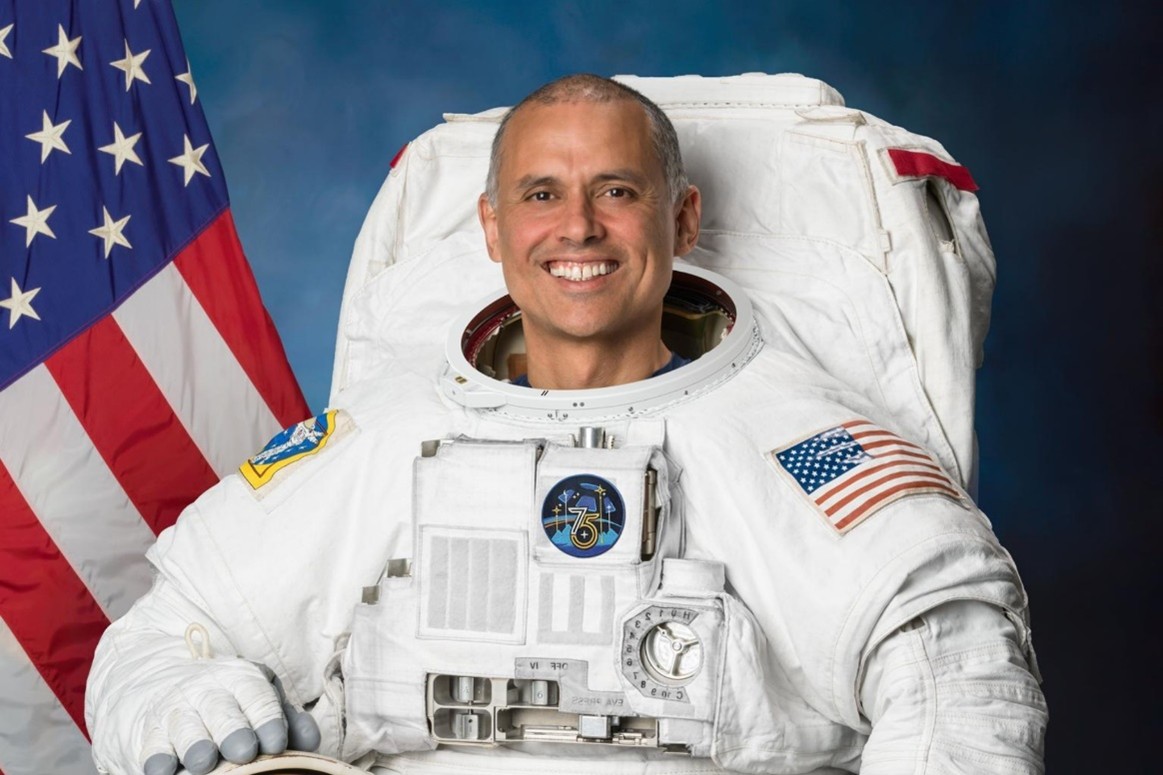





















 Intervista al collettivo Quaderni di Paola