❌

Modalità di lettura

MOVIOLA BAD DRIVERS OF ITALY: clip al VAR e cartellini ROSSI

💾

Trova la tua prossima DASHCAM https://sicurisullastrada.it/dashcam/
Dubbi o domande? Trovi qui le RISPOSTE https://sicurisullastrada.it/dashcam-5-minuti-per-sapere-tutto/
Vuoi inviarci le clip della TUA DASHCAM? Guarda come fare su https://bit.ly/inviavideo
Seguici sui canali BDOI per essere AGGIORNATO e vedere le MIGLIORI CLIP https://bit.ly/canalibdoi
Hai domande o curiosità? COMMENTA sotto al video oppure CONTATTACI https://bit.ly/contattabdoi
- - - - - - - - - - - - - - - - - - - - - - - - - - - - - - - - - - - - - - - - - - - - -
This video shows DANGEROUS behaviors not to imitate! Always drive carefully!
Do you want to send us the clips of YOUR DASHCAM? See how on https://bit.ly/inviavideo
Follow us on BDOI channels to be UPDATED and see the BEST CLIPS https://bit.ly/canalibdoi
Do you have any questions or curiosities? COMMENT below the video or CONTACT US https://bit.ly/contattabdoi

#baddriversofitaly #dashcam #compilation
  •  

Comunicato di Solidarietà Autistici-Inventati

✇unit
di: Unit

LAMAGLIETTA

Giro di vite contro gli hacker, edizione 2026

Solidarietà a Autistici/Inventati per la designazione speciale di terrorismo globale da parte del Dipartimento di Stato americano in collaborazione speciale con la tesoreria yankee.

"Specially Designated Global Terrorist" significa letteralmente: "decidiamo noi chi è terrorista" in barba alle liste ONU o …

  •  

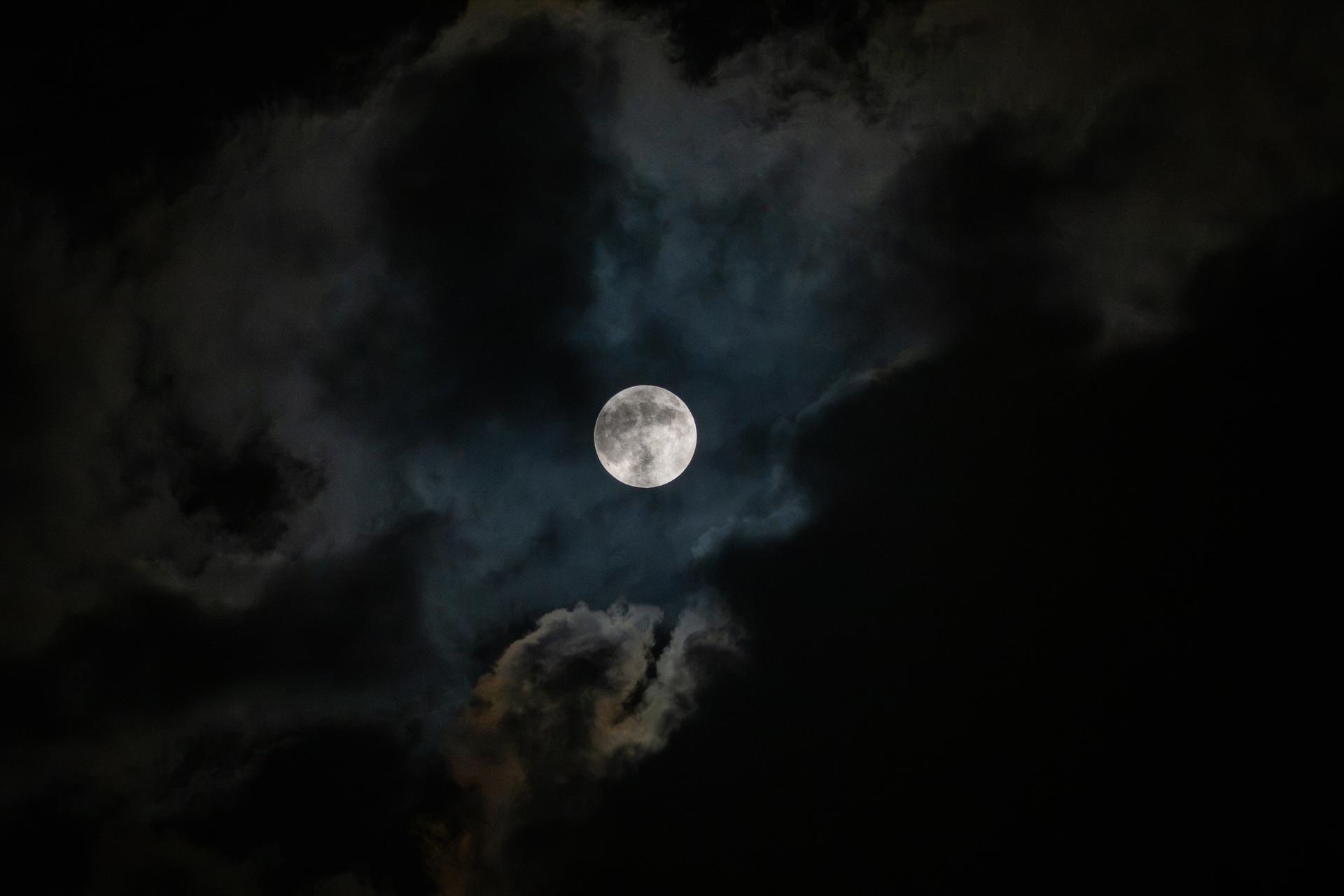
August Lunar Eclipse Rises Over Louisiana

A lunar eclipse is visible over southern Louisiana. The lunar eclipse was visible throughout much of North and South America and part of Europe and Africa between Aug. 27-28. The Full Moon slipped through Earth’s shadow on Aug. 27, continuing into Aug. 28 for some parts of the world, resulting in the lunar eclipse. At maximum eclipse, the Moon takes on a dramatic dark, ruddy or coppery tint along the covered edge. New Orleans is home to NASA’s Michoud Assembly Facility, where stages for NASA’s SLS (Space Launch System) rocket and structures for Orion spacecraft are produced for the Artemis missions.

  •  

parallel @ Savannah: GNU Parallel 20260822 ('Ceuta') released

GNU Parallel 20260822 ('Ceuta') has been released. It is available for download at: lbry://@GnuParallel:4

Quote of the month:

  Parallel has an option for almost everything, it's almost too much.
    -- tester457@ycombinator

New in this release:

  • Replacement string: {%jq: jq-expression %}
  • Use $^X when calling perl. So if different versions of perl are found in $PATH, we use the same version that started GNU Parallel.
  • Bug fixes and man page updates.


GNU Parallel - For people who live life in the parallel lane.

If you like GNU Parallel record a video testimonial: Say who you are, what you use GNU Parallel for, how it helps you, and what you like most about it. Include a command that uses GNU Parallel if you feel like it.


About GNU Parallel


GNU Parallel is a shell tool for executing jobs in parallel using one or more computers. A job can be a single command or a small script that has to be run for each of the lines in the input. The typical input is a list of files, a list of hosts, a list of users, a list of URLs, or a list of tables. A job can also be a command that reads from a pipe. GNU Parallel can then split the input and pipe it into commands in parallel.

If you use xargs and tee today you will find GNU Parallel very easy to use as GNU Parallel is written to have the same options as xargs. If you write loops in shell, you will find GNU Parallel may be able to replace most of the loops and make them run faster by running several jobs in parallel. GNU Parallel can even replace nested loops.

GNU Parallel makes sure output from the commands is the same output as you would get had you run the commands sequentially. This makes it possible to use output from GNU Parallel as input for other programs.

For example you can run this to convert all jpeg files into png and gif files and have a progress bar:

  parallel --bar convert {1} {1.}.{2} ::: *.jpg ::: png gif

Or you can generate big, medium, and small thumbnails of all jpeg files in sub dirs:

  find . -name '*.jpg' |
    parallel convert -geometry {2} {1} {1//}/thumb{2}_{1/} :::: - ::: 50 100 200

You can find more about GNU Parallel at: http://www.gnu ... rg/s/parallel/

You can install GNU Parallel in just 10 seconds with:

    $ (wget -O - pi.dk/3 || lynx -source pi.dk/3 || curl pi.dk/3/ || \
       fetch -o - http://pi.dk/3 ) > install.sh
    $ sha1sum install.sh | grep c555f616391c6f7c28bf938044f4ec50
    12345678 c555f616 391c6f7c 28bf9380 44f4ec50
    $ md5sum install.sh | grep 707275363428aa9e9a136b9a7296dfe4
    70727536 3428aa9e 9a136b9a 7296dfe4
    $ sha512sum install.sh | grep b24bfe249695e0236f6bc7de85828fe1f08f4259
    83320d89 f56698ec 77454856 895edc3e aa16feab 2757966e 5092ef2d 661b8b45
    b24bfe24 9695e023 6f6bc7de 85828fe1 f08f4259 6ce5480a 5e1571b2 8b722f21
    $ bash install.sh

Watch the intro video on http://www.youtub ... L284C9FF2488BC6D1

Walk through the tutorial (man parallel_tutorial). Your command line will love you for it.

When using programs that use GNU Parallel to process data for publication please cite:

O. Tange (2018): GNU Parallel 2018, March 2018, https://doi.org/1 ... 81/zenodo.1146014.

If you like GNU Parallel:

  • Give a demo at your local user group/team/colleagues
  • Post the intro videos on Reddit/Diaspora*/forums/blogs/ Identi.ca/Google+/Twitter/Facebook/Linkedin/mailing lists
  • Get the merchandise https://gnuparall ... igns/gnu-parallel
  • Request or write a review for your favourite blog or magazine
  • Request or build a package for your favourite distribution (if it is not already there)
  • Invite me for your next conference


If you use programs that use GNU Parallel for research:

  • Please cite GNU Parallel in you publications (use --citation)


If GNU Parallel saves you money:


About GNU SQL


GNU sql aims to give a simple, unified interface for accessing databases through all the different databases' command line clients. So far the focus has been on giving a common way to specify login information (protocol, username, password, hostname, and port number), size (database and table size), and running queries.

The database is addressed using a DBURL. If commands are left out you will get that database's interactive shell.

When using GNU SQL for a publication please cite:

O. Tange (2011): GNU SQL - A Command Line Tool for Accessing Different Databases Using DBURLs, ;login: The USENIX Magazine, April 2011:29-32.


About GNU Niceload


GNU niceload slows down a program when the computer load average (or other system activity) is above a certain limit. When the limit is reached the program will be suspended for some time. If the limit is a soft limit the program will be allowed to run for short amounts of time before being suspended again. If the limit is a hard limit the program will only be allowed to run when the system is below the limit.

  •  

freeipmi @ Savannah: FreeIPMI 1.6.19 Released

o Fix minor groff warnings in manpages.
o Fix portability of building manpages.
o Fix minor bugs found by code analysis:
  - bmc-watchdog: Fix bug with --arp-response command line parsing.
  - ipmi/rmcpping: Fix bug with finding an IPv6 interface.
  - ipmidetect: fix bug in which hostname configs not used properly
  - ipmi-oem intelnm: fix parsing of hours/minutes error
  - ipmi-oem: Correct Dell CMC IPv6 autoconfiguration output.
  - ipmi-oem: Correct Dell iDRAC web server control output.
  - libipmidetect: Isolate partial results between fallback servers.
  - libipmidetect: Honor caller-provided hostnames over configured defaults.
  - common: Preserve stream state when finishing buffered output.
  - common: Fix buffer-output configuration parse issue.
  - common: Parse UTC offset configuration as an integer.
  - ipmiconsole: Monitor both console descriptors.
  - ipmiconsole: Check valid payload instance range correctly.
  - ipmi-sel: Honor post-clear after full tail output.
  - ipmi-fru: Report DIMM capacities in megabytes.
  - ipmi-chassis: Apply the Power-On Hours scale correctly.
  - libipmimonitoring: fix mem-leak on SEL iterator
  - libipmimonitoring: allow cipher suite 0 in configs
  - libipmimonitoring: report NO_SEL_RECORDS instead of
    NO_SENSOR_READINGS cut and paste errors in some functions.
o Fix potential stack overflows found by code analysis in ipmi-oem dell get-system-info command (specifically idrac-info, cmc-info, cmc-ipv6-info subcommands) and ipmi-oem fujitsu get-sel-entry-long-text.
o Fix potential stack overflow in libfreeipmi also related to Fujitsu long SEL entries.


https://ftp.gnu.o ... pmi-1.6.19.tar.gz

  •  

health @ Savannah: GNU Health strict No Generative Artificial Intelligence Policy

Dear community

We have included in the GNU Health Code of Conduct the strict NO Generative Artificial Intelligence policy.

The current version reads:

GNU Health Strict No Generative Artificial Intelligence Policy

GNU Health is social project made by humans and for humans. We DO NOT accept any code, artwork, review, documentation or issues created by generative Artifical Intelligence (GenAI) / Large Language Models (LLMs).

The GNU Health no-AI policy is because we strongly believe that:

* GenAI is bad for Mother Nature
* GenAI is bad for human rights, especially for underserved and marginalized communities.
* GenAI is bad for the Free Software and Free Culture communities.
* GenAI is bad for you

Last but not least, GNU Health manages critical health information both at personal and population level. There must be a reasoning behind every single line of code. We make all the effort to minimize bugs that can jeopardize the integrity and security of the system, and we can not risk the project by putting it in hands of stochastic parrots.

Let’s keep the art and science of computing a human virtue.


You can read the entire, most current version of GNU Health Code of conduct here:
https://docs.gnuh ... ndix/conduct.html

  •  

Banca Etica limita l’operatività del conto dell’Associazione AI ODV / Banca Etica temporarily suspends A/I bank account

[IT]

Cominciamo dai fatti.

A seguito dell’iscrizione del Collettivo A/I e dell’Associazione AI ODV nella lista delle organizzazioni terroristiche globali, dopo alcune telefonate informali Banca Etica ha limitato l’operatività del conto bancario dell’Associazione nella giornata di martedì 1 settembre 2026 alle 9 di mattina. La comunicazione rispetto a tale limitazione cautelativa in attesa di verifiche è avvenuta in forma scritta solo alle 13. Alle 16 dello stesso giorno si è svolta una riunione tra rappresentanti della Banca e team legale dell’Associazione AI ODV.

Durante questo incontro Banca Etica ha confermato che la limitazione del conto rimarrà operativa quantomeno fino all’esito delle richieste interpretative formulate dalla Banca al MEF, a ABI e ad Assopopolari, nonché a consulenti legali esterni. A oggi, pertanto, Banca Etica non ha comunicato nessuna disponibilità a riattivare il conto.

La nostra posizione in merito non cambia: riteniamo che la scelta di Banca Etica (che ha scelto e non è stata obbligata a limitare il conto) sia eccessiva in termini di zelo e nemmeno rientri in quanto previsto dal provvedimento statunitense. Chiediamo quindi che venga ripristinata immediatamente l’operatività del conto.

Banca Etica e le istituzioni economico-finanziario-politiche di suo riferimento intendono adeguarsi alla prepotenza delle decisioni extragiudiziarie e al bullismo politico di un paese terzo che non ha su di esse alcuna giurisdizione? Noi pensiamo sia ora che alle parole di solidarietà seguano fatti concreti e azioni che vi corrispondano. Oppure si può scegliere di essere subordinati agli Stati Uniti come dimostrato in questi giorni.

Collettivo Autistici/Inventati


[EN]

Let’s start from the beginning.

Following the designation of A/I Collective and Associazione AI ODV [ODV: nonprofit organization legally recognized in Italy] as Specially Designated Global Terrorist, Banca Etica, through a series of phone calls, communicated the temporarily suspension of the Association’s bank account, effective from Tuesday, September 9, 2026, at 9:00 AM (Italian time). The follow-up formal communication regarding the precautionary suspension of the account pending verification was delivered in written form only at 1:00 PM. Later on the same day, at 4:00 PM, the bank representatives met with Associazione AI ODV legal team.

During this meeting, Banca Etica confirmed that the temporary suspension of the account will stay in place at least until they receive a response to the inquiries they forwarded to the Italian Ministry of Economy and Finance (MEF), the Italian Banking Association (ABI), and the Italian National Association of Cooperative Banks (Assopopolari), as well as to external legal consultants. Thus far, Banca Etica did not communicate any intention to reinstate the account.

Our position on this matter does not change: Banca Etica’s decision to restrict the account in the absence of a legally binding request is excessive both in terms of over-compliance and with respect to the US designation itself. We thus demand our account to be immediately reinstated in full.

Are Banca Etica and associated financial, economic, and political institutions willing to submit to the arrogance of extra-judiciary decisions and political bullying of a third country that bears no jurisdiction over them? This is the time for words of solidarity to be matched by concrete actions. The alternative is to choose to be subordinated to the United States.

Autistici/Inventati Collective

  •  

Google Maps peggiora il traffico?

Immagine in evidenza generata con intelligenza artificiale

Più siamo obbedienti, più il traffico si concentra su poche strade: non è un effetto collaterale, ma una caratteristica strutturale dei navigatori satellitari. Succede ogni volta che milioni di automobilisti interrogano nello stesso momento Google Maps o TomTom e ricevono in risposta le stesse indicazioni, quelle che l’algoritmo giudica migliori: una convergenza che nessun singolo utente ha scelto. A piena adozione, mostra un nuovo studio intitolato Traffic Concentration Effect of Urban Navigation Services, la varietà delle strade effettivamente usate cala anche del 14%: un conformismo algoritmico che può emergere quando si ottimizzano i singoli tragitti senza coordinare le scelte dell’insieme degli automobilisti.

Il numero chiave è 60%. È la soglia di adozione (la quota di automobilisti che segue fedelmente il navigatore) oltre la quale – secondo lo studio condotto dal team di Luca Pappalardo, ricercatore del CNR e della Scuola Normale Superiore, applicando dati reali di mobilità e le API dei principali navigatori a Milano, Roma e Firenze – le emissioni totali di CO2 tornano spesso a salire, aumentando la disuguaglianza tra chi vive in centro e chi vive in periferia. Fino a quella soglia, seguire il navigatore nelle ore di punta continua a essere vantaggioso; superata, il beneficio collassa. Restano due domande aperte, che riguardano amministratori e cittadini insieme: quanto è forte questo effetto fuori dalle simulazioni? E quanto viene amplificato dal feedback continuo tra il traffico che l’algoritmo genera e le nuove raccomandazioni che ne derivano?

Centri protetti, arterie che scoppiano

Il meccanismo di base è semplice. Ogni navigatore applica un “algoritmo di cammino minimo” – ovvero cerca il percorso più veloce – su un grafo (la rete stradale) in cui ogni tratto ha un costo, tipicamente il tempo di percorrenza. Tra un’origine e una destinazione i percorsi davvero convenienti sono pochi, quindi utenti diversi finiscono per ricevere in gran parte le stesse indicazioni. È quello che i ricercatori chiamano traffic concentration effect: la stessa dinamica che da anni riversa le auto dirette al Brennero nei paesini di montagna, o che nel 2018 aveva paralizzato una cittadina del New Jersey.

Il team di Pappalardo ha misurato l’effetto facendo variare il tasso di adozione dallo 0 al 100%, in tre città e in due condizioni di traffico. A basso carico i navigatori generalmente hanno un effetto positivo: chi li segue fa il percorso più breve possibile, e questo riduce le emissioni indipendentemente da quante altre persone fanno lo stesso. Nelle ore di punta il quadro cambia: il beneficio regge solo a bassa adozione, e superata la soglia del 60% le emissioni non solo smettono di calare ma arrivano, in alcuni casi, a superare quelle dello scenario senza navigatori.

Le mappe prodotte dallo studio mostrano anche dove va a finire il traffico spostato: dalle strade interne dei quartieri centrali verso le grandi arterie di scorrimento, tipicamente periferiche. “Il problema è quando quelle strade non sono in grado di accomodare questi grandi volumi”, spiega Giuliano Cornacchia, ricercatore del Cnr e primo autore dello studio. A Firenze, dove la tangenziale è in grado di assorbire ulteriore traffico, la redistribuzione avviene senza troppi danni. A Roma no: il traffico extra si scarica sul Grande Raccordo Anulare, già saturo, ed è per questo che lì le emissioni peggiorano invece di migliorare.

C’è poi un effetto sociale che lo studio non misura direttamente, ma che i dati geografici suggeriscono con chiarezza. “A vivere in centro sono tipicamente le persone benestanti, a vivere in prossimità delle arterie sono invece mediamente le persone di medio-basso reddito”, osserva Pappalardo. “I navigatori sembrano quindi favorire i primi, creando ulteriore disagio agli altri”. È un’ipotesi plausibile più che un risultato dimostrato, precisa il ricercatore, ma coerente con quanto osservato in tutte e tre le città: spostando il traffico dal centro alla periferia, cambia anche chi respira smog e sopporta il rumore.

Per arrivare a questi numeri, i ricercatori hanno incrociato dati reali sulla domanda di mobilità – chi si sposta da dove a dove, con una granularità molto più fine del singolo quartiere – con le indicazioni ottenute interrogando le API di Google Maps, TomTom, Bing Maps e Mapbox. I flussi risultanti sono stati fatti circolare in SUMO, un simulatore di traffico sviluppato dal Centro aerospaziale tedesco, capace di riprodurre semafori, incroci e code come se le auto viaggiassero realmente insieme sulla rete stradale.

Due elementi rendono il risultato più solido. Il primo riguarda la pluralità dei provider: non sappiamo esattamente quali parametri usino Google, TomTom, Bing Maps o Mapbox nei loro algoritmi, ma le raccomandazioni si sovrappongono in media per oltre il 76%. “Per come sono conformati creano una concentrazione del traffico e lo spostano verso l’arteria”, dice Cornacchia: l’effetto non dipende dal singolo provider, è strutturale. Vale anche per il routing “eco”, che attenua ma non elimina il problema: “Se tutti prendiamo la stessa eco-route il vantaggio individuale collassa su se stesso”. Ottimizzare il singolo viaggio, insomma, non produce un ottimo di sistema. Il secondo elemento è un modello matematico di una città stilizzata, che riproduce lo stesso fenomeno a prescindere dalla forma reale della rete stradale. “I meccanismi individuati nelle tre città test non dipendono dalle loro strutture, ma dalla forza di concentrazione esercitata dai navigatori”, riassume Pappalardo. “Quindi qualsiasi altra città si prenda, accadrà qualcosa di simile”.

Per chi amministra una città, questo non significa restare a guardare, ma lavorare sulla diversificazione delle rotte disponibili. Una ricerca ancora in corso dello stesso gruppo mostra che alcune città hanno margine per farlo – possono quindi creare alternative valide alle arterie più battute – mentre altre, come Roma con la sua dipendenza dal raccordo anulare, ne hanno molto meno.

È possibile sistemare il problema?

Le piattaforme potrebbero, tecnicamente, ottimizzare non solo il singolo tragitto, ma il sistema nel suo complesso. Lo dimostra Google stessa in uno studio pubblicato su Nature Cities nel giugno 2026: modificando l’algoritmo per penalizzare leggermente il passaggio su un centinaio di tratti stradali congestionati per ciascuna di dieci città americane, gli autori hanno ottenuto un aumento mediano della velocità del 2% su quei tratti, con un risparmio potenziale stimato in oltre mille tonnellate di CO2 equivalente l’anno per città. “Dimostrano che hanno il potere di definire dove va il traffico, e che si può ancora migliorare”, commenta Pappalardo. “Il paper di Google suggerisce che, di default, quella visione di rete non viene applicata”.

Nessuna norma, oggi, le obbliga a farlo. Il Digital Services Act classifica Google Maps come very large online platform – unica piattaforma del settore urbano a rientrarvi – e la sottopone a obblighi di valutazione del rischio. Ma il regolamento non menziona esplicitamente gli effetti collettivi prodotti dagli algoritmi di ottimizzazione urbana. “Non si parla esplicitamente di rischio collettivo, ma di un approccio basato sui rischi sistemici”, dice Pappalardo, che lo considera “un difetto un po’ generale” delle normative europee sulle piattaforme: non affrontano in modo specifico gli impatti aggregati che algoritmi come quelli dei navigatori possono produrre sul territorio. Per una piattaforma, aggiungere una funzione di ottimizzazione collettiva è uno sforzo in più che, senza un obbligo di legge, semplicemente non conviene.

Non è una lacuna casuale: politicamente, il disagio prodotto da navigatori che concentrano smog e traffico su certe strade, amplificando le disuguaglianze tra centro e periferia, è troppo diffuso e indiretto per essere percepito come un problema urgente. “La gente vede facilmente il proprio tornaconto, è difficile vedere il collettivo”, dice Pappalardo.

Il margine per intervenire, comunque, si sta restringendo. Con un settore automotive sempre più orientato alla guida autonoma, l’unico elemento che oggi tiene il tasso di adozione sotto il 100% – la mediazione umana, fatta di disobbedienze, distrazioni, scelte personali – è destinato a sparire: un’auto a guida autonoma non ha altra scelta che seguire l’algoritmo. Il tasso di obbedienza salirà vertiginosamente, e senza alternativa. L’effetto di concentrazione già capace di ribaltare i benefici ambientali a Roma diventerebbe, a quel punto, pressoché strutturale.

L'articolo Google Maps peggiora il traffico? proviene da Guerre di Rete.

  •  

FBI Probes Service Selling 153M+ Drivers Licenses

A new identity theft service launched on the dark web this week is selling digital scans of more than 153 million drivers licenses from people in the United States and Canada. Based on interviews with individuals whose licenses are available for purchase on this service, it appears to be siphoning images collected by a widely-used identity verification company based in Louisiana. KrebsOnSecurity also has learned that the New Orleans field office of the Federal Bureau of Investigation (FBI) today launched an official inquiry into the source of the images.

A record available at this identity theft service that includes the drivers license for U.S. Defense Secretary Pete Hegseth, one of several high-ranking U.S. government officials whose drivers licenses can be found for sale.

On Monday, Aug. 31, a source alerted KrebsOnSecurity to a service advertised by a new user on the Russian cybercrime forum Exploit, offering access to digital scans of identity documents on more than 170 million people in North America. The source brought it to my attention because the proprietor of this identity theft service offered my Virginia drivers license as a free sample in their initial sales thread on Exploit.

The service, dubbed Nexus, claims to have more than 153 million drivers licenses for people in the United States and Canada, as well as more than 10 million identification cards; more than three million travel documents and/or international IDs; and at least 579,000 medical cards.

A quick look around Nexus finds they are likely not exaggerating about that 153 million number: Running a blank search in Nexus (with no search parameters entered) returns approximately 11.5 million pages of results, with roughly 15 results displayed per page. It includes documents from people in both Canada and the United States, but the bulk of these records are on Americans: searching for just Canadian drivers licenses returns approximately 1.1 million results, with the largest concentration from Ontario (473,673 records).

Curiously, the identity records include not only drivers licenses but also marijuana dispensary cards. Some of the records list their “source” as “CDL,” presumably short for “commercial drivers license.” Other records carry the source notation of “CAC,” which may refer to Common Access Cards, government issued identity cards that grant physical access to government buildings and secure rooms.

The people behind Nexus claim the license images are coming from an active breach at “a major identity verification company” whose customers include multiple Fortune 500 companies.

The record totals listed by the Nexus identity theft service. The number of drivers license records increased by nearly 400,000 in the span of just 24 hours.

“We have been continuously exfiltrating new data for over a year into our private database,” the service enthused in its introductory post on Exploit. “Records are available to preview before purchase with pertinent information redacted. Customer photos are displayed if available.”

Indeed, over the past 24 hours, the number of drivers license records listed as available in Nexus has increased by nearly 400,000, suggesting that freshly stolen license data is being harvested and uploaded to this service on a semi-regular basis.

The record featuring my drivers license includes six image files: three pairs of photos of the license’s front and back, a basic image scan, as well as infrared and ultraviolet versions of the same images. A date and timestamp is appended to each image file, and the timestamp on my license scan corresponds to a date in June 2025 when I took a flight to the midwest United States to attend a family funeral.

Some of the 153 million+ license scans — including mine — feature six image files with date and timestamps appended to the filenames. Not all records include photos, and some that do feature photos do not display the associated filenames.

Intent on discovering the source of this data, KrebsOnSecurity asked more than a dozen friends and family members for permission to search for their licenses in this service. Each person whose license could be found (nine of them) confirmed having traveled on or very close to the dates in the timestamps attached to their images. It is unclear what timezone these timestamps are in, but from reviewing car rental records shared by several people who helped with this research, it appears the timezone is set to Greenwich Mean Time (GMT).

At first, I thought the source of the data might have something to do with airports. However, that theory went out the window when it became apparent there were no passports in this data set. Also, only some of those who helped with this research said they showed their drivers license at the airport on the day of their travel. One person whose license was in Nexus hadn’t flown at all recently, but was renting a car from Hertz for several months around the date of their timestamp.

Two of those who agreed to help are federal employees who said they shared other forms of government identification when passing through airport security. However, those individuals each said they shared their state-issued drivers licenses later that day when renting vehicles at their respective destinations, and that both rented their cars from Hertz.

After finding a note in my calendar for the day of my June 2025 flight reminding me to bring my passport, I remembered that I also never actually shared my drivers license when I went through security at Reagan National Airport on that day because I did not yet have a Real ID, a security-enhanced drivers license that is now required by the Transportation Security Administration (TSA) for all domestic travel. Instead, I showed the TSA agent my government-issued U.S. passport.

Here’s where it gets interesting: I was able to find my mother’s drivers license in this service as well, and the timestamps for her images are just a few seconds apart from mine. That’s notable because we both handed our licenses to the Hertz rental car representative at the same time.

According to my mom, the only place she gave her drivers license to that day was the rental car company, and if memory serves that is also true for me. I don’t recall if the rental car representative inserted our licenses into any kind of machine, but I remember they held onto them for several minutes behind the counter while we were signing various forms. KrebsOnSecurity sought comment from Hertz and will update this story in the event they reply.

Zach Edwards is a well-known security and privacy researcher who recently launched a service called DecryptAds to help people better understand how online advertisers are tracking them. A scan of Edwards’s drivers license is available for purchase on this identity theft service, and Edwards said the timestamp on his record corresponds to the middle of a trip last month to Las Vegas for the annual DEFCON security conference.

Edwards told KrebsOnSecurity that although he did not rent a car in Vegas, he did hand over his license at the TSA checkpoint, at a marijuana dispensary in Vegas, and at his hotel (the Aria). But he said the only one of those three that for sure scanned his ID in some kind of device was the dispensary.

To enter Planet13’s weed dispensary in Las Vegas, one must pass through a red telephone booth. Image: Zach Edwards.

Edwards said the dispensary he visited that day was Planet13, a multi-state chain with stores in California, Florida, Illinois and Nevada. In 2022, the New Orleans-based identity provider idscan.net published a press release announcing an exclusive identity verification agreement with Planet13’s dispensaries nationally. IDScan says it processes ID verification for more than 1,000 marijuana dispensaries in 19 U.S. states.

The “trust” page of idscan.net states that the company provides identity verification services for numerous big brands, including Hertz, Target, Fedex, Motorola Solutions, the financial services giant Jack Henry, and Caesars Entertainment. And as idscan.net’s own documentation states, the technology scans IDs with both infrared and ultraviolet light. Idscan.net says the company’s systems and technology perform more than 21 million verifications monthly, at more than 20,000 locations around the world.

Image: idscan.net.

Contacted by KrebsOnSecurity, idscan.net said it was investigating the matter, but the company has not yet shared an official statement or a substantive reply to specific questions sent via email.

“At this point I’m not able to share any additional information, but the updates you have provided have been welcome, and helpful to our team’s investigation,” wrote Jillian Kossman, a marketing and operations leader at idscan.net.

During the course of my research for this story, word got around to the FBI that I was poking at the apparent source of this new identity theft service’s data. Probably they were tipped off when I shared with a trusted source that Nexus also is selling the drivers license information for the assistant director of the FBI (I did not find FBI Director Kash Patel’s license in Nexus).

Earlier this afternoon, I was added to a conference call with a half-dozen FBI agents, including senior leaders from the agency’s cyber division. During that call, the FBI shared that earlier today their New Orleans field office opened an official investigation into an apparent breach involving idscan.net.

Edwards said that as more in-person and online experiences require sharing drivers licenses, vendors who collect this sensitive data need to be held to a higher standard.

“This episode should further strengthen the resolve for people who are fighting back against online ID schemes which are requiring countless providers to ask for drivers licenses in order to access services under the guise of protecting kids,” Edwards told KrebsOnSecurity. “These systems are putting sensitive data into more and more 3rd party vendors, and we don’t have nearly the oversight to ensure they are safe.”

Larry Baldwin is principal intelligence researcher at the cybersecurity firm Cybera. Baldwin said a front and back scan of his drivers license available at Nexus contains timestamps that correspond to the date of a car rental from Hertz on a recent vacation.

Baldwin said the Nexus identity theft service presents multiple serious security and privacy threats, noting that state-issued drivers licenses are commonly used as proof of one’s identity when opening new lines of credit. Baldwin said the service could also dangerously expose many people who do not wish to be found but who cannot meaningfully change their appearance (or at least not enough to fool today’s AI-based image matching tools).

This category of people, he said, includes those fleeing domestic violence, and even people who have been assigned a whole new life and identity as part of the federal government’s witness protection program, which is generally reserved for criminal defendants in racketeering and conspiracy investigations who agree to cooperate with federal authorities.

“Just when it seems like we’re making some headway in improving authentication controls through drivers license verification systems, this happens and the very thing those improvements are dependent on are compromised,” Baldwin said.

Update, Sept. 8: IDscan.net published a brief notice saying it has “determined that an unauthorized third party may have accessed and/or copied certain customer information, including full names and drivers license or other government-issued identification numbers.” The statement said IDscan.net is notifying affected individuals and offering credit protection services.

Update, Sept. 2, 6:05 p.m. ET: A spokesperson for Caesars Entertainment said Caesars has not been a client of IDScan.net and has not used VeriScan since February 2025, despite IDScan.net listing them as a client on their website. That person said Caesars had no active VeriScan accounts at the time of the incident and did not authorize IDScan.net to retain data from its accounts, and that IDScan.net said the incident should have no impact on Caesars Entertainment.

Update, 8:56 p.m. ET: Shortly after this story was published, the Nexus identity theft service website vanished from the darkweb, replacing its login page with a plain text message that reads, “This service is no longer available.”

This is a potentially fast-moving story. Any changes or updates will be noted here along with a timestamp.

  •  
❌