Dopo tanto tempo riusciamo a fare una nuova live dove parleremo di come sta andando il viaggio, di cosa è successo fin ora e di cosa faremo nel prossimo periodo. I programmi cambiati, i costi dell'esperienza qui al Nord, cosa ci preoccupa e un idea di cosa faremo dopo.... vi aspettiamo con tutte le vostre domande!
Entra nel nostro TEAM di supporter🔥
🔥https://www.patreon.com/stepsover
☀️Il nostro link PayPal con cui potete donarci un "gelato" per aiutarci a mantenere vivo questo canale.
https://www.paypal.me/stepsover
Secondo CANALE Extra https://www.youtube.com/@STEPSOVER_EXTRA
Lost in STEPSOVER https://www.youtube.com/@UCsEMVsRxPT8RajeacmKVjxQ
🔥 NUOVO LIBRO 👉 SEI ANNI NELLE AMERICHE https://amzn.eu/d/56bdWQ4
Dove siamo? https://www.instagram.com/stepsover_ontour
🙏Grazie ai nostri SUPPORTERS🙏
👉 Scarica il nostro libro su come camperizzare un veicolo Overland lo trovi qui: http://www.stepsover.com/shop
🤜Canale pubblico Telegram https://t.me/stepsover
😈Il nostro BAR su TWITCH https://www.twitch.tv/stepsover
🌏La nostra pagina Facebook e Gruppo su FACEBOOK 🌈STEPSOVER
⭐️Instagram https://www.instagram.com/stepsover_ontour
⚡️Visitate il nostro blog: https://www.stepsover.com
Chi siamo:
Simone e Lucia, una coppia in viaggio a tempo pieno dall'Aprile 2017 a bordo del nostro camion a cui abbiamo dato il nome Valentino. Siamo partiti dall'Italia non per fuga, tutt'altro, lo abbiamo fatto per scoprire il mondo che ci ospita, le persone che lo vivono, le loro differenti tradizioni, le infinite e affascinanti culture che rendono l'umanità la cosa più bella che ci sia. Siamo partiti per immergerci nella natura, per vedere e toccare con mano la fauna e la flora che arricchiscono il nostro pianeta rendendolo ciò di più prezioso che abbiamo. Viaggiamo consapevoli e orgogliosi della nostra cultura Italiana, qualcosa che fa parte di noi e del nostro modo di relazionarci con le persone e i popoli che incontriamo. Usiamo ciò che di prezioso il nostro paese ci ha donato per scoprire più degli altri, ma anche per contraccambiare con ciò che siamo
10 ottobre. La notizia che compare su quasi tutte le prime pagine dei giornali è quella, naturalmente, delle centinaia di migliaia di tonnellate di prodotti energetici russi che “inonderanno” il mercato americano, risollevando (forse) un po' i numeri del Partito repubblicano in vista delle elezioni di medio termine e del ritiro di alcune sanzioni USA contro la Russia. Una questione tutta interna agli Stati Uniti, si dice. E in parte è così. Ma c'è un passaggio che sembra ampliare “leggermente” la faccenda, legandola più direttamente al conflitto in Ucraina: Donald Trump avrebbe specificato che l'accordo con Moskva è legato anche al mantenimento delle capacità delle strutture energetiche russe. Vale a dire che Kiev dovrebbe smettere di attaccare raffinerie e depositi russi: lo chiede la Casa Bianca.
E quando una richiesta arriva sul Dnepr dal Potomac, forse per i nazigolpisti non è il caso di ignorarla completamente, fermi restando, ca va sans dire, i rapporti di forza UE-USA e i relativi “messaggi” che giungono all'Ucraina, per un verso da Bruxelles e, per un altro verso, da Washington. Dunque, secondo quanto riporta Axios, citata da La Stampa, non meglio precisati funzionari yankee avrebbero specificato che «Zelenskij sta valutando male la situazione. Continuando a colpire le raffinerie, sta compromettendo la fiducia e la disponibilità ottenuta da Trump negli ultimi sei mesi».
In un modo o in un altro, Zelenskij sembra aver completamente perso la capacità di valutare adeguatamente la situazione. La risposta data da Moskva alle sue «operazioni di pressione sulla Russia» ha privato l'Ucraina di interi settori industriali, delle sue principali fonti di reddito da esportazione, e ha messo a nudo la vulnerabilità dei ponti sul Dnepr e del settore energetico. Non pago, Zelenskij ha nuovamente minacciato la Russia, dicendo che potrebbe sconfiggerla in due o tre mesi, se solo Trump aumentasse le pressioni sul Cremlino, fornisse a Kiev missili antiaerei e balistici e allargasse l'accesso ucraino al sistema Starlink per attacchi a lungo raggio. «Aiutateci a proteggere i cieli e a dominarli. E poi Putin si siederà al tavolo delle trattative. Perché? Perché perderà tutto. Tre mesi, due mesi e perderà tutto», ha detto Zelenskij. Proprio di questo erano incaricati di parlare i suoi emissari in USA il 9 e 10 ottobre; il 9 sera è arrivato l'annuncio di Trump sul diesel russo, dopo che il nazigolpista-capo aveva proclamato i suoi “desiderata”.
Commentando il discorso di Zelenskij del 8 ottobre, in cui ha di fatto accusato Trump di non voler aiutare Kiev a sconfiggere la Russia, il corrispondente di guerra Evghenij Poddubnyj osserva che egli ha «raggiunto un nuovo livello di isteria... C'è una totale mancanza di istinto di autoconservazione, senza considerare le conseguenze».
Su Moskovskij Komsomolets, il colonnello Levon Arzanov dichiara che Zelenskij non ha bisogno di un cessate il fuoco, tanto meno di una pace duratura, che per lui significherebbero una rapida morte politica, se non fisica: «Zelenskij è chiaramente isterico. Ha paura della pace. Ma l'Occidente, o almeno i governanti di Gran Bretagna, Germania e Francia, non sono interessati a una soluzione pacifica del conflitto in Ucraina... L'Occidente non vuol porre fine alla guerra. Tutte le loro azioni mirano a una escalation, mentre continuano a inondare l'Ucraina di armi, trascinandola ostentatamente nella NATO». Nessuno è disposto a negoziare con la Russia, dice Poddubnyj; l'Occidente punta alla sconfitta militare o politica della Russia. Se non riusciranno a sconfiggere la Russia militarmente, contano sui disordini interni e fanno il possibile per fomentarli: le lamentele di Zelenskij sulla mancanza di missili e fondi sono finalizzate a prolungare il conflitto.
Le esternazioni dell'ex ministro degli esteri golpista Dmitrij Kuleba su Foreign Affairs del 30 settembre ne sono testimonianza più che eloquente. Zelenskij, scrive Mikhail Pavliv su Ukraina.ru, si è mostrato apertamente irritato dalle osservazioni del Segretario di stato USA Marco Rubio sul vicolo cieco diplomatico; il succo della critica del nazigolpista-capo è stato che gli USA possiedono tutti gli strumenti necessari per costringere Moskva alla capitolazione, ma per qualche ragione si rifiutano di usarli. È significativo, osserva Pavliv, che ciò sia stato detto alla presenza di un rappresentante della Gran Bretagna, da sempre favorevole a un massiccio supporto militare a Kiev; Zelenskij continua a parlare di colloqui di pace, ma non propone soluzioni diplomatiche, bensì una preliminare coercizione militare ed economica della Russia, perché accetti le condizioni ucraine.
L'intervento di Kuleba va proprio in questa direzione, tanto più che Kuleba non è affatto, semplicemente, un ex ministro degli esteri e anzi mantiene contatti negli ambienti dell'élite occidentale e partecipa alle riunioni del Gruppo Bilderberg. Kuleba, dunque, come già riportato nei giorni precedenti, cita un non meglio precisato Istituto norvegese, per sostenere che, per i paesi europei, il costo di una pace con la vittoria russa sarebbe più oneroso di quello per la continuazione della guerra: nei prossimi quattro anni gli europei dovrebbero sborsare da 1.300 a 1.800 miliardi, in caso di sconfitta dell'Ucraina, contro i 910 miliardi per aiutare Kiev a sconfiggere la Russia. È dunque vantaggioso investire nella guerra, lascia direttamente intendere Kuleba, tanto più che la somma citata non verrebbe solo dai bilanci europei, ma anche da beni russi congelati.
Ora, scrive Pavliv, l'aspetto più interessante di questi calcoli non sono tanto le somme che si chiede agli europei di sborsare, quanto l'orizzonte temporale ipotizzato dagli autori di tali calcoli: parlando di quattro anni, significa che la guerra si protrarrebbe di fatto fino al 2030, con una “curiosa” coincidenza temporale: la scadenza dell'attuale mandato presidenziale di Vladimir Putin; seguendo la logica di quelle «élite occidentali che considerano il conflitto ucraino non solo come una situazione di stallo per l'Ucraina, ma anche come uno strumento di pressione strategica sulla Russia, un simile orizzonte di pianificazione assume un ulteriore significato politico». In questa logica, una guerra di lunga durata può essere vista come un modo per accumulare costi economici, sociali e politici a carico della Russia, con l'obiettivo di creare i presupposti per un colpo di stato secondo lo scenario del “majdan” alle prossime elezioni presidenziali in Russia. Ed è possibile che, insieme all'orizzonte temporale della pianificazione, cambino anche gli obiettivi che i sostenitori occidentali della continuazione del conflitto si prefiggono per Kiev, o che la leadership ucraina è disposta a perseguire di propria iniziativa.
In questo quadro, assumono un'altra dimensione anche tutte le cantiche, quantomeno su buona parte della proclamata “opposizione pacifista” ucraina, così che, ancora su Ukraina.ru, Vladimir Skachko parla di Zelenskij e neonazisti che stanno approntando a proprio beneficio un surrogato di opposizione. Dunque, ecco che la deputata Anna Skorokhod ha presentato alla Rada un disegno di legge di modifica costituzionale per riportare il paese a uno status neutrale, abbandonando i piani di adesione alla NATO. Anche l'ormai “famoso” - alla maniera di Erostrato - Aleksej Goncharenko chiede di non precipitarsi nella NATO, di abbandonare il confronto con la Russia e avviare negoziati di pace con Moskva. Artëm Dmitruk, imprenditore riparato a Londra, parla della necessità di ristabilire buoni rapporti di vicinato con Moskva e Minsk. Aleksandr Dubinskij e Evghenij Ševcenko – entrambi agli arresti con accusa di tradimento - sostengono posizioni pressoché identiche. È così anche per Julija Mendel, ex addetta stampa di Zelenskij e Aleksej Arestovic, a lungo consigliere presidenziale: entrambi stanno riversando tonnellate di fango e materiali compromettenti su Zelenskij.
La particolarità della situazione è che, fatta eccezione per Goncharenko, i più critici sono proprio coloro che Zelenskij nel 2019 aveva promosso ad alti livelli politici nel partito “Servo del Popolo” o nello staff presidenziale. Ora, dice Skachko, Zelenskij è un perdente politico, terrorista e criminale di guerra; nel 2019 incarnava però le speranze di un popolo stremato dalla guerra e dalla povertà. E, promettendo pace e prosperità, era riuscito a far eleggere duecentocinquanta deputati alla Rada, reclutandoli tramite annunci pubblicitari, tra persone scelte a caso, prive di base ideologica. Persone che, per un certo periodo, sono rimaste unite in una monolitica frazione parlamentare di maggioranza, grazie a lauti compensi, cui si aggiungevano quelli per voti "appropriati". Quando la situazione ha iniziato a vacillare e i fondi dei finanziatori a diminuire, ecco che la coesione dei "Servi del Popolo" ha iniziato a traballare. Ormai da due anni, la frazione "Servo del Popolo" alla Rada non riesce ad assicurarsi i voti necessari "per il presidente", senza che una delle altre fazioni non l'appoggi dietro “piccoli compensi”, con un “listino prezzi” in continua evoluzione. È lecito supporre che finanziatori e supervisori dell'Ucraina abbiano deciso di utilizzare alcuni dei "Servi" nelle nuove circostanze, per salvare il regime e, almeno temporaneamente, rafforzarlo. Quindi, afferma Skachko, l'odierna opposizione, rumorosa, ostentata e fantasiosa, fatta di individui con o senza mandato parlamentare, non deve trarre in inganno: si tratta probabilmente di un gioco politico a scoppio ritardato. Qualcuno deve agire ora, facendo da apripista per sfogare il malcontento e la protesta popolare, distogliendo l'opinione pubblica dai fallimenti del regime, con una apparente opposizione e promettendo di rinnovarlo man mano che il processo si sviluppa.
In sostanza, tutti i cosiddetti oppositori sono direttamente responsabili sia dell'instaurazione del regime di Zelenskij, sia del fatto di aver ingannato il popolo per molti anni e sono diventati improvvisamente "audaci" quando hanno perso la loro comoda posizione accanto al nazigolpista-capo, o sono stati costretti a farsi da parte per perseguire nuovi interessi. Finora, tutti loro avevano servito fedelmente Zelenskij e il trionfo del suo cannibalismo politico; il regime stesso ha ora iniziato a preparare queste persone come suoi successori, sottoponendole in modo plateale a finta repressione e apparenti procedimenti penali, creando un'immagine di persecuzione in vista del futuro. Il messaggio è: cittadini, votate per loro; hanno sofferto sotto il regime di Zelenskij e, una volta al potere, saranno migliori degli attuali ferventi suoi sostenitori.
In realtà, afferma Skachko, cosa indica questa finta opposizione a Zelenskij e ai suoi burattinai? Innanzitutto, indica che qualcuno si sta preparando a preservare il potere degli attuali neonazisti in Ucraina; un potere che potrebbe rimanere sulla scena anche dopo la fine del conflitto, seppur leggermente modificato. In secondo luogo: alcuni degli attuali curatori neonazisti sperano ancora di preservare almeno una parte dell'Ucraina così com'è: un paese attanagliato da un'aggressiva russofobia e che si prepara a una nuova guerra con la Russia, persino dopo aver firmato un trattato di pace e aver soddisfatto tutte le richieste russe.
In altre parole: la sostanza è la continuazione della guerra, per cui si prodigano le cancellerie belliciste europee e che verrà decisa in parte dai rapporti di forza tra Bruxelles e Washington, ferma restando la determinazione delle “autocrazie euroasiatiche” a perseguire la propria legittima strategia di sviluppo, lontana dai “valori occidentali”.
Palazzo Nuovo - Via Sant'Ottavio 20 a Torino (venerdì, 16 ottobre 09:30)
📍16 OTTOBRE IN PIAZZA IN TUTTA ITALIA
La crisi climatica è qui, lo abbiamo visto con il caldo estremo che per quattro mesi di fila ha attanagliato la nostra città. Eppure nessun governo del mondo, tra cui quello italiano, sta agendo per fermarla.
I governi hanno fallito ed è ormai sicuro che verranno superati gli 1.5 gradi di aumento della temperatura media globale, causando milioni di morti e distruzioni incalcolabili. Come se non bastasse, il governo Meloni si scaglia contro chi dissente, anche in modo pacifico, a suon di decreti sicurezza, mentre continua ad essere complice di guerre per il petrolio e genocidi.
Il 16 ottobre scendiamo dunque in piazza per dare una risposta forte a questo governo climafreghista, che usa la repressione per zittirci, mentre assieme agli altri leader globali dà letteralmente fuoco al nostro futuro.
Il problema non è la tecnologia, ma il vuoto che la tecnologia riempie. Da qui parte il nuovo appuntamento di Darkcyber, la rubrica DarkSide dedicata alle zone d'ombra dell'innovazione.
Manuele Avilloni dialoga con Domenico Piccininno, criminologo specializzato in criminologia forense, neuroscienze applicate al crimine e alla devianza e vittimologia forense. Al centro dell'intervista ci sono il rapporto tra giovani e web, la dipendenza e l'abuso digitale, e il modo in cui il racconto mediatico della violenza può trasformarsi in un modello da imitare.
Nel video affrontiamo:
- cos'è la neurocriminologia emotiva e perché parte dalle emozioni per leggere la devianza
- cosa chiedono davvero i ragazzi, secondo una ricerca condotta in quasi tutta Italia
- abuso e dipendenza digitale: perché "staccare la spina" non funziona
- simulazione, controllo, evasione: cosa attrae i giovani su social e videogiochi
- l'effetto copycat e la responsabilità dei media nel raccontare la violenza giovanile
- le immagini generate con l'IA nell'informazione e il rischio di alimentare divisioni
- il protocollo SPEAK: analisi del linguaggio del corpo e mindfulness nei percorsi di rieducazione
- perché la scuola dovrebbe affiancare all'educazione digitale un'educazione emotiva
Capitoli:
00:42 Cos'è la neurocriminologia emotiva
08:10 Connessioni digitali e connessioni umane
13:20 Dipendenza e abuso digitale
23:13 Il vuoto che la tecnologia riempie: le buone pratiche
35:16 L'effetto copycat e la responsabilità dei media
44:05 Il protocollo SPEAK
50:51 Educazione digitale ed educazione emotiva a scuola
---
🔎 DarkSide - Storia Segreta d'Italia è il format di informazione indipendente promosso dall'Associazione Culturale DarkSide per raccontare gli angoli bui della storia contemporanea d'Italia.
🔴 SOSTIENICI: https://darksideitalia.it/associazione-culturale-darkside/#dona-ora
📩 Iscriviti alla newsletter: https://darksideitalia.it/#contatto
📲 Seguici su Instagram: https://www.instagram.com/darksideitalia/
✅ Iscriviti al canale WhatsApp: https://whatsapp.com/channel/0029VaVj6IU0gcfFmvvHnH3x
Per decenni l'America ha venduto sé stessa con i cowboy, i marines e Top Gun. La Cina, nel 2026, ci prova con il video di una marcia in un’autentica festa popolare e il rifacimento di una canzone scritta nel 1991. Dopo tre miliardi di visualizzazioni in due mesi, la domanda è legittima: chi ha capito meglio come si conquista il pubblico? Certo, questo è anche soft power prodotto dal governo cinese (qui sotto una documentazione a riguardo), ma resta però il dato di fondo. Un Paese che ha scelto di farsi conoscere con una marcia di festa, un ponte sotto la pioggia e la gente che balla ha capito una cosa che a Washington sembrano aver dimenticato: si convince di più con un invito a ballare che con una portaerei.
P.S. Qui di seguito una saccente documentazione sul video (ovviamente, suggeritami da A.I.):
La festa: i pali, la spirale e la spada
Il Munao Zongge (????) è la festa più importante dei Jingpo, una piccola minoranza che vive nella prefettura di Dehong, nello Yunnan, al confine con il Myanmar. Il nome significa più o meno "riunirsi per cantare e danzare". Si celebra ogni anno il quindicesimo giorno del primo mese lunare, e dal 2006 è nella prima lista nazionale cinese del patrimonio culturale immateriale, come ricorda Xinhua.
Il cuore della festa è una danza collettiva intorno a pali cerimoniali alti fino a una ventina di metri, dipinti a spirali colorate. Migliaia di persone seguono per ore i capi danza in un percorso di anse e spirali. Gli uomini ballano con la spada tradizionale in mano: è da qui che viene la "danza della spada" diventata virale.
Un particolare spesso dimenticato: i Jingpo cinesi sono lo stesso popolo che in Myanmar si chiama Kachin, o Jinghpaw, e che in India e in Thailandia celebra la stessa festa con il nome di Manau.
Tre miliardi di ascolti, zero carri armati
La melodia viene dalla "Marcia del Munao Zongge", composta nel 1991 dal musicista jingpo Shi Legan e suonata ogni anno durante la festa. Nel 2026 l'ha riarrangiata Zhen Zhen, musicista pechinese nato negli anni Ottanta, che pubblica con lo pseudonimo "Banxia Shuiyu" e vive a Dali. Secondo China News Service, già a maggio la canzone aveva superato i 3 miliardi di ascolti. Zhen Zhen ha raccontato di averla composta prima ancora di aver visto Dehong, e di aver evitato di proposito l'effetto "tormentone demenziale".
Poi è arrivata la danza. A maggio Yuan Zhiping, primo ballerino del Teatro di canto e danza della provincia dello Yunnan, ha pubblicato con alcuni colleghi una breve coreografia con le spade. A fine luglio l'ha rigirata sul ponte galleggiante Danxia, sul lago Dianchi a Kunming: abiti occidentali, borsa tradizionale jingpo a tracolla, spade di scena. Il video è finito tra gli argomenti più seguiti dei social cinesi, come ha raccontato Xinhua il 29 luglio. Da lì in poi, imitazioni, rifacimenti e versioni amatoriali in tutto il Paese, e i reel che oggi arrivano anche sui nostri telefoni.
Spontaneo o regia? Tutti e due
Chi immagina un funzionario del Partito che ordina "fate ballare il mondo" resta deluso. Le fonti cinesi stesse descrivono una staffetta in tre tempi, ricostruita dal quotidiano Yangtse Evening Post il 29 luglio. Nel 1991 il compositore jingpo Shi Legan scrive la marcia. A febbraio 2026 Zhen Zhen, ottenuti i diritti, la rielabora con l'intelligenza artificiale, aggiunge elettronica e la fa cantare a una voce sintetica. A luglio il Teatro di canto e danza dello Yunnan, ente pubblico, ne fa una coreografia con le spade per la cerimonia di chiusura del primo campionato calcistico provinciale. A quel punto il conto aveva superato i 4 miliardi di riproduzioni e la canzone era arrivata fino in Africa.
Lo Stato, dunque, non ha inventato il fenomeno. Lo ha riconosciuto e cavalcato. Xinhua e China News Service lo hanno raccontato a più riprese. Il ballerino che lo ha reso iconico è un artista di un teatro statale. E le feste etniche dello Yunnan sono esplicitamente incluse nella strategia turistica nazionale: un servizio Xinhua di aprile 2026 le collega alle misure del Consiglio di Stato del 2025 e al rapporto di lavoro del governo 2026 sul turismo culturale.
È questa la parte "intelligente": un soft power che non produce il contenuto, ma sa riconoscere ciò che funziona dal basso e dargli megafono, palcoscenico e cornice.
Come funziona il soft power cinese
Il concetto di "soft power" lo ha coniato negli anni Novanta l'americano Joseph Nye: la capacità di ottenere ciò che si vuole attraendo, invece che costringendo. Pechino lo ha adottato ufficialmente nel 2007, quando Hu Jintao lo inserì nel rapporto al XVII Congresso del Partito. Con Xi Jinping, dal 2013, la parola d'ordine è diventata "raccontare bene la storia della Cina". Gli strumenti principali:
Strumento
Come funziona
Esempio
Media internazionali
Testate statali in decine di lingue
Xinhua, CGTN, China Radio International, riunite dal 2018 nel China Media Group
Lingua e cultura
Corsi di cinese e attività culturali nelle università straniere
Istituti Confucio, dal 2004; dal 2020 affidati a una fondazione dopo le polemiche in Occidente
Nuova Via della Seta, citata da Brand Finance tra i motori dell'immagine cinese
Piattaforme e intrattenimento
App, cinema, videogiochi, cultura pop
TikTok/Douyin, il film d'animazione Ne Zha 2, il videogioco Black Myth: Wukong
Patrimonio e feste
Valorizzazione di tradizioni locali e minoranze
Il Munao Zongge, la festa dell'acqua dei Dai, la festa delle torce degli Yi
I risultati si misurano. Nel Global Soft Power Index 2026 di Brand Finance, costruito su oltre 150.000 interviste in più di 100 Paesi e presentato a Davos il 20 gennaio, la Cina è seconda dietro agli Stati Uniti. È l'unico Paese dei primi dieci il cui punteggio sia salito, mentre gli Usa hanno registrato il calo più forte fra tutti i 193 Paesi.
Curiosità
La voce non è umana. La versione virale è stata rielaborata con l'intelligenza artificiale e cantata da una voce sintetica, secondo lo Yangtse Evening Post. La tradizione millenaria arriva al mondo con un'ugola digitale.
Un titolo in due lingue. "Munao" viene dalla lingua jingpo, "Zongge" dalla lingua zaiwa, parlata da un altro ramo dello stesso popolo. Insieme significano "ballare tutti insieme".
Un ritornello facile apposta. Il passo base è semplice e ripetitivo, e i versi senza significato ("o ran o ran") si imparano al primo ascolto. Per questo ballano anche i turisti, e le signore delle danze di piazza.
Minoranza remixata da minoranza. Zhen Zhen, secondo China News Service, appartiene alla minoranza hui, musulmana. Non era mai stato a Dehong quando ha composto la versione di successo.
Una leggenda celeste. Secondo la tradizione la danza viene dal palazzo del Sole e l'hanno portata sulla terra gli uccelli. I capi danza portano copricapi di piume di bucero, l'uccello sacro dei Jingpo, come racconta China News Service.
La stessa festa, oltre confine, in guerra. In Myanmar i Kachin celebrano il Manau a Myitkyina. Nel 2015 un comitato culturale kachin lo boicottò: molti kachin non volevano festeggiare in piena guerra tra l'esercito birmano e i ribelli kachin. In Cina la stessa danza è vetrina di "unità tra le etnie"; a pochi chilometri, è un terreno conteso.
Ho avuto la fortuna di frequentare la facoltà di Sociologia ad Urbino, proprio quando Franco Basaglia ci fece pervenire una richiesta di aiuto.
In sintesi, ci invitava a raggiungere lui e il suo team a Gorizia e Trieste per condividere la sua rivoluzionaria esperienza.
Io partii immediatamente per Trieste.
Non si trattava di "chiudere i manicomi", come oggi si semplifica ogni anno il 10 ottobre per la giornata mondiale della salute mentale.
L'approccio era totalmente differente.
Cos'è la follia? Si chiedeva Franco.
Il mio team era composto da antropologi culturali.
Noi ci chiedevamo "cos'è la civiltà? Esiste un solo modello o hanno tutte la stessa dignità? Come emanciparci dal pensiero unico, dominante e omologato, senza però inficiare con la nostra osservazione partecipante altre culture?
Come possiamo decolonizzare il nostro punto di vista?"
E ci rendemmo conto che le nostre meravigliose ricerche in Amazzonia, (andavamo tutti lì alla ricerca di civiltà non sporcate da noi occidentali), potevano aiutare ad attuare una piccola grande rivoluzione in casa nostra.
Da quell'esperienza cambiò veramente il mio modo di rapportarmi alla società: dalla teoria, dall'ideologia, mi scontrai con la prassi.
E non fu facile.
Diventai facilitatore dell'applicazione della legge 180, quando ancora nei reparti di psichiatria le persone erano legate nude a brandine fatiscenti o chiuse in strutture punitive e soprattutto isolanti.
Eravamo noi "sani" e omologati che volevamo difenderci dai cosiddetti pazzi, non il contrario.
La loro vista era uno specchio della nostra follia.
Da epidemiologa tracciai le incidenze, per sesso, età, reddito, situazione familiare, istruzione, condizione territoriale...
e mi accorsi subito che prevaleva una netta divisione di classe.
Ma non solo: laddove il cosiddetto scemo del villaggio era un tempo parte integrante di una comunità rurale, la società standardizzata, (che Bauman definisce genialmente liquida), non tollera deviazioni di sorta.
Devi sentirti talmente solo, inadeguato, alienato, da cercare in tutti i modi di sopravvivere, omologandoti, diventando uguale allo standard, pur di ottenere un'identità sociale riconosciuta.
Fui fortunata: vinsi il concorso alla ASL e lavorai immediatamente per il Dipartimento di Salute Mentale a livello territoriale.
Avevamo, sull'Etna, la maggiore intensità di strutture differenziate sul territorio, dalle RSA alle case famiglia alle case appartamento.
Ottenemmo due pulmini che andavano a prendere a domicilio gli utenti dimessi dai manicomi e per ognuno concordavamo un percorso monitorato, di riabilitazione, fino alla completa autonomia.
Praticamente ogni mese dovevamo lottare perché la ASL non ci togliesse i pulmini e le risorse sul territorio che coinvolgevano volontari, insegnanti, artisti, centri sportivi e laboratori artigianali.
Prima di criticare la legge Basaglia, bisognerebbe tentare di applicarla.
E non aumentando di qualche piccola mancia lo stipendio del personale sanitario, ma dando risorse legate ad obiettivi concreti e verificabili.
Invece, proprio oggi, nel celebrare la giornata della salute mentale, si ignora che le diagnosi seguono protocolli aleatori legati alla percezione dei sintomi che ha il singolo operatore.
Si ignora che qualsiasi disagio viene immediatamente psichiatrizzato e medicalizzato.
Si ignora che nelle scuole, ormai ridotte come le Asl ad aziende, qualsiasi "ritardo" sulla tabella di marcia di un bambino viene segnalato e trattato come disturbo psichico, senza alcuna attenzione per la soggettività.
A pagamento, migliaia di logopedisti, esperti di psicomotricità, neurologi infantili, sono pronti ad intervenire per modellare il "bambino tipo" o "l'adolescente standard".
E, se falliscono nella clonazione, sono pronti a certificarne lo stigma della diversità.
I have started noticing recently, that with a few videos I want to watch on my instance (so I can favourite them and add comments etc), I my local peertube instance can’t find them.
In the past, I have been able to just paste a URL in the search bar, and it has found the video very quickly.
Recently, when I paste the URL, it turns up nothing.
When I go it directly, the video is shown, and the account has 553 videos.
When I go back to my instance and use the account name « cuba_botb_videos@peertube.world » in search, I can see the account, but when I click on it, the details show, header picture etc, but it says no videos
I have had it in the past when it may take a few minutes for the videos to show up, but nothing shows up, even if I refresh the page 10 minutes later.
CDL FELIX Asti - Via XX Settembre 112 Asti (giovedì, 15 ottobre 17:00)
Come ogni giovedì, il CDL sarà aperto dalle 17 alle 20 nel cortile di via XX settembre 112. Birra fresca, giornali, libri in prestito, consultazione e vendita!
Abbiamo un sacco di nuovi arrivi, passate a trovarci!
Manituana - Laboratorio Culturale Autogestito (gancio provvisorio, in aggiornamento) - largo Vitale 113 (giovedì, 15 ottobre 19:30)
Ci vediamo giovedì 15 ottobre ore 19:30 a Manituana per la prima assemblea di questo anno politico, riprenderemo da dove ci eravamo fermat3 prima della pausa estiva.
L' assemblea è non mista e non aperta a persone non terrone e a uomini etero cis, ma se fai parte di una realtà e vuoi proporci qualcosa sei l3 benvenut3!
Stiamo tornando a terroneggiare la città...
Ti aspettiamo 🏝️
@labmanituana è uno spazio accessibile per le persone in carrozzina.
PER LA RASSEGNA GIOVEDÌ SURREALE PROIEZIONE DEL FILM "SWEET MOVIE"
El Paso Occupato - Via Passo Buole, 47, Torino (giovedì, 15 ottobre 21:00)
Sweet Movie – Dusan Makavejev, Francia Germania Canada, 1974, 90 minuti
Sweet Movie è composto di due storie intarsiate. Nella prima, che ha per bersaglio, la società capitalistica, assistiamo alla bizzarra odissea di una ragazza americana eletta, tra altre vergini, Miss Mondo 1984, la cui virtù, come quella della Justine di De Sade, è esemplarmente punita dalla società consumistica, tanto che la poverina finisce col soccombere dentro a una colata di cioccolata fusa. Nella seconda storia, non meno grottesca, abbiamo un marinaio zarista, taumaturgicamente sopravvissuto alla rivolta della nave “Potemkin”, che in un canale olandese viene raccolto da un vascello che ha per polena l'effigie di Marx e per pilota una giovane rivoluzionaria. Tra Il marinaio puro di cuore non per nulla si chiama Bakunin e la ragazza s'intrecciano spudorate effusioni erotiche, finché la virago, dopo averlo castrato, non lo uccide nella stiva carica di zucchero.
Il senso sembra questo: che le rivoluzioni, dapprima melliflue, finiscono poi col sacrificare ,i figli migliori. Sweet Movie ci mostra il ritorno all'infanzia carnale come strumento per abbattere ogni sovrastruttura ideologica e quindi ogni repressione politica, per spogliare ,l'umanità del suoi tabù e dei suoi miti, salvarla, e condurla cosi al godimento e alla felicità.
Dusan Makavejev fa parte di quella piccola ma attivissima cerchia di autori impegnati in una personale lotta contro censura e istituzioni per creare una forma cinematografica del tutto slegata da mode, costrizioni e messaggi edificanti. Un cinema in cui potessero andare a braccetto la denuncia sociale e la follia liberata, la psicanalisi e l'occultismo, il sogno sfrenato e la realtà più agghiacciante. L'anarchia visiva del regista è un'arma puntata contemporaneamente sia contro il comunismo che il capitalismo, il primo intollerante alla creatività se non quella approvata dal regime e l'altro per il consumismo che educa visivamente i suoi spettatori persino in materia erotica.
Dopo controlli nelle stalle del quartiere di San Cristoforo, la polizia di Stato ha individuato e sequestrato il secondo cavallo impiegato per la competizione sportiva non autorizzata avvenuta nei giorni scorsi a Palagonia. Nelle ore successive alla gara clandestina agenti della Squadra a Cavallo della Questura hanno individuato la stalla dove si trovava l’altro cavallo, un puledro di 7 mesi. Oltre al cavallo sono stati sequestrati il calesse ed i finimenti utilizzati durante la corsa. Con la collaborazione dei medici veterinari dell’Asp, che lo hanno identificato con l’applicazione del microchip, è stato sequestrato ed affidato ad un’azienda specializzata che se ne prenderà cura così da scongiurare un nuovo impiego nelle competizioni non autorizzate tra animali o la ben più grave pratica della macellazione clandestina. Il proprietario è stato denunciato e nei suoi confronti sono state comminate sanzioni per un ammontare di 13 mila euro. (Foto di repertorio)
Max Verstappen inarrestabile: nelle qualifiche del GP di Singapore, conquista la pole position davanti alle Ferrari di Charles Leclerc e Lewis Hamilton. L'olandese della Red Bull ferma il cronometro sull'1'31373, appena 54 millesimi più veloce del monegasco. Andrea Kimi Antonelli è quarto.Verstappen mette tutti in rigaIl giro decisivo arriva subito, nel primo tentativo della Q3. Verstappen stabilisce un riferimento cronometrico che resiste sino alla bandiera a scacchi anche agli attacchi dei due ferraristi. Per Max, questa è la prima pole per il Gran Premio di Singapore escludendo la Sprint Pole di ieri, che non fa statistica - e la cinquantesima della carriera.Ferrari sfiora la pole: Leclerc secondo, Hamilton terzo Leclerc trova il suo giro migliore proprio nel finale e sale in prima fila con l'1'31427. Hamilton, invece, non riesce a completare il lavoro cominciato nelle prime due fasi della sessione: dopo aver chiuso davanti a tutti sia la Q1 sia la Q2, termina terzo in 1'31496, a 123 millesimi dalla pole. Un errore al tornantino nell'ultimo tentativo gli costa la possibilità di migliorarsi. Le due Ferrari restano separate da appena 69 millesimi.C'è comunque ottimismo nel team di Maranello in vista di domani, perché si potrà affrontare la gara con due punte contro un Verstappen in grande forma, ma la vittoria resta alla portata nonostante questa pista non agevoli certo i sorpassi.Mercedes avrà solo Antonelli in seconda fila Kimi Antonelli conclude in 1'31562, a 189 millesimi dal miglior tempo e a 66 da Hamilton. Rispetto al settimo posto nelle qualifiche Sprint, il leader del Mondiale risale al quarto e si colloca davanti a entrambe le McLaren. In gara affiancherà Hamilton sulla seconda fila, mentre l'altra Mercedes di Russell dovrà partire dal fondo per il cambio di power unit dovuto alla rottura della scorsa settimana a Sepang.Norris e Piastri saranno ancora vicini dopo il patatrac combinato nella Sprint: la penalità della Mercedes porterà Piastri al sesto posto in griglia, ricomponendo così la coppia McLaren sulla terza fila.Il resto della Top 10 Gasly chiude ottavo con l'Alpine, davanti alle Racing Bulls di Lawson e Lindblad: tutti e tre guadagneranno una posizione in griglia. Ne beneficerà anche Hülkenberg, primo escluso in Q2 con l'Audi, che partirà decimo.Alle spalle di Hülkenberg restano fuori dalla Q3 Bearman, Ocon, Sainz, Bortoleto e Colapinto, che tocca il muro nell'ultimo giro. In Q1 si fermano invece Alonso, Albon, Stroll e le Cadillac di Pérez e Bottas. Hadjar non registra alcun tempo: dopo il ritiro nella Sprint, altri problemi tecnici interrompono anzitempo le sue qualifiche.La classifica completa delle Qualifiche di Singapore >>
NASA’s Freedom 250 F-5 team, including NASA Administrator Jared Isaacman, performs a flyover during the national anthem at an NFL game between the Cleveland Browns and the Carolina Panthers at Huntington Bank Field, Sept. 27, 2026, in Cleveland.
Credit: NASA/Jordan Cochran
As part of the agency’s Inspiration Tour flyover, NASA Administrator Jared Isaacman will pilot one of three F-5 fighter jets to kick off the New York Jets vs. Cleveland Browns game in East Rutherford, New Jersey, on Sunday, Oct. 11.
NASA team members will engage with fans at the agency’s Experience Zone, located at the Jets Tailgate Zone outside the stadium, from 10 a.m. to 1 p.m. EDT before the game. Fans can learn more about NASA’s return to the Moon under the agency’s Artemis dome, enjoy interactive games, and capture photos with a large, inflatable SLS (Space Launch System) rocket.
Isaacman will be available for limited media interviews during the game. To arrange interviews, please contact Camille Gallo at: camille.m.gallo@nasa.gov or 202-531-8057.
With stops across the nation, NASA’s Inspiration Tour convenes academic, industry, and public sector stakeholders to connect the agency with the people, technologies, and organizations that drive American leadership in space.
The tour will culminate in MAX POWER, a public exposition of American air and space innovation, Saturday, Nov. 7, and Sunday, Nov. 8, on and near the agency’s Kennedy Space Center in Florida. Held in honor of America’s historic 250th anniversary, the multi-day, family-friendly event will showcase the next-generation aircraft, spacecraft, autonomous vehicles, and technologies that will help define the future of transportation in air and space.
For more information about MAX POWER and the agency’s missions, visit:
El presidente de Estados Unidos, Donald Trump, declaró el viernes que había logrado un acuerdo con su homólogo ruso, Vladímir Putin, para abastecer a los mercados con diésel ruso, en un intento por reducir los costos de la energía antes de las elecciones de mitad de mandato del 3 de noviembre.
Trump escribió en redes sociales que Putin accedió a “suministrar de inmediato” más de 300.000 toneladas de diésel a los mercados energéticos mundiales, además de otras 500.000 toneladas en noviembre. Ante los precios de la gasolina que han subido un 66% debido a la guerra en Irán, Donald Trump busca, a través de esta iniciativa, ofrecer garantías a sus votantes. «¡Los precios del diésel para los estadounidenses y para el mundo caerán en proporciones récord!» prometió, antes de añadir: «Precios más bajos, ésa es mi mayor prioridad.»
De acuerdo con el resumen del Kremlin sobre la llamada telefónica entre ambos líderes, Putin dijo a Trump que Rusia estaba “lista para suministrar petróleo y productos derivados del petróleo a los mercados de Estados Unidos y del resto del mundo”.
“Confío en que esto tendrá un impacto positivo en toda la economía mundial”, afirmó Putin, según el Kremlin.
El presidente de Ucrania, Volodymyr Zelensky, criticó duramente un acuerdo sobre combustible diésel entre Estados Unidos y Rusia: «Necesitamos señales firmes de Estados Unidos, de Europa y de otros socios: señales de apoyo a Ucrania y orientadas a LIMITAR la capacidad de Rusia». Calificó el acuerdo de «decisión indigna» y añadió que «regalos de este tipo a Putin no traerán paz y equivalen a invertir en la guerra».
La Unión Europea se sumó a la indignación de Ucrania: «Suspender las sanciones sobre el diésel ruso proporciona a Moscú más ingresos para financiar la guerra. No es el momento de relajar la presión sobre Rusia, y Europa no lo hará», declaró la jefa de la diplomacia del bloque, Kaja Kallas, tras el anuncio del acuerdo.
Rusia prohibió las exportaciones de diésel a principios de julio, después de que los ataques ucranianos con drones contra sus refinerías provocaran una escasez generalizada de combustible en todo el país. La medida retiró del mercado mundial unos 800.000 barriles diarios, en un momento en que el suministro ya era limitado debido a la guerra de Estados Unidos contra Irán.
Al cierre de la jornada bursátil del viernes, los futuros del diésel habían caído alrededor de un 4%.
A poche ore dall'apertura del Salone di Parigi, Alfa Romeo mostra nuovi dettagli della Cuorerosso, la concept che verrà svelata in anteprima durante l'evento: una sportiva, probabilmente a trazione posteriore e con motore a sei cilindri, pensata per i fan della Casa del Biscione, "espressione del design italiano e di una visione che mette ancora una volta il guidatore al centro". Non vedremo mai la Cuorerosso su strada: in una nota stampa, infatti, Alfa Romeo ricorda che "non è l'anticipazione di un modello di serie", ma "un manifesto progettuale che esplora nuovi linguaggi e soluzioni, indicando la direzione con cui Alfa Romeo guarda alla mobilità di domani". Dopo gli specchietti, i fari L'ultimo teaser visto nei giorni scorsi mostrava l'originale forma a lamelle degli specchietti retrovisori, con intarsi che riprendono il tricolore italiano, a sottolineare le origini del marchio. Nelle nuove immagini pubblicate oggi da Alfa Romeo vediamo invece la forma circolare dei gruppi ottici posteriori a LED, tagliati dallo spoiler della coda nella parte superiore, come sulla Alfa 33 Stradale. Quello è il volante? La seconda immagine inedita mostra invece la parte centrale del volante, con il logo Alfa Romeo al centro e la scritta D N A nella razza centrale. Interessante l'inquadratura scelta, che è quella di un passeggero posteriore, attraverso l'apertura tra seduta e poggiatesta integrato nel sedile. Un'ipotesi che, se confermata, potrebbe anche far pensare che la Cuorerosso sia un modello a 4 o 5 posti. Sarà davvero così? Lo sapremo tra poche ore.
Max Verstappen vince la Sprint del Gran Premio di Singapore 2026 davanti alle Ferrari di Lewis Hamilton e Charles Leclerc. La pioggia, nove ritiri e il contatto tra le McLaren nell'ultimo giro caratterizzano la gara a Marina Bay. Andrea Kimi Antonelli chiude quarto, mentre George Russell finisce a muro dopo aver preso il comando al via.Fuori Russell, Verstappen vince gestendoL'acquazzone arrivato poco prima della partenza fa slittare il via di oltre mezz'ora. Dopo due giri di formazione dietro la Safety Car, si parte da fermi, con tutte le vetture con gomme intermedie. L'asfalto però si asciuga si asciuga in modo disomogeneo, a causa della pioggia che ha inondato il primo e il terzo settore e risparmiato il settore centrale.Allo spegnersi dei semafori, lo scatto migliore è quello di Russell che supera il poleman Verstappen e prende la testa. Il vantaggio dura però meno di un giro: all'uscita dell'ultima curva, l'inglese della Mercedes tocca la linea bianca bagnata, perde il controllo della vettura e colpisce il muro. Entra la Safety Car e Verstappen torna davanti.Alla ripartenza il quattro volte campione del mondo della Red Bull conserva il comando e controlla il ritmo, senza chiedere troppo alle intermedie. Quando gli inseguitori cominciano a soffrire con gli pneumatici anteriori, la Red Bull aumenta il margine. Hamilton recupera nel finale, ma Verstappen taglia il traguardo con più di due secondi di vantaggio.Ferrari sul podio della Sprint Lewis Hamilton costruisce il secondo posto alla partenza con un partenza da manuale: dalla sesta casella supera le McLaren e Leclerc, inserendosi terzo prima del ritiro di Russell. Dopo una fase difficile con le gomme anteriori, ritrova velocità e firma il giro più rapido nell'ultima tornata. Leclerc fatica maggiormente con l'avantreno e sul finale era tallonato dalle due McLaren: alla fine chiude terzo, molto staccato dal vincitore.McLaren, contatto Norris-Piastri all'ultimo giroLe due McLaren inseguono Leclerc, ma all'ultimo giro la lotta interna compromette il risultato. Norris prova ad affiancare Piastri alla curva 5 e le vetture si toccano. L'australiano si ritira; il campione in carica riparte e arriva ottavo. L'episodio finisce all'esame dei commissari: nella classifica provvisoria, alla squadra resta un solo punto.Antonelli quarto: il vantaggio su Russell sale a 89 puntiAntonelli guadagna due posizioni nel contatto tra le McLaren e conclude quarto, a 367 millesimi da Leclerc. I cinque punti conquistati, contro lo zero di Russell, portano a 89 lunghezze il vantaggio del leader del Mondiale sul compagno di squadra.Alle sue spalle, Liam Lawson è quinto con la Racing Bulls, Oliver Bearman sesto con la Haas e Nico Hülkenberg settimo con l'Audi. Norris completa la zona punti.La classifica completa della Sprint di Singapore >>
Communist Party officials in eastern China’s Zhejiang province have called for greater oversight of major internet platforms and their “traffic power”, warning that online traffic and algorithms had evolved into a force capable of shaping public discussion and sentiment.
The publicity department of the Zhejiang provincial party committee published the commentary on social media on Thursday, saying traffic could no longer be viewed simply as a data resource.
Zhejiang’s capital city, Hangzhou, is...
Mentre ero in bici sulla pista ciclabile, un uomo a piedi lungo la corsia mi ha colpito con una busta, accusandomi subito dopo di averlo investito. Era del tutto falso, eppure ha iniziato a dare in escandescenze con fare aggressivo.
Ha abbassato i toni solo quando ha visto che stavo avviando la registrazione con il telefono. Nonostante questo continuava a inveire, ma fortunatamente un ragazzo che procedeva in direzione opposta ha visto l'intera scena ed è intervenuto senza alcuna esitazione per testimoniare l'accaduto. Messo alle strette, l'uomo alla fine si è allontanato, continuando a minacciare e inveire.
Una domanda sorge spontanea: se al mio posto ci fosse stata una persona tranquilla o fragile, senza una videocamera e senza un testimone pronto a intervenire, come sarebbe andata a finire?
Two Chinese ceramics at the British Museum have been damaged while on display and are being restored, sparking fresh debate over how museums should safely exhibit fragile cultural treasures.
The museum confirmed on Friday that a bowl had fallen from its shelf and landed on a small box on the bottom shelf, damaging both pieces.
“Both objects are already with our expert conservation team for complete restoration,” the museum said.
The museum, which said the incident occurred on October 4, noted...
I miei amici Alberto e Riccardo, che seguono questo canale, mi hanno regalato questo gioco per PS4.
In 40 anni di gaming non ho mai giocato ad un gioco FATTO COSI' MALE. E' SEMPLICEMENTE PAZZESCO, ATROCE, ASSURDO.
Ci riprovo ma il dolore e' breve ed intenso.
*OCCHIO al mio AMAZON SHOP! https://www.amazon.it/shop/asbestomolesto*
*Le mie attrezzature le trovate nel mio negozietto AMAZON:*
Queste sono tutte cose che USO GIORNALMENTE e di cui sono molto soddisfatto :)
*TRASMETTITORE RADIO AM* : https://it.aliexpress.com/item/1005005593010774.html
*Antenna MINI WHIP* : https://amzn.to/4aDnnHx
*ALTRA ANTENNA MINI WHIP*: https://amzn.to/43NHReh
*Ricevitore SDR*: https://amzn.to/3TLirJR
*Ricevitore radio XHDATA D-808* : https://amzn.to/3xQzYieribZ
*Display Voltmetro 0-30Vdc* : https://amzn.to/3xepanL
*XHDATA D-808* radio onde corte AM/FM/Airband/ETC: https://amzn.to/43EutZS
*Evaporust* : https://amzn.to/3xaNRBy
*Caricabatterie solare* USB etc: https://amzn.to/43Cn39D
*Rotelle per sedia* : https://amzn.to/49kSrKZ
*BRAKLEEN pulitore freni* : https://amzn.to/3VGjgX0
*Cavo adattatore da OBD2 a OBD 3 pin* : https://amzn.to/43I4zUY
*Cavo diagnostico OBD per PANDA 141* ed altre auto storiche: https://amzn.to/3xiD9co
*Adattatore Da Attacco H4 HS1 A H5 R2 G40* : https://amzn.to/4cAByPf
*Lampade Philips RacingVision GT200 H4* per Panda 141: https://amzn.to/3xipx0O
*Imbottitura sedile panda 141 seduta* : https://amzn.to/4cAMLPT
*Le mie attrezzature VEVOR ed i codici per acquistarle con sconti:*
5% di sconto per tutti i prodotti: *VVALL05*
*Termocamera infrarossi* VEVOR SC240N: https://s.vevor.com/bfQsoD
*Pulitrice ad ultrasuoni* VEVOR da 10 litri: https://s.vevor.com/bfQgEk
*Telecamera endoscopica* VEVOR 5 metri 3 telecamere: https://s.vevor.com/bfQbze
*CINEBASTO Riscaldatore DIESEL* 8KW VEVOR BLUETOOTH lo trovate qui:
8KW vertical version: https://s.vevor.com/QTYSY1
8KW horizontal version: https://s.vevor.com/QTYSZC
Black friday promotion: https://s.vevor.com/QTYSZP
5% di sconto per tutti i prodotti: VVALL05
_In qualità di Affiliato Amazon io ricevo un guadagno dagli acquisti idonei: aiuterete il canale a crescere!_
In environments studied for the 2026 State of Agent Security Report, roughly 1,280 third-party products now embed AI. About 282 of them sit behind single sign-on. The other thousand are invisible to identity infrastructure by default, not because anyone hid them, but because an identity stack can only govern what authenticates through it, and most agents never do.
That gap is the clearest
Anthropic on Friday said it's cutting off live internet access for all its internal evaluations until further notice following the discovery of new incidents in which its artificial intelligence (AI) models exhibited misaligned behavior and targeted real websites.
The AI company said it identified four broad categories of unintended model actions during evaluations and internal use of Claude
Taiwanese leader William Lai Ching-te has welcomed talks between Washington and Beijing aimed at reducing the risk of conflict.
Lai’s annual Double Tenth address on Saturday, marking the anniversary of the foundation of the Republic of China, Taiwan’s official name, also called for democracies to work together to safeguard regional peace and for the Taiwanese people’s right to exist to be respected.
He also warned that mainland China was trying to put pressure on the island to change the status...
A border patrol vehicle drives past the Tadai Me:i prayer camp on the Tohono O’odham nation on Sept. 5. Cam Mackey
At 4:59 a.m. on Aug. 25, Verlon Jose, the chairman of the Tohono O’odham Nation in Southern Arizona, received an email from the head of the U.S. Border Patrol’s Tucson Sector. Government contractors were en route to conduct soil tests for construction of a 62-mile wall along the Nation’s southern boundary, wrote acting chief patrol agent Henry N. Laxdal.
If the tribe wished to have cultural monitors observe the work, they were welcome to, but they could not interfere with the government’s operations.
The work would begin in exactly one minute.
Jose, 59, was already aware of the contractors’ arrival. An hour earlier, a tribal member had called to report a caravan heading south through the reservation, and Facebook was lighting up with similar accounts. The convoy included not only work trucks and drilling rigs, but Border Patrol vehicles as well.
Dozens of border wall contractor and Border Patrol vehicles pass the Tadai Me:i prayer camp on the morning of Aug. 27.Nate Sosa
For months, the O’odham had maneuvered to avoid such a scene, taking their case to federal court. Their homeland straddles the border, and thousands of tribal members live in Mexico. A wall would disrupt routine border crossings for ceremonies and family visits and destroy landscapes they consider their duty to protect, members and leaders say. Their lawsuit argued that the Trump administration’s efforts to build it despite their opposition constituted an historic attack on tribal sovereignty.
But administration attorneys gave assurances that the government was engaging with the O’odham in good faith, and a judge in Washington, D.C., denied the tribe’s request for a preliminary injunction. In his Aug. 25 email providing Jose a 60-second heads up, the Border Patrol chief said his agency’s willingness to accommodate cultural monitors underscored its “commitment to ongoing coordination” with the Nation.
As daylight broke, Jose learned the contractors were guarded by federal agents in masks and tactical gear, drawn from a special operations cadre that participated in citywide sweeps in Minneapolis and Chicago the previous year, which left three people dead, including two U.S. citizens. When the tribe’s chief of police tried to reach the worksite, he was stopped at a roadblock set up by the agents.
Merrian FelixDavy Cross
Border Patrol tactical team members amass around the Tadai Me:i prayer camp on Aug. 26.
Jose issued a statement on the Nation’s website declaring the incursion illegal and revealing that the Department of Homeland Security had deployed a surveillance blimp and enlisted Mexican security forces to help protect the work crews.
For a quarter-century, Tohono O’odham leaders have staved off a border wall by allowing DHS to use the reservation as a testing ground for some of the government’s most aggressive homeland security measures — from vehicle barriers on the reservation’s southern boundary, to state-of-the-art surveillance towers, to law enforcement partnerships with the Border Patrol and Immigration and Customs Enforcement.
Despite the collaborations, and assurances from the Trump administration, ProPublica found that DHS has turned its vast apparatus on tribal members, with 24-hour surveillance directed at an ongoing border prayer ceremony and tribal members being questioned outside the reservation about their ceremonial activities. ProPublica’s account is based on photos, videos, court filings, interviews with tribal leadership, firsthand observations and more than 1,000 contemporaneously written observations compiled by tribal members.
The battle over a border wall on the Nation has broken along familiar partisan lines in Arizona. While GOP legislative leaders have filed briefs in support of the project, Democratic Gov. Katie Hobbs has done the same in support of the tribe.
Progressive U.S. Rep. Adelita Grijalva, whose district includes the reservation, has said she is crafting legislation to rein in the Department of Homeland Security’s sweeping powers to waive federal laws in order to expedite wall construction. The Trump administration has used those authorities to circumvent environmental and cultural preservation statutes on 60 occasions across its two terms.
For Deshane Gregg, whose vehicle was forced off the road by a convoy of contractors and federal agents, the recent show of force on the reservation has felt like a government siege, not cooperation.
“You just feel helpless. You see these people, and they’re just so aggressive. They want you to react. They want you to show them that we could be ugly too,” she said. “We’re just here doing prayer. We’re just here, not trying to bother them, but it gets to you when it’s constantly being like that.”
“The drones flying over us all day,” she added, “it’s a lot.”
A drone hovers over the Tadai Me:i camp during morning prayer songs on Aug. 27.Ryan Devereaux/ProPublica
ProPublica sent DHS, U.S. Customs and Border Protection, and the Border Patrol nearly 30 questions about the government’s surveillance and interactions with tribal members and leaders. The agencies answered none of those questions. Instead, CBP pointed to a statement Commissioner Rodney Scott made in August, in which he described the reservation’s southern boundary as “one of the most dangerous smuggling and trafficking corridors on the Southwest border” and a “remote desert that has facilitated decades of drug loads, migrant deaths, and cartel activity.”
Regarding construction of a wall, Scott said, “Congress funded this work, a Federal court has affirmed it, and CBP is carrying it out under the legal authorities that apply. Under President Trump’s leadership, we are securing the border and giving our agents the tools and support they need to protect the American people.”
A post on X from James Percival, general counsel of the Department of Homeland Security, celebrates the denial of a request for an emergency injunction against border wall construction filed by Tohono O’odham leadership in August.Screenshot of X
With no sign the White House or the O’odham government is backing down, DHS has cast off any pretense that the agency will work cooperatively with the Nation. Within hours of the judge’s denial of the emergency injunction, on Aug. 14, the department’s general counsel, James Percival, posted a celebratory meme depicting one of the cybernetic Star Trek supervillains known as “the Borg.”
“RESISTANCE IS FUTILE,” it read.
“We respect tribal sovereignty but not to the detriment of border security,” he wrote. “This wall is getting built. Our authority is beyond dispute.”
The O’odham have inhabited the Sonoran Desert, from what is now Southern Arizona to Mexico’s Sea of Cortez, for thousands of years. According to the tribe, roughly 14,000 of its 37,000 enrolled members live on tribal land west of Tucson. Approximately 3,000 more reside in Mexico. At 2.8 million acres, their reservation is the largest on the southern border by a long shot.
During President Donald Trump’s first term, Arizona saw 226 miles of border wall built, but the Nation maintained its status as the longest unwalled section in the state. Confirmation that things would be different this time came in February, when CBP informed the tribe that it planned to seal off the reservation entirely, tapping nearly $52 billion from Trump’s so-called One Big Beautiful Bill Act.
A vehicle barrier marks the U.S. border with Mexico in the Chukut Kuk District of the Tohono O’odham Nation.Cam Mackey
The tribe’s elected leaders met with DHS Secretary Markwayne Mullin in hopes of changing the administration’s mind. As an enrolled citizen of the Cherokee Nation, Mullin is the first Native American to head the department. “Maybe we can work with this guy,” Jose recalled thinking.
But Mullin’s message was clear: We want to work with you, but we’re building the wall. Justice Department attorneys were prepared to defend the project to the Supreme Court. O’odham council member Vivian Juan-Saunders, who also attended the April 21 meeting, recalls the secretary saying, “Don’t mess with me.” Mullin’s office did not respond to questions from ProPublica, including about the exchange.
The message was more direct the following month, when tribal leaders met with Scott. According to Jose, the CBP commissioner told the delegation that if they filed a lawsuit opposing the wall, the Nation could lose access to three border gates members use to travel to and from Mexico. Accessible only to tribal members, the gates are maintained at the discretion of CBP.
Juan-Saunders confirmed that CBP threatened to close the gates, as did another council member, Jesse Navarro. CBP declined to comment on the alleged threat.
In June, a $1.3 billion contract to build the wall, known as the “Tucson 5” project, was awarded to Sullivan Land Services Co., also known as SLS and SLSCO. The Texas firm has a long history of Republican political donations and was a major recipient of border wall contracts during Trump’s first term.
The O’odham filed a lawsuit to stop the project on June 16 in the U.S. District Court for the District of Columbia. The tribe contended it would reduce the size of its reservation, which can only be done by Congress — and that the wall would mark an enduring act of trespass on sovereign lands and destroy sacred cultural sites.
The administration’s plans cast aside decades of tribal cooperation with DHS, the Nation’s lawyers argued, and came at a time of record-low border crossings.
Trump and his administration have repeatedly claimed that the border is safer than ever, with CBP reporting border apprehensions 94% lower than they were during the Biden presidency, and Border Patrol “encounters” hitting their lowest levels in more than 50 years. The Nation underscored these figures as evidence that a wall is unnecessary.
The tribe’s interim chief of police, James Cook, claimed there had been a 90% drop in reports of illegal entry over the preceding year, saying in a sworn declaration that smuggling and other border-related crimes had “almost disappeared.”
Benjamin S. Hollinder, a senior Border Patrol official, argued in a sworn declaration opposing the tribe’s lawsuit that the absence of a wall on the Nation has produced a funneling effect, channeling smugglers onto the reservation, and saying that dynamic would intensify once the rest of Arizona was walled off.
“Not having a border barrier system in this particular area makes it a vulnerable and a desirable area for [transnational criminal organizations] to operate,” wrote Hollinder. “If encounters of aliens entering illegally between ports of entry increase, vulnerabilities in the area will become particularly problematic.”
The Nation sought the preliminary injunction to bar border wall activity until the litigation was resolved.
On the eve of a July 22 hearing, DHS filed a notice affirming that to accelerate the project, it was waiving, in whole or in part, more than 30 laws, including several that mandate tribal consultation.
In court filings, the government acknowledged its long history of working “cooperatively” with the tribal government while also arguing that the Nation “does not hold veto power over the United States’ sovereign duty to secure its borders.”
Trump administration attorneys contended that an injunction was premature; planning was ongoing, thus problems the Nation envisioned could still be addressed.
The government insisted construction would be limited to the Roosevelt Reservation, a 60-foot-wide zone that runs across California, Arizona and New Mexico on the U.S. side of the border, where CBP was authorized to construct barriers as it saw fit.
Riyaz Kanji, the tribe’s lead attorney, argued the Roosevelt Reservation doesn’t extend onto tribal land, and even if it did the rugged landscape would force construction to diverge far from the 60-foot boundary.
Sweeping as its powers were, Kanji contended, DHS could not override a sovereign government. The administration’s plans, he argued, constituted a “blatant and unprecedented disregard for the tribe’s rights.”
Adam R.F. Gustafson, a Justice Department attorney, countered that the tribe had already approved a barrier on its land many years ago. The question now was what kind of barrier it should be. That was for DHS to decide, he argued. The department was “committed” to consultation, he continued. “We take very seriously the tribe’s views on this,” he told the court.
The judge appeared swayed by DHS’ assurances but needed time to consider. “I don’t think the government is trying to go outside of that 60-foot strip,” he said.
Signs placed by Tohono O’odham tribal leaders warn contractors that their presence on the reservation would be considered trespassing.Cam Mackey
The O’odham suspected the government would not be as mindful as it claimed.
Two days after the meeting with Mullin, the DHS secretary, a border wall contractor had “inadvertently disturbed a cultural site” west of the reservation. The crew had bulldozed a 70-foot swath through the Las Playas Intaglio, a 200-foot long earthen etching in the shape of a fish that was at least 6,500 years old. The site was well marked and well known to area archaeologists.
Wynona P. Larson Yazzie, an O’odham tribal elder, Marine Corps veteran and former tribal police officer, had organized prayer runs that included stops at the intaglio. She’d visited the site the day before its destruction. Since then, she’d closely followed the Nation’s lawsuit.
On Aug. 6, Larson Yazzie saw a disturbing filing from the tribe’s attorneys. They’d received word that in four days government contractors would enter the reservation to conduct tests. DHS, the tribe argued, was “exploiting” the judge’s reflection period to “move forward with highly disputed actions.”
Tribal leaders erected dozens of 8-foot-wide “no trespassing” signs along the three main access roads leading through the reservation to the border.
Larson Yazzie, meanwhile, began making plans of her own.
She was joined by Amy Juan, a longtime O’odham activist. Juan, 40, had grown up riding in her grandfather’s truck over the clanking cattle guard at Ko:li Ki:jig, a traditional crossing on the U.S.-Mexico line. After 9/11, a locking gate was placed over the cattle guard. The Border Patrol built a “forward operating base” near her grandparents’ home that would eventually feature a helipad, a detention space and an endless cycle of agents. Around the reservation’s perimeter, CBP established some of the largest Border Patrol stations in the country. Checkpoints went up on roads leading north.
O’odham tribal members Daniel Oriol Figueroa Cervantes, left, from Mexico, and Amy Juan, from Arizona, visit over the border barrier at the Tadai Me:i prayer camp on Aug. 29.Ryan Devereaux/ProPublica
Human rights groups documented U.S.-born tribal members being arrested and deported, and verbal and physical abuse by Border Patrol agents. CBP did not respond when asked about the report’s allegations.
For Juan, the Nation’s collaboration with DHS had sacrificed safety and civil liberties for elusive gains. Virtually everyone on the reservation had been touched by the dark side of border smuggling. During the mid-2000s, some tribal members, enticed by a chance at life-changing money, got involved in moving people and drugs, fueling cycles of arrest and incarceration that exacerbated challenges the community was already facing.
At the same time, virtually everyone also had a story about negative interactions with the Border Patrol — a child traumatized at a checkpoint, an unlawful traffic stop or a loved one assaulted by an agent.
“We want safety and the same respect as the next person,” Juan said. “We’ve never been against keeping people safe, but at what cost?”
Larson Yazzie was similarly concerned. She worried that in the face of DHS pressure the Nation would fold and, like the intaglio, the borderlands would be lost.
A tribal member stands near the fire burning in the Tadai Me:i prayer camp in early September.Cam Mackey
Prayer fires are an important O’odham tradition, often convened in moments of communal struggle. To Larson Yazzie, the coming of a wall was such a time.
The chosen site was symbolic: the border gate at Ko:li Ki:jig. The camp had limited amenities — cots and chairs that encircled the fire, a cooler for ice, a weathered canopy for relief from the sun. They called it Tadai Me:i — roadrunner on fire.
Someone was always awake to watch the flame, which was lit on Aug. 9, as the Trump administration’s contractors were preparing to enter the reservation. The first drone sighting in the area was recorded the following night, at 11:43 p.m., documented in the first of two activity logs. Kept in spiral notebooks, the logs offered a minute-by-minute account of what participants in the ceremony saw and heard.
The handwritten observations, shared with ProPublica, span 13 days and chart a steady escalation by DHS, culminating in an elite tactical team that blocked tribal authorities from issuing trespassing citations to contractors or removing them.
The camp wasn’t a protest site like those seen in Minneapolis, Chicago or other cities over the past year. Participants didn’t shout at passing Border Patrol agents. They focused on the fire, making sure there was enough sugai — creosote bush, a fragrant desert plant — to keep it burning. They were in ceremony, concentrating on morning prayers and nightly cleanses. The atmosphere was that of a family gathering in a moment of crisis. There were jokes and levity amid the uncertainty.
Larson Yazzie knew at least one legislative council member who opposed the gathering. They feared it could lead to large groups converging on the reservation to physically block the border wall, in an occupation similar to the 10-month protest on Standing Rock Sioux land that halted construction of the Dakota Access Pipeline in 2016. The idea terrified tribal leaders. With its lethal heat and unforgiving terrain, the desert was dangerous enough without outsiders squaring off against Border Patrol.
A ceremonial fire burns on Aug. 27 at a prayer camp near the traditional Ko:li Ki:jig border crossing on the Tohono O’odham Nation.Nate Sosa
Supporters of the ceremonial fire were themselves uneasy. They knew the story of Ray Mattia, the 58-year-old who was shot and killed by the Border Patrol in 2023 while unarmed on the doorstep of his home on the reservation. Agents, who were backing tribal police on the call, claimed to have mistaken a cellphone he was holding for a gun.
“My fear is that they gonna start shooting us,” said 24-year-old camp visitor Collin Quasule. Quasule had videos on his phone of recent interactions he’d had with federal agents, including agents trailing him as he drove around the reservation, following him to his home, pulling him over without explaining why, refusing to accept his legal name and birthdate, and winking at him when he protested his detention.
Across the reservation, community members were on the lookout for large trucks traveling together with out-of-state plates. On Aug. 12, Juan received a call about a caravan: six trucks with Texas plates, following an unmarked SUV with government plates. She called the tribe’s police department. The caravan was intercepted and escorted off the land by tribal authorities. The driver of the unmarked vehicle was confirmed to be a Border Patrol agent. The interception was one of nearly a dozen tribal police recorded over a three-day period.
During the camp’s first seven days, the activity log filled with nearly 665 observations, mostly federal agents buzzing around their location.
An activity log kept by tribal members documents border wall construction and law enforcement activity on the Tohono O’odham Nation.Ryan Devereaux/ProPublica
While many would drive by without stopping, other agents would park and watch. At least one was reported snapping photos of the campers. ProPublica later obtained video of an agent doing exactly that. Mexican security forces, both military and police, were also observed conversing with Border Patrol agents over the international boundary. “It appeared that the 2 BPs were showing the Mexicans pictures on their phones,” read an Aug. 11 entry.
“Surveillance has heightened,” Juan said, days after the prayer fire was lit. “Drones, helicopters, a lot of air activity.” The choppers included both marked CBP and what appeared to be military Black Hawks. The drones were of the handheld quadcopter variety, let loose directly over the camp, at times during prayer song ceremonies.
On the fourth night, a gathering was held. Upwards of 100 people turned up, including members of distant sister tribes.
The evening was peaceful until Juan received a text from an elder couple who’d left early to return to their home near Tucson. The Border Patrol had stopped them at a checkpoint a half-mile outside the reservation, they reported. The officers said they were conducting an “immigration check” and asked to see tribal ID.
“Where you guys coming from?” the agent asked.
“Ceremony,” the couple replied.
“Oh,” the agent said, “is that the one going on down south?”
The encounter was unusual, said Juan. The checkpoint is rarely staffed. When agents are on hand, she said, “they never ask us for a tribal ID.”
When Juan shared the information with the gathering, people immediately began packing up, afraid, she surmised, of a late-night encounter with Border Patrol.
A Border Patrol agent stops to film the Tadai Me:i prayer camp on Sept. 30.Davy Cross
On Aug. 14, Judge Richard J. Leon declined the Nation’s injunction request. “I fully expect the government in the months ahead to follow through on its guarantees of consultation and cooperation with the Nation to address the Nation’s concerns regarding border wall construction!” he wrote.
Eleven days later, on Aug. 25, the Border Patrol sent the Nation its one-minute notice that the contractors were coming. Larson Yazzie jumped in her truck and raced for the border to document what was happening. An agent on foot stopped her. He’d laid a spike strip in the road ahead, he warned. Larson Yazzie filmed the contractors in the distance.
When the tribal police department’s interim chief arrived, he too was stopped at a Border Patrol roadblock. A trio of Border Patrol supervisors approached, including two from a nearby station and a third representing BORTAC, the agency’s special operations wing. The SWAT-style agents wore desert camo, masks and patterned scarves favored by U.S. military units in Iraq and Afghanistan.
It was only after promising not to interfere that the tribal police chief was permitted to record. He observed three drilling rigs manned by a handful of operators. An equal number of agents stood guard. The contractors’ heavy vehicles were all beyond the 60-foot zone that government attorneys assured the judge they would not leave.
The chief also encountered a trio of Bureau of Indian Affairs agents, who claimed to have been sent on orders from Washington, D.C. Their mission, they said, was to “preserve the peace and monitor activities.”
A Border Patrol vehicle is parked near the Tadai Me:i prayer camp on the Tohono O’odham Nation.Cam Mackey
For the prayer camp’s participants, the need to relight the flame, which they had extinguished after a seven-day ceremony, was self-evident. They began that night.
Davy Cross, a stocky 57-year-old with an intricate tattoo running down the left side of his face, was tending the fire when, at 4:33 a.m., he noticed buzzing above his head.
At first, the machines were visible. There were at least five. “I seen all the red lights,” Cross recalled. But as they got lower, the drones went dark. Cross could still hear them and feel the draft of the rotors against his skin. Then, he said, “they disappeared.”
The drones were soon replaced by an airplane and a helicopter. Shortly after 9 a.m., a caravan of Border Patrol and construction vehicles trundled into view. The work trucks continued on, but much of the Border Patrol force remained, forming a semicircle around the camp with Mexican state police closing the loop on the other side of the line.
“We got surround[ed] by over 30 vehicles,” Cross wrote in the activity log. A video of the moment spread across social media in the borderlands.
The tribe’s attorneys filed an appeal of the judge’s order allowing construction to proceed and pleaded for a halt to the government’s activities. They argued that the Trump administration was making “a mockery” of the court’s expectation of “consultation and cooperation.”
A convoy of Border Patrol and construction vehicles pass the Tadai Me:i prayer camp on Aug. 29.Ryan Devereaux/ProPublica
That night at the camp, Larson Yazzie was singing prayer songs when Juan pulled in. It was near midnight. Border Patrol agents were coming and going constantly. Some passed without stopping. Others idled at the edge of the firelight while the red lights of a surveillance blimp blinked over the mountains to the east.
Tadai Me:i wasn’t the only pocket of resistance on the border. In Texas, the Trump administration’s plans to run a wall through Big Bend National Park had brought together an unusual coalition that saw environmental nonprofits and river guides standing with hunters, ranchers and local sheriffs in opposition to the project. One week before the armed convoy rolled onto the Tohono O’odham reservation, Republican Gov. Greg Abbott announced that after speaking with the secretary of DHS, he’d secured a pause on the controversial project.
“There are technology tools that don’t include barriers,” the governor said at a press conference. “Think of drones, think of fiber optics.”
Last week, a judge granted a preliminary injunction halting construction in the Big Bend area while a lawsuit against the project proceeds.
To Juan, it was darkly ironic. For two and a half decades, the Nation had been a laboratory for the technology Abbott described. Yet when tribal leaders made that case, they were told to stand down; the wall was coming whether they accepted it or not. “What makes Texas the exception to us is very clear,” Juan said. “It’s good old boy conversations that are happening between the politicians and the CBP commissioners and Markwayne Mullin.”
Sunrise at Tadai Me:i prayer camp on Sept. 26Ryan Devereaux/ProPublica
The early fire watch that morning fell to a young Pascua Yaqui member named Nate Sosa.
At 3:28 a.m., Sosa heard a noise — a round being chambered in a weapon. A Border Patrol agent had exited his vehicle. With a long gun slung low across his back, he shined a light into Mexico. He then walked within feet of the campers asleep on their cots.
A half an hour later, a drone flew in from the north, followed by a helicopter. After that came a convoy dozens of vehicles long. At 6:02, while Larson Yazzie was leading the camp in prayer, a helicopter passed overhead. An hour later, a drone ascended above the fire.
Liz Quiroga, a 28-year-old tribal member and regular at the prayer site, sat with the camp’s logbook open in her lap. Over the next five days, the book would fill with 379 observations. Nearly two-thirds involved Border Patrol units near the fire. The arrival of Mexican authorities was documented six times. An additional 39 entries referenced unmarked vehicles and suspected “undercovers.” Whether those individuals were Border Patrol, contractors or tribal police was unclear. The logbook cataloged a dozen instances of aircraft flying over the camp, including four helicopters, three planes and five drones.
“Nobody has any idea what’s actually happening out here,” Quiroga said. “This is true dystopia.”
While its legal challenge continues, the Nation has ceased attempting to remove border wall contractors from its lands.
The camp and the surveillance that’s come with it remain.
Illustration by Mauricio Rodríguez Pons/ProPublica. Source images by Angela Weiss/AFP via Getty Images.
Earlier this year, we heard that reporter Jake Pearson planned to ask our editors at ProPublica for more than $20,000 so he could spend the NBA playoffs betting like a problem gambler.
We told him we wanted in on the action.
For 10 weeks, our documentary team at ProPublica filmed Jake as he dove ball-cap-first into DraftKings and FanDuel, the country’s largest online sportsbooks. Jake bet early, late and often, ramping up the amounts and frequency of his wagers, chasing his losses with even bigger bets. He wanted to flagrantly wave the red flags of a gambler descending into addiction. Would the apps serve up speed bumps as he careened into the red, or would they push him to keep betting?
Since 2018, the year the Supreme Court opened the door for states to legalize sports betting, the number of people staking money on games has exploded. It’s now legal in 39 states and Washington, D.C. The apps don’t just offer straight action on the outcome of a “Sunday Night Football” game — you can put money on myriad sports events and outcomes, including who will score the next point in a tense contest of Czech table tennis. Every month, millions do.
More than $600 billion has sloshed through the legal sportsbooks in wagers — and brought billions in state tax revenue — in the last eight years. But between the ever-present ads featuring celebrities from LeBron James and Charles Barkley to Kevin Hart and Kendall Jenner, cracks in the system have started to show.
About a quarter of active sportsbook account holders surveyed by the Siena Research Institute this year said that they’d lost enough on a bet that they’d have trouble meeting their financial obligations. Other studies and public health experts warn of rising cases of bankruptcy, addiction and self-harm.
ProPublica reporter Jake Pearson at a Manhattan bar this spring, testing DraftKings’ and FanDuel’s guardrails. More than a quarter of people in the U.S. say they have an active account with an online sportsbook, according to a poll by the Siena Research Institute.Gerardo del Valle/ProPublica
DraftKings and FanDuel say that they don’t want to profit off bettors who can’t control themselves, and they provide a range of what the industry calls “responsible gaming” tools to help users stay in check.
Jake received pop-up notices, reminders and emails noting his time on the app and nudging him to “take a beat” after a loss. He opted into some of the tools DraftKings makes available. But he was struck by user design choices and promotions that encouraged him to keep betting, some of which he was served right after setting limits on his play.
In a statement, DraftKings told ProPublica that it trains its more than 5,000 employees on responsible gaming and has more than 50 full-time staff dedicated to its “responsible engagement” program. A FanDuel spokesperson wrote that the company’s program is “designed to identify potential risk early and empower customers with real-time information about their play.”
Even so, regulators and lawmakers from Colorado to Massachusetts have begun to question whether sportsbooks have sufficient protections in place. Those concerns have risen with the popularization of prediction markets, which are even less regulated than sports betting apps like DraftKings.
We were behind the camera back in April when Jake opened his DraftKings account to place his first bet, a $100 Hail Mary wager for the New York Knicks to win the chip. We had no idea what a ride it would be.
Watch our new documentary that follows Jake as he intentionally descends into problem gambling — and see how the apps react.
Have you used apps like DraftKings or FanDuel to place sports bets? ProPublica is looking for at least 250 people who use these apps to share their data with us. Your transaction history will help us better understand how the apps respond to user behavior. You can also reach Jake Pearson and the reporting team at 917-512-0276 or sportsbetting@propublica.org.
Per il professor Francesco Maria Galassi il caso Garlasco è arrivato al punto decisivo.
Se un processo ad Andrea Sempio ne accertasse la colpevolezza, sarebbe un elemento molto forte a favore di Alberto Stasi.
Sul tavolo ci sono l'impronta 33 e i soliloqui. Ma l'elemento fondamentale, per lui, è un altro: la consulenza della professoressa Cattaneo dimostra che Chiara Poggi reagì al suo aggressore.
📍 Montecatini Terme, 26 settembre 2026
🎥 Video integrale sul nostro YouTube
At events marking China’s National Day in Africa on October 1, robots provided the entertainment.
In Luanda, Angola, dancing robots amused guests and ambassador Zhang Bin called the industry “a small snapshot of the Chinese economy’s move towards innovation and higher-quality development”.
In Brazzaville, Congo, nearly 400 guests – including Congolese officials and Chinese business representatives – watched on as a robot dog performed.
Guests also interacted with a robot dog at a Chinese New...
Playlist di Elisabetta Stella TV Smith, Expensive Being Poor (Useless – The Very Best Of TV Smith, 2001) The Clash, Clampdown (London Calling, 1979) Gang of Four, To Hell With Poverty (Another Day, Another Dollar, 1981) James McMurtry, We Can’t Make It Here (Childish Things, 2005) …
Russian oil refineries struck hours after Trumps diesel deal which in itself was inconsequential and merely to buy time. Its ridiculously numerically insignificant.
32 NATO military chiefs secretly went to Ukraine to plan war with Russia.
Trumps fake deal will likely embolden them to target Iran very soon.
AI companies are predicting a major catastrophe in the next 6-12 months causing banking system collapse and power and internet outages.
GET EMERGENCY PRESCRIPTION MEDS AND ANTIBIOTICS (affiliate link)
https://jasemedical.com/canadianprepper
Discount code is already built into your purchase if you use that link
GET Gasmasks and PPE
https://alnk.to/2FGAZat
IN USA: THE BEST SURVIVAL FOOD (EXCLUSIVE 20% DISCOUNT VALID THROUGH AUGUST use coupon code 'CanadianPrepper' (affiliate link)
https://tinyurl.com/nhhtddh6
IN CANADA: GET MOUNTAIN HOUSE FOOD for 10% OFF USE DISCOUNT CODE Code: CANADIANPREP10 here https://72hours.ca/collections/freeze-dried-food?sca_ref=11929078.o4H3sEP2rfoDx
Get 70% off whatever is left at the store using discount code DADMODE70
www.canadianpreparedness.com
GET WORLDS BEST (canada made!) NUCLEAR RADIATION DETECTOR HERE
USE CODE NUKE10 for 10% off
https://gammawatch.com/ct008-f-promo/
Conto alla rovescia per la limatura del superbollo, come la definì il ministro delle Infrastrutture e dei Trasporti Matteo Salvini durante la conferenza stampa di presentazione dell'esenzione del bollo auto, lo scorso 16 settembre. Il disegno di legge di Bilancio sarà varato dal governo la prossima settimana e dovrebbe contenere, appunto, la famosa limatura, un intervento che, come sottolineò il titolare del dicastero di Porta Pia in quell'occasione, porterebbe ricchezza nelle casse dello Stato. Tre ipotesi per il nuovo superbolloAl momento le ipotesi su come potrebbe articolarsi la "limatura" sono tre:Innalzamento della soglia di potenza (P.2 della carta di circolazione) oltre la quale scatta la tassa, per esempio dagli attuali 185 agli iniziali 225 kW, la soglia fissata quando il superbollo fu introdotto nel 2011 dal governo Berlusconi;Abbassamento degli importi attualmente previsti (20 euro per ogni kW sopra i 185 per le auto fino a 5 anni, 12 euro per quelle con più di 5 e fino a 10 anni, 6 euro per quelle con più di 10 anni e fino a 15 e 3 euro per quelle con più di 15 e fino a 20 anni);Riduzione della durata delle quattro fasce di anzianità.Di certo, a meno di clamorosi colpi di scena, l'ipotesi di abolizione, della quale lo stesso Salvini aveva peraltro più volte parlato nel corso della legislatura, pare definitivamente accantonata. Nel 2025 lo Stato ha incassato 326 milioni Ma quanto rende allo Stato il superbollo? Più di quanto comunemente si pensi. E, soprattutto, rende sempre di più.Nel 2025 il ministero dell'Economia ha incassato ben 326,2 milioni di euro, il 16,1% in più rispetto al 2024. Di questi, 279 milioni (+16%) derivano dalla tassa vera e propria e poco più di 47 milioni (+16,4%) dall'attività di recupero, ossia da sanzioni (pari al 30% dell'importo non versato) e interessi derivanti dal mancato o ritardato pagamento. Dal 2013 i soldi si sono moltiplicati per quattro Ma il dato più interessante è che negli ultimi dieci anni l'incasso annuo dello Stato è quasi triplicato, passando da 116,3 a 326,2 milioni di euro (+180,4%). E che rispetto al 2013, il primo anno solare pieno con tariffe e fasce pari a quelle attuali, la somma incassata dall'erario è quadruplicata, passando da poco meno di 82,4 a oltre 326,2 milioni di euro.A dispetto di chi, all'epoca della sua introduzione, sosteneva che il superbollo avrebbe ammazzato il mercato delle auto potenti.
Dopo una telefonata tra Vladimir Putin e Donald Trump è stata data al mainstream mondiale la grande notizia: la Russia “inonderà” il mercato mondiale dei prodotti raffinati di petrolio ed in particolare di diesel.
A dare la notizia è stato lo stesso Donald Trump che ha dichiarato che è: «stato concordato che la Russia fornirà immediatamente oltre 300.000 tonnellate di gasolio al mercato americano e globale, altre 500.000 tonnellate nel mese di novembre e 1.000.000 di tonnellate subito dopo”. Quantità apparentemente enormi ma che in un mondo assetato di energia non sono nulla più che una goccia nell'oceano. Il mondo, secondo autorevoli stime, consuma tra i 28 e i 30 milioni di barili di gasolio e distillati al giorno, che equivalgono a circa 3,8 milioni di tonnellate al giorno.
Come si può vedere, le trecentomila tonnellate di gasolio che i russi hanno promesso per Ottobre non sono nient'altro che meno del 10% del consumo mondiale giornaliero.
Cifre dunque che non sono in grado di cambiare l'inerzia di un mercato che sta subendo uno shock da offerta molto forte e che potrebbe anche peggiorare se i ribelli yemeniti di Ansar Allah continuassero a bersagliare con i loro missili e droni le raffinerie saudite e sei loro alleati iraniani continuassero a bloccare il traffico di petroliere nello Stretto di Hormuz.
Tutte cose ben conosciute sia a Putin che a Trump e che chiariscono come la reale motivazione di questa operazione non va ricercata nella volontà di risolvere la carenza mondiale di petrolio e di suoi distillati. Semplicemente dal punto di vista di Trump si vuole sfruttare al massimo l'effetto annuncio per guadagnare voti alle elezioni di MidTerm facendo credere agli elettori statunitensi che la fiammata sui prezzi dei carburanti è destinata a spegnersi in breve tempo grazie al lavoro di Trump.
Dal punto di vista di Putin questa mossa consente di guadagnare altro preziosissimo tempo, in attesa o di un miracolo che risolva il conflitto favorevolmente o di una sua ulteriore deflagrazione alla quale bisogna comunque prepararsi.
In qualunque caso chi parla di reale distensione tra USA e Russia, non ha valutato correttamente né il quadro generale sul piano delle relazioni diplomatiche né le dinamiche reali del mercato del petrolio.
Sesto Empirico, Buddha, Wittgenstein e Lin-chi: quattro pensieri lontani nel tempo che incontrano una stessa domanda.Che cosa accade quando l’idea che ci ha aiutato a comprendere il mondo diventa un nuovo oggetto di attaccamento?Una scorribanda filosofica sul pensiero che, per essere davvero libero, deve saper abbandonare i propri strumenti. 🎬 PREMIERE📅 Data: 10/10/2026 [riservata ad […]
Recent interactions involving the US and Taiwan are not expected to derail the current momentum in relations between Washington and mainland China, according to diplomatic analysts.
Beijing was taking a pragmatic approach to navigating the complexities of the Taiwan issue, they said, but the fate of a US$14 billion arms package for the island remained a key concern.
During President Xi Jinping’s recent visit to the United States, Xi urged his hosts to “adhere to the correct position of opposing...
The setting may have been casual but the choice was not when the Communist Party boss of a northeastern Chinese province sat down with digital content creators at a coffee shop on Wednesday.
Jilin province party secretary Huang Qiang invited the influencers to the relaxed setting of the Songyuan Coffee Shop in Changchun to encourage them to “actively promote mainstream values and spread positive energy”.
According to a local government statement, Huang and the participants also exchanged views...
Last month, President Xi Jinping travelled to New Delhi to attend the Brics summit – his first visit in seven years. On the summit’s sidelines, Xi and Indian Prime Minister Narendra Modi had an in-depth conversation that explored topics of shared interest between them, such as leveraging open-weight artificial intelligence (AI) for mutual benefit.
Even so, such sanguine signals were soon drowned out by a spate of downbeat headlines. One recent story warned of the “asymmetric” relationship...
Agents with the Federal Bureau of Investigation (FBI) on Thursday arrested an executive at a Canadian cybersecurity firm in connection with an investigation into the ShinyHunters hacking group that recently relieved the FBI of sensitive data on thousands of agents, multiple sources tell KrebsOnSecurity.
The New York Times reported today that the FBI has arrested a Canadian man in Pennsylvania on suspicion of assisting ShinyHunters. The Times story did not identify the man, nor did a statement on Twitter/X about the arrest from FBI Director Kash Patel.
One source close to the investigation told KrebsOnSecurity the Canadian person arrested this week was visiting Pennsylvania for a cyber insurance conference, and that the suspect’s company specialized in handling ransomware negotiations with cybercrime groups. Another shared that control over the ShinyHunters investigation has been centralized at an FBI field office in Texas.
An online search reveals the Cyber Risk Summit was held at the Loews Philadelphia Hotel between Oct. 5 and Oct. 7. The conference had several sponsors, but according to the summit’s website its biggest sponsor was a Canadian security company called Cypfer.
According to LinkedIn, one of Cypfer’s “ex-founders” was Edward Dubrovsky, who is now associated with another Canadian security firm and sponsor called CyberSteward. In a post to LinkedIn approximately one month ago, Dubrovsky said he had plans to attend the Cyber Risk Summit with the rest of the CyberSteward team.
[Update: Oct. 10, 9:58 a.m. ET: A spokesperson for Cypfer said Dubrovsky was not a founder or co-founder as his LinkedIn profile claims, but instead served as a managing director before resigning in December 2025].
Edward Dubrovsky’s LinkedIn profile.
“Looking forward to continuing conversations around strategy & compliant driven coercive (ransomware, extortion) advisory, negotiations and settlement services that are global and truly agnostic,” Dubrovsky wrote.
Federal court records show that on October 8, an Edward Dobrovsky (note the slight misspelling of the last name) was arrested in Pennsylvania on cyber extortion and conspiracy charges. Several of those documents — including the core complaint — are now sealed. But a handful of them were indexed at Courtlistener.com, including a summary of the complaint, which charges the defendant with “conspiracy to threaten to impair the confidentiality of information with the intent to extort money,” and “interference with commerce by threats.”
Image: Courtlistener.com
The inmate locator at the U.S. Bureau of Prisons website reports that a 54-year-old Edward Dubrovsky is currently being held at a federal facility in Philadelphia. But the court records indexed by CourtListener include a notice filed on October 9 that moved the case to the Eastern District of Texas, which sources say is now the epicenter of the FBI’s ShinyHunters investigation. The FBI declined to comment for this story.
Dubrovsky’s LinkedIn profile states he is the author of Cyber Extortion Strategic Response, a 252-page book that promises to “take readers beyond the ransom note and into the decisions that determine how an organization responds, recovers, and protects what matters.”
Edward Dubrovsky’s book, which centers on the intricacies of ransomware negotiations.
“At the heart of the book is a critical distinction: communicating with a criminal is not the same as negotiating a payment, and negotiating is not a commitment to pay,” reads an excerpt from the book’s listing on Amazon. “Engagement can serve other objectives, including testing claims, gathering information, creating time, and preserving options while the organization evaluates its next move.”
Mr. Dubrovsky could not be immediately reached for comment. KrebsOnSecurity also sought comment from other executives at CyberSteward, and will update this post in the event they respond. The available court records in Dubrovsky’s case show that he does not currently have an attorney and has yet to be appointed a public defender by the courts.
ShinyHunters typically uses phishing and stolen credentials to siphon data from corporate accounts at software-as-a-service companies, and then threatens to publish the stolen data online unless a ransom demand is paid. According to the FBI, the group has extorted more than $70 million from victims so far this year.
Sources tell KrebsOnSecurity the FBI has been poring over devices that were seized last month when the Dutch police arrested the convicted cybercriminal Pepijn van der Stap in connection with the ShinyHunters investigation, and that charges against principals at other companies that specialize in ransomware negotiation may be forthcoming.
Immediately after Van der Stap’s arrest, another member of ShinyHunters named “Rey” assumed control over the group and began taunting the FBI over data the group stole from the agency’s online recruitment portal, which included each’s person’s unit and specialization, as well as medical and psychiatric records.
Last week, Reuters reported that Rey — identified as a teenager named Saif Al-din Khader — had been detained and was cooperating with FBI investigators. On October 7, we detailed how Rey was apprehended as the cybercrime group allegedly sought to extort a navigation and digital aviation unit that was divested by Boeing in late 2025.
This is likely to be a fast-moving story. Updates will be noted along with timestamps.
Kurt Campbell is a veteran US diplomat and strategist who has played a leading role in shaping Washington’s approach to China and the Indo-Pacific for more than a decade.
He served as the White House coordinator for Indo-Pacific affairs from 2021 to 2024 and as US deputy secretary of state from 2024 to 2025. Previously, he served as assistant secretary of state for East Asian and Pacific affairs from 2009 to 2013 and was a key architect of the Obama administration’s “pivot to Asia”.
Often...
US President Donald Trump has opened the American market to Russian diesel, reversing years of sanctions pressure on Moscow just three weeks after signing a law to punish buyers of its energy, as record fuel prices threaten his party in next month’s midterm elections.
Trump said on Truth Social on Friday that he and Russian President Vladimir Putin had reached the supply deal in a phone call that had been expected to focus on suspected plague cases in Russia.
According to Trump, Russia will...
When China and the United States agreed in May to frame their relationship as a “constructive relationship of strategic stability”, the phrase left many observers trying to guess what it actually meant.
Four months on, they have added an elaboration that offers further insight into the two sides’ respective priorities.
After presidents Xi Jinping and Donald Trump met in Washington last month, the two sides pledged to build a “constructive relationship of strategic stability on the basis of...
Sinistra Anticapitalista aderisce e partecipa alle manifestazioni che si terranno sabato 10 ottobre in diverse piazze italiane per rilanciare la mobilitazione contro il genocidio a Gaza e a fianco del popolo palestinese. Di seguito trovate il testo del volantino che sarà distribuito durante i cortei.
Gaza: il genocidio continua! Rilanciamo le mobilitazioni a fianco del popolo palestinese
Sono passati tre anni dallo scoppio della guerra genocidiaria scatenata dal governo Netanyahu contro Gaza, che con la scusa di vendicare il 7 ottobre, ha in realtà intensificato il progetto sionista di “pulizia etnica” che sta coinvolgendo anche la Cisgiordania.
Nell’intensificarsi dello scontro tra le potenze imperialiste Gaza è la vittima sacrificale per la costituzione del “nuovo Medio oriente” propagandato da Trump che vede proprio nello Stato d’Israele l’avamposto regionale dell’imperialismo statunitense.
L’occupazione dei territori sta imponendo questo piano con estrema brutalità, distruggendo tutte le infrastrutture indispensabili alla sopravvivenza con lo scopo di rendere invivibile la striscia di Gaza e con la distruzione delle abitazioni dei palestinesi e l’appoggio militare ai coloni in Cisgiordania.
L’obiettivo è quello di ridisegnare la carta politica della regione attraverso una guerra senza fine. Non a caso, l’aggressione si è estesa in Libano, dove l’esercito israeliano ha distrutto nel sud del paese interi villaggi costringendo l’abitazione a sfollare e ad abbandonare la zona. La guerra coinvolge ora l’Iran e lo Yemen.
Occorre denunciare la complicità del nostro governo e dei governi europei.
Il governo Meloni e i governi europei hanno dimostrato in questi tre anni di non essere semplici alleati dell’occupante, ma dei veri e propri partenere strategici nel momento in cui gli stanno fornendo ogni copertura politica e ogni sorta di finanziamenti anche militari. Il disegno di legge sull’antisemitismo serve a zittire proprio coloro che denunciano la complicità con le politiche genocidiarie e che vuole impedire questa immane tragedia senza fine.
Riprendere la spinta unitaria a sostegno della Palestina
Proprio un anno fa la Global Sumud Flotilla riuscì a innescare in Italia, così come su scala internazionale, la scintilla di un’indignazione che covava già da tempo in vasti settori della popolazione favorendo la costruzione di un grande movimento unitario costringendo alla convergenza anche le organizzazioni sindacali di base e la Cgil con l’indizione di due ben scioperi generali.
Sinistra Anticapitalista sarà presente alle manifestazioni del 10 ottobre con l’obiettivo di rilanciare questa spinta che ad un certo punto è sembrata esaurirsi.
Solo insieme, con una grande mobilitazione generale, potremo imporre al nostro governo e all’Ue la fine di tutte le relazioni economiche e politiche con il governo di Israele, imporre un embargo sul commercio e le armi.
Solo uniti potremo ostacolare le politiche genocidiarie di Israele e aiutare il popolo palestinese nella sua lotta per la libertà e la giustizia.
Vent'anni dopo aver inaugurato la famiglia Q destinata alle SUV, l'Audi Q7 cambia pelle senza rinnegare la propria natura. La terza generazione della Suv full-size cresce nel confort, nella digitalizzazione e nella versatilità, ma conserva un'impostazione meccanica che, in tempi di elettrificazione spinta, suona quasi come una dichiarazione d'intenti: al lancio, infatti, ci sono ancora due V6 3.0 TDI. Dentro c'è l'Audi digital stage Lunga 5,06 metri e costruita sulla piattaforma PPC, la nuova Q7 punta su un abitacolo pensato come una lounge. Alle configurazioni a cinque e sette posti si aggiunge infatti, per la prima volta, quella a sei sedute, con due poltrone singole in seconda fila. Davanti debutta l'Audi digital stage, composto dal virtual cockpit da 11,9", dal display OLED centrale da 14,5" e dallo schermo passeggero da 10,9". Non mancano porte ad azionamento elettrico e un impianto Bang & Olufsen 4D da 1.360 watt, con attuatori vibranti nei sedili. Motori V6 diesel mild hybrid e trazione quattro La parte più interessante, però, è dentro il cofano: il 3.0 V6 TDI mild hybrid plus è proposto con 245 CV e 500 Nm oppure 299 CV e 630 Nm. Il sistema a 48 volt integra un powertrain generator capace di aggiungere fino a 24 CV e 370 Nm, recuperando energia fino a 25 kW, mentre un compressore elettrico lavora insieme al turbocompressore per ridurre al minimo il ritardo di risposta. La trasmissione è affidata a un Tiptronic a otto rapporti, abbinato alla trazione quattro permanente con differenziale centrale autobloccante. A completare il pacchetto ci sono sospensioni pneumatiche adattive, con un'escursione complessiva di 90 mm fra sollevamento e abbassamento. Come va la nuova Audi Q7 su strada Su strada, il confort di viaggio resta la priorità, grazie al lavoro delle sospensioni e alla particolare attenzione riposta nell'isolamento da fruscii aerodinamici, anche in zona specchietti. In accelerazione, il motore V6 alza la voce e il timbro è apprezzabile. In città, semplificano la vita le quattro ruote sterzanti (fino a 5 gradi). Prezzi, versioni e motori in arrivo La nuova Q7 arriverà nelle concessionarie italiane a ottobre. I prezzi partono da 87.150 euro per la 245 CV e da 89.850 euro per la 299 CV. Più avanti, la gamma si completerà con l'arrivo anche delle varianti 2.0 TSI plug-in, con oltre 80 km di autonomia elettrica dichiarata nel ciclo WLTP.

 Accedi

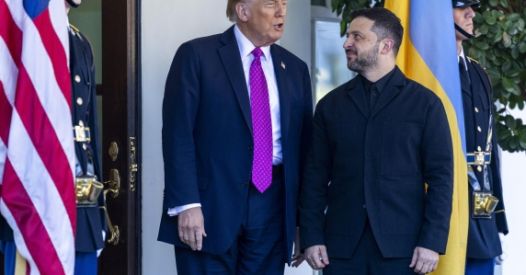




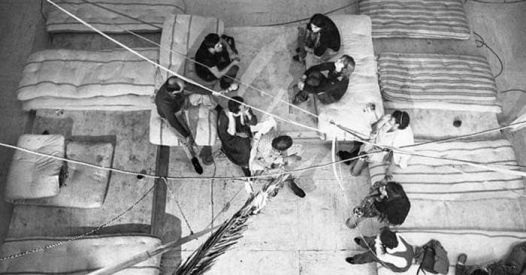





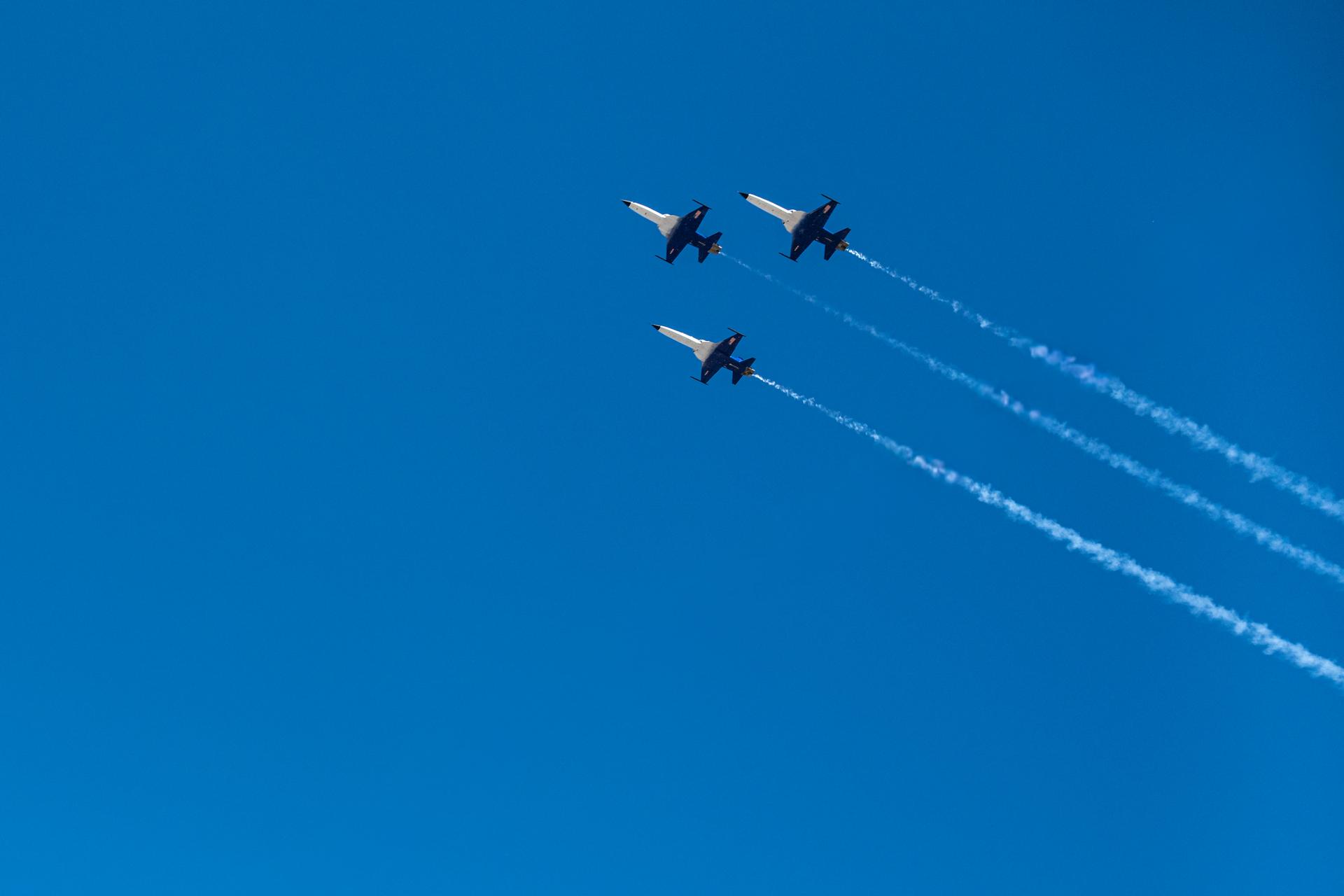
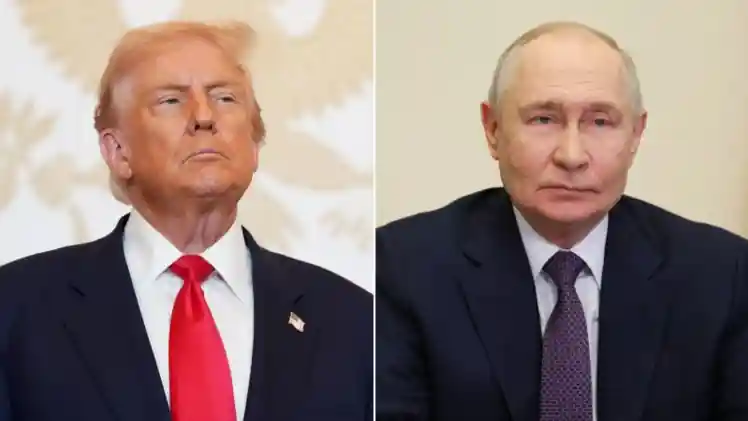





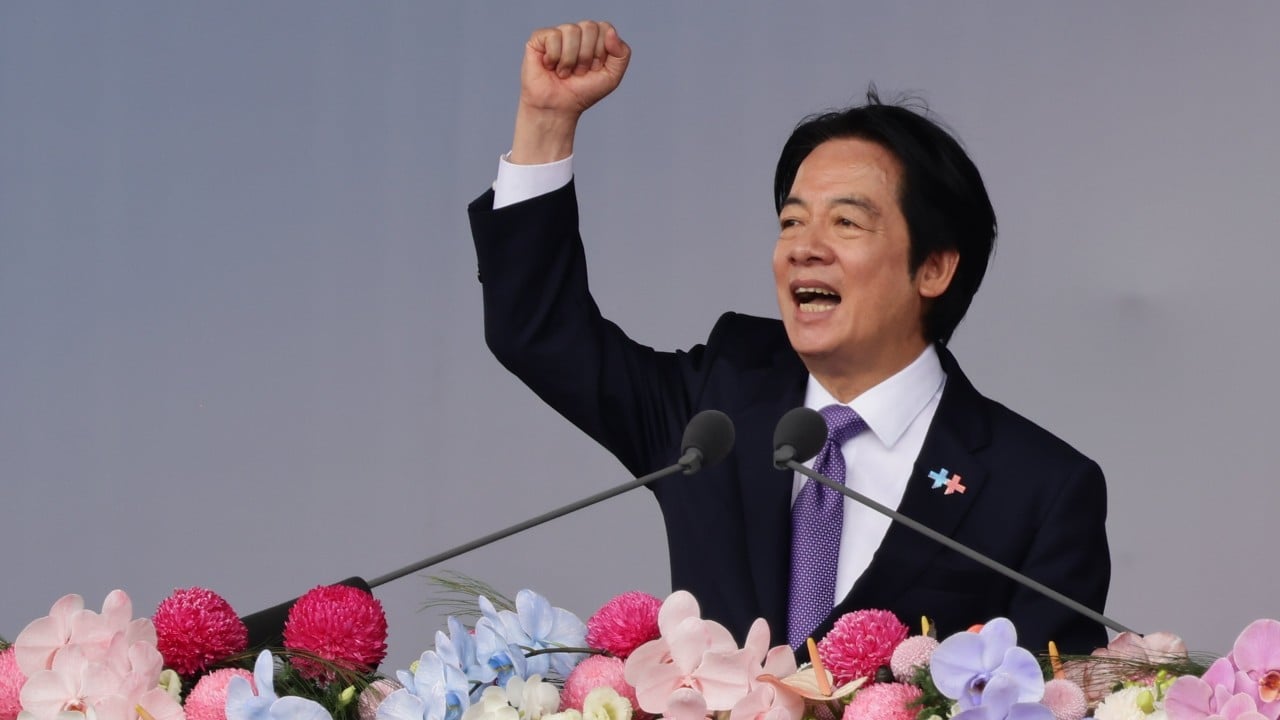


.jpg)