Advanced Mini-laboratories Automate Space Station Research
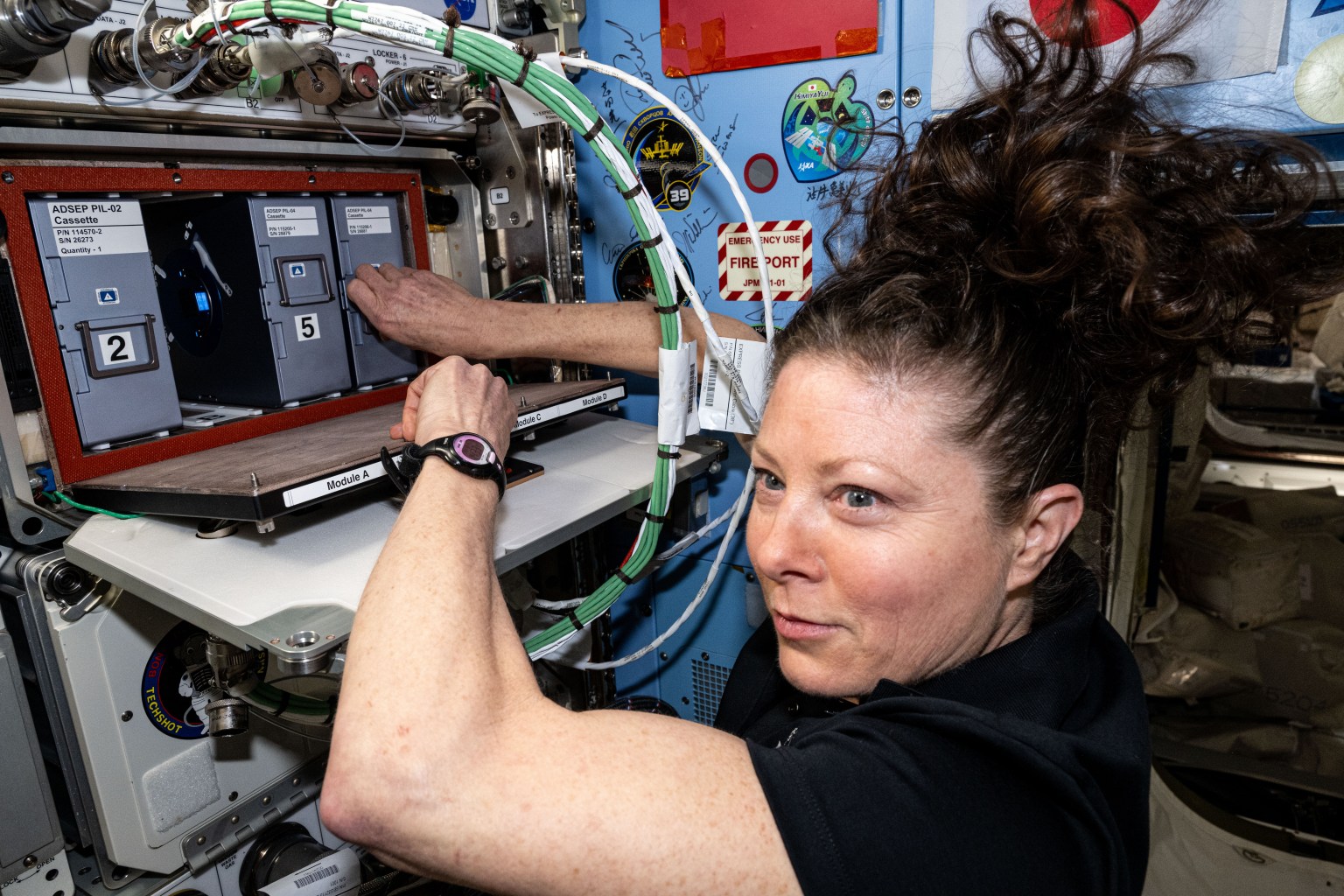
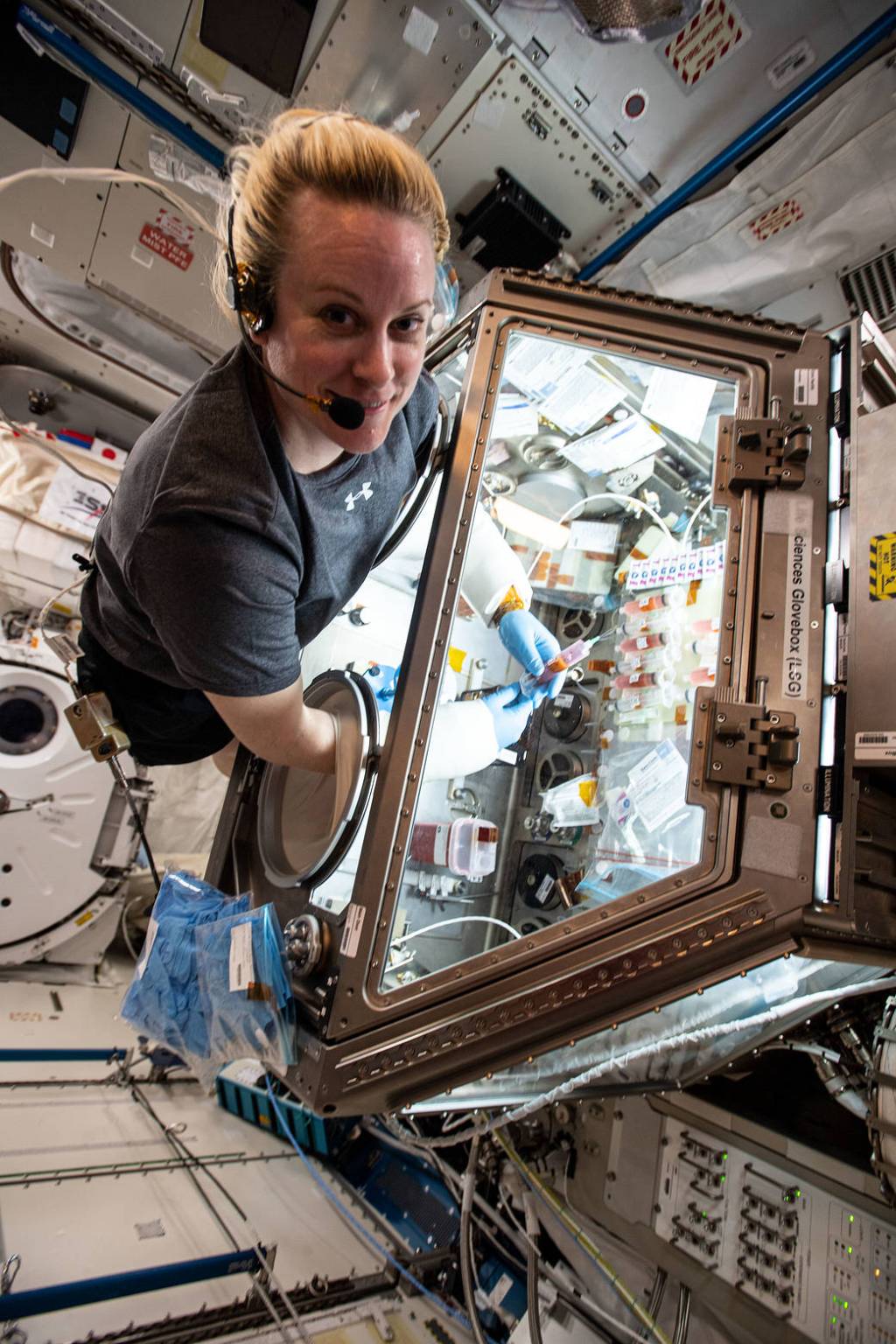
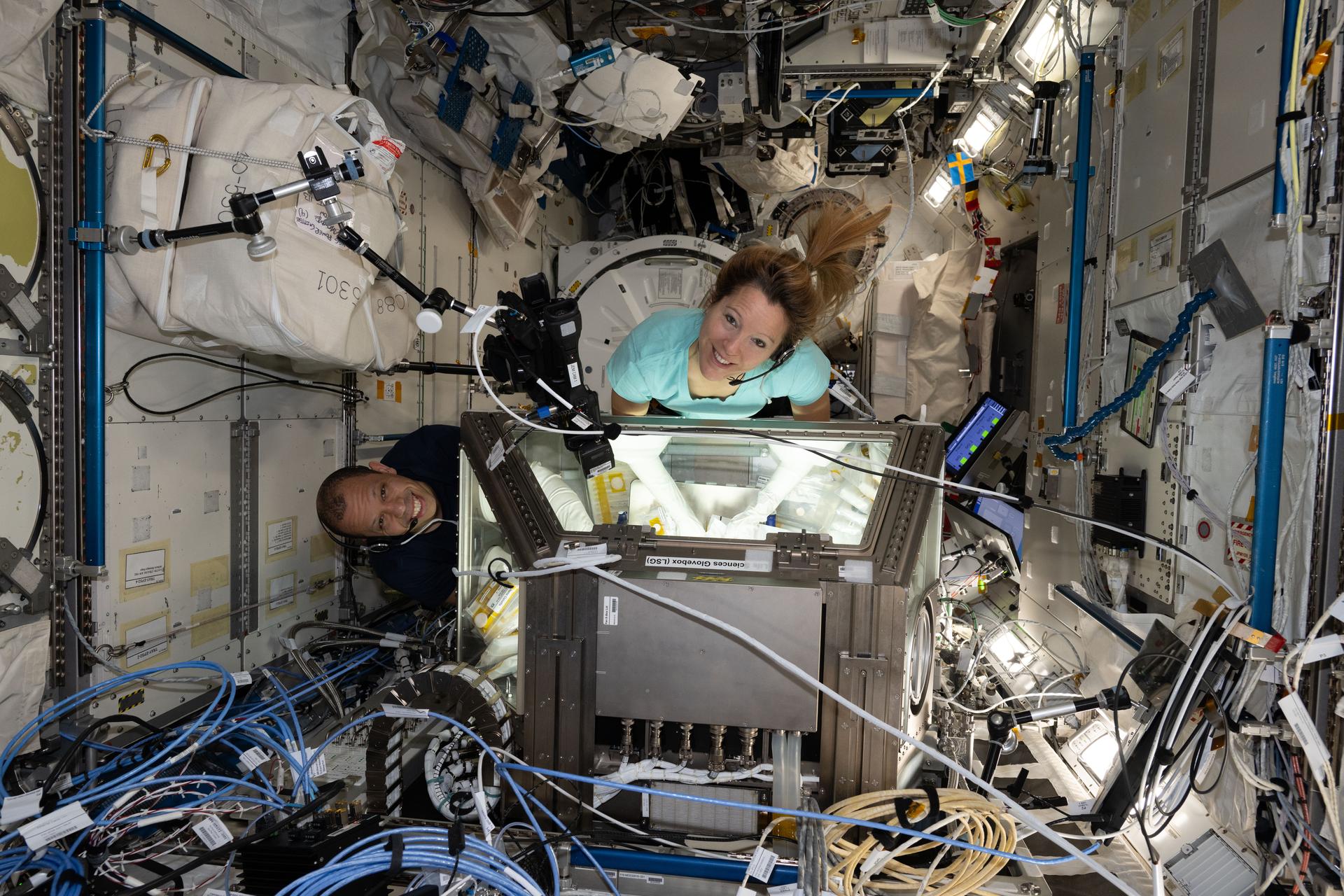
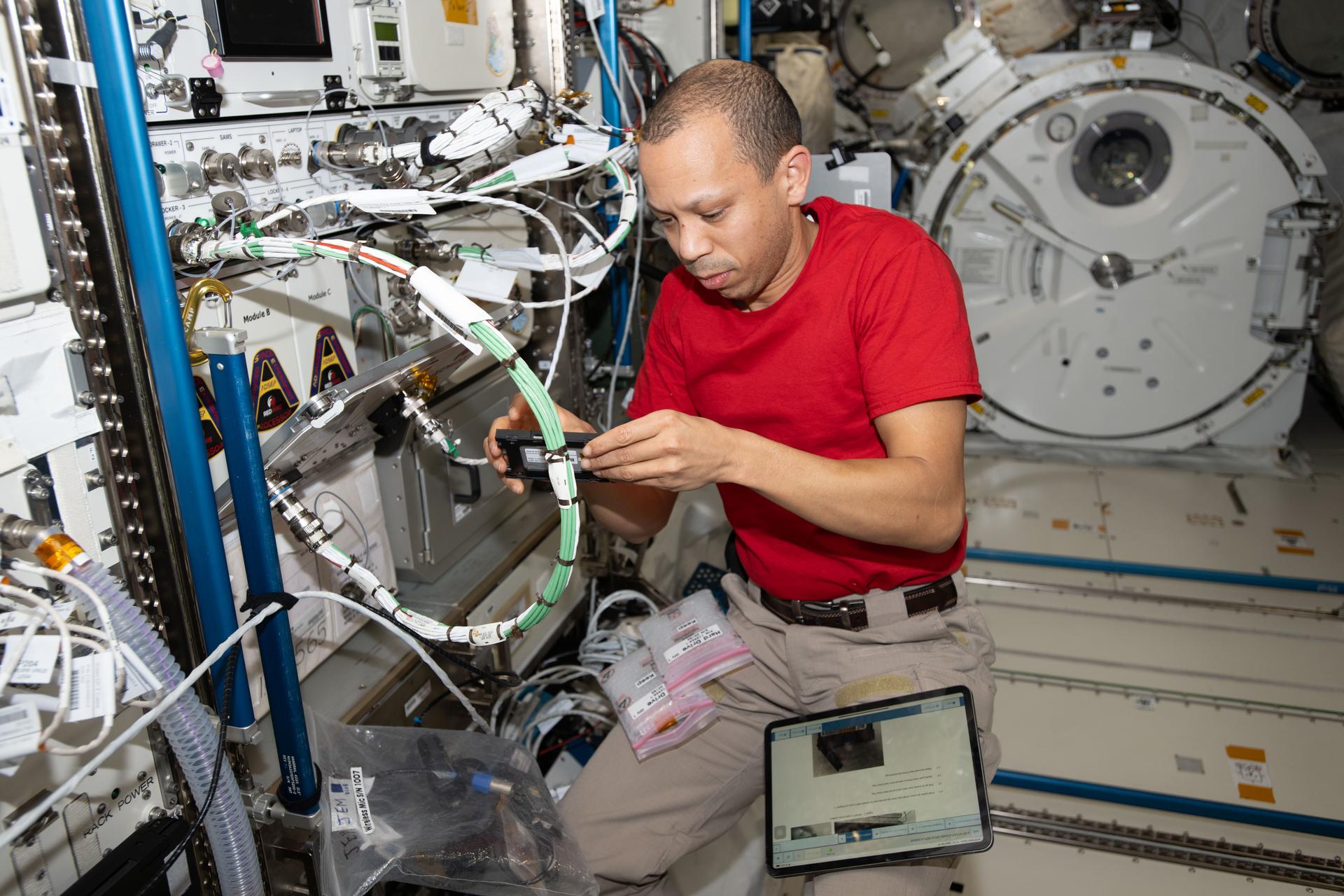
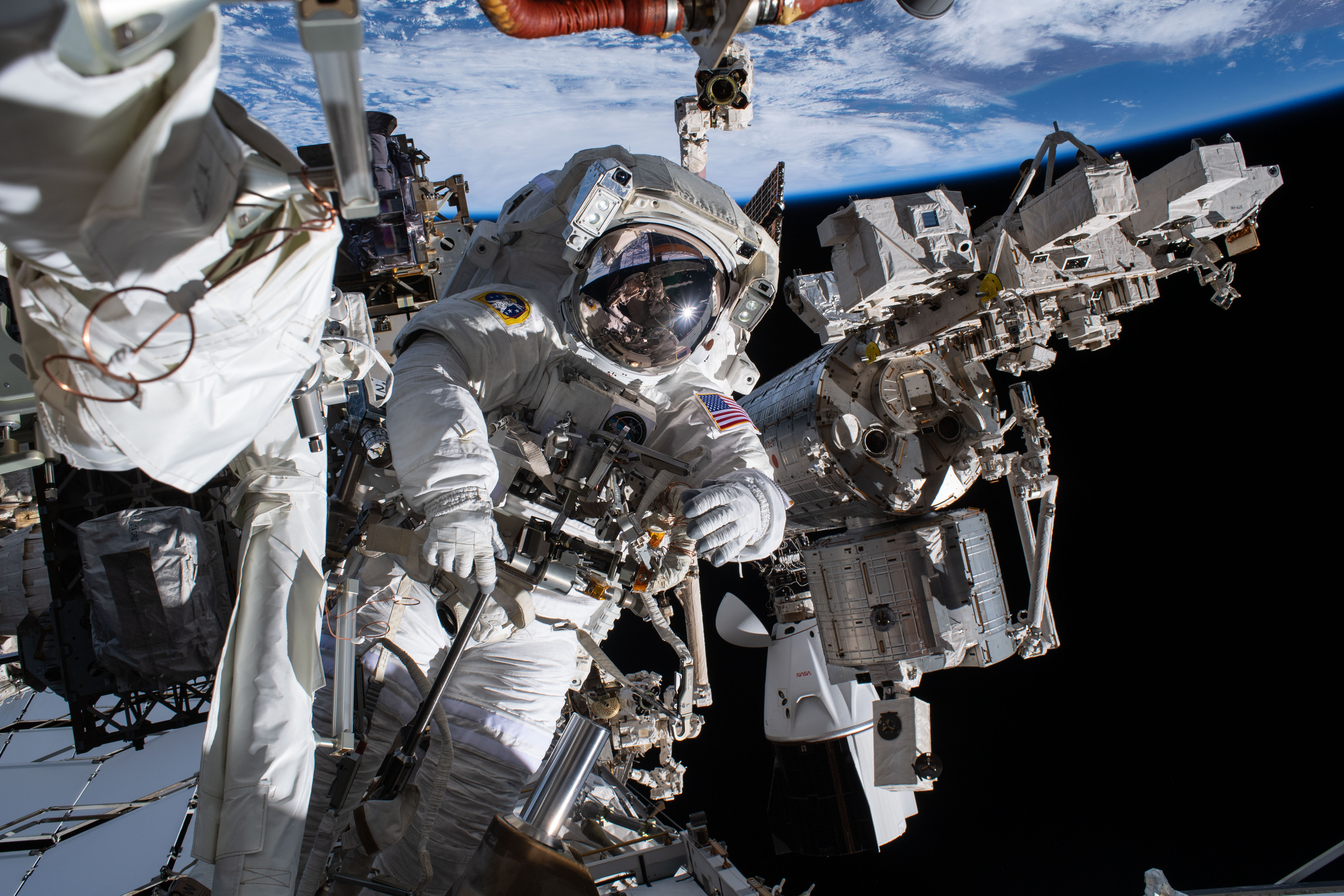
NASA astronaut Tracy C. Dyson swaps out sample processors in the Advanced Space Experiment Processor (ADSEP).
Credits: NASA
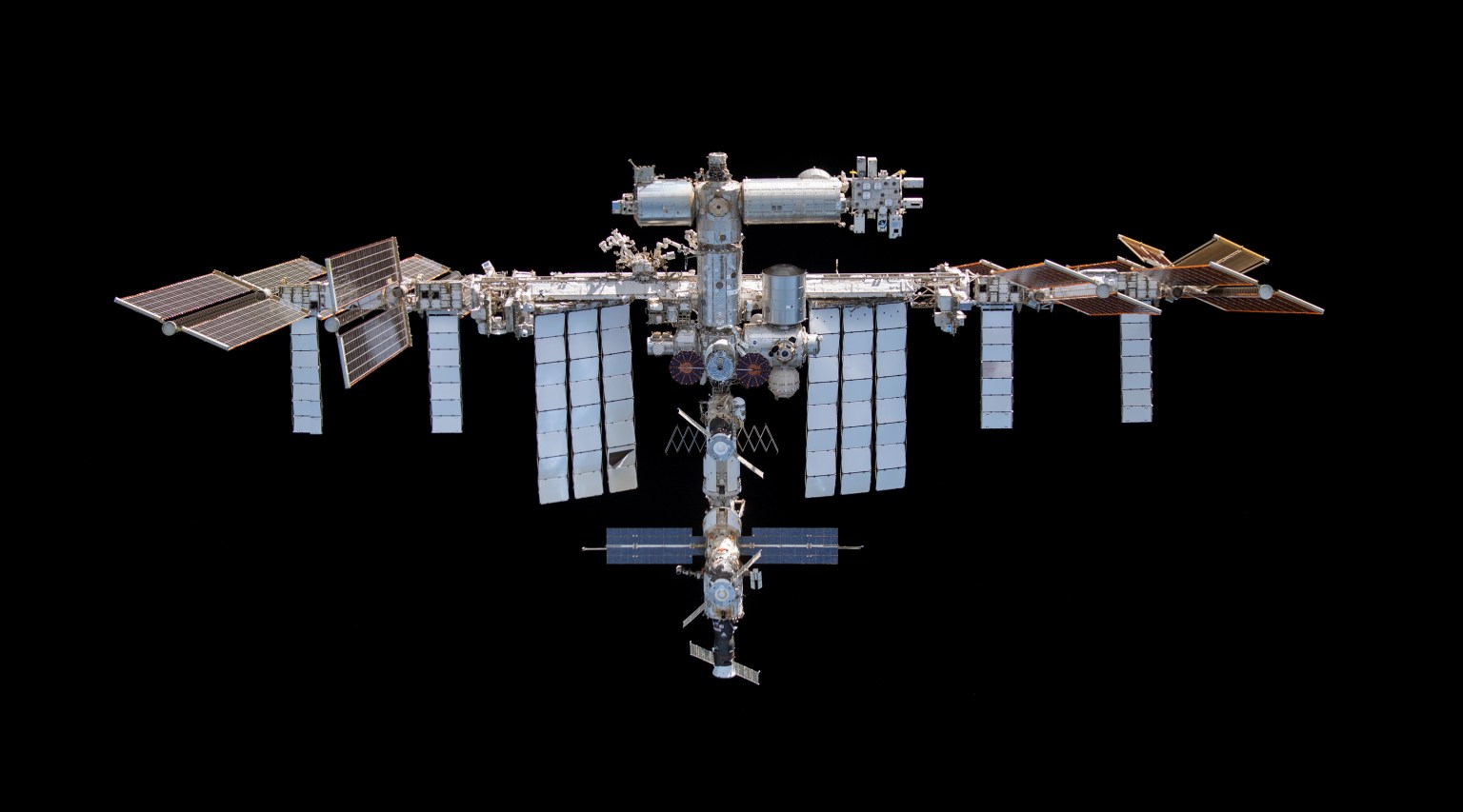
The International Space Station hosts hundreds of science experiments at a time. Some experiments can take hours to perform, and researchers need to account for astronauts’ limited time. Fully automated devices, like Redwire’s ADvanced Space Experiment Processors (ADSEPs), have been designed to conduct more space science with less crew time.
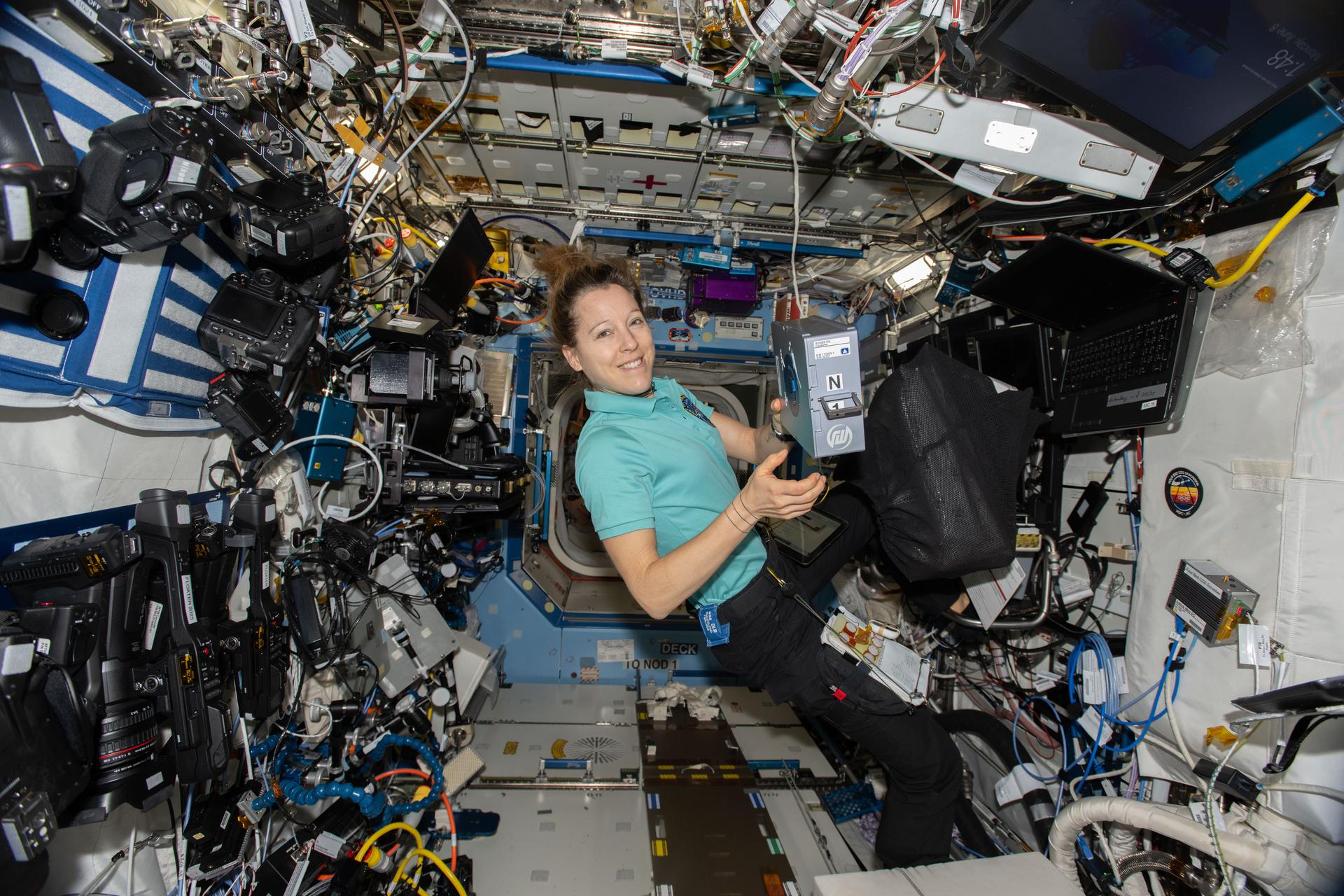
Within each ADSEP facility there are three to four “mini-laboratories”, called cassettes, that allow multiple studies with different needs to be performed at the same time. The latest model, ADSEP-4 can accommodate four cassettes and features imagery capabilities. Since 2017, ADSEPs have conducted and supported two dozen investigations aboard space station with new ones on the horizon.
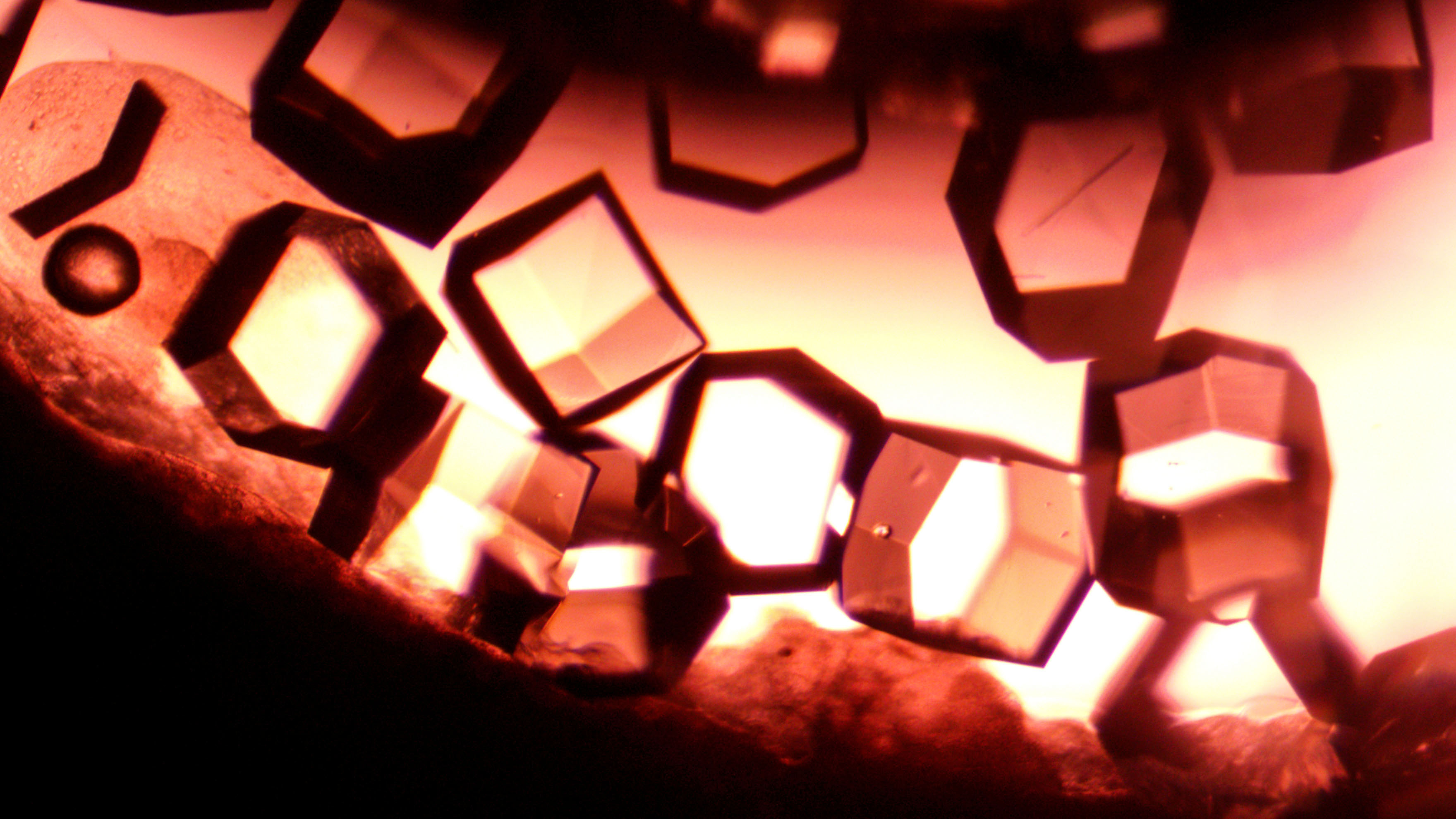
Crystals are grown aboard the International Space Station as part of ADSEP-PIL-02, an investigation that aims to study the effects of microgravity on various types of crystals.
Redwire
The latest ADSEP investigations are related to growing seed crystals in space, which can be used to reformulate existing drugs or develop entirely new therapeutics. Previous experiments have shown that the unique microgravity environment allows the growth of larger and higher quality crystals. With Redwire’s Pharmaceutical In-Space Laboratory (PIL-BOX), a cassette-based system that uses the ADSEP facility, researchers can grow improved, space-grown seed crystals.
European Space Agency (ESA) astronaut Sophie Adenot displays a cassette for the ADvanced Space Experiment Processor (ADSEP).
NASA
Notable PIL-BOX experiments sponsored by the ISS National Laboratory have focused on cancer research. The ADSEP-PIL-10 investigation, currently being conducted in orbit in collaboration with the Aspera Biomedicines, works to crystallize cancer-blocking and cancer-promoting molecules with the goal of creating an oral cancer medication. ADSEP-PIL-15 crystalized cancer-treating medicines to help refine production, quality, and stability of these cancer drugs. A recent technology demonstration, ADSEP- ICC (Industrial Crystallization Cassette), tested a larger cassette to expand ADSEP function and scale crystallization production for commercial use.
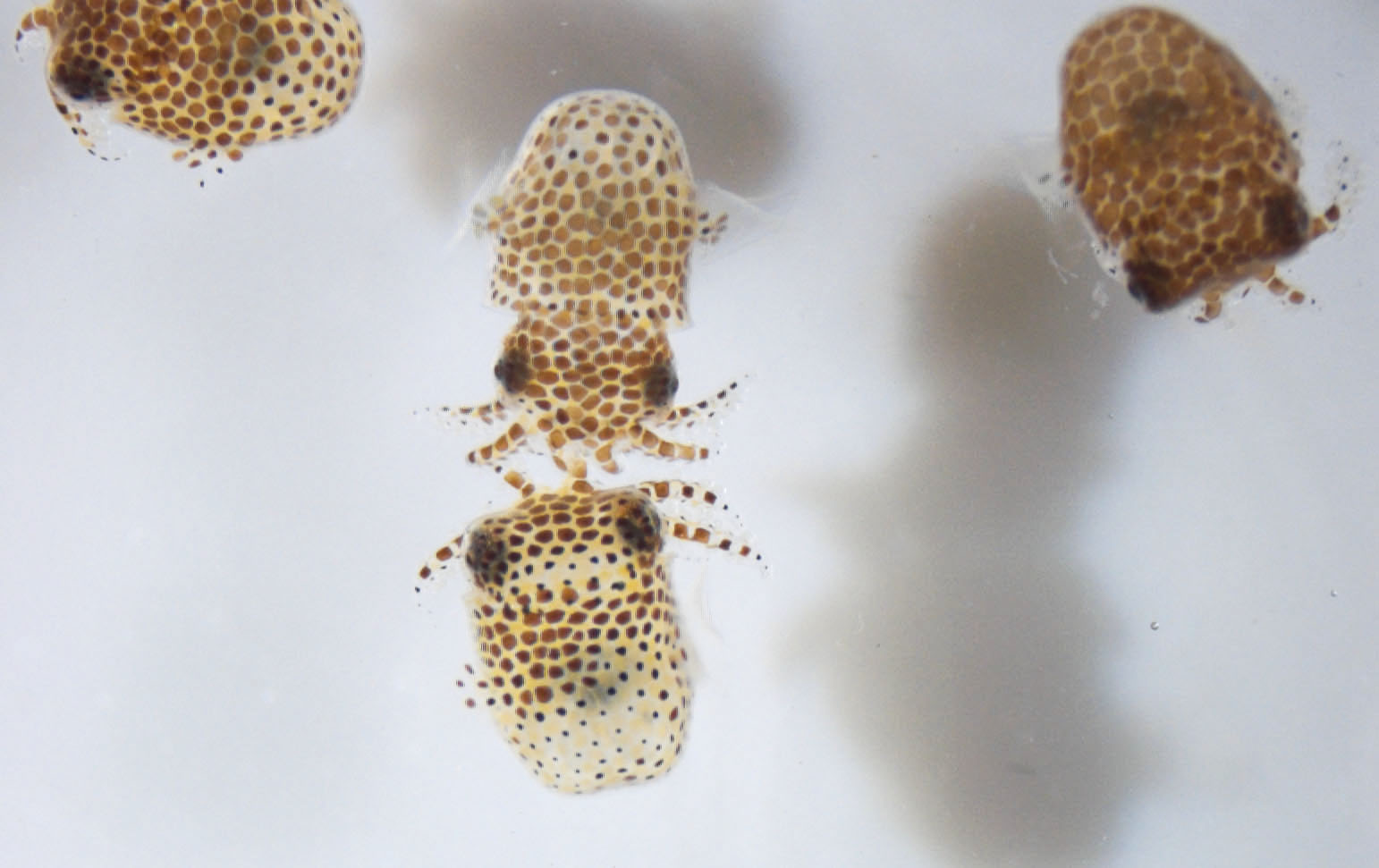
Juvenile bobtail squid swimming in seawater just after hatching as part of the ADSEP-UMAMI investigation.
University of Florida
ADSEPs are not limited to crystal growth and can also be used for culturing cells and tissues, studying organisms, and researching materials-sciences. In 2021, ADSEP-UMAMI studied how bobtail squid interacted with beneficial microbes in the space environment. This research found that symbiotic interactions with microbes can lessen a host animal’s stress responses caused by spaceflight and accelerate developmental pathways such as growing neurons and tissues. These findings give insight into the importance of symbiotic relationships in closed ecosystems like spacecraft and have implications for astronauts and their own beneficial bacteria during space missions.
The automation and versatility of ADSEPs permit a wide array of science experiments to be conducted aboard the orbiting laboratory, leading to findings that inform future space missions and are beneficial to people on Earth.
NASA Astronaut Chris Williams Closes Out Space Station Mission
After eight months aboard the International Space Station for his first mission, NASA astronaut Chris Williams is preparing to return to Earth. During his assignment, Williams contributed to research for new cancer treatments, advanced the production of materials to improve computers and electronics, ventured into the vacuum of space to complete two spacewalks, and much more. Williams’ work aboard the space station helped to improve life on Earth and prepare for future missions to the Moon and Mars.
Here are some of the research highlights from his mission:
Cancer-fighting constructs
NASA
NASA astronaut Chris Williams and ESA (European Space Agency) astronaut Sophie Adenot work to process DNA-inspired materials that could advance new cancer treatments for people on Earth. In space, these rod-shaped materials form more evenly and consistently, which may improve their performance and readiness for treatments on Earth. While there have been major advancements in cancer therapies, many treatments can affect the whole body and cause side effects without fully treating solid tumors. This research aims to enable targeted cancer therapies that reach deep into tumors, stay in the body longer, and release medicine in a more controlled way.
NASA astronaut Chris Williams conducts research to grow semiconductor crystals in space. In microgravity, researchers can grow more crystals of the desired size than can be produced on Earth. Previous research shows that space-grown crystals can offer increased performance to help advance technologies like high-performance computers, artificial intelligence, and medical devices. This research lays the groundwork for commercial semiconductor manufacturing in space and advances the semiconductor industry.
Learn more about In-Space Production of Semimetal-Semiconductor Composite Bulk Crystals in Microgravity (SUBSA-InSPA-SSCug).
Eyeing Earth
Roscosmos
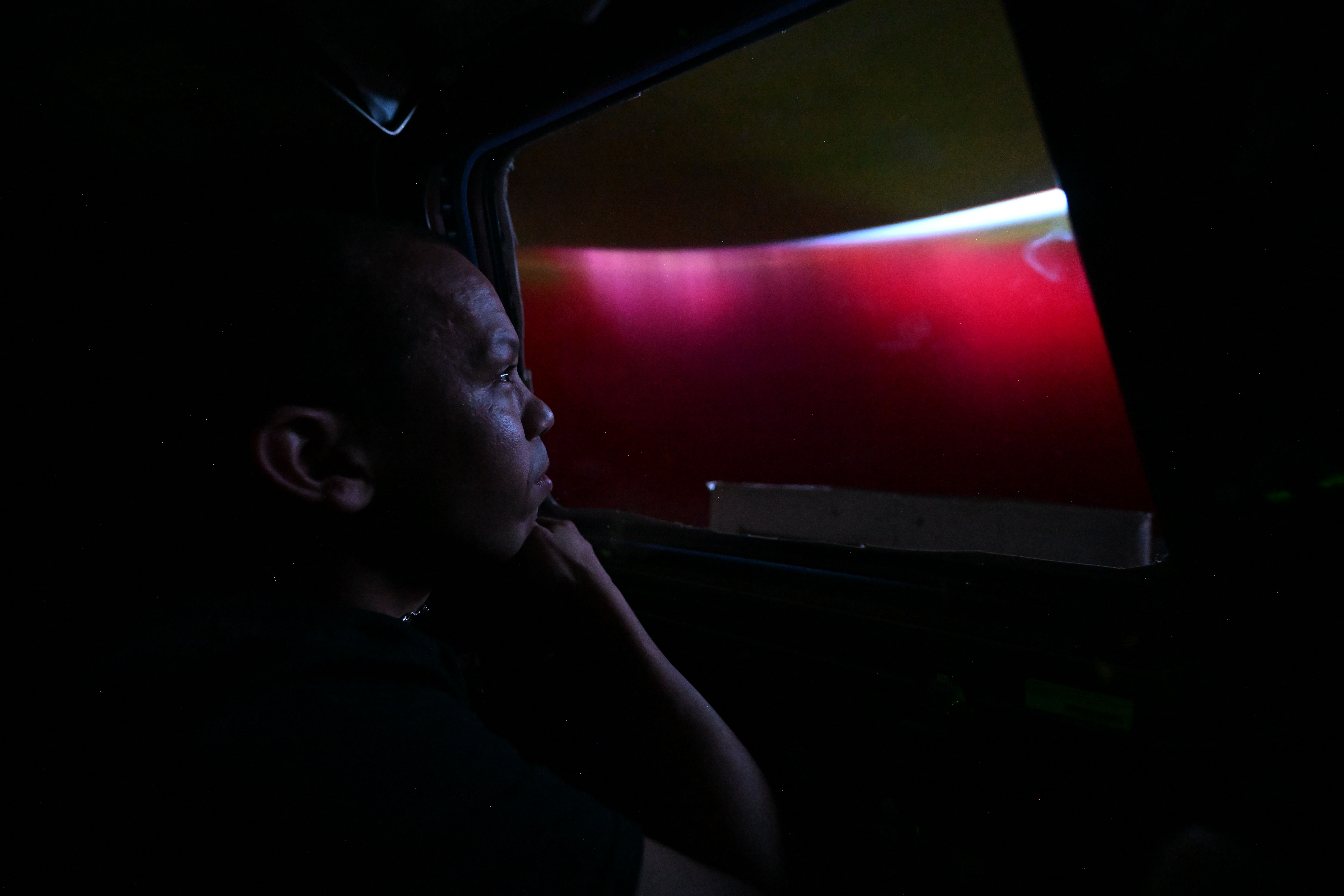
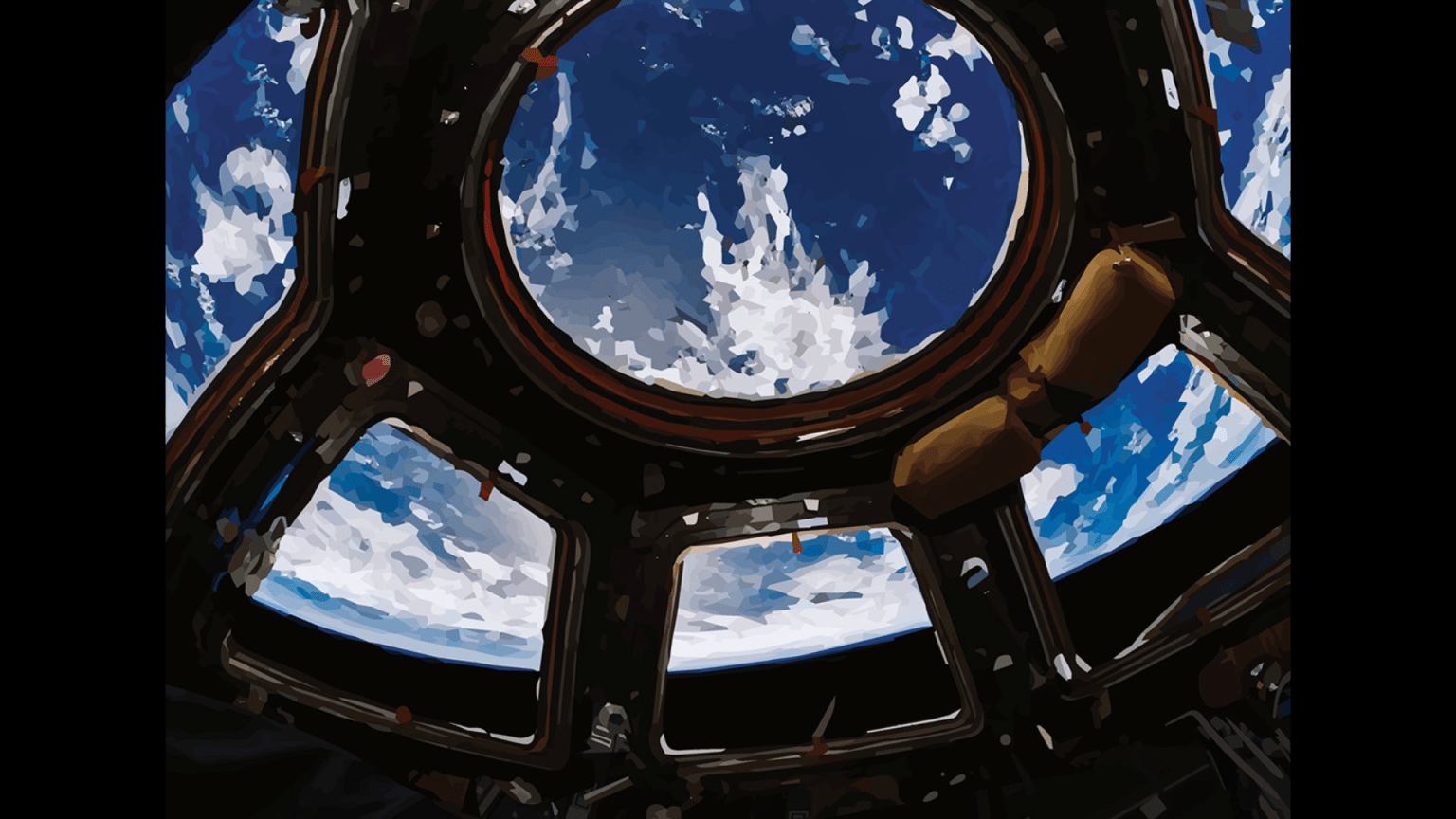
NASA astronaut Chris Williams looks out of a cupola window at a red aurora glowing above the Earth. Since the 1960s, astronauts have photographed Earth from space to help scientists monitor the planet’s changing landscapes, natural disasters, and other features over time. Along the way, astronauts also have captured images of celestial objects such as comets, auroras, and the Milky Way.
Sub-zero medical samples
NASA
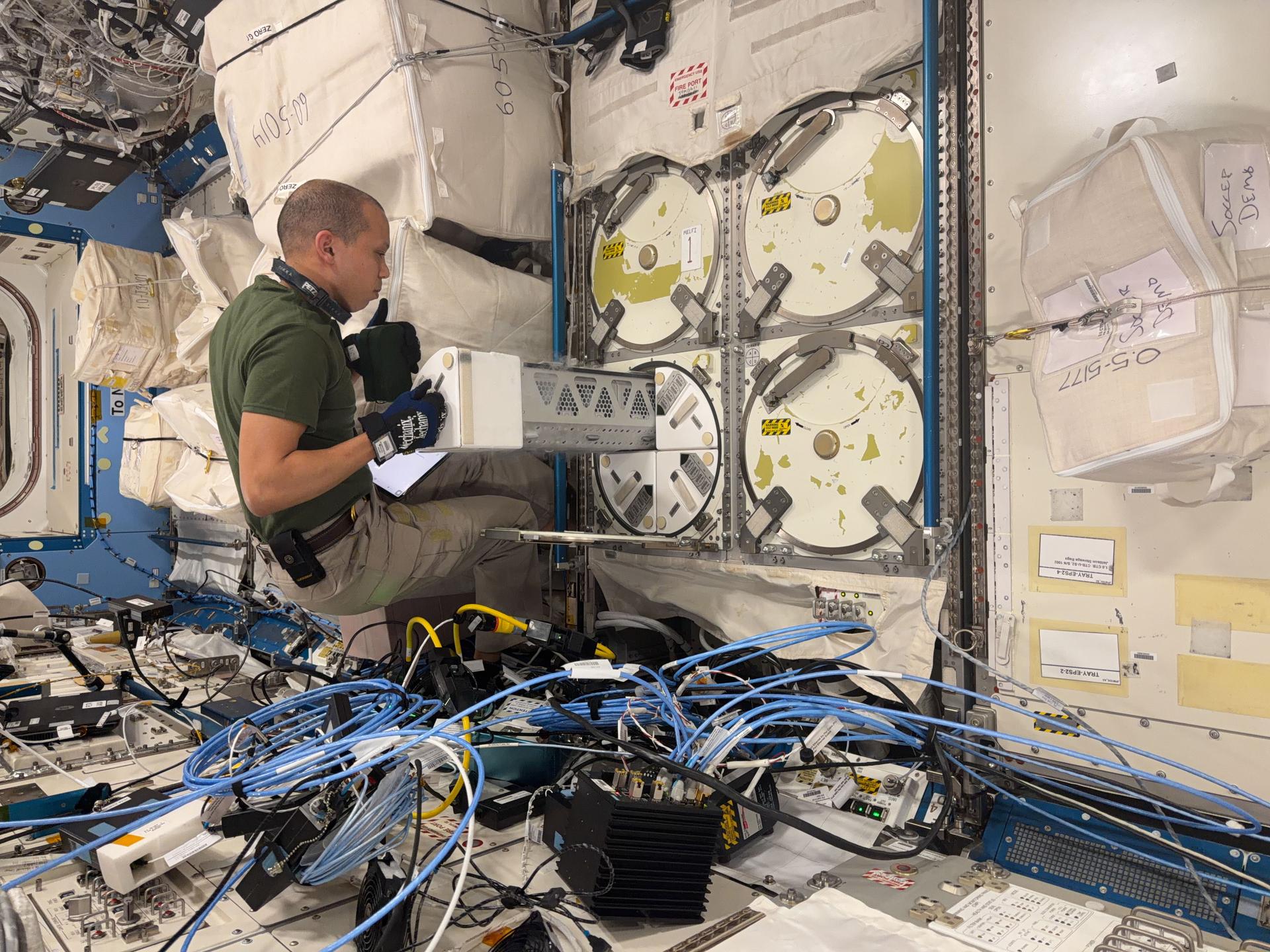
NASA astronaut Chris Williams works with a special freezer aboard the International Space Station that keeps research samples at ultra-cold temperatures until they can return to Earth. Throughout each mission, astronauts collect biological samples like blood and urine to help scientists understand how long-duration spaceflight affects the human body. Observing crew members during their space missions and studying these frozen samples back on Earth helps NASA protect astronaut health during future missions to the Moon, Mars, and beyond.
Learn more about the Minus Eighty-Degree Laboratory Freezer for the International Space Station (MELFI) and Human Research.
Capturing cargo
NASA
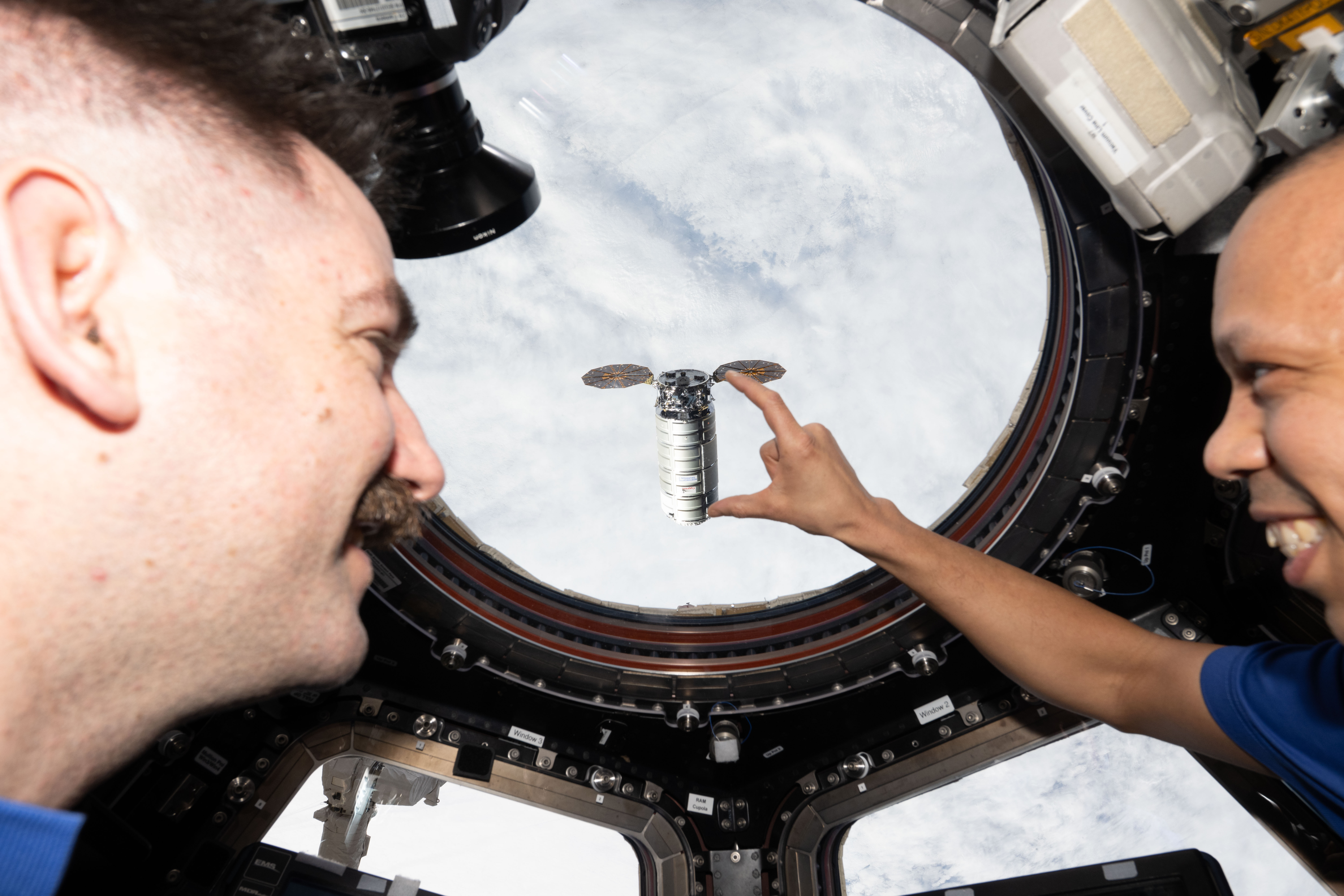
NASA astronauts Jack Hathaway and Chris Williams watch from the cupola windows as Northrop Grumman’s Cygnus XL cargo spacecraft approaches the International Space Station. The two played key roles in the capture of the spacecraft, which delivered approximately 11,000 pounds of supplies, including fresh food, life support equipment, and scientific research as part of NASA’s Northrop Grumman Commercial Resupply Services 24 mission. Cargo missions help keep the space station operating and provide astronauts with the supplies they need to live, work, and conduct research in orbit.
Blocking biofilms
NASA
NASA astronaut Chris Williams works on an investigation that tests the use of ultraviolet light to help prevent the formation of microbial colonies, called biofilms. Biofilms can clog and contaminate water systems, damage equipment, and pose health risks to astronauts. This research aims to keep surfaces cleaner and safeguard systems during long-duration space missions. Using UV light for sanitation also could reduce the need for chemical disinfectants in space, decreasing the risk of chemical exposure and eliminating difficulties in transporting or storing supplies.
Learn more about Germicidal Ultraviolet Light Biofilm Inhibition (GULBI).
Strengthening solar power
NASA
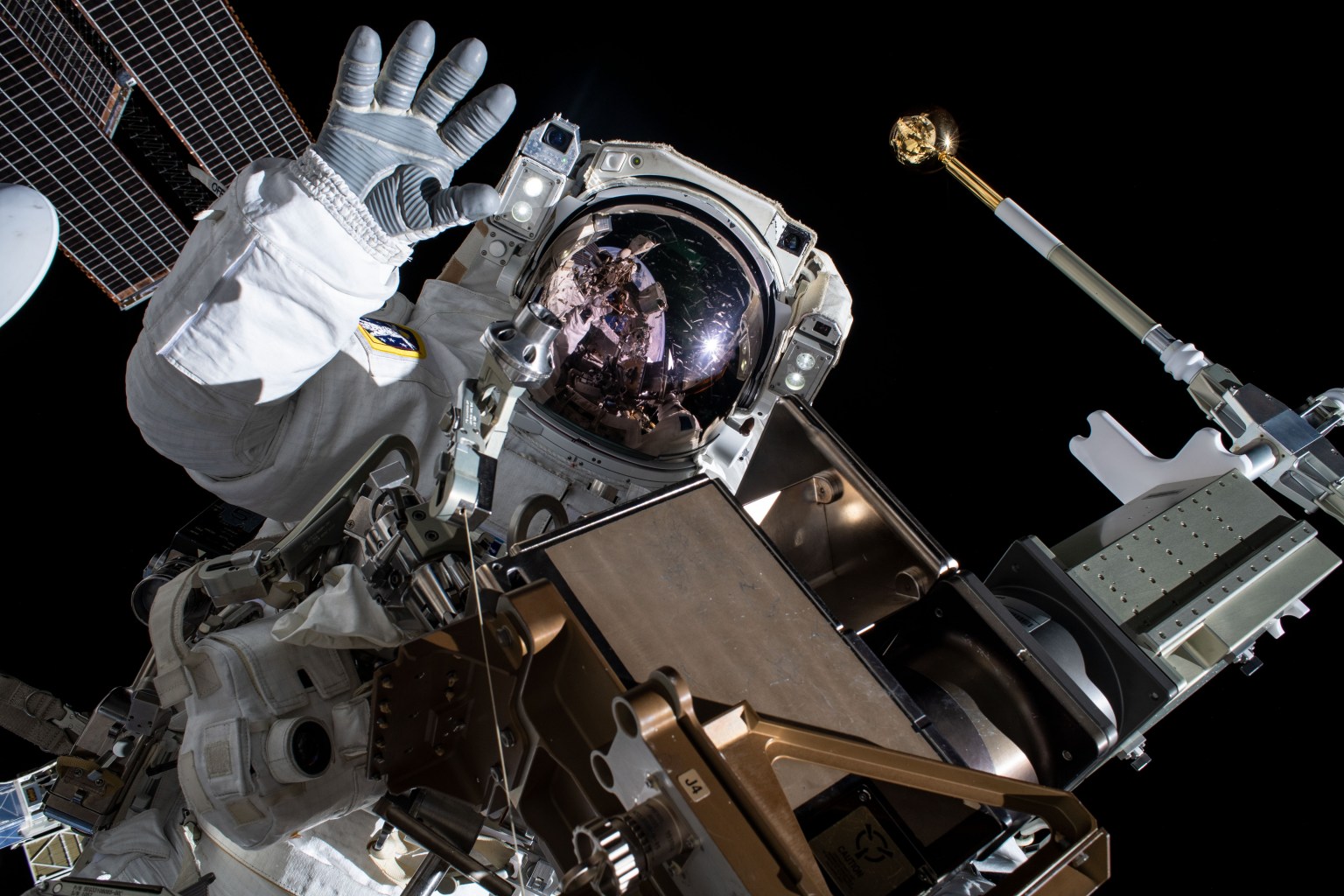
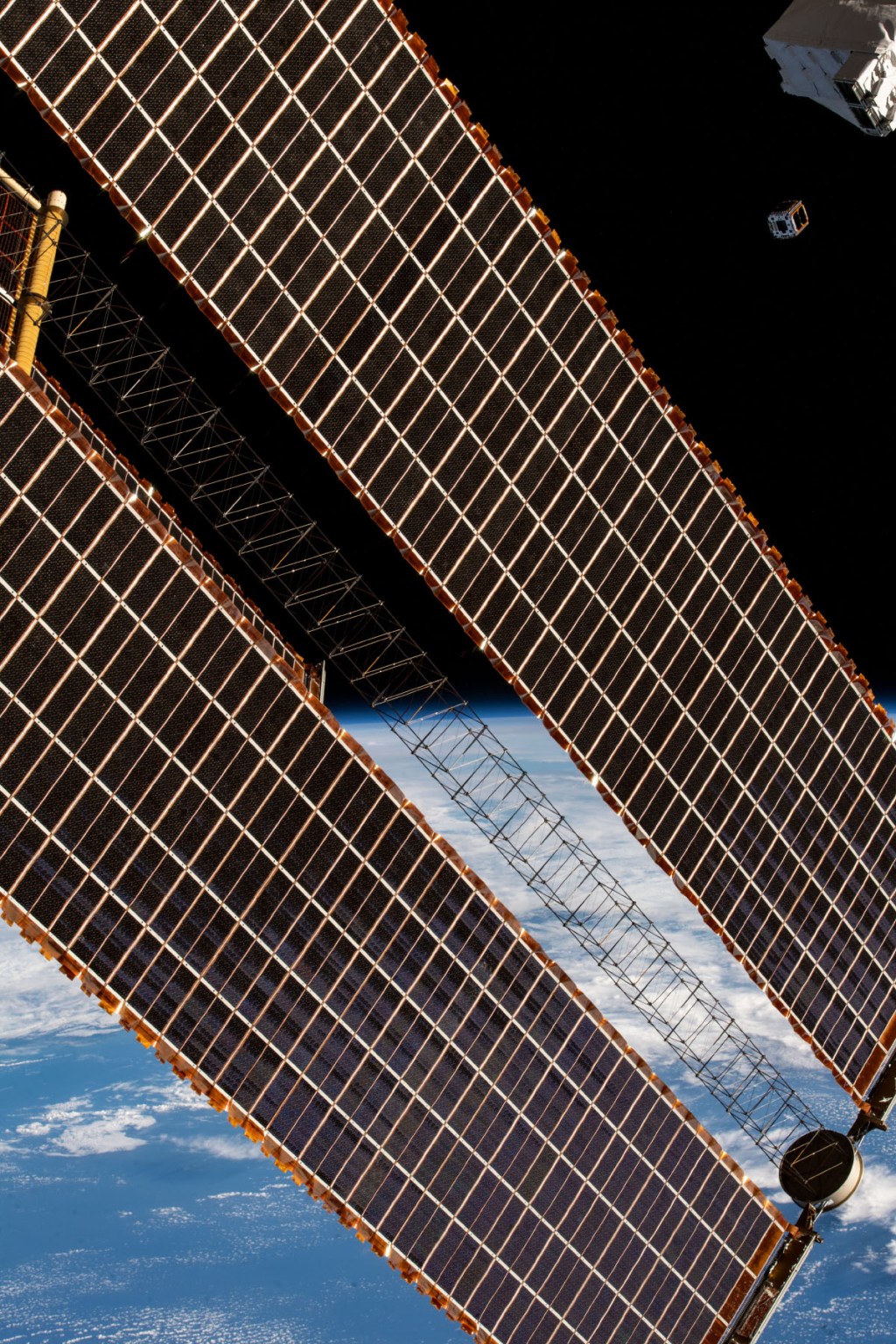
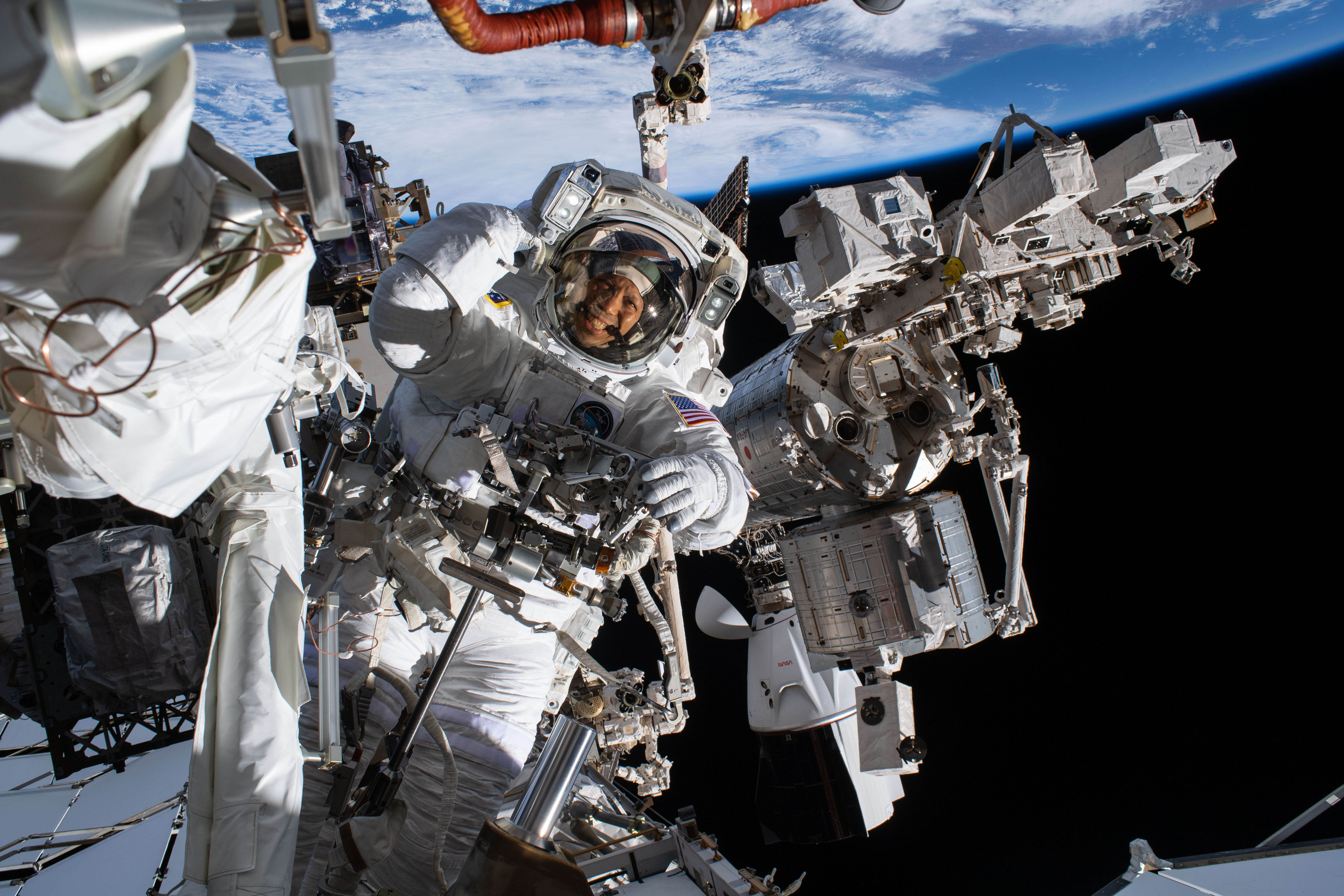
NASA astronaut Chris Williams ventured outside the International Space Station for two spacewalks during his mission. In June, he helped make repairs to Canadarm2, a robotic arm that captures cargo spacecraft and deploys external research. In March, Williams prepared the orbiting laboratory for new solar arrays to be added to the station in a future spacewalk. Once installed, the final set of International Space Station Roll Out Solar Arrays (IROSA) will complete the full suite of additional solar power, increasing the station’s power generation by about 30% and enhancing support for scientific research and daily operations. The same solar array technology also powered NASA’s Double Asteroid Redirection Test and could support future missions to the Moon and Mars.
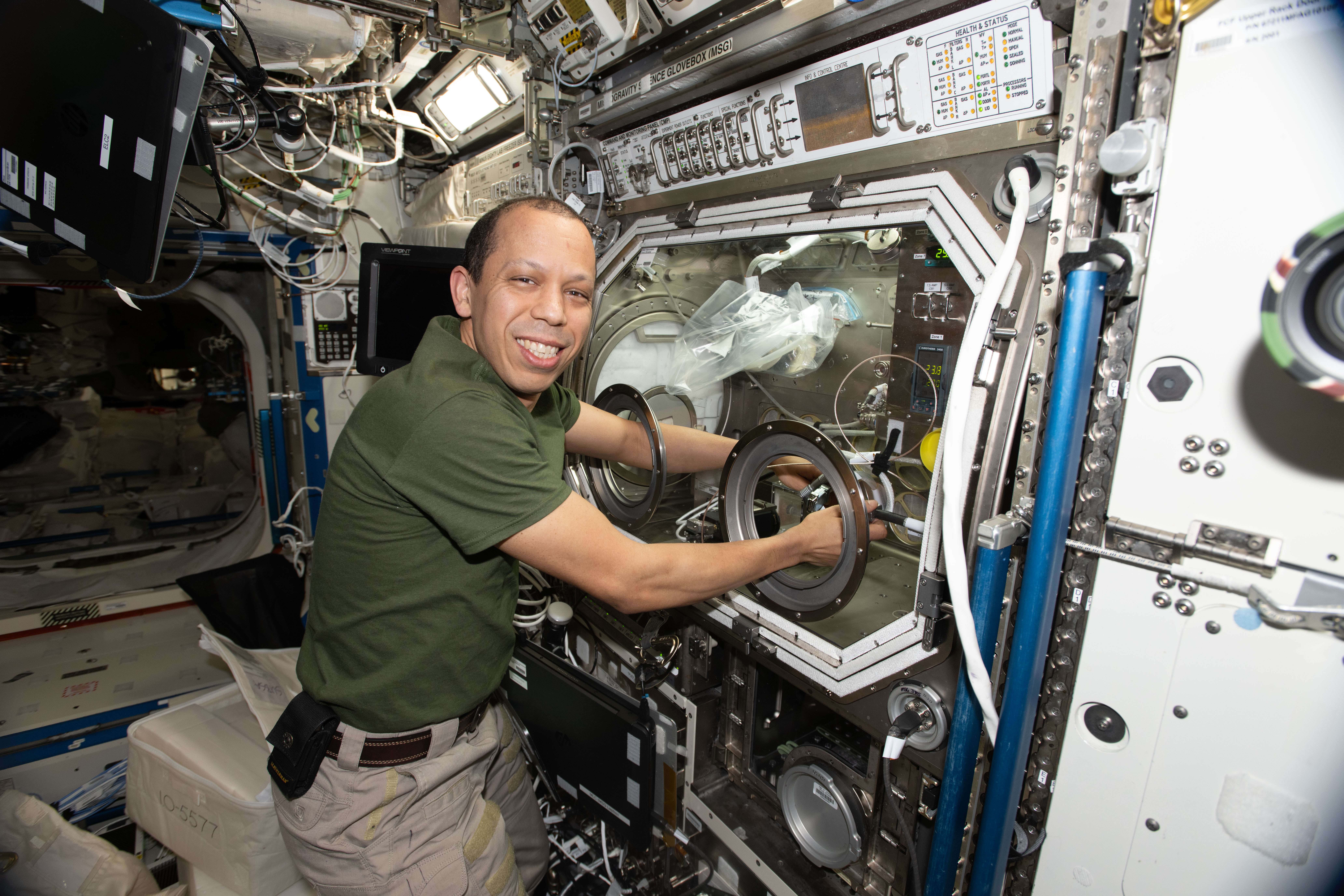
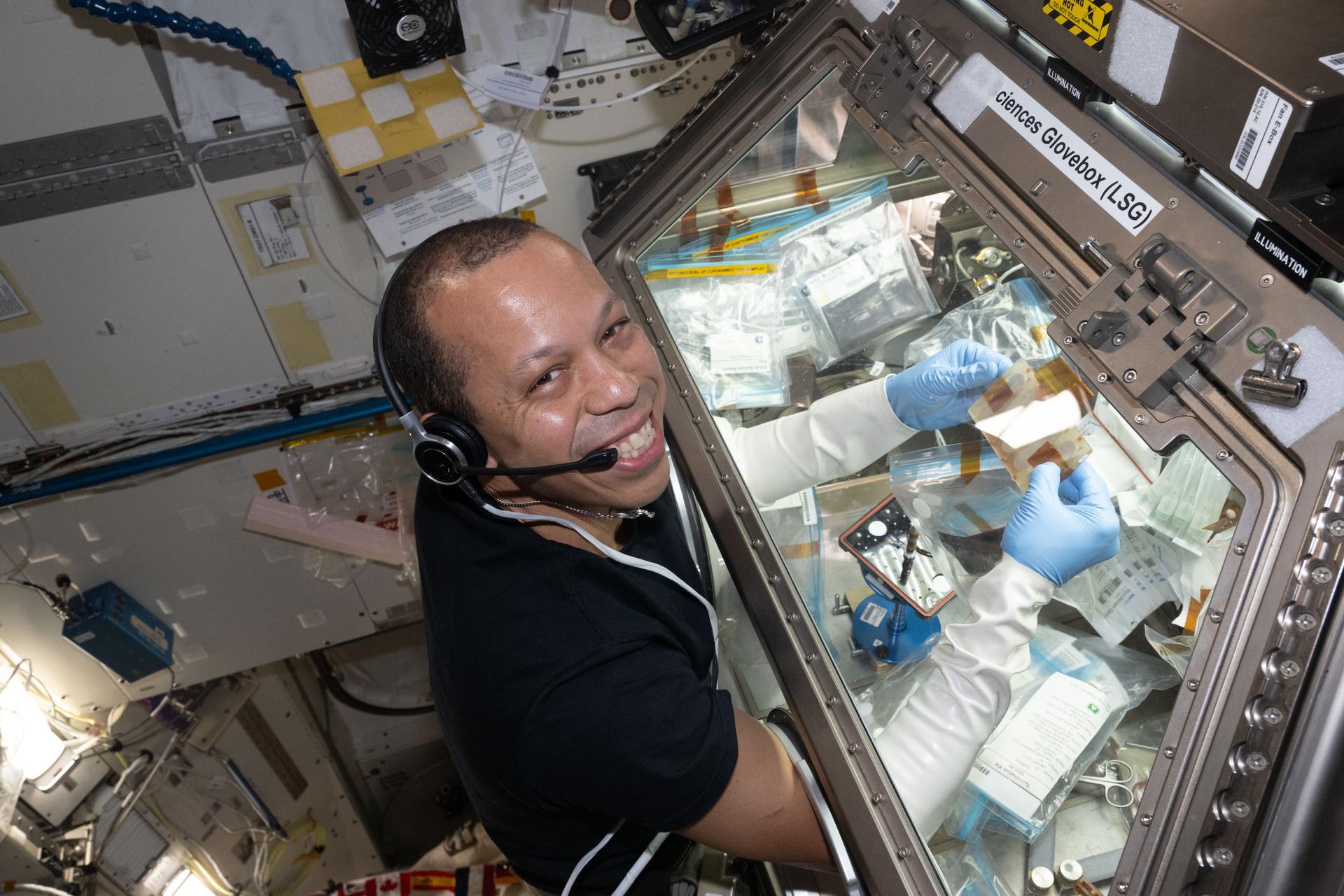
NASA astronaut Chris Williams works with hardware to support the development of new cancer and disease treatments by studying the growth of protein crystals for pharmaceuticals. In space, protein crystals form higher-quality structures than they do on Earth, allowing researchers to better understand how to target and treat disease. Here, Williams works with a project that aims to develop a new formula for a cancer treatment that could be taken orally. Growing protein crystals in space paves the way for more commercial companies to create new therapies that could improve patient outcomes on Earth.
Learn more about the Pharmaceutical In-space Laboratory (ADSEP-PIL-10).
Robotic refinement
NASA
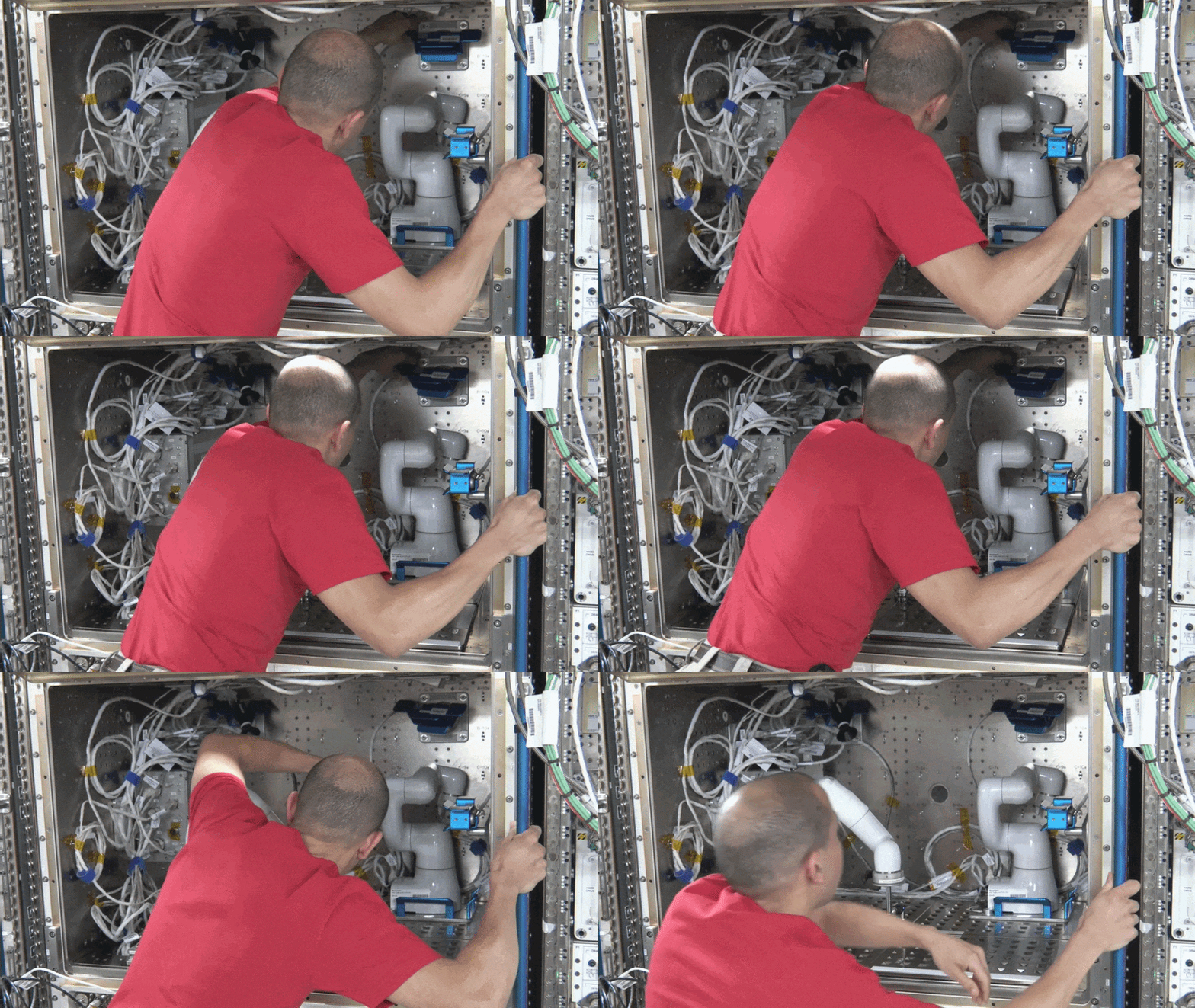
NASA astronaut Chris Williams works with equipment that tests the performance of small robotic arms in space. Some experiments and operations require very precise movements, where tiny errors can significantly impact results. Understanding how microgravity affects delicate robotic operations helps researchers improve designs for future automated systems that can perform operations while astronauts focus on the most critical tasks.
Learn more about the Test facility for lab-aUtomation System in Kibo (TUSK).
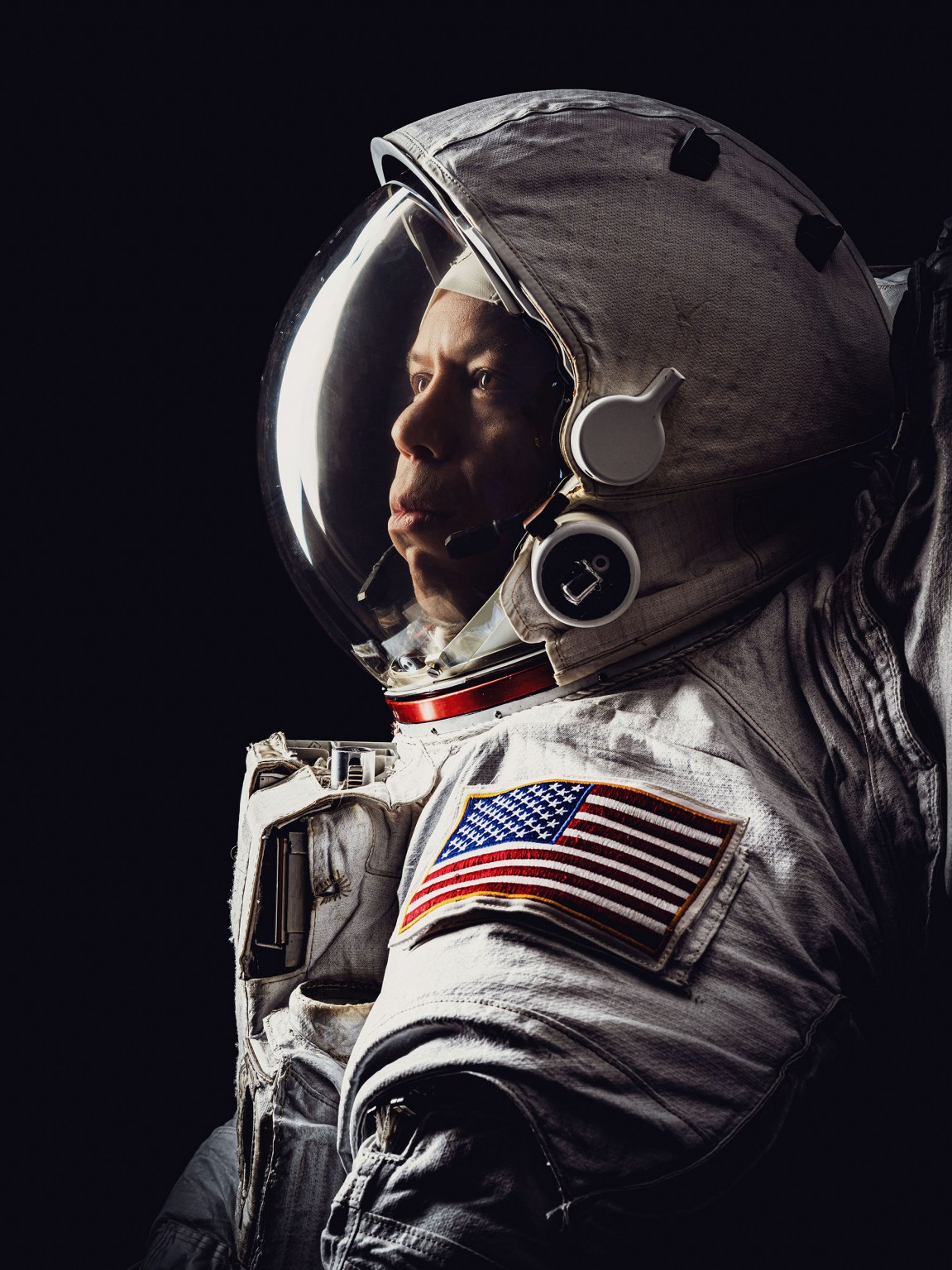
NASA astronaut Chris Williams is set to return to Earth after an eight-month mission aboard the International Space Station. During his assignment, Williams ...

 Accedi