Vista elenco

Ricevuto prima di ieri

NASA Develops Blockchain Technology to Enhance Air Travel Safety and Security 

16 Gennaio 2026 ore 21:11

3 min read

Preparations for Next Moonwalk Simulations Underway (and Underwater)

By Supreet Kaur

In an era where data security is critical to aviation safety, NASA is exploring bold new solutions. 

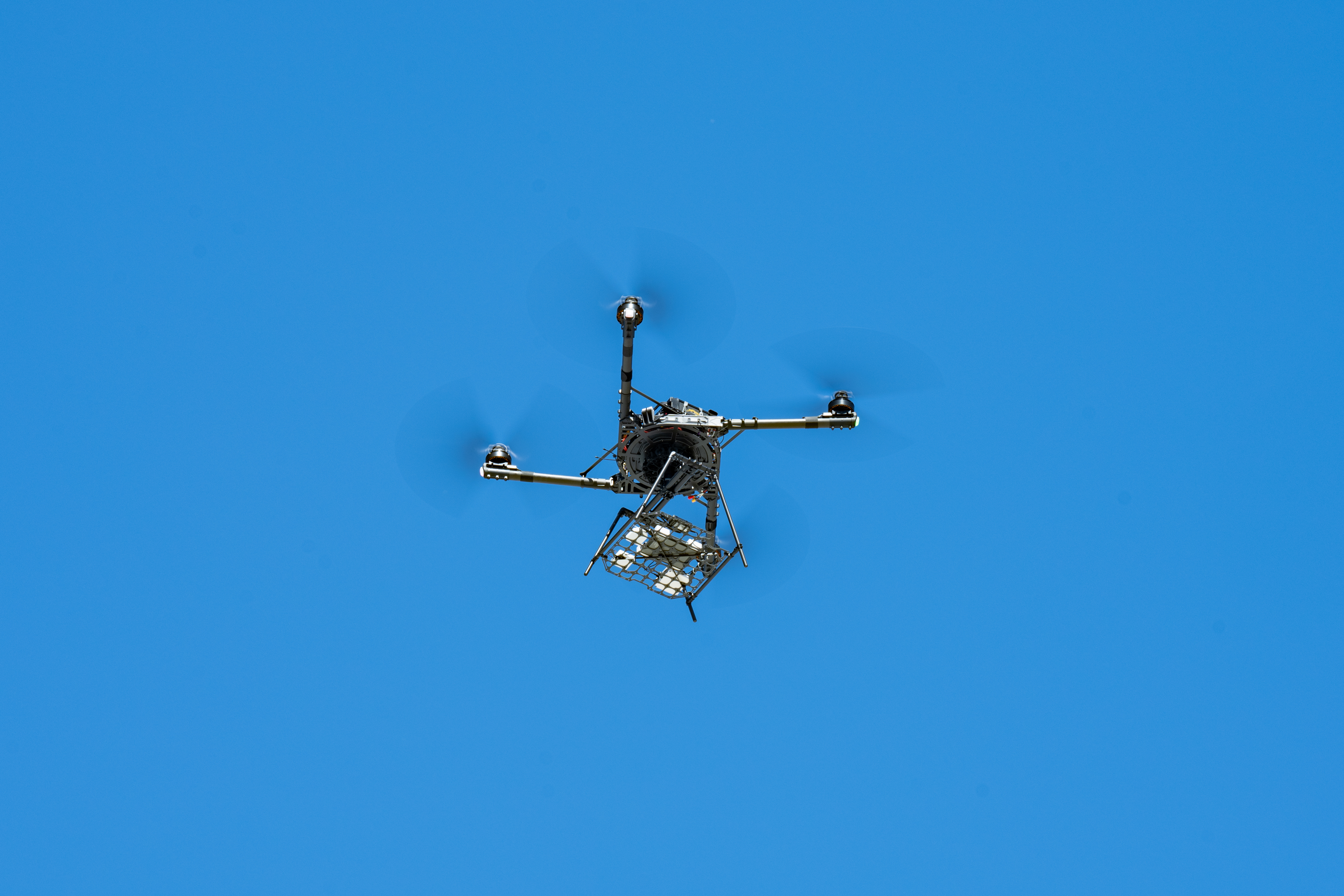
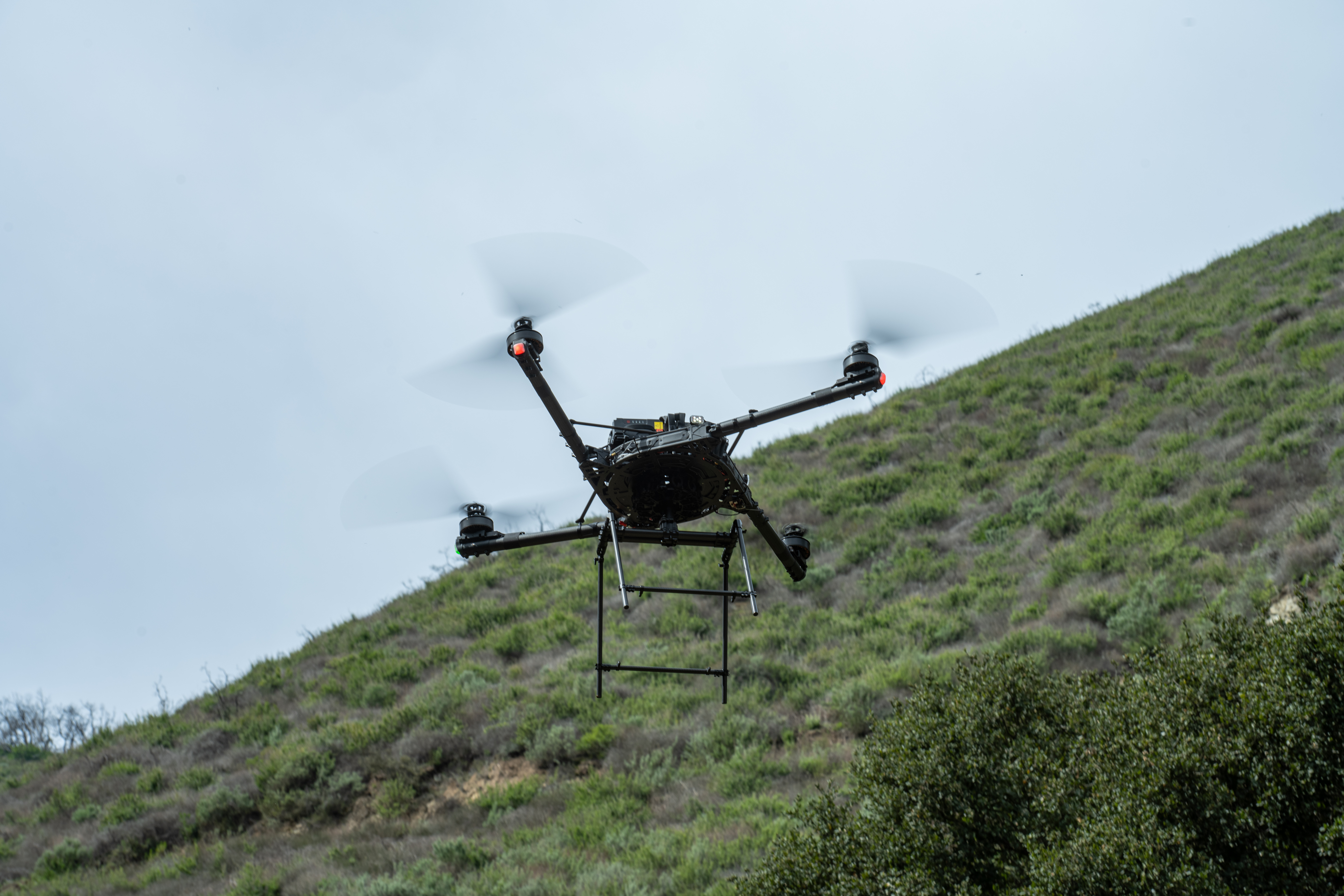
An Alta-X drone carries a custom built simulated Unmanned Aircraft Systems environment payload for the new blockchain system tests.   
Credit: NASA/Brandon Torres Navarette 

Through a drone flight test at NASA’s Ames Research Center in California’s Silicon Valley, researchers tested a blockchain-based system for protecting flight data. The system aims to keep air traffic management safe from disruption and protect data transferred between aircraft and ground stations from being intercepted or manipulated. 

For aviation and airspace operations to remain safe, users need to be able to trust that data is reliable and transparent. While current systems have been able to protect flight data systems, cyberthreats continue to evolve, requiring new approaches. NASA researchers found the blockchain-based system can safely transmit and store information in real time. 

Blockchain operates like a decentralized database — it does not rely on a single computer or centralized system. Instead, it shares information across a vast network, recording and verifying every change to a dataset. The system ensures the data stays safe, accurate, and trustworthy.  

Previous cybersecurity research focused on implementing a layered security architecture — using multiple physical and digital security measures to control system access. For this test, researchers took a different approach using blockchain to address potential threats.  

Using drones allowed the team to show that the blockchain framework could yield benefits across several priority areas in aviation development, including autonomous air traffic management, urban air mobility, and high-altitude aircraft.  

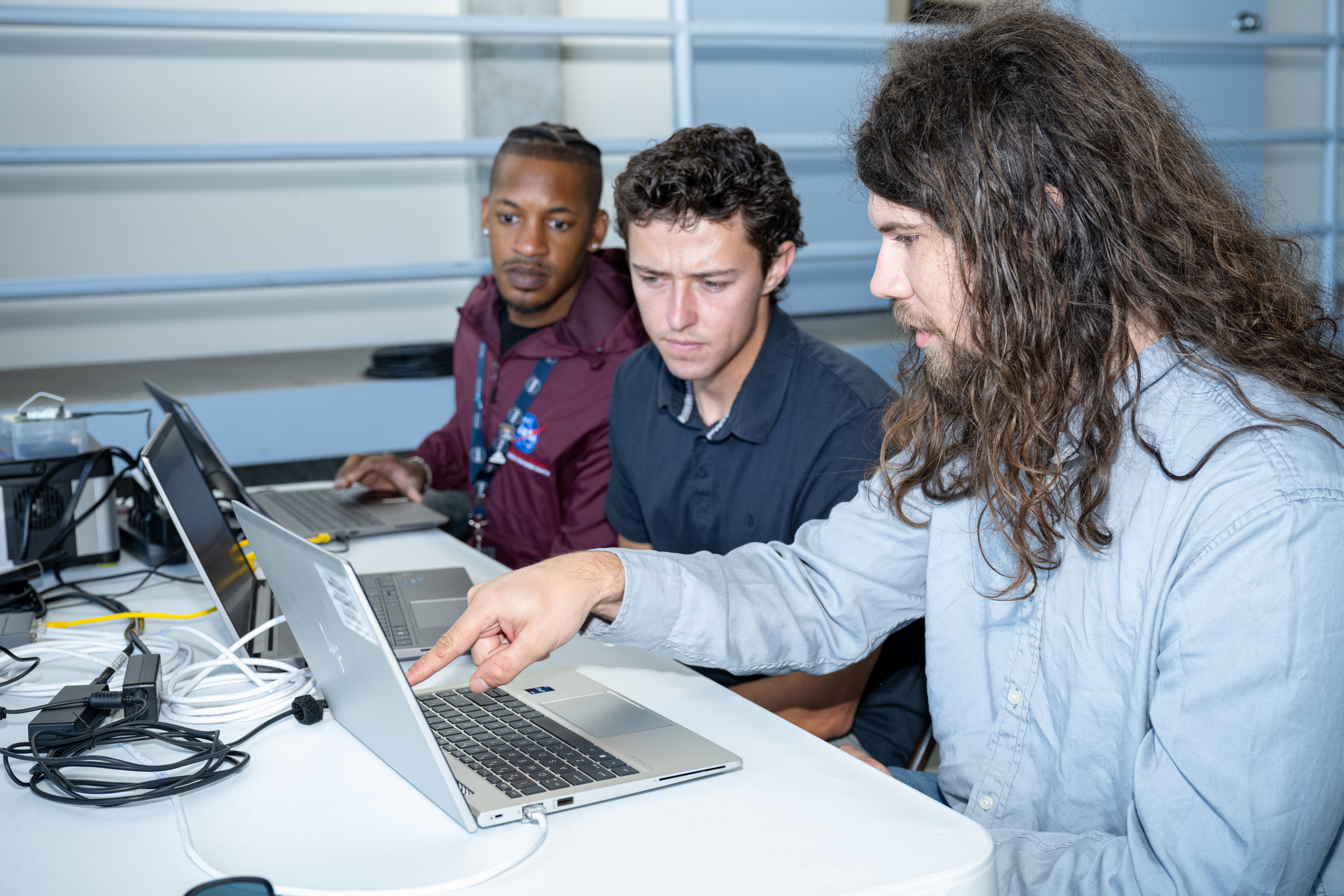
Three people sit at a table looking over laptop computers. The one nearest the camera is pointing at the laptop monitor.
Terrence D. Lewis (left), Kale Dunlap (center), and Aidan Jones monitor the flow of telemetry from both actual and simulated flights, ensuring the simulation and blockchain systems are processing and recording data accurately. 
Credit: NASA/Brandon Torres Navarette 

This NASA research explored how blockchain can secure digital transactions between multiple systems and operators. The team used an open-source blockchain framework that allows trusted users real-time sharing and storage of critical data like aircraft operator registration information, flight plans, and telemetry. This framework restricts access to this data to trusted parties and approved users only. 

To further examine system resilience, the team introduced a set of cybersecurity tests designed to assess, improve, and reinforce security during operations in airspace environments. During an August flight at Ames, the team demonstrated these capabilities using an Alta-X drone with a custom-built software and hardware package that included a computer, radio, GPS system, and battery.  

The test simulated an environment with a drone flying in real-world conditions, complete with a separate ground control station and the blockchain and security infrastructure. The underlying blockchain framework and cybersecurity protocols can be extended to support high-altitude operations at 60,000 feet and higher and Urban Air Mobility operations, paving the way for a more secure, scalable, and trusted ecosystem. 

NASA researchers will continue to look at the data gathered during the test and apply what they’ve learned to future work. The testing will ultimately benefit U.S. aviation stakeholders looking for new tools to improve operations. 

Through its Air Traffic Management and Safety project, NASA performed research to transform air traffic management systems to safely accommodate the growing demand of new air vehicles. The project falls under NASA’s Airspace Operations and Safety Program, a part the agency’s Aeronautics Research Mission Directorate that works to enable safe, efficient aviation transportation operations that benefit the flying public and industry.

NASA Develops Blockchain Technology to Enhance Air Travel Safety and Security 

16 Gennaio 2026 ore 21:11

3 min read

Preparations for Next Moonwalk Simulations Underway (and Underwater)

By Supreet Kaur

In an era where data security is critical to aviation safety, NASA is exploring bold new solutions. 

An Alta-X drone carries a custom built simulated Unmanned Aircraft Systems environment payload for the new blockchain system tests.   
Credit: NASA/Brandon Torres Navarette 

Through a drone flight test at NASA’s Ames Research Center in California’s Silicon Valley, researchers tested a blockchain-based system for protecting flight data. The system aims to keep air traffic management safe from disruption and protect data transferred between aircraft and ground stations from being intercepted or manipulated. 

For aviation and airspace operations to remain safe, users need to be able to trust that data is reliable and transparent. While current systems have been able to protect flight data systems, cyberthreats continue to evolve, requiring new approaches. NASA researchers found the blockchain-based system can safely transmit and store information in real time. 

Blockchain operates like a decentralized database — it does not rely on a single computer or centralized system. Instead, it shares information across a vast network, recording and verifying every change to a dataset. The system ensures the data stays safe, accurate, and trustworthy.  

Previous cybersecurity research focused on implementing a layered security architecture — using multiple physical and digital security measures to control system access. For this test, researchers took a different approach using blockchain to address potential threats.  

Using drones allowed the team to show that the blockchain framework could yield benefits across several priority areas in aviation development, including autonomous air traffic management, urban air mobility, and high-altitude aircraft.  

Three people sit at a table looking over laptop computers. The one nearest the camera is pointing at the laptop monitor.
Terrence D. Lewis (left), Kale Dunlap (center), and Aidan Jones monitor the flow of telemetry from both actual and simulated flights, ensuring the simulation and blockchain systems are processing and recording data accurately. 
Credit: NASA/Brandon Torres Navarette 

This NASA research explored how blockchain can secure digital transactions between multiple systems and operators. The team used an open-source blockchain framework that allows trusted users real-time sharing and storage of critical data like aircraft operator registration information, flight plans, and telemetry. This framework restricts access to this data to trusted parties and approved users only. 

To further examine system resilience, the team introduced a set of cybersecurity tests designed to assess, improve, and reinforce security during operations in airspace environments. During an August flight at Ames, the team demonstrated these capabilities using an Alta-X drone with a custom-built software and hardware package that included a computer, radio, GPS system, and battery.  

The test simulated an environment with a drone flying in real-world conditions, complete with a separate ground control station and the blockchain and security infrastructure. The underlying blockchain framework and cybersecurity protocols can be extended to support high-altitude operations at 60,000 feet and higher and Urban Air Mobility operations, paving the way for a more secure, scalable, and trusted ecosystem. 

NASA researchers will continue to look at the data gathered during the test and apply what they’ve learned to future work. The testing will ultimately benefit U.S. aviation stakeholders looking for new tools to improve operations. 

Through its Air Traffic Management and Safety project, NASA performed research to transform air traffic management systems to safely accommodate the growing demand of new air vehicles. The project falls under NASA’s Airspace Operations and Safety Program, a part the agency’s Aeronautics Research Mission Directorate that works to enable safe, efficient aviation transportation operations that benefit the flying public and industry.

A Quarter Century in Orbit: Science Shaping Life on Earth and Beyond 

12 Gennaio 2026 ore 23:43

For more than 25 years, humans have lived and worked continuously aboard the International Space Station, conducting research that is transforming life on Earth and shaping the future of exploration. From growing food and sequencing DNA to studying disease and simulating Mars missions, every experiment aboard the orbiting laboratory expands our understanding of how humans can thrive beyond Earth while advancing science and technology that benefit people around the world.  

Unlocking new cancer therapies from space

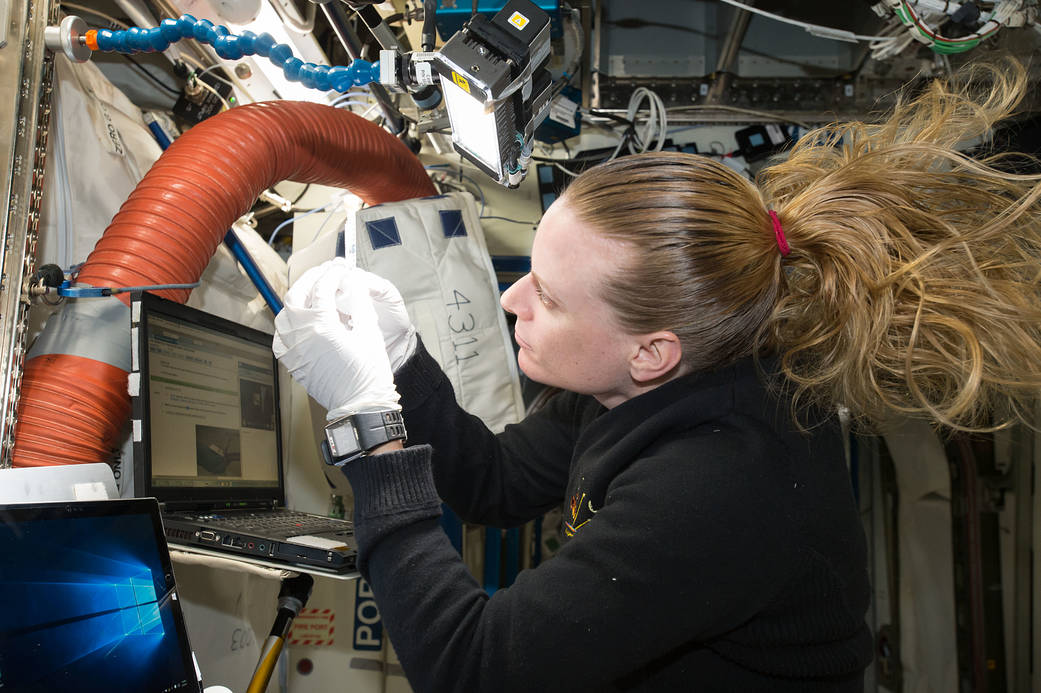
A woman conducts a research experiment aboard the International Space Station.
NASA astronaut Christina Koch works on MicroQuin’s protein crystallization research aboard the International Space Station.
NASA

The space station gives scientists a laboratory unlike any on Earth. In microgravity, cells grow in three dimensions, proteins form higher-quality crystals, and biological systems reveal details hidden by gravity. These conditions open new ways to study disease and develop treatments

Astronauts and researchers have used the orbiting laboratory to observe how cancer cells grow, test drug delivery methods, and examine protein structures linked to diseases such as Parkinson’s and Alzheimer’s. One example is the Angiex Cancer Therapy study, which tested a drug designed to target blood vessels that feed tumors. In microgravity, endothelial cells survive longer and behave more like they do in the human body, giving researchers a clearer view of how the therapy works and whether it is safe before human trials. 

Protein crystal growth (PCG) is another major area of cancer-related study. The NanoRacks-PCG Therapeutic Discovery and On-Orbit Crystals investigations have advanced research on leukemia, breast cancer, and skin cancers. Protein crystals grown in microgravity produce larger, better-organized structures that allow scientists to determine fine structural details that guide the design of targeted treatments. 

Studies in orbit have also provided insights about cardiovascular health, bone disorders, and how the immune system changes in space—knowledge that informs medicine on Earth and prepares astronauts for long missions in deep space. 

By turning space into a research lab, scientists are advancing therapies that benefit people on Earth and laying the foundation for ensuring crew health on future journeys to the Moon and Mars. 


Farming for the future 

NASA astronauts Jessica Watkins and Bob Hines work on the XROOTS space botany investigation, which used the station’s Veggie facility to test soilless hydroponic and aeroponic methods to grow plants. The space agricultural study could enable production of crops on a larger scale to sustain crews on future space explorations farther away from Earth.
NASA astronauts Jessica Watkins and Bob Hines work on the eXposed Root On-Orbit Test System (XROOTS) space botany investigation, which used the station’s Veggie facility to test soilless hydroponic and aeroponic methods to grow plants. The space agricultural study could enable production of crops on a larger scale to sustain crews on future space explorations farther away from Earth.
NASA

Feeding astronauts on long-duration missions requires more than packaged meals. It demands sustainable systems that can grow fresh food in space. The Vegetable Production System, known as Veggie, is a garden on the space station designed to test how plants grow in microgravity while adding fresh produce to the crew’s diet and improving well-being in orbit. 

To date, Veggie has produced three types of lettuce, Chinese cabbage, mizuna mustard, red Russian kale, and even zinnia flowers. Astronauts have eaten space-grown lettuce, mustard greens, radishes, and chili peppers using Veggie and the Advanced Plant Habitat, a larger, more controlled growth chamber that allows scientists to study crops in greater detail. 

These plant experiments pave the way for future lunar and Martian greenhouses by showing how microgravity affects plant development, water and nutrient delivery, and microbial interactions. They also provide immediate benefits for Earth, advancing controlled-environment agriculture and vertical farming techniques that help make food production more efficient and resilient in challenging environments. 

First year-long twin study 

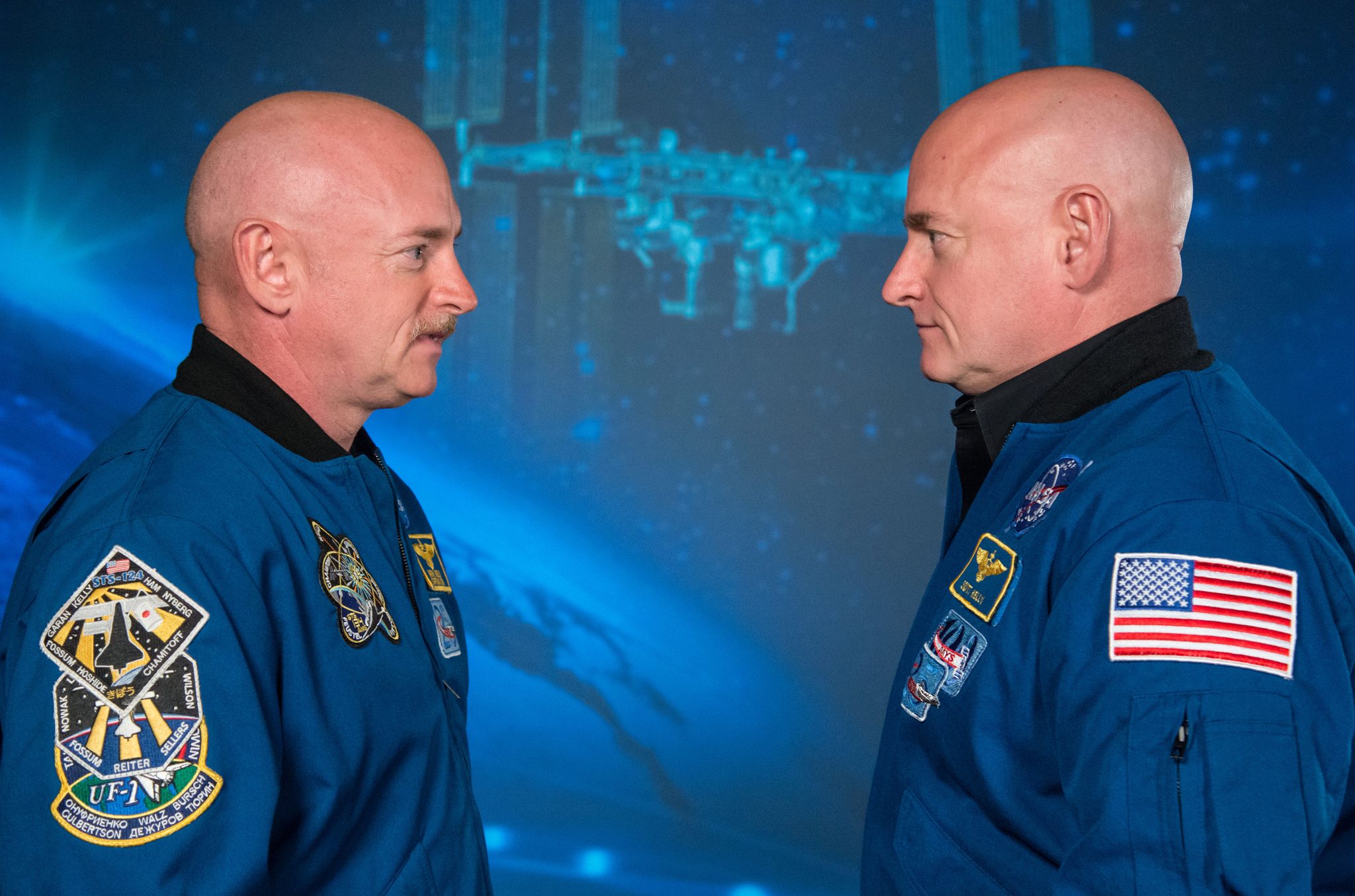
Identical twin astronauts Mark and Scott Kelly
Mark and Scott Kelly, both former NASA astronauts, are photographed as part of NASA’s Twins Study.
NASA

Understanding how the human body changes in space is critical for planning long-duration missions. NASA’s Twins Study offered an unprecedented opportunity to investigate nature vs. nurture in orbit and on Earth. NASA astronaut Scott Kelly spent nearly a year aboard the space station while his identical twin, retired astronaut Mark Kelly, remained on Earth. 

By comparing the twins before, during, and after the mission, researchers examined changes at the genomic, physiological, and behavioral levels in one integrated study. The results showed most changes in Scott’s body returned to baseline after his return, but some persisted—such as shifts in gene expression, telomere length, and immune system responses. 

The study provided the most comprehensive molecular view to date of how a human body adapts to spaceflight. Its findings may guide NASA’s Human Research Program for years to come, informing countermeasures for radiation, microgravity, and isolation. The research may have implications for health on Earth as well—from understanding aging and disease to exploring treatments for stress-related disorders and traumatic brain injury. 

The Twins Study demonstrated the resilience of the human body in space and continues to shape the medical playbook for the Artemis campaign to the Moon and future journeys to Mars. 

Simulating deep space 

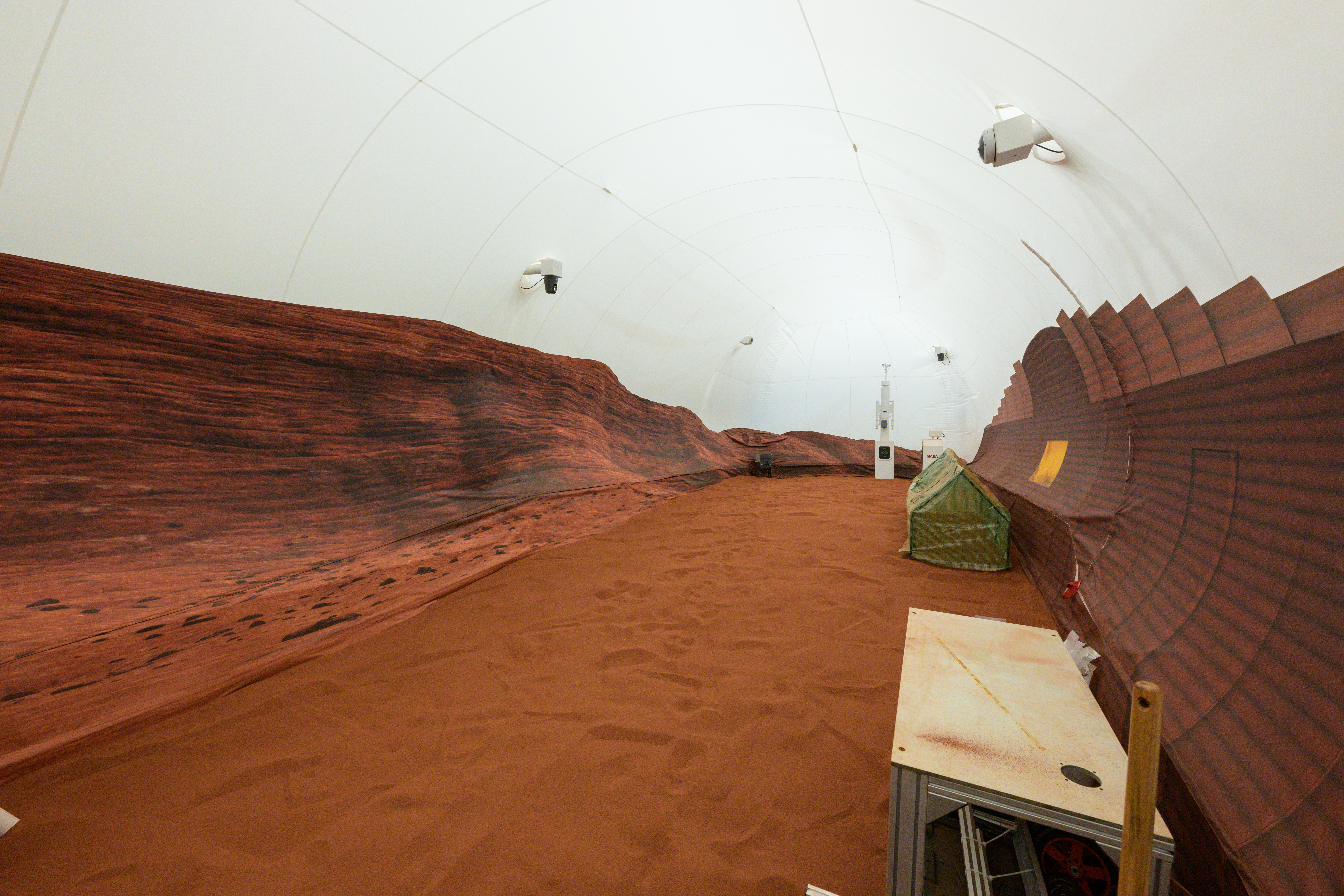
The 1,200 square foot sandbox located in the CHAPEA habitat at NASA's Johnson Space Center.
A view inside the sandbox portion of the Crew Health and Performance Analog, where research volunteers participate in simulated walks on the surface of Mars.
NASA/Bill Stafford

The space station, which is itself an analog for deep space, complements Earth-based analog research simulating the spaceflight environment. Space station observations, findings, and challenges, inform the research questions and countermeasures scientists explore on Earth.   

Such work is currently underway through CHAPEA (Crew Health and Performance Exploration Analog), a mission in which volunteers live and work inside a 1,700-square-foot, 3D-printed Mars habitat for about a year. The first CHAPEA crew completed 378 days in isolation in 2024, testing strategies for maintaining health, growing food, and sustaining morale under delayed communication. 

NASA recently launched CHAPEA 2, with a four-person crew who began their 378-day simulated Mars mission at Johnson on October 19, 2025. Building on lessons from the first mission and decades of space station research, they will test new technologies and behavioral countermeasures that will help future explorers thrive during long-duration missions, preparing Artemis astronauts for the journey to the Moon and laying the foundation for the first human expeditions to Mars. 

Keeping crews healthy in low Earth orbit 

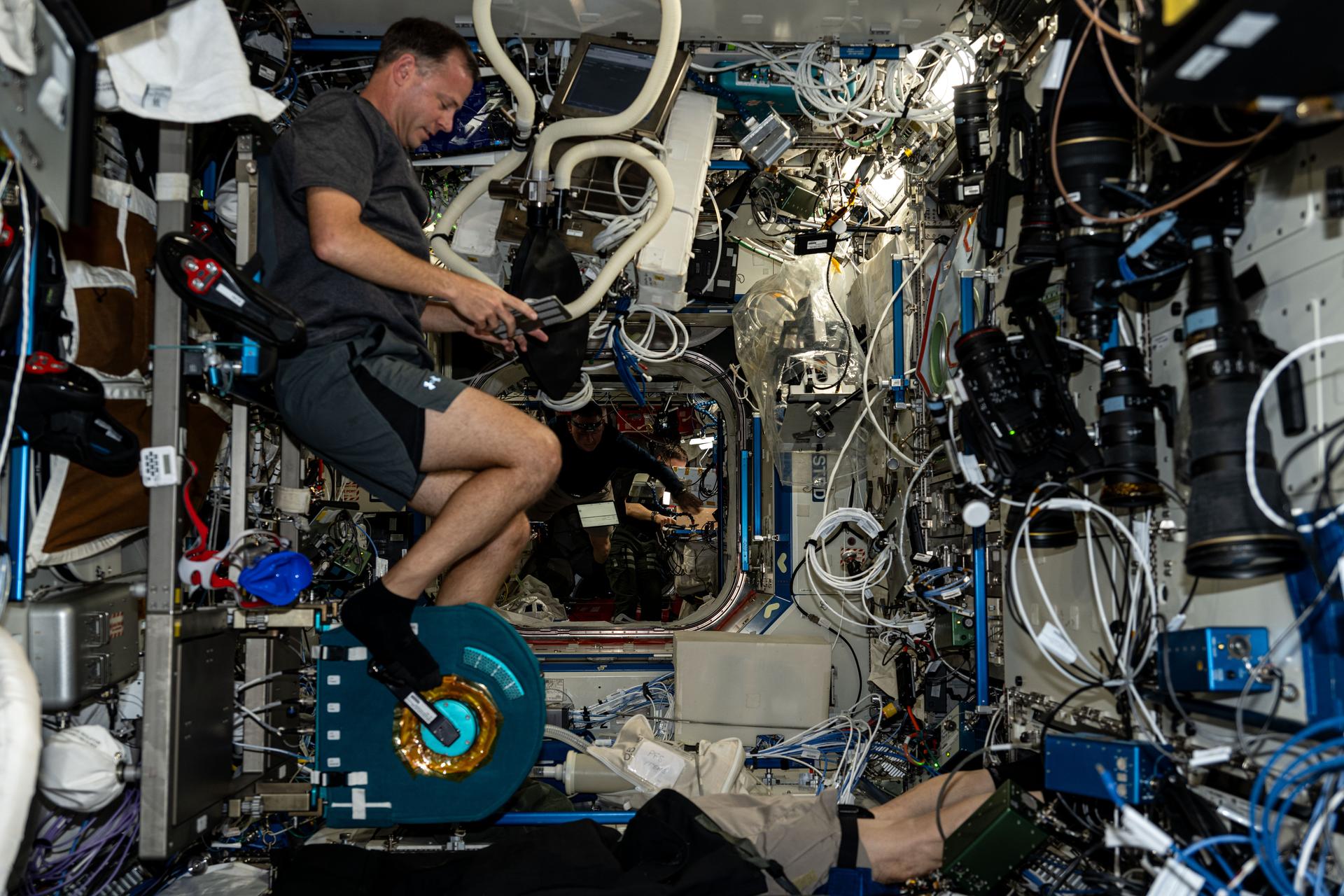
NASA astronaut and Expedition 72 Flight Engineer Nick Hague pedals on the Cycle Ergometer with Vibration Isolation and Stabilization (CEVIS), an exercise cycle located aboard the International Space Station's Destiny laboratory module. CEVIS provides aerobic and cardiovascular conditioning through recumbent (leaning back position) or upright cycling activities.
NASA astronaut Nick Hague pedals on the Cycle Ergometer with Vibration Isolation and Stabilization (CEVIS), an exercise cycle located aboard the space station’s Destiny laboratory module. CEVIS provides aerobic and cardiovascular conditioning through recumbent or upright cycling activities.
NASA

Staying healthy is a top priority for all NASA astronauts, but it is particularly important while living and working aboard the orbiting laboratory.  

Crews often spend extended periods of time aboard the orbiting laboratory, with the average mission lasting about six months or more. During these long-duration missions, without the continuous load of Earth’s gravity, there are many changes to the human body. Proper nutrition and exercise are some of the ways these effects may be mitigated. 

NASA has a team of medical physicians, psychologists, nutritionists, exercise scientists, and other specialized medical personnel who collaborate to ensure astronauts’ health and fitness on the station. These teams are led by a NASA flight surgeon, who regularly monitors each crew member’s health during a mission and individualizes diet and fitness routines to prioritize health and safety while in space. 

Crew members are also part of the ongoing health and performance research being conducted to advance understanding of long-term spaceflight’s effects on the human body. That knowledge is applied to any crewed mission and will help prepare humanity to travel farther than ever before, including the Moon and Mars. 

Sequencing the future 

NASA astronaut Kate Rubins looking at DNA sample inside space station laboratory
NASA astronaut Kate Rubins checks a sample for air bubbles prior to loading it in the biomolecule sequencer. When Rubins’ expedition began, zero base pairs of DNA had been sequenced in space. Within just a few weeks, she and the Biomolecule Sequencer team had sequenced their one billionth base of DNA aboard the orbiting laboratory.
JAXA (Japan Aerospace Exploration Agency)/Takuya Onishi

In 2016, NASA astronaut Kate Rubins made history aboard the orbital outpost as the first person to sequence DNA in space. Using a handheld device called the MinION, she analyzed DNA samples in microgravity, proving that genetic sequencing could be performed in low Earth orbit for the first time. 

Her work advanced in-flight molecular diagnostics, long-duration cell culture, and molecular biology techniques such as liquid handling in microgravity. 

The ability to sequence DNA aboard the orbiting laboratory allows astronauts and scientists to identify microbes in real time, monitor crew health, and study how living organisms adapt to spaceflight. The same technology now supports medical diagnostics and disease detection in remote or extreme environments on Earth. 

This research continues through the Genes in Space program, where students design DNA experiments that fly aboard NASA missions. Each investigation builds on Rubins’ milestone, paving the way for future explorers to diagnose illness, monitor environmental health, and search for signs of life beyond Earth. 

Explore the timeline of space-based DNA sequencing

A Quarter Century in Orbit: Science Shaping Life on Earth and Beyond 

12 Gennaio 2026 ore 23:43

For more than 25 years, humans have lived and worked continuously aboard the International Space Station, conducting research that is transforming life on Earth and shaping the future of exploration. From growing food and sequencing DNA to studying disease and simulating Mars missions, every experiment aboard the orbiting laboratory expands our understanding of how humans can thrive beyond Earth while advancing science and technology that benefit people around the world.  

Unlocking new cancer therapies from space

A woman conducts a research experiment aboard the International Space Station.
NASA astronaut Christina Koch works on MicroQuin’s protein crystallization research aboard the International Space Station.
NASA

The space station gives scientists a laboratory unlike any on Earth. In microgravity, cells grow in three dimensions, proteins form higher-quality crystals, and biological systems reveal details hidden by gravity. These conditions open new ways to study disease and develop treatments

Astronauts and researchers have used the orbiting laboratory to observe how cancer cells grow, test drug delivery methods, and examine protein structures linked to diseases such as Parkinson’s and Alzheimer’s. One example is the Angiex Cancer Therapy study, which tested a drug designed to target blood vessels that feed tumors. In microgravity, endothelial cells survive longer and behave more like they do in the human body, giving researchers a clearer view of how the therapy works and whether it is safe before human trials. 

Protein crystal growth (PCG) is another major area of cancer-related study. The NanoRacks-PCG Therapeutic Discovery and On-Orbit Crystals investigations have advanced research on leukemia, breast cancer, and skin cancers. Protein crystals grown in microgravity produce larger, better-organized structures that allow scientists to determine fine structural details that guide the design of targeted treatments. 

Studies in orbit have also provided insights about cardiovascular health, bone disorders, and how the immune system changes in space—knowledge that informs medicine on Earth and prepares astronauts for long missions in deep space. 

By turning space into a research lab, scientists are advancing therapies that benefit people on Earth and laying the foundation for ensuring crew health on future journeys to the Moon and Mars. 


Farming for the future 

NASA astronauts Jessica Watkins and Bob Hines work on the XROOTS space botany investigation, which used the station’s Veggie facility to test soilless hydroponic and aeroponic methods to grow plants. The space agricultural study could enable production of crops on a larger scale to sustain crews on future space explorations farther away from Earth.
NASA astronauts Jessica Watkins and Bob Hines work on the eXposed Root On-Orbit Test System (XROOTS) space botany investigation, which used the station’s Veggie facility to test soilless hydroponic and aeroponic methods to grow plants. The space agricultural study could enable production of crops on a larger scale to sustain crews on future space explorations farther away from Earth.
NASA

Feeding astronauts on long-duration missions requires more than packaged meals. It demands sustainable systems that can grow fresh food in space. The Vegetable Production System, known as Veggie, is a garden on the space station designed to test how plants grow in microgravity while adding fresh produce to the crew’s diet and improving well-being in orbit. 

To date, Veggie has produced three types of lettuce, Chinese cabbage, mizuna mustard, red Russian kale, and even zinnia flowers. Astronauts have eaten space-grown lettuce, mustard greens, radishes, and chili peppers using Veggie and the Advanced Plant Habitat, a larger, more controlled growth chamber that allows scientists to study crops in greater detail. 

These plant experiments pave the way for future lunar and Martian greenhouses by showing how microgravity affects plant development, water and nutrient delivery, and microbial interactions. They also provide immediate benefits for Earth, advancing controlled-environment agriculture and vertical farming techniques that help make food production more efficient and resilient in challenging environments. 

First year-long twin study 

Identical twin astronauts Mark and Scott Kelly
Mark and Scott Kelly, both former NASA astronauts, are photographed as part of NASA’s Twins Study.
NASA

Understanding how the human body changes in space is critical for planning long-duration missions. NASA’s Twins Study offered an unprecedented opportunity to investigate nature vs. nurture in orbit and on Earth. NASA astronaut Scott Kelly spent nearly a year aboard the space station while his identical twin, retired astronaut Mark Kelly, remained on Earth. 

By comparing the twins before, during, and after the mission, researchers examined changes at the genomic, physiological, and behavioral levels in one integrated study. The results showed most changes in Scott’s body returned to baseline after his return, but some persisted—such as shifts in gene expression, telomere length, and immune system responses. 

The study provided the most comprehensive molecular view to date of how a human body adapts to spaceflight. Its findings may guide NASA’s Human Research Program for years to come, informing countermeasures for radiation, microgravity, and isolation. The research may have implications for health on Earth as well—from understanding aging and disease to exploring treatments for stress-related disorders and traumatic brain injury. 

The Twins Study demonstrated the resilience of the human body in space and continues to shape the medical playbook for the Artemis campaign to the Moon and future journeys to Mars. 

Simulating deep space 

The 1,200 square foot sandbox located in the CHAPEA habitat at NASA's Johnson Space Center.
A view inside the sandbox portion of the Crew Health and Performance Analog, where research volunteers participate in simulated walks on the surface of Mars.
NASA/Bill Stafford

The space station, which is itself an analog for deep space, complements Earth-based analog research simulating the spaceflight environment. Space station observations, findings, and challenges, inform the research questions and countermeasures scientists explore on Earth.   

Such work is currently underway through CHAPEA (Crew Health and Performance Exploration Analog), a mission in which volunteers live and work inside a 1,700-square-foot, 3D-printed Mars habitat for about a year. The first CHAPEA crew completed 378 days in isolation in 2024, testing strategies for maintaining health, growing food, and sustaining morale under delayed communication. 

NASA recently launched CHAPEA 2, with a four-person crew who began their 378-day simulated Mars mission at Johnson on October 19, 2025. Building on lessons from the first mission and decades of space station research, they will test new technologies and behavioral countermeasures that will help future explorers thrive during long-duration missions, preparing Artemis astronauts for the journey to the Moon and laying the foundation for the first human expeditions to Mars. 

Keeping crews healthy in low Earth orbit 

NASA astronaut and Expedition 72 Flight Engineer Nick Hague pedals on the Cycle Ergometer with Vibration Isolation and Stabilization (CEVIS), an exercise cycle located aboard the International Space Station's Destiny laboratory module. CEVIS provides aerobic and cardiovascular conditioning through recumbent (leaning back position) or upright cycling activities.
NASA astronaut Nick Hague pedals on the Cycle Ergometer with Vibration Isolation and Stabilization (CEVIS), an exercise cycle located aboard the space station’s Destiny laboratory module. CEVIS provides aerobic and cardiovascular conditioning through recumbent or upright cycling activities.
NASA

Staying healthy is a top priority for all NASA astronauts, but it is particularly important while living and working aboard the orbiting laboratory.  

Crews often spend extended periods of time aboard the orbiting laboratory, with the average mission lasting about six months or more. During these long-duration missions, without the continuous load of Earth’s gravity, there are many changes to the human body. Proper nutrition and exercise are some of the ways these effects may be mitigated. 

NASA has a team of medical physicians, psychologists, nutritionists, exercise scientists, and other specialized medical personnel who collaborate to ensure astronauts’ health and fitness on the station. These teams are led by a NASA flight surgeon, who regularly monitors each crew member’s health during a mission and individualizes diet and fitness routines to prioritize health and safety while in space. 

Crew members are also part of the ongoing health and performance research being conducted to advance understanding of long-term spaceflight’s effects on the human body. That knowledge is applied to any crewed mission and will help prepare humanity to travel farther than ever before, including the Moon and Mars. 

Sequencing the future 

NASA astronaut Kate Rubins looking at DNA sample inside space station laboratory
NASA astronaut Kate Rubins checks a sample for air bubbles prior to loading it in the biomolecule sequencer. When Rubins’ expedition began, zero base pairs of DNA had been sequenced in space. Within just a few weeks, she and the Biomolecule Sequencer team had sequenced their one billionth base of DNA aboard the orbiting laboratory.
JAXA (Japan Aerospace Exploration Agency)/Takuya Onishi

In 2016, NASA astronaut Kate Rubins made history aboard the orbital outpost as the first person to sequence DNA in space. Using a handheld device called the MinION, she analyzed DNA samples in microgravity, proving that genetic sequencing could be performed in low Earth orbit for the first time. 

Her work advanced in-flight molecular diagnostics, long-duration cell culture, and molecular biology techniques such as liquid handling in microgravity. 

The ability to sequence DNA aboard the orbiting laboratory allows astronauts and scientists to identify microbes in real time, monitor crew health, and study how living organisms adapt to spaceflight. The same technology now supports medical diagnostics and disease detection in remote or extreme environments on Earth. 

This research continues through the Genes in Space program, where students design DNA experiments that fly aboard NASA missions. Each investigation builds on Rubins’ milestone, paving the way for future explorers to diagnose illness, monitor environmental health, and search for signs of life beyond Earth. 

Explore the timeline of space-based DNA sequencing

Newsletter Autistici/Inventati 01-2026

11 Gennaio 2026 ore 20:08

++++++++++++++++++++++++++++++++++++++++++++++
Newsletter Autistici/Inventati – gennaio 2026
++++++++++++++++++++++++++++++++++++++++++++++
[English version below]

Siamo arrivati a un quarto di secolo di vita (25 ANNI!) e Autistici/Inventati esiste e Resiste ancora!

Se usi i nostri servizi, magari vuoi sapere che cosa fanno gli esseri umani dietro questa piattaforma tecnologica (che non sta in piedi per magia).

Ecco alcune delle cose che abbiamo fatto quest’anno:

# INFRA

* infrastruttura potenziata

L’infrastruttura di A/I si e’ potenziata aggiungendo due nuovi server moderni per gestire tutta la parte web, garantendo piu’ spazio e migliore performance: questi ultimi due server usano solo memorie a stato solido (SSD), quindi addio ai vecchi hard disk piu’ lenti, piu’ energivori, piu’ rumorosi e piu’ fragili, sicuramente i siti web e noblogs ne gioveranno, ma anche tu!


# EMAIL

* Thunderbird su telefoni

Le mail su telefono e la loro configurazione automatica sono state una rogna che per un po’ di tempo ci ha fatto penare. Ora abbiamo finalmente identificato e risolto il problema, e da adesso in poi l’autoconfigurazione di app sul telefono come Thunderbird e K9 sara’ molto piu’ semplice! Fateci sapere come va, intanto per usare la nostra mail sul telefono bastera’ fare login con il vostro account e da pannello cliccare su “Setup on Mobile”. Ad aspettarvi troverete un comodo QR code da scansionare nel vostro pannello utente dove dovrete solo aggiungere la vostra password.


# NOBLOGS

* statistiche

Abbiamo rinnovato il sistema di statistiche, parole chiave: anonimato e chiarezza
In pratica Noblogs si e’ rinnovato ed abbiamo deciso di riscrivere il sistema di analisi delle visite, per cui ora le statistiche di uso di quali persone e quali bot visitano il sito sono disponibili nella bacheca di amministrazione nella sezione “Analytics”.

Per maggiori informazioni leggere https://cavallette.noblogs.org/2025/02/9949


* form di contatti

Abbiamo aggiunto un nuovo form di contatto cifrato per noblogs (in rodaggio).

Qualche mese fa un collettivo ci ha contattato proponendoci un nuovo plugin per noblogs, sviluppato da loro, che permette di contattare i responsabili del blog in maniera sicura e confidenziale. Questo plugin crea un form in grado di inviare messaggi crittati usando PGP. Visto che il plugin precedente aveva qualche problema e non era piu’ sviluppato abbiamo deciso di adottare questa nuova soluzione. Ora abbiamo un nuovo plugin su noblogs, ed inoltre ci fa molto piacere stringere collaborazioni di questo tipo con persone affini al progetto. Fateci sapere se vi piace, il nuovo sistema di form si trova nella sezione plugins e si chiama “Contact Form”.


* docs e search

Sempre riguardo noblogs, abbiamo scritto una serie di articoli/guide su alcune questioni ricorrenti che ci vengono poste da chi amministra i blog, li trovate qui’:
https://docs.noblogs.org/


e stiamo facendo esperimenti con un nuovo sistema di ricerca dei contenuti (in fase di test):

https://search.noblogs.org


# SPAM

Nonostante l’antispam riconosca la maggior parte dei tentativi di phishing, puo’ capitare che riceviate messaggi all’apparenza provenienti da noi che vi chiedono di entrare nel vostro account per qualche motivo.
Ricordiamo che noi non mandiamo mai messaggi contenenti link HTML da cliccare, che tutte le nostre comunicazioni ufficiali sono sempre firmate con GPG, in duplice lingua italiano e inglese.
Inoltre se non avete certezza di disservizi sappiate che comunichiamo sempre anche sul nostro blog https://cavallette.noblogs.org
In generale cliccare su link contenuti all’interno di messaggi di posta elettronica e’ uno dei modi migliori per farsi rubare dettagli personali come le password.


# NO PASSWORD?

* il gatto, questo sconosciuto

Capita regolarmente che utenti si dimentichino la password e anche la risposta alla domanda del gatto (il meccanismo per il recupero dell’account). Vogliamo qui ricordarvi l’importanza del gatto: se dimenticate la password del vostro account (o se non la sapete proprio perche’ l’avete salvata sul cellulare e non la digitate mai e poi il cellulare si rompe), l’unico modo che avete per tornare in possesso della mail e’ rispondere alla domanda di riserva che avete impostato (che noi chiamiamo domanda del gatto). Quindi e’ fondamentale che questa risposta voi la sappiate, anche se e’ una domanda che avete impostato 10 anni fa.
Vi invitiamo quindi a verificare se la ricordate o a reimpostarla, qui alcuni suggerimenti, la domanda/risposta deve essere semplice e indimenticabile:
– “il nome del mio primo gatto” (sempre che non l’abbiate scritto pubblicamente online!)
– “la canzone (o poesia, o libro) preferita di quanto eri adolescente scritto tutto minuscolo e con gli spazi” (in modo che sappiate che sia “cocco e drilli” e non “CoccoEDrilli”
– “il nome della montagna che vedevi dalla finestra del bagno nella casa dello zio luigi”
– “il soprannome con cui mi chiamava nonna Adelaide”
insomma, cose magari relative a quando eravate giovani, che solo voi sapete e che non dimenticherete finche’ campate.
Esempi che vanno meno bene:
– “il mio numero di telefono” (probabilmente associabile con facilita’)
– “il cognome da nubile della bisnonna materna” (qualcuno che vi conosce o che indaga su di voi potrebbe saperlo).
Se la dimenticate non possiamo fare reset, ci dispiace ma avete perso quell’account.
Poi la vita continua, nel caso ci chiederete un account nuovo.


# RISORSE

Come ogni anno battiamo cassa perche’ resistiamo anche grazie alle vostre donazioni che ci permettono di pagare le bollette dei server e le altre spese, che in totale ammontano a circa 20000EUR l’anno. Finche’ continuerete a sostenerci noi potremo dedicarci a migliore l’infrastruttura, a mantenere sicure le vostre comunicazioni e a fornire strumenti digitali a supporto delle vostre vite e delle vostre lotte.


Se vuoi contribuire anche tu con quello che riesci vai su: https://www.autistici.org/donate


Restiamo umani
GRAZIE MILLE DI CUORE! Buon 2026!
un abbraccio
A/I

+++++++++++++++++++++++++++++++++++++++++++
Collettivo Autistici/Inventati
https://www.autistici.org
blog: https://cavallette.noblogs.org
donazioni: https://www.autistici.org/donate
aiuto: help@autistici.org
+++++++++++++++++++++++++++++++++++++++++++


We have reached a quarter of a century (25 YEARS) and Autistici/Inventati is still going strong!

If you use our services, you may want to know what the human beings behind this technological platform actually do (hint: it doesn’t run on magic).

Here’s what we’ve done this year:

# INFRASTRUCTURE

* Upgraded the Infrastructure

The A/I infrastructure has been upgraded with the addition of two new modern servers to manage the entire web side, ensuring more space and better performance. These two servers use only solid state drives, so say goodbye to the old, slower, more energy-intensive, noisier, and more fragile hard disks. Websites and Noblogs will certainly benefit, and so will you!


* Email on Phones

Email on phones and automatic configuration have been causing us problems for some time. We have now finally identified and resolved the issue. From now on, the auto-configuration of apps on your phone such as Thunderbird and K9 will be much easier! Let us know how it goes. In the meantime, to use our email on your phone, simply log in with your account and click on “Setup on Mobile” in the panel. You will find a convenient QR code to scan in your user panel, where you will only need to add your password.


# NOBLOGS

* Statistics

We have revamped the statistics system. Our focus: anonymity and clarity.
In practice, Noblogs has been refreshed and we have decided to rewrite the visit analytics system. Now statistics on which people and bots visit the site are available in the user panel under the “Analytics” section. For more information, read https://cavallette.noblogs.org/2025/02/9949


* Contact Form

A new encrypted contact form for noblogs is currently being tested.

A few months ago a collective contacted us proposing a new plugin for noblogs, developed by them, that allows to contact the managers of the blog in a safe and confidential manner. This plugin creates a form that can send encrypted messages using PGP. Since the previous plugin had some problems and it was no longer developed we decided to adopt this new solution. Now we have a new plugin on noblogs, and also we are very pleased to tighten collaborations of this type with people related to the project. Let us know if you like, the new form system is located in the plugins section and is called “Contact Form”.


* Docs and Search

Still on the subject of noblogs, we have written a series of articles/guides on some recurring questions that we are asked by blog administrators. You can find them here:
https://docs.noblogs.org/

We are also experimenting with a new content search system (currently in the testing phase):

https://search.noblogs.org


# SPAM

Although our anti-spam system recognizes most phishing attempts, you may receive messages that appear to come from us asking you to log into your account for some reason.
Please note that we never send messages containing HTML links to click on, and that all our official communication, in both Italian and English, is always signed with GPG.
Furthermore, if you are unsure about service disruptions, please note that we always communicate on our blog https://cavallette.noblogs.org
In general, clicking on links contained in emails is one of the best ways to have your personal details, including passwords, stolen.


# NO PASSWORD?

* The Cat, This Stranger

It often happens that users forget their password and even the answer to the cat question (our account recovery mechanism). We would like to remind you of the importance of the cat: if you forget your account password (or if you don’t know it because you saved it on your cell phone and never type it in, and then your cell phone breaks), the only way you can regain access to your email is by answering the recovery question you set (We call it The Cat’s question). Therefore, it is essential that you know this answer. Even if you set 10 years ago!
We therefore invite you to check if you remember it or reset it. Here are some suggestions. The question/answer should be simple and unforgettable:
– “the name of my first cat” (unless you wrote it online!)
– “Your favorite song (or poem, or book) from when you were a teenager, written in lowercase letters and with spaces” (so that you know it’s “the pit and the pendulum” and not “ThePitAndThePendulum”)
– “The name of the mountain you could see from the bathroom window in Uncle Luigi’s house”
– “the nickname my grandmother Adelaide used to call me”
In short, things that may be related to when you were young, that only you know and that you will never forget as long as you live.
Examples that are less suitable:
– “my phone number” (probably easy to guess)
– “my maternal great-grandmother’s maiden name” (someone who knows you or is investigating you might know this).
If you forget it, we can’t reset it. We’re sorry, but you’ve lost that account.
Life will goes on,but you’ll have to ask us for a new one.


# RESOURCES

Like every year, we are asking for donations because we survive thanks to your contributions. These allow us to pay our server bills and other expenses, which total around €20,000 per year. As long as you continue to support us, we can focus on improving our infrastructure, keeping your communications secure, and providing digital tools to support your lives and struggles.


If you as well want to contribute: https://www.autistici.org/donate


Stay human.
THANK YOU SO MUCH! Happy 2026!
Hugs

25 Years in Orbit: Science, Innovation, and the Future of Exploration 

7 Gennaio 2026 ore 22:05
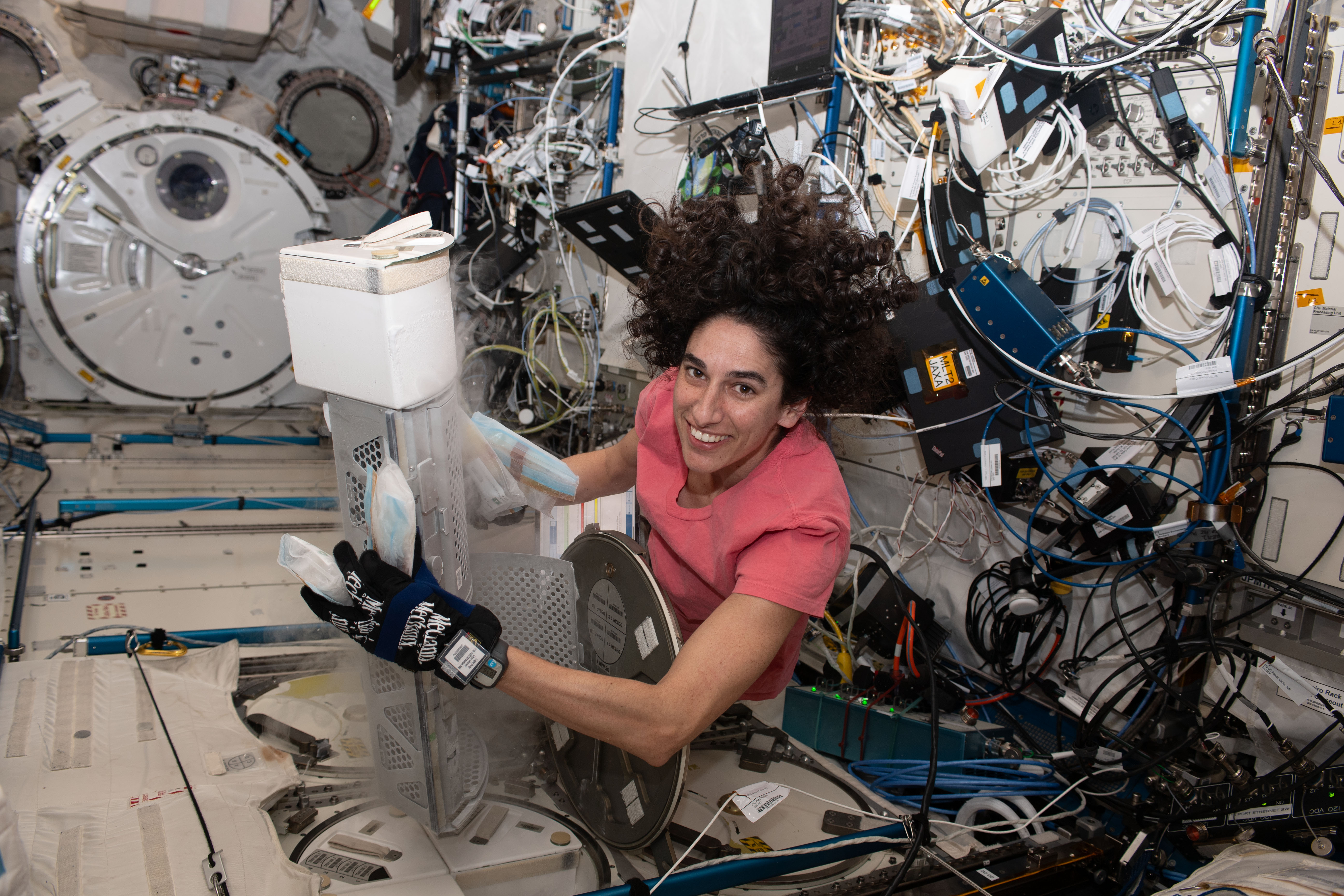
NASA astronaut Jasmin Moghbeli retrieves media bags inside the International Space Station’s Kibo laboratory module for Emory University’s Project EAGLE investigation.
NASA

NASA and its partners have supported humans continuously living and working in space since November 2000. A truly global endeavor, the International Space Station has been visited by more than 290 people from 26 countries and a variety of international and commercial spacecraft. The unique microgravity laboratory has hosted more than 4,000 experiments from over 5,000 researchers from 110 countries. The space station also is facilitating the growth of a commercial market in low Earth orbit for research, technology development, and crew and cargo transportation. 

After a quarter of century of human presence in orbit, the station remains a symbol of international cooperation and a proving ground for humanity’s next giant leaps to the Moon and, eventually, Mars.  

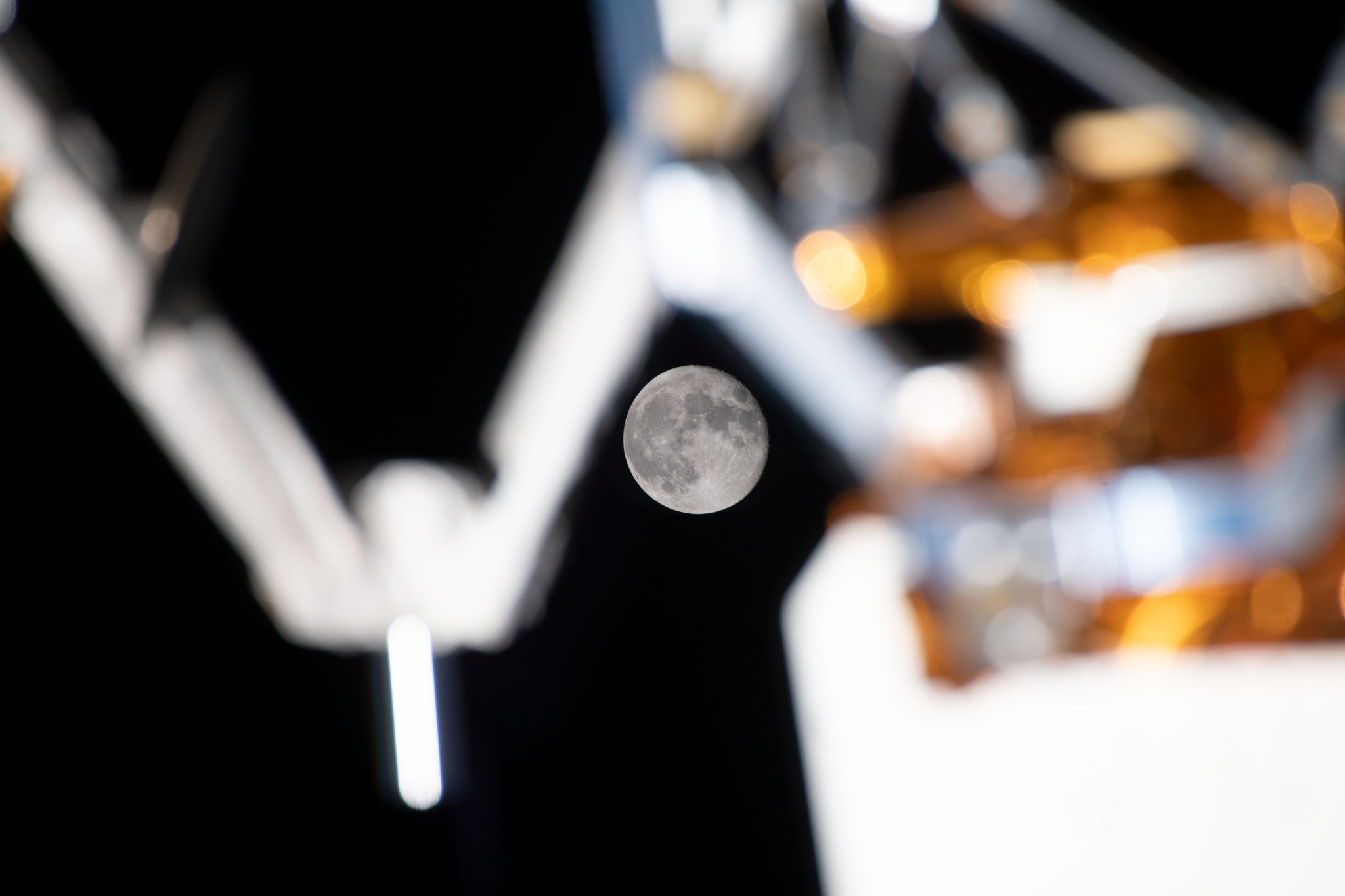
September's full Moon, the Harvest Moon, is photographed from the International Space Station, perfectly placed in between exterior station hardware
September’s full Moon, the Harvest Moon, is photographed from the space station, placed in between exterior station hardware.
NASA

The microgravity environments aboard the space station unlocks discoveries that benefit life on Earth and prepare humans for deep space missions. NASA’s Human Research Program (HRP) works to understand the changes astronauts face aboard the orbital outpost and to develop interventions to keep crews healthy before, during, and after flight.  

Astronauts aboard the station exercise for roughly two hours a day to protect bone density, muscle strength, and the cardiovascular system, but the longer they are in microgravity, the harder it can be for the brain and body to readapt to gravity’s pull. After months in orbit, returning astronauts often describe Earth as heavy, loud, and strangely still. Some reacclimate within days, while other astronauts take longer to fully recover. 

Through HRP-led studies, scientists track these changes and test solutions—from improved exercise regimens to medical monitoring and nutritional strategies. The results inspire new medical technologies, while teaching scientists how the human body adapts to long-duration spaceflights—knowledge that helps keep astronauts healthy on future missions.

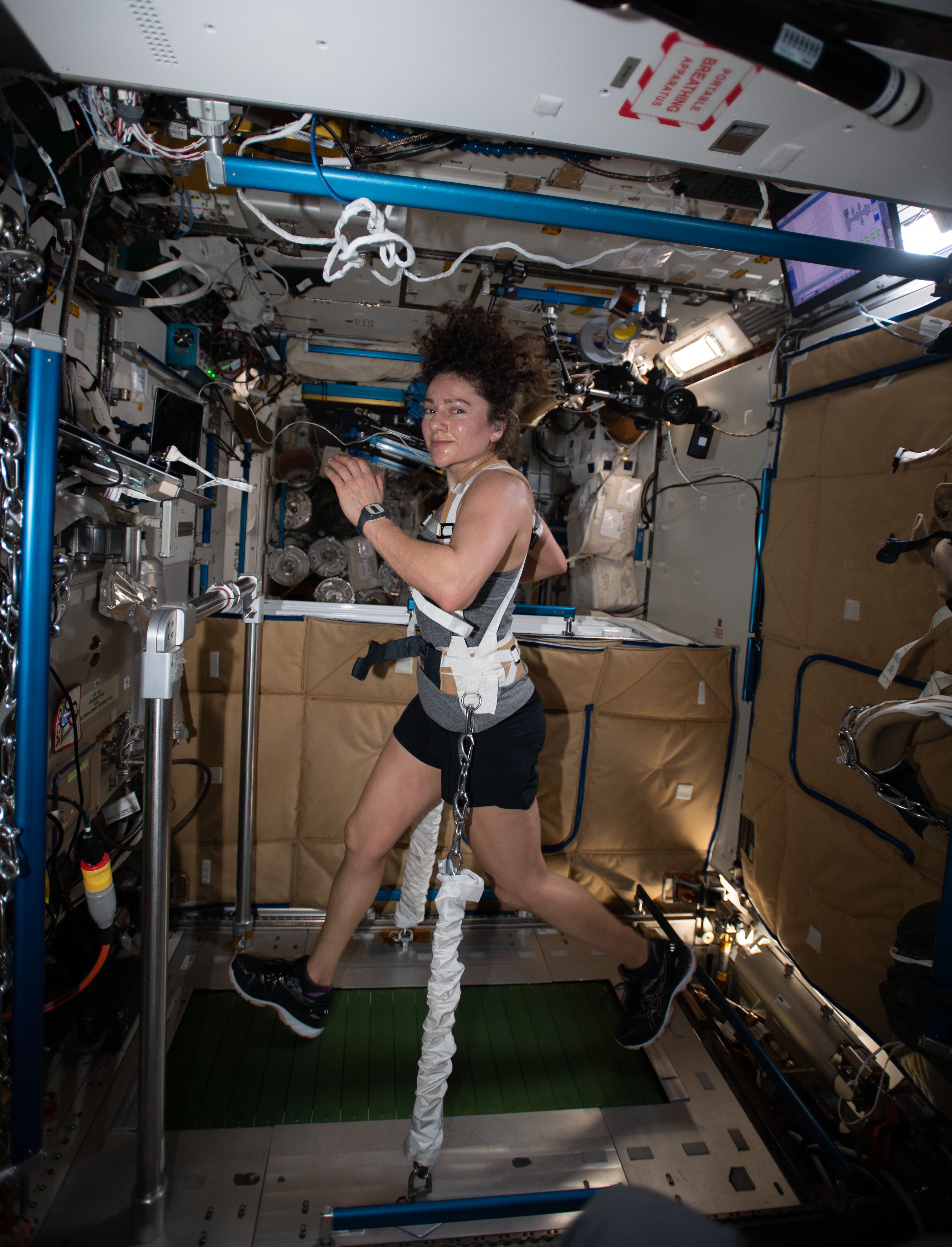
A woman runs on a treadmill in space.
In the Tranquility node of the orbiting laboratory, NASA astronaut Jessica Meir exercises on the Combined Operational Load Bearing External Resistance Treadmill (COLBERT), technically named the Treadmill 2 and abbreviated as T2.
NASA

The space station continues to be a critical platform for sharpening skills, technology, and understanding that will prepare humanity to return to the Moon with NASA’s Artemis campaign and journey on to Mars and beyond. 

Since space presents an entirely new physical environment with a distinct set of challenges, the orbiting laboratory is uniquely positioned to support research and preparations not possible on Earth. That includes: 

  • Mastering techniques for basic tasks like drinking water, sleeping, exercising, and handling various materials.  
  • Developing solutions to microgravity-induced changes to and challenges for the human body. 
  • Testing reliable technologies and self-sustaining ecosystems necessary for deep space travel, from life support systems to in-orbit agriculture and 3D printing of materials. 
  • Refining techniques and procedures for data and imagery collection and analysis.  

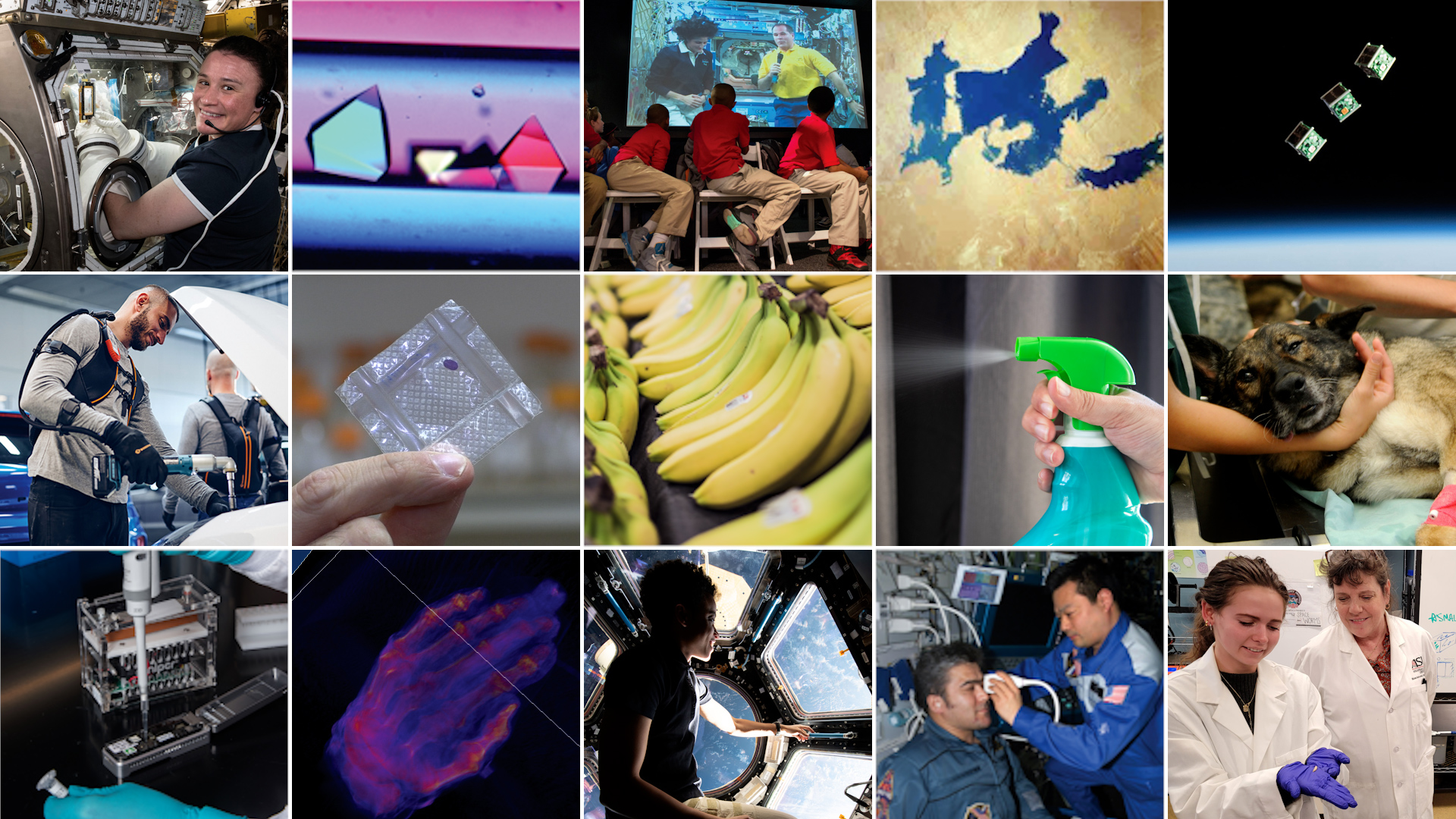
Read more about how the space station has enabled significant strides in our journey farther into the final frontier. 

The first decade of the space station was the decade of construction. The second decade moved from initial studies to fully using the orbiting laboratory. Now we are in the decade of results. 

With nearly 25 years of experiments conducted aboard the station, more breakthroughs are materializing than ever before. These scientific discoveries and technological advancements are benefiting humanity on the ground, contributing to the growing low Earth orbit economy, and helping to prepare for future exploration of the Moon and Mars.  

Innovations include: 

  • Advances in X-ray technologies, developed to create a space station telescope, are helping unravel the mysteries of our universe while improving medical devices on Earth. 
  • Temperature-change data that has been employed in efforts to reduce heat absorbed by city surfaces, reduce fire risk, and help farmers efficiently water their fields. 
  • Demonstrations of robotic technologies with the potential to relieve repetitive movement and other workplace-related stressors. 
  • Development of a small ultrasound unit for crew health monitoring that has since been adapted to provide diagnostic care in remote areas on Earth. 

Find more information about the space station’s benefits for humanity here

25 Years in Orbit: Science, Innovation, and the Future of Exploration 

7 Gennaio 2026 ore 22:05
NASA astronaut Jasmin Moghbeli retrieves media bags inside the International Space Station’s Kibo laboratory module for Emory University’s Project EAGLE investigation.
NASA

NASA and its partners have supported humans continuously living and working in space since November 2000. A truly global endeavor, the International Space Station has been visited by more than 290 people from 26 countries and a variety of international and commercial spacecraft. The unique microgravity laboratory has hosted more than 4,000 experiments from over 5,000 researchers from 110 countries. The space station also is facilitating the growth of a commercial market in low Earth orbit for research, technology development, and crew and cargo transportation. 

After a quarter of century of human presence in orbit, the station remains a symbol of international cooperation and a proving ground for humanity’s next giant leaps to the Moon and, eventually, Mars.  

September's full Moon, the Harvest Moon, is photographed from the International Space Station, perfectly placed in between exterior station hardware
September’s full Moon, the Harvest Moon, is photographed from the space station, placed in between exterior station hardware.
NASA

The microgravity environments aboard the space station unlocks discoveries that benefit life on Earth and prepare humans for deep space missions. NASA’s Human Research Program (HRP) works to understand the changes astronauts face aboard the orbital outpost and to develop interventions to keep crews healthy before, during, and after flight.  

Astronauts aboard the station exercise for roughly two hours a day to protect bone density, muscle strength, and the cardiovascular system, but the longer they are in microgravity, the harder it can be for the brain and body to readapt to gravity’s pull. After months in orbit, returning astronauts often describe Earth as heavy, loud, and strangely still. Some reacclimate within days, while other astronauts take longer to fully recover. 

Through HRP-led studies, scientists track these changes and test solutions—from improved exercise regimens to medical monitoring and nutritional strategies. The results inspire new medical technologies, while teaching scientists how the human body adapts to long-duration spaceflights—knowledge that helps keep astronauts healthy on future missions.

A woman runs on a treadmill in space.
In the Tranquility node of the orbiting laboratory, NASA astronaut Jessica Meir exercises on the Combined Operational Load Bearing External Resistance Treadmill (COLBERT), technically named the Treadmill 2 and abbreviated as T2.
NASA

The space station continues to be a critical platform for sharpening skills, technology, and understanding that will prepare humanity to return to the Moon with NASA’s Artemis campaign and journey on to Mars and beyond. 

Since space presents an entirely new physical environment with a distinct set of challenges, the orbiting laboratory is uniquely positioned to support research and preparations not possible on Earth. That includes: 

  • Mastering techniques for basic tasks like drinking water, sleeping, exercising, and handling various materials.  
  • Developing solutions to microgravity-induced changes to and challenges for the human body. 
  • Testing reliable technologies and self-sustaining ecosystems necessary for deep space travel, from life support systems to in-orbit agriculture and 3D printing of materials. 
  • Refining techniques and procedures for data and imagery collection and analysis.  

Read more about how the space station has enabled significant strides in our journey farther into the final frontier. 

The first decade of the space station was the decade of construction. The second decade moved from initial studies to fully using the orbiting laboratory. Now we are in the decade of results. 

With nearly 25 years of experiments conducted aboard the station, more breakthroughs are materializing than ever before. These scientific discoveries and technological advancements are benefiting humanity on the ground, contributing to the growing low Earth orbit economy, and helping to prepare for future exploration of the Moon and Mars.  

Innovations include: 

  • Advances in X-ray technologies, developed to create a space station telescope, are helping unravel the mysteries of our universe while improving medical devices on Earth. 
  • Temperature-change data that has been employed in efforts to reduce heat absorbed by city surfaces, reduce fire risk, and help farmers efficiently water their fields. 
  • Demonstrations of robotic technologies with the potential to relieve repetitive movement and other workplace-related stressors. 
  • Development of a small ultrasound unit for crew health monitoring that has since been adapted to provide diagnostic care in remote areas on Earth. 

Find more information about the space station’s benefits for humanity here

2025 in Review: Highlights from NASA in Silicon Valley 

18 Dicembre 2025 ore 17:20

Editor’s Note: This article was updated on Friday, Dec. 19, 2025, to clarify the research done by ATM-X and ACERO.

NASA’s Ames Research Center in California’s Silicon Valley continued to make strides in research, technology, engineering, science, and innovation this past year. Join us as we take a look back at some of the highlights from 2025.

From Supercomputers to Wind Tunnels: NASA’s Road to Artemis II

This video shows two simulations of the SLS (Space Launch System) rocket using NASA’s Launch Ascent and Vehicle Aerodynamics solver. For the Artemis II test flight, a pair of six-foot-long strakes will be added to the core stage of SLS that will smooth vibrations induced by airflow during ascent. The top simulation is without strakes while the bottom shows the airflow with strakes. The green and yellow colors on the rocket’s surface show how the airflow scrapes against the rocket’s skin. The white and gray areas show changes in air density between the boosters and core stage, with the brightest regions marking shock waves. The strakes reduce vibrations and improves the safety of the integrated vehicle.
NASA/NAS/Gerrit-Daniel Stich, Michael Barad, Timothy Sandstrom, Derek Dalle

By combining the technologies of the NASA Advanced Supercomputing facility and Unitary Plan Wind Tunnel at NASA Ames, researchers were able to simulate and model an adjustment to the Space Launch System (SLS) rocket that could improve airflow and stability to the vehicle during the launch of Artemis II. The collaborative effort between researchers is the next step on NASA’s journey to send astronauts to explore the Moon for scientific discovery, economic benefits, and build the foundation for the first crewed missions to Mars.

New Discoveries in Early Solar System Samples

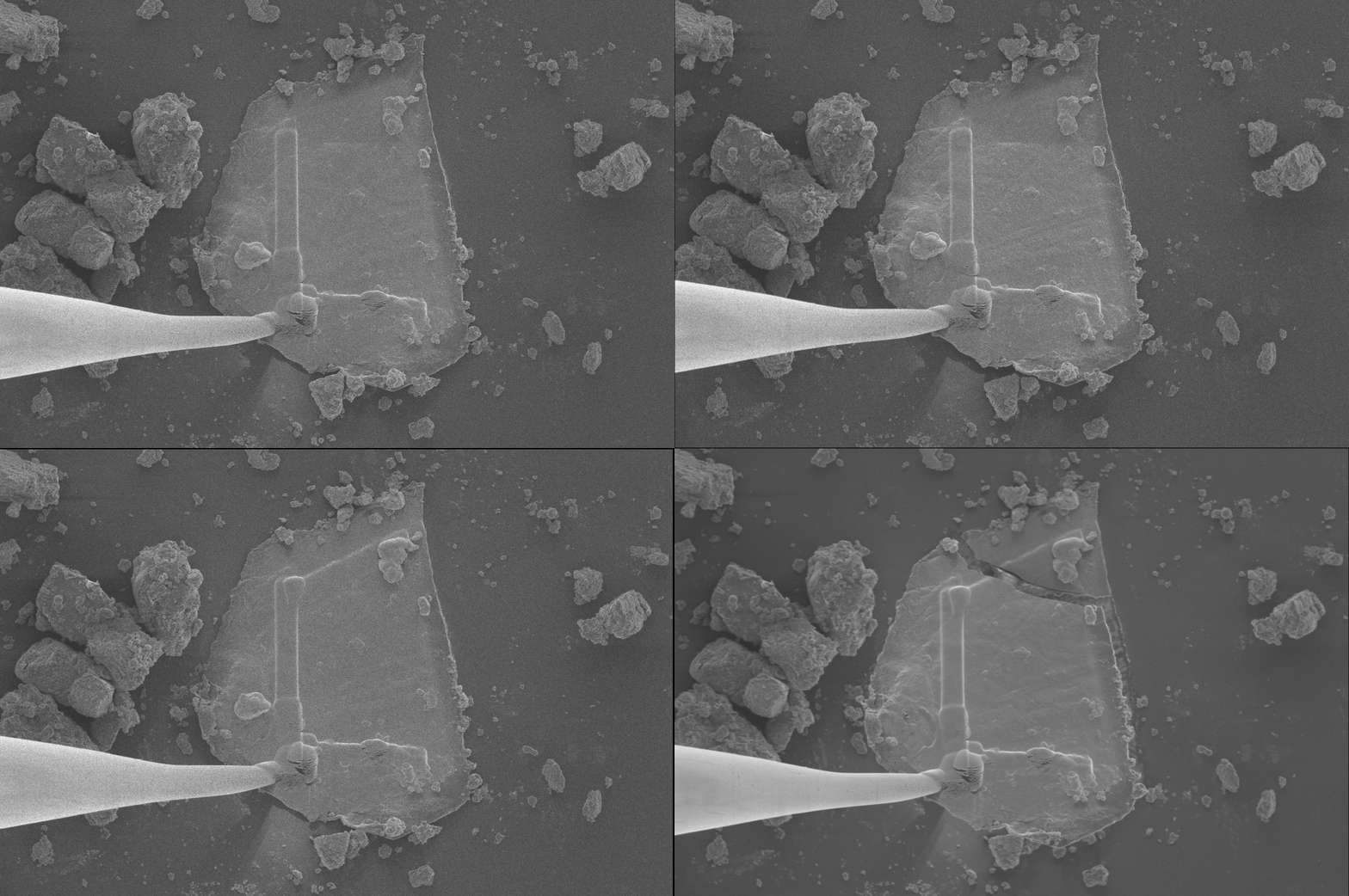
A microscopic particle of asteroid Bennu, brought to Earth by NASA’s OSIRIS-REx mission, is manipulated under a transmission electron microscope. In order to move the fragment for further analysis, researchers first reinforced it with thin strips of platinum (the “L” shape on the particle’s surface) then welded a tungsten microneedle to it. The asteroid fragment measures 30 micrometers (about one-one thousandth of an inch) across.
NASA

Researchers at NASA Ames discovered a never-before-seen “gum-like” material in pristine asteroid samples delivered to Earth by NASA’s OSIRIS-REx (Origins, Spectral Interpretation, Resource Identification, and Security-Regolith Explorer) spacecraft. The surprising substance was likely formed in the early days of the solar system, as Bennu’s young parent asteroid warmed. Such complex molecules could have provided some of the chemical precursors that helped trigger life on Earth, and finding them in the pristine samples from Bennu is important for scientists studying how life began and whether it exists beyond our planet.

VIPER Gets a Ride to the Moon’s South Pole

This artist’s concept shows Blue Origin’s Blue Moon Mark 1 lander and NASA’s VIPER (Volatiles Investigating Polar Exploration Rover) on the lunar surface.
Credit: Courtesy of Blue Origin

NASA’s VIPER (Volatiles Investigating Polar Exploration Rover) will search for volatile resources, such as ice, on the lunar surface and collect science data to support future exploration at the Moon and Mars. As part of the agency’s Artemis campaign, NASA awarded Blue Origin of Kent, Washington, a Commercial Lunar Payload Services task order with an option to deliver a rover to the Moon’s South Pole region. With this new award, Blue Origin will deliver VIPER to the lunar surface in late 2027.

Taking to the Skies to Test Remote Wildfire Response

NASA Ames drone team tests the information sharing, airspace management, communication relay, and aircraft deconfliction capabilities of the x-altas drone as it communicates through the Advanced Capabilities for Emergency Response Operations (ACERO) Portable Airspace Management System (PAMS) in Salinas, California in March 2025. This was a part of the project’s first flight demonstration.
NASA/Brandon Torres Navarrete

NASA researchers are advancing technology that could help fight and monitor wildfires 24 hours a day. NASA’s Advanced Capabilities for Emergency Response Operations (ACEROconducted initial validation of a new, portable system that can provide reliable airspace management under poor visual conditions, one of the biggest barriers for aerial wildland firefighting support.

NASA Installs Heat Shield on First Private Spacecraft Bound for Venus

Engineers at NASA’s Ames Research Center in California’s Silicon Valley, Eli Hiss, left, and Bohdan Wesely complete a fit check of the two halves of a space capsule that will study the clouds of Venus for signs of life. Led by Rocket Lab of Long Beach, California, it will be the first private mission to the planet.
NASA/Brandon Torres Navarrete

NASA helps the commercial space endeavor succeed by providing expertise in thermal protection of small spacecraft. NASA Ames teams work with private companies to turn NASA materials into solutions, such as the heat shield tailor-made for a spacecraft destined for Venus, supporting growth of the new space economy. Invented at NASA Ames, NASA’s Heatshield for Extreme Entry Environment Technology covers the bottom of the space capsule that will study the clouds of Venus for signs of life during the first private mission to the planet. This mission is led by Rocket Lab of Long Beach, California, and their partners at the Massachusetts Institute of Technology in Cambridge.

Artemis Astronauts & Orion Leadership Visit NASA Ames

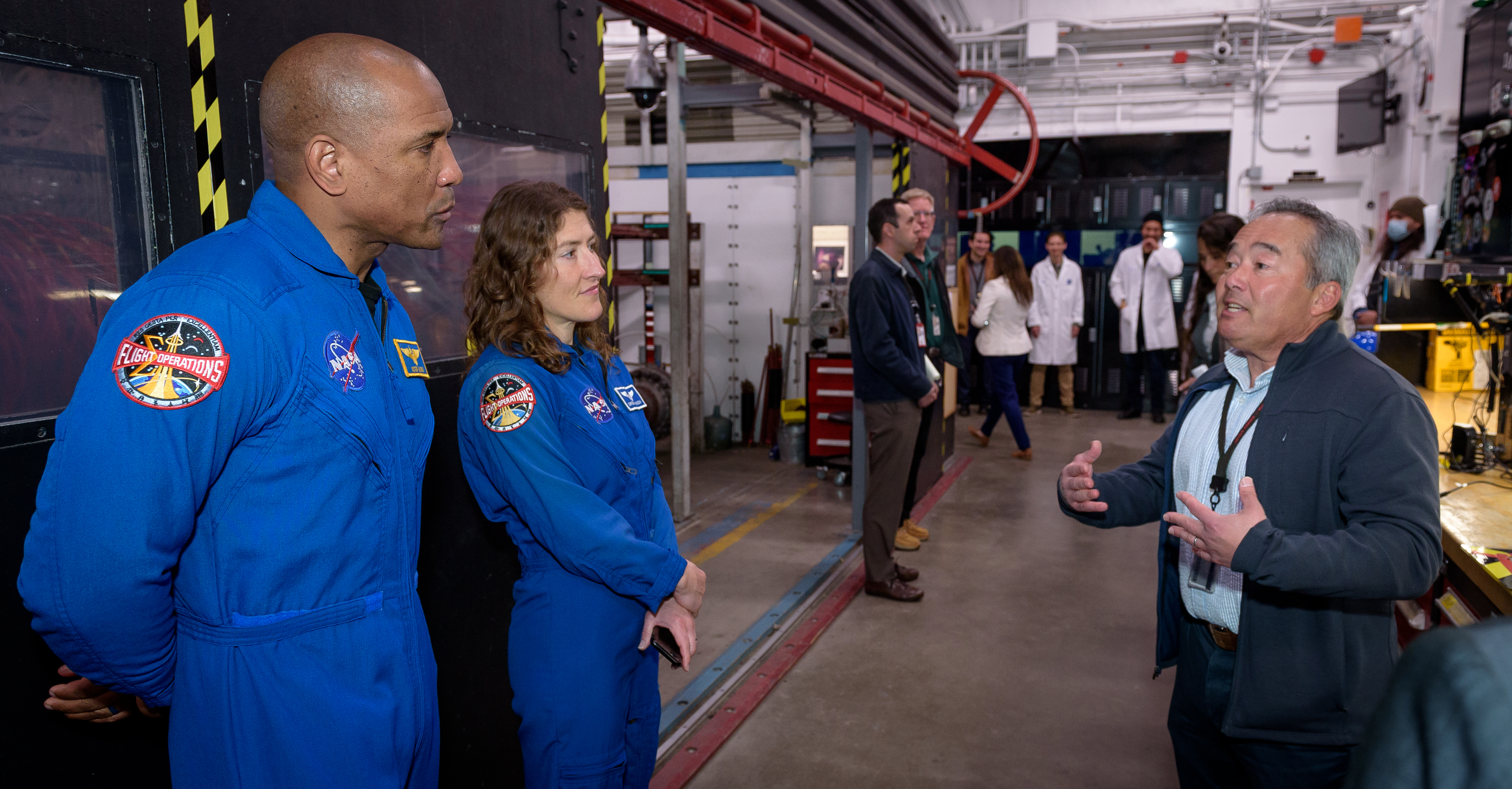
Two astronauts in blue jumpsuits stand at the left of the image, listening to a man speaking on the right side of the image. People and equipment fill the background.
Astronauts Victor Glover and Christina Koch tour the Arc Jet Facility at NASA’s Ames Research Center, learning more about the testing equipment’s capabilities to analyze thermal protection systems from George Raiche, thermophysics facilities branch chief at Ames.
NASA/Donald Richey

Artemis II astronauts Christina Koch and Victor Glover, along with Orion leaders Debbie Korth, deputy program manager, and Luis Saucedo, deputy crew and service module manager, visited NASA Ames facilities that support the Orion program to celebrate the achievements of employees. Ames facilities were used to develop and test Orion’s thermal protection system and analyze the Artemis I heat shield after its successful return to Earth.

Curiosity Mars Rover Uncovers Subsurface Clues to the Planet’s Evolution

An image of Mars shows rocks and small sand dunes, with a larger mountain range in the background. Two wheel tracks in the foreground show Curiosity rover's path before it captured the image.
NASA’s Curiosity Mars rover sees its tracks receding into the distance at a site nicknamed “Ubajara” on April 30, 2023. This site is where Curiosity made the discovery of siderite, a mineral that may help explain the fate of the planet’s thicker ancient atmosphere.
NASA/JPL-Caltech/MSSS

NASA’s Curiosity Mars rover helped shed new light on what happened to the planet’s ancient atmosphere. Researchers have long believed that Mars once had a thick, carbon dioxide-rich atmosphere and liquid water on the planet’s surface. That carbon dioxide and water should have reacted with Martian rocks to create carbonate minerals, but previous investigations haven’t found expected amounts of carbonate on the planet’s surface. Curiosity used onboard instruments to study powdered Martian rock samples from the subsurface of the planet, finding the presence of siderite, an iron carbonate mineral, within the sulfate-rich rocky layers of Mount Sharp in Mars’ Gale Crater.

Managing Satellite Traffic in Orbit

Illustrated image of four satellites orbiting Earth as the sun rises over the planet's horizon.
The Starling swarm’s extended mission tested advanced autonomous maneuvering capabilities.
NASA/Daniel Rutter

Managed at NASA Ames, the Starling mission, in collaboration with SpaceX’s Starlink constellation, successfully demonstrated autonomous coordination between spacecraft to improve space traffic management in low Earth orbit. The extended mission, called Starling 1.5, tested how satellite swarms can share maneuver responsibilities and respond more quickly to avoid collisions without relying on time-consuming ground-based communication. This approach aims to streamline space traffic coordination as orbital congestion increases, enabling faster, safer, and more efficient satellite operations.

Proven True: A Companion Star to Betelgeuse

An image of Betelgeuse, the yellow-red star, and the signature of its close companion, the faint blue object.
Data: NASA/JPL/NOIRlab. Visualization: NOIRLAB.

Researchers validated a century-old hypothesis that there’s an orbiting companion star to Betelgeuse, the 10th brightest star in our night sky. Steve Howell, a senior research scientist at Ames, used both the ground-based Gemini North telescope in Hawai’i and a special, high-resolution camera built by NASA to directly observe the close companion to Betelgeuse. This discovery may explain why other similar red supergiant stars undergo periodic changes in their brightness on the scale of many years.

Space-Fermented Foods Make Vital Nutrients


Astronaut Suni Williams floats on the International Space Station, posing next to the BioNutrients experiment packs.
NASA astronaut and Expedition 72 Commander Suni Williams displays a set of BioNutrients production packs during an experiment aboard the International Space Station. The experiment uses engineered yeast to produce nutrients and vitamins to support future astronaut health.
NASA

NASA’s BioNutrients experiments are helping us better understand the shelf stability of nutrients essential to support astronaut health during future long-duration deep space exploration, such as missions to the Moon and Mars. The project uses microorganisms to make familiar fermented foods, such as yogurt, and includes specific types and amounts of nutrients that crew will be able to consume in the future. The first experiment tested the performance of a biomanufacturing system for almost six years aboard the International Space Station. The latest experiment launched to the station in August.

Enabling Satellite Swarms for Future Astronauts

A man stands in front of a computer server and gestures towards the racks and cables.
Caleb Adams, Distributed Spacecraft Autonomy project manager, monitors testing alongside the test racks containing 100 spacecraft computers at NASA’s Ames Research Center in California’s Silicon Valley. The DSA project develops and demonstrates software to enhance multi-spacecraft mission adaptability, efficiently allocate tasks between spacecraft using ad-hoc networking, and enable human-swarm commanding of distributed space missions.
NASA/Brandon Torres Navarrete

NASA Ames’ Distributed Spacecraft Autonomy (DSA) project tested software that enables swarms of satellites to make decisions and adapt to changing conditions with minimal human intervention. By distributing decision-making autonomy across multiple spacecraft, the system allows satellites to coordinate tasks, optimize scientific observations, and respond to challenges in real time while freeing human explorers to focus on critical tasks. The technology was first demonstrated in space aboard the Starling mission, showcasing how autonomous swarms can enhance mission efficiency and resilience.

Exploring Remotely Piloted Aircraft in U.S. Airspace

NASA researchers stand in front of a floor-to-ceiling monitor displaying live flight data during a flight test of a Bell 206 helicopter.
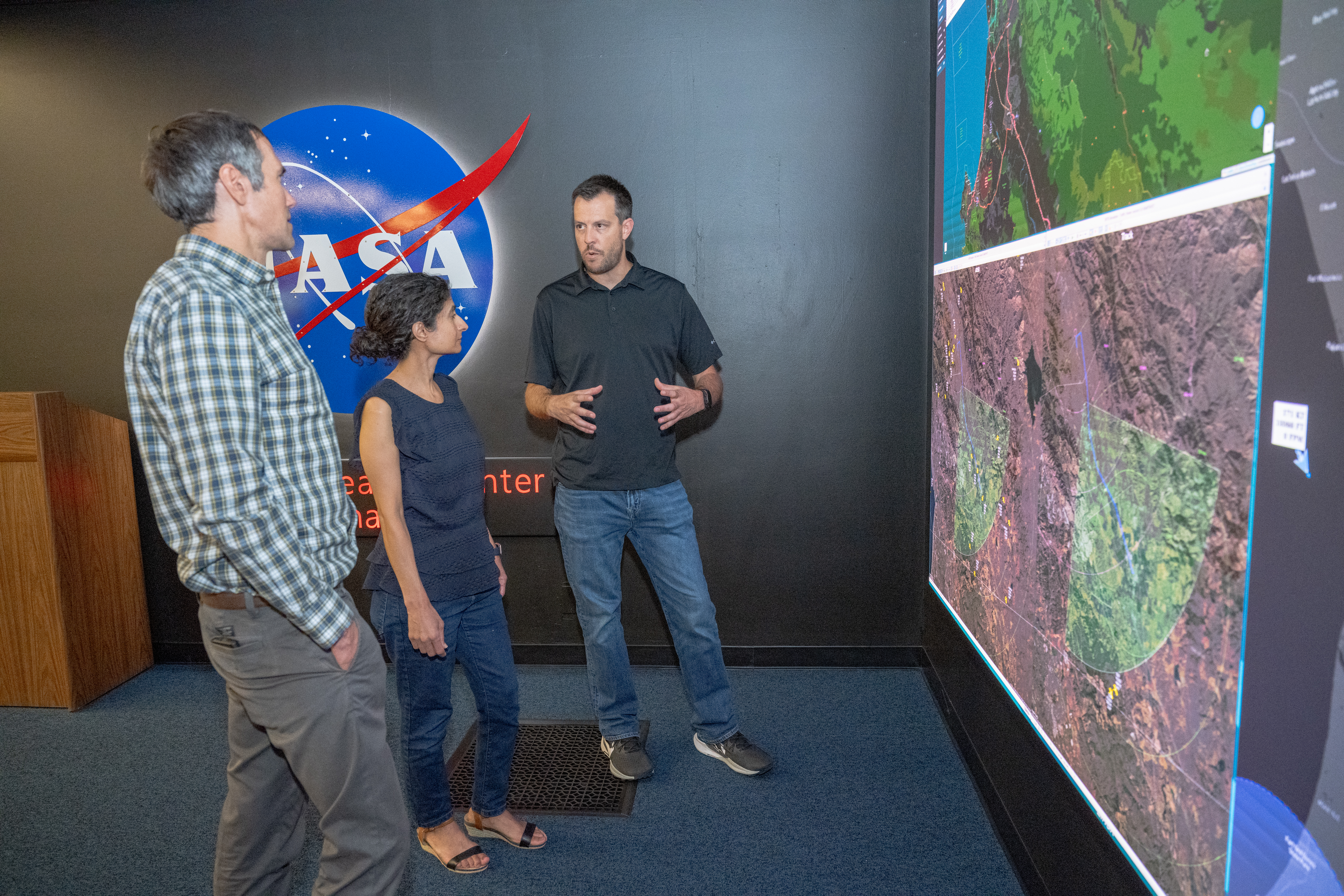
NASA researchers Matt Gregory, right, Arwa Awiess, center, and Andrew Guion discuss live flight data being ingested at the Mission Visualization and Research Control Center (MVRCC) at NASA’s Ames Research Center on Aug. 21, 2025.
NASA/Brandon Torres Navarrete

NASA Ames and its partners tested a tool for remotely piloted aircraft that could enable operators to transport people and goods more efficiently within urban areas. Building on this effort, NASA’s Air Traffic Management eXploration Project (ATM-X) supported Wisk Aero in a flight test to evaluate a ground-based radar developed by Collins Aerospace to detect and avoid other aircraft – with the goal of helping air traffic controllers manage increased flight activity for new entrants while maintaining safety across the national airspace.

Pushing the Boundaries of Autonomous Cargo Drones

Christopher Bryant shows the simulated vehicle as part of the Federal Uncrewed Aircraft System Service Supplier Synthesis Effort (FUSE) live flight simulation in the Verification and Validation (V&V) lab in N210.
NASA/Donald Richey

NASA partnered with the Department of War in a live flight demonstration showcasing how drones can successfully fly without their operators being able to see them, a concept known as beyond visual line of sight. Cargo drones successfully carried payloads more than 75 miles across North Dakota in tests designed to demonstrate that the aircraft could operate safely even in complex, shared airspace.

Advancing Mixed Reality for Pilot Training

A pilot, Damien Hischier, of the National Test Pilot School dons virtual reality goggles inside a Virtual Motion Simulator at NASA's Ames Research Center.
Damian Hischier of the National Test Pilot School in Mojave, California, takes part in testing of a virtual reality-infused pilot simulation in the Vertical Motion Simulator (VMS) at NASA’s Ames Research Center in California’s Silicon Valley on May 30, 2025.
NASA/Brandon Torres Navarrete

A NASA research project is accelerating alternatives to conventional flight simulator training, using mixed reality systems that combines physical simulators with virtual reality headsets to train pilots. The agency invited a dozen pilots to NASA Ames to participate in a study to test how a mixed-reality flight simulation would perform in the world’s largest flight simulator for the first time. The technology could reduce costs and allow for a smaller footprint while training pilots on next-generation aircraft.

Flies and Fly Food for Space Station DNA Studies

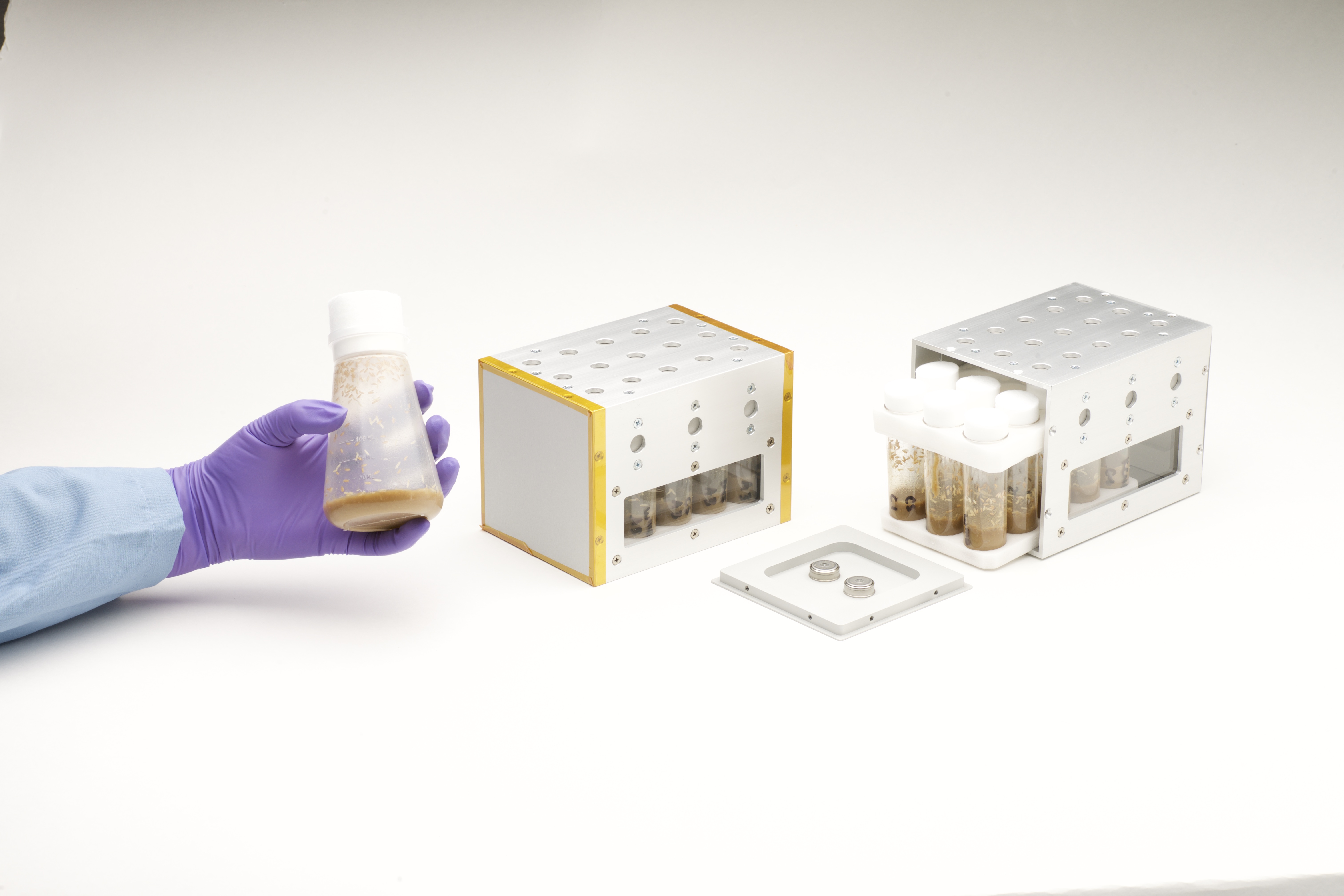
The Vented Fly Box (VFB) holds and safely transports vials containing flies and fly food.
The Vented Fly Box holds and safely transports vials containing flies and fly food. It includes environmental sensors that monitor temperature and relative humidity.
NASA/Dominic Hart

New technology for housing and supporting fruit flies is enabling new research on the effects of space travel on the human body. Through a Space Act Agreement between NASA and Axiom Space, the Vented Fly Box contained fruit flies (Drosophila melanogaster) launched aboard a SpaceX Dragon spacecraft from NASA’s Kennedy Space Center in Florida. Because humans and fruit flies share a lot of similar genetic code, they squeeze a lot of scientific value into a conveniently small, light package.

Studying Antibiotic-Resistant Bacteria in Space

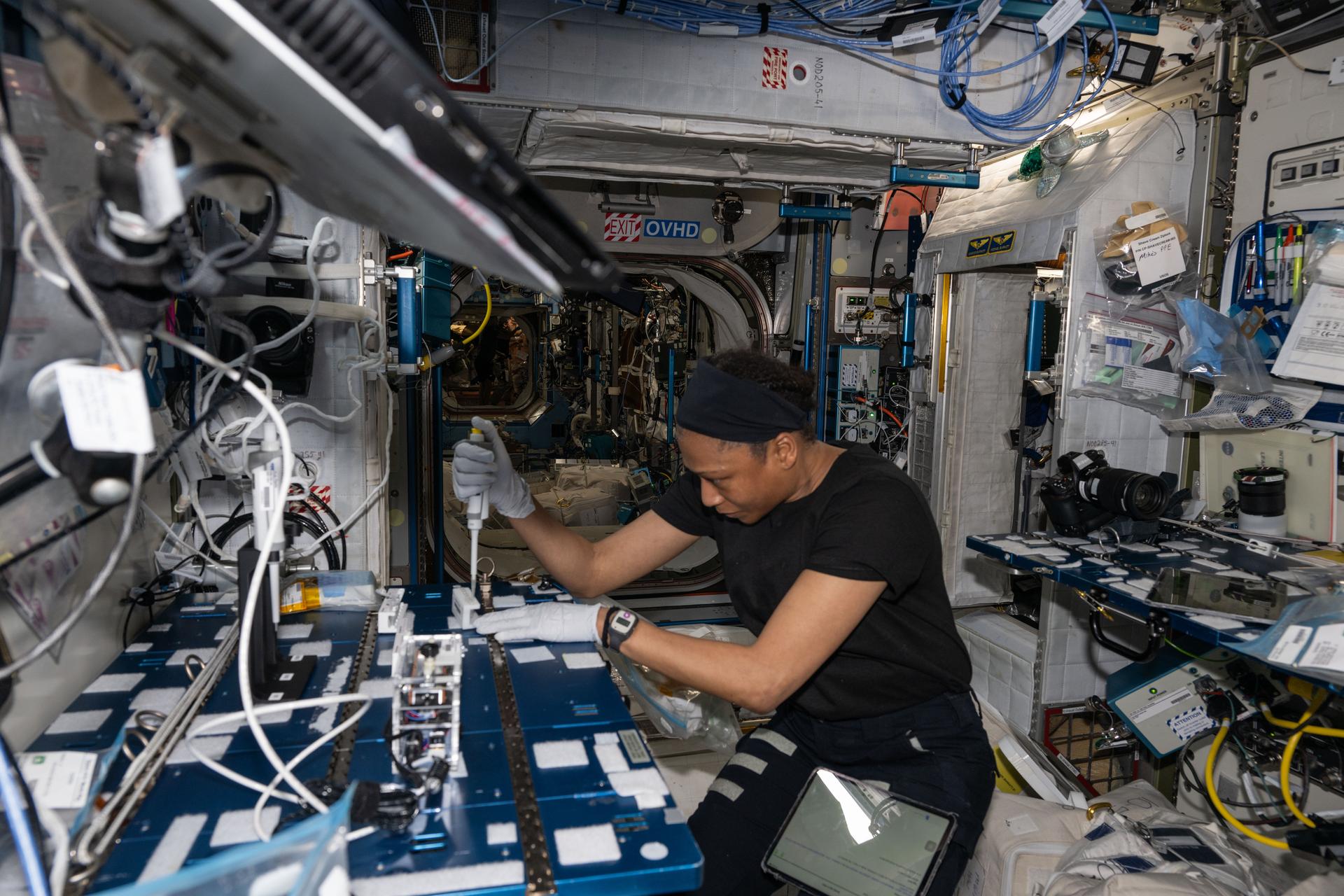
Astronaut Jeanette Epps is shown squeezing a pipette into bacteria samples onboard the International Space Station.
Astronaut Jeanette Epps extracts DNA samples from bacteria colonies for genomic analysis aboard the International Space Station’s Harmony module.
NASA

New studies aboard the International Space Station are advancing the detection of antibiotic-resistant bacteria, thus improving the health safety not only of astronauts but patients back on Earth. Future astronauts visiting the Moon or Mars will need to rely on a pre-determined supply of antibiotics in case of illness, and ensuring those antibiotics remain effective is an important safety measure for future missions. Infections caused by antibiotic-resistant bacteria can be difficult or impossible to treat, making antibiotic resistance a leading cause of death worldwide and a global health concern.

Happy Third Anniversary to BioSentinel Deep Space Mission!

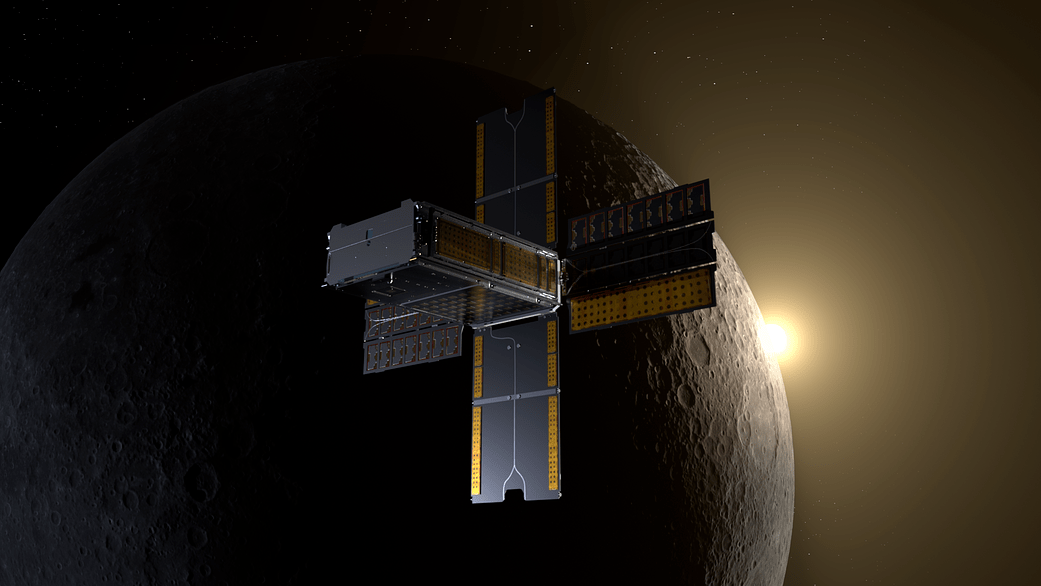
Illustration of the BioSentinel spacecraft, flying past the Moon with the CubeSat's solar arrays fully deployed, facing the Sun.
NASA’s BioSentinel – a shoebox-sized CubeSat – is travelling far from Earth. But that also means it’s closer than ever to being the first long-duration biology experiment in deep space. ​
NASA/Daniel Rutter

The BioSentinel mission, currently orbiting the Sun more than 48 million miles from Earth, celebrated three years in deep space after launching aboard NASA’s Artemis I in 2022. BioSentinel, managed at NASA Ames, continues to collect valuable information for scientists trying to understand how solar radiation storms move through space and where their effects – and potential impacts on life beyond Earth – are most intense.

Astrobee Partners to Advance Space Robotics

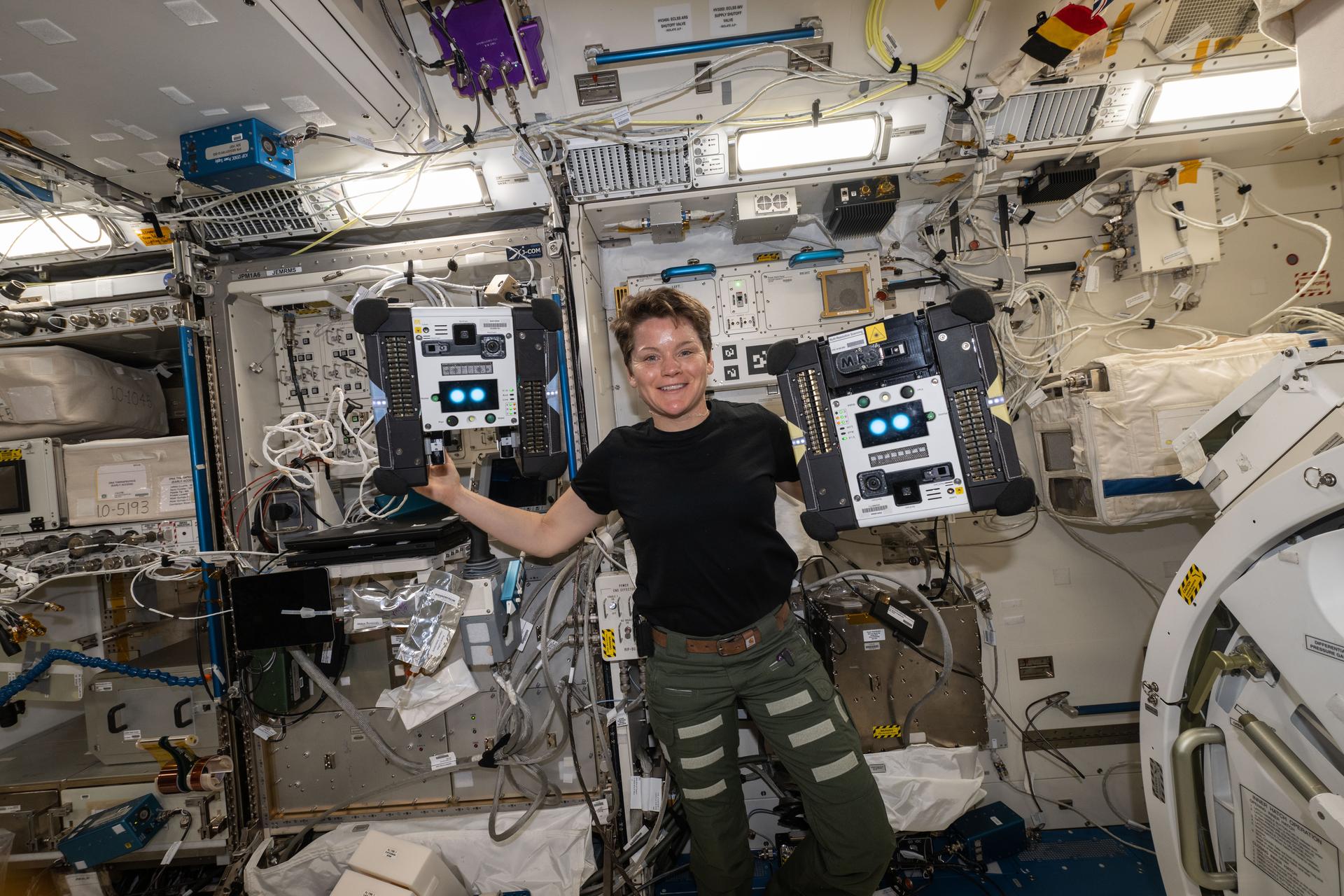
NASA astronaut and Expedition 73 Flight Engineer Anne McClain shows off a pair of Astrobee robotic free-flyers inside the International Space Station's Kibo laboratory. Ground controllers were monitoring the cube-shaped, toaster-sized devices as they autonomously performed docking maneuvers using multi-resolution scanning units installed earlier by McClain.
NASA astronaut Anne McClain poses with Astrobee robots Bumble (left) and Honey during their latest in orbit activity in May, 2025
NASA

NASA is working with Arkisys, Inc., of Los Alamitos, California, to sustain the Astrobee robotic platform aboard the International Space Station. NASA launched the Astrobee mission to the space station in 2018. Since then, the free-flying robots have marked multiple first-in-space milestones for robots working alongside astronauts. As the agency returns astronauts to the Moon, robotic helpers like Astrobee could one day take over routine maintenance tasks and support future spacecraft at the Moon and Mars without relying on humans for continuous operation.

Riprendiamoci l’internet

17 Dicembre 2025 ore 18:15

“Assalto alle piattaforme” è il libro di Kenobit, uscito settimana scorsa per Agenzia X. https://agenziax.it/assalto-piattaforme
Di sperimentazioni come queste ne sentivamo il bisogno e ci piace leggere la testimonianza diretta da un artista che nei social c’è cresciuto e ad oggi condivide una visione mondiale di “via d’uscita”. 

O come dice lui nella sua newsletter:
    Parla del rapporto tossico che abbiamo con le piattaforme commerciali, analizza i meccanismi che ci rubano il tempo, racconta il grande inganno della content creation e propone un percorso concreto per smettere di sostenere il capitalismo digitale e rivendicare una dimensione online che non inquini il mondo e le nostre vite. È frutto di due anni di sperimentazione (cominciati proprio qui, sulla Settimana Sovversiva), tecnologica e umana, e spiega nel modo più semplice possibile le alternative e le pratiche che possono liberarci.

Se volete il libro è anche “in ascolto” a puntate sul Castopod di Kenobit stesso.
https://podcast.kenobit.it/@assaltoallepiattaforme

La soluzione comprende la convergenza e federazione di chi crea e legge contenuti sul protocollo Activity pub, e la presa di responsabilità del proprio hosting, da sole o in compagnia. Va bene, se non ne avete mai proprio sentito parlare, un introduzione all’argomento può essere questo video: https://videos.elenarossini.com/w/petiQESS6xH5B68Pysqfug

Visto che le tecnologie federate ci piacciono, in quanto danno un potere di scelta alle persone, da uno dei nostri servizi è possibile integrarsi. Infatti da NoBlogs è possibile pubblicare sul Fediverso e partecipare a queste nuove reti sociali (opt-in), se ti interessa leggi qui e qui. Ugualmente è possibile rimanere “non-correlati”, fuori dal fediverso, e per entrambe le scelte:

NoBlogs non conserva i Log di chi vi legge!

NASA Ignites New Golden Age of Exploration, Innovation in 2025

16 Dicembre 2025 ore 20:48
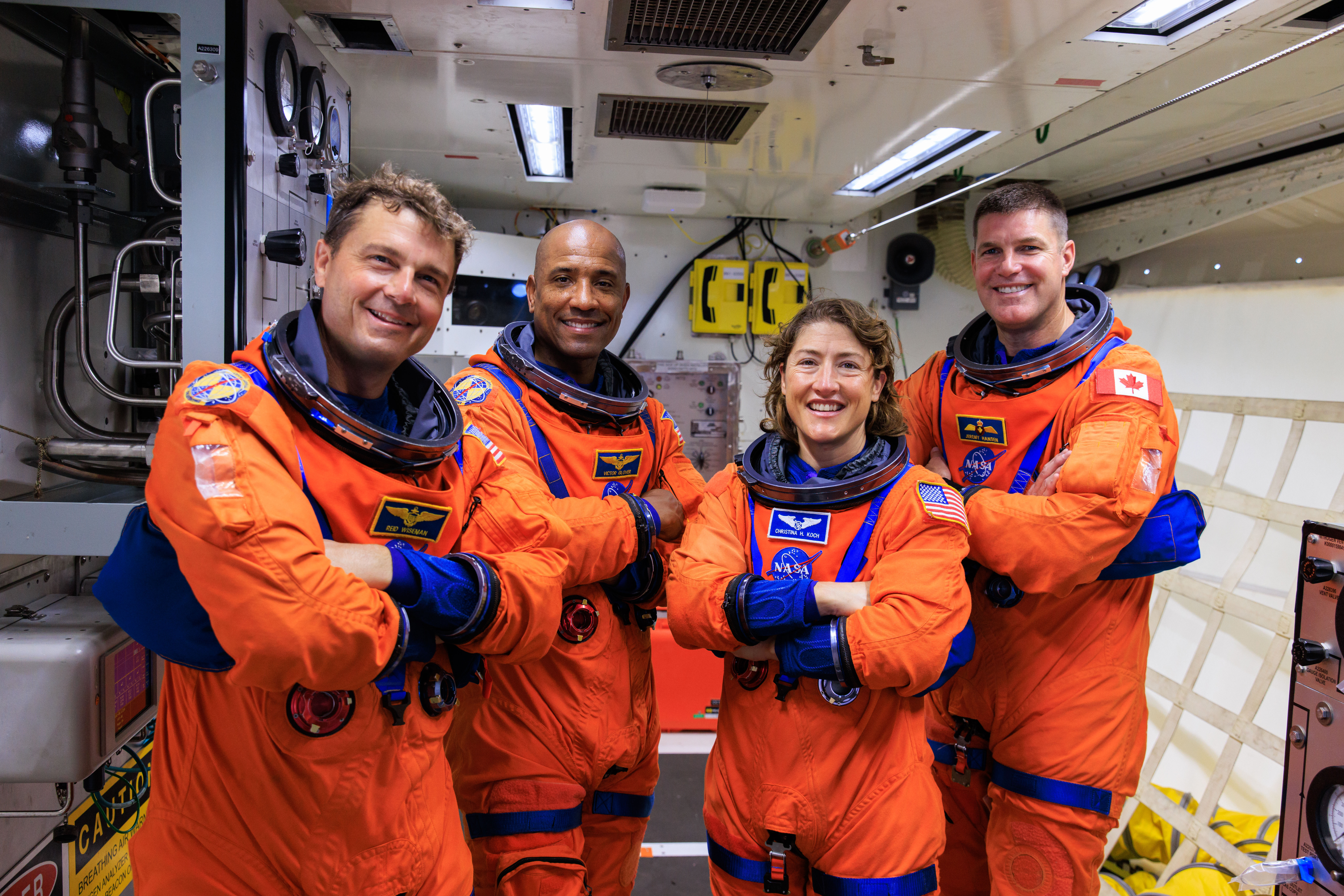
Artemis II NASA astronauts (left to right) Reid Wiseman, Victor Glover, and Christina Koch, and CSA (Canadian Space Agency) astronaut Jeremy Hansen stand in the white room on the crew access arm of the mobile launcher at Launch Pad 39B as part of an integrated ground systems test at the agency’s Kennedy Space Center in Florida on Sept. 20, 2023.
Credit: NASA/Frank Michaux

With a second Trump Administration at the helm in 2025, NASA marked significant progress toward the Artemis II test flight early next year, which is the first crewed mission around the Moon in more than 50 years, as well as built upon its momentum toward a human return to the lunar surface in preparation to send the first astronauts — Americans — to Mars.

As part of the agency’s Golden Age of innovation and exploration, NASA and its partners landed two robotic science missions on the Moon; garnered more signatories for the Artemis Accords with 59 nations now agreeing to safe, transparent, and responsible lunar exploration; as well as advanced a variety of medical and technological experiments for long-duration space missions like hand-held X-ray equipment and navigation capabilities.

NASA also led a variety of science discoveries, including launching a joint satellite mission with India to regularly monitor Earth’s land and ice-covered surfaces, as well as identifying and tracking the third interstellar object in our solar system; achieved 25 continuous years of human presence aboard the International Space Station; and, for the first time, flew a test flight of the agency’s X-59 supersonic plane that will help revolutionize air travel.

Sean Duffy, named by President Trump, is serving as the acting administrator while NASA awaits confirmation of Jared Isaacman to lead the agency. Isaacman’s nomination hearing took place in early December, and his nomination was passed out of committee with bipartisan support. The full Senate will consider Isaacman’s nomination soon. President Trump also nominated Matt Anderson to serve as deputy administrator, and Greg Autry to serve as chief financial officer, both of whom are awaiting confirmation hearings. NASA named Amit Kshatriya to associate administrator, the agency’s highest-ranking civil servant position.

Key accomplishments by NASA in 2025 include:

Astronauts exploring Moon, Mars is on horizon

Under Artemis, NASA will send astronauts on increasingly difficult missions to explore more of the Moon for scientific discovery, economic benefits, and to build upon our foundation for the first crewed mission to Mars. The Artemis II test flight is the first flight with crew under NASA’s Artemis campaign and is slated to launch in early 2026. The mission will help confirm systems and hardware for future lunar missions, including Artemis III’s astronaut lunar landing.

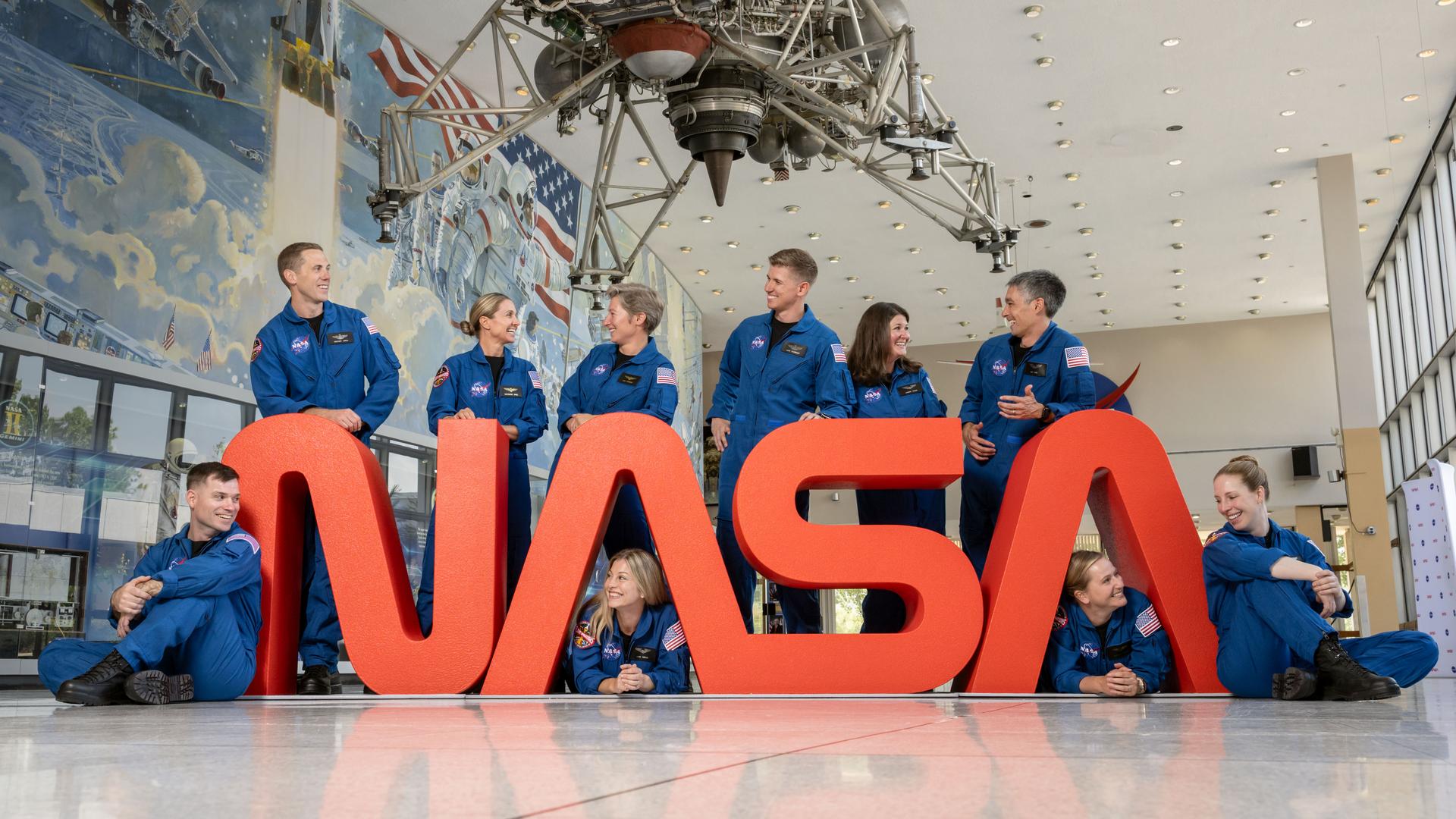
NASA also introduced 10 new astronaut candidates in September, selected from more than 8,000 applicants. The class is undertaking nearly two years of training for future missions to low Earth orbit, the Moon, and Mars. 

Progress to send the first crews around the Moon and on the lunar surface under Artemis includes:

  • NASA completed stacking of its Space Launch System rocket and Orion spacecraft for Artemis II. Teams integrated elements manufactured across the country at NASA’s Kennedy Space Center in Florida, including the rocket’s boosters and core stage, as well as Orion’s stage adapter and launch abort system, to name a few.
  • Ahead of America’s 250th birthday next year, the SLS rocket’s twin-pair of solid rocket boosters showcases the America 250 emblem.
  • The Artemis II crew participated in more than 30 mission simulations alongside teams on the ground, ensuring the crew and launch, flight, and recovery teams are prepared for any situation that may arise during the test flight. Soon, crew will don their survival suits and get strapped into Orion during a countdown demonstration test, serving as a dress rehearsal for launch day.
  • The agency worked with the Department of War to conduct a week-long underway recovery test in preparation to safely collect the Artemis II astronauts after they splashdown following their mission.
  • To support later missions, teams conducted a booster firing test for future rocket generations, verified new RS-25 engines, test-fired a new hybrid rocket motor to help engineering teams better understand the physics of rocket exhaust and lunar landers, as well using various mockups to test landing capabilities in various lighting conditions. Teams also conducted human-in-the-loop testing in Japan with JAXA (Japan Aerospace Exploration Agency) with a rover mockup from their agency.
  • NASA also continued work with Axiom Space, to develop and test the company’s spacesuit, including completing a test run at the Neutral Buoyancy Laboratory at NASA Johnson ahead of using the suit for Artemis training. The spacesuit will be worn by Artemis astronauts during the Artemis III mission to the lunar South Pole.
  • On the Moon, future crew will use a lunar terrain vehicle, or LTV, to travel away from their landing zone. NASA previously awarded three companies feasibility studies for developing LTV, followed by a request for proposals earlier this year. The agency is expected to make an award soon to develop, deliver, and demonstrate LTV on the lunar surface later this decade. The agency also selected two science instruments that will be included on the LTV to study the Moon’s surface composition and scout for potential resources.
  • For operations around the Moon, NASA and its partners continued to develop Gateway to support missions between lunar orbit and the Moon’s surface. Construction and production of the first two elements, a power and propulsion system and habitation element, each progressed, as did development and testing of potential science and technology demonstrations operated from Gateway. International partners also continued work that may contribute technology to support those elements, as well as additional habitation capabilities and an airlock.
  • This past year, NASA’s Lunar Surface Innovation Consortium team collaborated with over 3,900 members from academia, industry, and government on key lunar surface capabilities. Members from across the U.S. and 71 countries participated in two biannual meetings, three lunar surface workshops, and monthly topic meetings, resulting in 10 studies, four reports, and nine conference presentations. 

Building on previous missions and planning for the future, NASA will conduct more science and technology demonstrations on and around the Moon than ever before. Work toward effort included:

  • Selected a suite of science studies for the Artemis II mission, including studies that focus on astronauts’ health.
  • Launched two CLPS (Commercial Lunar Payload Services) flights with NASA as a key customer, including Firefly’s Blue Ghost Mission One, which landed on the Moon March 2, and Intuitive Machines’ Nova C lunar lander, which touched down on March 6.
    • Experiments and tech demos aboard these flights included an electrodynamic dust shield, lunar navigation system, high-performance computing, collection of more than 9,000 first-of-a-kind images of the lunar lander’s engine plumes, and more.
  • For future CLPS flights, NASA awarded Blue Origin a task order with an option to deliver the agency’s VIPER (Volatiles Investigating Polar Exploration Rover) to the lunar South Pole in late 2027, as well as awarded Firefly another flight, slated for 2030.
  • Teams studied regolith (lunar dirt and rocks) in a simulated lunar gravity environment and tested how solid materials catch fire in space.
  • The agency’s 55-pound CubeSat in lunar orbit, CAPSTONE, exceeded 1,000 days in space, serving as a testbed for autonomous navigation and in-space communications.
  • Published findings from this Artemis I experiment highlighting why green algae may be a very good deep space travel companion.
NASA announced its 2025 Astronaut Candidate Class on Sept. 22, 2025. The 10 candidates, pictured here at NASA’s Johnson Space Center in Houston are: U.S. Army CW3 Ben Bailey, Anna Menon, Rebecca Lawler, Katherine Spies, U.S. Air Force Maj. Cameron Jones, Dr. Lauren Edgar, U.S. Navy Lt. Cmdr. Erin Overcash, Yuri Kubo, Dr. Imelda Muller, and U.S. Air Force Maj. Adam Fuhrmann.
Credit: NASA/Josh Valcarcel

Technological and scientific steps toward humanity’s next giant leap on the Red Planet include:

  • Launched a pair of spacecraft, known as ESCAPADE, on a mission to Mars, arriving in September 2027, to study how its magnetic environment is impacted by the Sun. This data will better inform our understanding of space weather, which is important to help minimize the effects of radiation for future missions with crew.
  • NASA announced Steve Sinacore, from the agency’s Glenn Research Center in Cleveland, to lead the nation’s fission surface power efforts.
  • Selected participants for a second yearlong ground-based simulation of a human mission to Mars, which began in October, as well as tested a new deep space inflatable habitat concept.
  • Completed the agency’s Deep Space Optical Communications experiment, which exceeded all of its technical goals after two years. This type of laser communications has the potential to support high-bandwidth connections for long duration crewed missions in deep space.
  • NASA completed its fourth Entry Descent and Landing technology test in three months, accelerating innovation to achieve precision landings on Mars’ thin atmosphere and rugged terrain. 
  • Other research to support long-duration missions in deep space include how fluids behave in space, farming space crops, and quantum research.

Through the Artemis Accords, seven new nations have joined the United States, led by NASA and the U.S. Department of State, in a voluntary commitment to the safe, transparent, and responsible exploration of the Moon, Mars, and beyond. With nearly 60 signatories, more countries are expected to sign in the coming months and years. 

Finally, NASA engaged the public to join its missions to the Moon and Mars through a variety of activities. The agency sought names from people around the world to fly their name on a SD card aboard Orion during the Artemis II mission. NASA also sponsored a global challenge to design the spacecraft’s zero gravity indicator, announcing 25 finalists this year for the mascot design. Artemis II crew members are expected to announce a winner soon.

NASA’s gold standard science benefits humanity

In addition to conducting science at the Moon and Mars to further human exploration in the solar system, the agency continues its quest in the search for life, and its scientific work defends the planet from asteroids, advances wildfire monitoring from its satellites, studies the Sun, and more.

  • Garnering significant interest this year, NASA has coordinated a solar system-wide observation campaign to follow comet 3I/ATLAS, the third known interstellar object to pass through our solar system. To date, 12 NASA spacecraft and space-based telescopes have captured and processed imagery of the comet since its discovery in the summer.

Astrobiology

  • A Perseverance sample found on Mars potentially contain biosignatures, a substance or structure that might have a biological origin but requires additional data and studying before any conclusions can be reached about the absence or presence of life.
  • NASA’s Curiosity rover on Mars found the largest organic compounds on the Red Planet to date.
  • Teams also are working to develop technologies for the Habitable Worlds Observatory, and the agency now has tallied 6,000 exoplanets.
  • Samples from asteroid Bennu revealed sugars, amino acids, and other life-building molecules.

Planetary Defense

Heliophysics

In addition to launching the NISAR mission, here are other key science moments:

  • Completion of NASA’s next flagship observatory, the Nancy Grace Roman Space Telescope, is done, with final testing underway. The telescope will help answer questions about dark energy and exoplanets and will be ready to launch as early as fall of 2026.
  • The agency’s newest operating flagship telescope, James Webb Space Telescope, now in its third year, continued to transform our understanding of the universe, and Hubble celebrated its 35th year with a 2.5-gigapixel Andromeda galaxy mosaic.
  • Juno found a massive, hyper-energetic volcano on Jupiter’s moon Io.
  • NASA’s Parker Solar Probe team shared new images of the Sun’s atmosphere, taken closer to the star than ever captured before.
  • Lucy completed a successful rehearsal flyby of the asteroid Donaldjohanson.
  • The agency’s SPHEREx space telescope is creating the first full-sky map in 102 infrared colors.
  • NASA space telescopes including Chandra X-ray Observatory, IXPE, Fermi, Swift, and NuSTAR continued to reveal secrets in the universe from record-setting black holes to the first observations of the cosmos’ most magnetic objects.
NASA’s ESCAPADE (Escape and Plasma Acceleration and Dynamics Explorers) mission launched at 3:55 p.m. EST atop a Blue Origin New Glenn rocket at Launch Complex 36 at Cape Canaveral Space Force Station.
NASA’s ESCAPADE (Escape and Plasma Acceleration and Dynamics Explorers) mission launched on Nov. 13, 2025, atop a Blue Origin New Glenn rocket at Launch Complex 36 at Cape Canaveral Space Force Station.
Credit: Blue Origin

25 years of continuous presence in low Earth orbit

In 2025, the International Space Station celebrated 25 years of continuous human presence, a milestone achievement underscoring its role as a beacon of global cooperation in space. The orbital laboratory supported thousands of hours of groundbreaking research in microgravity in 2025, advancing commercial space development and preparing for future human exploration of the Moon and Mars.

  • For the first time, all eight docking ports were occupied by visiting spacecraft to close out the year, demonstrating the strength of NASA’s commercial and international partnerships. Twenty-five people from six countries lived and worked aboard the station this year. In all, 12 spacecraft visited the space station in 2025, including seven cargo missions delivering more than 50,000 pounds of science, tools, and critical supplies to the orbital complex.  

Research aboard the International Space Station continues to benefit life on Earth and support deep space exploration.

  • Several studies with Crew-10 and Crew 11 aimed at understanding how the human body adapts to spaceflight, including a new study to assess astronauts’ performance, decision making, and piloting capabilities during simulated lunar landings. 
  • In September, the U.S. Food and Drug Administration approved an early-stage cancer treatment, supported by research aboard the space station, that could reduce costs and shorten treatment times for patients.
  • Scientists also published findings in peer-reviewed journals on topics such as astronaut piloting performance after long missions, the use of biologically derived materials to shield against space radiation, robotic telesurgery in space, and how spaceflight affects stem cells, all advancing our understanding of human physiology in space and on Earth.
  • Researchers 3D-printed medical implants with potential to support nerve repair; advanced work toward large-scale, in-space semiconductor manufacturing; and researched the production of medical components with increased stability and biocompatibility that could improve medication delivery.

Additional notable space operations accomplishments included:

  • NASA’s SpaceX Crew-9 astronauts Nick Hague, Suni Williams, and Butch Wilmore returned in March after a long-duration mission, including more than eight months for Williams and Wilmore. The trio completed more than 150 scientific experiments and 900 hours of research during the stay aboard the orbiting laboratory. Williams also conducted two spacewalks, setting a new female spacewalking record with 62 hours, 6 minutes, and ranking her fourth all-time in spacewalk duration. 
  • NASA astronaut Don Pettit returned in April with Roscosmos cosmonauts Alexey Ovchinin and Ivan Vagner, concluding a seven-month mission. Pettit, who turned 70 the day of his return, completed 400 hours of research during his flight, and has now logged 590 days in space across four missions. 
  • SpaceX Dragon cargo missions 32 and 33 launched in April and August, delivering more than 11,700 pounds of cargo, while SpaceX 33 tested a new capability to help maintain the altitude of station.  
  • Axiom Mission 4, the fourth private astronaut mission to the space station, concluded in July, furthering NASA’s efforts to support and advance commercial operations in low Earth orbit. 
  • NASA SpaceX Crew-11 mission launched in August with NASA astronauts Zena Cardman and Mike Fincke, JAXA (Japan Aerospace Exploration Agency) astronaut Kimiya Yui, and Roscosmos cosmonaut Oleg Platonov aboard. The crew remains aboard the space station where they are conducting long-duration research to support deep space exploration and benefit life on Earth. 
  • NASA’s SpaceX Crew-10 mission completed more than 600 hours of research before returning in August, when they became the first crewed SpaceX mission for NASA to splash down in the Pacific Ocean.  
  • In September, the first Northrop Grumman Cygnus XL spacecraft arrived, delivering more than 11,000 pounds of cargo, including research supporting Artemis and Mars exploration. 
  • NASA Glenn researchers tested handheld X-ray devices that could help astronauts quickly check for injuries or equipment problems during future space missions. 
  • For nearly six years, NASA’s BioNutrients project has studied how to produce essential nutrients to support astronaut health during deep space missions, where food and vitamins have limited shelf lives. With its third experiment now aboard the International Space Station, the research continues to advance preparations for long-duration spaceflight.
  • NASA astronaut Chris Williams arrived with Roscosmos cosmonauts Sergey Kud-Sverchkov and Sergei Mikaev for an eight-month science mission aboard the station. Following their arrival, NASA astronaut Jonny Kim returned home, concluding his own eight-month mission. 

NASA has worked with commercial companies to advance development of privately owned and operated space stations in low Earth orbit from which the agency, along with other customers, can purchase services and stimulate the growth of commercial activities in microgravity. This work is done in advance of the International Space Station’s retirement in 2030.

Among the many achievements made by our partners, recent advancements include:

  • Axiom Space has completed critical design review, machining activities, and the final welds, moving to testing for the primary structure of Axiom Station’s first module.
  • Starlab completed five development and design milestones focused on reviews of its preliminary design and safety, as well as spacecraft mockup and procurement plans.
  • Completed testing of the trace contaminant control system for Vast’s Haven-1 space station using facilities at NASA Marshall, confirming the system can maintain a safe and healthy atmosphere.
  • Blue Origin’s Orbital Reef completed a human-in-the-loop testing milestone using individual participants or small groups to perform day-in-the-life walkthroughs in life-sized mockups of major station components. 
  • The agency also continues to support the design and development of space stations and technologies through agreements with Northrop Grumman, Sierra Space, SpaceX, Special Aerospace Services, and ThinkOrbital.
On Nov. 2, 2025, the International Space Station celebrated 25 years of continuous human presence. Here, clouds swirl over the Gulf of Alaska and underneath the aurora borealis blanketing Earth’s horizon in this photograph from the space station as it orbited 261 miles above on March 12, 2025.
Credit: NASA

Pioneering aviation research 

This year saw a major triumph for NASA’s aviation researchers, as its X-59 one-of-a-kind quiet supersonic aircraft made its historic first flight Oct 28. NASA test pilot Nils Larson flew the X-59 for 67 minutes up to an altitude of about 12,000 feet and an approximate top speed of 230 mph, precisely as planned. The flight capped off a year of engine testing including afterburner testing, taxi testing, and simulated flights from the ground — all to make sure first flight went safely and smoothly. The X-59 team will now focus on preparing for a series of flight tests where the aircraft will operate at higher altitudes and supersonic speeds. This flight test phase will ensure the X-59 meets performance and safety expectations. NASA’s Quesst mission also began testing the technologies that they will use to measure the X-59’s unique shock waves and study its acoustics during future mission phases.  

Researchers also made other major strides to further aviation technologies that will benefit the public and first responders, including live flight testing of a new portable airspace management system with the potential to greatly improve air traffic awareness during wildland fire operations.  

During the past year, the agency’s aeronautics researchers also: 

A white NASA experimental aircraft with a long, pointed nose flies through the air for the first time.
NASA’s X-59 quiet supersonic research aircraft lifts off for its first flight on Oct. 28, 2025, from U.S. Air Force Plant 42 in Palmdale, California. The aircraft’s first flight marks the start of flight testing for NASA’s Quesst mission, the result of years of design, integration, and ground testing.
Credit: NASA/Lori Losey

Technologies that advance exploration, support growing space economies

From spinoff technologies on Earth to accelerating development of technologies in low Earth orbit and at the Moon and Mars, NASA develops, demonstrates, and transfer new space technologies that benefit the agency, private companies, and other government agencies and missions.

Accomplishments by NASA and our partners in 2025 included:

  • NASA and Teledyne Energy Systems Inc. demonstrated a next-generation fuel cell system aboard a Blue Origin New Shepard mission, proving it can deliver reliable power in the microgravity environment of space. 
  • Varda Space Industries licensed cutting-edge heatshield material from NASA, allowing it to be produced commercially for the company’s capsule containing a platform to process pharmaceuticals in microgravity. Through this commercial collaboration NASA is making entry system materials more readily available to the U.S. space economy and advancing the industries that depend on it. 
  • The maiden flight of UP Aerospace’s Spyder hypersonic launch system demonstrated the U.S. commercial space industry’s capacity to test large payloads (up to 400 pounds) at five times the speed of sound. NASA’s support of Spyder’s development helped ensure the availability of fast-turnaround, lower cost testing services for U.S. government projects focused on space exploration and national security.  
  • The NASA Integrated Rotating Detonation Engine System completed a test series for its first rotating detonation rocket engine technology thrust chamber assembly unit.
  • NASA successfully completed its automated space traffic coordination objectives between the agency’s four Starling spacecraft and SpaceX’s Starlink constellation. The Starling demonstration matured autonomous decision-making capabilities for spacecraft swarms using Distributed Spacecraft Autonomy software, developed by NASA’s Ames Research Center in California’s Silicon Valley.  
  • NASA announced an industry partnership to design the Fly Foundational Robots mission to demonstrate use of Motiv Space Systems’ robotic arm aboard a hosted orbital flight test with Astro Digital. 
  • The third spacecraft in the R5 (Realizing Rapid, Reduced-cost high-Risk Research) demonstration series launched aboard SpaceX’s Transporter-15 mission. This series of small satellites leverage terrestrial commercial off-the-shelf hardware to enable affordable, rapid orbital flight tests of rendezvous and proximity operations payloads. 
  • Pieces of webbing material, known as Zylon, which comprise the straps of NASA’s HIAD (Hypersonic Inflatable Aerodynamic Decelerator) aeroshell, launched to low Earth orbit aboard the Space Force’s X-37B Orbital Test Vehicle for a trip that will help researchers characterize how the material responds to long-duration exposure to the harsh vacuum of space. 
  • The DUPLEX CubeSat developed by CU Aerospace deployed from the International Space Station to demonstrate two commercial micro-propulsion technologies for affordable small spacecraft propulsion systems. 

Harnessing NASA’s brand power in real life, online

As one of the most recognized global brands and most followed on social media, NASA amplified its reach through force-multiplying engagement activities that generate excitement and support for the agency’s missions and help foster a Golden Age of innovators and explorers.

From collaborations with sport organizations and players to partnerships with world-renowned brands, these activities provide low-cost, high-impact avenues to engage an ever-expanding audience and reinforce NASA’s position as the world’s premier space agency. Engagement highlights from 2025 include: 

  • Second Lady Usha Vance also kicked off her summer reading challenge at NASA’s Johnson Space Center in Houston, encouraging youth to seek adventure, imagination, and discovery in books, a sentiment close to NASA and everyone the agency inspires.
  • Reached nearly 5 million people through participation in hybrid and in-person events across the agency, including the White House’s Summer Reading Challenge, Open Sauce 2025, the Expedition 71 and 72 postflight visits, featuring NASA astronauts recently returned from missions aboard the space station, and more. 
  • Participated in a variety of space policy conferences to include Space Symposium and the International Aeronautical Congress highlighting America’s leadership in human exploration to the Moon and Mars, responsible exploration under the Artemis Accords, and support for the commercial space sector.

In 2025, NASA also consolidated its social media accounts to improve clarity, compliance, and strategic alignment. After streamlining the number of active accounts, the agency grew its total following on these accounts by more than eight million, reaching nearly 367 million followers. 

 
Other digital highlights included:

  • In 2025, NASA expanded access to its NASA+ streaming service by launching a free, ad-supported channel on Prime Video and announcing a new partnership with Netflix to stream live programming, including rocket launches and spacewalks, making its missions more accessible to global audiences and inspiring the next generation of explorers. As of November 2025, viewers have streamed more than 7.7 million minutes of NASA content on the Prime Video FAST channel.
  • NASA’s SpaceX Crew-9 return from the space station drew over 2.5 million live viewers, making it the agency’s most-watched event of 2025.
  • NASA aired live broadcasts for 17 launches in 2025, which have a combined 3.7 million views while live. NASA’s SpaceX Crew-10 and NISAR launches have the most views on YouTube, while crewed launches (Crew-10, Crew-11, and Axiom Mission 4) were the most-viewed while the broadcast was live. 
  • The agency’s YouTube livestreams in 2025 surpassed 18.8 million total live views. The agency’s YouTube channel has more than 50.4 million total views for the year. 
  • The agency’s podcasts were downloaded more than 2 million times in 2025 by more than 750,000 listeners.
  • Increased content production nearly tenfold for its science-focused website in Spanish, Ciencia de la NASA, and grew the website’s page views by 24% and visitor numbers by 25%. NASA’s Spanish language social media accounts experienced a 17% growth in followers in 2025.
  • The number of subscribers to NASA’s flagship and Spanish newsletters total more than 4.6 million. 
  • NASA earned a spot on The Webby 30, a curated list celebrating 30 companies and organizations that have shaped the digital landscape. 
  • More than 2.9 million viewers watched 38,400 hours of NASA’s on-demand streaming service NASA+ in 2025. November marked two years since NASA+ debuted. 
  • Premiered “Planetary Defenders,” a new documentary that follows the dedicated team behind asteroid detection and planetary defense. The film debuted at an event at the agency’s headquarters with digital creators, interagency and international partners, and now is streaming on NASA+, YouTube, and X. In its first 24 hours, it saw 25,000 views on YouTube – 75% above average – and reached 4 million impressions on X.  
  • “Cosmic Dawn,” a feature-length documentary following the creation of the James Webb Space Telescope, was released this year. The film has been viewed 1.6 million times on the agency’s YouTube channel.

Among agency awards:

  • NASA’s broadcast of the April 8, 2024, total solar eclipse won multiple Emmy Awards.
  • Received six Webby Awards and six People’s Voice Awards across platforms — recognition of America’s excellence in digital engagement and public communication. 

Learn more about NASA’s missions online at:

https://www.nasa.gov

-end-

Bethany Stevens / Cheryl Warner
Headquarters, Washington
202-358-1600
bethany.c.stevens@nasa.gov / cheryl.m.warner@nasa.gov

NASA Demonstrates Safer Skies for Future Urban Air Travel 

9 Dicembre 2025 ore 22:58

2 min read

Preparations for Next Moonwalk Simulations Underway (and Underwater)

NASA engineer Hanbong Lee demonstrates capabilities to manage busy urban airspace traffic during a recent simulation at NASA’s Ames Research Center in California’s Silicon Valley.
NASA/Brandon Torres-Navarrete

NASA is helping shape the future of urban air travel with a new simulation that will manage how electric air taxis and drones can successfully operate within busy areas.  

The demonstration, held at NASA’s Ames Research Center in California’s Silicon Valley earlier this year, focused on a system called the Strategic Deconfliction Simulation, which helps coordinate flight plans before takeoff, reducing the risk of conflicts in busy urban environments 

At the event, researchers demonstrated NASA’s Situational Viewer and Demand-Capacity Balancing Monitor, which visualizes air traffic and adjusts flight plans in real time. The simulation demonstrated traffic scenarios involving drone operations throughout the Dallas-Fort Worth area, testing how preplanned flights could improve congestion and manage the demand and capacity of the airspace – ensuring that all aircraft can operate smoothly even in crowded conditions. 

Working with industry partners is critical to NASA’s efforts to develop and refine technologies needed for future air mobility. During the simulation, the company, ANRA Technologies, demonstrated its fleet and vertiport management systems, which are designed to support the coordination of multiple aircraft and ground operations. 

“Simulating these complex environments supports broader efforts to ensure safe integration of drones and other advanced vehicles into the US airspace,” said Hanbong Lee, engineer at NASA Ames. “By showcasing these capabilities, we’re delivering critical data and lessons learned to support efforts at NASA and industry.” 

This demonstration is another step toward the NASA team’s plan to hold a technical capability level simulation in 2026. This upcoming simulation would help shape the development of services aimed at managing aircraft flying in urban areas.  

The simulation was created through a NASA team from its Air Mobility Pathfinders project, part of the agency’s continuing work to find solutions for safely integrating innovative new aircraft such as air taxis into U.S. cities and the national airspace. By developing advanced evaluations and simulations, the project supports safe, scalable, and publicly trusted air travel in urban areas, paving the way for a future where air taxis and drones are a safe and reliable part of everyday life. 

The project falls under NASA’s Airspace Operations and Safety Program, which works to enable safe and efficient aviation transportation. 

Keep Exploring

Discover More Topics From NASA

Problemi con un server / Server issues

di:ale
14 Agosto 2025 ore 15:03

Un provider presso cui ospitiamo uno dei nostri server sta avendo dei problemi oggi, alcune caselle di posta sono temporaneamente irraggiungibili. Stiamo aspettando ulteriori notizie.

AGGIORNAMENTO: Problema risolto alla fine.

One of the providers that host our servers is having some issues today. As a consequence, some mailboxes are temporarily unavailable. We’re waiting for more news to understand how to proceed.

UPDATE: The issue has been resolved, all affected mailboxes are online again.

For italian workers

15 Maggio 2025 ore 21:33

Come ormai dovreste sapere, in quanto “Associazione riconosciuta” (Associazione AI ODV) possiamo ricevere le donazioni tramite il 5×1000, ossia a chi destinare una piccola parte delle tasse che si pagano.

La cosa vale solo per chi paga le tasse in Italia.

Per questo, se pensate di avere una qualche affinità con il nostro progetto e se volete che continui a funzionare, vi invitiamo a destinarci il vostro 5×1000.

Chi sceglie di destinare il suo 5×1000 alla nostra associazione può farlo apponendo la propria firma in uno degli appositi spazi sulla dichiarazione dei redditi (Modello 730, Modello Redditi, Unico PF) e indicare il nostro codice fiscale che è 93090910501. La firma va apposta nell’apposito riquadro “Sostegno degli Enti del Terzo Settore…” che di solito è il primo a sinistra nella scheda. Nel riquadro va scritto il nostro codice fiscale che è 93090910501.

Chi fa la dichiarazione on-line deve seguire la stessa procedura, anche se non deve mettere una firma con la penna…

Anche chi non deve presentare la dichiarazione dei redditi può destinarci il suo 5×1000, basta compilare la scheda della CU (“Certificazione Unica”) che viene data dal proprio datore di lavoro, inserendo nell’apposito riquadro il nostro codice fiscale che è 93090910501. La scheda compilata va inserita in una busta chiusa sulla quale va scritto in modo leggibile: Destinazione 5X1000 IRPEF, il proprio Nome e Cognome, e il proprio codice fiscale. La busta deve essere consegnata (non si paga nulla) presso gli uffici postali, i sportelli bancari o gli intermediari abilitati.

Nel 2024 abbiamo ricevuto 3.577 euro. Ringraziamo tutte e tutti quelli che ci hanno mostrato in questo modo il loro sostegno. Per avere un’idea delle nostre spese potete guardare questa pagina.

Manutenzione / Maintenance

di:ale
13 Maggio 2025 ore 21:24

[IT] Questo Venerdì 16 Maggio faremo dei lavori su di un server per qualche ora, presumibilmente durante la mattinata. Durante questo periodo di tempo, alcuni siti web e alcuni blog di noblogs saranno temporaneamente irraggiungibili.

[EN] Friday May 16th we’ll be doing some maintenance work on one of our servers. Some services (hosted web sites, blogs) will be unavailable for a few hours.

Aggiornamenti per Noblogs/Updates to Noblogs

2 Aprile 2025 ore 10:03

[IT]
Abbiamo reso l’editor a blocchi il nuovo default su Noblogs, se volete tornare al editor classico potete seguire questa guida.

In Noblogs abbiamo reso disponibile il tema twentytwentyfive, sviluppato dalla comunità di WordPress.

Questa volta oltre alla classica personalizzazione del footer con i nostri recapiti, abbiamo deciso di introdurre un aspetto che sia comodo per condividere link in home page. Speriamo vi piaccia.

Per usarlo è necessario usare l’editor a blocchi che da oggi abbiam deciso essere il nuovo default per tutti i blog di Noblogs. È la nuova interfaccia di scrittura di wordpress e plugin e temi la usano per applicare le vostre personalizzazioni. Per chi volesse è possibile tornare all’editor Classico.

Abbiamo deciso di dedicare questa modifica a qualcuno, e visto che un nuovo tema su Noblogs è uno strumento di lotta e diffusione, abbiam pensato a Ida B. Wells

[EN]
We moved the the block editor as new default on noblogs, if you want to go back using the Classic editor you can do it by following this guide.

In Noblogs we made available the twentytwentyfive theme, developed by the WordPress community.

In addition to the classic footer customization with our contact details, we decided to introduce a way that to share links in the home page. We hope you like it.

To use it it is necessary to use the block editor that today we decided to be the new default for all Noblogs blogs. It is the new wordpress writing interface and plugins and themes use it to apply your customizations. For those who want it is possible to switch back to the Classic editor.

We decided to dedicate this change to someone, and since a new theme on Noblogs is a tool of struggle and diffusion, we thought of Ida B. Wells

Statistiche dei siti / Website analytics

di:ale
25 Febbraio 2025 ore 10:28

[IT]

Autistici / Inventati ha offerto per molti anni un servizio di analisi del traffico sui siti ospitati, inizialmente nato per offrire un’alternativa centralizzata all’installazione autonoma di strumenti simili, con migliori garanzie di rispetto della privacy ed anonimato dei visitatori.

Questo è sempre stato un compromesso vagamente scomodo: questa tipologia di strumento (nel nostro caso Piwik/Matomo, la più diffusa implementazione open source) tenta di raccogliere statistiche accurate lato client, inserendo codice nelle pagine così da tracciare il comportamento del browser. Prassi intrusiva, condivisa infatti dal mondo dell’advertisement ed in sostanza una forma di tracciamento attivo del comportamento delle persone.

Ma il web di oggi non è più quello di allora, i browser offrono maggiore resistenza a questo tipo di tracciamento, la maggioranza dei nostri visitatori comunque utilizza ad blockers che ne prevengono il funzionamento. Il risultato è che i dati raccolti dal nostro sistema di statistiche sono ampiamente inaccurati, e dunque il compromesso di cui sopra non è più giustificato. Dunque sospenderemo il servizio di analisi del traffico così come è stato fornito finora (Piwik/Matomo).

Per chi gestisce un sito, è comunque importante avere una vaga idea dell’andamento delle visite, anche soltanto dal punto di vista volumetrico. Per questo abbiamo implementato un nuovo servizio di analisi del traffico, che al contrario del precedente:

  • Opera sui log anonimizzati lato server, usando soltanto i parametri “pubblici” inviati dal browser (URL, User agent) per la classificazione del traffico
  • Funziona automaticamente per tutti i siti ospitati, senza alcuna necessità di modificare le pagine per inserire codice
  • Fornisce soltanto andamenti quantitativi del traffico suddivisi in poche categorie primarie (tipologia di browser, dispositivo mobile o desktop, traffico “umano” oppure “automatico”)

I dati di analisi del traffico sono disponibili:

  • Per normali siti ospitati, sul Pannello Utente in corrispondenza del sito
  • Per i blog su NoBlogs, tramite il menu “Analytics” nella dashboard del proprio blog

Se siete responsabili di un sito ospitato su A/I, ed avete implementato manualmente l’integrazione con stats.autistici.org, potete rimuoverla quando ne avete l’opportunità in modo da migliorare la performance del sito.

L’attuale servizio Matomo verrà disattivato nel corso delle prossime settimane.

[EN]

For many years, we’ve offered a centralized web traffic analytics service for hosted websites. We initially did this to avoid the proliferation of such self-hosted tools so that we could at least guarantee a good level of privacy and anonymity of the collected information. This has always been a bit of an uncomfortable compromise: these tools (such as Piwik/Matomo, the implementation we’ve been using) collect data by instrumenting the client, injecting code in web pages to track the browser’s behavior. This is fundamentally an intrusive practice, a form of tracking, and it’s no coincidence that a lot of the same techniques are used by e.g. the advertisement industry.

The web, however, has changed quite a bit since then: today’s browsers give out less information, and the vast majority of our visitors are using ad blockers that (rightfully) prevent our analytics from working. The result is that the data collected by this service is largely inaccurate, to the extent that we feel the above compromise is no longer justified. As a consequence, we will terminate the current web analytics service in the form it has been operating until now (Piwik / Matomo).

Traffic statistics, even approximate, are in any case still very useful for those who manage websites, and we would still like to offer this capability, but in a less intrusive fashion. So, we are launching a new web analytics service, that operates on different principles:

  • It works using anonymized server-side logs, using only the public information sent by the browser in its requests (URL, User Agent) in order to classify traffic
  • It works automatically out of the box for all hosted websites, without requiring to add any code to the site pages themselves
  • It only offers quantitative traffic data, sliced along few primary dimensions (browser type, device class, human vs automated traffic)

If you are hosting a website with us, this data will be available:

  • Under the “Analytics” dashboard menu, for blogs hosted on NoBlogs
  • On the main User Panel, for the other hosted websites

If you are managing a website hosted by A/I, and you have manually added the Piwik/ Matomo code to integrate with stats.autistici.org, you can remove it whenever you have the opportunity to do so, in order to improve the site’s performance slightly.

The existing Matomo service will be de-activated in the next few weeks.

Newsletter Autistici/Inventati – 2024

22 Dicembre 2024 ore 19:16

++++++++++++++++++++++++++++++++++++++++++++++

Newsletter Autistici/Inventati – dicembre 2024

mormora ed organizza

++++++++++++++++++++++++++++++++++++++++++++++

[English version below]

Siamo a Dicembre di un anno che, sappiamo, e’ stato faticoso.

Leggendo le storie di vita dal mondo che hanno caratterizzato il 2024 non possiamo che ritenerci delle persone abbastanza privilegiate. Non viviamo infatti personalmente, come sempre piu’ persone nel mondo sono costrette, una situazione di crisi.
Certo anche la nostra vita e’ piena di preoccupazioni e insicurezze, e ci accorgiamo di conseguenza di quanto sia importante ogni forma di solidarieta’ verso chi vive in una situazione di crisi, ma anche tra di noi. Lo stesso vale per ogni forma di resistenza. Ci prende anche la rabbia talvolta, pero’ non vogliamo limitarci a reagire emotivamente quando leggiamo le notizie dal mondo o analizziamo la narrativa dei media. Per fortuna non siamo sole.

Abbiamo infatti l’opportunita’ di poterci distrarre e dedicare tempo a voi, che con il vostro attivismo ci date forza e voglia di fare di piu’. Vi leggiamo ogni giorno su noblogs e nelle tante mail e richieste che ci mandate. Ci date speranza, e ci fate spesso sentire orgogliose. Di questo vogliamo ringraziarvi.

In particolare siamo felici di leggere di voi che resistete e lottate:

* contro il fascismo specie in luoghi dove e’ in aumento
* contro il genocidio in Palestina
* come persone trans, queers, femministe e femministi che si impegnano a decostruire il genere ed eliminare il patriarcato
* contro ogni forma di militarismo
* difendendo l’ambiente e le produzioni agro-ecologiche
* per la dignita’ delle persone migranti
* come musicisti e artiste indipendenti
* contro il razzismo e contro ogni violenza e dominio sociale

Grazie di cuore!
Continuiamo a cospirare insieme con voi ogni giorno.

# Novità

Abbiamo aperto l’Unita’ Linguaggi Artificiali (ULA),

https://ula.inventati.org/

una unita’ di ricerca ed esplorazione dedicata al campo del machine learning.

Perchè ULA?

L’uso del Machine Learning con obiettivi non imprenditoriali o istituzionali ha iniziato a stuzzicare dall’anno scorso i nostri immaginari politici di archiviazione, mediazione, programmazione…

Abbiamo infatti finalmente a portata di mano la possibilita’ di facilitare la classificazione, la gestione e l’analisi di informazioni in modo molto efficiente, arricchendola anche con altre esperienze e punti di vista anche alternativi ai nostri (o puramente plausibili ma di fantasia), mantenendo pero’ il nostro scopo di coltivare la rivolta, la mediazione tra diverse forme di dialogo radicale e spingere piu’ futuri possibili per tutte le specie.

Rimaniamo consapevoli del fatto che il modello di dati esistente e’ pieno di pregiudizi, motivo per cui la risorsa non e’ pensata per essere “interrogata” come se si trattasse di un oracolo. Permette pero di identificare rapidamente possibili analogie e collegamenti applicando i principi della statistica su grosse moli di dati. Sappiamo che queste tecnologie verranno usate dal capitalismo per opprimere maggiormente, ma vogliamo proporvi una visione differente.

La cultura antagonista che ci caratterizza richiede un grosso impegno quotidiano per resistere le logiche del capitale. Non sempre abbiamo tempo e risorse sufficienti per poter anche immaginare nei dettagli e delineare precisamente possibili percorsi politico-sociali piu’ umani e meno autoritari verso un mondo finalmente libero da quelle logiche. Gli esempi potrebbero essere tanti, ne riusciamo a immaginare qualcuno?

Come pensiamo di rovesciare la cultura del debito? Come invece vorremmo distribuire il reddito? Come vorremmo ribilanciare situazioni di post-colonialismo, o di proprieta’ privata? Oppure: in un mondo in cui la cultura del debito e’ presente, a quale cifra questo debito ammonta per quanto riguarda invece il dovuto rimborso per sfruttamento ed abusi? O anche: in quanti modi possiamo declinare secoli di patriarcato a partire da differenti presupposti geografici, storici e culturali?

Ecco abbiam messo insieme alcuni chip con cui giocare. Inferite gente!

Se il consumo energetico delle ore di calcolo vi preoccupa, sappiate che il nostro laboratorio consuma come un PC/console da gioco di ultima generazione.

Se avete una idea da provare, leggetevi la paginetta linkata sopra e scriveteci a:

ula-proposals@inventati.org

Qualunque esperimento prodotto non è pensato per essere messo a disposizione del pubblico come un servizio ed usato online.
ULA al momento e’ un laboratorio condiviso per sperimentare, per chi l’hardware non ce l’ha.

Cogliamo anche l’occasione per dirvi che vogliamo proseguire ed estendere il lavoro cominciato l’anno scorso con topics.noblogs.org, nella speranza che questa pagina semplifichi la scoperta reciproca di gruppi radicali che operano internazionalmente sugli stessi argomenti, pur non condividendo la stessa lingua. Quindi se avete belle storie a riguardo, mandateci due righe!

# Dona!

E infine, se hai letto fin qui, sai che ogni anno ricordiamo a chi usa i nostri servizi di farci una donazione per pagare le spese legali, la banda internet, i domini, il datacenter ed l’hardware, ancora una volta alla faccia di chi non crede possibile che il mutuo aiuto sia un modello fattibile.

Restiamo umani
GRAZIE MILLE DI CUORE! Buon 2025!
un abbraccio
A/I

+++++++++++++++++++++++++++++++++++++++++++
Collettivo Autistici/Inventati
https://www.autistici.org
blog: https://cavallette.noblogs.org
donazioni: https://www.autistici.org/donate
aiuto: help@autistici.org
+++++++++++++++++++++++++++++++++++++++++++

[English version]
++++++++++++++++++++++++++++++++++++++++++++++

Newsletter Autistici/Inventati – december 2024

mourn and organize
++++++++++++++++++++++++++++++++++++++++++++++

You are receiving this newsletter because you have an account or manage a service hosted by Autistici/Inventati.
If you think you should not receive it, write to help@autistici.org
Welcome to the annual newsletter where we update you on how things are going.

It’s December of a year that, we know, has been tiring.

Reading the life stories from around the world in 2024, we cannot but feel privileged. For we do not personally experience a crisis situation, as more and more people around the world are forced to.
Of course, our lives are also full of worries and insecurities, and we realise how important every form of solidarity is, towards those living in a crisis situation, but also among ourselves. And as well every form og resistance. We also get angry sometimes, but we don’t want to just react emotionally when we read the world news or analyse the media narrative. Fortunately, we are not alone.

In fact, we have the opportunity to be able to distract ourselves and devote time to you, whose activism gives us strength and will to do more. We read you every day on noblogs and in the many emails and requests you send us. You give us hope, and you often make us feel proud. For this we want to thank you.

In particular, we are happy to read about you resisting and fighting:

* against fascism especially in places where it is on the rise
* against the genocide in Palestine
* as trans people, queers, feminists and feminists who are committed to deconstructing gender and eliminating patriarchy
* against all forms of militarism
* defending the environment and agro-ecological production
* for the dignity of migrant people
* as independent musicians and artists
* against racism and against all violence and social domination

Thank you very much!
We continue to conspire together with you every day.

# News

We have opened the Artificial Language Unit (ALU),

https://ula.inventati.org/

a research and exploration unit dedicated to the field of machine learning.

Why ULA?

The use of Machine Learning with non-entrepreneurial or institutional objectives has been teasing our political imaginations of archivists, mediators, programmers since last year…

Indeed, we finally have at our fingertips the possibility of facilitating the classification, management and analysis of information in a very efficient way, enriching it with other experiences and points of view, even alternative to our own (or purely plausible but fictional), while maintaining our aim of cultivating revolt, mediation between different forms of radical dialogue and pushing as many futures as possible for all species.

We remain aware that the existing data model is full of biases, which is why the resource is not designed to be ‘interrogated’ as if it were an oracle. It does, however, make it possible to quickly identify possible similarities and connections by applying the principles of statistics to large masses of data. We know that these technologies will be used by capitalism to oppress more, but we want to propose a different view.

The antagonistic culture that characterises us requires a great deal of daily effort to resist the logic of capital. We do not always have sufficient time and resources to even imagine in detail and outline precisely possible more humane and less authoritarian social-political paths towards a world finally free of those logics. The examples could be many, can we imagine any?

How do we plan to reverse the debt culture? How would we like to distribute income instead? How would we like to rebalance situations of post-colonialism, or private property? Or: in a world where the culture of debt is present, how much does this debt amount to in terms of due repayment for exploitation and abuse? Or even: in how many ways can we decline centuries of patriarchy from different geographical, historical and cultural assumptions?

Here we have put together some chips to play with. Infer, people!

If the power consumption of computing hours worries you, know that our lab consumes, at peak, about 500W, which is not much more than a state-of-the-art PC/game console.

If you have an idea to try out, read the little page linked above and write to us at:

ula-proposals@inventati.org

Any experiment produced is not meant to be made available to the public as a service and used online.
ULA is currently a shared laboratory for experimenting, for those who don’t have the hardware.

We would also like to take this opportunity to tell you that we want to continue and extend the work we started last year with topics.noblogs.org, in the hope that this page will make it easier for radical groups working internationally on the same topics to discover each other, even if they do not share the same language. So if you have good stories about this, send us a line!

# Donate!

And finally, if you have read this far, you know that every year we remind you to make a donation to us to pay for legal fees, internet bandwidth, domains, datacentres and hardware, once again in the face of those who do not believe that mutual aid is a viable model.

Stay human
THANK YOU VERY MUCH! Happy 2025!
a hug
A/I

+++++++++++++++++++++++++++++++++++++++++++
The Autistici-Inventati collective
https://www.autistici.org
blog: https://cavallette.noblogs.org
donations: https://www.autistici.org/donate
help: help@autistici.org
+++++++++++++++++++++++++++++++++++++++++++

❌