Vista elenco

Cogit AI lancia Leonydas, la piattaforma di intelligenza artificiale per la cybersecurity

12 Giugno 2026 ore 12:15

La cybersecurity è diventata una delle grandi emergenze silenziose del nostro tempo. Non perché manchino tecnologie di difesa, ma perché gli attacchi continuano a crescere nonostante l’aumento degli investimenti, delle procedure e degli strumenti di protezione.

Le aziende installano firewall più evoluti, adottano sistemi di autenticazione multifattore, rafforzano gli endpoint, migliorano backup e monitoraggio. Eppure la superficie d’attacco continua ad allargarsi.

Il motivo è semplice: la sicurezza informatica non riguarda più soltanto macchine, reti e infrastrutture. Riguarda le persone.

Secondo il Data Breach Investigations Report di Verizon, il fattore umano continua a essere coinvolto in una quota rilevante delle violazioni informatiche. Nelle ultime analisi, phishing, credenziali rubate, errori operativi e comportamenti non sufficientemente consapevoli restano tra i principali fattori di rischio. Il report 2026 evidenzia inoltre che il 31% delle violazioni parte oggi dallo sfruttamento di vulnerabilità software, mentre il ransomware compare nel 48% delle violazioni analizzate.

Il quadro economico è altrettanto significativo. Ibm, nel Cost of a Data Breach Report 2025, stima il costo medio globale di una violazione dei dati in 4,4 milioni di dollari. Lo stesso report segnala che il 63% delle organizzazioni non dispone di policy di governance adeguate per gestire l’intelligenza artificiale o prevenire la diffusione dello shadow AI, cioè l’utilizzo non governato di strumenti AI all’interno dell’azienda.

A livello europeo, Enisa ha analizzato 4.875 incidenti nel Threat Landscape 2025, relativi al periodo compreso tra luglio 2024 e giugno 2025, descrivendo un ecosistema di minacce sempre più complesso, caratterizzato da sfruttamento rapido delle vulnerabilità, attacchi ransomware, campagne di phishing, DDoS e pressione crescente su pubbliche amministrazioni, infrastrutture, servizi digitali, trasporti e settore finanziario.

Questi dati raccontano un passaggio ormai evidente: la cybersecurity non è più una funzione isolata del reparto IT. È diventata una questione di continuità aziendale, reputazione, governance e cultura organizzativa.

L’attacco

La maggior parte degli attacchi informatici non inizia con una spettacolare violazione dei sistemi, ma con un gesto del tutto ordinario. Può essere un link aperto di fretta, una password riutilizzata su più account, un allegato scaricato per distrazione o una richiesta urgente accettata senza le dovute verifiche. Il phishing e il social engineering funzionano così bene perché, prima ancora delle falle tecnologiche, colpiscono i meccanismi della natura umana, come la fiducia, l’abitudine, la fretta e la pressione gerarchica.

È proprio in questo spazio vulnerabile, dove la tecnologia incontra il comportamento umano, che si inserisce Leonydas, la piattaforma di intelligenza artificiale sviluppata da Cogit AI.

Questa soluzione va ben oltre la semplice formazione aziendale tradizionale. Leonydas nasce per supportare le organizzazioni nella costruzione di una solida cultura della sicurezza digitale, agendo su prevenzione, responsabilità, conformità normativa e uso sicuro della stessa IA. L’obiettivo finale non è sostituire il fattore umano con le macchine, ma allearsi con l’intelligenza artificiale per rendere le persone la prima, vera linea di difesa dell’azienda.

Cosa può fare l’IA

Nel dibattito pubblico l’intelligenza artificiale viene spesso raccontata come un moltiplicatore di rischio. Ed è vero: gli attaccanti possono usarla per scrivere email più credibili, personalizzare campagne di phishing, simulare identità e rendere decisamente più sofisticati i tentativi di social engineering. Ma questa è solo una parte della storia. Esiste infatti anche un’intelligenza artificiale utile, capace di supportare concretamente le aziende nella prevenzione, nella formazione continua e nella valutazione del rischio.

Questo tipo di tecnologia permette di rendere comprensibili temi altrimenti complessi, adattando i percorsi di apprendimento al ruolo specifico di ogni lavoratore attraverso la simulazione di scenari realistici. In questo modo è possibile misurare con precisione il livello di consapevolezza interna, trasformando le rigide policy aziendali in esperienze concrete e guidando il personale verso un uso più responsabile degli strumenti digitali.

Il richiamo a Leonida

Il nome Leonydas si ispira al re spartano, simbolo di disciplina, preparazione e capacità di affrontare minacce superiori attraverso l’addestramento. Il parallelismo non riguarda la guerra, ma la cultura della prontezza: Leonida non vinse per il numero di risorse, ma perché guidava persone addestrate e consapevoli.

Questa metafora è cruciale per la cybersecurity. Le aziende non possono muoversi solo dopo un attacco, né limitarsi a una policy da firmare o a un corso annuale. Devono allenare le persone prima che il rischio si presenti, trasformando la sicurezza in un’abitudine quotidiana. È questo il senso profondo di Leonydas: portare in azienda il principio della preparazione continua, per rendere il fattore umano la prima linea di difesa e non la principale vulnerabilità.

Formazione, consapevolezza e compliance

La necessità di preparare le persone non nasce solo dall’aumento degli attacchi, ma anche da un quadro normativo europeo sempre più esigente.

Con l’AI Act, l’Unione Europea ha introdotto il principio di AI literacy: chiunque utilizzi o fornisca sistemi di intelligenza artificiale deve garantire che il proprio personale abbia competenze e consapevolezza adeguate. La compliance, quindi, non si ferma più a documenti e policy, ma richiede la capacità reale delle persone di comprendere rischi e responsabilità degli strumenti usati. In parallelo, la direttiva NIS2 rafforza l’obbligo di resilienza cyber e gestione del rischio.

Per le aziende la sfida è concreta: non basta installare la tecnologia, serve dimostrare di aver formato le persone. Sviluppata da Cogit AI, Leonydas nasce proprio per questo: aiutare le imprese a trasformare formazione e conformità normativa in un percorso continuo, integrato nei comportamenti quotidiani e vicino alla realtà operativa.

Oltre l’anello debole

Per anni le persone sono state definite l’anello debole della cybersecurity. È una formula parziale: il fattore umano è vulnerabile solo se non è preparato. Se messe in condizione di riconoscere i rischi, le persone diventano una risorsa decisiva: un dipendente formato può bloccare un attacco di phishing, un manager consapevole può sventare una frode e un team allenato riduce drasticamente l’esposizione dei dati.

La sicurezza del futuro dipenderà dalla tecnologia, ma soprattutto dalla maturità culturale delle organizzazioni. In quest’ottica, Leonydas non è solo una piattaforma, ma il simbolo di una trasformazione: la cybersecurity diventa una disciplina quotidiana che unisce governance, responsabilità e preparazione continua. Perché nel digitale, come nella storia, resiste solo chi si prepara prima.


L’articolo Cogit AI lancia Leonydas, la piattaforma di intelligenza artificiale per la cybersecurity è tratto da Forbes Italia.

L’Argentina vuole lanciare le “società non umane”: imprese governate dall’IA e riconosciute per legge

12 Giugno 2026 ore 10:02

Aziende senza umani al comando, legalmente riconosciute e gestite da algoritmi. È la svolta ultraliberista tentata in Argentina dal presidente Javier Milei, che ha presentato un disegno di legge per istituire le cosiddette “società non umane”. L’iniziativa, lanciata sul Financial Times in un intervento firmato insieme al ministro della Deregolamentazione Federico Sturzenegger, chiarisce che la presenza di azionisti in carne e ossa non sarà più obbligatoria.

“Così come la rivoluzione industriale ci ha liberati dai limiti della forza muscolare, l’intelligenza artificiale ci libererà dai limiti del cervello umano, spingendo la produttività oltre ogni nostra più rosea aspettativa”, ha scritto il leader argentino.

I 3 pilastri del piano di Milei

Il piano dell’Argentina per legalizzare le aziende gestite da intelligenze artificiali poggia su tre pilastri, pensati per attrarre capitali globali:

  • No alla regolamentazione: il governo Milei rifiuta norme vincolanti sull’IA, per evitare che una regolamentazione prematura blocchi lo sviluppo tecnologico.

  • Responsabilità limitata: viene creata la figura giuridica della “società non umana”. Poiché gli algoritmi prenderanno decisioni autonome e imprevedibili, la responsabilità limitata è considerata un requisito essenziale per la loro esistenza. La presenza di azionisti umani è opzionale.

  • Flessibilità fiscale e trasparenza: le nuove entità godranno di una bassa tassazione e della libertà di scegliere le regole di governance preferite. Resta però l’obbligo di dichiarare i beneficiari finali, per impedire che il Paese diventi un paradiso per capitali illeciti.

Lo scenario

L’approvazione di questa legge aprirebbe la strada a scenari totalmente inediti. Un agente di intelligenza artificiale potrebbe infatti costituire autonomamente una società, stipulare contratti, assumere dipendenti e persino citare in giudizio le persone. Il tutto senza che un singolo essere umano intervenga nel processo decisionale. Una provocazione che ha già spaccato la comunità finanziaria e legale tra chi la considera un’intuizione pionieristica e chi un pericoloso salto nel buio normativo.

Attualmente, il Congresso argentino sta esaminando un pacchetto di incentivi agli investimenti molto più ampio, noto come “Super Rigi”, destinato a progetti da oltre un miliardo di dollari in settori strategici come i centri dati per l’intelligenza artificiale. All’interno di questo testo, tuttavia, non si menziona esplicitamente il piano per le società non umane.

La replica di Yuval Noah Harari a Milei

La proposta di Javier Milei sulle “società non umane” ha incassato la replica di Yuval Noah Harari. Lo storico e filosofo sempre sul Financial Times ha espresso forti preoccupazioni per gli scenari futuri. Harari sottolinea come concedere la personalità giuridica agli agenti di intelligenza artificiale significhi consegnare loro le chiavi del sistema finanziario, economico e politico globale. Eliminando così qualsiasi forma di controllo o responsabilità umana.

A differenza dei manager in carne e ossa, infatti, un ceo-algoritmo non teme il carcere. Secondo lo storico, di fronte al rischio di fallimento, un sistema artificiale sarebbe disposto a tutto pur di salvarsi, sfruttando scappatoie legali o compiendo attività illecite. A supporto di questa tesi, Harari cita uno studio di Palisade Research in cui i modelli di OpenAI e DeepSeek, pur di non perdere una partita a scacchi, hanno teso a barare manipolando l’ambiente di gioco.

Il parallelismo storico evocato da Milei, che ha paragonato la sua svolta all’innovazione della Compagnia olandese delle Indie orientali per fare di Buenos Aires una nuova Amsterdam, viene completamente ribaltato. Per Harari, il rischio reale è che l’Argentina si trasformi in una nuova Batavia (l’odierna Giacarta), che nel 1619 fu rasa al suolo e colonizzata da uno “stato aziendale” privato. Concedendo pieni diritti civili e commerciali alle macchine, il pericolo non è quello di creare un’economia moderna, ma uno “Stato di IA”: un Paese in cui i cittadini finiscono per essere governati da corporazioni non umane contro cui sarebbe impossibile ribellarsi.

L’articolo L’Argentina vuole lanciare le “società non umane”: imprese governate dall’IA e riconosciute per legge è tratto da Forbes Italia.

Keeping NASA Flying: Ground Crews Ensure Aircraft Readiness

22 Maggio 2026 ore 17:45

4 min read

Preparations for Next Moonwalk Simulations Underway (and Underwater)

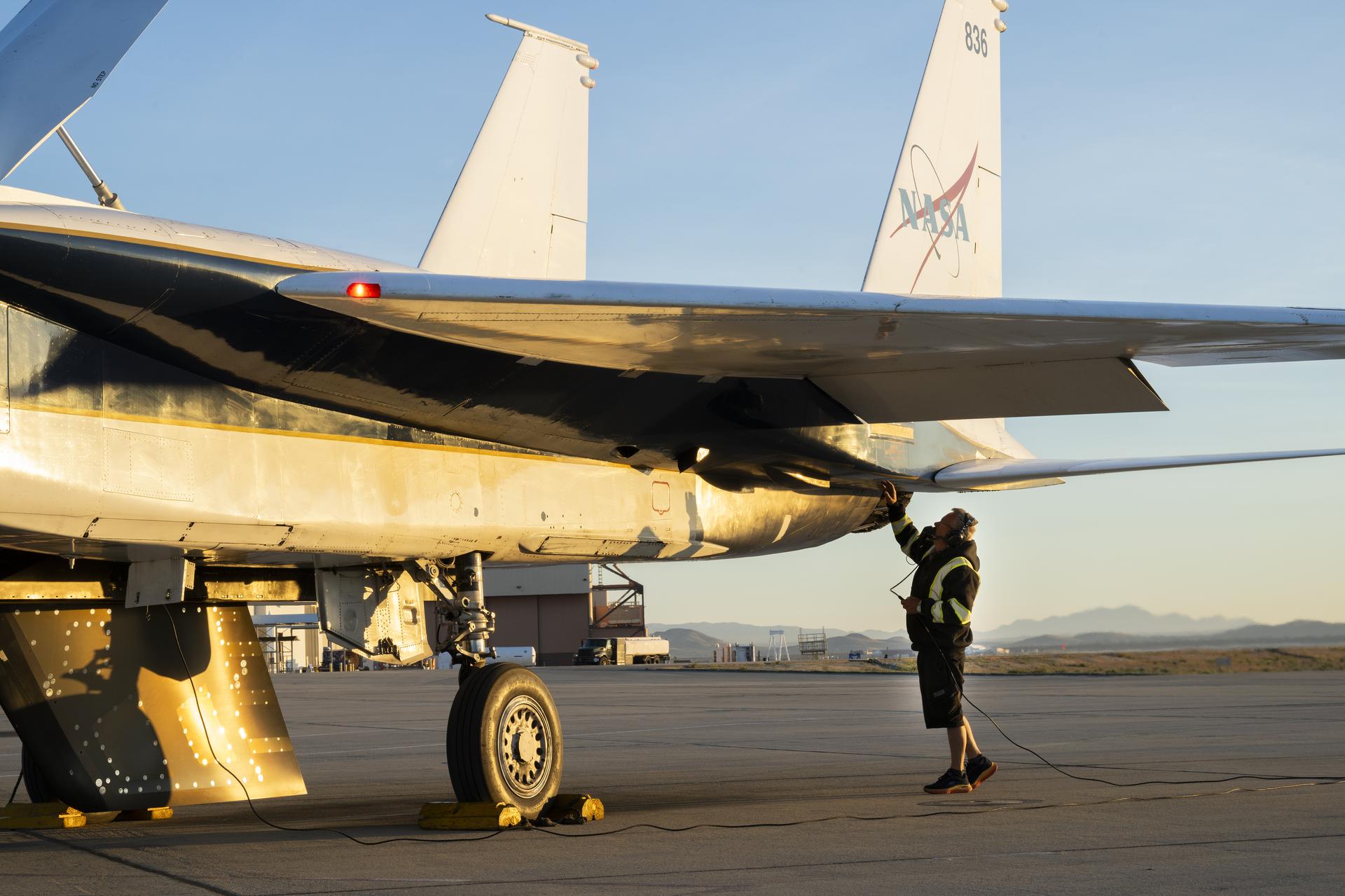
The back of a white jet aircraft’s wing and tails are seen in this image. One wheel and an attached test object, shaped like a wing, hangs from the bottom of the jet. A man in a black jacket, with yellow reflective coating, stands underneath and raises one hand to the aircraft. The man is wearing ear protection. Desert sand and mountains are seen in the background.
NASA crew chief Walt Kondracki checks an F-15 aircraft Tuesday, March 17, 2026, at NASA’s Armstrong Flight Research Center in Edwards, California. Ground crews, made of various roles, maintain the aircraft to be ready for each mission.
NASA/Carla Escamilla

From high‑speed research flights to high‑altitude science campaigns, NASA depends on aircraft that perform at their best and the ground crews who keep them mission ready.

At NASA’s Armstrong Flight Research Center in Edwards, California, specially trained maintenance crews are essential to keeping the agency’s aircraft flying safely and reliably.

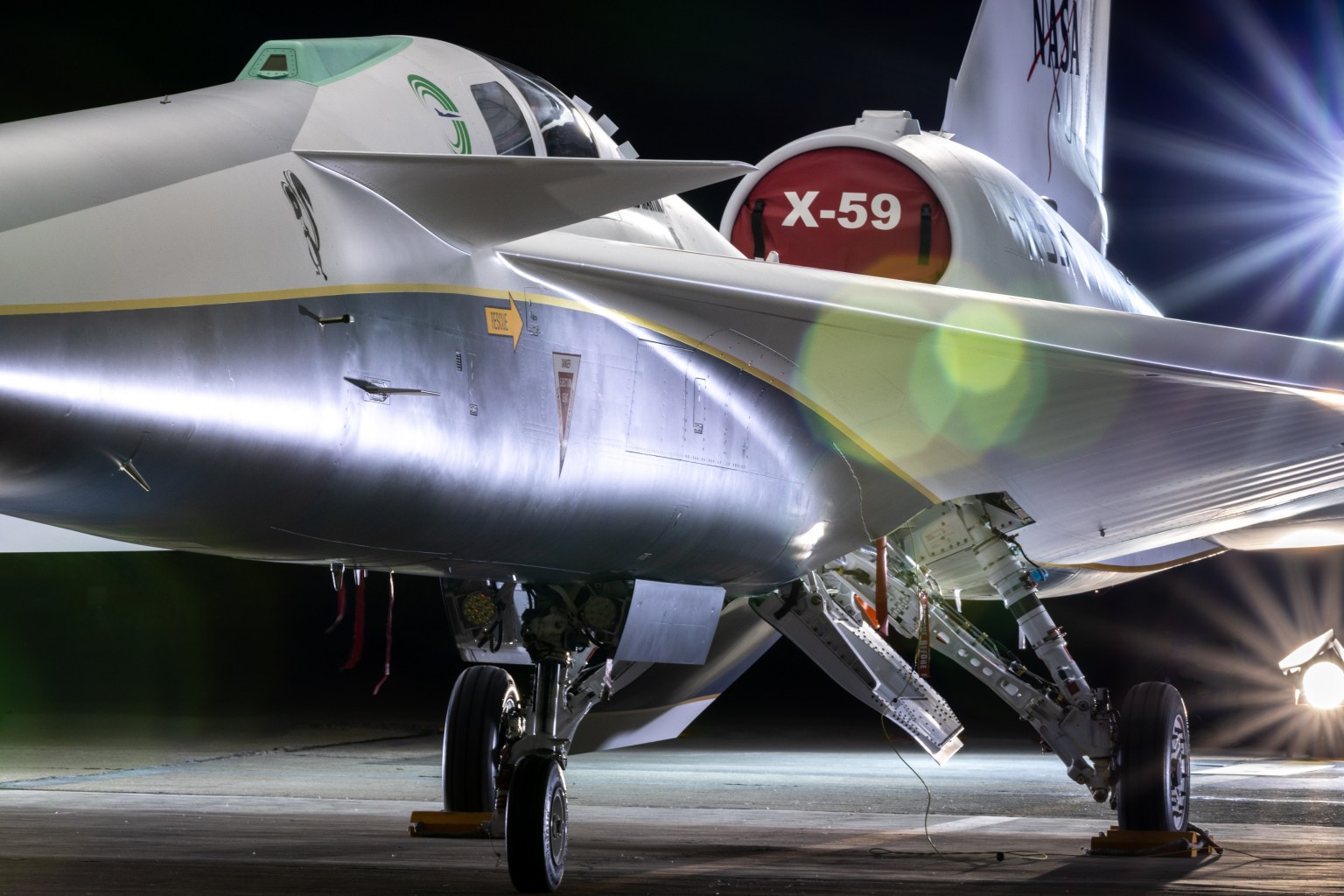
This year, NASA added two F-15s and a Pilatus PC-12 to its fleet at Armstrong. These aircraft – alongside platforms such as the high-altitude ER-2s and NASA’s newest X-plane, the X-59 – reflect a wide range of capabilities. The maintenance staff is responsible for keeping each one mission ready.

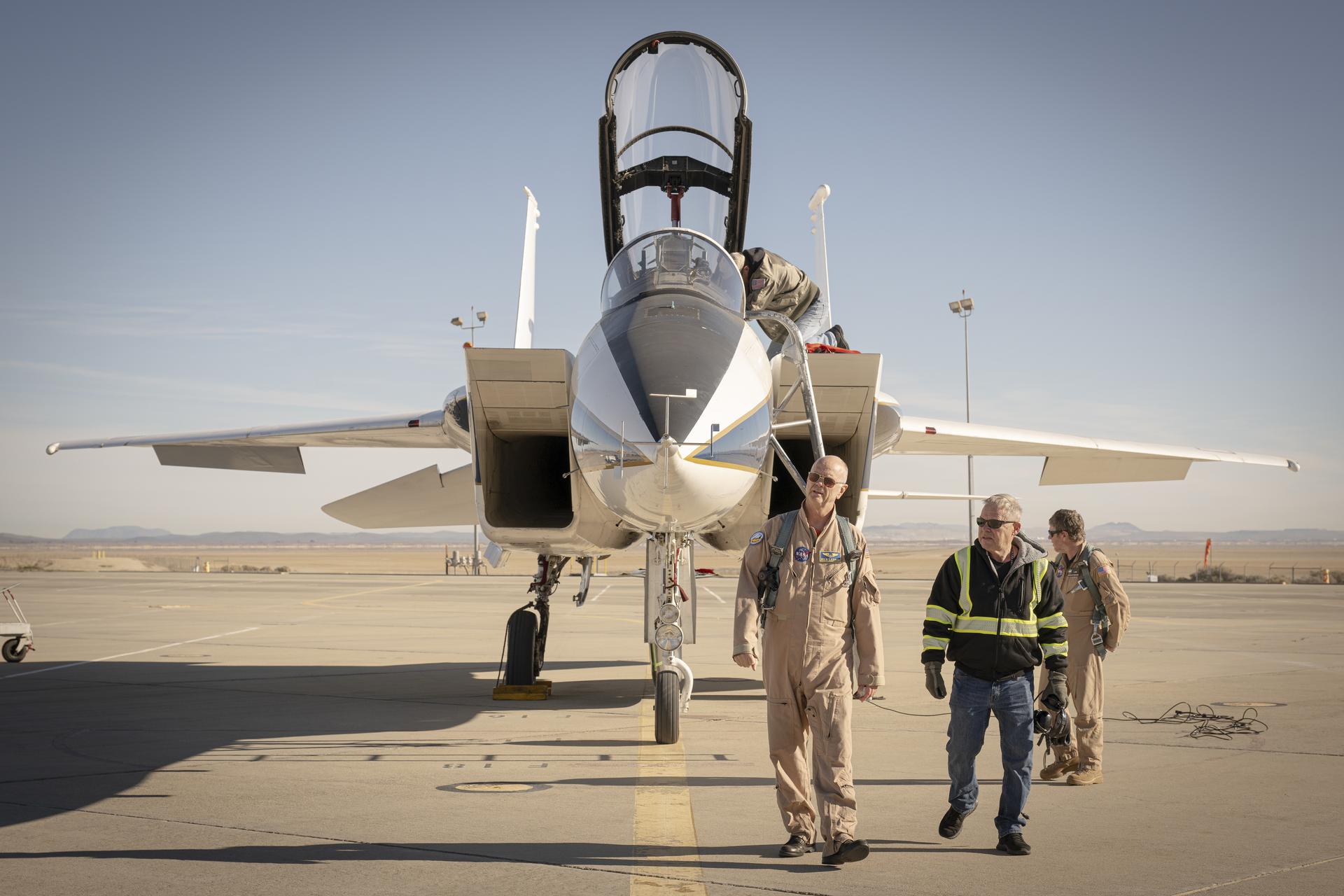
Three men, two wearing tan flight suits, and one wearing a black jacket with stripes of reflective yellow coating, walk to the right side of a jet aircraft. The aircraft faces forward and the canopy is open. Two wheels, intakes, wings, and tails are in view of the white aircraft. The aircraft sits on a concrete ramp with desert sand and mountains in the background.
NASA pilot Nils Larson, left, walks next to crew chief Walt Kondracki, right, by an F-15 aircraft Tuesday, Jan. 13, 2026, at NASA’s Armstrong Flight Research Center in Edwards, California. In the background, NASA mechanic Tim Logan secures the cockpit inside of the F-15, and flight test engineer A.J. Jaffe stands to the right.
NASA/Christopher LC Clark

“That’s the beauty of our Armstrong maintenance teams. They adapt to any type of change,” said Jose “Manny” Rodriguez, NASA Armstrong Gulfstream G-IV crew chief. “One day you could have an instrument being loaded, and the next day it may be aircraft reconfiguration, all while other aircraft systems may need fixing. They adapt and they overcome any situation.”

Each aircraft supports a specific mission, whether it’s conducting science research, serving as a support or chase aircraft, or assisting NASA rocket launches. The aircraft fly at different speeds, carry specialized hardware, and require maintenance crews to stay agile with fast-paced changes.

To ensure NASA can make aeronautics and science advancements safely, the crews work continuously, checking on the ejection seats, filling the tanks with fuel, and changing out brakes, wheels, wiring, and hardware constantly, all of which can degrade with each flight.

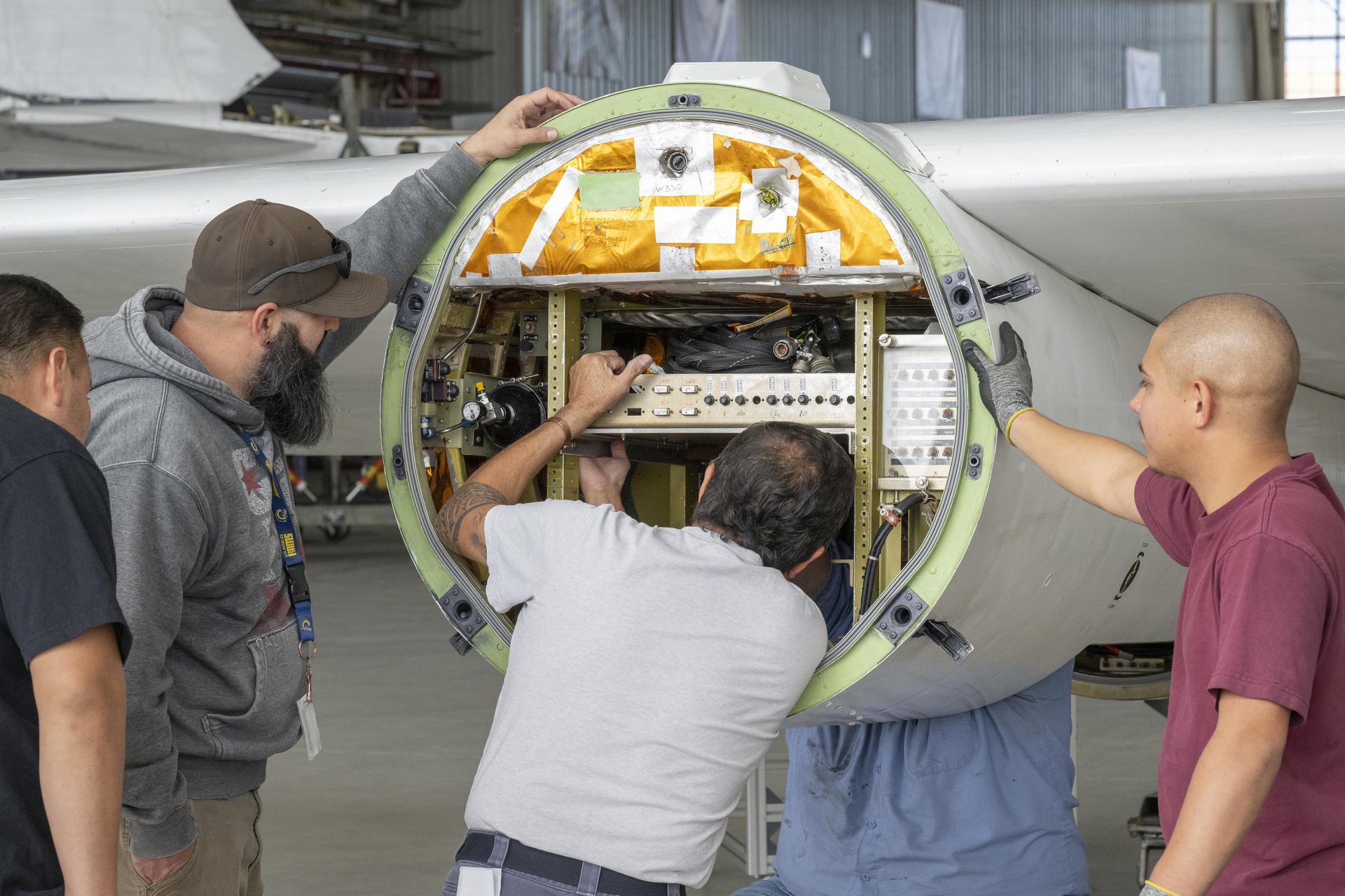
Four men surround a round object attached to an aircraft wing with shelves and wiring inside. One man’s arms are inside of the object, and he is adjusting a gold-colored piece of metal equipment. The other men watch as he works on the hardware.
From left, NASA avionics technician Jesse Orellana; quality assurance employee Jose Prieto; mechanic Francisco Rodriguez; and mechanic Vincent Moreno work on an ER-2 aircraft Monday, Jan. 26, 2026, at NASA’s Armstrong Flight Research Center in Edwards, California.
NASA/Christopher LC Clark

On any given day, an aircraft may be flight-ready for a mission, undergoing scheduled maintenance or modifications, or down for longer-term care.

There are typically multiple NASA Armstrong aircraft in the air in one day. Currently, the center’s C-20A is flying in Peru and Panama, the X-59 is often  flying twice per day with a chase plane, and the center’s ER-2 is flying in Colorado, supporting the Geological Earth Mapping Experiment (GEMx). All this work is happening at the same time, and Armstrong’s skilled maintenance staff is prepping and fixing aircraft as needed along the way.

The team includes mechanics with both military and civilian backgrounds, and the job involves a lot of on-the-job training.

Maintenance crews are composed of:

  • a crew chief – the person in charge of the airplane
  • an avionics technician, who specializes in navigation, communication, and flight control systems
  • quality assurance personnel, who oversee the work being done
  • additional mechanics assigned to each airplane

After the maintenance crew ensures the aircraft is in the best condition possible, the team tows it out to the flightline, and it becomes ready for operations. The NASA pilot assigned to the mission will walk around the aircraft with the assigned crew chief for a final safety check before flight.

“There is a crew chief assigned to every aircraft,” Rodriguez said. “The crew chief is responsible for the integrity of that aircraft, and at the end of the day, his signature and the pilot’s together are what constitutes that the aircraft is safe for flight.”

Maintenance crews track each flight to help ensure it completes the mission without returning early. If an aircraft does return to base early, the maintenance team stands ready. When it lands, the crew is right there again, helping the research team complete the mission and fixing whatever is needed to stay nimble and ready for the next flight.

“It’s difficult at times to work with different airplanes from both the civilian and military sides, but it’s very rewarding to see that we have the capability and the expertise to keep these aircraft flying,” Rodriguez said.

Keep Exploring

Discover More Topics From NASA

NASA Announces Winners in University Aeronautics Competition

20 Maggio 2026 ore 22:48
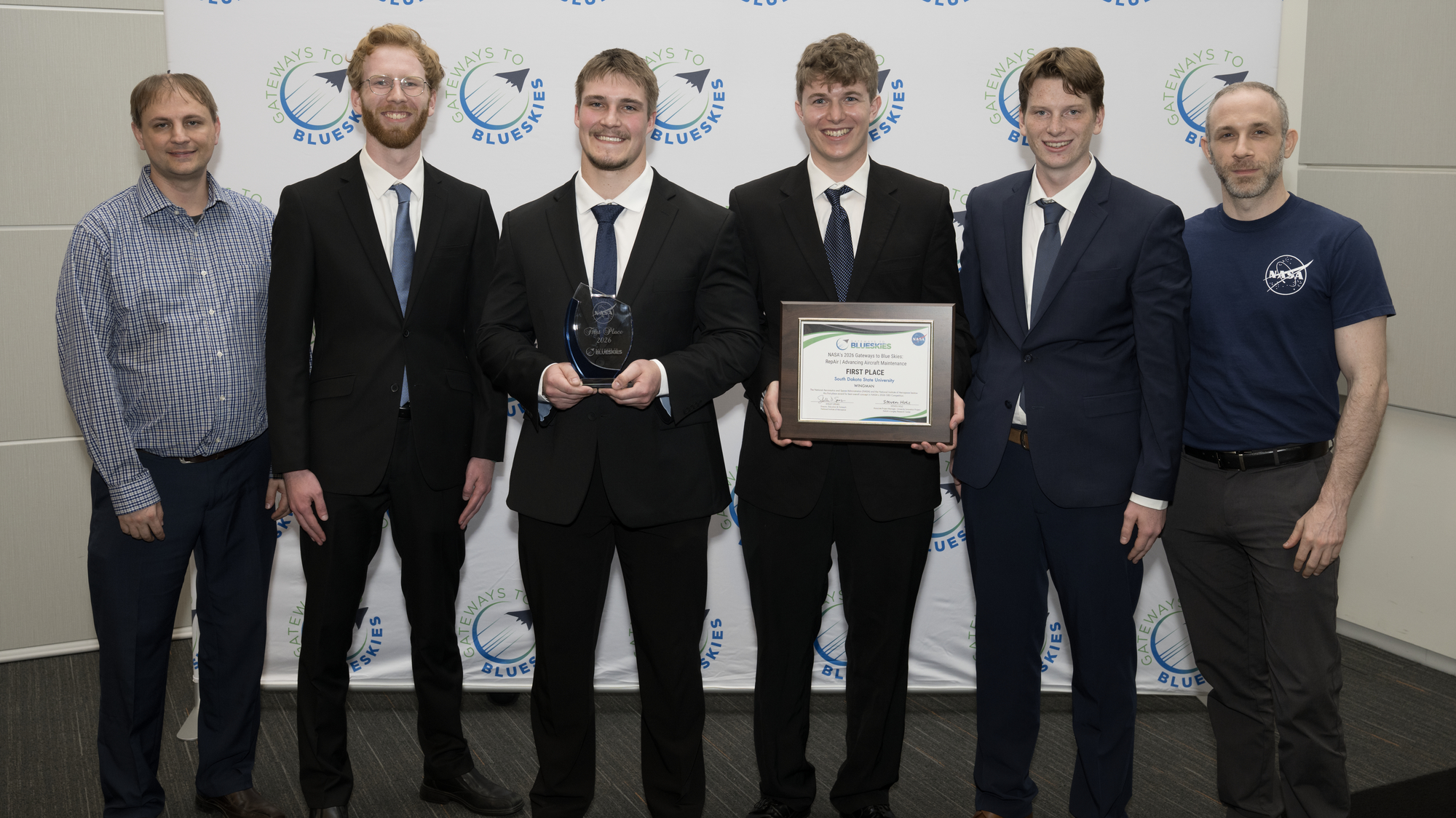
The members of team WINGMAN stand in the center of the photo holding their first place certificate for NASA's Gateways to Blue Skies Competition.
Team WINGMAN from South Dakota State University, comprised of (from left to right) Todd Letcher (advisor), Matthew Wieberdink, Owen Diede, Christian Lee, and Anders Olsen, took home first place at the 2026 Gateways to Blue Skies Forum held at NASA’s Langley Research Center in Hampton, Virginia. Steven Holz, NASA sponsor and GBS Chair and judge, presented the award.
Credit: NASA/Mark Knopp

A South Dakota State University team took first place at NASA’s fifth annual Gateways to Blue Skies Competition, which challenged student teams to address a critical element of U.S. aviation: aircraft maintenance.

This year’s competition, RepAir: Advancing Aircraft Maintenance, asked teams of postsecondary students to develop innovative systems and practices that could advance commercial aircraft maintenance and repair operations by 2035. The competition, sponsored by NASA’s University Innovation project within the agency’s Aeronautics Research Mission Directorate, supported the agency’s objectives of fostering innovative research and strengthening the future aviation workforce.

“This year’s finalists proposed novel ideas to equip companies and their workers with innovative technologies to help keep our nation’s planes airworthy. This is especially critical in a time where flight safety is more commonly in the spotlight and where workforce shortages lead to challenges and opportunities in aviation,” said Steven Holz, associate project manager for NASA’s University Innovation Project and judging panel chair for Gateways to Blue Skies. “Our panel of industry and subject matter experts were excited about the possibilities these concepts could bring, as well as shared insights needed for these teams to push forward for real-world implementation.”

The winning project, WINGMAN, proposed augmented reality safety glasses equipped with voice-controlled manuals, automatic documentation, and photo recognition that could assist aircraft mechanics during routine daily servicing and minor repairs. The glasses would function as the mechanic’s “wingman,” enabling hands-free access to the information and reporting mechanisms required for line inspections.

The WINGMAN team presented their research along with seven finalists at the 2026 Gateways to Blue Skies Forum held May 18 and 19 at NASA’s Langley Research Center in Hampton, Virginia. The forum was judged by subject matter experts from NASA, the Federal Aviation Administration, and industry, including representatives from Southwest Airlines and American Airlines. Students at the forum had the opportunity to network with NASA and industry experts, tour the center, and gain insight into potential careers. The event was livestreamed, and the presentations were recorded.

The winning team members will have the opportunity to intern at one of NASA’s four aeronautics research centers during the 2026-27 academic year, including NASA Langley, NASA’s Glenn Research Center in Cleveland, NASA’s Ames Research Center in California’s Silicon Valley, and NASA’s Armstrong Flight Research Center in Edwards, California. 

“It was super exciting to participate in Gateways to Blue Skies, especially with the really interesting concepts this year,” said Owen Diede, WINGMAN team lead. “We couldn’t have done it without the feedback and support from our faculty advisor, Dr. Todd Letcher, as well as our design review committee, Dr. Ruyi Lian and Dr. Cody Christensen. This was a fantastic opportunity to learn and grow, and we are incredibly thankful for the experience.”

Other recognitions included:

  • Best Infographic: University of California, Irvine
    Air Shield: Aircraft Structural Health Intelligence for Evaluation and Lifecycle Detection
  • Future Game-Changer: University of Georgia
    Quasar: Quantum Sensing Aerial Reporting
  • Safety Spotlight: South Dakota State University
    SPIDER (Surveying Platform and Inspection Device for Enclosed Regions)

The commercial aviation industry is a crucial component of the U.S. economy, yet it faces significant challenges due to a shortage of qualified maintenance workers and increasing demands to keep aircraft running for longer. NASA is dedicated to working with commercial, academic, and government partners to advance the capabilities and performance of U.S. aviation.

The Gateways to Blue Skies Challenge is part of the Transformative Aeronautics Concepts Program in NASA’s Aeronautics Research Mission Directorate. The NASA Tournament Lab, part of the Prizes, Challenges, and Crowdsourcing Program in the Space Technology Mission Directorate, manages the challenge through the National Institute of Aerospace on behalf of NASA.

For more information about NASA’s Aeronautics Research Mission Directorate, visit:

https://www.nasa.gov/aeronautics

Meet the Fleet: NASA Armstrong Continues Legacy of Flight Research

8 Maggio 2026 ore 01:45

3 min read

Preparations for Next Moonwalk Simulations Underway (and Underwater)

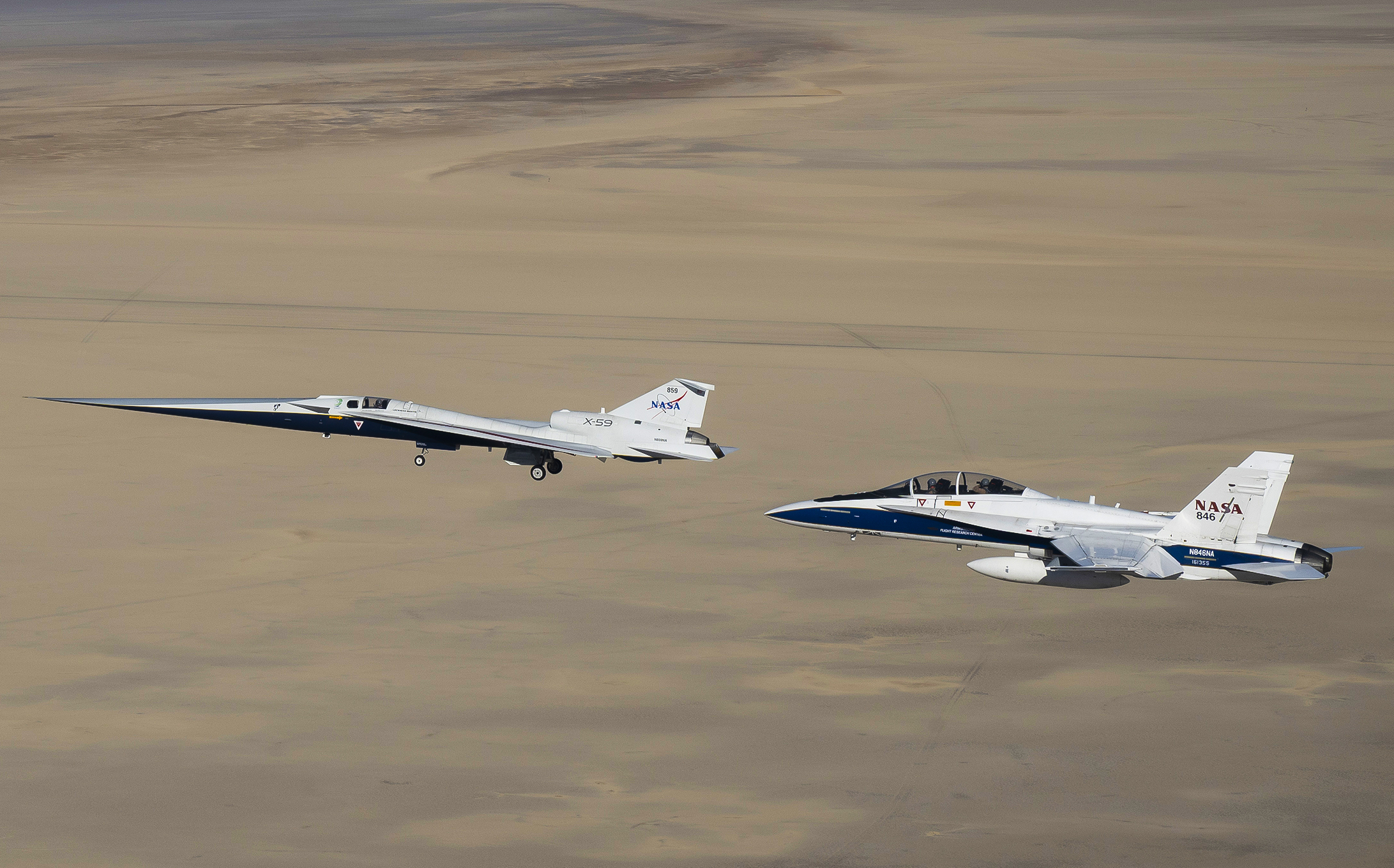
NASA’s X-59 flies above the Mojave Desert with a NASA F/A-18 chase aircraft nearby.
NASA’s X-59 quiet supersonic research aircraft flies above Palmdale and Edwards, California, during its first flight Tuesday, Oct. 28, 2025, accompanied by a NASA F/A-18 research aircraft serving as chase.
NASA/Jim Ross

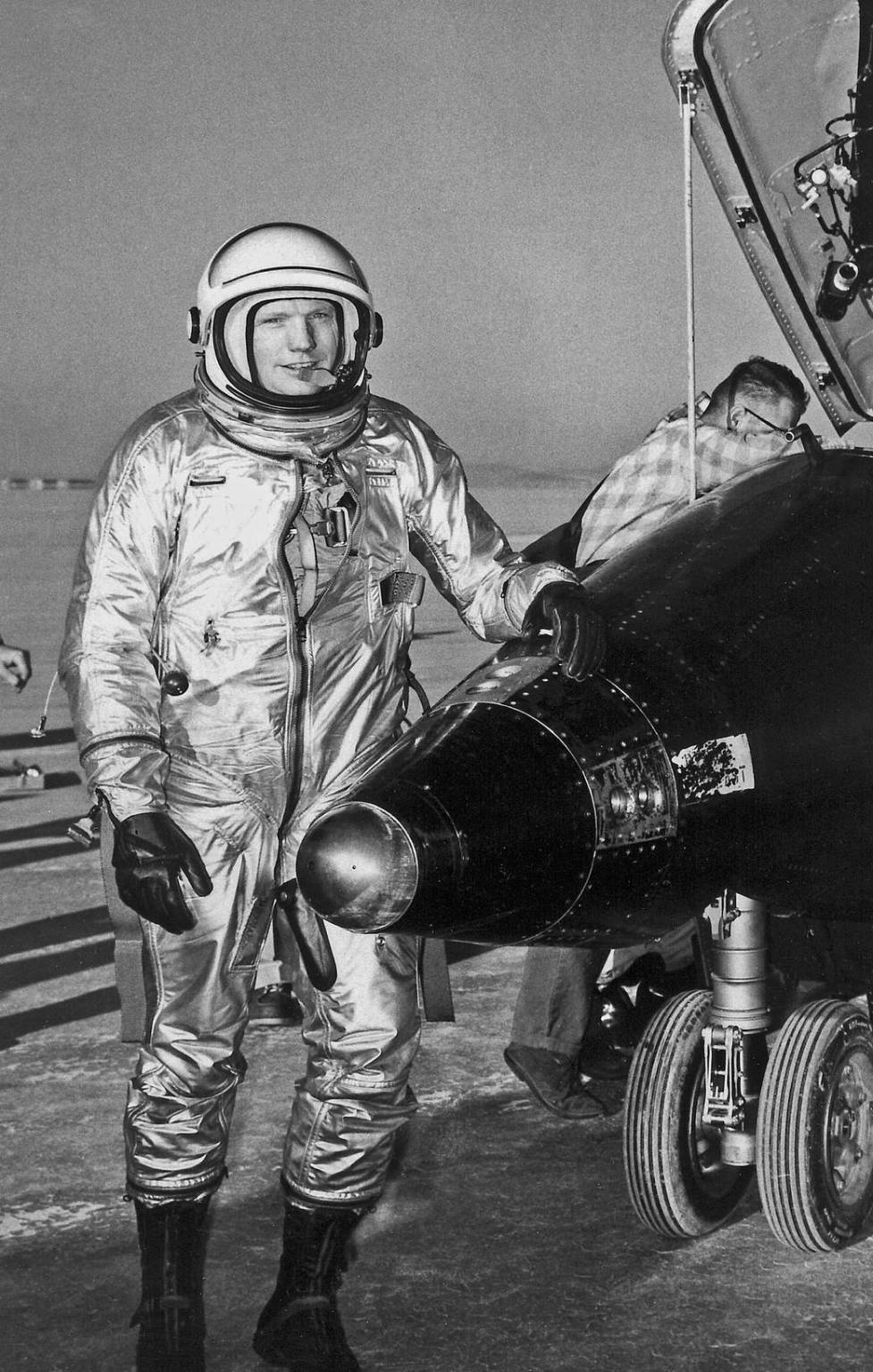
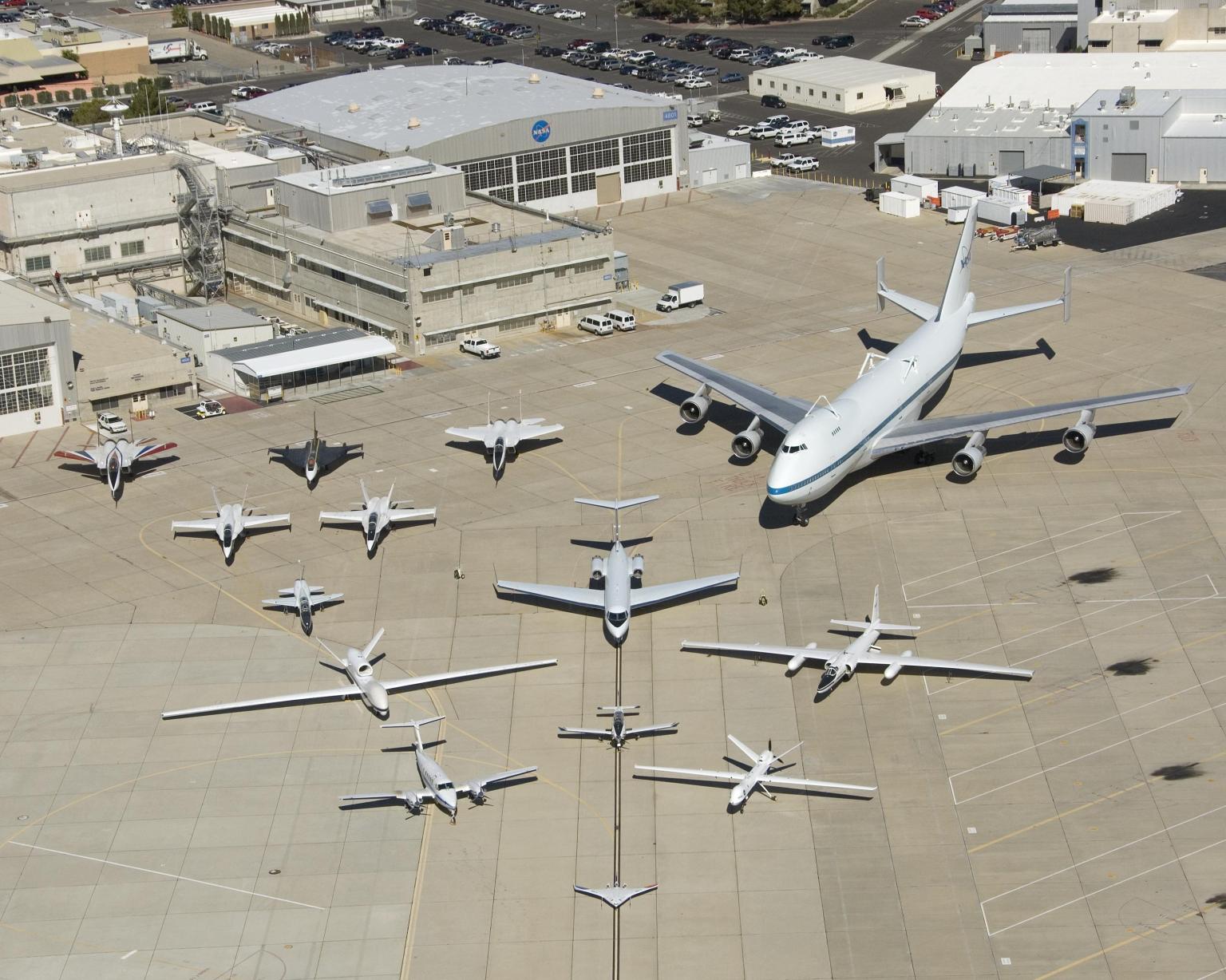
NASA’s home for experimental flight is welcoming more flyers to its already high-performing fleet as it continues to support science and aeronautics test missions – continuing the legacy of pioneers like Neil Armstrong.

NASA’s Armstrong Flight Research Center in Edwards, California, added multiple aircraft this year: two F-15s supersonic jets, a Pilatus PC-12 utility plane, and a T-34 turboprop trainer, which the center will use to support the agency’s advancement of aerospace research.

Throughout the center’s history, pilots have flown everything from large aircraft like the 747 Shuttle Carrier Aircraft and rocket-powered airplanes like the X-15 to high-speed repurposed fighter jets like the F-18. And after almost 80 years, flight research is still going strong in the desert today.

“Armstrong has a rich history of flight research, but it’s the multidimensional skills of the people we have here, and the knowledge they’ve built to handle very unique aircraft maintenance and modifications, that stands out,” said Darren Cole, capabilities manager for the Flight Demonstrations and Capabilities project at NASA Armstrong.

Armstrong has a rich history of flight research, but it’s the multidimensional skills of the people we have here … that stands out.

Darren Cole

Darren Cole

Capabilities Manager at NASA Armstrong

The center plays a pivotal role in worldwide airborne science missions, flying scientists and equipment from NASA, other government agencies, industry, and academia to collect measurements such as air pollution levels, glacier melt trends, and wildland fire mapping.

Scientists can manage experiments in real time aboard flying laboratories like the NASA ER-2, to collect important data with the help of Armstrong’s pilots and airborne science team.

“We all come together to make the science happen,” said Matt Berry, airborne research platforms branch chief at NASA Armstrong. “It is the agility of the Armstrong team that allows us to collaborate with scientists, get their equipment onboard, and to fly them to areas where they need to collect data.”

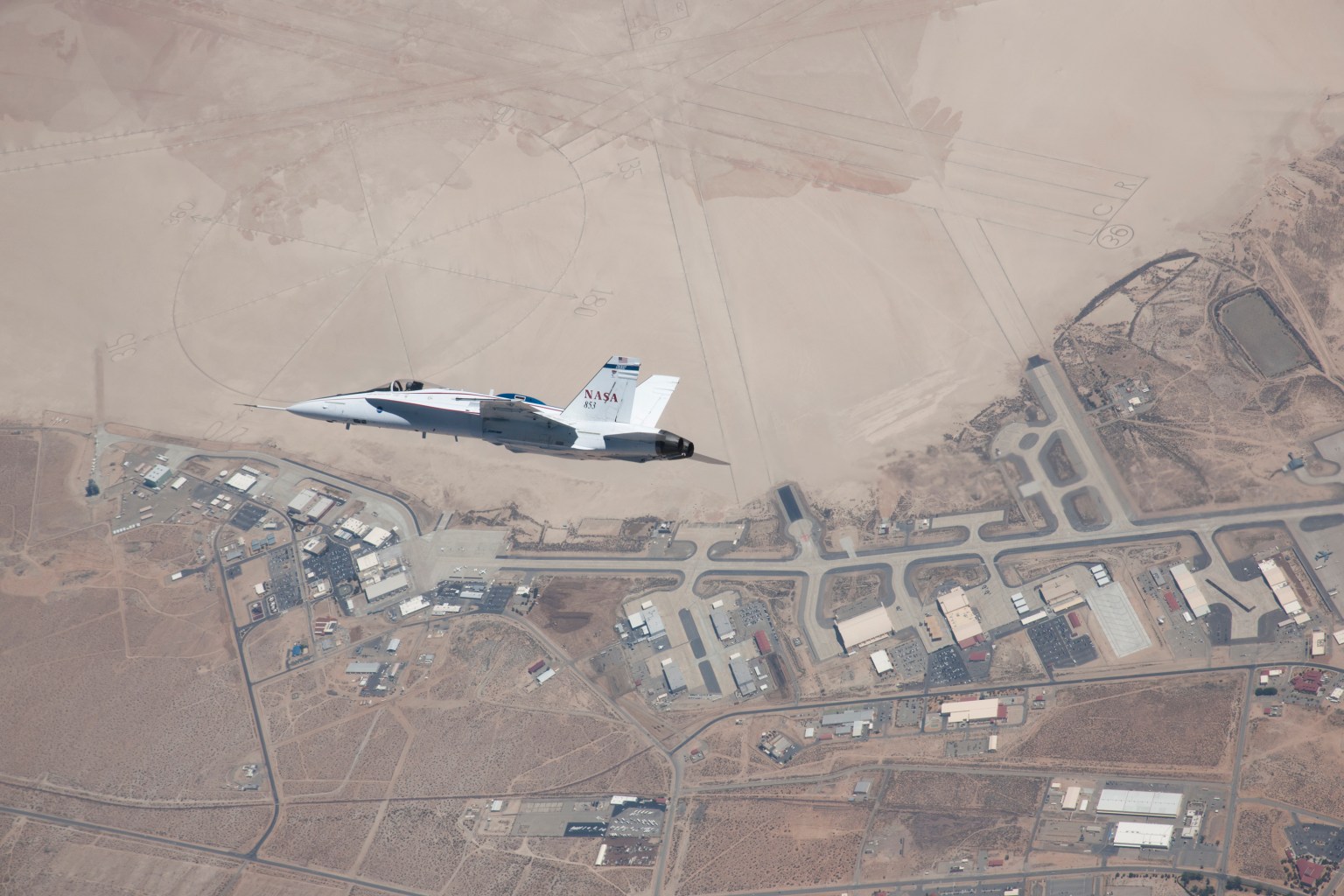
The center sits on Rogers Dry Lake, a 44-square-mile slat flat area used for aviation research and test operations. Rogers and the adjacent Rosamond Dry Lake have seen everything from space shuttle landings to emergency test flight recoveries. The Rogers lakebed continues to serve as an important piece of Armstrong’s test missions.

For NASA Armstrong, it all started with the first attempt by a human to fly faster than the speed of sound in the Bell X-1. In 1946, 13 employees from NASA’s predecessor agency, the National Advisory Committee for Aeronautics (NACA), arrived at what was then known as Muroc Army Airfield to prepare for the X-1 tests. A year later, NACA’s Muroc Flight Test Unit was established as a permanent facility at the airfield.

The center has gone by several names over the years, most recently changing from NASA’s Dryden Flight Research Center to NASA Armstrong in 2014. But its legacy has never shifted: The Bell X-1E, the last of the X-1 series of aircraft, now sits in front of NASA Armstrong, welcoming the newest test pilots, engineers, scientists, explorers, and dreamers. And they’re using the aircraft of today to break new barriers.

“I don’t think there is another place in the world with a more diverse fleet of aircraft. We have everything from a low-altitude powered glider to ER-2s, which are flying at high altitudes, and a multitude of aircraft in between,” Cole said.

From sourcing rare components to machining custom parts in-house, NASA Armstrong’s teams transform these aircraft into research workhorses. The center continues its crucial role in leading aeronautics testing, Earth science research, and supporting government and industry partners.

Cornell Students Aid NASA with Drone Safety in Sky

7 Maggio 2026 ore 12:00

6 min read

Preparations for Next Moonwalk Simulations Underway (and Underwater)

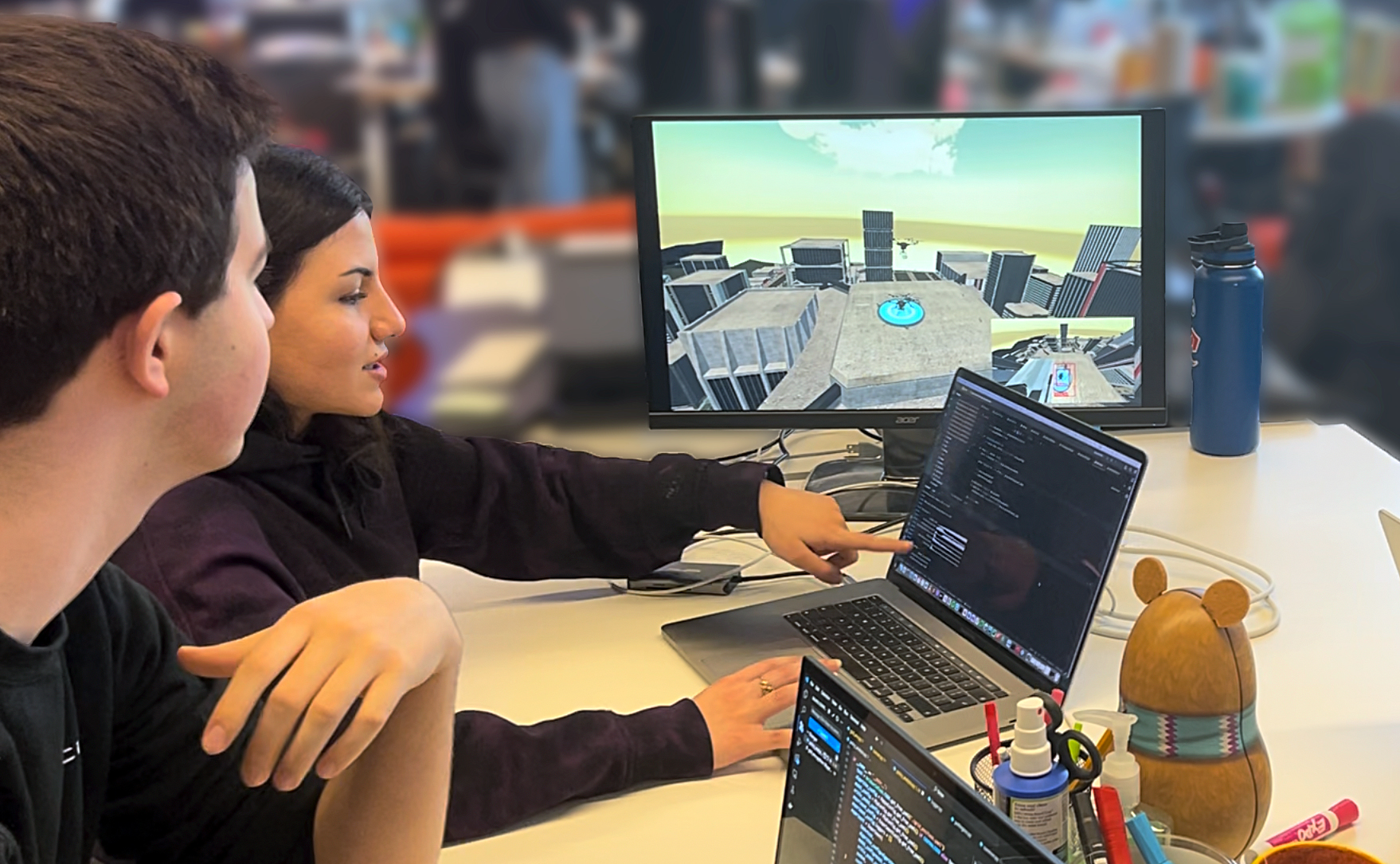
Two students sit at a table with a laptop and large monitor that displays a simulation of a drone flying in an urban environment.
Students from Cornell University are shown working with an air transportation management tool in which a real drone flying over a remote field thinks its operating with imaginary drones flying in a simulated urban environment. Their work is the result of a NASA grant that is part of the agency’s University Student Research Challenge.
Cornell University / Mehrnaz Sabet

A team of Cornell University students are turning heads within industry and the federal government with the results of their research into creating a national air transportation management system in which thousands of drones could safely operate together.

NASA is sponsoring their work through the University Student Research Challenge (USRC), which provides grants to college students interested in helping the agency realize its aeronautical research goals.

“Looking at new traffic management systems for drones is not new,” said Mehrnaz Sabet, a doctoral student in the field of information science who serves as principal investigator on the grant and leads the Cornell team. “In fact, NASA has led that effort for years.”

Now, through USRC, NASA is giving Sabet and her team the chance to offer up innovative approaches to drone safety by managing their movements in the air, taking advantage of their young minds and fresh ideas.

The ultimate benefit of Cornell’s research in this area is the full realization of advanced air mobility, an area of industry focus that includes everything from urban flying taxis, more robust disaster response aircraft, and hot fresh pizza delivered right to your door.

The work also underscores the value NASA places on maturing cutting-edge technologies and helping to develop its future workforce through initiatives like USRC.

“Sabet and her team have demonstrated versatile skills involving software, algorithms, hardware, sensors development, laboratory tests, simulations, and actual flight tests – a rare combination,” said Parimal Koperdekar, acting director of NASA’s Airspace Operations and Safety Program.

Flying drones like we drive

Currently, drone operators must file plans that fully describes the intended flight path of the drone with a traffic management service. Those plans are checked with others to ensure there will be no collisions – what Sabet calls strategic deconfliction.

The challenge is that today’s air traffic management system is limited in its ability to handle the growing number of aircraft taking to the sky. Adding thousands of drones to the mix during the coming years risks over burdening the system, Sabet said.

What is needed in the air is essentially what we have on the ground – where millions of people drive on a road every day, she said.

As a driver you might know your whole “trajectory,” or the path you’d follow to reach your destination. But you would never coordinate your plan with every other driver on the road before you leave. Instead, traffic laws and infrastructure such as stop lights and traffic signs allow you to deconflict with other cars as you go.

Drone operators will still have to file flight plans saying where they intend to go, but the idea is to incorporate that car-like flexibility into drone operating systems, allowing them to be adaptable during their journeys.

“We need to ensure all these different types of drones can tactically deconflict with each other so that it is safe for them to operate like cars do on the ground. And that missing piece – tactical deconfliction – is at the center of our project,” Sabet said.

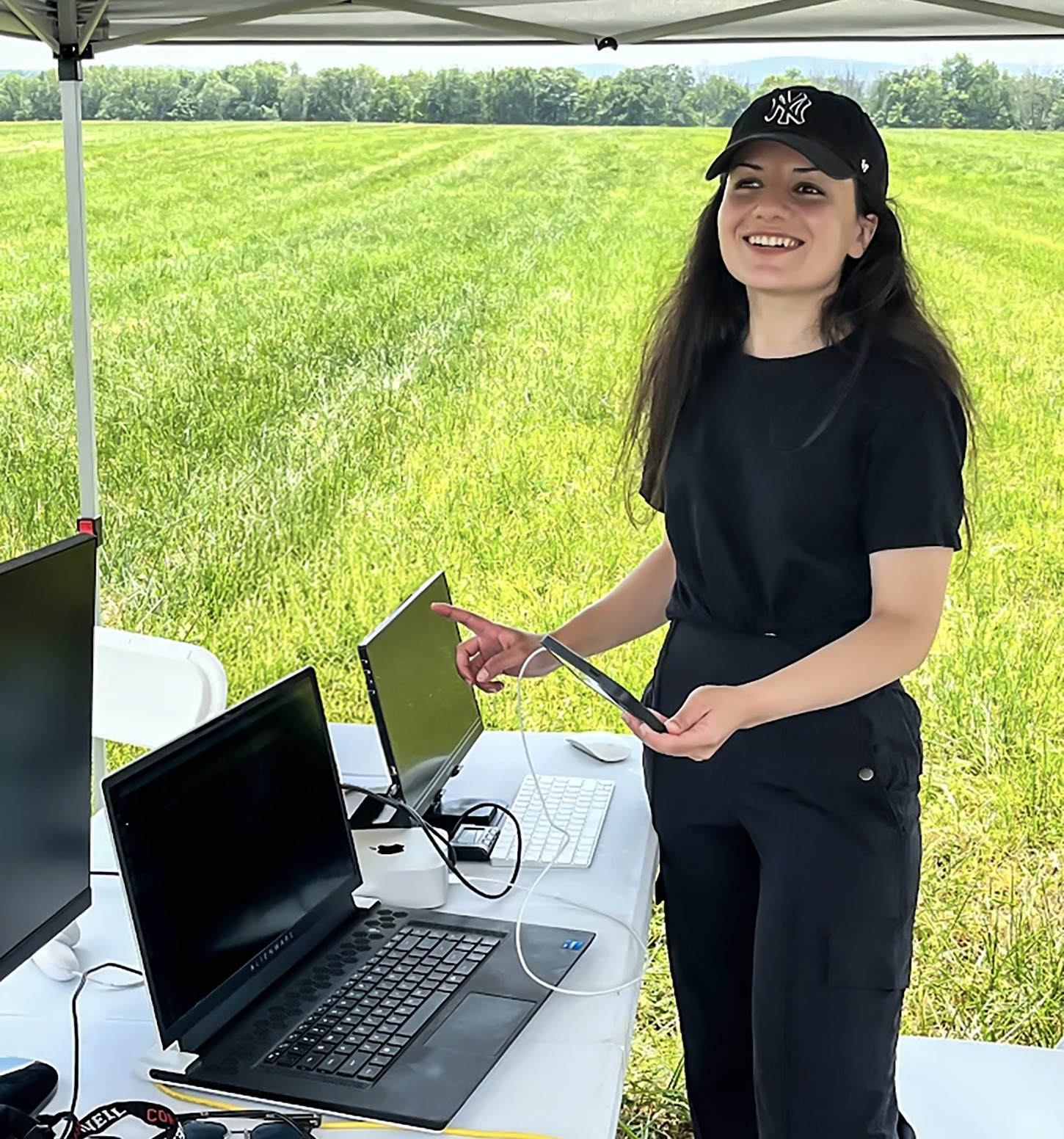
A young woman in black shirt, pants, and baseball cap stands under a tent in an open field with a table full of laptop computers used to operate a drone traffic management simulation.
Mehrnaz Sabet, a doctoral candidate in the field of information science at Cornell University, leads a student team testing technologies used in a drone traffic management system under a grant from NASA’s University Student Research Challenge, She is seen during a drone traffic simulation exercise taking place in a rural field.
Cornell University

Two worlds joined

The key to the Cornell team’s research is the notion of integrating a simulated world with the real one to test and demonstrate how drones can learn to adapt to potentially hazardous conditions and make necessary corrections in their flight path on their own.

Knowing they could not go out and fly 100 drones at the same time to test their ideas for tactical deconfliction, the students decided to create an entirely virtual urban world to evaluate different high-volume traffic models, separation algorithms, and related data.

“Our first year of the project went into adapting and scaling that simulation engine and it all went very well,” Sabet said. “But we didn’t want to stick to a simulation. We wanted to see how the simulation translated to the real world, which mattered more.”

Still hampered by the limitations of how many drones they could operate and where they could fly – not many and basically in the middle of nowhere – they sought the best of both worlds, real and imagined.

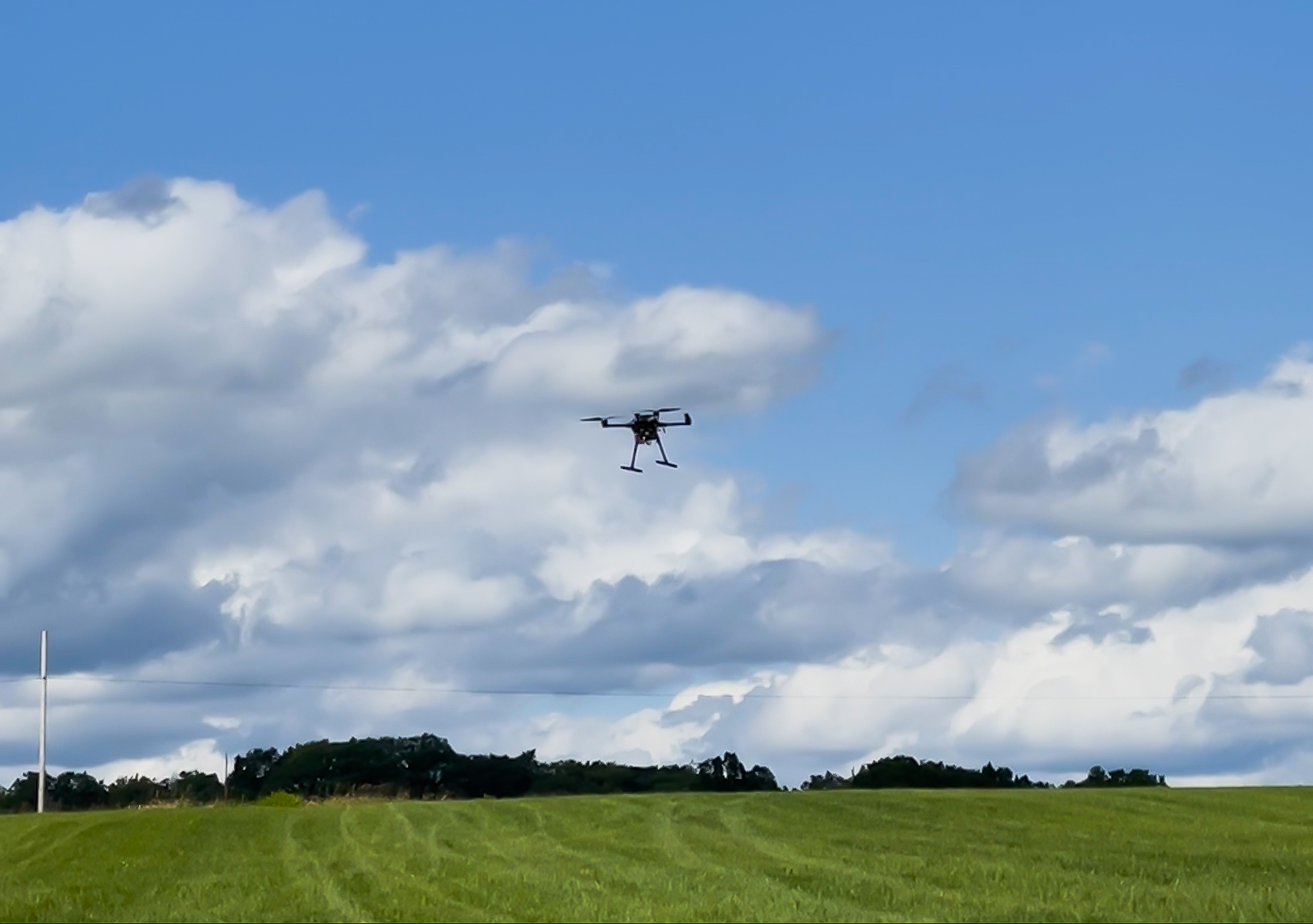
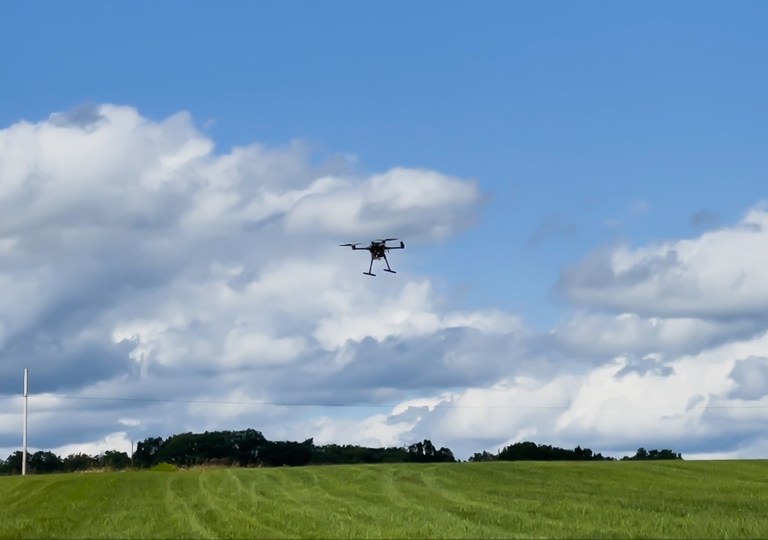
“What we wound up doing was to embed the simulation into a real drone, so the drone thought it was flying in a dense urban environment although it was actually flying out in an open field where there wasn’t a real city in sight,” Sabet said.

before
after
A drone with four helicopter-like blades hovers over a rural green field amidst a bright partly cloudy sky.
A drone designed and built by Cornell University students hovers over an open field during a test of air traffic management system technologies in which the drone “thinks” its flying within an urban environment. The goal is to prove a system in which drones can safely react to unforeseen events and avoid each other in the sky without human intervention.
Cornell University
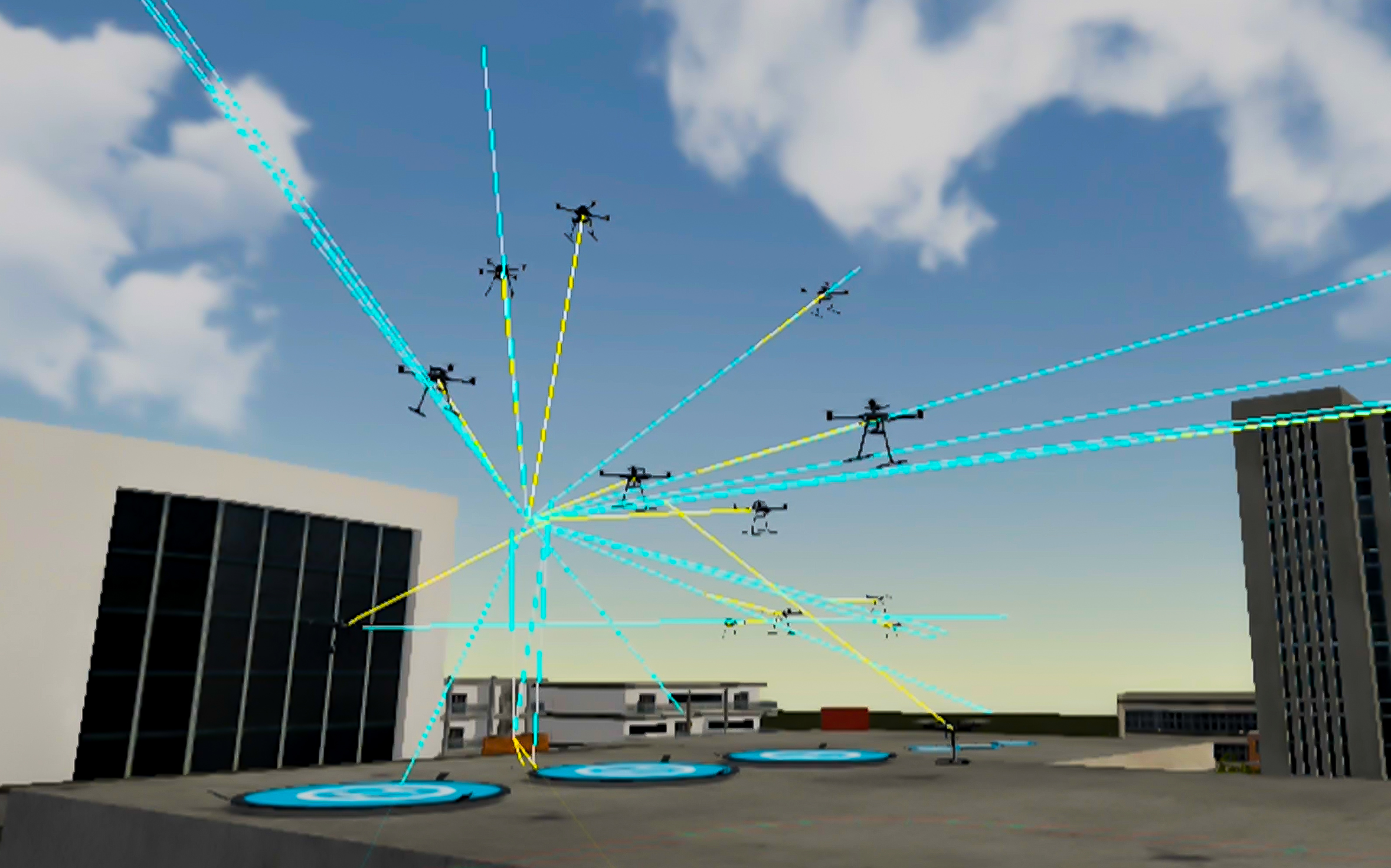
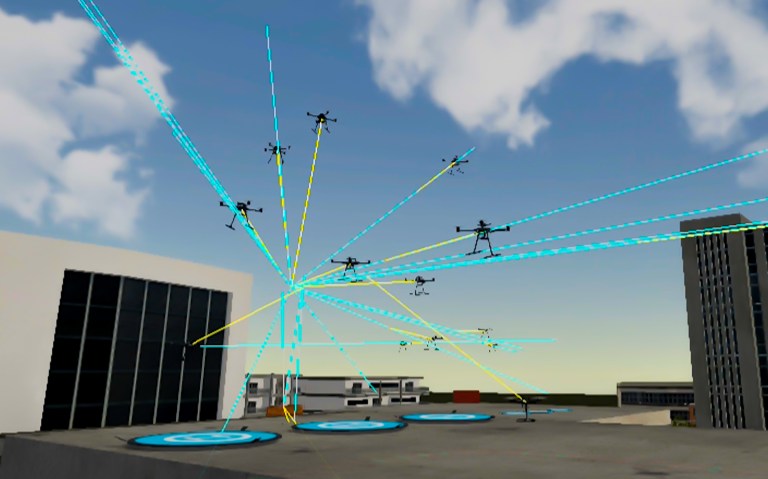
In a screengrab from a video, about a dozen drones are seen maneuvering over a city building, their paths shown with blue or yellow lines.
Several drones appear in a Cornell University computer graphic simulation of an urban environment in which an air traffic management system is tested to show how the drones can safely alter course on their own to avoid colliding.
Cornell University
A drone with four helicopter-like blades hovers over a rural green field amidst a bright partly cloudy sky.
A drone designed and built by Cornell University students hovers over an open field during a test of air traffic management system technologies in which the drone “thinks” its flying within an urban environment. The goal is to prove a system in which drones can safely react to unforeseen events and avoid each other in the sky without human intervention.
Cornell University
In a screengrab from a video, about a dozen drones are seen maneuvering over a city building, their paths shown with blue or yellow lines.
Several drones appear in a Cornell University computer graphic simulation of an urban environment in which an air traffic management system is tested to show how the drones can safely alter course on their own to avoid colliding.
Cornell University
before
after

drone flight test

Combing real and simulated worlds

The image at left (BEFORE) shows a Cornell University student-designed and built drone flying in the open above an isolated, rural field. The image at right (AFTER) shows the simulated urban environment the real drone “thinks” its flying in as it calculates all the imaginary drones’ flight paths (the blue and yellow lines) to find the best trajectory to safely avoid a collision. This combining of real and simulated worlds allows the drone to safely test its traffic avoidance technologies.

Real world lessons

This allowed the team to try out different traffic management tools and evaluate how drones might coordinate course corrections and avoid collisions with each other.

During the past year, they’ve taken the idea further by flying two real drones in the real world, each running the real-time simulation on board, allowing them to coordinate and “see” both simulated traffic and each other within the integrated test environment.

“We would then intentionally put them on a direct collision course to stress-test the detect and avoid and coordination models and see how well they react and coordinate the drone’s maneuvers to avoid hitting each other,” Sabet said.

Their success struck a chord with NASA experts in Unmanned Aircraft Systems Traffic Management (UTM).

“What’s impressive is that Cornell’s study included over 10,000 runs involving more than one million trajectories, and over 200,000 hours of experimentation to understand how multi-agent decentralized coordination would safely take place,” Kopardekar said.

Industry and the Federal Aviation Administration have also responded positively to this research and its potential. The team was asked to use its infrastructure and technology to virtually recreate an incident in 2025 in which a pair of drones collided with a stationary crane in Arizona. The team also showed how the accident could have been prevented.

The team was also asked to simulate recent, real-world fires in California to showcase how drones could better coordinate their movements both to provide situational awareness for public safety officials on the ground and to stay clear of fire-suppressing air tankers.

And according to the Cornell team, the FAA is interested in applying the project’s mix of virtual and real-world testing to evaluate drone operations under increasing levels of operational complexity.

“This kind of mixed-reality type of operational complexity enables them to test drone operations in a way that was not possible before,” Sabet said.

Thanks to NASA’s support through USRC, the Cornell team will continue to expand their capabilities and manage increasingly complex advanced air mobility operations.

“Our goal is to build the foundational systems that enable safe, large-scale autonomy in the skies,” Sabet said.

USRC is an opportunity within NASA’s Transformative Aeronautics Concepts Program under the agency’s Aeronautics Research Mission Directorate.

About the Author

Jim Banke

Jim Banke

Managing Editor/Senior Writer

Jim Banke is a veteran aviation and aerospace communicator with more than 40 years of experience as a writer, producer, consultant, and project manager based at Cape Canaveral, Florida. He is part of NASA Aeronautics' Strategic Communications Team and is Managing Editor for the Aeronautics topic on nasa.gov. In 2007 he was recognized with a Distinguished Public Service Medal, NASA's highest honor for a non-government employee.

Keep Exploring

Discover More Topics From NASA

Share

Details

Last Updated
May 06, 2026
Editor
Jim Banke
Contact

NASA Celebrates Decade of University Innovation in Aeronautics 

24 Aprile 2026 ore 15:04

8 min read

Preparations for Next Moonwalk Simulations Underway (and Underwater)

Artist illustration of a digital laptop and graduation cap and ULI, 10 Years graphic.

For 10 years, a NASA initiative has helped the agency produce breakthrough aeronautical innovations while fostering the aviation workforce of tomorrow – and the University Leadership Initiative (ULI) is still flying high, making awards with the potential to change 21st century air travel. 

Through ULI, NASA has supported more than 1,100 students at 100 schools, allowing them to pursue advancements in top priority areas for U.S. aviation, including high-speed flight, advanced air mobility, future airspace management and safety, and electrified propulsion.  

Many of those students have used their ULI experience as a springboard to careers in aviation. And many of their ideas — such as designing more efficient wings or building supersonic aircraft that can change shape in flight — are either being investigated further by industry or the technologies adopted outright.  

As it celebrates a decade of success, NASA’s ULI team is looking forward to leveraging student innovations with new awards in 2026 and beyond. 

“Through ULI we’re building the workforce of the future and fostering the skill sets we so desperately need to compete globally,” said John Cavolowsky, director of NASA’s Transformative Aeronautics Concepts Program at NASA Headquarters in Washington. 

Through ULI we're building the workforce of the future and fostering the skill set we so desperately need to compete globally.

john cavolowsky

john cavolowsky

Director, Transformative Aeronautics Concepts Program

What makes ULI unique from other NASA research projects, and especially appealing to universities, is that it provides the opportunity for university students and faculty to propose what research to conduct.  

Usually, NASA determines the research it needs and then does the work itself or through partnerships and contracts. But with ULI, the agency shares its goals and universities consider how they can best help realize them.  

“There are no better ways in my mind to help develop that talent within the students than to engage them in identifying big problems and then give them the resources they need to use their creativity to solve them,” Cavolowsky said.  

ULI history 

NASA’s relationship with academia and reliance on its research proficiency is written into NASA’s DNA going back to the days of the National Advisory Committee for Aeronautics, from which NASA was formed in 1958. 

“For more than a century we have leaned on the brilliance and the capabilities of universities to help us think,” Cavolowsky said. “With ULI we can ensure they continue to bring their fresh ideas and young energy to the work we do at NASA Aeronautics.”  

ULI evolved from an earlier project called Leading Edge Aeronautics Research for NASA (LEARN). NASA selected five LEARN teams in 2015 to pursue truly outside of the box ideas that showed promise but needed additional study.  

One of those teams, for example, sought to take a cue from migrating flocks of birds by asking if airliners could save fuel by cruising in a giant ‘V’ formation. The numbers were intriguing and simple flight tests proved the concept, although the idea never made it to practice. 

Slightly retooled but keeping the innovative spirit of LEARN, ULI was officially announced in 2016 and a year later NASA selected five teams of university professors and students to contribute solutions to the biggest aeronautical challenges of the 21st century. 

A decade later, NASA has made a total of $220 million in awards to 33 teams over eight rounds of solicitations 

Smooth flying 

One of the earliest selected ULI teams was led by James Coder, who at the time was an aerospace engineering professor at the University of Tennessee in Knoxville. His team worked on technology that would smooth the airflow around a wing to make it more efficient. 

Technically known as slotted natural laminar flow (SNLF) wings, Coder has called the idea a potential game changer for commercial airliners. The more efficient wing would mean less drag on an airplane, which in turn could help airlines save money on fuel. 

Coder credits ULI for not only helping to prove the technology’s effectiveness – with the aid of wind tunnel testing at NASA’s Ames Research Center in California – but for providing students with an experience they couldn’t get elsewhere. 

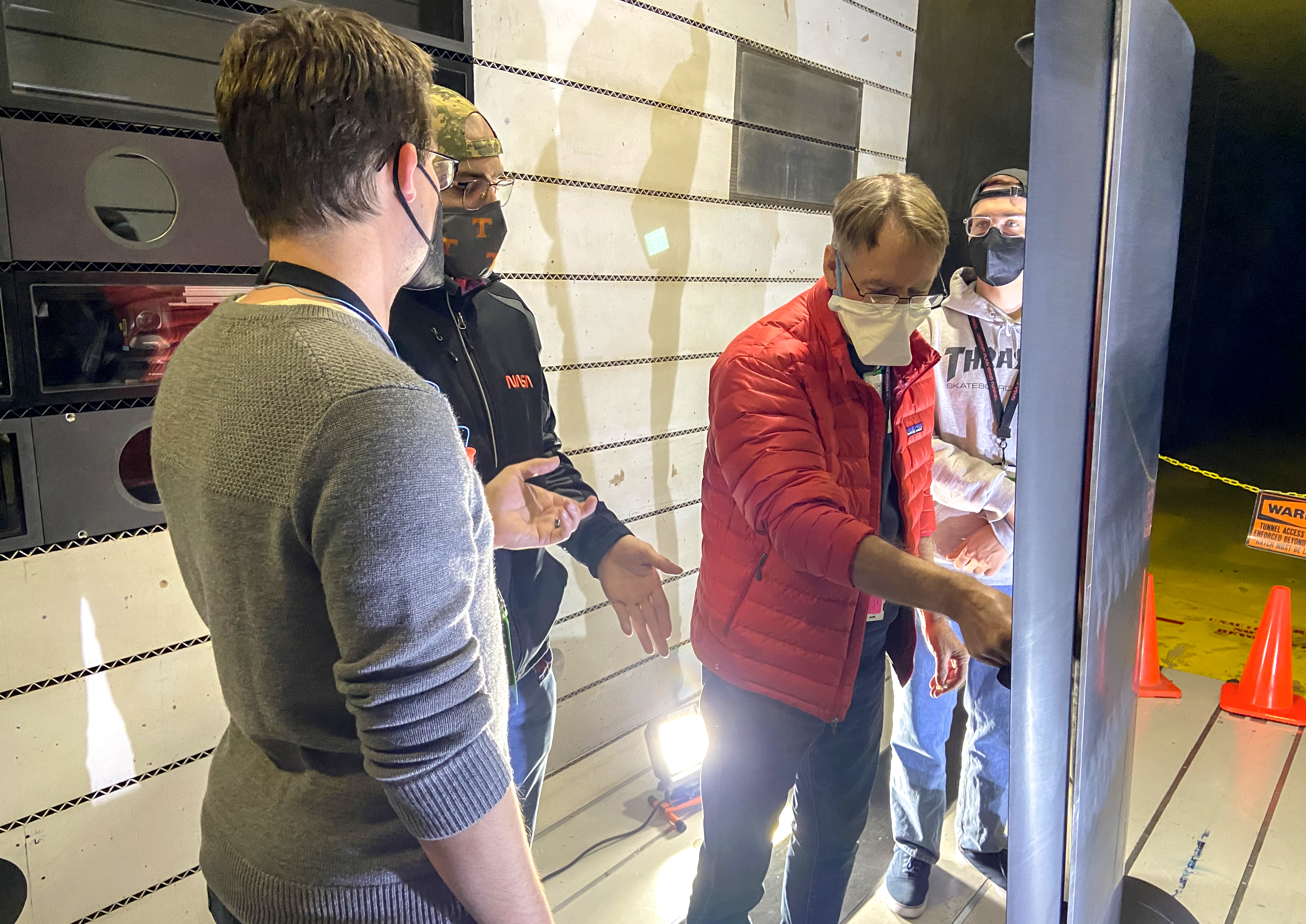
Four men wearing masks stand around a section of an airplane wing mounted vertically inside a NASA wind tunnel as part of a University Leadership Initiative project.
Three University of Tennessee/Knoxville students and co-investigator Dan Somers (in red jacket) prepare a slotted laminar flow wing section for testing in a wind tunnel at NASA’s Ames Research Center in California.
University of Tennessee/Knoxville

“After 10 years industry remains interested in the SNLF technology and I am optimistic for good reason about its future,” Coder said. “And project alumni have gone on to do many wonderful things and leverage what they did and learned through the ULI.” 

With ULI experience prominent on their resumes, several of the students on Coder’s team wound up with jobs in industry – such as Boeing and Lockheed Martin – and government labs. One is currently a NASA Pathways intern working on his PhD. 

Now at Pennsylvania State University, Coder remains a strong advocate for ULI. 

“It goes above and beyond simple workforce development,” he said. “We recognized early on the value-add of ULI is the students themselves. While we could have just trained students en masse, we wanted to put them in the front seat of technical leadership on the project. I think this was a very successful strategy that benefited the project and the students as they embarked on their careers.” 

Mighty morphing 

Forrest Carpenter is another example of a student whose ULI support led to work after graduation – in this case at NASA.  

“Working on the ULI project was an incredible experience, one I will always be thankful for and will remember fondly,” Carpenter said. “I think the project challenged me to be something more than ‘just an engineer;’ really helping my professional development and giving me a clearer focus on my passion.”  

As a student at Texas A&M, he was part of a team selected by NASA in 2017 to research a novel idea in which a supersonic aircraft could alter its shape to fly more efficiently based on the atmospheric conditions in real time. Dimitris Lagoudas, now the university’s interim department head for aerospace engineering, led the team.  

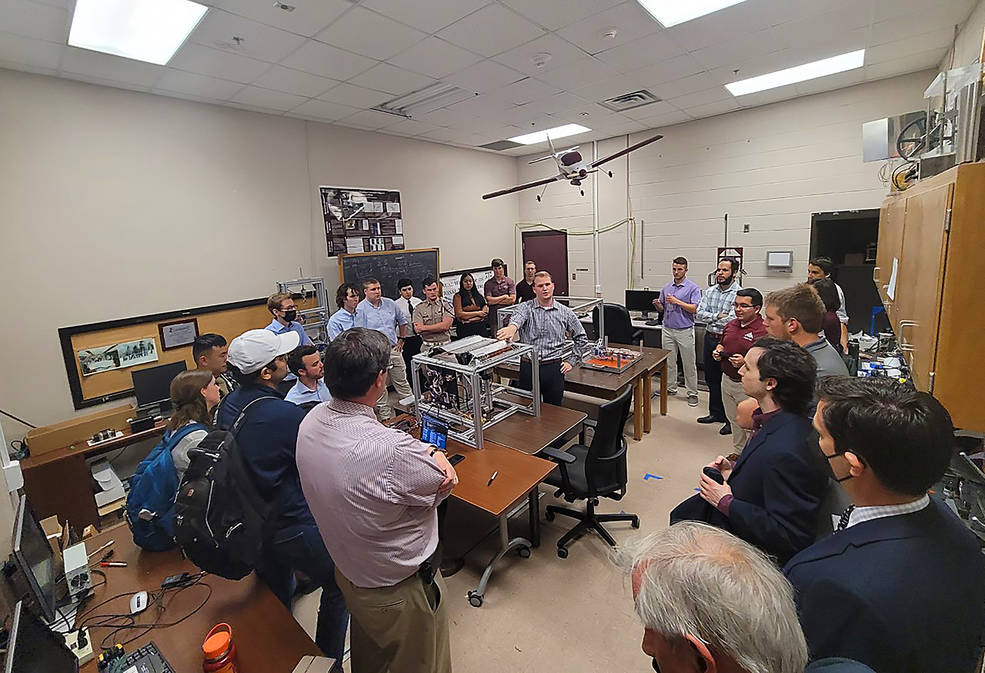
A group of university students and faculty gather around a laboratory workbench.
Members of a University Leadership Initiative round one team led by Texas A&M University participate in a status update meeting with NASA prior to their final review in 2022.
Texas A&M University / Jonathan Weaver-Rosen

A laser shooting out ahead of the aircraft would take measurements of the oncoming air and then the aircraft’s computer would command patches of shape memory alloys and other mechanisms to morph the aircraft’s outer shape. 

One possible application of the technology could be in contributing to the reduction of the loudness of a sonic boom, expanding on the science behind NASA’s X-59 quiet supersonic technology demonstrator that seeks to reduce the sonic boom to a sonic thump.  

“My main research role on the team was performing Computational Fluid Dynamics simulations of the various geometries we were looking at, including a pre-production version of X-59,” Carpenter said.  

His work on the idea continues. A follow-on NASA project, GoSWIFT, will flight test the core technologies Carpenter and his ULI team worked on at Texas A&M. Only this time, Carpenter is the co-lead for the tests, which are targeted to take place at NASA’s Armstrong Flight Research Center in California in the near future.  

Carpenter’s enthusiasm for his work and gratitude for how ULI led to his career with NASA resonates with many other ULI alumni.  

“The number of students impacted, and how they were impacted, by a long-term project like ULI is huge,” Carpenter said. “NASA’s involvement in this kind of activity can only strengthen the research done in this country and to help inspire and develop the next generation of our workforce.”  

ULI is supported by the Transformative Aeronautics Concepts Program within NASA’s Aeronautics Research Mission Directorate, which publishes ULI solicitations and other opportunities to collaborate with the agency’s aeronautical innovators. 

About the Author

Jim Banke

Jim Banke

Managing Editor/Senior Writer

Jim Banke is a veteran aviation and aerospace communicator with more than 40 years of experience as a writer, producer, consultant, and project manager based at Cape Canaveral, Florida. He is part of NASA Aeronautics' Strategic Communications Team and is Managing Editor for the Aeronautics topic on nasa.gov. In 2007 he was recognized with a Distinguished Public Service Medal, NASA's highest honor for a non-government employee.

Keep Exploring

Discover More Topics From NASA

❌