Discover the cosmos! Each day a different image or photograph of our fascinating universe is featured, along with a brief explanation written by a professional astronomer.
3D 67P
Explanation:Put on your red/blue glasses and float next to the jagged and double-lobed nucleus of Churyumov-Gerasimenko, also known as Comet 67P . The stereo anaglyph was created by combining two images from the Rosetta spacecraft’s narrow angle OSIRIS camera taken on July 25, 2015 from a distance of 184 kilometers. Numerous jets are emanating from the small solar system world’s active surface near its closest approach to the Sun. The larger lobe is around 4 kilometers in diameter, joined to a smaller, 2.5 kilometer diameter lobe by a narrow neck. Rosetta’s mission to the comet ended in September 2016 when the spacecraft was commanded to a controlled impact with the comet’s surface . Keep those 3D glasses on though. You can check out a catalog of nearly 1400 stereo anaglyphs created from Rosetta image data on this website.
NASA Administrator Jared Isaacman has named Stephen Cash director of the agency’s Marshall Space Flight Center in Huntsville, Alabama, effective Monday, Oct. 19. Cash, a veteran NASA engineer and aerospace executive, returns to lead the center where he began his career more than four decades ago.
“Marshall contributions to NASA’s missions are historic and it’s no question why it’s the Center of Excellence for propulsion,” said Isaacman. “Steve Cash is a Marshall legend, has spent his career around the hardware, the people and has been in the seat before making the decisions when human spaceflight is on the line. As Marshall continues its critical role in Artemis and takes on new challenges in advanced propulsion, nuclear power, and the systems that will carry us deeper into the solar system, Steve brings the experience, technical judgment, and mission focus needed to lead the center into that next chapter. I am also grateful to Rae Ann Meyer for the leadership she has provided to Marshall during this transition and for her continued service to NASA.”
“Leading a NASA center requires a commitment to its people and to the technical capabilities entrusted to them,” said Amit Kshatriya, NASA associate administrator and chief engineer. “Steve understands that the jewel of Marshall is its workforce and that engineering excellence is sustained by giving talented people the opportunity to design, build, test, and learn through hands-on work. As Marshall continues strengthening the manufacturing, structural loads and dynamics, and propulsion capabilities that underpin NASA’s exploration enterprise, Steve’s leadership will help ensure the workforce has opportunities to develop and apply the expertise needed to deliver the agency’s most ambitious missions.”
As center director, Cash will lead one of NASA’s largest field centers, overseeing a workforce of more than 5,000 civil service and contractor employees and a broad portfolio of propulsion, space systems, scientific research, and technology development activities. Marshall plays a critical role in NASA’s Artemis program, including the development of NASA’s SLS (Space Launch System) rocket, management of the Human Landing System Program, as well as other capabilities supporting sustained exploration of the Moon and future missions to Mars. Further, Marshall plays a key role in the advancement of nuclear power and propulsion, an area of focus that is expected to grow as NASA works towards sending the first humans to Mars.
“It is a profound honor to be back home at the Marshall Space Flight Center,” said Cash. “I am humbled to stand alongside the brilliant minds here as we continue to turn the impossible into everyday history.”
Cash began his NASA career at Marshall in 1982 and spent 34 years with the agency, holding senior engineering and management positions supporting some of the nation’s most significant human spaceflight programs.
During his NASA career, Cash served as manager of Marshall’s Space Shuttle Propulsion Office, overseeing critical propulsion systems supporting shuttle through its final missions. He later served as director of Marshall’s Safety and Mission Assurance Directorate from 2011 until his retirement in 2016, providing leadership in safety, reliability, and quality engineering to support mission success across the center.
Following his retirement from NASA, Cash continued his work in the aerospace industry, including serving as vice president for advanced space systems at Axient, supporting the development and execution of major spaceflight programs. In 2024, he was inducted into the Alabama Engineering Hall of Fame in recognition of his contributions to engineering and the nation’s space program.
Cash succeeds Rae Ann Meyer, who has served as Marshall’s acting center director since September 2025. Meyer, who previously served as Marshall’s deputy center director and associate director, has provided leadership and continuity across the center’s programs and operations during her tenure as acting director. Meyer will return to her role as Deputy Center Director.
Established in 1960, Marshall has played a central role in American space exploration for more than six decades, from developing the Saturn rockets that carried astronauts to the Moon during Apollo to advancing the propulsion systems, infrastructure, and technologies supporting the next era of human spaceflight.
For more information about NASA’s Marshall Space Flight Center, visit:
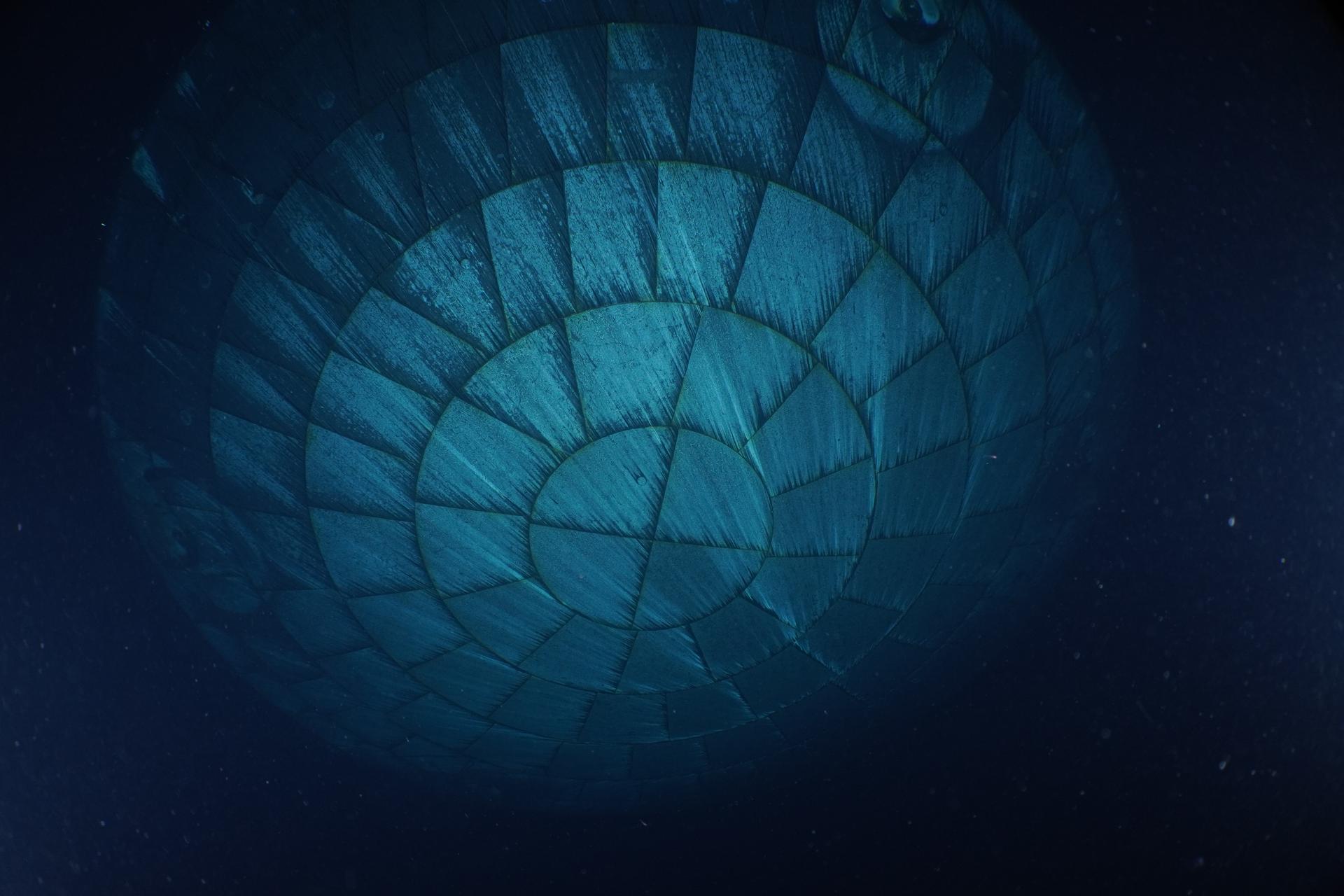
Shortly after NASA’s Artemis II mission splashed down on April 10, 2026, U.S. Navy divers captured underwater imagery of the Orion spacecraft’s heat shield. In the months after, the agency measured whether the thermal protection system effectively safeguarded the crew and Orion systems as the spacecraft reentered Earth’s atmosphere. This rigorous analysis confirmed that the heat shield performed as expected.
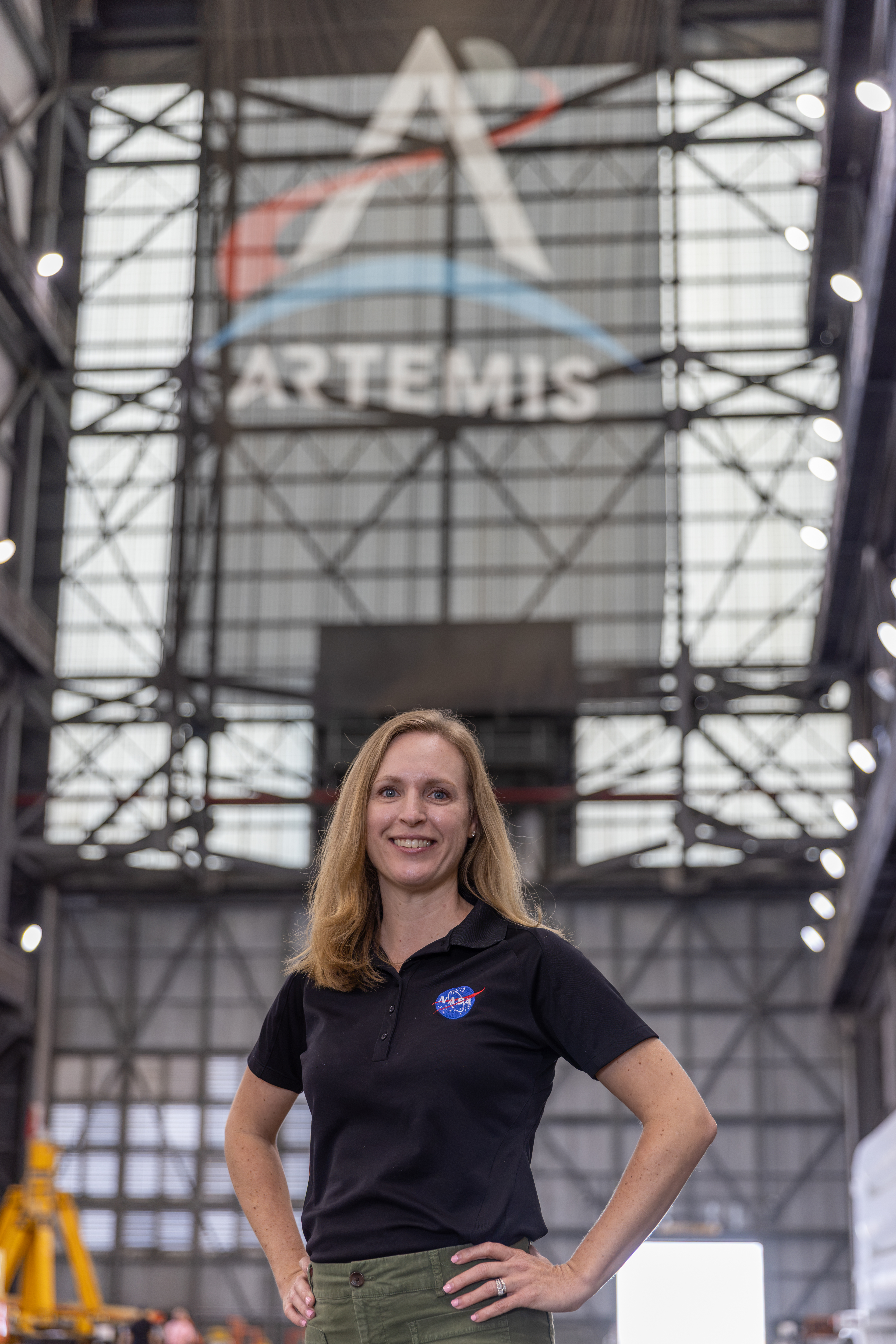
As the supercooled propellant flowed into the core stage, and NASA’s SLS (Space Launch System) rocket roared to life, Allison Mjoen and her family watched with awe and pride. Mjoen, NASA’s operations manager for the agency’s Exploration Ground Systems Program, helped shape the systems and ground operations that will one day send humans back to the Moon. Over her 20-year career at NASA’s Kennedy Space Center in Florida, she supported missions across the Space Shuttle Program, the International Space Station, and now she is applying that experience to Artemis.
April 1, 2026, was a bright, crystal-clear day along the Florida Space Coast. The sunlight seemed to sharpen every color along the horizon. As Mjoen and her children counted down and the crowd’s voices rose around them, the rumble of the SLS rocket intensified beneath their feet. For her children, it was the chance to see what their mom had helped make possible. For Mjoen, it was a moment she would never forget.
That moment also offered a pause for reflection on the work that led her there. As the spacecraft offline operations manager, Mjoen coordinates the work that happens long before launch day. By supporting the ground systems’ senior vehicle operations manager, Matt Czech, she develops integration plans and oversees ground operations for Artemis vehicle processing, focusing on booster and Orion spacecraft operations.
Allison Mjoen, NASA’s operations manager for the agency’s Exploration Ground Systems Program, helped shape the systems and ground operations that will one day send humans back to the Moon.
NASA/Amber Jean Notvest
Mjoen began her career as a flight crew systems engineer with United Space Alliance supporting the Space Shuttle Program. Her team handled mission-specific cabin configurations, including the food, spacesuits, cargo, and payloads astronauts needed aboard the shuttle.
After the Space Shuttle Program retired, she supported the International Space Station Program as a payload integration engineer. In this role, she connected experiment investigators with the organizations developing their hardware. She later worked in the Project Office on the Test and Operations Support Contract before joining NASA’s Operations Project Engineering Office, where she served as the Spacecraft Payloads Integration and Evolution Element lead for Artemis I.
“Early on, I thought every decision had to be perfect, but everything is an opportunity to learn, especially the tasks that seem unrelated at the time. It’s about staying curious, working hard, building relationships, and trusting that each step is preparing you for the next one.
Allison Mjoen
Operations Manager, NASA's Exploration Ground Systems
That preparation took on new meaning when she first supported integrated firing room operations as a certified operations project engineer during Artemis I. Earning the certification was a milestone. Applying it during real time operations brought a new level of responsibility.
“Every decision and communication directly supported the integrated team’s ability to execute safely and properly implement the test procedure,” said Mjoen.
Working at the integration console underscored the importance of preparation, collaboration and trust — lessons she carries into her work coordinating across teams today.
“I get to collaborate everyday with incredibly talented and dedicated people who are all working toward the same goal. It’s especially rewarding to know that our collective efforts directly contribute to the success of the mission.”
Allison Mjoen
Operations Manager, NASA's Exploration Ground Systems
For Mjoen, the shared experience is part of what makes Artemis so important. As the Artemis program continues, she looks forward to another moment families will be able to share as astronauts return to the lunar surface.
“That single moment captured the imagination of people around the world and showed what is possible when we come together for a bold goal,” she said of the first Apollo Moon landing. “Artemis is creating that kind of moment for a whole new generation, and this time to stay.”
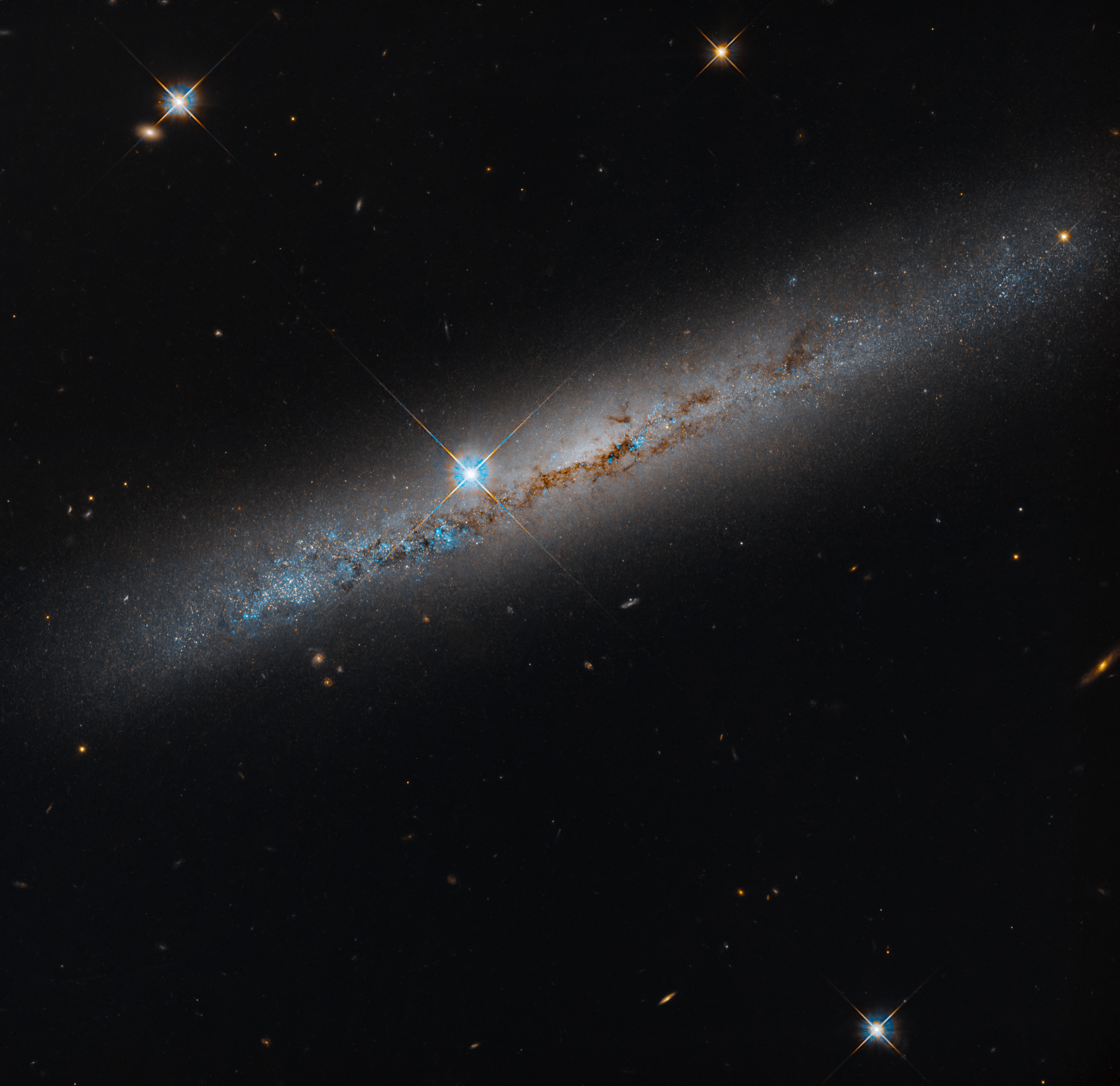
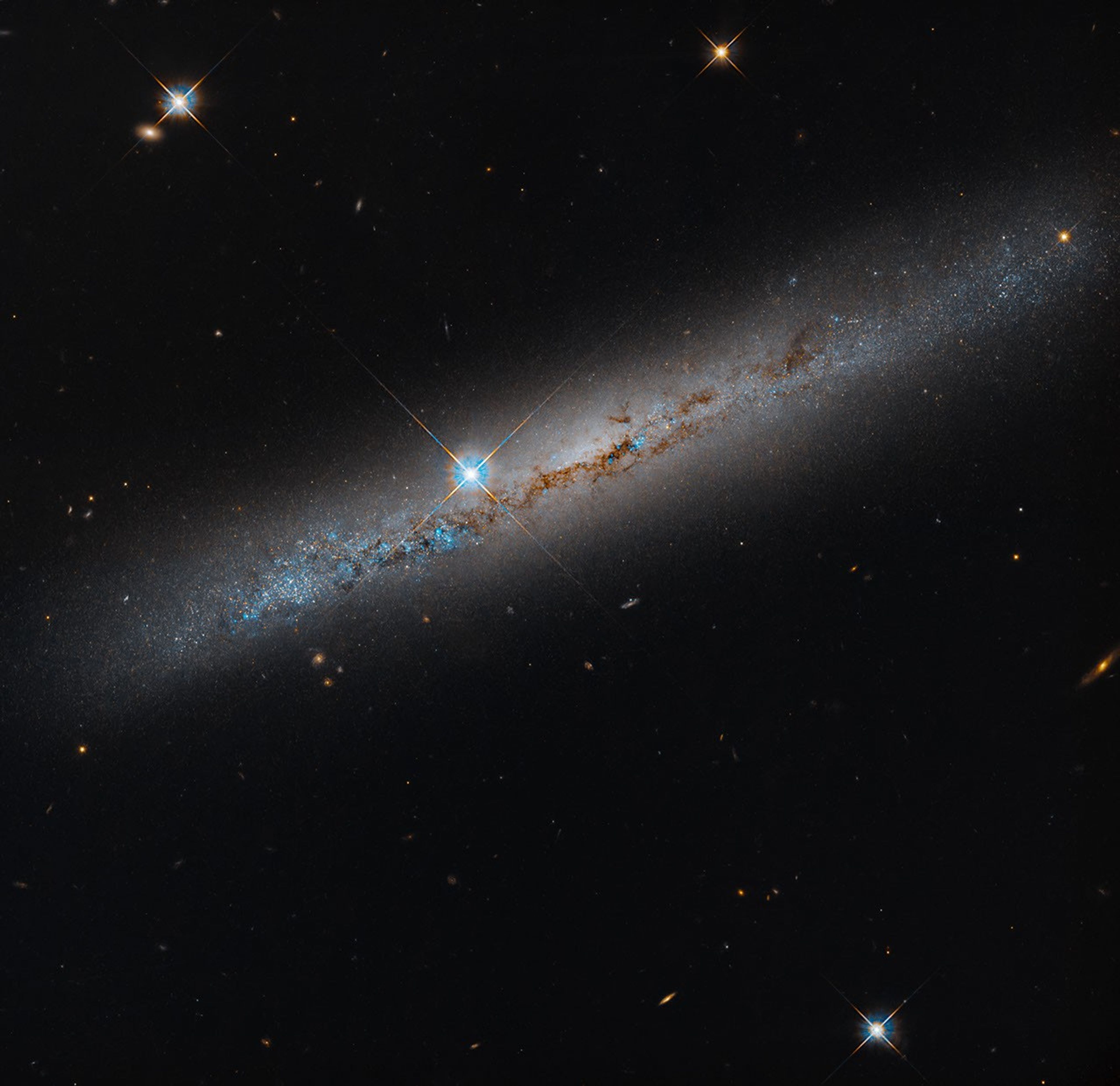
This NASA Hubble Space Telescope image features the edge-on, intermediate spiral galaxy NGC 1827. Its rusty-brown dust lanes bisect the galaxy lengthwise. Look for distant galaxies that dot the black background, while a smattering of foreground stars are easily identified by their diffraction spikes.
NASA, ESA, Michael Jones (California Institute of Technology); Image Processing: Gladys Kober (NASA/Catholic University of America)
This NASA Hubble Space Telescope image features the edge-on, intermediate spiral galaxy NGC 1827, located roughly 37 million light-years away in the constellation Columba, the Dove. Hubble captured the image as part of a survey looking at 260 satellite galaxies around 22 Milky Way-like host galaxies within a radius of about 32 million light-years from Earth. Hubble has already observed 111 of these satellite galaxies. The remaining galaxies will take an additional 149 Hubble orbits, one orbit for each galaxy, to observe.
The image, taken with Hubble’s Advanced Camera for Surveys, reveals bright-blue regions along the galaxy’s disk dotted with dark dust lanes where new stars are likely forming. A bright foreground star appears just to the left of the galaxy’s bright central bulge but is located between us and the galaxy. Its four diffraction spikes are the result of light bending around the internal supports that hold Hubble’s secondary mirror.
Low-mass galaxies like the ones in this Hubble observing program provide a way to test the predictions of cosmological models on small scales, which struggle to match observations. The data Hubble gathers will help us better understand and characterize the properties of low-mass galaxies in Milky Way-like systems, allowing researchers to refine cosmological models.
Discover the cosmos! Each day a different image or photograph of our fascinating universe is featured, along with a brief explanation written by a professional astronomer.
Chasing the International Space Station
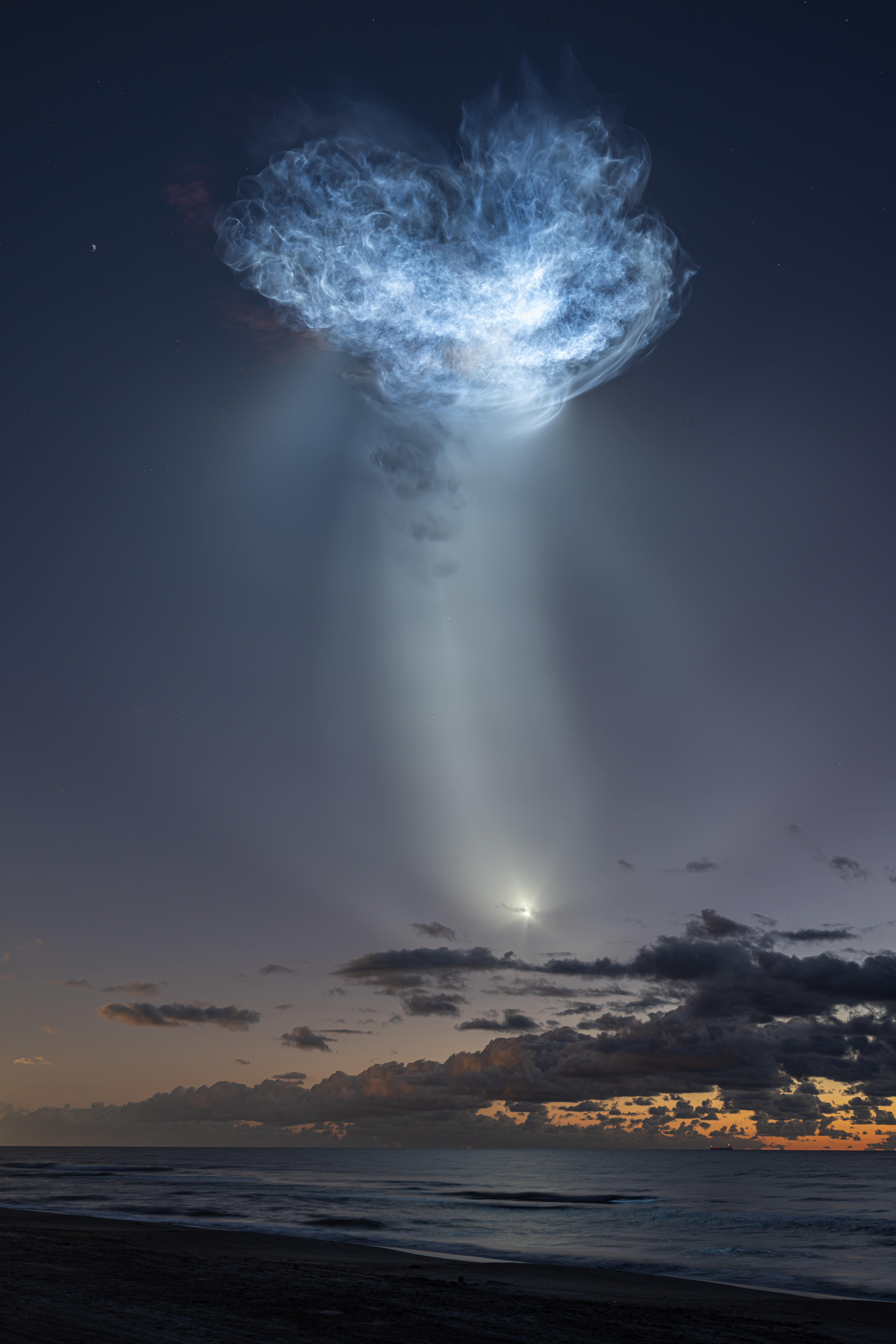
Explanation:Blasting into the predawn sky on Tuesday, October 13, a Falcon 9 rocket and Dragon spacecraft are headed for low Earth orbit in this stunning timelapse video captured from Indian Harbour Beach, Florida. Starting with a launch from Space Launch Complex 40 at Cape Canaveral Space Force Station, Falcon and Dragon are chasing the International Space Station on NASA’s 35th Commercial Resupply Services mission. On cue, the space station itself enters the frame from the top. Almost 8 seconds into the 30 second timelapse. the bright streak of the ISS appears heading “down” toward the horizon. The first and second stages of the Falcon 9 are separating as the spectacular exhaust plume jellyfish grows, already catching the light of the rising Sun. The visible sequence of first stage boost back, re-entry, and landing burns begins around 20 seconds into the video. With the second stage following the ISS toward the distant horizon, the jellyfish plume continues to drift in the predawn sky, even after the successful first stage landing at planet Earth’s Landing Zone 40.
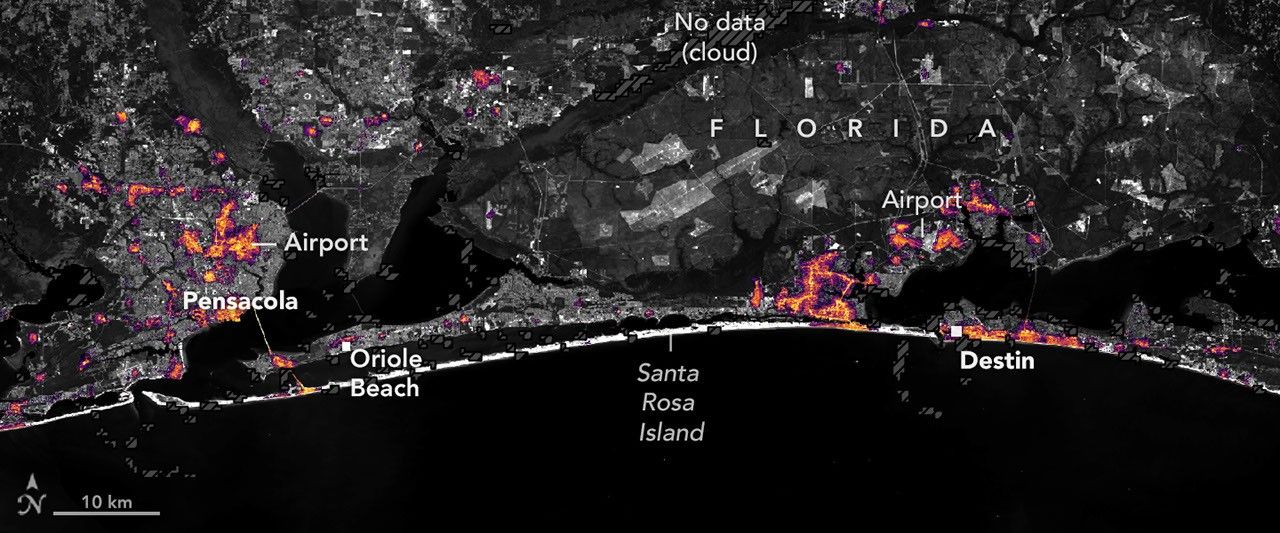
Nighttime lights along the Florida Panhandle coast in August 2026, brightest in Pensacola and Destin and along the road between them.
NASA Earth Observatory / Lauren Dauphin
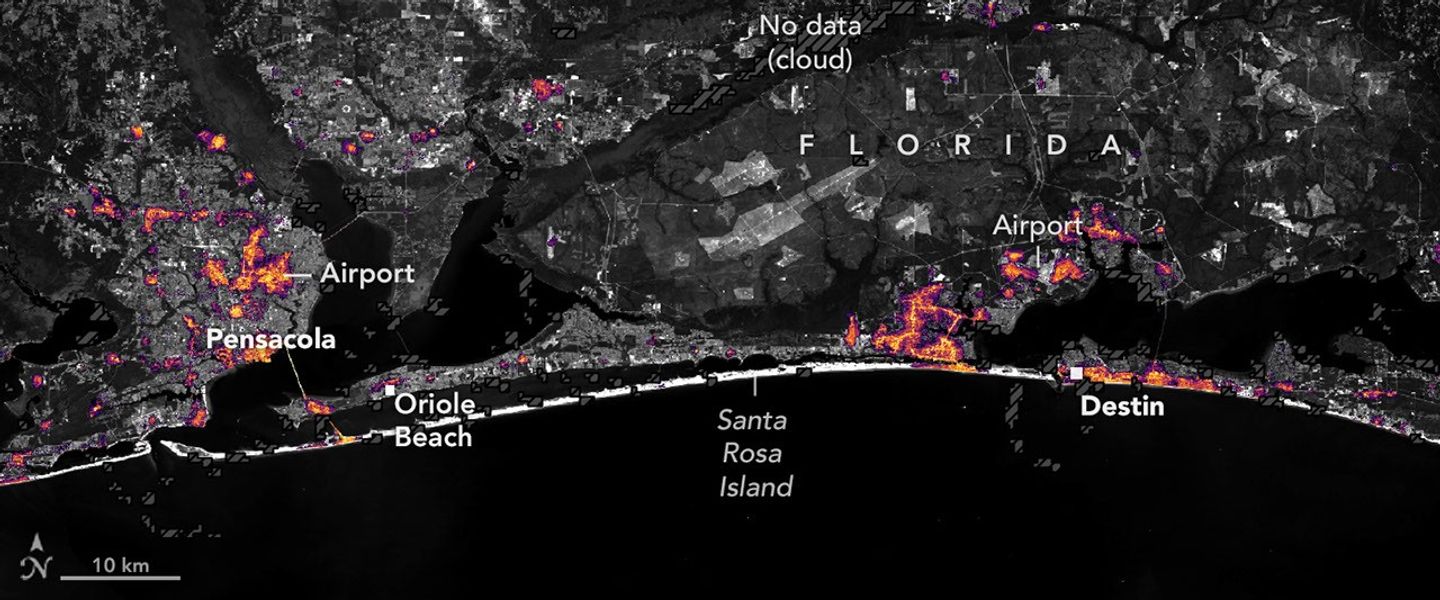
Nighttime lights along the Florida Panhandle coast on October 11, 2026, after Hurricane Isaias, with fewer and dimmer lights in Pensacola and Destin and gaps along the road between them.
NASA Earth Observatory / Lauren Dauphin
Nighttime lights along the Florida Panhandle coast in August 2026, brightest in Pensacola and Destin and along the road between them.
NASA Earth Observatory / Lauren Dauphin
Nighttime lights along the Florida Panhandle coast on October 11, 2026, after Hurricane Isaias, with fewer and dimmer lights in Pensacola and Destin and gaps along the road between them.
NASA Earth Observatory / Lauren Dauphin
August 2026 Composite
October 11, 2026
Lights around Pensacola, Florida, and along the U.S. Route 98 corridor toward Destin appear sharply reduced on October 11, 2026 (right), compared with typical conditions in August 2026 (left), suggesting widespread power outages after Hurricane Isaias. Images are from NASA’s Black Marble HD product.
After a quiet start to the 2026 Atlantic hurricane season, Isaias became the season’s first hurricane on October 8 as it tracked toward the U.S. Gulf Coast. The storm brought heavy rain and flash flooding to parts of the Southeast, including Alabama and the Florida Panhandle, and winds that toppled trees and downed power lines, leaving many people in the dark.
Isaias made landfall near Destin, Florida, on the evening of October 9 as a Category 2 hurricane with maximum sustained winds of 105 miles (170 kilometers) per hour. Gusts topped 100 miles per hour along a corridor west of the storm’s center, according to the National Weather Service, with preliminary reports showing a 117-mile-per-hour gust in Oriole Beach and a 102-mile-per-hour gust at Pensacola City Hall.
These areas of high winds overlapped a broader area west of the storm’s eye where satellite images showed substantial decreases in nighttime lights. The image pair above shows nighttime lights before and after the storm. The left image is a composite of August 2026 data representing typical conditions, and the right image shows lights on October 11, after most of the storm’s clouds had cleared.
The data depicted in the images, provided by Ranjay Shrestha of NASA’s Black Marble science team, come from the Black Marble HD product. The product uses data from the VIIRS (Visible Infrared Imaging Radiometer Suite) on the NOAA-20 satellite, which has a day-night band that detects light emitted and reflected at night. The team processed the data to account for changes in the landscape, the atmosphere, and phase of the Moon, and to filter out stray light that does not come from electric lights. Dark gray, hash-marked areas show where clouds prevented VIIRS from collecting data. The nighttime lights are shown over a base map from the Landsat 9 satellite.
“Standard Black Marble nighttime lights imagery, available through NASA Worldview, provides a broad picture of the storm’s immediate impacts,” Shrestha said. “Black Marble HD takes this a step further by allowing us to visualize these changes at a much finer spatial scale.”
At these finer scales, the images reveal lights decreasing sharply around parts of Pensacola, Florida, and along the U.S. Route 98 corridor toward Destin, suggesting widespread power disruptions. Shrestha also pointed out pockets where lights persisted, including Pensacola International Airport, Pensacola Christian College, and parts of downtown Pensacola. “These patterns could reflect backup power systems, differences in electrical infrastructure, or areas that maintained electricity during the storm, although the imagery alone cannot confirm the underlying reasons,” he said.
October 11, 2026
October 12, 2026
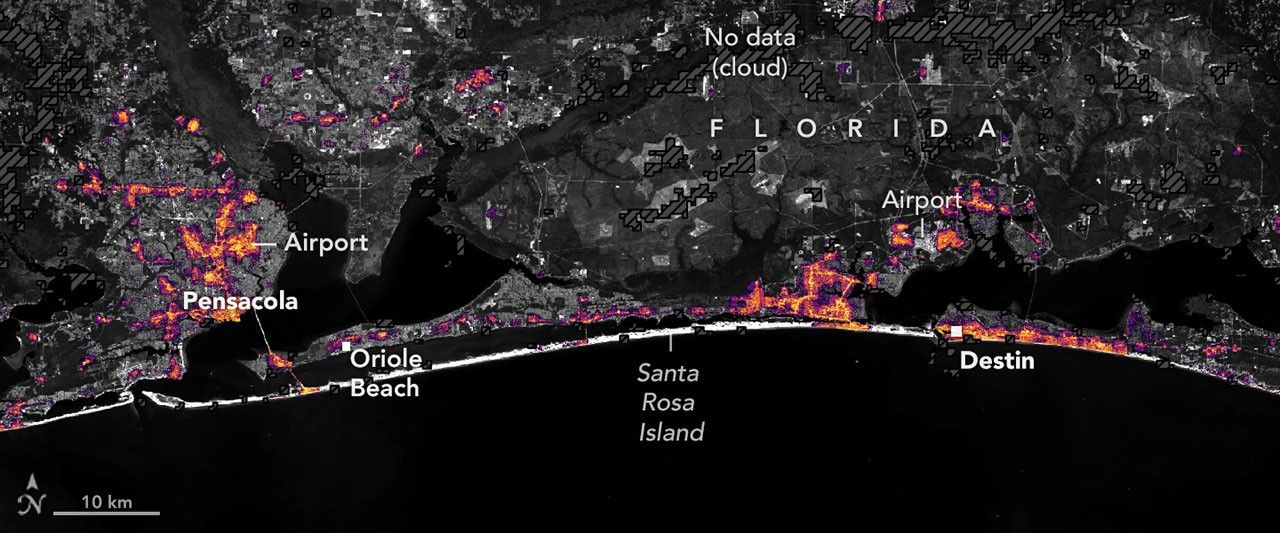
Nighttime lights along the Florida Panhandle coast on October 11, 2026, after Hurricane Isaias, with fewer and dimmer lights in Pensacola and Destin and gaps along the road between them.
NASA Earth Observatory / Lauren Dauphin
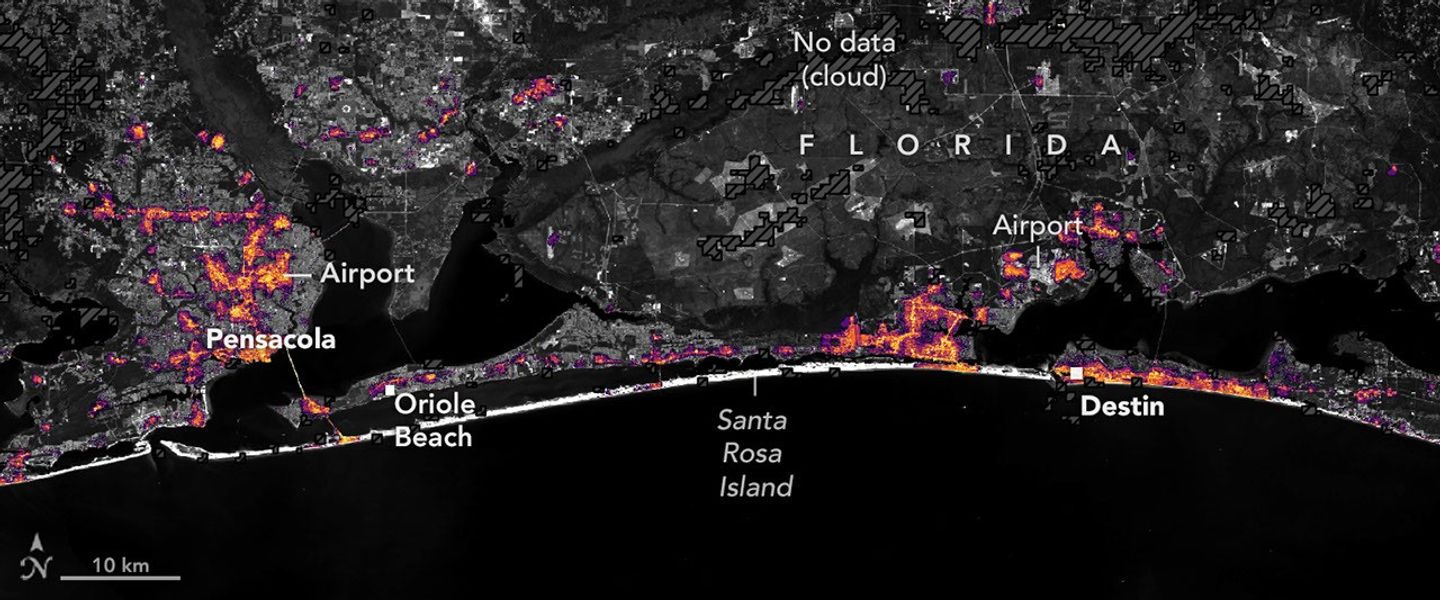
The same area on October 12, 2026, with lights in Pensacola and Destin and along the road between them closer to pre-storm levels.
NASA Earth Observatory / Lauren Dauphin
Nighttime lights along the Florida Panhandle coast on October 11, 2026, after Hurricane Isaias, with fewer and dimmer lights in Pensacola and Destin and gaps along the road between them.
NASA Earth Observatory / Lauren Dauphin
The same area on October 12, 2026, with lights in Pensacola and Destin and along the road between them closer to pre-storm levels.
NASA Earth Observatory / Lauren Dauphin
October 11, 2026
October 12, 2026
Widespread outages darken the region around Pensacola, Florida, and along the U.S. Route 98 corridor toward Destin on October 11, 2026 (left). By October 12 (right), lights have returned to some affected areas. Images are from NASA’s Black Marble HD product.
Black Marble HD images also reveal the pace and spatial patterns of recovery. The image pair above compares the same October 11 view (left) with one from October 12 (right), when lights had begun to return to some affected areas. By October 14, lighting patterns looked similar to pre-storm conditions.
“Understanding where recovery is progressing and where disruptions persist can help emergency responders and decision makers identify areas that may require additional attention, prioritize resources, and assess the effectiveness of restoration efforts,” Shrestha said.
Black Marble data complement ground-based outage reports rather than replace them, offering a more comprehensive view of disasters’ impacts and recovery. “Ultimately, this is where the value of Black Marble lies: turning nighttime Earth observations into actionable insights that support informed decisions and help bridge the gap between Earth science and action,” Shrestha said.
The NASA Disasters Program, in coordination with FEMA and the USGS Coastal Storms Team, is supporting the Alabama Red Cross and the Alabama Emergency Management Agency’s response to Hurricane Isaias. The team will be posting maps and data products on its open-access mapping portal as new information becomes available.
NASA Earth Observatory images by Lauren Dauphin, using Black Marble HD data courtesy of Ranjay Shrestha/NASA’s Goddard Space Flight Center and Landsat data from the U.S. Geological Survey. Story by Kathryn Hansen.
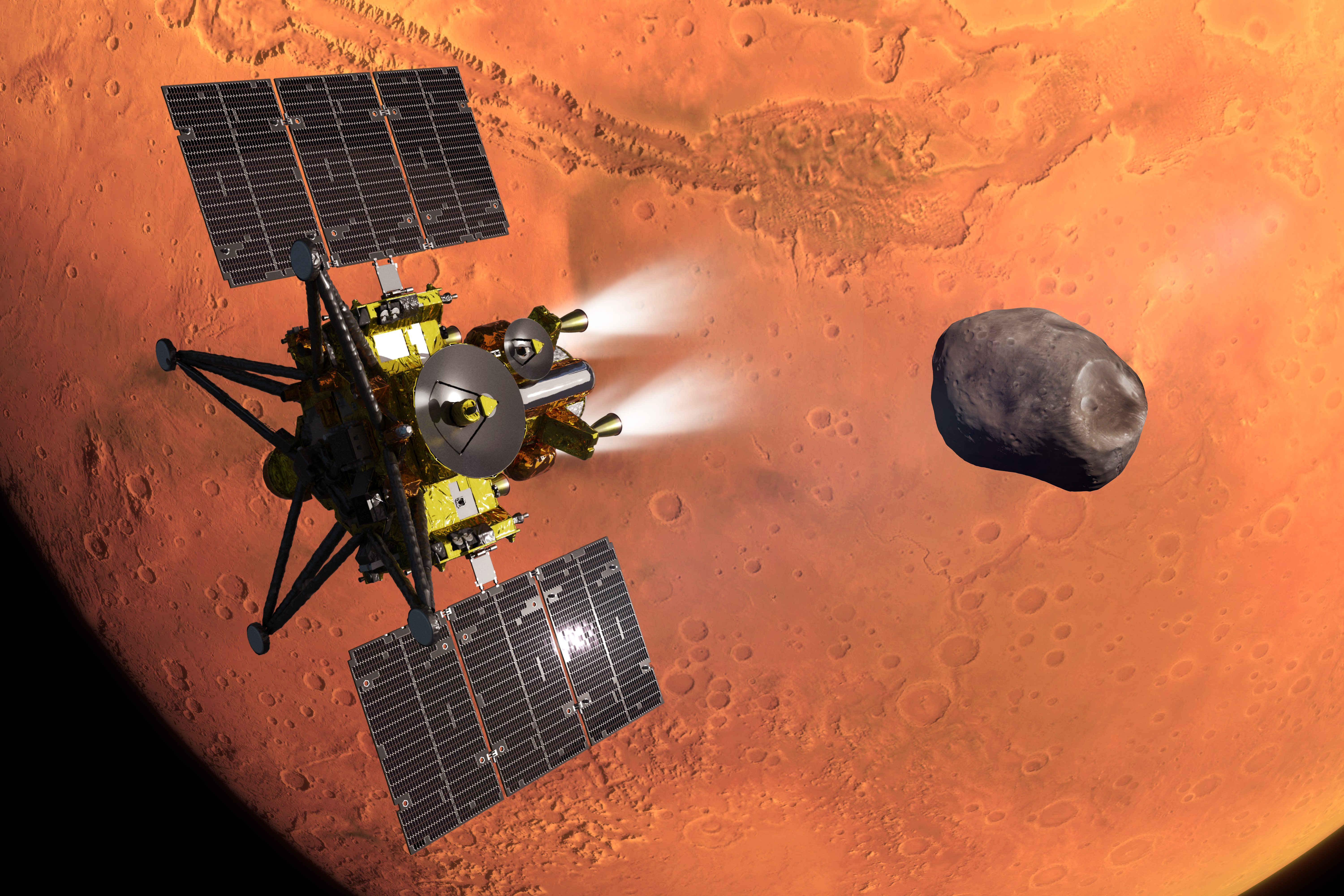
NASA is playing an important role in JAXA’s (Japan Aerospace Exploration Agency) MMX (Martian Moons eXploration) mission, to advance our understanding of Mars’ moons and build on the agency’s long history of exploring the Red Planet.
The mission aims to characterize and determine the origin of Mars’ moons Phobos and Deimos and deliver a sample of Phobos to Earth. The MMX spacecraft is targeting launch from JAXA’s Tanegashima Space Center in Japan at 3:41 p.m. EDT on Monday, Oct. 19 (4:41 a.m. JST on Tuesday, Oct. 20).
An artist’s concept of JAXA’s MMX spacecraft during its Mars’ orbit insertion. The Martian moon Phobos, which MMX will explore and sample, is in the background.
JAXA
“The samples from MMX will bring forth paradigm-shifting science on the Mars system for generations to come, especially as NASA prepares to send the first humans to Mars,” said Nicky Fox, associate administrator, Science Mission Directorate, NASA Headquarters in Washington. “The NASA-JAXA sample curation partnership is extremely valuable, and I am proud that NASA Science is supporting MMX sample curation and will be sharing portions of these samples for study as we continue to expand humanity’s understanding of the universe for the benefit of all.”
NASA’s contributions to the mission include the Mars-moon Exploration with Gamma rays and Neutrons (MEGANE) spectrograph instrument, the Pneumatic Sampler (P-Sampler) technology demonstration, and communications and navigation support from the agency’s Deep Space Network, as well as funding United States scientists participating on the MMX science team.
Scientists have long debated the origin of Mars’ two moons. The data and samples collected by the MMX mission will help answer essential questions about the origins of these moons and the history of the solar system.
“Phobos and Deimos may be the remains of a massive impact on Mars that sent material into orbit around the planet, or they could be ancient asteroids that were captured by Mars’ gravity billions of years ago,” said Tom Statler, MMX program executive and program scientist at NASA Headquarters. “Having the answer will help illuminate that early era when Earth and the other inner planets may have been acquiring much of their water and organic compounds.”
The MEGANE (pronounced meh-GAH-nay, the Japanese word for eyeglasses) spectrograph will help scientists “see” what Phobos is made of by measuring neutrons and gamma rays emitted from the moon’s surface and determining its chemical elemental composition, which will provide important clues about its origin.
Mounted on one of the spacecraft’s landing legs, the P-Sampler is designed to collect a ground sample from Phobos. The system gathers surface material using bursts of high-pressure nitrogen gas, complementing JAXA’s C-Sampler, which will extract cores from a few inches deeper. NASA will obtain and curate about 15% of the total returned sample at the agency’s Johnson Space Center Astromaterials Lab in Houston, making it available for research for decades.
Another key part of NASA’s contribution to MMX is its scientific partnership with JAXA. NASA-supported researchers are working alongside international colleagues to help reveal the story of Phobos and will use mission data and returned samples to uncover new clues about the moon’s origin and the evolution of the Mars system.
The MMX spacecraft will arrive at Mars in August 2027 to begin its survey of the Red Planet’s two moons. After surveying Phobos in detail, the spacecraft will collect a sample of the moon’s surface no earlier than December 2028 and deliver it to Earth in 2031.
The MEGANE instrument was developed by the Johns Hopkins Applied Physics Laboratory. Honeybee Robotics, a Blue Origin company, developed the spacecraft’s pneumatic sampler mechanism. NASA’s contributions to the MMX mission were developed under the agency’s Discovery Program. The Discovery Program is managed by NASA’s Marshall Space Flight Center in Huntsville, Alabama, for the agency’s Science Mission Directorate in Washington.
For more information about the MMX mission, visit:
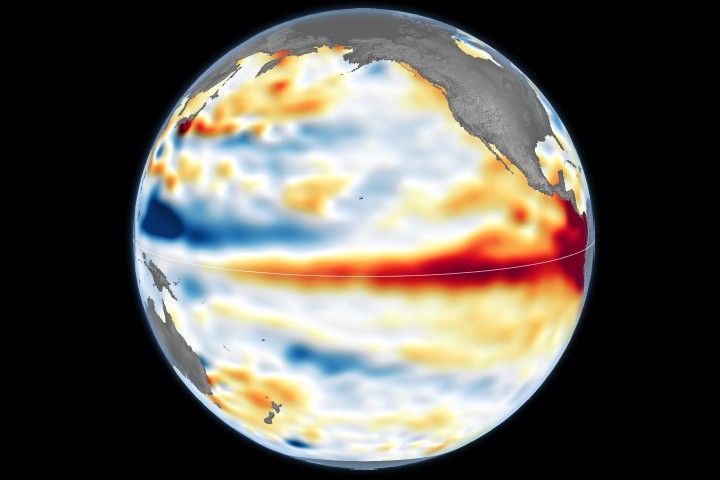
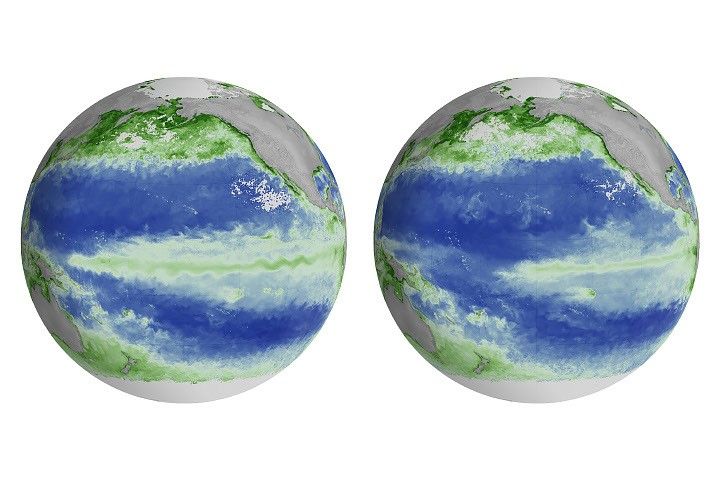
This visualization compares three ocean data products, sea surface temperature anomaly, apparent visible wavelength, and sea surface height anomaly, over the same months in 2025 and 2026. Signals of El Niño in each map are highlighted with pop-up labels.
Credits: NASA’s Scientific Visualization Studio
A phenomenon rarer than a solar eclipse and more powerful than any single storm system is unfolding this fall, and NASA is tracking it closely.
El Niño is a natural climate pattern that emerges roughly every two to seven years marked by warmer-than-normal water temperatures in parts of the equatorial Pacific. NASA scientists are keeping watch as it flips trade winds, redistributes ocean heat, scrambles rain patterns, and raises sea surface height across parts of the Pacific.
As of October, the National Oceanic and Atmospheric Administration (NOAA) has said that there’s an 83% chance that the strongest El Niño since 1950 is currently unfolding. People around the world, including farmers, firefighters, and coastal communities, are already experiencing the effects in different ways.
Follow along with these maps as NASA tracks El Niño from its epicenter in the equatorial Pacific Ocean.
Sea surface height in flux
Lower-than-normal sea level conditions appear blue, and higher areas are orange and red in this map, which compares the ocean in 2025 (a weak La Niña year) and 2026. The map was created using altimetry data from the Sentinel-6 satellites, which measure water height for the entire ocean every 10 days, down to fractions of an inch.
Credit: NASA’s Scientific Visualization Studio
One of the first clues appeared in satellite imagery in January 2026, when a swell of warm water called a Kelvin wave was spotted near Micronesia in the western Pacific. Kelvin waves are slow-moving pulses of water thousands of miles long. Like underwater freeways, they transfer heat from west to east across the Pacific. The warm water heats the air directly above it, making it rise. The change in air pressures weakens or even reverses the trade winds that typically blow in the opposing direction, from the Americas toward Asia, causing sea levels in the eastern Pacific to rise further, and waters to warm even more. This chain reaction signifies the start of an El Niño.
The map above shows that by early April, those Kelvin waves had reached the eastern Pacific, and sea surface temperatures had begun to warm. Warm water expands in volume, elevating local sea levels in some areas by as much as 1 to 1.3 feet (30 to 40 centimeters). The higher-than-normal water can be seen sloshing toward South America then moving up the coast to California. Sea levels that are six to eight inches (15 to 20 centimeters) lower than normal are visible around Indonesia and northern Australia.
“Kelvin waves are like the heartbeat of El Niño,” said Josh Willis, project scientist for sea level missions at NASA’s Jet Propulsion Laboratory in Southern California. “And our sea level satellites let us peer into the ocean and watch every beat.”
Scientists have used satellite altimetry to track the height of the ocean with ultraprecision since 1993. That unbroken data record continues today with the Sentinel-6 satellites. State-of-the-art radar altimeters aboard these satellites survey millions of square miles of ocean in a single day, complementing NOAA’s fleet of ocean sensors and buoys drifting and diving through the water below.
Warming Pacific waters
The map above compares sea surface temperatures in 2025 (a weak La Niña year) and 2026. Data are acquired from satellite instruments, buoys, and ship sensors.
Credit: NASA’s Scientific Visualization Studio
Warmer-than-normal seawater is one of the best-known indicators of El Niño. Already, sea surface temperatures in the eastern Pacific are about 3 degrees Fahrenheit (1.7 degrees Celsius) warmer than the long-term average and could jump another fraction of a degree in the coming months, Willis said.
Satellites carrying microwave and infrared radiometers can see through and around clouds to measure heat energy at the sea surface. Satellites in 2026 mapped the band of warmer-than-normal water as it expanded throughout the spring. The band, seen in dark red, stretches for millions of square miles from the heart of the Pacific to the coast of South America. Ocean temperatures can influence weather patterns around the world. Air above the water’s surface carries heat and moisture into the atmosphere, seeding rainstorms and rearranging weather patterns across the globe.
Ocean gets bluer
The map above compares Apparent Visible Wavelength from 2025 (a weak La Niña year) and 2026. Apparent Visible Wavelength is a data product from NASA’s PACE satellite utilizing ocean color data from the Ocean Color Instrument.
Credit: NASA’s Scientific Visualization Studio
El Niño’s warm waters also change the color of the ocean. A NASA satellite is tracking these subtle shifts in hues, as equatorial Pacific waters have become measurably more blue over the last several months.
“Some people think of water as being just blue, but it’s amazing the multitude of colors the ocean can be,” said Matthew Kehrli, a lead research scientist for the PACE (Plankton, Aerosol, Cloud, ocean Ecosystem) satellite team at NASA’s Goddard Space Flight Center in Greenbelt, Maryland.
This spectrum is in part thanks to microscopic plants called phytoplankton, which form the basis of the marine food web. There are thousands of different species of phytoplankton, which come in shades like teal, brown, or green. This year, in areas of the Pacific Ocean along the equator that are typically lush with phytoplankton and greener as a result, these hues are waning.
This is an expected effect of El Niño. Phytoplankton thrive in cool, nutrient-rich waters, but during an El Niño, the weakening trade winds reduce the upwelling of nutrient-rich deep water to the ocean surface. With limited food supply, phytoplankton abundance drops. This decline can trigger cascading effects across the marine food web, forcing other marine life to relocate to new feeding grounds.
This year’s El Niño is the first since PACE launched in 2024, providing new views of the phenomenon. The Ocean Color Instrument aboard PACE observes the ocean in hyperspectral color — across several hundred different wavelengths of visible, near-infrared, and ultraviolet light — monitoring phytoplankton and other ocean-color changes in near-real time. With PACE data, researchers calculate the average color of the ocean, simplifying spectra of light into a single number, known as apparent visible wavelength.
The 2026 map above shows the green area along the equator in the western Pacific Ocean shrink as a bluer shade fills in, indicating fewer phytoplankton. In contrast, the map from 2025 shows how the green-hued section stays steady over time.
“You have expectations of what you would think would happen,” Kehrli said. “But to visually see the results with the data products that you’re working with in real time is gratifying.”
NASA scientists will continue to monitor the signs and impacts of this El Niño with its fleet of Earth-observing satellites.
“El Niño touches almost all of us in some way every time it occurs,” Willis said. “While many have seen what it can do, we look to the ocean to understand why.”
Power Up: Roll Out Solar Arrays Boost Space Station Power Supply
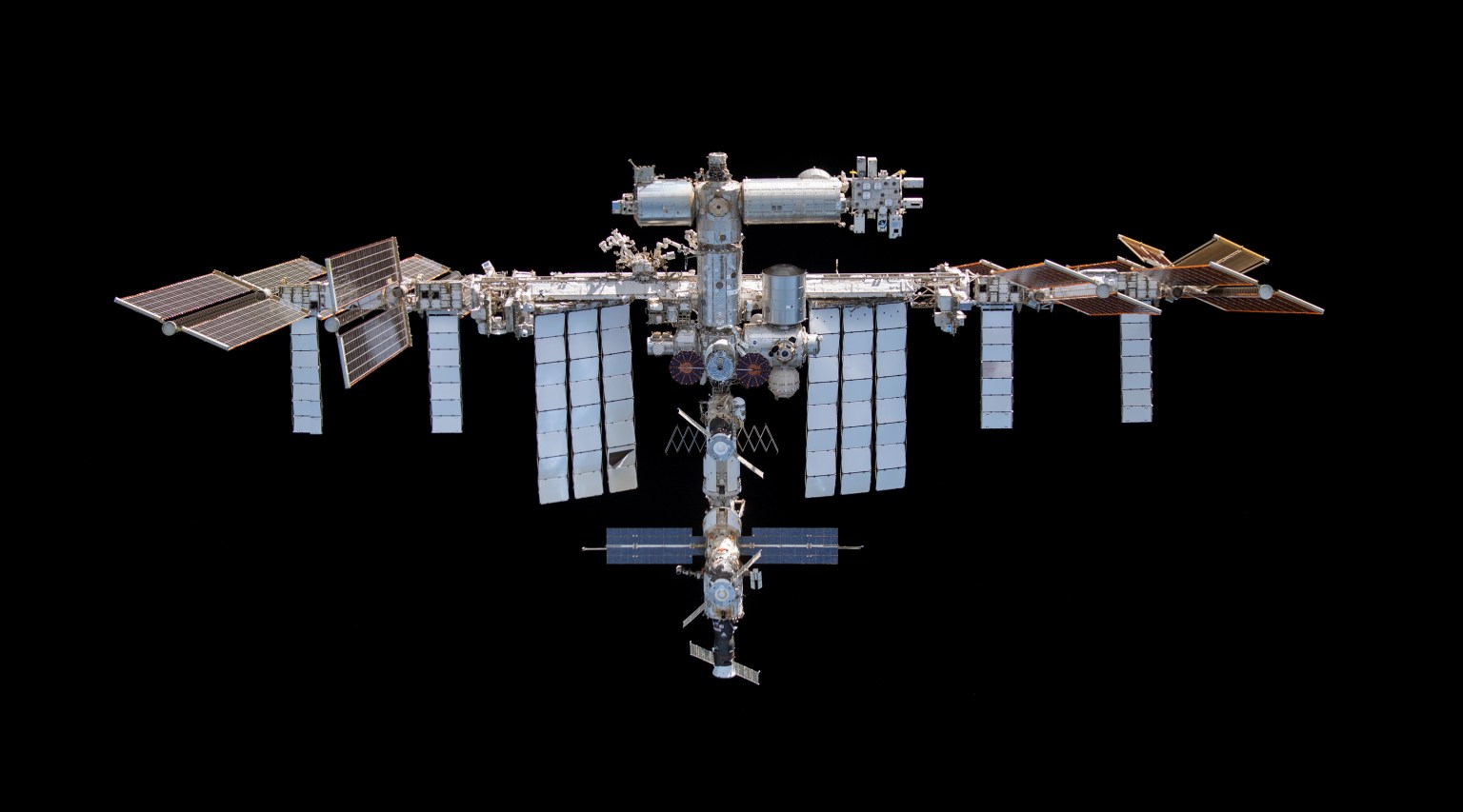
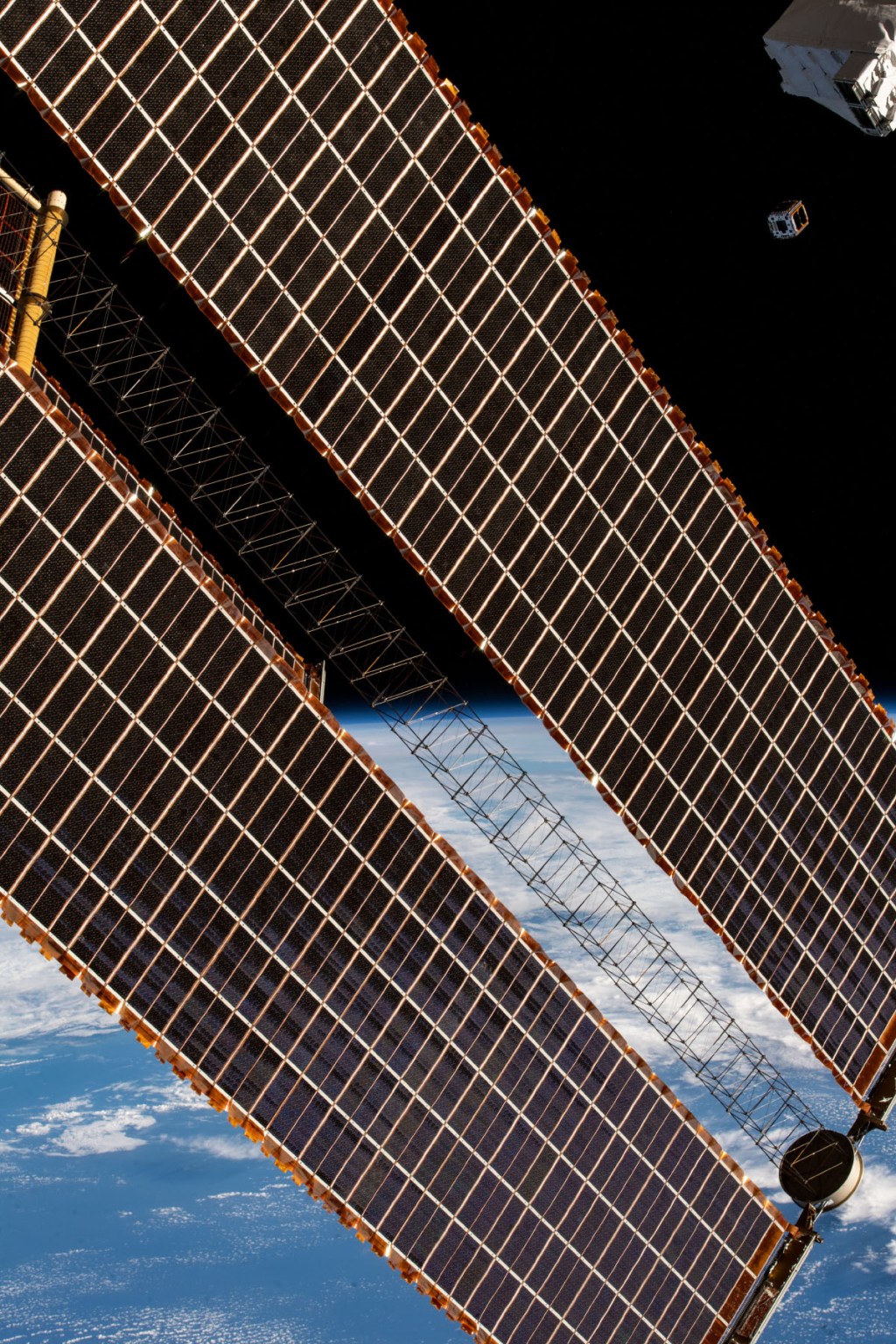
From the International Space Station’s unique position 250 miles above Earth, the Sun is a vital source of energy. Solar power supports the station’s life support systems, daily activities, and hundreds of research investigations that improve life on Earth and prepare humans for deep space exploration. Over the past five years, NASA augmented the station’s power generation and distribution capability with next-generation International Space Station Roll Out Solar Arrays (IROSAs).
An International Space Station Roll Out Solar Array deploys in 2022.
NASA
In 2017, a technology demonstration conducted aboard the space station tested the effectiveness of the arrays. The lightweight, compact design launches as a cylinder and unfurls like a yoga mat after installation. This advanced design reduces mass and volume at launch and uses an autonomous, self-deploying system that minimizes risks during rollout.
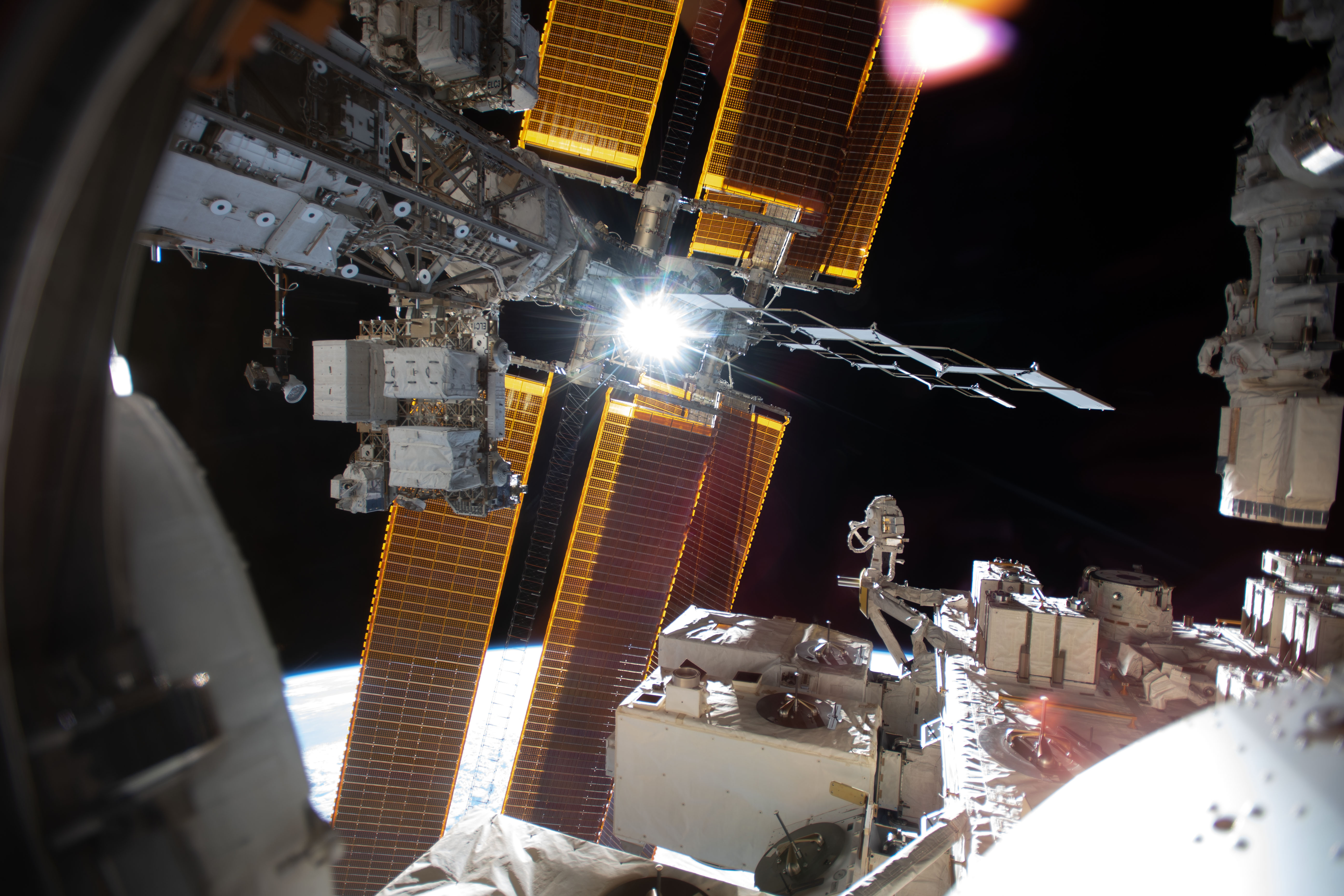
Sunlight flares across the International Space Station’s solar arrays.
NASA
The IROSAs were designed, manufactured, and tested by Redwire under a contract with Boeing and are about half the size of the station’s legacy arrays. Despite being smaller, the arrays are capable of producing about 28 kilowatts of additional power.
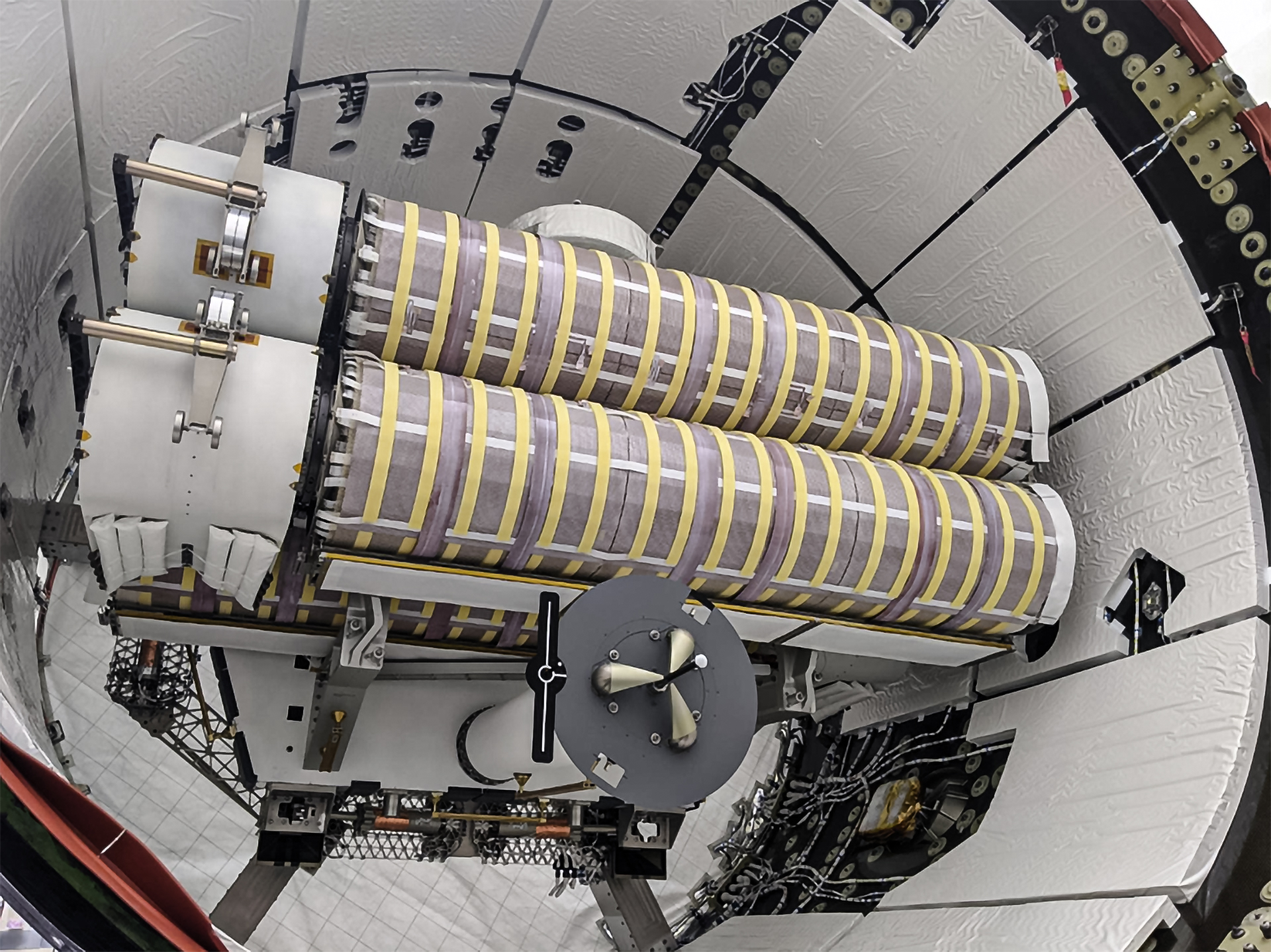
The first two International Space Station Roll Out Solar Arrays loaded in a SpaceX Dragon’s trunk before delivery to the orbiting laboratory during the company’s 22nd commercial resupply services mission for NASA in 2021.
SpaceX
Six IROSAs were installed outside of the space station between 2021 and 2023. In 2023, power projections prompted a request for another set of IROSAs, which launched in Dragon spacecraft’s trunk during the SpaceX 35th commercial resupply services mission to space station for NASA. Together, the eight IROSAs will increase power by more than 160kW for research and operations.
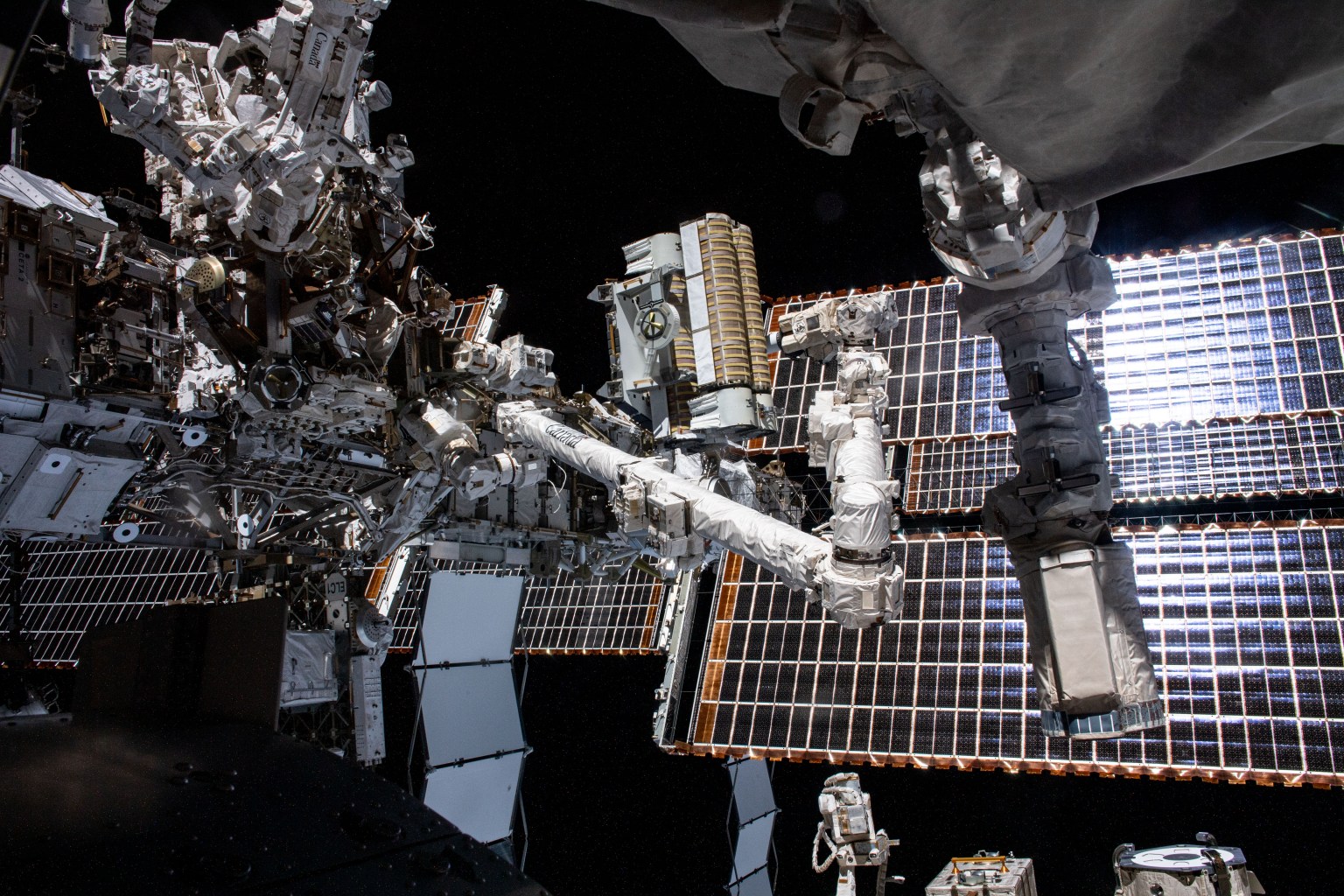
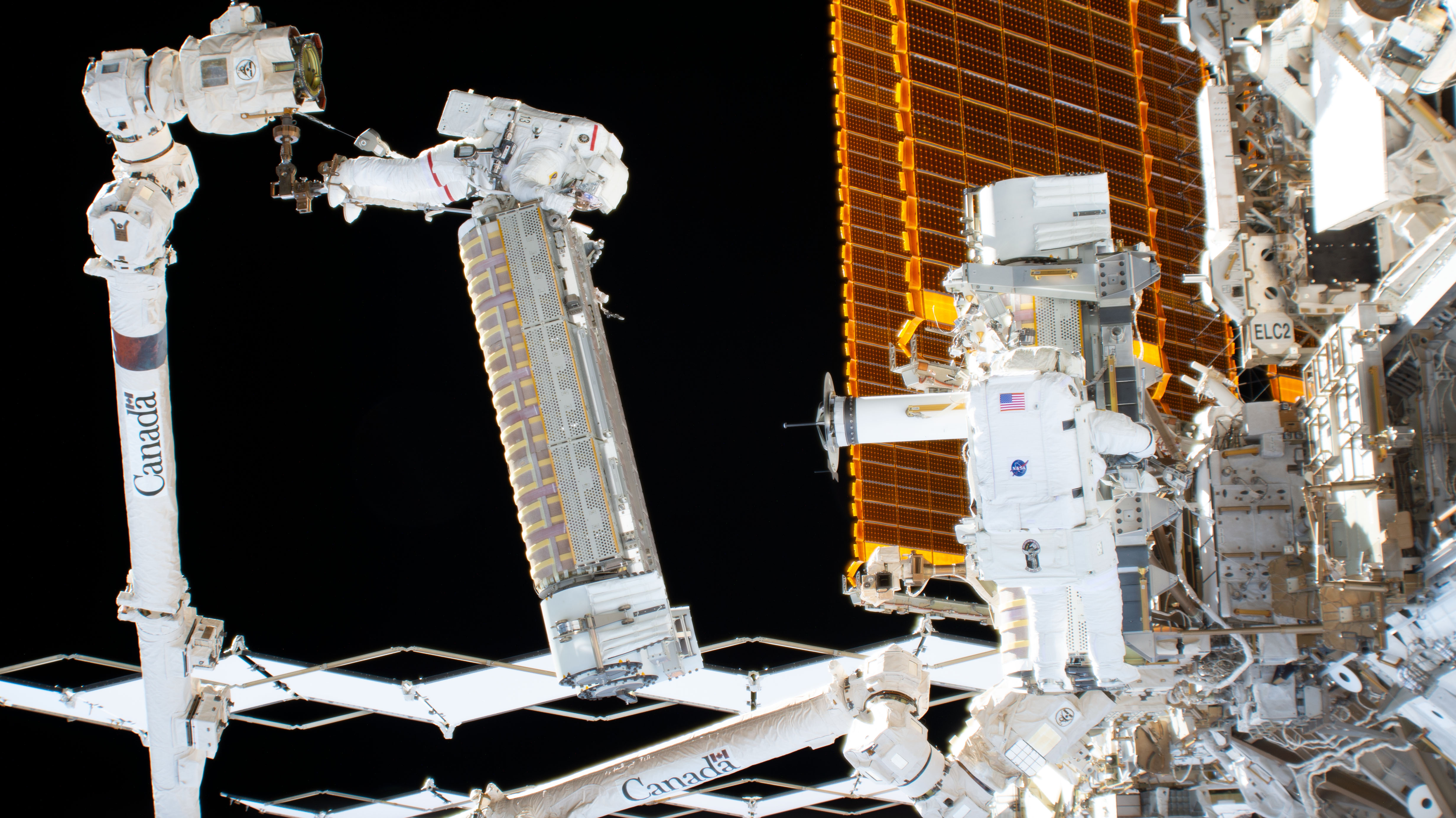
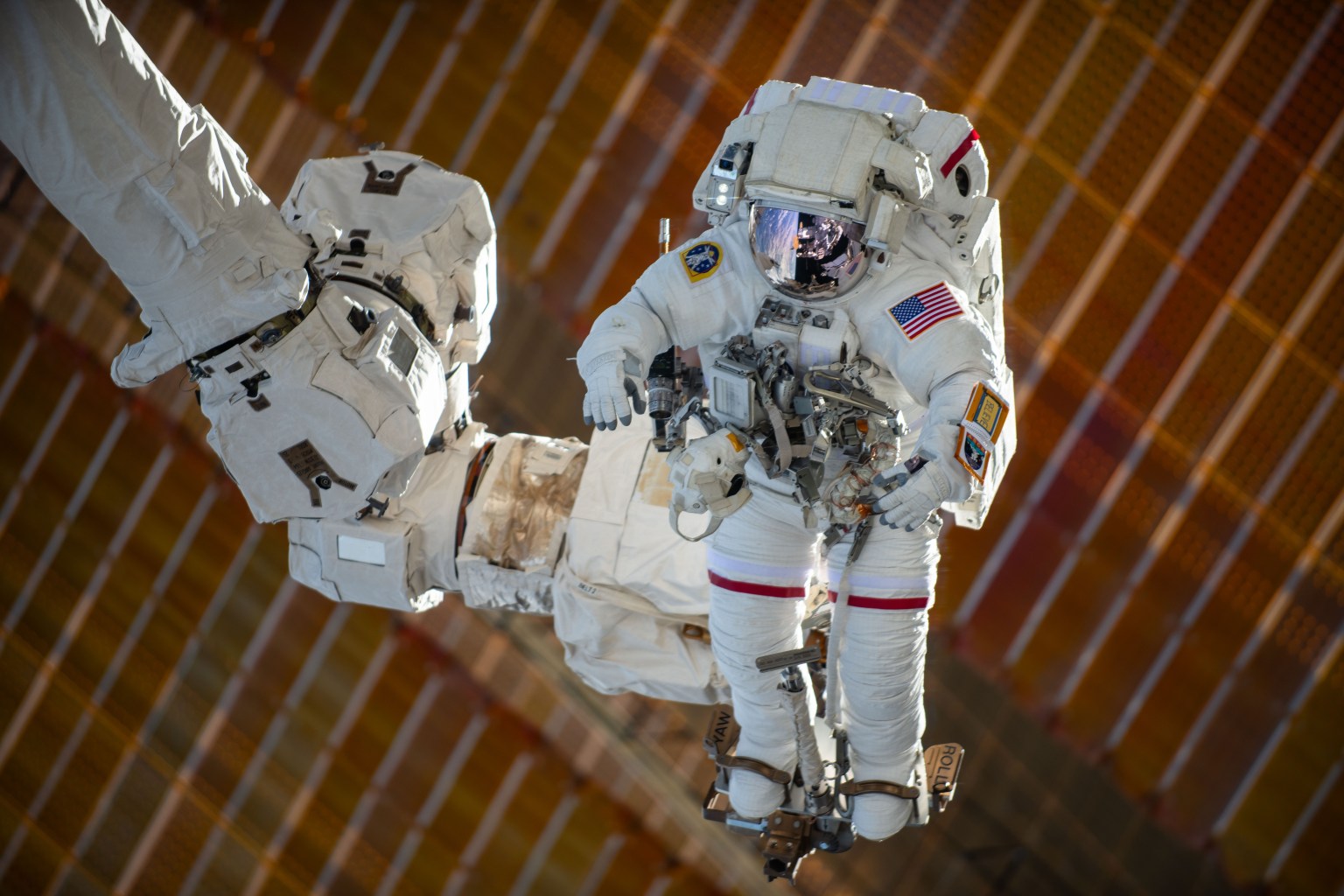
NASA astronauts perform a spacewalk to install an International Space Station Roll Out Solar Array with the assistance of the Canadarm2 robotic arm in 2022.
NASA
With the full upgrade in place, the space station’s revitalized power system not only supports NASA’s legacy in low Earth orbit but also helps advance technology that will extend the agency’s reach into the solar system. From planetary defense demonstrations, like the Double Asteroid Redirection Test, to future human exploration efforts, the space station is an essential testbed for the technologies needed for expeditions beyond Earth’s orbit.
A NASA Dynamic Aviation A200 aircraft will conduct low-flying research flights over farmland near Transit, Texas, from Thursday, Oct. 22, through Monday, Nov. 9. These flights will measure gaseous and particulate emissions from animal feeding operations.
A photo of the Dynamic Aviation A200 aircraft, which will conduct low-flying research flights over farmland near Transit, Texas, to measure emissions in October and November 2026.
Dynamic Aviation
Agricultural emissions represent an important and understudied part of Earth’s land and atmosphere systems. The FarmFlux mission will deploy more than a dozen sensors to measure ozone, methane, ammonia, particulates, and other pollutants rising from crop lands and livestock farms and their interaction with the Earth’s atmosphere. The mission is jointly led by NASA’s Goddard Space Flight Center in Greenbelt, Maryland; Colorado State University; and Boston University.
Additional low-altitude research flights with a NASA P-3 Orion aircraft are scheduled for the March to July 2027 growing season in the Midwest and California’s Central Valley with a focus on cropland.
For more information about the FarmFlux mission, visit:
Registration is open for the 2026 NASA Space Apps Challenge, a two-day global event on Saturday, Nov. 14 and Sunday, Nov. 15, where teams work to create solutions inspired by NASA’s most ambitious exploration goals and making use of the agency’s free and open data. The annual challenge, often called a hackathon, is an intensive, collaborative problem-solving experience where participants tackle real-world challenges created by NASA subject matter experts.
This year’s Space Apps Challenge collectively supports three major focus areas: returning humans to the Moon, preparing for missions deeper into the solar system, and expanding understanding of the universe. Participants do not have to be programmers. Students, scientists, engineers, designers, storytellers, technologists, and space enthusiasts of all ages and experience levels can contribute their skills.
“At NASA, science is for everyone, and we’re inviting the next generation to help tackle some of humanity’s most critical challenges in space through the NASA Space Apps Challenge,” said Nicky Fox, associate administrator, Science Mission Directorate, NASA Headquarters in Washington. “Everything in NASA Science is interconnected, and this year, students from around the world can use NASA’s powerful data sets to help us build the ultimate interplanetary survival guide – supporting the science that will enable astronauts to thrive on the Moon and, eventually, Mars, while also inspiring ideas that improve everyday life on Earth and in space for the benefit of all.”
Supporting lunar exploration, Artemis planning
NASA continues to advance plans for a sustained human presence on the Moon through the Artemis program and Moon Base. Several of this year’s Space Apps challenges relate to analytical tools, operational considerations, and human‑system needs relevant to lunar missions. These include work related to surface operations at the Moon’s South Pole, the management of environmental constraints such as sunlight and communications windows, as well as approaches for evaluating the logistical and scientific demands of long‑duration lunar stays. Broader system‑level modeling challenges, such as those that simulate outpost operations or consider astronaut health and safety, mirror the complexity of planning for human activity on the lunar surface.
Strengthening readiness for Mars, deepspace
NASA’s exploration strategy includes continued robotic exploration of the outer solar system and preparing for future human missions to Mars. Several challenges involve operational concepts for Martian surface activities, integrating data from multiple Mars missions, or reflecting the mission‑design trade‑offs required for deep‑space exploration. Others address fundamental concerns for long‑duration travel, such as monitoring physiological and behavioral health indicators, or examining how engineering and scientific choices shape mission execution in environments far from Earth.
Some of these challenges also align with NASA’s broader exploration portfolio, which includes ongoing work on future missions to destinations such as Jupiter’s moon Europa and Saturn’s moon Titan. By simulating mission‑design decisions or evaluating environmental analogs on Earth, certain challenges offer frameworks related to how NASA prepares for complex operational scenarios throughout the solar system.
Enhancing access to astrophysics
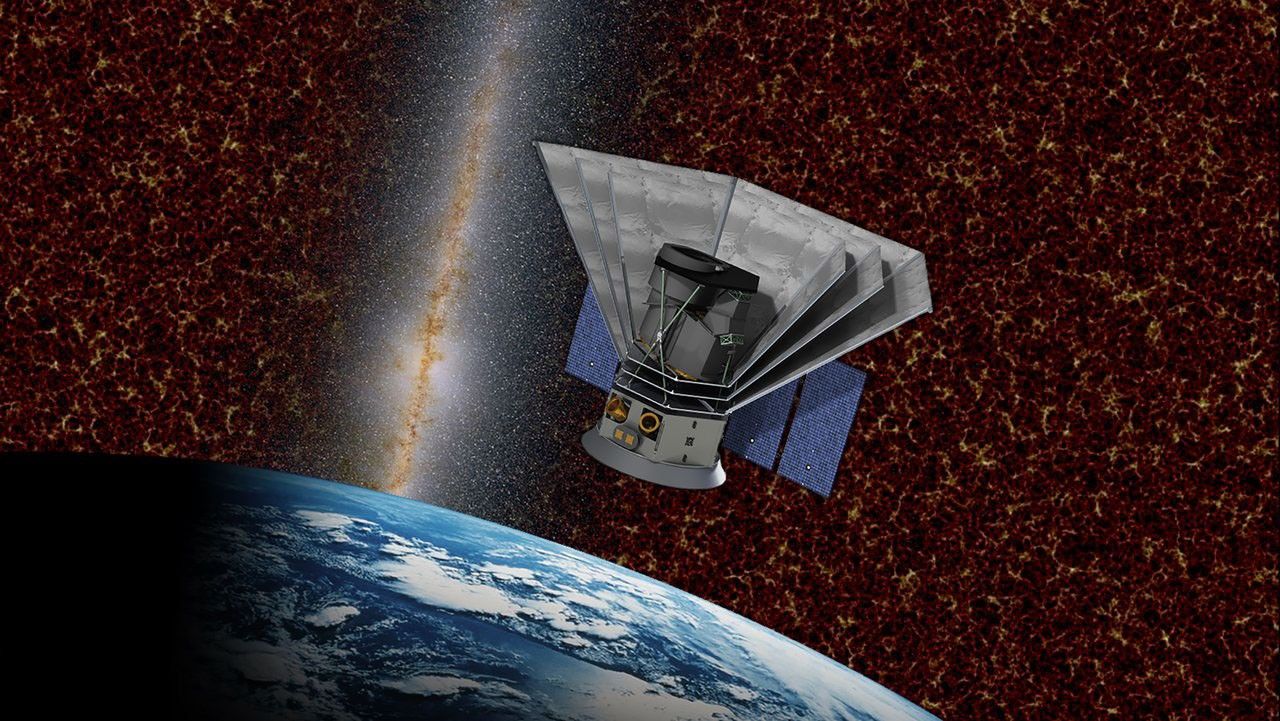
NASA’s astrophysics missions contribute to understanding the structure and history of the universe. In 2026, this includes active missions like Spectro-Photometer for the History of the Universe, Epoch of Reionization and Ices Explorer (SPHEREx), which is conducting a full‑sky spectral survey, as well as the continued development and deployment of observatories designed to investigate cosmic evolution and exoplanet, which are planets outside our solar system, populations.
Challenges associated with these efforts focus on improving public access to mission data, designing tools that help visualize changes in the sky over time, and supporting broader engagement with the scientific products derived from these missions.
Broader impact across NASA’s mission landscape
Together, these challenges illustrate how NASA’s open data ecosystem enables gold standard science, by freely offering such a wide breadth of information and research. By engaging with the Space Apps event, the entire nation can interact with the kind of real‑world needs defined by the agency.
Registration is available at the NASA Space Apps Challenge. Participants can join in one of 500+ local events, join a team, and select the challenge that they are most interested in addressing during the November hackathon.
NASA Awards Enable Research, Technology to Build Future Workforce
An illustration of a suited Artemis astronaut looking out of a Moon lander hatch across the lunar surface, a Lunar Terrain Vehicle and other surface elements.
Credits: NASA
NASA has selected 12 U.S. institutions to receive $12 million to accelerate academic research and technology development in support of the agency’s priorities for exploring the Moon, Mars, and deep space.
Through NASA’s Minority University Research and Education Project (MUREP) Space Technology Artemis Research (M‑STAR) initiative, selected institutions will each receive up to $1 million to grow their scientific and engineering capabilities, enhance faculty and student engagement in aerospace research, and expand their ability to compete for future federal and commercial research awards.
“We are excited to launch this new cohort of M-STAR investigators,” said Alicia Baturoni Cortez, MUREP program manager in the agency’s Office of STEM Engagement. “NASA investments in our Nation’s research institutions create real opportunities for students and faculty to build skills, knowledge, and infrastructure, while helping NASA close technology gaps for long-duration operations on the Moon and eventually, Mars.”
As NASA enters a Golden Age of innovation and exploration, the M-STAR initiative supports the agency’s mission to develop innovative technologies that improve space transportation, human exploration, robotic discovery, and the growing space economy.
The awardees and their projects are as follows:
California State University, Sacramento Adaptive Vision-Language-Action Models for Resilient Multi-Robot Collaboration in Unstructured Planetary Environments
University of Central Florida, Orlando M-FAST: Multi-Fidelity Aerothermal Simulation & Testing for Artemis
University of Hawaii at Manoa HI-STRIDE: Hawai’i Student Training in Radiation Instrumentation, Detection, and Exploration
University of Houston RODEO: Rover-carried On-surface Deployables for Exploration Operations
University of Texas, San Antonio Characterizing Physical and Mechanical Properties of Regolith at Cryogenic Conditions Using the Multi-Planetary Surface Simulator (MPS2)
Kean University, Union, New Jersey Integrating Terrain Understanding of AI Models With Robust Control for Autonomous Path Planning
Virginia Commonwealth University, Richmond BNNT-Reinforced Multifunctional Composites for Radiation-Tolerant, Hydrogen-Compatible Nuclear Thermal Propulsion (NTP) Secondary Hardware
Shaw University, Raleigh, North Carolina Project ARES (Advanced Regenerative Environmental Systems): A Materials-by-Design Research and Workforce Development Platform for Environmental Control and Surface Infrastructure
Howard University, Washington LumSHRS: Lunar monolithic Spatial Heterodyne Raman Spectrometer for Minirover In-Situ and Standoff Remote Sensing
Prairie View A&M University, Prairie View, Texas Functionally Graded Interfaces for Directed-Energy-Deposition Repair of Copper-to-Superalloy Propulsion Hardware: An Integrated AI/ML Design-to-Validation Research Capability at Prairie View A&M University
University of New Mexico, Albuquerque POWER-Artemis: Extreme-Environment Batteries and Fuel Cells for Sustained Moon and Mars Operations
Fayetteville State University, North Carolina From Documents to Models: Method-Compliant Generative AI for Bootstrapping Model-Based Systems Engineering in NASA’s Artemis Enterprise (Doc2Model)
NASA’s Office of STEM Engagement fosters an ecosystem across education, industry, and government to cultivate a well‑prepared talent pool, while the agency’s Research and Technology Mission Directorate develops the transformative space technologies that enable future NASA missions and ensure U.S. leadership in aerospace. Together, they accelerate mission readiness by aligning cutting edge technological innovation with the workforce needed to carry it forward.
A post‑mission comparison of the Orion spacecraft heat shields from Artemis I (left) and Artemis II (right) are shown after removal from their crew modules. Both heat shields are seen rotated for inspection inside the Operations and Checkout Building at NASA’s Kennedy Space Center in Florida.
NASA
NASA’s Artemis II mission sent four astronauts around the Moon and brought them safely back to Earth, laying a foundation for crewed flights to the Moon’s surface.
Additional engineering data analysis of the Orion spacecraft’s heat shield confirmed initial data showing the heat shield performed as expected.
In particular, NASA measured whether the thermal protection system effectively safeguarded the crew and Orion systems as the spacecraft reentered Earth’s atmosphere. This test flight was the first time astronauts flew aboard Orion.
Orion reached a maximum velocity of 39 times the speed of sound and experienced external temperatures exceeding 4,000 degrees Fahrenheit at its peak, all while the four astronauts inside Orion stayed relatively cool with a cabin temperature in the mid-70 degree Fahrenheit range during their return to Earth from the Moon.
After NASA’s thorough analysis of Artemis I heat shield findings, informed by extensive arc jet material testing at NASA’s Ames Research Center in California’s Silicon Valley, the agency modified Orion’s reentry trajectory for Artemis II by shortening the maximum downrange distance the spacecraft could fly between when it entered Earth’s atmosphere and splashed down in the Pacific Ocean. Analysis prior to the mission showed that limiting downrange distance would limit how long the spacecraft’s heat shield spent in the temperature range at which the Artemis I heat shield phenomenon occurred.
Shortly after Artemis II splashdown on April 10, 2026, U.S. Navy divers captured underwater imagery of the Orion spacecraft’s heat shield.
US Navy
The spacecraft reentered with precision, entering within only 192 feet of its targeted entry interface, and successfully splashed down only 0.59 miles from the predicted landing site off the coast of San Diego. Initial inspections of the thermal protection system, including diver imagery of the spacecraft’s heat shield taken just after splashdown and further inspections on the recovery ship, found it performed as expected, with a significant reduction in the amount of cracks and char loss as compared to Artemis I.
Upon the spacecraft’s return to NASA’s Kennedy Space Center in Florida after the Moon mission, thermal protection system experts began additional examination of the heat shield, made of 186 unique blocks of an ablative material called Avcoat. The heat shield was then transported to NASA’s Marshall Space Flight Center in Huntsville, Alabama, where work on sample extraction and internal x-ray scans began in August to provide further engineering insight into the system and behavior of the material.
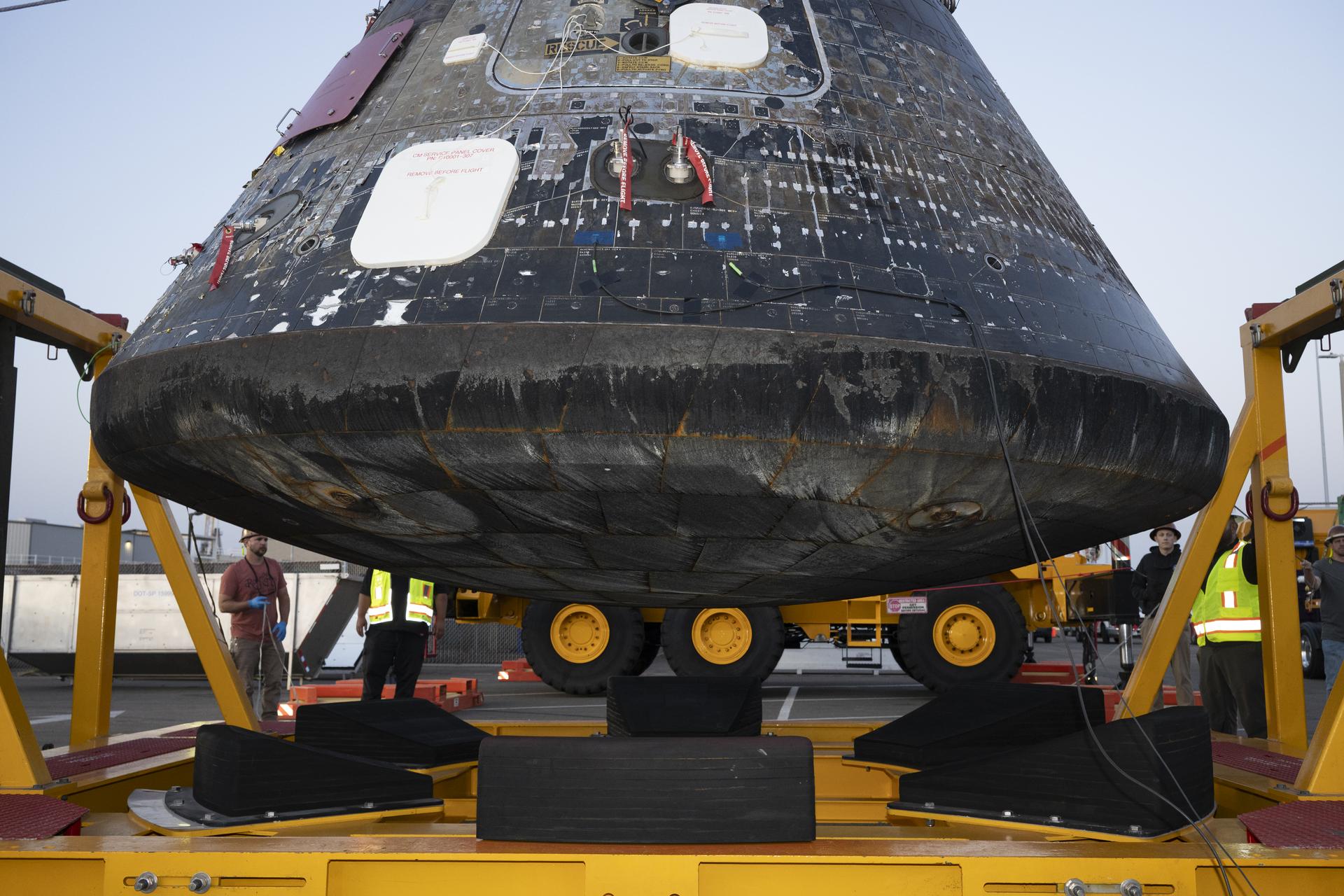
The Artemis II Orion crew module after being offloaded from the well deck of USS John P. Murtha at Naval Base San Diego and lifted from the Orion Recovery Cradle Assembly on April 18, 2026. The gray area, as seen on the edge where the spacecraft’s heat shield and the backshell meet, is from recovery operations.
NASA/Kevin Davis
A thorough post-flight assessment review found that Orion’s aerodynamic and aerothermal performance, including the heat shield and backshell thermal protection system, was in line with engineering predictions based on pre-flight analyses and ground testing. The shorter allowable down range during entry reduced the cracking and char loss experienced on the Artemis II heat shield relative to the Artemis I heat shield by a factor of ten, proving the effectiveness of the trajectory modification. Engineers found only nine spots of char loss of varying sizes on the Artemis II heat shield dish, compared to 103 during Artemis I.
The analysis also showed that Orion’s robust heat shield design showed consistency from Artemis I to Artemis II, evident by the performance of system features such as the seams between the heat shield Avcoat blocks and the Avcoat surrounding the heat shield compression pad separation bolts.
Post-flight inspection of Orion’s backshell, the protective cover on the sloped sides of the crew module made up of 1,300 ceramic tiles, showed expected performance across the crew module surface. Visual inspections indicated backshell features designed to seal and protect penetrations such as windows, vents, thrusters, and the side hatch also met expectations, with no signs of overheating observed.
The team also performed post-flight laser scans of the heat shield surface and is comparing this data to pre-flight measurements to determine material recession, which will then be compared to analysis predictions. Engineers are continuing with heat shield sample extraction at NASA Marshall and subsequent material test and assessment and thermal analysis, to support long-term heat shield development, manufacturing efforts, and data capture.
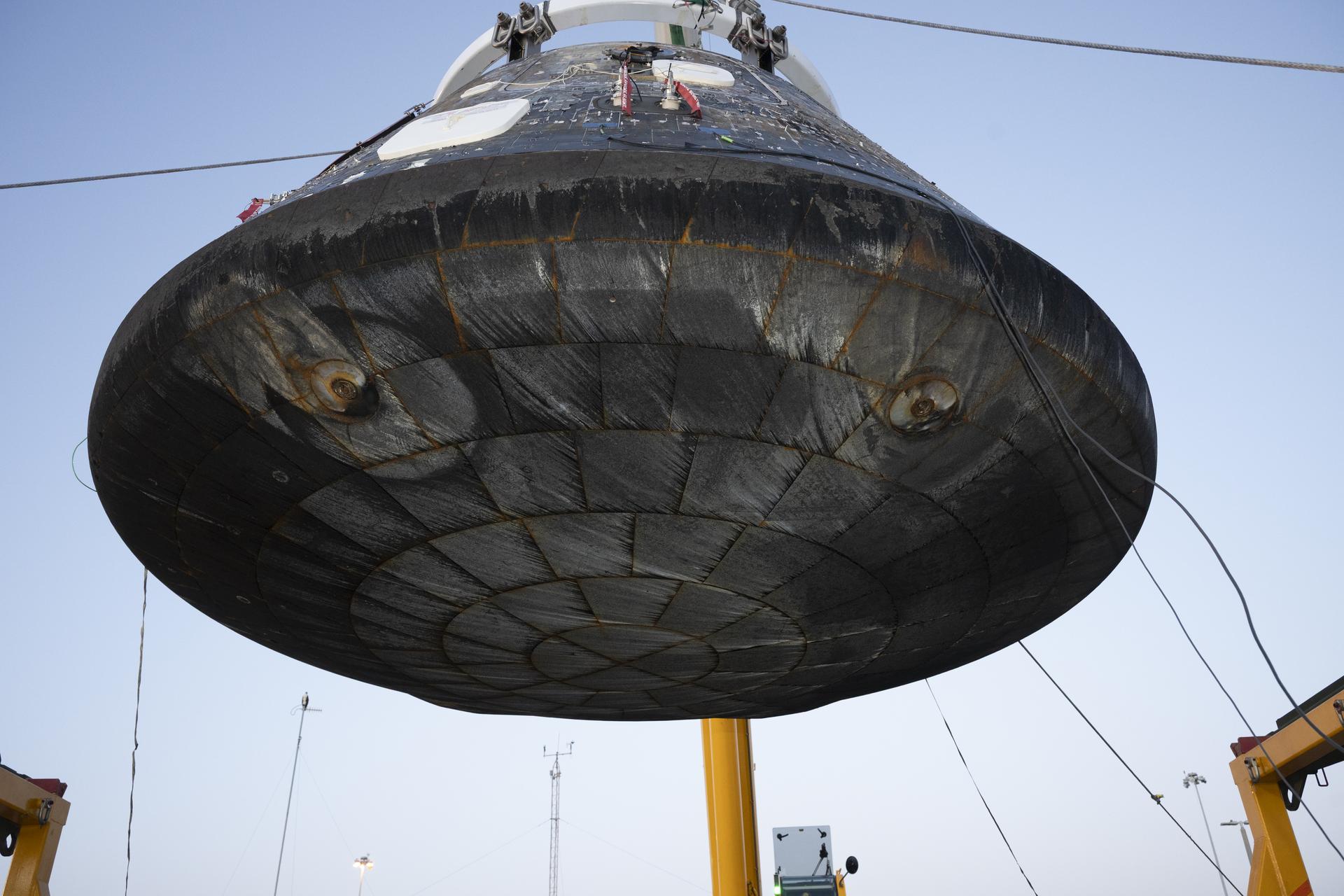
The Artemis II Orion crew module is lifted from its recovery fixture for inspection and engineering imagery after being offloaded from the USS John P. Murtha at Naval Base San Diego on April 18, 2026. The recessed areas, or smaller concentric circles, seen on the heat shield are associated with the separation bolts that connect the crew module with the service module. The larger circular patterns are formed due to compression pad material used within this location of the spacecraft, creating flow disturbances caused by extreme aerodynamic and thermal airflow during reentry. This causes increased heating locally and therefore Avcoat ablator thickness is increased in these areas by design.
NASA/Kevin Davis
Orion’s performance and the team’s analysis on Artemis II reflect system robustness, capability to support crew, and critical insights gathered that will enhance the Artemis III mission and beyond. Following the extensive Artemis I heat shield investigation, upgrades were made to the heat shield design for Artemis III to achieve uniformity and consistent permeability of the Avcoat blocks. Technicians attached the heat shield for the Artemis III Orion crew module at NASA Kennedy in early July, and the Orion crew and service modules were joined at the end of July. The spacecraft has since been successfully powered up for the first time, enabling engineers to check all connection lines between the two modules are working as planned.
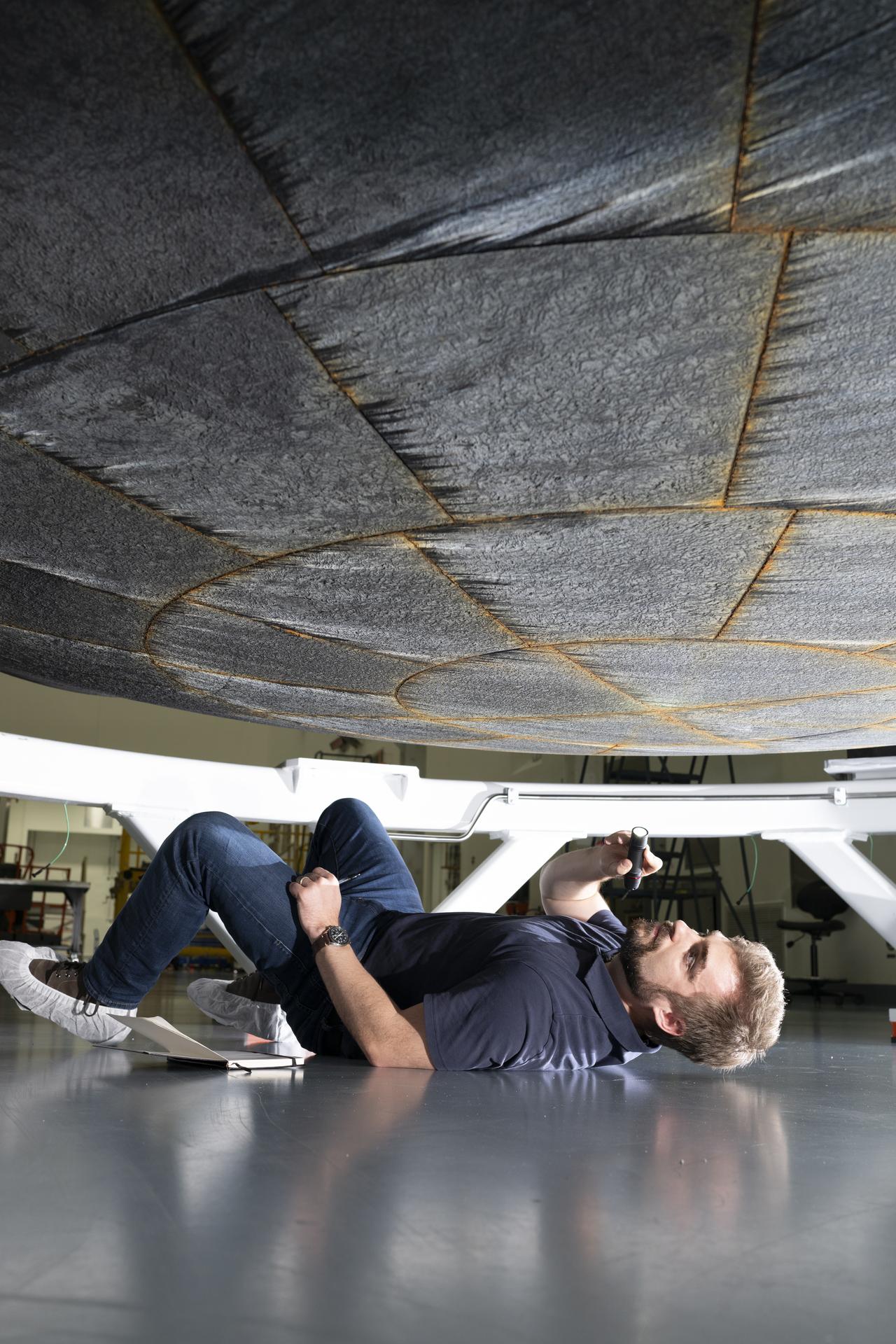
An engineer from NASA’s Ames Research Center inspects the Artemis II Orion heat shield at NASA Kennedy’s Multi-Purpose Payload Facility on April 30, 2026, prior to its removal from the crew module. The orange tint seen between Avcoat tiles is an expected effect of the silicone used to fill the gaps between the blocks. The silicone gap filler contains iron oxide, which gives it a red appearance after enduring reentry.
NASA/Kevin Davis
NASA continues to advance toward Artemis III as teams ready the Orion spacecraft for next year’s mission in low Earth orbit. NASA will launch the SLS (Space Launch System) rocket and Orion spacecraft with NASA astronauts Randy Bresnik, Frank Rubio, Andre Douglas, and ESA (European Space Agency) Luca Parmitano, to rendezvous with human lander test articles from Blue Origin and SpaceX to demonstrate critical systems and operations needed for future lunar landings, beginning with Artemis IV in 2028.
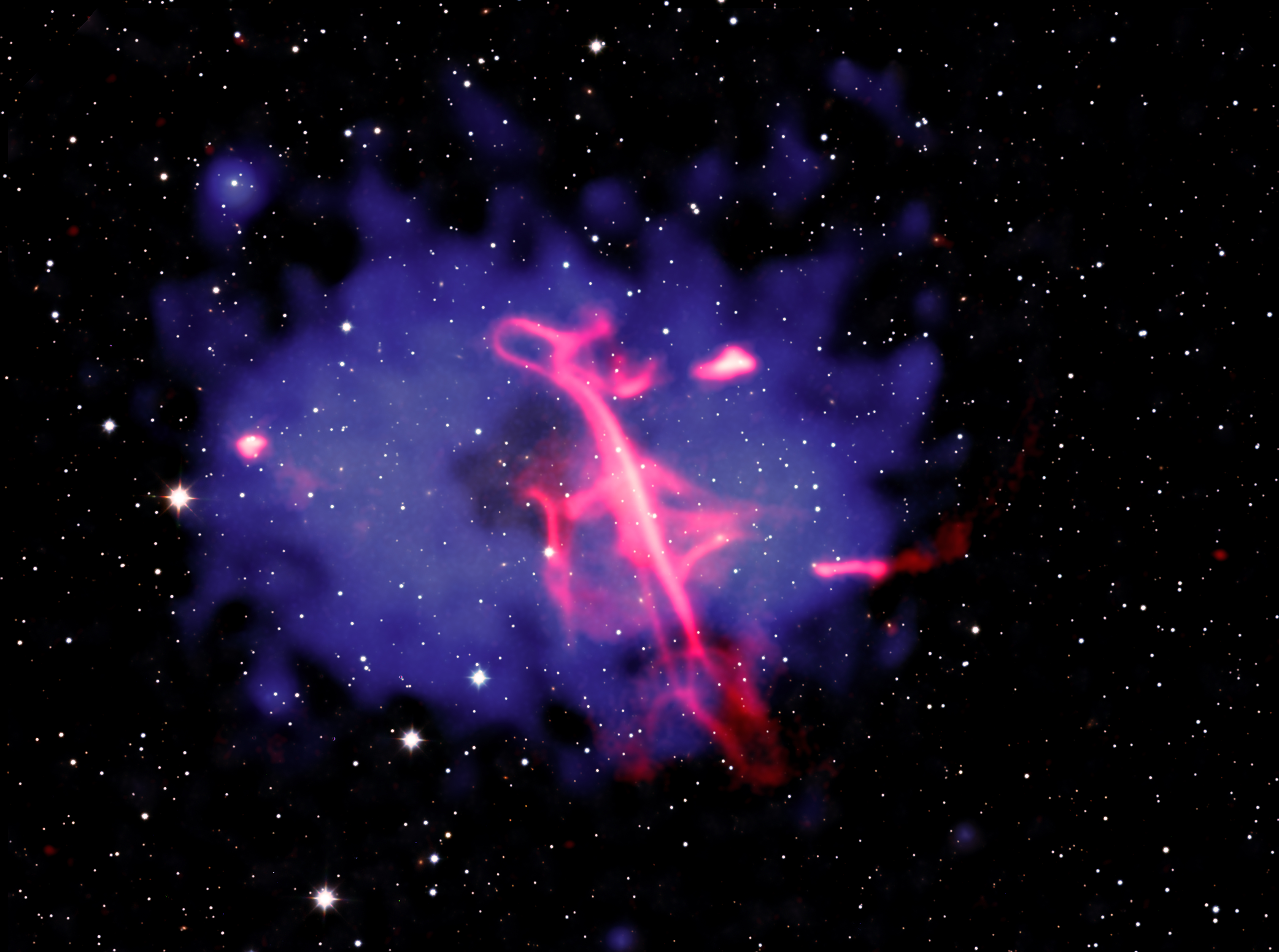
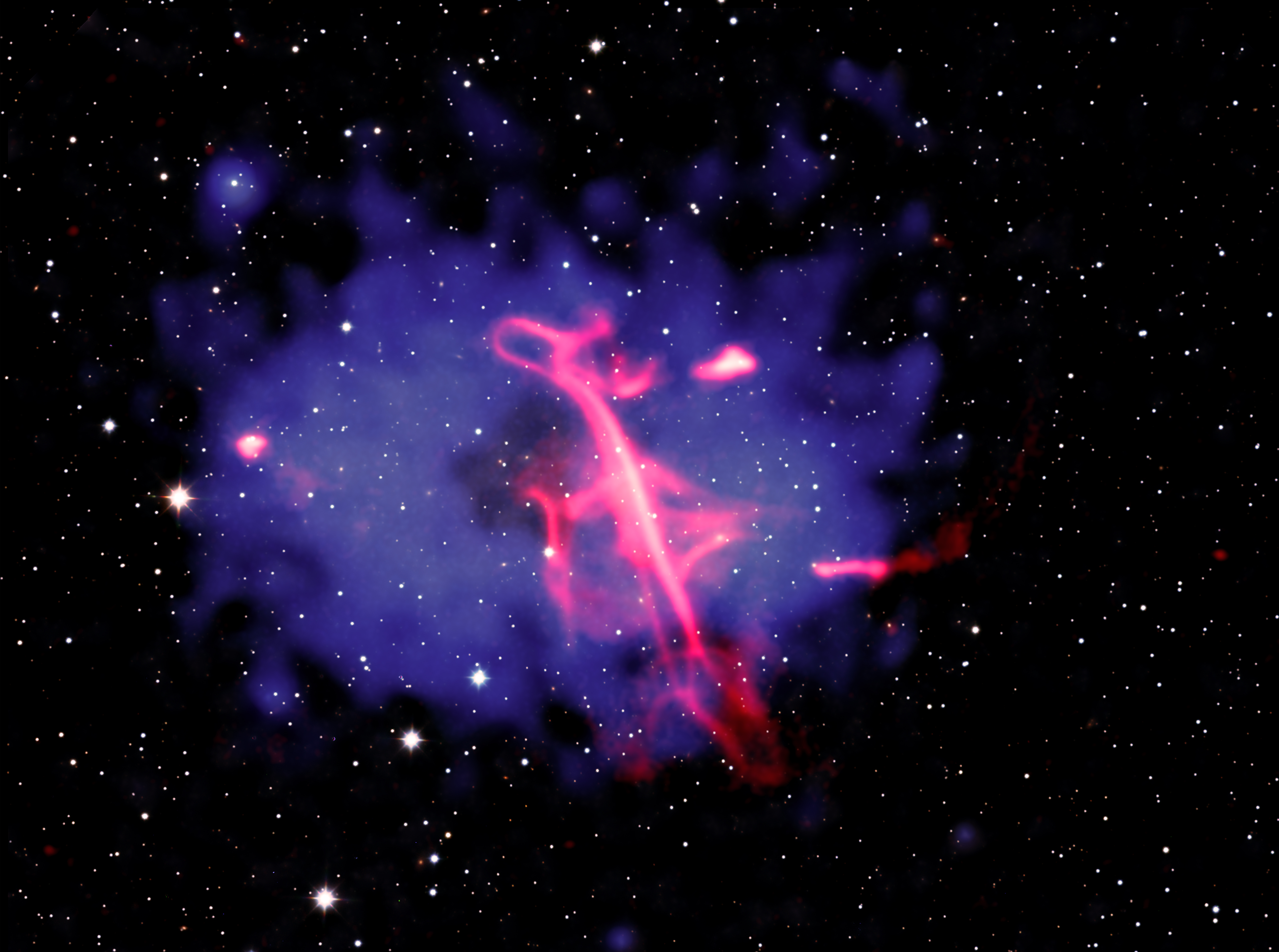
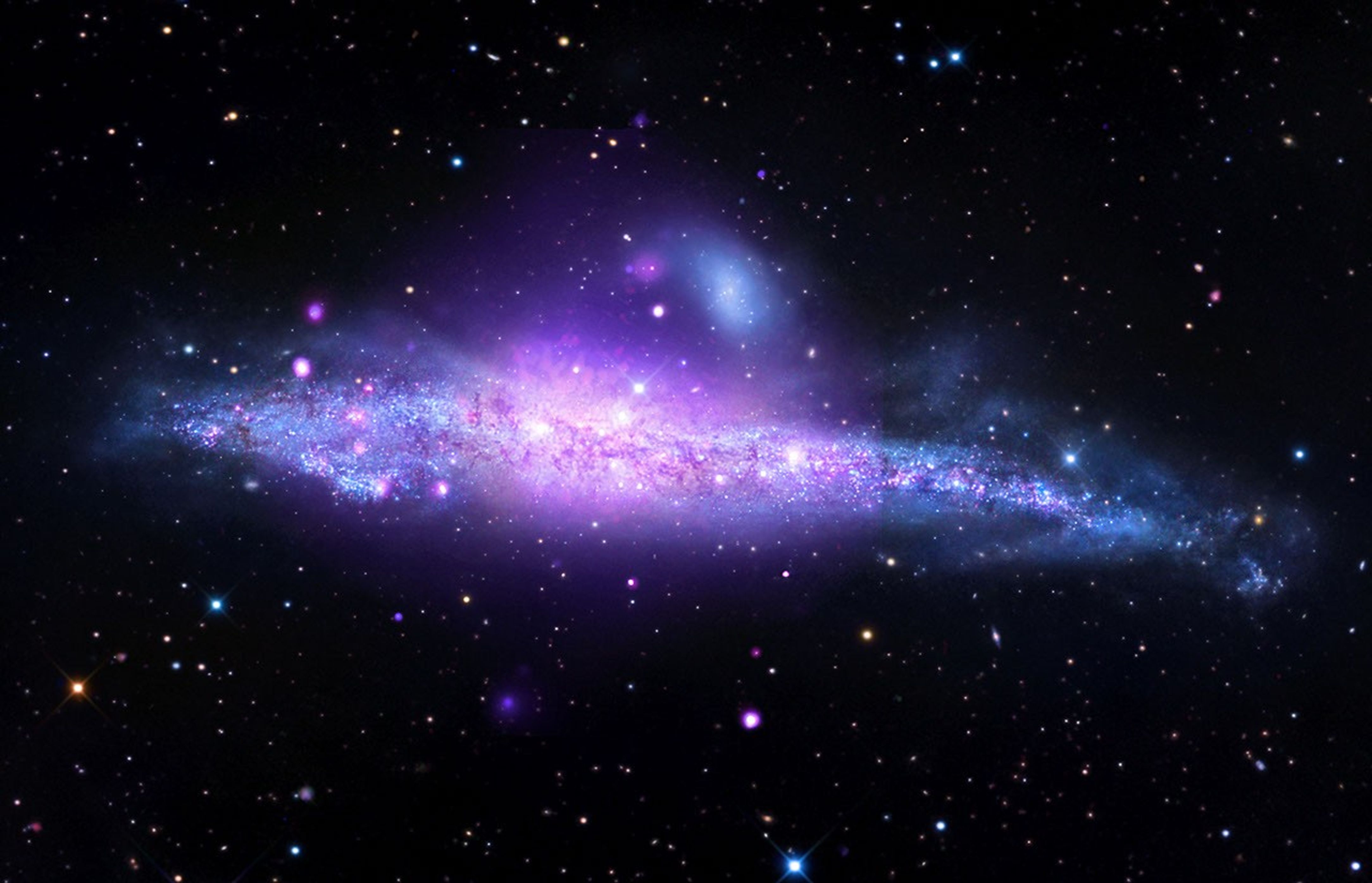
A formation of radio waves looks remarkably like a treble clef in this Oct. 14, 2026, image from NASA’s Chandra X-Ray Observatory. Researchers used Chandra to find that the Treble Clef is likely caused by an outburst from a supermassive black hole, followed by a collision of two galaxy clusters.
Discover the cosmos! Each day a different image or photograph of our fascinating universe is featured, along with a brief explanation written by a professional astronomer.
Unlike a tornado or thunderstorm that can deliver destruction in minutes, El Niño exerts its influence over many months. This year, a drought accompanying El Niño has left the Amazon rainforest primed to burn, and scientists say the region has entered the early stages of what they think will be a long and severe fire season.
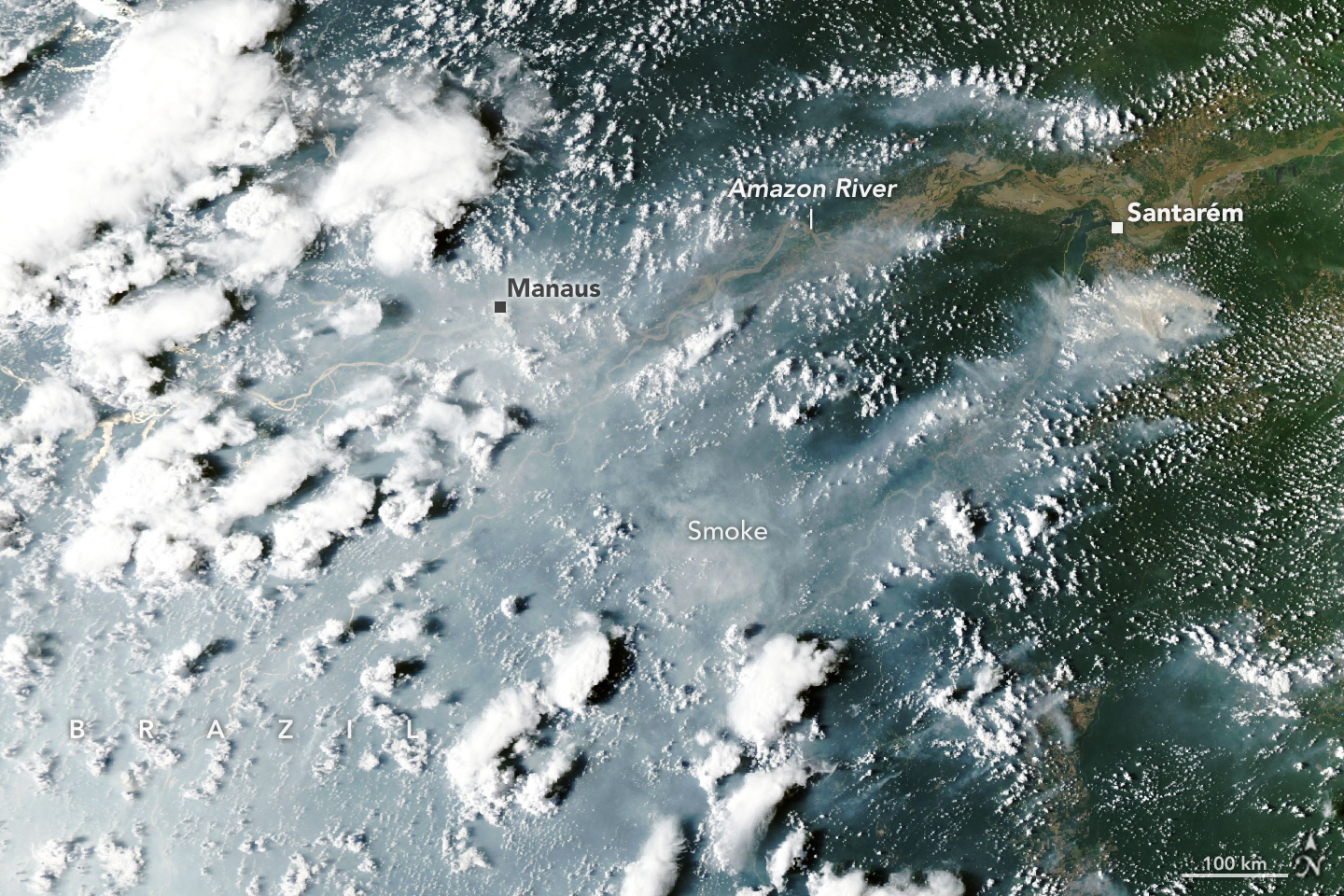
Starting in September 2026, satellites detected sharp increases in fire activity and smoke emissions in the central and eastern Amazon, visible in fire and emissions monitoring platforms including NASA’s Fire Information for Resource Management System (FIRMS), the Global Fire Emissions Database (GFED), and NASA Worldview. The region with elevated fire activity stretches from forests surrounding the commercial and transportation centers of Manaus and Santarém to the mouth of the Amazon River.
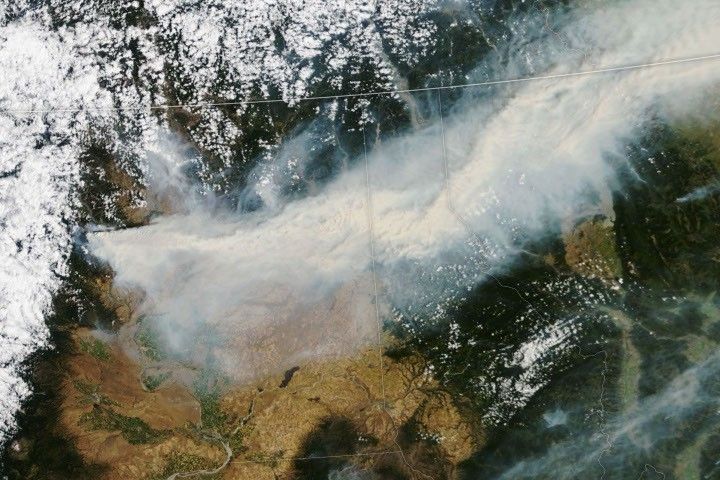
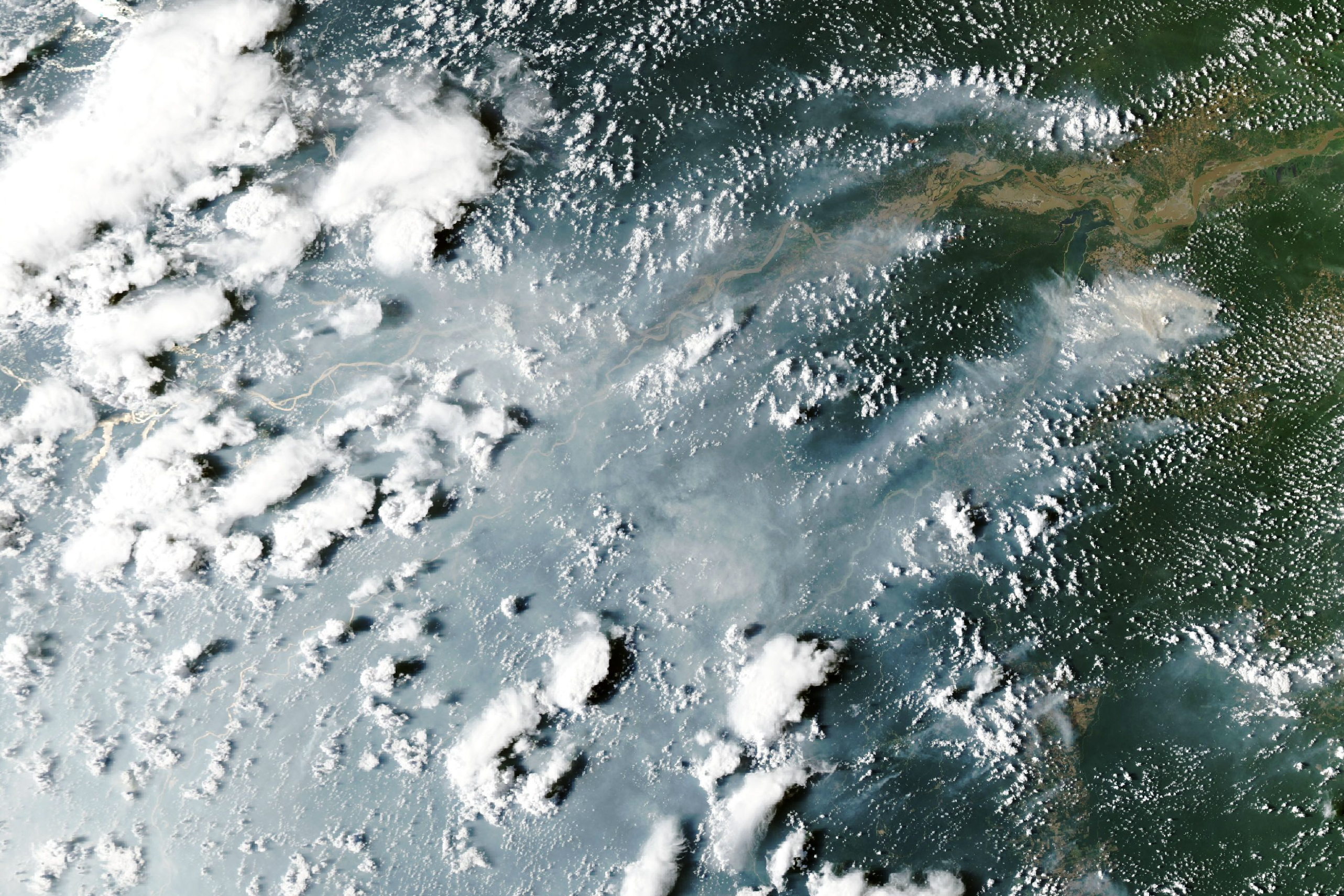
When the MODIS (Moderate Resolution Imaging Spectroradiometer) on NASA’s Aqua satellite captured this image of smoke streaming from fires on both sides of the Amazon River on October 12, 2026, heavy smoke socked in Manaus, the capital of the Brazilian state of Amazonas. That day, city officials reported extremely poor air quality, with fine particulate matter (PM2.5) values above 135 micrograms per cubic meter, the second-worst rating on a regional air quality index. The pall disrupted daily life in a city of more than 2 million people. Schools closed, and citywide events and children’s sports leagues were canceled as officials warned of hazardous air quality, according to news reports.
The burning around Santarém and Manaus is part of a “cascade” of fire in the tropics that accompanies the disrupted rainfall patterns of an El Niño, said Douglas Morton, an Earth system scientist based at NASA’s Goddard Space Flight Center. The pattern begins along the equator with drought and peat fires in Indonesia, followed by elevated fire activity in this part of the Amazon. Morton and colleagues from the University of California, Irvine; Vrije Universiteit Amsterdam; and the University of Maryland detailed the pattern in a 2017 study following the destructive fire season that accompanied the 2015–2016 El Niño. They also saw the pattern play out in 2023.
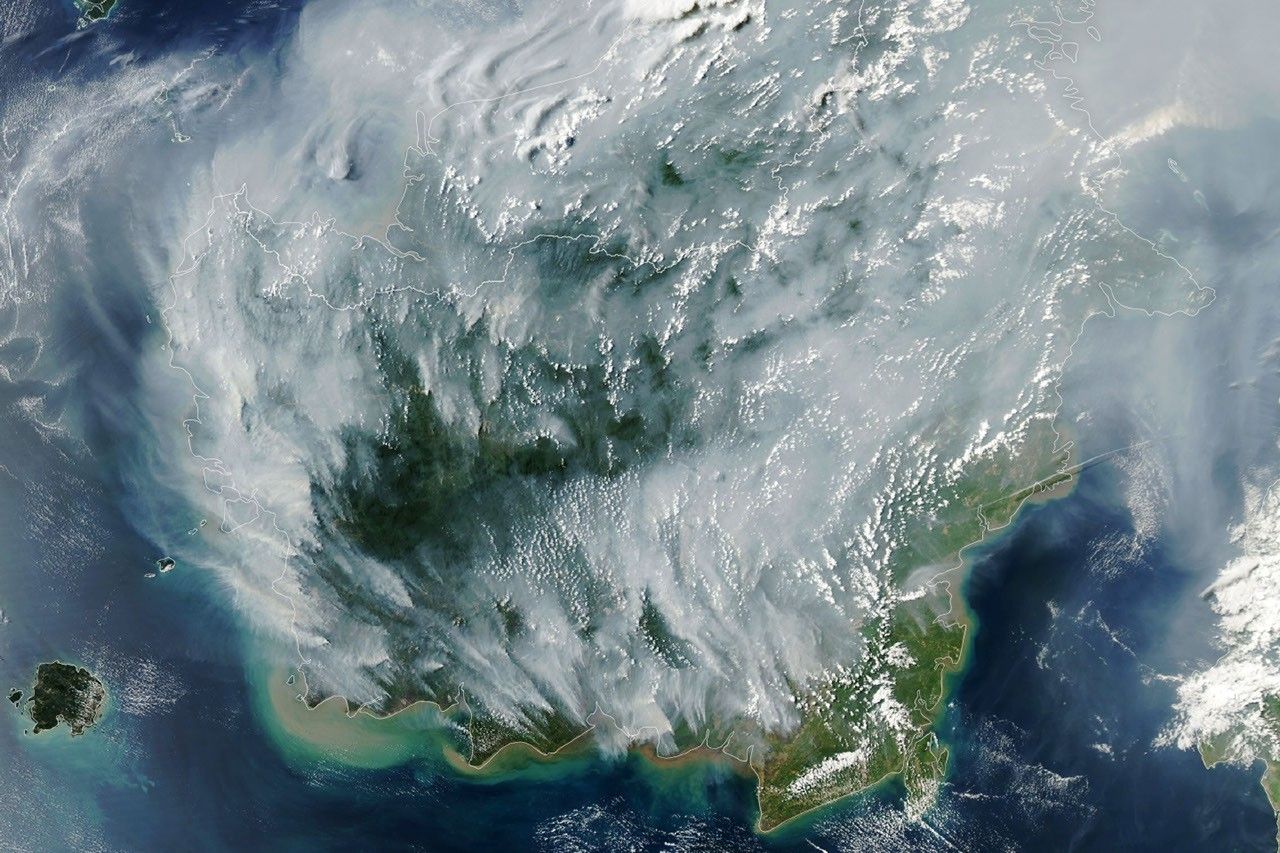
A swell of fire in the tropics riding the 2026 El Niño has followed the pattern. Drought, fire, and smoke have smothered parts of Indonesia since August, with hundreds of homes razed in October and thick smoke blanketing whole islands most days. “Now, in the Amazon, we’re seeing the second domino in the cascade fall,” Morton said, referring to the uptick in fires that has begun in Pará and Amazonas.
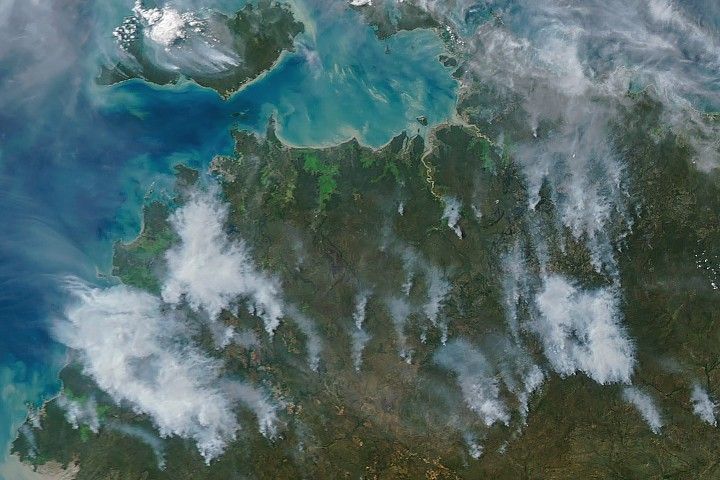
Morton and his colleagues expect the next wave of fire to hit farther north in November and December in the Brazilian states of Roraima, northern Pará, and Amapá, as well as parts of Venezuela, Guyana, and Suriname. Finally, around August and September 2027, he said, drought and fire risk will peak in the southern Amazon regions of Brazil and Paraguay.
“It’s so striking—and frustrating—that this is happening all over again,” said Morton, adding that many of the same forests that burned during the El Niño events in 2023 and 2015 are burning again. Forest fires in these rainforests are known to cause especially serious ecological damage because most species are not adapted to fire. It’s likely that some of the forest fires will burn even more intensely this time because the earlier fires partially charred trees, degrading the forest and making what remained more susceptible to burning, he added.
Morton expects the fires around Santarém and Manaus to continue burning until the rainy season arrives in December 2026 or January 2027. For the regions to the north and south, there is still time to prepare. “Given the intensity of this El Niño, this really is the year for people to avoid burning at all costs,” Morton said.
It’s so wet in the Brazilian Amazon that lightning ignites less than 1 percent of fires, so the vast majority of fires currently burning there were started by people, Morton said. But this year’s drought, worsened by El Niño, has been intense. Brazil’s National Institute of Meteorology reported that Manaus rainfall levels were 95 percent less than normal in August and 60 percent less than normal in September.
The large fires in this region began as management fires—clearing shrubs from pastures or crops from fields, for instance—but have escaped and are now burning freely through the parched understory of the rainforest, he added. Analysis of satellite observations indicates there are 50 to 70 uncontrolled fires burning in the Santarém region alone, said Shane Coffield, a University of Maryland assistant research scientist at NASA Goddard.
As part of a NASA Earth Action project, Coffield is mining fire observations from VIIRS (Visible Infrared Imaging Radiometer Suite) to identify fires that didn’t meet the threshold for inclusion in official data products distributed by FIRMS. He plans to share the locations of these “candidate fires” with scientists at MapBiomas, a multi-institutional network comprising universities, NGOs, and technology companies that maps fires and land-use change in the Amazon.
“For the area around Santarém, we’ve identified about 40 percent more fires than you’ll see in active fire counts from FIRMS,” said Coffield. Satellites often miss fires in circumstances like this due to dense smoke, clouds, and tree canopy cover, which can block the sensors from detecting the infrared signal of fires—especially lower-intensity fires spreading along the forest understory. “On some of the smokiest days, we have very few detections from MODIS and VIIRS, and we know that isn’t right.”
NASA Earth Observatory images by Lauren Dauphin, using MODIS data from NASA EOSDIS LANCE and GIBS/Worldview. Story by Adam Voiland.
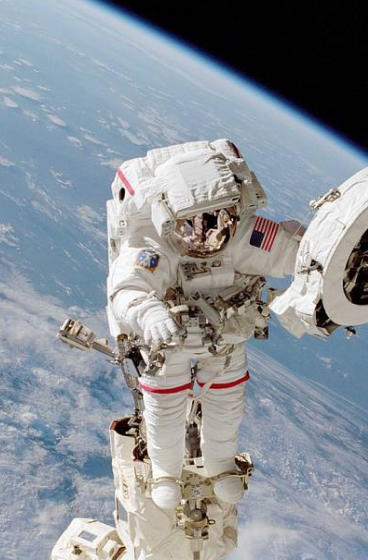
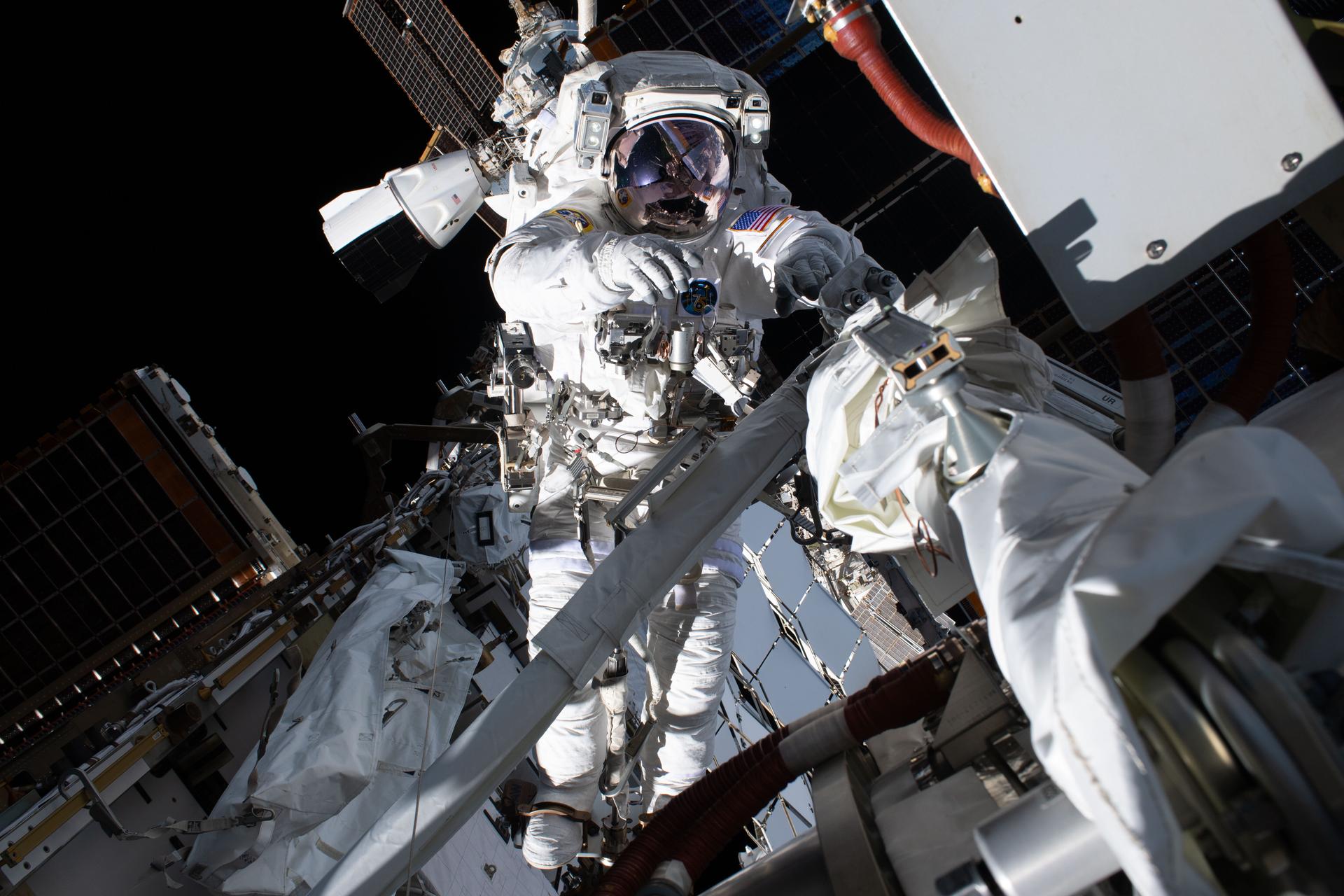
NASA astronaut Anil Menon conducts a spacewalk on Aug. 6, 2026, to prepare the International Space Station for future upgrades to its power system.
Credit: NASA
NASA will preview two upcoming spacewalks to complete solar array installation and power augmentation of the International Space Station during a news conference at 2 p.m. EDT, Tuesday, Oct. 20, from NASA’s Johnson Space Center in Houston.
NASA will stream the event through a variety of platforms. Learn where to watch online:
United States-based media interested in attending in person must contact the Johnson newsroom no later than 3 p.m., Monday, Oct. 19, at: jsccommu@mail.nasa.gov. Media joining by phone should request dial-in details by the same deadline. To ask a question, media must dial in no later than 15 minutes before the start of the news conference.
Thursday, Oct. 29
During U.S. spacewalk 100, NASA astronaut Anil Menon and CSA (Canadian Space Agency) astronaut Joshua Kutryk will exit the station’s Quest airlock to install and deploy an International Space Station Roll-Out Solar Array (IROSA) on the 2A electrical power channel. The solar array will be the seventh IROSA and will provide additional power to support critical station operations, including its safe and controlled deorbit.
Thursday, Nov. 5
During U.S. spacewalk 101, Menon and Kutryk will install and deploy the eighth and final IROSA on the 3B channel of the space station, completing the power augmentation upgrades.
The final two roll-out solar arrays will complete the space station’s power system augmentation. Together, the eight roll-out arrays will increase available power by up to 30%, boosting the station’s electric power generation capacity from 160 kilowatts to approximately 215 kilowatts.
NASA will share additional coverage details about U.S. spacewalks 100 and 101 closer to each operation on the agency’s live events web page and the space station blog. The spacewalks will be the 285th and 286th conducted in support of space station assembly, maintenance, and upgrades.
To learn more about International Space Station research, operations, and its crews, visit:
NASA astronaut Jessica Watkins assists NASA astronaut Luke Delaney as he practices suiting up in a spacesuit in an International Space Station airlock simulator on May 5, 2026, at the agency’s Johnson Space Center Space Vehicle Mockup Facility in Houston.
Credit: NASA
Editor’s Note: This article was updated Thursday, Oct. 15, 2026, to reflect a change to the event start time.
Students in Florida will hear from NASA astronauts Jessica Watkins and Luke Delaney as they answer prerecorded STEM questions while aboard the International Space Station.
The Earth-to-space call will begin at 12:30 p.m. EDT Friday, Oct. 16, and will stream live on the agency’s Learn With NASA YouTube channel.
This event is hosted by Sally Ride Elementary School in Orlando, Florida, for students in grades K-12, and the community. This unique opportunity aims to deepen understanding of space exploration and enhance awareness of STEM careers.
Media interested in covering the event must RSVP no later than 5 p.m. EDT, Thursday, Oct. 15, to Jenny Morgan at (407) 858-3100, or at jenny.morgan@ocps.net.
For more than 25 years, people have lived and worked continuously aboard the International Space Station, advancing scientific knowledge and making research breakthroughs not possible on Earth. The space station helps NASA understand and overcome the challenges of human spaceflight, expand commercial opportunities in low Earth orbit, and build on the foundation for long-duration missions to the Moon, as part of the Artemis program, and to Mars.
For more information on NASA in-flight calls, visit:
Astronomers have used NASA’s Chandra X-ray Observatory to break down the cause of a remarkable formation of radio waves they have nicknamed the “Treble Clef” because its distinct shape strongly resembles the musical symbol.
The researchers discovered the Treble Clef is likely caused by an outburst from a supermassive black hole, followed by a collision of two galaxy clusters. A paper describing the findings, led by Andrea Botteon of the National Institute for Astrophysics, or INAF, in Italy, published Wednesday in the Astronomy & Astrophysics journal.
An explanation for the Treble Clef has been particularly difficult to find because the formation lies almost directly behind the plane of the Milky Way, meaning that stars, gas, and dust from our home galaxy largely block the view from Earth. However, by using telescopes that can peer through the intervening material, a team of researchers was able to identify what is responsible for this uncommon structure.
NASA’s Chandra and the German Extended RÖntgen Survey with an Imaging Telescope Array (eROSITA) X-ray telescope found diffuse, hot gas at the location of the Treble Clef, showing that a galaxy cluster hosts the object. The researchers also determined the galaxy cluster is, in fact, two clusters in the process of merging. Galaxy clusters are some of the largest structures in the universe, containing hundreds of individual galaxies and huge reservoirs of superheated gas.
This new composite image of the Treble Clef and its cluster shows the multimillion-degree gas detected in X-rays by Chandra and eROSITA in blue, with some of the Chandra data derived from a special technique the authors used to highlight important features in the Chandra data. Radio data shown in red from the LOw Frequency ARray (LOFAR), a large network of radio telescopes in Europe reveals the doppelganger of the musical notation. The final piece of the combined image comes from infrared data obtained by the United Kingdom Infrared Telescope, appearing mostly white.
The authors concluded that the Treble Clef likely formed in a two-stage process. First, an earlier outburst from a supermassive black hole in the galaxy cluster’s center drove clouds of charged particles and magnetic fields away at close to the speed of light. This led to a type of cosmic crescendo and initially produced bright radio waves that later faded as the particles lost energy. Next, the collision between the two clusters compressed or reenergized the cloud, which became brighter again in radio waves. Shock waves — similar to the sonic booms from supersonic jets — from the collision may have played a role in this reenergizing process.
To reveal evidence for the cluster collision in the Chandra data, the authors used a special technique that examined how much the cluster’s hot gas deviates from a symmetrical shape. Most of the hot gas is symmetrical and shaped approximately like an oval. The authors removed this symmetrical oval shape from the original X-ray image. The remaining X-ray emission in the residual image shows t is brightest on the left and right, and faintest in the center. The new composite image combines both the original X-ray and the residual X-ray images.
The brighter X-rays in the residual image, toward the left and right of the cluster’s center, imply that the collision between the two clusters likely occurred along the left-right direction as seen in the image. The researchers think the direct collision between the two clusters occurred a few hundred million years ago, and the clusters are now moving away from each other.
The resemblance to a treble clef is a case of pareidolia, the phenomenon when people see familiar shapes in random data, since there is no scientific connection to the musical notation.
NASA’s Marshall Space Flight Center in Huntsville, Alabama, manages the Chandra program. The Smithsonian Astrophysical Observatory’s Chandra X-ray Center controls science operations from Cambridge, Massachusetts, and flight operations from Burlington, Massachusetts.
This release features a composite image of a remarkable radio wave formation that strongly resembles a treble clef musical symbol, hovering in the midst of two colliding galaxy clusters.
Here, galaxies in the galaxy clusters, plus foreground and background stars and galaxies, blanket the image with specks of light set against the blackness of space. At the center of the frame is a large, oval, blue-purple cloud with ragged edges. This is a multimillion-degree gas cloud in the two clusters detected in X-rays by Chandra and eROSITA, the Extended RÖntgen Survey with an Imaging Telescope Array.
In the middle of the purple field, tilting slightly to our left, is what appears to be a giant treble clef, loosely drawn with a neon pink marker. Like the musical notation for which it’s named, the formation has a strong vertical stroke with a continuous, fluid line swooping back and forth as it moves from top to bottom.
This radio wave formation appears to be the result of a two-stage process. First, charged particles and magnetic fields were driven from a supermassive black hole, producing bright radio waves. Those waves faded and lost energy over time, before being reenergized and compressed when the two galaxy clusters collided.
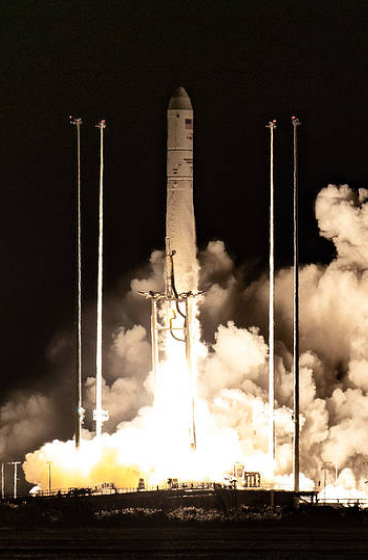
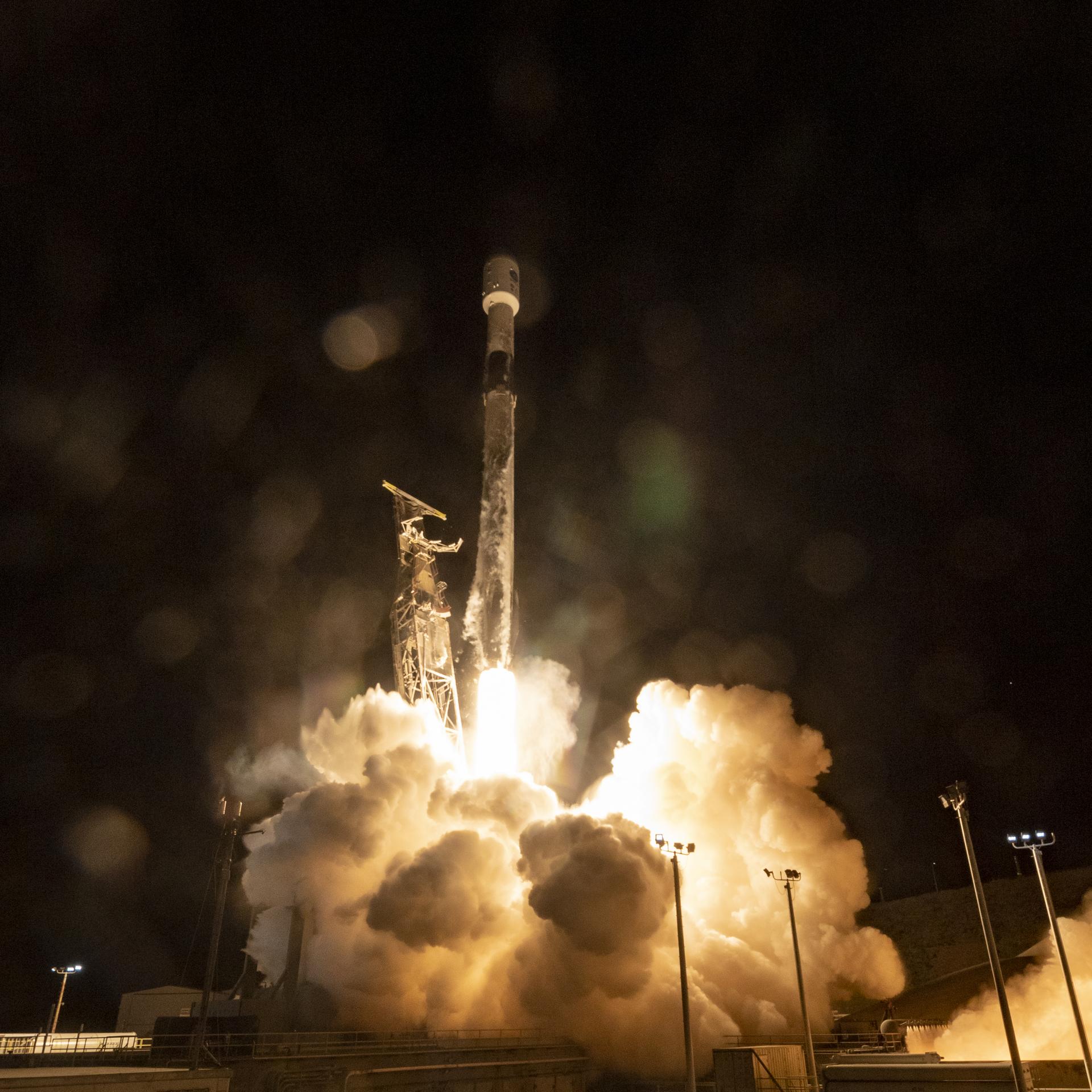
Sunlight illuminates the exhaust plumes of a SpaceX Falcon 9 rocket carrying the company’s Dragon spacecraft on Oct. 13, 2026. This visual phenomenon is known as a “jellyfish”; it happens near sunrise or sunset when the exhaust plume from the rocket becomes brightly illuminated, creating a glowing shape resembling a jellyfish.
The mission lifted off at 6:33 a.m. EDT from Space Launch Complex 40 at Cape Canaveral Space Force Station, carrying scientific investigations, supplies, and equipment to the International Space Station on SpaceX’s 35th commercial resupply services mission for NASA. The rocket’s exhaust plumes were visible across the eastern United States.
Preparations for Next Moonwalk Simulations Underway (and Underwater)
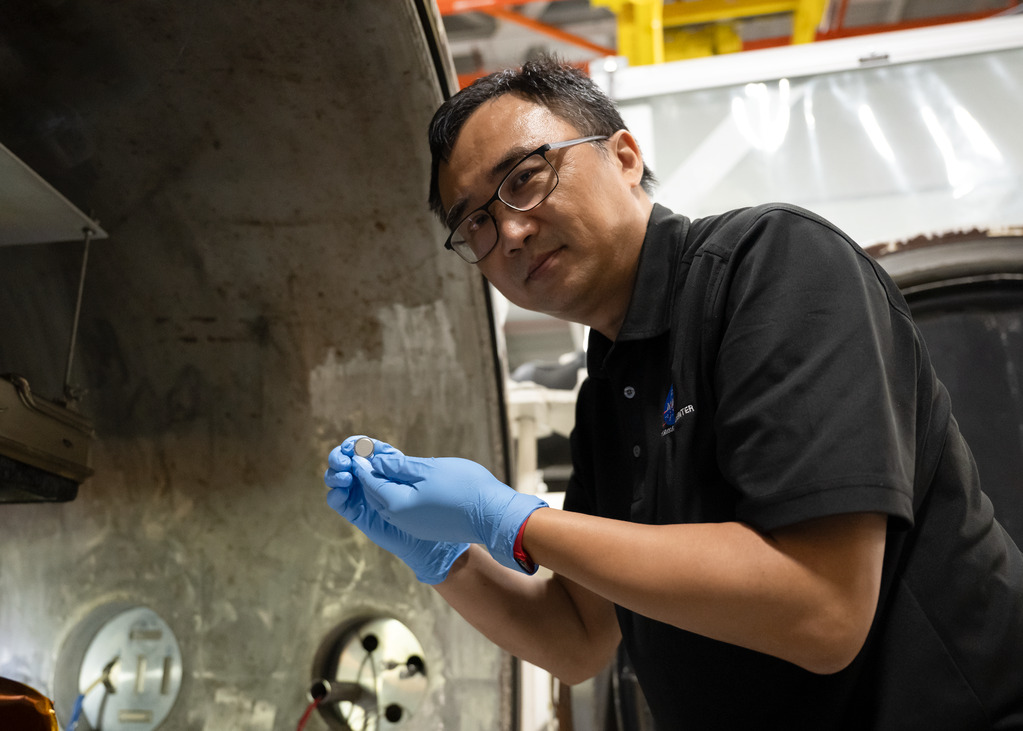
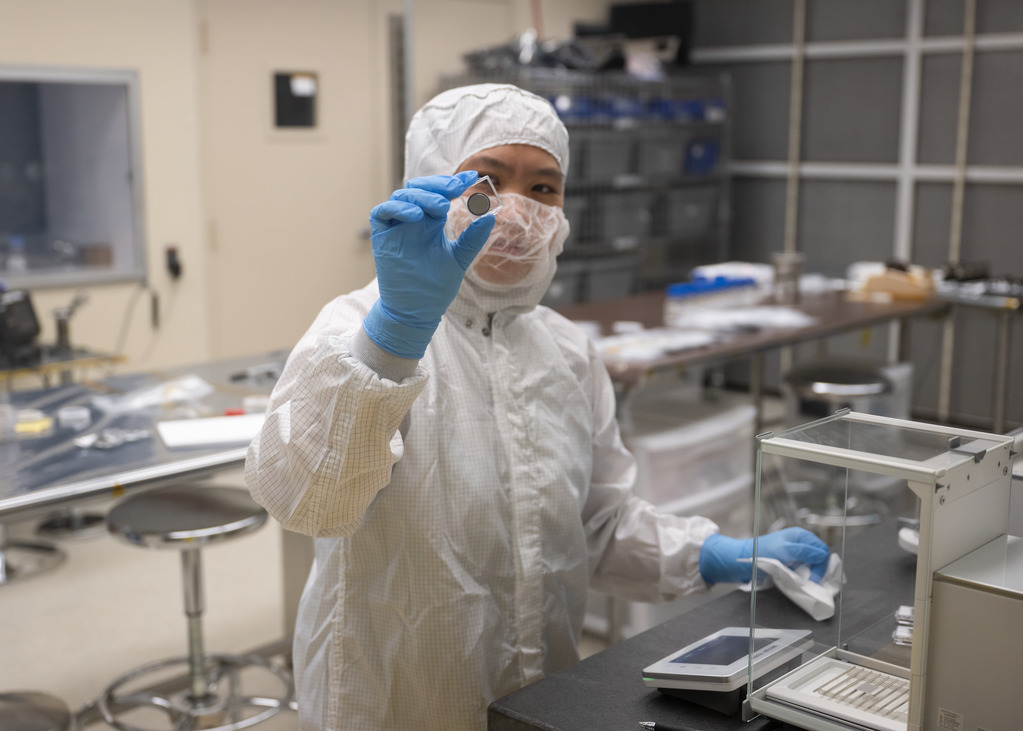
Yi Lin, SPEARS testing and research lead at NASA Langley, holds one of the small coin-cell batteries that had just undergone thermal vacuum testing.
NASA/Ryan Hill
If you’ve ever had your car start sluggishly, or not at all, on a particularly frigid winter morning, you know standard batteries do not like extreme cold. That’s why NASA researchers are working to develop a battery that could function in the brutal cold of the Moon’s South Pole, where nighttime temperatures plunge to minus 328 degrees Fahrenheit (minus 200 Celsius).
For future lunar operations, a battery will need to work immediately when warmed up and be able to power everything from an astronaut’s emergency kit to a rover capable of exploring the Moon’s darkest craters — all without posing a fire hazard.
A team of NASA researchers is working to make all that happen. The project is called Solid Power for Extreme Environment Adaptability and Resilience in Space (SPEARS), and it could provide NASA with an important tool to help power humanity’s sustained presence on the Moon through the Artemis campaign.
“Batteries have become an important part of our lives here on Earth, which enable our laptops, cell phones, power tools, and even our vehicles,” said Donald Dornbusch, principal investigator for SPEARS at NASA’s Glenn Research Center in Cleveland, where the project is led. “We will need them on the Moon, too, and these batteries will be required to operate reliably and safely in this harsh environment. That’s why we’re working on this technology.”
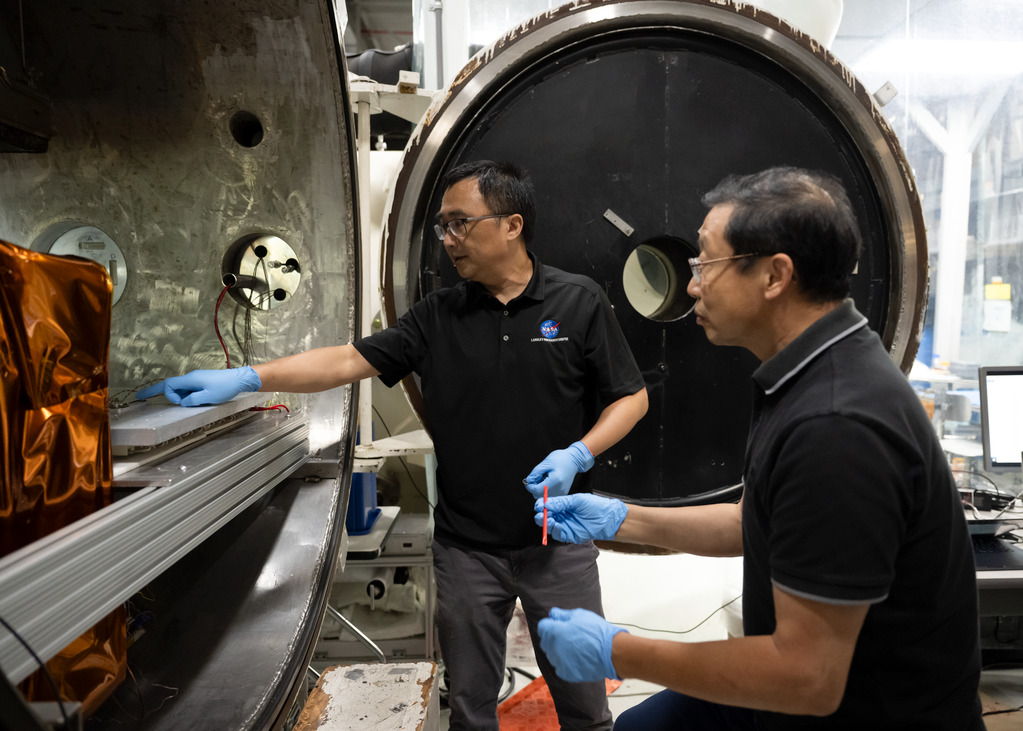
Yi Lin, left, SPEARS testing and research lead, and Ji Su, a polymer materials scientist and the task lead, during the removal of SPEARS batteries from thermal vacuum testing at NASA Langley.
NASA/Ryan Hill
Splashy problem, solid solution
Traditional lithium-ion batteries like those in your cell phone and laptop have a critical weakness: they rely on liquid electrolytes. Cool a conventional battery to the Moon’s nighttime temperatures, and that liquid would freeze, potentially damaging the battery. Heat it up too much — say, to daytime lunar temperatures of 212 F (100 C) — and it won’t work until cooled. Expose the liquid to the vacuum of space, and it evaporates.
SPEARS batteries solve these problems by replacing the liquid electrolyte with a solid ceramic- or polymer-based material. This change could unlock several advantages. First and foremost, they could operate in the heat and extreme cold.
During recent thermal vacuum testing at NASA’s Langley Research Center in Hampton, Virginia, small prototype battery cells operated well up to 176 F (80 C), down to minus 76 F (minus 60 C), and with slightly reduced performance down to minus 112 F (minus 80 C).
“We proved for the first time that these cells can work down to minus 80 degrees Celsius,” said Yi Lin, SPEARS testing and research lead at NASA Langley.
Lin also said he’s confident they can improve performance and maybe even expand that range in coming years.
The batteries need to remain reliable through exposure to the Moon’s wild temperature swings between day and night. The thermal vacuum testing showed that after exposure to temperature extremes from 212 F (100 C) to minus 274 F (minus 170 C), SPEARS batteries don’t sustain damage.
Just like the chemistry in your earbuds is different from the chemistry in your phone, which is different from the chemistry in your car, all these chemistries can still function with a solid electrolyte. We can tune for energy, tune for power, tune for durability, depending on the application.
Yi Lin
SPEARS testing and research lead
Not even solid-state batteries will function while they’re at a temperature as low as minus 274 F, but because solid electrolytes don’t freeze like a liquid, the batteries can survive the extreme low temperatures.
In order to get the batteries working again after exposure to such cold, small heaters come into play. SPEARS batteries wouldn’t need to be kept warm all the time, just warmed up to operational temperature. That could reduce the need for heavy thermal management systems in spacecraft and lunar habitats, allowing for lighter designs, lower costs, and longer mission durations.
Nike Lin, a support engineer/technician on the thermal vacuum team, takes weight measurements of batteries following thermal vacuum testing.
NASA/Ryan Hill
Power for Moon, Earth
The applications for these solid-state batteries are nearly limitless, from small tools like drills that must operate in shadowed lunar craters, to rovers and emergency power packs for astronauts. They also could provide power solutions for long-duration scientific instruments.
“We can tune the chemistry by using different electrode materials,” said Lin. “Just like the chemistry in your earbuds is different from the chemistry in your phone, which is different from the chemistry in your car, all these chemistries can still function with a solid electrolyte. We can tune for energy, tune for power, tune for durability, depending on the application.”
While SPEARS is designed for space, the technology could be spun off into Earth-based applications. In fact, SPEARS evolved out of a previous battery project Lin and Dornbusch worked on that focused on aeronautic applications.
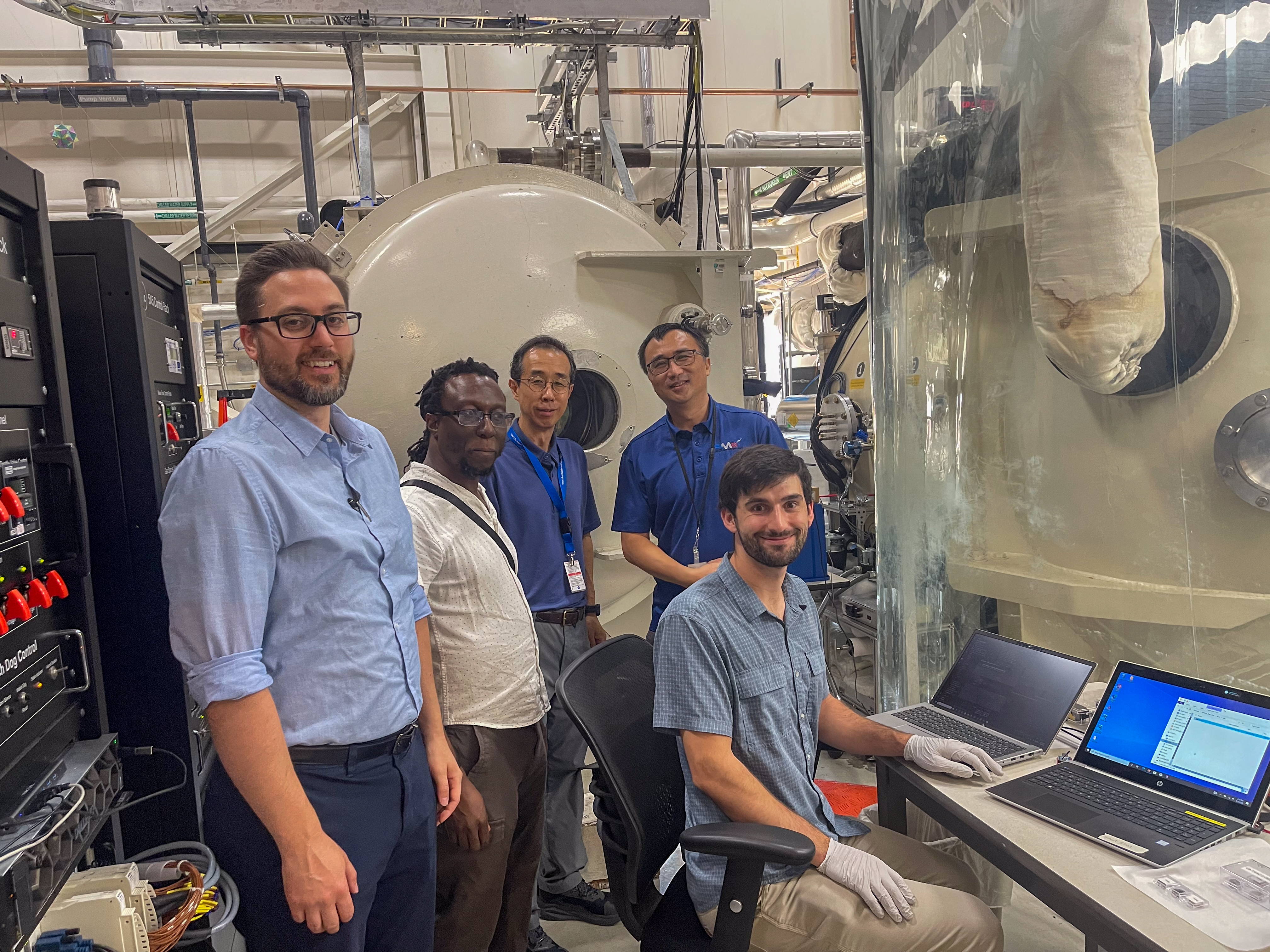
From left to right: Donald Dornbusch (NASA Glenn), Godfrey Sauti, Sang-Hyon Chu, Yi Lin (NASA Langley), and Malachi Mooney-Rivkin (NASA Ames), during a round of TVAC testing at NASA Langley.
NASA
“The potential market for solid-state batteries is very broad,” said Ji Su, a polymer materials scientist and the task lead at NASA Langley. “Automobiles, cell phones, communication devices, drones — anything that needs a portable power supply.”
The SPEARS project began in 2026 with funding through the Advanced Research and Technology division within the agency’s Research and Technology Mission Directorate. The project is set to focus on technology development in its first stages before potentially shifting toward commercial collaboration. NASA’s Ames Research Center in California’s Silicon Valley is working to develop flight hardware such as test boards and electronics to help prepare the SPEARS batteries for spaceflight and test them in space environments.
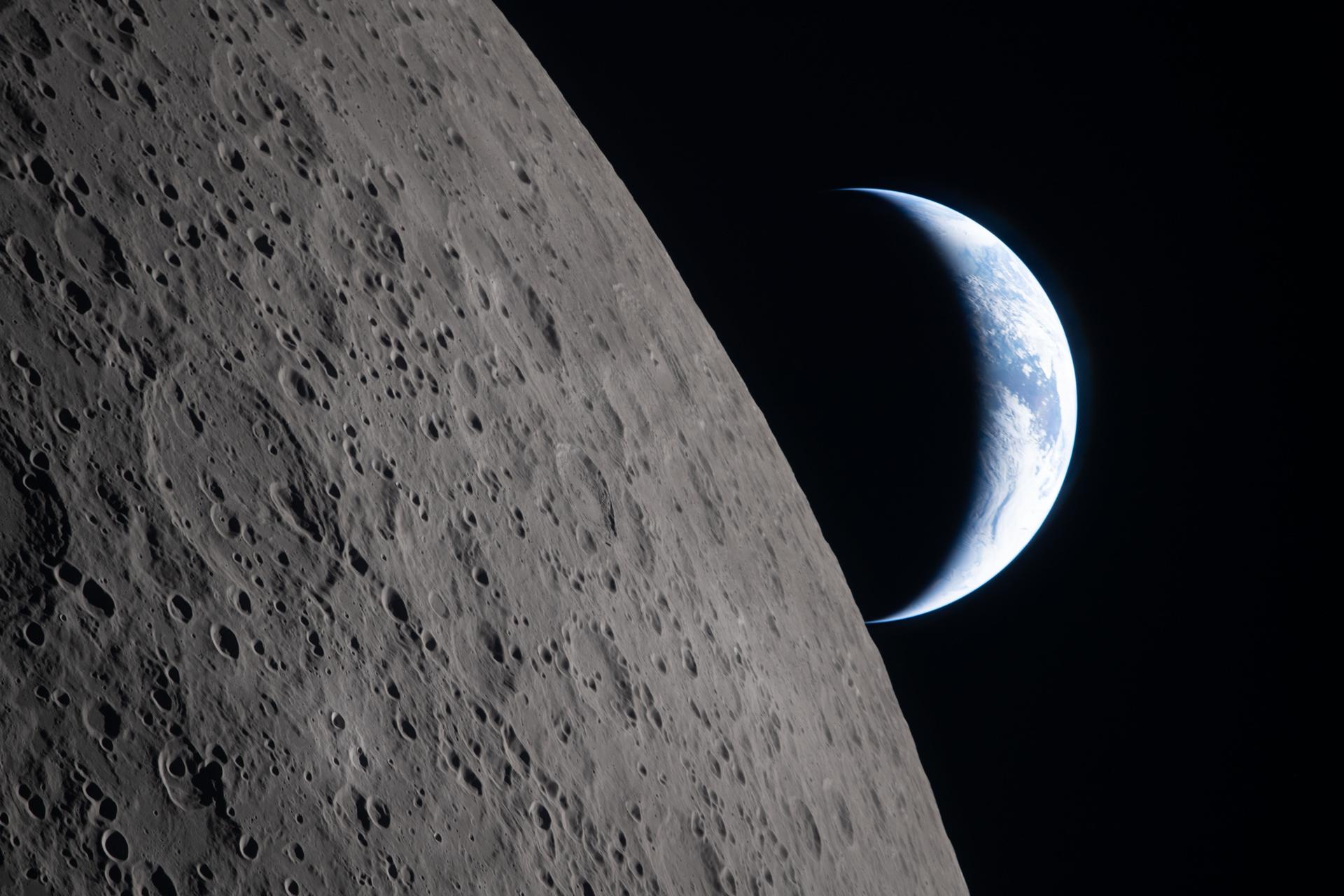
As the Artemis II crew members came close to passing behind the Moon and experiencing a planned loss of signal, they captured this image of a crescent Earth setting on the Moon’s limb on April 6, 2026. The edge of the visible surface of the Moon is called the “lunar limb.”
Credit: NASA
NASA will provide an update on its plans to return American astronauts to the surface of the Moon by 2028 at 2 p.m. EDT, Friday, Oct. 23, at the agency’s Kennedy Space Center in Florida.
The update will include details about NASA’s Artemis III mission that will send four astronauts to low Earth orbit next year to test critical systems needed for future lunar landings, and how plans to return American astronauts to the Moon by 2028 are progressing.
U.S. media interested in attending in person must apply online by 12 p.m., Friday, Oct. 16. To ask questions remotely, media must request the dial-in number from the Kennedy newsroom no later than one hour prior to the start of the update by emailing: ksc-newsroom@mail.nasa.gov. NASA’s media accreditation policy is online.
As part of a Golden Age of innovation and exploration, NASA will send Artemis astronauts on increasingly difficult missions near the lunar South Pole to explore more of the Moon than ever before. In addition to providing economic benefits and advancing scientific discovery through its Moon missions, NASA will establish an enduring human presence on the lunar surface and build on the agency’s foundation for the first crewed mission to Mars.
Discover the cosmos! Each day a different image or photograph of our fascinating universe is featured, along with a brief explanation written by a professional astronomer.
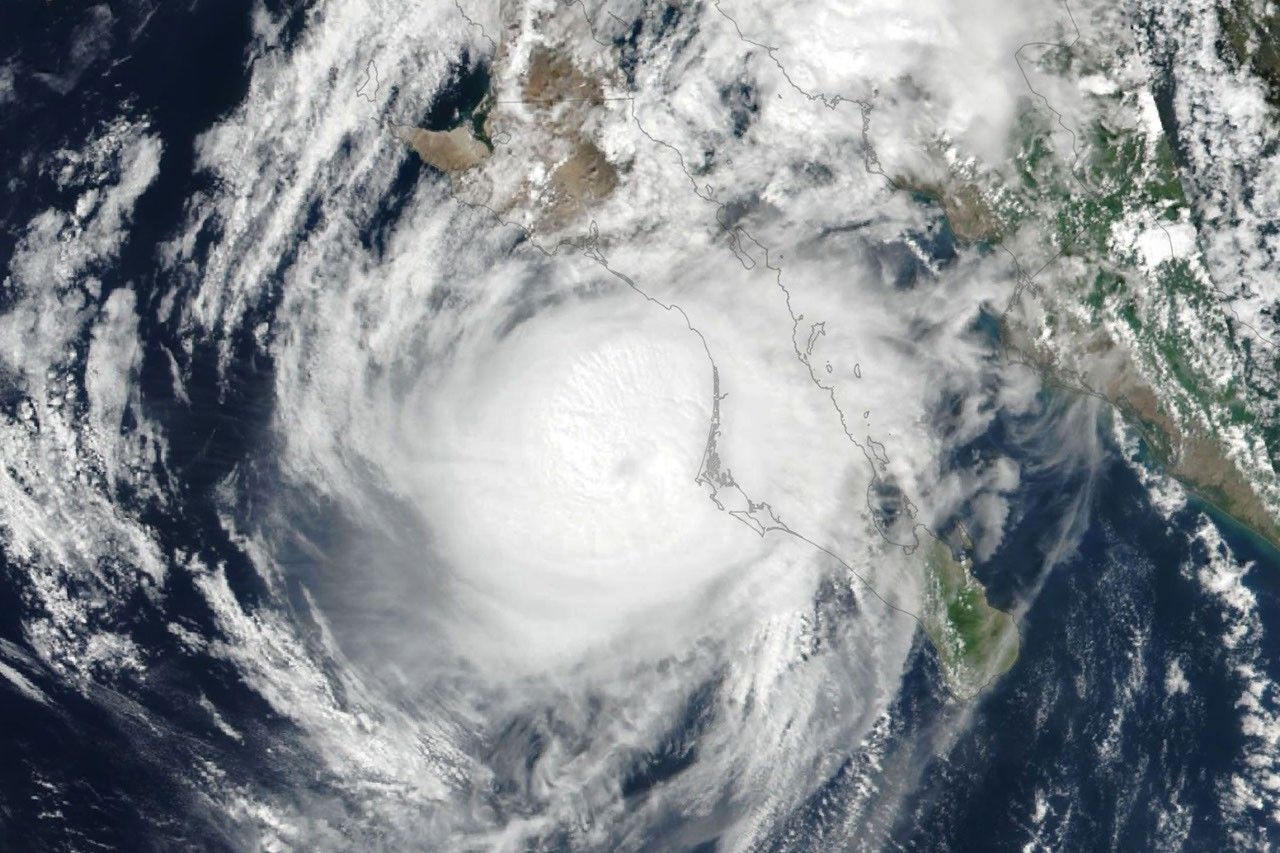
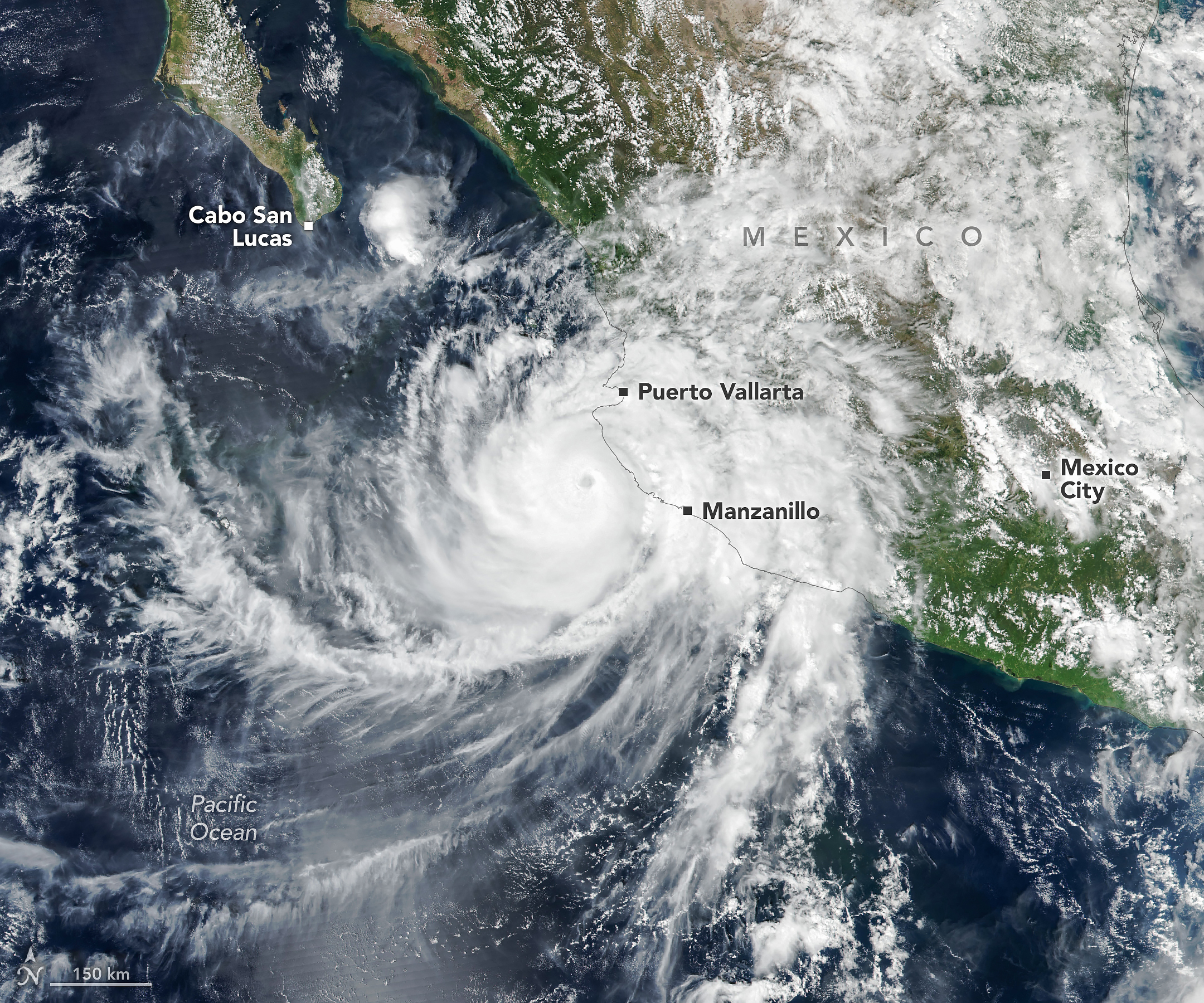
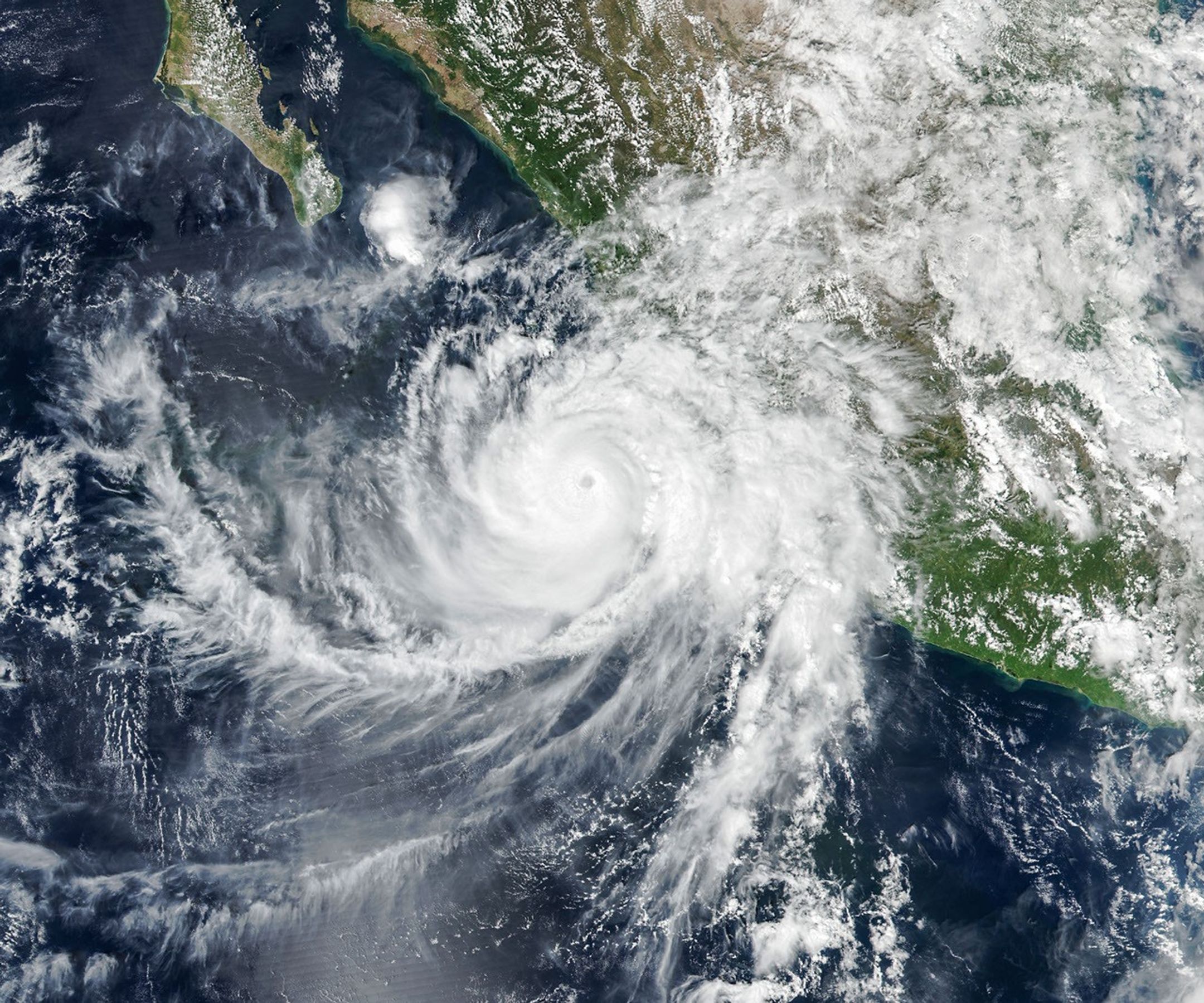
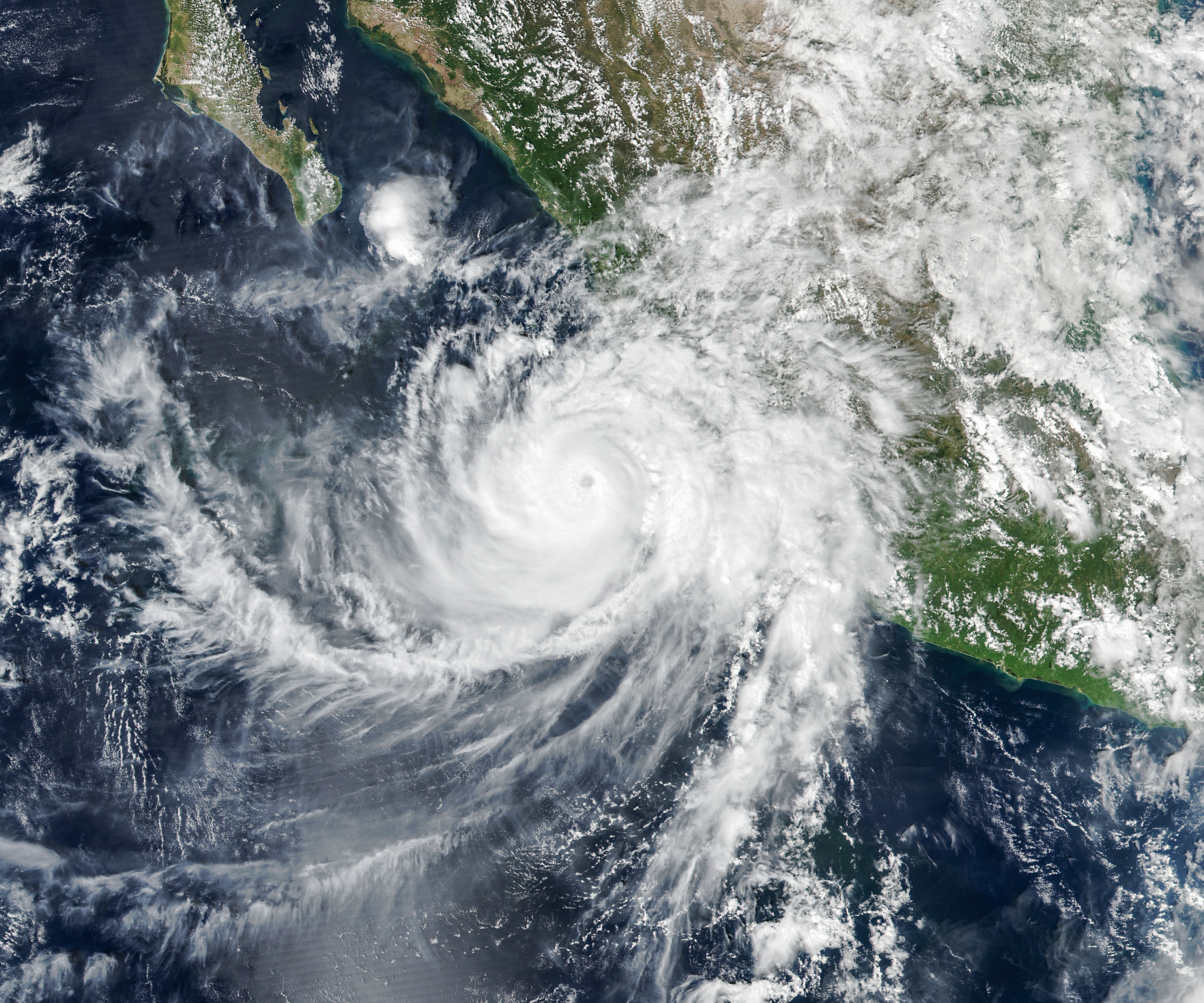
Hurricane Simon churns off Mexico’s Pacific coast in this image acquired with the VIIRS (Visible Infrared Imaging Radiometer Suite) on the Suomi NPP satellite on October 11, 2026.
NASA Earth Observatory/Michala Garrison
Hurricane Simon, the latest in a long progression of tropical cyclones in the Eastern Pacific this season, passed close to the Mexican coast as a category 4 storm on October 11, 2026. Sustained winds reached 250 kilometers (155 miles) per hour as it crept north-northwest.
Simon’s eye was about 50 kilometers (30 miles) offshore, between Manzanillo and Puerto Vallarta, when the VIIRS (Visible Infrared Imaging Radiometer Suite) on the Suomi NPP satellite acquired this image around 2:30 p.m. local time (20:30 Universal Time) on October 11.
By that time, sustained winds were about 210 kilometers (130 miles) per hour, according to the National Hurricane Center (NHC), and the storm’s inner core was brushing up against the coast. The topography of the Sierra Madre mountains appeared to temper the storm’s intensity somewhat and shrink the size of its wind field, the NHC noted. Still, the major hurricane delivered heavy rain and flooding to coastal areas, including the port city of Manzanillo, and raised the risk of mudslides in mountainous areas, according to news reports.
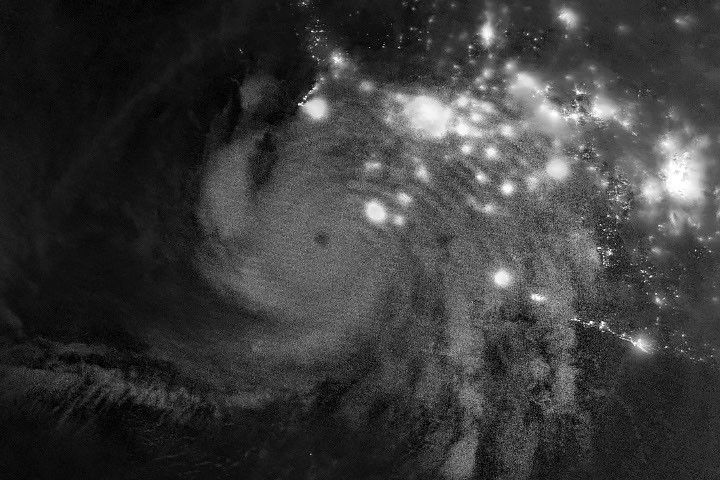
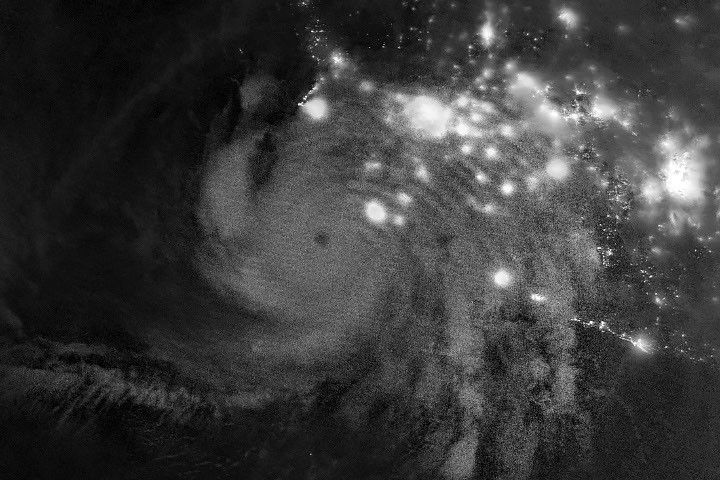
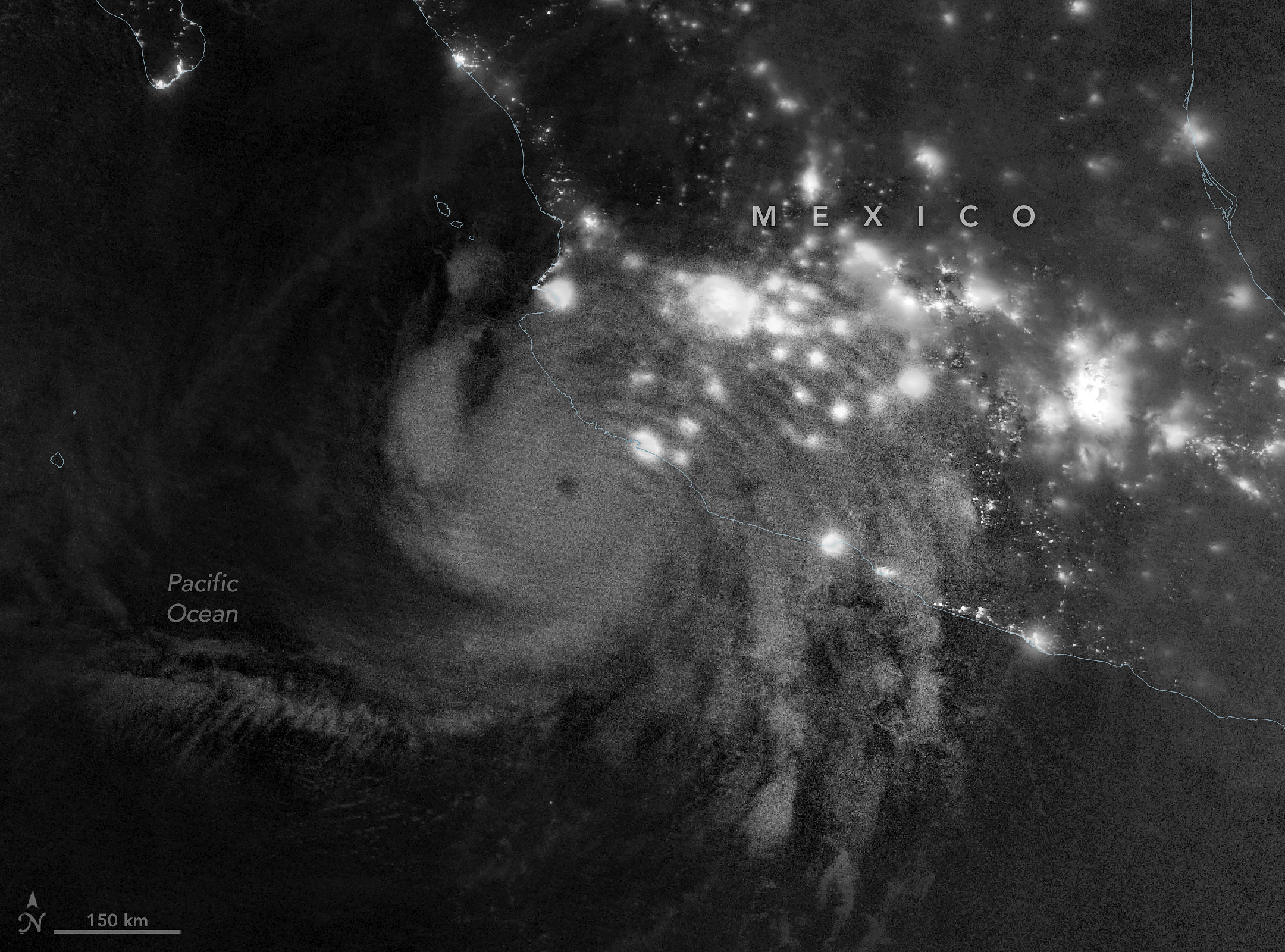
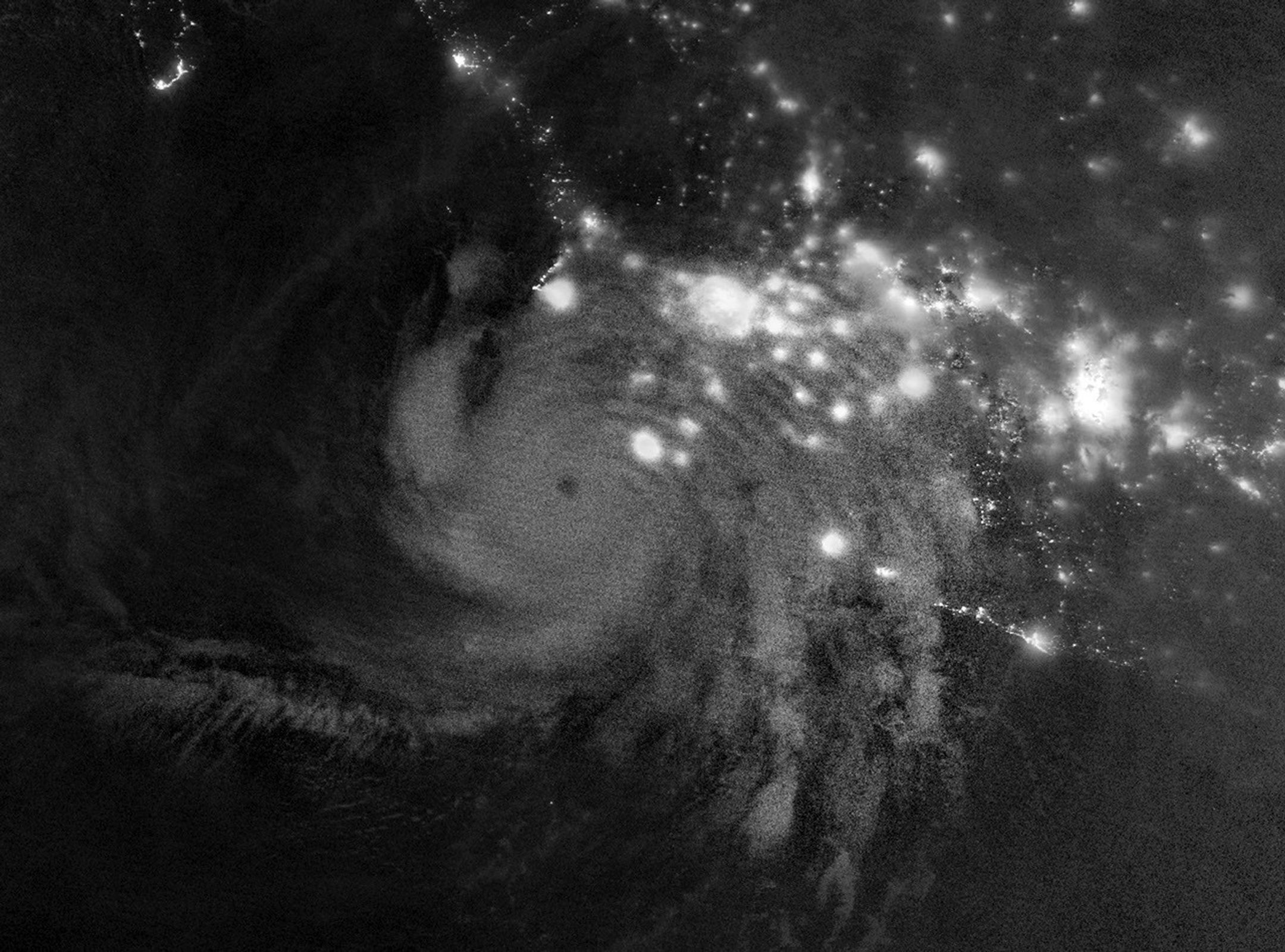
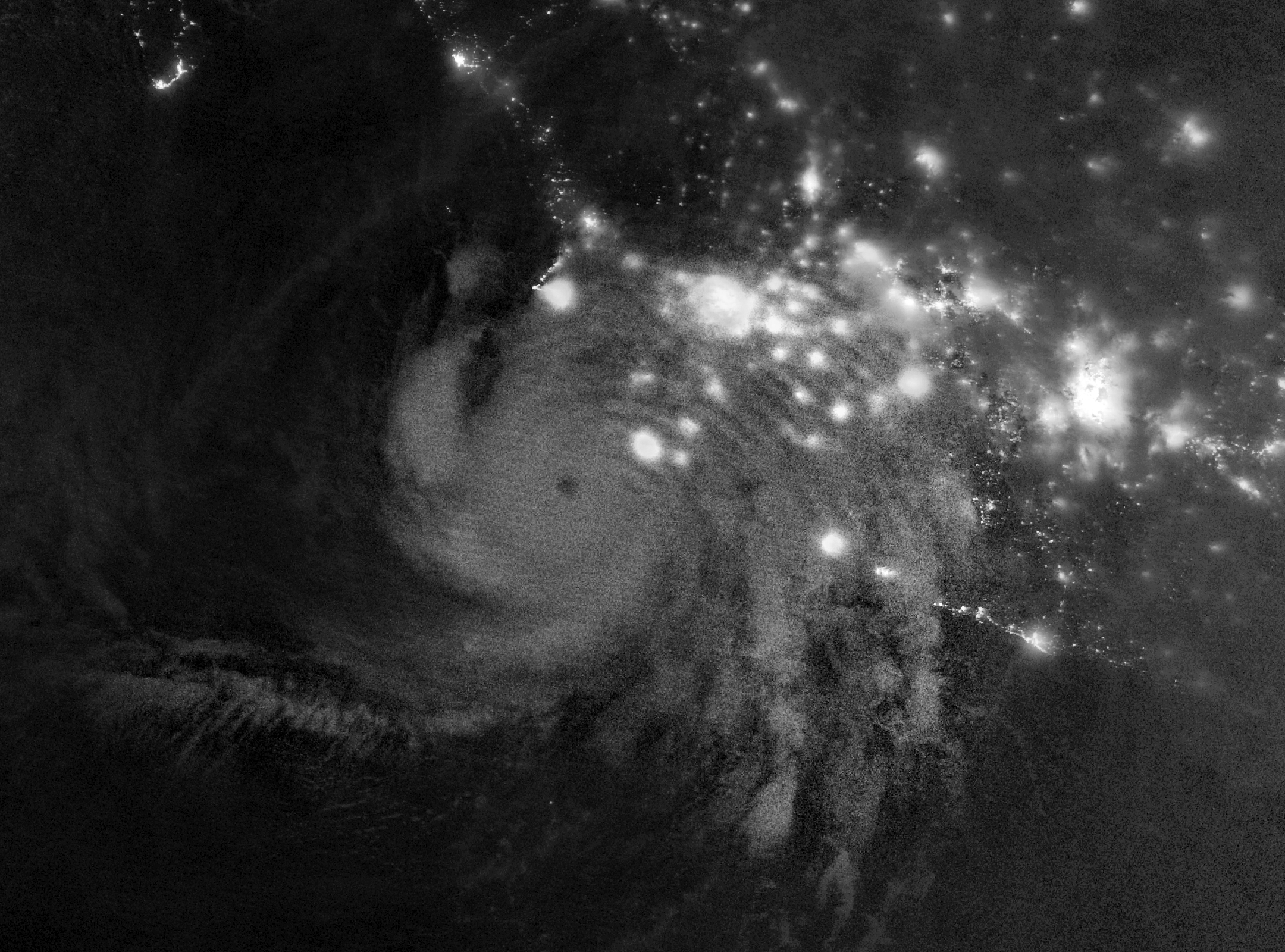
Atmospheric gravity waves generated by Hurricane Simon are visible via mesospheric airglow in this nighttime image acquired with the VIIRS (Visible Infrared Imaging Radiometer Suite) on the NOAA-21 satellite on October 11, 2026.
NASA Earth Observatory/Michala Garrison
In the early morning hours of October 11, satellites captured the storm’s effects extending into the upper atmosphere. This nighttime image (above), acquired with VIIRS on the NOAA-21 satellite, shows atmospheric gravity waves radiating from the hurricane. These ripples form when latent heat released near the tropical cyclone’s eyewall drives strong convection, building tall cumulonimbus clouds with updrafts that can send waves into the stratosphere and mesosphere.
But these waves are not always observable. Winds in the upper atmosphere can dissipate them before they reach the mesosphere, where they show up as ripples in airglow—faint light emitted by gases at those high altitudes. The VIIRS day-night band is sensitive to airglow but also detects reflected moonlight, which can wash it out. On the night this image was acquired, minimal illumination from the Moon helped the airglow stand out.
On the morning of October 13, forecasts of Simon’s intensity and path remained “very low confidence,” as the storm’s evolution continued to defy meteorologists’ expectations. The system may steer north and enter the Gulf of California before making landfall. Large swells causing dangerous nearshore conditions were expected along portions of the southwestern and west-central coasts of Mexico in the coming days.

 Accedi