Vista elenco

Ricevuto oggi — 17 Giugno 2026 Stampa Internazionale

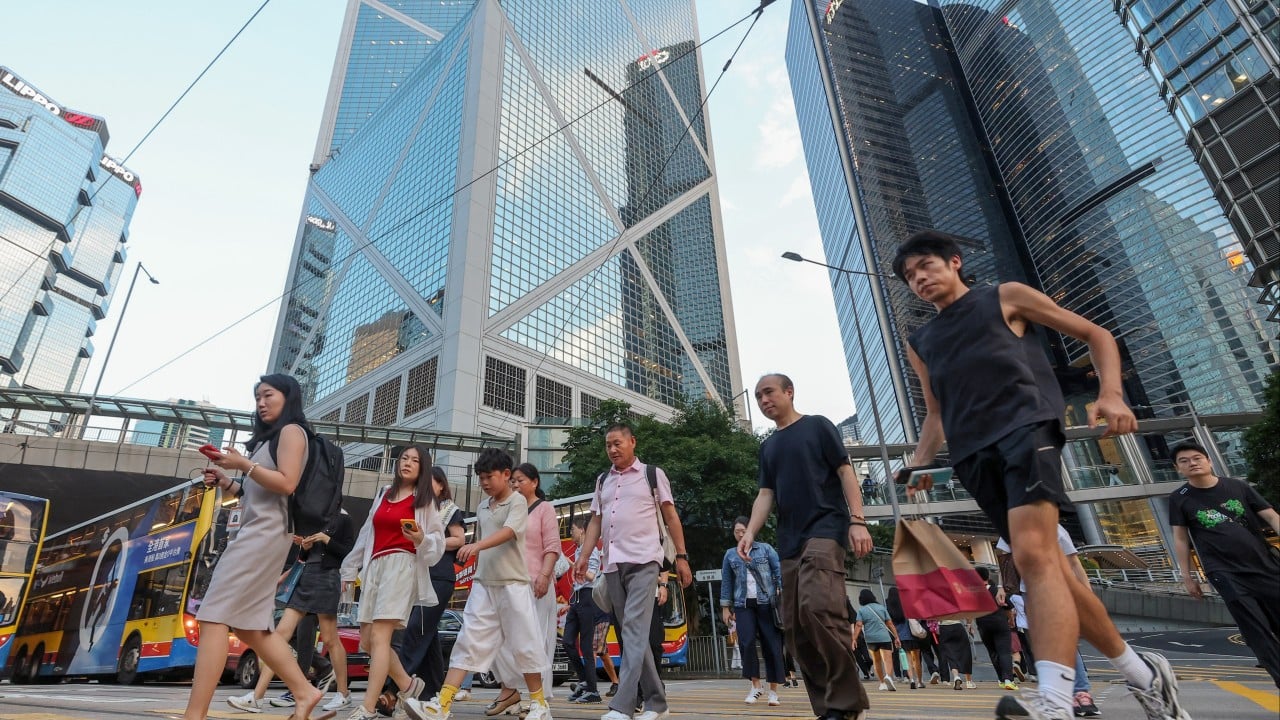
Is the US warming up to Hong Kong? High-level meeting with business group signals shift

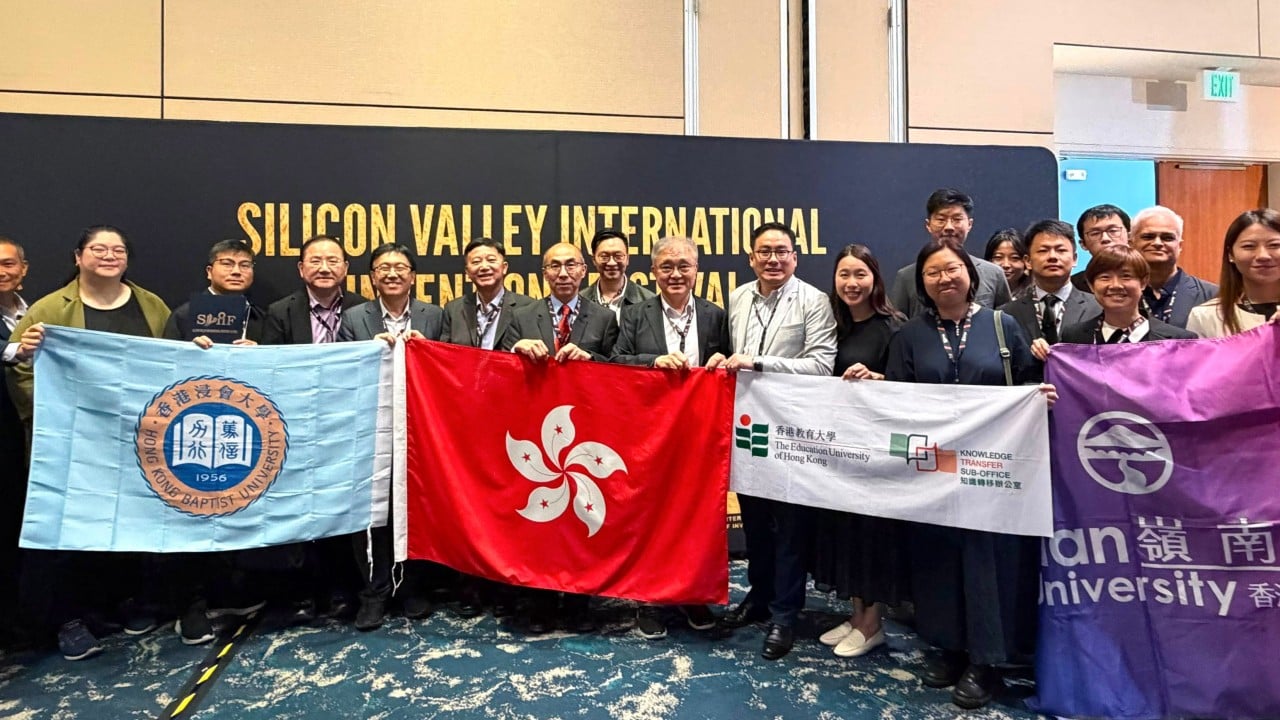
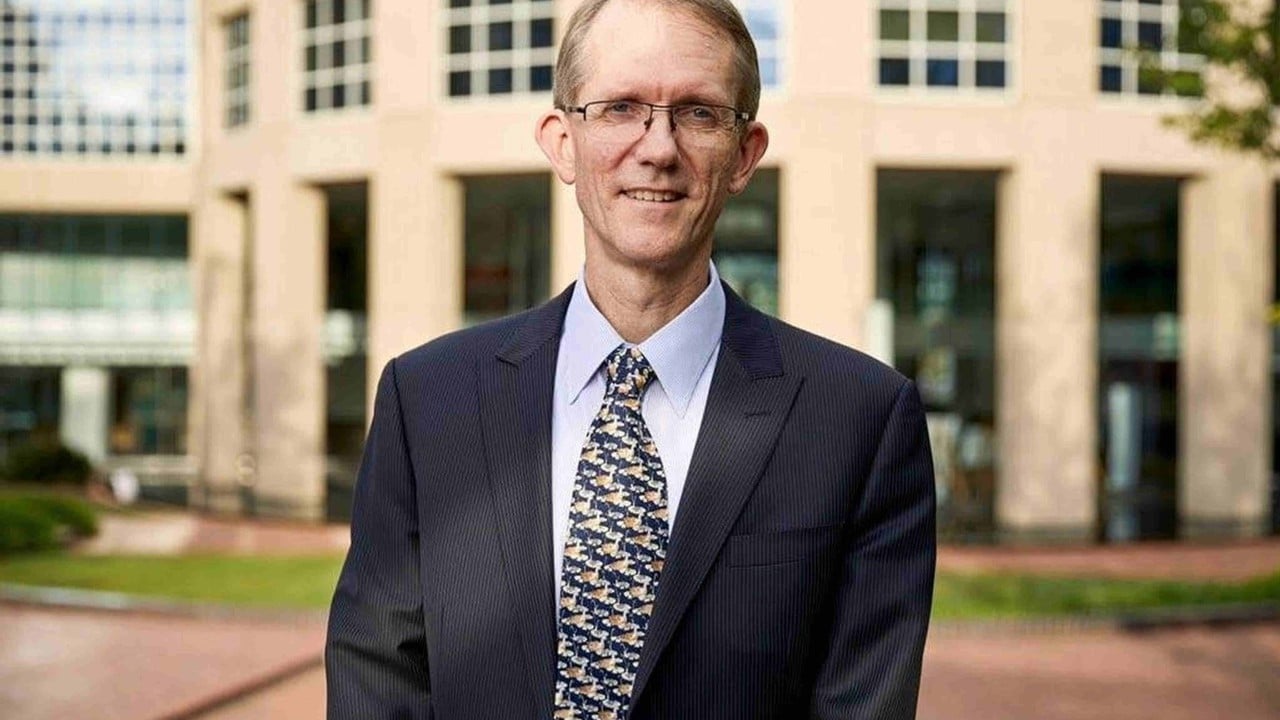
In a possible sign that Washington’s stance on Hong Kong is shifting, a senior US State Department official will meet a delegation of the American Chamber of Commerce in Hong Kong (AmCham HK), the South China Morning Post has learned. Speaking on condition of anonymity because they were not authorised to comment publicly, sources familiar with the matter said Michael DeSombre, US assistant secretary of state for East Asian and Pacific affairs, would meet the AmCham HK delegation, which is...

Is the US warming up to Hong Kong? High-level meeting with business group signals shift

In a possible sign that Washington’s stance on Hong Kong is shifting, a senior US State Department official will meet a delegation of the American Chamber of Commerce in Hong Kong (AmCham HK), the South China Morning Post has learned. Speaking on condition of anonymity because they were not authorised to comment publicly, sources familiar with the matter said Michael DeSombre, US assistant secretary of state for East Asian and Pacific affairs, would meet the AmCham HK delegation, which is...

Is the US warming up to Hong Kong? High-level meeting with business group signals shift

In a possible sign that Washington’s stance on Hong Kong is shifting, a senior US State Department official will meet a delegation of the American Chamber of Commerce in Hong Kong (AmCham HK), the South China Morning Post has learned. Speaking on condition of anonymity because they were not authorised to comment publicly, sources familiar with the matter said Michael DeSombre, US assistant secretary of state for East Asian and Pacific affairs, would meet the AmCham HK delegation, which is...

The white paper making China’s case for new rules for the world’s new frontiers

China has pitched itself as a champion of rule-making for new frontiers, including AI and outer space, calling for a “more just and equitable” world order as humanity navigates “dangerous waters”. In a policy document released on Wednesday, Beijing said it would continue to uphold the “central” role of the United Nations in the global governance of those emerging sectors. The document, a white paper called “More Just and Equitable Global Governance: China’s Principles, Proposals and Actions”,...

The white paper making China’s case for new rules for the world’s new frontiers

China has pitched itself as a champion of rule-making for new frontiers, including AI and outer space, calling for a “more just and equitable” world order as humanity navigates “dangerous waters”. In a policy document released on Wednesday, Beijing said it would continue to uphold the “central” role of the United Nations in the global governance of those emerging sectors. The document, a white paper called “More Just and Equitable Global Governance: China’s Principles, Proposals and Actions”,...

The white paper making China’s case for new rules for the world’s new frontiers

China has pitched itself as a champion of rule-making for new frontiers, including AI and outer space, calling for a “more just and equitable” world order as humanity navigates “dangerous waters”. In a policy document released on Wednesday, Beijing said it would continue to uphold the “central” role of the United Nations in the global governance of those emerging sectors. The document, a white paper called “More Just and Equitable Global Governance: China’s Principles, Proposals and Actions”,...

Iran. L’illusione di Islamabad: la fragilità strutturale della tregua dei 60 giorni e il prevedibile revanchismo dei Pasdaran
di: Ng
17 Giugno 2026 ore 12:14

di Yari Lepre Marrani

L’annuncio del Memorandum d’intesa siglato per via digitale tra Washington e Teheran sotto la mediazione di Islamabad rappresenta, nell’immediato, il barometro di un temporaneo sollievo per l’architettura finanziaria globale. La prospettiva di una progressiva riapertura dello Stretto di Hormuz e la revoca del blocco navale statunitense hanno agito come un potente sedativo sui mercati energetici, allentando la morsa di una crisi inflazionistica che minacciava la stabilità delle economie occidentali. Tuttavia, un’analisi condotta secondo i canoni del realismo politico e della geopolitica mediorientale rivela come l’accordo, in vista della firma formale prevista a Ginevra, non sia l’atto di fondazione di un nuovo ordine regionale, bensì un’architettura diplomatica precaria, edificata su fondamenta strutturalmente fragili. Più che una risoluzione del conflitto, il testo si configura come la sanzione diplomatica di un’asimmetria strategica in cui Teheran capitalizza la propria resilienza bellica, configurando l’esito della crisi come un sostanziale fallimento della dottrina della “resa incondizionata” e della massima pressione statunitense.

La grammatica dell’accordo: il congelamento atomico come vittoria tattica di Teheran.
Il limite intrinseco più macroscopico del compromesso di Islamabad risiede nella gestione del dossier nucleare. L’accordo non prevede lo smantellamento delle capacità tecnologiche o il declassamento permanente del materiale fissile arricchito accumulato dalla Repubblica Islamica; al contrario, ne dispone il mero congelamento temporaneo per la durata dei 60 giorni di tregua.
Sotto il profilo dottrinale, il mantenimento dello status quo tecnologico conferisce a Teheran un potere di ricatto immutato. La rinuncia dello strumento militare statunitense a sradicare il programma atomico si traduce in un riconoscimento de facto della soglia di breakout nucleare raggiunta dall’Iran. Rinviare la risoluzione delle divergenze di fondo (ivi inclusi gli stock di uranio e il programma balistico) a un negoziato da svolgersi sotto la pressione del fattore tempo significa concedere alla controparte iraniana una leva negoziale permanente: la minaccia latente di una ripresa immediata dell’arricchimento qualora i dividendi economici della tregua — in termini di sblocco degli asset e allentamento delle sanzioni — non soddisfino le aspettative del regime.

L’ipertrofia politica dei Pasdaran e l’innalzamento della posta in gioco.
Contrariamente agli auspici occidentali di un indebolimento strutturale del regime a seguito delle operazioni belliche congiunte americane e israeliane, la crisi ha innescato un processo di consolidamento del potere interno a favore dei Pasdaran (Corpo delle Guardie della Rivoluzione Islamica). Avendo dimostrato la capacità di reggere l’impatto della campagna di bombardamenti e di convertire la prossimità geografica allo Stretto di Hormuz in un’arma di coercizione economica globale, l’apparato militare-ideologico ne esce politicamente ipertrofico.
L’accordo di Islamabad viene narrato dall’apparato mediatico di Teheran non come un compromesso, ma come il trionfo della strategia della “resistenza attiva”.

I Pasdaran hanno ridefinito i termini del confronto:

– Assenza di vincoli regionali: Il testo del memorandum non contiene alcuna clausola restrittiva circa la rete di alleanze non-statali (l’Asse della Resistenza) o il teatro libanese, permettendo a Teheran di mantenere intatta la propria proiezione asimmetrica.

– Egemonia negoziale: Il potere negoziale si è progressivamente spostato verso posizioni massimaliste. L’Iran non solo ha respinto le richieste iniziali di disarmo, ma ha vincolato l’effettiva implementazione della tregua a contropartite onerose, inclusi piani di ricostruzione internazionale stimati in centinaia di miliardi di dollari.

Il fallimento strategico della Dottrina Trump.
Per l’amministrazione statunitense, l’intesa di Islamabad assume i contorni di un evidente arretramento strategico, se parametrata agli obiettivi massimalisti dichiarati all’inizio delle ostilità. La postura imperniata sulla richiesta di una resa incondizionata dell’Iran, volta al collasso del regime teocratico e alla neutralizzazione definitiva del suo potenziale offensivo, è naufragata contro la realtà della guerra asimmetrica.

(Foto: pda)

La necessità politica di disinnescare uno shock petrolifero alla vigilia delle scadenze elettorali interne ha costretto Washington ad accettare un ripristino dello status quo ante bellum, gravato però dal riconoscimento della centralità geopolitica di Teheran. La proclamazione del “Let the oil flow!” operata dalla presidenza USA non maschera la realtà di un negoziato condotto da posizioni di mutua vulnerabilità, dove l’arma economica iraniana ha bilanciato la superiorità convenzionale della macchina bellica americana.

La fragilità intrinseca dello scenario post-Ginevra.
La tregua dei 60 giorni si profila dunque come un interludio tattico piuttosto che come l’inizio di una pace duratura. L’architettura dell’accordo è minata da contraddizioni insolubili:

– Lascia l’Iran con la capacità intatta di raggiungere la bomba atomica in tempi brevi.

– Esclude attori chiave come Israele, la cui postura securitaria resta intrinsecamente incompatibile con la sopravvivenza del potenziale balistico e nucleare di Teheran.

– Consegna ai Pasdaran il controllo della narrazione interna e delle leve della catena di comando.

L’euforia della finanza globale di fronte alla firma digitale di Islamabad e alla successiva formalizzazione di Ginevra rischia di rivelarsi un errore di prospettiva. Finché le cause strutturali del conflitto rimarranno congelate e non risolte, la tregua dei 60 giorni non rappresenterà la fine della guerra con l’Iran, ma soltanto il preludio a una sua successiva, e potenzialmente più devastante, fase di escalation.

L’asimmetria della vigilanza e lo scetticismo delle potenze regionali.
Il prolungamento del deficit strutturale dell’accordo emerge con vigore se si analizza il meccanismo di verifica che dovrebbe sovrintendere al congelamento nucleare durante i 60 giorni. L’architettura di Islamabad affida all’Agenzia Internazionale per l’Energia Atomica (AIEA) un mandato puramente notarile, depotenziato dall’assenza di protocolli di accesso immediato e non annunciato ai siti militari sensibili, come Parchin o i complessi sotterranei di Fordow. Questa concessione formale a Teheran non fa che alimentare lo scetticismo radicale degli attori regionali esclusi dal tavolo negoziale.
Per Gerusalemme e per le monarchie del Golfo, l’accordo di Ginevra non è una svolta diplomatica, ma un pericoloso esercizio di appeasement che concede all’Iran il tempo necessario per riorganizzare la propria logistica militare, logorata ma non spezzata dal conflitto. La postura israeliana, in particolare, resta dominata dalla dottrina dell’azione preventiva: l’idea che Washington abbia accettato un compromesso al ribasso pur di stabilizzare i mercati finanziari globale priva gli alleati regionali della certezza dell’ombrello deterrente americano, spingendoli verso una potenziale contro-attivazione unilaterale.

La trappola del timing: i 60 giorni come countdown geopolitico.
Lungi dal rappresentare uno spazio di distensione per edificare una pace duratura, la tregua dei 60 giorni si configura come un vero e proprio countdown geopolitico. Le scadenze temporali imposte dall’accordo agiscono come un moltiplicatore di pressione sulle cancellerie occidentali. Scaduto il bimestre, la mancata transizione verso un trattato definitivo, che Teheran ha già vincolato alla cancellazione totale e irreversibile del regime sanzionatorio, farà scattare automaticamente la ripresa delle attività di arricchimento dell’uranio.
La Casa Bianca si trova così imprigionata in una trappola tattica: per evitare il collasso immediato della tregua e il conseguente ritorno del blocco navale nello Stretto di Hormuz, l’amministrazione Trump sarà costretta ad elargire ulteriori concessioni economiche e politiche. L’accordo di Islamabad, analizzato nella sua reale densità concettuale, non ha risolto la crisi mediorientale; ha semplicemente istituzionalizzato il ricatto asimmetrico della Repubblica Islamica, trasformando una pseudo-vittoria diplomatica dei Pasdaran nel preludio di una sottomissione strategica dell’Occidente. Alla fine degli attuali, temporanei giochi, la resilienza dei Pasdaran sembra aver conseguito la sua massima vittoria.

Top PLA graft-buster urges more loyalty, ‘political rectification’ as training ends

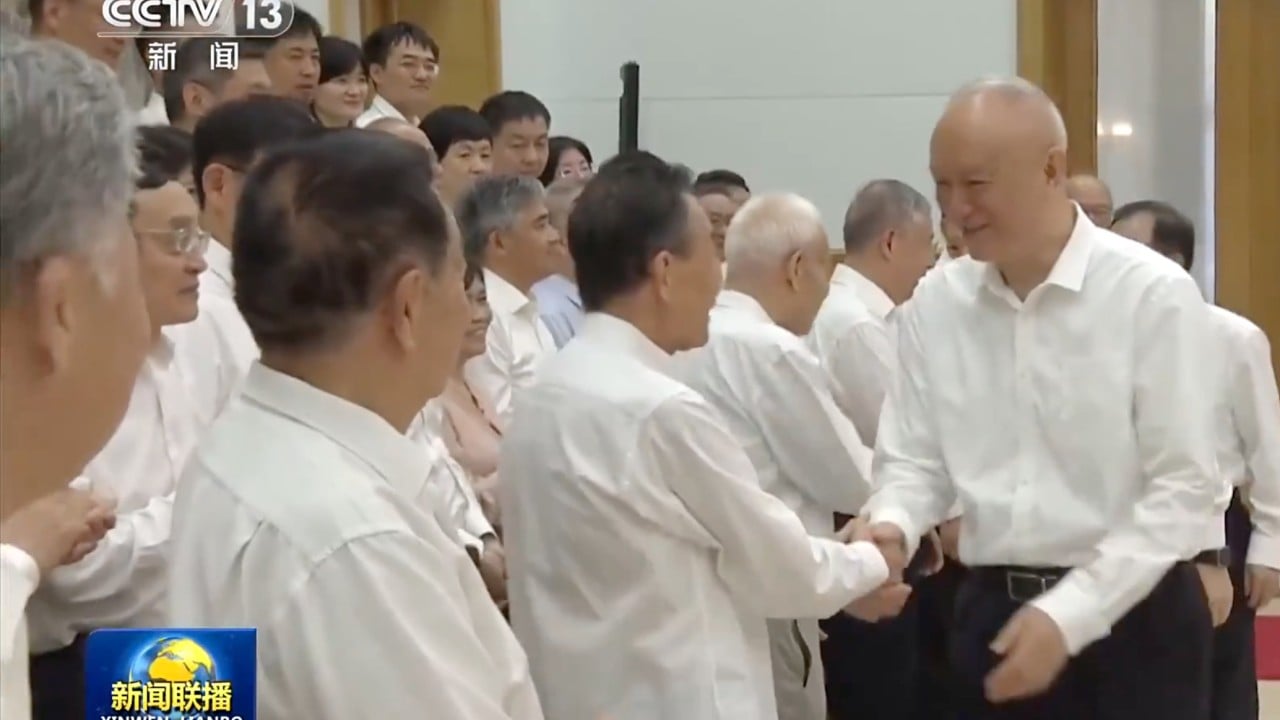
The PLA’s top anti-graft officer concluded unprecedented training for senior military officials in Beijing on Tuesday by urging continuing efforts to boost loyalty to the Communist Party and “political rectification”. Zhang Shengmin, vice-chairman of the Central Military Commission (CMC) – China’s top military decision-making body – said the first-of-its-kind training course had sharpened participants’ ideological transformation and sense of responsibility. “We should greet the 100th anniversary...

Top PLA graft-buster urges more loyalty, ‘political rectification’ as training ends

The PLA’s top anti-graft officer concluded unprecedented training for senior military officials in Beijing on Tuesday by urging continuing efforts to boost loyalty to the Communist Party and “political rectification”. Zhang Shengmin, vice-chairman of the Central Military Commission (CMC) – China’s top military decision-making body – said the first-of-its-kind training course had sharpened participants’ ideological transformation and sense of responsibility. “We should greet the 100th anniversary...

Congo Returns to World Cup in High Style After 52 Years Away

The soccer stars’ sharp black suits with leopard-print details are a nod to a long history of “sapeur” fashion.

© Troy Taormina/Reuters

The Democratic Republic of Congo’s men’s soccer team arriving in Houston last week to play in the World Cup.

AI boom sparks Kingboard subsidiary’s US$1.5 billion stake sale to ramp up PCB capacity

Riding on a buoyant stock market for artificial intelligence hardware components, Kingboard Holdings plans to raise HK$11.77 billion (US$1.5 billion) by selling a stake in its listed subsidiary, Kingboard Laminates Holdings, one of the world’s biggest makers of laminate materials used in circuit boards for AI servers. The company said the proceeds would be used to expand business and production capacity to meet surging demand. The fundraising comes as AI server backlogs hit record highs at major...

Could AI algorithms hold China’s solution for global narrative on Tibet?

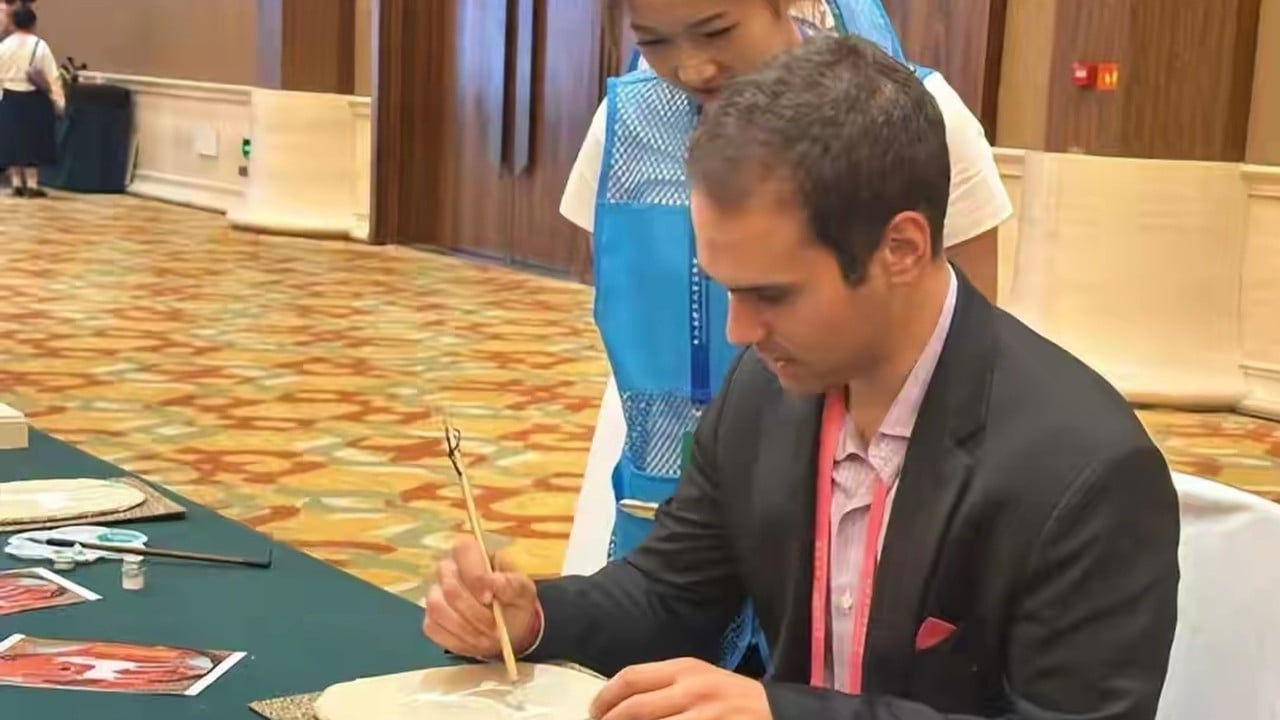
To win the global war of words over Tibet, China’s western autonomous region that repeatedly makes international headlines, Beijing must stop fighting the West’s algorithms and start adapting to them. That was the blunt assessment of Zachary Lundquist, an American media professional with the state-run China International Communications Group (CICG), speaking in Lhasa, capital of China’s Tibetan autonomous region, on Tuesday. Lundquist – better known by his Chinese name, Huang Hao – was...

Could AI algorithms hold China’s solution for global narrative on Tibet?

To win the global war of words over Tibet, China’s western autonomous region that repeatedly makes international headlines, Beijing must stop fighting the West’s algorithms and start adapting to them. That was the blunt assessment of Zachary Lundquist, an American media professional with the state-run China International Communications Group (CICG), speaking in Lhasa, capital of China’s Tibetan autonomous region, on Tuesday. Lundquist – better known by his Chinese name, Huang Hao – was...

Could AI algorithms hold China’s solution for global narrative on Tibet?

To win the global war of words over Tibet, China’s western autonomous region that repeatedly makes international headlines, Beijing must stop fighting the West’s algorithms and start adapting to them. That was the blunt assessment of Zachary Lundquist, an American media professional with the state-run China International Communications Group (CICG), speaking in Lhasa, capital of China’s Tibetan autonomous region, on Tuesday. Lundquist – better known by his Chinese name, Huang Hao – was...

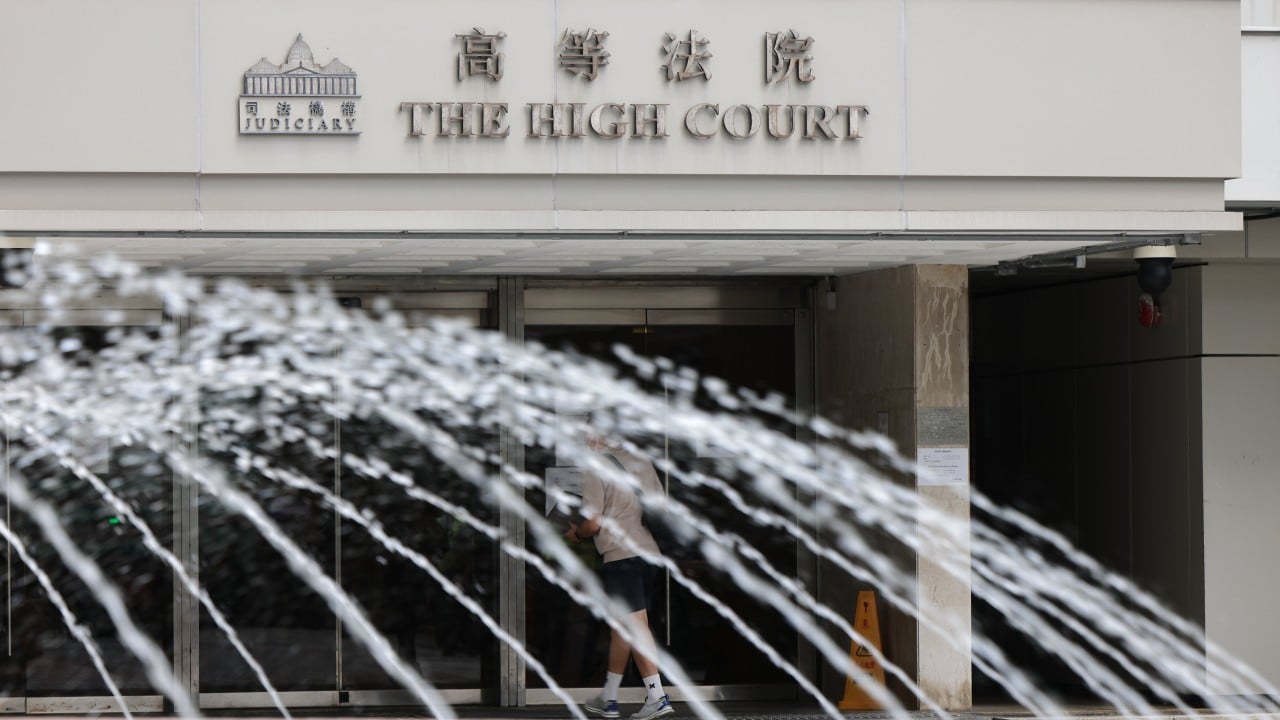
Hong Kong’s top court rejects challenge to law banning calls for election boycotts

17 Giugno 2026 ore 09:25
Hong Kong’s top court has dismissed a legal challenge against a law barring calls to boycott the city’s “patriots-only” elections, ruling that the prohibition is necessary to counter “organised campaigns” seeking to undermine the establishment following the enactment of the national security law. In a judgment delivered on Wednesday, five Court of Final Appeal judges unanimously found that criminalising incitement to undermine elections was essential to further Beijing’s objective of ensuring...

Accordo Usa-Iran, Trump finisce nel mirino per l’intesa: “È una sconfitta, ridimensionamento umiliante”

17 Giugno 2026 ore 09:00

Ha promesso che sarà lui in persona a leggere il fatidico memorandum. Donald Trump ha affermato che il testo del memorandum d’intesa raggiunto con l’Iran sarà reso pubblico a un certo punto in una sede ufficiale. “Non solo lo pubblicherò, ma probabilmente terrò una conferenza stampa e lo leggerò… parola per parola, in modo che la stampa lo riporti accuratamente”, ha detto Trump durante un incontro con il presidente degli Emirati Arabi Uniti a margine del G7 a Evian, in Francia, “è un documento molto importante”, assicura. Non sarà una lunga lettura quella di The Donald. Il documento firmato domenica, ha spiegato il vicepresidente americano JD Vance, parlando a Cnn. “è di una pagina e mezzo” e “non include i dettagli operativi dell’intesa”. Ma è proprio nei “dettagli” o negli omissis che si nasconde il diavolo del fallimento.

La certezza è nel giorno e ora anche il luogo della firma. L’accordo tra Iran e Stati Uniti verrà firmato venerdì a Burgenstock, vicino il lago di Lucerna. Lo ha riferito Berna. In attesa della performance oratoria, Trump prova a magnificare il prodotto. “Lo Stretto di Hormuz sarà completamente riaperto a partire da venerdì”, giorno della firma dell’accordo tra Iran e Stati Uniti a Ginevra. Annuncia il tycoon, precisando che “non ci saranno pedaggi per le navi che passeranno da Hormuz”. L’Iran sta rimuovendo le mine proprio in questo momento”, ha aggiunto. Teheran ha confermato che gli Stati Uniti hanno iniziato a revocare il blocco navale contro l’Iran. “La revoca del blocco navale contro l’Iran è iniziata e si sta passando alle fasi operative”, ha annunciato il viceministro degli Esteri della Repubblica islamica, Majid Takht-Ravanchi, citato dalle agenzie iraniane. Il ministro degli Esteri iraniano Abbas Araghchi ha dichiarato che i prossimi negoziati tra Stati Uniti e Iran saranno suddivisi in due fasi. La prima fase riguarderà questioni come lo status dello Stretto di Hormuz, il blocco navale statunitense e la ricostruzione dopo i bombardamenti israelo-americani delle infrastrutture iraniane, ha affermato, citato da Al Jazeera. Una fase successiva dei negoziati tratterà la questione del nucleare e l’allentamento delle sanzioni, che saranno risolte in un accordo finale, ha aggiunto.

E il regime change?

Ma quando mai. Trump ha affermato di non essersi “mai preoccupato di un cambio di regime” in Iran, sottolineando di “non credere nel cambio di regime, non funziona mai”. “Ma supponiamo che ci sia un cambio di regime: il primo gruppo (di leader, ndr) è tutto morto, così come l’ultimo”, ha aggiunto, “anche una parte del terzo. Oggi negoziamo con persone molto razionali, forti e intelligenti. Non sono radicalizzate”. Il capo della Casa Bianca è anche in vena di consigli. “Sia la Siria a occuparsi di Hezbollah in Libano, lo sa fare meglio di Israele”, sentenzia Trump, sempre da Evan. “Ho suggerito a Israele di lasciare che la Siria si occupi di Hezbollah perché, a essere sincero, penso che lo farebbero meglio”, ha affermato Trump. Per poi aggiungere che Israele combatte Hezbollah “da troppo tempo e che troppe persone vengono uccise”, criticando così la gestione degli interventi israeliani contro il gruppo sciita libanese. “Non è necessario demolire un condominio ogni volta che si cerca qualcuno, perché in quei condomini vive molta gente, e non sono tutti membri di Hezbollah”, ha proseguito il presidente americano, pur precisando di avere “un eccellente rapporto” con il premier israeliano, ha ribadito che “l’attacco a Beirut non gli piace”. “Una volta il Libano era un grande Paese, con professori, dottori, avvocati; le grandi menti erano là – ha sottolineato Trump – sono stati trattati peggio di qualsiasi altro Paese e non possono difendersi. Quindi non sono contento di quello che ha fatto Israele con il Libano e Hezbollah”.

A conferma di un idillio in crisi c’è l’indiscrezione che gli Stati Uniti hanno respinto la richiesta israeliana di visionare il testo del memorandum d’intesa con l’Iran, che verrà firmato ufficialmente venerdì in Svizzera. A renderlo noto è l’emittente israeliana Channel 12., molto vicina a Netanyahu e al suo governo. Consigli a parte, la questione libanese è destinata ancor a tenere banco. Un banco insanguinato. Almeno 15 persone, tra cui due donne, sono state uccise e altre 82 ferite nelle ultime 24 ore a causa dei raid aerei israeliani sul Libano. Lo riporta su X il ministero della Salute di Beirut, secondo il quale dalla ripresa del conflitto lo scorso 2 marzo “il numero totale di civili ha raggiunto quota 3.798, con 11.781 feriti”. Hezbollah ha ricevuto rassicurazioni dall’Iran sul fatto che chiederà il ritiro delle truppe israeliane dal Libano nella prossima fase dei colloqui con gli Stati Uniti. Lo ha dichiarato a Reuters l’ufficio stampa del gruppo sciita filo-Teheran. “Non ci sarà alcun accordo sul nucleare tra Iran e Stati Uniti a meno che gli israeliani non si ritirino” dal Paese dei Cedri. Il ritiro – ha precisato Hezbollah – sarebbe la conseguenza, e non una condizione preliminare, della prosecuzione dei colloqui tra Teheran e Washington dopo la firma del memorandum d’intesa venerdì.

Filmmaker Raymond Wong begins jail sentence, giving up bail as he awaits appeal

17 Giugno 2026 ore 08:50
Veteran Hong Kong filmmaker and actor Raymond Wong Pak-ming has begun serving a five-month prison sentence for insider trading after relinquishing his bail. The 80-year-old told West Kowloon Court on Wednesday that he would spend time behind bars while awaiting an appeal in the High Court. Wong, a prominent figure in Hong Kong’s film industry for decades, was convicted last month of sharing insider information regarding Transmit Entertainment, a television series production company formerly...

“Schlein ha rimesso in moto un Pd che nel 2022 era a un passo dallo scioglimento, sfido a non definirci plurali”, parla Majorino

17 Giugno 2026 ore 08:00

Pierfrancesco Majorino, già europarlamentare, è capogruppo PD alla Regione Lombardia, membro della Segreteria nazionale del Partito Democratico con l’incarico di responsabile Politiche migratorie e Diritto alla Casa.

Pina Picierno e Marianna Madia sono uscite dal PD in nome di un riformismo diventato, a loro dire, impraticabile nel partito di Elly Schlein. Siamo al Partito del pensiero unico?
Rispetto molto le scelte personali e non credo che i partiti ci guadagnino se le persone se ne vanno. Questo è sempre così ed è sempre stato così, se si ha un’impostazione culturale e politica aperta, incuriosita. E poi è proprio la storia del PD, a cui ho aderito convintamente dai suoi primi battiti, che nasce dall’incontro tra le storie e le culture diverse. Lo dico non condividendo minimamente né le critiche sul “tasso di riformismo”, categoria oramai piuttosto ambigua, né quelle sulla questione del pluralismo interno. Elly Schlein ha tenuto la barra dritta su alcuni valori ed è stata molto coerente. Con l’impostazione di questi anni abbiamo rimesso in moto una comunità politica che si è rivolta a lei proprio perché nell’autunno del 2022 eravamo a un passo dallo scioglimento (cosa che viene astutamente rimossa ora), il PD ha insistito su battaglie non stupidamente minoritarie, ma semmai assolutamente necessarie, quelle sulla questione salariale, sulla sanità, sul diritto alla casa, per la transizione giusta, per il diritto delle nuove generazioni a restare, a immaginarsi un futuro. La cosa ha dato risultati tangibili, pure sul piano elettorale. E sfido chiunque a dire che il nostro sia un partito poco plurale. Ma insomma, basta guardarsi attorno, tra gruppi dirigenti, esponenti nelle istituzioni, eletti. Detto ciò, spero che chi ha deciso di uscire partecipi costruttivamente ad una sfida più ampia, che è quella di dare al Paese e all’Europa un futuro migliore.

Sulla base della sua esperienza politica e amministrativa, in Europa, a Milano e in Lombardia, le chiedo: cos’è per lei essere un riformista coerente e anche un po’ radicale?
Io credo si debba essere intransigenti sui valori di fondo e molto concreti nelle proposte. Le due cose devono stare assieme e soprattutto si deve pensare al governo come ad uno strumento per cambiare le cose.
Altrimenti il gioco del potere porta a ritenere le istituzioni il semplice approdo di una serie di carriere individuali, e la politica progressista perde proprio senso. Le istituzioni si fanno l’acquario degli eletti, che contano a quel punto, peraltro, sempre meno nella reale capacità di incidere, perché i processi sociali o i grandi flussi finanziari o le grandi crisi esterne, non guardano in faccia a nessuno. E la politica, senza popolo, semplicemente non conta niente. Quindi, al di là delle dispute lessicali, il punto è guardare in faccia il mondo. Le ferite che lo attraversano e schierarsi, in modo chiaro, cercando di trovare soluzioni praticabili ed ancorate alle sfide vere di trasformazione delle “cose” e non compromessi al ribasso che alimentano, alla fine, il discorso, sovranista e neo-nazionalista della destra. La destra, quella di oggi, non quella tipicamente ancorata alla tradizione liberale, vive facendo crescere il malcontento. Quindi più che la riflessione astratta o il ritenere gli elettori delle truppe da collocare geometricamente – al centro, a sinistra, a destra – partiamo da cosa sia giusto. Di fronte alle diseguaglianze e ai divari crescenti, ad esempio, riteniamo o no che serva una nuova stagione di protagonismo della politica progressista nel nome dell’interesse pubblico e del bene comune? E se questo è vero, se cioè serve rafforzare la protezione delle persone, dove prendiamo le risorse? Certo, facendo politiche che favoriscano la crescita, e poi però anche redistribuendo, santo cielo! Altrimenti il mercato da solo non lo fa. Questo snodo è essenziale per me. Parlo di cose molto molto concrete – non di slogan -. Vogliamo ad esempio dire che in Italia esiste un enorme tema di equità fiscale? Che i super ricchi pagano meno tasse del ceto medio? Che esistono flussi di denaro totalmente al di fuori del controllo delle stesse istituzioni, pensiamo all’incredibile vicenda dei fondi che usano le criptovalute o alla bolla dell’immobiliare, e che si alimenta un’economia di guerra che punta tutto sull’esplosione della spesa militare, la quale a sua volta, poi avrà sempre bisogno della guerra? Queste sono domande da estremista? No, credo di no. Sono domande da cui partire per una politica che non si faccia dettare le scelte da chi detiene in poche mani la ricchezza del pianeta o che mira a svuotare il senso stesso del gioco democratico.

Una sinistra che non ponga ai vertici della sua agenda il tema della pace in un mondo marchiato dalla guerra rinnega se stessa. Non crede?
Appunto, lo dicevo. E infatti la cultura della Pace è pratica politica, sono scelte. È rifiutare il potere degli autocrati. O è trattare il governo di Netanyahu per quello che è, cioè un governo che ha perseguito un disegno fondato su pulizia etnica e genocidio. O, ancora, è tentare di rimettere in campo la strategia fondata sul multilateralismo, oggi fatto a brandelli. E ovviamente la cultura della Pace è rifiutare le logiche imperiali e mettere al centro i diritti umani. Il ché comporta scelte difficili. Per questo condivido molto l’impostazione a cui abbiamo dato vita in questi anni. Abbiamo sempre sostenuto il popolo ucraino contro l’imperialismo di Putin, anche attraverso il sostegno economico diretto e al contempo abbiamo avversato l’idea che si possa far impazzire la spesa militare.

I retroscenisti della politica riempiono articolesse sulle grandi manovre che sarebbero iniziate in vista degli importanti appuntamenti elettorali del 2027. Prima delle politiche, si rinnoveranno i consigli comunali di importanti città, tra cui la sua, Milano. Il gioco dei nomi non allontana i cittadini dalla partecipazione?
Io credo che si debbano tenere insieme più cose. Alleanze, idee, priorità e scelta delle persone più adatte e credibili a rappresentare la scommessa politica dei progressisti, del centrosinistra. Sono ingredienti tutti necessari. Per cultura politica partirei da qual è il punto di arrivo che si ha in testa, sul terreno della visione, dell’idea di futuro. Le persone oggi hanno paura, si sentono insicure sul presente e sul domani. Questo per via di quello che quest’epoca propone ogni giorno: crisi globali, la guerra, i divari economici, e pure le grandi innovazioni e trasformazioni. Siamo tutti connessi e tutti più soli di prima. Le istituzioni devono accompagnare le persone, attraverso un messaggio che rassicuri. Si deve tornare a dire, “insieme ce la faremo” e ci sono anche tantissime cose belle e importanti da fare e conoscere. Noi progressisti siamo chiamati in questo ad un compito difficilissimo. Rassicurare e dare un messaggio positivo, fondato anche sul “diritto a desiderare”, che è un diritto che può muovere in modo potente le persone.

Difendere i più indifesi dovrebbe significare maggiore attenzione alle stragi nel Mediterraneo o al caporalato criminale. Il PD ha la coscienza a posto quanto a impegno politico e parlamentare?
Il PD in questi anni, sia nel parlamento italiano che in quello europeo ha avanzato proposte, tra cui lo ricordo sempre quella a prima firma Delrio riguardante il superamento della Bossi Fini, passaggio essenziale e terribilmente dimenticato in passato, ha realizzato denunce, ispezioni e si è messo totalmente alle spalle incertezze e ambiguità di un tempo. Quindi la coscienza è a posto, e va detto con orgoglio. Ora dobbiamo spiegare all’esterno come, nel tempo delle rincorse a destra su chi possa essere più fascista e razzista, si possano gestire, sul terreno delle scelte a più livelli, grandi scommesse come quelle riguardanti l’immigrazione. Lo dico sapendo che non è facile ma assolutamente necessario, specie nel momento in cui anche l’Europa è scivolata radicalmente a destra, con il terribile Patto su migrazione e asilo, tutto giocato sull’idea che l’immigrazione sia un danno da ridurre e da contenere. E lo affermo convinto che nei prossimi mesi, proprio verso le elezioni politiche avremo una piattaforma condivisa anche nella coalizione di governo su di un punto tanto delicato.

Il “fenomeno Vannacci”. Una meteora o cos’altro?
Io credo che Vannacci sia l’ennesima pagina della destra sovranista. Ha detto bene il presidente dell’Emilia-Romagna De Pascale recentemente. Alla fine, Vannacci afferma cose molto molto simili a quelle ribadite da Meloni e Salvini negli anni. Sono convinto che non vada sottovalutato per nulla né che ci si possa illudere rispetto ai benefici in chiave elettorale o tattica che porta lo scontro a destra. Perché quel che sta accadendo produce ulteriore regressione sul piano civile e morale. Mi limito a dire che questa ondata di destra radicale non va mai sfidata dall’alto. Con quell’atteggiamento elitario, che vedo affiorare qua e là, fondato sui commentini su quanto parli in modo rozzo Vannacci, o su quanto i suoi elettori siano degli ottusi da ostruire. Il corpo a corpo deve essere netto, popolare. La destra porta avanti idee micidiali e pericolose. E va sfidata sempre tentando di far saltare ogni connubio possibile tra il fascistume di ieri e di oggi, che va sempre condannato a viso aperto, e gli “impauriti”. Guardiamo, in altre parole, a chi si rivolge a quelle ricette perché, semplicemente, si sente solo di fronte alla durezza del mondo. Questo significa insistere sulla questione salariale, sulla lotta per la sanità pubblica, sul diritto alla casa, insomma su scelte che dicano chiaramente alle persone che la sensazione di insicurezza troverà una risposta attenta e efficace di riscatto e promozione. Non siamo privi di esperienze positive realizzate dove governiamo e senza troppa fantasia mi viene in mente, ad esempio, un testo da cui cominciare questo anno che ci porta alle elezioni politiche: la Costituzione.

Zheng Yuxiu: modern China’s ‘xia nu’ assassin and first female PhD who fought for justice

17 Giugno 2026 ore 08:00
A revolutionary who once declared she was “no bird in a cage” became both an assassin and China’s first female doctor of law. Born in 1891, Zheng Yuxiu grew up in an influential household. Her father served the Qing (1644–1912) government, her grandfather was a Hong Kong merchant, and her well-educated mother came from a military family. From childhood, Zheng showed a defiant independence rare for her time. After moving to Guangzhou in southern China, she attended a local school and successfully...

Hong Kong teachers to undergo 30-hour digital training amid AI push in schools

Hong Kong teachers will have to complete at least 30 hours of digital education training every three years, as authorities unveil a blueprint to boost the use of technology in schools. As part of the initiative, primary and secondary schools will also be required to incorporate digital elements into their annual school development plans, while an innovation and technology curriculum will be rolled out for pupils. The move came as the Curriculum Development Council released the Blueprint for...

What launch of Himars rockets towards Taiwan Strait says about Taipei’s battle plans

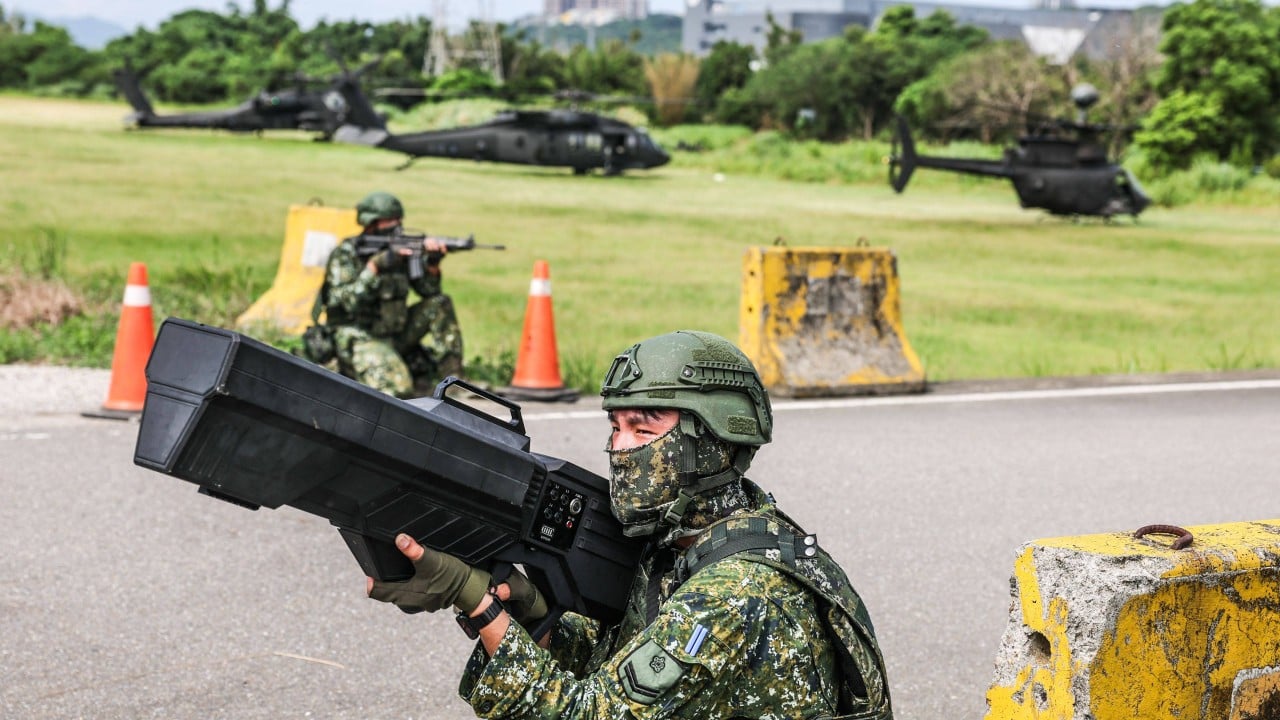
Taiwan’s recent launch of Himars rockets westwards towards the Taiwan Strait highlights how the island’s defensive strategy is shifting to the use of mobile strike weapons to disrupt a mainland Chinese attack before it reaches shore. The exercise on June 10 was the first time the High Mobility Artillery Rocket System had been launched in the direction of mainland China. Beijing has yet to respond to the launches. Analysts said the significance of the drill lay in what it revealed about how...

What launch of Himars rockets towards Taiwan Strait says about Taipei’s battle plans

Taiwan’s recent launch of Himars rockets westwards towards the Taiwan Strait highlights how the island’s defensive strategy is shifting to the use of mobile strike weapons to disrupt a mainland Chinese attack before it reaches shore. The exercise on June 10 was the first time the High Mobility Artillery Rocket System had been launched in the direction of mainland China. Beijing has yet to respond to the launches. Analysts said the significance of the drill lay in what it revealed about how...

Can Hong Kong make a giant leap to commercial space insurance?

Some may feel a lump in their throats as they watch Hong Kong’s first astronaut, Lai Ka-ying, make history, but few see it as anything more than an inspirational story for our youth. In reality, space, which can feel lofty and far away to pragmatic Hongkongers, could hold the key to our city’s economic future. In my previous column, we discussed why Hong Kong represents China’s best chance to build an alternative global maritime insurance system, but also why that remains mission impossible for...

Gulf gamble: will South Korea step up for Strait of Hormuz security?

The expected reopening of the Strait of Hormuz under a US-Iran ceasefire framework could ease pressure on South Korea’s energy-dependent economy while creating a thornier diplomatic problem for Seoul: how much should it contribute to securing the waterway? That question is likely to shadow President Lee Jae Myung’s visit to the Group of Seven summit this week in Evian-les-Bains, France, where the wars in Ukraine and Iran are expected to dominate talks among G7 leaders and several invited...

Obama’s Nuclear Deal Looms Over Trump’s Iran Negotiations

17 Giugno 2026 ore 01:53
President Trump is under pressure to significantly improve upon the Obama-era deal in order to justify the huge human and economic cost of taking the United States to war.

© Haiyun Jiang/The New York Times

President Trump campaigned against the Obama-era deal as far back as 2015, and ultimately killed it during his first term over the objections of many of his top national security aides.

Internal Emails Raise Questions About D.H.S. Ending Haiti Protections

Newly released documents could complicate deliberations by the Supreme Court over whether the Trump administration can immediately cancel deportation protections for some migrants.

© Roberto Schmidt/Agence France-Presse — Getty Images

Guerline Jozef, co-founder and executive director of Haitian Bridge Alliance, in March. A Supreme Court decision on the Trump administration’s handling of humanitarian protections for Haitians is anticipated by the end of the month.

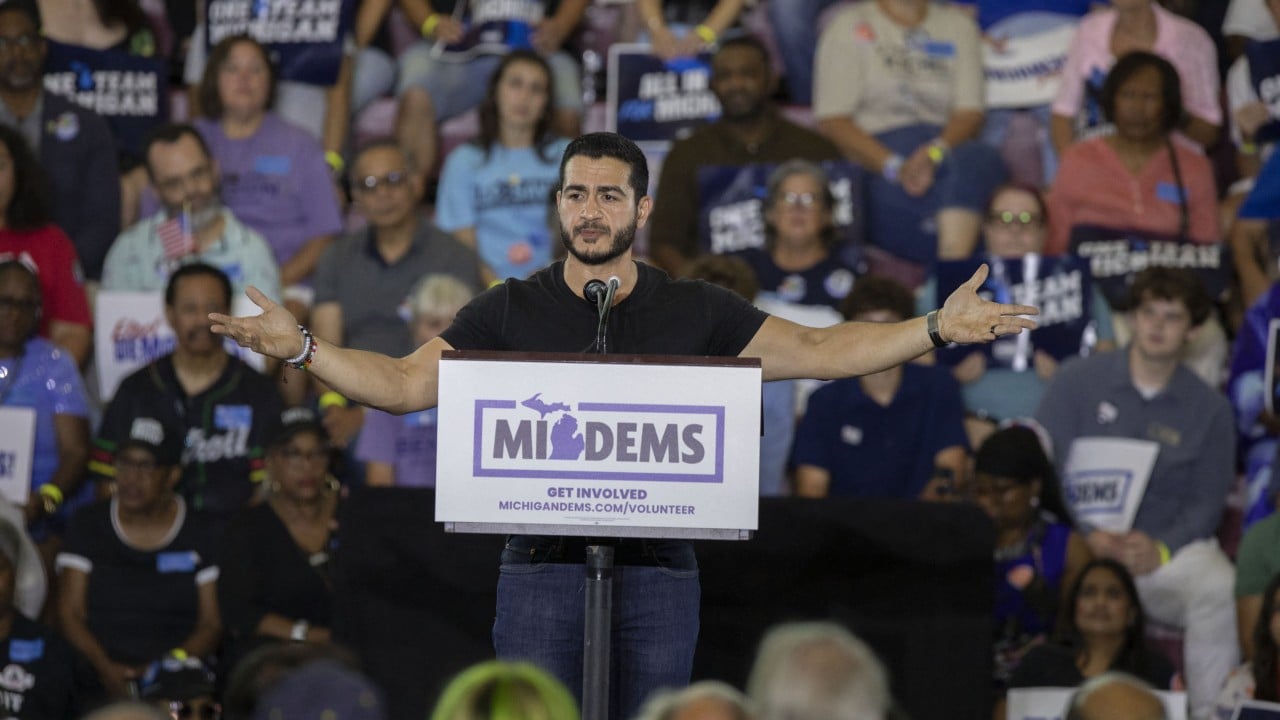
Bay Area Voters to Decide on Swalwell Replacement

16 Giugno 2026 ore 23:25
Eric Swalwell resigned in April as he faced sexual assault allegations, prompting a special election to fill out his term. Two Democrats topped the field in a regular primary election this month.
Ricevuto ieri — 16 Giugno 2026 Stampa Internazionale

Leader of Taiwan’s KMT Cheng Li-wun talks Beijing relations in Washington

The two-week US trip by Taiwan’s main opposition leader offered Washington a different take on cross-Strait relations, although whether it will change anything remains in question, some experts said. Kuomintang (KMT) chairwoman Cheng Li-wun landed back in Taipei early on Tuesday, concluding a five-stop visit she called “beyond expectations”. Cheng began her trip on June 1, visiting San Francisco, Boston, New York, Washington and Los Angeles. She met with representatives from several think tanks...

Leader of Taiwan’s KMT Cheng Li-wun talks Beijing relations in Washington

The two-week US trip by Taiwan’s main opposition leader offered Washington a different take on cross-Strait relations, although whether it will change anything remains in question, some experts said. Kuomintang (KMT) chairwoman Cheng Li-wun landed back in Taipei early on Tuesday, concluding a five-stop visit she called “beyond expectations”. Cheng began her trip on June 1, visiting San Francisco, Boston, New York, Washington and Los Angeles. She met with representatives from several think tanks...

Leader of Taiwan’s KMT Cheng Li-wun talks Beijing relations in Washington

The two-week US trip by Taiwan’s main opposition leader offered Washington a different take on cross-Strait relations, although whether it will change anything remains in question, some experts said. Kuomintang (KMT) chairwoman Cheng Li-wun landed back in Taipei early on Tuesday, concluding a five-stop visit she called “beyond expectations”. Cheng began her trip on June 1, visiting San Francisco, Boston, New York, Washington and Los Angeles. She met with representatives from several think tanks...

G7. L’occidente misura la fine della sua centralità

di: Ng
16 Giugno 2026 ore 15:30

di Giuseppe Gagliano –

Il G7 di Evian-les-Bains si apre sulle rive del Lemano in un momento in cui l’occidente resta ancora potente, ma non più dominante come in passato. I sette grandi continuano a rappresentare un blocco ricco, armato e tecnologicamente avanzato, ma non sono più il direttorio incontestato dell’economia mondiale né la cabina di regia di un ordine internazionale accettato senza riserve dal resto del pianeta.
Il vertice nasce dentro questa trasformazione. Ucraina, Iran, Stretto di Hormuz, Cina, debito dei Paesi poveri, clima, materie prime critiche e sicurezza energetica confermano che il baricentro globale si è spostato. Il G7 non è scomparso, ma ha cambiato funzione. Non decide più da solo il destino del mondo, prova piuttosto a mantenere compatto l’occidente davanti a un sistema internazionale più frammentato, competitivo e meno disposto all’obbedienza automatica.
A dominare la scena è ancora una volta Donald Trump, perché gli Stati Uniti restano il perno indispensabile della strategia occidentale. Per i leader europei il presidente americano è insieme una risorsa e un problema. Solo Washington dispone del peso militare, finanziario e diplomatico necessario per sostenere i fronti aperti, ma Trump interpreta l’alleanza transatlantica con logiche più bilaterali, commerciali e assertive rispetto al multilateralismo tradizionale.
Il vertice mostra così la debolezza europea. L’ue parla di autonomia strategica, sovranità industriale e difesa comune, ma davanti alle grandi crisi continua a dipendere dagli Stati Uniti. Parigi ospita, Bruxelles finanzia, Berlino pesa economicamente e Roma cerca spazio, ma la direzione reale resta legata a Washington. L’Europa è il continente che più subisce gli effetti della guerra in Ucraina, delle crisi energetiche e delle tensioni commerciali, ma fatica a trasformare il proprio peso economico in potere geopolitico.
La guerra in Ucraina resta il primo banco di prova della coesione occidentale. Kiev continua a resistere, ma il conflitto è entrato nella fase dell’usura, dove contano munizioni, uomini, industria, logistica e capacità di sostituire le perdite. La Russia appare provata, ma non prossima al collasso. L’Ucraina, invece, dipende in modo decisivo da finanziamenti, sistemi antiaerei, munizioni, intelligence e sostegno diplomatico occidentale.
Il G7 può promettere nuovi fondi, prestiti, forniture e garanzie, ma resta irrisolta la domanda politica principale: quale deve essere l’esito del conflitto? Vittoria militare completa, congelamento del fronte, accordo con Mosca o nuova architettura di sicurezza europea. Nessuna risposta viene formulata con chiarezza, perché ogni opzione comporta costi politici elevati. Il risultato è una guerra che l’Europa finanzia e subisce, ma non dirige.
Anche la possibile intesa tra Stati Uniti e Iran pesa sul vertice. Lo Stretto di Hormuz resta una delle arterie decisive dell’economia mondiale e ogni tensione nel Golfo si riflette sui prezzi dell’energia, sulle assicurazioni marittime, sui mercati finanziari e sull’inflazione. Teheran non è soltanto un problema regionale, ma una potenza collocata in uno snodo essenziale tra Golfo Persico, Caucaso, Asia centrale e Oceano Indiano.
La questione iraniana riguarda nucleare, petrolio, gas, dollaro, rotte marittime, sanzioni, Israele, monarchie del Golfo, Cina e Russia. Per l’Europa una stabilizzazione del Golfo sarebbe vitale, ma anche su questo dossier il continente resta in posizione debole. Dopo anni di allineamento alla pressione e alle sanzioni, attende che una trattativa guidata da Washington produca stabilità.
Il Golfo, intanto, non è più un protettorato politico. Arabia Saudita, Emirati e Qatar mantengono rapporti profondi con gli Stati Uniti, ma dialogano anche con Cina, Russia e Asia. Non vogliono rinunciare alla protezione americana, ma cercano alternative, margini di autonomia e nuove opzioni finanziarie, energetiche e diplomatiche. Gli alleati non occidentali non sono più comparse, ma soggetti capaci di trattare e cambiare tavolo quando conviene.
Dietro ogni discussione del G7 si intravede la Cina. Pechino è il centro invisibile del vertice: pesa sulla guerra in Ucraina attraverso il rapporto con Mosca, sull’Iran attraverso l’energia asiatica, sulle materie prime critiche attraverso il controllo delle filiere, sulla transizione verde attraverso la produzione di pannelli solari, batterie, componenti e tecnologie industriali. L’occidente ha beneficiato per decenni della produzione cinese a basso costo, ma oggi scopre di aver trasferito anche capacità produttiva e potere negoziale.
La transizione energetica rende evidente questa contraddizione. L’Europa ha costruito regole climatiche ambiziose, la Cina ha costruito fabbriche. Gli Stati Uniti reagiscono con sussidi e protezionismo, mentre l’ue cerca una via intermedia, rischiando però di restare il continente delle norme mentre altri diventano i continenti della produzione.
Il vertice certifica anche il ritorno dello Stato nell’economia. Dopo trent’anni di liberalizzazione e fiducia nelle catene globali del valore, l’occidente riscopre politica industriale, sicurezza economica, protezione delle filiere, controllo degli investimenti, materie prime strategiche e sovranità tecnologica. La pandemia, la guerra in Ucraina, la crisi energetica e la competizione con la Cina hanno mostrato che l’efficienza senza ridondanza diventa vulnerabilità.
Restano invece ai margini sviluppo, debito e clima, temi decisivi per il Sud globale. La riduzione degli aiuti internazionali e la crescita delle spese per difesa e sicurezza indicano una nuova gerarchia delle priorità. Ma povertà, crisi del debito, instabilità climatica e mancanza di infrastrutture producono migrazioni, conflitti, radicalizzazione e nuovi spazi per l’influenza di Cina, Russia, Turchia, India e monarchie del Golfo.
La presenza di Arabia Saudita, Brasile, Corea del Sud, Egitto, India e Kenya conferma che il G7 non può più bastare a sé stesso. Questi Paesi rappresentano energia, demografia, industria, agricoltura, rotte commerciali, materie prime e sicurezza regionale. Non sono ospiti decorativi, ma interlocutori necessari. Non rifiutano l’occidente, ma non accettano più lezioni senza contropartite.
Evian racconta dunque un occidente ancora forte, ma meno capace di orientare da solo l’economia e la politica mondiale. Il G7 resta utile per mantenere aperto un canale di coordinamento tra alleati, ma non basta più a governare il sistema internazionale. La vera sfida non è salvare la forma del vertice, ma capire se l’occidente sia disposto ad accettare che la propria leadership non può più fondarsi sull’obbedienza automatica degli altri. Dovrà negoziare di più, concedere di più, produrre di più e predicare di meno. In caso contrario, il G7 rischia di diventare il rito elegante di un mondo che continua a riunirsi mentre la storia si sposta altrove.

Iran. Intesa con Usa: firma prevista venerdì a Ginevra

di: Ng
16 Giugno 2026 ore 13:30

di Shorsh Surme –

Il presidente degli Stati Uniti, Donald Trump, ha annunciato lunedì che Washington ha raggiunto un accordo con l’Iran per porre fine alla guerra in Medio Oriente. Ha precisato che il testo integrale dell’intesa sarà reso pubblico dopo la firma ufficiale prevista per venerdì e ha confermato che lo Stretto di Hormuz sarà completamente riaperto una volta entrato in vigore l’accordo.
Arrivando a Evian, in Francia, per il vertice del G7, Trump ha dichiarato: «L’accordo con l’Iran è stato raggiunto», aggiungendo che i dettagli saranno diffusi secondo le procedure ufficiali. Ha inoltre affermato che la strategica via navigabile tornerà pienamente operativa entro la fine della settimana.
Nel medesimo contesto, il presidente statunitense ha annunciato che il vicepresidente J.D. Vance si recherà in Svizzera per partecipare alla cerimonia di firma dell’accordo tra Stati Uniti e Iran. Ha spiegato che la firma digitale è già avvenuta e che le procedure formali saranno completate a Ginevra, senza però confermare la propria presenza alla cerimonia. Da parte sua, il presidente francese Emmanuel Macron ha definito il memorandum d’intesa «un passo molto importante per la pace», sottolineando che contribuirà alla riapertura dello Stretto di Hormuz. Le dichiarazioni sono state rilasciate durante una conferenza stampa congiunta con Trump a margine del G7.
Secondo fonti diplomatiche, l’accordo prevede l’apertura dello Stretto di Hormuz per 60 giorni senza il pagamento di tasse, nell’ambito di misure volte a garantire la continuità della navigazione internazionale, insieme agli accordi politici e di sicurezza che saranno definiti nella fase di transizione.
Un funzionario statunitense ha inoltre chiarito che il ritiro di Israele dal Libano non rientra tra le condizioni dell’intesa, ribadendo che Israele mantiene il diritto di difendersi da eventuali attacchi di Hezbollah.
A Teheran, il presidente iraniano Masoud Pezeshkian ha dichiarato che l’intesa con gli Stati Uniti potrebbe costituire un documento «onorevole» per l’Iran, a condizione che tutte le sue disposizioni vengano pienamente attuate. Ha spiegato di aver condotto ampie consultazioni e che la grande maggioranza dei membri del Consiglio supremo per la sicurezza nazionale ha sostenuto il memorandum.
Pezeshkian ha definito l’accordo un passo significativo verso la fine della guerra e l’avvio dei negoziati, pur precisando che l’intesa definitiva non è ancora stata completata. Ha inoltre espresso gratitudine ai funzionari coinvolti, in particolare al presidente del Parlamento Mohammad Bagher Ghalibaf e al ministro degli Esteri Abbas Araqchi.
Nel frattempo, Araqchi ha annunciato che il primo round di negoziati tra Iran e Stati Uniti inizierà dopo la firma ufficiale del memorandum. Ha anticipato che venerdì potrebbe tenersi in Svizzera un incontro preliminare tra i capi delle delegazioni, mentre i negoziati veri e propri inizieranno successivamente.
I media iraniani hanno citato il viceministro degli Esteri Kazem Gharibabadi, secondo cui il testo del memorandum è stato finalizzato e la firma è prevista per venerdì a Ginevra.
Il primo ministro pakistano Shehbaz Sharif ha annunciato che l’intesa tra Washington e Teheran prevede la cessazione delle operazioni militari su vari fronti, compreso quello libanese, nell’ambito di un accordo più ampio volto a porre fine all’escalation regionale. Secondo alcune fonti, l’accordo include un cessate il fuoco e la riapertura delle rotte marittime, mentre questioni controverse come il programma nucleare iraniano e il regime delle sanzioni saranno affrontate in negoziati successivi durante un periodo iniziale di attuazione di 60 giorni.
Gli scontri tra le parti erano iniziati il 28 febbraio, estendendosi rapidamente a diverse aree della regione, fino al cessate il fuoco temporaneo dell’8 aprile, che ha aperto la strada all’attuale intesa.
Al momento non sono state rilasciate dichiarazioni ufficiali definitive da parte degli attori regionali coinvolti riguardo ai dettagli dell’accordo e ai suoi meccanismi di attuazione.

Myanmar. Pechino legittima Min Aung Hlaing e rafforza la propria presa strategica

di: Ng
16 Giugno 2026 ore 12:30

di Giuseppe Gagliano –

La visita di Min Aung Hlaing a Pechino segna un passaggio politico rilevante nella crisi del Myanmar. La Cina ha scelto di offrire al leader militare birmano una legittimazione di alto livello, trasformando la fragilità del Paese in una leva strategica per consolidare la propria influenza nel Sud Est asiatico.
L’incontro con Xi Jinping consente a Min Aung Hlaing di mostrare di non essere isolato dopo il colpo di Stato del 2021, la guerra civile e la trasformazione formale della giunta in potere presidenziale. Per Pechino, tuttavia, il Myanmar non è un alleato ideologico, ma un corridoio verso l’Oceano Indiano, una frontiera sensibile e una riserva di risorse minerarie fondamentali.
I diciotto accordi firmati durante la visita riguardano trasporti transfrontalieri, libero scambio, sanità, assistenza in caso di calamità naturali e cooperazione nell’informazione. Dietro il linguaggio diplomatico, però, emerge l’interesse cinese a proteggere infrastrutture, rotte commerciali e accesso alle materie prime.
Lo Stato di Kachin, attraversato dai combattimenti, ospita importanti giacimenti di terre rare pesanti, mentre lo Stato Shan collega il Myanmar alla Cina attraverso aree di frontiera decisive per gli scambi. La presenza nella delegazione birmana dei primi ministri di queste regioni indica che il confronto ha riguardato anche miniere, energia, confini, strade e controllo del territorio.
Anche la possibile riapertura del progetto della diga di Myitsone, investimento cinese da 3,6 miliardi di dollari sospeso nel 2011, conferma il peso geoeconomico del Myanmar per Pechino. Per la Cina il Paese è una piattaforma strategica; per Naypyidaw è allo stesso tempo protezione, finanziamento e rischio di subordinazione.
La posta più importante resta il corridoio economico tra la provincia cinese dello Yunnan e il Golfo del Bengala. Oleodotti, gasdotti, strade, ferrovie e porti in acque profonde servono a ridurre la dipendenza cinese dalle rotte marittime più esposte e a garantire un accesso terrestre all’Oceano Indiano.
Proprio per questo il Myanmar vale più del suo peso economico. È uno Stato povero, instabile e lacerato dalla guerra, ma la sua posizione geografica lo rende essenziale nella strategia cinese. La Nuova Via della Seta passa anche da qui, attraverso un Paese debole che ha bisogno di sostegno diplomatico, investimenti e protezione politica.
Dal punto di vista militare, Pechino non vuole il crollo del Myanmar. Un collasso totale provocherebbe profughi, traffici illegali, gruppi armati fuori controllo e rischi diretti per i progetti cinesi. La Cina cerca stabilità, non necessariamente riconciliazione nazionale, e per questo continua a considerare l’esercito birmano l’interlocutore più utile.
Le forze armate controllano ancora gli apparati centrali, ma hanno perso terreno in molte aree periferiche. Pechino mantiene quindi una linea flessibile: sostiene il potere centrale quando serve, ma conserva contatti anche con realtà locali e gruppi di frontiera capaci di garantire sicurezza agli interessi cinesi.
Min Aung Hlaing ottiene così un riconoscimento importante, ma non una soluzione alla guerra interna. Xi può rafforzarlo sul piano diplomatico, non restituirgli il pieno controllo del territorio. La Cina può proteggerlo dall’isolamento internazionale, ma non cancellare la frattura birmana.
L’isolamento occidentale del Myanmar ha favorito l’avanzata cinese. Sanzioni e condanne hanno colpito la giunta, ma non l’hanno rovesciata, mentre Pechino è rimasta sul terreno, trattando, investendo, mediando e facendo pressione quando necessario.
La Cina non ha bisogno di proclamare una conquista: le basta diventare indispensabile. Oggi, per il potere birmano, Pechino lo è. Gli arresti di Min Zin, studioso birmano americano fermato in Cina con l’accusa di spionaggio, e di Adam Castillo, ex ufficiale dei Marines ed ex presidente della Camera di Commercio Americana in Myanmar, confermano il clima opaco in cui diplomazia, intelligence, affari e controllo dell’informazione si sovrappongono.
Per Min Aung Hlaing la visita a Pechino è una vittoria d’immagine. Può mostrarsi ricevuto dal presidente cinese, firmare accordi e presentarsi come guida riconosciuta da una grande potenza. La vittoria strategica, però, appartiene soprattutto alla Cina.
Pechino non ha scelto un partner forte, ma un partner debole e necessario. Non ha risolto la crisi del Myanmar, l’ha trasformata in una leva. La giunta ottiene ossigeno politico; la Cina ottiene spazio, risorse, accessi e influenza.
Il popolo birmano resta invece stretto tra guerra interna, crisi economica e ambizioni straniere. L’abbraccio di Xi a Min Aung Hlaing non chiude la crisi, ma la inserisce in una nuova gerarchia regionale, con la Cina in posizione dominante e il Myanmar sempre più necessario agli altri e sempre meno padrone di sé stesso.

Corporate leaders turn to new doctorate to strategise AI adoption

[The content of this article has been produced by our advertising partner.] For modern-day businesses, effective AI adoption is increasingly seen as make or break if they are to stay competitive. Executives do see this potential but frequently reduce it to little more than a tool for drafting reports or creating slides.  And this digital divide is what the Doctor of Business Artificial Intelligence (DBAI) at PolyU Business School of the Hong Kong Polytechnic University sets out to address. As...

Man ‘mistakenly beat girlfriend to death while trying to help her lose weight’

16 Giugno 2026 ore 17:57
A jobless man accused of killing his girlfriend in a Hong Kong village house and illegally disposing of her body four years ago has claimed he mistakenly beat her to death while trying to help her lose weight by keeping her awake at night. Ng Ka-sing, 29, is standing trial at the High Court for allegedly murdering his 30-year-old partner Yip Tsz-ching at their 700 sq ft flat in Galore Garden in Hung Shui Kiu between April 28 and 29, 2022. The defendant had offered to plead guilty to the lesser...

Trump Says U.S. Has ‘Nothing to Do’ With Ukraine War at G7 Summit

President Trump’s remarks underscored a new security reality for U.S. allies in Europe, who for eight decades relied on American protection.

© Haiyun Jiang/The New York Times

President Trump at the G7 Summit in Evian-les-Bains, France.

Trump Says U.S. Has ‘Nothing to Do’ With Ukraine War at G7 Summit

President Trump’s remarks underscored a new security reality for U.S. allies in Europe, who for eight decades relied on American protection.

© Haiyun Jiang/The New York Times

President Trump at the G7 Summit in Evian-les-Bains, France.

Hong Kong court rejects HK$12m claim against Cecilia Cheung over contract dispute

16 Giugno 2026 ore 17:47
A Hong Kong court has dismissed a HK$12 million (US$1.53 million) claim against actress Cecilia Cheung Pak-chi by her former agent, finding that she had never signed an agency contract she allegedly breached nor received advance payment for her services. Cheung, 46, was involved in a legal battle with Asia Entertainment Group (AEG) president Samuel Yu Yuk-hing for allegedly reneging on her promise to appear in several films produced by the now-liquidated company between 2011 and 2019, pursuant...

Ue. Il Parlamento approva gli accordi commerciali UE-USA

di: Ng
16 Giugno 2026 ore 13:00

EpItalia

Gli eurodeputati hanno approvato in via definitiva due atti legislativi che attuano gli impegni tariffari dell’UE nel quadro della dichiarazione congiunta UE-USA dell’agosto 2025. Il regolamento principale, approvato con 440 voti favorevoli, 151 contrari e 50 astensioni, elimina i dazi su tutte le merci industriali degli Stati Uniti e prevede l’accesso preferenziale al mercato per un’ampia gamma di prodotti ittici e agricoli statunitensi.
Il secondo regolamento, approvato con 444 voti favorevoli, 152 contrari e 54 astensioni, riguarda la proroga dell’esenzione dai dazi delle importazioni di astice e comprende ora anche l’astice trasformato.
Entrambe le proposte, precedentemente approvate dai negoziatori del Parlamento e del Consiglio, introducono diversi elementi che rafforzano la proposta iniziale della Commissione.
Il regolamento principale sulle importazioni industriali e agroalimentari cesserà di applicarsi il 31 dicembre 2029. Entro il 30 giugno 2029, la Commissione presenterà valuterà l’impatto del regolamento su industria, agricoltura e piccole e medie imprese nell’UE, nonché le variazioni nelle relazioni commerciali con i paesi terzi. Se opportuno, la valutazione sarà accompagnata da una proposta legislativa volta a prorogare l’applicazione del regolamento.
Nell’agosto 2025, gli Stati Uniti hanno aggiunto 407 categorie di prodotti all’elenco dei prodotti derivati dell’acciaio e dell’alluminio soggetti a dazi. Il Parlamento ritiene che questi nuovi dazi aumentino l’instabilità commerciale. Pertanto, su insistenza dei deputati, il regolamento principale prevede la possibilità per la Commissione di sospendere le concessioni accordate agli Stati Uniti sui prodotti in acciaio e alluminio se al 31 dicembre 2026 questi continueranno ad applicare un’aliquota tariffaria superiore al 15% sui prodotti derivati dall’acciaio e dall’alluminio importati dall’UE. Entro il 1° dicembre 2026, la Commissione presenterà al Parlamento europeo e al Consiglio una relazione sul trattamento tariffario dei prodotti derivati dell’acciaio e dell’alluminio.
La Commissione potrà inoltre sospendere le preferenze tariffarie se gli Stati Uniti non risponderanno alle preoccupazioni dell’UE in merito al trattamento tariffario delle esportazioni dell’Unione, che fino al 24 febbraio 2026 hanno beneficiato del massimale tariffario onnicomprensivo del 15%.
Parlamento e Consiglio hanno infine concordato l’istituzione di un meccanismo di salvaguardia nel caso in cui le preferenze tariffarie concesse agli Stati Uniti comportino un aumento delle importazioni che potrebbe compromettere l’industria dell’UE, compreso il settore agricolo. La Commissione potrà avviare indagini di propria iniziativa o sulla base di informazioni fornite da uno o più Stati membri o dal Parlamento europeo. La Commissione presenterà al Parlamento e al Consiglio una relazione trimestrale sulle variazioni dei volumi e dei valori commerciali delle esportazioni statunitensi dei beni contemplati dalla normativa.
Bernd Lange (S&D, DE), presidente della commissione per il commercio internazionale e relatore permanente per gli Stati Uniti, ha dichiarato: “Nonostante le pressioni, il Parlamento ha mantenuto la propria posizione per tutto il corso dei negoziati. La nostra determinazione ha dato i suoi frutti, consentendo di raggiungere un accordo più solido per le imprese e i cittadini europei e di introdurre garanzie molto più robuste rispetto a quanto inizialmente previsto.
“Trasponendo nella legislazione gli impegni assunti dall’UE nella dichiarazione congiunta, questo regolamento entra a far parte della cassetta degli attrezzi difensiva dell’UE: non solo rafforza e stabilizza le relazioni commerciali tra UE e Stati Uniti, ma conferisce anche all’UE la capacità di reagire qualora gli Stati Uniti non rispettino la propria parte dell’accordo. Grazie alla ferma posizione del Parlamento, il testo finale contiene ora una rete di sicurezza molto più solida, che comprende una clausola di sospensione, una clausola di scadenza, una clausola di salvaguardia, meccanismi di revisione rafforzati e un controllo democratico più forte.
“Disporre degli strumenti giusti è solo metà del lavoro. Serve anche volontà politica. Continueremo a monitorare attentamente l’attuazione di questo accordo. Se la parte statunitense violerà la lettera o lo spirito dell’accordo di Turnberry, il Parlamento insisterà affinché la Commissione utilizzi pienamente e tempestivamente ogni strumento previsto da questo regolamento e dal più ampio arsenale dell’UE. Un partenariato transatlantico stabile e prospero può avere successo solo se entrambe le parti restano impegnate a sostenerlo.”
Dopo l’approvazione del Parlamento, spetterà al Consiglio approvare formalmente i testi concordati. La nuova normativa entrerà in vigore il giorno successivo alla pubblicazione nella Gazzetta ufficiale dell’UE.
Il 27 luglio 2025, a Turnberry, in Scozia, il presidente degli Stati Uniti Donald Trump e la presidente della Commissione europea Ursula von der Leyen hanno raggiunto un accordo su questioni tariffarie e commerciali, che è stato presentato in una dichiarazione comune. Il 28 agosto 2025, la Commissione ha pubblicato due proposte legislative intese ad attuare gli aspetti tariffari dell’accordo di Turnberry.

Trump al G7, ‘Putin deve accordarsi con Zelensky’

di: Ng
16 Giugno 2026 ore 16:10

Dire *

Ad Évian-les-Bains, il G7 si muove al ritmo di Trump. Gli altri leader hanno aspettato quasi un’ora in sala prima che arrivassero Macron, Trump e Zelensky. Una attesa che, a giudicare dalle facce, non sembrava fosse prevista nel programma. Quando Trump è entrato, Friedrich Merz gli è quasi corso incontro – racconta il Guardian – per consegnargli la maglia della nazionale tedesca col numero 47 (quello del quarantasettesimo presidente degli Stati Uniti) e assicurarsi la foto del giorno. Il nonno di Trump, di nome Friedrich, nacque a Kallstadt nel 1869: in teoria, ha scherzato qualcuno, potrebbe persino avere i requisiti per giocare con la Mannschaft.
L’aneddoto dice molto sul tono del vertice. Il summit di quest’anno si riduce essenzialmente alla gestione di un solo uomo e delle sue posizioni sulle questioni del giorno: Ucraina, Medio Oriente, equilibri commerciali. Gli altri, Canada, UE, Francia, Germania, Italia, Giappone, Regno Unito, manovrano intorno a lui cercando di non perdere terreno.
Al tavolo si è seduto anche Volodymyr Zelensky, con un obiettivo preciso: tenere vivo il sostegno americano, nel timore che Trump possa essere tentato di riaprire un canale diretto con Mosca, scavalcando i partner europei.
Giorgia Meloni, scrive il Corriere della Sera, ha commentato così l’incontro con Trump: “E’ andata benissimo, abbiamo parlato come se nulla fosse, abbiamo riso e scherzato.Non avevo dubbi, tutto bene”. Un disgelo, lo hanno definito i presenti. Anche se, in questo G7, il termometro lo tiene in mano uno solo.
Trump ha detto che “la Russia dovrebbe raggiungere un accordo”, confermando di aver avuto un “ottimo incontro” con Zelensky e che lo incontrerà di nuovo più tardi.
“La Russia dovrebbe trovare un accordo. La Russia ha perso un numero enorme di persone, e lo stesso vale per l’Ucraina. Il mese scorso hanno perso 35mila soldati in totale, e questo su base mensile. In media perdevano 25mila persone, per lo più soldati, giovani e belle, ed è pazzesco quello che sta succedendo lì. Abbiamo avuto un incontro, e vedremo… Ho parlato con il presidente Putin domenica”.
Zelensky ha ringraziando i leader per il tempo dedicato alla questione Ucraina e “per le idee concrete su come costringere la Russia alla pace”: “Le priorità sono chiare: più missili per la difesa aerea, insieme alle licenze per produrli, un pacchetto di supporto invernale e l’intensificarsi della pressione sulla Russia. È importante sottolineare che gli Stati Uniti sono pronti a fornire supporto in tutte queste linee d’azione”.
È fondamentale che tutto ciò che è stato discusso venga attuato. La Russia deve capire che la sua guerra non verrà mai normalizzata. Ringrazio tutti coloro che stanno dando il loro contributo”.
Interrogato sui suoi colloqui Trump, ha detto di avergli raccontato “tutto”. E che i leader hanno concordato all’unanimità sul fatto che “la Russia deve raggiungere un accordo il più rapidamente possibile”.
Zelensky ha poi pungolato Trump, dicendo di aver bisogno che il presidente degli Stati Uniti eserciti maggiore pressione sulla Russia: “Trump può farlo, o forse solo lui”. Afferma inoltre che Trump si è mostrato “molto favorevole al loro aiuto con i missili”.
Trump ha deciso di non tornare a casa, per cena. Ha accettato l’invito di Emmanuel Macron alla Reggia di Versailles, per celebrare il 250mo anniversario dell’indipendenza degli Stati Uniti: “Sono un appassionato di posti incantevoli, e stavo per partire nel pomeriggio, quando il Presidente francese, che peraltro è una persona squisita, mi ha invitato a cena a Versailles… e Versailles non è una foglia d’oro, Versailles è autentica. Ho detto che mi sarebbe piaciuto farlo, insomma, significa solo che torno a casa più tardi la sera, ovvero la mattina presto, e comunque non ho molto sonno“.

* Fonte: agenzia Dire.

Accordo Usa-Iran, Confeuro: “Bene per agricoltura. Pace duratura, Trump sia coerente”

di: Ng
16 Giugno 2026 ore 15:34

“L’intesa preliminare raggiunta tra Usa e Iran, che dovrebbe culminare con la firma dell’accordo di pace prevista a Ginevra il prossimo 19 giugno, rappresenta una notizia di grande rilevanza sul piano umanitario, sociale ed economico. La fine di un conflitto inutile e dannoso costituisce un segnale positivo per la stabilità internazionale e per tutti i comparti produttivi, a partire dall’agricoltura, che negli ultimi mesi ha subito pesanti ripercussioni a causa dell’aumento dei costi energetici, logistici e delle materie prime, inclusi i fertilizzanti chimici”. Lo dichiara Andrea Tiso, presidente nazionale di Confeuro- Confederazione Agricoltori Europei. “Ci auguriamo – prosegue – che l’accordo sia completo, credibile e soprattutto duraturo. La comunità internazionale ha bisogno di certezze e stabilità, non di soluzioni temporanee o di brevi parentesi diplomatiche. In questo senso, auspichiamo che Trump mantenga una linea coerente, contribuendo al consolidamento di un percorso di pace che deve essere sostenuto e rafforzato nel tempo. Guardiamo inoltre con favore alla prospettiva della piena riapertura dello Stretto di Hormuz, passaggio strategico per i traffici energetici mondiali. Una normalizzazione della situazione potrebbe favorire una progressiva riduzione dei costi del gasolio e della logistica, contribuendo ad attenuare le spinte inflazionistiche che hanno gravato su imprese agricole e famiglie. Ue e Italia – conclude il presidente di Confeuro – sostengano con convinzione questo percorso di pace, affiancandolo a una strategia volta a ridurre la dipendenza dalle importazioni di fertilizzanti chimici dai Paesi terzi. Occorre investire maggiormente in agroecologia, agricoltura rigenerativa, concimi organici e pratiche sostenibili. Al tempo stesso, è fondamentale mantenere gli strumenti di sostegno attivati negli ultimi mesi su fertilizzanti ed energia e prevedere, nella futura Pac, misure di liquidità immediata per le piccole e medie aziende agricole nei momenti di crisi geopolitica. Per tutelare e rilanciare il settore primario non servono miracoli, ma politiche stabili, lungimiranti e capaci di garantire continuità e sviluppo”.

Corea del Sud. Si rafforza la cooperazione bilaterale con l’Italia

di: Ng
16 Giugno 2026 ore 15:00

di Vincenzo Tartaglia

Il presidente della Corea del Sud, Lee Jae Myung, ha effettuato in questi giorni un’importante visita di Stato in Italia, dove ha incontrato il presidente del Consiglio Giorgia Meloni e il presidente della Repubblica Sergio Mattarella con l’obiettivo di rafforzare e valorizzare le storiche relazioni bilaterali tra i due Paesi, avviate nel 1884.
Il 12 giugno, a Roma, si è svolto il Forum economico di alto livello tra Italia e Corea del Sud. Il ministro degli Esteri Antonio Tajani e il presidente della Repubblica di Corea Lee Jae Myung hanno aperto i lavori dell’evento, al quale è intervenuto anche il ministro coreano del Commercio, dell’Industria e delle Risorse.
L’iniziativa ha riunito presidenti, amministratori delegati e vertici dei principali gruppi industriali e imprenditoriali dei due Paesi, con l’obiettivo di consolidare una partnership economica fondata su innovazione, sostenibilità e sicurezza delle catene globali del valore. Tra le aziende italiane presenti figuravano Eni-Enilive, Webuild, Fincantieri, Thales Alenia Space Italia, Sparkle e Ferrari, mentre la delegazione sudcoreana comprendeva rappresentanti di Samsung, Hyosung, Naver, Hyundai e il presidente della Federazione delle industrie sudcoreane, Ryu Jin.
Il Forum, come riferito dall’ufficio stampa del ministero degli Affari esteri e della Cooperazione internazionale, si è concentrato sull’intensificazione degli scambi commerciali e degli investimenti nei settori strategici dei semiconduttori, dell’intelligenza artificiale, dello spazio, delle infrastrutture, dell’energia, della mobilità sostenibile, della meccanica avanzata, dell’elettronica, dell’aerospazio, dell’agroalimentare, della cosmetica e della moda.
Il confronto si inserisce nel quadro del nuovo Piano d’Azione Strategico Italia-Corea 2026-2030, adottato in occasione della visita del presidente della Repubblica di Corea a Roma, che individua nei semiconduttori, nell’intelligenza artificiale e nella transizione energetica i principali pilastri della cooperazione bilaterale.
La Corea del Sud rappresenta oggi il terzo mercato di destinazione dell’export italiano nell’area Asia-Pacifico. Tra il 2019 e il 2025 l’interscambio commerciale tra la Repubblica italiana e la Repubblica di Corea è cresciuto del 26,54%, mentre le esportazioni italiane sono aumentate del 21,34%.
Secondo quanto riportato dal Korea Times, durante la visita del presidente Lee Jae Myung agli Uffizi è stato inoltre firmato il primo storico protocollo d’intesa tra il Museo Nazionale della Corea e la Galleria degli Uffizi di Firenze.
L’accordo prevede una più stretta cooperazione tra le due istituzioni nei settori dello scambio di collezioni, dell’organizzazione di mostre, della gestione e del restauro delle opere, oltre che delle attività editoriali.
Il presidente sudcoreano ha concluso oggi, 16 giugno, la sua visita in Italia per raggiungere Evian-les-Bains, in Francia, dove parteciperà al vertice del G7. Nelle dichiarazioni rilasciate al termine della missione, Lee Jae Myung ha espresso soddisfazione per il livello raggiunto dalle relazioni bilaterali, definendo Italia e Corea del Sud partner ideali per la cooperazione economica e industriale. Il capo dello Stato ha inoltre sottolineato che i due Paesi possono contribuire alla costruzione di un nuovo ordine industriale attraverso una collaborazione più stretta e che l’elevazione dei rapporti a partenariato strategico speciale rappresenta un importante salto di qualità, destinato a rafforzare la presenza diplomatica ed economica sudcoreana in Europa.

Svezia. Cala ancora il sostegno all’euro

di: Ng
16 Giugno 2026 ore 14:00

di Giuseppe De Santis –

In Svezia diminuisce ulteriormente il consenso verso l’adozione dell’euro. A oltre vent’anni dal referendum del 2003, quando la maggioranza degli elettori respinse l’ingresso del Paese nella moneta unica europea, i sondaggi mostrano una crescente distanza dell’opinione pubblica da questa prospettiva.
All’epoca quasi tutti i principali mezzi di informazione sostenevano l’adesione all’euro, ma il voto popolare si concluse con una netta vittoria del fronte contrario. Ventitré anni dopo, anziché aumentare, il sostegno alla moneta unica sembra diminuire.
Secondo un recente sondaggio condotto da Statistics Sweden, soltanto il 28,7% degli svedesi voterebbe oggi a favore dell’adozione dell’euro, mentre il 52,1% si dichiara contrario. Si tratta di un calo rispetto al 2025, quando i favorevoli erano il 32% e i contrari il 49,5%.
Il dato assume particolare rilevanza alla luce delle dichiarazioni del primo ministro Ulf Kristersson, che aveva affermato di voler istituire, in caso di riconferma dopo le elezioni di settembre, una commissione incaricata di valutare vantaggi e svantaggi di un eventuale ingresso nell’eurozona.
Alla luce dell’orientamento espresso dall’opinione pubblica, l’ipotesi di un’adesione della Svezia alla moneta unica appare tuttavia sempre più lontana. La maggioranza degli svedesi continua infatti a preferire il mantenimento della corona svedese, considerata uno strumento efficace per la gestione della politica economica nazionale.

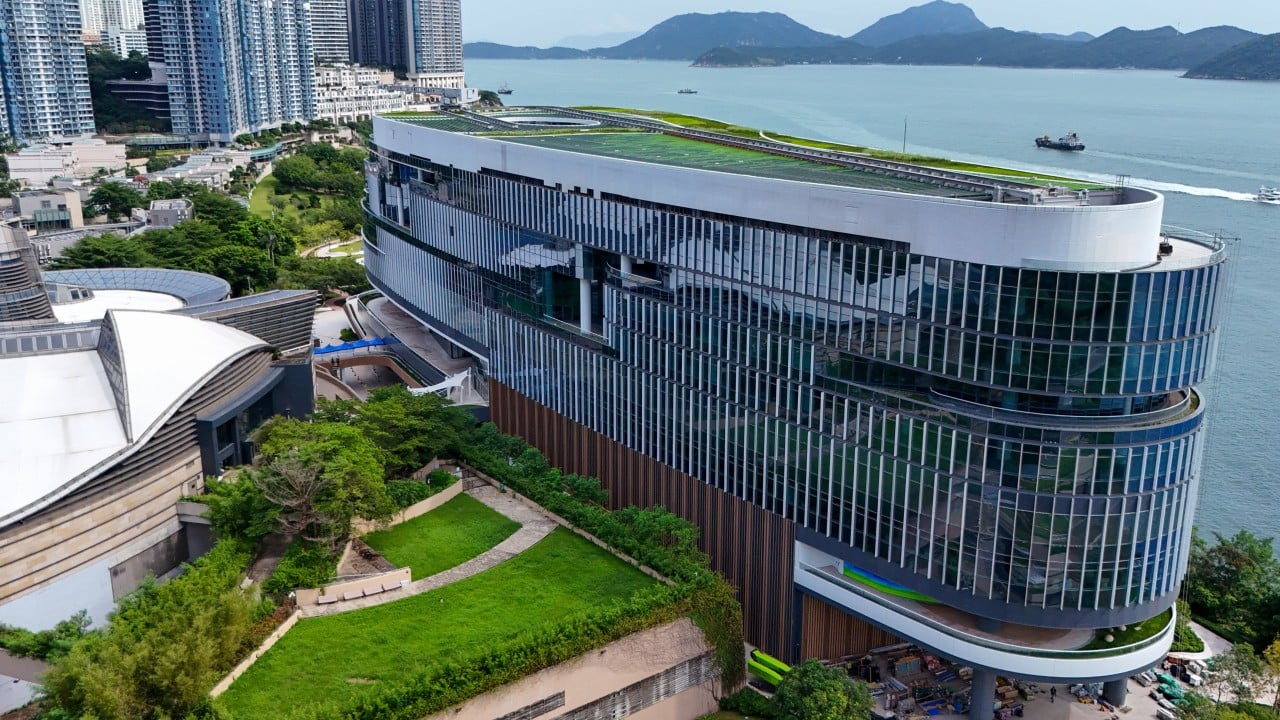
Hong Kong Science Park, SenseTime partner to build home-grown AI data centre

16 Giugno 2026 ore 14:07
The Hong Kong Science and Technology Park (HKSTP) and SenseTime, a Chinese artificial intelligence firm headquartered and listed in the city, have partnered to build a home-grown AI data centre by 2030 to support the sector’s industrialisation. The data centre will be built in three stages, with phase one expected for completion by the end of this year, targeting 40,000 petaflops – a measure of computing power used to train AI models – by 2030, the HKSTP said on Tuesday. Terry Wong Ping-sau,...

Daniele Di Vuono

di: Ng
16 Giugno 2026 ore 13:04
Daniele Di Vuono.

Daniele Di Vuono è autore e curatore di Storie di Confine, progetto editoriale indipendente dedicato a storia, geopolitica, società e trasformazioni del presente.

Nei suoi articoli unisce lettura geopolitica, memoria storica e attenzione ai processi di lungo periodo, con un taglio analitico e narrativo. Si occupa in particolare di geopolitica globale, ordine mondiale, Europa, Mediterraneo, Medio Oriente, Asia-Pacifico, energia, geoeconomia, conflitti, sicurezza internazionale e guerra dell’informazione.

Con Notizie Geopolitiche propone analisi dedicate agli scenari internazionali, alle crisi regionali, alla competizione tra potenze e ai nuovi equilibri globali, cercando di collegare l’attualità ai processi politici, storici e strategici che la attraversano.

email: storiediconfine.didivuono@storiediconfine.com

Articoli di Daniele Di Vuono.

Hong Kong tutor admits to molesting 5 boys, filming abuse as ‘mementos’

16 Giugno 2026 ore 12:31
An owner of a Hong Kong private tutorial centre has admitted to molesting five boys and filming some of the offences, claiming he did so out of curiosity. Yu Hey-tsit, 46, pleaded guilty at the High Court on Tuesday to 15 counts of indecent assault and four of making child pornography. The crimes came to light on August 24, 2023, after a 12-year-old boy confided in his grandmother that Yu had kissed and groped him on multiple occasions at the now-closed Prime Solid Learning Education Centre in...

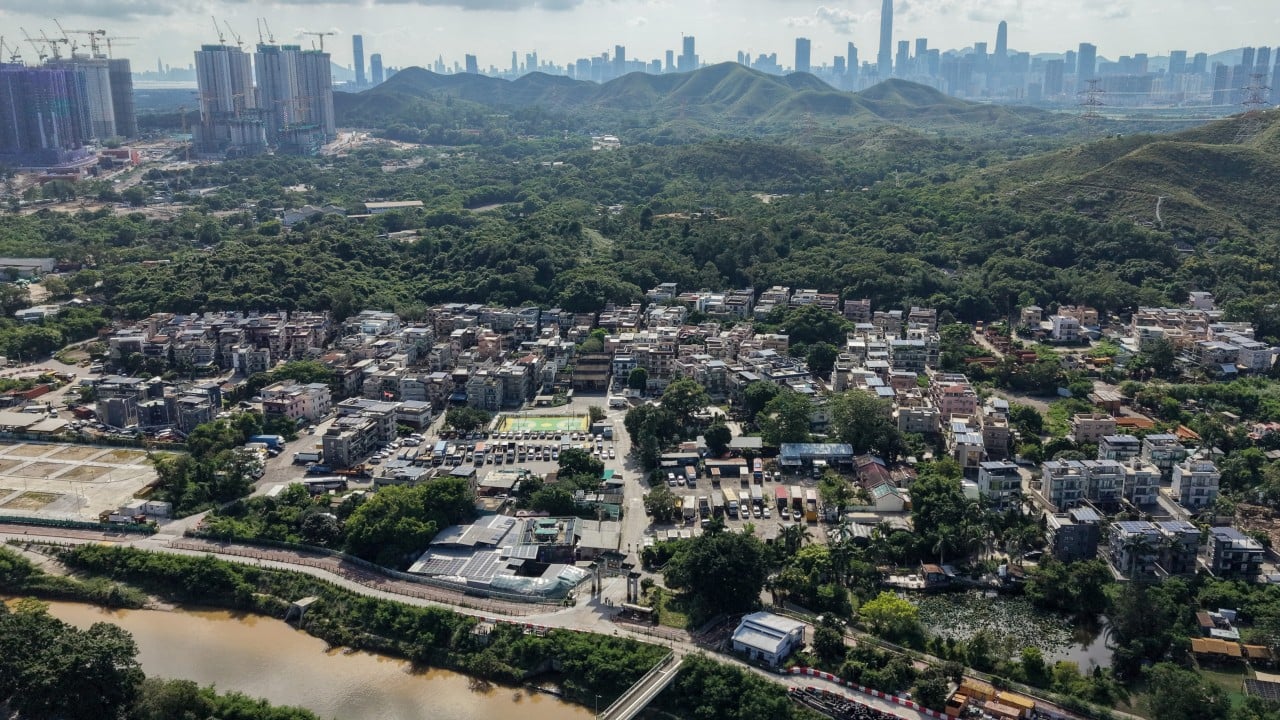
Top legislative body to discuss Hong Kong’s shared control at upgraded crossing

China’s top legislative body will discuss a bill next week to authorise Hong Kong’s jurisdiction over part of the redeveloped Huanggang Port in Shenzhen that will adopt a “co-location” arrangement when it opens next month. Meetings to be held by the National People’s Congress Standing Committee between June 23 and 26 in Beijing were announced on Tuesday after its chairman, Zhao Leji, chaired a discussion at the Great Hall of the People in the capital. According to state news agency Xinhua, the...

China showcases anti-drone air defences at Paris show as conflict fuels demand

China’s largest ground-based arms manufacturer is displaying air defence systems specifically for drone warfare, along with advanced artillery equipment at this year’s Eurosatory exhibition in France. Demand for air defence solutions is skyrocketing, fuelled by the conflict in Ukraine and the US-Israeli war on Iran which have been largely defined by the use of unmanned aerial vehicles (UAV) and missiles. North Industries Group Corporation (Norinco) is using miniature models to display its...

China showcases anti-drone air defences at Paris show as conflict fuels demand

China’s largest ground-based arms manufacturer is displaying air defence systems specifically for drone warfare, along with advanced artillery equipment at this year’s Eurosatory exhibition in France. Demand for air defence solutions is skyrocketing, fuelled by the conflict in Ukraine and the US-Israeli war on Iran which have been largely defined by the use of unmanned aerial vehicles (UAV) and missiles. North Industries Group Corporation (Norinco) is using miniature models to display its...

China ‘Goose Leg Auntie’ celebrated for street snacks slammed for using inexpensive duck legs

16 Giugno 2026 ore 12:00
China’s “Goose Leg Auntie” has come under fire after allegedly selling cheaper duck legs as raw materials. Chen Xiufeng, a 56-year-old street vendor in Beijing, built a loyal following with her 16 yuan (US$2) roast “goose legs”, promoted through social media pre-order groups. After arriving in Beijing in 2000 to sell fruit outside university gates, Chen later became known as “Goose Leg Auntie” because students queued at night for her popular goose leg snack. Students from two top universities...

Australia’s Former Electricity Substations Are Being Turned Into Homes

16 Giugno 2026 ore 06:01
In a country where the housing market is squeezed, decommissioned electrical substations are in demand as refurbished residences.

© Adam Ferguson for The New York Times

Sam Thomlinson, left, conducting an open inspection at the Bondi Beach property.

China ‘overcapacity’ is a smokescreen for Western protectionism

“Overcapacity” has become the buzzword in Washington and Brussels. American and European policymakers insist China churns out far more steel, electric vehicles and green technology than it can absorb, flooding the world with subsidised goods. Yet the economic data tells a different story: of double standards, protectionist impulses and a habit of moving the goalposts. Start with steel. Western officials point to China’s massive output as proof of distortion. But China official data puts the...

China ‘overcapacity’ is a smokescreen for Western protectionism

“Overcapacity” has become the buzzword in Washington and Brussels. American and European policymakers insist China churns out far more steel, electric vehicles and green technology than it can absorb, flooding the world with subsidised goods. Yet the economic data tells a different story: of double standards, protectionist impulses and a habit of moving the goalposts. Start with steel. Western officials point to China’s massive output as proof of distortion. But China official data puts the...

China declares branch of ‘Xi Jinping Thought’ as official party doctrine

China’s ruling Communist Party has announced a new branch of President Xi Jinping’s political thought, which stresses governing the party with discipline and unified leadership. During a national conference on party building on Monday, the concept of “Xi Jinping Thought on Party Building” was hailed as “a milestone in the history of Marxist theory on party building and in the history of Chinese Communist Party building”, according to a report from state broadcaster CCTV. The new phrase was...

China declares branch of ‘Xi Jinping Thought’ as official party doctrine

China’s ruling Communist Party has announced a new branch of President Xi Jinping’s political thought, which stresses governing the party with discipline and unified leadership. During a national conference on party building on Monday, the concept of “Xi Jinping Thought on Party Building” was hailed as “a milestone in the history of Marxist theory on party building and in the history of Chinese Communist Party building”, according to a report from state broadcaster CCTV. The new phrase was...

China declares branch of ‘Xi Jinping Thought’ as official party doctrine

China’s ruling Communist Party has announced a new branch of President Xi Jinping’s political thought, which stresses governing the party with discipline and unified leadership. During a national conference on party building on Monday, the concept of “Xi Jinping Thought on Party Building” was hailed as “a milestone in the history of Marxist theory on party building and in the history of Chinese Communist Party building”, according to a report from state broadcaster CCTV. The new phrase was...

Hong Kong watchdog launches data privacy academy to develop top talent in sector

16 Giugno 2026 ore 09:35
Hong Kong’s privacy watchdog has launched a data privacy academy as part of efforts to align with the national strategy of developing the city into an international high-calibre talent hub. Announcing the news at a summit to mark the 30th anniversary of the watchdog on Tuesday, Privacy Commissioner for Personal Data Ada Chung Lai-ling said her office would also strive to implement and support the city’s first five-year plan. “As an educator and reformer, I am delighted to announce the launch of...

Military stealth coating sold as cheap house paint? China might do it

16 Giugno 2026 ore 08:29
Radar-absorbing materials have long been associated with stealth fighters, cruise missiles and other high-end military platforms for which performance often comes at a high cost. But in China, some stealth coatings could be moving into large-scale industrial production and driving prices down fast. A team from Foshan University reported a low-cost microwave-absorbing composite made from expanded graphite and titanium dioxide, according to a peer-reviewed paper published in the Journal of...

Military stealth coating sold as cheap house paint? China might do it

16 Giugno 2026 ore 08:29
Radar-absorbing materials have long been associated with stealth fighters, cruise missiles and other high-end military platforms for which performance often comes at a high cost. But in China, some stealth coatings could be moving into large-scale industrial production and driving prices down fast. A team from Foshan University reported a low-cost microwave-absorbing composite made from expanded graphite and titanium dioxide, according to a peer-reviewed paper published in the Journal of...

Australia’s Former Electricity Substations Are Being Turned Into Homes

16 Giugno 2026 ore 06:01
In a country where the housing market is squeezed, decommissioned electrical substations are in demand as refurbished residences.

© Adam Ferguson for The New York Times

Sam Thomlinson, left, conducting an open inspection at the Bondi Beach property.

Could a diamond wafer as wide as a basketball be China’s trump card in AI race?

16 Giugno 2026 ore 06:00
When Harbin Institute of Technology (HIT) held its 11th group wedding for doctoral students on May 31, each of the 187 newlywed couples was presented with a one-carat diamond ring, with the diamonds grown in the university’s laboratory. The gems were developed by Zhu Jiaqi and his team from HIT’s School of Astronautics using a technology that in theory could produce high-purity, single crystal diamonds of any shape and size – from wedding jewellery to a wafer as wide as a basketball. Known as...

Could a diamond wafer as wide as a basketball be China’s trump card in AI race?

16 Giugno 2026 ore 06:00
When Harbin Institute of Technology (HIT) held its 11th group wedding for doctoral students on May 31, each of the 187 newlywed couples was presented with a one-carat diamond ring, with the diamonds grown in the university’s laboratory. The gems were developed by Zhu Jiaqi and his team from HIT’s School of Astronautics using a technology that in theory could produce high-purity, single crystal diamonds of any shape and size – from wedding jewellery to a wafer as wide as a basketball. Known as...

Taiwan’s website for intelligence tips from mainland China spurs debate

Taiwan’s new website for mainland Chinese to securely report intelligence-related information has sparked debate over whether it is workable. The self-governed island’s National Security Bureau (NSB) on Sunday said it had established a “contact window” to collect political, military, economic and social intelligence from mainland China. The bureau said the initiative was modelled on the practices of intelligence agencies in the United States, Britain and Israel. It cited public dissatisfaction...

Taiwan’s website for intelligence tips from mainland China spurs debate

Taiwan’s new website for mainland Chinese to securely report intelligence-related information has sparked debate over whether it is workable. The self-governed island’s National Security Bureau (NSB) on Sunday said it had established a “contact window” to collect political, military, economic and social intelligence from mainland China. The bureau said the initiative was modelled on the practices of intelligence agencies in the United States, Britain and Israel. It cited public dissatisfaction...

Taiwan’s website for intelligence tips from mainland China spurs debate

Taiwan’s new website for mainland Chinese to securely report intelligence-related information has sparked debate over whether it is workable. The self-governed island’s National Security Bureau (NSB) on Sunday said it had established a “contact window” to collect political, military, economic and social intelligence from mainland China. The bureau said the initiative was modelled on the practices of intelligence agencies in the United States, Britain and Israel. It cited public dissatisfaction...

North Korea plays US-China rivalry card to justify ‘irreversible’ nuclear status

North Korea’s latest spirited defence of its nuclear arsenal signals a strategy that goes beyond rejecting international calls to disarm and instead leans into mounting global superpower rivalry to legitimise its weapons build-up. The verbal offensive comes as North Korea could soon face renewed pressure to return to the negotiating table. Analysts say the winding down of the Iran conflict may allow Washington and its allies to refocus attention on the Korean peninsula. Pyongyang has also seized...

Montana Democrats Are Divided Over How to Win a Republican-held Senate Seat

A rift in Montana between the Democratic nominee and an independent candidate could boost Republican hopes of holding on to an open seat in conservative territory.

© Alani Bankhead for Montana, Will Warasila for The New York Times, Thom Bridge/Independent Record, via Associated Press

Three candidates are vying for a Senate seat in Montana: Alani Bankhead, a Democrat, Seth Bodnar, an independent, and Kurt Alme, a Republican. Democrats fear Ms. Bankhead and Mr. Bodnar will split the vote of Democrats and independents.
Ricevuto — 15 Giugno 2026 Stampa Internazionale

Dan Sullivan Namesake Is Disqualified From Alaska Senate Ballot

15 Giugno 2026 ore 22:46
Republicans had accused Democrats of attempting to confuse voters by boosting a candidate with the same name as the incumbent Republican senator.

© Sullivan for Senate; Eric Lee/The New York Times

Alaska’s director of elections ruled Monday that Dan J. Sullivan must be removed from the ballot for Alaska’s Senate race. The decision can be appealed to a state court.

U.S. and Iran Sign a Framework Deal, Leaving Major Issues for Future Talks

U.S. and Iranian officials said the deal included a 60-day cease-fire to pave the way for negotiations toward a final peace agreement and talks on Iran’s nuclear program.

© Haiyun Jiang/The New York Times

President Trump with President Emmanuel Macron in Évian-les-Bains, France, on Monday for the Group of 7 summit. Mr. Macron called the agreement with Iran “a very important step toward peace.”

U.S. and Iran Sign a Framework Deal, Leaving Major Issues for Future Talks

U.S. and Iranian officials said the deal included a 60-day cease-fire to pave the way for negotiations toward a final peace agreement and talks on Iran’s nuclear program.

© Haiyun Jiang/The New York Times

President Trump with President Emmanuel Macron in Évian-les-Bains, France, on Monday for the Group of 7 summit. Mr. Macron called the agreement with Iran “a very important step toward peace.”

HKMU holds Groundbreaking Ceremony for new campus, marking a new milestone towards “A Hub for Community Health and Wellness”

[The content of this article has been produced by our advertising partner.] Last Tuesday (9 June), Hong Kong Metropolitan University (HKMU) held a groundbreaking ceremony for its new campus on a slope site at the junction of Sheung Shing Street and Fat Kwong Street in Ho Man Tin, marking the official commencement of the new campus development project and a new chapter for both the University and the surrounding community. Positioned as “A Hub for Community Health and Wellness”, the new campus...

EU says China trained Russian troops as bloc weighs tougher stance on Beijing

The European Union’s top diplomat, Kaja Kallas, said on Monday that the bloc has verified reports that China’s military has been “training Russian military personnel to fight in Ukraine”, a development that could deepen tensions between the two sides. Kallas, speaking after chairing a meeting of the EU’s 27 foreign ministers in Luxembourg, said that the EU was “carefully assessing the implications” of the assessment, adding that the ministers had agreed to sanction several Chinese entities...

EU says China trained Russian troops as bloc weighs tougher stance on Beijing

The European Union’s top diplomat, Kaja Kallas, said on Monday that the bloc has verified reports that China’s military has been “training Russian military personnel to fight in Ukraine”, a development that could deepen tensions between the two sides. Kallas, speaking after chairing a meeting of the EU’s 27 foreign ministers in Luxembourg, said that the EU was “carefully assessing the implications” of the assessment, adding that the ministers had agreed to sanction several Chinese entities...

EU says China trained Russian troops as bloc weighs tougher stance on Beijing

The European Union’s top diplomat, Kaja Kallas, said on Monday that the bloc has verified reports that China’s military has been “training Russian military personnel to fight in Ukraine”, a development that could deepen tensions between the two sides. Kallas, speaking after chairing a meeting of the EU’s 27 foreign ministers in Luxembourg, said that the EU was “carefully assessing the implications” of the assessment, adding that the ministers had agreed to sanction several Chinese entities...

After US-Iran accord and oil-price plunge, analysts warn of ‘grey area’ for Chinese firms

As plunging oil prices signal broad market optimism following an initial deal between the United States and Iran, attention has turned to whether Chinese firms sanctioned for Iran-related business will see immediate relief, though analysts remain cautious. “New purchases of Iranian oil ostensibly wouldn’t be subject to fresh sanctions, but at the same time, I imagine we won’t see a rush to lift existing sanctions on Chinese importers of Iranian oil,” said Lynn Song, chief economist for Greater...

Israel Counts the Ways That Netanyahu’s Iran Strategy Failed

The U.S.-Iran framework agreement appears to omit some of the most important provisions that Israel wanted.

© Pool photo by Ilia Yefimovich

Prime Minister Benjamin Netanyahu of Israel speaking in Jerusalem in April.

Is Beijing planning to make more drones overseas for Middle Eastern buyers?

One of China’s largest defence contractors displayed a model of a drone assembly line at a leading international defence exhibition, hinting that the firm is planning to make more of the weapons overseas. The state-run North Industries Group Corporation (Norinco) displayed the model during this year’s Eurosatory, one of the world’s largest exhibitions of army weaponry, which is being held in Paris this week. The miniature depicted the manufacture of several Norinco drones, such as the BZK-005E...

Is Beijing planning to make more drones overseas for Middle Eastern buyers?

One of China’s largest defence contractors displayed a model of a drone assembly line at a leading international defence exhibition, hinting that the firm is planning to make more of the weapons overseas. The state-run North Industries Group Corporation (Norinco) displayed the model during this year’s Eurosatory, one of the world’s largest exhibitions of army weaponry, which is being held in Paris this week. The miniature depicted the manufacture of several Norinco drones, such as the BZK-005E...

Trump Winds Down the War He Started With Goals Unmet

While the president says the agreement with Iran would open the Strait of Hormuz and provide economic relief, the country’s nuclear program is still a subject for negotiation.

© Eric Lee for The New York Times

President Trump said on social media that the deal would “let the oil flow.”

Trump Winds Down the War He Started With Goals Unmet

While the president says the agreement with Iran would open the Strait of Hormuz and provide economic relief, the country’s nuclear program is still a subject for negotiation.

© Eric Lee for The New York Times

President Trump said on social media that the deal would “let the oil flow.”

Israel Counts the Ways That Netanyahu’s Iran Strategy Failed

The U.S.-Iran framework agreement appears to omit some of the most important provisions that Israel wanted.

© Pool photo by Ilia Yefimovich

Prime Minister Benjamin Netanyahu of Israel speaking in Jerusalem in April.

Mirror dancer left with ‘catastrophic disabilities’ awarded HK$6.29m in damages

15 Giugno 2026 ore 14:22
A Hong Kong court has awarded HK$6.29 million (US$802,698) in damages to a dancer left paralysed after being struck by a falling giant screen during a concert by Cantopop boy band Mirror four years ago. In a written judgment on Monday, the District Court ruled that Mo Li Kai-yin was entitled to substantial damages from his employer, Studiodanz, under the Employees’ Compensation Ordinance after suffering from “catastrophic” injuries in the accident at Hong Kong Coliseum on July 28, 2022. Judge...

On the Nuclear Issue, Each Side Finds a Way to Claim Victory

15 Giugno 2026 ore 13:47
President Trump said Iran had promised to suspend enriching uranium, but it is unclear for how long.

© Vantor, via Associated Press

The Natanz nuclear complex in Iran, in March in an image provided by Vantor, a satellite imaging company.

U.S. and Iran Find Ways to Claim Victory on the Nuclear Issue

15 Giugno 2026 ore 13:47
President Trump said Iran had promised to suspend enriching uranium, but it is unclear for how long.

© Vantor, via Associated Press

The Natanz nuclear complex in Iran, in March in an image provided by Vantor, a satellite imaging company.

China’s military mouthpiece PLA Daily cites SpaceX role in warning of satellite arms race

China’s official military newspaper has warned of an arms race over low-Earth satellites, citing developments such as SpaceX’s latest contract with the US Space Force. Low-Earth orbit (LEO) constellations typically operate at 300km to 1,500km (185-930 miles) above the Earth and are becoming increasingly important in areas such as communications and satellite navigation. But in a series of articles covering a full page on Monday, PLA Daily warned: “The era of the militarised application of...

China’s military mouthpiece PLA Daily cites SpaceX role in warning of satellite arms race

China’s official military newspaper has warned of an arms race over low-Earth satellites, citing developments such as SpaceX’s latest contract with the US Space Force. Low-Earth orbit (LEO) constellations typically operate at 300km to 1,500km (185-930 miles) above the Earth and are becoming increasingly important in areas such as communications and satellite navigation. But in a series of articles covering a full page on Monday, PLA Daily warned: “The era of the militarised application of...

On the Nuclear Issue, Each Side Finds a Way to Claim Victory

15 Giugno 2026 ore 13:06
President Trump said Iran had promised to suspend enriching uranium, but it is unclear for how long.

© Vantor, via Associated Press

The Natanz nuclear complex in Iran, in March in an image provided by Vantor, a satellite imaging company.

Inside the U.S.-Iran Deal, and Trump Hosts U.F.C. Fights

Plus, crafting the perfect grass for the World Cup.

© Eric Lee for The New York Times

President Trump insisted on Sunday that if Iran failed to reach a final nuclear accord with the United States, he could restart military attacks on Tehran.

British tourist wanted after jumping bail over Hong Kong airport vandalism

15 Giugno 2026 ore 10:54
A Hong Kong court has issued an arrest warrant for a British tourist who allegedly jumped bail after being charged with vandalising self-check-in kiosks at the city’s airport earlier this year. Youcef Bennoui, 35, failed to appear at West Kowloon Court on Monday to answer charges of criminal damage and possession of a Part 1 poison in connection with the disturbance he allegedly caused at Hong Kong International Airport in the early hours of February 16. Prosecutors told the court that Bennoui,...

Hong Kong tightens imported worker scheme but open to making it permanent

The Hong Kong government has said it is open to making a controversial labour importation scheme permanent, with tighter hiring rules for the catering industry and stiffer penalties for non-compliant employers to take effect on Tuesday. Commissioner for Labour Sam Hui Chark-shum said on Monday that the Enhanced Supplementary Labour Scheme (ESLS), launched in September 2023 for 26 low-skilled job categories, would be amended following an extensive review and remain in effect. “Have we made the...

Did volcanic eruptions ruin China’s Ming dynasty and undermine the Qing?

15 Giugno 2026 ore 10:00
By many historical accounts, the Ming dynasty’s doom was sealed when Li Zicheng, the leader of a peasant rebel army, invaded Beijing in 1644. Less than 24 hours after the rebel forces breached Beijing’s inner defences, Chongzhen, the Ming dynasty’s emperor, hanged himself on Jing Hill behind the Forbidden City. The moment marked the end of 276 years of Ming rule. The Ming dynasty’s eunuch dictatorship, factionalism among civil officials, devastating peasant uprisings and the rise of the Manchus...

Did volcanic eruptions ruin China’s Ming dynasty and undermine the Qing?

15 Giugno 2026 ore 10:00
By many historical accounts, the Ming dynasty’s doom was sealed when Li Zicheng, the leader of a peasant rebel army, invaded Beijing in 1644. Less than 24 hours after the rebel forces breached Beijing’s inner defences, Chongzhen, the Ming dynasty’s emperor, hanged himself on Jing Hill behind the Forbidden City. The moment marked the end of 276 years of Ming rule. The Ming dynasty’s eunuch dictatorship, factionalism among civil officials, devastating peasant uprisings and the rise of the Manchus...

Watchdog urges clearer terms as complaints about hotels near 1,000 annually

15 Giugno 2026 ore 09:47
Hong Kong’s consumer watchdog has urged hotels and online booking platforms to clearly outline their responsibilities in cases of reservation changes or refunds, after general complaints neared an annual average of 1,000 over the past three years. The Consumer Council also said on Monday that it had received 3,346 complaints about lodgings in the city since 2023, with 2,670 coming from non-local travellers. For the larger figure, about 58 per cent involved the termination and amendment of...

The US-Iran deal has bought time, but what remains to be achieved?

The United States, Iran and their mediator Pakistan each announced on Sunday that Washington and Tehran had reached an agreement intended to end the conflict between them that has lasted more than 100 days. Writing on social media on Sunday, US President Donald Trump stated: “This Great Deal will bring Peace and Security to the whole Region.” Representatives for the warring countries said they would formally sign a document in Switzerland on Friday that Iran’s Supreme National Security Council...

The US-Iran deal has bought time, but what remains to be achieved?

The United States, Iran and their mediator Pakistan each announced on Sunday that Washington and Tehran had reached an agreement intended to end the conflict between them that has lasted more than 100 days. Writing on social media on Sunday, US President Donald Trump stated: “This Great Deal will bring Peace and Security to the whole Region.” Representatives for the warring countries said they would formally sign a document in Switzerland on Friday that Iran’s Supreme National Security Council...

The US-Iran deal has bought time, but what remains to be achieved?

The United States, Iran and their mediator Pakistan each announced on Sunday that Washington and Tehran had reached an agreement intended to end the conflict between them that has lasted more than 100 days. Writing on social media on Sunday, US President Donald Trump stated: “This Great Deal will bring Peace and Security to the whole Region.” Representatives for the warring countries said they would formally sign a document in Switzerland on Friday that Iran’s Supreme National Security Council...

Hong Kong aims to publish first 5-year plan in third quarter

Hong Kong aims to publish its first five-year blueprint in the third quarter of this year, the city’s constitutional affairs chief has said, as authorities began a public consultation and rejected concerns that the move signalled a shift towards a planned economy. Secretary for Constitutional and Mainland Affairs Janice Tse Siu-wa launched the two-month consultation on Monday, unveiling a 32-page overview that listed the Northern Metropolis megaproject as the first of six core sections. Tse...

Beijing’s point man for Hong Kong to visit city on Tuesday, check on Northern Metropolis

Beijing’s top official overseeing Hong Kong affairs will visit the city on Tuesday and Wednesday, with a check on the progress of the Northern Metropolis as part of his itinerary, while sources say the chief executive will join him as he looks into a cross-border technology cooperation platform. The Hong Kong government announced on Monday morning that Xia Baolong, director of the Hong Kong and Macau Affairs Office, would be visiting the city for two days. “[Xia will] inspect Hong Kong’s...

The waste-to-sand plant that could pave the way for China’s zero waste coal goal

In China’s premier coal province Shanxi, a massive project that converts ultra-hard coal waste into high-value industrial materials has begun operations, bringing the country’s zero waste goal for the fossil fuel industry a step closer. The project – in Gaoping, a county-level city in Shanxi’s southeast – is producing 1,000 tonnes per day of building and industrial materials, including sand and gravel aggregates used in construction, according to the local government. In an article published in...

The waste-to-sand plant that could pave the way for China’s zero waste coal goal

In China’s premier coal province Shanxi, a massive project that converts ultra-hard coal waste into high-value industrial materials has begun operations, bringing the country’s zero waste goal for the fossil fuel industry a step closer. The project – in Gaoping, a county-level city in Shanxi’s southeast – is producing 1,000 tonnes per day of building and industrial materials, including sand and gravel aggregates used in construction, according to the local government. In an article published in...

‘A year is a long time’ – John Lee on whether he will run again in 2027

Chief Executive John Lee Ka-chiu has said he is focused on accomplishing much more in the final year of his current term, which he described as a “long period for a lot of things to be achieved” as he shrugged off a question on seeking a second one. Alluding to the adage “a year is a long time in politics”, Lee deflected the question of extending his tenure for another five years and focused instead on what he saw as ensuring continuity in governance. He was “very positive” on the future of Hong...

Baby bonus to continue? We’ll consult widely, John Lee says

The Hong Kong government will conduct a consultation on its slew of pro-baby incentives amid persistently low birth rates, Chief Executive John Lee Ka-chiu has said, noting that delayed marriage and cultural shifts are limiting the effectiveness of such policies. The number of registered births in Hong Kong hit a historic low of 31,100 in 2025, despite a range of government initiatives aimed at boosting the city’s fertility rate. The HK$20,000 (US$2,552) newborn baby bonus, introduced in 2023,...

Trump Claims Strait Will Be ‘Permanently Toll-Free’ Under Agreement With Iran

15 Giugno 2026 ore 03:41
In a call to The New York Times, President Trump praised Russia’s and China’s leaders and described Israel’s prime minister as “a very difficult guy.”

© Eric Lee for The New York Times

President Trump insisted on Sunday that if Iran failed to reach a final nuclear accord with the United States, he would restart military attacks on Tehran.

US, Pakistan announce peace deal with Iran is ‘complete’

US President Donald Trump and Pakistani Prime Minister Shehbaz Sharif announced on Sunday that a landmark agreement has been reached with Iran to reopen the strategic Strait of Hormuz and end the US naval blockade. “The Deal with the Islamic Republic of Iran is now complete. Congratulations to all!” Trump posted on social media without providing any details of the agreement. “I hereby fully authorise the toll free opening of the Strait of Hormuz, and, simultaneously herewith, authorise the...

US, Pakistan announce peace deal with Iran is ‘complete’

US President Donald Trump and Pakistani Prime Minister Shehbaz Sharif announced on Sunday that a landmark agreement has been reached with Iran to reopen the strategic Strait of Hormuz and end the US naval blockade. “The Deal with the Islamic Republic of Iran is now complete. Congratulations to all!” Trump posted on social media without providing any details of the agreement. “I hereby fully authorise the toll free opening of the Strait of Hormuz, and, simultaneously herewith, authorise the...

US, Pakistan announce peace deal with Iran is ‘complete’

US President Donald Trump and Pakistani Prime Minister Shehbaz Sharif announced on Sunday that a landmark agreement has been reached with Iran to reopen the strategic Strait of Hormuz and end the US naval blockade. “The Deal with the Islamic Republic of Iran is now complete. Congratulations to all!” Trump posted on social media without providing any details of the agreement. “I hereby fully authorise the toll free opening of the Strait of Hormuz, and, simultaneously herewith, authorise the...

Tweet, Delete, Repeat: Social Media Posts Overshadow N.Y. House Race

Darializa Avila Chevalier won the backing of Mayor Zohran Mamdani in her bid to unseat Representative Adriano Espaillat. Then her social media history took center stage.

© Nicole Craine for The New York Times

Darializa Avila Chevalier is running in the Democratic primary in New York’s 13th Congressional District in Upper Manhattan and parts of the Bronx.
Ricevuto — 14 Giugno 2026 Stampa Internazionale

Should Hong Kong close swimming pools during thunderstorms?

14 Giugno 2026 ore 16:38
A lightning strike at a Hong Kong swimming pool has prompted calls for mandatory closures of outdoor public venues during thundery weather and stronger protection measures. One day after the incident on Saturday, experts told the South China Morning Post that extra caution was needed at venues such as swimming pools because water was highly conductive and lightning-protection systems were not foolproof. On Saturday morning, while a thunderstorm warning was in force, lightning struck a diving...

The quiet escalation unfolding around Taiwan’s remote outposts as Beijing sends ships

Taiwan has for the first time reported mainland Chinese law enforcement vessels near an island it controls in the South China Sea, a development experts say could form the basis of Beijing’s effective control in the waters. The move comes after Beijing accused Taiwan’s ruling Democratic Progressive Party of inaction in the face of Japan-Philippines maritime delineation talks, which could concern exclusive economic zones claimed by Beijing and Taipei. Two mainland Chinese law enforcement ships –...

The quiet escalation unfolding around Taiwan’s remote outposts as Beijing sends ships

Taiwan has for the first time reported mainland Chinese law enforcement vessels near an island it controls in the South China Sea, a development experts say could form the basis of Beijing’s effective control in the waters. The move comes after Beijing accused Taiwan’s ruling Democratic Progressive Party of inaction in the face of Japan-Philippines maritime delineation talks, which could concern exclusive economic zones claimed by Beijing and Taipei. Two mainland Chinese law enforcement ships –...

At World Cup, Mexico leans on China tech and transport to keep the tournament kicking

Although China has no team on the pitch at the 2026 World Cup, the country’s industrial and technological presence is dominating the tournament’s logistics in Mexico. China has bolstered Mexico’s capacity as a host country with railways and buses, as well as the tournament’s official footballs. And that support comes at a time when the Latin American country is navigating its relations with Beijing amid mounting pressure from Washington. Among the bigger-ticket items on a long list of support...

Hundreds gather in Hong Kong to watch Knicks clinch first NBA title in 5 decades

14 Giugno 2026 ore 13:34
Hundreds of Hong Kong basketball fans packed a Kowloon Bay cinema on Sunday to witness the New York Knicks secure their first NBA championship in 53 years, joined by seven-time ring winner Robert Horry as the franchise ended one of the longest title droughts in professional sports. Organised by the NBA, the watch party drew fans of both the New York Knicks and San Antonio Spurs, who gathered for the 8.30am Hong Kong time tip-off knowing the series could be decided that morning. A Knicks victory...

Taiwanese group sends emergency call to revive cross-strait sea rescue drills

14 Giugno 2026 ore 13:09
A Taiwanese sea search-and-rescue group has called on both sides of the Taiwan Strait to work together on maritime rescue drills. Yin Liu-sheng, secretary general of the Taiwan-based volunteer group Chinese Search and Rescue Association, said in Xiamen, Fujian province, on Sunday that “maritime search and rescue should remain completely above politics” and that Beijing and Taipei should cooperate “to ensure the safety of life and property of vessels navigating the Taiwan Strait”. “Maritime...

Taiwanese group sends emergency call to revive cross-strait sea rescue drills

A Taiwanese sea search-and-rescue group has called on both sides of the Taiwan Strait to work together on maritime rescue drills. Yin Liu-sheng, secretary general of the Taiwan-based volunteer group Chinese Search and Rescue Association, said in Xiamen, Fujian province, on Sunday that “maritime search and rescue should remain completely above politics” and that Beijing and Taipei should cooperate “to ensure the safety of life and property of vessels navigating the Taiwan Strait”. “Maritime...

Taiwanese group sends emergency call to revive cross-strait sea rescue drills

A Taiwanese sea search-and-rescue group has called on both sides of the Taiwan Strait to work together on maritime rescue drills. Yin Liu-sheng, secretary general of the Taiwan-based volunteer group Chinese Search and Rescue Association, said in Xiamen, Fujian province, on Sunday that “maritime search and rescue should remain completely above politics” and that Beijing and Taipei should cooperate “to ensure the safety of life and property of vessels navigating the Taiwan Strait”. “Maritime...

Why are breast cancer cases surging among younger Hong Kong women?

In the third of a six-part Health Matters wellness series on cancer in Hong Kong, Elizabeth Cheung looks into the rise in breast cancer cases among women, the changing reproductive and lifestyle patterns behind the trend and what it means for screening and early detection. After a prolonged battle with breast cancer, actress and former Miss Hong Kong Natalie Ng Man-yan died at the age of 51. Ng was diagnosed with breast cancer in 2022 and suffered a relapse in 2024, with the disease later...

Chinese materials scientist Pei Qibing takes up new post in Macau

14 Giugno 2026 ore 12:00
A materials scientist whose career took him from rural China to California is heading for a post in Macau after 30 years in the United States. According to the University of Macau’s website, Pei Qibing has been appointed chair professor and director of the Institute of Applied Physics and Materials Engineering. Pei, an emeritus professor at the University of California, Los Angeles, began his studies in a very different world, attending a small rural school on an island in the Yangtze River in...

Chinese materials scientist Pei Qibing takes up new post in Macau

14 Giugno 2026 ore 12:00
A materials scientist whose career took him from rural China to California is heading for a post in Macau after 30 years in the United States. According to the University of Macau’s website, Pei Qibing has been appointed chair professor and director of the Institute of Applied Physics and Materials Engineering. Pei, an emeritus professor at the University of California, Los Angeles, began his studies in a very different world, attending a small rural school on an island in the Yangtze River in...

‘Number of missing rising’: Filipino helpers in Hong Kong rally for aid after quake

Filipino domestic workers in Hong Kong have launched a month-long fundraising campaign to support families affected by a recent 7.8 magnitude earthquake in the southern Philippines, with organisers saying food, drinking water and medicine are urgently needed. Representatives from the Abra Tingguian Ilocano Society were collecting donations at various locations on Sunday, including outside City Hall in Central, aiming to raise at least HK$20,000 (US$2,550) for affected communities, particularly...

Chinese son kowtows to adoptive mum, thanking her for funding medical bills by driving cabs

14 Giugno 2026 ore 10:00
An 18-year-old boy in central China knelt and kowtowed to his adoptive mother after completing the gaokao, thanking her for years of devotion that helped fund his medical treatment. From June 7 to 9, more than 12.9 million candidates sat China’s fiercely competitive national college entrance examination, or gaokao. Among them was Lele, from Xiangyang in Hubei province. Outside the exam venue, his adoptive mother, Ye Huanzhi, waited in a red qipao dress, holding sunflowers and his favourite...

Why China is attracting wealthy Gulf families in search of education, tech and business

14 Giugno 2026 ore 09:00
In April, a family from the United Arab Emirates – four adults, three children and a nanny – spent about 300,000 yuan (US$44,228) on a seven-day educational and business tour to China. The trip was nearly cancelled as the Iran war repeatedly disrupted their flights and travel plans, but they eventually arrived in Shanghai. “Their willingness to make the trip was unwavering,” said Lilian Liu at Middle East-focused tour operator UFOX Travel, who hosted the family. Such clients barely existed a few...

Northern Metropolis needs early success stories to draw investors, John Lee says

Chief Executive John Lee Ka-chiu has said Hong Kong’s Northern Metropolis will adopt a multi-focused strategy to drive advances in technology, industry and education, while helping the city overcome its bottleneck in talent attraction. Lee also said that the megaproject would need early success stories to attract mainland Chinese and international investors, with the Hetao cooperation zone set to be the first such successful draw. Spanning about 30,000 hectares (74,130 acres) near the border...

China will be a neighbour Mongolia can rely on, Foreign Minister Wang Yi pledges

14 Giugno 2026 ore 07:59
Chinese Foreign Minister Wang Yi pushed for stronger cross-border transport and trade ties during a visit to Mongolia over the weekend as Beijing sought to anchor the country’s newly formed government within its economic orbit. “China’s policy towards Mongolia maintains stability and continuity, and has always placed the development of bilateral relations in an important position in its neighbourhood diplomacy,” Wang said during a meeting with President Ukhnaagiin Khurelsukh on Saturday. “China...

China will be a neighbour Mongolia can rely on, Foreign Minister Wang Yi pledges

Chinese Foreign Minister Wang Yi pushed for stronger cross-border transport and trade ties during a visit to Mongolia over the weekend as Beijing sought to anchor the country’s newly formed government within its economic orbit. “China’s policy towards Mongolia maintains stability and continuity, and has always placed the development of bilateral relations in an important position in its neighbourhood diplomacy,” Wang said during a meeting with President Ukhnaagiin Khurelsukh on Saturday. “China...

China will be a neighbour Mongolia can rely on, Foreign Minister Wang Yi pledges

Chinese Foreign Minister Wang Yi pushed for stronger cross-border transport and trade ties during a visit to Mongolia over the weekend as Beijing sought to anchor the country’s newly formed government within its economic orbit. “China’s policy towards Mongolia maintains stability and continuity, and has always placed the development of bilateral relations in an important position in its neighbourhood diplomacy,” Wang said during a meeting with President Ukhnaagiin Khurelsukh on Saturday. “China...

‘Further reforms’: John Lee vows more changes ahead for economy

Chief Executive John Lee Ka-chiu has pledged to push for “further reforms” despite geopolitical risks in the final year of his current term, citing how he had steered Hong Kong through a sustained period of economic growth since taking over in 2022. Noting how the economy had rebounded strongly, the city leader also said that Hong Kong’s first five-year plan would secure policy continuity while making sure the government’s “attention, energy and resources” would be aligned with national and...

Surge in AI-related court cases fuels calls for China to clarify its laws

The Chinese legal system is grappling with a surge of artificial intelligence cases, but experts have warned that the lack of a unified legislative framework is hampering efforts to tackle the problem. In a recent landmark case, a court in the eastern city of Hangzhou ruled against a tech company that had fired one of its workers after he refused to accept a demotion and pay cut, with the company telling him he could be replaced by AI. The worker had been employed by a fintech firm to evaluate...

Surge in AI-related court cases fuels calls for China to clarify its laws

The Chinese legal system is grappling with a surge of artificial intelligence cases, but experts have warned that the lack of a unified legislative framework is hampering efforts to tackle the problem. In a recent landmark case, a court in the eastern city of Hangzhou ruled against a tech company that had fired one of its workers after he refused to accept a demotion and pay cut, with the company telling him he could be replaced by AI. The worker had been employed by a fintech firm to evaluate...

Surge in AI-related court cases fuels calls for China to clarify its laws

The Chinese legal system is grappling with a surge of artificial intelligence cases, but experts have warned that the lack of a unified legislative framework is hampering efforts to tackle the problem. In a recent landmark case, a court in the eastern city of Hangzhou ruled against a tech company that had fired one of its workers after he refused to accept a demotion and pay cut, with the company telling him he could be replaced by AI. The worker had been employed by a fintech firm to evaluate...

Will turmoil around former leader Ma Ying-jeou affect Taiwan’s local elections?

What began as an internal personnel dispute at the Ma Ying-jeou Foundation has evolved into an increasingly bitter and publicly fought battle that is engulfing the former Taiwanese leader whose political legacy it is meant to preserve. Allegations of financial misconduct at Ma’s foundation have spiralled into criminal complaints, publicly traded accusations among long-time allies and an unprecedented intervention by his family. The dispute has also raised broader questions about Ma’s health,...

Will turmoil around former leader Ma Ying-jeou affect Taiwan’s local elections?

What began as an internal personnel dispute at the Ma Ying-jeou Foundation has evolved into an increasingly bitter and publicly fought battle that is engulfing the former Taiwanese leader whose political legacy it is meant to preserve. Allegations of financial misconduct at Ma’s foundation have spiralled into criminal complaints, publicly traded accusations among long-time allies and an unprecedented intervention by his family. The dispute has also raised broader questions about Ma’s health,...

Will turmoil around former leader Ma Ying-jeou affect Taiwan’s local elections?

What began as an internal personnel dispute at the Ma Ying-jeou Foundation has evolved into an increasingly bitter and publicly fought battle that is engulfing the former Taiwanese leader whose political legacy it is meant to preserve. Allegations of financial misconduct at Ma’s foundation have spiralled into criminal complaints, publicly traded accusations among long-time allies and an unprecedented intervention by his family. The dispute has also raised broader questions about Ma’s health,...

What does North Korea get from its blossoming ties with Russia?

North Korean leader Kim Jong-un’s latest message of reassurance to Russian President Vladimir Putin, coming shortly after Chinese President Xi Jinping’s visit to Pyongyang, constitutes a form of strategic hedging, according to observers. The letter suggested that Pyongyang-Moscow ties were evolving beyond a largely transactional relationship into a firm military alliance, even as North Korea sought to rekindle its traditional “blood alliance” with China, they said. In a congratulatory message...

Why executive branches are best placed to gauge national security risks

14 Giugno 2026 ore 03:30
The recent enactment of a subsidiary legislation in Hong Kong regarding the appropriate procedure to be followed in cases of non-national security offences involving national security considerations not surprisingly spurred some to revisit the chief executive’s power, granted under the national security law in 2020, to issue a certificate as to whether an act involves issues of national security. That some people express concern that such an important task is left to the executive and not the...

Dear You – the Chinese migration film igniting a propaganda debate in Southeast Asia

In less than two months, the indie film Dear You has become an unlikely mass hit. Shot in the Teochew language from the Chaoshan region of southern China’s Guangdong province, the movie follows a man uncovering his family’s past by tracing remittance letters sent home from Thailand. As he pieces together his grandfather’s life story, the movie also explores Chinese migration to the region and the diaspora’s struggle to preserve its heritage. In one scene, an elderly schoolmaster risks arrest in...

Dear You – the Chinese migration film igniting a propaganda debate in Southeast Asia

In less than two months, the indie film Dear You has become an unlikely mass hit. Shot in the Teochew language from the Chaoshan region of southern China’s Guangdong province, the movie follows a man uncovering his family’s past by tracing remittance letters sent home from Thailand. As he pieces together his grandfather’s life story, the movie also explores Chinese migration to the region and the diaspora’s struggle to preserve its heritage. In one scene, an elderly schoolmaster risks arrest in...

Dear You – the Chinese migration film igniting a propaganda debate in Southeast Asia

In less than two months, the indie film Dear You has become an unlikely mass hit. Shot in the Teochew language from the Chaoshan region of southern China’s Guangdong province, the movie follows a man uncovering his family’s past by tracing remittance letters sent home from Thailand. As he pieces together his grandfather’s life story, the movie also explores Chinese migration to the region and the diaspora’s struggle to preserve its heritage. In one scene, an elderly schoolmaster risks arrest in...

Ricevuto — 13 Giugno 2026 Stampa Internazionale

Why SpaceX may not be a model for Chinese companies to copy

China should not try to copy SpaceX despite the US company’s successful IPO, a leading economist has said. The company raised US$75 billion when it went public on Friday and made its chief executive Elon Musk the world’s first trillionaire. But Shen Yingchun, a professor at Beihang University, told Beijing Daily: “China does not need to and cannot copy SpaceX.” She said “the strength of the US model is efficiency”, using the market to drive down costs and forcing companies to innovate. Shen...

Top Beijing official welcomes ‘enthusiastic’ Taiwanese presence at cross-strait event

Mainland China’s fourth-ranking official has hailed the “enthusiastic” participation of people from Taiwan at a cross-strait forum despite the “obstacles” placed in their way. The independence-leaning Democratic Progressive Party this year tightened restrictions on the Straits Forum in Fujian province, imposing the first outright ban on local officials attending the event. Senior officials had already been prohibited from attending. Addressing the event on Saturday, Wang Huning, Beijing’s top...

Top Beijing official welcomes ‘enthusiastic’ Taiwanese presence at cross-strait event

Mainland China’s fourth-ranking official has hailed the “enthusiastic” participation of people from Taiwan at a cross-strait forum despite the “obstacles” placed in their way. The independence-leaning Democratic Progressive Party this year tightened restrictions on the Straits Forum in Fujian province, imposing the first outright ban on local officials attending the event. Senior officials had already been prohibited from attending. Addressing the event on Saturday, Wang Huning, Beijing’s top...

Chinese team builds first commercial ‘3-lane highway’ in optical fibre to boost capacity

13 Giugno 2026 ore 06:00
China activated the world’s first three-band optical fibre communication system early this month, technology that its developers say could expand the carrying capacity of future AI networks. According to the project team, a single fibre can carry more than five times the traffic of conventional systems, while transmission capacity per core increases by nearly half. The project, completed in Qingdao in the eastern Chinese province of Shandong, was jointly developed by state-owned...

Philippines’ belligerence towards China out of step with Asean trend

The Philippines’ confrontational approach to maritime territorial disputes, such as its championing of the 2016 South China Sea arbitration ruling, has not only failed to resolve regional tensions, it also risks undermining Asean centrality. In May, addressing Japan’s National Diet, Philippine President Ferdinand Marcos Jnr announced that Manila would mark the ruling’s 10th anniversary in July, an occasion he said “embodies our determination to resolve disputes through peaceful means”. That is...

Ricevuto — 12 Giugno 2026 Stampa Internazionale

Why a tiny river on Russia’s border tests China’s ties with Kim Jong-un

The Tumen River has resurfaced as one of the big issues for keen observers of relations between China and North Korea but after the leaders of the two countries met this week, there was no mention of it in the official statements after the summit. The river is a natural border between China, North Korea and Russia, and a narrow strip of it that runs between North Korea and Russia blocks Chinese access to open waters. Beijing has long tried to convince its two neighbours to open the waterway to...

Why a tiny river on Russia’s border tests China’s ties with Kim Jong-un

The Tumen River has resurfaced as one of the big issues for keen observers of relations between China and North Korea but after the leaders of the two countries met this week, there was no mention of it in the official statements after the summit. The river is a natural border between China, North Korea and Russia, and a narrow strip of it that runs between North Korea and Russia blocks Chinese access to open waters. Beijing has long tried to convince its two neighbours to open the waterway to...

China’s Zhejiang University tops Harvard in Nature Index world academic rankings

12 Giugno 2026 ore 14:00
Zhejiang University in China has overtaken Harvard University to become the top academic institution in the world, according to the 2026 Nature Index. This is the first time Harvard has lost its top position in the rankings since the index’s inception in 2014. Tsinghua University, also from China, was third. Chinese institutions dominated this year’s list, accounting for nine of the top 10 – up from eight in last year’s rankings. Of the top 20, China has 17, with Stanford University No 12 and...

Beijing confirms arrest of US citizen Min Zin on espionage charges

Beijing has confirmed the arrest of Min Zin, a US citizen and political analyst at a Myanmar-focused think tank, on suspicion of espionage and endangering national security. “It is understood that Min Zin has been placed under criminal detention by the relevant authorities in accordance with the law on suspicion of engaging in espionage and endangering China’s national security,” foreign ministry spokesman Lin Jian said on Friday. Lin did not give further details of charges against Min Zin, but...

Beijing confirms arrest of US citizen Min Zin on espionage charges

Beijing has confirmed the arrest of Min Zin, a US citizen and political analyst at a Myanmar-focused think tank, on suspicion of espionage and endangering national security. “It is understood that Min Zin has been placed under criminal detention by the relevant authorities in accordance with the law on suspicion of engaging in espionage and endangering China’s national security,” foreign ministry spokesman Lin Jian said on Friday. Lin did not give further details of charges against Min Zin, but...

Beijing pushes Taiwan exchanges at Straits Forum despite tightened restrictions

Beijing is seeking to expand people-to-people exchanges with Taiwan as it hosts hundreds from the island for an annual event, despite the ruling Democratic Progressive Party (DPP) banning Taiwanese officials from taking part. The Straits Forum, now in its 18th edition since 2009, is Beijing’s key platform for cross-strait people-to-people engagement, promoting exchanges in fields from culture to economics as part of its broader push for cross-strait integration. The main forum takes place on...

Beijing pushes Taiwan exchanges at Straits Forum despite tightened restrictions

Beijing is seeking to expand people-to-people exchanges with Taiwan as it hosts hundreds from the island for an annual event, despite the ruling Democratic Progressive Party (DPP) banning Taiwanese officials from taking part. The Straits Forum, now in its 18th edition since 2009, is Beijing’s key platform for cross-strait people-to-people engagement, promoting exchanges in fields from culture to economics as part of its broader push for cross-strait integration. The main forum takes place on...

Europe is blaming China’s economic rise for its own failures, think tank says

As the European Union prepares tougher measures to counter what it sees as the “China shock 2.0”, a researcher with a Beijing-linked think tank has accused Brussels of clinging to a flawed narrative that China’s economic rise is an inherent threat to Europe. The criticism came as Beijing reportedly cancelled two high-level meetings with the EU in the Chinese capital this month, including a ministerial-level digital dialogue and a visit by a senior EU diplomat, according to the Financial Times on...

Europe is blaming China’s economic rise for its own failures, think tank says

As the European Union prepares tougher measures to counter what it sees as the “China shock 2.0”, a researcher with a Beijing-linked think tank has accused Brussels of clinging to a flawed narrative that China’s economic rise is an inherent threat to Europe. The criticism came as Beijing reportedly cancelled two high-level meetings with the EU in the Chinese capital this month, including a ministerial-level digital dialogue and a visit by a senior EU diplomat, according to the Financial Times on...

In the age of AI sovereignty anxiety, could China be a safe bet for middle powers?

EU tech sovereignty may prove an “illusion” in an AI world dominated by China and the US, a Chinese expert has argued, urging Beijing to seize the opportunity during Donald Trump’s second term to make its products indispensable to middle powers. The past few weeks have seen a number of efforts by middle powers to try to control their AI technology stacks. Last week, the European Union rolled out its Technological Sovereignty Package in a bid to make the bloc “a global leader” in artificial...

In the age of AI sovereignty anxiety, could China be a safe bet for middle powers?

EU tech sovereignty may prove an “illusion” in an AI world dominated by China and the US, a Chinese expert has argued, urging Beijing to seize the opportunity during Donald Trump’s second term to make its products indispensable to middle powers. The past few weeks have seen a number of efforts by middle powers to try to control their AI technology stacks. Last week, the European Union rolled out its Technological Sovereignty Package in a bid to make the bloc “a global leader” in artificial...

China investigates 3 more officials over deadly Hunan fireworks factory blast

A series of emergency management and local government officials in central China’s Hunan province have come under investigation following a catastrophic fireworks factory explosion that killed 37 people last month. The provincial discipline inspection commission announced on Thursday that three senior figures within the emergency management system were under investigation for “serious violations of discipline and law”. The officials are Lei Min, deputy director of the safety production emergency...

China investigates 3 more officials over deadly Hunan fireworks factory blast

A series of emergency management and local government officials in central China’s Hunan province have come under investigation following a catastrophic fireworks factory explosion that killed 37 people last month. The provincial discipline inspection commission announced on Thursday that three senior figures within the emergency management system were under investigation for “serious violations of discipline and law”. The officials are Lei Min, deputy director of the safety production emergency...

Why India’s new envoy to China is visiting Tibet soon after taking up the job

India’s new ambassador to China has paid his first visit to Tibet in the latest sign of thawing relations between the two Asian neighbours. Vikram Doraiswami – who speaks Chinese and took up the post in Beijing last month – arrived in Lhasa, capital of the Tibet autonomous region, on Thursday, according to a statement posted on social media by the Indian embassy. The visit was to “review arrangements made by the local government for Indian pilgrims proceeding to Mount Gang Renpoche and Lake...

Why India’s new envoy to China is visiting Tibet soon after taking up the job

India’s new ambassador to China has paid his first visit to Tibet in the latest sign of thawing relations between the two Asian neighbours. Vikram Doraiswami – who speaks Chinese and took up the post in Beijing last month – arrived in Lhasa, capital of the Tibet autonomous region, on Thursday, according to a statement posted on social media by the Indian embassy. The visit was to “review arrangements made by the local government for Indian pilgrims proceeding to Mount Gang Renpoche and Lake...

Recensione del libro “West Asia: A New American Grand Strategy in the Middle East” di Mohammed Soliman, a cura di Cristina Martinengo

12 Giugno 2026 ore 07:00

Il volume “West Asia: A New American Grand Strategy in the Middle East” di Mohammed Soliman offre un’approfondita riflessione sulle trasformazioni geopolitiche che stanno ridefinendo il Medio Oriente e, più in generale, gli equilibri del sistema internazionale contemporaneo. Muovendo dall’osservazione dei profondi cambiamenti che interessano tanto la regione quanto l’ordine globale, il libro affronta temi quali il progressivo indebolimento dell’unipolarismo emerso dopo la Guerra Fredda, l’ascesa dell’Asia Occidentale come nuovo centro di gravità economico e strategico, il ritorno della competizione tra grandi potenze e l’emergere di nuove forme di cooperazione tra gli attori regionali. Al tempo stesso, l’autore si interroga sulle implicazioni che tali trasformazioni producono per la Grand Strategy americana, sostenendo la necessità di una ricalibrazione della postura degli Stati Uniti in Medio Oriente e lungo l’intero rimland eurasiatico.

L’elemento più originale del volume risiede tuttavia nel tentativo di reinterpretare la regione attraverso una cornice concettuale nuova. Secondo l’autore, la categoria di Middle East riflette una visione del mondo eurocentrica e sempre meno adeguata a descrivere le dinamiche contemporanee. Al suo posto, Soliman propone il concetto di West Asia, inteso come uno spazio geopolitico più ampio e interconnesso, che collega Mediterraneo, Golfo, Oceano Indiano e Indo-Pacifico. Il Medio Oriente viene dunque analizzato come un punto di incontro tra diverse aree geo-strategiche nel quale si manifesta il più ampio ribilanciamento degli equilibri globali verso l’Asia.

Attraverso un’analisi che intreccia storia, geografia, sicurezza, connettività economica e competizione strategica, il volume non si limita a interpretare le trasformazioni in corso, ma sviluppa anche una dimensione prescrittiva. Accanto alla riflessione sul futuro ruolo degli Stati Uniti, Soliman propone infatti una serie di raccomandazioni strategiche volte a favorire la costruzione di un nuovo ordine regionale in Asia occidentale, fondato su cooperazione multilaterale, connettività, innovazione tecnologica e reti di sicurezza flessibili. Il risultato è un’opera che combina analisi geopolitica e visione strategica, offrendo una proposta articolata per comprendere e gestire le profonde trasformazioni che stanno ridefinendo la regione e il suo rapporto con il  sistema internazionale tutto. 

La prima parte del volume, “Strategic Framing” è dedicata alla presentazione del contesto strategico. Il capitolo America and the End of the Middle East in particolare, sviluppa il quadro concettuale all’interno del quale si inserisce l’intera argomentazione. L’autore osserva come gli Stati Uniti siano entrati nel XXI secolo dopo aver dominato i principali ambiti di competizione strategica del Novecento, ma si trovino oggi ad operare in un contesto meno favorevole ai propri interessi, non tanto e non solo per un effettivo declino americano, ma soprattutto per l’ascesa di nuovi attori che rappresentano centri di potere economico, finanziario e strategico. 

Il Medio Oriente stesso starebbe poi attraversando una trasformazione profonda: i suoi principali attori sviluppano legami sempre più forti con l’Asia, ampliano la propria proiezione esterna e superano i  tradizionali confini della regione. 

Date queste premesse, l’autore individua un problema fondamentale della strategia americana: a differenza di quanto avvenuto in Europa o nell’Indo-Pacifico, Washington non sarebbe mai riuscita a costruire in Medio Oriente una vera architettura regionale dotata di meccanismi stabili di ordine politico e sicurezza. Per spiegare l’evoluzione degli equilibri regionali, il volume attribuisce particolare importanza a due momenti storici: la strategia di equilibrio perseguita da Henry Kissinger negli anni ‘70 e l’invasione dell’Iraq del 2003 (l’Iraq debalce). Se la prima mirava a preservare una configurazione regionale relativamente stabile, la seconda viene presentata come il punto di svolta che ha contribuito alla graduale disgregazione dell’ordine esistente. Ampio spazio è poi dedicato all’emergere di Iran e Turchia come potenze regionali capaci di proiettare la propria influenza ben oltre i confini tradizionali del Medio Oriente. La progressiva espansione delle rispettive reti politiche, militari ed economiche viene letta come una conseguenza diretta del vuoto strategico apertosi dopo la caduta del regime di Saddam Hussein e della successiva frammentazione dell’ordine regionale. 

Se la prima parte del volume si concentra sulle cause del progressivo indebolimento dell’ordine mediorientale emerso nella seconda metà del Novecento, la seconda, Rise of West Asia, analizza gli attori e le dinamiche che stanno contribuendo alla sua ridefinizione. L’attenzione si sposta in particolare verso il Golfo e l’emergere di nuove forme di cooperazione regionale che, secondo l’autore, testimoniano il passaggio dal tradizionale Middle East a una più ampia e interconnessa West Asia. Quest’area viene descritta come lo specchio del ribilanciamento degli equilibri globali e più in particolare dello spostamento del baricentro verso l’Asia.

La nuova riconfigurazione regionale, che porta con sé la necessità di ridefinire anche concettualmente l’area, è concepita dall’autore come il frutto di nuovi equilibri e attori emergenti nell’area del Golfo, ma anche come il risultato di nuovi e più profondi legami tra gli stati del Golfo e l’Asia. Nella sezione intitolata The Rise of the Arabian Gulf, l’autore mostra come Stati tradizionalmente percepiti come attori secondari abbiano progressivamente acquisito un ruolo centrale negli equilibri delle aree comprese tra Oceano Indiano e Mediterraneo. Tale ascesa viene attribuita soprattutto alla capacità delle monarchie del Golfo di trasformare la rendita petrolifera in ambiziosi programmi di modernizzazione economica e diversificazione strategica. Un’analisi approfondita è dedicata agli Emirati Arabi Uniti e al Dubai model, presentato come esempio di una trasformazione che combina apertura economica, innovazione tecnologica, attrazione di investimenti internazionali e proiezione geopolitica. 

Secondo l’autore, questi processi hanno prodotto effetti significativi anche sul piano della politica estera. Le monarchie del Golfo avrebbero abbandonato approcci difensivi per strategie più autonome e pragmatiche, fondate sulla diversificazione delle partnership e sulla ricerca di un equilibrio tra Stati Uniti, Cina, Russia e le principali potenze asiatiche. Per questo, il rafforzamento dei rapporti con India, Giappone, Corea del Sud e ASEAN viene interpretato come altro esempio dello spostamento del baricentro economico e geopolitico mondiale verso l’Asia. Questo fenomeno viene definito come “asianizzazione” del Medio Oriente, che trasforma il Golfo in uno snodo strategico capace di collegare Asia, Africa orientale, Mar Rosso e Mediterraneo.

Il capitolo The Arabs, Israel, and a New Formula for West Asia analizza invece la ridefinizione delle alleanze regionali attraverso la lente degli Accordi di Abramo. L’autore interpreta tali accordi come l’espressione di una nuova logica di realpolitik, nella quale la cooperazione tra Israele e diversi Stati arabi si fonda sempre più su interessi strategici, economici e securitari condivisi piuttosto che sulle storiche divisioni ideologiche. La marginalizzazione di attori prima centrali quali Iraq e Siria e il contemporaneo rafforzamento di Riyadh, Abu Dhabi e Doha avrebbero favorito la nascita di una nuova architettura regionale, orientata verso forme di integrazione economica e cooperazione in materia di sicurezza.

Un’intera sezione di questo capitolo è poi dedicata alla guerra a Gaza successiva al 7 ottobre 2023. Pur riconoscendo come il conflitto abbia riportato la questione palestinese al centro dell’agenda regionale e abbia evidenziato la persistente capacità dell’Iran di esercitare influenza attraverso la propria rete di alleati e partner, l’autore sostiene che il processo di integrazione israelo-araba non sia stato arrestato. Al contrario, esso avrebbe confermato la volontà di numerosi attori regionali di perseguire un nuovo ordine regionale fondato sulla cooperazione pragmatica, pur nella consapevolezza che una stabilizzazione duratura richieda anche una credibile soluzione della questione palestinese.

La terza parte del volume, Redefining the Middle East, contiene probabilmente il contributo concettuale più originale dell’opera. Attraverso i capitoli dedicati all’India, al canale di Suez, all’asse indo-islamico e al ritorno del mondo indo-abramitico, l’autore sviluppa la tesi secondo cui la categoria di Middle East non è più adeguata a descrivere la realtà geopolitica contemporanea. Più che una semplice ridefinizione terminologica, il concetto di West Asia rappresenta un tentativo di reinterpretare la regione alla luce delle sue connessioni storiche e strategiche con l’Oceano Indiano, il Mediterraneo e l’Indo-Pacifico. L’autore sostiene infatti che le tradizionali categorie di “Oriente”, “Occidente” e “Medio Oriente” siano in larga misura il prodotto di una visione eurocentrica del mondo, mentre fase storica odierna starebbe riportando in primo piano modelli di interazione precedenti all’egemonia europea.

In questo contesto, l’India e l’Oceano indiano hanno una posizione fondamentale. Riprendendo il concetto di Confluence of Two Seas formulato da Shinzo Abe e la strategia di multi-allineamento teorizzata dal ministro degli Esteri indiano S. Jaishankar, l’autore descrive l’Asia occidentale come il “vicinato esteso” di Nuova Delhi e individua nella crescente convergenza tra India e monarchie del Golfo uno dei principali motori della trasformazione regionale. La cooperazione con Emirati Arabi Uniti, Arabia Saudita, Israele ed Egitto viene interpretata come la base di un emergente ordine indo-abramitico, fondato su connettività, commercio, investimenti, sicurezza marittima e innovazione tecnologica. 

Un ruolo altrettanto importante è attribuito all’Egitto e al Canale di Suez. L’autore osserva come Suez stia evolvendo da semplice chokepoint commerciale a nodo geoeconomico dell’Eurasia, capace di integrare reti energetiche, infrastrutturali e commerciali che si estendono dall’Europa all’Indo-Pacifico. La trasformazione della Suez Canal Economic Zone, lo sviluppo delle coste del Mediterraneo e del Mar Rosso e la crescente integrazione energetica con il Golfo vengono presentati come manifestazioni concrete di questa nuova centralità.

Accanto all’ordine indo-abramitico, il volume individua l’emergere di un secondo polo geopolitico, definito indo-islamic axis. Guidato dalla Turchia e sostenuto da una rete di partenariati che include Pakistan, Somalia, Maldive e altri attori musulmani dell’Asia, esso rappresenta un modello alternativo di integrazione regionale. Tuttavia, l’autore sottolinea come i due ordini non debbano essere interpretati esclusivamente in termini competitivi: essi coesistono all’interno dello stesso spazio geopolitico e contribuiscono, attraverso dinamiche simultanee di cooperazione e rivalità, alla ridefinizione complessiva della West Asia.

Queste stesse dinamiche trovano la loro espressione più concreta nell’India–Middle East–Europe Corridor (IMEC), presentato come molto più di un semplice progetto infrastrutturale. Secondo l’autore, il corridoio rappresenta il tentativo di ricostruire antiche reti di connessione tra Asia, Medio Oriente ed Europa e costituisce il simbolo di una nuova architettura geopolitica fondata soprattutto sulla connettività marittima. Il nuovo ordine regionale non nasce da una rottura con il passato, bensì dalla riattivazione di storiche reti commerciali e politiche adattate alle esigenze del sistema multipolare contemporaneo. Come osserva l’autore, “history is no longer confined to the pages of the past“; al contrario, è tornata come una forza capace di modellare le nuove configurazioni del potere globale.

La quarta e ultima parte del volumeOrder-Building in West Asia” traduce il quadro teorico elaborato nei capitoli precedenti in una proposta strategica per la costruzione di un nuovo ordine regionale. L’autore colloca la propria riflessione all’interno di un contesto internazionale caratterizzato da crescente frammentazione geopolitica, dalla redistribuzione del potere verso l’Asia e dall’emergere di nuove potenze e nuove forme di competizione tra grandi potenze. Inoltre, il progressivo ridimensionamento della centralità economica e militare degli Stati Uniti non viene interpretato come un declino irreversibile, bensì come un mutamento strutturale che impone a Washington una revisione delle proprie priorità strategiche. La riduzione della quota statunitense del PIL mondiale e la crescente capacità di attori come Cina e Russia di contestare l’influenza americana in diverse aree vengono presentate come indicatori di una trasformazione più ampia dell’ordine internazionale.

Particolare importanza assumono le coalizioni mini-laterali e partnership flessibili, considerate strumenti più adatti rispetto alle tradizionali alleanze rigide per affrontare le sfide di un sistema internazionale sempre più multipolare. Formati come il QUAD, l’East Mediterranean Gas Forum e numerose iniziative trilaterali vengono interpretati come esempi della tendenza verso forme di cooperazione costruite attorno a interessi specifici e obiettivi condivisi.

Da questa premessa deriva una delle argomentazioni centrali del volume: la necessità di sostituire il paradigma del nation-building, che ha caratterizzato una parte significativa della strategia statunitense in Medio Oriente dopo il 2001, con una logica di order-building. Secondo l’autore, l’esperienza irachena ha dimostrato i limiti dei tentativi di trasformazione politica imposti dall’esterno. Piuttosto che promuovere cambiamenti di regime o esportare modelli politici occidentali, gli Stati Uniti dovrebbero favorire la costruzione di reti regionali di cooperazione fondate su sicurezza, interoperabilità, condivisione dell’intelligence e interessi comuni.

L’obiettivo non è perpetuare una presenza americana dominante nella regione, bensì facilitare la graduale formazione di un sistema di sicurezza più autonomo e sostenibile. Washington assumerebbe il ruolo di facilitatore e coordinatore di una rete di partnership che avrebbe come nucleo gli Stati arabi della regione, integrati anche da attori esterni quali India, Israele e alcuni partner europei. La stabilità della West Asia verrebbe garantita con la costruzione di meccanismi di cooperazione economica, tecnologica e securitaria capaci di rafforzare la resilienza regionale. Dalla prospettiva americana, la riconfigurazione dell’ordine regionale della West Asia emerge come principale imperativo strategico del XXI secolo. Questo obiettivo non può però essere perseguito attraverso modelli egemonici tradizionali, ma richiede la costruzione di architetture flessibili e partenariati tecno-economici capaci di integrare la regione nelle più ampie dinamiche dell’Indo-Pacifico in cui Washington ha i propri interessi. Il futuro della West Asia appare quindi strettamente connesso alla capacità degli Stati Uniti di adattare i propri strumenti di leadership a un contesto internazionale sempre più multipolare e competitivo.

Un’ulteriore dimensione del volume riguarda il rapporto tra le dinamiche regionali e gli sviluppi più ampi del sistema internazionale. Nel corso dell’analisi, l’autore colloca costantemente l’evoluzione della West Asia nel contesto delle trasformazioni geopolitiche contemporanee. Particolare attenzione è dedicata all’impatto della guerra in Ucraina, alla crescente rilevanza strategica dell’Egitto e del Canale di Suez, al rafforzamento dei legami politici, economici e strategici tra l’India e le principali potenze regionali, nonché alle implicazioni del progressivo approfondimento dell’intesa sino-russa per l’evoluzione degli equilibri globali di potere. Questi sviluppi vengono presentati come componenti significative dei più ampi processi che stanno contribuendo all’emergere della West Asia come distinto spazio geopolitico.

Al di là dei suoi meriti analitici, meritano attenzione anche il momento della pubblicazione e la ricezione di West Asia. Pubblicato in una fase in cui i dibattiti sul Medio Oriente erano stati profondamente influenzati dalla guerra in Iraq e dalla crisi energetica, il volume è rapidamente divenuto una delle opere più discusse sulla regione negli ultimi anni, suscitando ampio interesse presso circoli politici, ambienti accademici e l’opinione pubblica. Tokay, tuttavia, coglie l’occasione per mettere in discussione l’eredità intellettuale prevalente che ha dominato gli studi sull’Asia occidentale dopo l’invasione dell’Iraq, così come l’intera generazione di studiosi statunitensi, analisti e opinion maker che si sono affermati dopo la guerra in Iraq e la Primavera araba, e che si rifiutano di leggere il Medio Oriente attraverso la lente dei suoi legami storici e culturali con l’Asia. Per questa generazione, il dato decisivo del XXI secolo è l’ascesa dell’Asia, e il futuro della regione può essere compreso soltanto alla luce del suo crescente intreccio con il più ampio entroterra asiatico.

Ciò che distingue la visione del mondo di Soliman è il suo realismo disciplinato. Egli si colloca nella tradizione della realpolitik, considerando il potere, la geografia e l’interesse nazionale come la grammatica permanente delle relazioni internazionali; allo stesso tempo, però, rifiuta il declinismo che è giunto a dominare gran parte del dibattito statunitense. Per Soliman, la questione centrale del XXI secolo non è se la potenza americana sia destinata a erodersi, bensì se essa saprà essere ridistribuita e impiegata con una chiara finalità strategica. La sua risposta ruota attorno a una corretta comprensione della grande strategia, intesa come il deliberato allineamento di mezzi necessariamente limitati a fini essenziali attraverso i diversi teatri, domini e orizzonti temporali che definiscono la proiezione del potere americano.

Nella sua interpretazione, le guerre combattute da Washington contano meno, per il futuro della potenza statunitense, dell’ordine che essa riuscirà a costruire nello spazio eurasiatico e della sua capacità di prevalere nella competizione tecno-economica in corso. In questo senso, West Asia è al tempo stesso un libro e una dichiarazione generazionale: annuncia l’emergere di una scuola di pensiero per la quale la domanda fondamentale non è più come gli Stati Uniti gestiscano il Medio Oriente, bensì come il Medio Oriente, riconcettualizzato come Asia occidentale, si inserisca nel cosiddetto “secolo asiatico”.

Nel complesso, West Asia rappresenta un contributo originale al dibattito sul futuro della regione e sul ruolo degli Stati Uniti in un sistema internazionale che si sta trasformando velocemente. Il principale merito del volume risiede nella proposta di superare la tradizionale categoria di Middle East a favore di quella di West Asia, concepita come uno spazio geopolitico dinamico, interconnesso e sempre più integrato nelle dinamiche economiche e strategiche dell’Indo-Pacifico. Attraverso questa nuova lente interpretativa, Soliman descrive una regione caratterizzata da equilibri fluidi, nuove forme di cooperazione e crescente protagonismo degli attori regionali, offrendo al tempo stesso una riflessione strategica sulle modalità attraverso cui tale trasformazione possa trovare un equilibrio. Il risultato è un’opera ambiziosa che combina analisi geopolitica, riflessione teorica e proposte operative, contribuendo a ridefinire il modo in cui la regione viene concepita e collocata all’interno degli equilibri globali del XXI secolo. 

ENGLISH VERSION

The book West Asia: A New American Grand Strategy in the Middle East by Mohammed Soliman offers a compelling and wide-ranging reflection on the geopolitical transformations reshaping the Middle East and, more broadly, the contemporary international order. Drawing upon the profound changes affecting both the region and the global system, the book examines such themes as the gradual erosion of the post-Cold War unipolar order, the rise of West Asia as a new economic and strategic center of gravity, the return of great-power competition, and the emergence of new forms of cooperation among regional actors. At the same time, the author explores the implications of these developments for the American Grand Strategy, arguing for a recalibration of the United States’ strategic posture in the Middle East and across the broader Eurasian rimland.

The most original contribution of the volume, however, lies in its willingness to reinterpret the region through a novel conceptual framework. According to the author, the category of the Middle East reflects a Eurocentric worldview that is increasingly ill-suited to capturing contemporary geopolitical dynamics. In its place, Soliman advances the concept of West Asia, conceived as a broader and more interconnected geopolitical space linking the Mediterranean, the Gulf, the Indian Ocean, and the Indo-Pacific. The Middle East is thus reimagined as a strategic crossroads where multiple geostrategic arenas intersect and where the broader rebalancing of global power toward Asia is most clearly manifested.

Through an analysis that weaves together history, geography, security, economic connectivity, and strategic competition, the volume does not merely interpret ongoing transformations but also develops a distinctly prescriptive dimension. Alongside his reflections on the future role of the United States, Soliman advances strategic recommendations aimed at fostering the construction of a new regional order in West Asia, grounded in multilateral cooperation, connectivity, technological innovation, and flexible security networks. The result is a work that successfully combines geopolitical analysis with strategic vision, offering a sophisticated framework through which to understand and navigate the profound transformations reshaping both the region and its relationship with the international system.

Part I of the volume, Strategic Framing, is devoted to establishing the broader strategic context. The chapter America and the End of the Middle East, in particular, develops the conceptual framework underpinning the book’s overall argument. The author observes that the United States entered the twenty-first Century after having dominated the principal arenas of strategic competition throughout the twentieth Century. Today, however, it operates in a considerably less favorable environment, not merely, or even primarily, as a consequence of American decline, but rather because of the rise of new actors that have emerged as centers of economic, financial, and strategic power.

At the same time, the Middle East itself is undergoing a profound transformation. Its principal actors are forging increasingly strong ties with Asia, expanding their external reach, and progressively transcending the region’s traditional geographic boundaries.

Against this backdrop, the author identifies a fundamental weakness in American strategy: unlike in Europe or the Indo-Pacific, Washington has never succeeded in constructing a genuine regional architecture in the Middle East endowed with stable mechanisms of political order and security. To explain the evolution of regional balances, the volume assigns particular significance to two historical turning points: Henry Kissinger’s balance-of-power strategy in the 1970s and the 2003 invasion of Iraq, described as the Iraq debacle. Whereas the former sought to preserve a relatively stable regional configuration, the latter is presented as the critical juncture that contributed to the gradual unraveling of the existing order.

Considerable attention is also devoted to the emergence of Iran and Türkiye as regional powers capable of projecting their influence far beyond the traditional boundaries of the Middle East. The steady expansion of their political, military, and economic networks is interpreted as a direct consequence of the strategic vacuum that emerged following the fall of Saddam Hussein’s regime and the subsequent fragmentation of the regional order.

While the first part of the volume focuses on the causes underlying the gradual weakening of the Middle Eastern order that emerged in the second half of the twentieth Century, Part II, Rise of West Asia, examines the actors and dynamics contributing to its reconfiguration. The focus shifts in particular to the Gulf and to the emergence of new forms of regional cooperation which, according to the author, exemplify the transition from the traditional Middle East to a broader and more interconnected West Asia. This region is portrayed as a reflection of the broader rebalancing of global power, particularly the ongoing shift in the global balance of power toward Asia. 

This new regional configuration, which in turn necessitates a conceptual redefinition of the region itself, is understood by the author both as the product of new balances of power and emerging actors in the Gulf and as the result of increasingly deep ties between the Gulf states and Asia. In the section entitled The Rise of the Arabian Gulf, Soliman demonstrates how states traditionally perceived as secondary actors have gradually assumed a central role in shaping the strategic landscape stretching from the Indian Ocean to the Mediterranean. This rise is attributed to the ability of the Gulf monarchies to transform hydrocarbon wealth into ambitious programmes of economic modernization and strategic diversification. Particular attention is devoted to the United Arab Emirates and the Dubai model, presented as a paradigm of transformation combining economic openness, technological innovation, the attraction of international investment, and geopolitical projection.

According to the author, these developments have also had significant implications for foreign policy. Gulf monarchies have progressively moved beyond predominantly defensive approaches in favour of more autonomous and pragmatic strategies, grounded in the diversification of partnerships and the pursuit of a balance among the United States, China, Russia, and the leading Asian powers. As a consequence, the strengthening of relations with India, Japan, South Korea, and ASEAN is interpreted as yet another manifestation of the ongoing eastward shift of global economic and geopolitical power. Soliman describes this phenomenon as the “Asianization” of the Middle East, a process that transforms the Gulf into a strategic hub connecting Asia, East Africa, the Red Sea, and the Mediterranean.

The chapter The Arabs, Israel, and a New Formula for West Asia examines the reconfiguration of regional alignments through the lens of the Abraham Accords. The author interprets these agreements as the expression of a new logic of realpolitik, in which cooperation between Israel and several Arab states is increasingly grounded in shared strategic, economic, and security interests rather than in the historical ideological divisions that have long shaped regional politics. The marginalization of previously central actors such as Iraq and Syria, coupled with the growing prominence of Riyadh, Abu Dhabi, and Doha, is presented as having facilitated the emergence of a new regional architecture oriented toward economic integration and security cooperation.

An entire section of the chapter is devoted to the Gaza war that followed the events of 7 October 2023. While acknowledging that the conflict has brought the Palestinian issue back to the forefront of the regional agenda and has highlighted Iran’s enduring capacity to project influence through its network of allies and partners, the author argues that the process of Arab-Israeli integration has not been halted. On the contrary, it has reinforced the determination of numerous regional actors to pursue a new regional order founded upon pragmatic cooperation, while recognizing that any durable stabilization of the region ultimately requires a credible resolution of the Palestinian question.

Part III of the volume, Redefining the Middle East, arguably contains the book’s most original conceptual contribution. Through chapters devoted to India, the Suez Canal, the Indo-Islamic axis, and the return of the Indo-Abrahamic world, the author advances the argument that the category of the Middle East is no longer adequate for describing contemporary geopolitical realities. More than a mere terminological adjustment, the concept of West Asia represents an effort to reinterpret the region in light of its historical and strategic connections to the Indian Ocean, the Mediterranean, and the Indo-Pacific. Indeed, the author contends that the conventional categories of “East,” “West,” and “Middle East” are largely the product of a Eurocentric worldview, whereas the current historical moment is bringing back to prominence patterns of interaction that predate the era of European hegemony.

In this context, India and the Indian Ocean occupy a pivotal position. Drawing upon Shinzo Abe’s concept of the Confluence of Two Seas and the strategy of multi-alignment articulated by India’s Minister of External Affairs, S. Jaishankar, the author describes West Asia as New Delhi’s “extended neighborhood” and identifies the growing convergence between India and the Gulf monarchies as one of the principal drivers of regional transformation. Cooperation with the United Arab Emirates, Saudi Arabia, Israel, and Egypt is interpreted as the foundation of an emerging Indo-Abrahamic order, built upon connectivity, trade, investment, maritime security, and technological innovation.

An equally important role is assigned to Egypt and the Suez Corridor. The author argues that Suez is evolving from a mere commercial chokepoint into a geoeconomic hub of Eurasia, capable of integrating energy, infrastructure, and trade networks stretching from Europe to the Indo-Pacific. The transformation of the Suez Canal Economic Zone, the development of the Mediterranean and Red Sea coastlines, and the growing energy integration with the Gulf are presented as tangible manifestations of this newfound centrality.

Alongside the Indo-Abrahamic order, the volume identifies the emergence of a second geopolitical pole, defined as the Indo-Islamic axis. Led by Türkiye and supported by a network of partnerships that includes Pakistan, Somalia, the Maldives, and other Muslim actors across Asia, it represents an alternative model of regional integration. However, the author emphasizes that these two orders should not be understood exclusively in competitive terms. Rather, they coexist within the same geopolitical space and contribute, through simultaneous dynamics of cooperation and rivalry, to the broader redefinition of West Asia.

These very dynamics find their most concrete expression in the India–Middle East–Europe Corridor (IMEC), which is presented as far more than a mere infrastructure project. According to the author, the corridor represents an attempt to reconstruct historical networks of connectivity linking Asia, the Middle East, and Europe, while simultaneously symbolizing a new geopolitical architecture grounded above all in maritime connectivity. The emerging regional order is therefore not the product of a rupture with the past, but rather of the reactivation of historical commercial and political networks adapted to the requirements of the contemporary multipolar system. As the author observes, “history is no longer confined to the pages of the past”; on the contrary, it has returned as a force capable of shaping the emerging configurations of global power.

The fourth and final part of the volume, Order-Building in West Asia, translates the theoretical framework developed in the preceding chapters into a strategic proposal for the construction of a new regional order. The author situates his analysis within an international environment characterized by increasing geopolitical fragmentation, the redistribution of power toward Asia, and the emergence of new powers alongside new forms of great-power competition. Furthermore, the gradual erosion of the United States’ economic and military centrality is not interpreted as an irreversible decline, but rather as a structural transformation requiring Washington to reassess its strategic priorities. The shrinking share of global GDP accounted for by the United States, together with the growing ability of actors such as China and Russia to challenge American influence across multiple regions, is presented as evidence of a broader transformation of the international order.

Particular importance is attributed to minilateral coalitions and flexible partnerships, which are regarded as more effective instruments than traditional rigid alliances for addressing the challenges of an increasingly multipolar international system. Frameworks such as the QUAD, the East Mediterranean Gas Forum, and numerous trilateral initiatives are interpreted as examples of a broader trend toward forms of cooperation built around specific interests and shared objectives.

From this premise emerges one of the volume’s central arguments: the need to replace the paradigm of nation-building, which shaped a significant portion of U.S. strategy in the Middle East after 2001, with a logic of order-building. According to the author, the Iraqi experience demonstrated the limitations of externally imposed political transformation. Rather than promoting regime change or exporting Western political models, the United States should facilitate the construction of regional networks of cooperation based on security, interoperability, intelligence sharing, and common interests, a posture defined as “leading from within”.

The objective is not to perpetuate a dominant American presence in the region, but rather to facilitate the gradual emergence of a more autonomous and sustainable security architecture. Washington would assume the role of facilitator and coordinator of a network of partnerships centered on the Arab states of the region, while also incorporating external actors such as India, Israel, and selected European partners. The stability of West Asia would be pursued through the development of mechanisms of economic, technological, and security cooperation capable of enhancing regional resilience. From an American perspective, the reconfiguration of the regional order in West Asia emerges as a central strategic imperative of the twenty-first century. Yet this objective cannot be achieved through traditional hegemonic models; rather, it requires the construction of flexible architectures and techno-economic partnerships capable of integrating the region into the broader dynamics of the Indo-Pacific, where Washington’s strategic interests increasingly lie. The future of West Asia therefore appears closely tied to the ability of the United States to adapt its instruments of leadership to an international environment that is becoming ever more multipolar and competitive.

A further dimension of the volume concerns the relationship between regional dynamics and wider developments in the international system. Throughout the analysis, the author consistently situates the evolution of West Asia within the context of contemporary geopolitical transformations. Notably, particular attention is devoted to the impact of the war in Ukraine, the growing strategic relevance of Egypt and the Suez Canal, the strengthening of political, economic, and strategic ties between India and the major regional powers, as well as the implications of the deepening Sino-Russian entente for the evolving global balance of power. These developments are presented as important components of the broader processes contributing to the emergence of West Asia as a distinct geopolitical space.

Beyond its analytical merits, the timing and reception of West Asia deserve note. Published at a moment when Washington’s Middle East debates have been upended by the Iran war and the energy crisis, the book has quickly become one of the most discussed works on the region in years, drawing citations across the foreign policy commentariat in Europe, Tokyo, Washington, Gulf capitals, and India. Its resonance reflects more than fortunate timing. Soliman has emerged as the leading voice of a new cohort of American thinkers, analysts who came of age intellectually after the Iraq war and the Arab Spring and who refuse to read the Middle East through the inherited transatlantic lens. For this generation, the decisive fact of the twenty-first century is the rise of Asia, and the region’s future is legible only through its deepening entanglement across the broader Asian rimland. 

What distinguishes Soliman’s worldview is its disciplined realism. He writes in the tradition of realpolitik, treating power, geography, and interest as the enduring grammar of international politics, yet he refuses the declinism that has come to dominate so much of the American debate. For Soliman, the question of the twenty-first century is not whether American power will erode but whether it will be redeployed with intent, and his answer runs through grand strategy properly understood, the deliberate matching of finite means to essential ends across the theaters, domains, and timelines that define American power.

In his telling, the wars Washington fights matter less to the future of American power than the order it manages to build across Eurasia, and whether it wins the techno-economic contest underway there. In this sense, West Asia is both a book and a generational statement, announcing the arrival of a school of thought for which the question is no longer how America manages the Middle East, but how the Middle East, reconceived as West Asia, fits into the Asian century.

Overall, West Asia constitutes an original contribution to the debate on the future of the region and the role of the United States within a rapidly evolving international system. The volume’s principal strength lies in its proposal to move beyond the traditional category of the Middle East in favor of West Asia, conceived as a dynamic and interconnected geopolitical space that is becoming increasingly integrated into the economic and strategic dynamics of the Indo-Pacific. Through this new interpretive lens, Soliman portrays a region characterized by fluid balances, new forms of cooperation, and the growing agency of regional actors, while simultaneously offering a strategic reflection on how this transformation may ultimately be stabilized and sustained. The result is an ambitious work that combines geopolitical analysis, theoretical reflection, and policy-oriented recommendations, contributing to a redefinition of how the region is conceptualized and situated within the global balances of the twenty-first century. 

Taipei envoy sees US$14 billion arms package moving ahead under Trump

Taiwan’s representative to the United States expressed confidence that Washington would approve a new round of arms sales to Taiwan, though US President Donald Trump has yet to make a decision on the matter. Asked on Thursday about a pending US$14 billion US arms sale to Taiwan, Alexander Tah-ray Yui, Taipei’s de facto diplomatic envoy, told CNN: “It’s up to President Trump to decide. Once the review is done, we expect that the sale, that the announcement will be made because we need those arms...

Ricevuto — 11 Giugno 2026 Stampa Internazionale

Refugees’ Numbers Drop, but Many Return to Turmoil at Home, U.N. Says

11 Giugno 2026 ore 18:44
There were nearly 118 million forcibly displaced people in 2025, slightly fewer than in the previous year, the United Nations refugee agency said.

© David Guttenfelder/The New York Times

Displaced people at a campsite in Lebanon in early April. Israel’s military offensive there had driven more than a million people from their homes by mid-May, the United Nations said.

What’s behind Beijing’s seabed mapping east of Taiwan?

Beijing has completed a seabed survey in the complex waters east of Taiwan, its latest move to strengthen management of the waters around Taiwan following maritime border talks between Japan and the Philippines, according to state media. It is the first time mainland Chinese maritime authorities have conducted hydrographic survey operations east of Taiwan to fill in previously incomplete seabed mapping data for the area, according to an article published on Wednesday by Yuyuan Tantian, a social...

China sanctions Philippine defence chief Gilberto Teodoro

China has sanctioned Philippine Defence Secretary Gilberto Teodoro Jnr, according to the Chinese foreign ministry. Beijing said on Thursday that Teodoro had repeatedly made erroneous remarks against China, undermined China’s legitimate interests and damaged bilateral relations. “To uphold China’s national sovereignty, security, and development interests, the Chinese side has decided to ban Teodoro, his spouse and his child from entering the Chinese mainland, Hong Kong and Macau,” the ministry...

KMT chief Cheng Li-wun meets Trump ally Steve Daines in Washington

The leader of Taiwan’s main opposition Kuomintang met Trump ally Steve Daines and other US lawmakers in Washington on Wednesday. In those talks, KMT chairwoman Cheng Li-wun outlined the party’s position on defence and energy, saying her party did not oppose American arms sales to the island, according to Taiwan’s United Daily News. Her meetings on Wednesday also included talks with Republican representatives John Rose and Chuck Fleischmann, and Democratic Representative Thomas Suozzi. According...

Have trade tensions scuppered EU-China talks ahead of tough Brussels decisions?

An EU-China dialogue on digital matters has been postponed as tensions between the two sides threaten to boil over. The meeting, initially scheduled for June 23 in Beijing, will no longer take place, with no immediate date set for a follow-up, people familiar with the situation confirmed. The Financial Times reported on Thursday that the talks had been abruptly cancelled by Beijing, along with a second meeting involving a senior EU official, as bilateral ties deteriorate on a near-daily...

Chinese safety official investigated over Liushenyu Coal Mine blast that killed 82

A high-ranking workplace safety official in central China’s Shanxi province has been placed under investigation over a massive coal mine explosion that killed 82. Zhang Heping, deputy director of the provincial department of emergency management, is suspected of “serious violations of discipline and law”, according to a statement released by the provincial discipline inspection and supervisory commission late on Wednesday. The provincial anti-corruption watchdog explicitly linked Zhang to the...

The Chinese AI police tech aimed at physical, psychological and emotional states

Chinese AI-enabled equipment can help police assess the physical health, mental state, and even risk level of suspects, according to demonstrations at a law enforcement equipment exhibition in Beijing last week. Chinese firms presenting their latest biometric devices at the international police and anti-terrorism technology expo said they could reduce manpower requirements for a police force and improve efficiency amid a shortage of frontline officers. The three-day exhibit which ended on...

Ricevuto — 10 Giugno 2026 Stampa Internazionale

How will the Pentagon’s expanded blacklist of Chinese firms affect Xi’s US visit?

The Pentagon’s newly expanded blacklist of Chinese military-linked companies has tested the fragile stability reached at last month’s summit, highlighting that intense competition persists despite recent efforts to ease bilateral tensions. On Monday, the US Defence Department released its updated Section 1260H list as required by American law, expanding the roster to 188 entities, up from 134 last year. Many of China’s technology and industrial giants were targeted. E-commerce giant Alibaba,...

US midterms could bring ‘renewed volatility’ to China ties, veteran diplomat warns

If the Democrats win control of Congress in America’s midterm elections it could bring “renewed volatility” to relations with China, a veteran Chinese diplomat has warned. “The results [of the 2026 midterms] … are likely to have a profound impact on the stability of China-US relations,” said Bian Qingzu, former secretary general of the Chinese People’s Association for Friendship with Foreign Countries. Founded in 1954, the association has long been a conduit to foster non-governmental exchanges...

Cheng Li-wun talks Trump, Taiwan and a future leadership run

Taiwan’s main opposition leader hailed US President Donald Trump’s recent comments opposing the island’s independence as a “relatively positive first step” towards reducing tensions. Cheng Li-wun, chairwoman of the Kuomintang (KMT), told the South China Morning Post on Sunday in an exclusive interview that “the one-China policy and opposition to Taiwan independence” had always been the “principle and foundation” and served as “the Kuomintang’s stance”. “On this political basis, the status quo...

What a US lawyer’s diaries show about prosecuting Japanese atrocities of Nanking massacre

A US prosecutor’s newly revealed diaries from World War II have laid bare the gruelling effort to document Japanese wartime atrocities in China and the unlikely bond forged between him and the people he helped. The diaries belonged to David Nelson Sutton, an American assistant prosecutor at the Tokyo Trial, or the International Military Tribunal for the Far East – a landmark international judicial effort. The tribunal drew upon a vast “evidence wall” comprising nearly 50,000 pages of trial...

Ricevuto — 9 Giugno 2026 Stampa Internazionale

China debate reaches fever pitch in Brussels as EU’s crunch fortnight kicks off

A frenzied fortnight of EU policymaking on China kicked off on Tuesday, amid signs that big member states may be willing to take a tougher stance on trade despite huge pressure from Beijing. Beijing’s commerce vice-minister, Ling Ji, was set to meet with new EU trade director Ditte Juul Jorgensen in Brussels and have talks with Chinese businesses in the Belgian capital before heading to forums in Berlin and Dusseldorf. At the same time, EU diplomats began preparations for next week’s blockbuster...

Taiwanese lawmakers spar over 12-fold budget rise for US joint defence programme

Debate has erupted in Taiwan’s legislature over a proposed 12-fold increase in funding next year for a defence planning programme with the United States. The proposed rise in spending is for the Joint Force Design (JFD) programme, a bilateral defence planning mechanism used to assess the island’s military requirements, operational concepts and capability gaps. Findings for the JFD, formally known as the Taiwan-US Defence Department Cooperative Assessment Project, help shape force planning,...

Xi Jinping’s visit to North Korean war monument evokes ‘eternal historical memory’

Chinese President Xi Jinping emphasised the shared sacrifices and deep historical ties between China and North Korea during a visit to a historic mountainside in Pyongyang on Tuesday. Xi and first lady Peng Liyuan paid tribute at the Sino-Korean Friendship Tower in Moran Hill, accompanied by North Korean leader Kim Jong-un and his wife Ri Sol-ju. Honour guards placed a floral basket at the monument with a ribbon inscribed with the words “The martyrs of the Chinese People’s Volunteer (CPV) Army...

Ricevuto — 8 Giugno 2026 Stampa Internazionale

Taiwan hits back at Beijing’s ‘cognitive warfare’ after coastguard patrols

Taiwan has accused Beijing of escalating tensions after mainland Chinese coastguard and survey vessels carried out law-enforcement operations in waters off the island’s east coast. Over the weekend, mainland China’s transport ministry announced a “special maritime traffic law enforcement operation” and dispatched a flotilla of coastguard vessels into the waters east of Taiwan. That included the coastguard’s largest patrol vessel. Chinese state media said the operation was a “necessary action” to...

Ricevuto — 7 Giugno 2026 Stampa Internazionale

Rookie Taiwan lawmaker blacklisted by Beijing makes long-shot bid to become Taipei mayor

A first-term lawmaker who was blacklisted by Beijing over his alleged support for Taiwanese independence will challenge Taipei’s popular incumbent mayor in the local elections later this year. The ruling Democratic Progressive Party’s decision to nominate Puma Shen Pao-yang, an outspoken critic of Beijing whose political identity has been built around his calls to strengthen the island’s security, came as a surprise to many. The former academic joined politics only two years ago, entering the...

Ricevuto — 6 Giugno 2026 Stampa Internazionale

China bans 11 online activities under tighter rules to curb rumours, cyberbullies

China’s top internet watchdog has banned 11 specific online activities under strict new rules for multiplatform content creators taking effect later this year. Rolling out the new regulations last week, the Cyberspace Administration of China (CAC) said they aimed to prevent the spread of rumours and posts that could incite public anger, antagonism or social discrimination. The prohibited content includes posts fabricating topics to confuse the public, spreading fake or speculative information,...

Ricevuto — 4 Giugno 2026 Stampa Internazionale

Tibetology is key to China shaping global views on the region, top official says

Chinese academics specialising in Tibet must find more creative ways to shape the global conversation about the region while remaining strictly aligned with the Communist Party’s ideology. That was the message Li Ganjie, head of the Communist Party’s United Front Work Department, had for researchers who gathered to mark the 40th anniversary of the China Tibetology Research Centre on Wednesday. According to state news agency Xinhua, Li said that the international situation was “volatile” and...

Ricevuto — 3 Giugno 2026 Stampa Internazionale

What does Beijing’s response to Tokyo-Manila boundary talks mean for Taiwan?

The mainland Chinese coastguard’s first independent law enforcement patrol east of Taiwan on Monday – in response to the maritime border talks between Japan and the Philippines – marked an expansion of its patrolled area beyond the traditional focus. Since its launch in 2021, the China Coast Guard (CCG) has routinely patrolled in the South China Sea, East China Sea and Yellow Sea. In recent years, apart from routine patrols around a few Taiwan-controlled islands, the CCG has also joined the...

In China’s coal country, party chief called to account after fatal safety failures

Disciplinary authorities in central China are investigating a county-level Communist Party chief following a coal mine gas blast that killed 82 people and left two missing. Zhao Yongjin, party secretary of Qinyuan county in Changzhi, was “suspected of serious violations of discipline and law”, the Shanxi provincial discipline inspection and supervisory commission, an anti-corruption watchdog, said on Tuesday night. The blast at the Liushenyu Coal Mine on May 22 was China’s deadliest mine...

China’s anti-corruption watchdog targets its former senior official Li Xiaohong

Li Xiaohong, a former senior disciplinary official in charge of national inspection, has been placed under investigation for suspected severe disciplinary and legal violations, China’s top anti-corruption authorities said on Tuesday. The downfall of the 73-year-old veteran – known for spearheading high-level anti-corruption crackdowns and his top disciplinary roles at the securities regulator – underscores Beijing’s continued efforts to target corruption among its most senior disciplinary...

Ricevuto — 2 Giugno 2026 Stampa Internazionale

As pioneering Chinese web forum returns, authorities warn free speech has limits

Chinese authorities have praised the return of Tianya – which was one of the country’s most popular internet forums in the pre-algorithm, pre-short-video era – while cautioning that freedom of speech must be balanced with responsibility. The pioneering web portal was launched by Tianya Community Network Technology Co in 1999, when the internet was in its infancy in China, but suddenly closed in April 2023 due to financial problems. On Sunday, the company announced that the forum would come back...

2 Taiwan air force pilots die in T-34C crash, spurring probe and debate over aircraft

A Taiwanese military aircraft crashed during a training mission on Tuesday, killing two experienced pilots and prompting renewed scrutiny of the island’s ageing fleet of T-34 basic trainers. The T-34C aircraft went down at 8.08am at Gangshan Air Base in Kaohsiung in southern Taiwan while conducting a simulated engine-failure exercise, according to the island’s air force. Both pilots on board, Lieutenant Colonel Kuo Chun-nan and Lieutenant Colonel Lu Chi-yu, were killed. The air force said the...

Taiwan targets Beijing’s grey-zone tactics near remote South China Sea islands

Taiwan’s navy will support patrols around the Taipei-controlled Dongsha Islands after mainland Chinese coastguard activity near the South China Sea atoll surged over the past year. The activity has fuelled concerns in Taipei that Beijing is using the remote outpost to test Taiwan’s responses and refine its grey-zone tactics. Taiwan’s Coast Guard Administration said mainland Chinese coastguard vessels had appeared around the atoll 39 times since February last year, compared with only occasional...

Ricevuto — 1 Giugno 2026 Stampa Internazionale

Gu Songfen, pioneering designer of Chinese supersonic fighter jets, dies at 96

Aerodynamics expert Gu Songfen has died at 96. He was the chief designer of China’s J-8 fighter jet family – the first home-grown supersonic fighter jet to counter US high-altitude reconnaissance aircraft. Gu was an academician of the Chinese Academy of Sciences and the Chinese Academy of Engineering as well as a researcher at the Aviation Industry Corporation of China (AVIC). He died in Beijing on Sunday night, according to a statement from AVIC. A farewell ceremony is scheduled for Saturday in...

Can Taiwanese opposition leader pull off balancing act during US trip?

Taiwan’s main opposition leader is due to arrive in the United States late on Monday for a politically sensitive two-week visit expected to attract close scrutiny in Beijing, Taipei and Washington. The Kuomintang delegation, led by the party’s chairwoman Cheng Li-wun, will land on Monday evening local time in San Francisco, where she will visit Taiwanese-American communities and think tanks. She will also travel to Boston and New York before visiting Washington for meetings with political...

Ricevuto — 29 Maggio 2026 Stampa Internazionale

China sentences former Shaolin abbot to 24 years for corruption

Shi Yongxin, former abbot of the world-famous Shaolin Temple, has been sentenced to 24 years in jail for crimes including embezzlement and taking bribes, state news agency Xinhua reported. Shi was also fined 3.5 million yuan (US$516,000). Xinxiang Intermediate People’s Court in China’s central Henan province found that Shi, whose birth name is Liu Yingcheng, had embezzled more than 131 million yuan between 2003 and 2025. Shi appeared in a public trial on Monday. The verdict was announced on...

Can direct commercial sales fix Taiwan’s US$20 billion weapons backlog?

US defence industry leaders are pushing for deeper commercial cooperation with Taiwan to strengthen its military capabilities, as the island seeks faster ways to bolster deterrence amid Beijing’s mounting military pressure. But they cautioned that such business deals could not replace traditional American arms sales regarded as the backbone of Taiwan’s defence. Speaking at the Taiwan-US Defence Industry Forum in Taipei on Thursday, retired US General Charles Flynn and senior American executives...

Ricevuto — 28 Maggio 2026 Stampa Internazionale

China’s top military officials face ‘ironclad’ rules in anti-corruption fight

China’s top military command has issued strict measures to enforce discipline among senior officials of the People’s Liberation Army, marking its latest bid to further tighten controls over the behaviour of the top brass. The Central Military Commission (CMC), led by President Xi Jinping as chairman, issued the “measures on strengthening the education, management and supervision of senior military cadres” recently, state news agency Xinhua reported on Wednesday. In a front-page commentary on...

Beijing praises actress Lin Chi-ling for quitting Taiwan culture board

Chinese authorities praised the decision of Taiwanese actress and model Lin Chi-ling to quit her position as a new board member of the Taiwan Creative Content Agency (TAICCA), after her appointment drew backlash. Chen Binhua, a spokesman for Beijing’s Taiwan Affairs Office, said at a press conference on Wednesday that the TAICCA had orchestrated and funded films and television productions in recent years that “distort history and hype the ‘mainland threat’”. “It serves as a political tool for...

Ricevuto — 27 Maggio 2026 Stampa Internazionale

From wedding photographers to farm gadgets, Chinese campaign warns of spy risks

Foreign spies have posed as wedding photographers near naval ports and used cars fitted with advanced radar, GPS and optical sensors to collect mapping data under the guise of autonomous driving research, China’s top state secrets watchdog has cautioned. The National Administration of State Secrets Protection’s warning about foreign spies acting as “eyes in the dark” came in its latest anti-espionage documentary, with state broadcaster CCTV airing the first episode on Tuesday. “In real life, the...

Ricevuto — 26 Maggio 2026 Stampa Internazionale

Shanxi mine disaster casts shadow over province’s shift from coal to culture

Shanxi, China’s top coal-producing province, has attempted to rebrand from a polluting, high-risk mining hub into a cultural and tourist destination. However, the country’s deadliest mining accident in nearly two decades has cast a shadow over this image. On Friday, a devastating gas explosion at the Liushenyu Coal Mine in Shanxi killed at least 82 people. The disaster, which industry insiders said was a result of systemic safety failures, has drawn attention to the safety, governance and...

What a US defence industry trip to Taiwan says about Taipei’s efforts to overhaul military

A high-level American defence industry delegation arrived in Taipei on Tuesday for a four-day visit aimed at expanding the US role in the island’s military modernisation process and the joint production of weapons systems. The party includes 41 senior executives, and the visit was organised by the US-Taiwan Business Council, which has long served as a bridge for the defence industry. The trip underscores a growing overlap between strategic cooperation and arms sales as Taiwan seeks to strengthen...

China says engineer jailed for 15 years was lured into sending aerospace secrets overseas

A Chinese aerospace engineer has been sentenced to 15 years in prison for espionage, according to state media, with the report underscoring official warnings that the aerospace industry is a cornerstone of national technological strength and defence security. The engineer, surnamed Zhu, graduated from a top university with a PhD in 2018, state broadcaster CCTV said on Monday. He then worked as an engineer in multiple aerospace research institutes and handled classified documents in the aerospace...

Ricevuto — 25 Maggio 2026 Stampa Internazionale

Are systemic safety failures to blame for China’s deadly mine blast?

A gas explosion that killed at least 82 people in central China – the country’s worst mining disaster in more than a decade – was the result of systemic safety failures across multiple parts of the production chain, according to miners and industry insiders. The Friday blast at the Liushenyu Coal Mine in Shanxi province also left two people missing and 128 survivors in hospital, including two in critical condition. Miners interviewed by the South China Morning Post said several workers had not...

Ricevuto — 24 Maggio 2026 Stampa Internazionale

Owners of Chinese mine where 82 died in blast accused of ‘serious violations’ of the law

The owners of a Chinese coal mine where at least 82 people were killed have been accused of “serious violations of the law” by the local government. As search and rescue operations continued through the night, Chen Xiangyang, the deputy Communist Party secretary of Changzhi in Shanxi province, said that all four mines operated by the Shanxi Tongzhou Group had been “immediately” ordered to suspend operations. “Preliminary assessment indicates serious legal violations by the coal mine enterprise...

Ricevuto — 23 Maggio 2026 Stampa Internazionale

Will China’s residency changes to social insurance unlock economic growth?

China’s decision to ease residency restrictions on social insurance applicants will help unleash positive, long-term economic growth, according to analysts. The new measures announced on Friday by the State Council are part of China’s broader push to create a unified national market by removing barriers to the free flow of capital and talent. Under the new policy, workers can enrol in social insurance programmes in the cities where they are employed, regardless of their official household...

Ricevuto — 22 Maggio 2026 Stampa Internazionale

Myanmar’s Wei family put on trial in latest phase of China’s crackdown on scam compounds

An alleged Myanmar crime boss and members of his syndicate were put on trial this week in the latest stage of Beijing’s sweeping crackdown on cross-border scam networks. Wei Huairen, also known as Wai San, faces charges including fraud, murder, extortion and organising illegal border crossings, Chinese state broadcaster CCTV reported on Friday. Prosecutors allege that from 2019 onwards, the syndicate used the Wei family’s military and political influence in Myanmar’s Kokang region to operate...

Ricevuto — 21 Maggio 2026 Stampa Internazionale

Cambodia raids buildings linked to Chen Zhi, Chinese billionaire accused of scam empire

Cambodian authorities raided two buildings in Phnom Penh’s Prince Plaza Centre linked to the extradited Chinese billionaire Chen Zhi and detained 104 individuals, including 82 Chinese nationals, local media reported. Governments around the world have intensified their crackdown on Chen’s alleged multibillion-dollar online scam empire since his arrest earlier this year. The Cambodian raid, a joint operation by Phnom Penh police, the country’s Commission for Combating Technology-Based Scams...

Ricevuto — 20 Maggio 2026 Stampa Internazionale

Beijing slams Taiwan’s Lai as ‘destroyer’ of peace after anniversary speech

Beijing on Wednesday accused Taiwanese leader William Lai Ching-te of “destroying cross-strait peace”, shortly after he delivered a speech to mark his second anniversary in office. The row comes in the wake of US President Donald Trump’s remarks on Taiwan independence following his state visit to Beijing. Beijing’s Taiwan Affairs Office condemned Lai’s anniversary speech and his subsequent remarks to reporters as being filled with “lies and deception, hostility and confrontation”. Spokesman Chen...

What is the political weight of Diaoyutai State Guesthouse where Putin is staying?

When Russian President Vladimir Putin arrived in Beijing on Tuesday evening for a two-day state visit, he once again returned to his “second home” at the Diaoyutai State Guesthouse, a royal garden that has hosted dignitaries including Richard Nixon, Boris Yeltsin and Kim Jong-un. Diaoyutai is a familiar setting for Putin, who has visited China more than 20 times and personally met President Xi Jinping on more than 40 occasions since 2013, according to state news agency Xinhua. He usually resides...

Ricevuto — 19 Maggio 2026 Stampa Internazionale

Why Elon Musk’s post spotlighting Chinese infrastructure has reignited a debate

Tech billionaire Elon Musk is once again using his massive social media megaphone to trumpet Chinese infrastructure to an international audience. On Monday, the CEO of SpaceX and Tesla reposted on X, which he owns, a nearly six-minute video of Chongqing East Railway Station in southwestern China, drawing millions of views within hours. It is unclear whether Musk is currently in Chongqing, China’s “mountain city” known for its spicy hotpot and one of the country’s most popular tourist...

Ricevuto — 18 Maggio 2026 Stampa Internazionale

Trump’s Taiwan comments: a blow to William Lai and ruling DPP?

Donald Trump’s comment that he is “not looking to have somebody go independent” has sparked debate in Taiwan over whether it undermines the ruling party’s pro-independence platform. Trump made the remark after last week’s summit with Chinese leader Xi Jinping in Beijing, where Taiwan emerged as one of the most sensitive issues in Sino-US relations. “I’m not looking to have somebody go independent,” Trump said in an interview with Fox News aired on Friday, adding that the United States was “9,500...

Why Beijing is outraged over Taiwan’s Lai honouring WWII-era Japanese engineer

Beijing has strongly criticised Taiwanese leader William Lai Ching-te for paying tribute to a figure from Japan’s colonial era in Taiwan. In a commentary published on Sunday, Communist Party mouthpiece the People’s Daily accused Lai, from Taiwan’s independence-leaning ruling Democratic Progressive Party, of “forgetting his ancestors” and reaching a new low in “ingratiating himself with Japan”. The denunciation followed Lai’s attendance at a memorial service on May 8 in the city of Tainan,...

Ricevuto — 8 Marzo 2024 Stampa Internazionale

“Con quel visino può fare l’escort, ci pensi....”. Succede alle donne negli Atenei italiani

L'Udu (Unione degli universitari) ha raccolto in un report i risultati di un questionario sul fenomeno delle molestie: per la maggior parte delle ragazze i luoghi meno sicuri sono gli uffici dei docenti. Il professore è individuato come la figura più incline alla molestia

Macron apre la seconda fase della battaglia sull'aborto: "Entri nella carta dei diritti Ue"

Cerimonia a Parigi per il sigillo sulla norma che inserisce l'aborto nella Costituzione francese. Intanto allo State of the Union, Biden ne fa una bandiera, promettendo il contro-ribaltamento della Roe v. Wade

La cover Espresso è un punto per Chiara Ferragni: ma attenzione a reputarlo decisivo

Prima l'affaire pandoro, poi il video del pentimento e infine l'intervista da Fazio. Il  "sentiment" è sempre stato negativo. Ma sebbene la cover del settimanale possa sembrare un punto a suo favore, non è detto che il vento sia cambiato. L'analisi di Roberto Esposito, ceo di DeRev, società di strategia, comunicazione e marketing digital

Mattarella ricorda Giulia e le altre vittime di femminicidio: "Serve una profonda azione culturale"

"Come non ricordarne le vittime nei tanti femminicidi, anche in giorni recenti? Come non ricordare, per tutte, Giulia Cecchettin, la cui tragedia ha coinvolto nell'orrore e nel dolore l'intera Italia? Si è detto tante volte - anche in quei giorni - che occorre una profonda azione culturale per far acquisire a tutti l'autentico senso del rapporto tra donna e uomo: l'arte è un veicolo efficace e trainante di formazione e di trasmissione di valori della vita. Per questo, oggi, rendiamo omaggio ed esprimiamo riconoscenza al protagonismo artistico delle donne". Lo dice il presidente della Repubblica Sergio Mattarella in occasione della celebrazione della "Giornata internazionale della donna" al Quirinale.

💾

Biden: "Chi è contro l'aborto non conosce potere delle donne"

Se rieletto e con un'adeguata maggioranza al Congresso, Joe Biden promette di ripristinare il diritto all'aborto a livello nazionale. "Nella sua decisione di ribaltare Roe v. Wade, la maggioranza della Corte Suprema ha scritto: 'Le donne non sono prive di potere elettorale o politico'. Non sto scherzando. Chiaramente coloro che si vantano di aver ribaltato la causa Roe v. Wade non hanno la minima idea del potere delle donne in America. Ma lo hanno scoperto quando la libertà riproduttiva era in ballo e ha vinto nel 2022, 2023, e lo scopriranno di nuovo nel 2024", ha detto il presidente nel suo discorso sullo Stato dell'Unione. "Se gli americani mi mandassero un Congresso che sostenga il diritto di scelta, vi prometto: ripristinerò Roe v. Wade di nuovo come legge del Paese", ha aggiunto.

💾

Strappati e imbrattati a Roma i manifesti della Lega contro il velo islamico. La rabbia dei paesi arabi

A Roma manifesti leghisti contro il velo islamico sono stati strappati e imbrattati. “Un attacco alla convivenza” protestano gli ambasciatori della Lega Araba in Italia. Ceccardi: "Un messaggio d’amore per le donne"

💾

Chi era Marianne Weber, madre negletta della sociologia

Riletto oggi, "La Donna e la Cultura" non perde nulla in termini di attualità. Sostiene l’opportunità di una revisione fondativa del canone sociologico, che vada oltre l’incorporazione delle pensatrici di fine '800 come tessere di un mosaico che nei contenuti principali resta inalterato

L'Africa di fronte a un grande test democratico

Il continente africano si prepara a numerose consultazioni elettorali, regolari o anticipate, tra cui nove elezioni presidenziali. Il futuro della democrazia dipenderà da due condizioni

8 marzo, Mattarella: "Troppe e inaccettabili molestie sulle donne". E ricorda Giulia Cecchettin

Il presidente parlando delle donne nel mondo dell'arte: "Solo le dittature promuovono quella di Stato". Giorgia Meloni ne approfitta per la polemica del giorno: "È stata la sinistra italiana a farla con chi non era d'accordo con loro"

Per Eglantyne Jebb e tutte le donne che sono scese in piazza nell'ultimo secolo

Ai primi del Novecento, la fondatrice di Save the Children ha reclamato uno spazio di azione pubblica, rivoluzionando il concetto di “prendersi cura” dell’infanzia. Non più atto caritatevole, ma investimento per creare società giuste, democratiche e sostenibili

Oltre 230 milioni di donne hanno subito mutilazioni genitali

Nella Giornata internazionale della Donna voglio ricordare che questa pratica causa gravi complicanze e persino la morte. I rischi più diretti sono emorragie, shock settico, infezioni, ritenzione urinaria e forte dolore

Primavera alle Bahamas tra cibo, vini pregiati e immersioni a colori

Oltre 700 isole e isolotti e 16 destinazioni insulari che nascondono baie e tradizioni meravigliose, eventi culturali spettacolari e antiche storie che rendono questa meta turistica un vero tesoro da scoprire

"Stasera sono in vena". Ovvero splendere di solitudine dentro la notte dell'Italia

Oscar De Summa riporta in forma di teatro-concerto il monologo di racconto dell’altra Italia degli anni ’80, quella che nel vuoto della provincia trovò solo l’eroina

Inchiesta Onu conclusa: Mahsa Amini "uccisa dalle violenze fisiche della polizia iraniana"

Nel rapporto al Consiglio per i diritti umani si legge che l’Iran ha fatto “un uso non necessario e sproporzionato della sua forza letale” per reprimere le manifestazioni scoppiate dopo la morte della ragazza, rea di non indossare correttamente il velo islamico

L’importanza della prevenzione nelle malattie cardiovascolari

A giocare un ruolo fondamentale sono tutti quei fattori su cui è possibile intervenire. Un corretto stile di vita, un’alimentazione sana, un’adeguata attività fisica sono tutti insegnamenti che ci vengono dati sin dalla nascita, ma che possono davvero far la differenza e ridurre il rischio cardiovascolare

Insegnare alle donne come uscirne

Un rapporto Osce indica che il divario fra ruoli maschili e femminili nella criminalità organizzata è relativamente ridotto. E sorprendentemente le donne sono assenti dai programmi statali di protezione dei testimoni. Anche lì, non vengono offerte le stesse opportunità degli uomini
Ricevuto — 6 Marzo 2024 Stampa Internazionale

Contatto

Giuliano Sangiorgi incontra scrittori, chef, attori e comici e condivide con loro i punti in comune delle loro carriere: l’immaginazione e la capacità di sognare.
Con questo podcast, il cantante mette a confronto il processo creativo in campi anche molto diversi tra loro, regalando all'ospite di ogni puntata una nuova improvvisazione musicale e a chi ascolta un ritratto a due inedito e sorprendente

Ricevuto — 5 Marzo 2024 Stampa Internazionale

Winston

In ogni libro, film, canzone, serie tv, opera d’arte, c’è sempre la scintilla di un’idea. Winston, come l’eroe di 1984 di George Orwell, vuole trovarla e raccontarla , anche solo per uno spunto, per cinque giorni alla settimana per circa quattro minuti. Un podcast di Pierluigi Battista per HuffPost.

Ricevuto — 2 Marzo 2024 Stampa Internazionale

La vetrina dei libri. I sei scelti da Huffpost

"Attesa di Dio" di Simone Weil, "La ragazza sul divano" di Jon Fosse, "Destra, sinistra e viceversa" di Antonello Caporale e Salvatore Merlo,  "Rosy" di Alessandra Carati, "Cento giorni che non torno" di Valentina Furlanetto, "Nel continente nero" di Francesco Cancellato

Ricevuto — 17 Gennaio 2024 Stampa Internazionale

Sfida per la Casa Bianca

Il 5 novembre 2024 gli Stati Uniti d’America sceglieranno il nuovo presidente. Ai blocchi di partenza ci sono sempre loro due, Donald Trump e Joe Biden. Ex presidente e presidente uscente, 77 e 81 anni a testa. In un Paese sempre più diviso. Tra ricorsi storici e ricorsi in aule di giustizia, quest’elezione segnerà forse più di altre il presente e il futuro, non solo dell’America ma dell’intero Occidente. Vi racconteremo le grandi storie, dei nostri giorni e del passato, quelle che hanno fatto grande gli Stati Uniti d’America. E faremo chiarezza, per capire insieme come, tra caucus, primarie, congressi, grandi elettori, si diventa presidente del più forte e importante Paese del mondo. Un podcast mensile di Gerardo Greco e Giulio Ucciero.

Ricevuto — 4 Dicembre 2023 Stampa Internazionale

Polvere

Polvere è una serie audio di Chiara Lalli e Cecilia Sala sull’omicidio di Marta Russo. A ventitré anni di distanza, Polvere ricostruisce le indagini e il processo. Giovanni Scattone e Salvatore Ferraro sono stati condannati per omicidio colposo e favoreggiamento. Con quali prove?

GOLPE - 50 anni di Cile

Sono passati 50 anni dal colpo di Stato in Cile. L’11 settembre del 1973, dopo ore di combattimenti per le strade di Santiago, i vertici militari prendono il potere destituendo Salvador Allende e instaurando una spietata dittatura con a capo il generale Augusto Pinochet. Il Golpe non servì solo a stroncare l’esperienza politica democratica di Allende ma a fare del Cile il primo vero laboratorio delle teorie neo-liberiste. Oggi come allora, nel Cile tutto è privatizzato, dalla scuola alla sanità, dalla previdenza al welfare, ai beni comuni (acqua, energia, trasporti) e nel commercio dominano le multinazionali. Il popolo cileno non solo è povero, ma è anche arrabbiato. Molte proteste, spesso sedate con il sangue, si sono succedute negli anni. Ma come rileggere i fatti alla luce del presente? Testimonianze di politici, giornalisti, artisti, studenti e lavoratori provano a rimettere insieme vicende, esperienze, non dimenticando gli storici legami con l'Italia, le speranze ancora vive e il peso del passato.

Ben-Hur, un altro film

Il podcast in 20 episodi di Michele Bovi e Pasquale Panella che raccoglie testimonianze e documentazioni esclusive e che segnala i nomi di tutti gli italiani – cineasti, attori, professionisti e artigiani – che lavorarono in incognito per il kolossal del 1959 premiato da 11 Oscar. Immagini e documenti esclusivi su www.benhurunaltrofilm.it

Lo speciale: Ben-Hur, un altro film

La rete Tim: che cosa è, a che serve, perché i governi ci sbattono da 25 anni

Dallo sbarco in Borsa del ’97, al “piano Rovati”, alla rete unica di Conte e Draghi, fino al tentativo di Meloni: lo scorporo è un problema eterno. Vademecum per capirci qualcosa (con l’aiuto di Gamberale)

❌