 Accedi
She Signed Her Painting in 1548. Nearly 500 Years Later, It Finally Goes on Show.
17 Ottobre 2026 ore 11:00
Long overshadowed by her father and overlooked by historians, the 16th-century pioneer Catharina van Hemessen is now getting her due.



Produttore cinematografico, manager globale e attivista per i diritti umani. Nicola Paparusso, fondatore della Paparusso Communication, è l’uomo che ha saputo anticipare le dinamiche della creator economy globale, guidando per anni come manager la crescita di fenomeni planetari come Khaby Lame.
Attivo socialmente con la piattaforma internazionale da lui guidata All Future Generations (Afg), è attualmente impegnato nella produzione internazionale del docufilm One Heart, che unisce grandi stelle del cinema mondiale, sostenibilità e diplomazia culturale.
Paparusso Communication si è imposta come un punto di riferimento globale nel digital management e nelle produzioni audiovisive internazionali. Come si tengono uniti settori apparentemente così distanti?
Il segreto è vedere le connessioni dove altri vedono barriere. Quando gestiamo grandi talenti o produciamo un’opera cinematografica, non ci limitiamo alla massimizzazione del profitto, ma cerchiamo un valore immateriale che possa trasformarsi in un asset concreto. Muoversi tra la gestione di grandi star, la produzione cinematografica internazionale e i tavoli della cooperazione globale richiede una struttura aziendale agile e una reputazione fondata sulla trasparenza. I partner finanziari ed etici internazionali riconoscono questo approccio e investono sui nostri progetti perché sanno che la sostenibilità dei valori si traduce in una solida sostenibilità economica.
A breve presenterete a Parigi One Heart. Questo progetto ha un’anima profondamente familiare, ma è anche segnato da un recente, doloroso lutto. Ce ne può parlare?
È un progetto nato dal cuore e dalla visione di mio figlio Axel. È stato lui a scriverne il soggetto, dimostrando una sensibilità straordinaria nel connettere la salvaguardia del pianeta alle tradizioni dei nativi americani. Abbiamo messo insieme un cast d’eccezione, dal premio Oscar Wes Studi a Mo Brings Plenty, volto della serie Yellowstone, fino a Marshall e Crystle Lightning. Colgo questa occasione per ricordare la nostra regista, una donna straordinaria. Nonostante stesse combattendo una dura battaglia contro il cancro e affrontasse cure estremamente invasive, continuava a venire sul set con un’energia instancabile. Purtroppo, ci ha lasciati a causa di un tragico incidente a cavallo. Non ce ne facciamo ancora una ragione, il dolore è immenso. Questo documentario è interamente dedicato a lei, alla sua memoria e alla sua straordinaria lezione di vita.
Nella creator economy, che oggi muove miliardi a livello globale, lei ha un osservatorio privilegiato: si pensi al suo ruolo di manager di Khaby Lame. Come si può conciliare la monetizzazione con il suo imperativo di guidare i grandi talenti verso l’attivismo sociale?
La creator economy è oggi una solida realtà finanziaria globale, ma rischia il collasso di credibilità se si limita alla sterile sponsorizzazione di prodotti. L’esperienza di aver guidato e gestito per anni un talento straordinario come Khaby Lame mi ha confermato che, quando si raggiungono tali livelli di visibilità planetaria, i grandi numeri devono necessariamente comportare grandi responsabilità. Una reach multimilionaria deve trasformarsi in un veicolo per lanciare messaggi universali, positivi e accessibili a tutti. La mia filosofia di management è chiara: aiutiamo i creatori di contenuti a capitalizzare la loro influenza globale orientandoli verso cause umanitarie, l’inclusione e il contrasto al razzismo. Un posizionamento etico a lungo termine vince sempre sulla monetizzazione speculativa a breve termine.
Lei ha all’attivo collaborazioni negli Stati Uniti al fianco di star hollywoodiane. Lavorare a questi livelli cambia la prospettiva di un produttore?
Confrontarsi con l’industria americana, osservare sul set artisti del calibro di Will Smith, Martin Lawrence, Kevin Hart e Ryan Gosling, per citarne alcuni, ti regala una preziosa comprensione della scala industriale dell’intrattenimento. Eppure, se devo guardare indietro e scegliere le collaborazioni che hanno davvero forgiato la mia identità, che mi hanno arricchito dentro e da cui ho imparato di più, devo tornare alle mie radici, in Italia. Penso, innanzitutto, al mio socio Gian Carlo Nicotra, lo storico regista scomparso nel 2013, un genio assoluto con cui ho condiviso la scrittura e la produzione di Sua Eccellenza Italia – Il Galà del Made in Italy per Rai Uno. E penso a Pippo Baudo, che di quel grande show fu lo straordinario conduttore. Lavorare al loro fianco è stata la mia vera università.
La sua organizzazione, All Future Generations, ha all’attivo collaborazioni come quelle con Unesco, Unar e Parlamento europeo. In che modo queste sinergie istituzionali trasformano l’attivismo in un motore di crescita sociale ed economica?
Abbiamo strutturato Afg come una piattaforma di cooperazione internazionale ad altissimo livello. Queste partnership testimoniano che la lotta per l’uguaglianza, contro il razzismo e per la valorizzazione delle diversità non è solo uno slogan, ma una necessità strutturale delle società moderne. Portare questi temi ai tavoli delle massime istituzioni e integrarli nelle filiere creative della moda e dell’arte permette di creare opportunità reali per i mercati emergenti. L’inclusione crea valore economico reale, apre nuovi mercati e forma una nuova generazione di cittadini e professionisti globali.
Ci risulta che Paparusso Communication stia lavorando a un nuovo progetto, questa volta tutto al femminile. Che cosa può anticiparci?
È tra i progetti in fieri: una docuserie dedicata alle donne e al loro successo, dove ogni puntata sarà dedicata a un personaggio contemporaneo. Ad aprire la serie sarà Jasmine Haffadi, fondatrice di StoreFit, imprenditrice di successo nel mondo fitness italiano.
L’articolo Dal management di Khaby Lame al cinema internazionale: l’imprenditore che unisce business e diritti umani è tratto da Forbes Italia.

© Thierry Zoccolan/Agence France-Presse — Getty Images
The consumer data broker Radaris.com has long had a reputation for ignoring requests to remove personal information from its vast empire of people-search services online. That reputation caught up with the company recently in a lawsuit alleging Radaris violated a New Jersey privacy law that provides for hefty fines against data brokers that publish personal information on state law enforcement officials. In the face of repeated stonewalling and prevarication by attorneys for Radaris, the judge in the case ordered that radaris.com and more than a dozen other data broker domains be transferred to the plaintiffs.
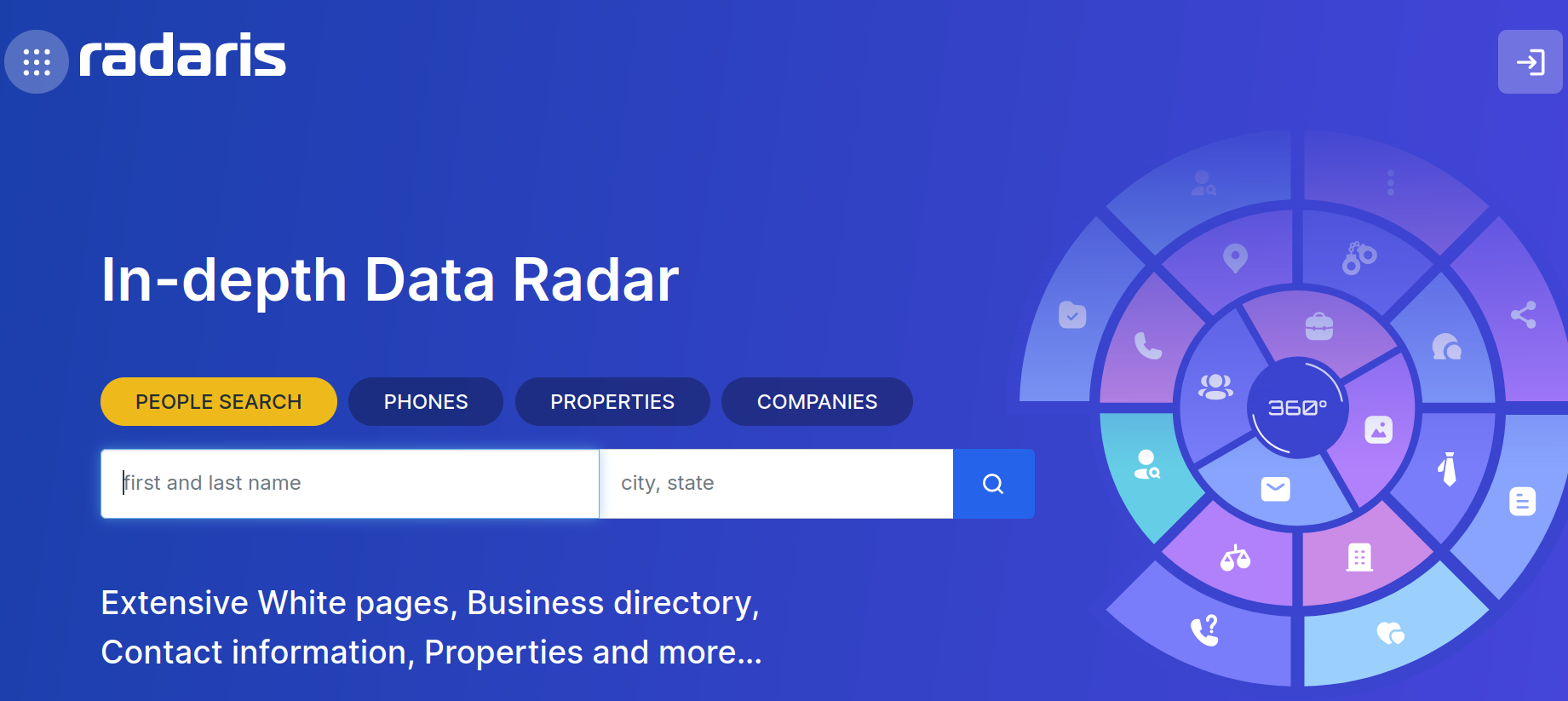
The radaris.com website, prior to the domain transfer to Atlas.
In February 2024, Radaris was sued by Atlas Data Privacy Corp, a company that has been pursuing data brokers alleged to be violating a New Jersey statute called Daniel’s Law. The statute allows state law enforcement officials, government personnel, judges and their families to have their information completely removed from commercial data brokers and people-search services, and provides for fines of $1,000 per violation against companies that ignore removal requests.
Less than a month after Atlas sued Radaris, KrebsOnSecurity published a deep dive into the Radaris co-founders — Igor and Dmitry Lubarsky (also spelled Lybarsky) — Russian-born brothers living in Massachusetts who operate a dizzying array of people-search companies as well as a number of Russian language dating services and affiliate programs.
Attorneys for the Lubarsky brothers threatened to sue for defamation if the story wasn’t removed and an apology issued. Their attorney asserted that our reporting was wildly inaccurate, and that the true owners of the company were Ukrainians living in Ukraine.
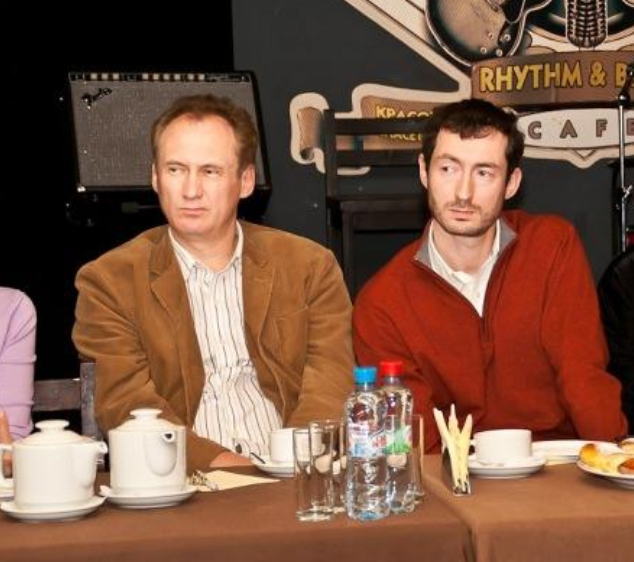
The Lubarsky brothers Dmitry or “Dan” (left) and Gary/Igor.
KrebsOnSecurity doubled down and showed how the Lubarsky brothers built and operated Radaris and other data broker companies using a fictitious CEO’s name. Our follow-up story noted that Radaris’s attorney — a lawyer with the Boston Law Group named Val Gurvits — admitted his clients had invented the CEO pseudonym “Gary Norden,” and that Radaris also had issued multiple press releases over the years that quoted the fake CEO while seeking money from potential investors.
Attorneys for Radaris waited until the last minute to appear in court and contest what was all but certain to be a default judgment in favor of the plaintiffs, and then told the court that Atlas had failed to serve the real owners and operators of Radaris and several of its sister data broker companies.
Atlas re-filed the lawsuit in June 2025, this time dramatically expanding the number of Radaris family data brokers accused of violating Daniel’s Law. Matt Adkisson, president and CEO of Atlas, said Radaris turned to a tried-and-true playbook: Delaying in court until the last possible minute, and playing shell games with Radaris’s true country of origin and the individuals listed as owners and operators of these sites.
“We refer to this period as their island-hopping phase. Privacy policies changed constantly, and new entities kept appearing from places like the Marshall Islands, the British Virgin Islands, and Seychelles,” Adkisson told KrebsOnSecurity. “Behind the scenes, it felt like a shell game. Defense lawyers told the court that certain entities merely operated the domains and were the proper parties to sue. But by the time a judgment neared, those entities would be discarded and new entities would appear. Meanwhile, the lawyers claimed the other entities that actually owned the domains should not be held responsible.”
Adkisson said when the defendants updated their terms of service to state that Radaris was suddenly managed by a company in the Marshall Islands, Atlas hired an investigator in that country and soon learned the brand new entity that Radaris claimed was managing the company didn’t even exist yet.
Mr. Gurvits stepped forward as Radaris’s attorney in a class action lawsuit the company temporarily lost in 2017 because it never contested the claim in court. When the plaintiffs told the judge they couldn’t collect on the $7.5 million default judgment, the court ordered the domain registry Verisign to transfer the radaris.com domain name to the plaintiffs.
Mr. Gurvits appealed that verdict, arguing the lawsuit hadn’t named the actual owners of the Radaris domain name — a Cyprus company called Bitseller Expert Limited — and thus taking the domain away would be a violation of their due process rights.
The judge in the 2017 case ruled in Radaris’ favor — halting the domain transfer — and told the plaintiffs they could refile their complaint. Soon after, the operator of Radaris changed from Bitseller to Andtop Company, an entity formed (PDF) in the Marshall Islands in Oct. 2020. The plaintiffs never re-filed their lawsuit.
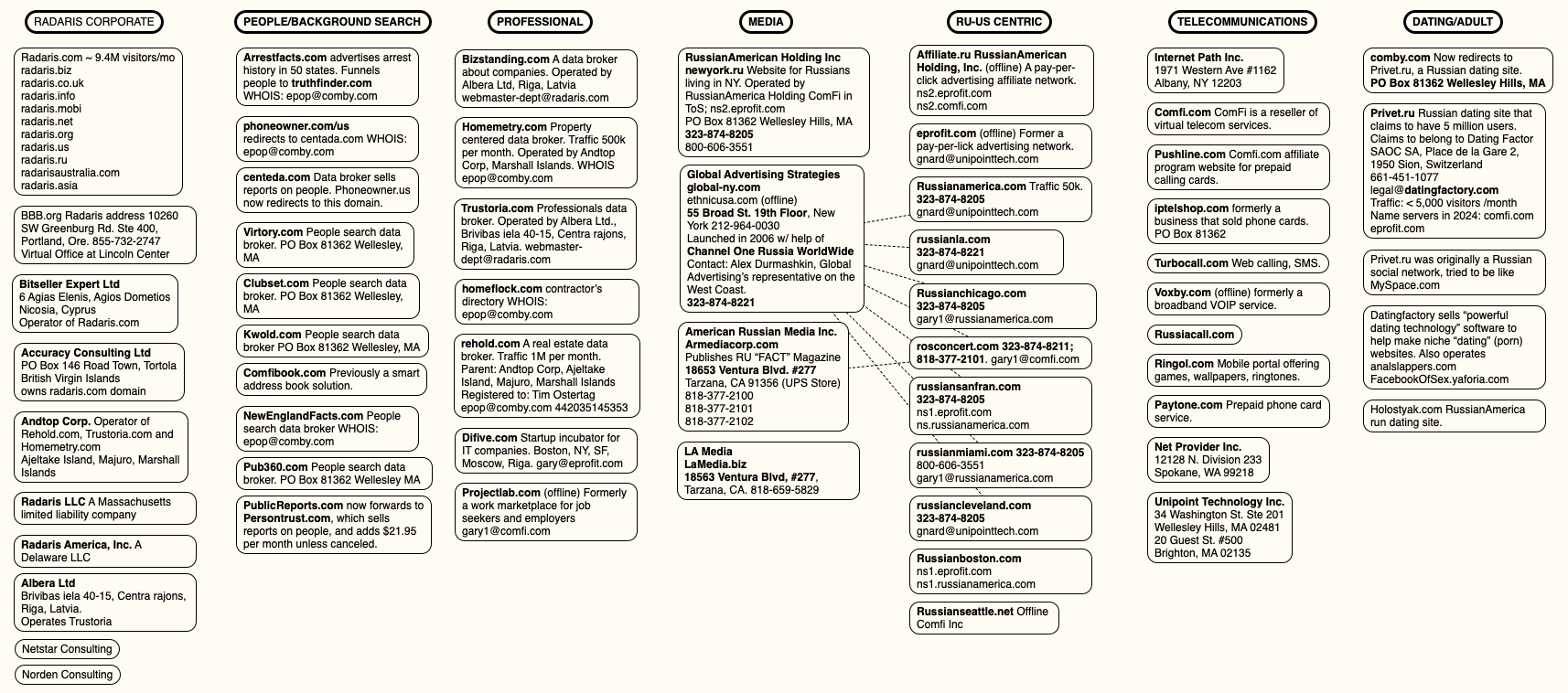
A mind map of various entities tied to Radaris and the company’s co-founders. Click to enlarge.
“That seemed to be their modus operandi,” said Raj Parikh, a partner at PEM Law in New Jersey who handles most of the Daniel’s Law litigation for Atlas. “In the past, they won by attrition. Plaintiffs’ attorneys tired of the procedural games and just gave up. That strategy worked for a decade, and it probably would have worked in this case too, since any financial recovery from foreign actors will be difficult. But we were acutely aware of the threat this website posed to law enforcement officers and other public officials in New Jersey, and decided early on to commit whatever time and resources were necessary to remove that threat.”
On August 26, the judge in the New Jersey case found the defendants were given multiple chances to appear and defend the claims against them but had failed to do so. Mr. Gurvits declined to comment on the case, saying it had been assigned to another attorney, a Mr. Victor Worms. In response to questions, Mr. Worms asserted the New Jersey court transferred Radaris.com to Atlas as part of a default judgment against Radaris.com, which is not a legal entity.
“We have made a motion to vacate that default judgment on the grounds that it is void since a non-entity has no legal capacity to sue or be sued,” Worms replied. “We also intend to pursue all appropriate appeals because we believe the transfer of Radaris.com amounts to a forfeiture in violation of various constitutional principles.”
While radaris.com still comes up prominently in results when searching online for U.S. residents by name, the domain no longer sells detailed personal dossiers on millions of Americans. Its homepage now displays a notice from Atlas, as well as links to our previous reporting on Radaris.
Atlas told KrebsOnSecurity that it has obtained more than 10,000 emails and documents in the course of litigation, and that those messages confirm our previous reporting on the owners and operators of Radaris and its myriad companies.
Atlas said the emails clearly establish that the nominal legal vehicles — Radaris America, Inc.; Bitseller Expert Limited; Digital Orbit Corp; Core Solutions Group Inc; Lucky Solutions Inc; Virtura Corp; Veripages Inc.; Nuform Solutions Inc.; Growth Data Advisors Inc.; Property Experts, Inc — are all administered by the same three or four people from the same mailboxes, share one bank or payment card set, and are all managed from one virtual office address.
“The corpus establishes, with documentary evidence generated independently by banks, payment processors, hosting providers, registrars, software-as-a-service vendors and the operators’ own systems, that radaris.com and at least twenty-five other people-search websites are one operation run by a small Boston-area group whose administrative, financial and technical functions sit on the difive.com mail domain and its successors (centerex.com, scienteco.com, eprofit.com, realmo.com, pub360.com),” reads a summary shared by Atlas.
Atlas said the emails show Radaris.com earns approximately $42,000 a month, while Veripages.com earns around $45,000 monthly via its partnership with the Lifetime Value Company, a marketing and advertising firm whose brands include PeopleLooker, PeopleSmart, NumberGuru, and Bumper, a car history site.
According to Atlas, the emails also showed the Radaris family of websites earns as much as $25,000 each month from their partnership with Onerep, a company that claims to help people remove their information from people-search sites. In March 2024, KrebsOnSecurity revealed how the Belarusian founder of Onerep had launched and operated dozens of people-search sites over the years and was continuing to operate one of them (Nuwber), effectively spreading the disease and selling the cure.

The domain radaris.com now redirects to this notice from Atlas about the court-ordered domain transfer.
All told, the New Jersey court has so far transferred 14 domain names from the Radaris family of companies to Atlas. Radaris.com now redirects to a notice of the court-ordered domain transfer.
The Radaris family of companies is still potentially facing fines of $1,000 per alleged violation of Daniel’s Law. For the time being, however, Daniel’s Law is facing a constitutional challenge from virtually all of the 150 other consumer data broker firms being sued by Atlas.
The data broker industry responded by having at least 70 of the Atlas lawsuits moved to federal court, challenging the New Jersey statute as overly broad and a violation of the First Amendment. The U.S. Court of Appeals for the Third Circuit has not yet issued a decision on the constitutional challenge, but either way the case is widely expected to be appealed all the way to the U.S. Supreme Court.
Meanwhile, at least 14 other states have now passed laws modeled after the New Jersey statute, with more states considering similar measures. However, West Virginia’s Daniel’s Law was ruled facially unconstitutional under the First Amendment by a federal district court in August 2025.
Justin Sherman is a privacy expert and author of the forthcoming book “The Middlemen,” which examines how the data broker industry powers modern surveillance. Sherman said federal lawmakers have long faced intense lobbying by the technology industry against more restrictive U.S. data privacy laws, but that many powerful industries are now working against passing comprehensive data privacy legislation.
“These days at the federal level, add in the intense amount of lobbying against these laws from social media companies, big tech, cryptocurrency firms, and now AI proponents in the mix who claim that limiting their data scraping is somehow going to collapse the whole U.S. economy under Chinese rule,” he said.
Sherman said people-search companies will continue to thrive unless and until Congress enacts meaningful consumer privacy and data protection laws that are relevant to life in the 21st century. That’s because virtually all state privacy laws exempt records that might be considered “public” or “government” documents, including voting registries, property filings, marriage certificates, motor vehicle records, criminal records, court documents, death records, professional licenses, bankruptcy filings, and more.
At least 25 states have passed or implemented laws requiring age verification for residents seeking to access adult content online, but there is no federal law that limits how the companies that are scanning everyone’s drivers license can use, share or keep the data provided. Had such restrictions been enshrined in law, we may have avoided the recent breach at IDScan.net, which exposed the drivers license information on more than 153 million Americans when the records were briefly turned into a point-and-click identity theft service on the dark web.
“The average person can look at Daniel’s Law and have a perfectly normal reaction, which is that everyone should be covered, not just police and judges,” Sherman said. “But we don’t need more wake-up calls. We’ve had eight million wake-up calls already on the need for better privacy laws. The lack of comprehensive federal privacy law is not for a lack of knowledge, and anyone claiming otherwise is either not reading the news or kidding themselves.”
