❌

Vista elenco

Il nuovo disordine mondiale / 40 – Terra, mare e colli di bottiglia

7 Ottobre 2026 ore 22:00

di Sandro Moiso

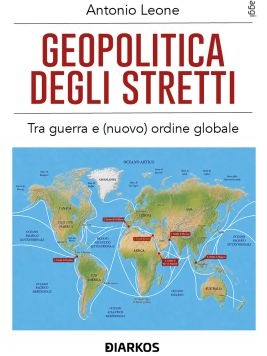
Antonio Leone, Geopolitica degli stretti. Tra guerra e (nuovo) ordine globale, Diarkos editore, Reggio Emilia 2026, pp. 254, 19 euro

Non poteva esserci momento migliore per fare uscire un saggio come quello di Antonio Leone, capitano di lungo corso e comandante navale, ma anche studioso di filosofia politica e geopolitica, appena pubblicato da Diarkos. Infatti, gli stretti di Hormuz e Bab el-Mandeb che da mesi costituiscono un grave rischio economico, ancor prima che militare, a livello planetario o almeno per quella parte di pianeta che interessa maggiormente l’ordine occidentale del mondo, sembrano rappresentare, alla luce di una analisi dettagliata come quella condotta dall’autore, soltanto la superficie di un problema che nel prossimo futuro potrebbe ulteriormente ampliarsi ed aggravarsi.

Così Suez, Gibilterra, Panama, Malacca, oltre ai due già citati, sono gli altri stretti e canali strategici, autentici passaggi obbligati, attraverso i quali transitano merci, energia, interessi militari e rapporti di forza. Fattori determinanti per lo sviluppo delle economie e delle prospettive degli Stati. Sia dell’Occidente e del Nord che dell’Oriente e del Sud. Soprattutto in un sistema di relazioni internazionali segnate dal ritorno dello scontro tra potenze, dalla vulnerabilità delle catene logistiche e dalla crescente centralità delle rotte marittime. Oltre tutto, a ben guardare, il numero di passaggi ristretti tra mare e terra, i cosiddetti chokepoints o colli di bottiglia, sono molti di più di quelli appena elencati, come ci ricorda lo stesso autore.

Se gli stretti consistono in passaggi naturali in cui lo specchio d’acqua si restringe in corrispondenza di due coste prospicienti, i canali marittimi sono vie di comunicazione tracciate attraverso il territorio di uno o più Stati per unire due mari o due oceani separati e consentire così un collegamento diretto, via mare, fra di essi. Gli stretti e i canali presentano, quindi, le stesse caratteristiche e svolgono le stesse funzioni, ma si differenziano per il fatto che i primi sono di origine naturale, mentre i secondi, sono frutto dell’opera dell’uomo.
I principali stretti si collocano nell’area mediorientale ed europea del mondo. Al di fuori dello stretto di Malacca, un corridoio d’acqua dell’oceano Indiano che separa l’isola di Sumatra dalla costa occidentale della penisola malese, e quello di Bering tra Russia e Alaska, le altre strettoie naturali si trovano infatti nella penisola arabica (lo stretto di Hormuz tra Oman e Iran e quello di Bab el-Mandeb tra Gibuti e Yemen), in Europa (gli Stretti Danesi, il canale di Corinto e Gibilterra) e a cavallo tra Europa e Asia (i Dardanelli e il Bosforo). […] I canali, a differenza degli stretti, si possono distinguere in nazionali e internazionali, a seconda che la navigazione attraverso essi sia regolata solo dal diritto interno o da norme di diritto internazionale. Canali marittimi interni sono quello di Corinto (inaugurato nel 1893) che congiunge il mar Ionio e il mar Egeo, e il canale di Kiel in funzione, fra il mar Baltico e il mar del Nord, dal 1895. Il canale di Suez, fra il Mediterraneo e il mar Rosso, e il canale di Panama fra gli oceani Atlantico e Pacifico (uno inaugurato nel 1869, l’altro aperto al traffico nel 1914), sono invece canali marittimi internazionali: il primo sulla base della convenzione di Costantinopoli del 1888; il secondo in forza dei trattati anglo-statunitensi (1901) e Stati Uniti-Panama (1903) che ne regolano il regime internazionale1.

Sulla base di quanto appena visto, occorre poi ancora rilevare, come sottolinea l’autore, che:

Una parte rilevante del commercio intercontinentale ha luogo lungo le rotte oceaniche, mettendo in collegamento i diversi continenti mediante un flusso continuo di spedizioni. I percorsi delle grandi navi da carico seguono, quasi esclusivamente, i percorsi di alto mare, dal momento che questi itinerari, essendo soggetti solo ai rischi meteorologici, vengono considerati più sicuri. Gli spazi aperti costituiscono un evidente fattore di sicurezza, tanto che le stesse compagnie di assicurazione prevedono incrementi notevoli delle polizze in caso di cabotaggio delle coste. In alcune circostanze, peraltro, i percorsi del commercio internazionale non possono prescindere dall’utilizzo dei passaggi “sotto costa” costituiti dagli stretti o dai canali. Questi itinerari permettono, infatti, di accorciare notevolmente i percorsi marittimi e consentono quindi una rilevante riduzione dei costi di trasporto2.

Facendo sì che il passaggio delle merci, considerato che quasi l’80% del commercio mondiale avviene principalmente via mare, a ridosso delle coste rappresenti, anche in assenza di guerre o minacce militari, come oggi a Hormuz o Bab el-Mandeb, un aumento dei costi di trasporto e trasferimento delle stesse. Costi ulteriormente aggravati, oggi, in termini assicurativi dal pericolo “concreto” che le navi, indifferentemente dal fatto che si tratti di petroliere, cargo o porta-container, possano essere severamente danneggiate, se non affondate, da chi controlla militarmente e politicamente gli stretti e i canali.

Se si considera infine che Cina e Asia rappresentano il baricentro dei trasporti marittimi poiché sette dei primi dieci porti mondiali per movimentazione container sono in Cina (il primo è Shanghai), mentre il primo porto non asiatico è in Europa (Rotterdam, al decimo posto)3, si capirà chiaramente come, al di là delle mire imperialistiche o espansive delle singole potenze, il passaggio per tali vie diventi obbligatorio, pena il rallentamento della circolazione delle merci e delle materie prime a causa dell’allungamento, talvolta esponenziale, delle rotte percorse.

Però sarebbe davvero inutile qui dilungarsi ancora sugli aspetti odierni del problema, parlando approfonditamente della guerra di Hormuz tra Iran e Stati Uniti oppure della missione Aspides per difendere le navi europee che transitano per la Porta delle lacrime che mette in collegamento il Mar Rosso con l’oceano Indiano, oppure anche soltanto sullo scontro tra Houti yemeniti e Arabia Saudita. Mentre può essere interessante analizzare il problema, come fa Leone, a partire da quanto scrisse il politologo e giurista tedesco Carl Schmitt (1888-1985), in particolare nel saggio Terra e mare del 19424.

Scritto nel totale isolamento della Berlino in guerra, il saggio di Schmitt rilegge la storia del mondo nella prospettiva di una opposizione fondamentale, quella tra terra e mare; cercando di mostrare come la terra e il mare, nella loro polarità, siano le componenti di uno dei segreti motori della storia. Per fare questo ripercorre millenni di storia, fino ad approdare all’evento decisivo: quella «rivoluzione spaziale planetaria» da cui è nato il nomos5 dell’Europa moderna, cercando di preconizzare gli scenari del mondo futuro.

In Terra e mare Carl Schmitt prende in esame l’iniziale prevalenza dell’elemento terrestre, all’origine della statualità, e la successiva ascesa del mare come fattore spaziale, così le ultime pagine del testo sono dedite alle riflessioni sulla trasformazione di questo elemento all’indomani della Prima guerra mondiale, come riassume Leone nel suo testo.

Nei quattro secoli precedenti, l’Inghilterra era stata in grado di trasformarsi, da isola marginale e fondata su un’economia terrestre basata sull’allevamento, in un «puro aggregato marino, in una nave o, ancora più chiaramente, in un pesce». Progressivamente, essa si rivelò in grado di creare un disegno imperiale mondiale in gran parte autonomo rispetto alla madrepatria terrestre, configurandosi come il «centro mobile di uno sconnesso impero mondiale esteso su tutti i continenti». Un’analoga trasformazione, per cui è il mare che guarda la terra e questa viene vista solo come una costa con un retroterra, ha caratterizzato gli Stati Uniti dopo la Prima guerra mondiale. La sostituzione della pax britannica con la successiva pax americana è l’esito di un analogo processo di spostamento del baricentro operativo verso il mare. Anche gli Stati Uniti cominciarono così a essere considerati come «un vasto intermezzo insulare stretto tra due possenti oceani, più che un blocco di terraferma i cui litorali si affacciano su due mari».6.

Va qui annotato che fin dall’antichità le maggiori potenze e imperi dell’Occidente avevano basato una parte considerevole della loro forza militare ed economica sulla capacità di controllare porzioni di mare sempre più ampie: dal mar Egeo per Atene al Mediterraneo o Mare Nostrum di Roma oppure dal controllo delle rotte atlantiche e dell’oceano indiano, del Portogallo, della Spagna, che tentò però di spingersi fino al Pacifico, e dell’Olanda fino a quello esercitato più stabilmente dall’impero britannico su tutti gli oceani. Ma furono proprio gli Stati Uniti a cambiare il modo di guardare la Terra e il Mare.

Carl Schmitt considera gli Stati Uniti come un’isola. Il politologo tedesco condivide la visione di Mahan che, all’inizio del Novecento, prevede il passaggio di egemonia da un’isola ormai troppo piccola come il Regno Unito a una nuova entità, gli Stati Uniti. Questi ultimi si rivelano in grado di inaugurare un nuovo grande spazio dell’emisfero occidentale e, con la loro discesa in guerra dopo l’attacco giapponese a Pearl Harbor nel 1941, pongono le premesse per conquistare, all’indomani del 1945, il monopolio dell’ordine mondiale senza più limiti geografici.
Schmitt, essendo un fautore della politica dei grandi spazi, condivide i princìpi della politica statunitense tra le due guerre mondiali, considerandola in linea con l’evoluzione dei rapporti geopolitici. È invece più critico sulla vocazione universalista e di egemonia planetaria manifestate dagli Stati Uniti nel corso del secondo conflitto mondiale. Secondo Schmitt, questa strategia è l’esito di «travisamenti imperialistici» della dottrina Monroe iniziati a fine Ottocento. Lo studioso risulta consapevole, peraltro, che «il passaggio di consegne tra Inghilterra e Stati Uniti era una conseguenza delle dinamiche di egemonia che hanno accompagnato la storia mondiale dei due ultimi millenni»7.

Da un controllo territoriale diretto della Terra, si passa dunque, in nome del business e della libertà dei commerci, come ben dimostra ogni dichiarazione di Donald Trump, ad un suo controllo parzialmente indiretto, ma fondamentalmente basato sull’egemonia marittima di un’unica potenza. Uno strumento fondamentale per la globalizzazione delle economie, dei commerci e della superiorità militare e politica dell’Occidente, ma sostanzialmente garantita dalle navi della marina statunitense.

Schmitt prende atto, peraltro, come nel Novecento si verifichi una rottura decisiva nella «sicurezza della moderna navigazione tecnicizzata». In primo luogo, diventa possibile localizzare dalla terra, con dispositivi di rilevazione radar, la presenza di una nave nell’alto mare oceanico. Ciò determina il superamento della netta separazione tra la terra e il mare su cui si fondava il nomos della prima globalizzazione marittima. In secondo luogo, l’apertura dello spazio aereo, attraversato non solo da velivoli ma anche da onde radio, modifica le modalità di esercitare la marineria civile e militare.
Una terza rottura della sicurezza della moderna navigazione è rappresentata dal ruolo assunto dal controllo degli stretti e dei canali. Schmitt rileva, infatti, che «non vi può essere un’economia pianificata a livello locale», dal momento che solo i grandi spazi risultano «adatti alla misura intrinseca del controllo e della pianificazione degli umani». La gestione dei grandi spazi marittimi trova un ostacolo, peraltro, nel fatto che alcuni passaggi chiave della navigazione sono controllati da Paesi spesso in competizione o apertamente ostili 8.

In queste ultime osservazioni, tratte ancora dal testo di Schmitt e riassunte da Leone, si cela uno dei maggiori problemi da cui è scaturita, nel corso degli ultimi decenni e i cui frutti iniziano a cogliersi oggi, l’attuale perdita di egemonia sia degli Stati Uniti che dell’Occidente, che a partire da ciò, come si è già detto in passato, inizia a rivelarsi piuttosto diviso al suo interno.

Infatti, se a quanto previsto da Schmitt si aggiunge l’attuale “semplificazione” delle tecnologie militari più avanzate che, con l’utilizzo dei droni, può mettere a disposizione di avversari meno dotati di capitali e tecnologie la possibilità di colpire duramente anche coloro che si ritenevano garantiti dalla propria supremazia economica e tecnologica, e soltanto in ultima istanza, anche se decisiva, militare, si giungerà a comprendere l’attuale allarme statunitense per il controllo degli stretti e dei mari di cui non possono più farsi carico esclusivo per la difesa dell’ordine occidentale del mondo.

Diventa dunque indispensabile comprendere tutto questo in termini estremamente materiali e concreti e non soltanto attraverso gli scarsi strumenti forniti dall’ideologia, per capire a fondo le origini sia del tentativo di Trump di trarre qualche vantaggio economico dalla situazione venutasi a creare sul fronte della disponibilità di gas e petrolio, di cui la svolta intervenuta nelle relazioni tra Stati Uniti ed Europa costituisce allo stesso tempo un sintomo e una conseguenza, e, più in generale, l’apparente “novità” rappresentata dalla postura assunta dal governo americano nei confronti della Russia di Putin e della Cina di Xi. Destinata a contenere o cercare di mantenere ancora a vantaggio degli Stati Uniti l’attuale evolversi di quello che anche l’autore tende a definire come nuovo ordine mondiale, soprattutto se si considera che:

cinque degli otto chokepoints marittimi principali si collocano nell’area europea-arabica. Le aree dell’Asia sud-orientale e caraibica ospitano gli altri nodi fondamentali del traffico globale, caratterizzati sia da grandi corridoi naturali posizionati a ridosso di complessi insulari, sia da vie d’acqua artificiali di primaria importanza strategica.
La localizzazione geografica e la natura di stretti e canali evidenziano come si tratti di passaggi caratterizzati da un’importanza strategica diversa dal punto di vista commerciale. L’impossibilità di percorrere gli stretti insulari asiatici o caraibici determina un allungamento solo relativo delle tratte navali. […] Una decina di stretti e canali, al contrario, risultano fondamentali per garantire che il commercio internazionale avvenga con tempi e costi sostenibili. Una chiusura del canale di Panama, ad esempio, richiederebbe la circumnavigazione dell’America Latina, così come un blocco a Gibilterra, Suez o dei Dardanelli precluderebbe l’accesso ai mari interni (il Mediterraneo e il mar Nero), rendendo impossibile raggiungere i porti localizzati sulle loro sponde.
[…] i quattro principali chokepoints a livello mondiale, per ammontare del traffico giornaliero, siano lo stretto di Hormuz, quello di Malacca, il canale di Suez e lo stretto di Bab el-Mandeb. […] Il trasporto del petrolio e del gas avviene per il 60 per cento via mare e interessa otto principali chokepoints. Due di questi passaggi, lo stretto di Hormuz e lo stretto di Malacca, sono fondamentali per il transito globale dei combustibili, il primo perché permette di accedere ai giacimenti petroliferi del Medio Oriente, mentre il secondo perché opera come punto di transito commerciale tra l’India e la Cina 9.

A tutto questo va poi ancora aggiunta la crescita del trasporto via mare dei prodotti alimentari che ha fatto sì che, nel 2018, 2,8 miliardi di persone siano state nutrite per mezzo del sistema di trasporto marittimo globale. Così, come la guerra in Ucraina col blocco del porto di Odessa e dei traffici tra il mar Nero e il mar Mediterraneo ha dimostrato, con il possibile blocco del mais, del riso e del grano coltivati nei grandi granai russi, asiatici e americani, che costituiscono le fondamenta della sicurezza alimentare globale, insieme a quello della soia prodotta in America Latina e in Asia che rappresenta tre quarti dell’alimentazione del bestiame. Un fatto che potrebbe rappresentare non soltanto un calo drastico dei proventi derivanti dall’agricoltura condotta su larga scala, ma anche un probabilissimo motore per rivolte e ampi sommovimenti sociali.
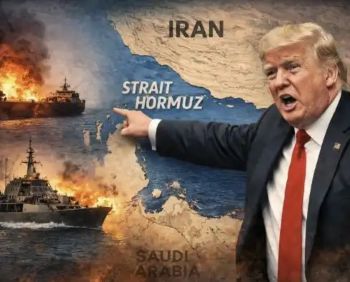
Occorre dunque sottolineare come l’ennesimo intervento militare americano nel Medio Oriente non derivi soltanto dai timori per il business, dall’ego smisurato e bellicista di un Trump sempre sospeso tra sale da ballo faraoniche e piscine coperte destinate a silenziare i media considerati nemici, o dai possibili ricatti di Netanyhau e di Israele sul presidente americano, ma anche, e forse soprattutto, dalle conseguenze derivanti da un sempre più ampio controllo delle vie marittime in prossimità dei checkpoints più importanti da parte di paesi e potenze economiche e militari non appartenenti allo schieramento occidentale. In grado, oltre tutto, di chiuderli, bloccarli o controllarli attraverso ben modulate tattiche politico-militari e l’utilizzo di tecnologie relativamente a basso costo, realizzabili anche sul territorio nazionale o nelle sue vicinanze.

Così, se da un lato il gioco di Trump sul possesso statunitense della Groenlandia mira a creare un possibile chokepoint nel mare Artico per rendere meno “libere” le nuove rotte apertesi per cinesi e russi in conseguenza del riscaldamento globale, oppure per mantenere libero a favore delle navi e delle merci statunitensi il transito nello stretto di Bering, dall’altro la chiamata alle armi di Trump per i paesi “alleati” sembra rispondere ancor più alla impossibilità americana di gestire, come unico body guard dell’interesse economico e politico occidentale, una rete di trasporti e traffici commerciali che avvolge ormai l’intero pianeta.

Un problema per cui, come è solito fare un certo fantasma già evocato da Marx nel 1848, l’assenza di rivolte sociali su scala globale potrebbe ben presto essere sostituito dal loro esplodere a Ovest come a Est e a Nord come a Sud. Cosicché la guerra, per il capitalismo non soltanto americano, potrebbe ancora rappresentare una possibile via di uscita, se non l’unica, come il riarmo europeo e l’allarmismo sulle iniziative russe ai confini d’Europa e in Germania sembra voler rilanciare quotidianamente.

Tutto questo per dire che oggi, in un contesto economico mondiale allo stesso tempo enormemente differenziato e unificato, la volontà dei singoli individui o di unici settori economici, ad esempio quello degli armamenti, non sono più bastevoli, ammesso che mai lo siano stati, a determinare il corso della Storia e l’avvento, o meno, di nuove guerre, mentre l’insofferenza sociale diffusa, dovuta a difficoltà di ordine economico, alimentare e lavorativo, può ancora rappresentare una forza capace di determinare o impedire nuovi devastanti conflitti. Tutto il resto è meglio che lo si lasci dire al Papa e alle anime belle del suo seguito.

Chi scrive, certamente, si è spinto ben al di là degli intenti dell’autore, ma ciò non toglie che il suo saggio, ricchissimo di dati e considerazioni, sia di carattere geografico e militare che economico e tecnico, possa rivelarsi utilissimo per tutti coloro che vogliano imbastire un ragionamento o anche solo un discorso sulle ragioni dei conflitti in corso e, soprattutto, del loro inarrestabile allargamento.


  1. A. Leone, Geopolitica degli stretti. Tra guerra e (nuovo) ordine globale, Diarkos editore, Reggio Emilia 2026, pp. 116-118.  ↩

  2. A. Leone, op. cit., p. 116.  ↩

  3. Si veda: D. Vecchioni, Suez: il canale che ha cambiato la geografia del mondo, Santarcangelo di Romagna, Maggioli 2023.  ↩

  4. Oggi: C. Schmitt, Terra e mare. Una riflessione sulla storia del mondo, Adelphi, Milano 2002.  ↩

  5. Nell’antica Grecia, la legge, l’usanza vigente nelle comunità umane. Un tema cui avrebbe dedicato nel 1950 una delle sue opere più celebri e forse la più importante: C. Schmitt, Il nomos della terra nel diritto internazionale dello «jus publicum europaeum», Adelphi, Milano 1991.  ↩

  6. A. Leone, op. cit., p. 136.  ↩

  7. Ivi, p. 137.  ↩

  8. ibidem, pp. 137-138.  ↩

  9. ibid., pp. 119-125.  ↩

Le leggi non scritte che condizionano l’economia italiana

7 Ottobre 2026 ore 18:45

Esistono regole non scritte radicate nel tessuto sociale italiano che hanno impatti sulla condizione economica del nostro paese. Con Alberto Bisin affrontiamo questo ulteriore aspetto che può aver contribuito al declino italiano.

L'articolo Le leggi non scritte che condizionano l’economia italiana proviene da Lavoce.info.

Le leggi non scritte che condizionano l’economia italiana

7 Ottobre 2026 ore 18:45

Esistono regole non scritte radicate nel tessuto sociale italiano che hanno impatti sulla condizione economica del nostro paese. Con Alberto Bisin affrontiamo questo ulteriore aspetto che può aver contribuito al declino italiano.

L'articolo Le leggi non scritte che condizionano l’economia italiana proviene da Lavoce.info.

Trump celebró la compra de Warner/Discovery por Paramount, dirigida por su amigo David Ellison

7 Ottobre 2026 ore 17:30

El presidente Donald Trump celebró la unión de Paramount Skydance y Warner Bros. Discovery, una operación protagonizada por los estudios y medios informativos más importantes de Estados Unidos, ahora bajo el liderazgo único de su amigo David Ellison. El presidente estadounidense elogió al nuevo grupo empresarial durante una jornada en la que su principal ejecutivo también respondió preguntas sobre sus relaciones políticas y las dudas que despierta la compra en Hollywood.

«La cercanía de Trump con la familia Ellison recibió atención durante la revisión del acuerdo, en especial por el futuro de CNN. La cadena forma parte de los activos que pasan al control de la compañía resultante, Skydance Corporation, y algunos sectores demócratas temen que comience a ser parcial con el presidente», comenta la periodista Sofía Torres.

Consultado por periodistas este martes 6 de octubre, Trump declaró: «Será una gran compañía». Después agregó: «Son personas magníficas y será una gran compañía», esto último en relación a David Ellison y a su padre, Larry, cofundador de Oracle y miembro del Consejo de Asesores sobre Ciencia y Tecnología creado por el actual gobierno norteamericano.

Ante las críticas de la comunidad cinematográfica, Ellison reconoció que la compra dejó tensiones: «Este fue un proceso turbulento y, por momentos, un proceso desagradable», dijo durante el encuentro con medios que compartió con Ynon Kreiz, codirector ejecutivo de Skydance.

A fines de 2025 se conoció que Jared Kushner, yerno de Donald Trump, había canalizado fondos financieros para que Paramount comprara Warner Bros. Discovery.

ShinyHunters Extorted Boeing Spin-off Prior to Arrests

7 Ottobre 2026 ore 15:48

A teenager from Amman, Jordan suspected of leading the prolific data theft and extortion group ShinyHunters has been detained and is reportedly cooperating with the FBI to identify other members of the hacking gang. KrebsOnSecurity has learned that the suspect, who uses the hacker handle “Rey,” was detained as ShinyHunters was in the process of extorting a business unit recently divested by the global aerospace company Boeing, which manufactures the fleet of planes used by the employer of Rey’s father — Royal Jordanian Airlines.

The logo for Jeppesen ForeFlight, a business unit divested last year by the aerospace firm Boeing.

On October 3, Reuters cited three unnamed sources saying a suspected ShinyHunters member in Amman named Saif Al-din Khader was detained by Jordanian authorities and was cooperating with the FBI. KrebsOnSecurity identified Rey as Khader in a November 2025 profile, in which the young man admitted working with multiple ransomware groups.

Rey was featured again in a September 28 exclusive about the Dutch police arresting 24-year-old convicted cybercriminal Pepijn van der Stap on suspicion of aiding in data thefts and extortions by ShinyHunters. The story noted that immediately following the Dutchman’s arrest on the evening of September 15, Rey assumed control over the ShinyHunters brand and boasted publicly about stealing highly sensitive data from the FBI and extorting the ransomware group Cl0p.

Rey taunted both the FBI and Cl0p with memes posted to his longtime account on Twitter/X, while simultaneously including images of the avatar used by Van Der Stap’s former hacker alias “Umbreon” in an apparent attempt to frame the Dutchman for both hacks.

A taunting meme uploaded to Twitter/X by Rey on Sept. 22. A giant sized version of the Pokemon character Umbreon can be seen in the bottom left.

As noted in our September 28 report, ShinyHunters gained access to the FBI site and other victims by exploiting a vulnerability (CVE-2026-35273) in PeopleSoft, a software-as-a-service platform from the tech giant Oracle that is broadly used by companies to manage hiring and human resources, benefits and payroll. Oracle quickly issued a fix for CVE-2026-35273, which ShinyHunters first began exploiting as a zero-day in June, and at the time Mandiant released web application firewall rules intended for organizations that couldn’t apply the security update quickly enough.

ShinyHunters told BleepingComputer in June that the original goal behind exploiting the PeopleSoft vulnerability was to breach the FBI’s own PeopleSoft database, but the hackers said those attacks were unsuccessful for some reason. In recent weeks, however, ShinyHunters turned to a well-known URL-encoding trick to bypass Mandiant’s suggested web application firewall rules.

In a report released Sept. 25, security experts at Mandiant and the Google Threat Intelligence Group (GTIG) confirmed that ShinyHunters had mass-exploited the PeopleSoft vulnerability to steal data from dozens of systems across a range of industries, including higher education, technology, healthcare, agriculture, transportation and government.

Reuters reported October 5 that the FBI has removed a contractor at Accenture over their failure to patch the FBI recruitment website hacked by ShinyHunters, which exposed sensitive data on more than 5,000 FBI personnel, including each’s person’s unit and specialization, as well as medical and psychiatric records.

‘REY’ MEANS KING, AS IN ROYAL

According to two sources familiar with the ShinyHunters investigation, a navigation and digital aviation unit recently divested by the global aerospace company Boeing was among the victims that ShinyHunters was in the process of extorting when Rey was apprehended by Jordanian authorities.

Those sources said the FBI’s investigation into ShinyHunters gained renewed urgency with the group’s attempted extortion of the former Boeing unit, which allegedly included the theft of sensitive information that sources said could pose operational safety and security risks.

In a brief statement shared with KrebsOnSecurity, Boeing acknowledged the extortion attempts by ShinyHunters, and said the incident concerned data stolen from Jeppesen ForeFlight, a subsidiary that Boeing sold in November 2025 to the private equity firm Thoma Bravo for $10.55 billion.

“We are aware of claims by a threat actor regarding data allegedly associated with Boeing and our former subsidiary Jeppesen ForeFlight,” a Boeing spokesperson shared. “We are actively reviewing the matter with the Jeppesen ForeFlight team.”

A spokesperson for Jeppesen ForeFlight shared a written statement in response to questions, saying the company has seen no impact on their end. “Based on our investigation to date into this claim and proactive security posture, there was no impact to our operations or products.”

Rey’s alleged involvement in attempting to extort the former Boeing unit is noteworthy because there is strong evidence that his father works for Royal Jordanian Airlines, which is mostly controlled by the Jordanian government and operates its long-haul fleet on passenger planes built by Boeing. Rey claimed on Telegram in early 2025 that his father was an airline pilot, although that could not be independently confirmed.

However, as noted in our November 2025 profile of Rey, his family’s shared computer was at one point compromised by password-stealing malware, and the data collected by that malware clearly shows Rey’s father used the same credentials to log in at multiple online portals for Royal Jordanian Airlines employees.

Royal Jordanian Airlines has not yet responded to a request for comment. In advance of our September 28 story, KrebsOnSecurity once again emailed Rey’s father to seek comment and update him on his son’s alleged activities. Neither of the Khaders have responded. But just hours after that request was sent, Rey began deleting his various social media accounts, including the Twitter/X account he previously used to taunt the FBI, Cl0p, and other ShinyHunters victims.

Rey may have nixed many of his social media profiles, but his cybersecurity blog on GitHub somehow escaped the purge, and it shows that Rey was fixated on the leaders of the Cl0p ransomware group. In March 2026, Rey’s blog featured a lengthy post that identified two Russian men as the core developers and hackers behind Cl0p.

Rey’s blog on GitHub. This post doxes two Russian men as the core operators behind Cl0p, one of the oldest and most established ransomware groups still in operation today.

MURDER FOR HIRE?

Meanwhile, news outlets in the Netherlands reported explosive new allegations leveled at Van der Stap, whose supposed personal transformation from convicted to reformed hacker has been widely covered in the tech news media. The Dutch daily RTL reported on Sept. 29 that investigators suspect Van der Stap tried to orchestrate at least two murders. According to RTL, the murders were allegedly to be committed abroad, and there are indications Van der Stap gave the order for these attacks.

Van der Stap was released from prison after serving the better part of a four year sentence for data theft and extortion activity that prosecutors said netted between €1.5 million and €2.7 million. In an interview with KrebsOnSecurity on September 9, Van der Stap described his new role as “offensive security lead” at the Dutch cybersecurity company Neo Security, saying the job involved probing client networks for security vulnerabilities.

Neo Security’s owner Benjamin Korper told Reuters he has hired an outside firm to investigate whether Van der Stap had hacked Neo Security or its customers, but that so far investigators have found no evidence he acted against his employer or clients. Korper said Dutch forensic investigators visited his office on September 15, the night Van der ⁠Stap was arrested in a dramatic police raid that reportedly involved flash bang grenades.

A screenshot of a Sept 16 story by the Dutch news outlet at5.nl, describing a police raid on Van Der Stap’s residence that reportedly used flash-bang grenades.

Prior to his first arrest in 2023, Van der Stap was working as a software engineer at the Amsterdam-based cybersecurity startup Hadrian, while volunteering at the Dutch Institute for Vulnerability Disclosure (DIVD) — even as he was hacking into and extorting a number of large organizations.

When asked in a recent interview why anyone should believe the word of a self-described “reformed” cybercriminal who had so casually deceived countless friends, co-workers and journalists for years, Van der Stap replied that his work spoke for itself and there was nothing he could say that would convince his worst critics.

“You can throw a bunch of nice words at someone, but you can’t convince them if they don’t want to be convinced,” Van der Stap told KrebsOnSecurity on Sept. 9. “I’m doing what I can to repay victims, and that’s all I can do. If someone doesn’t want to believe me, then that’s on them.”

FRANCHISING AND BURNING A BRAND

Cybercriminals aligned with ShinyHunters have been responsible for dozens of data breaches involving billions of stolen records, and breaches claimed by the group stretch back to at least 2019. But experts say the people recently operating behind the ShinyHunters name are not the same core members that populated the group in its early days, most of whom are French citizens who have been arrested (if not also imprisoned) on at least one prior occasion for alleged cybercrime activity.

More to the point, ShinyHunters has become something of a franchise. Think the Dread Pirate Roberts character in the 1980s cult movie classic “The Princess Bride,” only succession by death is replaced with succession by arrest, and there can be multiple simultaneous Dread Pirate Robertses. Sources close to the investigation say the FBI is focusing on a remaining handful of cybercriminal freelancers or affiliates who have been feeding the group stolen credentials to various software-as-a-service (SaaS) platforms used by major companies in exchange for a cut of any data ransoms later paid by victims.

In the days after the news broke of Van der Stap’s arrest, a cybercrime-focused chat server on Telegram that was allegedly operated by Rey erupted with hot takes, with most participants heaping ridicule on the teenage hacker after he publicly backed down from threats against the FBI and Cl0p, and again when the ShinyHunters’s darknet website suddenly went offline. Several commentators accused Rey of resurrecting the ShinyHunters brand after its core members were rounded up in France, and making a mockery of the group’s name and reputation ever since.

“He bought the old forum PGP key and used it to make new Breachforum websites and Telegram channels larping as ShinyHunters to ransom companies and then sell the used data or resell his forum when he goes broke,” one member recounted.

A relatively new Telegram channel called “The Battle” has been doxing and needling Rey and other alleged ShinyHunters members for several weeks, and it has gained a considerable readership among the cybercrime communities operating on Telegram. One of the coordinators of that harassment campaign repeatedly portrayed Rey as clueless greenhorn who sought to ride the coattails of a cybercriminal brand that has long enjoyed a reputation for ruthlessly selling or publishing data stolen from victim companies who refuse to give in to extortion demands.

“Rey (Saif Al-Din Khader) made a serious mistake when he started pretending to be a member of ShinyHunters,” wrote the administrators of The Battle server on Telegram. “That group had already been dismantled, with many of its members either arrested or imprisoned, yet Rey still chose to use its name while carrying out his crimes. We’re aware of claims that [Rey] caused over $200 million in damages and helped around 5–6 friend groups in the community make money by using Shiny Hunters group aliases to negotiate deals for a 25–30% cut over the past few months.”

In an interview with The Register, ShinyHunters claimed they hacked the FBI to counter the agency’s narrative in a May 2026 alert that advised victims against paying a ransom to the group, which came off looking unprofessional and capricious in the FBI’s advisory.

A flash notice on ShinyHunters released by the FBI on May 15, 2026.

The public notice warned the group has been known to pursue a number of different victim harassment strategies, from sending threatening text messages and phone calls to victims and their family members to in some cases swatting victims. The FBI warned ShinyHunters members “may also falsely claim to have sensitive or compromising information, including embarrassing photographs or videos of victims, which frequently do not exist.”

The hackers told The Register their attack on the FBI “demonstrated our technical capabilities and directly refuted the misinformation disseminated by the FBI, journalists, and industry researchers.” At the same time, the group’s leaders seemed to acknowledge that the FBI’s warning materially harmed their prospects for convincing victims to pay, saying “this was fundamentally a public relations and marketing initiative for our business.”

9 e 10 ottobre a Verona, due giornate nel segno della pace

7 Ottobre 2026 ore 14:25

Ancora una volta Verona si fa centro attivo per la pace e la nonviolenza, proseguendo idealmente il cammino iniziato con il convegno su Alexander Langer che ha aperto il 2026. Al Langer “facitore di pace” si affiancano altre tre figure di riferimento per il pacifismo, di cui si sono celebrati gli anniversari: San Francesco, Mahatma [...]

L'articolo 9 e 10 ottobre a Verona, due giornate nel segno della pace proviene da Movimento Nonviolento.

Homeless Shelters Around Phoenix Are Full. His Phone Is the Unofficial Hotline for Struggling Families.

7 Ottobre 2026 ore 11:00
A group of people converse outdoors in a park at dusk.
Austin Davis, center, a 26-year-old poet and advocate for homeless people, has become a point of last resort for families who are experiencing homelessness in the Phoenix area.

For about a year, Austin Davis’ phone has been flooded with hundreds of pleas for help from across the Phoenix metropolitan area.

A school employee wanted to help a homeless family but couldn’t find space at a shelter. Could Davis pay for a hotel room?

A mother of five living in a storage unit contacted a homeless services organization for help. They told her to call Davis.

A mother panhandling with her six children said passersby gave her Davis’ phone number, telling her he might be able to provide shelter. “I feel like the worst mother in the world,” she texted him.

Nearly every person who’s reached out to Davis, a 26-year-old poet and advocate for homeless people, says they’d first called 211, seeking help through the official channel, only to learn it could be months before they’d get shelter or a housing placement. His phone has become the unofficial hotline for emergency shelter.

Caseworkers, teachers, social workers, police and hospital workers have called and texted to see if Davis can help people without a place to go. Even workers from the official channel — 211 and the Family Housing Hub — have sent people to him.

Davis’ path to becoming the de facto advocate of last resort illustrates how the system set up to care for families who are homeless in Maricopa County is failing them. ProPublica found that calling and visiting the official channel to address family homelessness rarely leads to offers of help, leaving families feeling hopeless.

Volunteers serve warm food and sides to people standing in line under an outdoor shelter.
People gather around a picnic table at an outdoor park event offering free meals and water bottles to attendees.
Davis’ nonprofit, AZ Hugs, holds daily food distributions at “The Hill” for homeless people in Phoenix.

In January, I started coming to Tempe’s Moeur Park, known as “The Hill,” to meet the families Davis was assisting. I was struck by the scene of desperate parents, some of whom had recently been evicted, lost a job or fled domestic violence, surrounding Davis to tell him about their situation. As he listened, he played with their children, always with an energy drink in hand.

The scene was both heartening and disconcerting. Davis was helping families stay off the street, which was good. But why, I wondered, in a county of nearly 5 million people, was a man in a park their best chance at getting help? And why were government agencies and multimillion-dollar nonprofits, some tasked with helping the very same homeless families, sending people to him?

Davis, who runs a small nonprofit called AZ Hugs, is known for working outside the system. With the help of volunteers, he hosts a nightly meal for homeless people at a suburban Phoenix park. This has drawn the ire of Tempe officials and led to 35 citations against him for trespassing and holding picnics without permits. (In 2024, he reached a deal to plead guilty to one permit violation, and the city dismissed the other citations, according to court documents. He’s spent three nights in jail.) In 2025, Davis and two other advocates for homeless people filed a lawsuit against Tempe, alleging it had violated their free speech protections by citing them for feeding people in parks. The city revised its permit ordinance, and Davis withdrew the lawsuit.

In recent months, he has tried to draw attention to what he calls the “family homelessness crisis,” raising money on social media to pay for hotel rooms for families, many with young children, who would otherwise sleep on the street or in their cars. Davis said he cannot assist everyone who asks for help. A much bigger effort is needed, he added, involving nonprofits and local and state officials, but he sees little evidence that it’s happening.

The number of people in homeless families in Maricopa County reached 2,103 this year, its highest level since 2015, according to the latest figures that are compiled locally and reported to the federal government. And those numbers are considered an undercount because the tally is taken on a single night by volunteers who can miss people who are trying to stay out of sight. In late September, nearly 200 families were on the waitlist for shelter in the county. It doesn’t include those who couldn’t get on; were kicked off because they weren’t considered homeless; or those who called 211, found it unhelpful and never called back. (Solari, a nonprofit that runs the statewide 211 line, said that the Family Housing Hub, which is run by UMOM, a nonprofit, sets the eligibility criteria for placement on the shelter waitlist.)

I spoke to more than 30 families searching for shelter. Parents told me they worried how their situation was affecting their children. Research shows homelessness harms children, disrupting brain development and growth and leading to permanent changes in the brain and body.

A close-up view shows a smartphone screen displaying text notifications requesting help with food and shelter.
Davis’ phone is flooded daily with pleas for help from people who are homeless across Maricopa County. Blurred for privacy by ProPublica

Candice Ortiz had tried since spring to find stable shelter and housing. As the months dragged on, she noticed the toll on her 8-year-old son. He was hospitalized for heat exhaustion after spending the day outside, and she worried about the school he missed.

Davis helped Ortiz as she hit dead ends in her search for a place to stay, according to text messages reviewed by ProPublica.

She said she had called 211 over and over, answering the same questions about her living situation, only to receive information she could have found through a simple internet search. She said a worker with the Family Housing Hub told her that since she and her children were sleeping in her car, she wasn’t actually homeless. Another told her the waitlist was full.

In June, she spent the day at a Phoenix cooling center to escape the heat. A representative told her to go to UMOM, which runs an emergency shelter for families. She said she used her last $20 on a rideshare to the shelter. They took her information again and told her she wasn’t “in the system.” Nothing was available. UMOM said to protect the privacy of clients, it does not comment on individual families.

At the end of August, she connected with the Phoenix Rescue Mission, a nonprofit that offers programs for homeless people. The group sent Ortiz to a local apartment complex where she viewed an apartment. Later, a worker with the Phoenix Rescue Mission told her that it ran out of funding to pay for it, text messages reviewed by ProPublica show. Phoenix Rescue Mission did not respond to requests for comment.

UMOM, which during the last fiscal year received more than $7 million in government grants, set aside 23 units of shelter and about a dozen tents for families this summer, as temperatures reached 117 degrees. The program, which is part of the city of Phoenix’s heat relief effort, has helped nearly 300 households so far but is winding down this month.

In early April, Davis had tried to force a broader effort to address the crisis by launching an online petition. It called on Arizona Gov. Katie Hobbs, a Democrat, to declare a state of emergency to address family homelessness. The petition has more than 5,000 signatures.

In June, a volunteer with Davis’ organization attended a fundraiser for Hobbs, who is running for reelection, to hand her a letter about the petition. The letter suggested such a declaration could unlock funding for emergency shelter and recommended making it easier to access the Family Housing Hub.

“I implore you to consider the children who endure extreme heat without safe shelter,” the letter stated. “No parent should be told to wait months for assistance while temperatures reach life-threatening levels.”

A close-up portrait of a man with long hair, round glasses and a gray baseball hat featuring handwritten text.
Davis said he wishes that the leaders of nonprofits and government agencies would do more to address the difficulties faced by families in need of shelter.

Davis told me he hasn’t heard from the governor’s office or from other nonprofit leaders about joining his effort — only from caseworkers hoping he might help them find shelter for families. He wished that other organizations would at least acknowledge the problem and called their silence “frustrating” and a “disservice” to those in crisis.

The governor’s press secretary, Liliana Soto, told me emergency declarations are reserved for natural disasters, and using one to address homelessness might not be appropriate. Soto added that the governor is “deeply aware” of these challenges. Since taking office in 2023, Hobbs has allocated at least $245 million statewide on efforts such as eviction prevention, affordable housing, emergency shelter and rapidly rehousing people experiencing housing insecurity. “The governor believes no family, especially families with infants or young children, should be left without a safe place to go during the summer heat,” Soto said in a statement.

Davis sees families in that situation daily. And he spends most nights pleading for money on social media to put them in hotel rooms. Some nights he has raised thousands of dollars, posting updates at 2 a.m.

In September, Davis’ organization started hosting an overnight shelter at the First United Methodist Church of Mesa. It has space for at least six families. Davis said he knows it’s a Band-Aid on a much bigger problem.

At the church on a recent evening, some families arrived in vehicles packed with their belongings. Inside a large air-conditioned room, a volunteer had set up canopy tents with cots, pillows and blankets. She offered them a dinner of chicken penne pasta.

A mother and her two children showered, then got in their tent and zipped it up. Gradually, others, some with toddlers, settled in, and the room became quiet.

They’d need to be gone by 6 a.m.

A young girl reaches up toward a water bottle set inside a public park hydration station while another child plays nearby.
In Maricopa County, the number of people with children who are homeless is at its highest point since 2015, according to a regional count.

The post Homeless Shelters Around Phoenix Are Full. His Phone Is the Unofficial Hotline for Struggling Families. appeared first on ProPublica.

❌