di Sandro Moiso
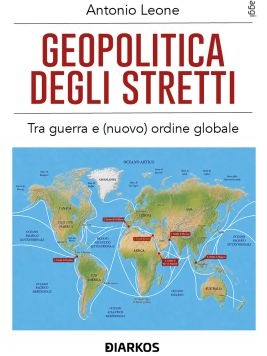 Antonio Leone, Geopolitica degli stretti. Tra guerra e (nuovo) ordine globale, Diarkos editore, Reggio Emilia 2026, pp. 254, 19 euro
Non poteva esserci momento migliore per fare uscire un saggio come quello di Antonio Leone, capitano di lungo corso e comandante navale, ma anche studioso di filosofia politica e geopolitica, appena pubblicato da Diarkos. Infatti, gli stretti di Hormuz e Bab el-Mandeb che da mesi costituiscono un grave rischio economico, ancor prima che militare, a livello planetario o almeno per quella parte di pianeta che interessa maggiormente l’ordine occidentale del mondo, sembrano rappresentare, alla luce di una analisi dettagliata come quella condotta dall’autore, soltanto la superficie di un problema che nel prossimo futuro potrebbe ulteriormente ampliarsi ed aggravarsi.
Così Suez, Gibilterra, Panama, Malacca, oltre ai due già citati, sono gli altri stretti e canali strategici, autentici passaggi obbligati, attraverso i quali transitano merci, energia, interessi militari e rapporti di forza. Fattori determinanti per lo sviluppo delle economie e delle prospettive degli Stati. Sia dell’Occidente e del Nord che dell’Oriente e del Sud. Soprattutto in un sistema di relazioni internazionali segnate dal ritorno dello scontro tra potenze, dalla vulnerabilità delle catene logistiche e dalla crescente centralità delle rotte marittime. Oltre tutto, a ben guardare, il numero di passaggi ristretti tra mare e terra, i cosiddetti chokepoints o colli di bottiglia, sono molti di più di quelli appena elencati, come ci ricorda lo stesso autore.
Se gli stretti consistono in passaggi naturali in cui lo specchio d’acqua si restringe in corrispondenza di due coste prospicienti, i canali marittimi sono vie di comunicazione tracciate attraverso il territorio di uno o più Stati per unire due mari o due oceani separati e consentire così un collegamento diretto, via mare, fra di essi. Gli stretti e i canali presentano, quindi, le stesse caratteristiche e svolgono le stesse funzioni, ma si differenziano per il fatto che i primi sono di origine naturale, mentre i secondi, sono frutto dell’opera dell’uomo.
I principali stretti si collocano nell’area mediorientale ed europea del mondo. Al di fuori dello stretto di Malacca, un corridoio d’acqua dell’oceano Indiano che separa l’isola di Sumatra dalla costa occidentale della penisola malese, e quello di Bering tra Russia e Alaska, le altre strettoie naturali si trovano infatti nella penisola arabica (lo stretto di Hormuz tra Oman e Iran e quello di Bab el-Mandeb tra Gibuti e Yemen), in Europa (gli Stretti Danesi, il canale di Corinto e Gibilterra) e a cavallo tra Europa e Asia (i Dardanelli e il Bosforo). […] I canali, a differenza degli stretti, si possono distinguere in nazionali e internazionali, a seconda che la navigazione attraverso essi sia regolata solo dal diritto interno o da norme di diritto internazionale. Canali marittimi interni sono quello di Corinto (inaugurato nel 1893) che congiunge il mar Ionio e il mar Egeo, e il canale di Kiel in funzione, fra il mar Baltico e il mar del Nord, dal 1895. Il canale di Suez, fra il Mediterraneo e il mar Rosso, e il canale di Panama fra gli oceani Atlantico e Pacifico (uno inaugurato nel 1869, l’altro aperto al traffico nel 1914), sono invece canali marittimi internazionali: il primo sulla base della convenzione di Costantinopoli del 1888; il secondo in forza dei trattati anglo-statunitensi (1901) e Stati Uniti-Panama (1903) che ne regolano il regime internazionale1.
Sulla base di quanto appena visto, occorre poi ancora rilevare, come sottolinea l’autore, che:
Una parte rilevante del commercio intercontinentale ha luogo lungo le rotte oceaniche, mettendo in collegamento i diversi continenti mediante un flusso continuo di spedizioni. I percorsi delle grandi navi da carico seguono, quasi esclusivamente, i percorsi di alto mare, dal momento che questi itinerari, essendo soggetti solo ai rischi meteorologici, vengono considerati più sicuri. Gli spazi aperti costituiscono un evidente fattore di sicurezza, tanto che le stesse compagnie di assicurazione prevedono incrementi notevoli delle polizze in caso di cabotaggio delle coste. In alcune circostanze, peraltro, i percorsi del commercio internazionale non possono prescindere dall’utilizzo dei passaggi “sotto costa” costituiti dagli stretti o dai canali. Questi itinerari permettono, infatti, di accorciare notevolmente i percorsi marittimi e consentono quindi una rilevante riduzione dei costi di trasporto2.
Facendo sì che il passaggio delle merci, considerato che quasi l’80% del commercio mondiale avviene principalmente via mare, a ridosso delle coste rappresenti, anche in assenza di guerre o minacce militari, come oggi a Hormuz o Bab el-Mandeb, un aumento dei costi di trasporto e trasferimento delle stesse. Costi ulteriormente aggravati, oggi, in termini assicurativi dal pericolo “concreto” che le navi, indifferentemente dal fatto che si tratti di petroliere, cargo o porta-container, possano essere severamente danneggiate, se non affondate, da chi controlla militarmente e politicamente gli stretti e i canali.
Se si considera infine che Cina e Asia rappresentano il baricentro dei trasporti marittimi poiché sette dei primi dieci porti mondiali per movimentazione container sono in Cina (il primo è Shanghai), mentre il primo porto non asiatico è in Europa (Rotterdam, al decimo posto)3, si capirà chiaramente come, al di là delle mire imperialistiche o espansive delle singole potenze, il passaggio per tali vie diventi obbligatorio, pena il rallentamento della circolazione delle merci e delle materie prime a causa dell’allungamento, talvolta esponenziale, delle rotte percorse.
Però sarebbe davvero inutile qui dilungarsi ancora sugli aspetti odierni del problema, parlando approfonditamente della guerra di Hormuz tra Iran e Stati Uniti oppure della missione Aspides per difendere le navi europee che transitano per la Porta delle lacrime che mette in collegamento il Mar Rosso con l’oceano Indiano, oppure anche soltanto sullo scontro tra Houti yemeniti e Arabia Saudita. Mentre può essere interessante analizzare il problema, come fa Leone, a partire da quanto scrisse il politologo e giurista tedesco Carl Schmitt (1888-1985), in particolare nel saggio Terra e mare del 19424.
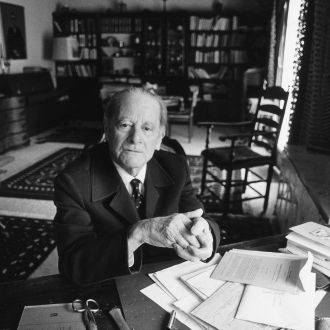 Scritto nel totale isolamento della Berlino in guerra, il saggio di Schmitt rilegge la storia del mondo nella prospettiva di una opposizione fondamentale, quella tra terra e mare; cercando di mostrare come la terra e il mare, nella loro polarità, siano le componenti di uno dei segreti motori della storia. Per fare questo ripercorre millenni di storia, fino ad approdare all’evento decisivo: quella «rivoluzione spaziale planetaria» da cui è nato il nomos5 dell’Europa moderna, cercando di preconizzare gli scenari del mondo futuro.
In Terra e mare Carl Schmitt prende in esame l’iniziale prevalenza dell’elemento terrestre, all’origine della statualità, e la successiva ascesa del mare come fattore spaziale, così le ultime pagine del testo sono dedite alle riflessioni sulla trasformazione di questo elemento all’indomani della Prima guerra mondiale, come riassume Leone nel suo testo.
Nei quattro secoli precedenti, l’Inghilterra era stata in grado di trasformarsi, da isola marginale e fondata su un’economia terrestre basata sull’allevamento, in un «puro aggregato marino, in una nave o, ancora più chiaramente, in un pesce». Progressivamente, essa si rivelò in grado di creare un disegno imperiale mondiale in gran parte autonomo rispetto alla madrepatria terrestre, configurandosi come il «centro mobile di uno sconnesso impero mondiale esteso su tutti i continenti». Un’analoga trasformazione, per cui è il mare che guarda la terra e questa viene vista solo come una costa con un retroterra, ha caratterizzato gli Stati Uniti dopo la Prima guerra mondiale. La sostituzione della pax britannica con la successiva pax americana è l’esito di un analogo processo di spostamento del baricentro operativo verso il mare. Anche gli Stati Uniti cominciarono così a essere considerati come «un vasto intermezzo insulare stretto tra due possenti oceani, più che un blocco di terraferma i cui litorali si affacciano su due mari».6.
Va qui annotato che fin dall’antichità le maggiori potenze e imperi dell’Occidente avevano basato una parte considerevole della loro forza militare ed economica sulla capacità di controllare porzioni di mare sempre più ampie: dal mar Egeo per Atene al Mediterraneo o Mare Nostrum di Roma oppure dal controllo delle rotte atlantiche e dell’oceano indiano, del Portogallo, della Spagna, che tentò però di spingersi fino al Pacifico, e dell’Olanda fino a quello esercitato più stabilmente dall’impero britannico su tutti gli oceani. Ma furono proprio gli Stati Uniti a cambiare il modo di guardare la Terra e il Mare.
Carl Schmitt considera gli Stati Uniti come un’isola. Il politologo tedesco condivide la visione di Mahan che, all’inizio del Novecento, prevede il passaggio di egemonia da un’isola ormai troppo piccola come il Regno Unito a una nuova entità, gli Stati Uniti. Questi ultimi si rivelano in grado di inaugurare un nuovo grande spazio dell’emisfero occidentale e, con la loro discesa in guerra dopo l’attacco giapponese a Pearl Harbor nel 1941, pongono le premesse per conquistare, all’indomani del 1945, il monopolio dell’ordine mondiale senza più limiti geografici.
Schmitt, essendo un fautore della politica dei grandi spazi, condivide i princìpi della politica statunitense tra le due guerre mondiali, considerandola in linea con l’evoluzione dei rapporti geopolitici. È invece più critico sulla vocazione universalista e di egemonia planetaria manifestate dagli Stati Uniti nel corso del secondo conflitto mondiale. Secondo Schmitt, questa strategia è l’esito di «travisamenti imperialistici» della dottrina Monroe iniziati a fine Ottocento. Lo studioso risulta consapevole, peraltro, che «il passaggio di consegne tra Inghilterra e Stati Uniti era una conseguenza delle dinamiche di egemonia che hanno accompagnato la storia mondiale dei due ultimi millenni»7.
Da un controllo territoriale diretto della Terra, si passa dunque, in nome del business e della libertà dei commerci, come ben dimostra ogni dichiarazione di Donald Trump, ad un suo controllo parzialmente indiretto, ma fondamentalmente basato sull’egemonia marittima di un’unica potenza. Uno strumento fondamentale per la globalizzazione delle economie, dei commerci e della superiorità militare e politica dell’Occidente, ma sostanzialmente garantita dalle navi della marina statunitense.
Schmitt prende atto, peraltro, come nel Novecento si verifichi una rottura decisiva nella «sicurezza della moderna navigazione tecnicizzata». In primo luogo, diventa possibile localizzare dalla terra, con dispositivi di rilevazione radar, la presenza di una nave nell’alto mare oceanico. Ciò determina il superamento della netta separazione tra la terra e il mare su cui si fondava il nomos della prima globalizzazione marittima. In secondo luogo, l’apertura dello spazio aereo, attraversato non solo da velivoli ma anche da onde radio, modifica le modalità di esercitare la marineria civile e militare.
Una terza rottura della sicurezza della moderna navigazione è rappresentata dal ruolo assunto dal controllo degli stretti e dei canali. Schmitt rileva, infatti, che «non vi può essere un’economia pianificata a livello locale», dal momento che solo i grandi spazi risultano «adatti alla misura intrinseca del controllo e della pianificazione degli umani». La gestione dei grandi spazi marittimi trova un ostacolo, peraltro, nel fatto che alcuni passaggi chiave della navigazione sono controllati da Paesi spesso in competizione o apertamente ostili 8.
In queste ultime osservazioni, tratte ancora dal testo di Schmitt e riassunte da Leone, si cela uno dei maggiori problemi da cui è scaturita, nel corso degli ultimi decenni e i cui frutti iniziano a cogliersi oggi, l’attuale perdita di egemonia sia degli Stati Uniti che dell’Occidente, che a partire da ciò, come si è già detto in passato, inizia a rivelarsi piuttosto diviso al suo interno.
Infatti, se a quanto previsto da Schmitt si aggiunge l’attuale “semplificazione” delle tecnologie militari più avanzate che, con l’utilizzo dei droni, può mettere a disposizione di avversari meno dotati di capitali e tecnologie la possibilità di colpire duramente anche coloro che si ritenevano garantiti dalla propria supremazia economica e tecnologica, e soltanto in ultima istanza, anche se decisiva, militare, si giungerà a comprendere l’attuale allarme statunitense per il controllo degli stretti e dei mari di cui non possono più farsi carico esclusivo per la difesa dell’ordine occidentale del mondo.
Diventa dunque indispensabile comprendere tutto questo in termini estremamente materiali e concreti e non soltanto attraverso gli scarsi strumenti forniti dall’ideologia, per capire a fondo le origini sia del tentativo di Trump di trarre qualche vantaggio economico dalla situazione venutasi a creare sul fronte della disponibilità di gas e petrolio, di cui la svolta intervenuta nelle relazioni tra Stati Uniti ed Europa costituisce allo stesso tempo un sintomo e una conseguenza, e, più in generale, l’apparente “novità” rappresentata dalla postura assunta dal governo americano nei confronti della Russia di Putin e della Cina di Xi. Destinata a contenere o cercare di mantenere ancora a vantaggio degli Stati Uniti l’attuale evolversi di quello che anche l’autore tende a definire come nuovo ordine mondiale, soprattutto se si considera che:
cinque degli otto chokepoints marittimi principali si collocano nell’area europea-arabica. Le aree dell’Asia sud-orientale e caraibica ospitano gli altri nodi fondamentali del traffico globale, caratterizzati sia da grandi corridoi naturali posizionati a ridosso di complessi insulari, sia da vie d’acqua artificiali di primaria importanza strategica.
La localizzazione geografica e la natura di stretti e canali evidenziano come si tratti di passaggi caratterizzati da un’importanza strategica diversa dal punto di vista commerciale. L’impossibilità di percorrere gli stretti insulari asiatici o caraibici determina un allungamento solo relativo delle tratte navali. […] Una decina di stretti e canali, al contrario, risultano fondamentali per garantire che il commercio internazionale avvenga con tempi e costi sostenibili. Una chiusura del canale di Panama, ad esempio, richiederebbe la circumnavigazione dell’America Latina, così come un blocco a Gibilterra, Suez o dei Dardanelli precluderebbe l’accesso ai mari interni (il Mediterraneo e il mar Nero), rendendo impossibile raggiungere i porti localizzati sulle loro sponde.
[…] i quattro principali chokepoints a livello mondiale, per ammontare del traffico giornaliero, siano lo stretto di Hormuz, quello di Malacca, il canale di Suez e lo stretto di Bab el-Mandeb. […] Il trasporto del petrolio e del gas avviene per il 60 per cento via mare e interessa otto principali chokepoints. Due di questi passaggi, lo stretto di Hormuz e lo stretto di Malacca, sono fondamentali per il transito globale dei combustibili, il primo perché permette di accedere ai giacimenti petroliferi del Medio Oriente, mentre il secondo perché opera come punto di transito commerciale tra l’India e la Cina 9.
A tutto questo va poi ancora aggiunta la crescita del trasporto via mare dei prodotti alimentari che ha fatto sì che, nel 2018, 2,8 miliardi di persone siano state nutrite per mezzo del sistema di trasporto marittimo globale. Così, come la guerra in Ucraina col blocco del porto di Odessa e dei traffici tra il mar Nero e il mar Mediterraneo ha dimostrato, con il possibile blocco del mais, del riso e del grano coltivati nei grandi granai russi, asiatici e americani, che costituiscono le fondamenta della sicurezza alimentare globale, insieme a quello della soia prodotta in America Latina e in Asia che rappresenta tre quarti dell’alimentazione del bestiame. Un fatto che potrebbe rappresentare non soltanto un calo drastico dei proventi derivanti dall’agricoltura condotta su larga scala, ma anche un probabilissimo motore per rivolte e ampi sommovimenti sociali.
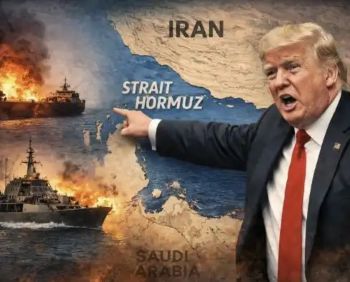 Occorre dunque sottolineare come l’ennesimo intervento militare americano nel Medio Oriente non derivi soltanto dai timori per il business, dall’ego smisurato e bellicista di un Trump sempre sospeso tra sale da ballo faraoniche e piscine coperte destinate a silenziare i media considerati nemici, o dai possibili ricatti di Netanyhau e di Israele sul presidente americano, ma anche, e forse soprattutto, dalle conseguenze derivanti da un sempre più ampio controllo delle vie marittime in prossimità dei checkpoints più importanti da parte di paesi e potenze economiche e militari non appartenenti allo schieramento occidentale. In grado, oltre tutto, di chiuderli, bloccarli o controllarli attraverso ben modulate tattiche politico-militari e l’utilizzo di tecnologie relativamente a basso costo, realizzabili anche sul territorio nazionale o nelle sue vicinanze.
Così, se da un lato il gioco di Trump sul possesso statunitense della Groenlandia mira a creare un possibile chokepoint nel mare Artico per rendere meno “libere” le nuove rotte apertesi per cinesi e russi in conseguenza del riscaldamento globale, oppure per mantenere libero a favore delle navi e delle merci statunitensi il transito nello stretto di Bering, dall’altro la chiamata alle armi di Trump per i paesi “alleati” sembra rispondere ancor più alla impossibilità americana di gestire, come unico body guard dell’interesse economico e politico occidentale, una rete di trasporti e traffici commerciali che avvolge ormai l’intero pianeta.
Un problema per cui, come è solito fare un certo fantasma già evocato da Marx nel 1848, l’assenza di rivolte sociali su scala globale potrebbe ben presto essere sostituito dal loro esplodere a Ovest come a Est e a Nord come a Sud. Cosicché la guerra, per il capitalismo non soltanto americano, potrebbe ancora rappresentare una possibile via di uscita, se non l’unica, come il riarmo europeo e l’allarmismo sulle iniziative russe ai confini d’Europa e in Germania sembra voler rilanciare quotidianamente.
Tutto questo per dire che oggi, in un contesto economico mondiale allo stesso tempo enormemente differenziato e unificato, la volontà dei singoli individui o di unici settori economici, ad esempio quello degli armamenti, non sono più bastevoli, ammesso che mai lo siano stati, a determinare il corso della Storia e l’avvento, o meno, di nuove guerre, mentre l’insofferenza sociale diffusa, dovuta a difficoltà di ordine economico, alimentare e lavorativo, può ancora rappresentare una forza capace di determinare o impedire nuovi devastanti conflitti. Tutto il resto è meglio che lo si lasci dire al Papa e alle anime belle del suo seguito.
Chi scrive, certamente, si è spinto ben al di là degli intenti dell’autore, ma ciò non toglie che il suo saggio, ricchissimo di dati e considerazioni, sia di carattere geografico e militare che economico e tecnico, possa rivelarsi utilissimo per tutti coloro che vogliano imbastire un ragionamento o anche solo un discorso sulle ragioni dei conflitti in corso e, soprattutto, del loro inarrestabile allargamento.
A. Leone, Geopolitica degli stretti. Tra guerra e (nuovo) ordine globale, Diarkos editore, Reggio Emilia 2026, pp. 116-118. ↩
A. Leone, op. cit., p. 116. ↩
Si veda: D. Vecchioni, Suez: il canale che ha cambiato la geografia del mondo, Santarcangelo di Romagna, Maggioli 2023. ↩
Oggi: C. Schmitt, Terra e mare. Una riflessione sulla storia del mondo, Adelphi, Milano 2002. ↩
Nell’antica Grecia, la legge, l’usanza vigente nelle comunità umane. Un tema cui avrebbe dedicato nel 1950 una delle sue opere più celebri e forse la più importante: C. Schmitt, Il nomos della terra nel diritto internazionale dello «jus publicum europaeum», Adelphi, Milano 1991. ↩
A. Leone, op. cit., p. 136. ↩
Ivi, p. 137. ↩
ibidem, pp. 137-138. ↩
ibid., pp. 119-125. ↩

 Accedi


